Metal Daybed
A metal daybed offers a stylish and versatile solution for any room, blending seamlessly with a wide range of decor styles. Perfect for guest rooms, home offices, or living spaces, a metal daybed provides both seating and sleeping options in one convenient piece of furniture. With its sleek lines and durable construction, it enhances the look and functionality of your space. Explore a selection of metal daybeds to find the ideal addition to your home.
Sort
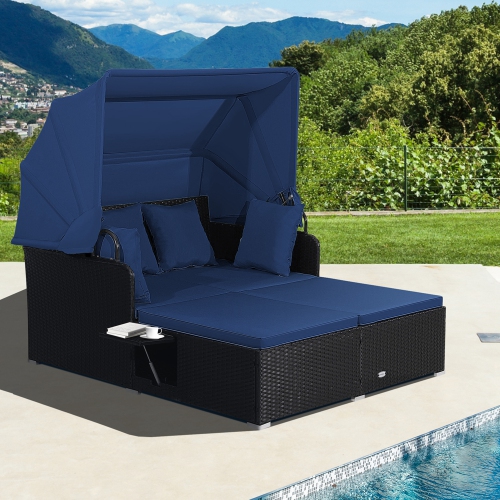
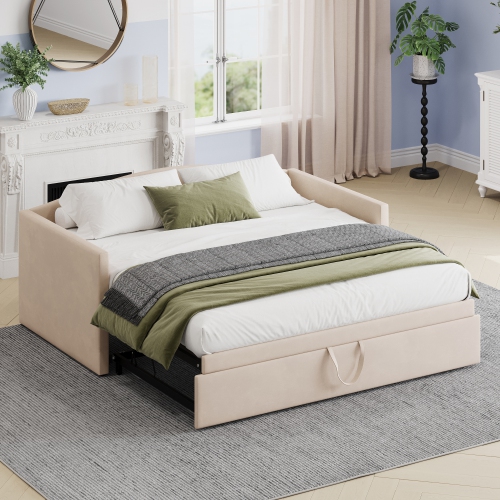
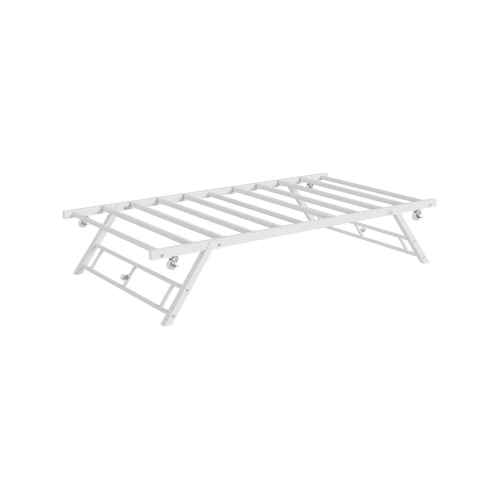
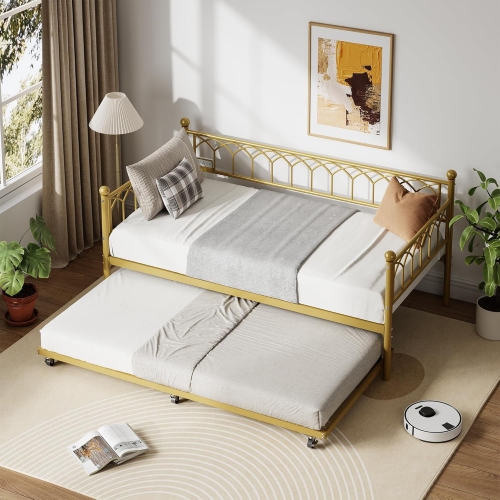
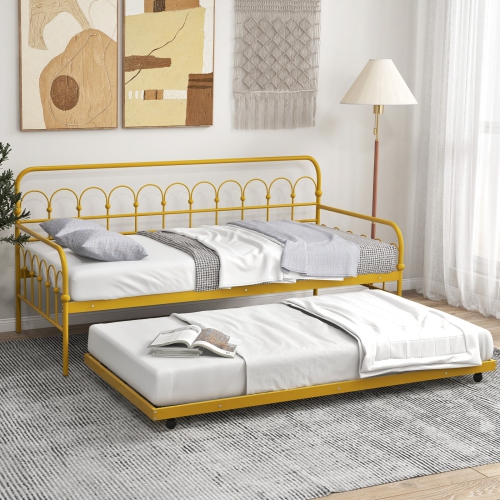
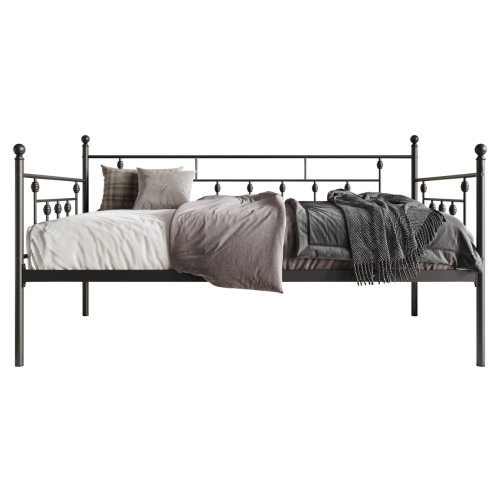

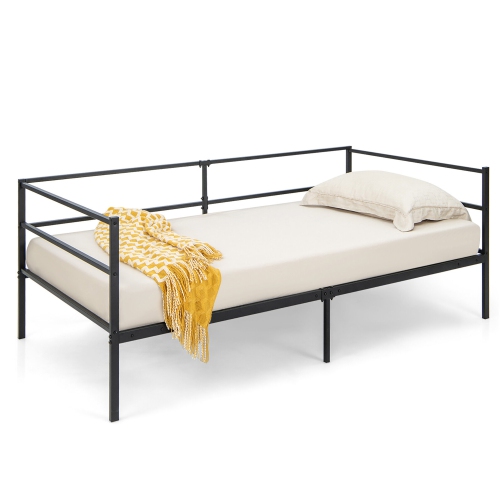
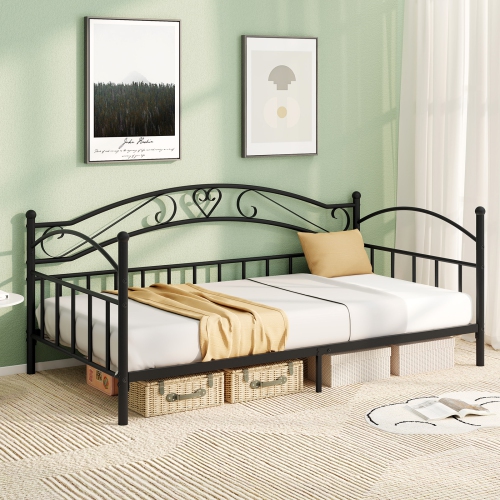


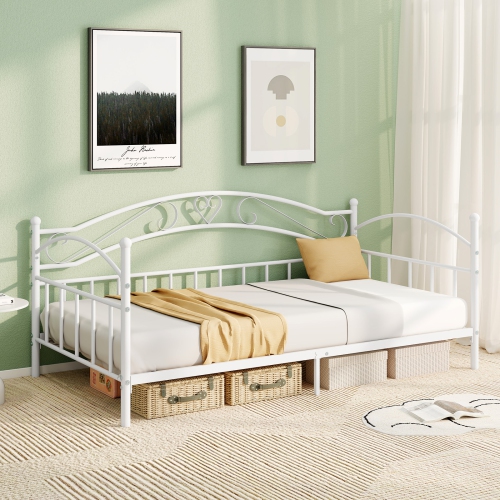
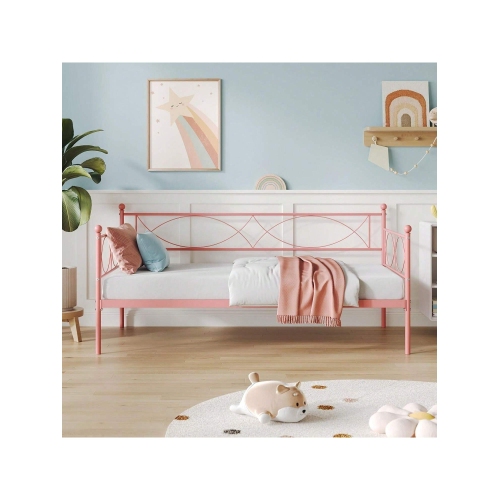
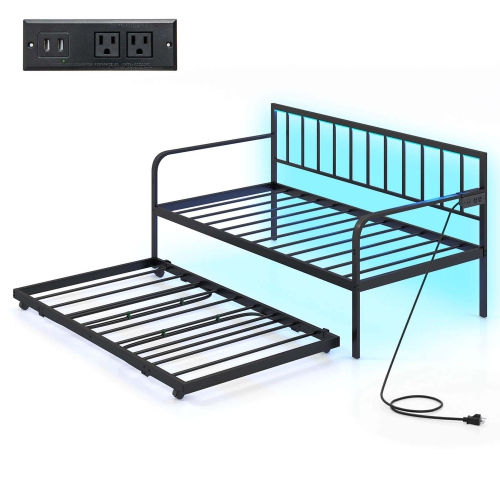
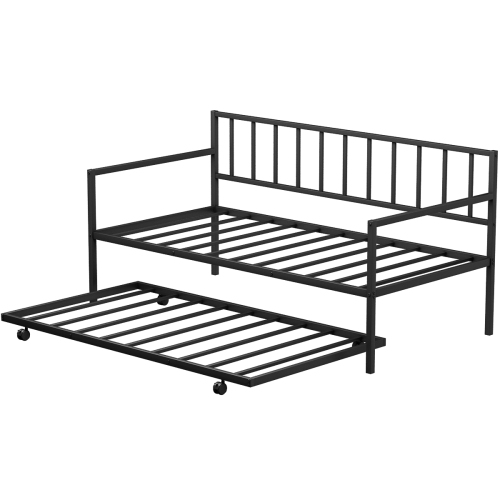
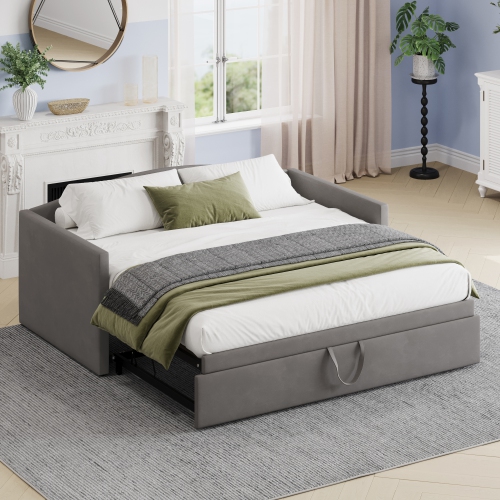
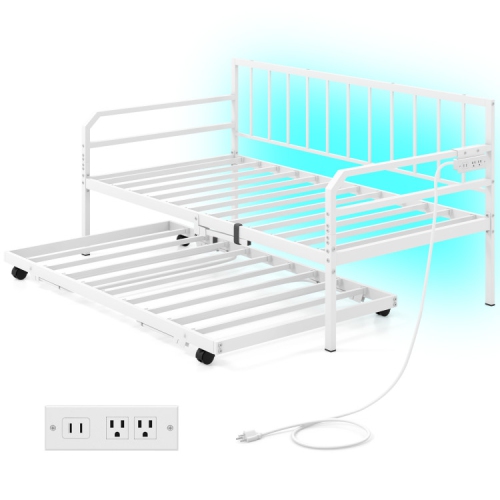
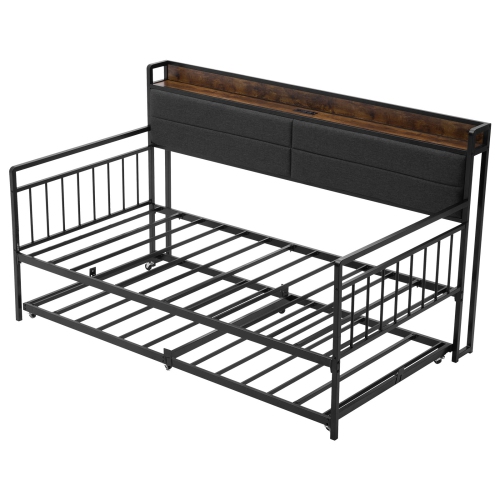
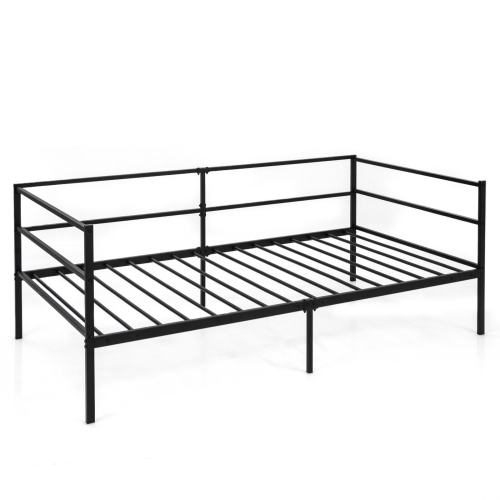
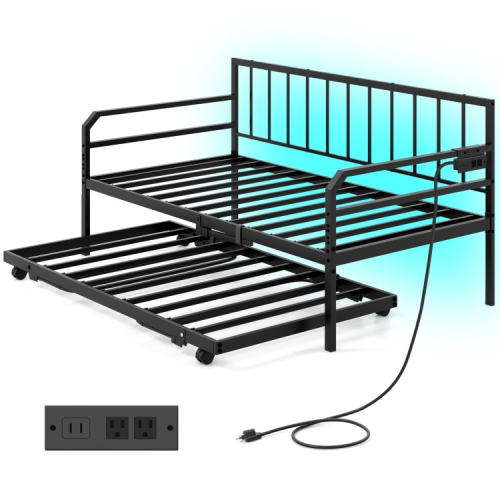

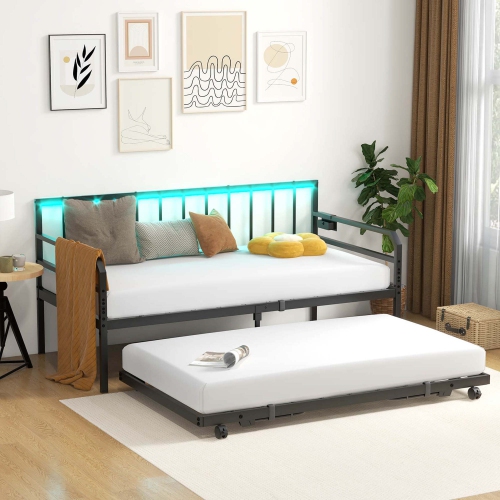
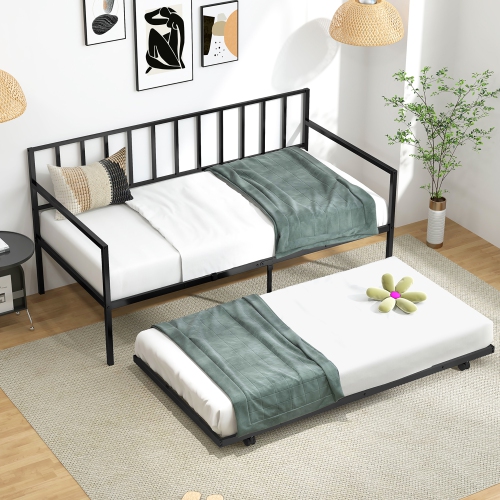
Seating by day with a bed always ready
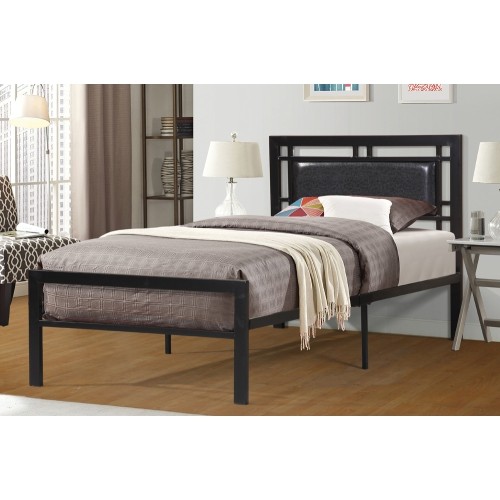
A metal daybed combines a bed frame with a sofa-like shape, providing a place to sit during the day and sleep at night. Most have a back and two side panels that frame the mattress, making them particularly useful against a wall in a guest room, home office, bedroom, or multipurpose living space. Twin-size designs are common, although other mattress sizes are also used, so the sleeping surface depends on the frame rather than the daybed label alone. Unlike many sleeper sofas, a basic daybed keeps its mattress flat and ready for use without a folding mechanism. A fitted cover, supportive cushions, and a few pillows can make that same surface feel more inviting for reading or conversation. The appeal of Metal Frame Daybeds also comes from their open construction: slender rails allow more of the wall and floor to remain visible than a fully upholstered frame, helping a compact room feel less crowded. Simple horizontal lines suit a clean, understated space, while curved ends, spindle details, and rounded finials introduce a more traditional look. Black, white, and metallic finishes can create very different effects, whether the frame blends into pale bedding or provides a strong outline against it. Steel is a common frame material, but tube dimensions, joints, support legs, and the mattress platform all contribute to how a daybed feels in use. A frame with an iron-inspired appearance is not necessarily made from wrought iron; the stated material is the more reliable reference. Painted and powder-coated surfaces offer different appearances and care requirements, and no finish should be assumed to resist every scratch or scuff. For a teenager’s room, an apartment, or a spare room that doubles as a workspace, this combination of seating and sleeping functions can make one piece of furniture serve several everyday needs.
Room fit involves more than finding enough wall space for the mattress. A metal daybed’s outside dimensions include its side panels, posts, and back, which may extend beyond the sleeping surface. Tall finials or a curved back can also affect placement beneath a window or beside shelving. Enough clearance around the frame makes it easier to change bedding, reach a bedside table, and move through the room without brushing against projecting corners. In a home office, the useful arrangement may be a daybed along one wall with enough open floor space for a desk chair to roll back comfortably. In a guest room, access to a lamp, an outlet, and a place to set glasses or a phone can matter as much as the bed’s decorative details. Seat height deserves attention as well: the platform and mattress together determine how high someone sits, while a deep mattress surface may need substantial back cushions to feel comfortable as seating. Under-bed clearance can accommodate storage bins, but usable space depends on centre supports, crossbars, and the position of the legs. A trundle daybed uses that lower area differently, adding a separate pull-out sleeping surface rather than leaving it free for storage. The room needs enough clear floor space to extend the trundle, with doors, nearby furniture, and walking routes taken into account. Carpet thickness, rug edges, and the direction of the casters can affect how easily it moves. Trundles may also have a lower mattress-height limit so they can slide beneath the main bed; thick bedding can interfere with that clearance. Some designs remain near floor level, while others have a lift-up mechanism, and these arrangements should not be treated as interchangeable. Each sleeping surface has its own dimensions and weight rating, and two adjacent mattresses do not necessarily form one continuous, level bed. These details help distinguish a daybed intended mainly for occasional visitors from one expected to accommodate regular overnight use.
Mattress support has a direct effect on everyday comfort and long-term performance. Many metal daybeds use steel slats or a metal platform designed to support a compatible mattress without a box spring, but that is not a universal feature. The frame instructions and mattress requirements need to agree, particularly where foam mattresses have limits on the spacing between supports. Mattress type, thickness, and firmness influence both sleeping comfort and the proportions of the finished daybed. An especially thick mattress can leave less of the side and back panels visible, while a thinner one may sit lower than expected. Frames and mattresses may be supplied separately, so the listed components matter when planning a complete sleeping setup. For regular use, the appropriate frame rating must account for the load as defined by the manufacturer, including the mattress where specified; the main bed and any trundle can have different limits. Secure assembly is equally important. Correctly fitted slats, tightened fasteners, and properly installed centre supports help the frame perform as intended. If movement or squeaking develops, checking the joints and hardware according to the instructions is more useful than assuming all metal beds behave the same way. Routine care is generally straightforward: dust the rails, wipe suitable finished surfaces with a soft cloth lightly dampened as directed, and dry them promptly. Abrasive pads and harsh cleaners can damage some coatings, while dragging the assembled bed can strain connections or mark flooring. Suitable floor protectors and occasional checks of accessible fasteners can help with day-to-day upkeep. Bedding adds another practical layer: washable covers are useful where the daybed doubles as a reading spot, and removable cushions make the transition to sleeping simpler. In children’s rooms, age suitability and safety guidance remain essential, since decorative side panels are not a substitute for approved bed rails or a cot. Matched to its intended users and cared for properly, a metal daybed can provide a comfortable place for an overnight guest, a dedicated bed in a smaller bedroom, or a practical resting spot in a shared household space.
Top selling and popular products
-
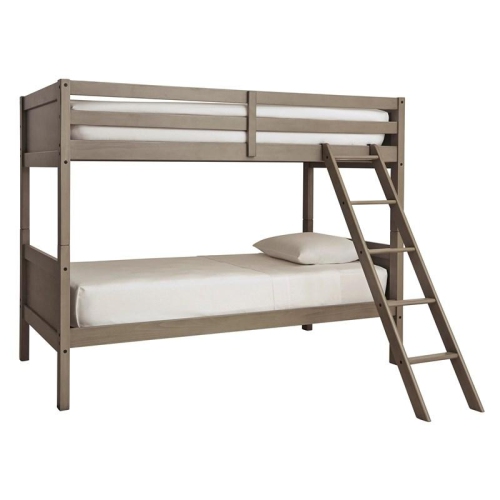 Your price for this item is $799.99
-
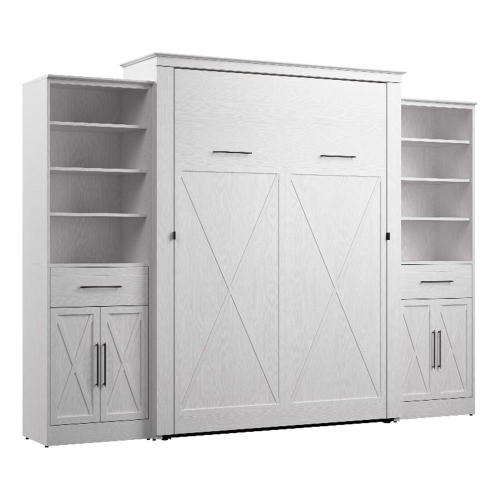 Your price for this item is $3519.99
-
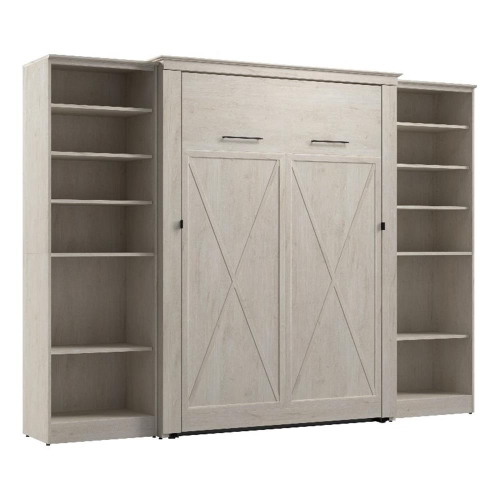 Your price for this item is $3099.99
-
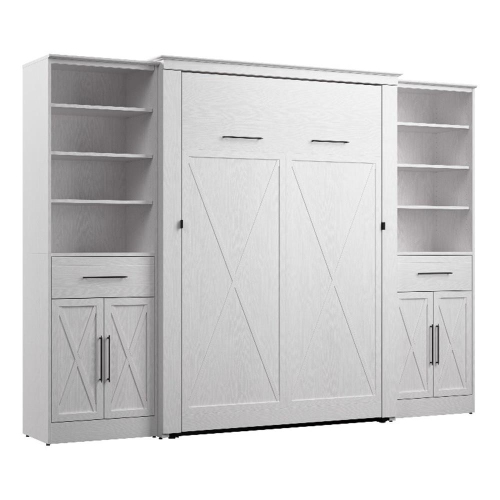 Your price for this item is $3349.99
-
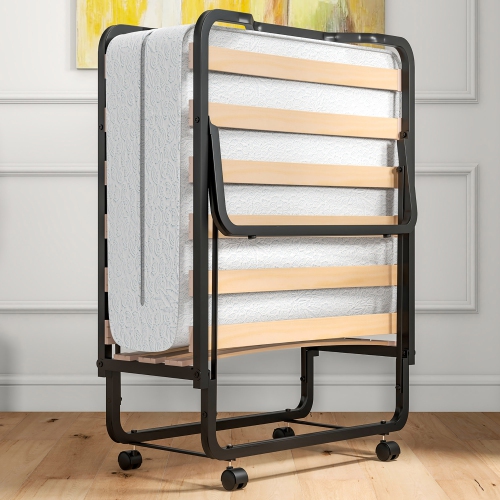 Your price for this item is $235.99
-
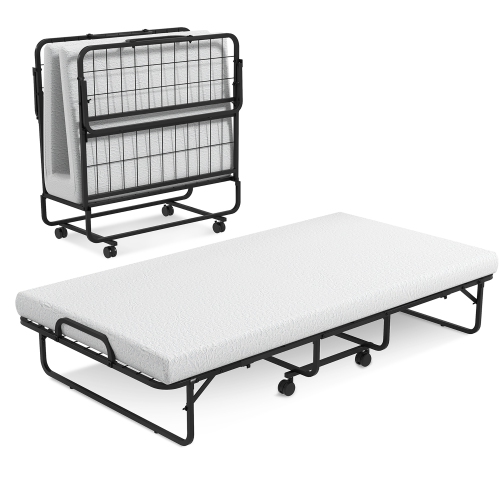 Your price for this item is $233.99
-
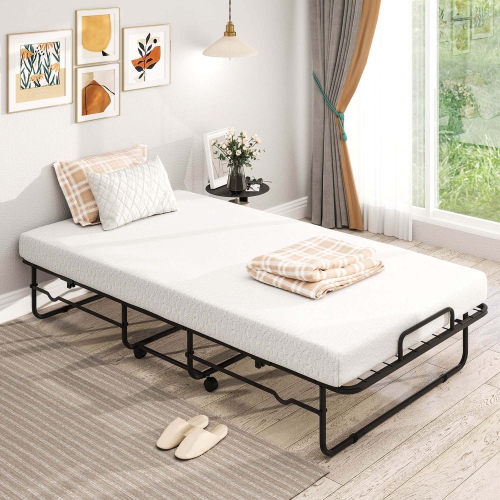 Your price for this item is $243.99
-
 Your price for this item is $364.99
Discover more categories related to Metal Daybed
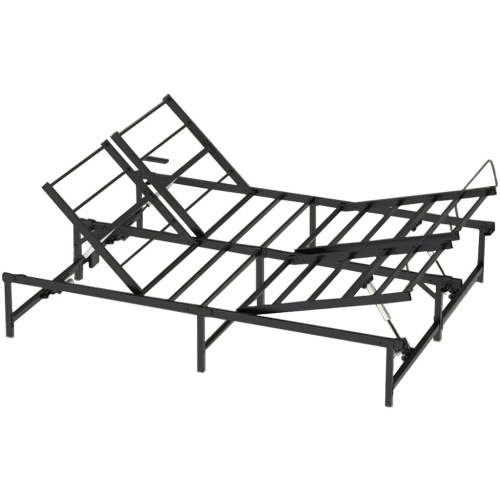
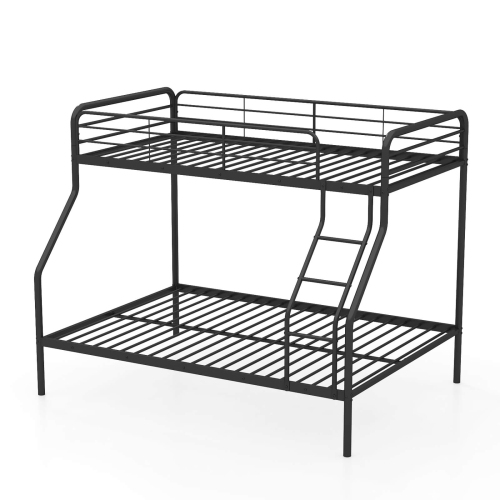
Top Collections:
Best Black Friday Deals This Year, Best Black Friday Deals On Electronics, Kindle Devices, Best Black Friday Deals On Apple Products, Best Budget Office Chairs, Best Cameras for Sports Photography, Dyson Airwrap, Canon G7X Cameras, Best Laptops for Writers, Samsung Galaxy Phones
Some products may be subject to Environmental Handling Fees
(EHF) depending on your province.
Learn more about EHFs.