Metal Frame Mirrors
Elevate your home decor with our collection of metal frame mirrors, designed to add a touch of modern sophistication to any room. Crafted with sleek and durable metal materials, these mirrors combine style and functionality to effortlessly enhance your living space. Whether you're looking to create the illusion of more light and space or simply want to make a bold statement on your walls, our metal frame mirrors are the perfect choice for adding a contemporary flair to your home.
Sort









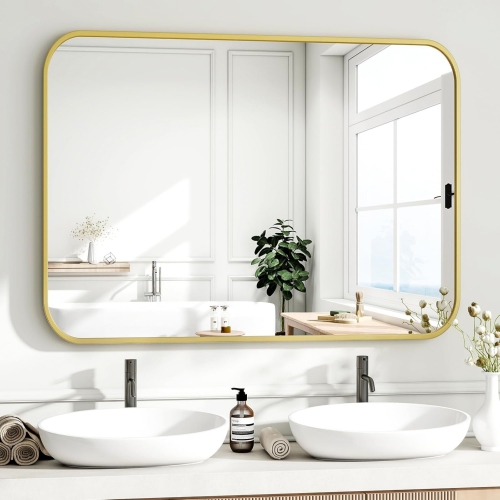

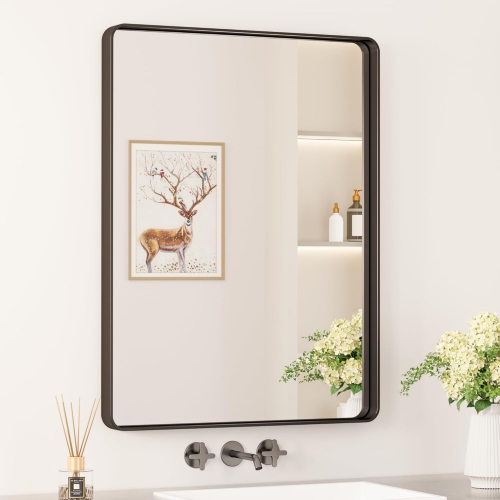
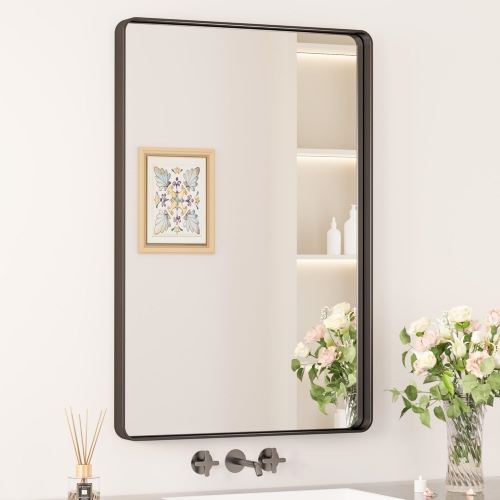
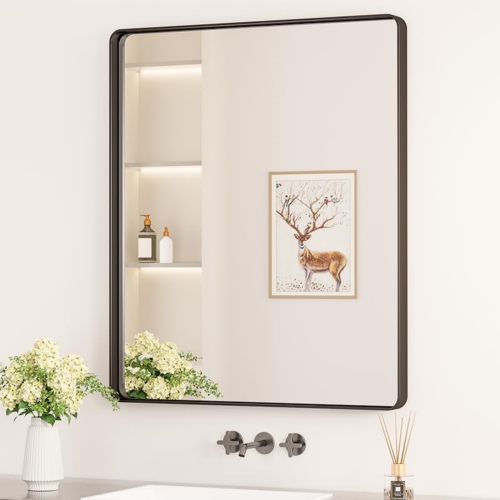

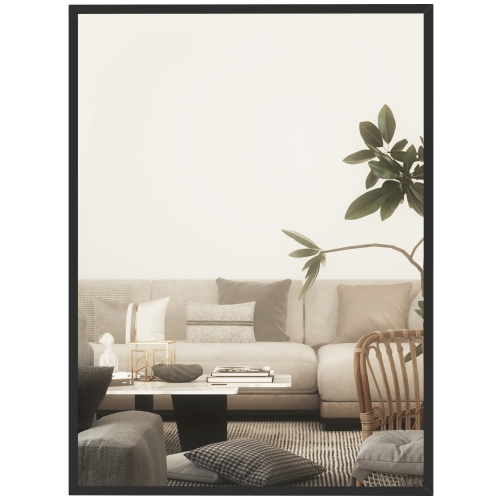

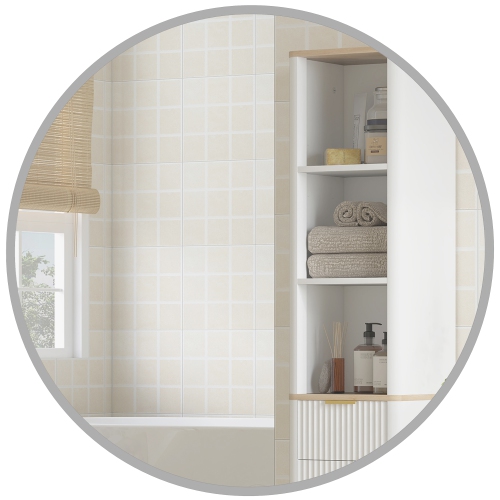
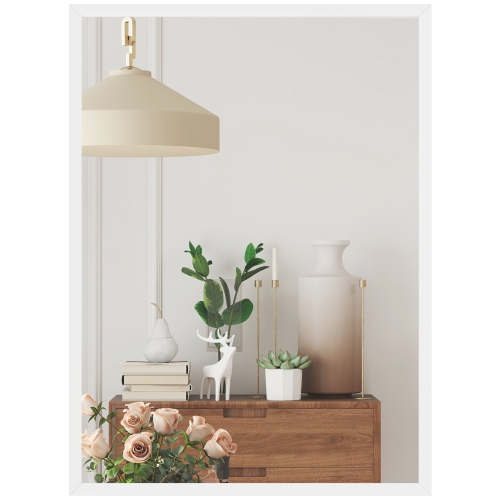
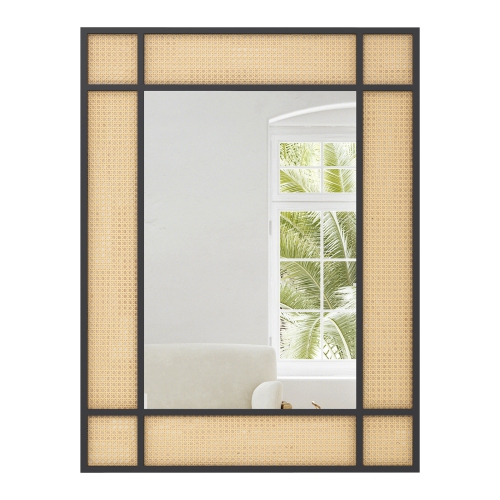


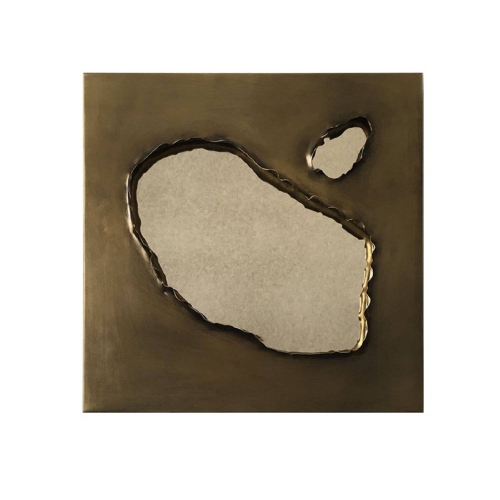
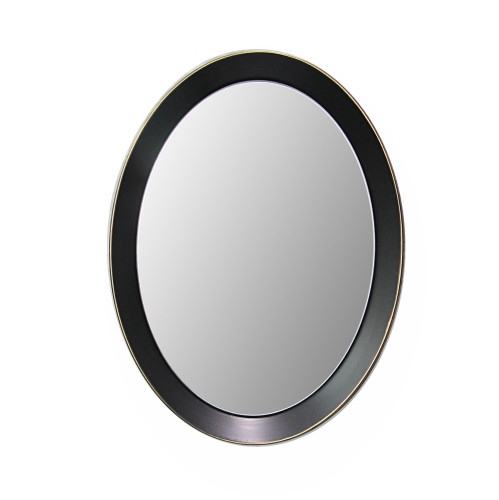
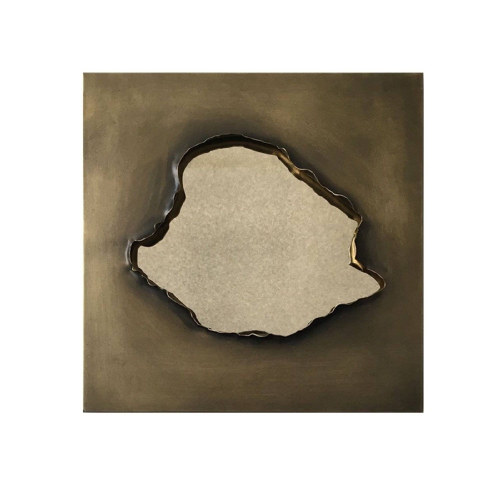
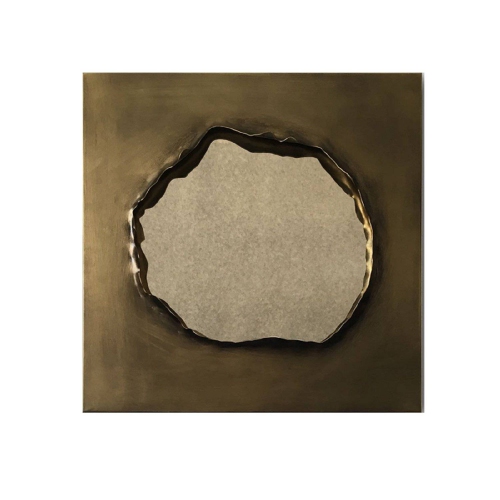




How a mirror’s frame changes a room’s feel
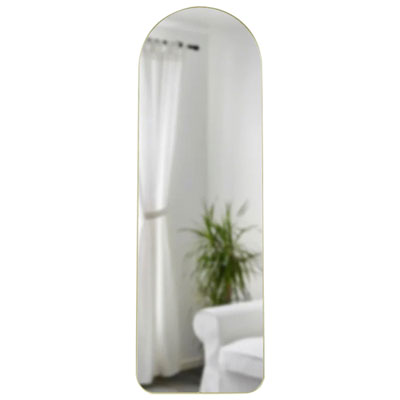
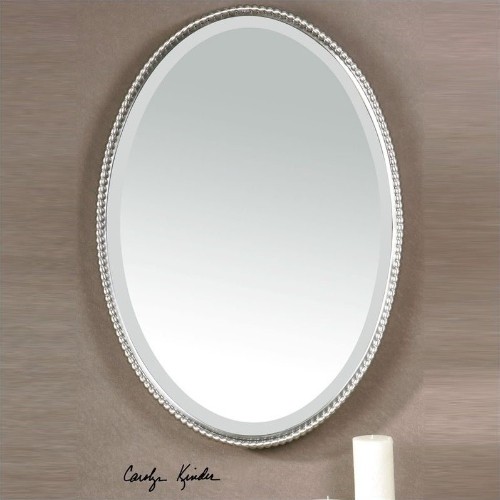
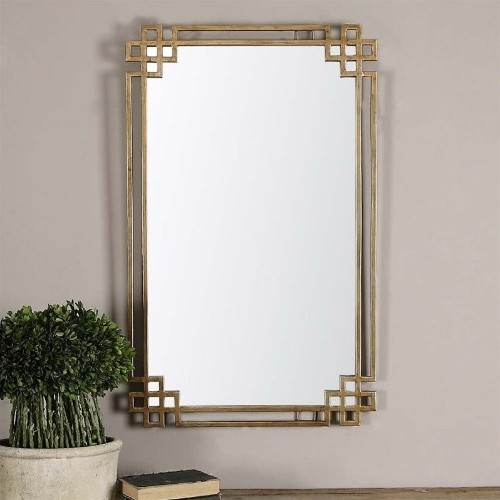
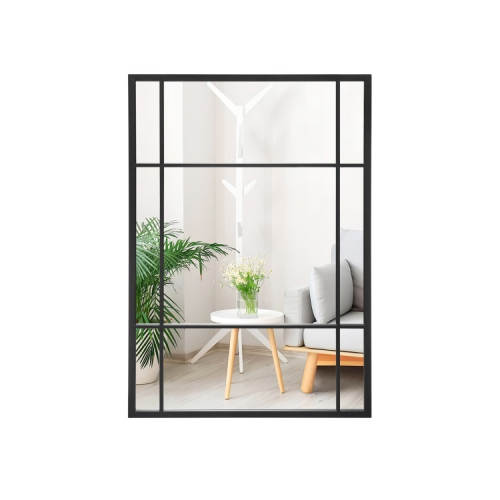
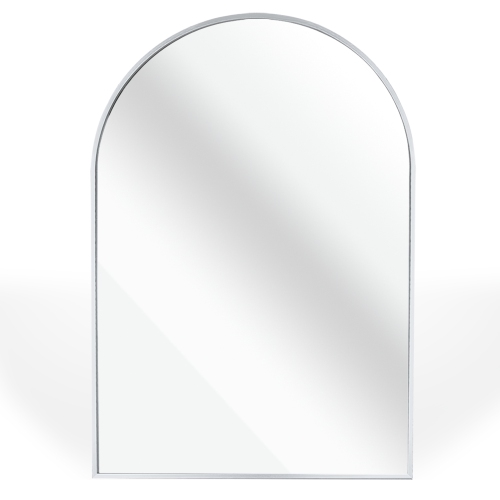
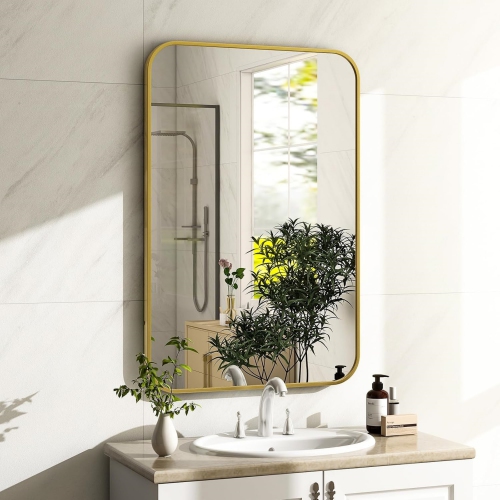
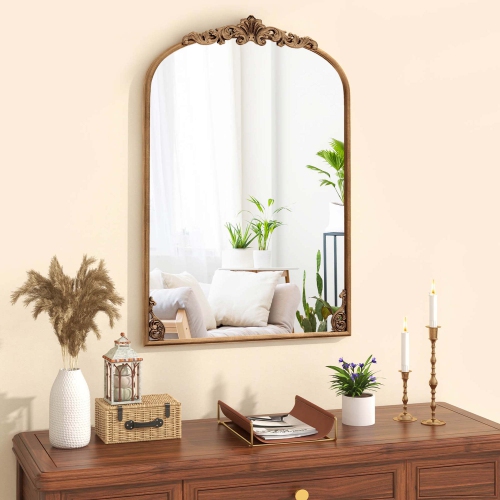
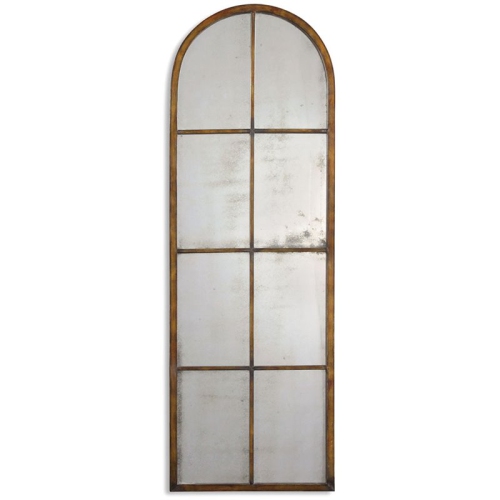
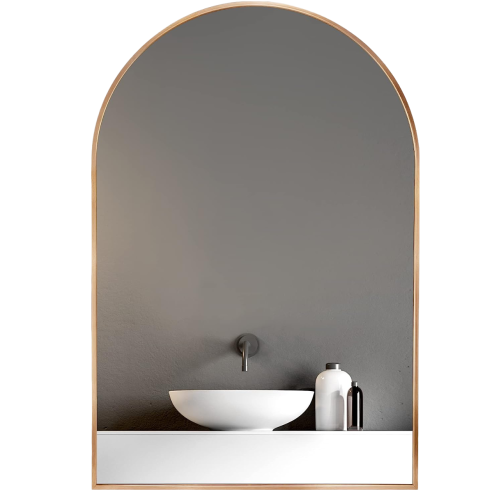
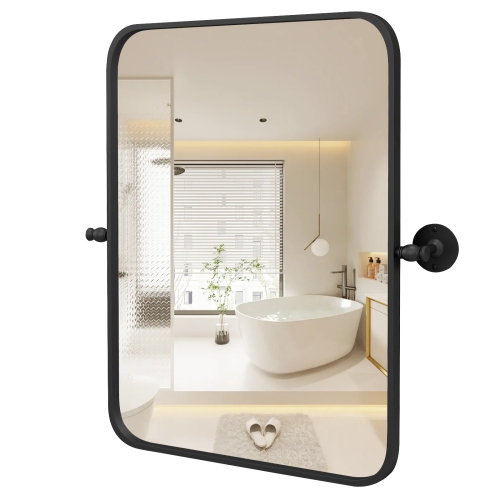
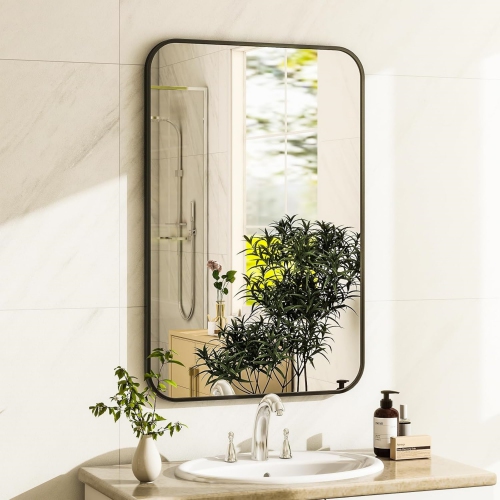
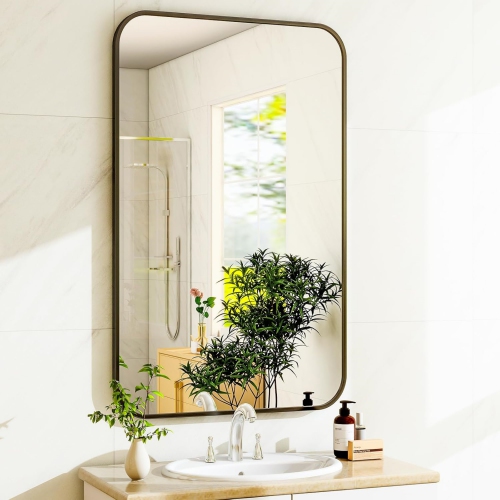
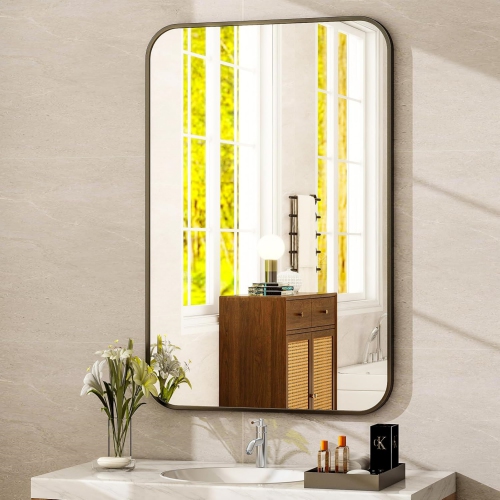
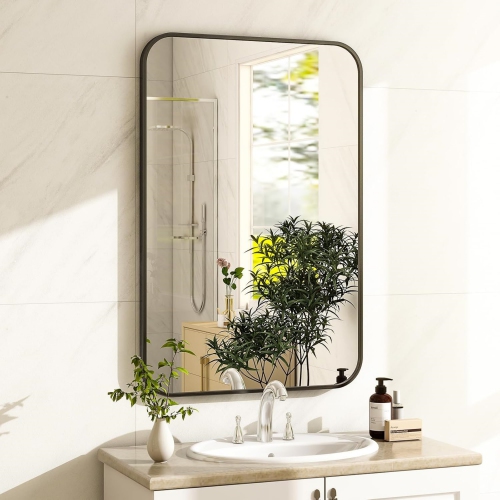
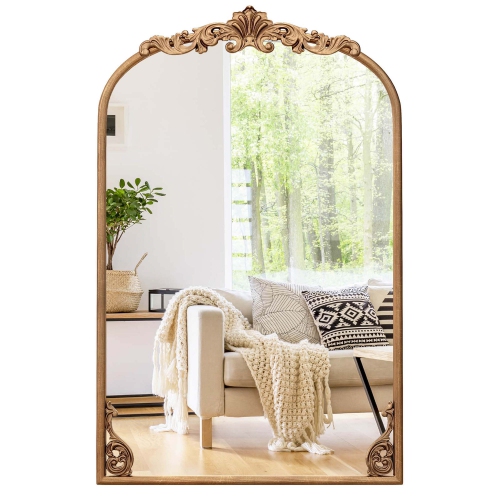
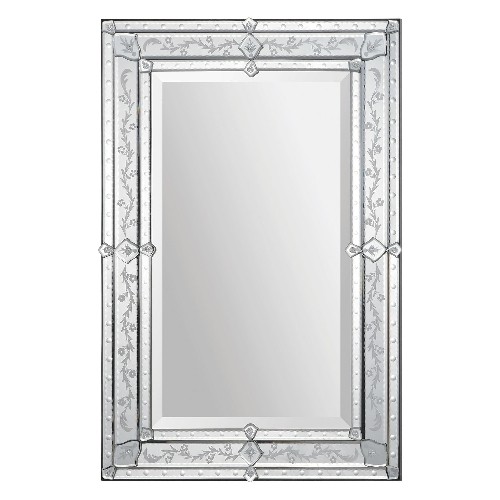
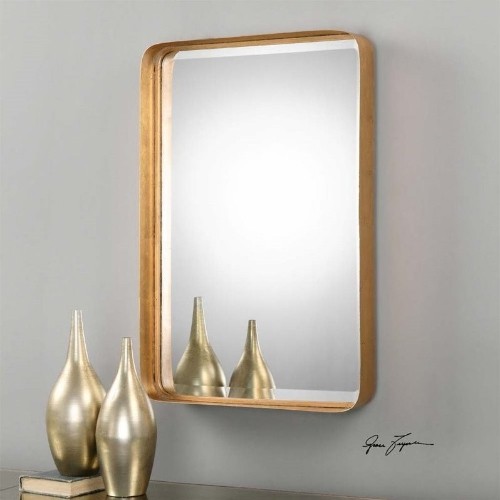
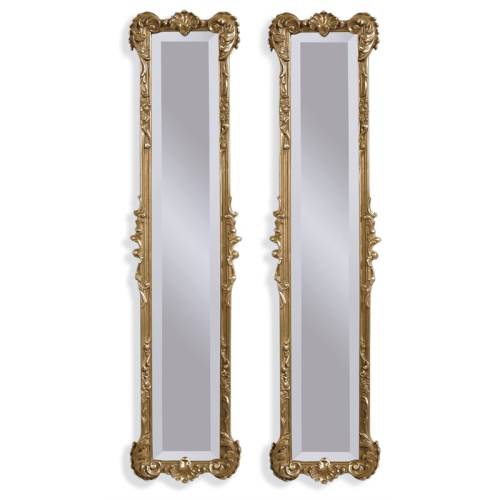
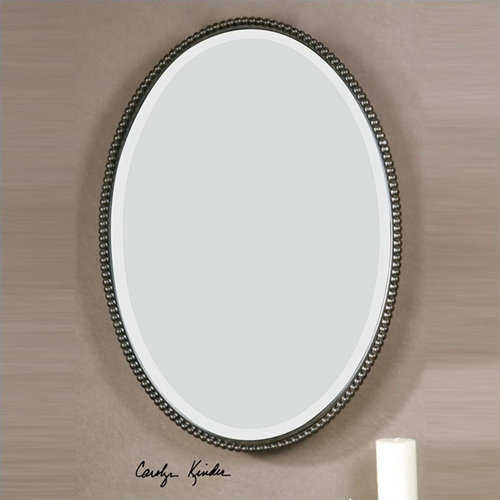
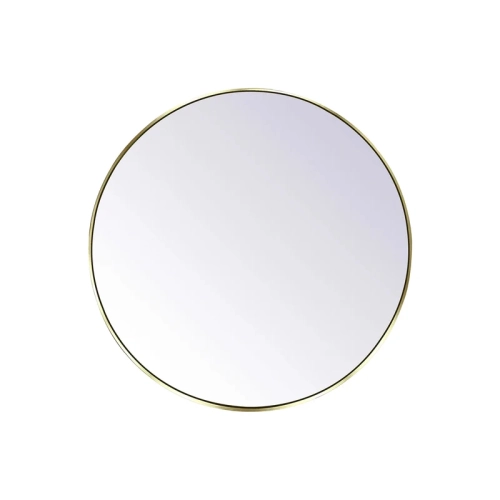
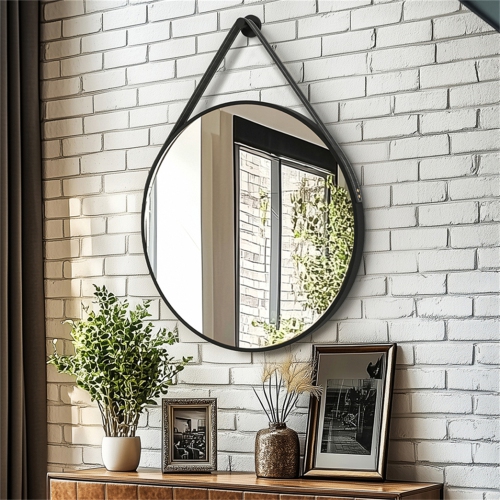
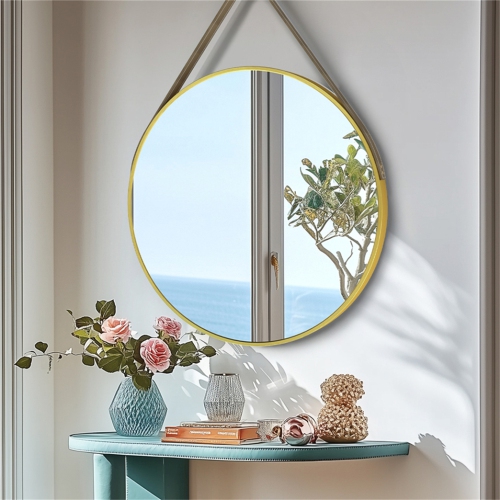
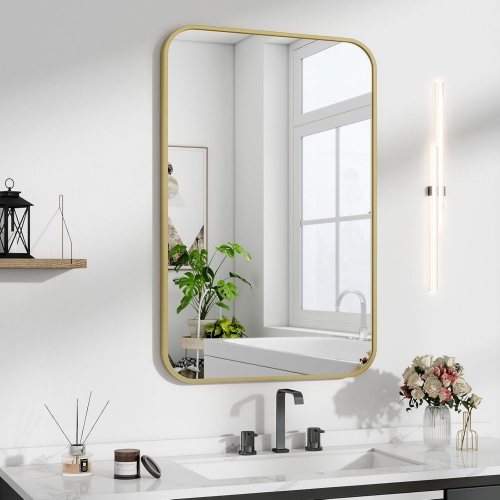
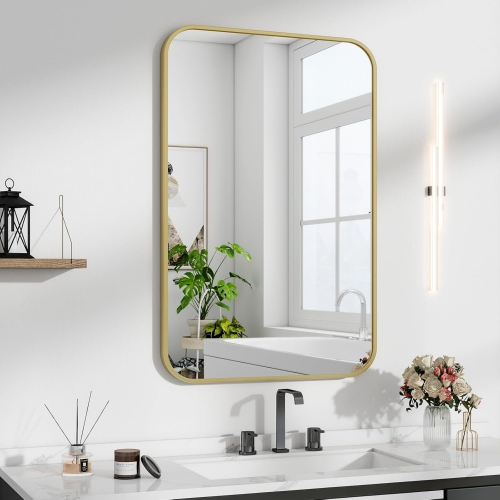
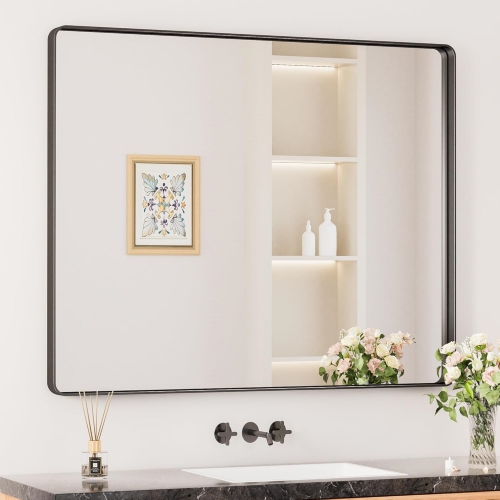
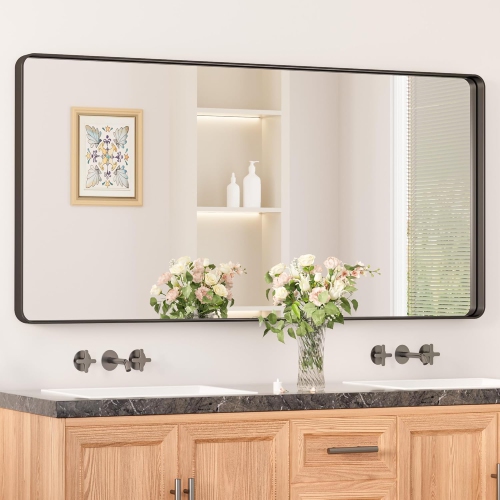
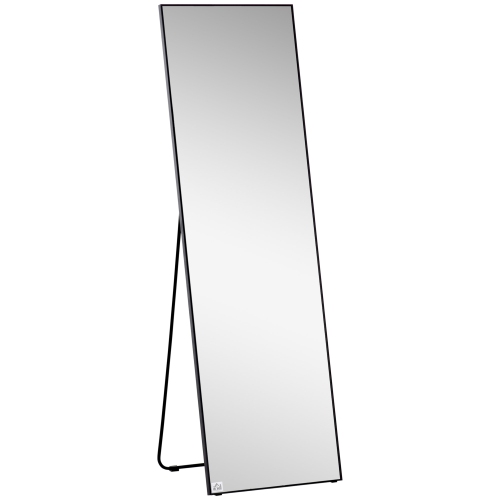
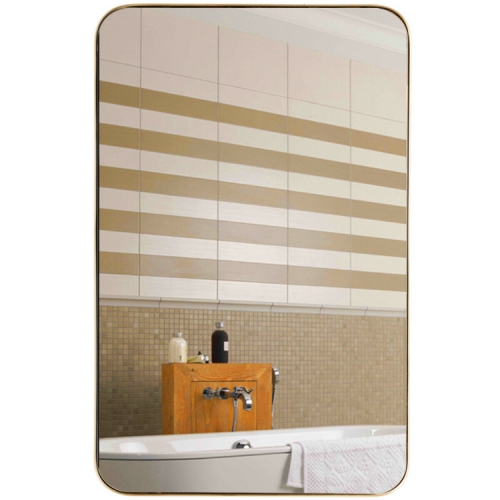
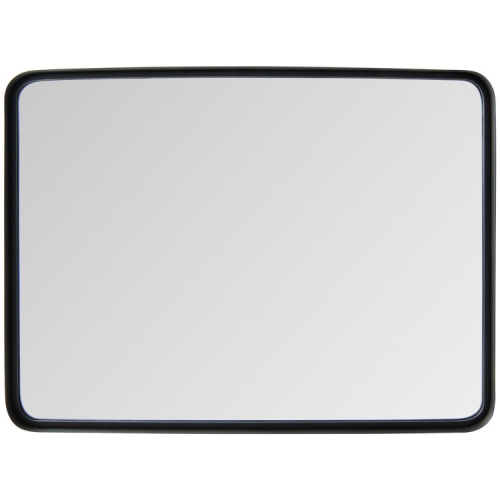
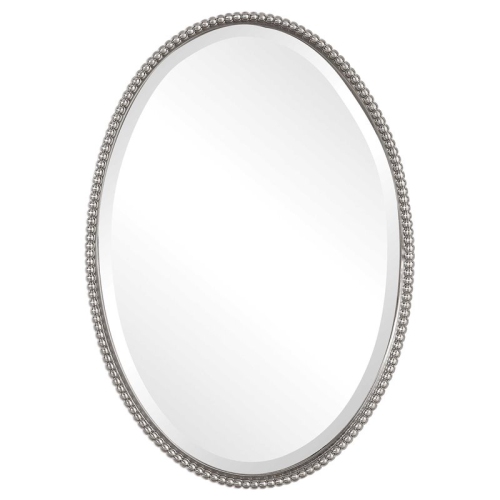
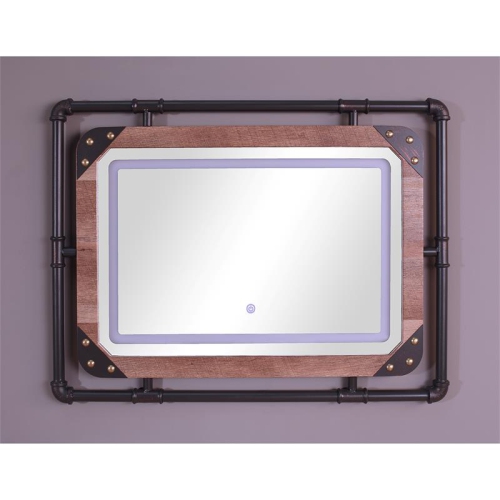
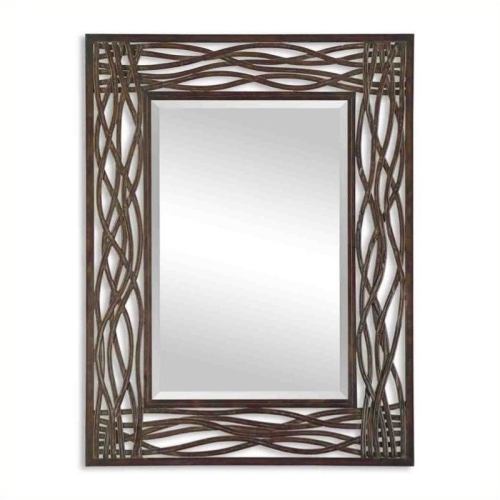
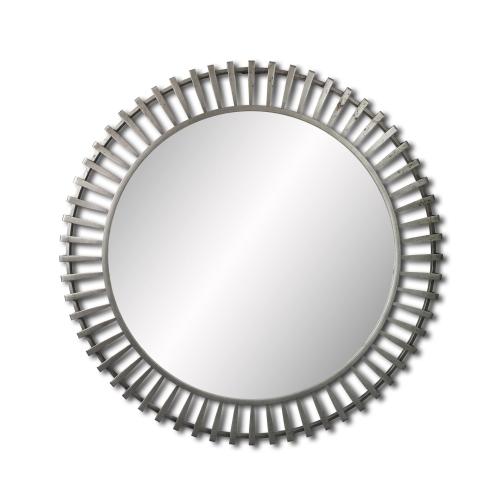
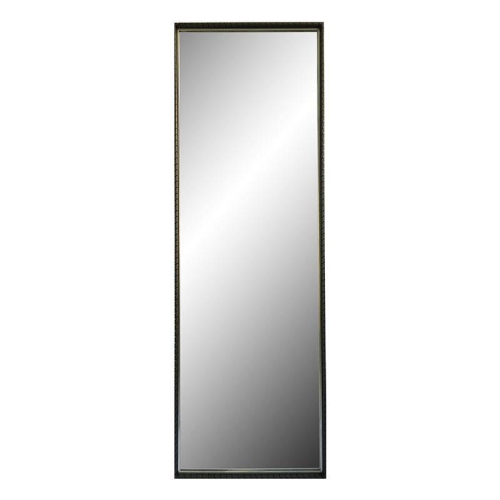
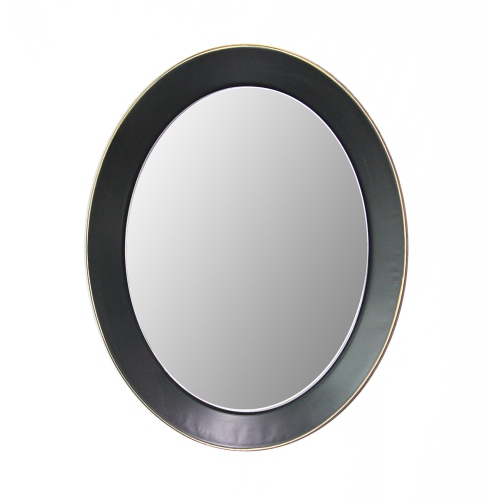
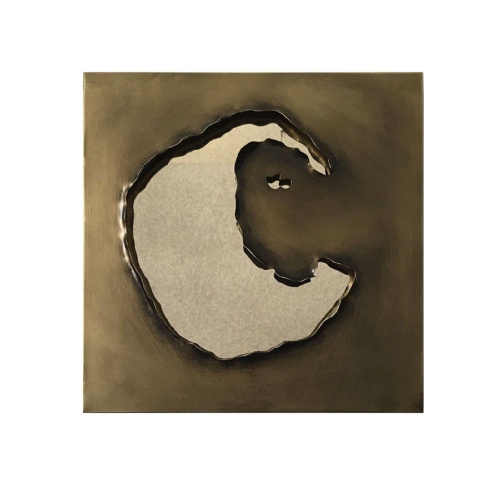
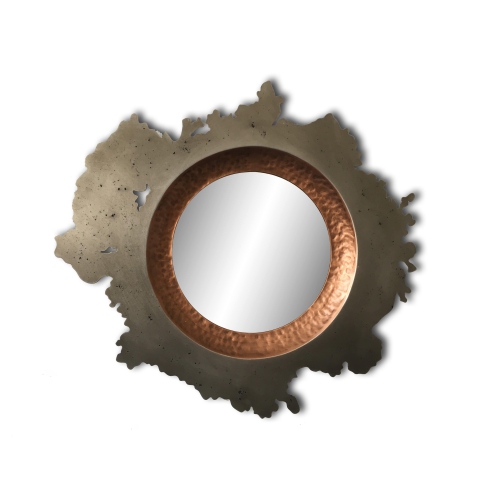
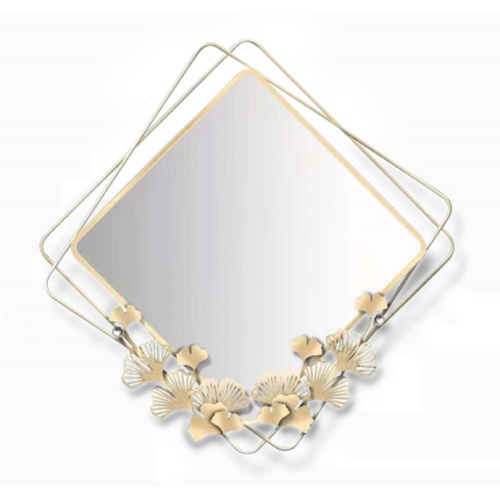
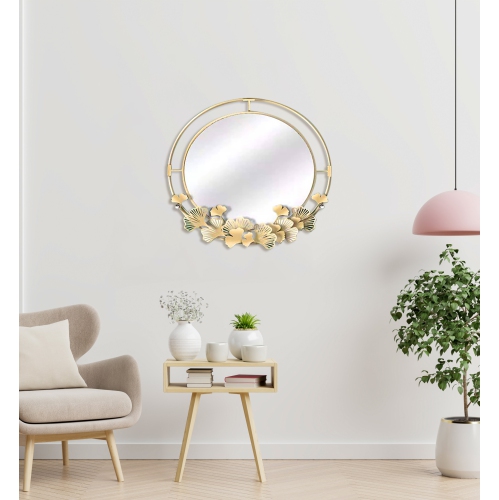
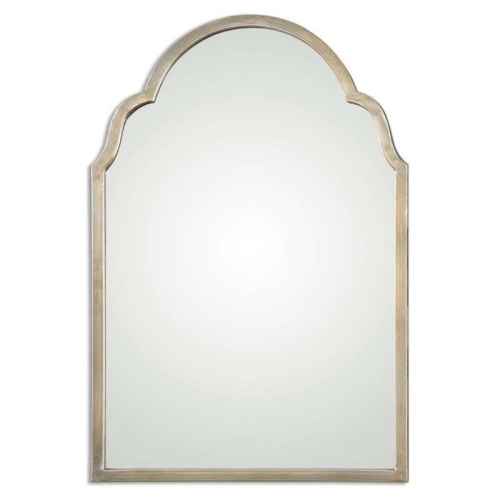
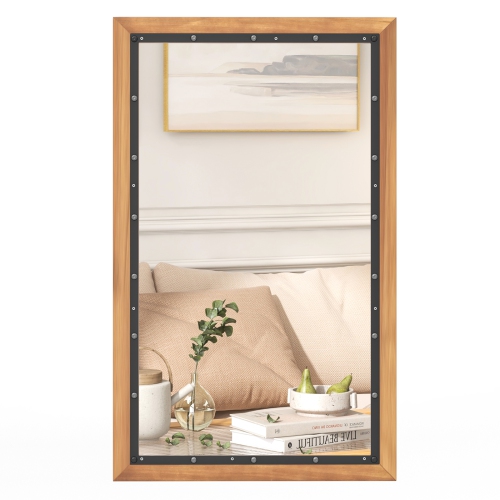
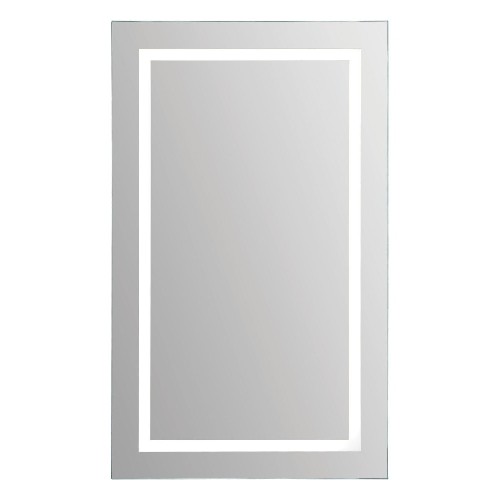
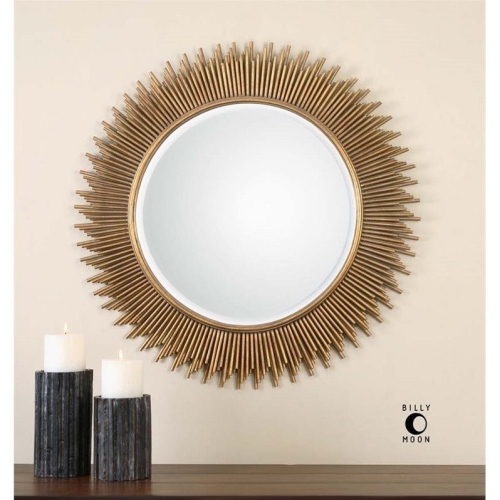
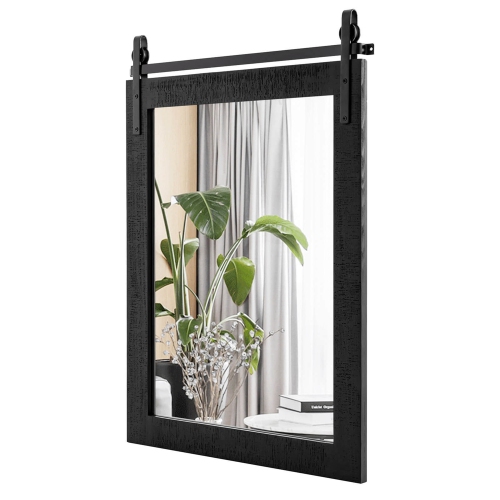
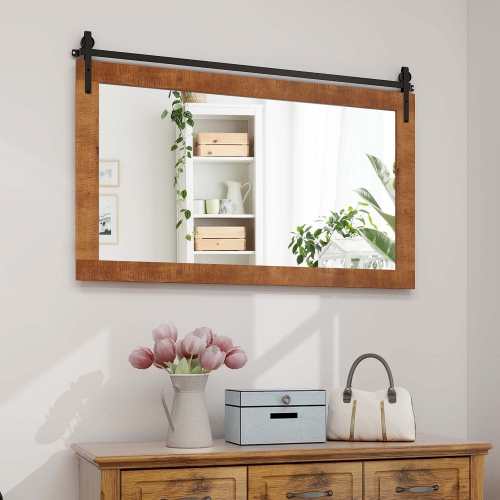
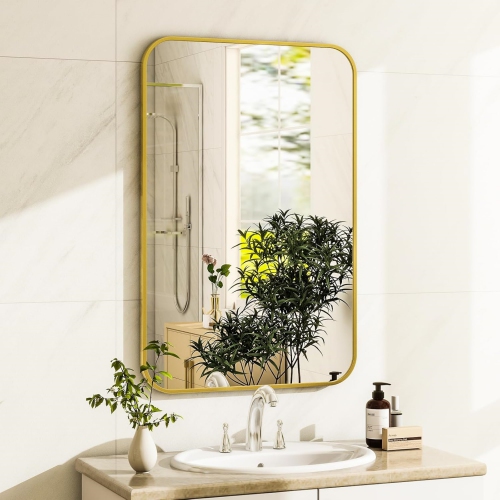
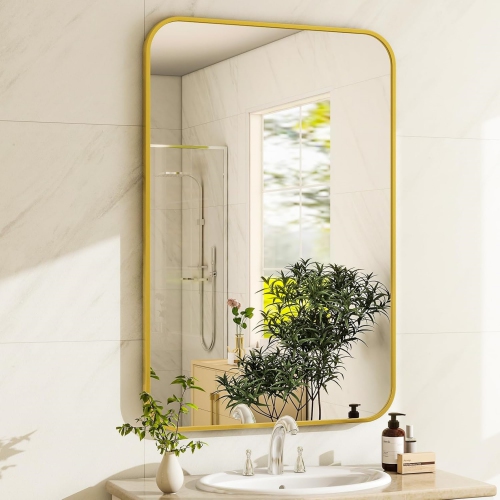
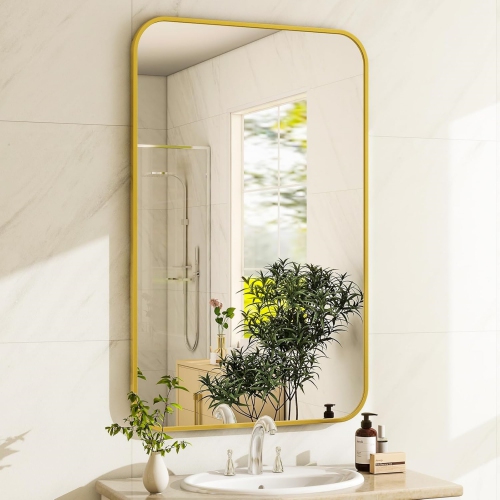
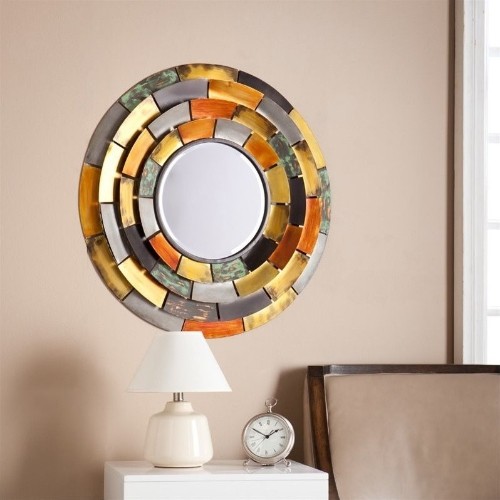
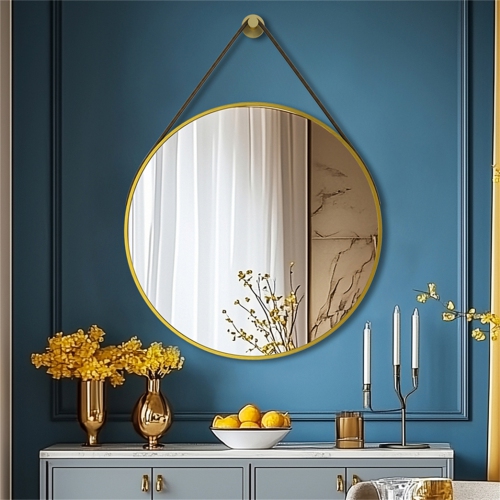
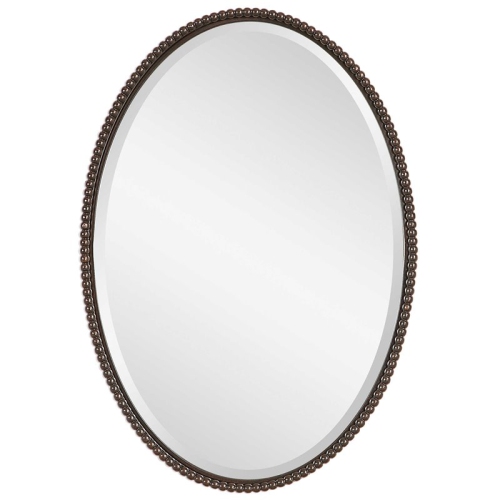
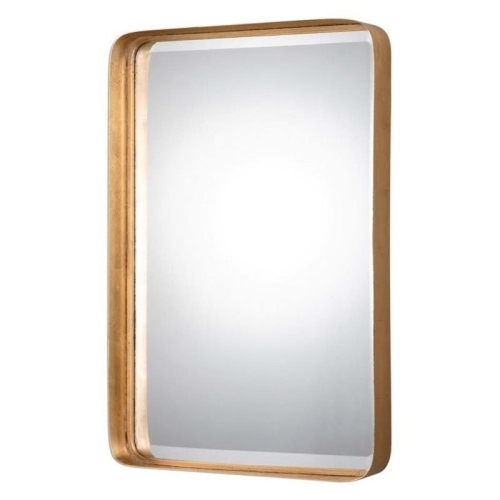
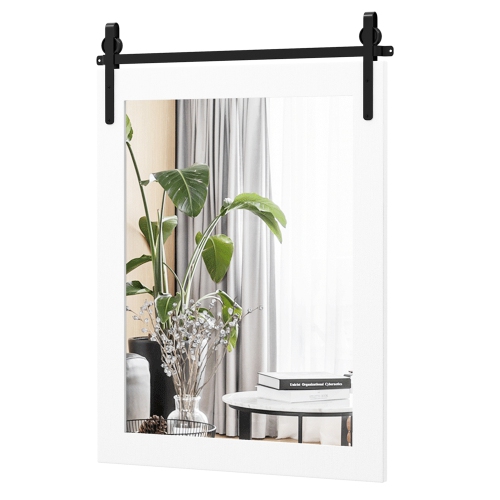
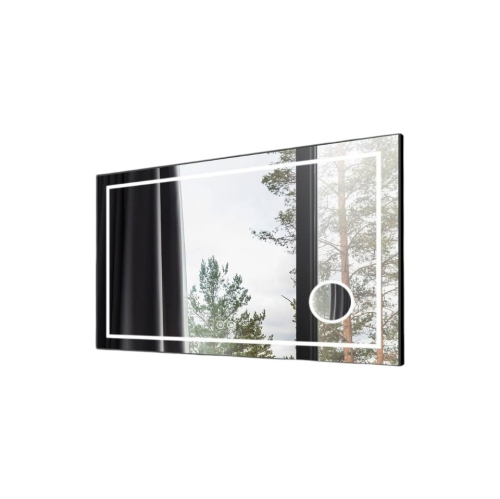
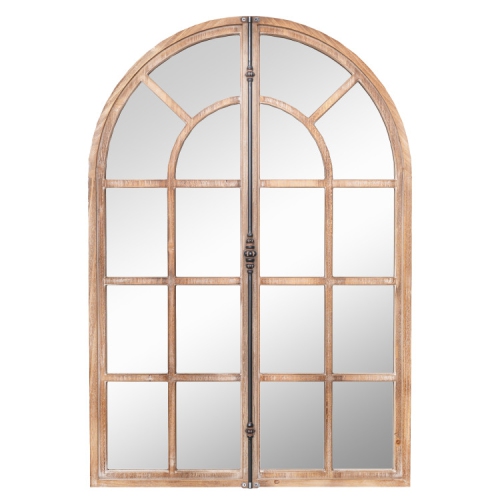
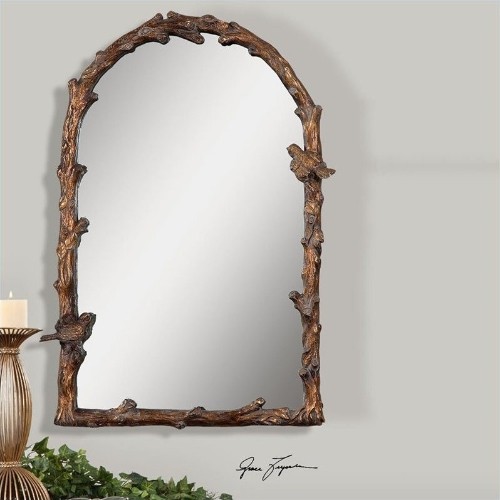
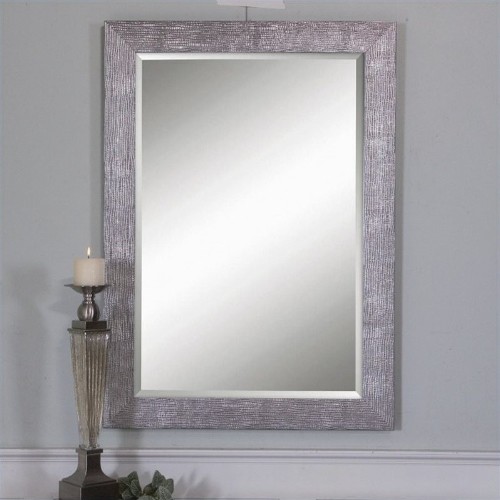
Metal frame mirrors pair reflective glass with a defined metal border, bringing useful reflection and a finished look to entryways, bedrooms, bathrooms, and living spaces. Their appeal lies in the contrast between a sturdy frame and a surface that visually opens up a room. A narrow border can keep the effect light and understated, while a wider or deeper frame gives the mirror more presence above a console or chest of drawers. Rectangular metal frame mirrors suit straight furniture lines and can provide a generous viewing area over a vanity or beside a wardrobe. Vertical placement works well for checking an outfit, while horizontal placement can follow the proportions of a long cabinet, provided the mirror’s mounting system supports that orientation. Round mirrors soften the angles of shelving, doorways, and square furniture; an arched mirror adds a curved outline that feels architectural without requiring changes to the room itself. Oval and pill-shaped designs offer a similar balance of height and softness, particularly on narrow stretches of wall. Finish changes the impression just as much as shape. Matte black creates a crisp outline against pale paint and pairs naturally with dark door hardware or metal furniture legs. Brushed brass and gold-toned finishes bring warmth alongside cream upholstery and rich wood tones, while polished chrome, nickel-toned, and silver-toned frames can complement cooler palettes and reflective fixtures. These colour descriptions do not necessarily identify the underlying metal, so a brass-toned frame may have a different base material. For households that prefer the grain and texture of timber around the glass, Wooden Framed Mirrors offer a different visual character. Metal frames remain a versatile choice for both restrained interiors and rooms with layered textures, especially when their finish connects with a few existing details rather than matching every fitting.
Frame material, construction, and finish all influence how a metal frame mirror feels and holds up in daily use. Steel and iron can give a frame a substantial feel, although the mirror’s overall weight also depends on its dimensions, glass thickness, and backing. Aluminum is generally lighter than steel and naturally resists rust, but its finish and other components still need to suit the intended location. Stainless steel can offer good corrosion resistance, with performance depending on the grade and conditions. Painted, plated, brushed, and powder-coated surfaces each have their own appearance and care requirements; no finish should be assumed to tolerate repeated splashes or prolonged humidity simply because it looks metallic. For a bathroom, the important distinction is whether the manufacturer identifies the complete mirror as suitable for that setting. Moisture can affect exposed edges, fasteners, backing materials, and the reflective coating behind the glass, not just the visible frame. Ventilation and distance from direct spray also matter, particularly in a compact bathroom where steam lingers after a shower. In a bedroom or hallway, other details may take priority, such as smooth frame edges, securely fitted glass, and mounting points appropriate to the mirror’s weight. Some mirrors include safety backing designed to help retain glass fragments if breakage occurs, but that feature does not make the glass unbreakable or replace secure installation. Wall cleats, D-rings, and other hanging systems have different installation requirements, so the supplied directions and stated load limits should determine the hardware and wall fixings used. Drywall, masonry, and other wall surfaces require suitable anchors or fastening methods; the frame’s appearance is not a reliable indication of how much support it needs. Large full-length mirrors deserve particular attention in homes with children or pets. A leaning mirror should only be used that way when its design permits it and should have any required anti-tip restraint fitted. Freestanding designs also need a stable, level position away from busy routes where bags, paws, or an opening door could knock them.
Proportion and placement help a metal frame mirror feel useful rather than simply filling an empty wall. Measurements should include the outer frame, not only the visible glass, along with enough clearance for nearby lighting, taps, switches, and opening doors. Above a console, a mirror that leaves some wall visible on either side often creates a balanced arrangement, while the hanging height should suit both the furniture and the people using it. A hallway mirror can provide a last glance before leaving home without projecting into a narrow passage. In a bedroom, a full-length mirror needs enough viewing distance to show an outfit comfortably, so the space in front of it matters as much as the wall behind it. Over a bathroom vanity, the relationship between mirror width, basin position, and lighting affects everyday tasks such as grooming. A single wide mirror can serve a shared vanity, while separate mirrors can give each basin a defined area. In living and dining rooms, reflection becomes part of the arrangement: glass positioned opposite a window may spread daylight visually, but it can also catch direct sun or reflect a television screen. A view of artwork, curtains, or a tidy reading corner usually feels more considered than a reflection of cables or a crowded worktop. Care is straightforward when it follows the manufacturer’s directions. A soft, lint-free cloth helps remove fingerprints from the glass, and applying an approved cleaner to the cloth rather than spraying the mirror can reduce liquid collecting along the frame and edges. Abrasive pads and harsh chemicals may scratch glass or damage finishes, while a damp frame should be dried promptly where its care instructions allow. Metal frame mirrors can also make practical housewarming or wedding gifts when the recipient’s preferred finish, wall space, and ability to install the mirror are known. Whether chosen for a first apartment, a shared family bathroom, or a refreshed guest room, the most satisfying fit brings together a clear reflection, comfortable proportions, suitable construction, and a finish that belongs with the furnishings already there.
Frame material, construction, and finish all influence how a metal frame mirror feels and holds up in daily use. Steel and iron can give a frame a substantial feel, although the mirror’s overall weight also depends on its dimensions, glass thickness, and backing. Aluminum is generally lighter than steel and naturally resists rust, but its finish and other components still need to suit the intended location. Stainless steel can offer good corrosion resistance, with performance depending on the grade and conditions. Painted, plated, brushed, and powder-coated surfaces each have their own appearance and care requirements; no finish should be assumed to tolerate repeated splashes or prolonged humidity simply because it looks metallic. For a bathroom, the important distinction is whether the manufacturer identifies the complete mirror as suitable for that setting. Moisture can affect exposed edges, fasteners, backing materials, and the reflective coating behind the glass, not just the visible frame. Ventilation and distance from direct spray also matter, particularly in a compact bathroom where steam lingers after a shower. In a bedroom or hallway, other details may take priority, such as smooth frame edges, securely fitted glass, and mounting points appropriate to the mirror’s weight. Some mirrors include safety backing designed to help retain glass fragments if breakage occurs, but that feature does not make the glass unbreakable or replace secure installation. Wall cleats, D-rings, and other hanging systems have different installation requirements, so the supplied directions and stated load limits should determine the hardware and wall fixings used. Drywall, masonry, and other wall surfaces require suitable anchors or fastening methods; the frame’s appearance is not a reliable indication of how much support it needs. Large full-length mirrors deserve particular attention in homes with children or pets. A leaning mirror should only be used that way when its design permits it and should have any required anti-tip restraint fitted. Freestanding designs also need a stable, level position away from busy routes where bags, paws, or an opening door could knock them.
Proportion and placement help a metal frame mirror feel useful rather than simply filling an empty wall. Measurements should include the outer frame, not only the visible glass, along with enough clearance for nearby lighting, taps, switches, and opening doors. Above a console, a mirror that leaves some wall visible on either side often creates a balanced arrangement, while the hanging height should suit both the furniture and the people using it. A hallway mirror can provide a last glance before leaving home without projecting into a narrow passage. In a bedroom, a full-length mirror needs enough viewing distance to show an outfit comfortably, so the space in front of it matters as much as the wall behind it. Over a bathroom vanity, the relationship between mirror width, basin position, and lighting affects everyday tasks such as grooming. A single wide mirror can serve a shared vanity, while separate mirrors can give each basin a defined area. In living and dining rooms, reflection becomes part of the arrangement: glass positioned opposite a window may spread daylight visually, but it can also catch direct sun or reflect a television screen. A view of artwork, curtains, or a tidy reading corner usually feels more considered than a reflection of cables or a crowded worktop. Care is straightforward when it follows the manufacturer’s directions. A soft, lint-free cloth helps remove fingerprints from the glass, and applying an approved cleaner to the cloth rather than spraying the mirror can reduce liquid collecting along the frame and edges. Abrasive pads and harsh chemicals may scratch glass or damage finishes, while a damp frame should be dried promptly where its care instructions allow. Metal frame mirrors can also make practical housewarming or wedding gifts when the recipient’s preferred finish, wall space, and ability to install the mirror are known. Whether chosen for a first apartment, a shared family bathroom, or a refreshed guest room, the most satisfying fit brings together a clear reflection, comfortable proportions, suitable construction, and a finish that belongs with the furnishings already there.
Top selling and popular products
-
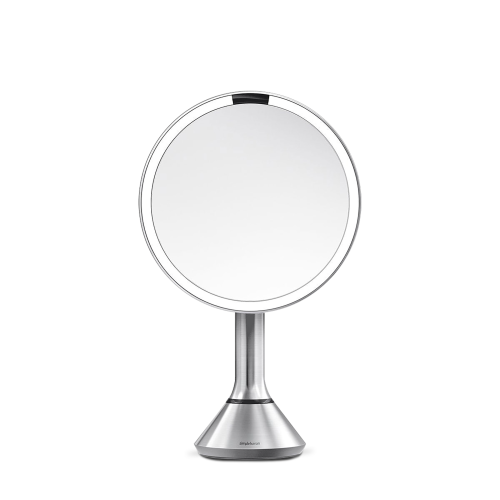 Your price for this item is $270
 -
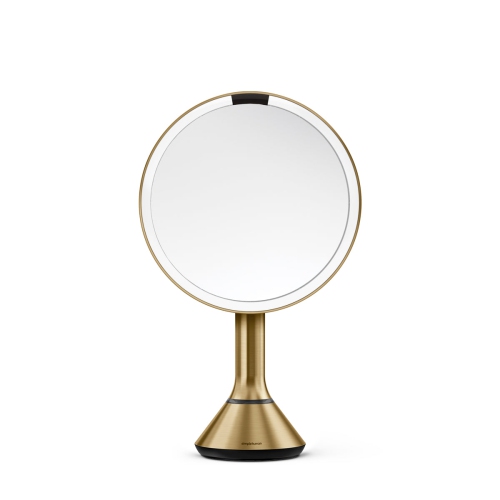 Your price for this item is $270
 -
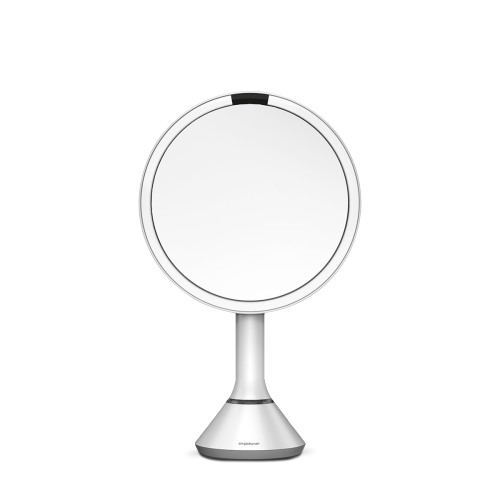 Your price for this item is $270
 -
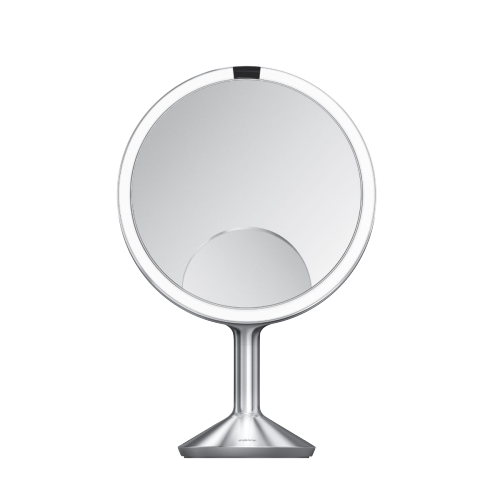 Your price for this item is $450
 -
 Your price for this item is $158.98
 -
 Your price for this item is $149.99
 -
 Your price for this item is $400
 -
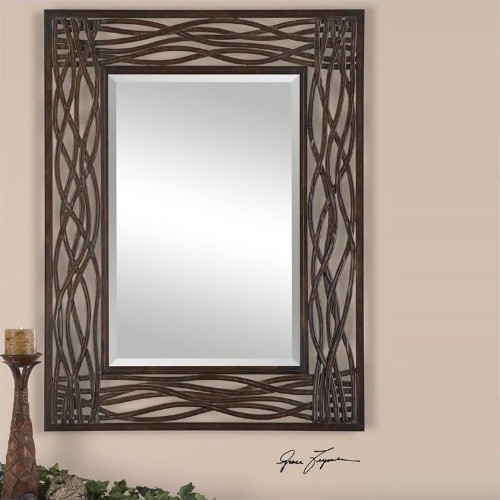 Your price for this item is $833.35
Discover more categories related to Metal Frame Mirrors
Top Collections:
Pokemon Centers, Kindle Devices, Best Budget Office Chairs, Apple iPhones 16, Best Laptops for Writers, iPhone 15 Apple, Canon G7X Cameras, Refurbished Apple Laptops, Alarm Clock, Motorola Razr Phones
Some products may be subject to Environmental Handling Fees
(EHF) depending on your province.
Learn more about EHFs.