Metal Outdoor Chairs
If you're looking for a chair that will last you a long time, then consider buying an outdoor metal chair. These chairs are made to last and are built to withstand the elements. They're also very comfortable and stylish, so you can enjoy spending time in them even when it's not sunny outside. Here are some of the best options.
Sort


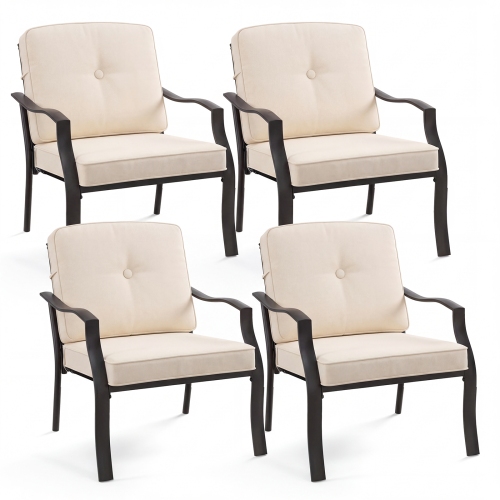
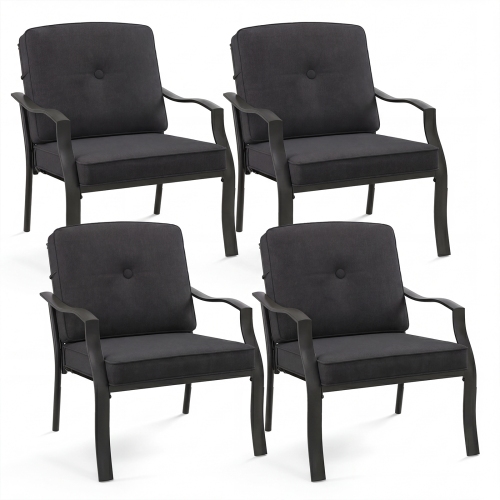

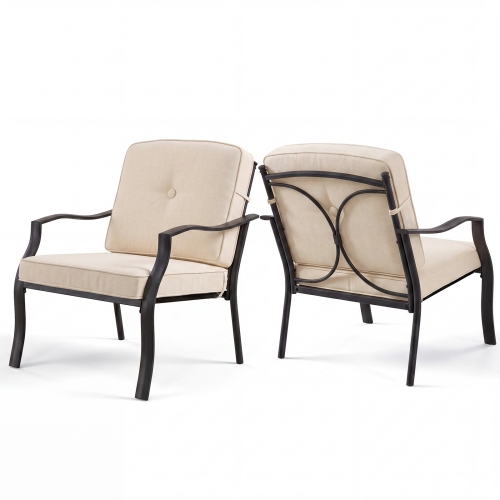
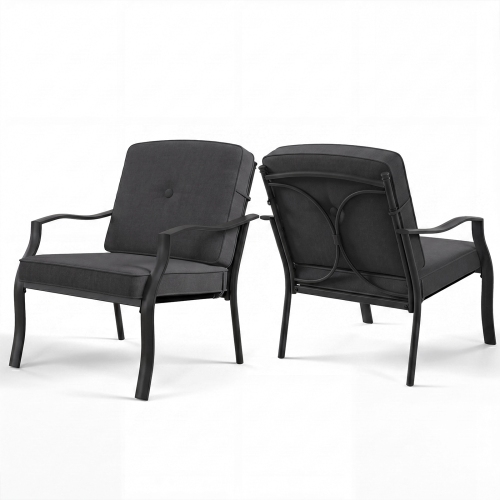







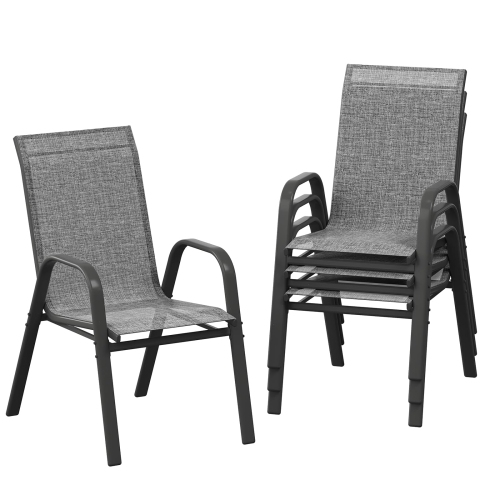


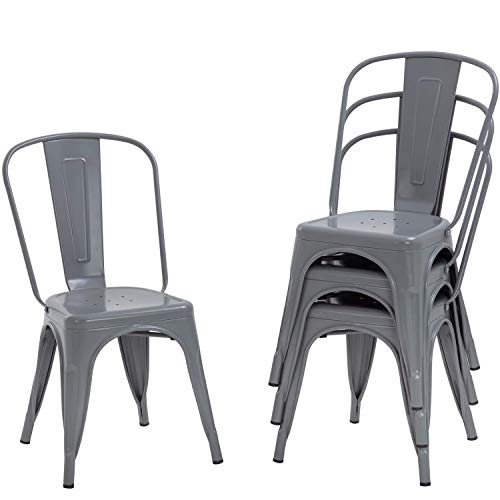
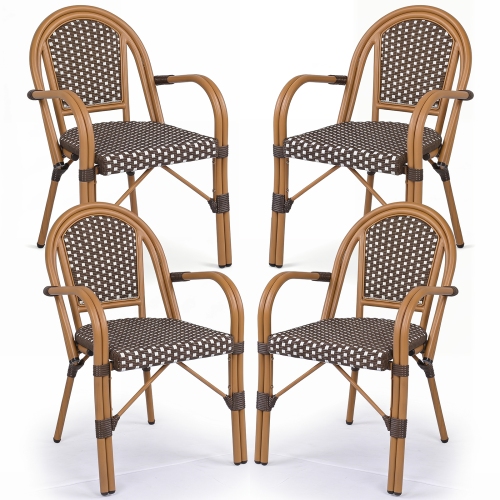
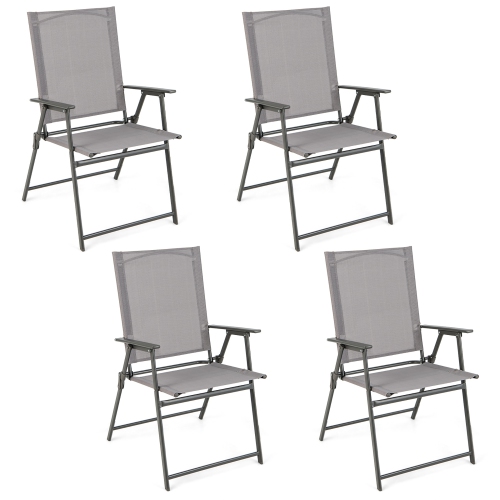

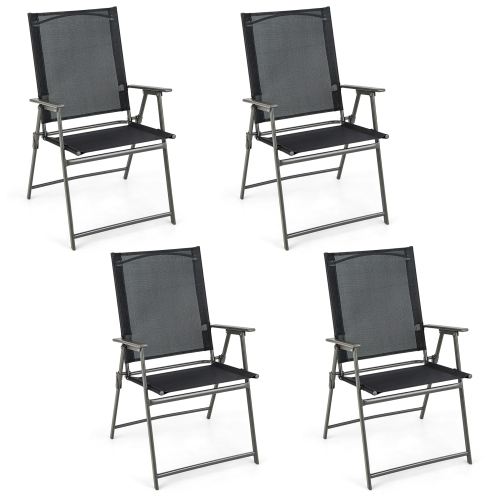
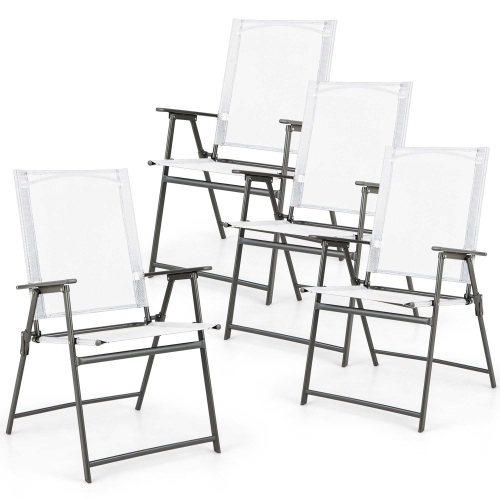


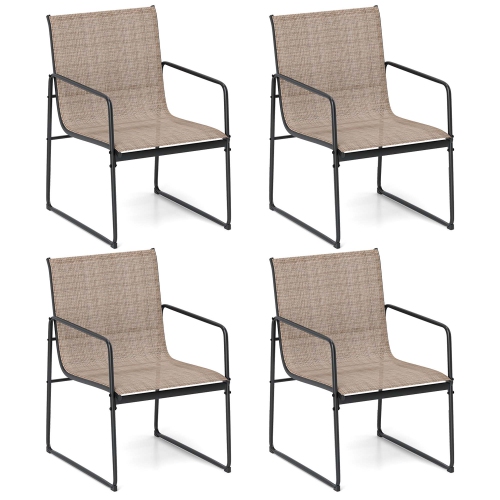


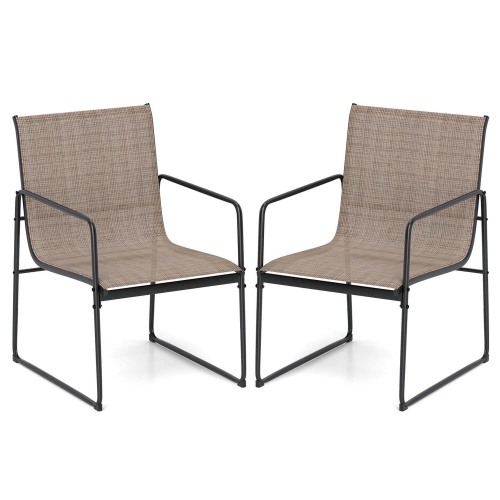









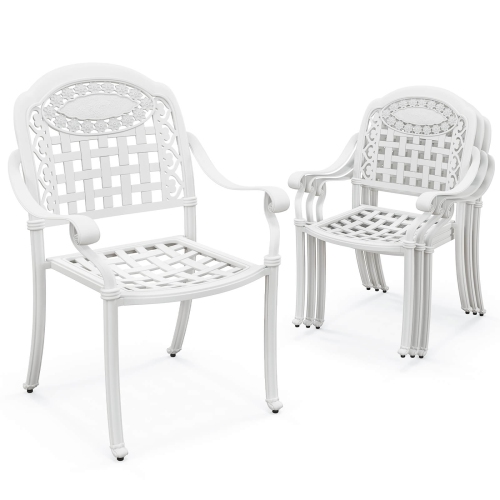
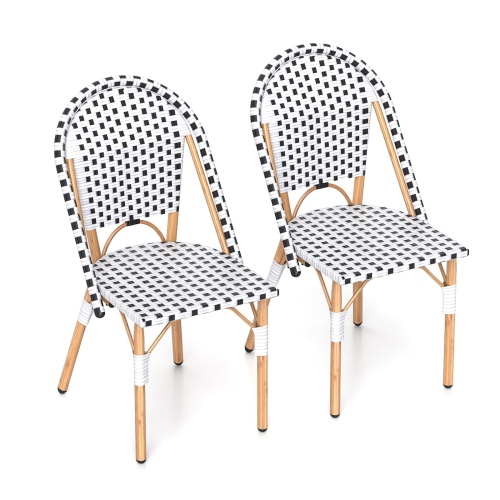


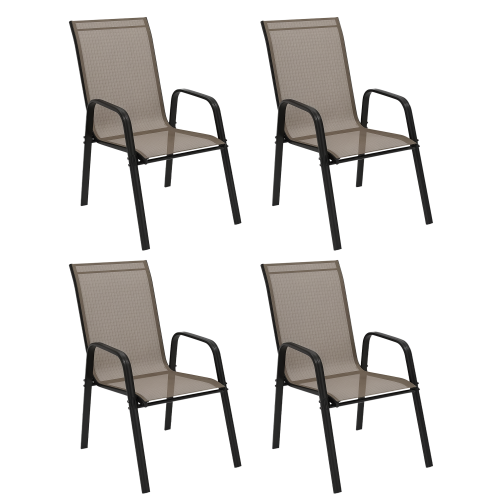

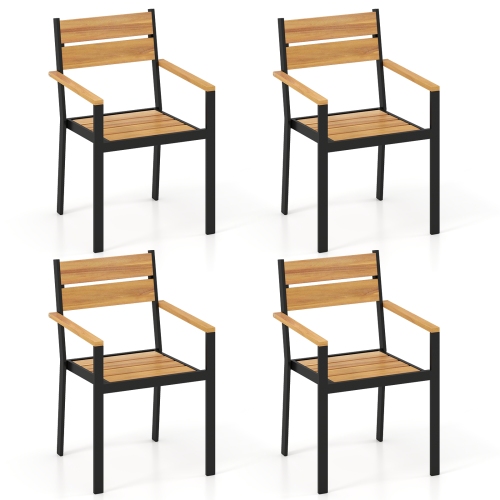
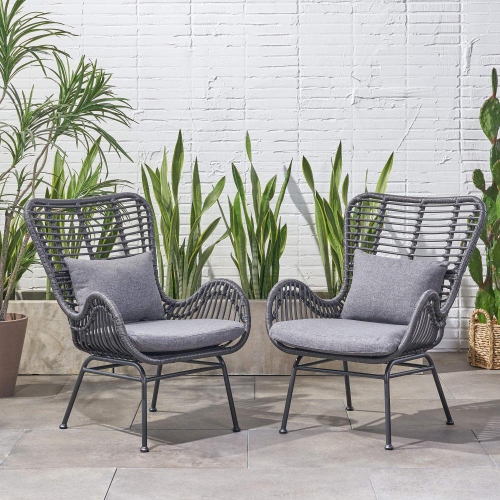


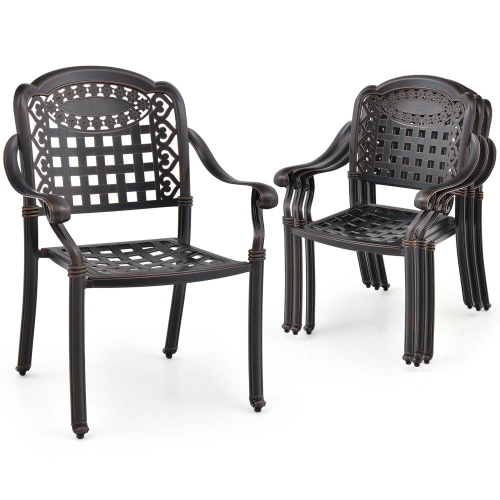


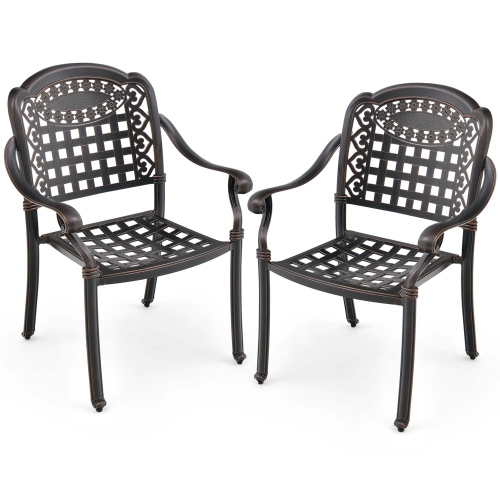
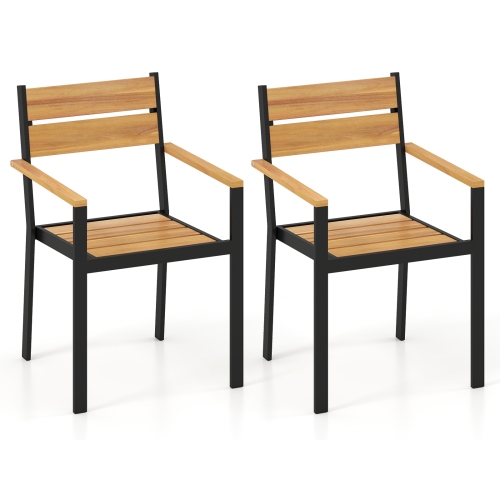

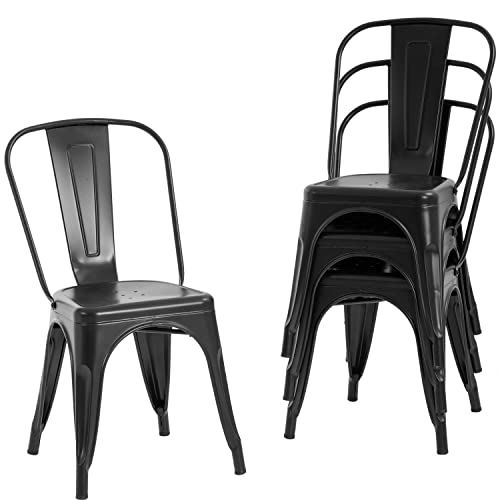


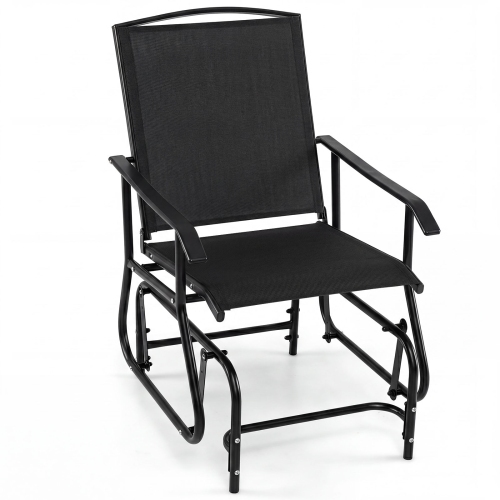

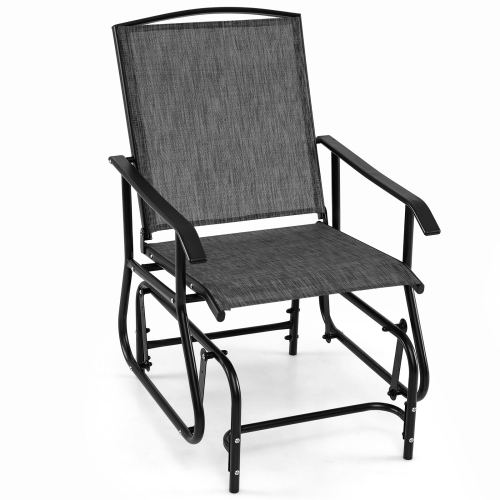
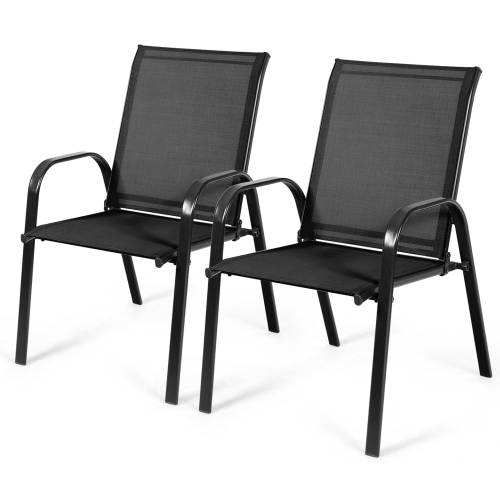





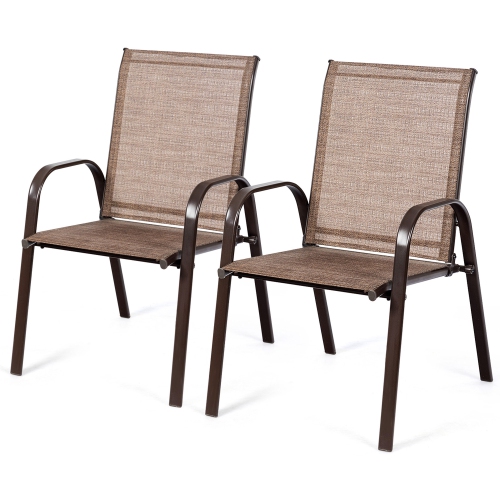
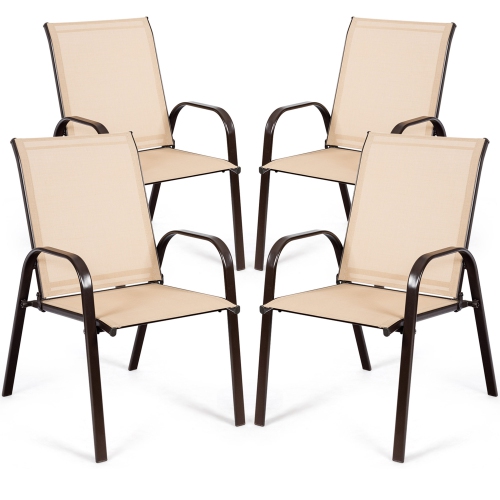

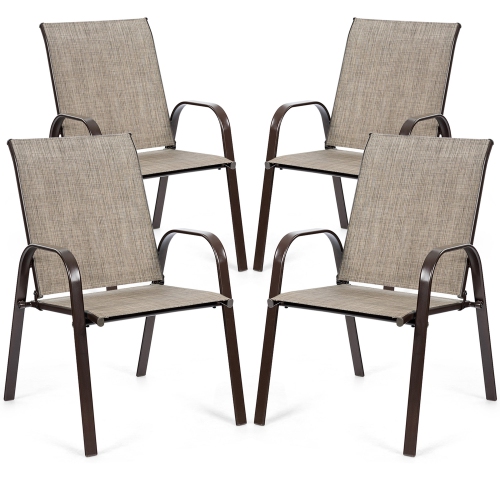

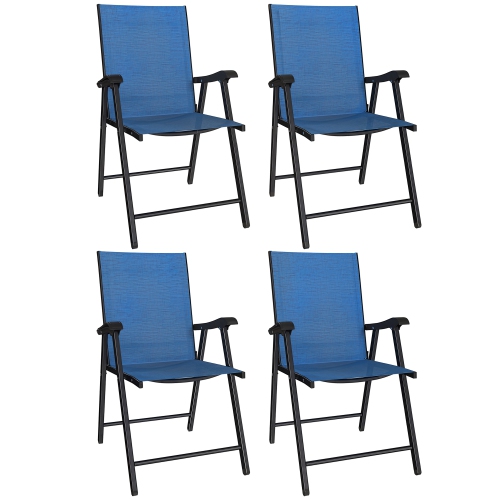
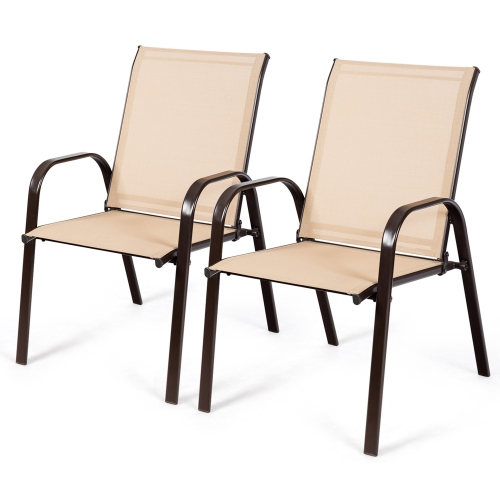
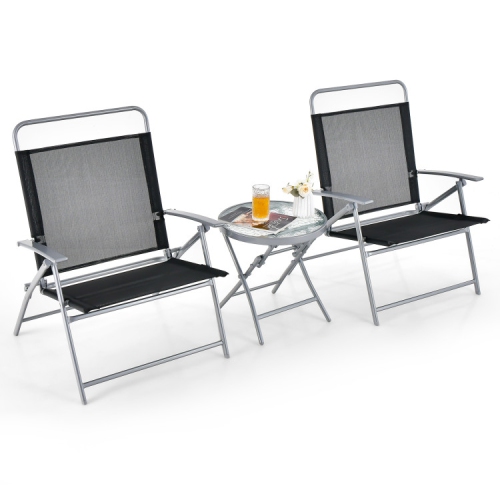

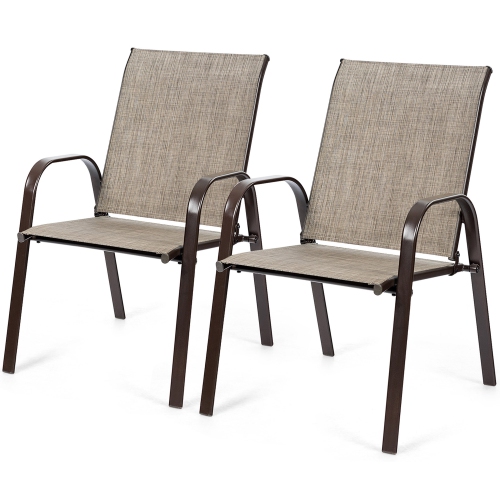
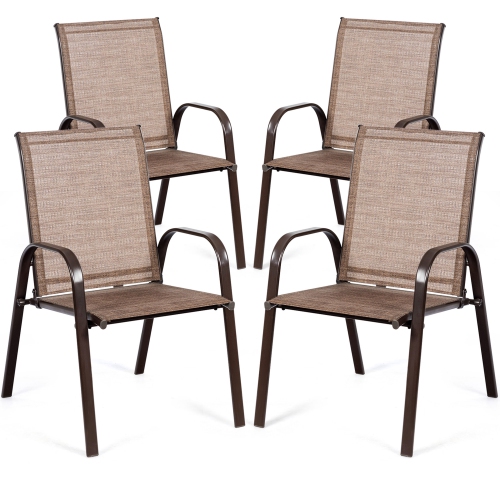


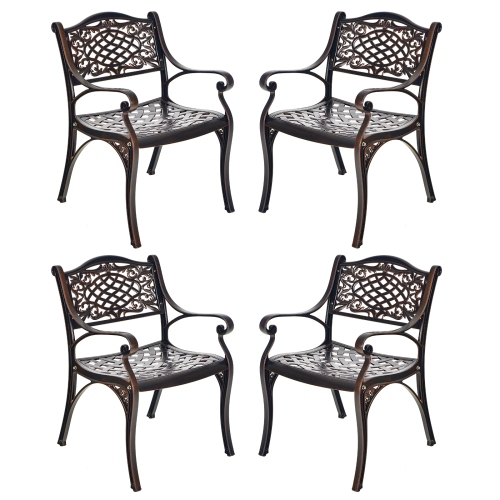


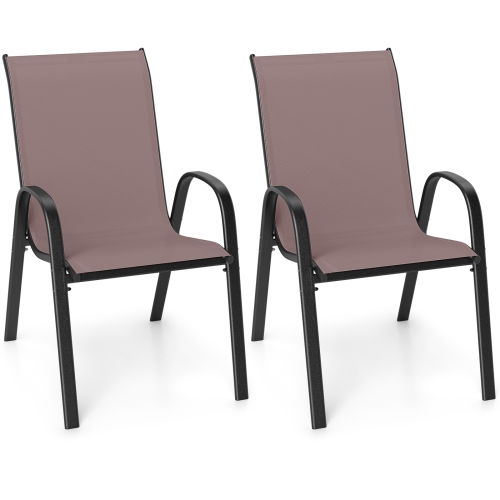
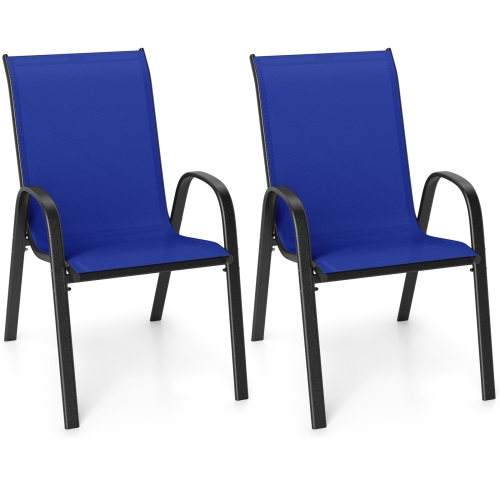
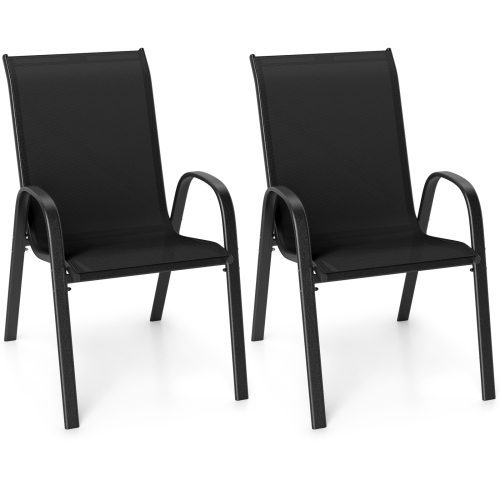















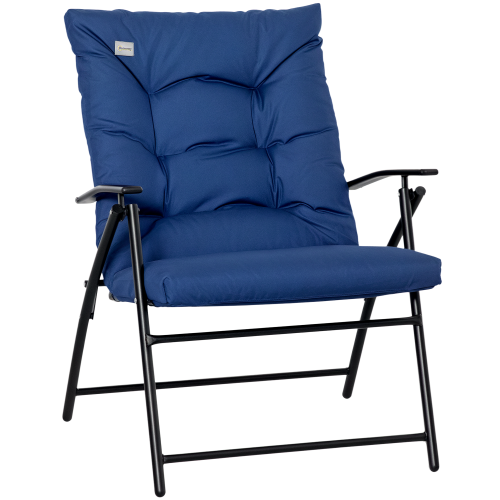

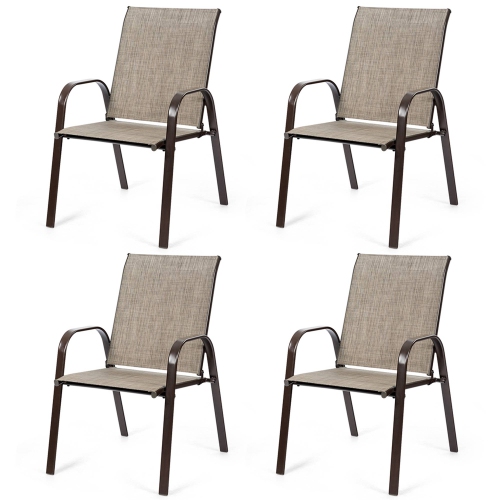


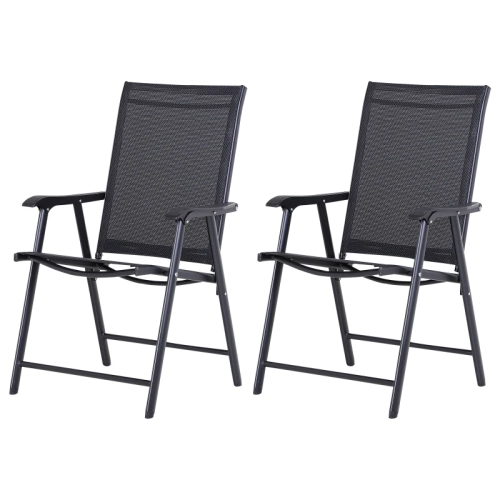
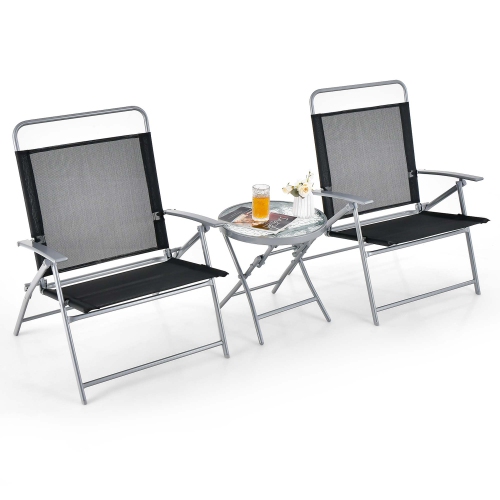

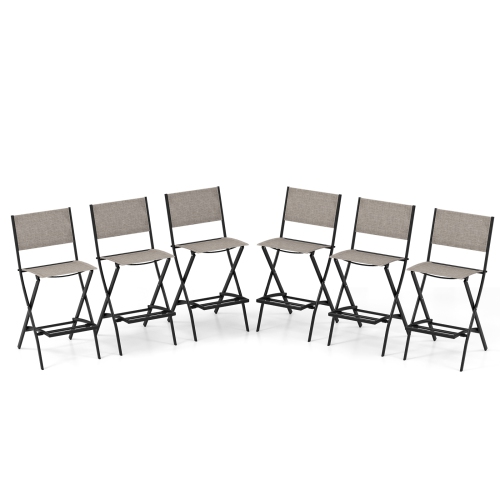


How frame materials shape outdoor seating comfort and care
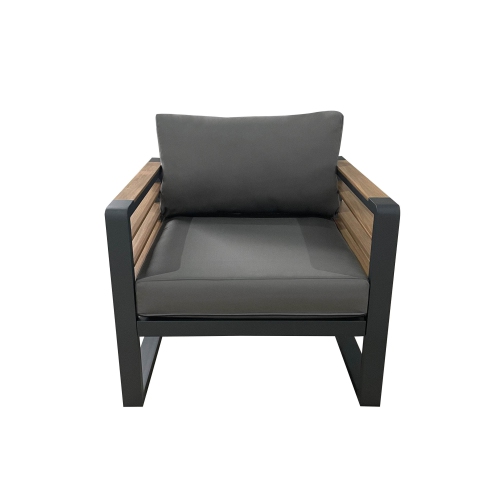
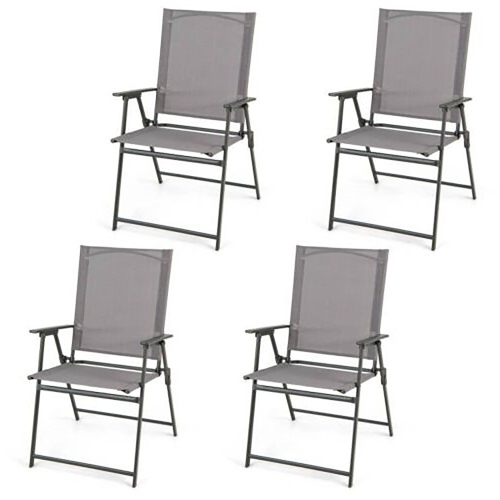
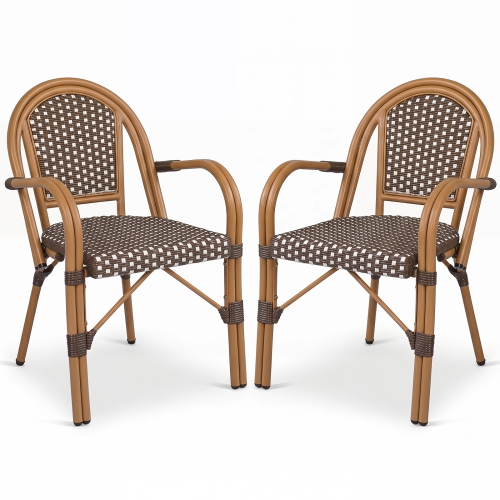
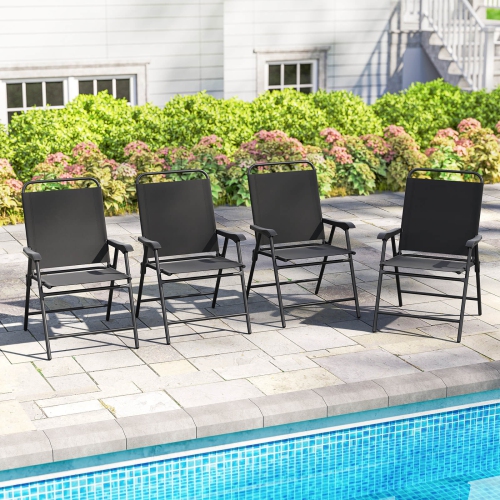
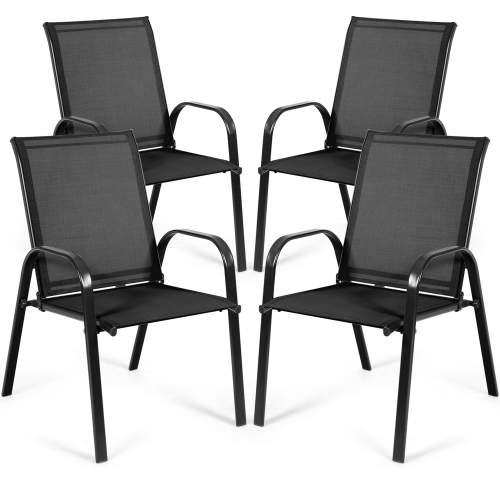
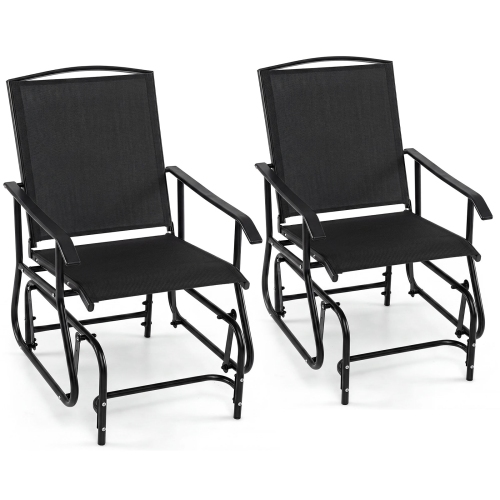
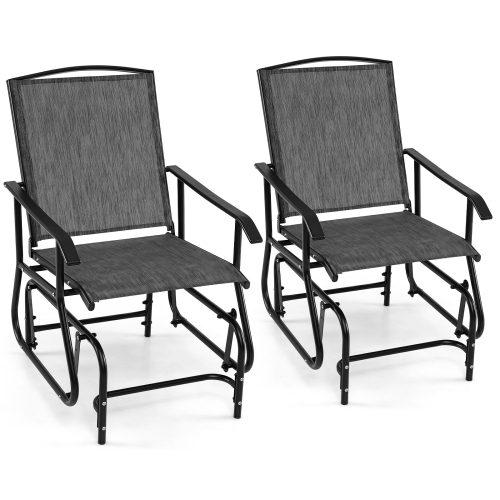
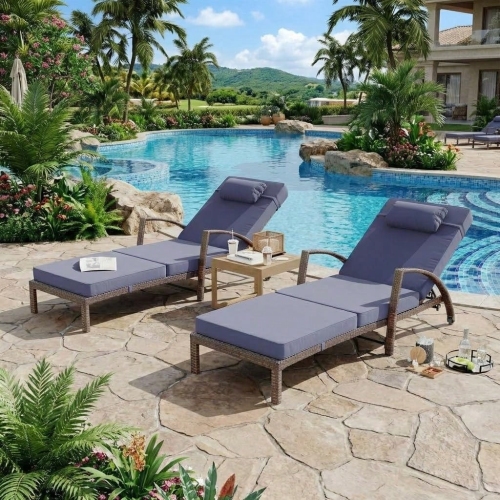
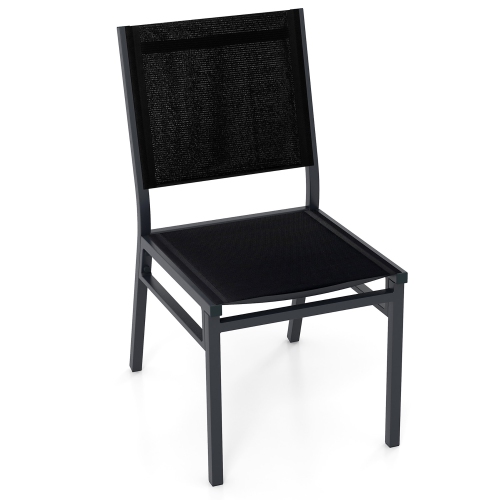
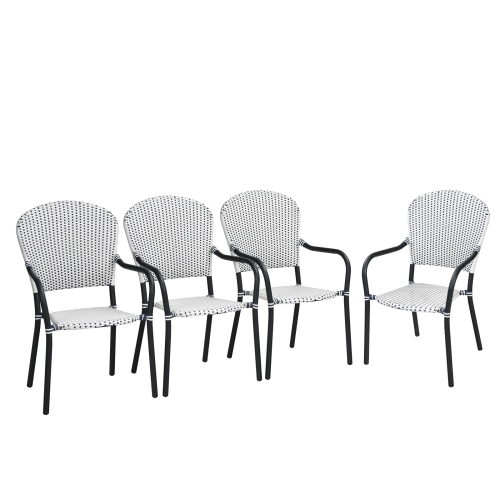
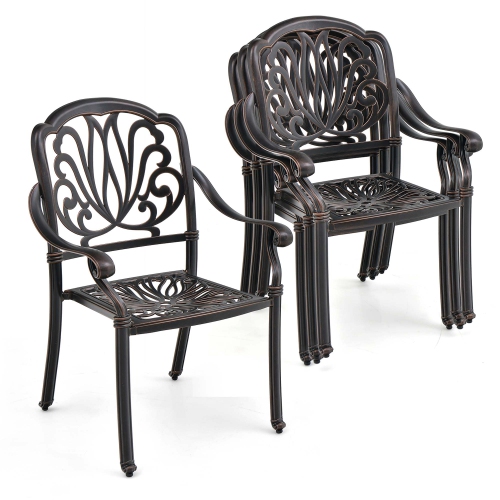
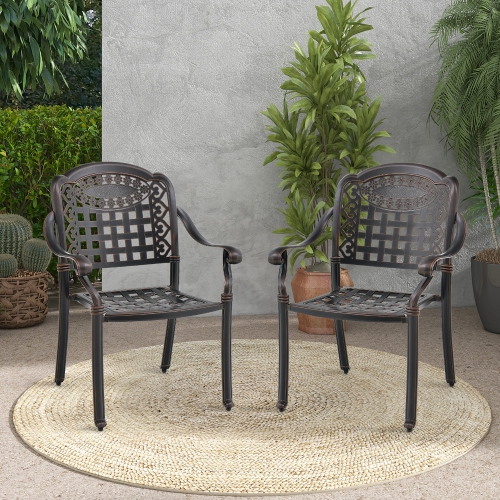
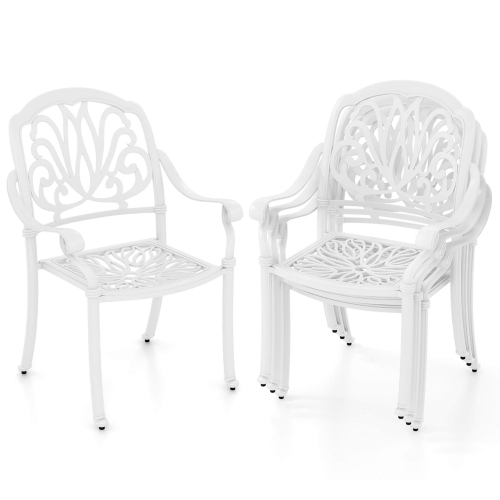
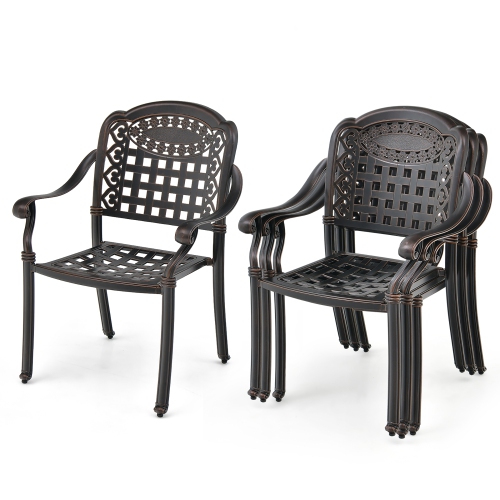
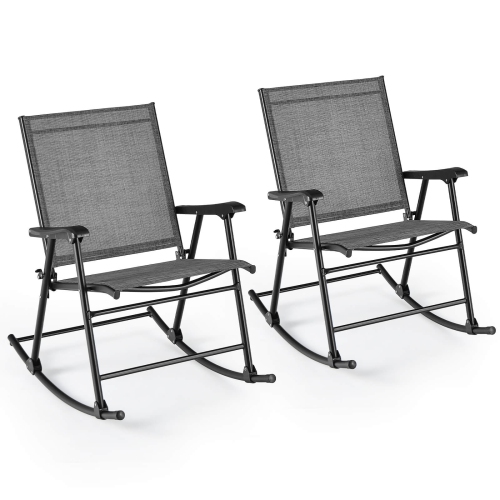
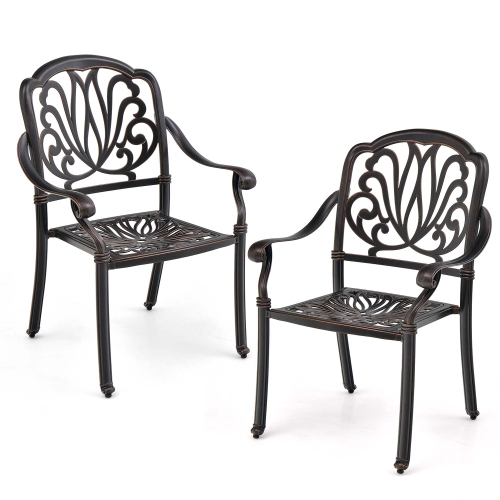
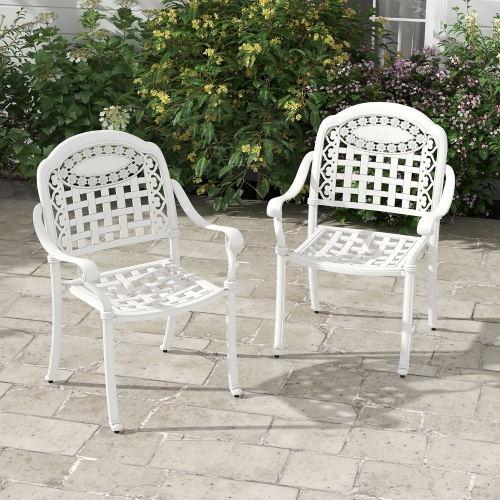
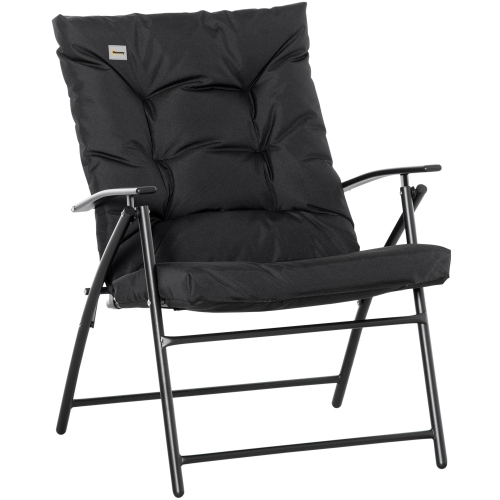
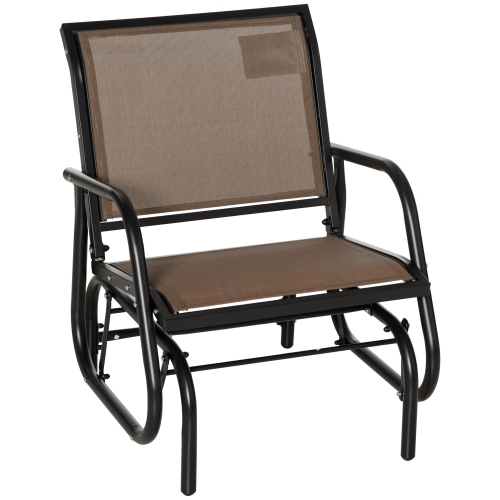
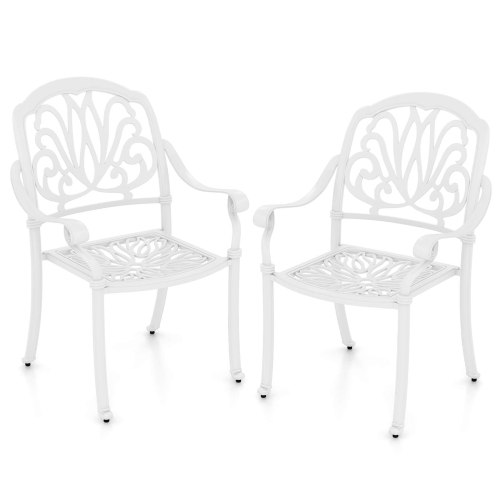
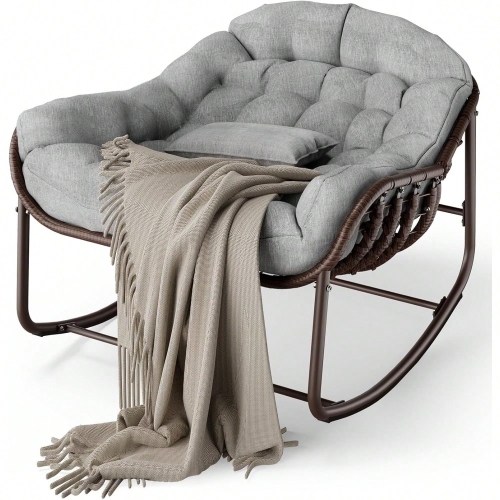
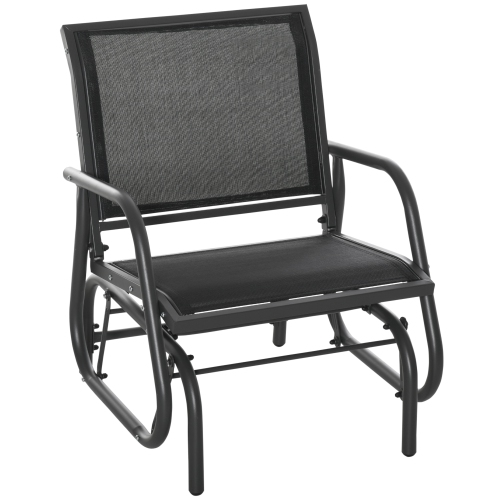
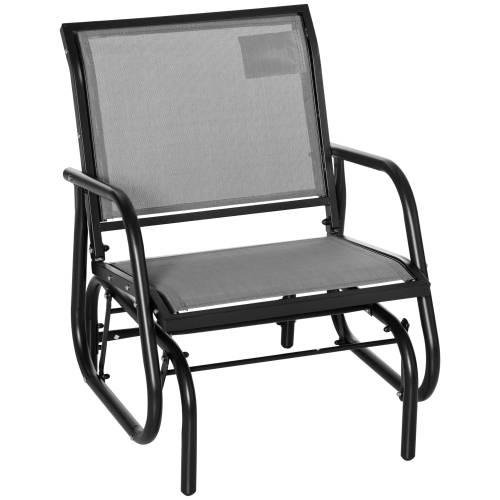
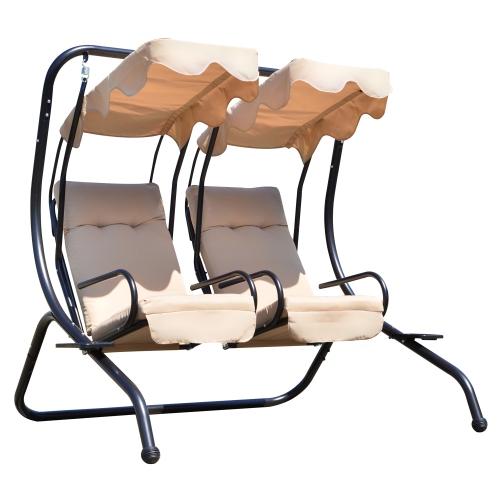
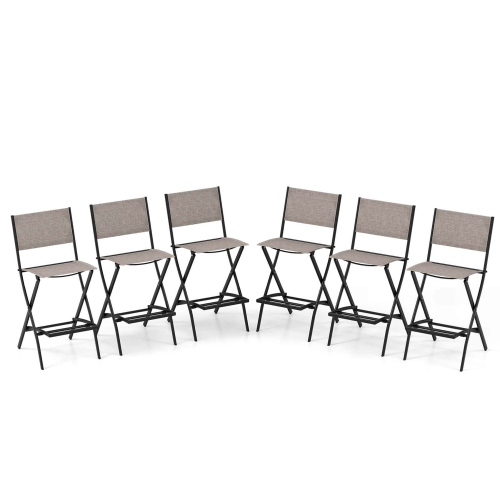
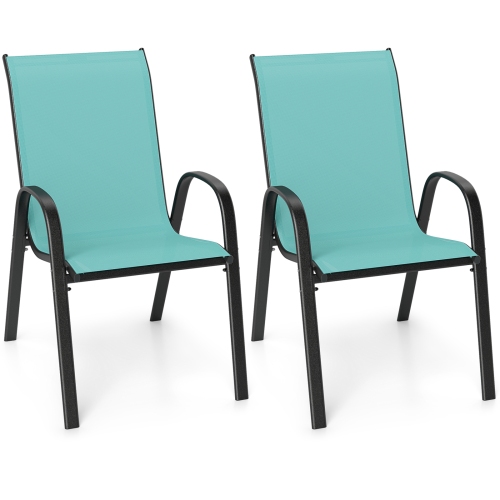
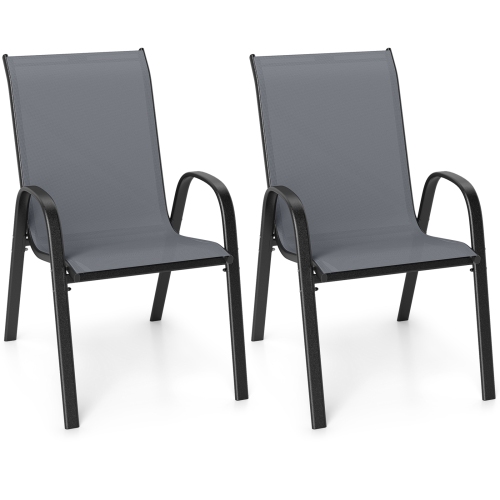
Metal outdoor chairs bring durable, easy-to-coordinate seating to patios, balconies, decks, and garden dining areas. The category includes compact bistro chairs, upright dining chairs, armchairs, and more relaxed lounge seating, with frames commonly made from aluminum, steel, or wrought iron. Each material has a different feel in everyday use. Aluminum is generally lighter than comparably sized steel or iron furniture, making it practical when chairs move between a table and a shaded sitting area. It does not develop the red rust associated with iron, although its surface and finish can still deteriorate under certain conditions. Steel offers strength and a substantial feel, while wrought iron is known for its weight and often features curved arms, open scrollwork, or traditional silhouettes. A heavier chair may be less easily displaced by a breeze, but weight alone does not make furniture secure in strong winds. Powder-coated finishes provide a protective layer and a uniform colour; their resistance to rust depends on the underlying metal, preparation, and condition of the coating. Galvanized steel has a zinc coating that helps protect the steel beneath it. Construction matters alongside the material name: joints, welds, fasteners, and the finish around edges all influence how a chair holds up to regular use. Metal seating also varies in how much of the chair is actually metal. Some designs have solid or perforated metal seats, while others combine a metal frame with woven panels, fabric slings, or removable cushions. Perforations and open mesh allow water to drain rather than collect on a broad seat, while sling seating offers some flexibility without a separate cushion. These differences affect comfort, drying time, and the amount of upkeep involved. For a small café-style arrangement, a simple metal seat can keep the setting visually light. For leisurely meals or longer conversations, a shaped back, supportive arms, and appropriate cushioning often matter more than ornamental details.
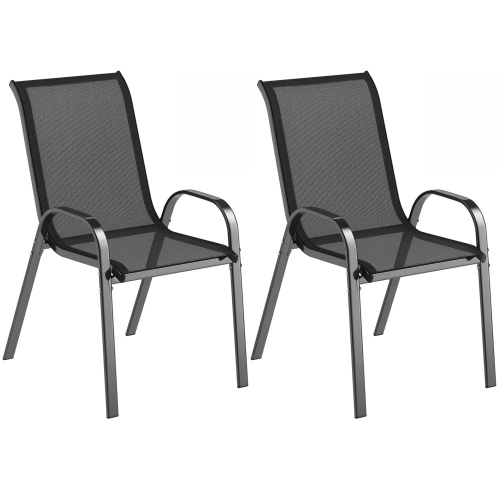
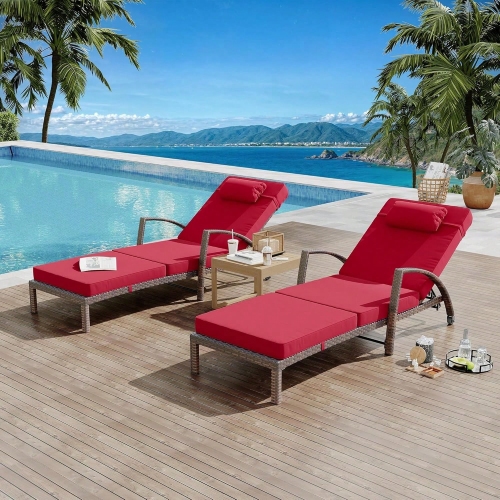
A comfortable outdoor seating arrangement depends on the relationship between the chair, the person using it, and the space around it. Dining chairs typically encourage a more upright posture than lounge chairs, which tend to have deeper seats and a more reclined back. Seat height needs to work with the tabletop, and armrests need enough clearance to slide underneath if chairs will be tucked away between meals. Measuring the height beneath the table apron is particularly useful because a chair may fit below the tabletop yet catch on the frame beneath it. Seat width, depth, back support, and the stated weight capacity are also important considerations, especially when furniture will be shared by family members and guests. A deep seat may suit someone who likes to lean back, while a shallower seat can make it easier to sit with feet supported. Cushions change the sitting height and available seat depth, so their thickness is part of the fit rather than just a finishing touch. On a narrow balcony, armless chairs and slim frames can leave more room around a small table; on a larger patio, generous armchairs can help define a separate conversation area. Enough space behind each chair allows someone to pull it out without blocking a doorway or pressing against a railing. Stackable designs reduce the footprint of stored seating, while folding chairs can suit spaces used for several purposes. Their folded or stacked dimensions still need to fit the intended storage spot. Appearance plays a part in how these practical choices come together. Clean-lined metal frames pair naturally with simple tables, while curved ironwork adds detail beside brick or stone. For a darker finish that works with many table materials, black metal outdoor chairs can provide a consistent visual thread across dining and sitting areas. Dark metal may become hot in direct sunlight, so placement, shade, and suitable cushions affect comfort as well as the overall look.
The lasting appeal of metal patio chairs depends on care that suits both the frame and any attached seating materials. Routine cleaning usually starts with a soft cloth, mild soap, and water, followed by rinsing and thorough drying, subject to the manufacturer’s directions. Abrasive pads and harsh cleaners can damage finishes, and moisture left around joints, screw heads, or overlapping sections can be harder to spot than water on the seat. Food spills, bird droppings, and salt residue are best removed promptly rather than left against the coating. Scratches on steel or iron deserve attention because exposed metal can begin to rust; a manufacturer-approved touch-up treatment may help protect a small damaged area. Rust resistance is not the same as freedom from maintenance, even when a finish is designed for outdoor use. A periodic check of bolts, hinges, welds, and foot caps helps identify loose connections or worn parts before they affect the chair’s stability. On a deck, intact protective feet can also reduce scraping, while narrow chair legs may need particular attention on pavers with wide joints. Chairs should rest securely on a firm, reasonably level surface rather than rock between uneven points. Lifting furniture instead of dragging it helps protect both the feet and the surface underneath. Cushions and sling fabrics need their own care: removable covers are not automatically machine washable, and damp cushions should be allowed to dry fully before storage. A properly fitted, ventilated furniture cover can reduce direct exposure to rain and debris, but it should not trap moisture against the frame. Covered or indoor storage offers additional protection during extended periods without use. Stackable chairs benefit from any recommended spacers or pads that keep frames from rubbing together, and folding mechanisms should be clean and dry before being put away. With suitable dimensions, sound construction, and manageable care requirements, metal outdoor seating can serve everyday meals, quiet reading, and visits with friends without making the space feel crowded or difficult to maintain.
Top selling and popular products
-
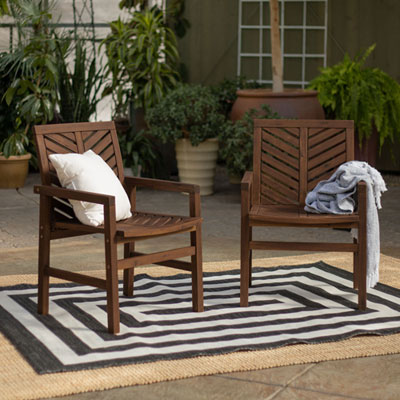 Your price for this item is $604.99
-
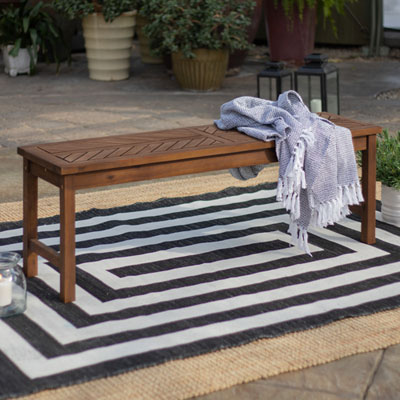 Your price for this item is $371.99
-
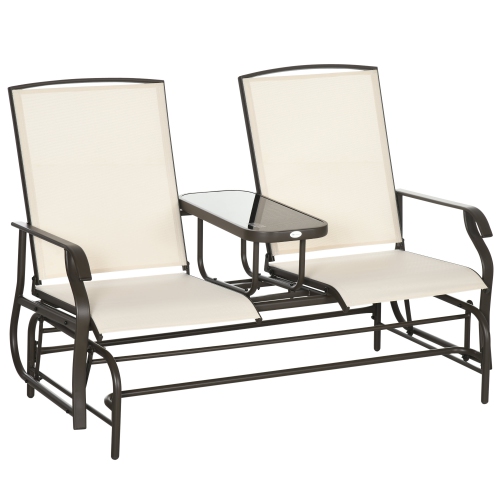 Your price for this item is $209.99
-
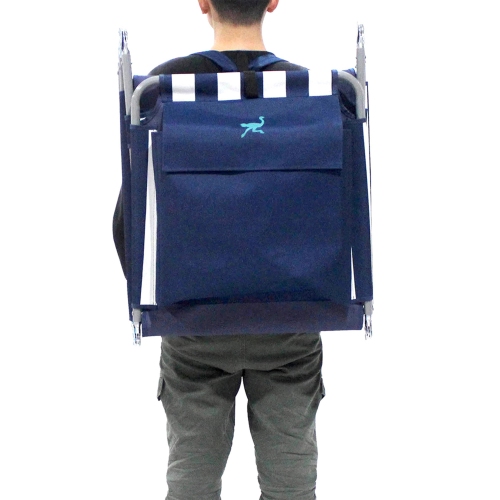 Your price for this item is $174.99
-
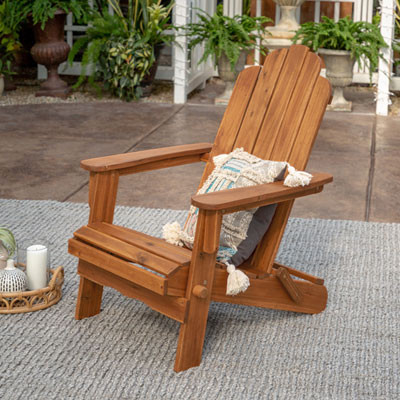 Your price for this item is $461.99
-
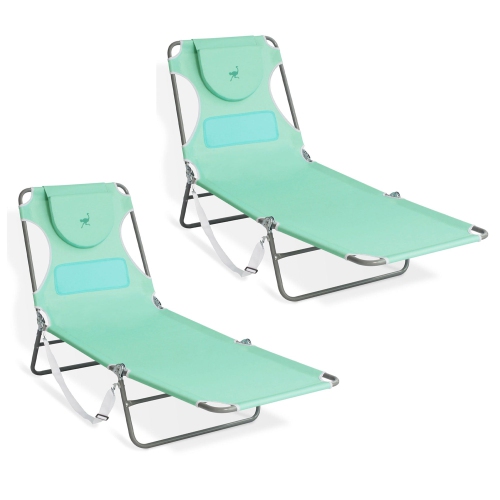 Your price for this item is $335.99
-
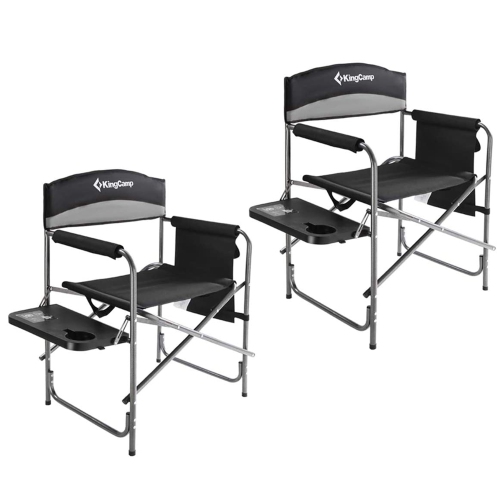 Your price for this item is $205.99
-
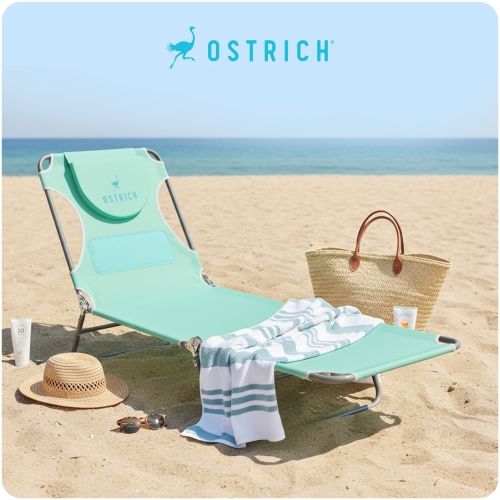 Your price for this item is $170.99
Discover more categories related to Metal Outdoor Chairs
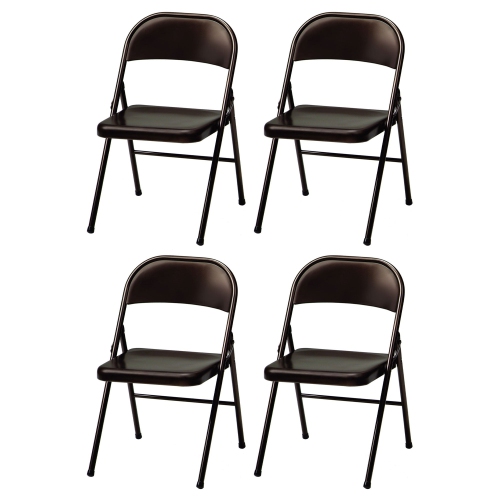
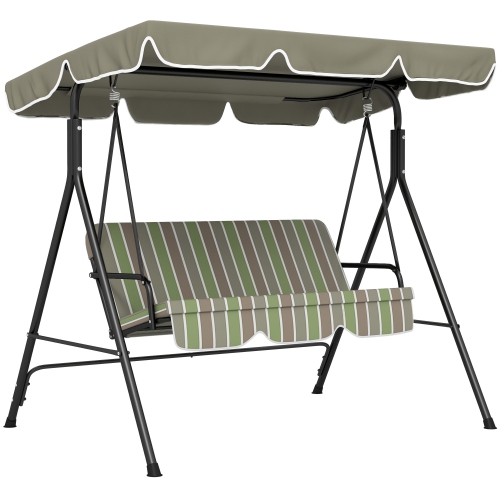

Top Collections:
Pokemon Centers, Kindle Devices, Best Cameras for Sports Photography, Pokémon 30th Celebration Cards, Apple iPhones 16, Canon G7X Cameras, iPhone 15 Apple, Flip Phones, Samsung Galaxy Phones, Alarm Clock
Some products may be subject to Environmental Handling Fees
(EHF) depending on your province.
Learn more about EHFs.