Metal Single Beds
Looking for a sleek and sturdy bed frame that combines style and functionality? Look no further than our collection of metal single beds. Whether you're furnishing a small bedroom, a guest room, or a student dormitory, metal single beds are the perfect choice to maximize space while adding a modern touch to almost any interior. Here are some great options available.
Sort

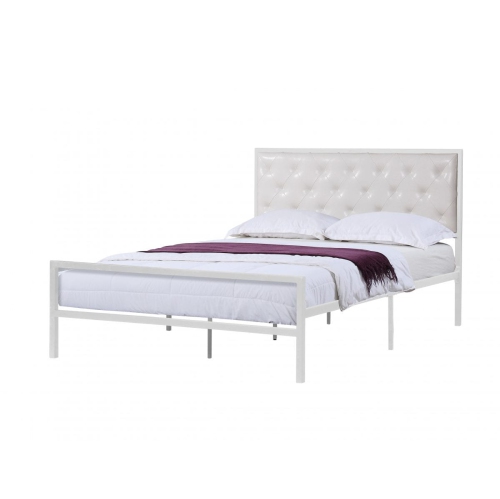
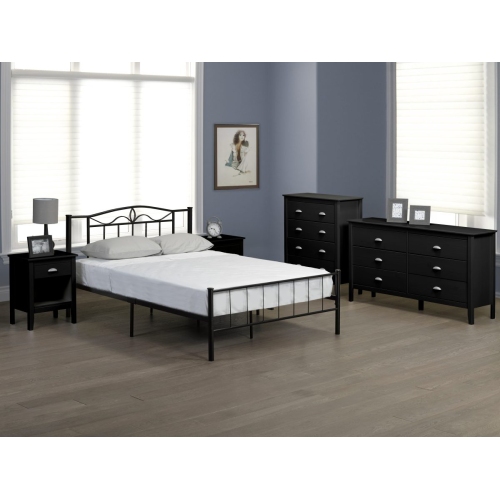
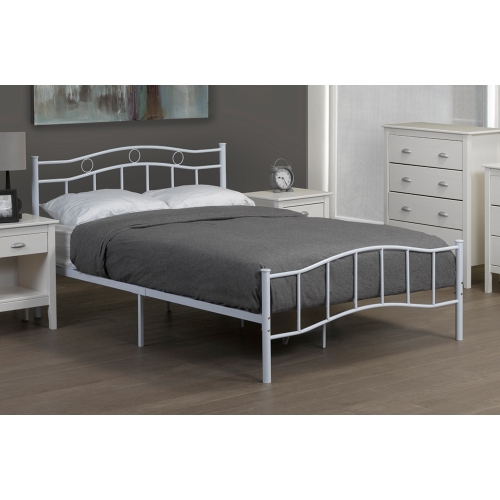
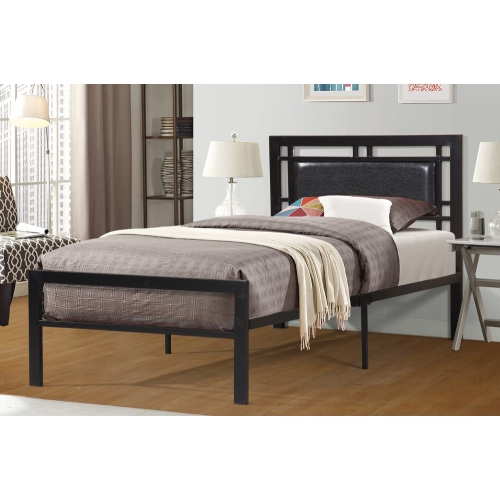

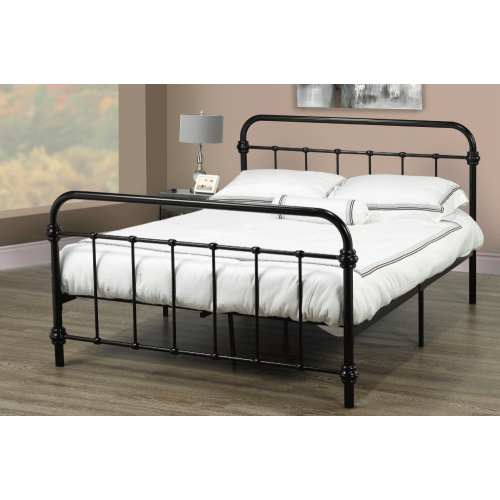
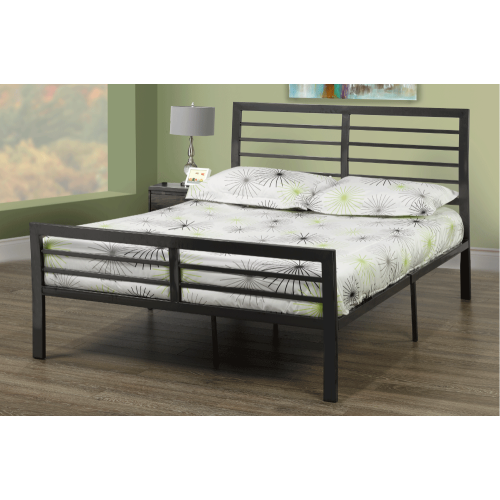
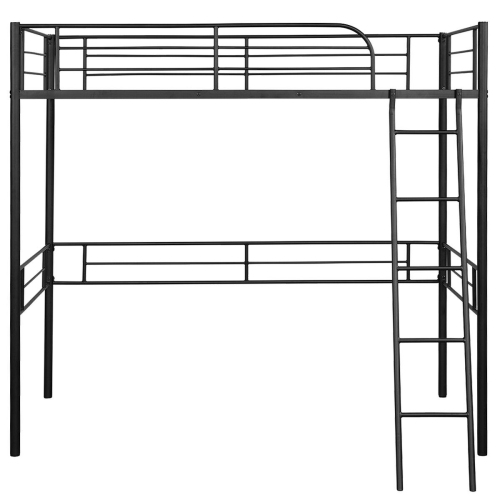
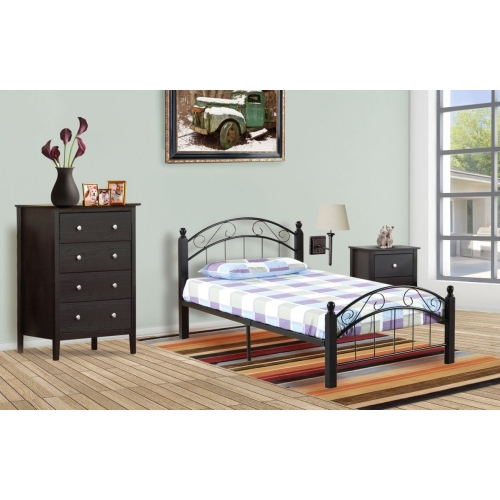
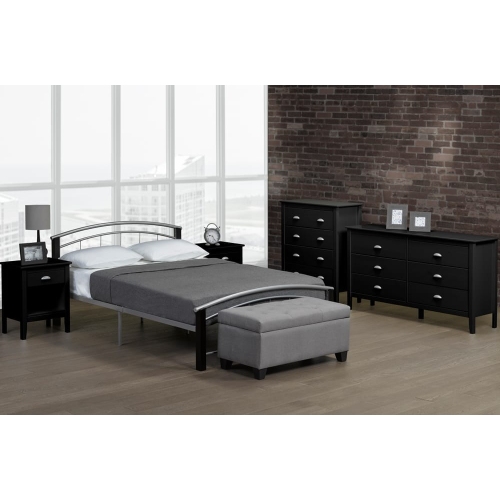
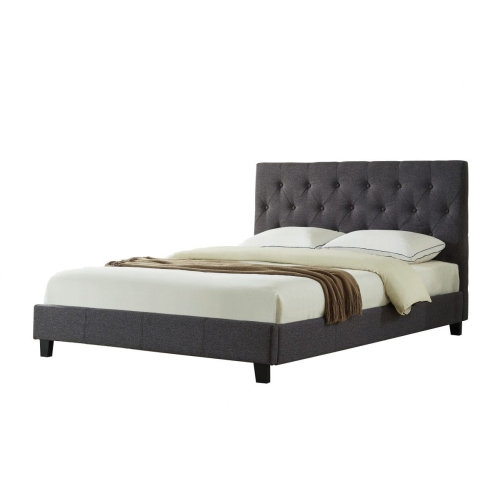
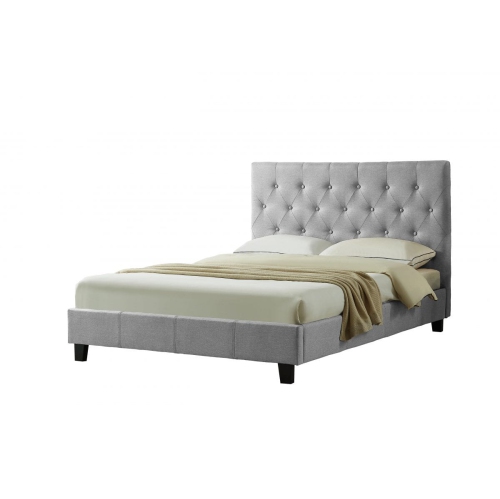
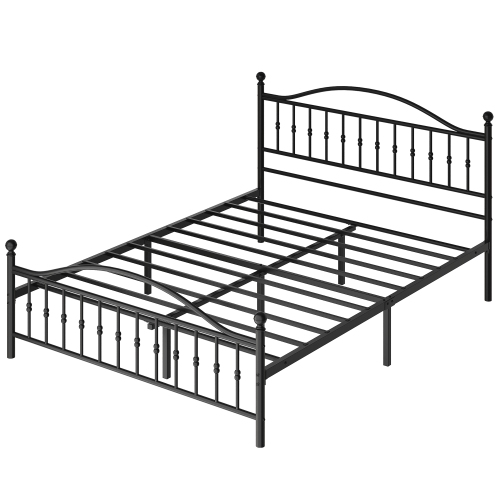
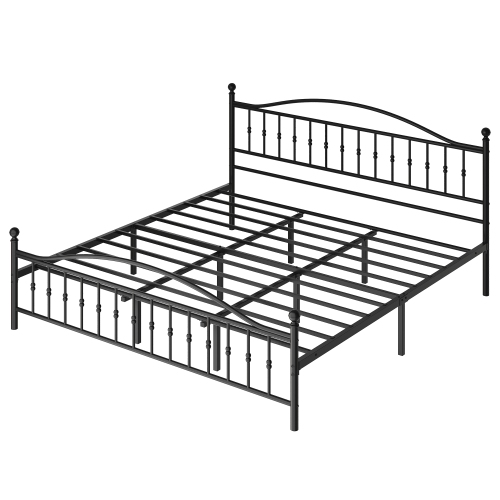
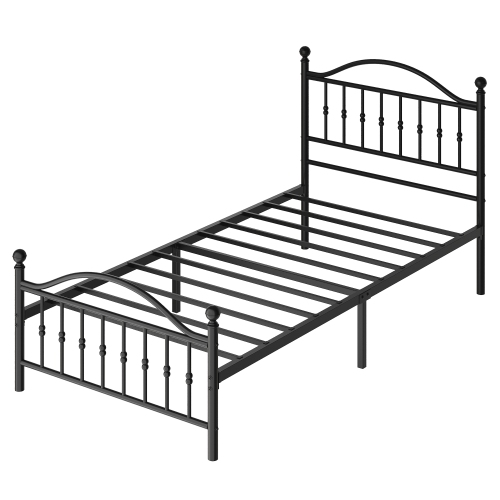
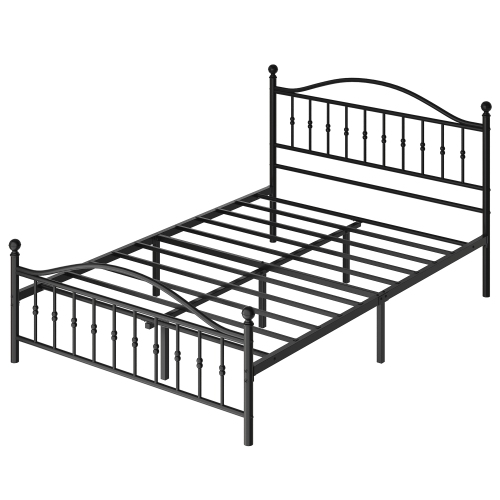
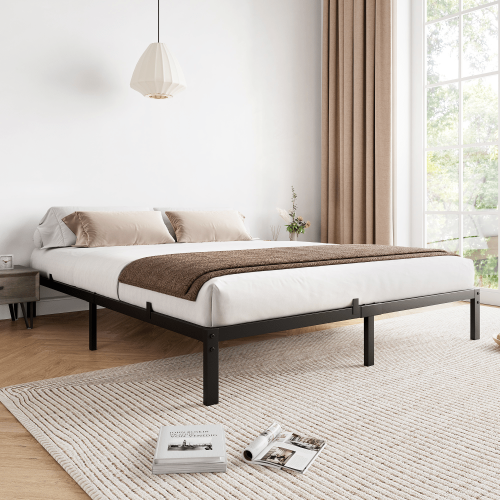
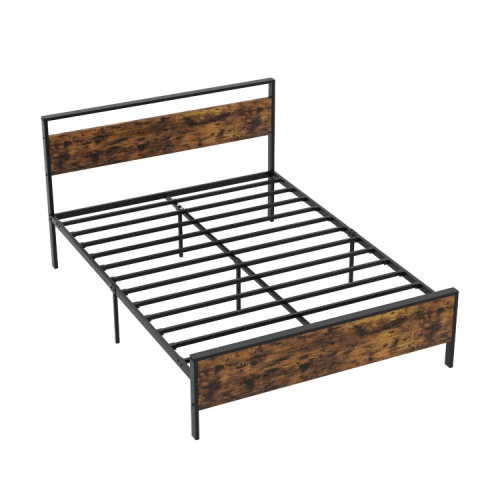
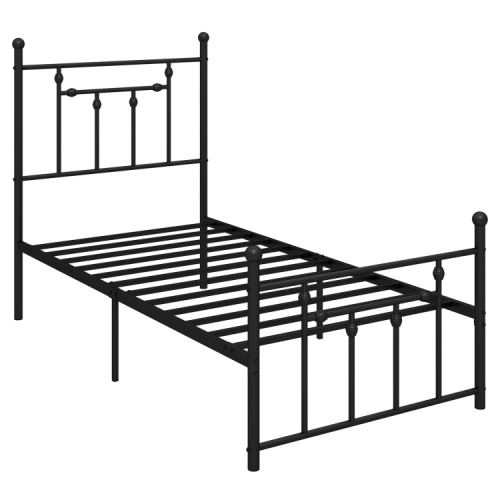
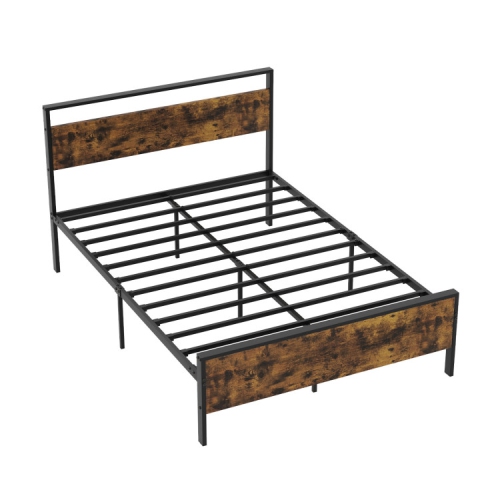
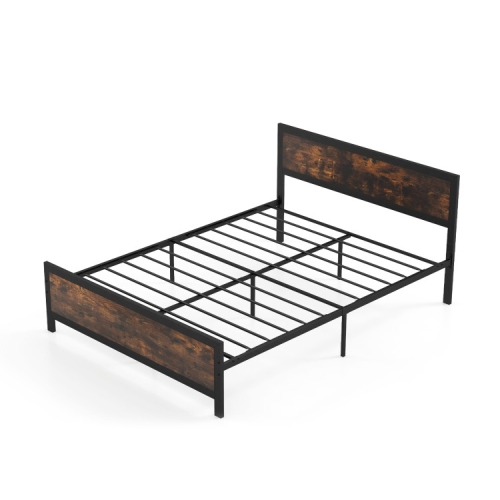
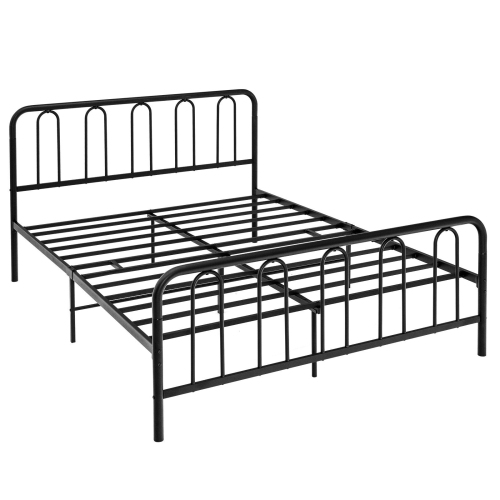
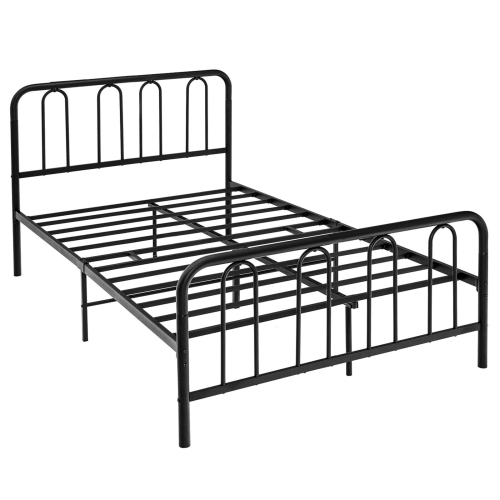
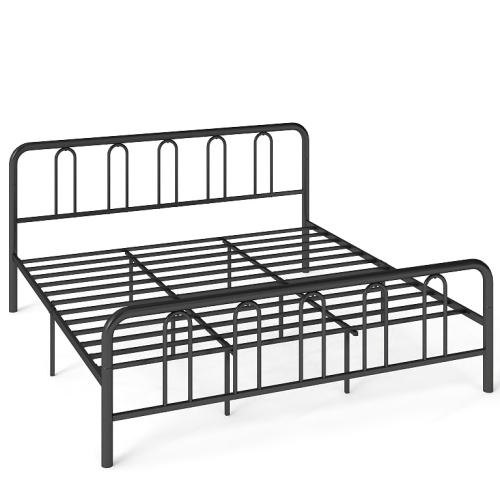
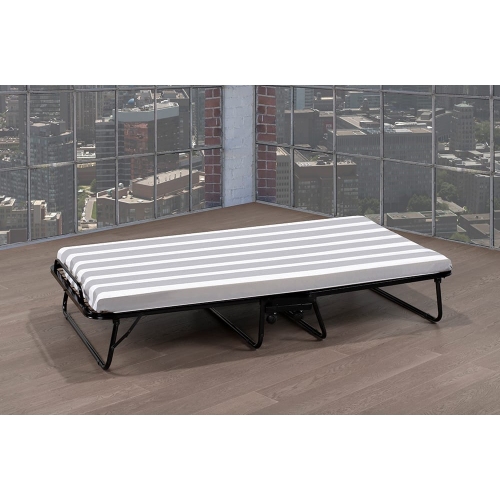
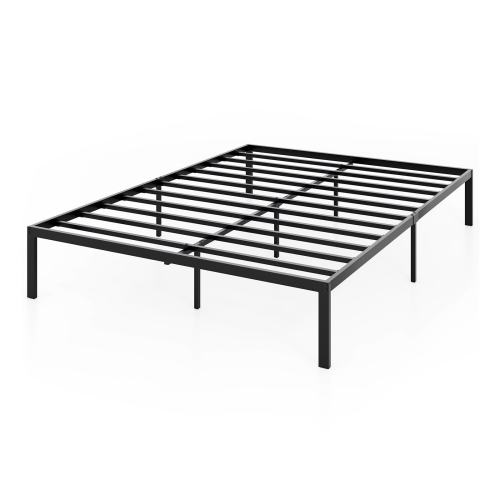
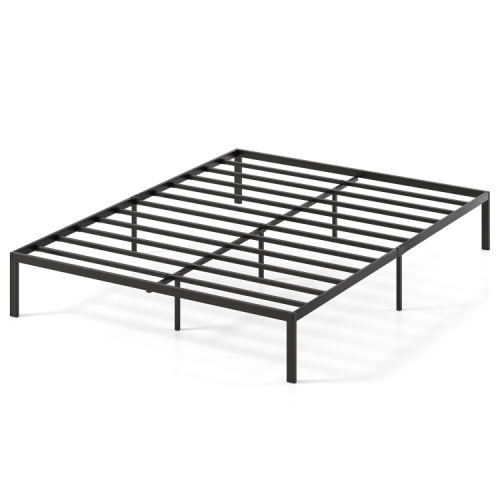
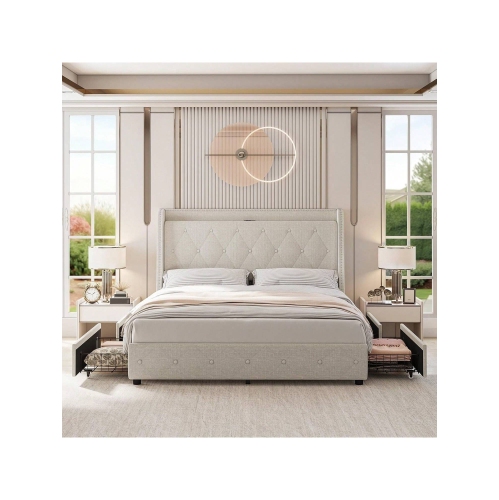
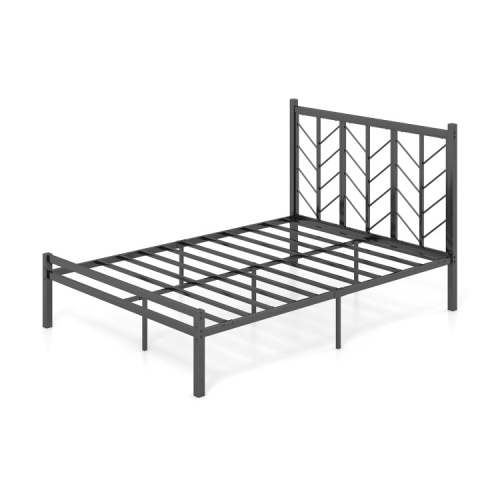
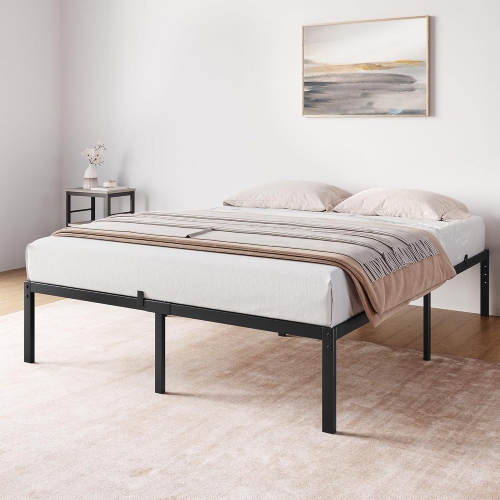
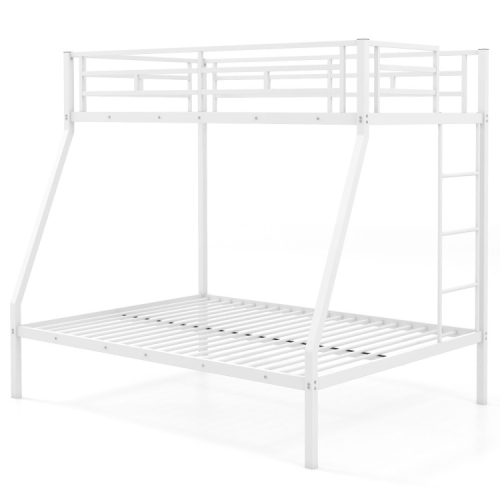
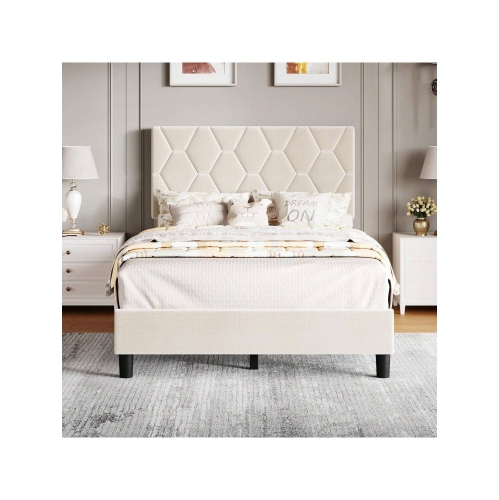
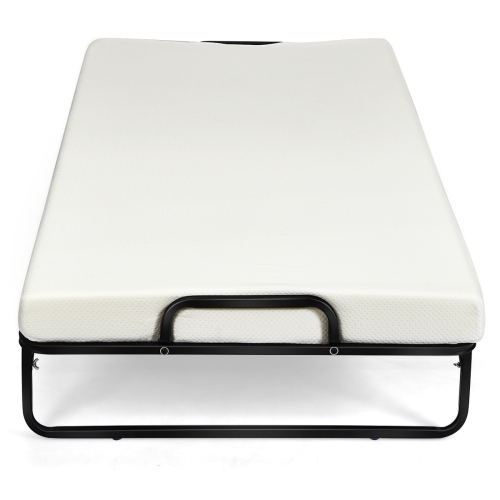
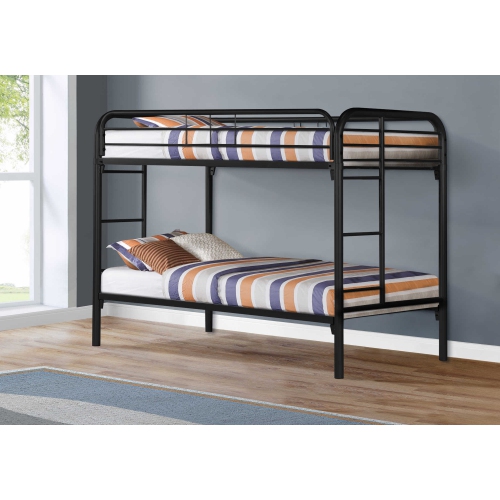
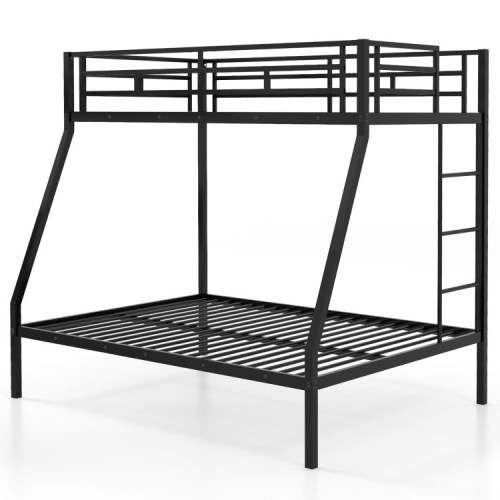
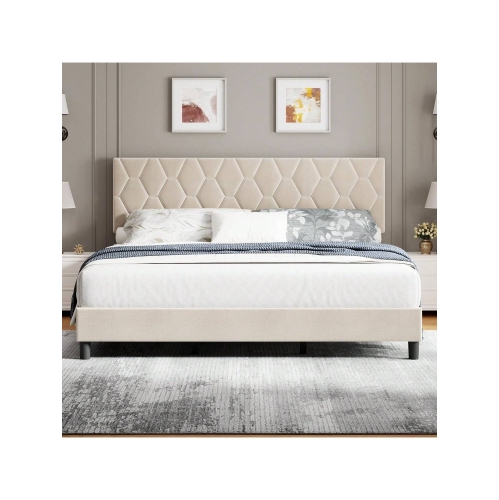
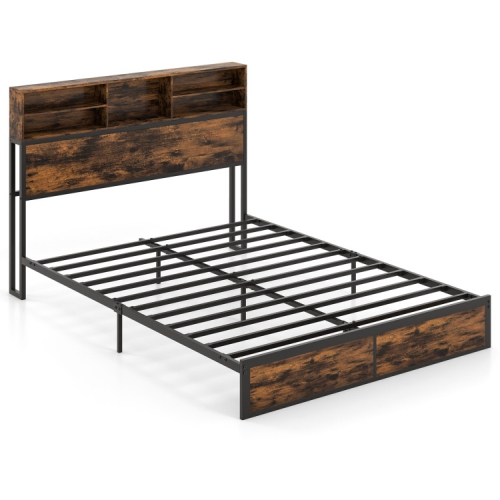
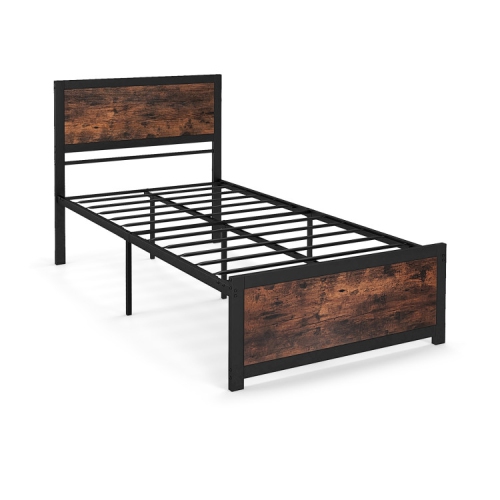
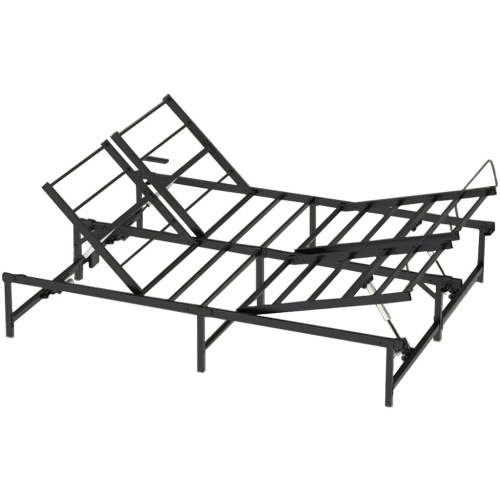
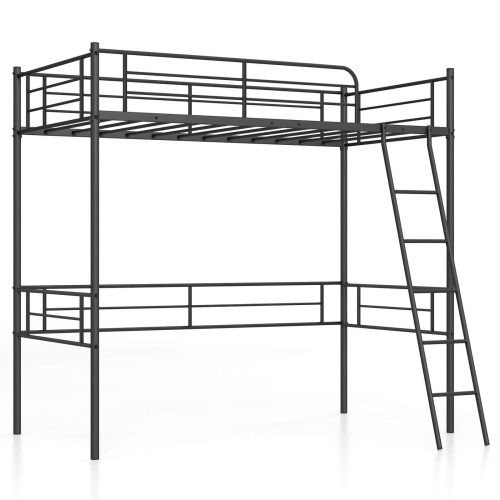
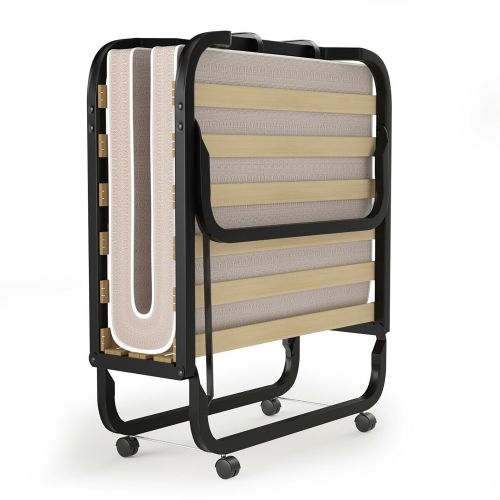
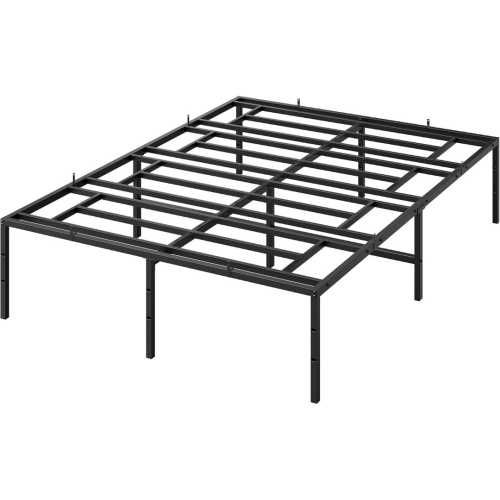
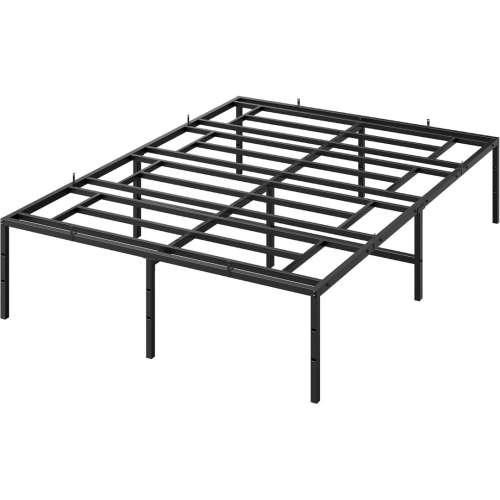

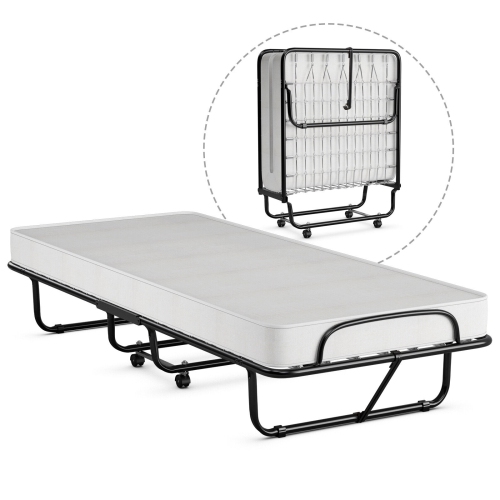
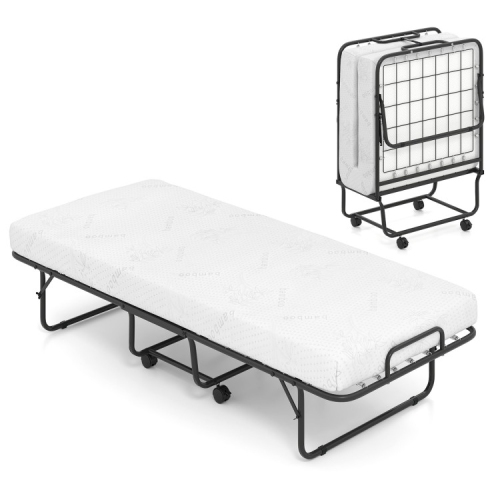
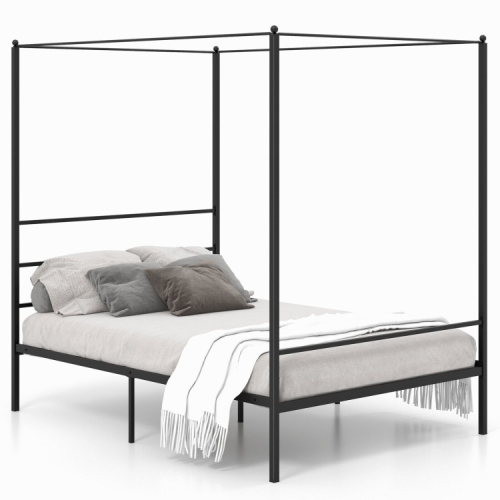
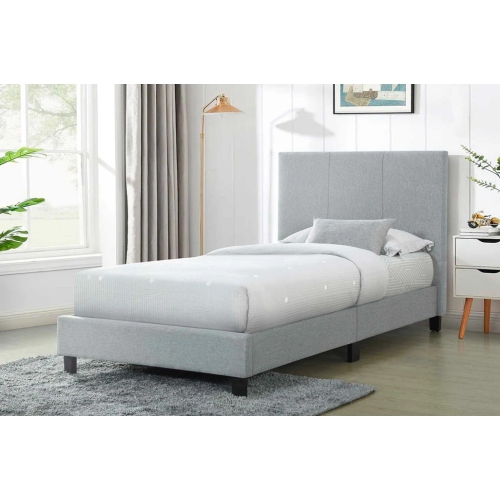
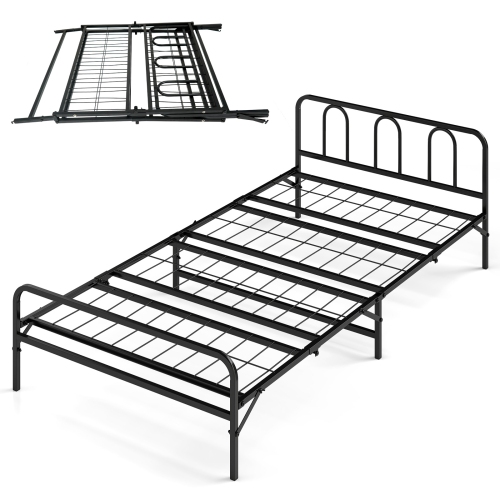
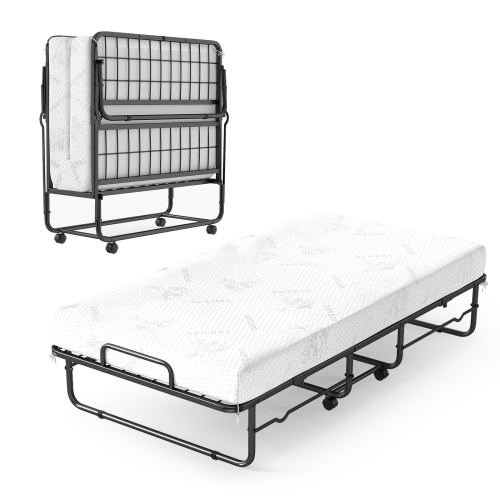

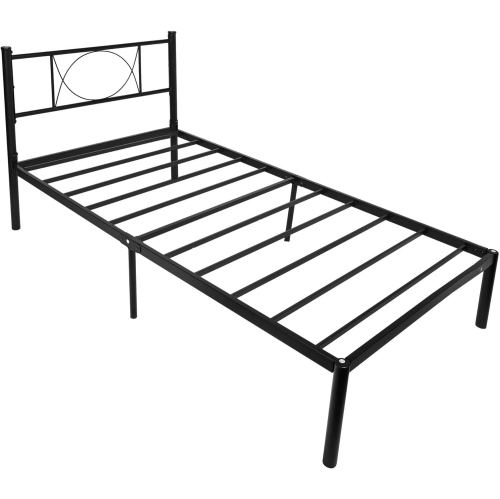
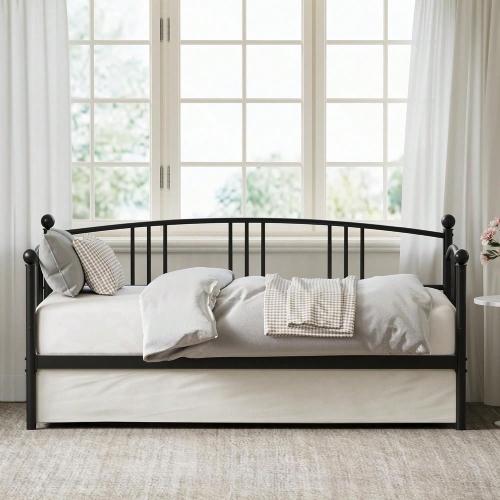
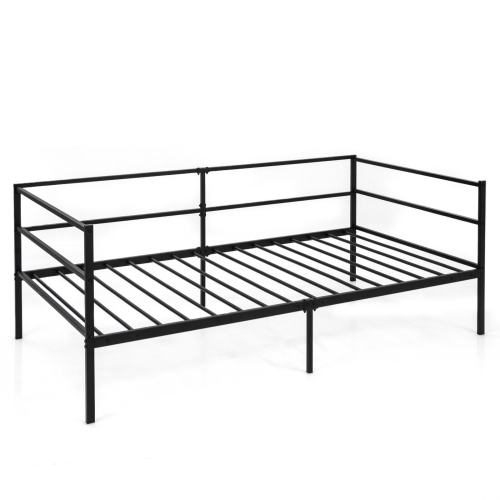
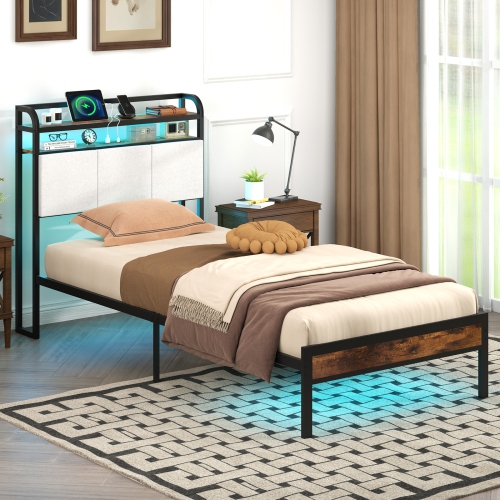
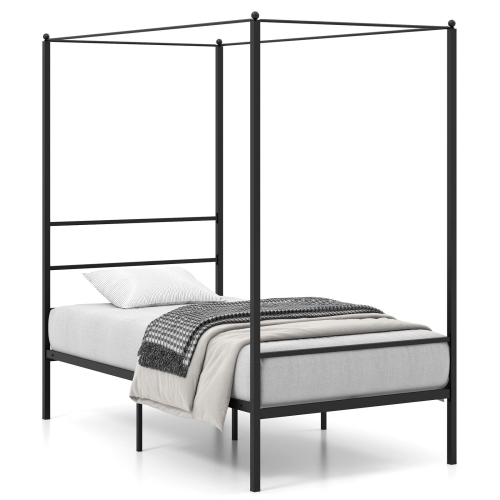
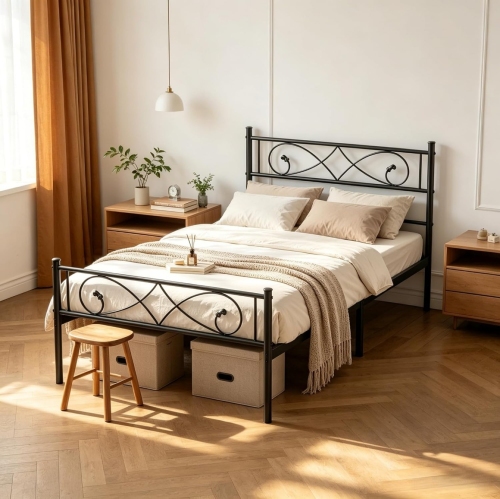
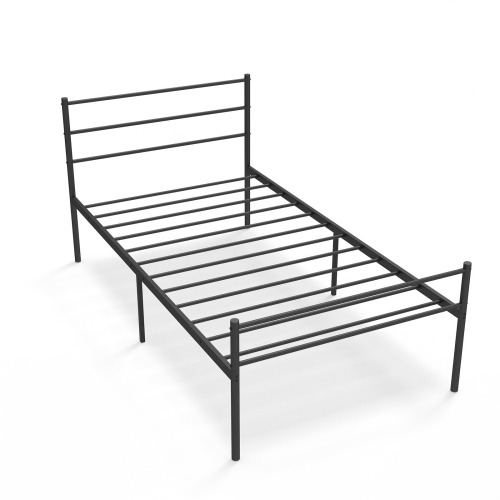
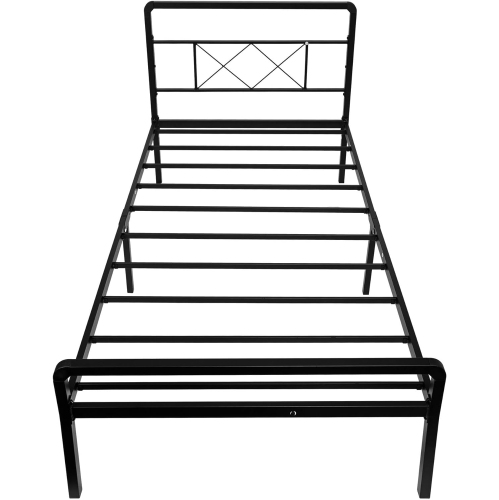
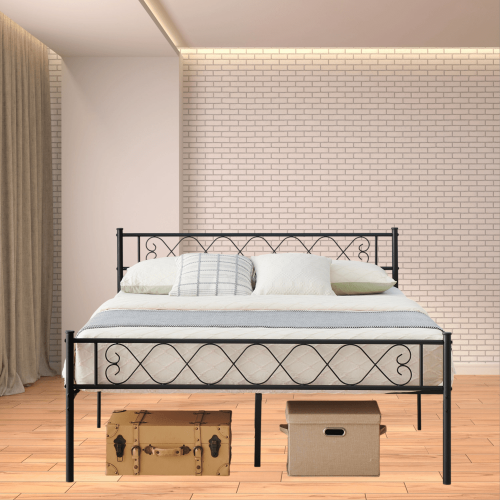
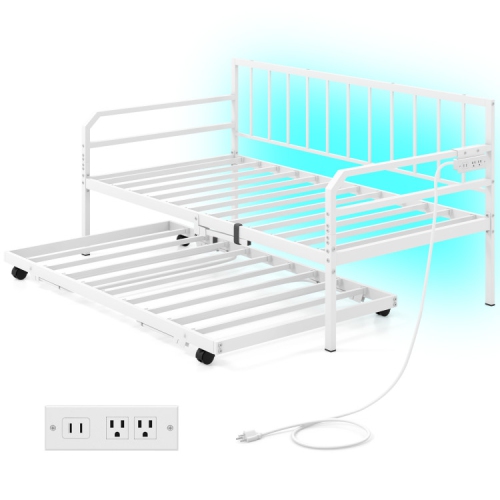
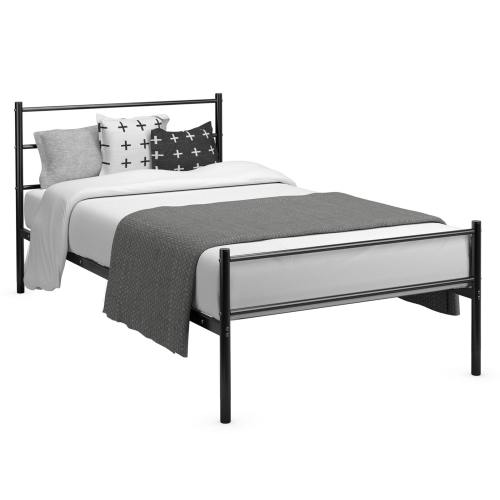
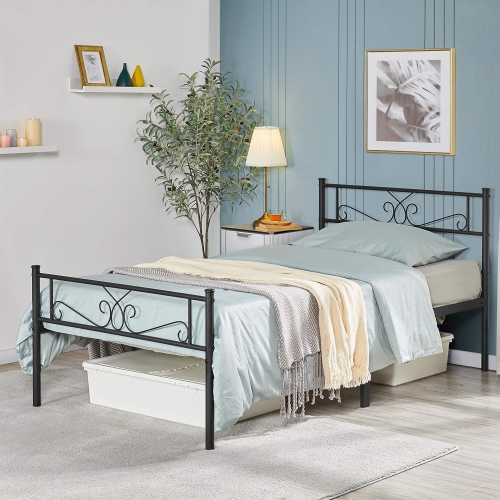
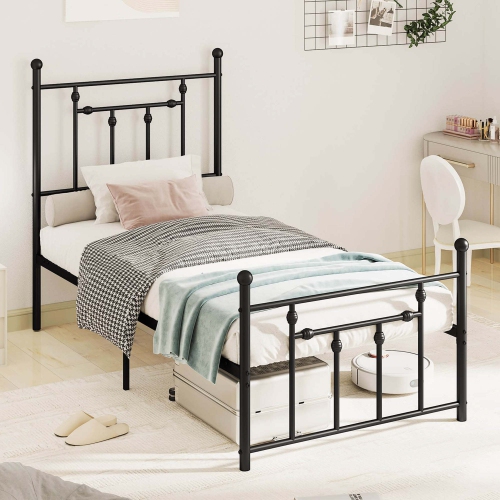
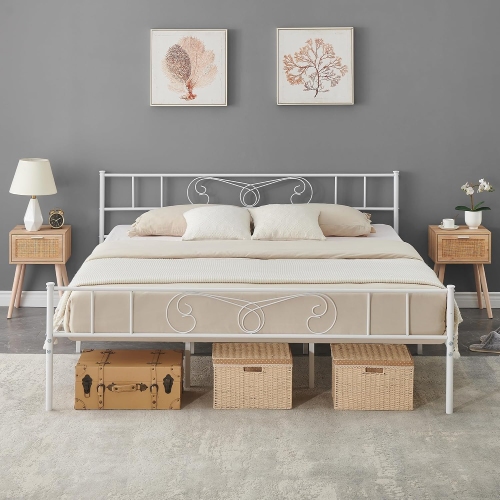
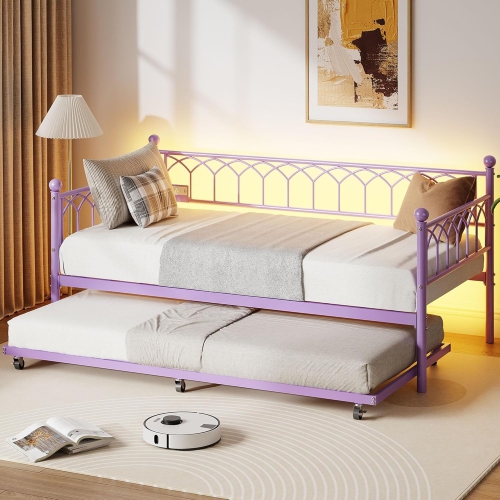
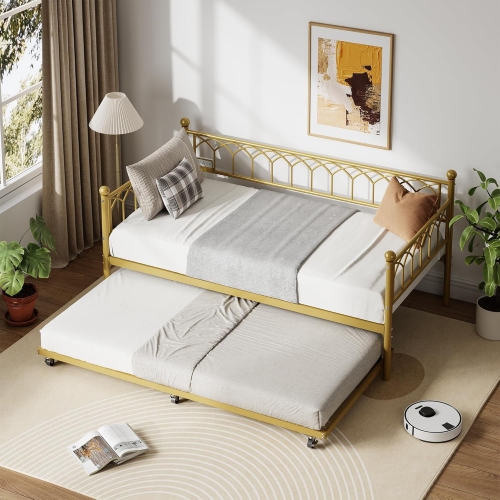
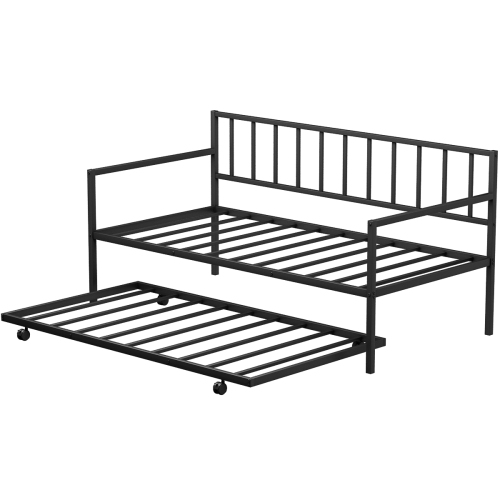
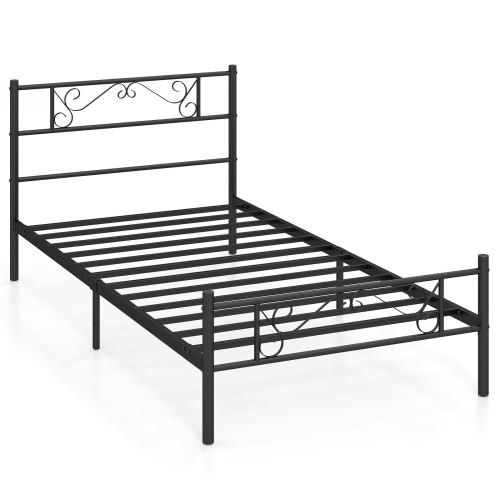
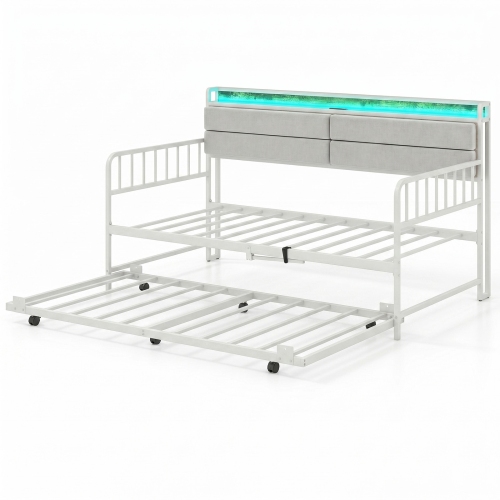
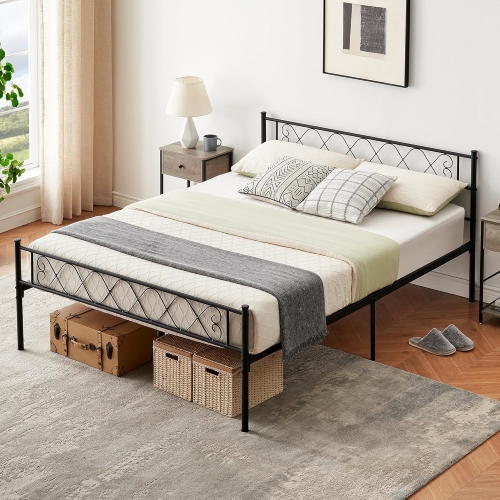
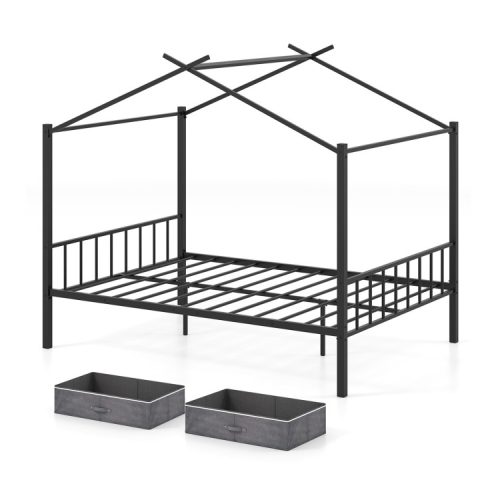
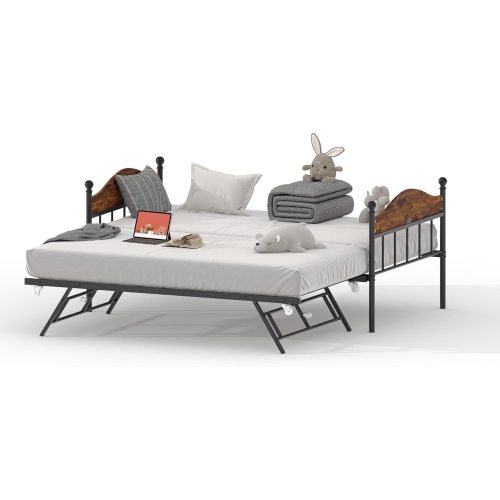
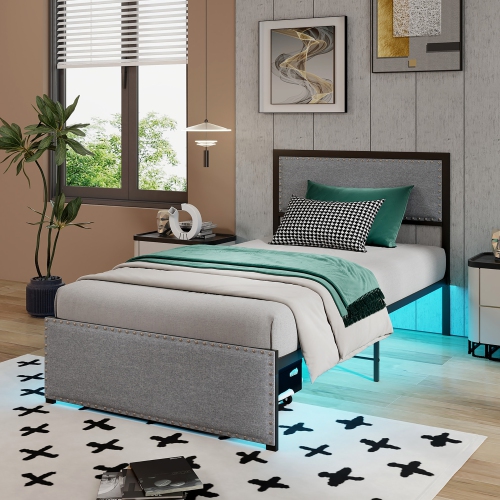
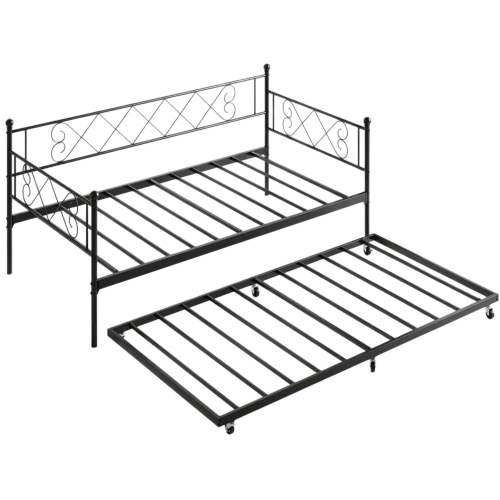
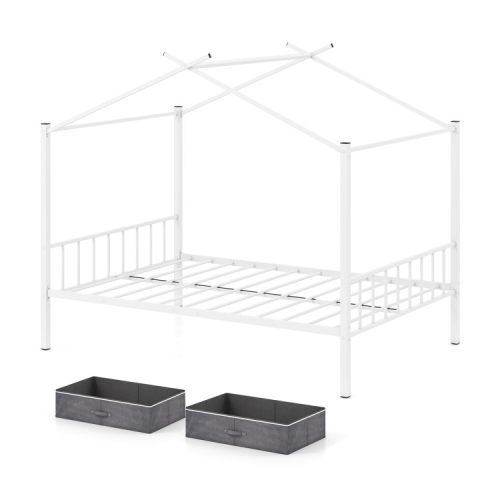
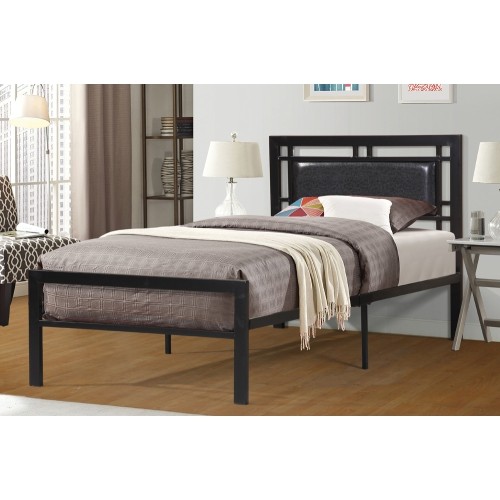
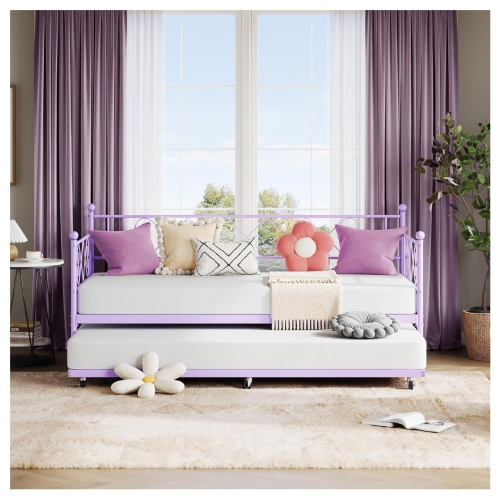
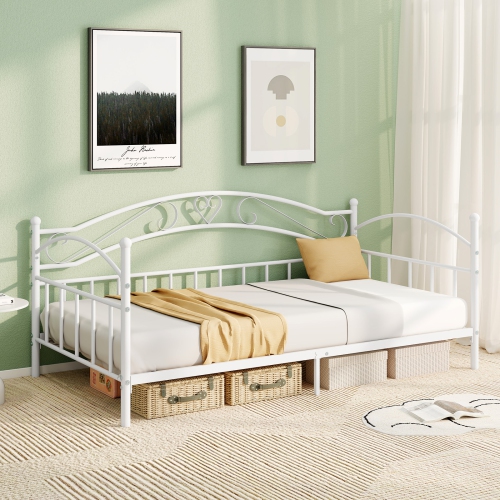
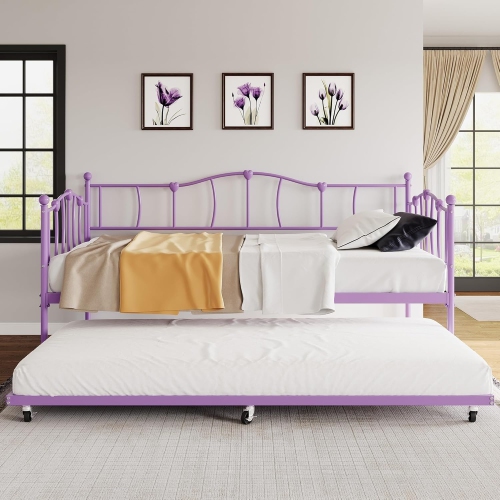
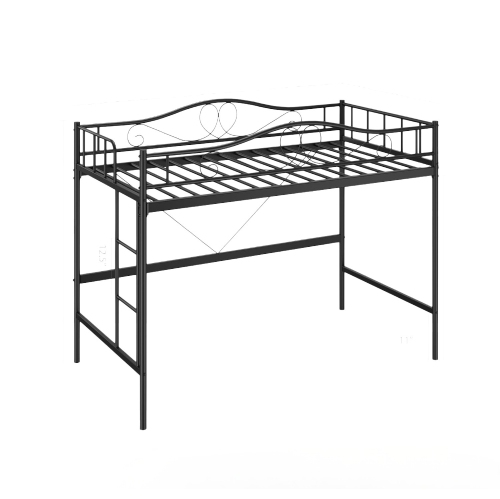
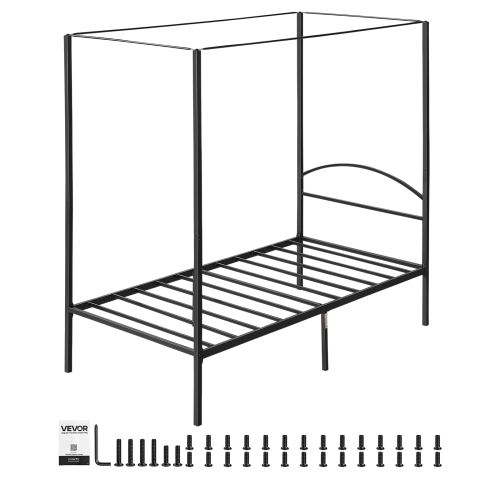
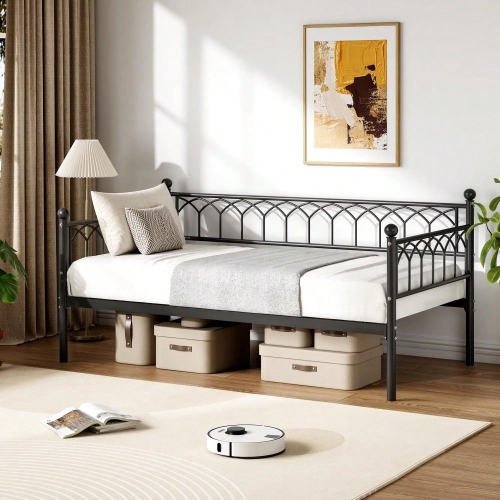
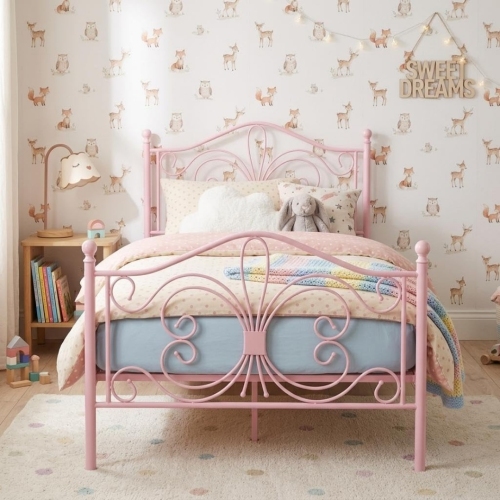
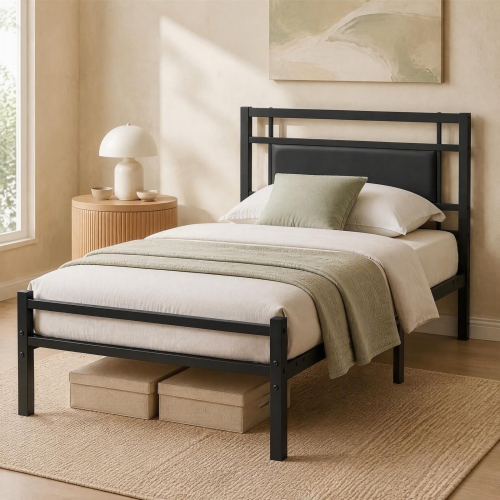
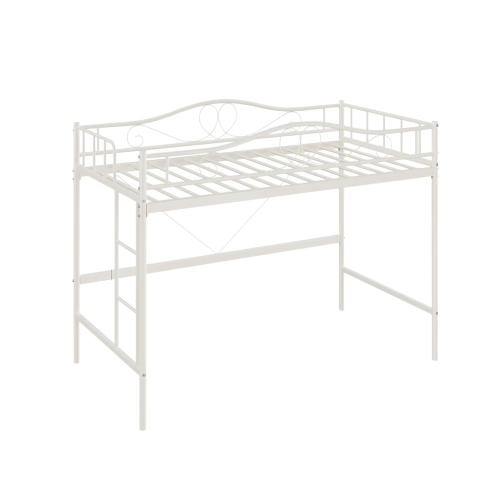
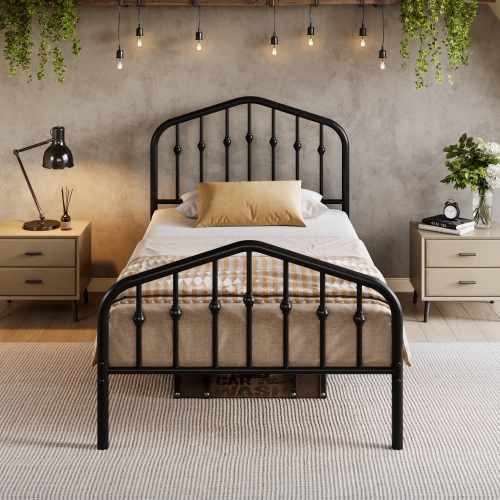
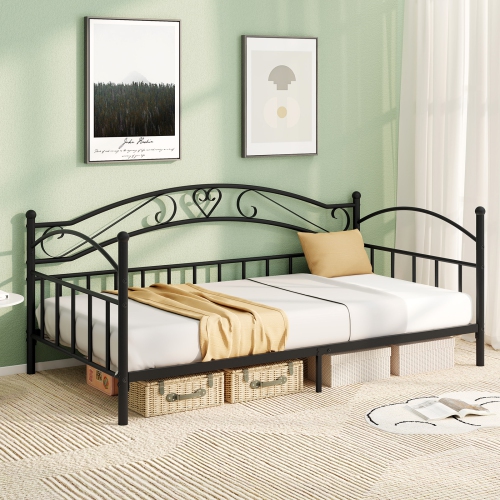
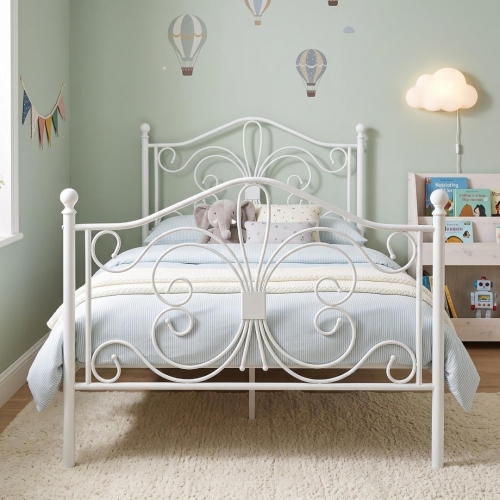
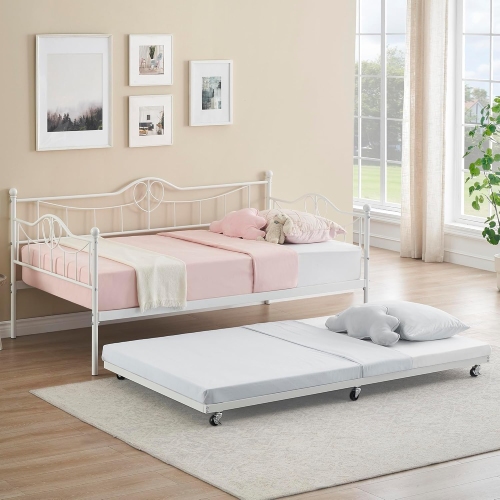
A lighter look for rooms short on space
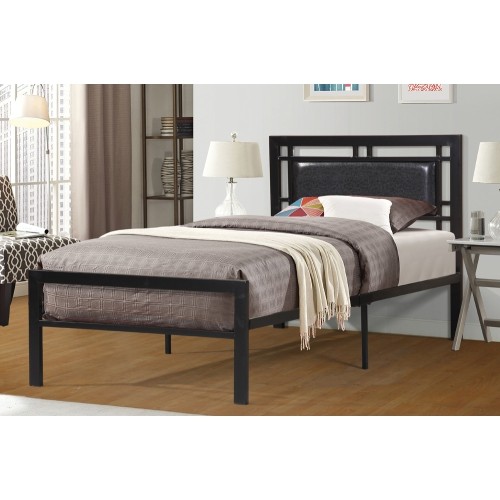
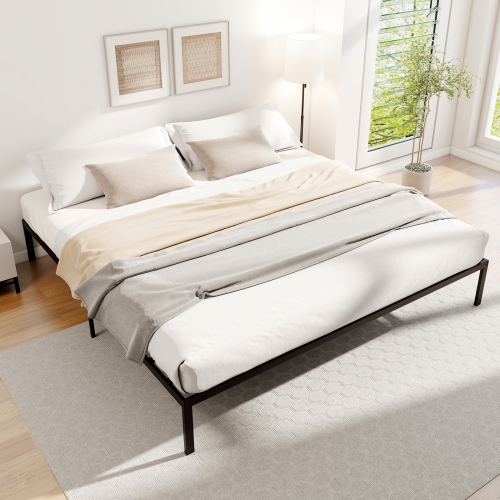
Metal single beds pair a compact sleeping space with a frame that can suit anything from a child’s first bedroom to a guest room or studio apartment. A single bed generally takes the same mattress size as a twin bed, commonly about 38 inches wide and 75 inches long, although the listed mattress and frame measurements should always be checked together. The frame’s overall footprint is larger than the mattress itself, particularly when a headboard curves outward or a footboard extends beyond the sleeping surface. That distinction matters in a narrow room where a few extra inches can affect whether a wardrobe door opens fully or a desk chair slides back comfortably. Metal frames often have a visually light appearance, with open rails and slender posts that leave more of the surrounding room visible. A simple black frame can sit neatly beside a wood dresser, while a white finish creates a softer look against colourful bedding. Rounded spindles and curved headboards have a more traditional character; straight rails and square corners give the bed a cleaner, more understated shape. Within the broader Single Beds category, metal designs offer a distinct alternative to wood and upholstered frames without limiting the room to one decorating style. They can work well for school-age children, teenagers, students, and adults who prefer a narrower bed or need to leave space for other furniture. For a taller sleeper, a standard single mattress may feel short even when the room accommodates the frame comfortably. Twin XL beds typically add about 5 inches of mattress length, but they require a matching frame and bedding. A single bed is intended for one sleeper, so its usefulness depends as much on the person’s height and sleeping habits as on the floor space it occupies. Someone who stretches out widely may prefer a larger sleeping surface, while a single frame can leave welcome room for a reading chair, bedside table, or work area.
The support beneath the mattress is one of the most important differences between metal single bed frames. Many platform designs use metal or wood slats to support a mattress directly and do not require a box spring, but this is not true of every metal bed. Some traditional frames are designed to hold a box spring or another approved foundation, and their support structure should not be treated as interchangeable with a platform base. The frame specifications and mattress manufacturer’s requirements need to agree, especially for foam and hybrid mattresses that may require closely spaced slats or a particular type of foundation. Slat spacing, rail strength, cross-bracing, and the number and placement of support legs all contribute to how the assembled bed handles weight. A stated weight capacity should be checked for whether it includes the mattress, bedding, and sleeper rather than assumed to describe the sleeper alone. Steel construction is common, but a frame’s stability depends on its complete design, not simply the fact that it is metal. Secure joints, well-supported rails, and correctly installed hardware help the bed feel steady when someone sits on the edge to put on socks or turns over during the night. Noise can come from loose connections, parts rubbing together, or an uneven floor, so no material by itself guarantees a silent bed. Headboard and footboard height also influence everyday comfort. An open headboard can frame a stack of pillows attractively, though the mattress thickness determines how much of that design remains visible. A tall mattress may conceal lower details, while a thin mattress can leave a larger gap beneath the headboard. Any gaps should be assessed against the manufacturer’s intended mattress dimensions and safety information, particularly for a child’s room. A footboard can help define the bed’s outline and keep bedding contained, whereas an open-ended frame gives a taller sleeper more room to extend their feet and can make changing sheets less awkward in a tight space.
Practical details around a metal single bed often become more noticeable after the room is furnished. Under-bed clearance can provide useful space for shallow storage bins, spare linens, or an overnight bag, but the relevant measurement is the usable opening beneath the side rails rather than the overall bed height. Centre supports and crossbars may divide that space, so a large container might not slide through even when its height appears suitable. The combined height of the frame, any required foundation, and the mattress also affects how easily someone can sit down and stand up. A lower sleeping surface may suit some children, while an adult may find a higher bed easier to use; individual mobility and the manufacturer’s age recommendations remain important. Floor protection is another small detail with everyday value. Suitable pads or cups beneath the legs can help protect hard flooring, provided they do not interfere with stability, and support feet should sit firmly on the floor as directed. Assembly usually involves joining the side rails, fitting the headboard and footboard, and securing the mattress supports. Clear floor space makes it easier to lay out those parts without scratching the finish, and larger sections may be easier to position with a second person. Hardware should be tightened in the recommended sequence and checked periodically according to the care instructions, especially after moving the bed. For routine cleaning, a soft cloth removes dust from rails and joints, while a lightly dampened cloth can handle everyday marks if the finish allows it. Abrasive cleaners and rough scouring pads can scratch painted or coated surfaces. Drying the frame after wiping helps keep moisture away from joints and damaged areas, where exposed metal may corrode. Smooth finishes, sound connections, and intact protective caps are worth checking over time. With a compatible mattress, appropriate support, and enough clearance around the frame, a metal single bed can provide a straightforward sleeping space that remains easy to dress, clean around, and use each day.
Top selling and popular products
-
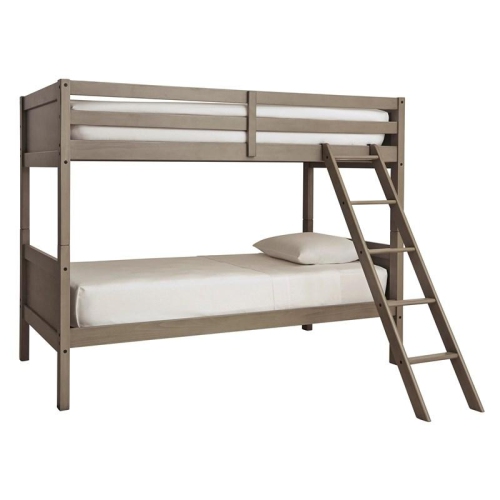 Your price for this item is $799.99
-
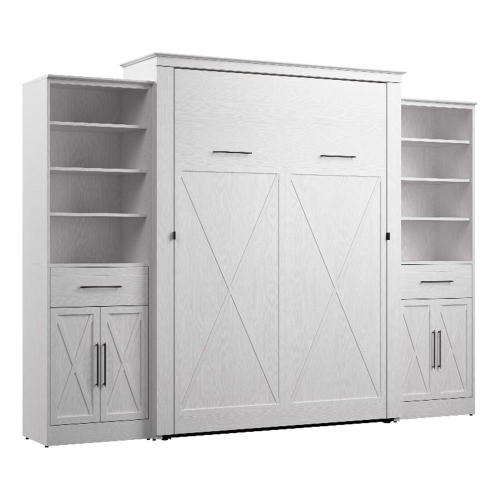 Your price for this item is $3519.99
-
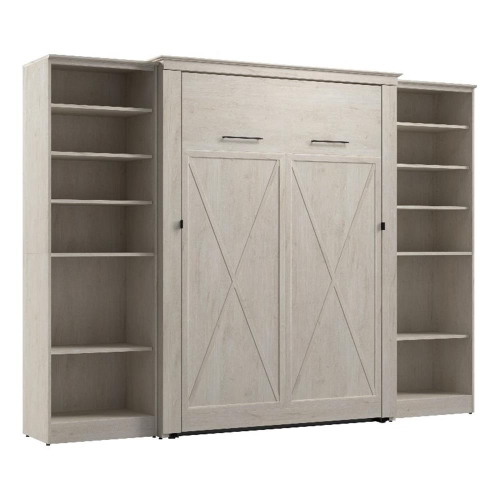 Your price for this item is $3099.99
-
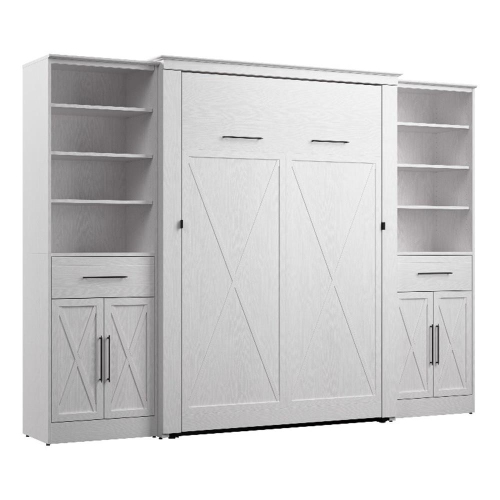 Your price for this item is $3349.99
-
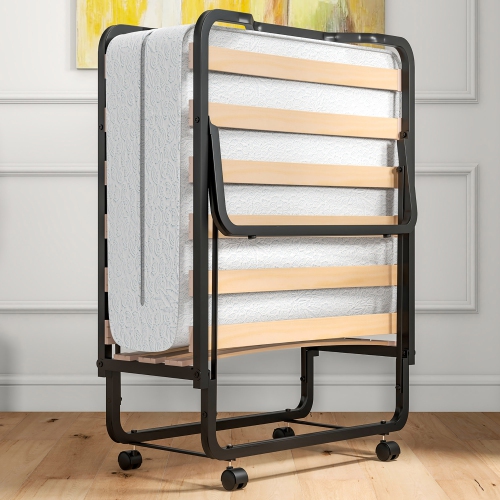 Your price for this item is $235.99
-
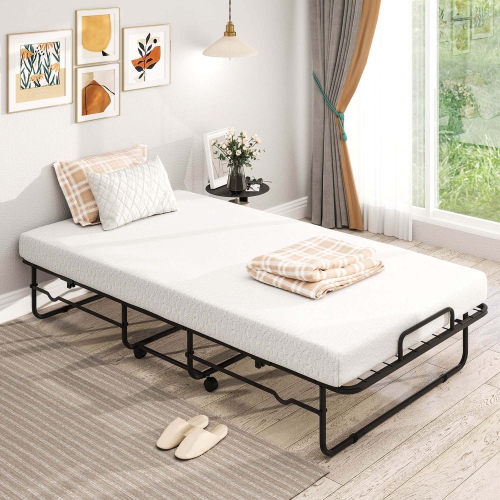 Your price for this item is $243.99
-
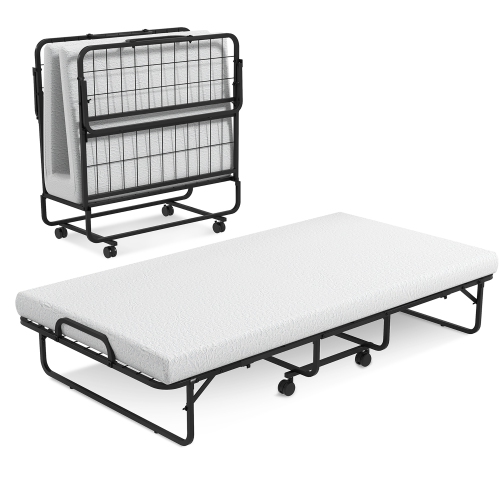 Your price for this item is $233.99
-
 Your price for this item is $364.99
Discover more categories related to Metal Single Beds
Top Collections:
Best Black Friday Deals This Year, Best Black Friday Deals On Electronics, Kindle Devices, Best Black Friday Deals On Apple Products, Best Budget Office Chairs, Best Cameras for Sports Photography, Dyson Airwrap, Canon G7X Cameras, Best Laptops for Writers, Samsung Galaxy Phones
Some products may be subject to Environmental Handling Fees
(EHF) depending on your province.
Learn more about EHFs.