Metal Stackable Shelves
Metal stackable shelves are a great way to add storage space to almost any room in your home. They're sturdy, durable, and they can be used for a variety of purposes. Here are some of the best metal stackable shelves on the market today.
Sort
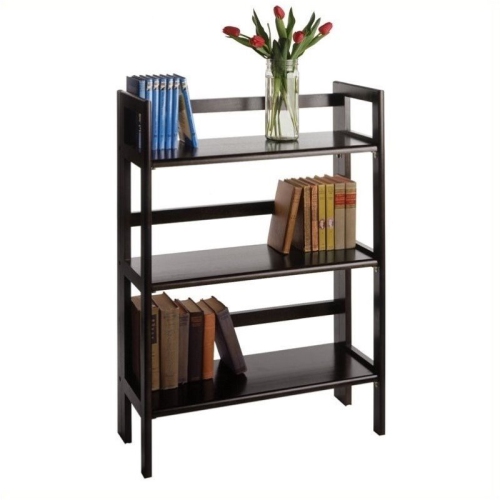
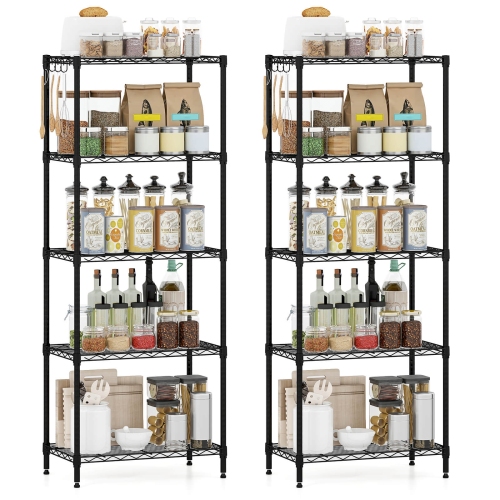
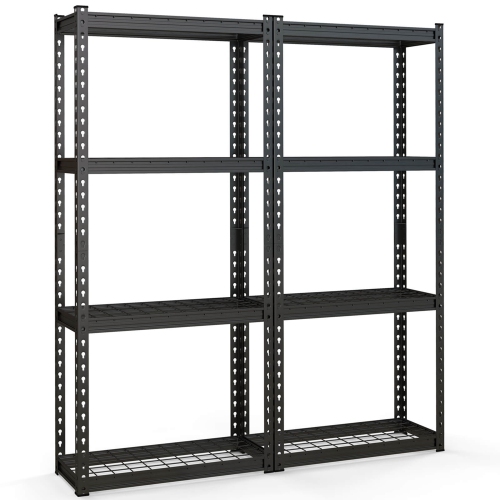
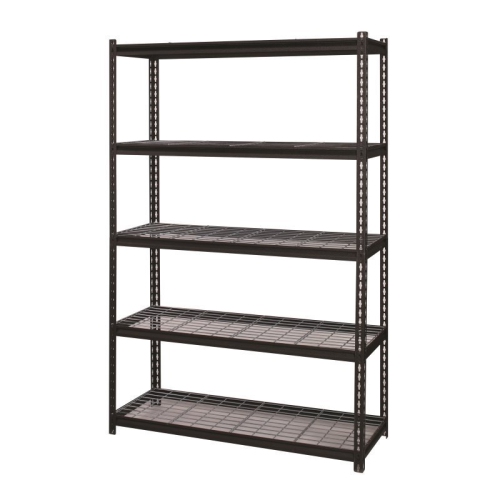
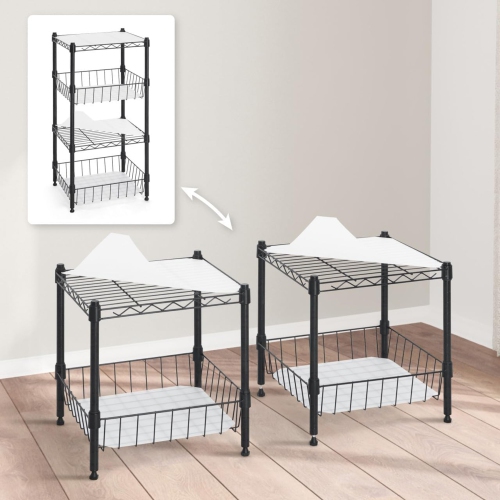
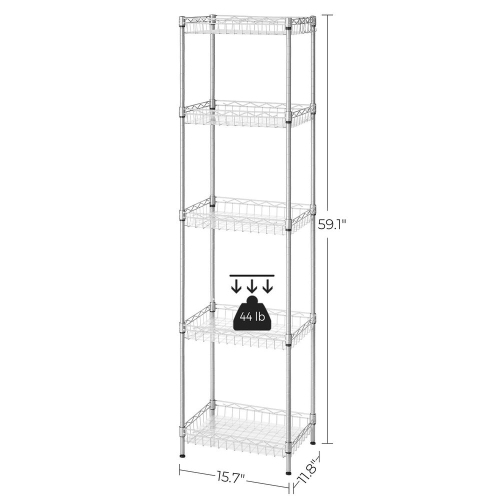
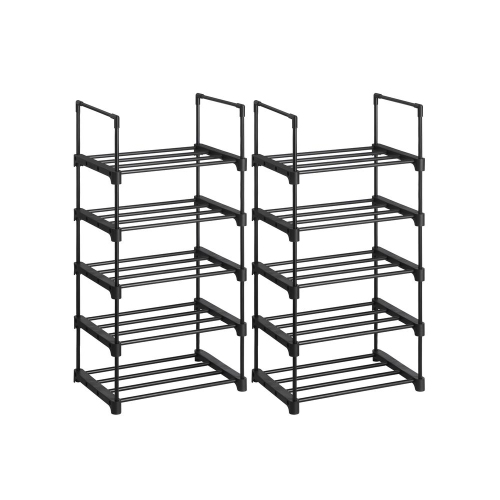
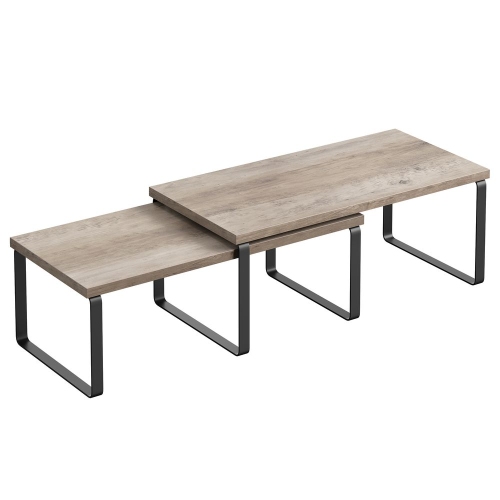
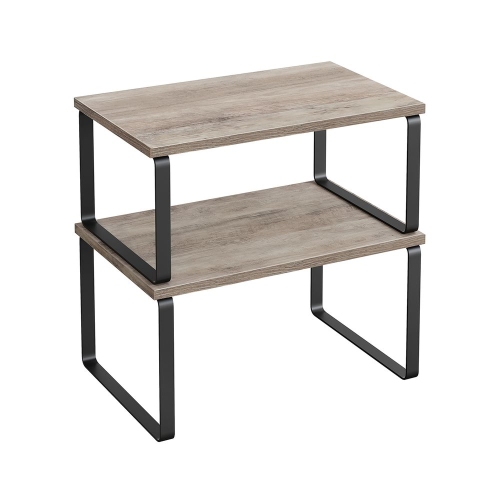
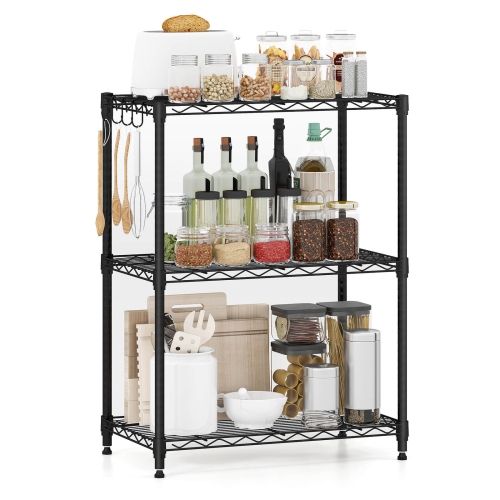
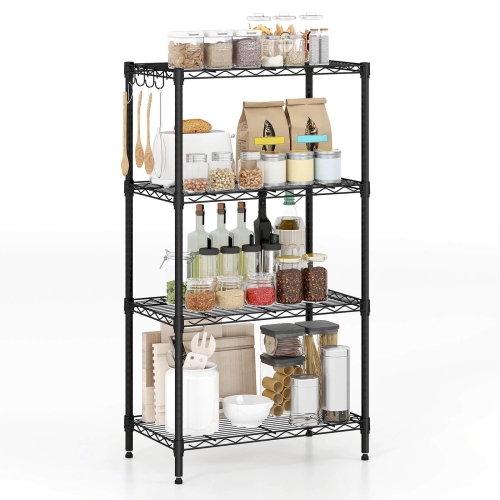
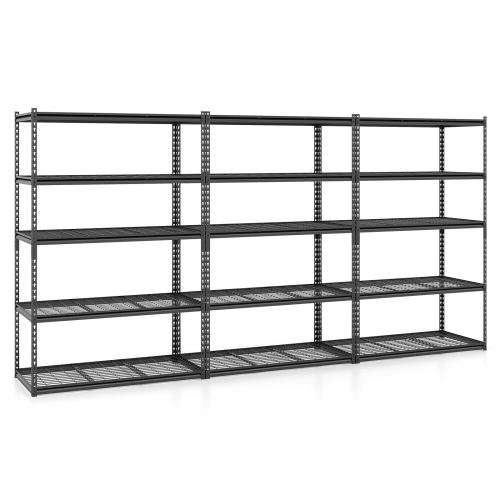
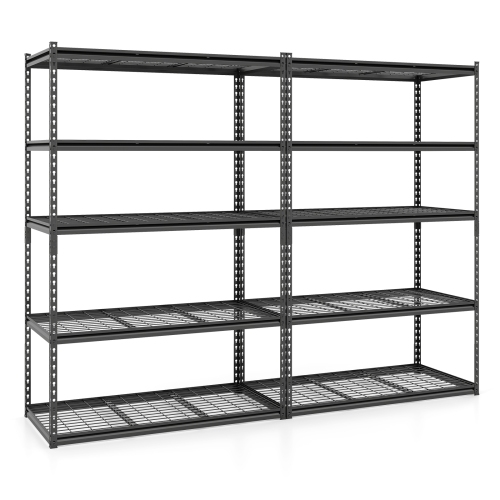
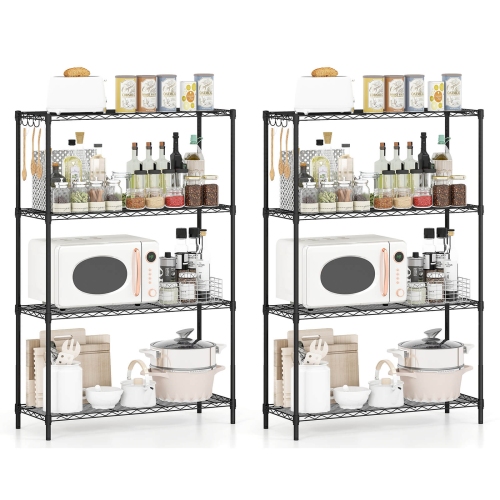
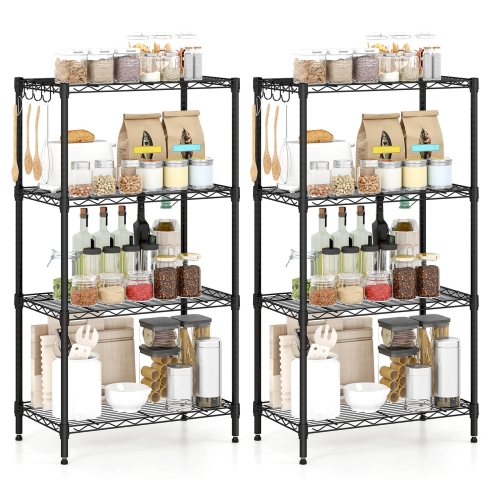
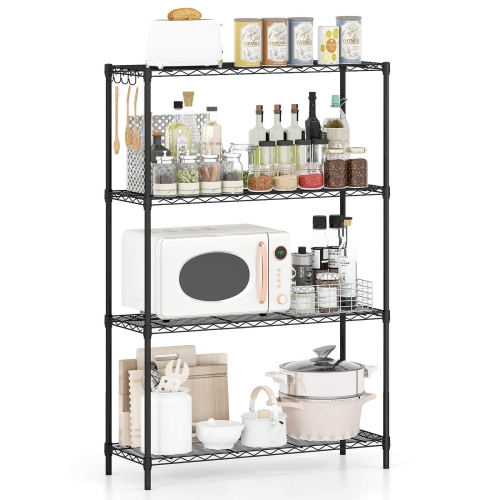
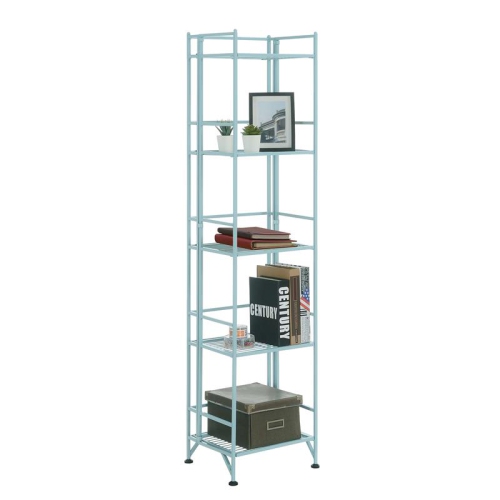
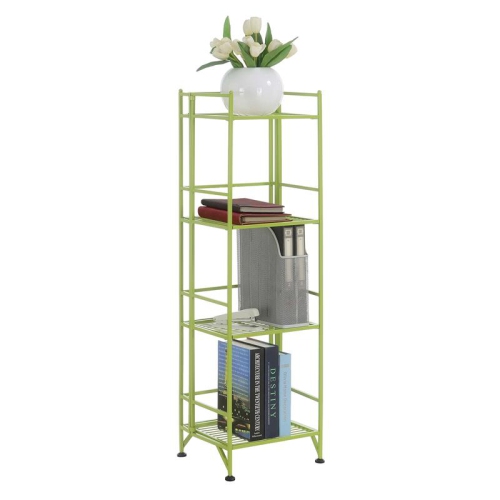
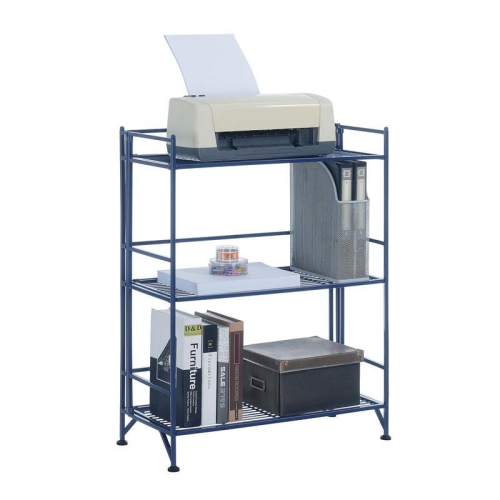
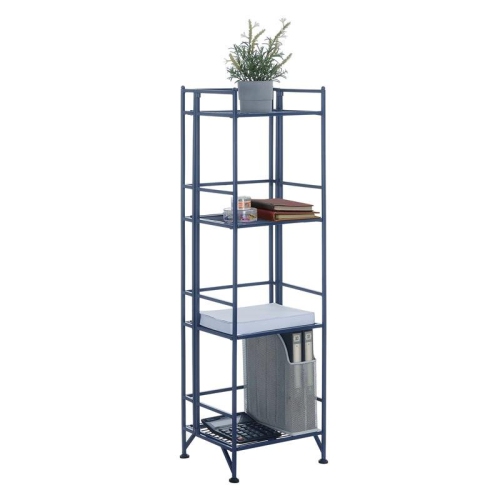

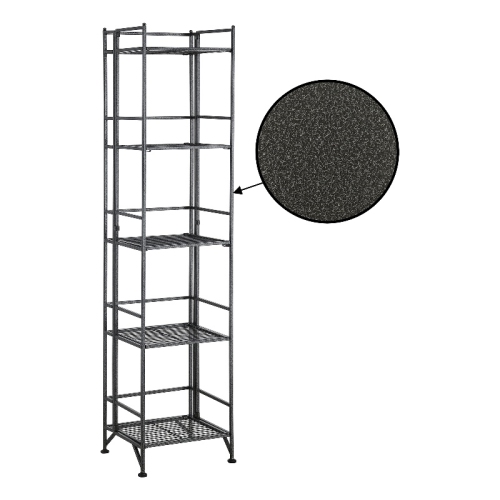
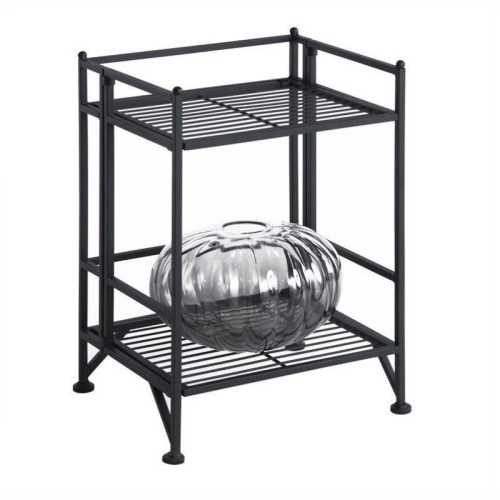
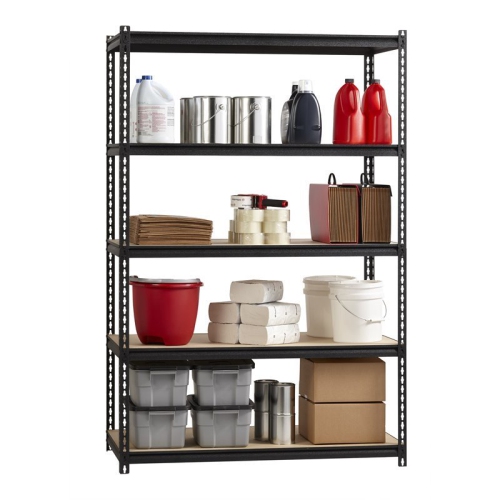
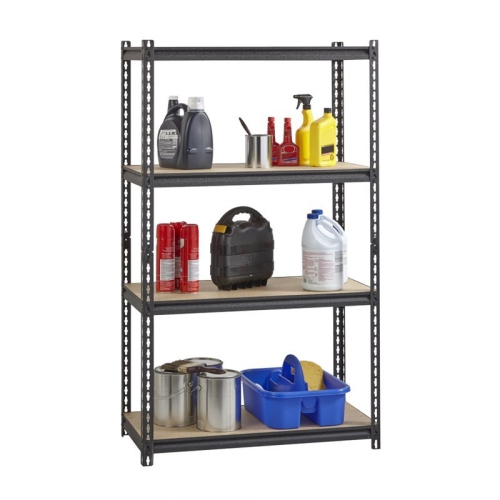
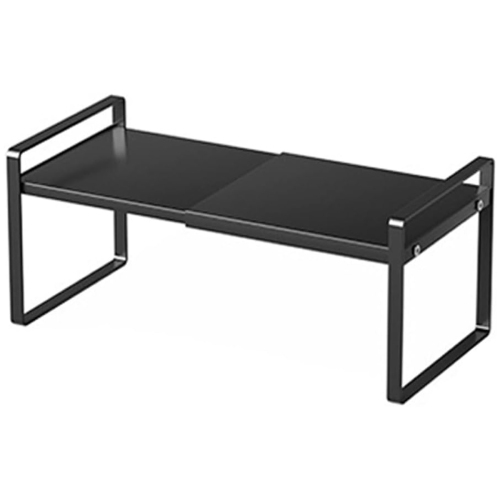
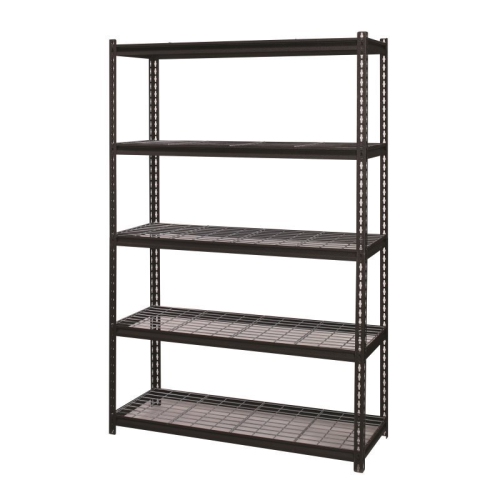
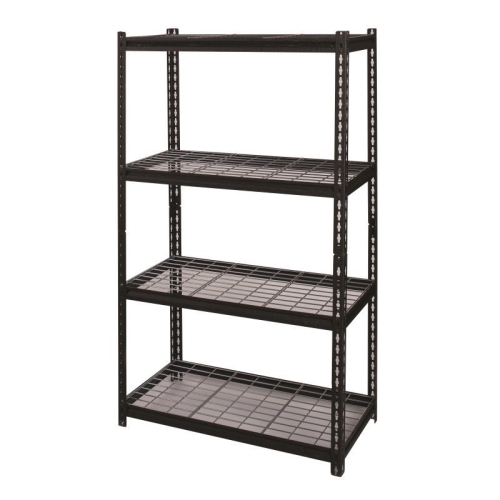
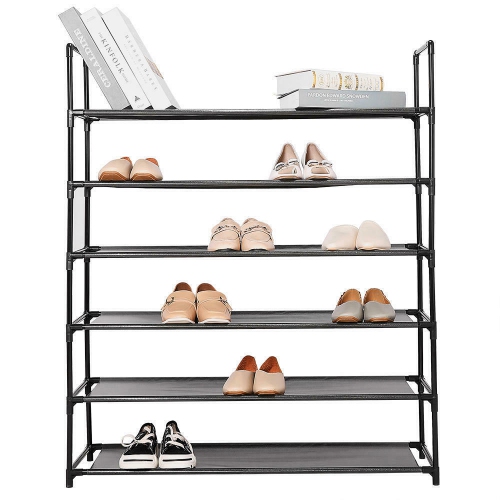
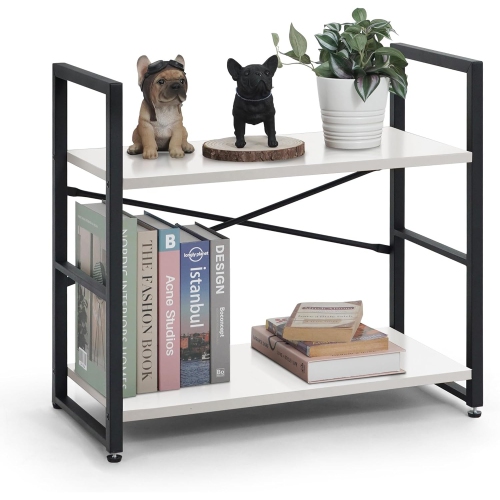
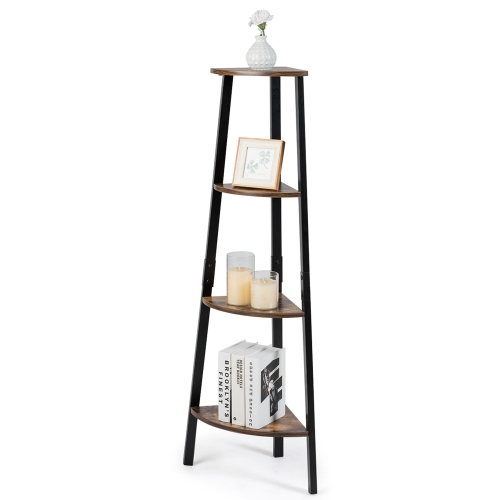
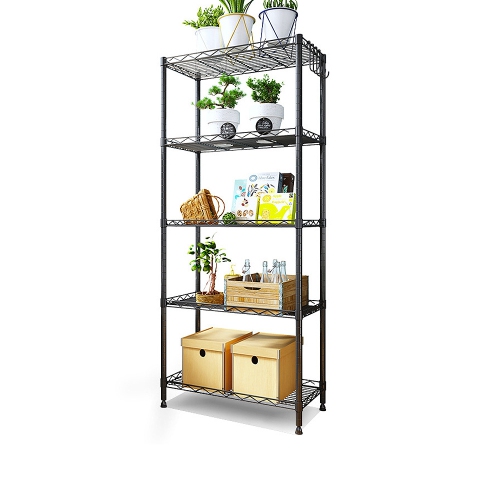
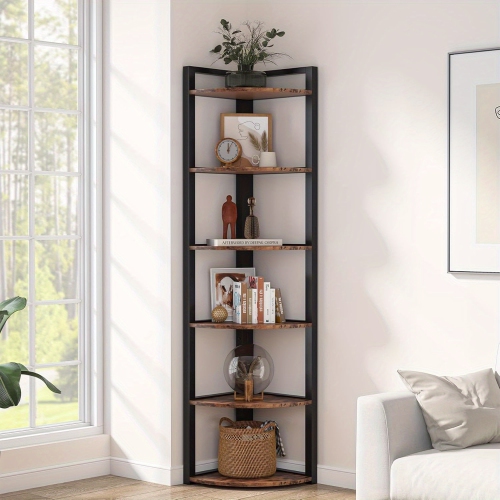
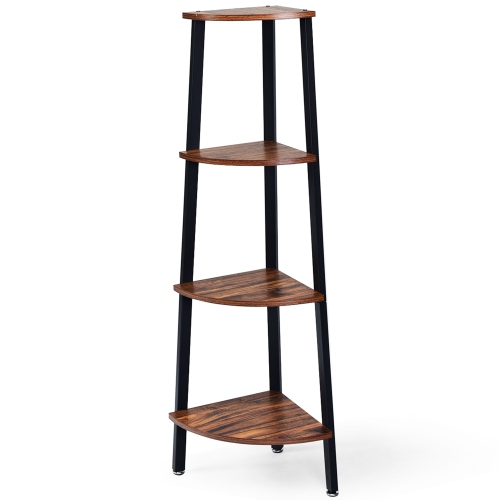
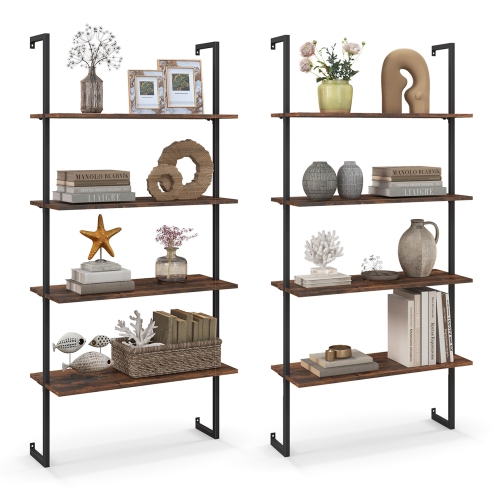
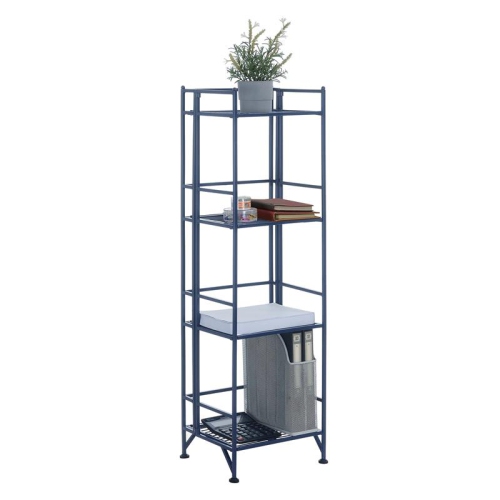
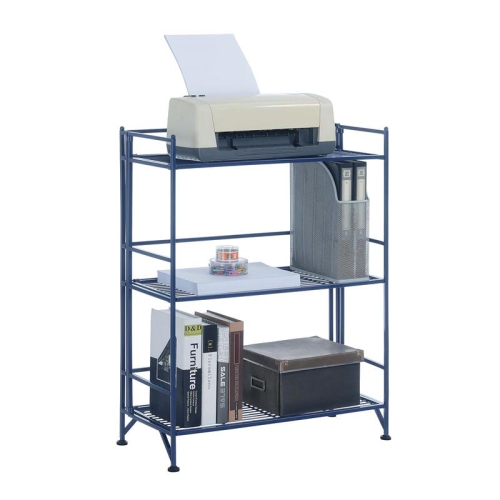
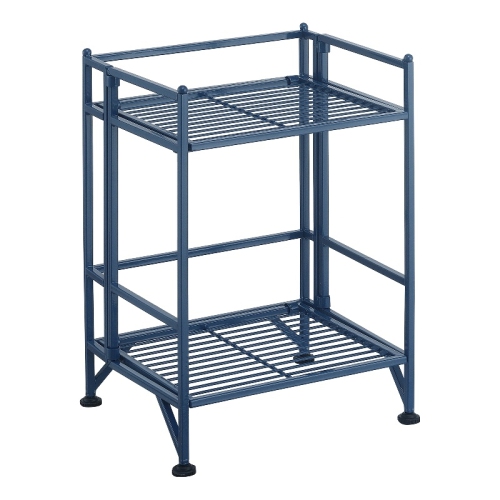
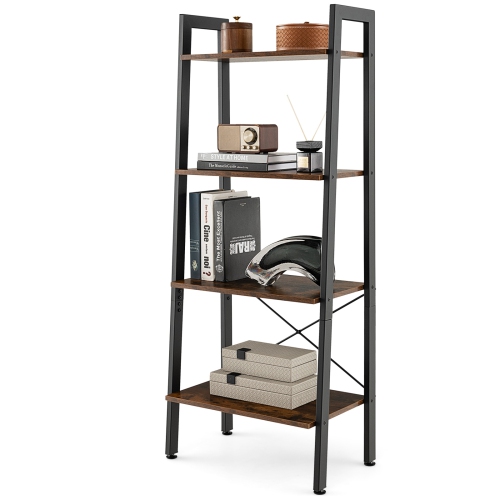
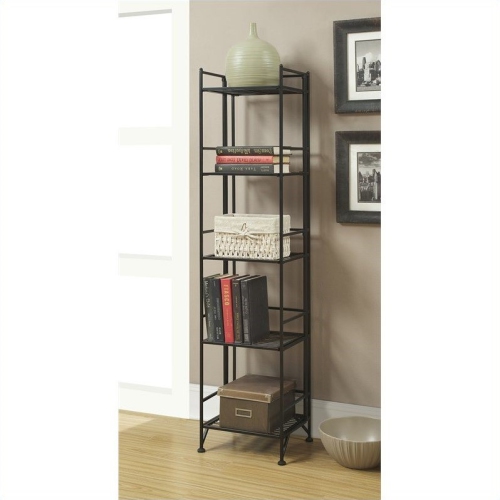
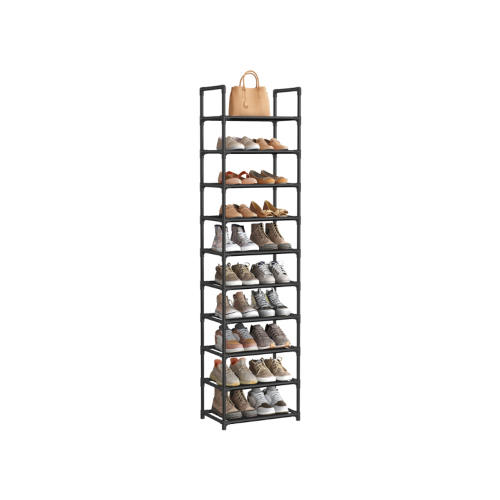
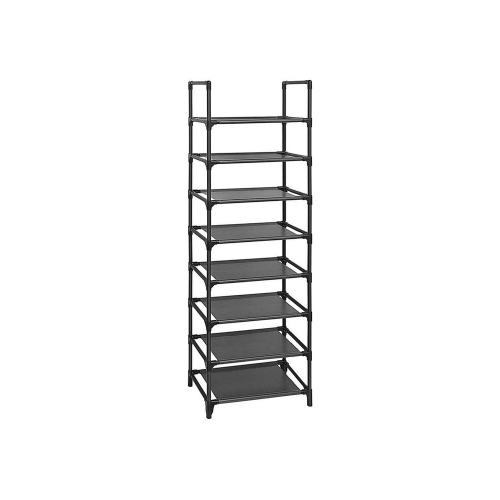
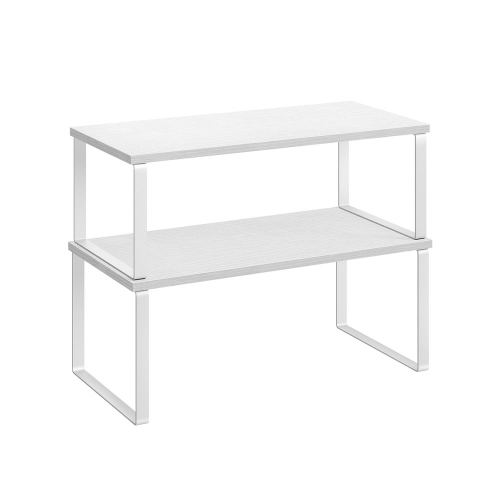
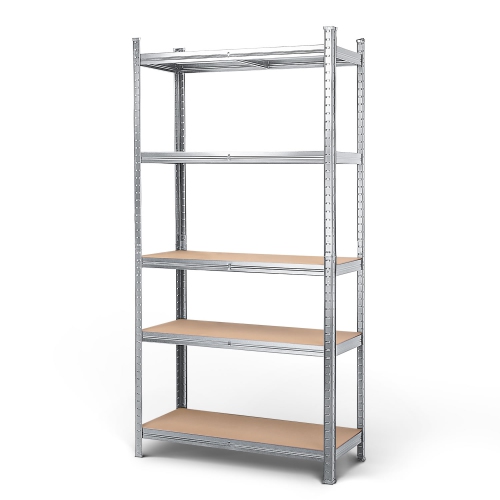
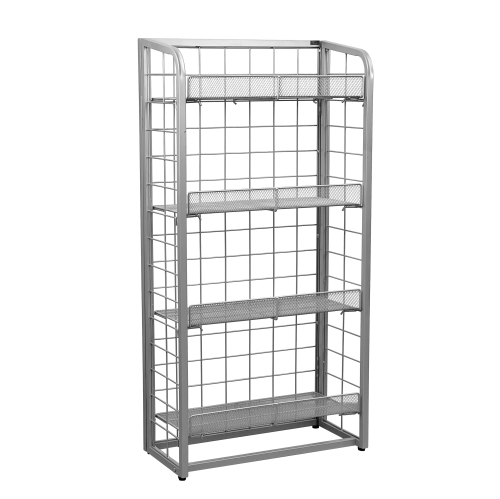
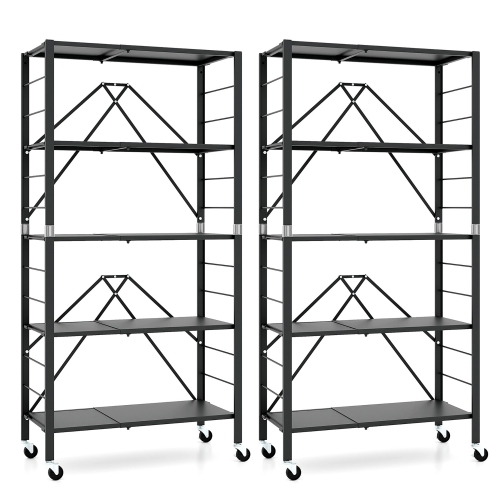
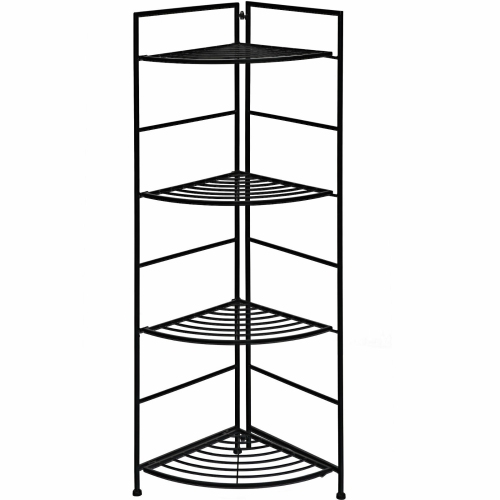
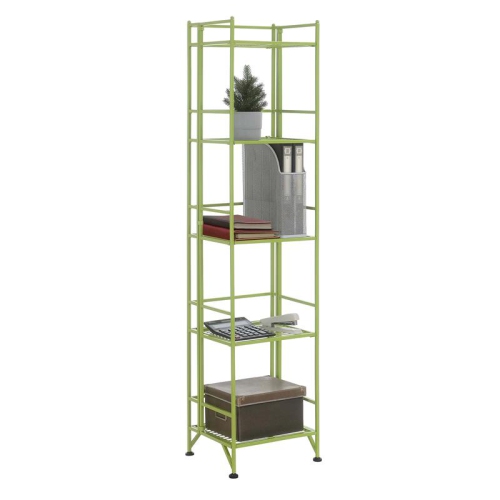

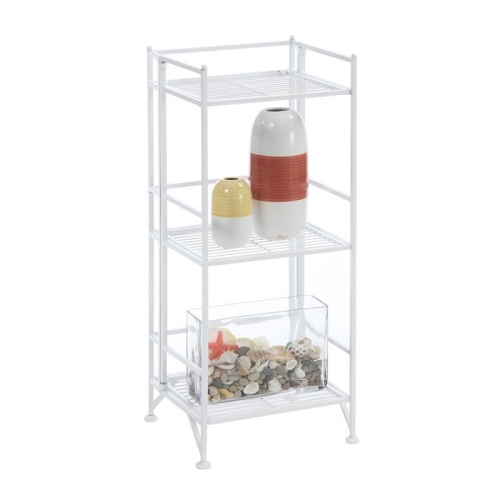

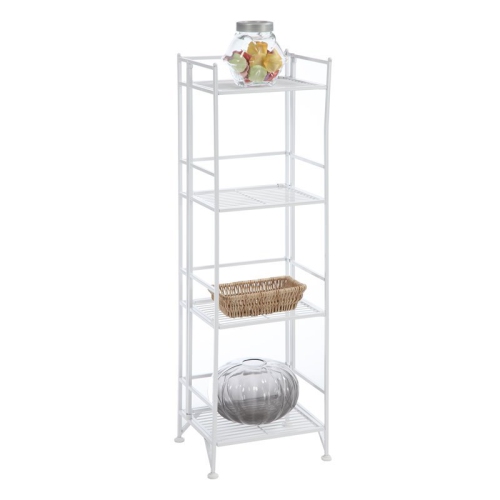
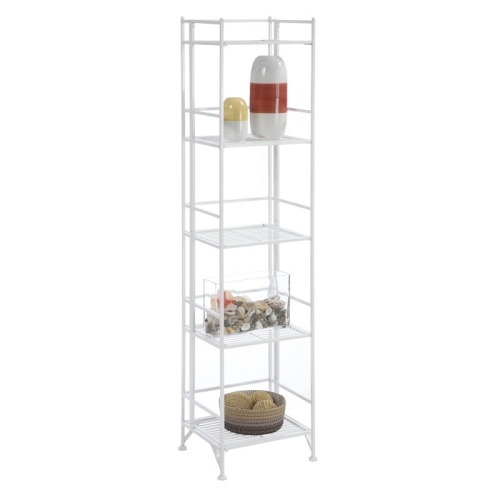
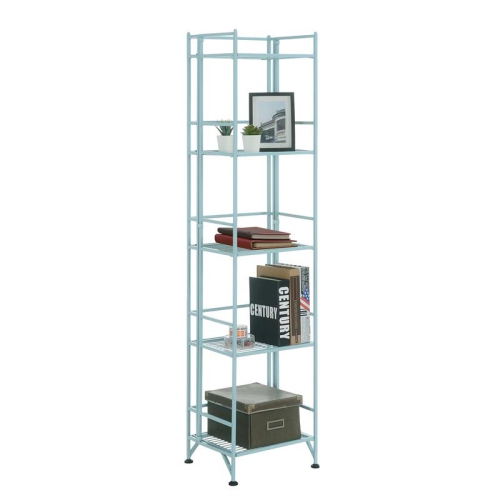
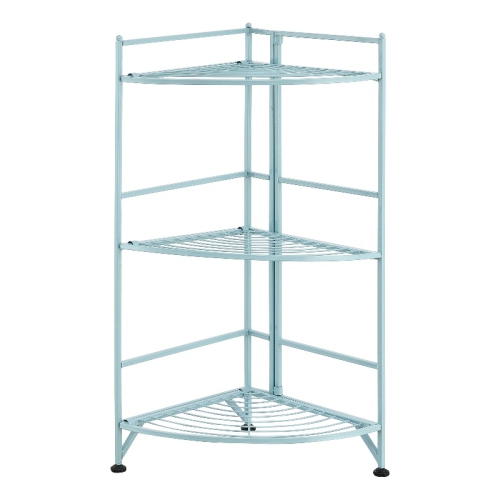
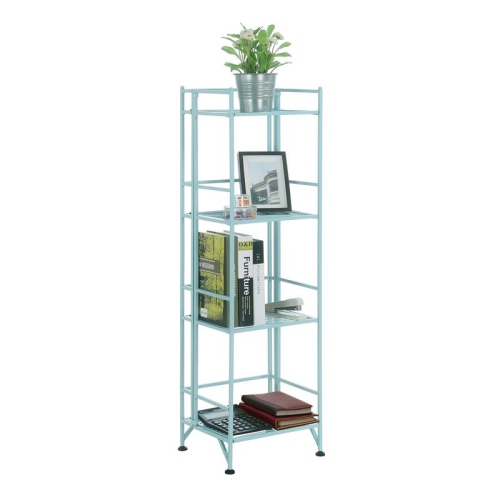
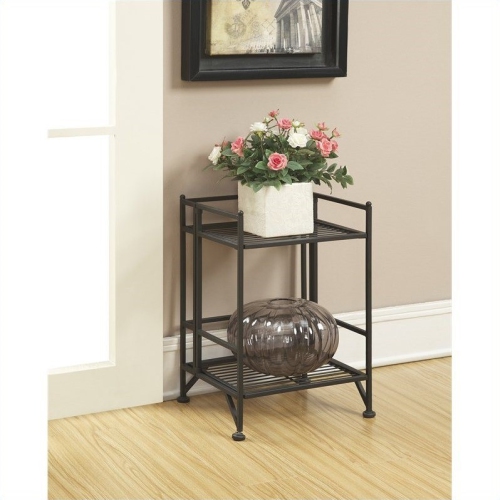
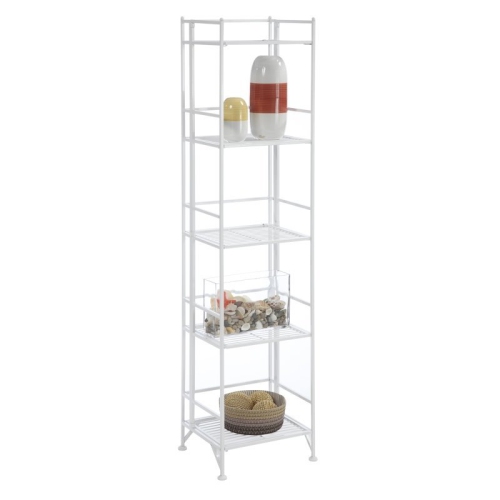
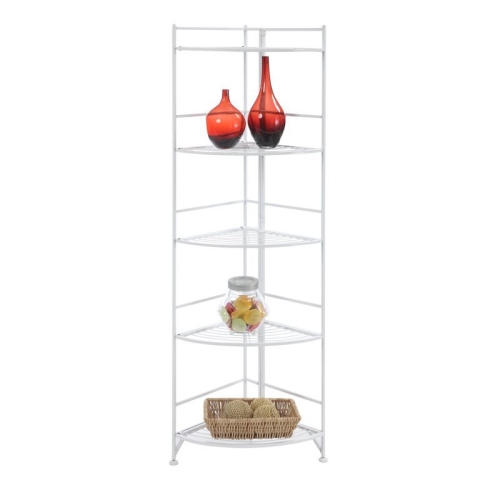
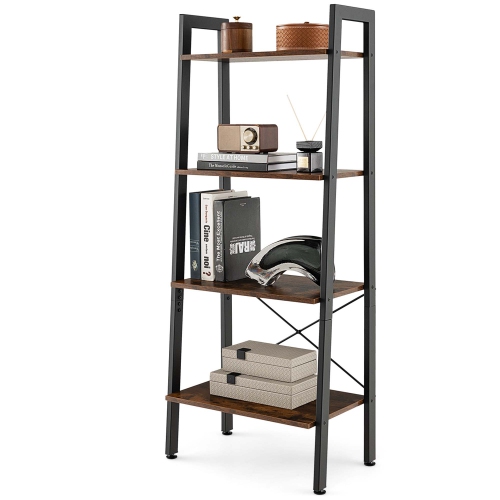
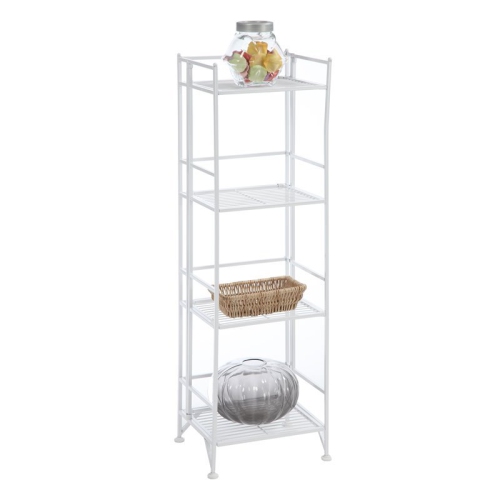

Extra tiers turn crowded cupboards into accessible storage
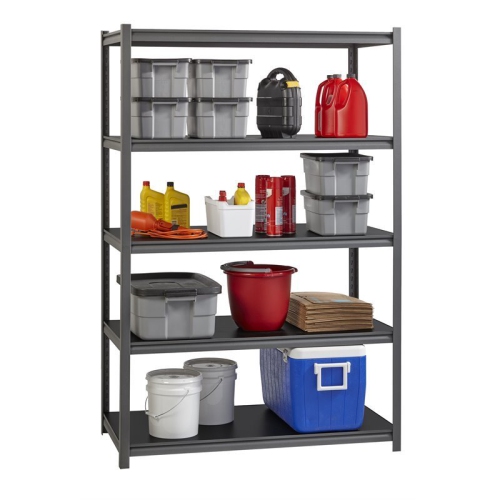
Metal stackable shelves are storage units designed to add usable levels above a cabinet base, countertop, closet floor, or other suitable surface. Their main advantage is vertical organization: instead of piling belongings directly on top of one another, separate tiers keep them visible and easier to reach. In a kitchen cabinet, a compact shelf can create space for mugs above a row of plates, while a deeper rack can separate pantry containers from cooking supplies. In a closet, stackable shelving can give folded clothing, shoes, and storage baskets their own places without requiring a full built-in system. The category includes small shelf risers as well as modular units that connect to form taller arrangements, so “stackable” does not mean every design fits together in the same way. Some use interlocking legs or locating points, while others require connectors supplied for that particular system. Units should only be stacked when the manufacturer specifies that use, and matching dimensions alone do not establish compatibility. Metal construction can provide a sturdy framework with relatively slim supports, leaving more of the footprint open for storage. Wire shelves offer visibility through each tier and let loose dust or crumbs pass through rather than collect on a solid surface. Solid metal shelves provide continuous support for small containers, narrow feet, and objects that might tilt between wires. A suitable shelf liner may help stabilize smaller belongings on an open grid, provided it is permitted for the intended use and does not interfere with the shelf’s fit. For renters, students, and households sharing limited cupboard space, a well-sized stackable arrangement can make better use of an existing layout without replacing cabinetry. It can also make everyday routines simpler: lunch containers stay separate from their lids, frequently used dishes remain within reach, and a basket of cleaning cloths no longer disappears beneath a loose pile of supplies. The most useful arrangement leaves enough room to remove those belongings comfortably, rather than filling every gap.
The fit of metal stackable shelves depends on more than their listed width. Depth, overall height, clearance between tiers, and the position of the supports all affect what can be stored and how easily it can be retrieved. Inside a cupboard, the usable opening may be narrower than the interior because of hinges or a centre divider. A shelf that fits once inside still needs to pass through the door opening, and its legs must sit fully on the cabinet base. On a counter, a shallow footprint can preserve working space, but the shelf should not project over an edge or obstruct access to an outlet. Closet arrangements need clearance for doors and drawers as well as room for hanging garments. Tier spacing matters just as much: a row of tall bottles needs different clearance from folded tea towels, and a basket requires space above its rim if it will be lifted rather than slid out. Adjustable tiers offer flexibility where a system supports them, while fixed-height designs suit belongings with consistent dimensions. Weight capacity also deserves close attention. Ratings may apply to an individual shelf, a complete unit, or a particular stacking configuration, and many assume that the load is spread evenly. A dense stack of dishes concentrated at one corner places a different demand on the structure from lightweight containers distributed across the surface. Heavier belongings generally belong lower down, with lighter ones above, and every component must remain within its stated limits. Tall arrangements may require wall anchoring or other anti-tip measures according to the manufacturer’s instructions, especially where children or pets could pull against them. Stacking should never exceed the specified number of units. Where compact risers cannot provide the depth or capacity needed for larger bins and equipment, Large Metal Shelves offer a related category to explore. The distinction is practical: a small cabinet shelf divides an existing compartment, while a larger shelving unit creates a dedicated storage area.
Materials and finishes influence how metal stackable shelves look, how they feel in daily use, and how much care they need. Steel is common because it can form strong wire grids, tubular frames, and solid panels, though durability also depends on the thickness of the metal, the quality of the joints, and the overall design. Powder-coated finishes provide a coloured outer layer and can help protect the underlying metal when the coating remains intact. Chrome-plated wire has a bright appearance that works well with other metallic surfaces, while galvanized steel has a zinc coating intended to help resist corrosion. Stainless steel can be suitable where moisture exposure is expected, but performance varies by grade and construction; no metal finish should be assumed suitable for every location. Suitability for a bathroom, laundry area, or covered utility space should be confirmed in the care and use information. Water left around feet, connectors, or damaged coatings can create problems even when the exposed surfaces look dry. Routine cleaning usually starts with removing stored belongings and wiping the shelf with a soft cloth and a mild cleaner compatible with its finish, then drying it thoroughly. Abrasive pads and harsh chemicals can scratch or damage protective surfaces. Wire intersections, corners, and the undersides of shelf edges benefit from occasional attention because residue can gather there unnoticed. Protective feet can help reduce marks on cabinetry and counters, but they also need to stay clean and securely attached. Loose connectors, rocking legs, bent wires, or chipped finishes are reasons to inspect the arrangement before adding more weight. In a home office, these shelves can separate stationery trays from spare cables; in a craft area, they can keep small supply bins easy to identify. A neutral colour can blend into a cupboard, while a contrasting finish can give open storage a more defined appearance. Across these uses, dependable storage comes from a level base, compatible components, sensible loading, and enough breathing room around each tier to keep everyday belongings accessible.
The fit of metal stackable shelves depends on more than their listed width. Depth, overall height, clearance between tiers, and the position of the supports all affect what can be stored and how easily it can be retrieved. Inside a cupboard, the usable opening may be narrower than the interior because of hinges or a centre divider. A shelf that fits once inside still needs to pass through the door opening, and its legs must sit fully on the cabinet base. On a counter, a shallow footprint can preserve working space, but the shelf should not project over an edge or obstruct access to an outlet. Closet arrangements need clearance for doors and drawers as well as room for hanging garments. Tier spacing matters just as much: a row of tall bottles needs different clearance from folded tea towels, and a basket requires space above its rim if it will be lifted rather than slid out. Adjustable tiers offer flexibility where a system supports them, while fixed-height designs suit belongings with consistent dimensions. Weight capacity also deserves close attention. Ratings may apply to an individual shelf, a complete unit, or a particular stacking configuration, and many assume that the load is spread evenly. A dense stack of dishes concentrated at one corner places a different demand on the structure from lightweight containers distributed across the surface. Heavier belongings generally belong lower down, with lighter ones above, and every component must remain within its stated limits. Tall arrangements may require wall anchoring or other anti-tip measures according to the manufacturer’s instructions, especially where children or pets could pull against them. Stacking should never exceed the specified number of units. Where compact risers cannot provide the depth or capacity needed for larger bins and equipment, Large Metal Shelves offer a related category to explore. The distinction is practical: a small cabinet shelf divides an existing compartment, while a larger shelving unit creates a dedicated storage area.
Materials and finishes influence how metal stackable shelves look, how they feel in daily use, and how much care they need. Steel is common because it can form strong wire grids, tubular frames, and solid panels, though durability also depends on the thickness of the metal, the quality of the joints, and the overall design. Powder-coated finishes provide a coloured outer layer and can help protect the underlying metal when the coating remains intact. Chrome-plated wire has a bright appearance that works well with other metallic surfaces, while galvanized steel has a zinc coating intended to help resist corrosion. Stainless steel can be suitable where moisture exposure is expected, but performance varies by grade and construction; no metal finish should be assumed suitable for every location. Suitability for a bathroom, laundry area, or covered utility space should be confirmed in the care and use information. Water left around feet, connectors, or damaged coatings can create problems even when the exposed surfaces look dry. Routine cleaning usually starts with removing stored belongings and wiping the shelf with a soft cloth and a mild cleaner compatible with its finish, then drying it thoroughly. Abrasive pads and harsh chemicals can scratch or damage protective surfaces. Wire intersections, corners, and the undersides of shelf edges benefit from occasional attention because residue can gather there unnoticed. Protective feet can help reduce marks on cabinetry and counters, but they also need to stay clean and securely attached. Loose connectors, rocking legs, bent wires, or chipped finishes are reasons to inspect the arrangement before adding more weight. In a home office, these shelves can separate stationery trays from spare cables; in a craft area, they can keep small supply bins easy to identify. A neutral colour can blend into a cupboard, while a contrasting finish can give open storage a more defined appearance. Across these uses, dependable storage comes from a level base, compatible components, sensible loading, and enough breathing room around each tier to keep everyday belongings accessible.
Top selling and popular products
-
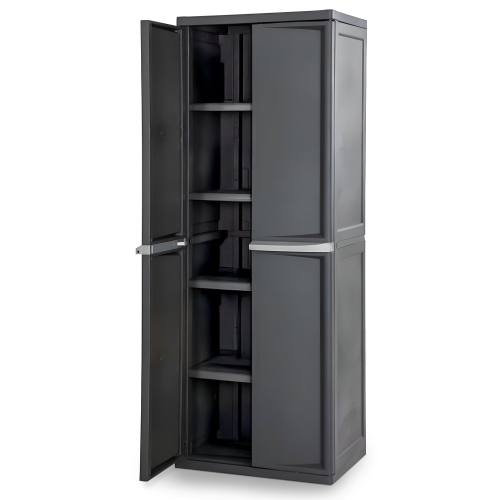 Your price for this item is $772.99
 -
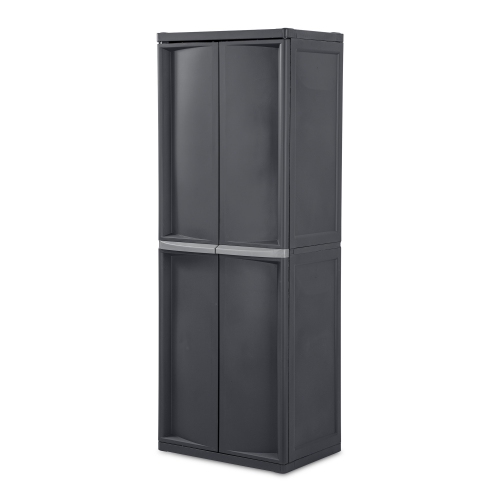 Your price for this item is $1522.99
 -
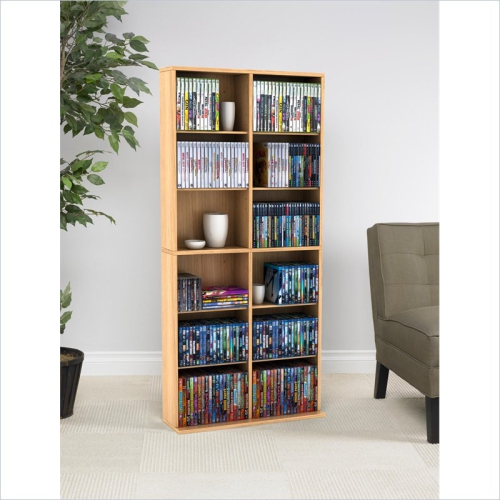 Your price for this item is $234.68
 -
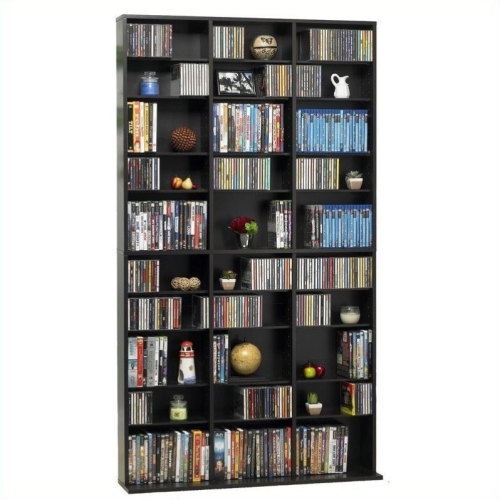 Your price for this item is $365.38
 -
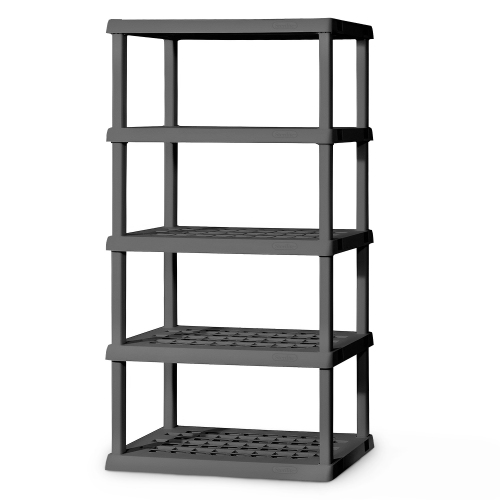 Your price for this item is $468.99
 -
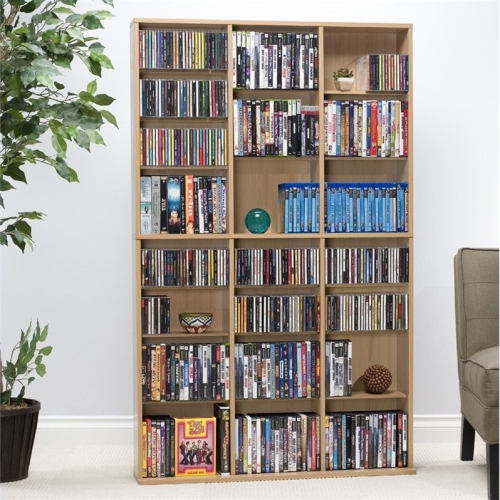 Your price for this item is $295.84
 -
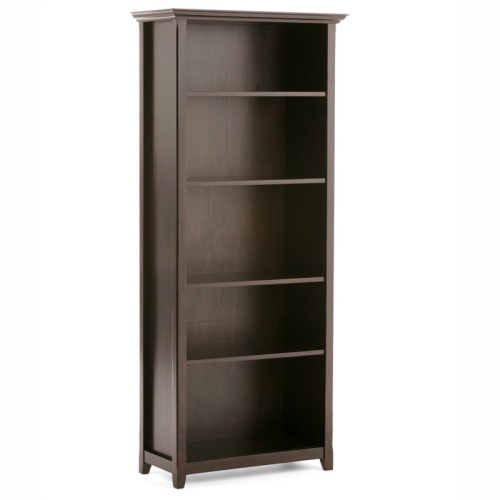 Your price for this item is $999.77
 -
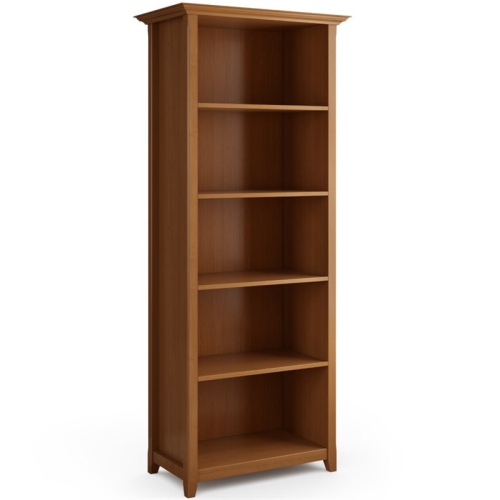 Your price for this item is $998.43
Discover more categories related to Metal Stackable Shelves
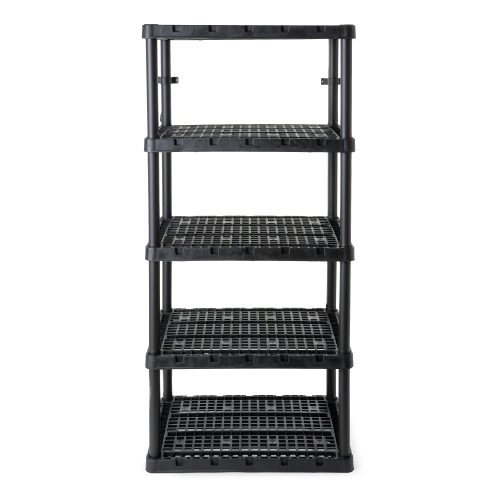
Top Collections:
Pokemon Centers, Kindle Devices, Best Budget Office Chairs, Apple iPhones 16, Best Laptops for Writers, iPhone 15 Apple, Canon G7X Cameras, Refurbished Apple Laptops, Alarm Clock, Motorola Razr Phones
Some products may be subject to Environmental Handling Fees
(EHF) depending on your province.
Learn more about EHFs.