Large Metal Shelves
Maximize your storage space with sturdy and reliable shelving solutions. Whether you need to store tools, equipment, or household items, our selection of large metal shelves has got you covered. Explore our range today and discover the perfect storage solution for your needs.
Sort
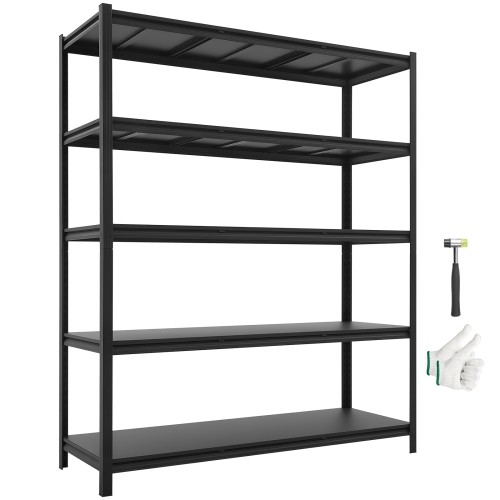
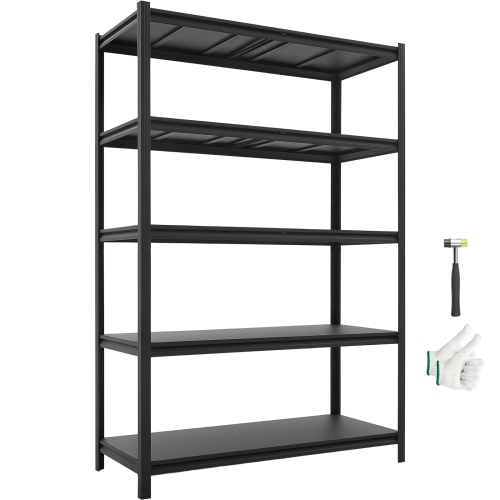
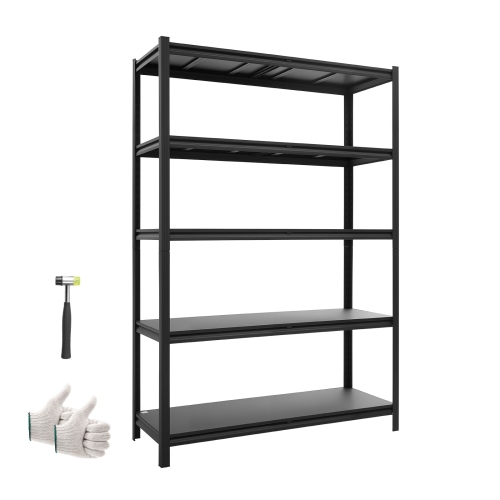
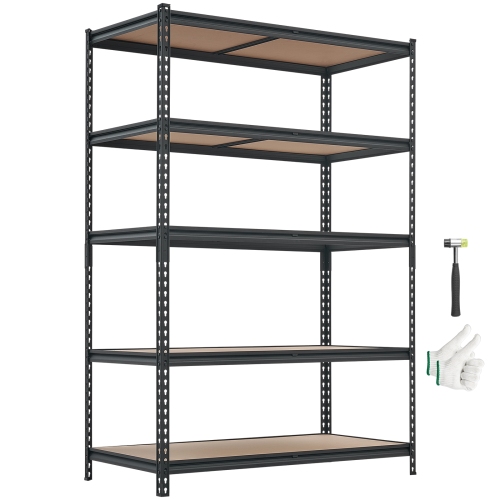
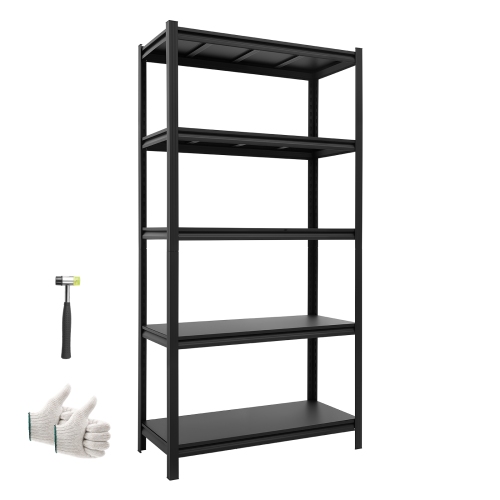
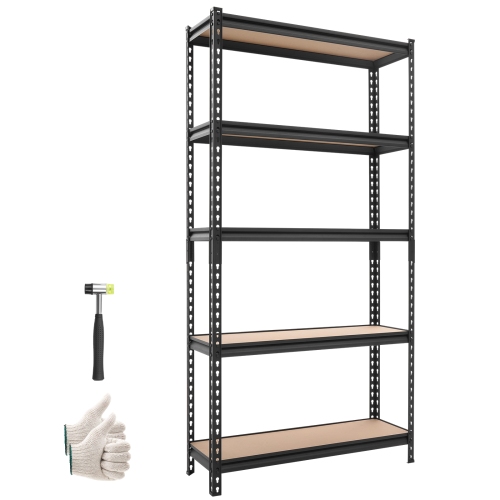
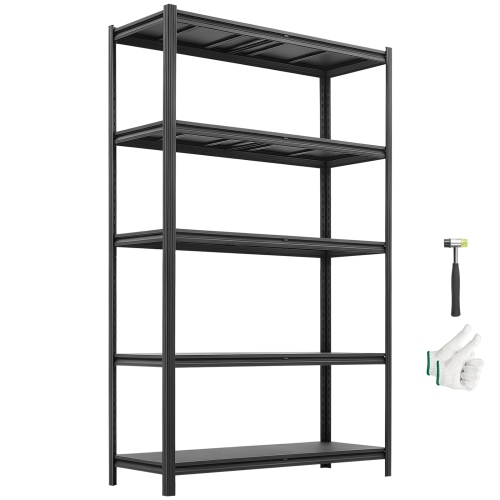
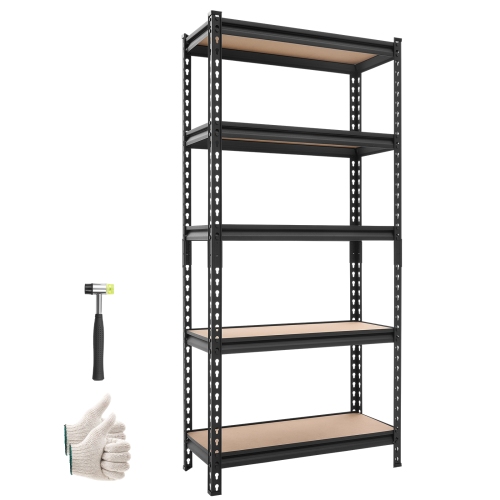
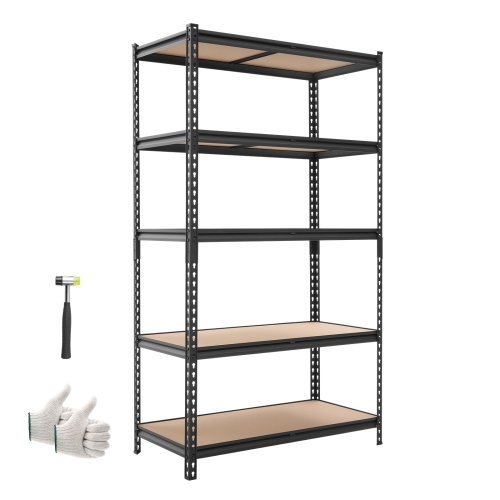
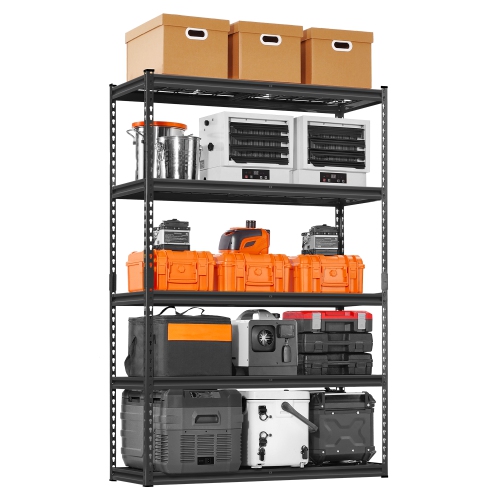
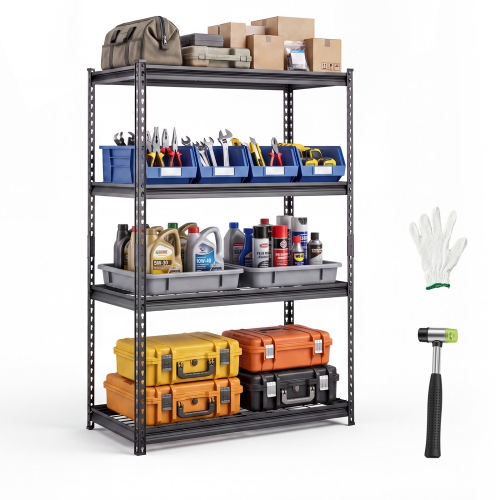
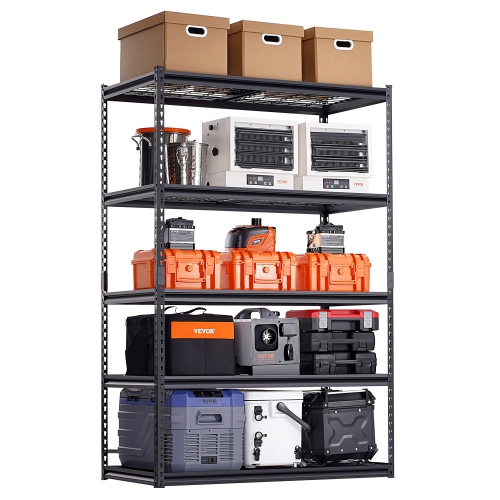
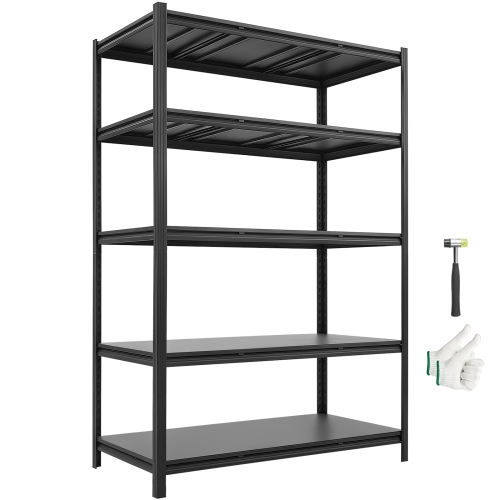
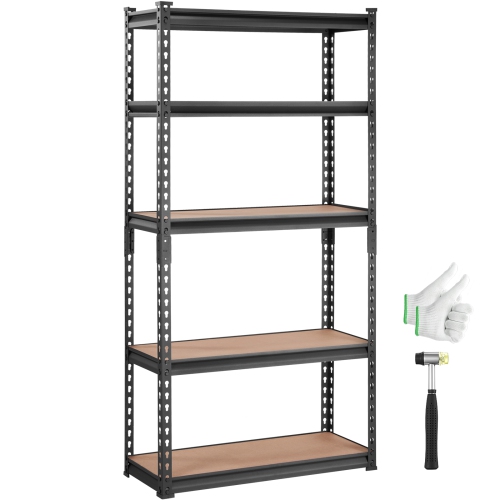
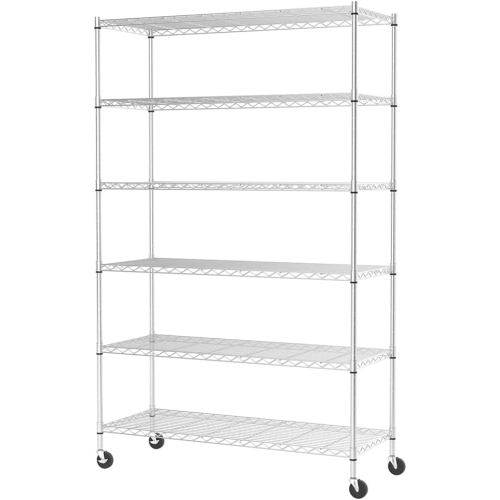
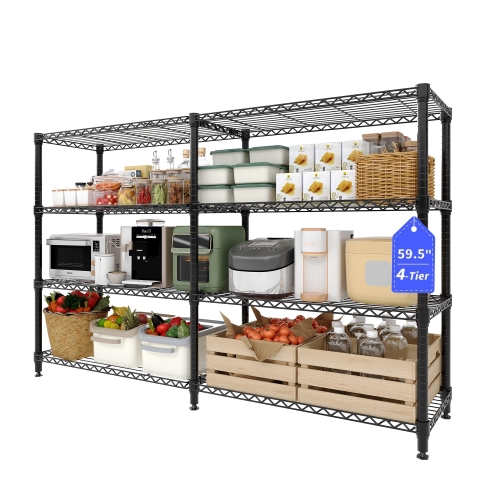
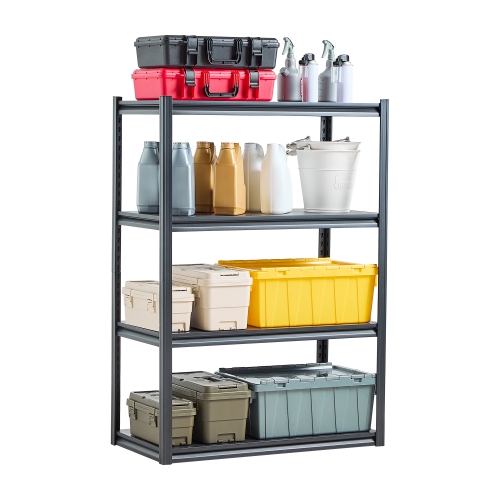

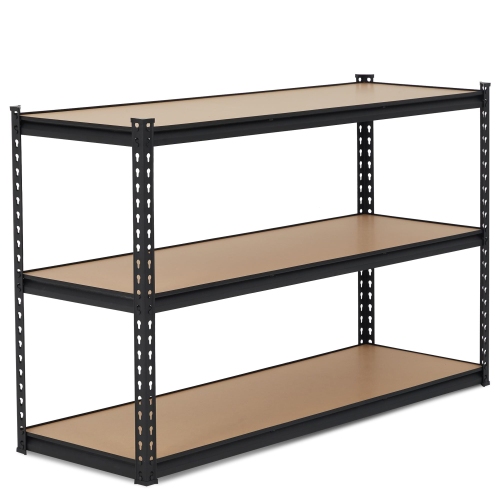
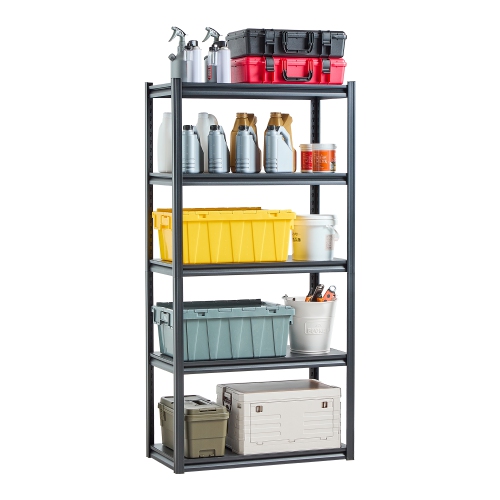
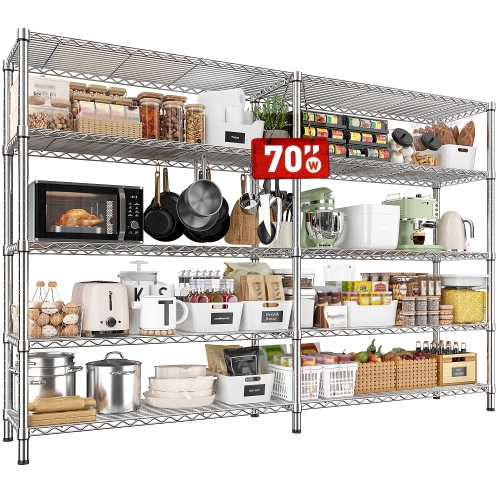
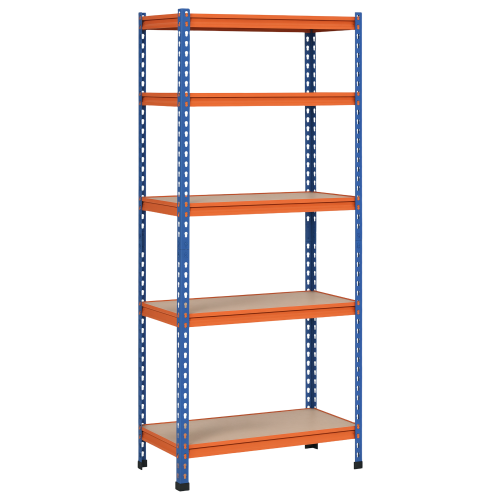
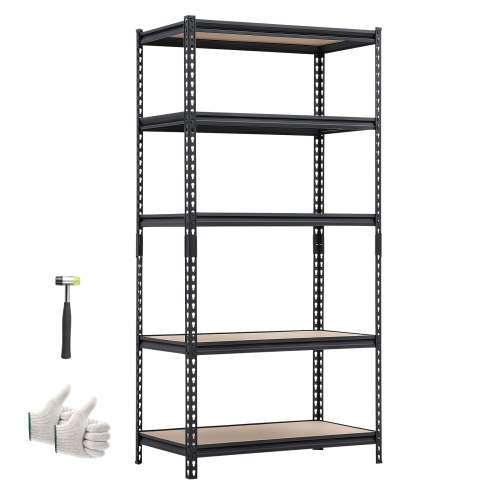
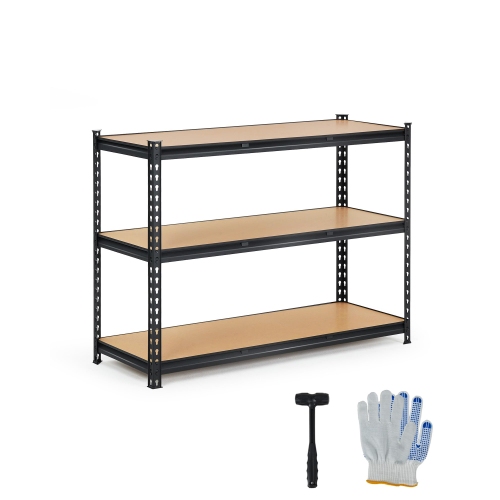
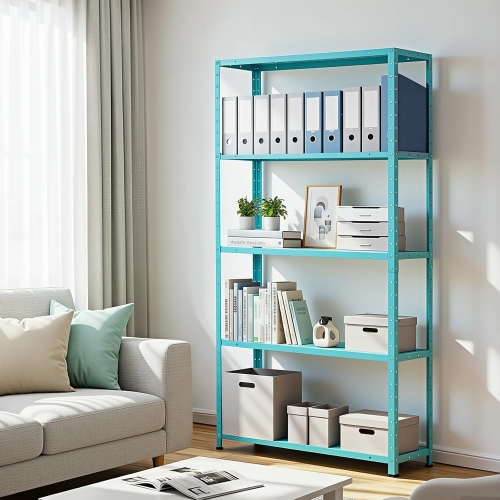
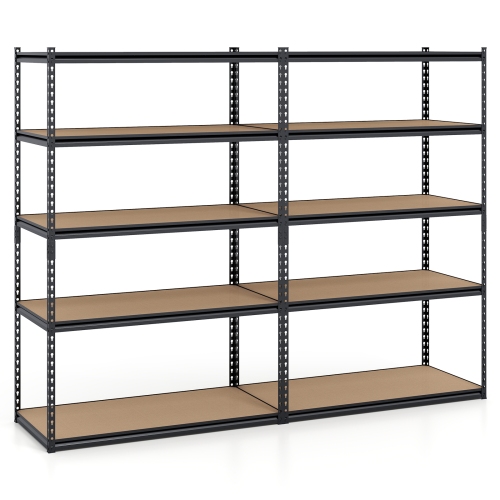
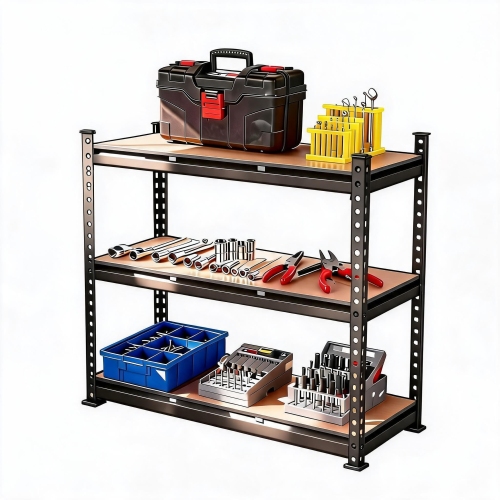
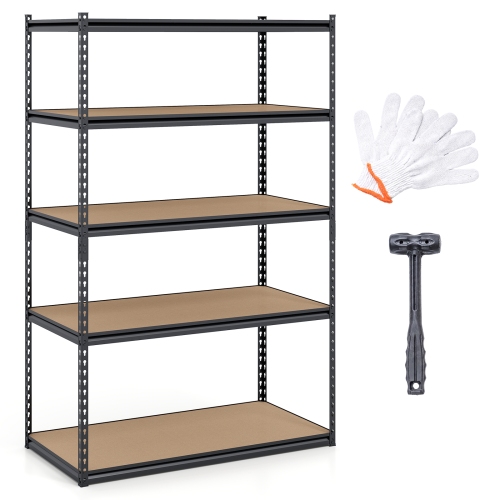
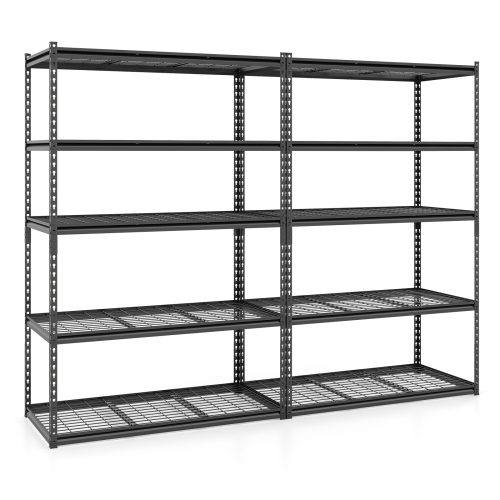
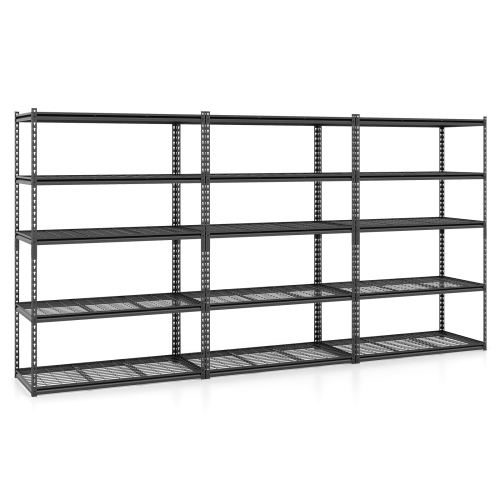
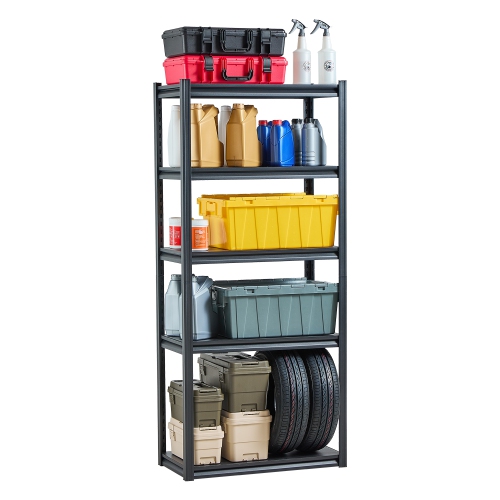
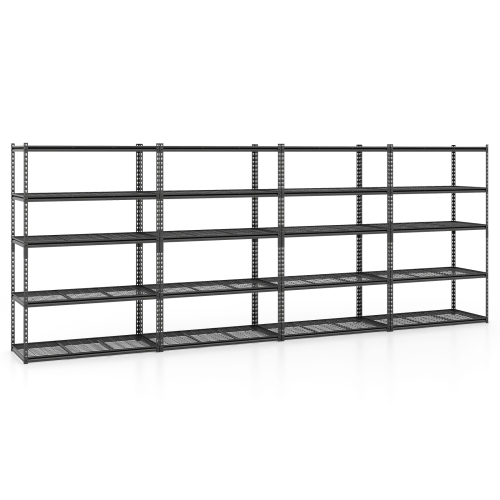
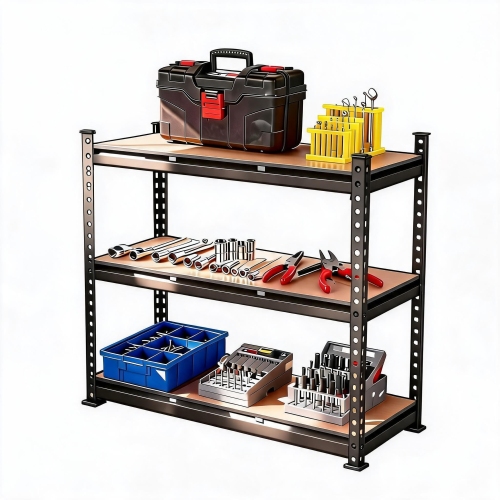
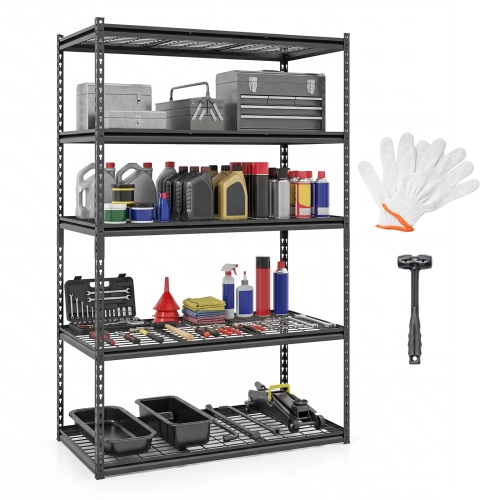
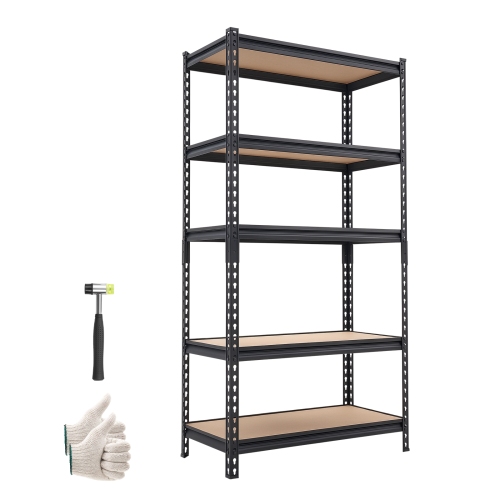
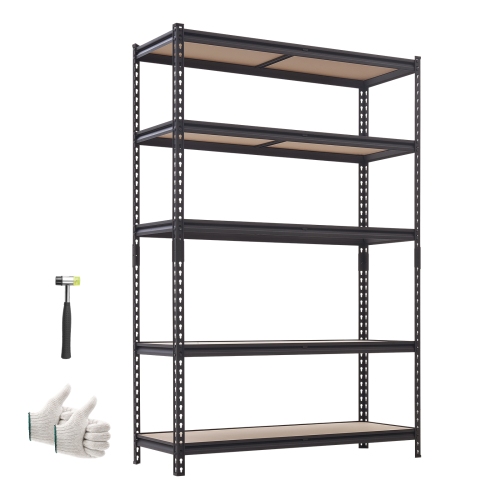
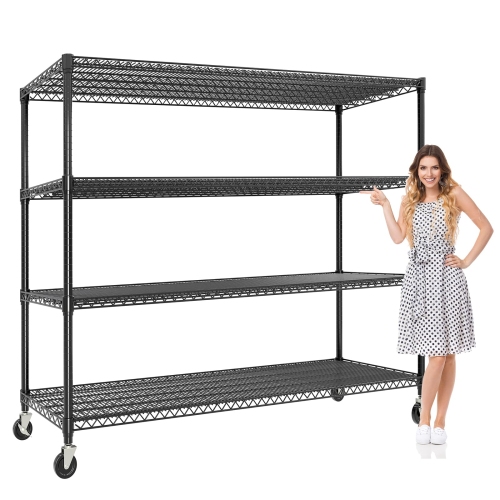
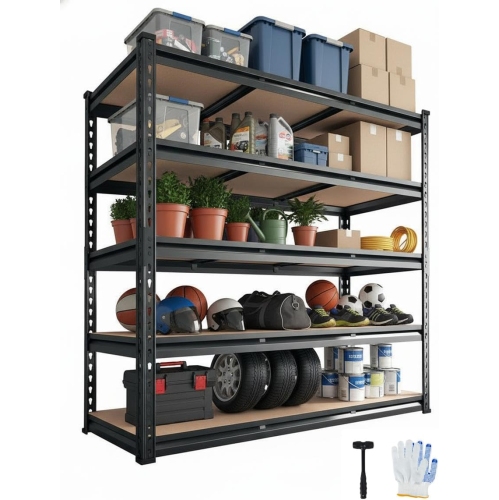
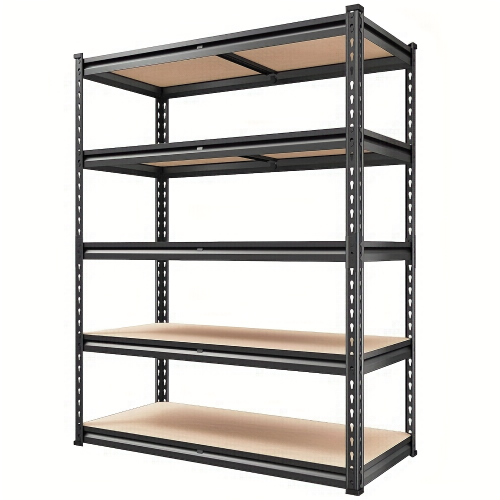
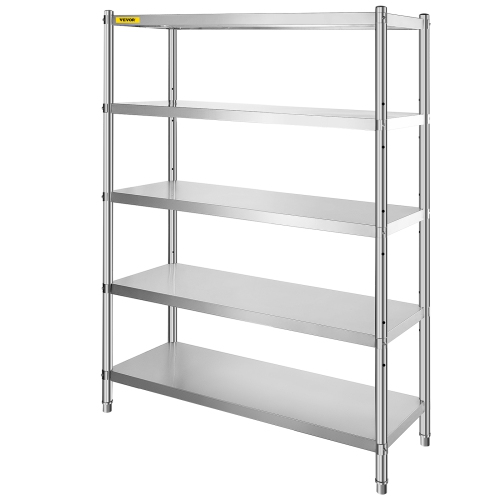
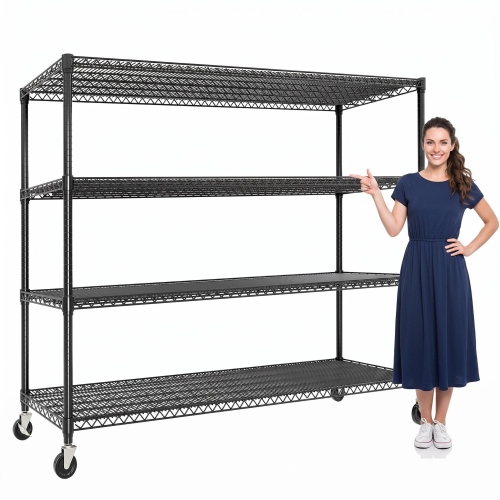
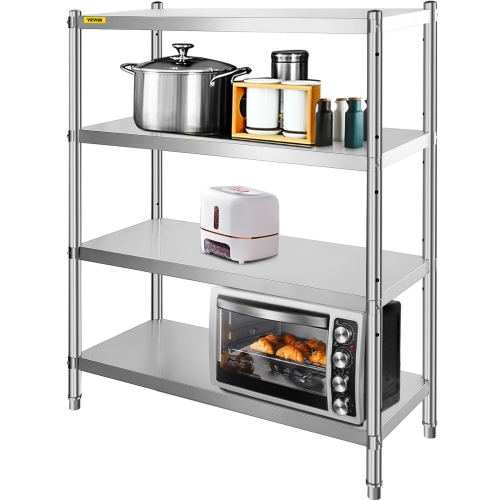
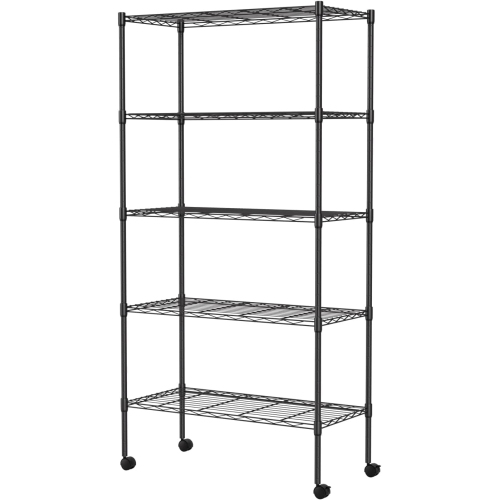
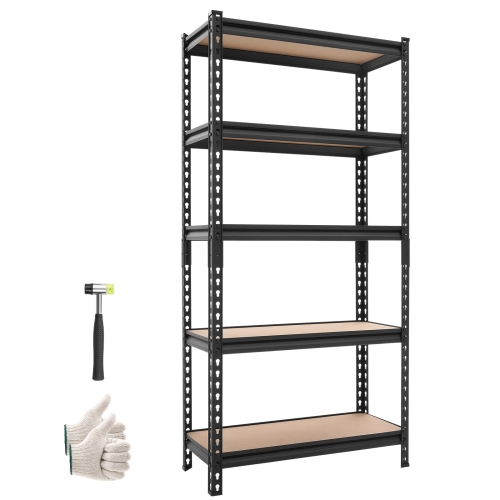
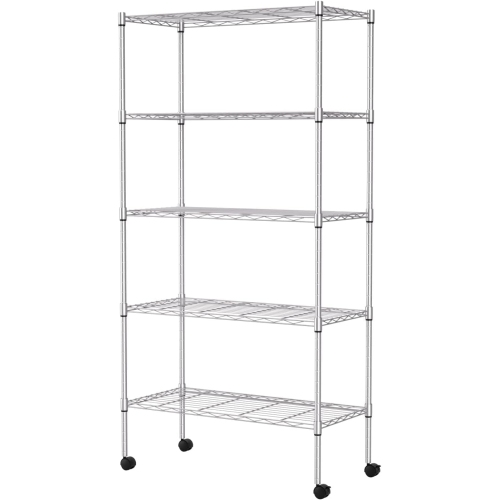
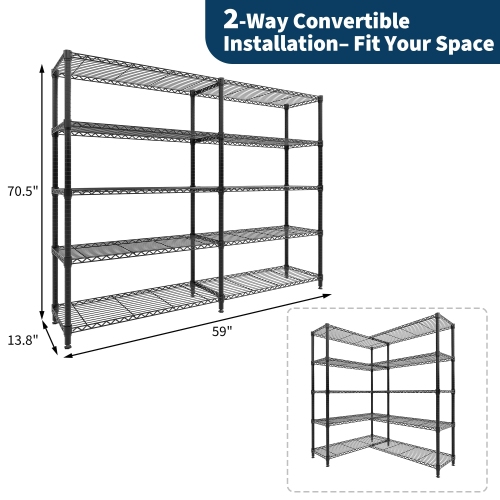
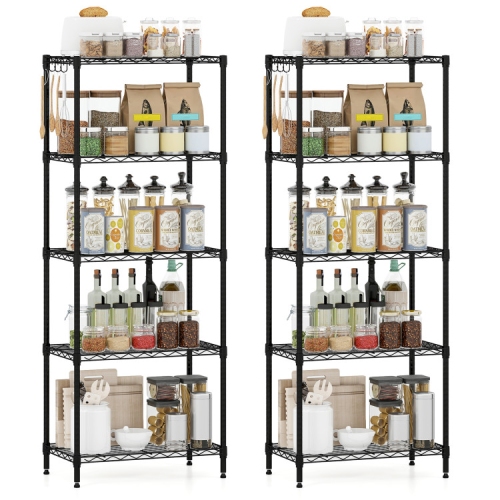
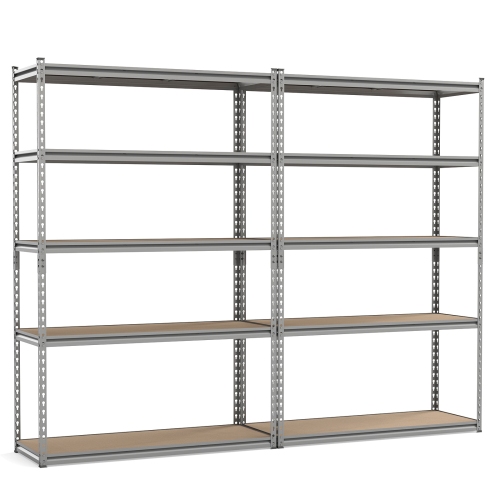
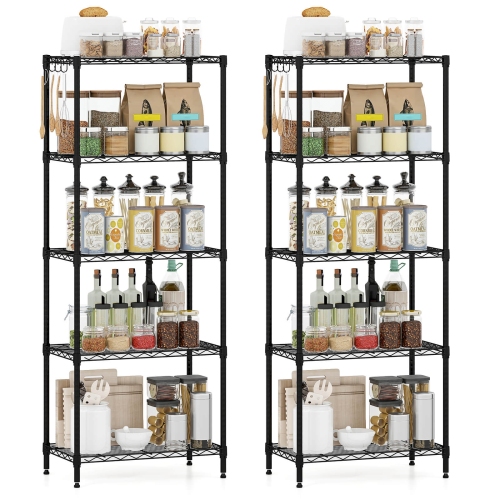
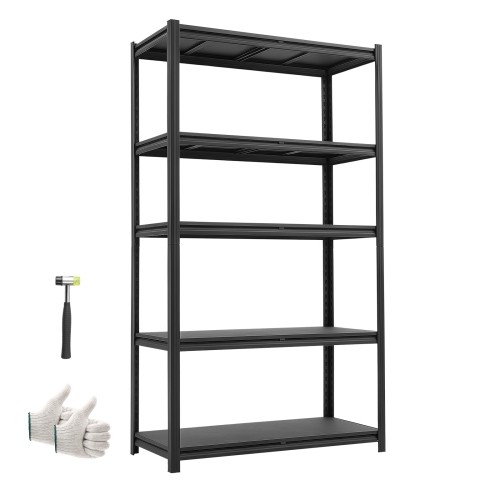
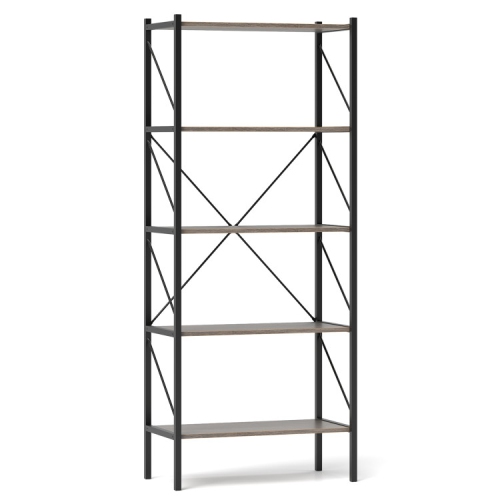
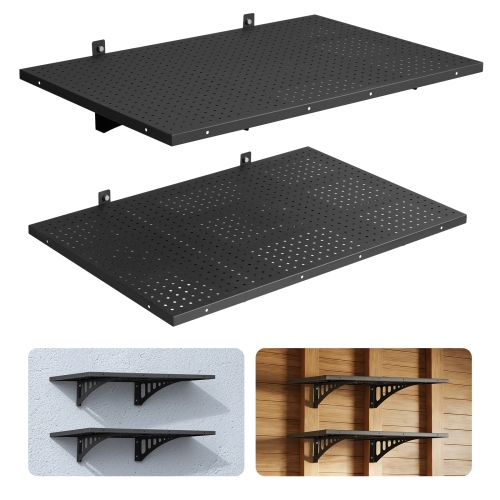
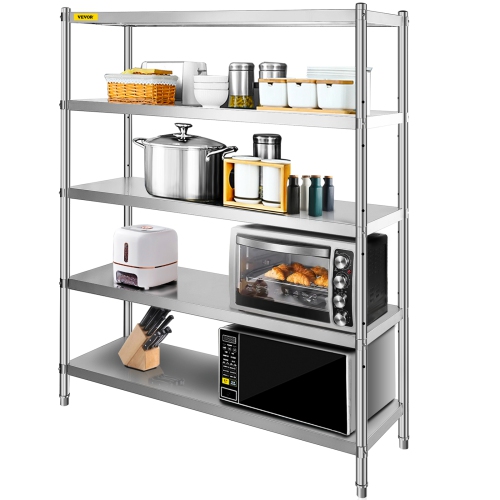
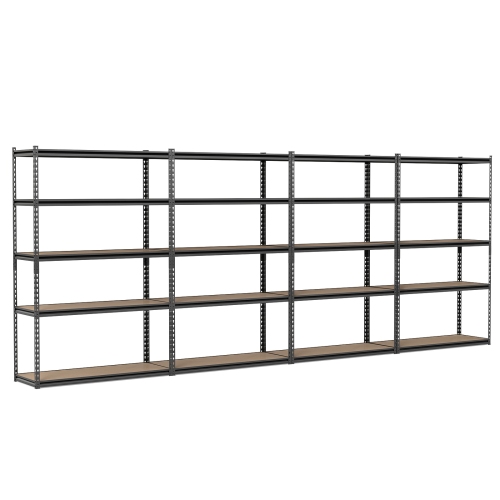
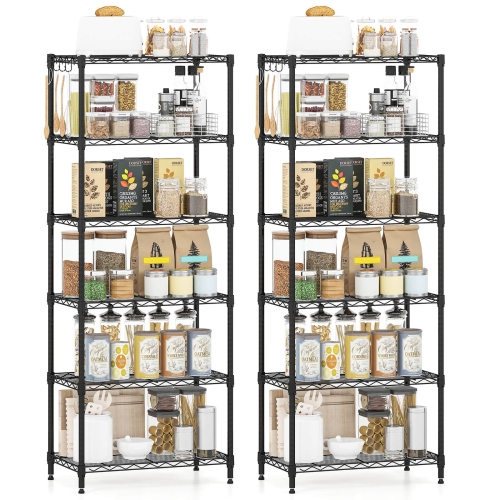
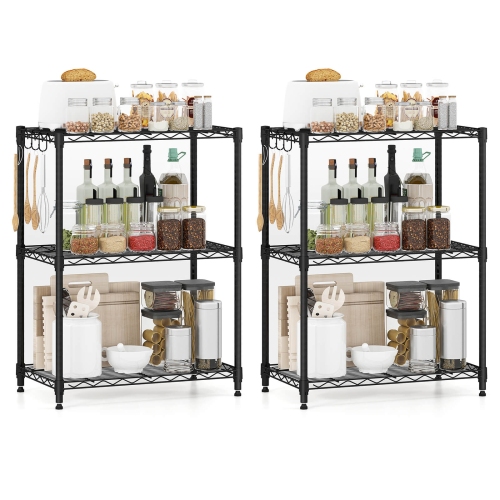
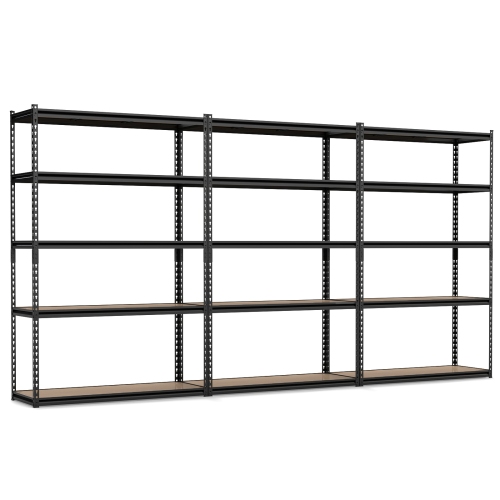
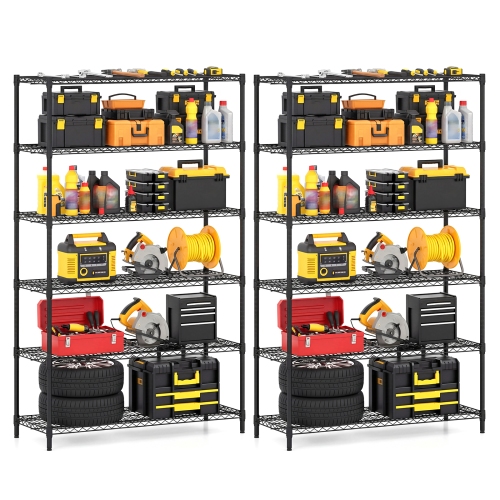
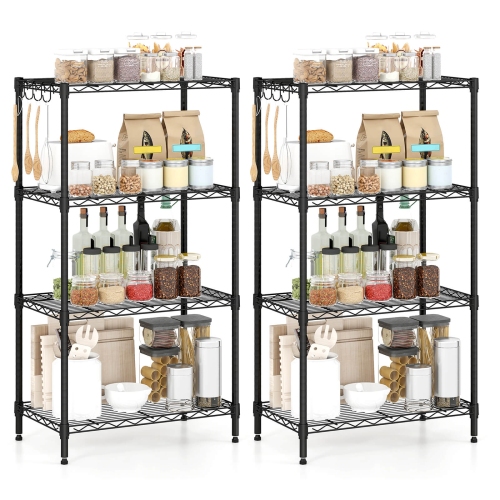
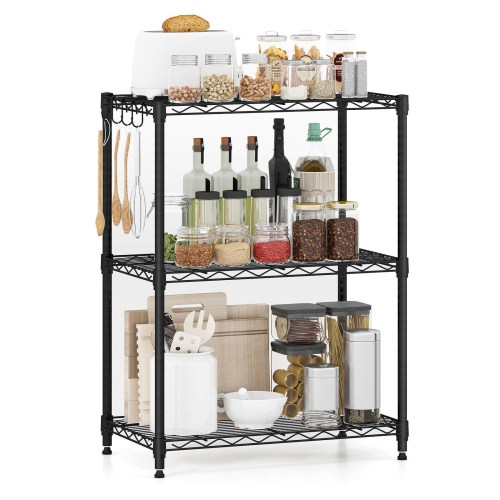
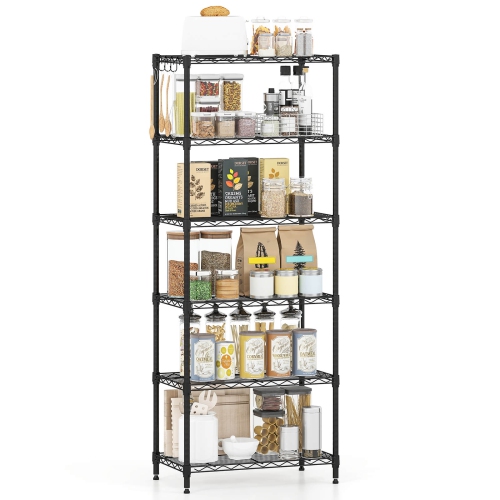
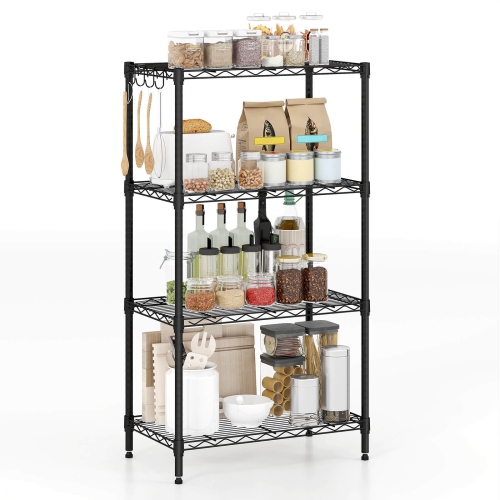
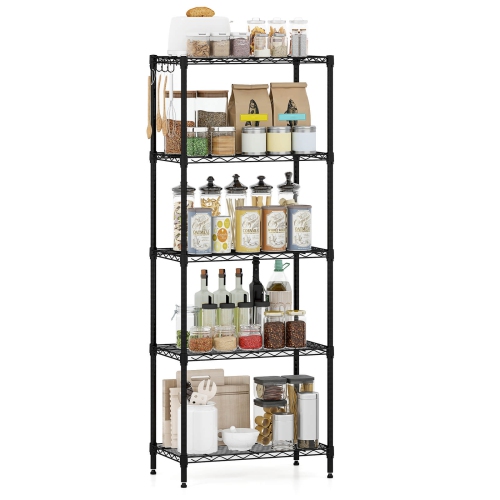
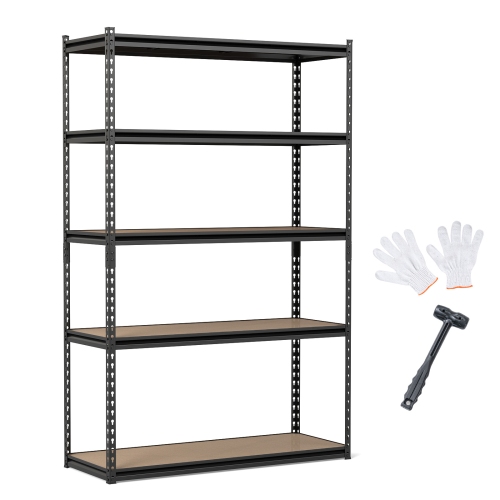
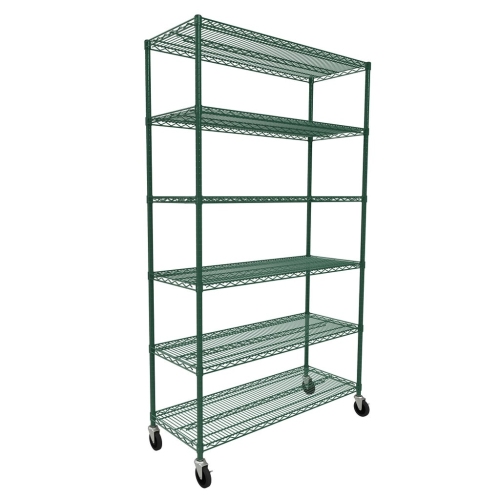
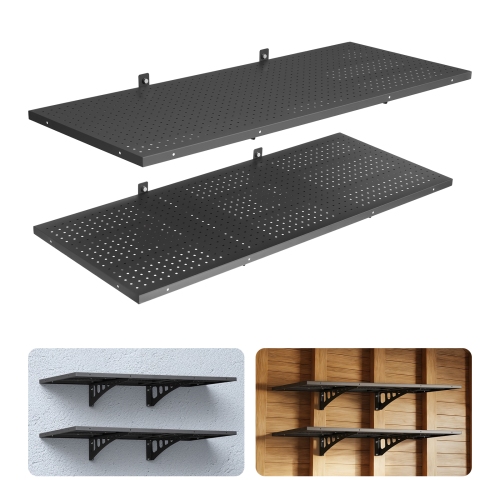
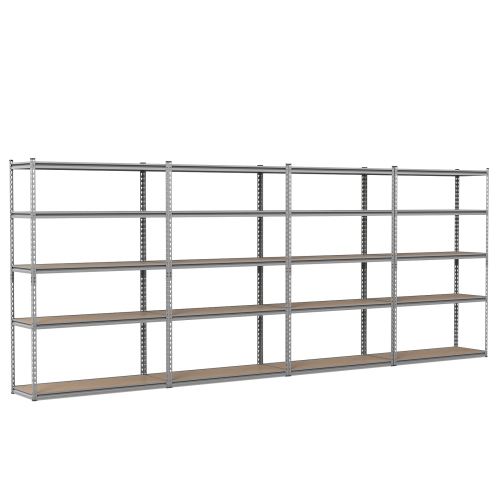
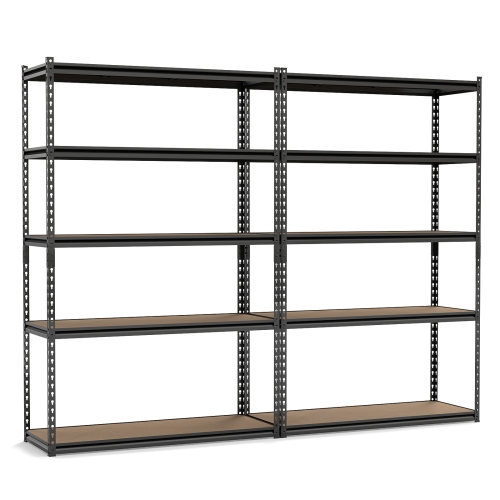
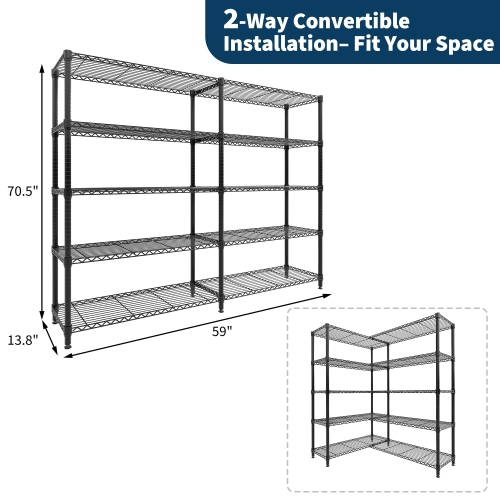
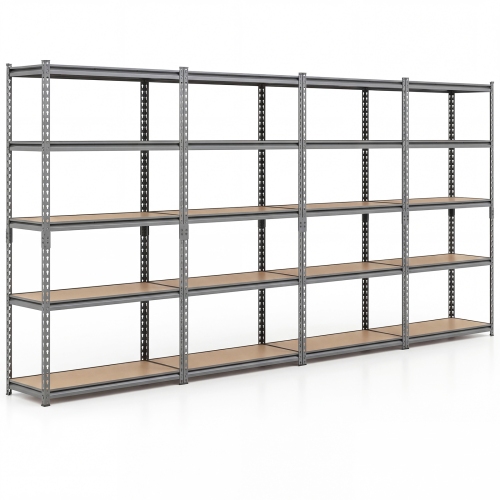
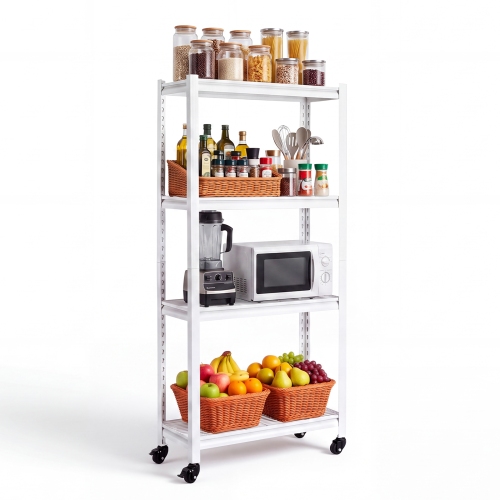
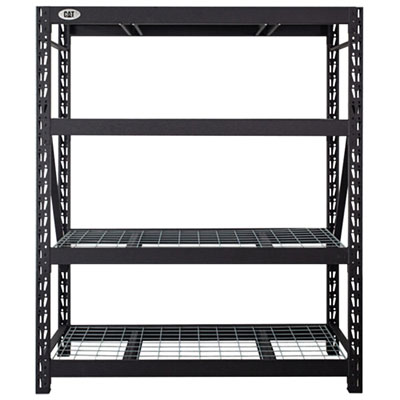
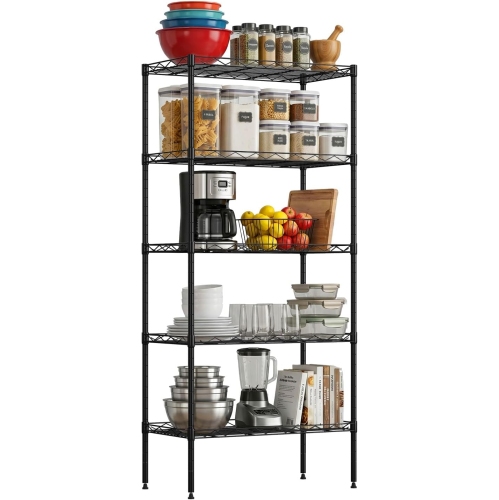
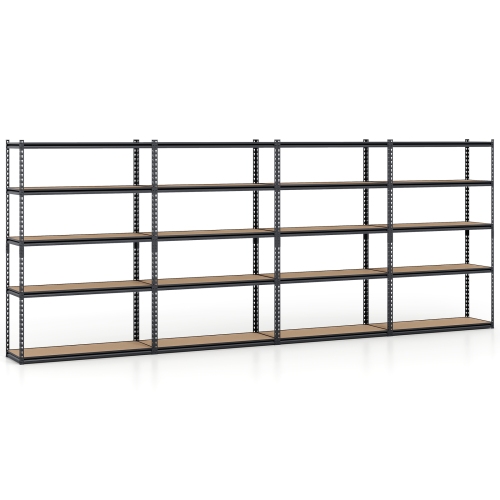
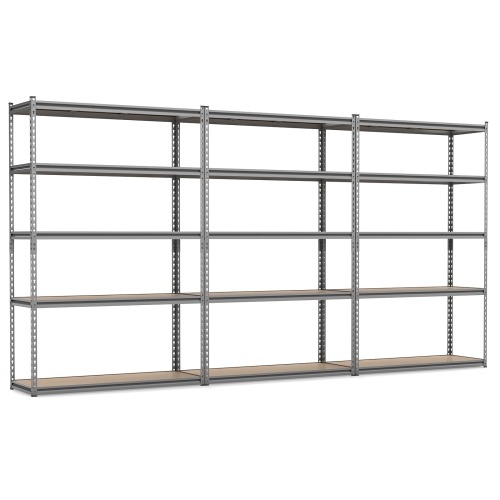
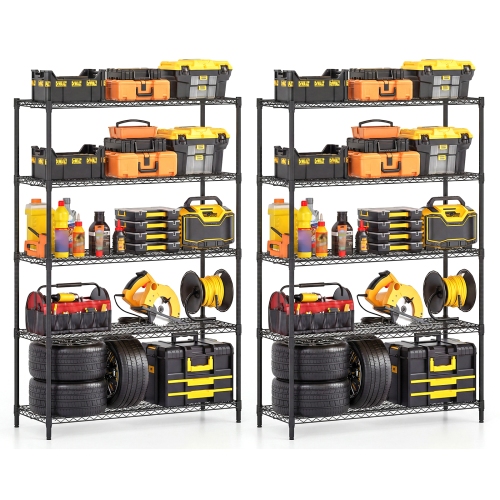
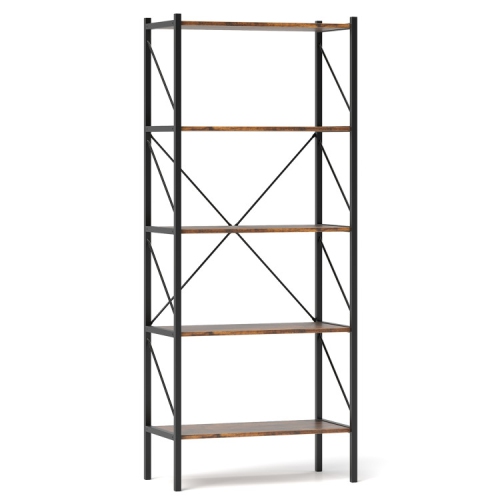
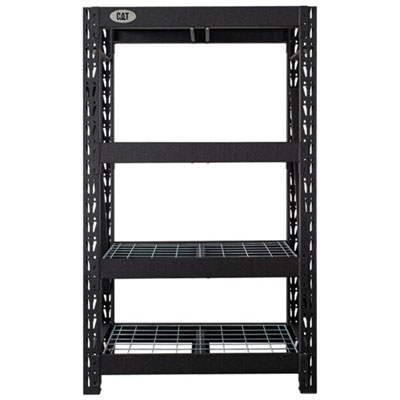
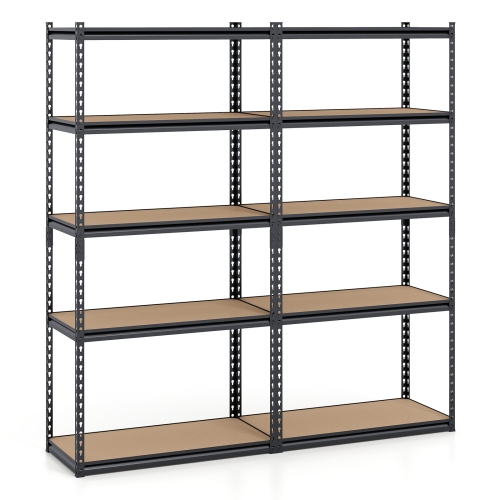
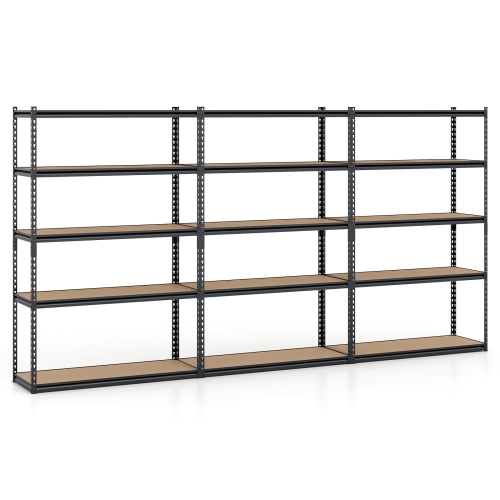
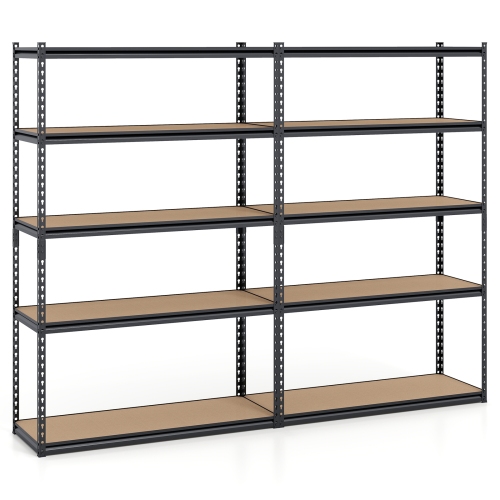
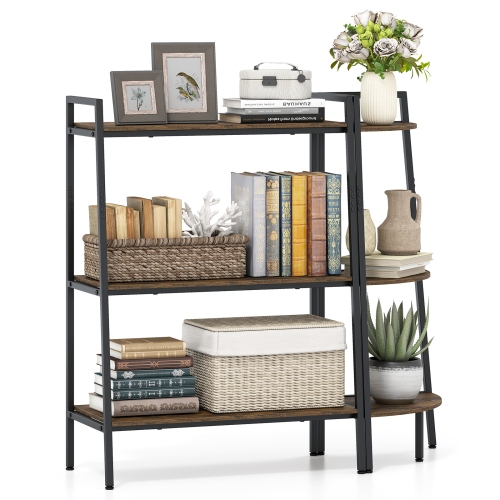
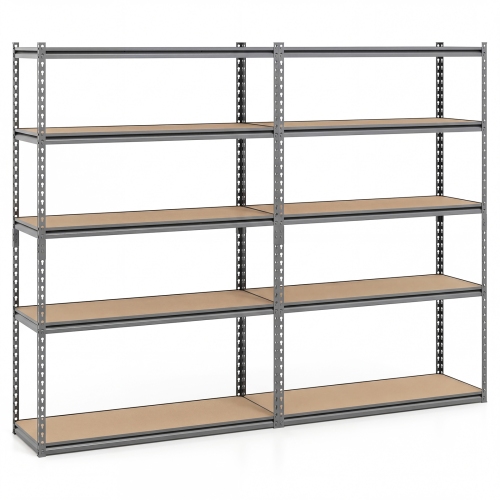
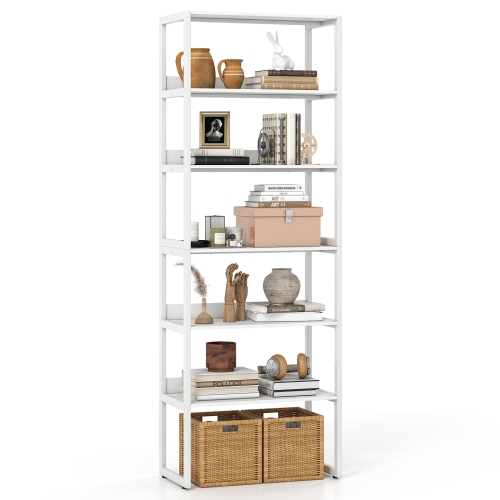
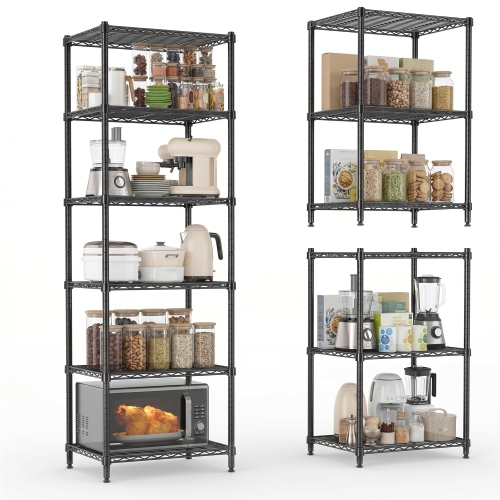
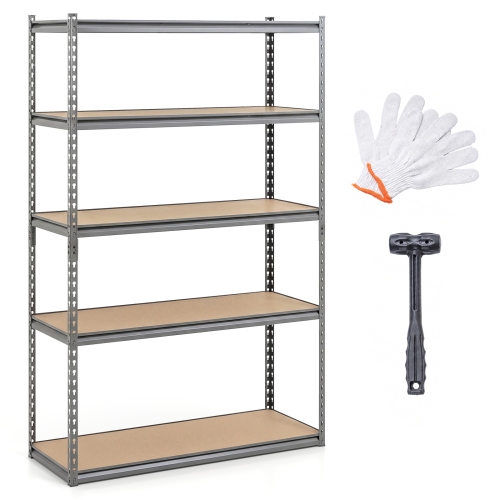
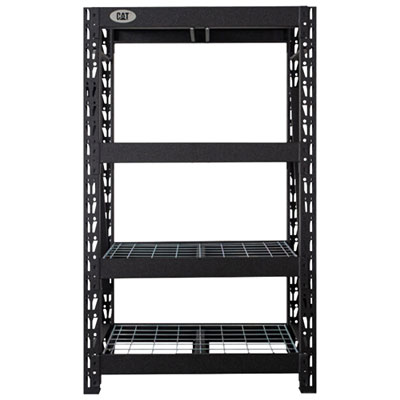
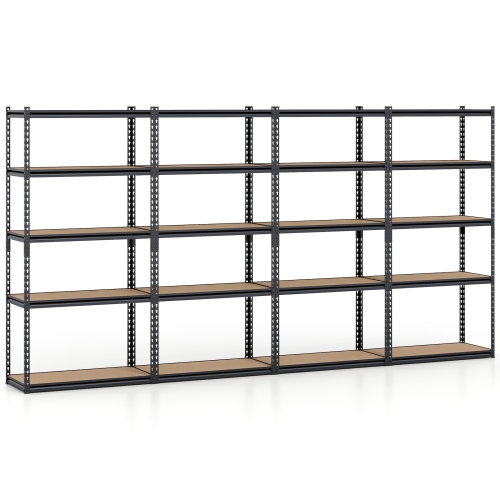
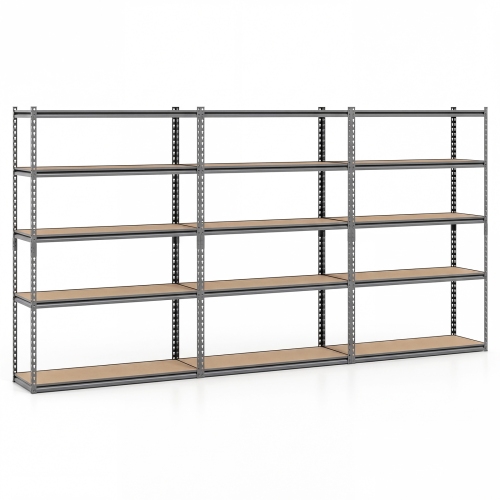
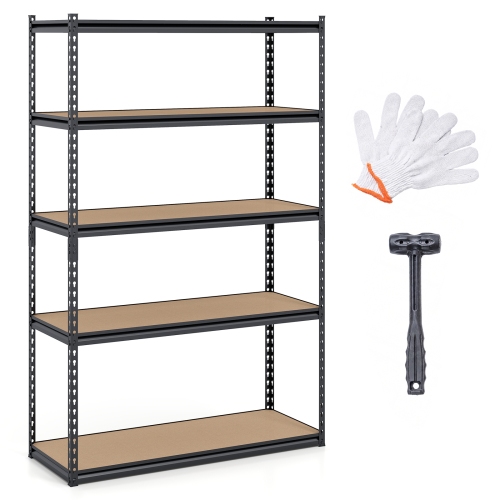
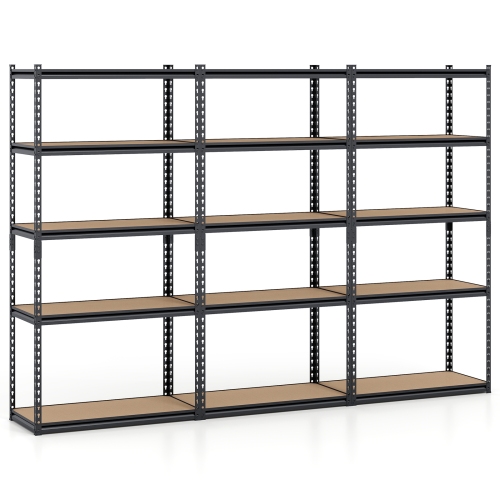
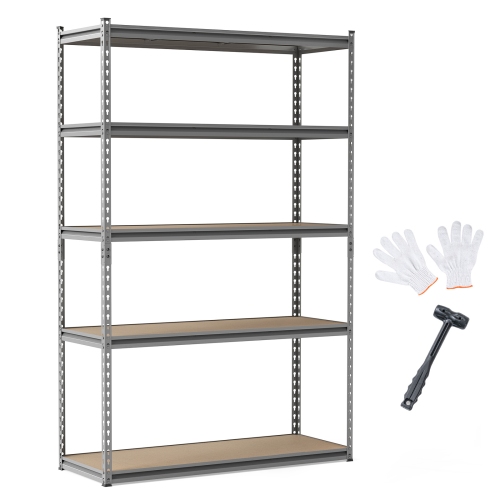
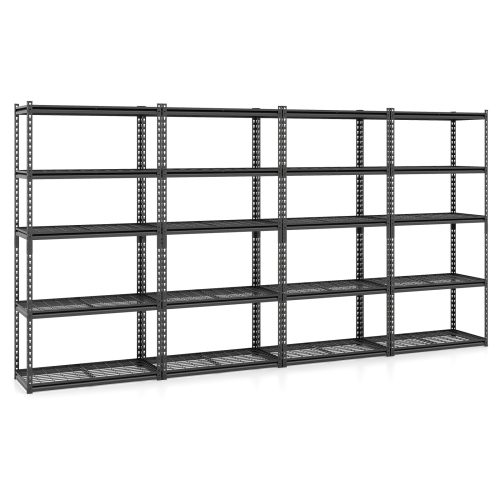
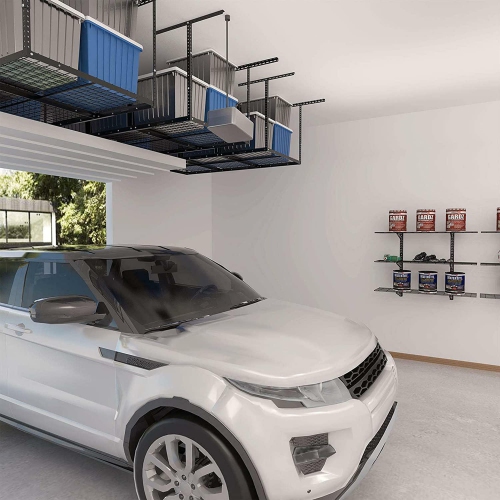
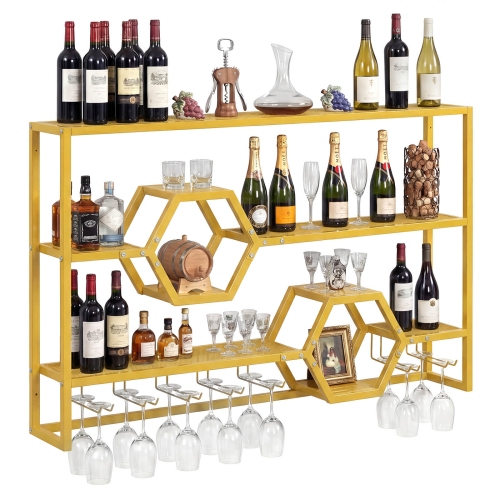
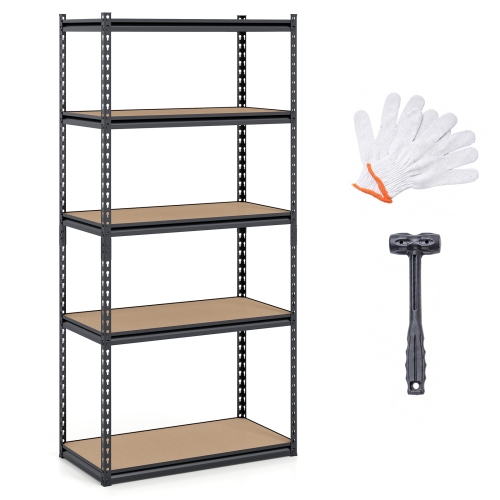
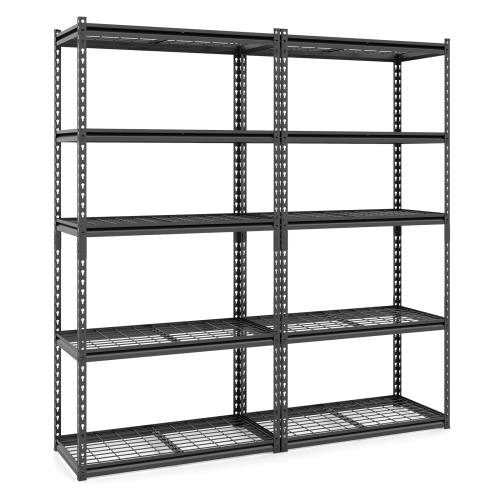
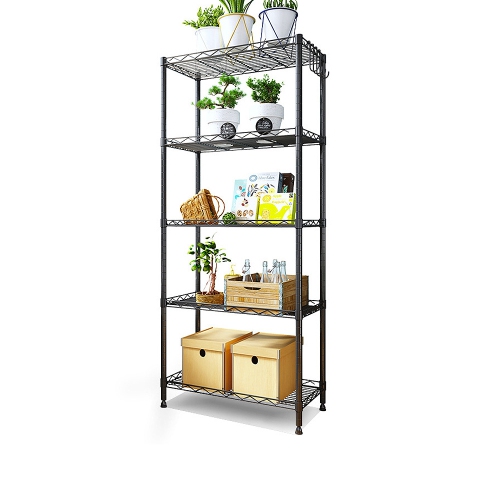
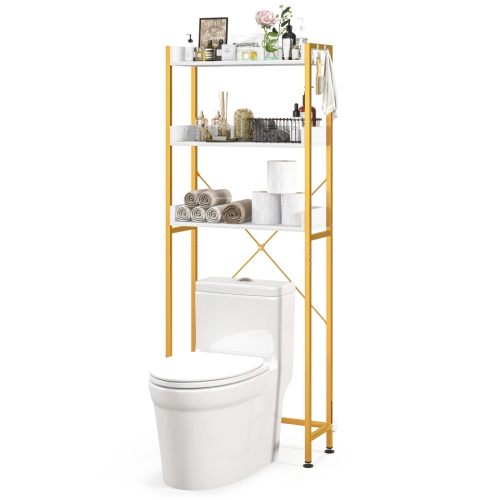
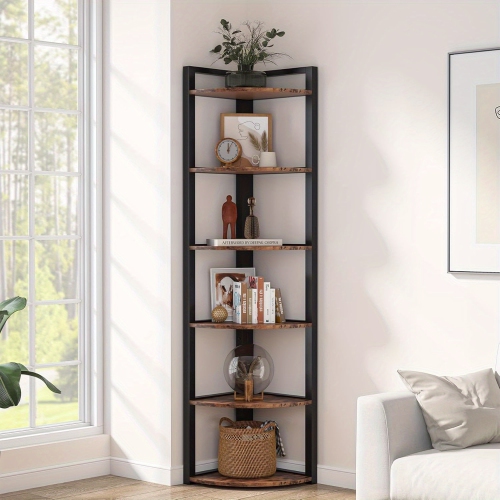
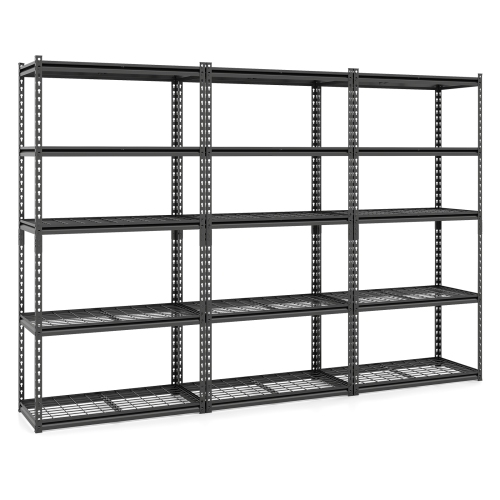
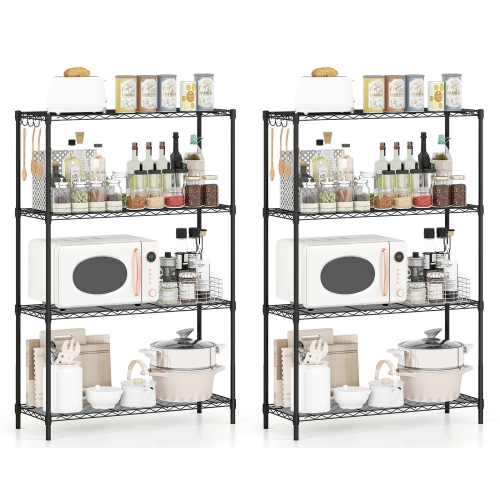
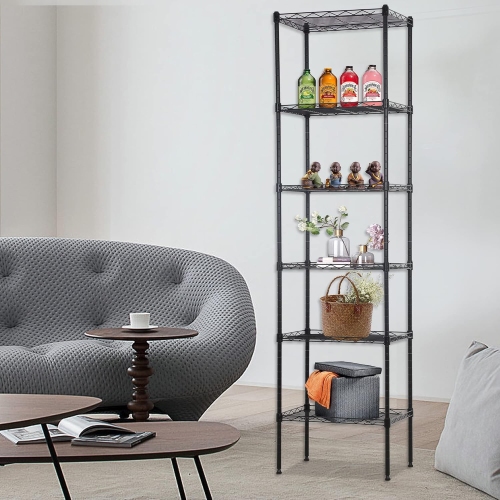
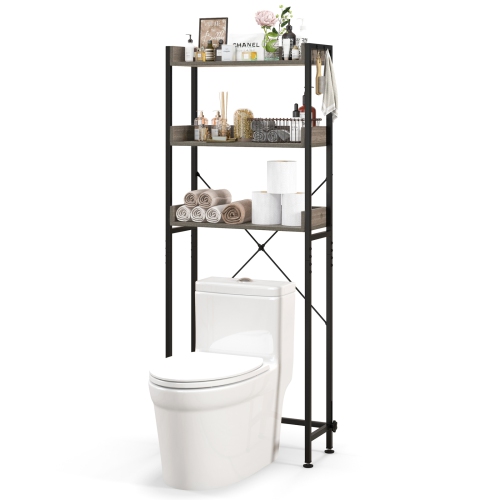
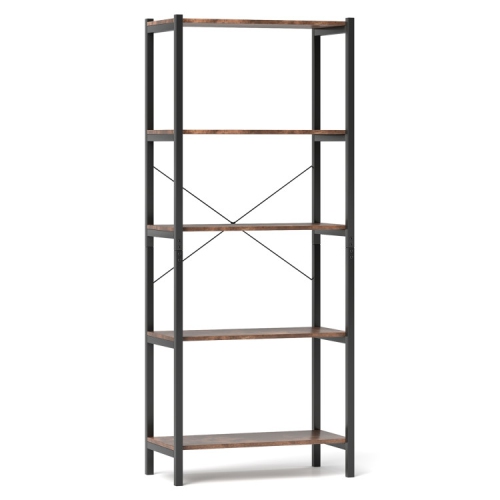
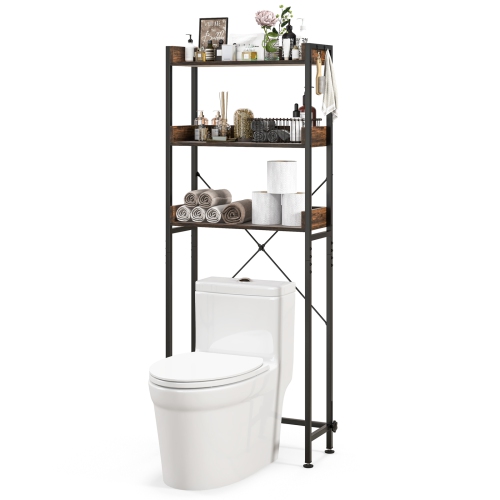
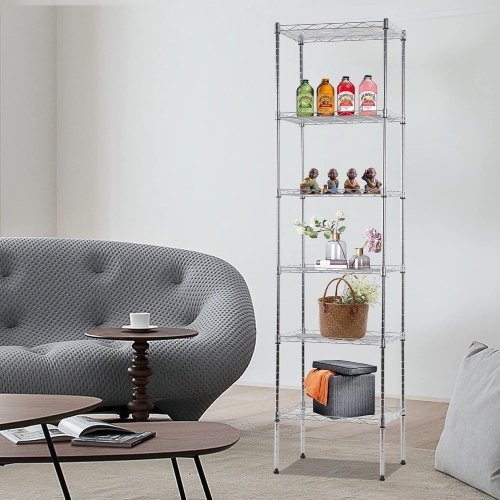
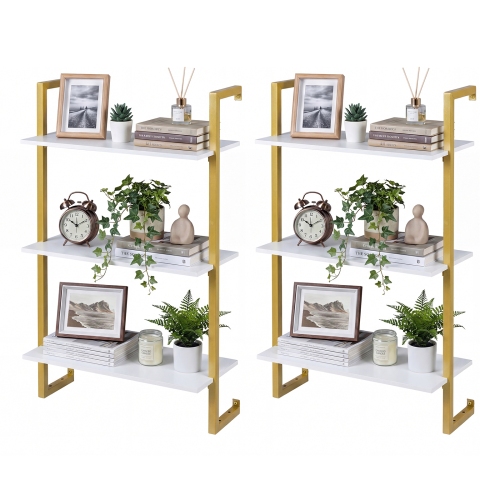
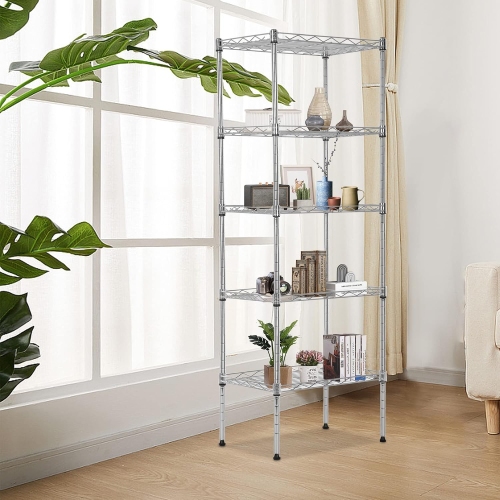
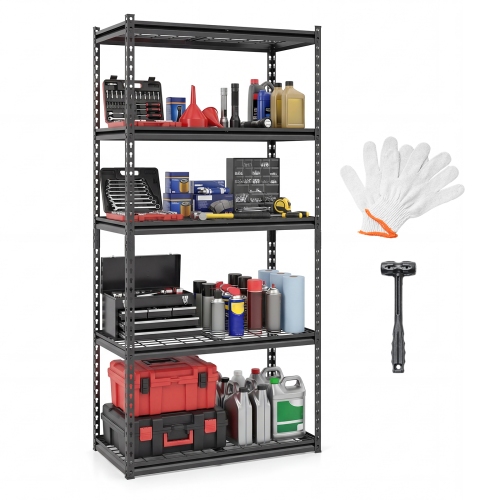
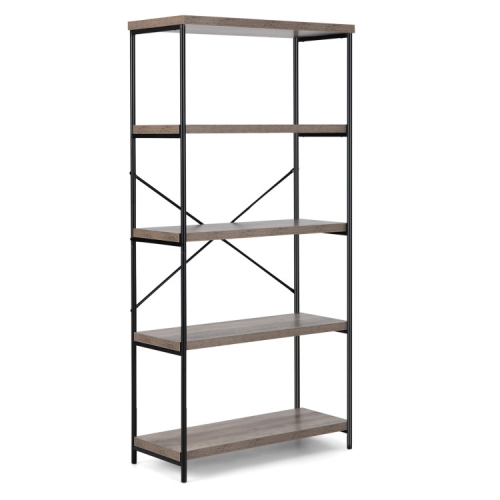
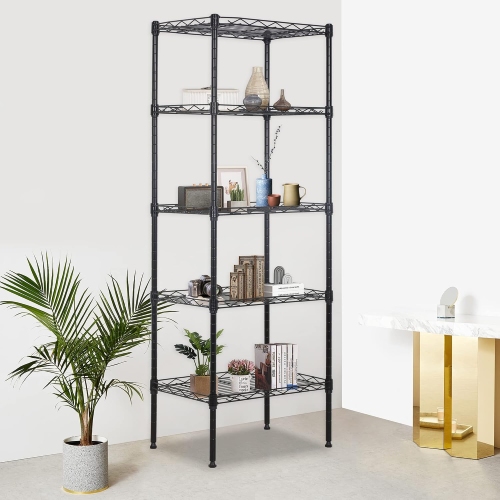
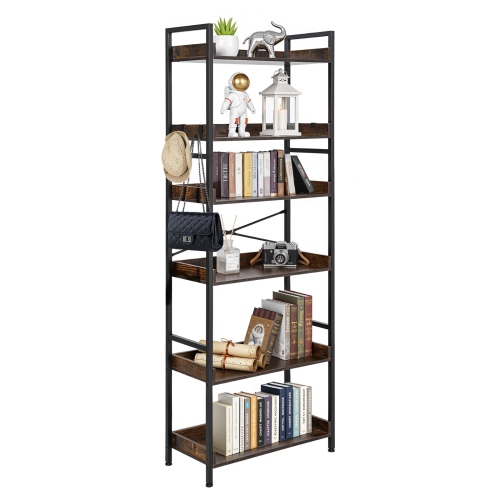
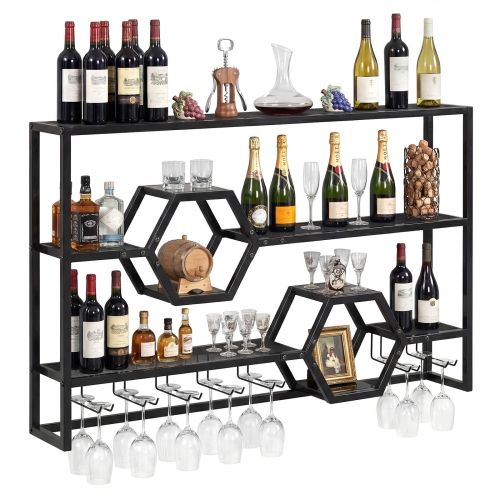
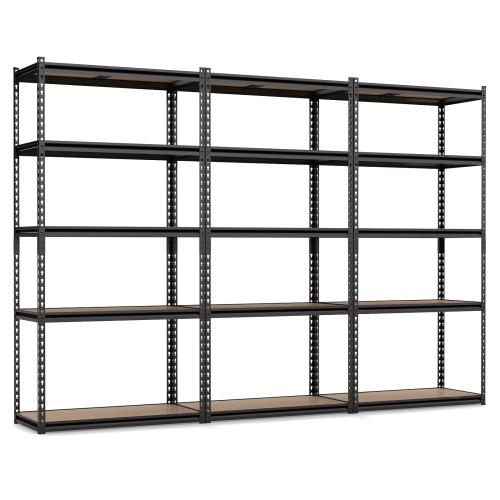
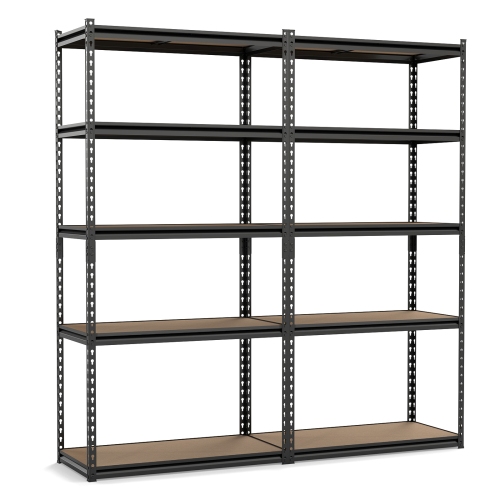
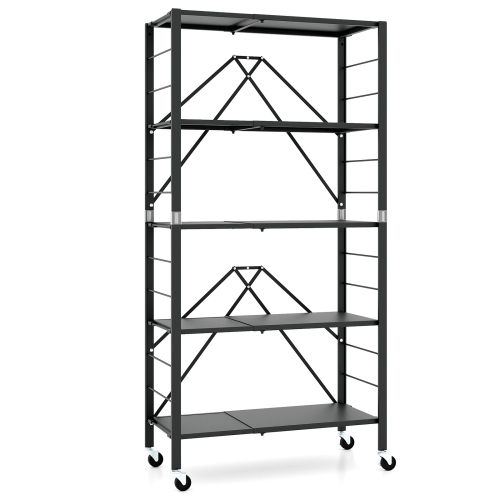
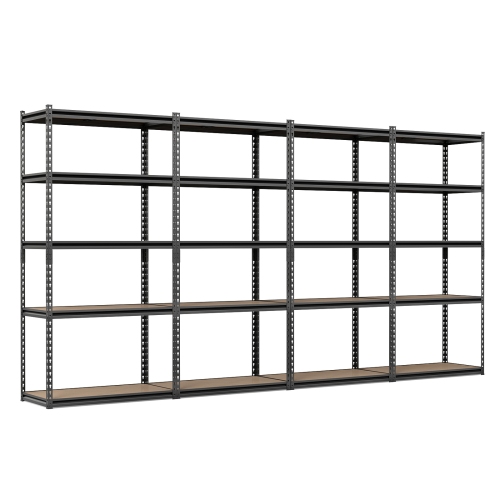
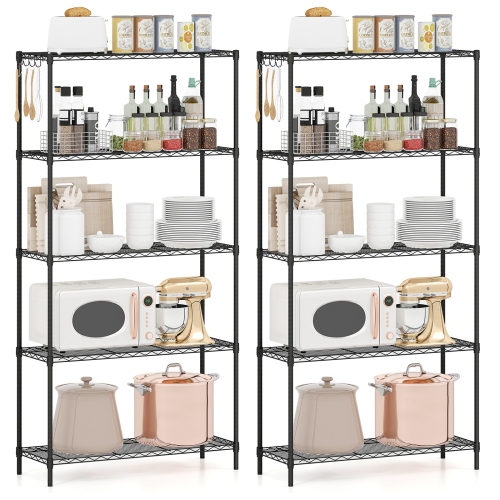
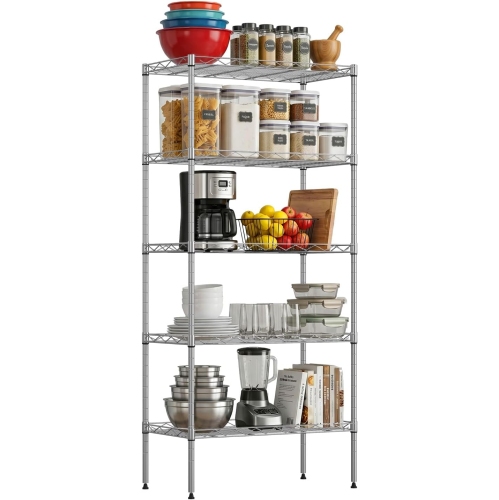
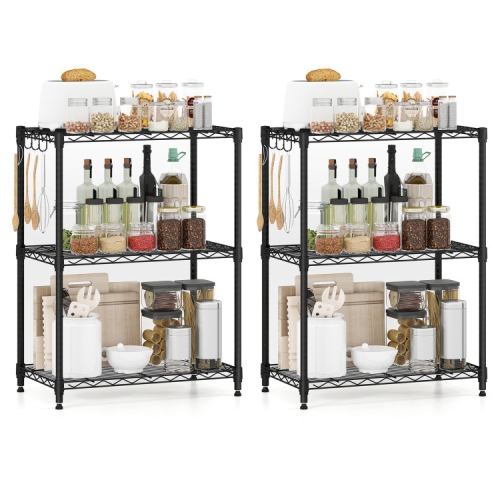
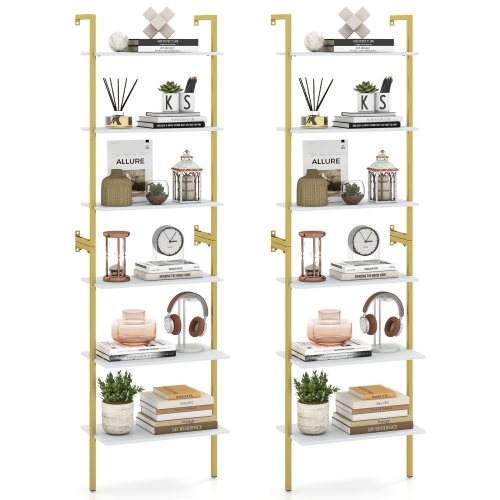
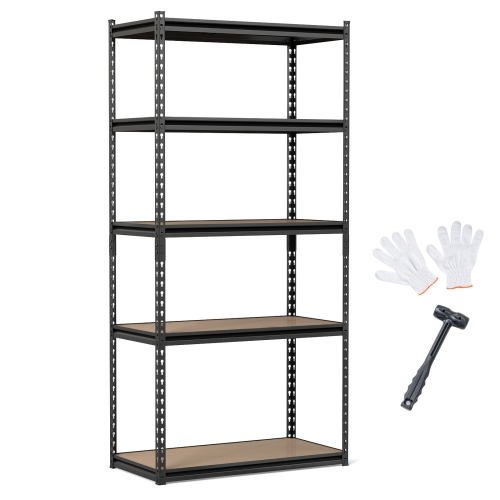
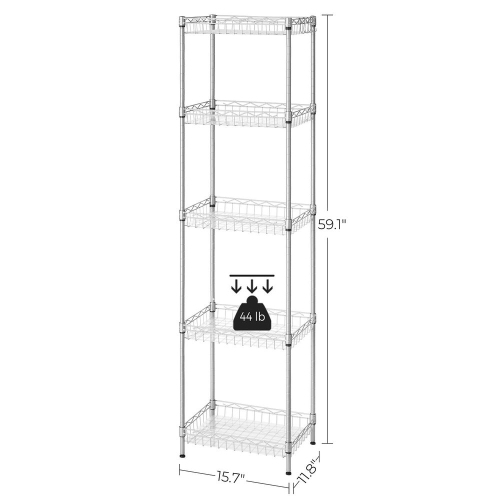
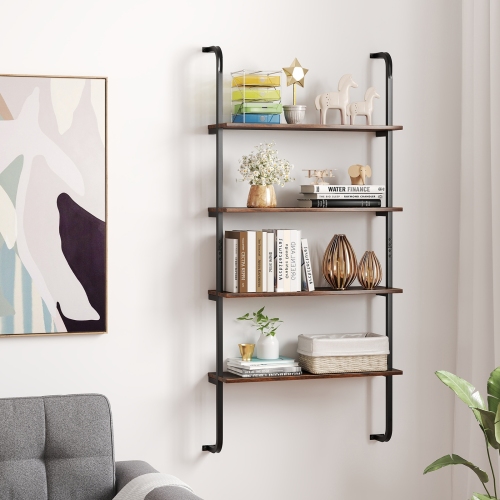
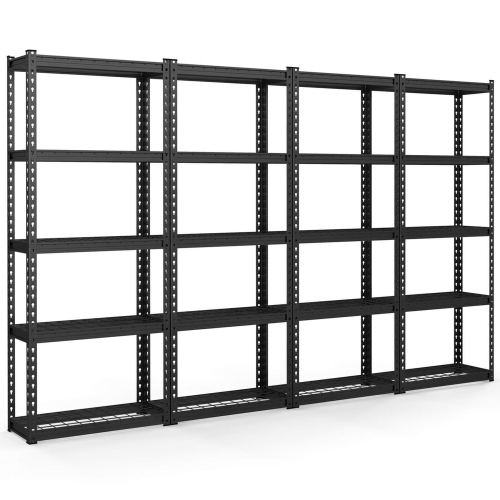
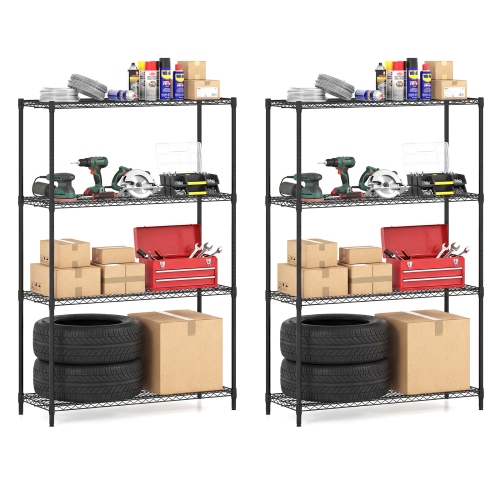
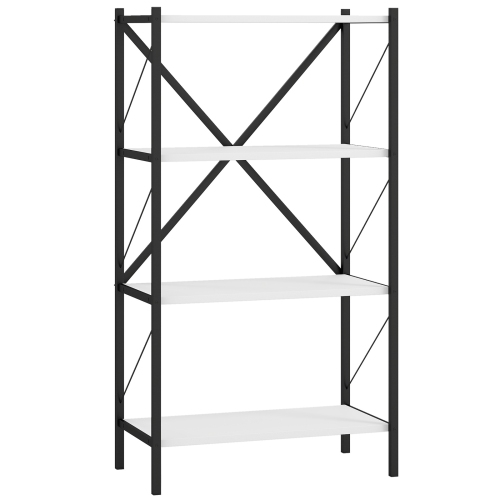
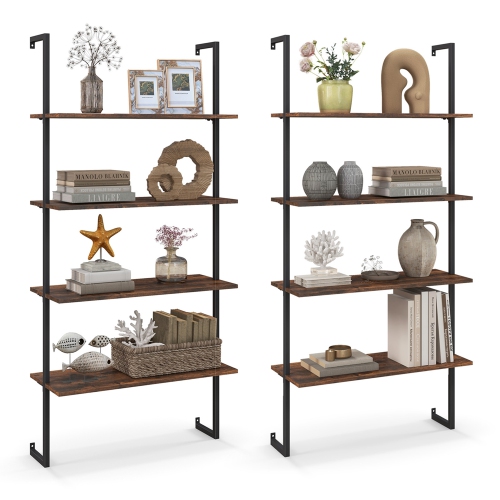
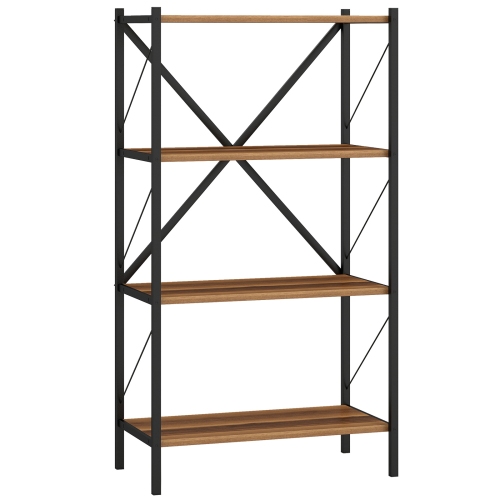
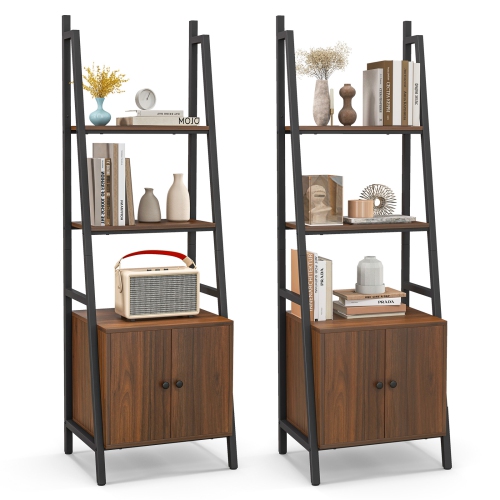
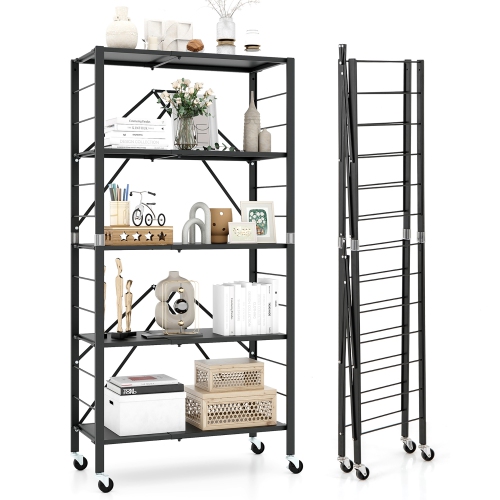
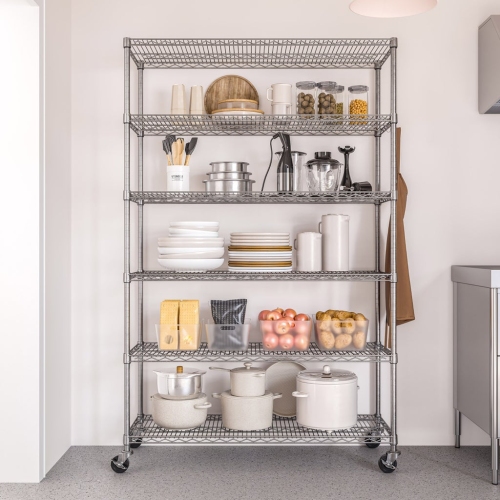
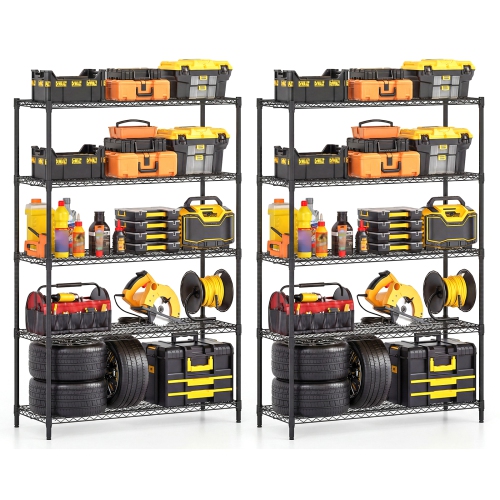
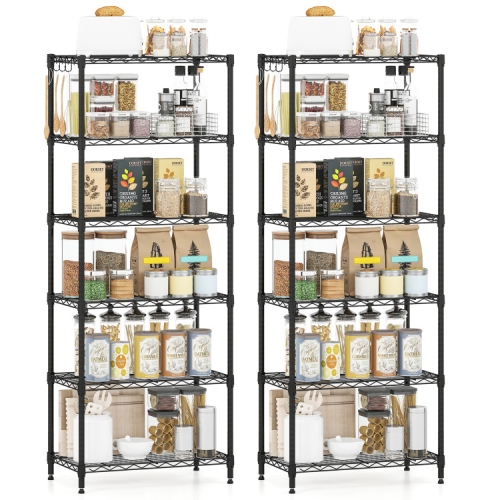
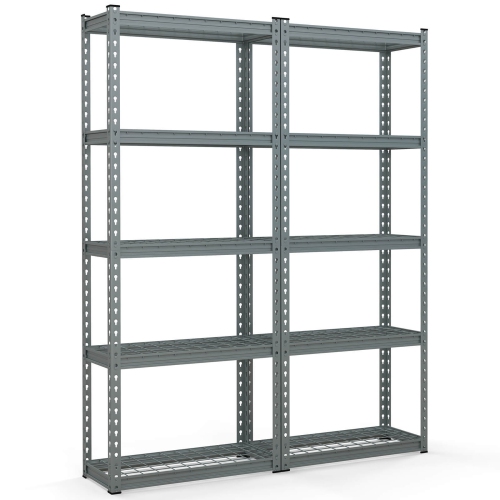
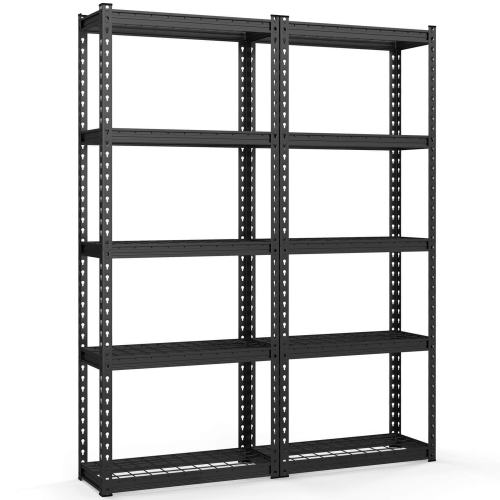
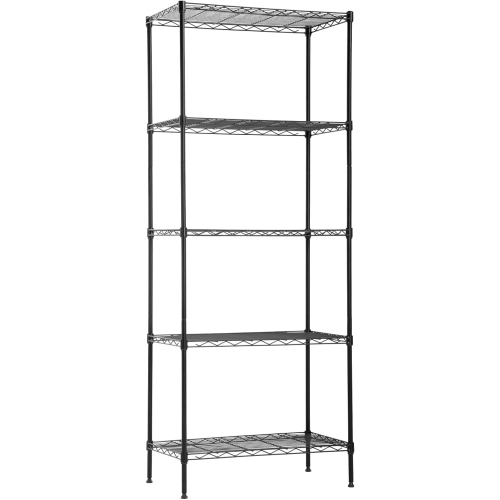
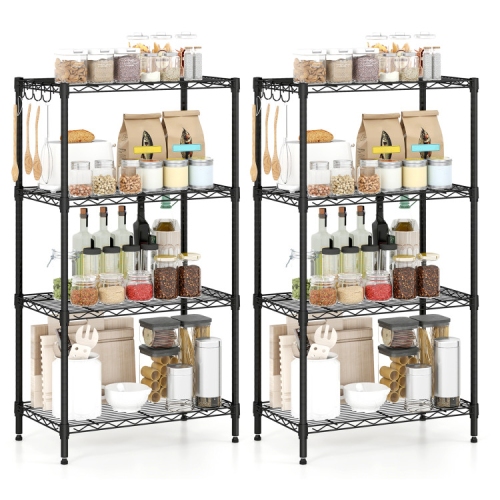
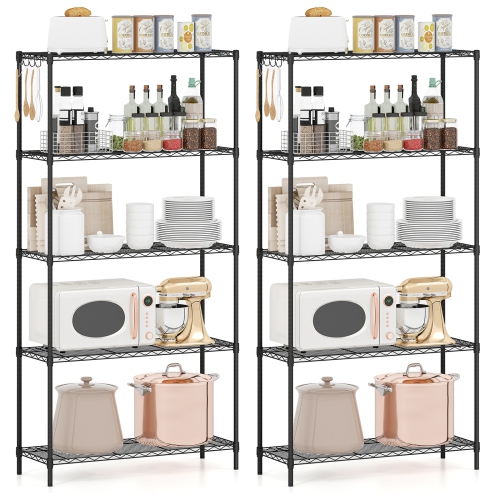
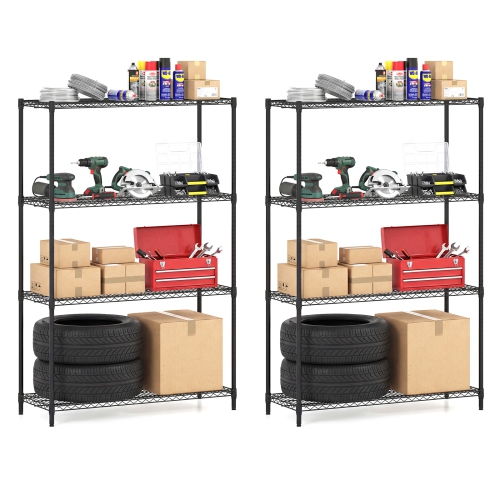
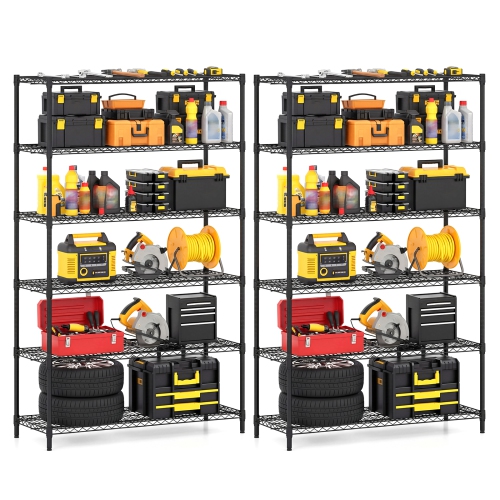
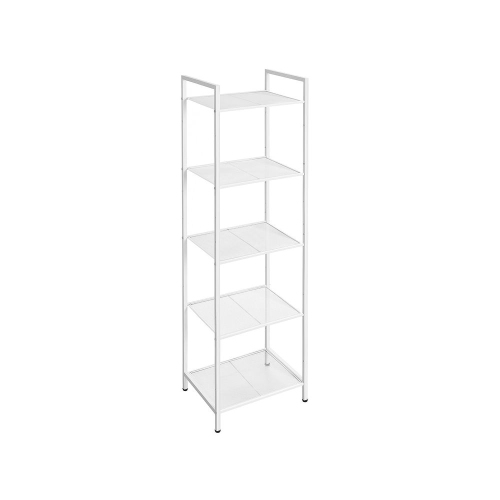
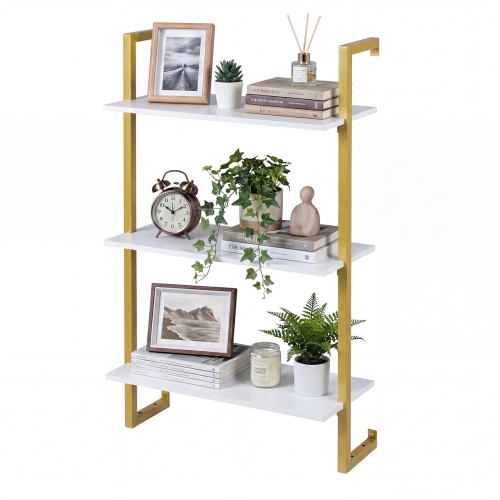
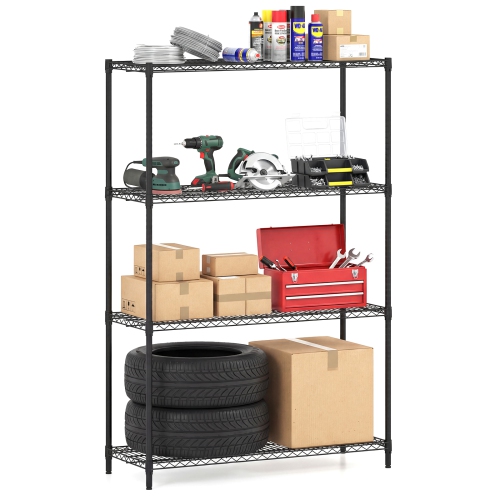
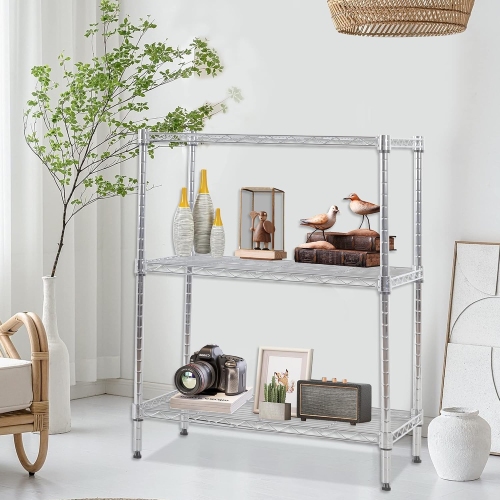
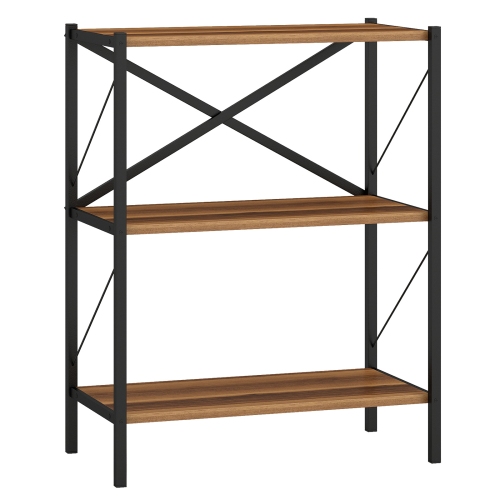
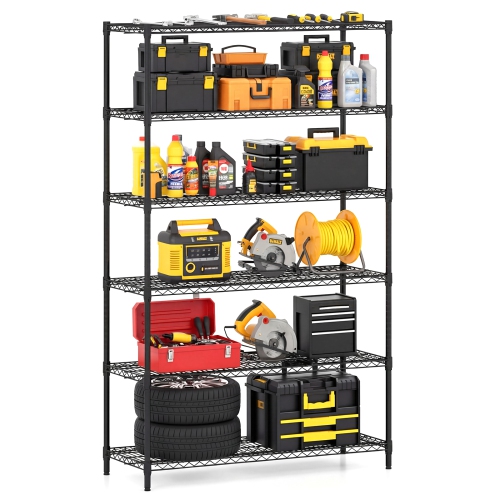
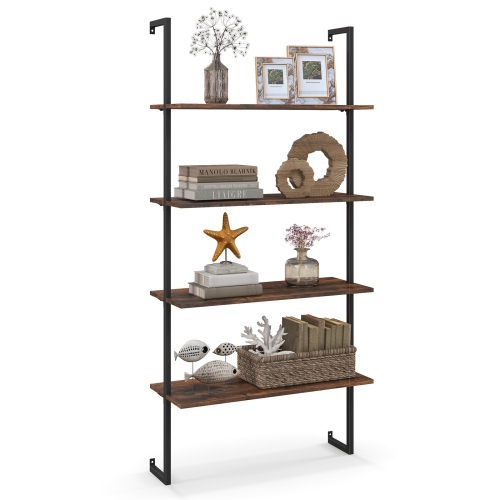
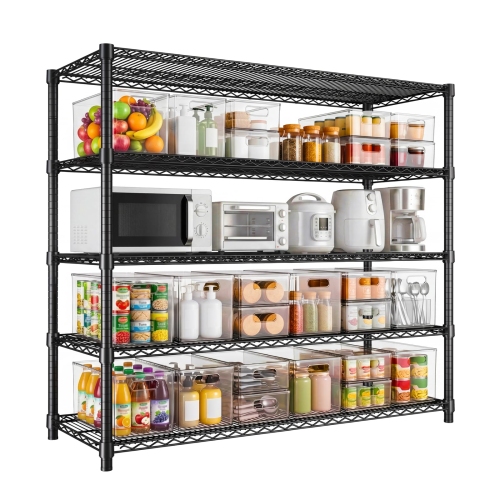
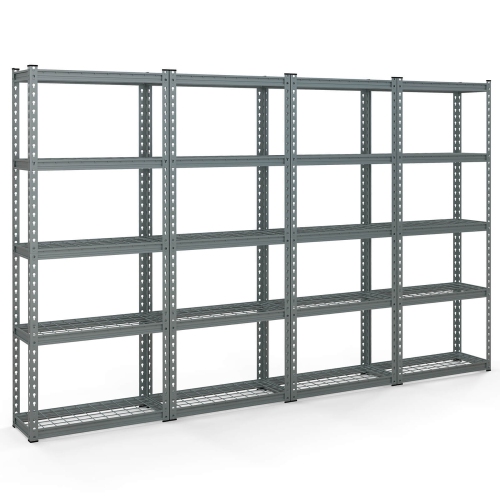
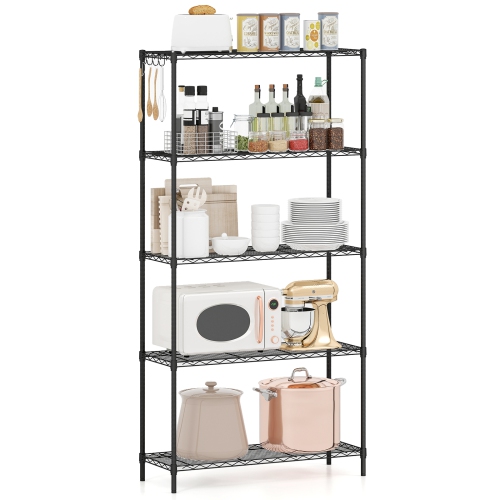
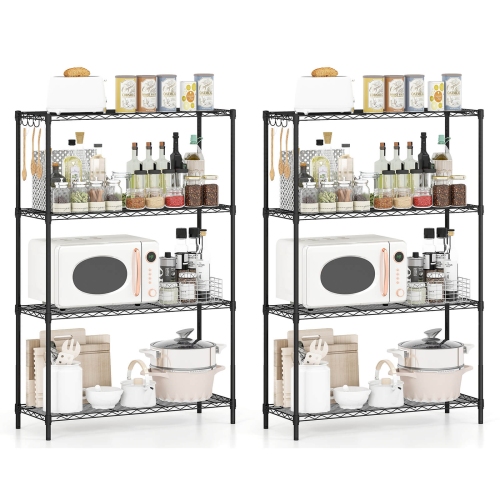
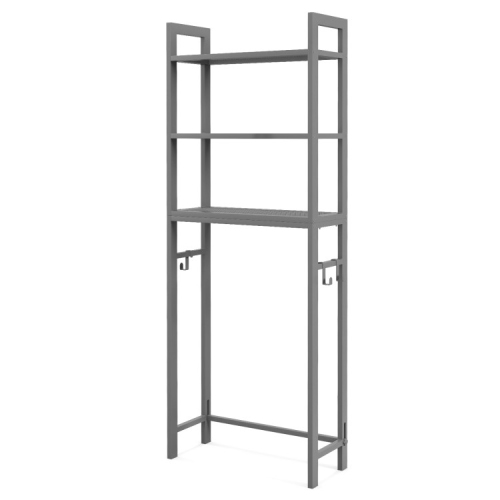
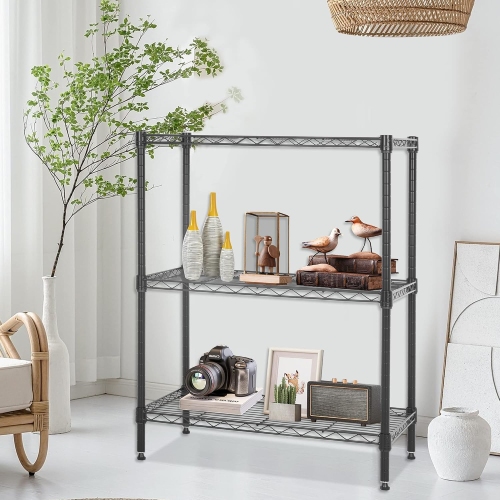
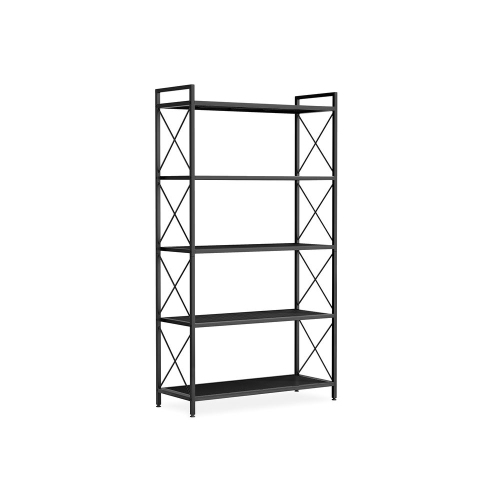
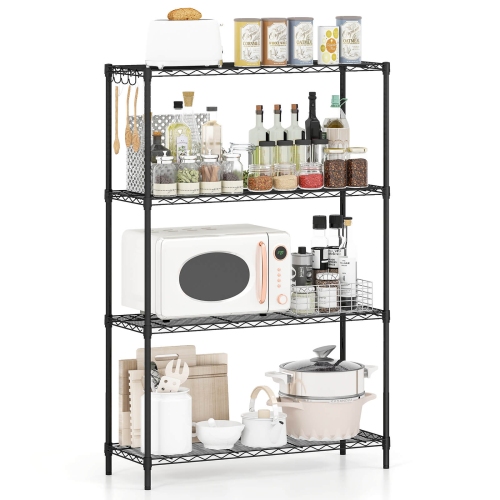
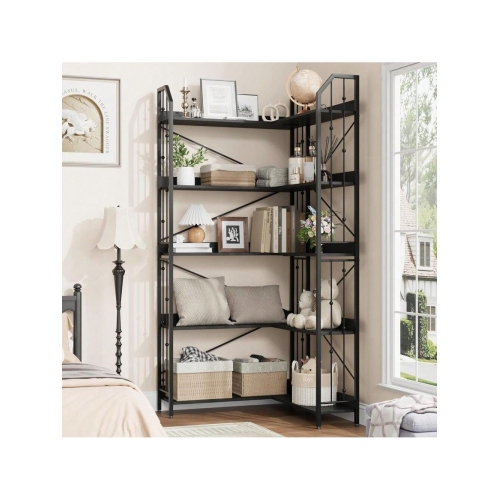
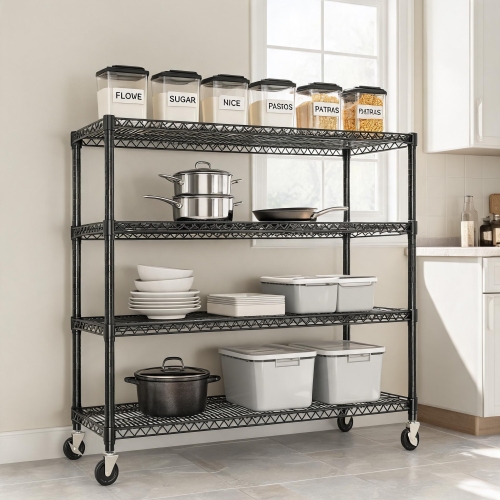
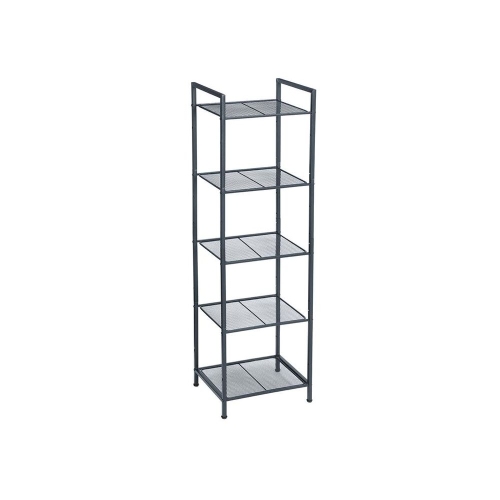
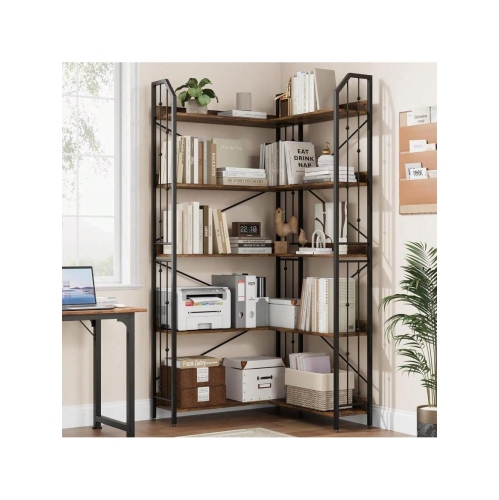
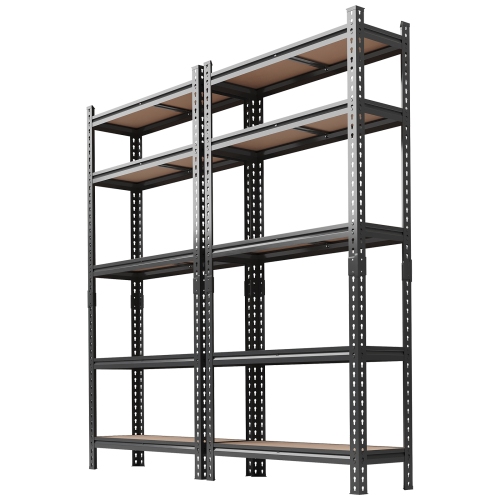
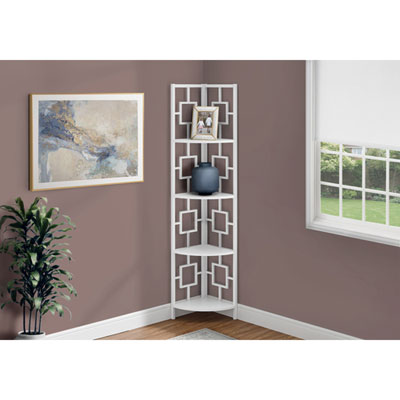
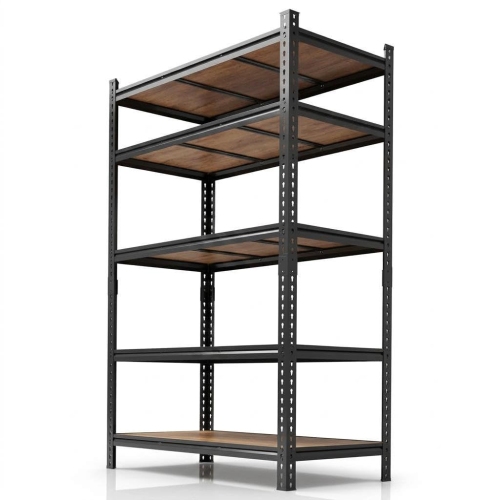
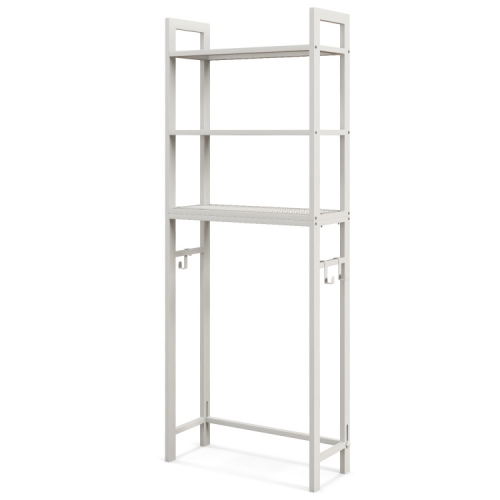
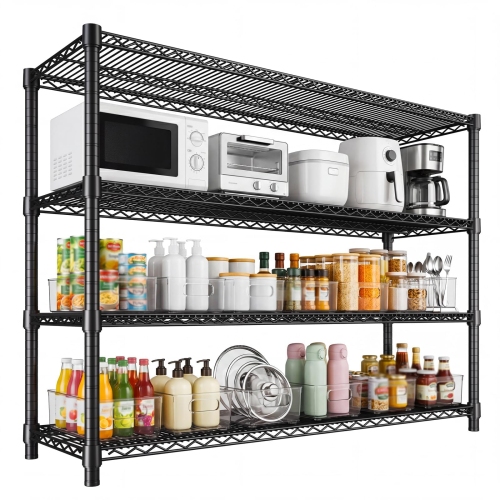
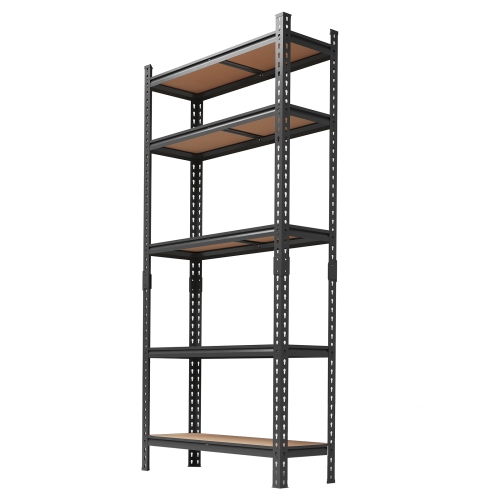
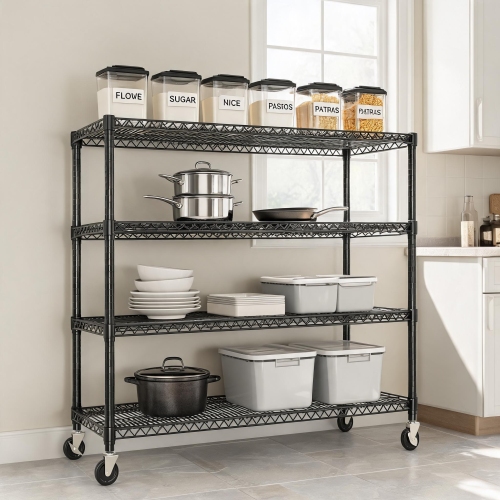
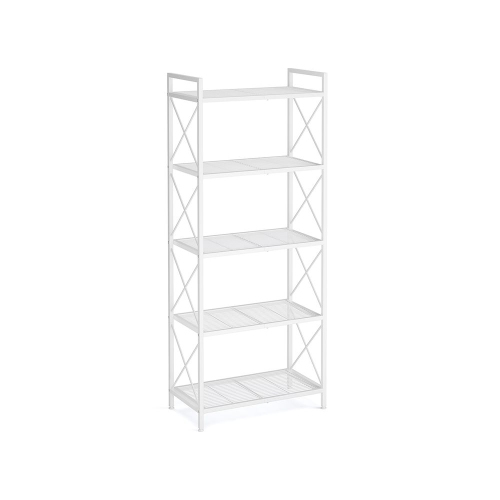
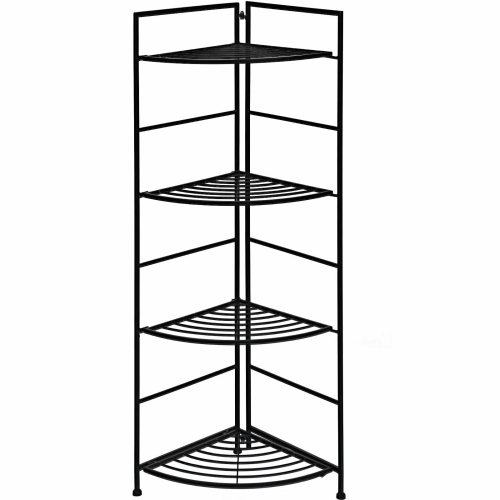
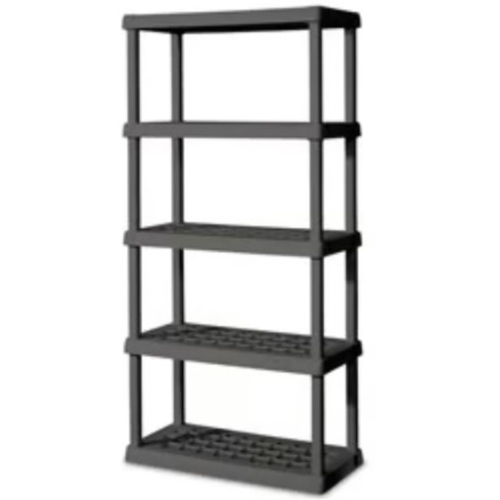
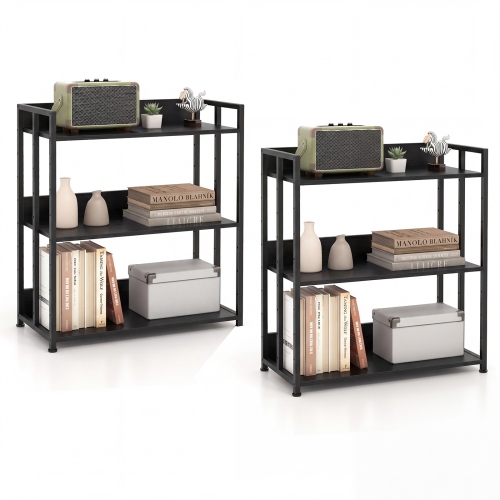
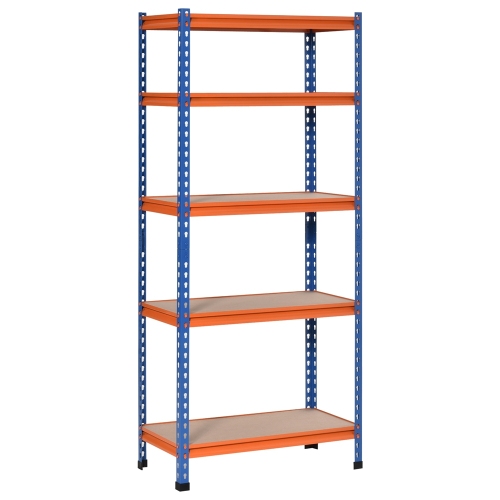
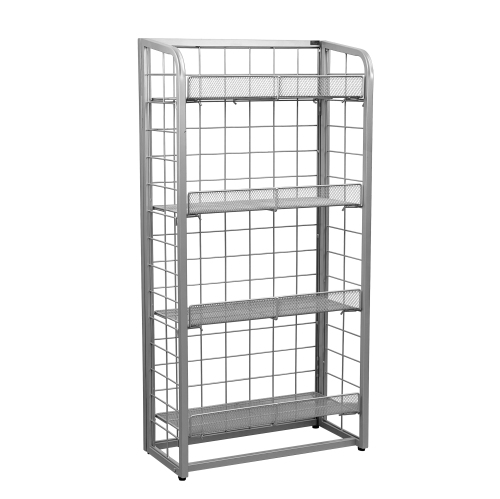
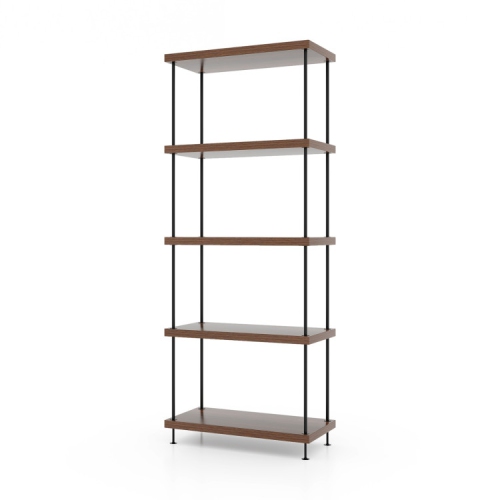
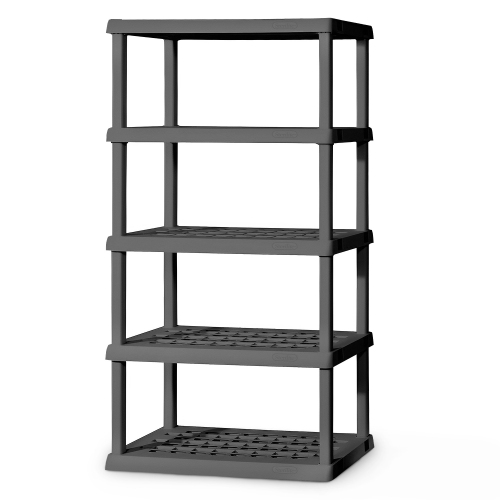
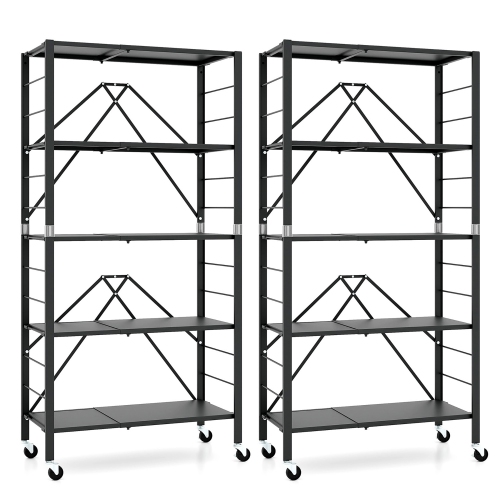
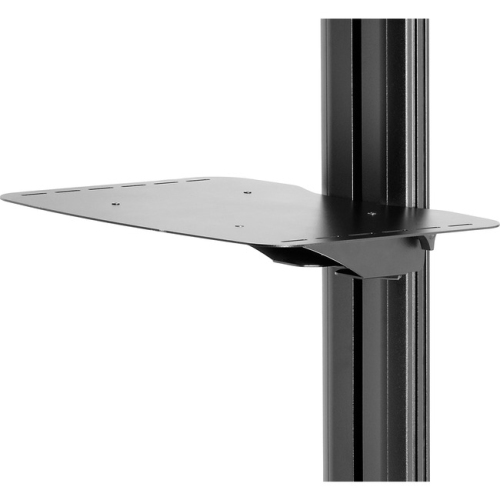
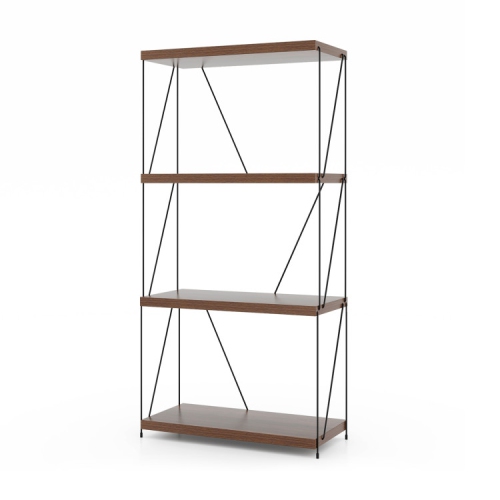
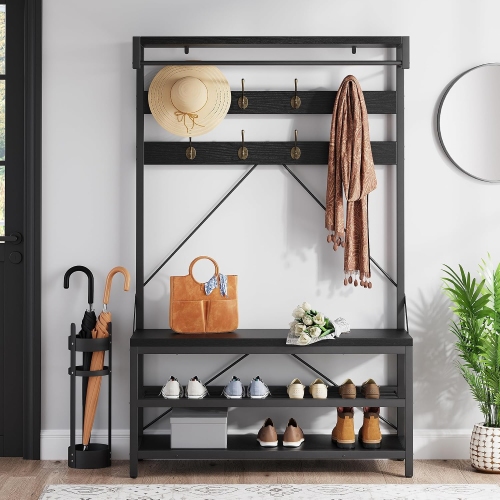
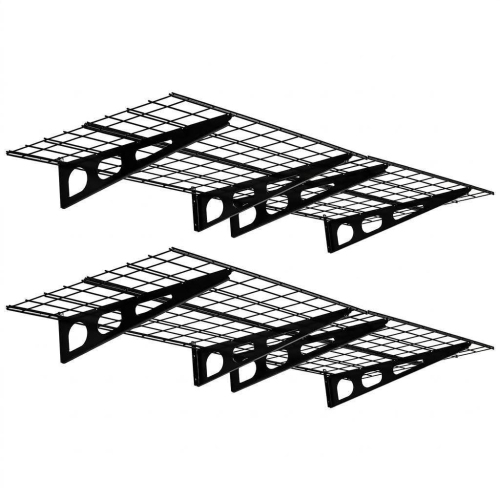
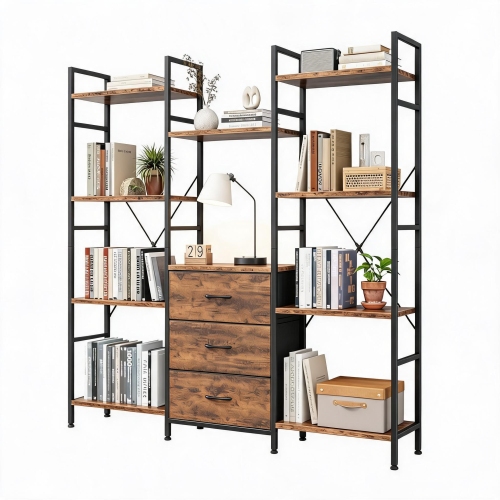
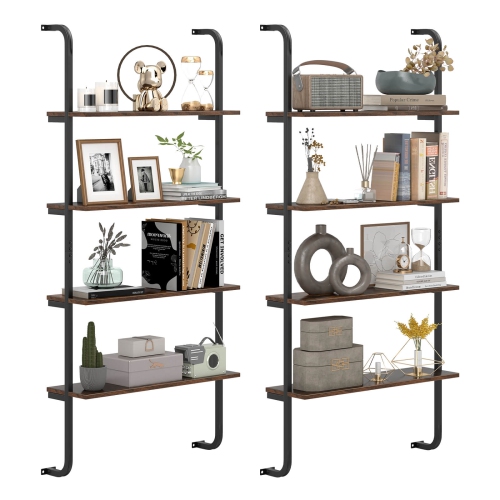
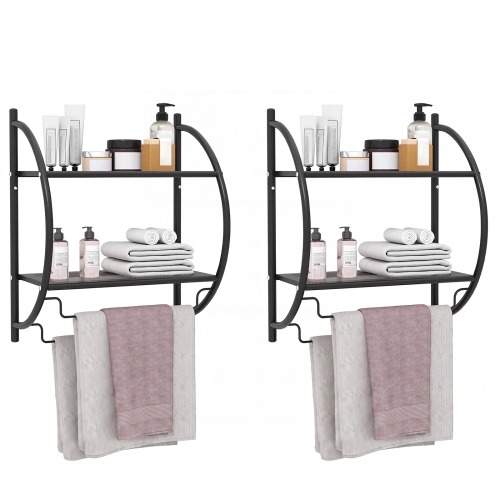
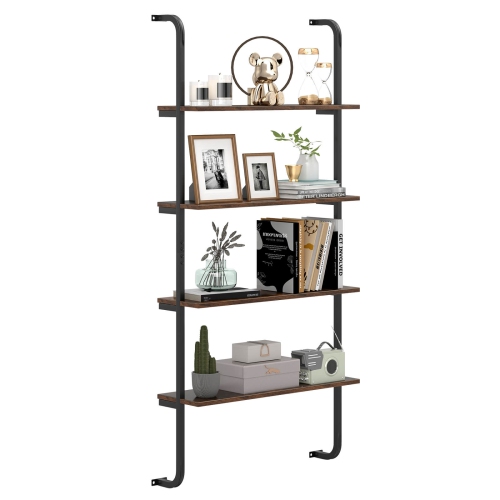
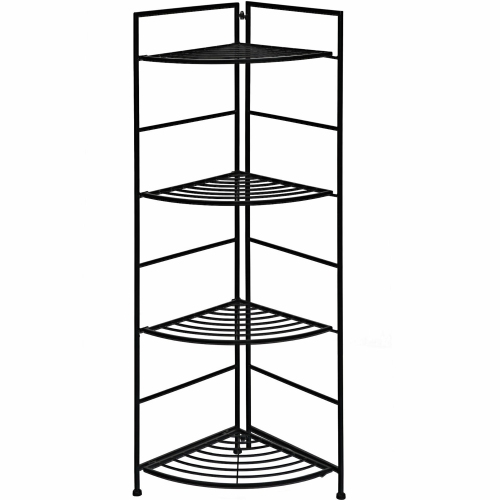
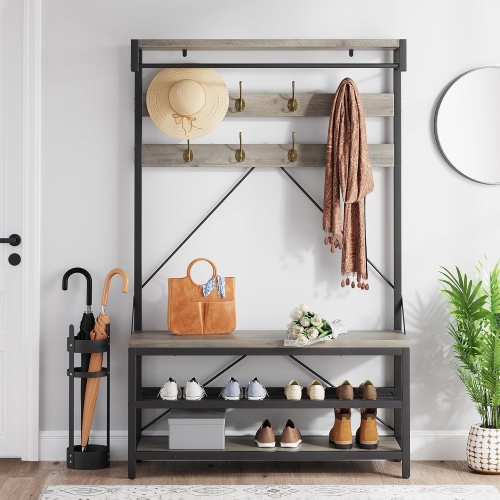
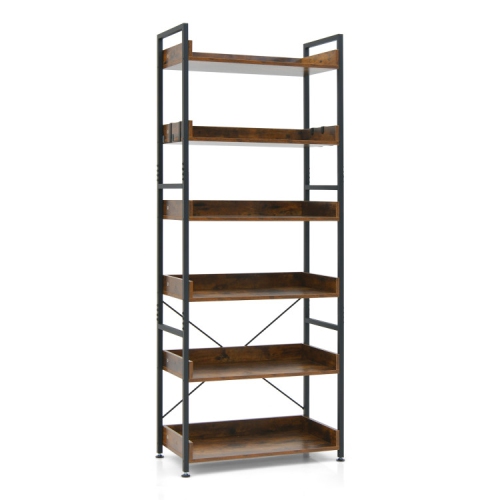
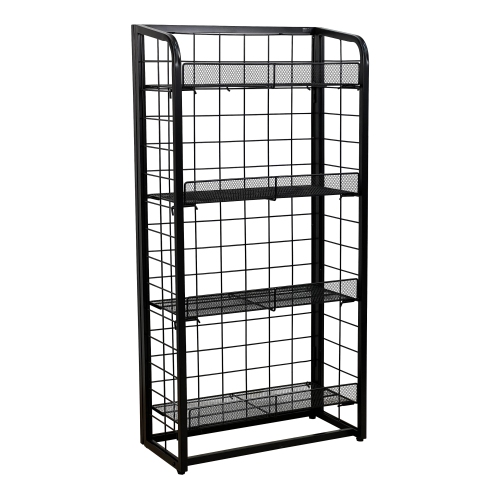
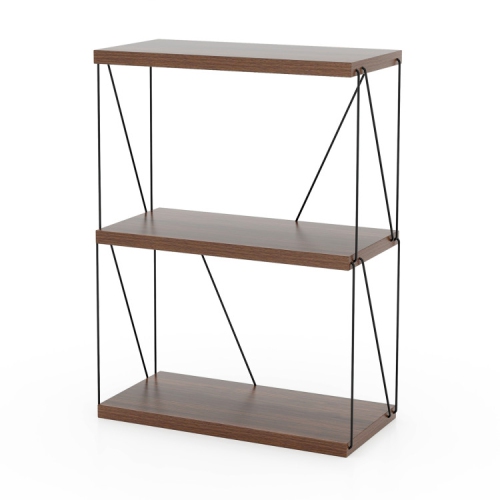
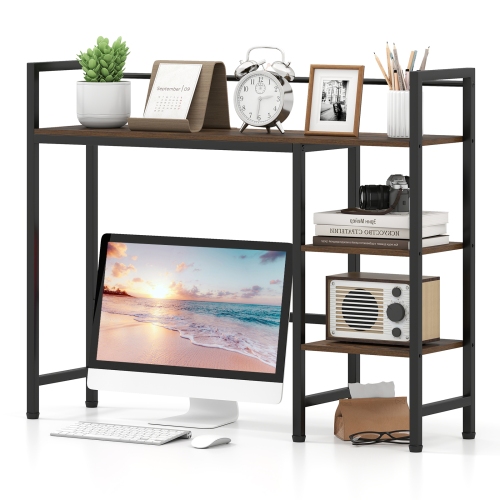
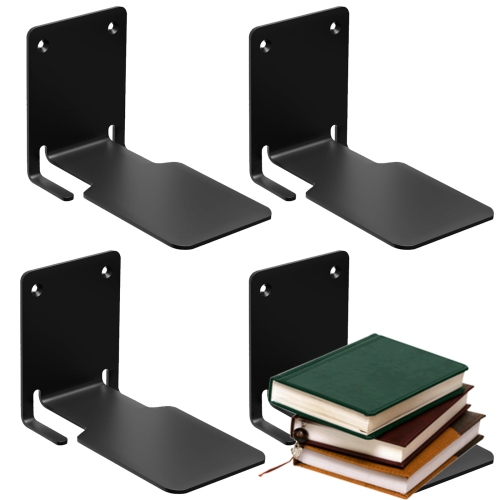
Bulky storage within reach with room to move
Large metal shelves bring order to spaces where small storage units leave too much on the floor. Their broad tiers and sturdy frames make them useful for garages, basements, workshops, utility rooms, and business storage areas, with open access that keeps frequently used belongings easy to see and reach. A shelving unit can give bulky storage bins a defined home, hold tool cases beside a workbench, or organize boxed supplies without hiding everything behind cabinet doors. The appeal is partly practical and partly visual: a straight row of shelves turns a scattered collection of belongings into an orderly arrangement, while leaving clear space for walking and working. Steel is a common choice for the frame because it provides structural strength, although overall performance also depends on the shelf construction, connections, and bracing. Metal shelving can have solid decks, wire tiers, or metal frames fitted with separate shelf panels, so the frame material alone does not tell the whole story. Solid metal surfaces give smaller belongings continuous support and help contain loose pieces. Wire shelves allow visibility from below and let air circulate around stored objects, but narrow feet, small containers, and soft bags may need compatible liners or bins to sit securely. Adjustable tiers accommodate changing storage needs, from shallow trays of hardware to taller equipment cases. Fixed shelves can suit spaces where the contents stay much the same. For a laundry area, open shelving keeps supplies accessible without the depth of a full cabinet; in a workshop, wider tiers can group related tools and materials together. In a home office or creative workspace, metal shelves can support organized storage while contributing a clean, industrial look. Dark finishes tend to blend with workshop fixtures, while lighter finishes can feel less visually imposing in a multipurpose room. The most useful design is not simply the largest one, but the one whose depth, shelf layout, and construction suit the belongings it will hold and the space around it.
The fit of large metal shelving involves more than its listed height and width. Overall depth determines how far the unit projects into a room, while usable shelf dimensions determine whether a storage bin sits fully supported or extends beyond the edge. A wide unit may make efficient use of a blank wall, but a deeper one can reduce the passage between shelving and a workbench, appliance, or parked vehicle. Vertical clearance matters beneath pipes, soffits, and overhead doors, and there needs to be enough room above each tier to lift belongings out comfortably. Adjustable shelf spacing is especially helpful when several container sizes share the same unit: closely spaced lower tiers can hold compact cases, while a taller opening accommodates a larger tote without wasting space throughout the rack. Weight capacity deserves equally close attention. A per-shelf rating is different from a total unit rating, and neither should be interpreted as permission to place the entire stated load in one spot. Capacity figures commonly depend on an evenly distributed load, correct assembly, and the configuration specified by the manufacturer. Concentrated weight from a dense toolbox or a small machine can stress a shelf differently from several evenly spaced cartons. Keeping heavier belongings on lower tiers makes them easier to handle and helps maintain a lower centre of gravity. Stability also depends on the floor, frame connections, and any required anchoring; tall shelving should not be treated as a climbing surface. Boltless designs generally use tabs, slots, or interlocking components to connect the frame, while bolted designs use fasteners at the joints. Both approaches still require complete assembly according to the supplied instructions, including braces and retainers where specified. Some units allow changes to shelf height or layout, but alterations should stay within the configurations approved for that design. For storage needs that place particular emphasis on load capacity, Heavy Duty Metal Shelves is a closely related category. The distinction lies in the stated capacity and construction rather than appearance alone, since a substantial-looking frame does not establish how much weight a shelf can safely support.
Finish and upkeep influence how well large metal shelves retain their appearance and function over time. Powder-coated steel has a protective surface layer that also gives the shelving its colour, while galvanized steel has a zinc coating that helps resist corrosion. These finishes can be useful where occasional moisture is a concern, but they do not make every unit suitable for outdoor placement or constant exposure to water. Stainless steel is another material used in metal shelving, with care requirements that vary by grade and finish. Suitability for a particular location should follow the manufacturer’s specifications, especially in spaces exposed to cleaning chemicals or persistent dampness. Routine care is usually straightforward: dust and debris can be removed with a soft cloth or brush, and suitable surfaces can be wiped with a mild cleaner and dried thoroughly. Abrasive pads and harsh chemicals may scratch or damage protective coatings. Spills are easier to manage on a smooth solid shelf than around a mesh of wires, while wire shelving may offer better visibility when locating a container on an upper tier. Shelf panels made from wood-based materials need different care from all-metal decks and can be more sensitive to moisture, even when the supporting frame is steel. Durability also comes from how the storage is used. Sliding heavy cases repeatedly across a finish can cause wear, and allowing belongings to overhang can create obstacles or uneven loading. Compatible liners, trays, and clearly labelled bins can help keep a shelving arrangement tidy without changing its intended capacity. In a shared workshop, separate tiers for tools, protective equipment, and project supplies make it easier to return things to a consistent place. In a family storage room, frequently used belongings can sit within comfortable reach, with lighter, less-used containers above. Keeping labels facing outward and leaving enough space to grasp handles makes large shelves easier to use day after day. Well-matched metal shelving offers accessible storage, a durable structure, and an organized footprint that can adapt as the contents of a room change.
Top selling and popular products
-
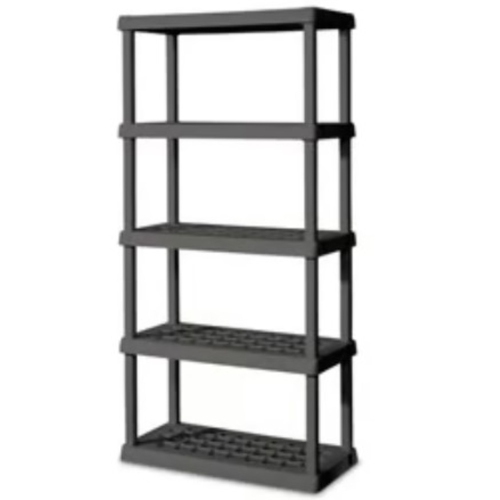 Your price for this item is $1274.99
-
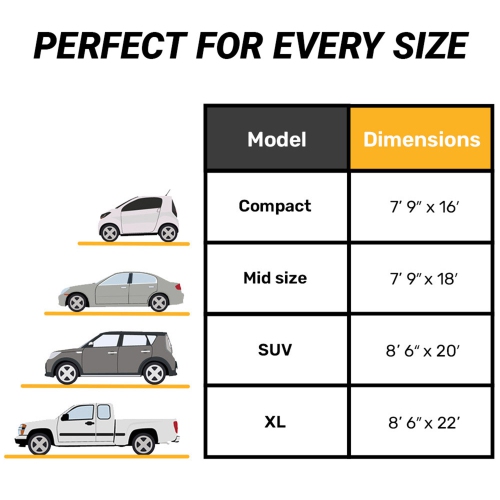 Your price for this item is $159.99
-
 Your price for this item is $189.99
-
 Your price for this item is $341.99
-
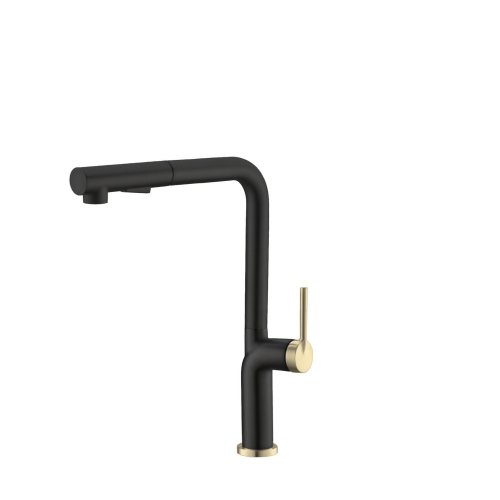 Your price for this item is $274
-
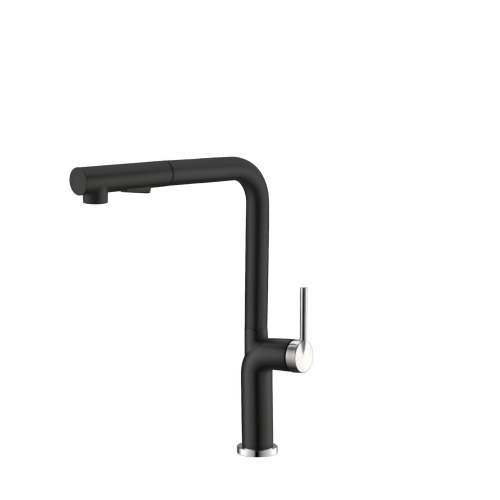 Your price for this item is $274
-
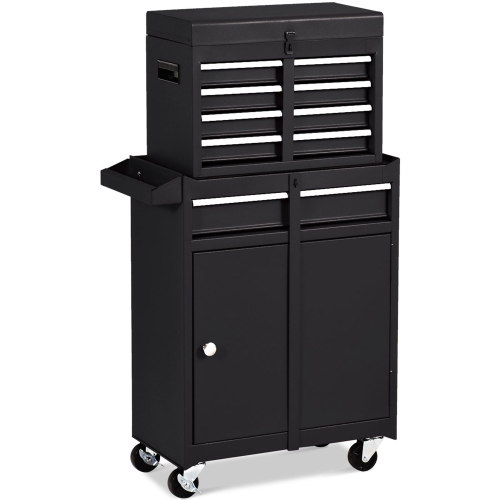 Your price for this item is $189.99
-
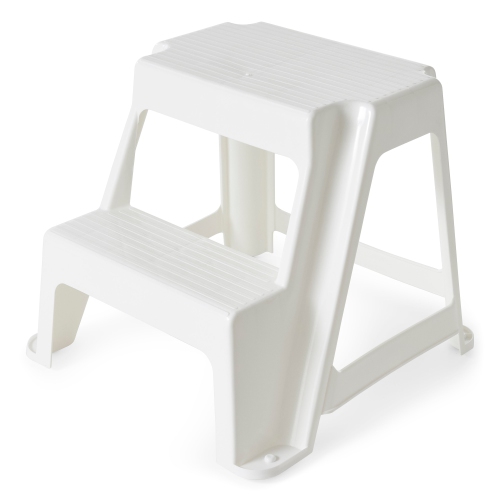 Your price for this item is $183.99
Discover more categories related to Large Metal Shelves
Top Collections:
Best Black Friday Deals This Year, Best Black Friday Deals On Electronics, Kindle Devices, Pokemon Centers, Best Black Friday Deals On Apple Products, Best Cameras for Sports Photography, Dyson Airwrap, Pokémon 30th Celebration Cards, Apple iPhone 17 Pro, Canon G7X Cameras
Some products may be subject to Environmental Handling Fees
(EHF) depending on your province.
Learn more about EHFs.