Metal Stacking Chairs
Add a touch of modernity and functionality to your space with our collection of metal stacking chairs. Whether you're furnishing a dining area, office, or outdoor patio, our metal stacking chairs are designed to maximize space while providing comfort and durability. Explore our wide range of options to find the perfect fit for your space.
Sort

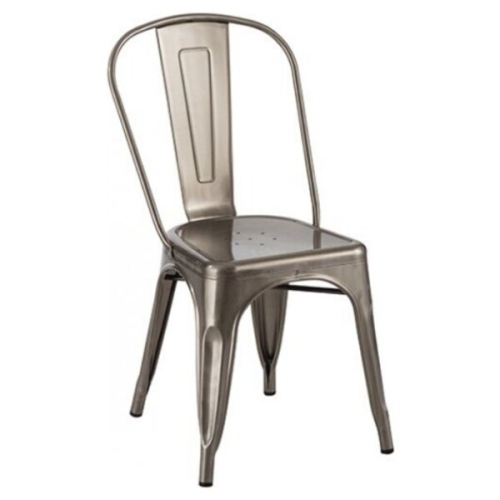

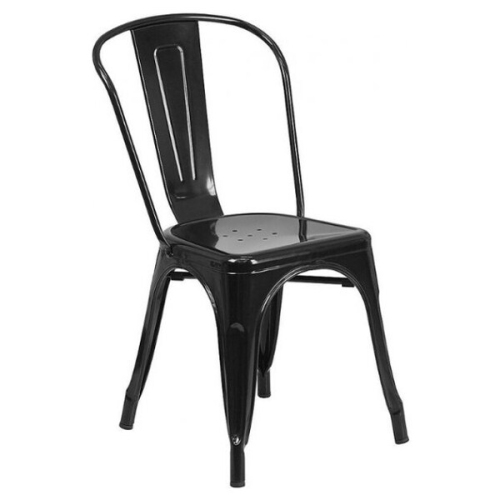
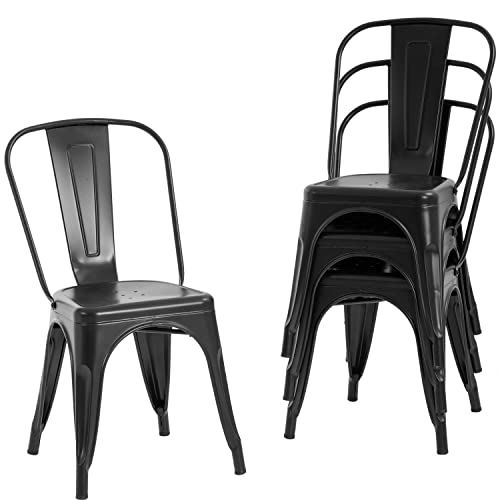
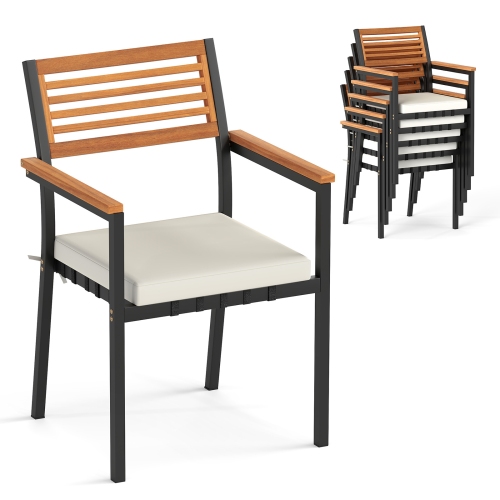
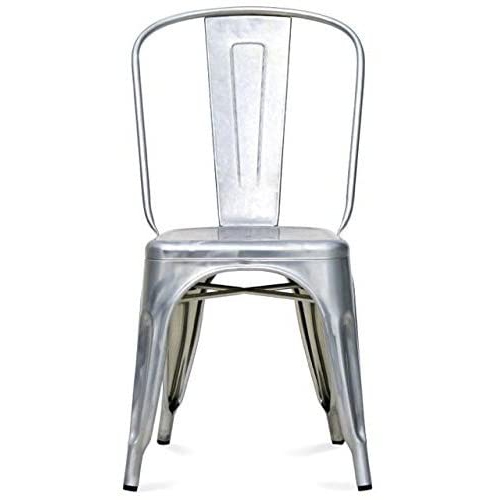

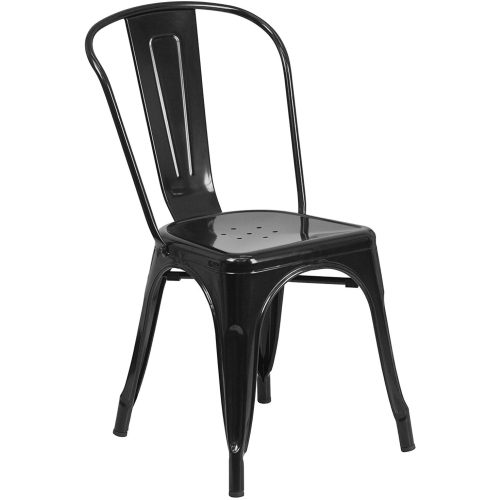
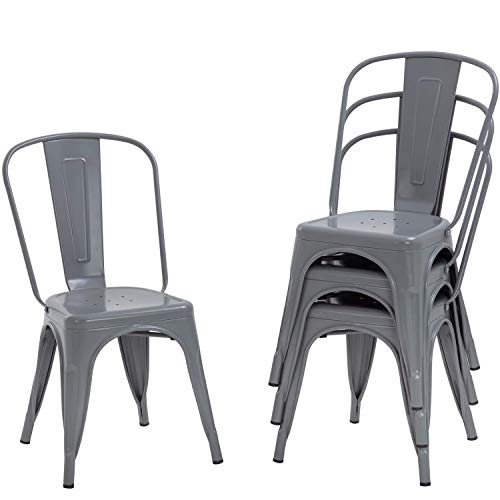
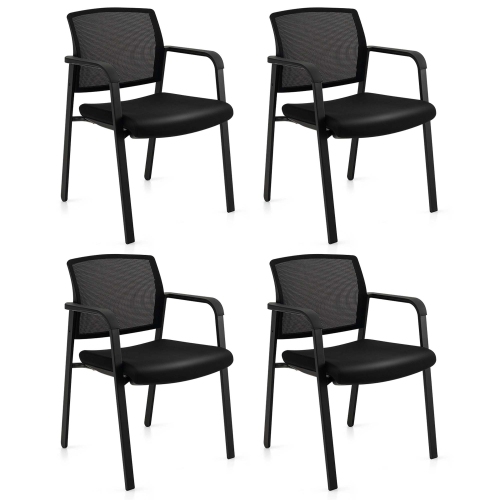
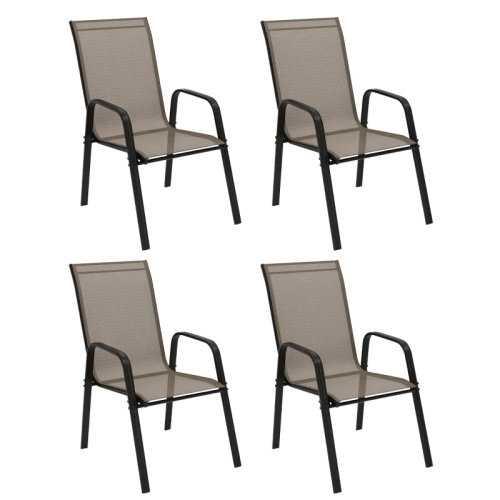
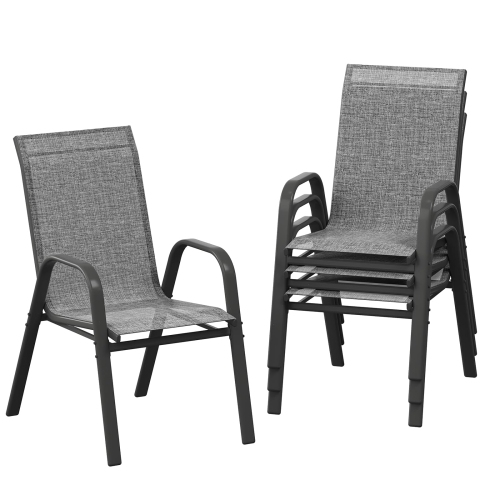
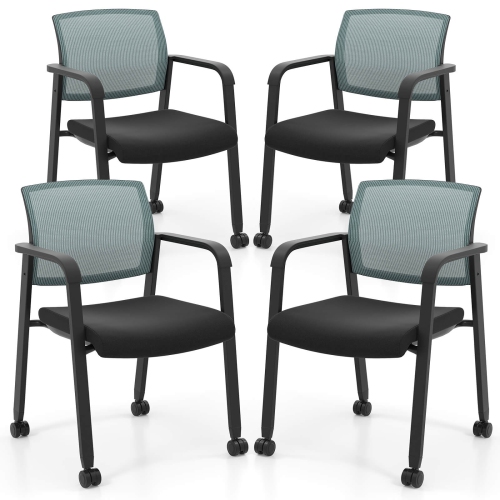
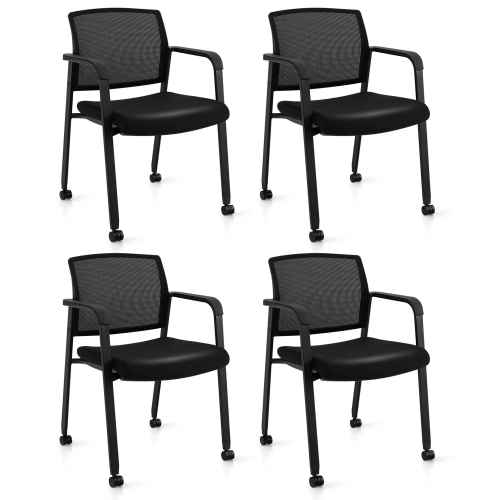
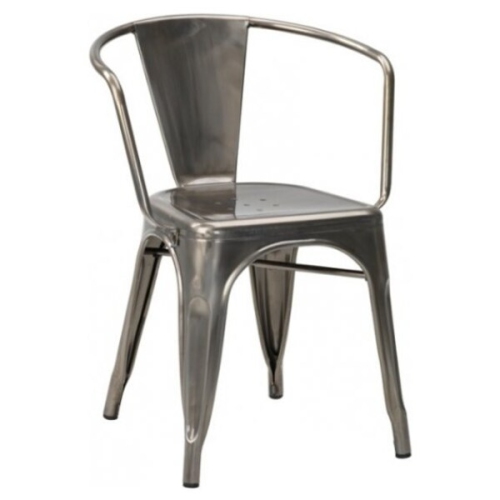
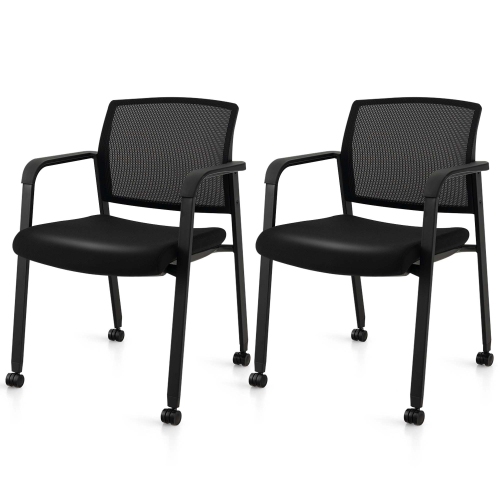

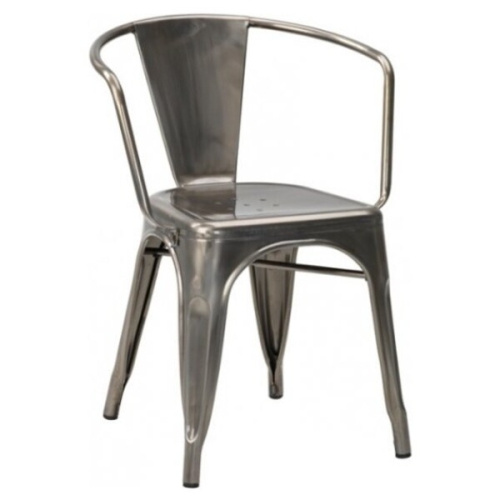
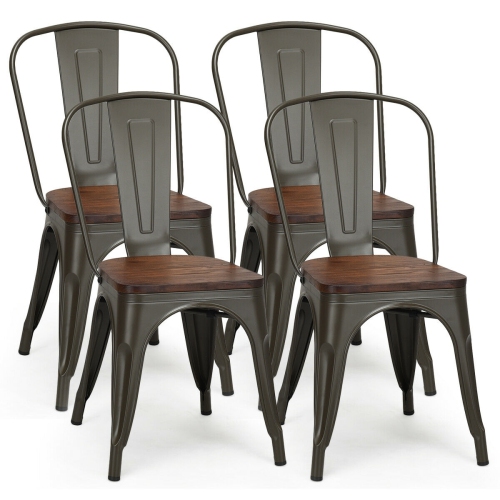
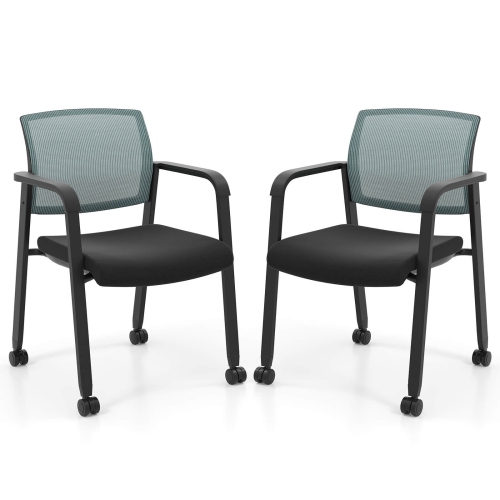
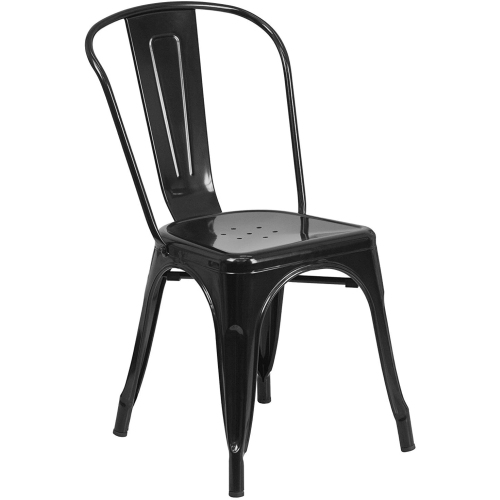
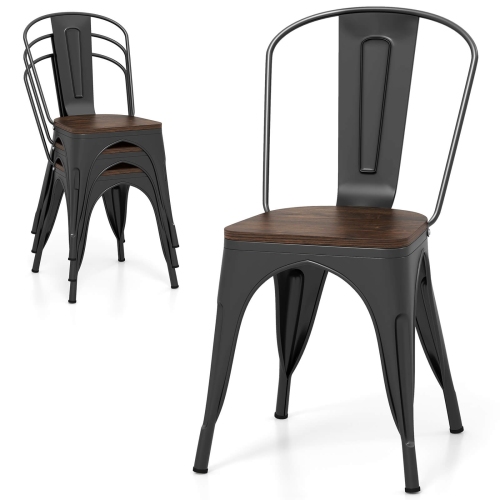
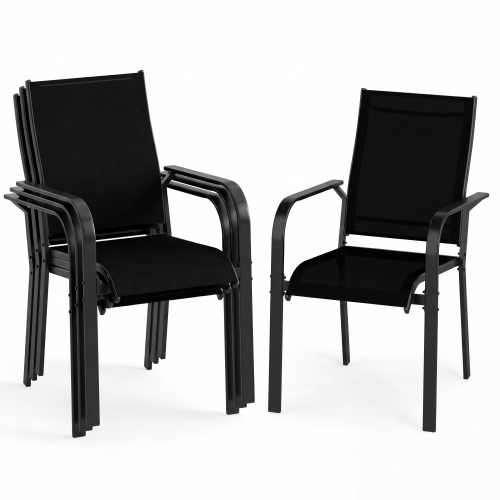
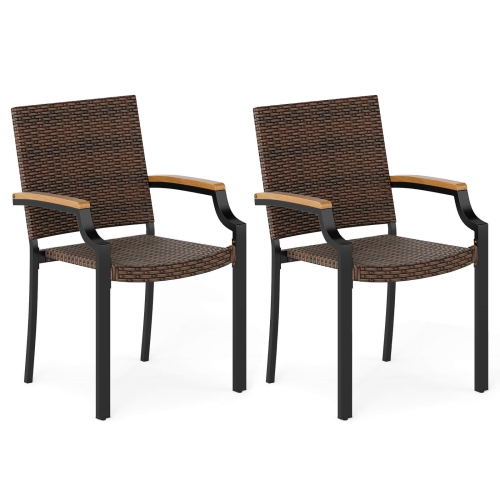
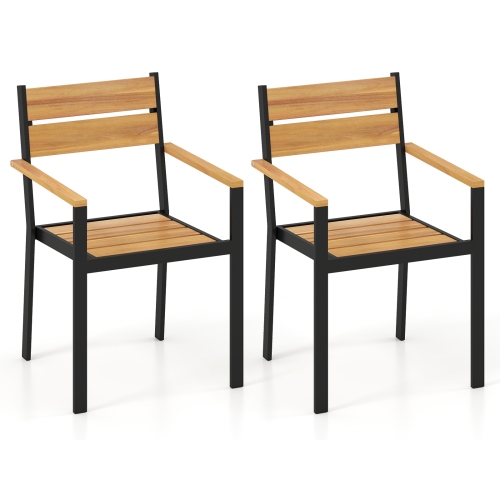
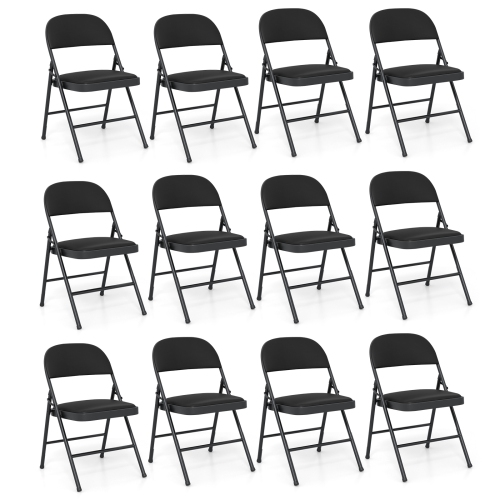
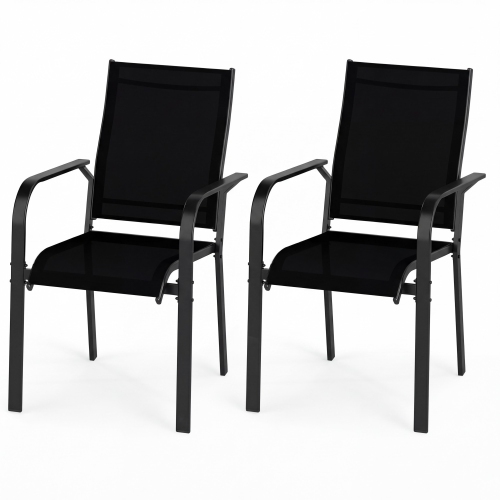
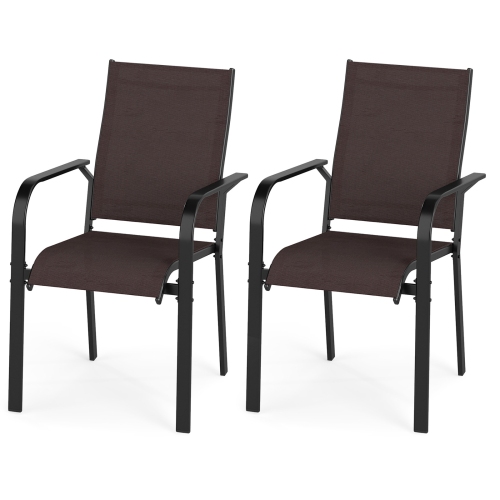
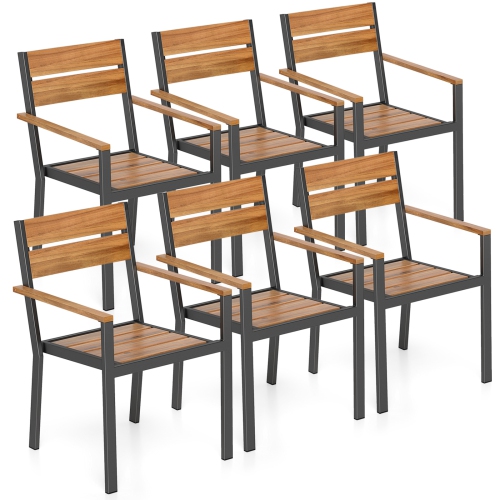
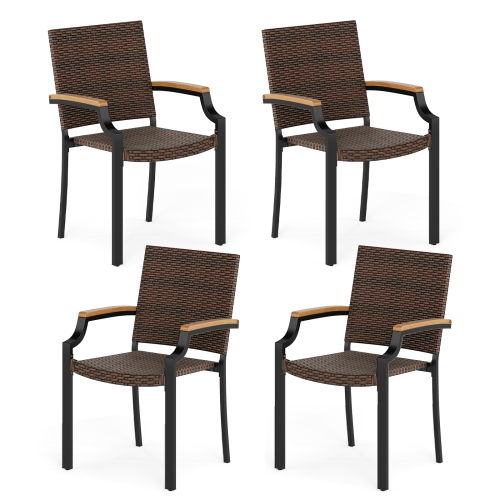
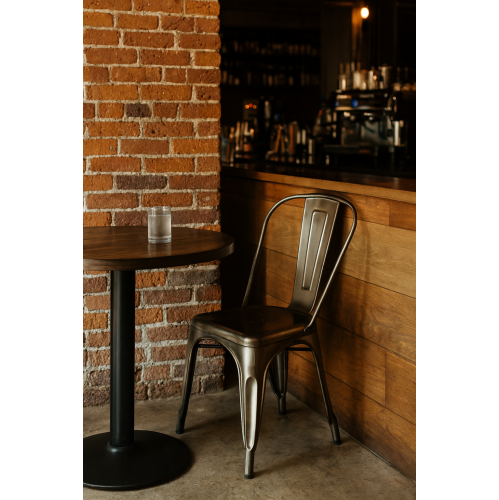
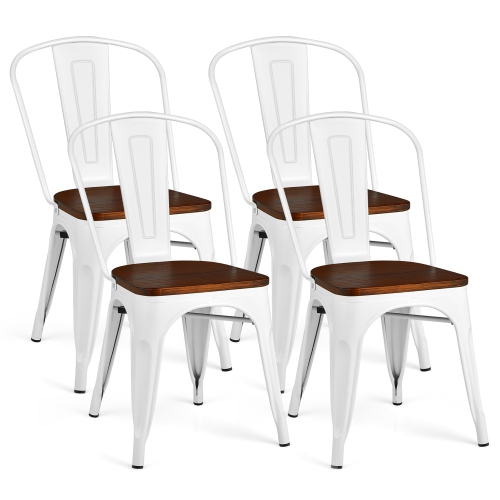
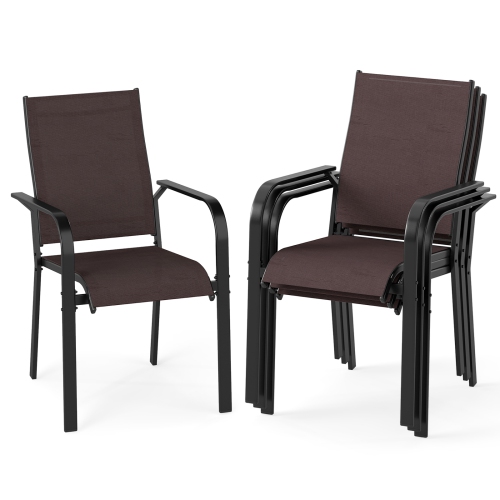
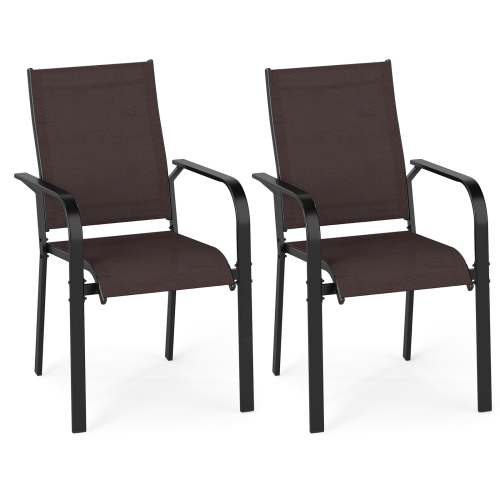
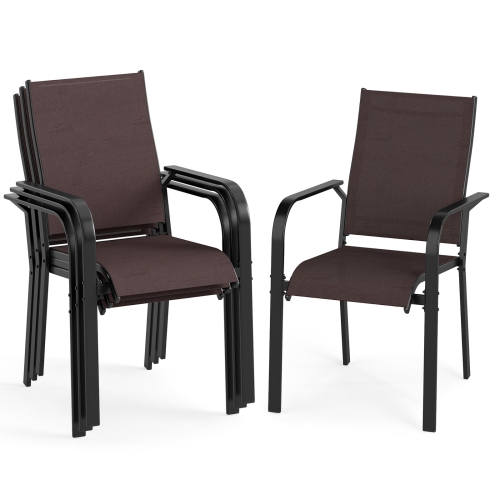
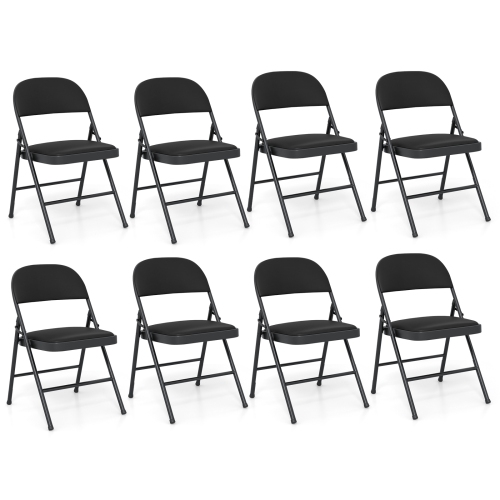
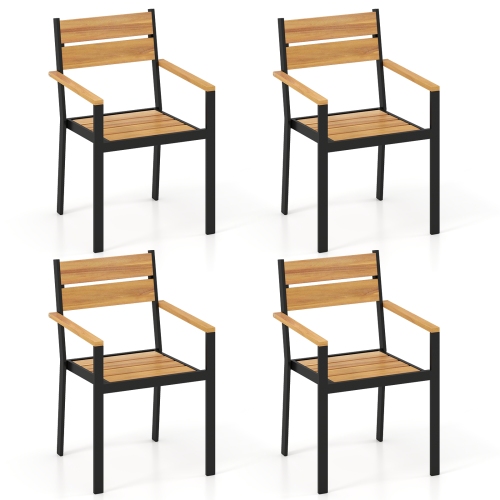
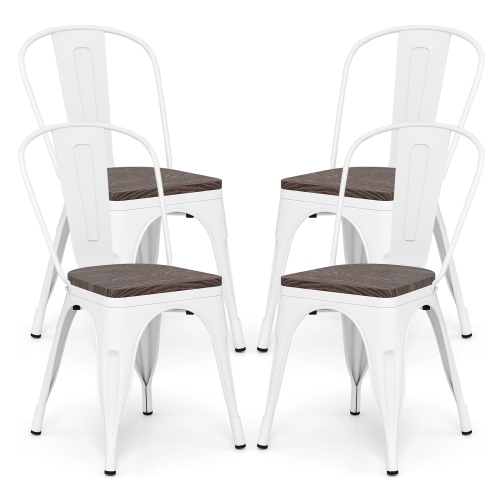
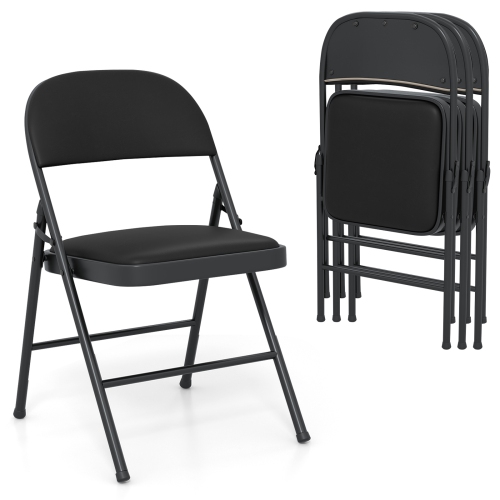
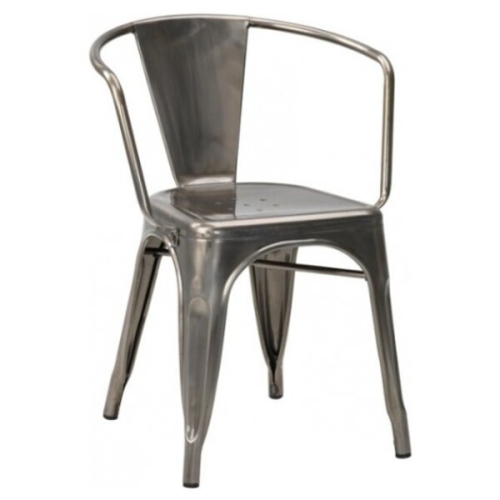
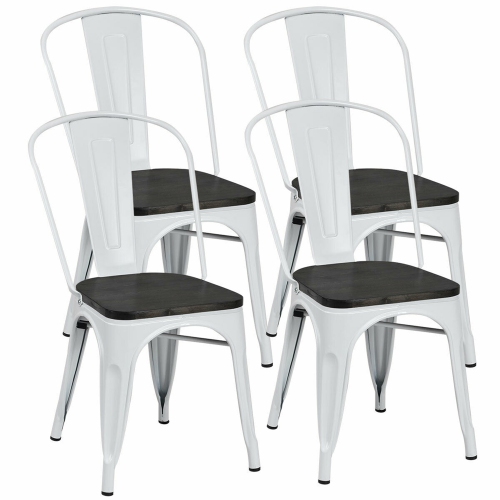
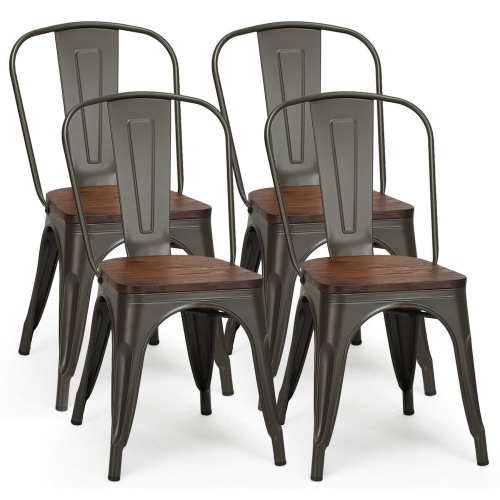
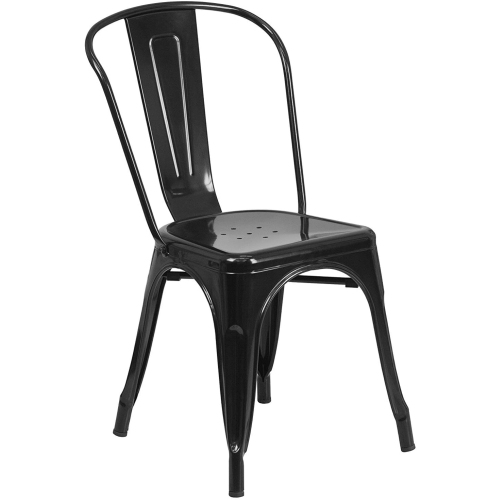
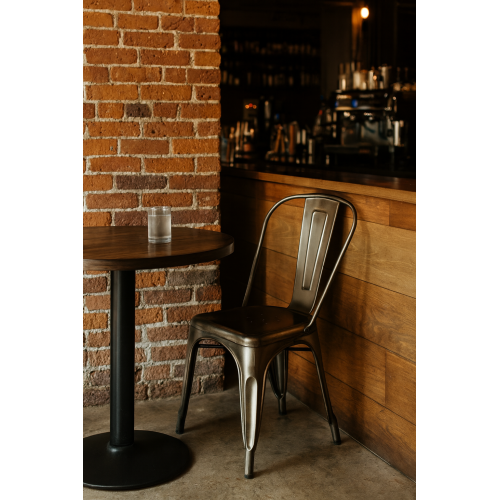
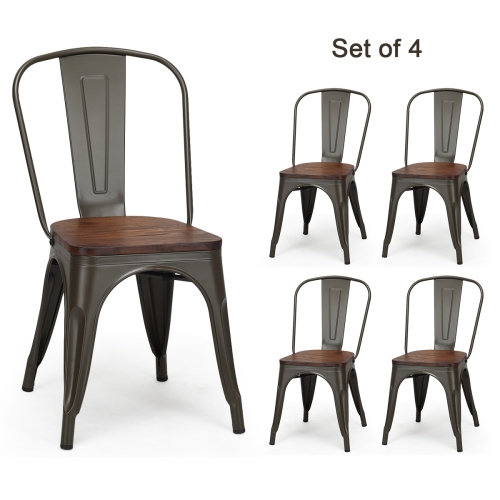
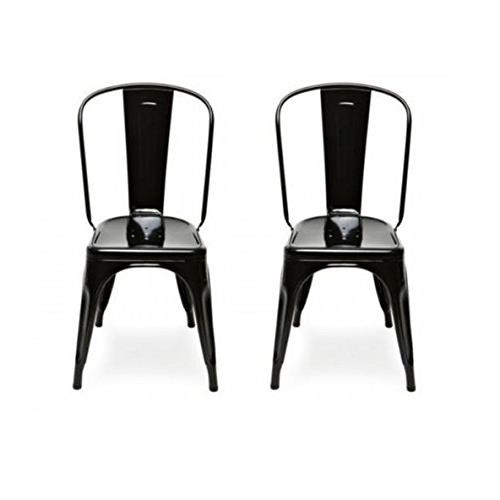
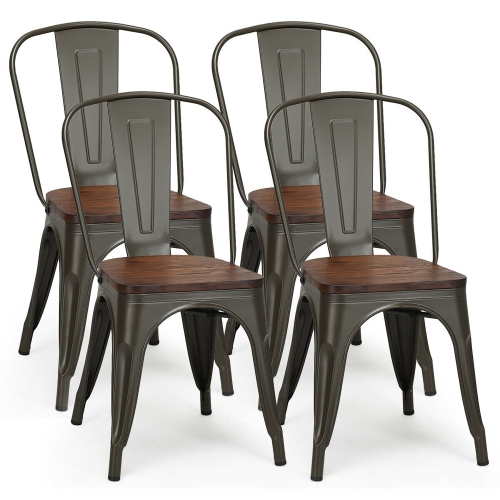
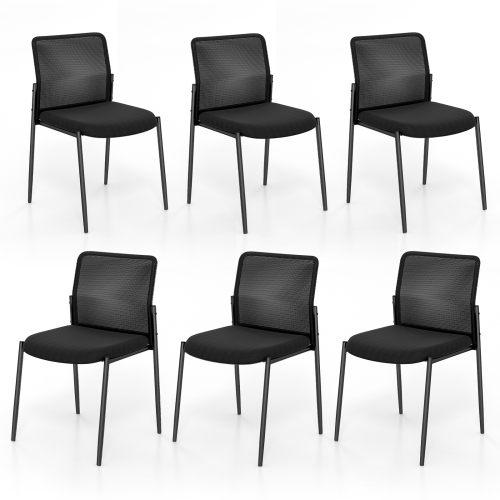
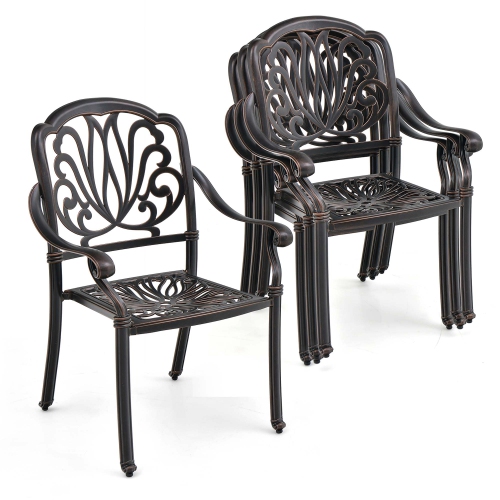
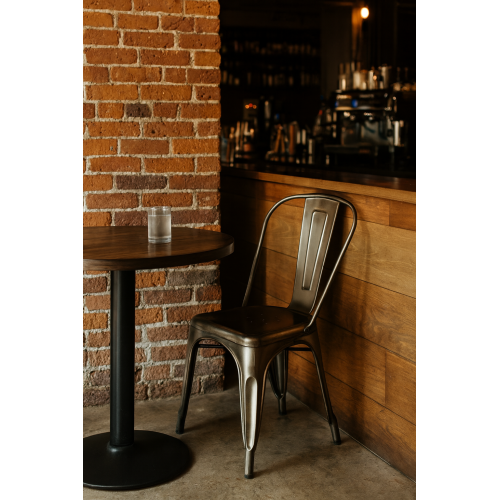
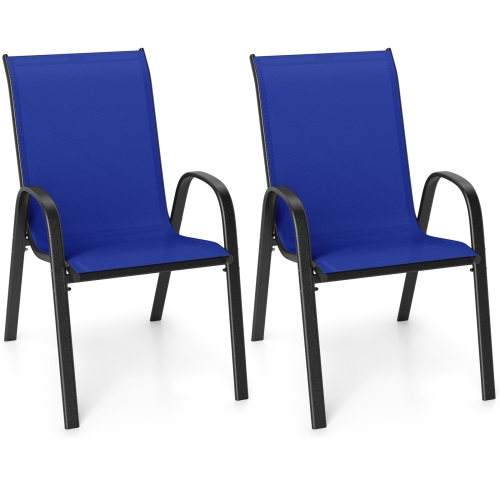
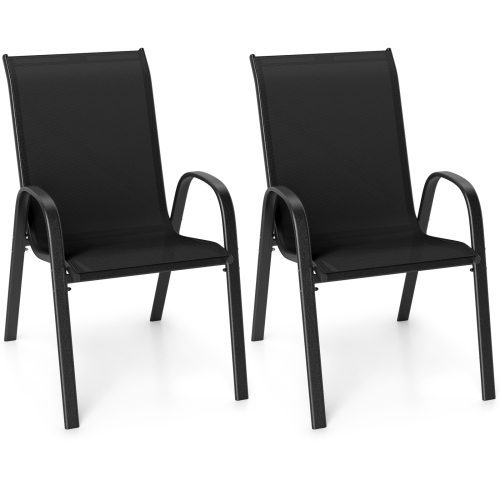
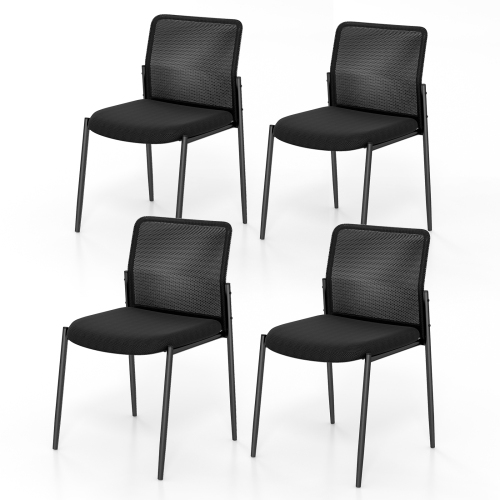
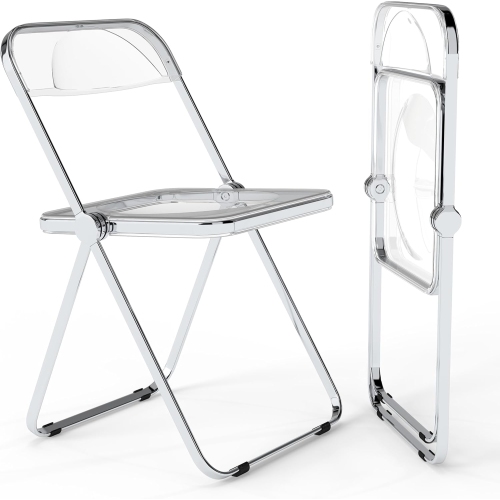
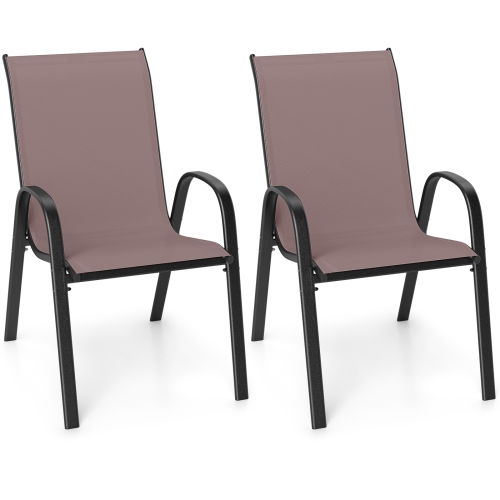

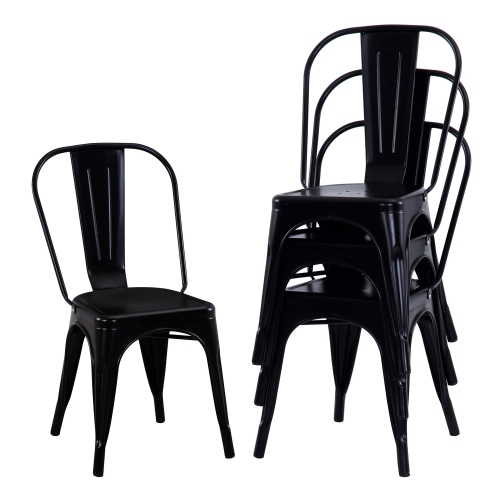
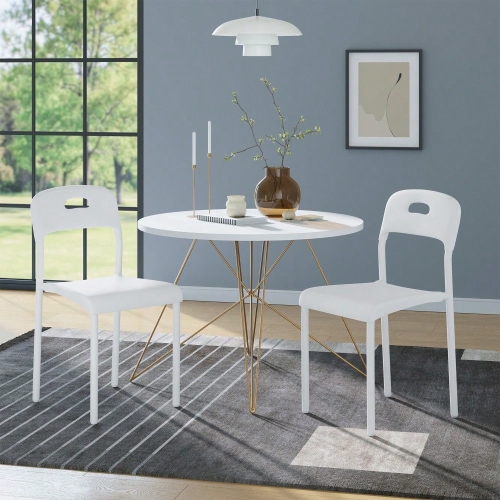
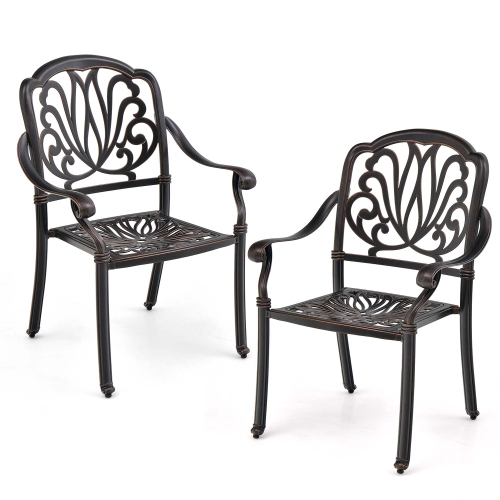
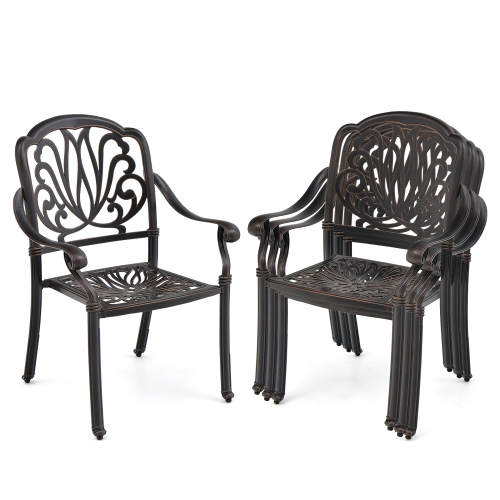
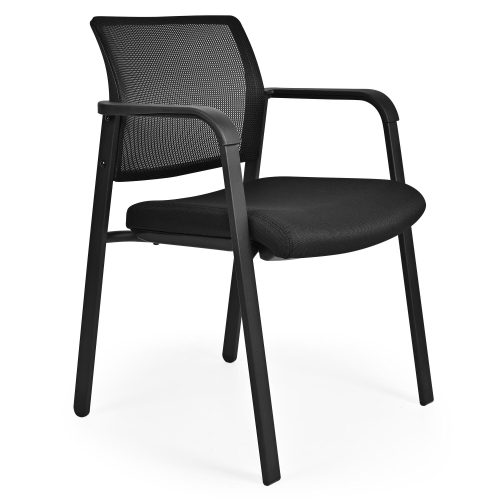
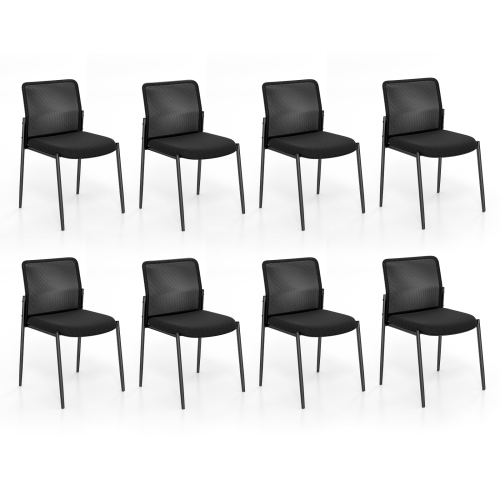
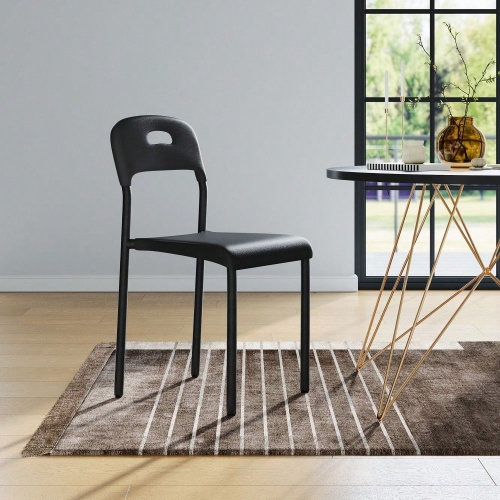
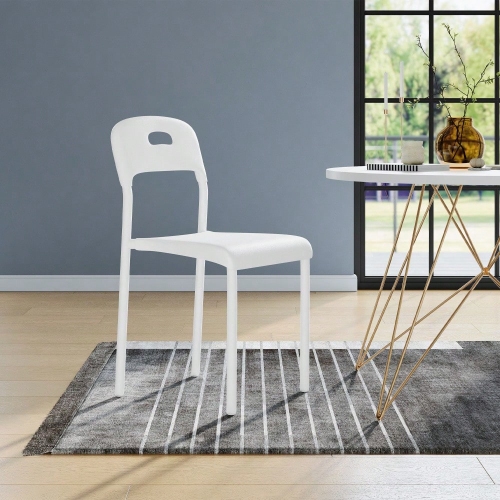
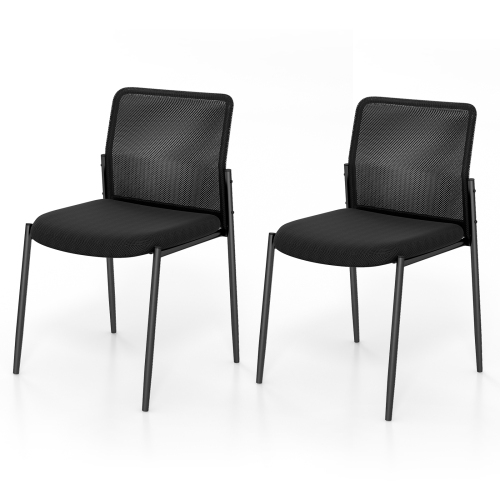
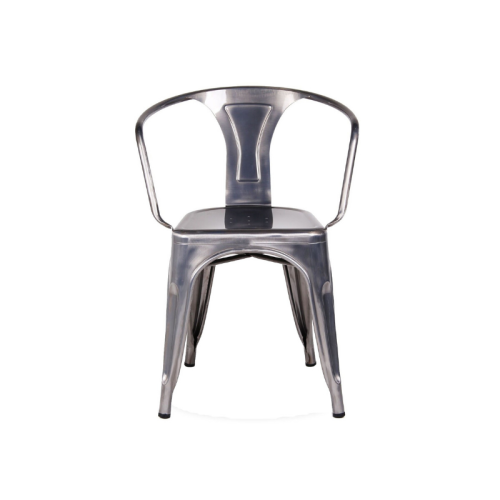
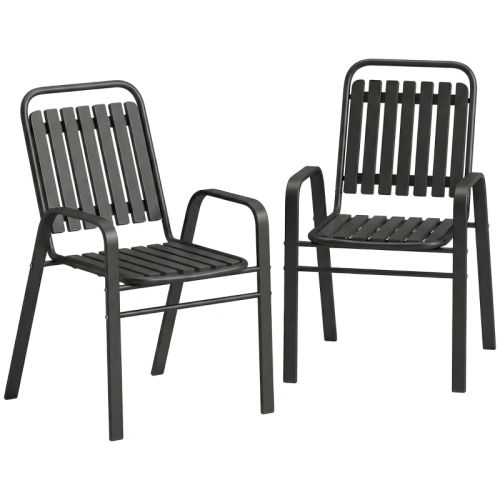

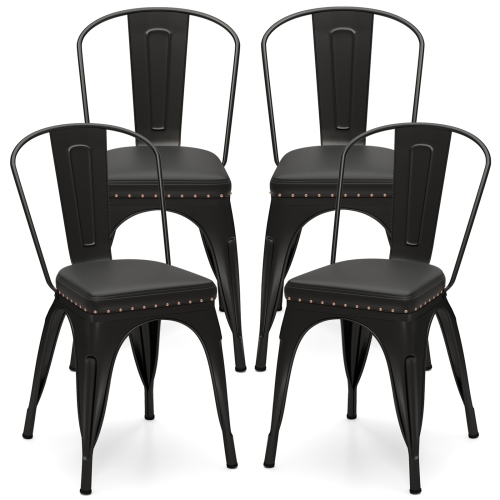


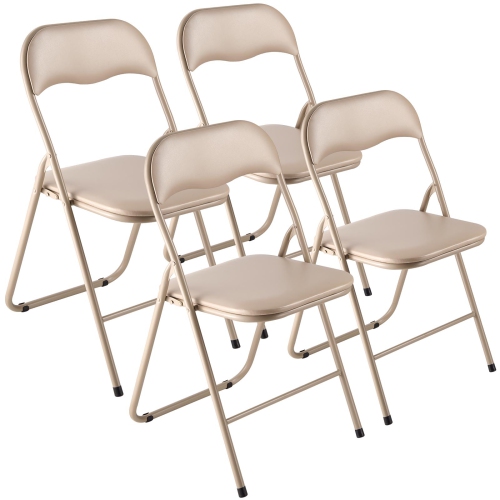
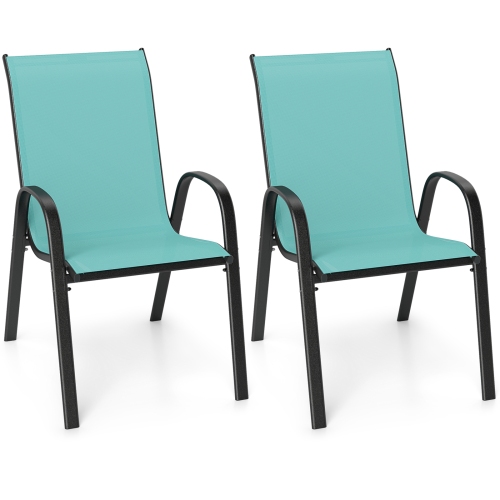
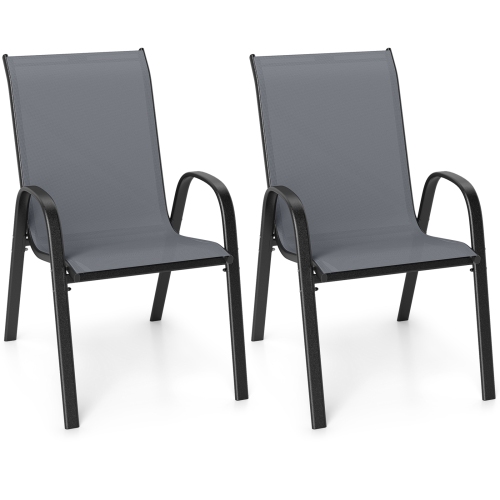
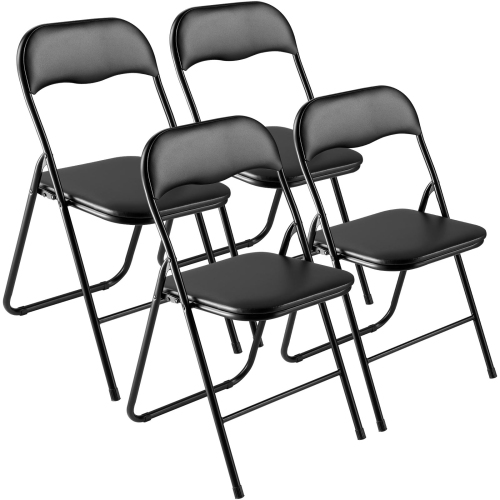
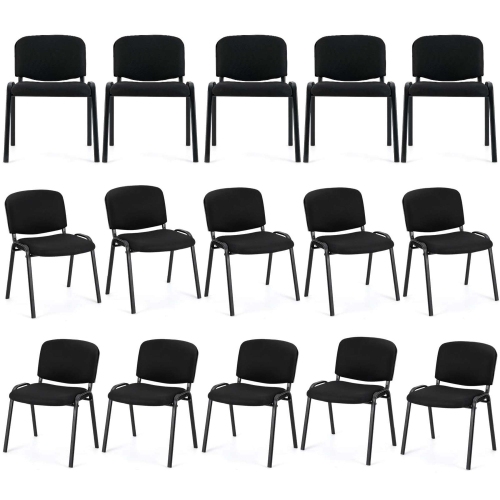
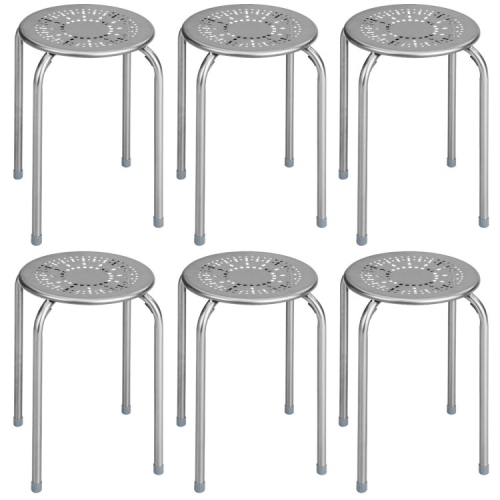
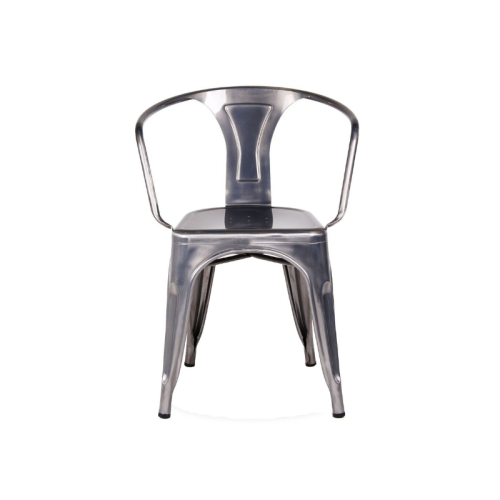
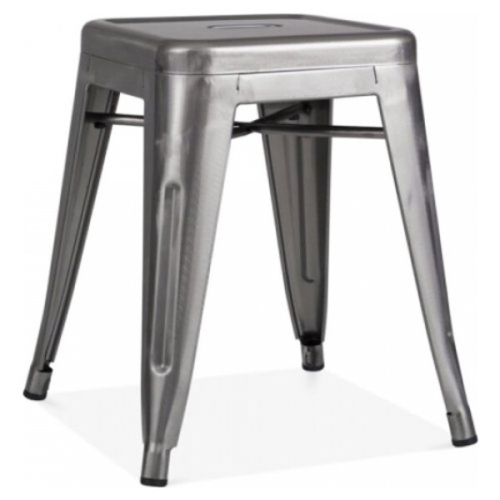
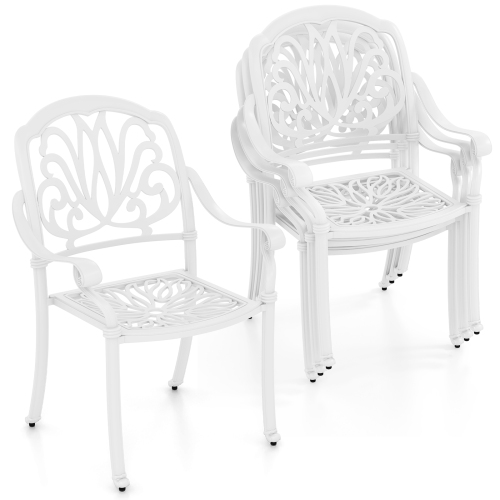
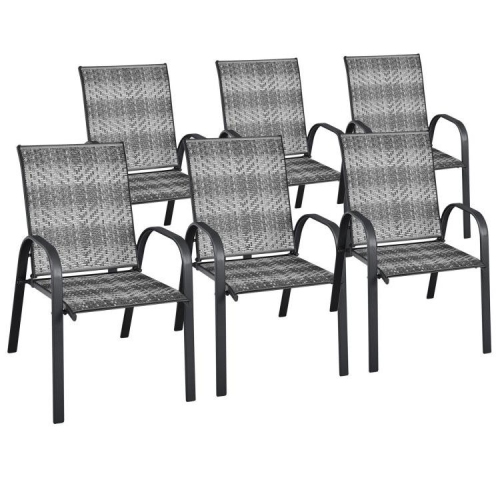
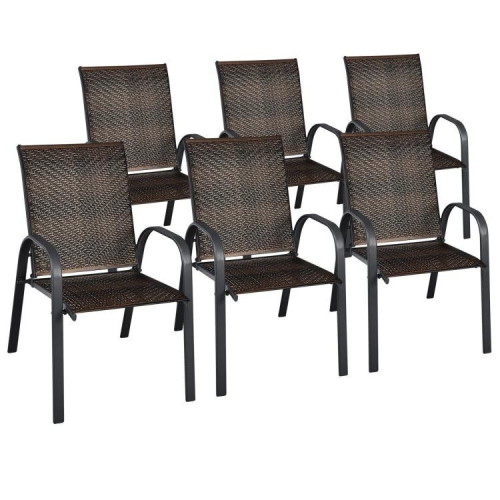
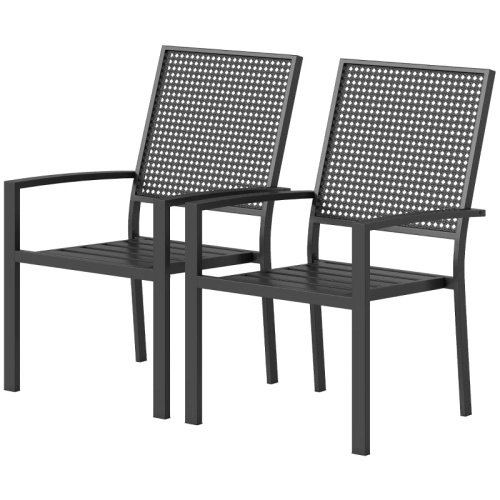
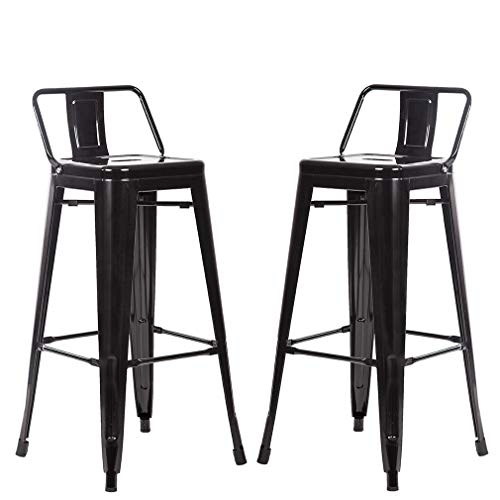
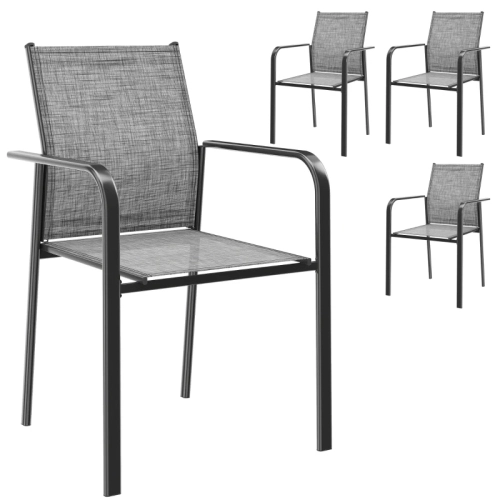
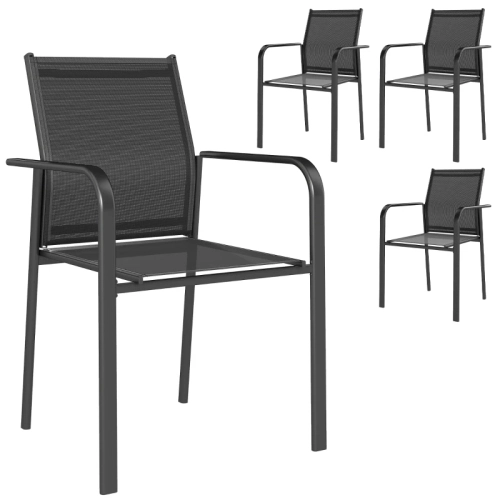
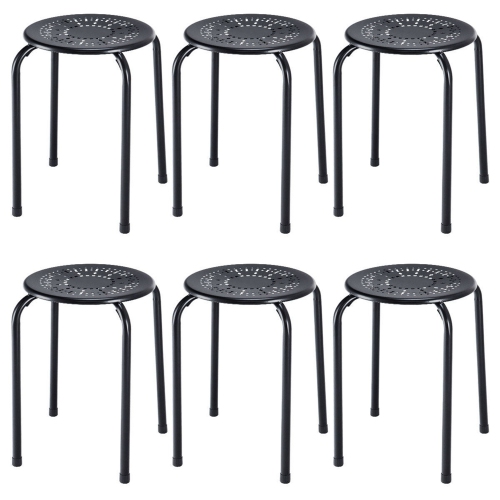
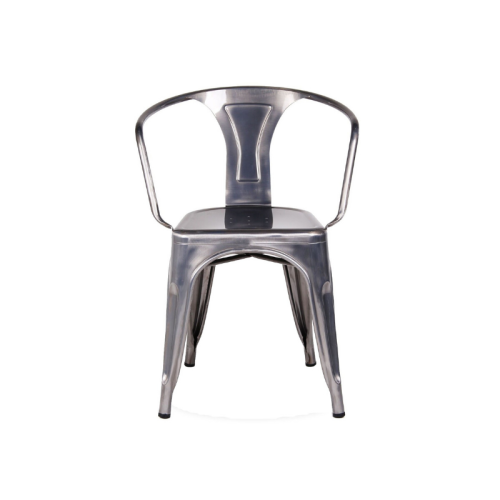

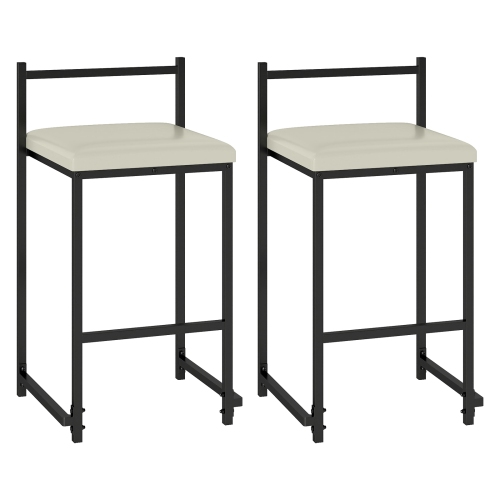
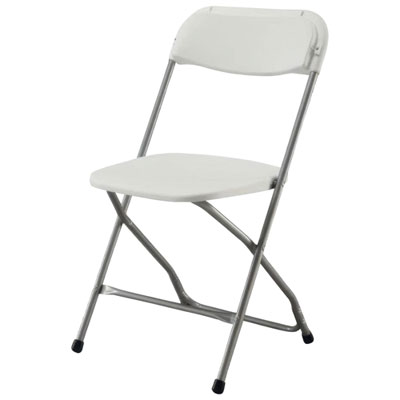
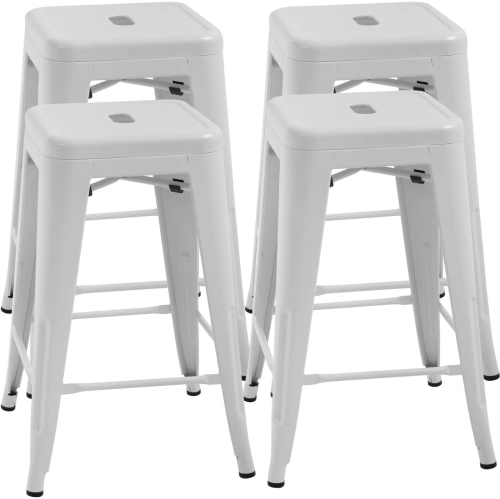
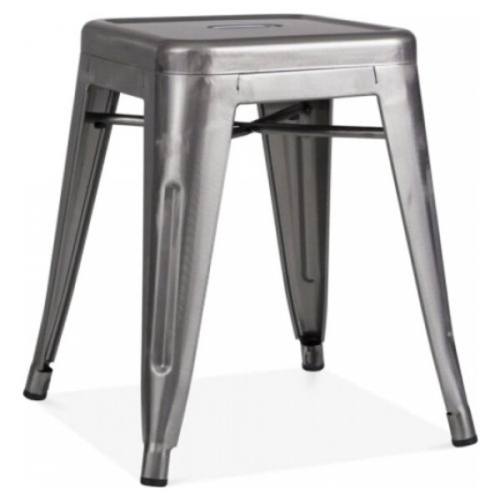
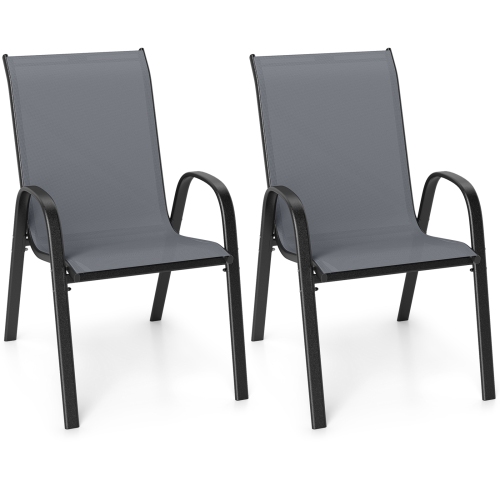

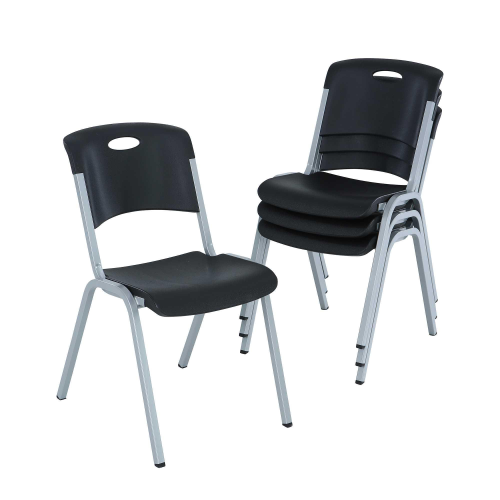
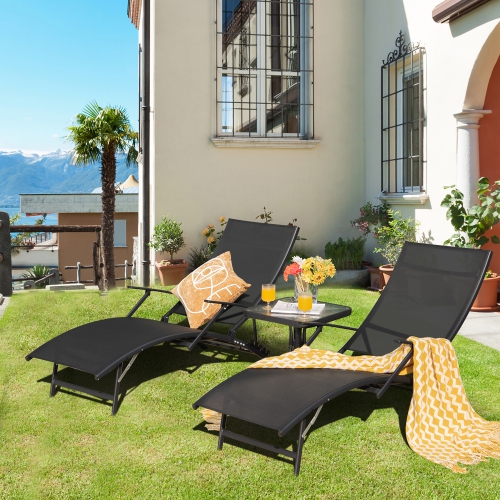
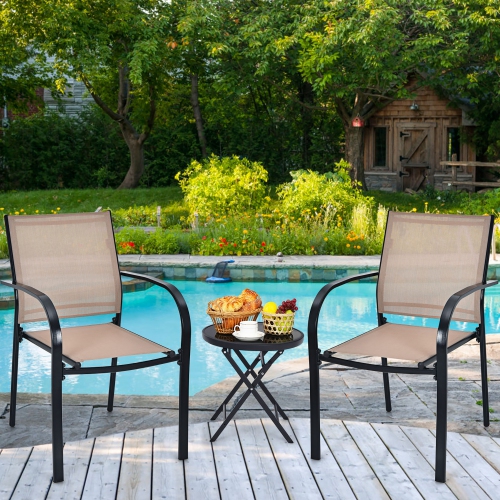
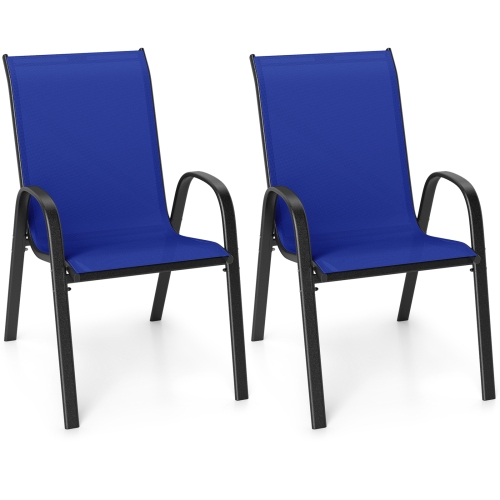

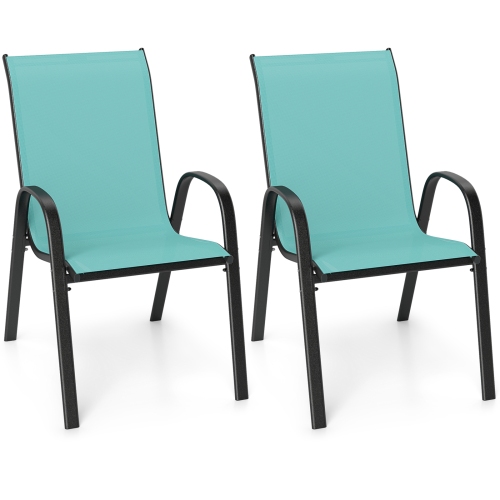
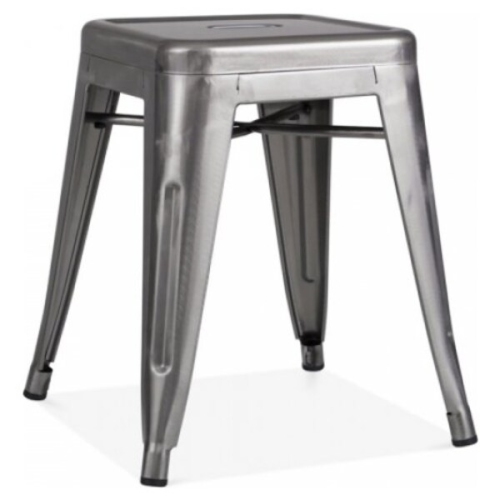
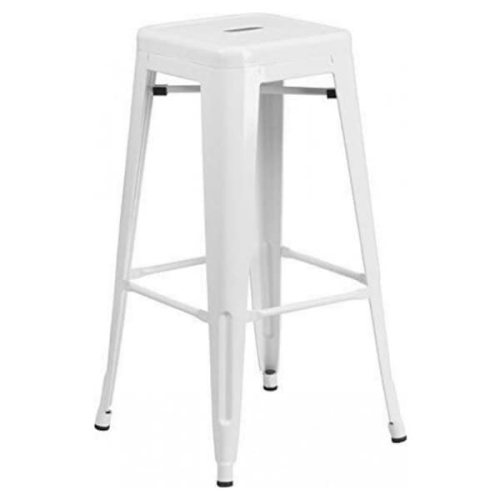
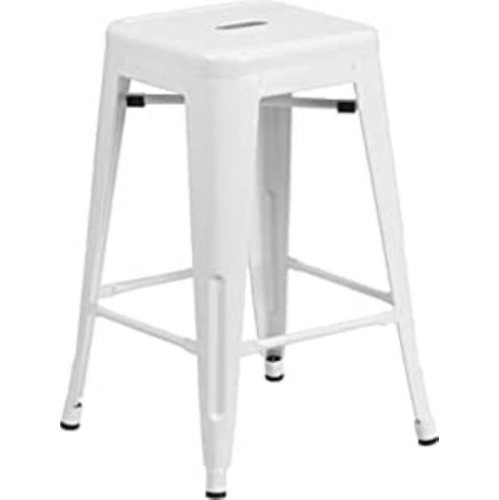
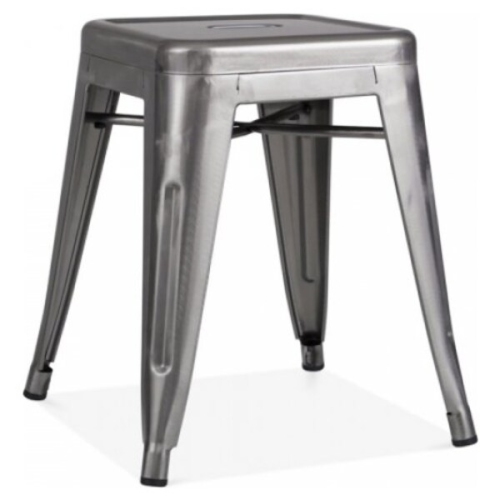

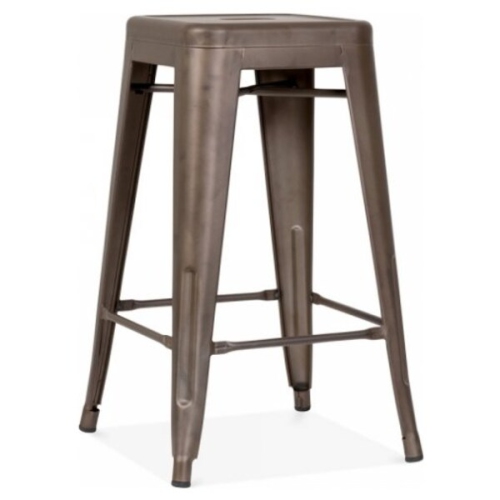

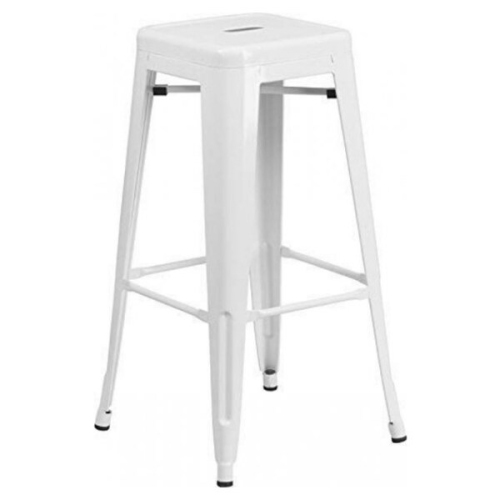
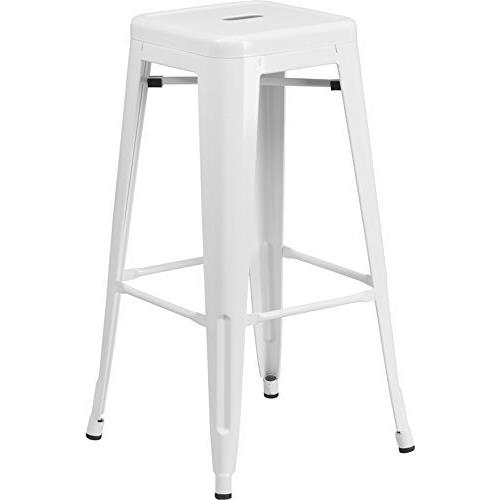
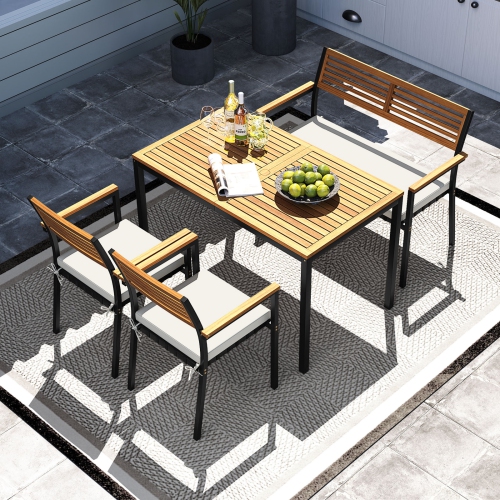
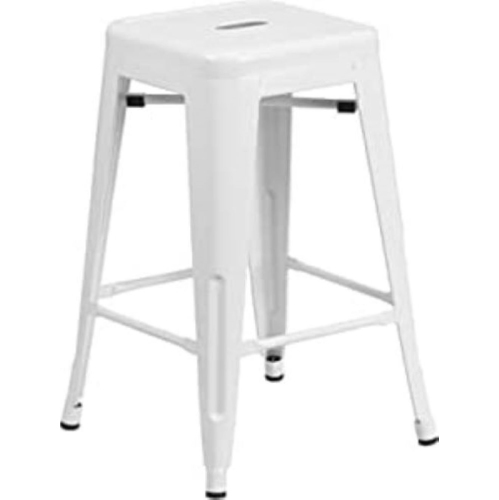
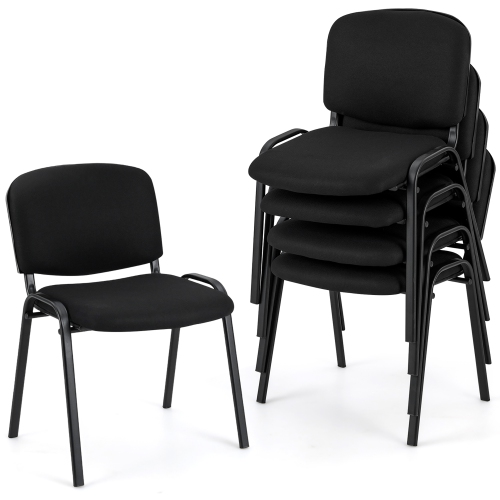
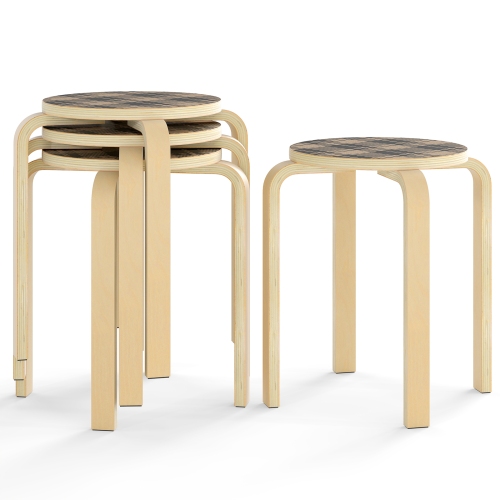

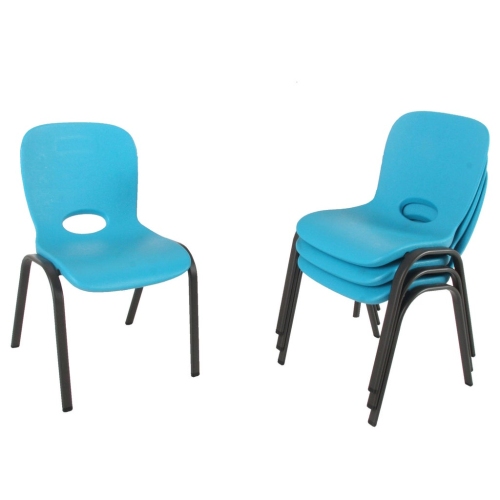
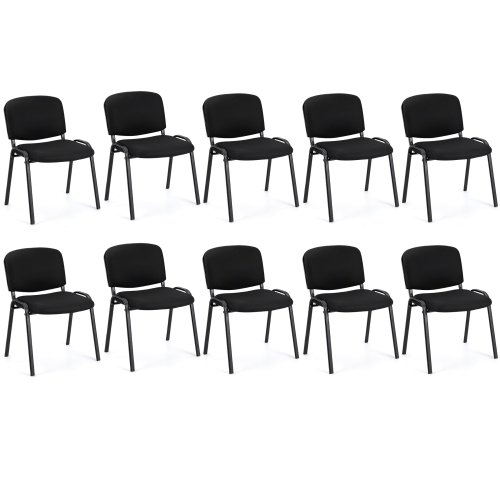
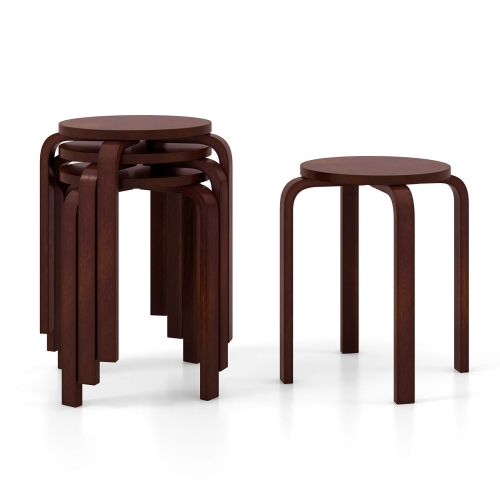
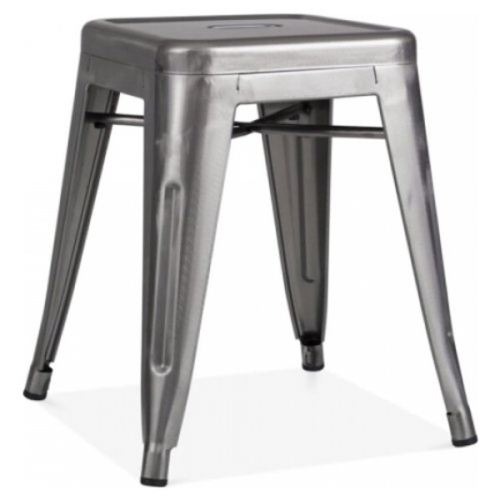
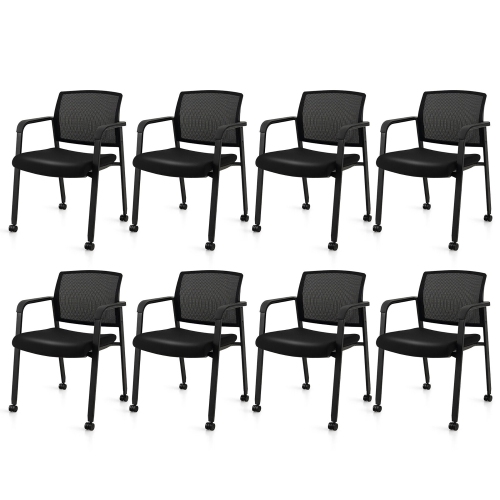
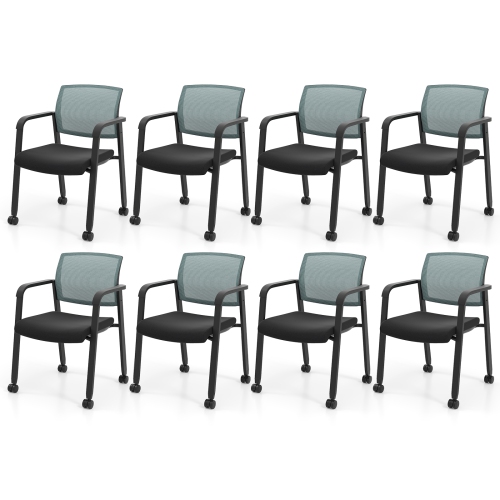
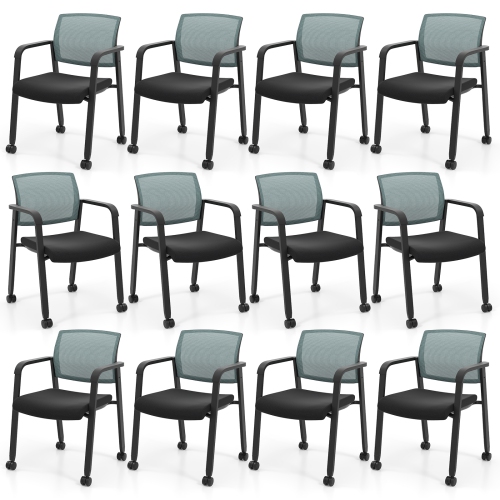
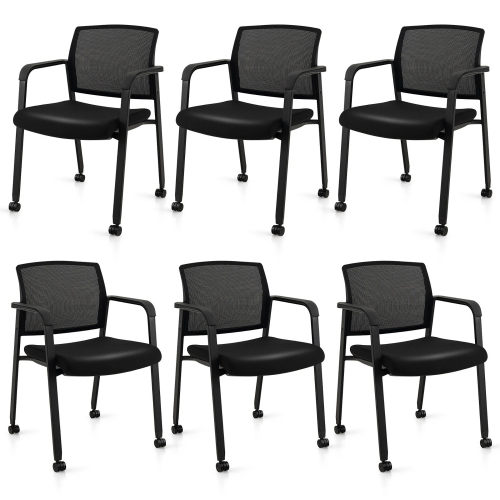
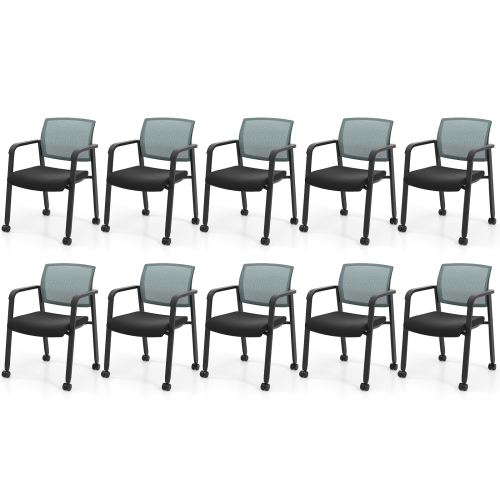
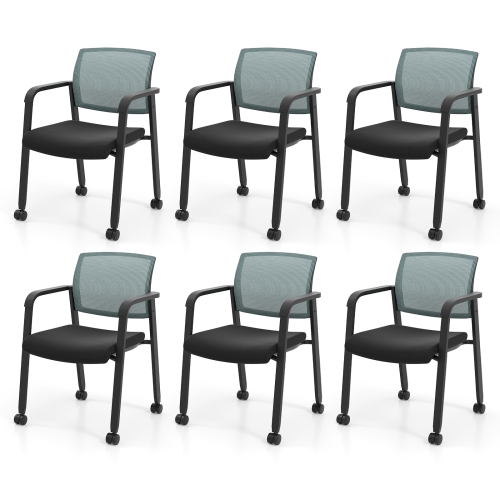
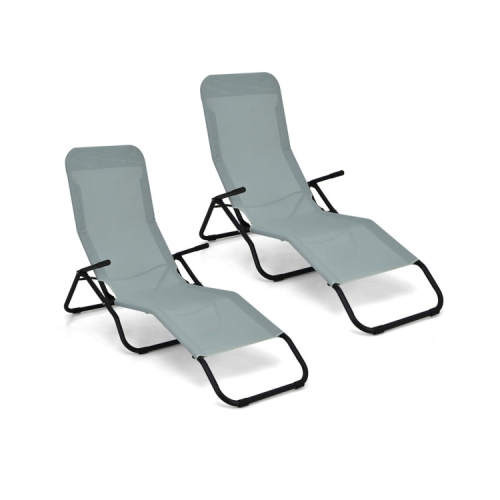

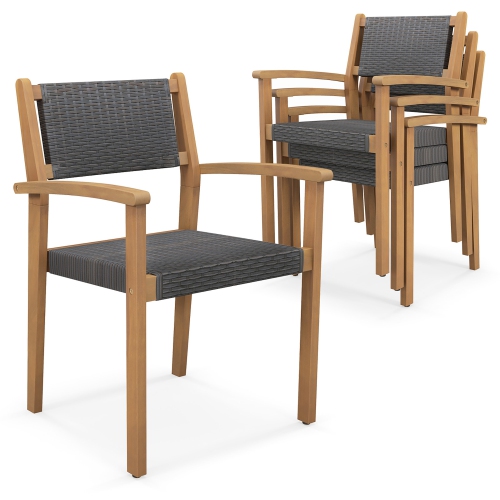
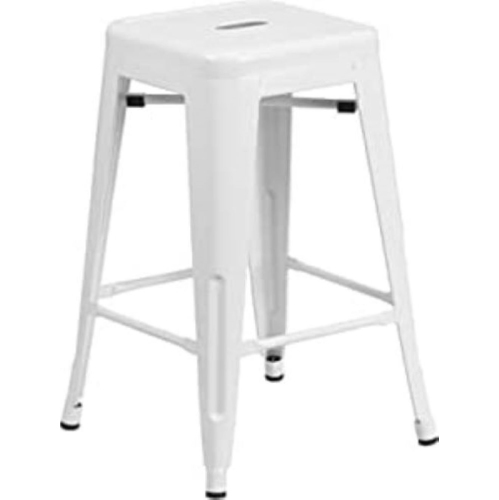
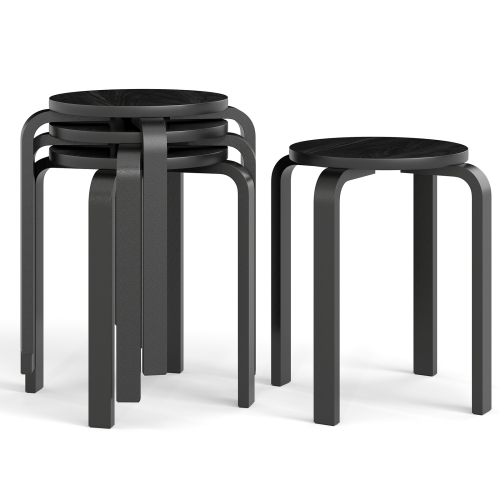
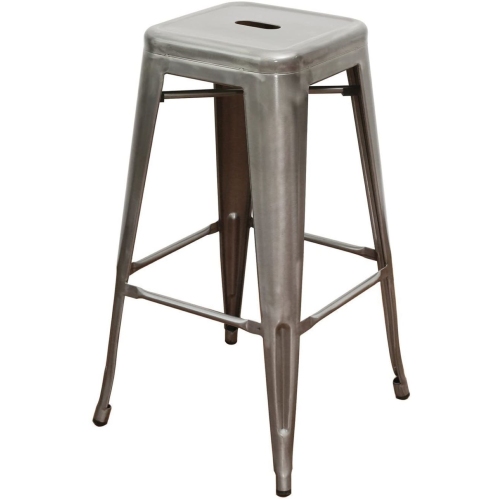
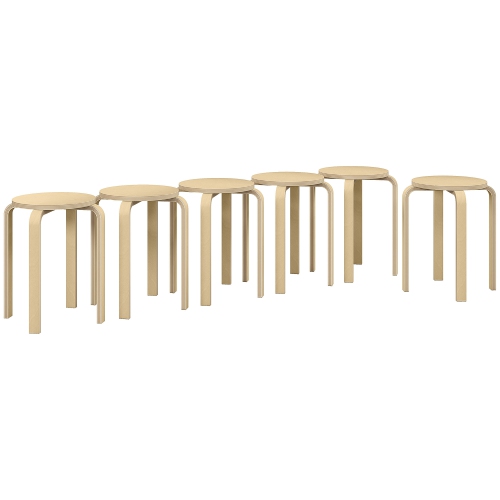

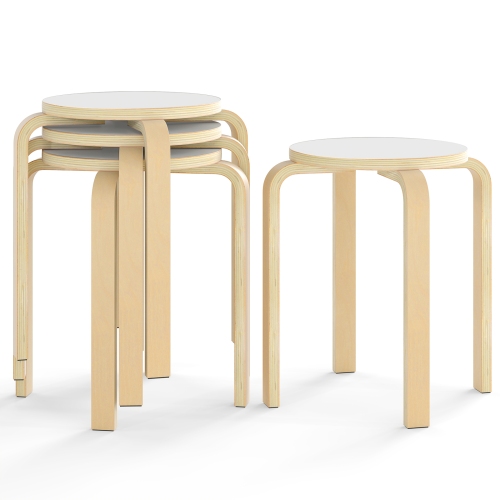
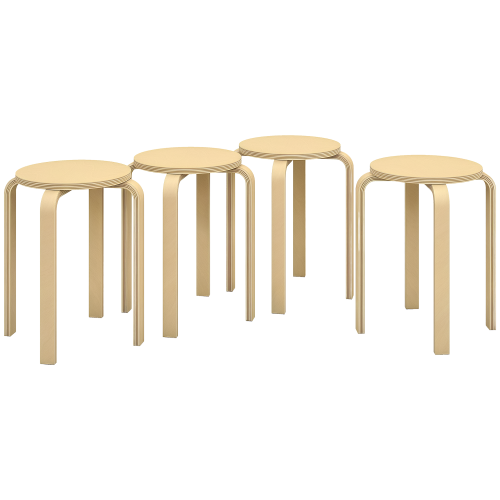
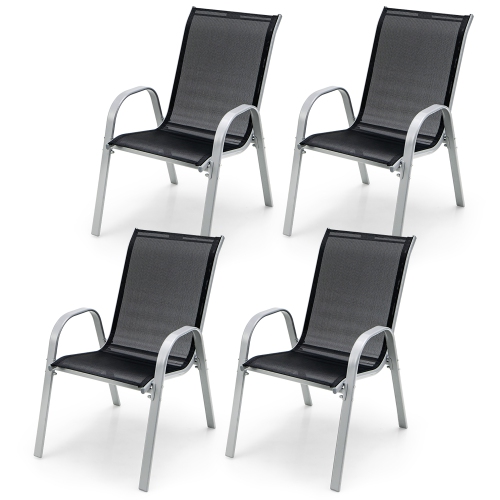
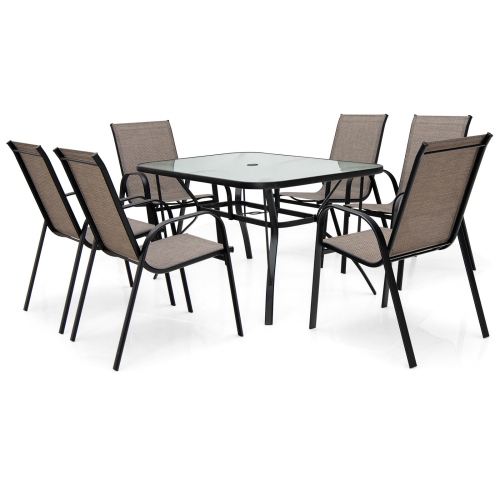
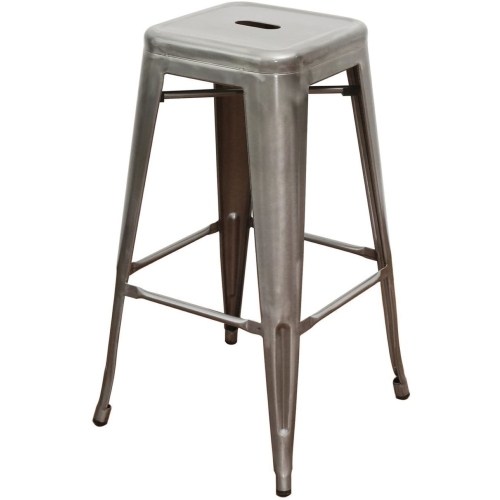
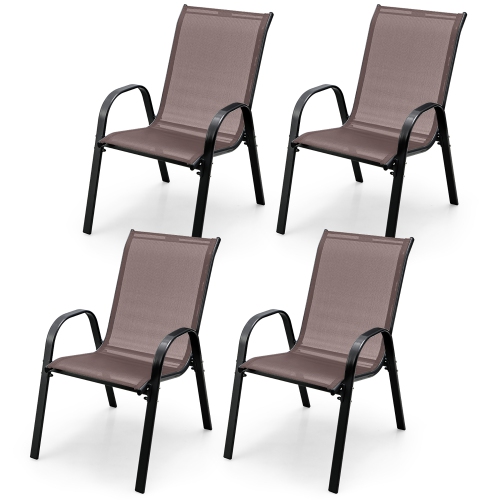
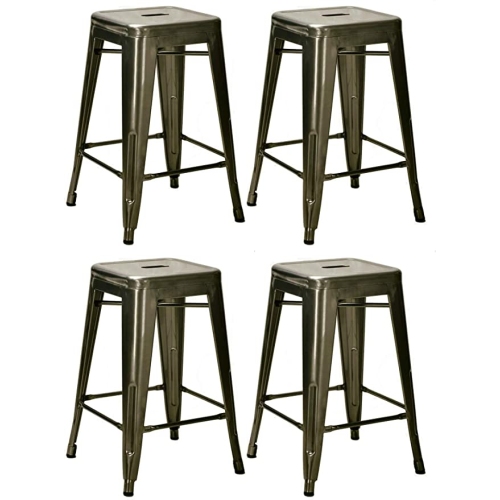
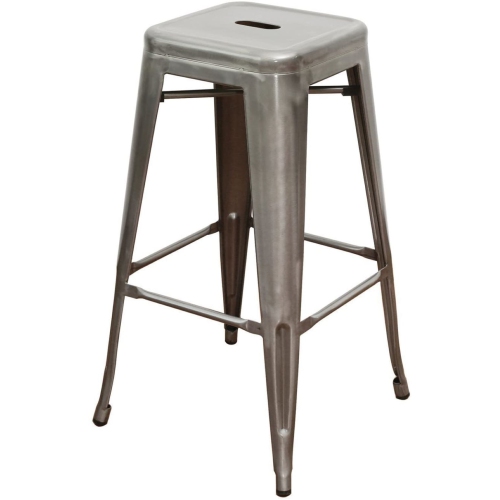
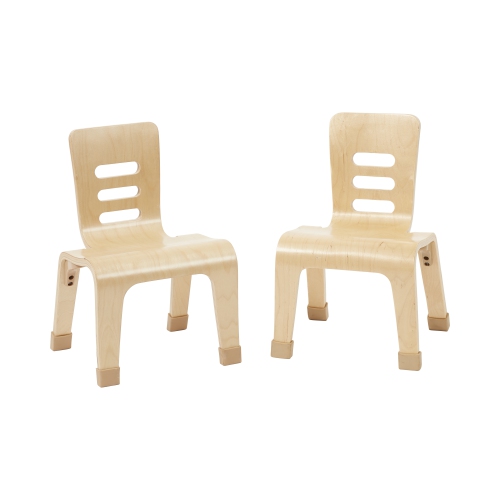
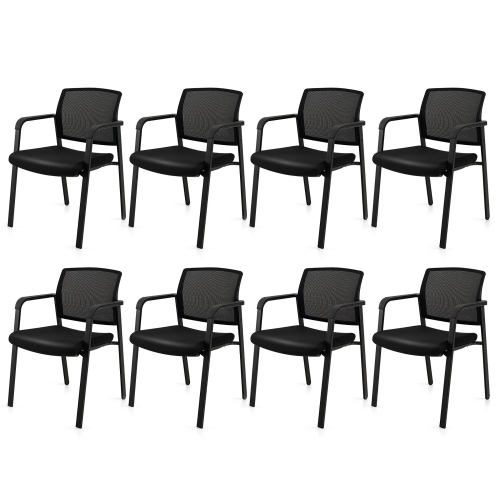
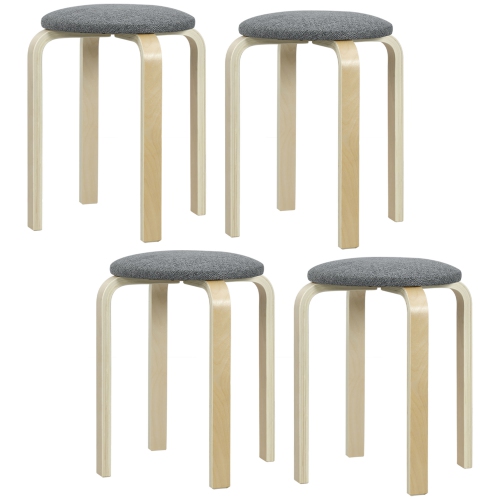

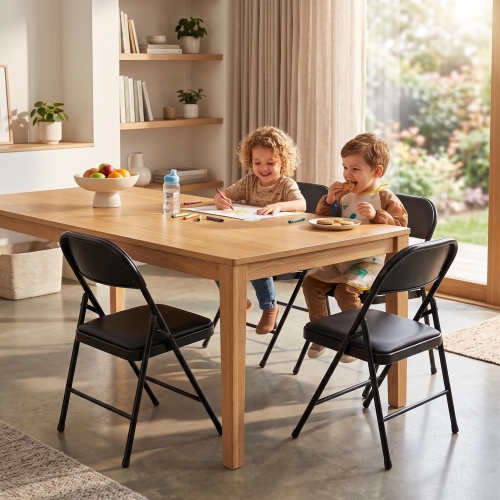
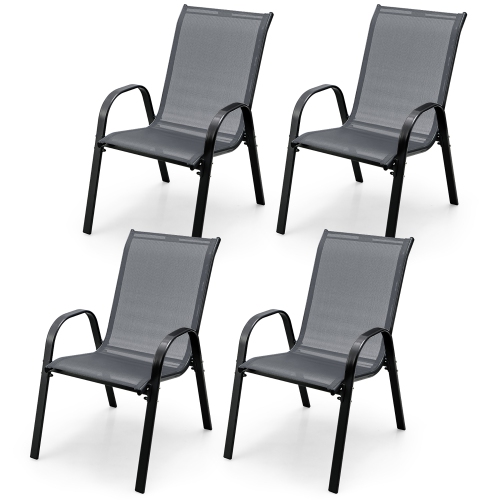
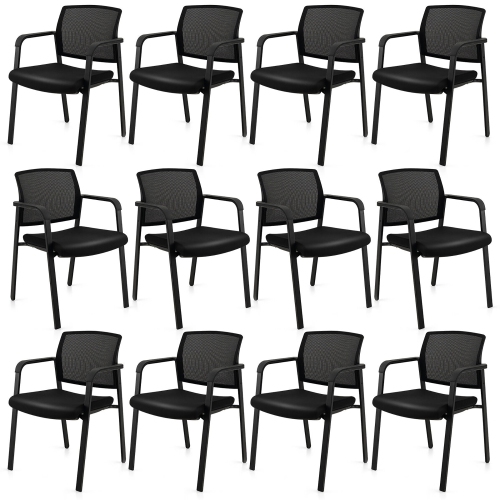
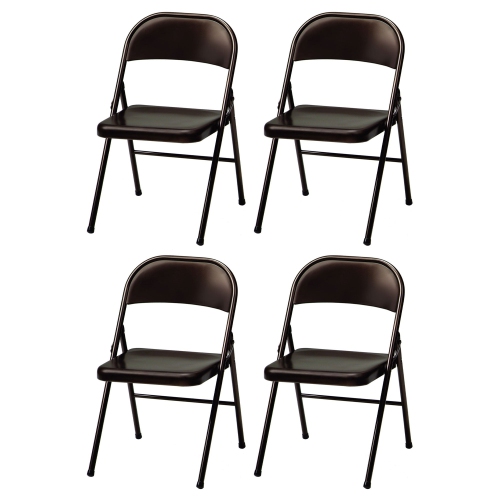
Everyday seating that stacks away when layouts change
Metal stacking chairs combine everyday seating with a practical way to clear floor space when the chairs are not in use. Their frames are shaped so that matching chairs nest together vertically, making them useful around dining tables, in meeting rooms, and in multipurpose spaces where the layout needs to change. The main differences between styles come down to frame material, seat construction, back shape, and intended use. Steel frames can provide a substantial feel, while aluminium frames are often lighter to lift and reposition; the finished weight still depends on the chair’s construction and dimensions. Some designs pair a metal frame with a metal seat and back, while others use wood, moulded plastic, or upholstery at the points where the body rests. An all-metal chair offers a firm sitting surface and a clean-lined appearance, whereas a padded seat can make longer meals or meetings more comfortable. Curved backs, rounded seat edges, and supportive contours also affect how a chair feels, even without cushioning. For a kitchen or dining area, metal stacking chairs can complement wood tables, tiled floors, and simple cabinetry without adding much visual bulk. In a studio, community room, or shared workspace, their appeal is more practical: seating can move from a table arrangement to rows, then stack away once the activity ends. Armless designs generally allow closer spacing, while chairs with arms provide somewhere to rest the forearms but need more clearance beside neighbouring seats. Finishes range from understated painted surfaces to exposed metallic looks, giving this category a place in both casual and more structured interiors. A slim profile may suit a compact eating area, while a broader seat and more generous back can be preferable where guests will sit for longer periods. The most useful choice is one that balances the room’s appearance with the physical demands of sitting, moving, and storing the chairs.
Fit matters as much as the frame material, particularly when stacking chairs will be used around an existing table. Seat height should work with the tabletop and any apron underneath it, leaving enough room for the sitter’s legs without forcing an awkward reach towards the table. Overall width matters too: a chair that looks compact on its own may leave little elbow room when several are placed side by side. Arm height, back height, and the distance between the front legs can all affect whether seating tucks neatly beneath a table. For regular dining, a gently shaped back and a seat with enough usable depth can make a noticeable difference; a deeply reclined design may be less convenient for eating or working at a table. Weight capacity should be checked against the manufacturer’s stated limit rather than judged from the thickness of the legs or the chair’s appearance. The stacking specification deserves the same attention. Not every metal chair is stackable, and stackable designs can have different maximum stack heights, alignment requirements, or storage accessories. Chairs should only be stacked with compatible designs, following the manufacturer’s instructions, since similar-looking frames may not nest securely. Consider the footprint of the completed stack as well as its height, especially if it needs to fit in a cupboard, beside shelving, or through a doorway. For someone setting out seats for a workshop or family gathering, manageable chair weight and accessible lifting points can be just as important as a small storage footprint. Protective stacking buffers, where fitted, help keep frames or seat surfaces from rubbing directly against one another. On the floor, suitable glides can reduce scraping and help protect the surface, although they need to match the flooring and remain free of trapped grit. Allowing space to pull chairs out, walk behind seated guests, and carry a stack safely makes the whole arrangement easier to use.
Durability depends on more than choosing metal. Frame joints, weld quality, fasteners, surface finish, and the condition of floor glides all contribute to how well stacking chairs stand up to repeated handling. A well-applied coating helps protect the underlying metal, but dragging chairs, knocking stacks together, or using abrasive cleaners can damage that finish. For routine care, a soft cloth and a mild cleaning solution suited to the material are often sufficient, followed by drying where the care instructions call for it. Upholstered seats need fabric-specific cleaning, and any removable cushions should be handled according to their own care labels. Perforated seats and backs may need a little extra attention around openings, while seams and frame junctions are worth checking for collected dirt. Loose fasteners, worn glides, damaged stacking buffers, and sharp edges should be addressed before the chair goes back into regular use. In shared spaces, checking these details periodically helps keep seating steady and easier to handle. Indoor and outdoor suitability are separate considerations: a metal frame alone does not mean a chair is intended for outdoor use. Where seating is needed beyond an indoor room, stackable metal outdoor chairs are a related category to consider, with the intended placement and care requirements checked for each design. For indoor use, the right balance may be a lightweight chair that moves easily between a desk and a dining table, or a sturdier-feeling frame that stays around a communal table for most of the day. A household that occasionally needs extra places at dinner will have different priorities from a venue arranging and clearing rows of seating repeatedly. Matching the material, comfort, stacking arrangement, and maintenance needs to those routines makes metal stacking chairs a useful part of a room rather than seating that is convenient only when put away.
Top selling and popular products
-
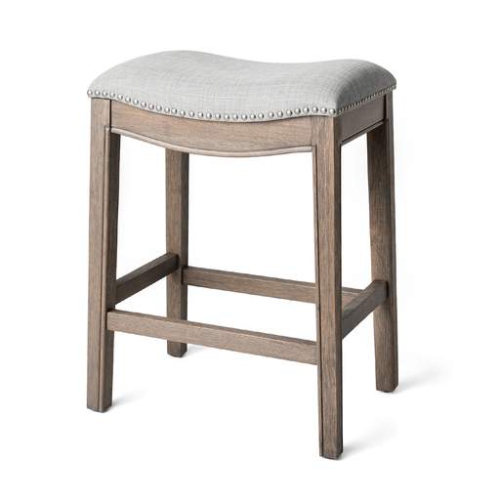 Your price for this item is $224.99
-
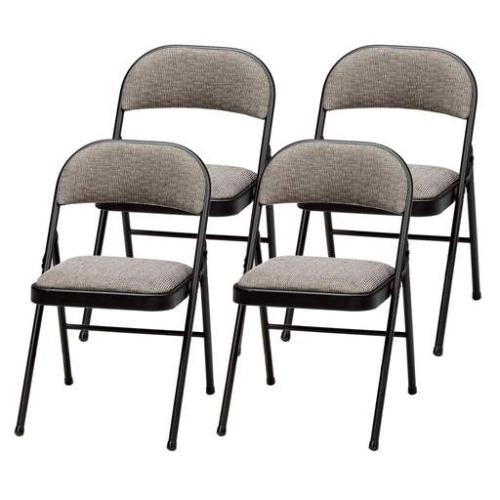 Your price for this item is $363.99
-
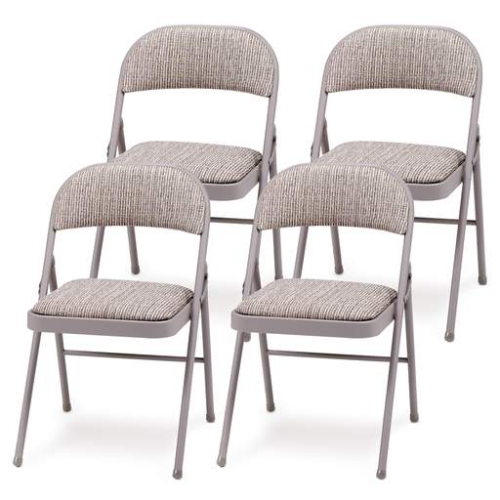 Your price for this item is $398.99
-
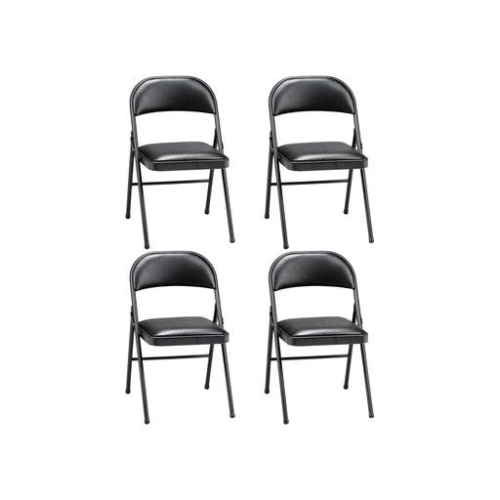 Your price for this item is $389.99
-
 Your price for this item is $212.99
-
 Your price for this item is $308.99
-
 Your price for this item is $411.99
-
 Your price for this item is $422.99
Discover more categories related to Metal Stacking Chairs
Top Collections:
Best Black Friday Deals This Year, Best Black Friday Deals On Electronics, Kindle Devices, Best Black Friday Deals On Apple Products, Best Budget Office Chairs, Best Cameras for Sports Photography, Dyson Airwrap, Canon G7X Cameras, Best Laptops for Writers, Samsung Galaxy Phones
Some products may be subject to Environmental Handling Fees
(EHF) depending on your province.
Learn more about EHFs.