Metal Table Legs Canada
Transform your space with stylish and durable metal table legs, perfect for adding a modern touch to any room in your home. Whether you're crafting a custom dining table, updating your workspace, or reinventing your living area, metal table legs offer endless possibilities for creativity and functionality. Available in a variety of designs and finishes, these versatile components are ideal for both DIY enthusiasts and professional designers looking to achieve a sleek, contemporary look. Explore our selection to find the perfect fit for your project and elevate your interior design with ease.
Sort

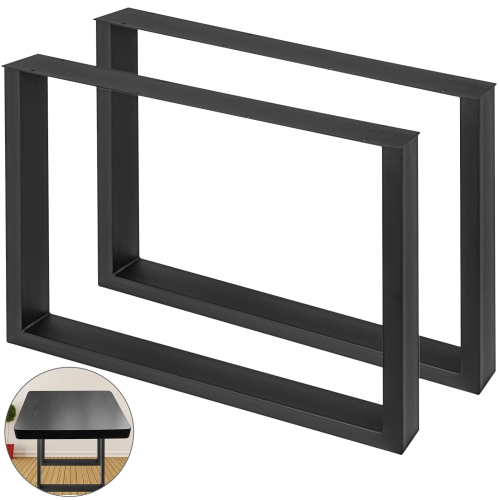

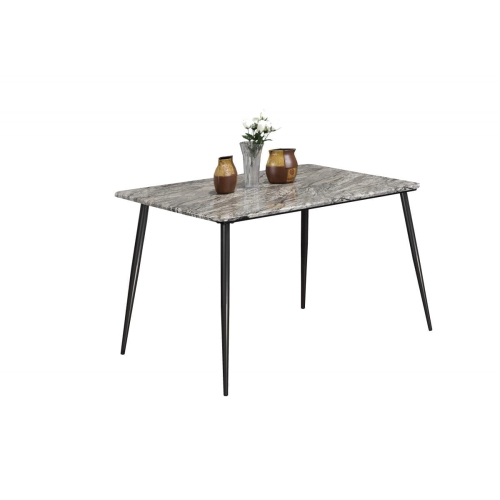
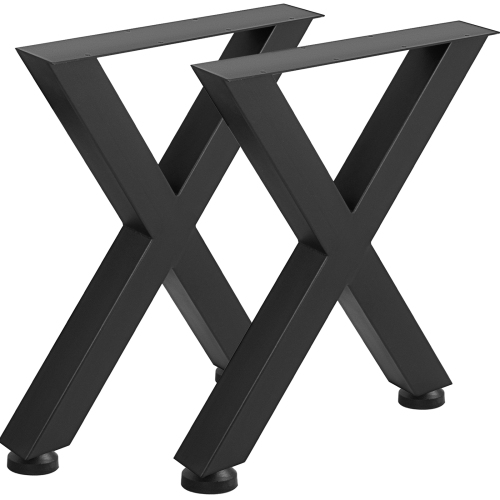
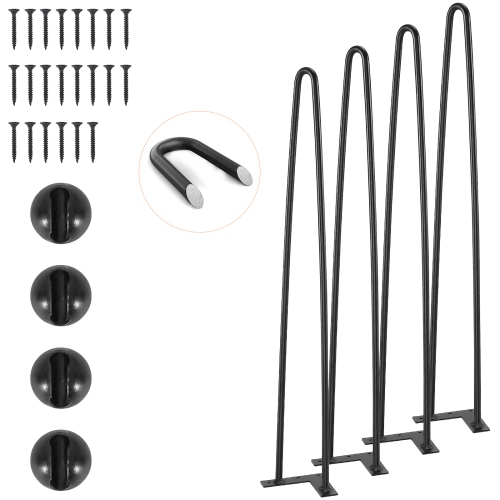
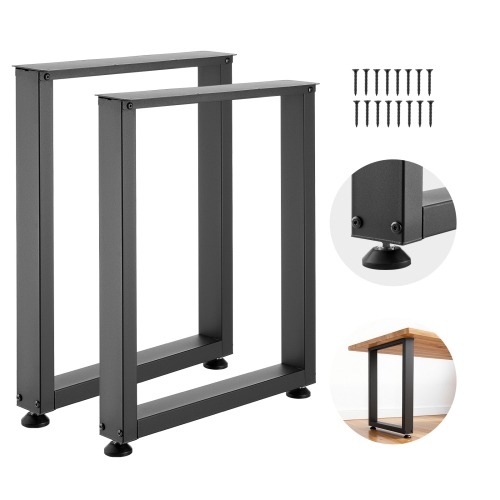
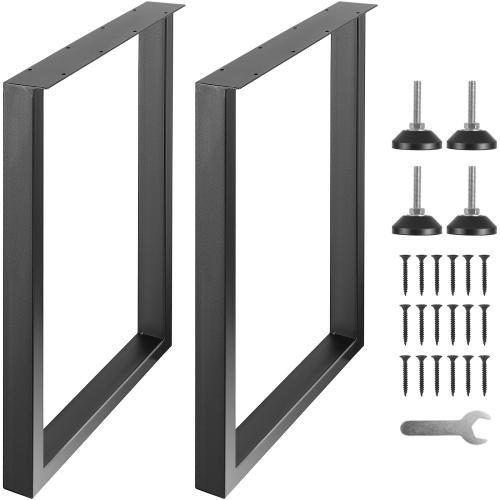
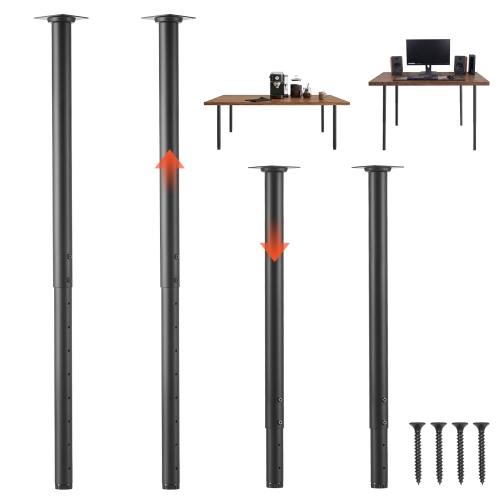
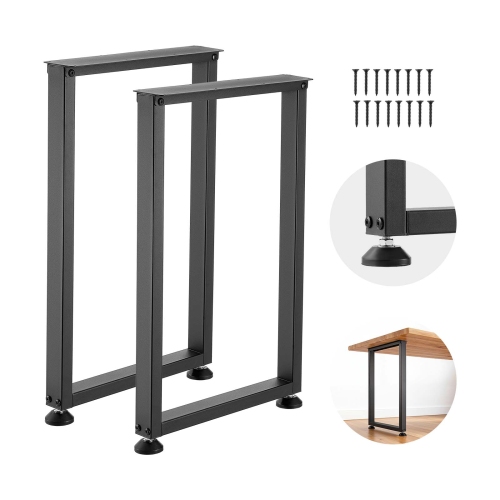
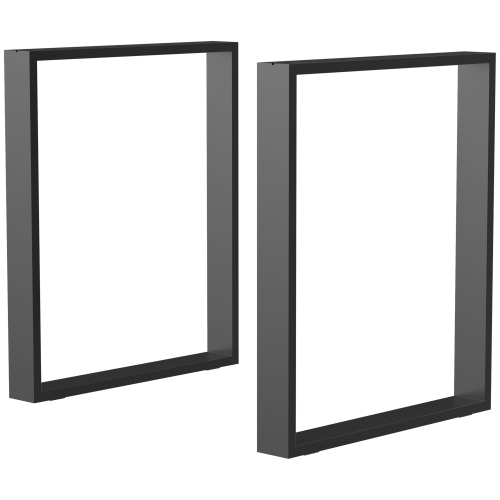
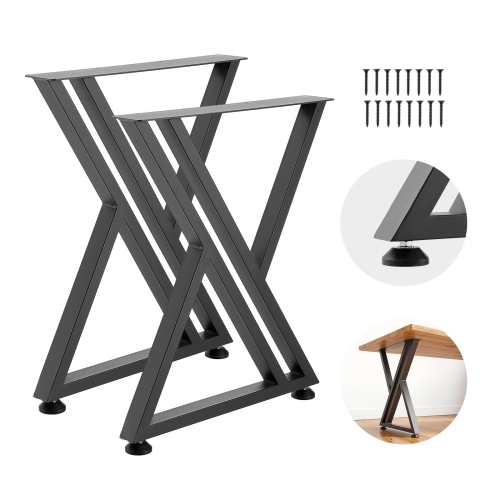
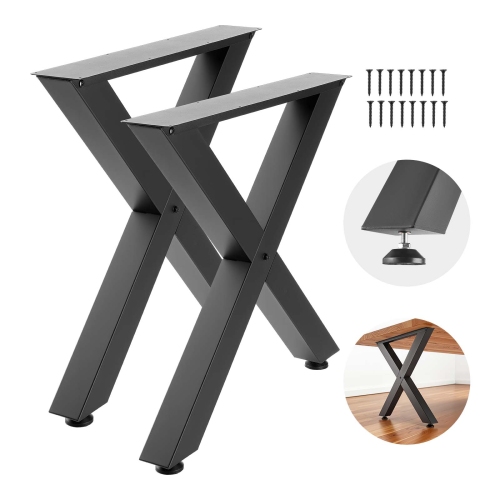
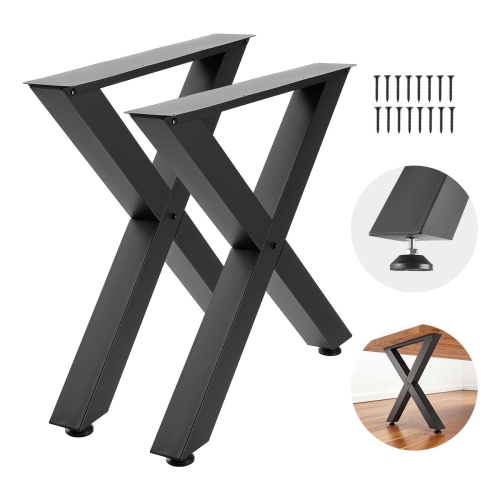

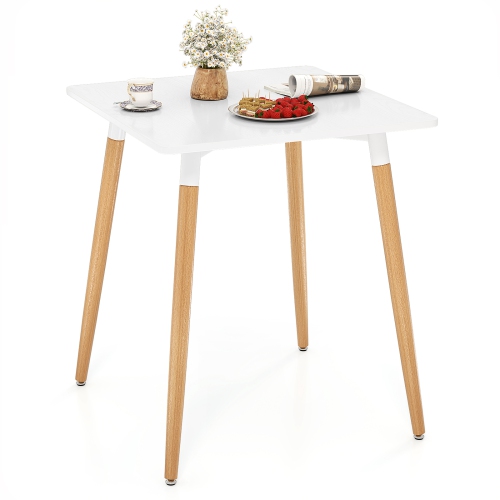
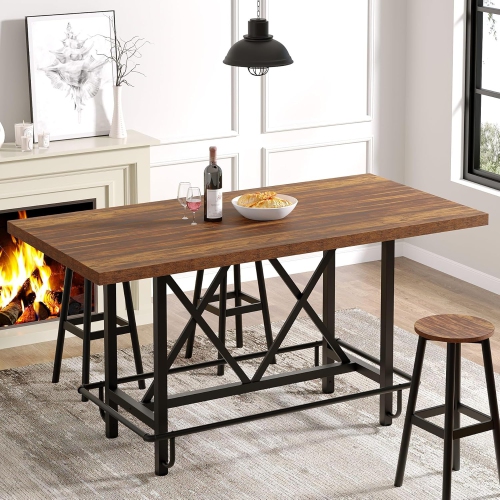
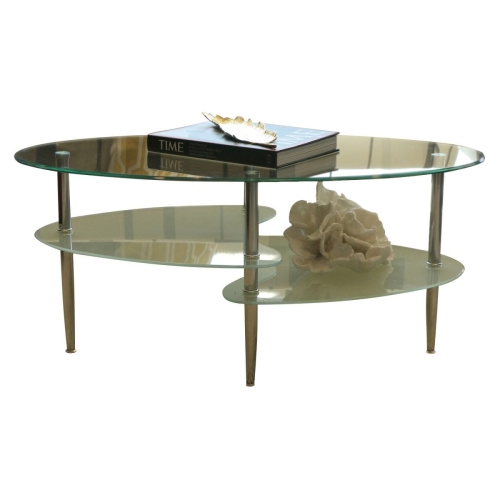
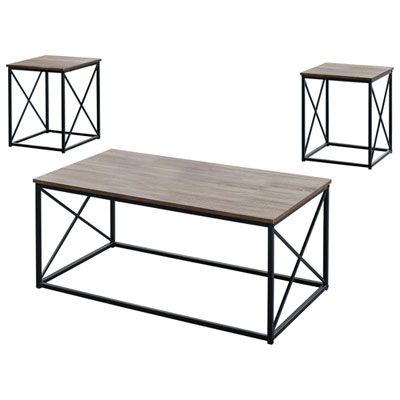

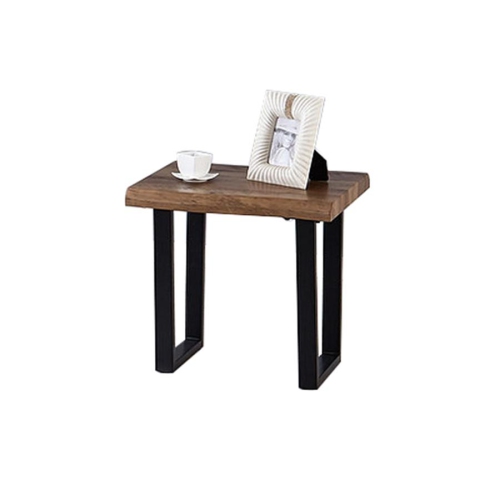

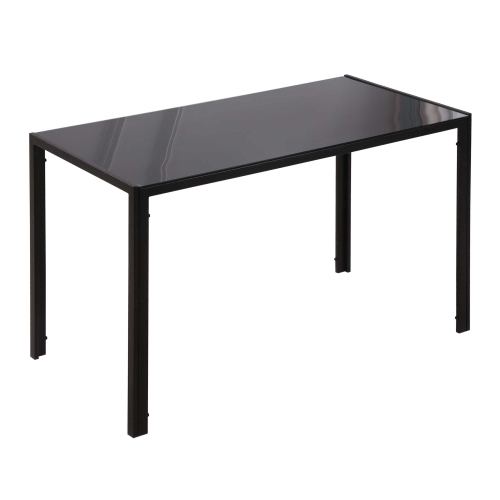
How table leg design shapes comfort and stability
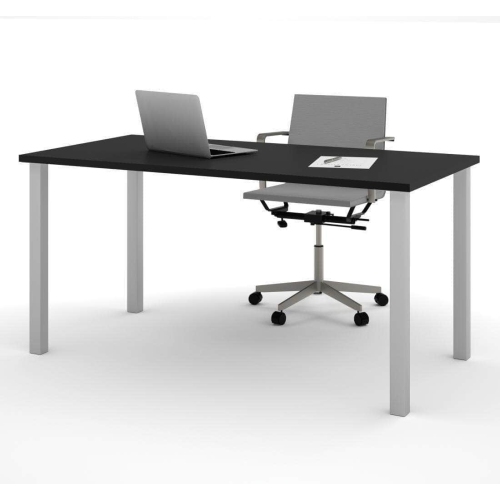
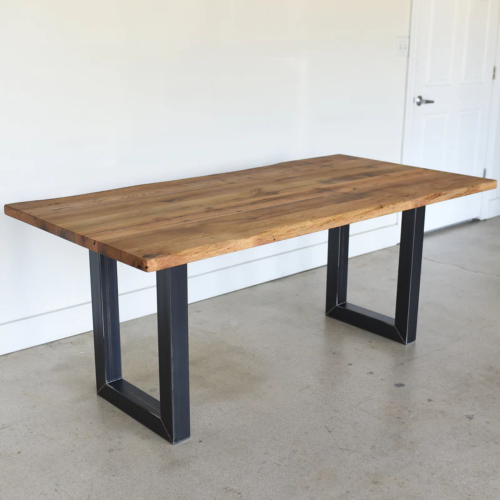
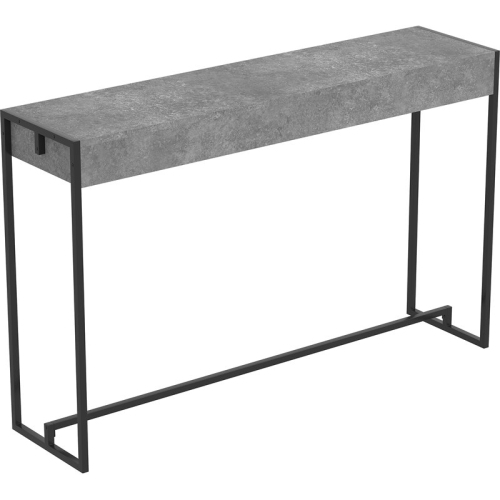
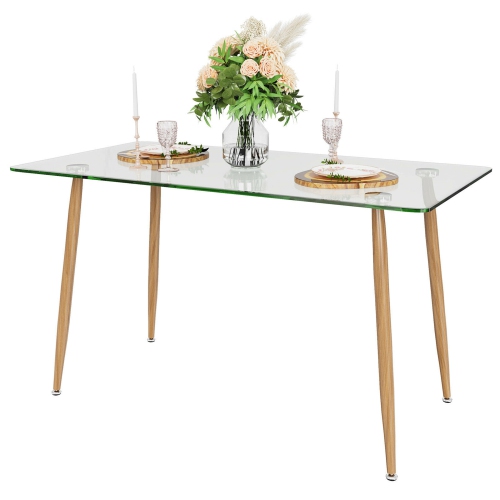
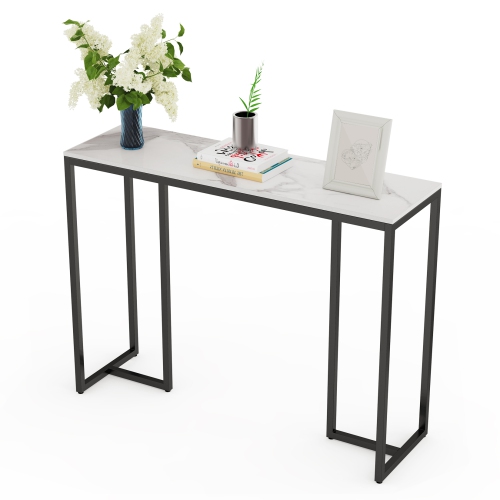
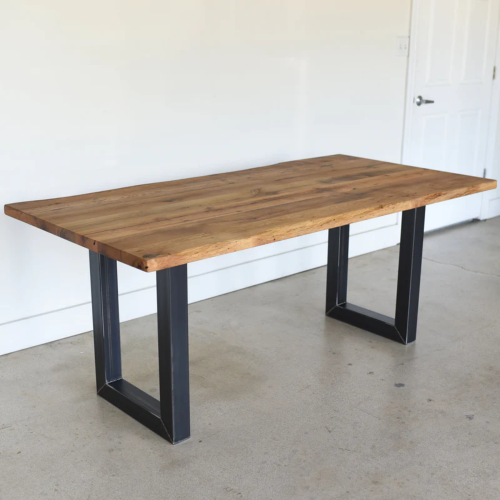
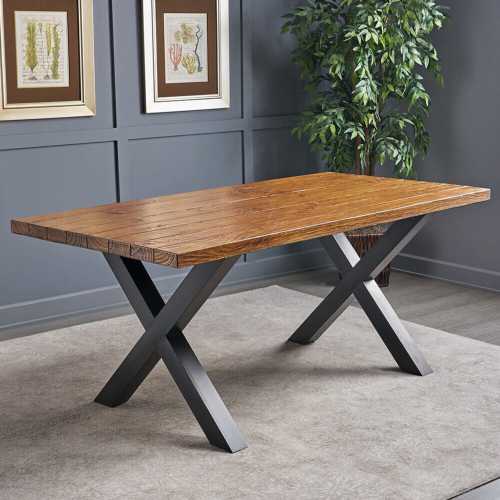
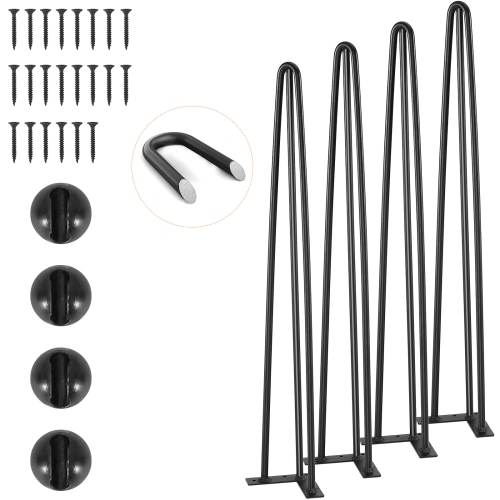
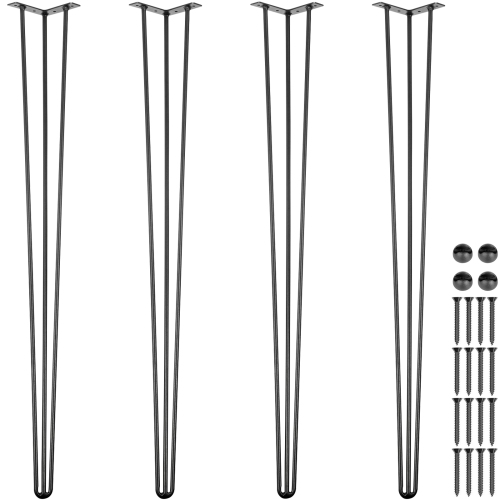
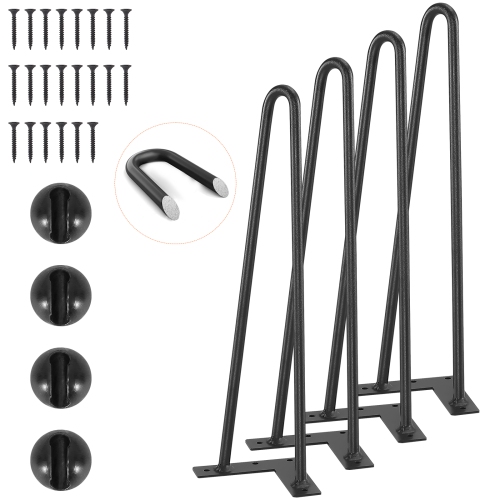
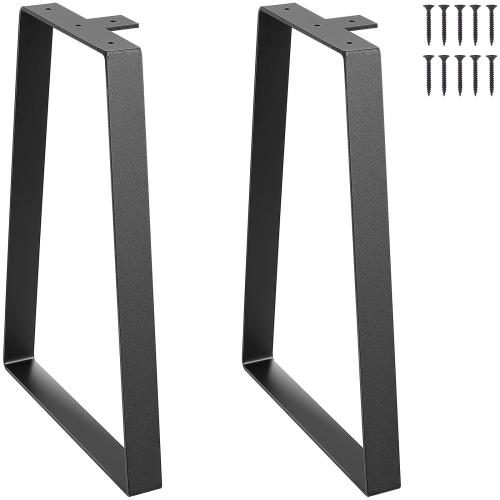
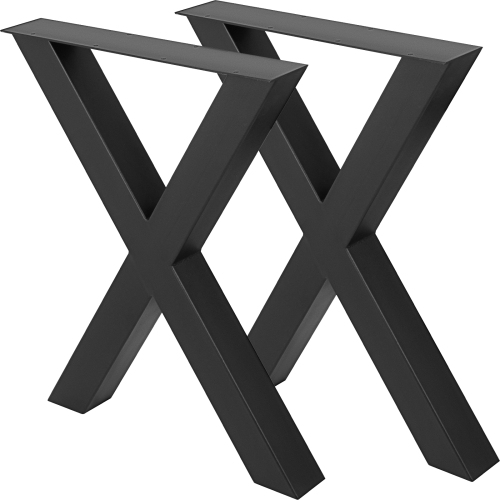
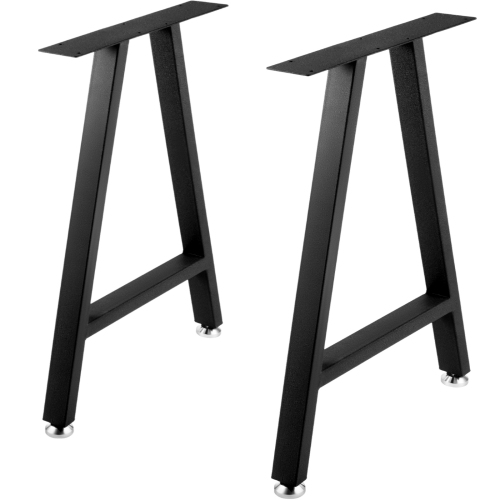
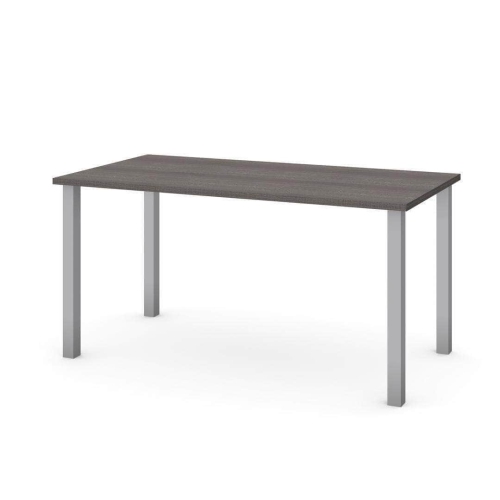
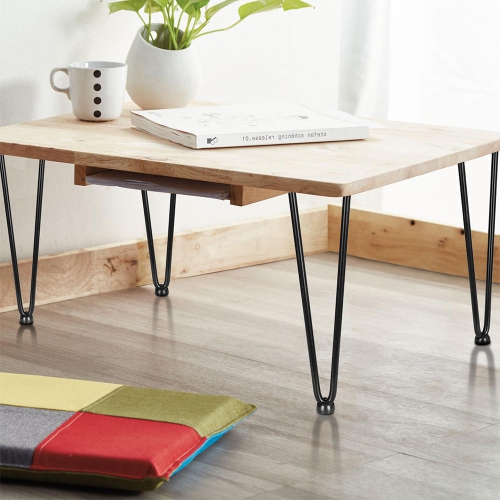
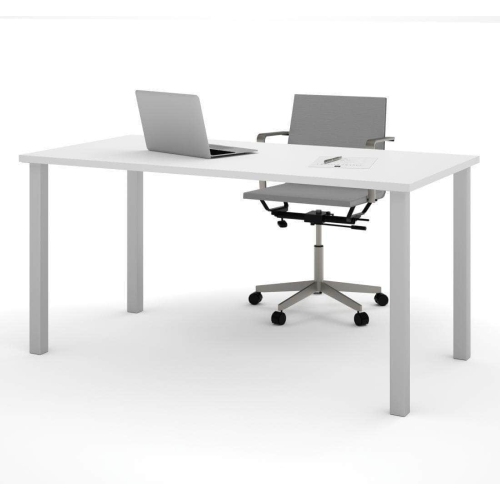
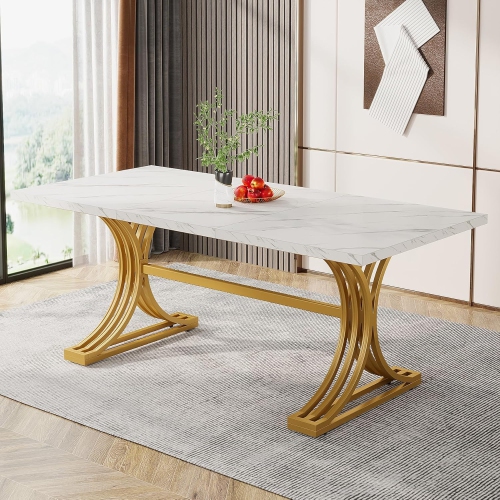
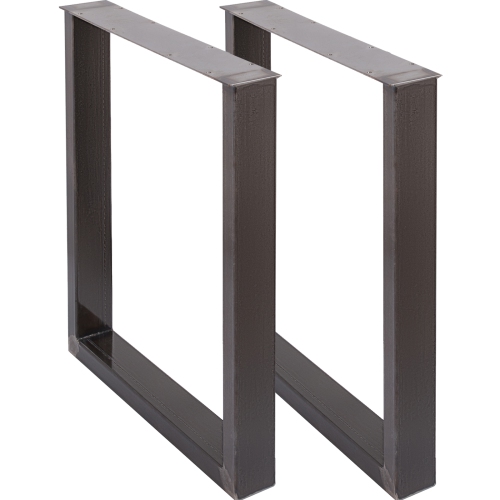
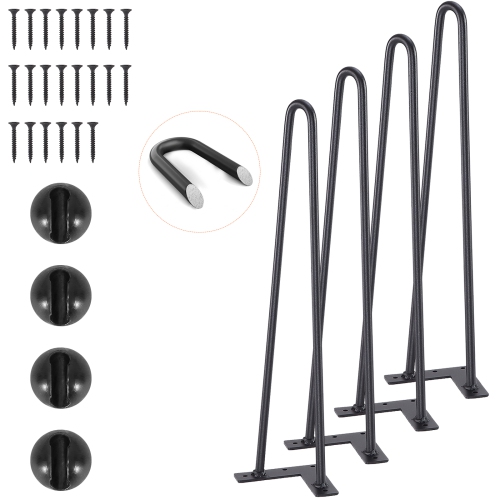
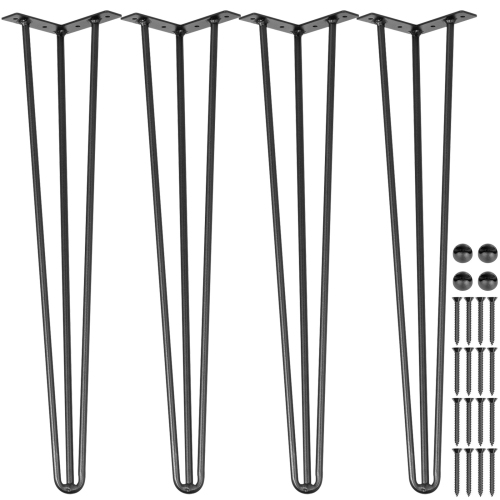
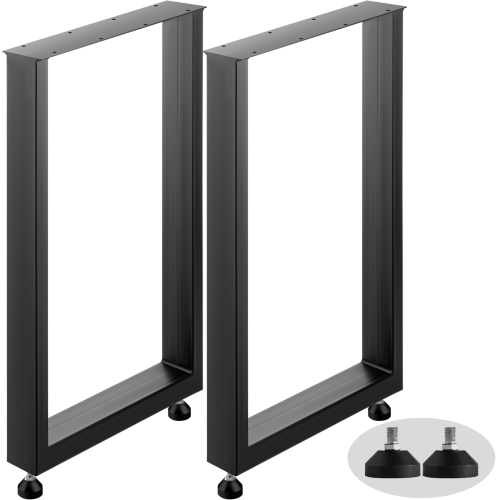
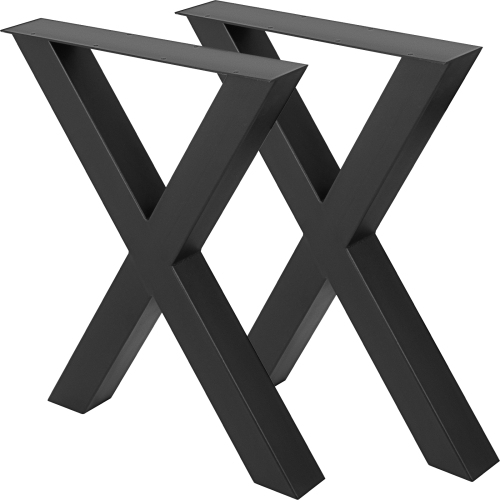
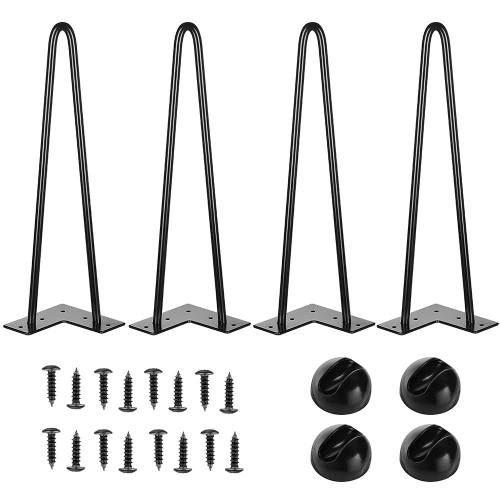
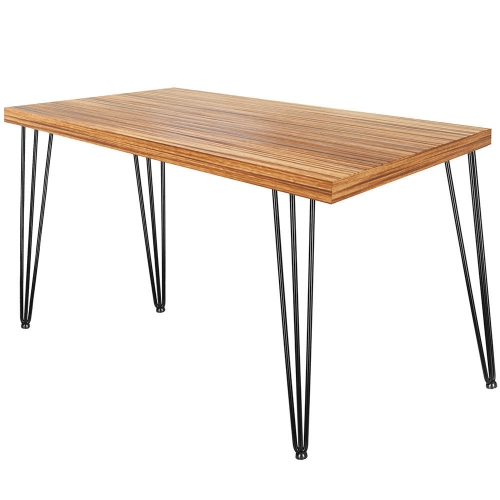
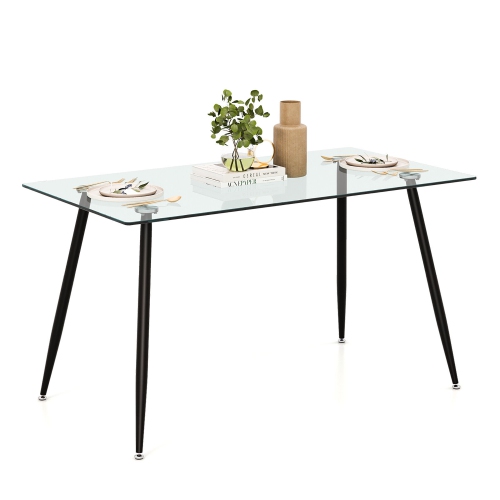
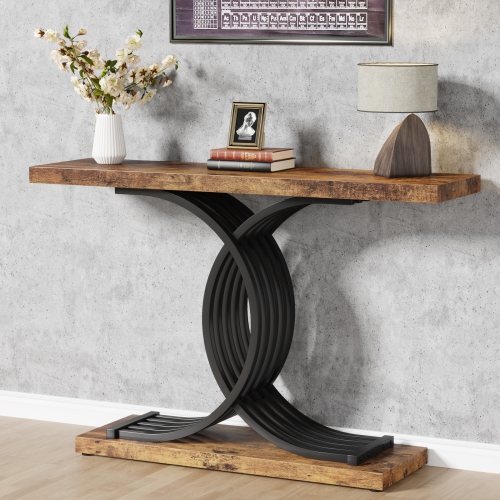
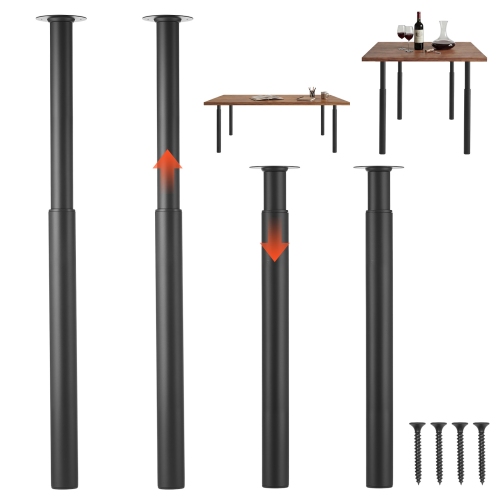
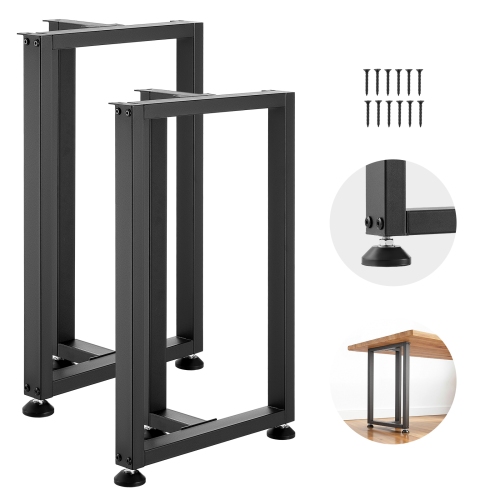
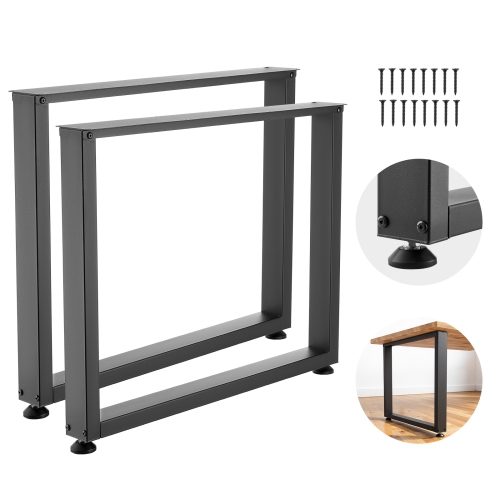
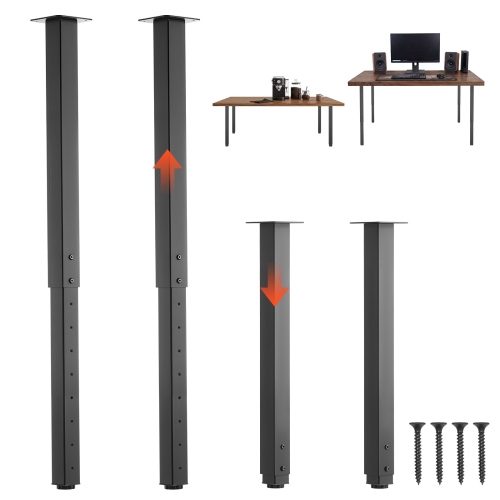
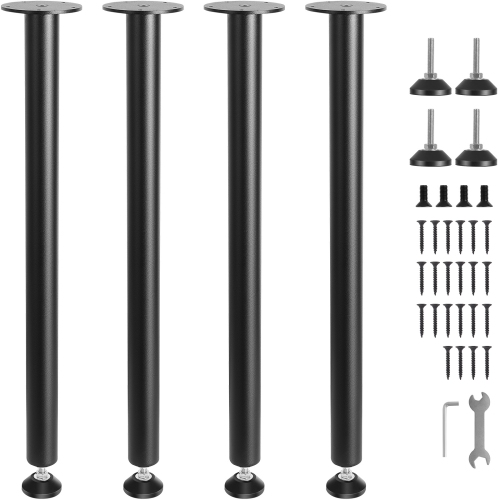
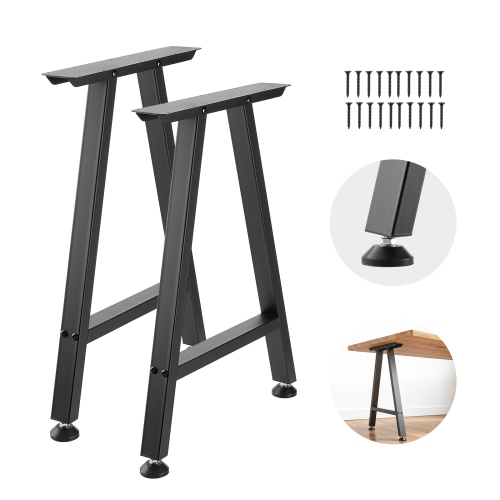
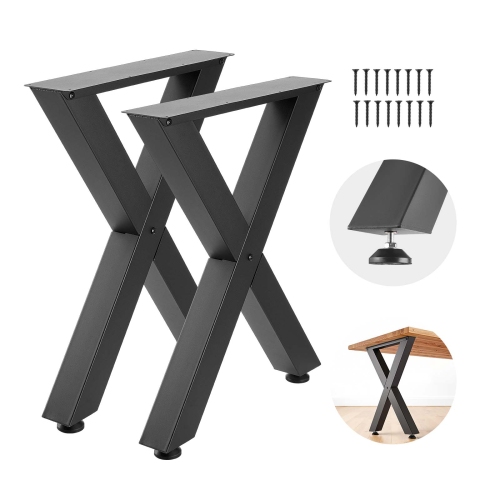
Metal table legs give a tabletop its height, stance, and much of its character, whether the finished piece is a compact desk, a generous dining table, or a narrow console behind a sofa. For homes across Canada, they offer a practical way to pair a preferred surface with a base that suits the room and the way it is used. A thick wood top on black metal legs has a grounded, workshop-inspired feel, while a slim top with brushed metal supports can look lighter and more understated. The shape matters as much as the finish. Hairpin legs leave more of the floor visible and suit many smaller accent tables; square or rectangular frames create a more substantial outline; angled legs add visual movement but may extend beyond the edges of the tabletop. Pedestal and trestle arrangements change where people can sit and how chairs tuck away, making the base an important part of everyday comfort rather than just a finishing detail. Metal table legs can suit someone furnishing a first apartment, setting up a dedicated work area, replacing a damaged base, or turning a suitable wood slab into a piece of furniture with a personal connection. A family dining table needs room for knees, chairs, and frequent movement, while a craft table may need a broad, steady stance for cutting fabric or assembling projects. A console that holds a lamp and a few books has different demands from a desk supporting monitors and other equipment. Matching the leg style to these ordinary tasks helps the finished table feel intentional. Visual balance also deserves attention: delicate supports can appear overwhelmed beneath a very thick top, while bulky frames may dominate a small surface. The most successful combinations leave enough room to move comfortably around the furniture and give the tabletop support appropriate to its size, construction, and intended load.
Material and construction influence how metal table legs perform over time. Steel is commonly used for its strength and rigidity, though the thickness of the metal, the shape of the tubing, the quality of the joints, and the overall design all affect the finished base. Those considering this material can explore Steel Table Legs alongside the broader range of metal leg styles. Aluminium generally weighs less, which can be useful when furniture needs to move, but suitability still depends on the design and stated load capacity. Stainless steel offers corrosion resistance, while painted and powder-coated finishes provide a surface layer that also establishes the colour and texture. A matte finish can soften reflections beneath a pale tabletop; a polished finish brings a brighter contrast to wood grain or a dark surface. Appearance alone does not establish strength, and a heavy-looking leg is not a substitute for clear specifications. Load ratings need careful reading because they may apply to one leg, a pair, or a complete base under particular installation conditions. The tabletop’s own weight counts towards the total, along with anything placed on it. Fit begins with the finished table height, which includes both the legs and the thickness of the top. For a desk, that height affects the relationship between the chair, keyboard, and seated posture; for a dining table, it affects clearance above the seat and beneath any apron or crossbar. Mounting plate dimensions and screw-hole placement are equally important. A plate needs enough flat surface beneath the top, and fasteners must suit the material without passing through the upper face. Solid wood may need mounting provisions that accommodate its natural movement, while hollow-core and some engineered tops require suitable reinforcement or manufacturer-approved attachment methods. Glass and stone call for bases and fixing systems specifically intended for those materials. These details matter especially when reusing an existing tabletop, where old screw holes, uneven areas, or an unsupported overhang can limit where the new legs can safely attach.
Day-to-day stability depends on how the legs work together with the top, the floor, and the hardware. Wide spacing can improve support, but placing legs too close to the corners may interfere with chair positions or leave a foot in a busy walkway. A crossbar can help resist sideways movement, yet its location may affect legroom at a shared desk or dining table. On a long surface, the tabletop itself may also need additional support to limit sagging; strong legs cannot make an unsuitable top rigid. Adjustable feet can help a table sit evenly on a slightly uneven floor, provided they are used within their intended adjustment range. Protective pads suited to the flooring can reduce scuffs and soften the sound of chairs or tables being shifted nearby, though grit caught beneath a pad can still scratch a finish. Assembly is another part of lasting performance. Aligned mounting plates, appropriate fasteners, and evenly tightened connections help prevent movement at the joints. Furniture should not be put into use with loose hardware, and persistent wobbling deserves attention rather than being treated as a normal feature of a tall or slender base. For care, a soft cloth and a mild cleaner compatible with the finish are usually a sensible starting point, followed by drying where appropriate. Abrasive pads and harsh chemicals can mark coatings or change the sheen, so the manufacturer’s care directions take priority. Spills around mounting points and feet are worth wiping away promptly, and scratches that expose bare metal may need finish-specific attention. Indoor legs should not be assumed suitable for outdoor use without an explicit rating. In a busy household, smooth edges, well-finished joints, and feet that do not protrude into walking paths are useful considerations, particularly around children or pets. For a home office, a small dining nook, or a hands-on project space, the right metal legs bring together comfortable proportions, dependable support, and a finish that fits naturally with the surrounding furniture.
Material and construction influence how metal table legs perform over time. Steel is commonly used for its strength and rigidity, though the thickness of the metal, the shape of the tubing, the quality of the joints, and the overall design all affect the finished base. Those considering this material can explore Steel Table Legs alongside the broader range of metal leg styles. Aluminium generally weighs less, which can be useful when furniture needs to move, but suitability still depends on the design and stated load capacity. Stainless steel offers corrosion resistance, while painted and powder-coated finishes provide a surface layer that also establishes the colour and texture. A matte finish can soften reflections beneath a pale tabletop; a polished finish brings a brighter contrast to wood grain or a dark surface. Appearance alone does not establish strength, and a heavy-looking leg is not a substitute for clear specifications. Load ratings need careful reading because they may apply to one leg, a pair, or a complete base under particular installation conditions. The tabletop’s own weight counts towards the total, along with anything placed on it. Fit begins with the finished table height, which includes both the legs and the thickness of the top. For a desk, that height affects the relationship between the chair, keyboard, and seated posture; for a dining table, it affects clearance above the seat and beneath any apron or crossbar. Mounting plate dimensions and screw-hole placement are equally important. A plate needs enough flat surface beneath the top, and fasteners must suit the material without passing through the upper face. Solid wood may need mounting provisions that accommodate its natural movement, while hollow-core and some engineered tops require suitable reinforcement or manufacturer-approved attachment methods. Glass and stone call for bases and fixing systems specifically intended for those materials. These details matter especially when reusing an existing tabletop, where old screw holes, uneven areas, or an unsupported overhang can limit where the new legs can safely attach.
Day-to-day stability depends on how the legs work together with the top, the floor, and the hardware. Wide spacing can improve support, but placing legs too close to the corners may interfere with chair positions or leave a foot in a busy walkway. A crossbar can help resist sideways movement, yet its location may affect legroom at a shared desk or dining table. On a long surface, the tabletop itself may also need additional support to limit sagging; strong legs cannot make an unsuitable top rigid. Adjustable feet can help a table sit evenly on a slightly uneven floor, provided they are used within their intended adjustment range. Protective pads suited to the flooring can reduce scuffs and soften the sound of chairs or tables being shifted nearby, though grit caught beneath a pad can still scratch a finish. Assembly is another part of lasting performance. Aligned mounting plates, appropriate fasteners, and evenly tightened connections help prevent movement at the joints. Furniture should not be put into use with loose hardware, and persistent wobbling deserves attention rather than being treated as a normal feature of a tall or slender base. For care, a soft cloth and a mild cleaner compatible with the finish are usually a sensible starting point, followed by drying where appropriate. Abrasive pads and harsh chemicals can mark coatings or change the sheen, so the manufacturer’s care directions take priority. Spills around mounting points and feet are worth wiping away promptly, and scratches that expose bare metal may need finish-specific attention. Indoor legs should not be assumed suitable for outdoor use without an explicit rating. In a busy household, smooth edges, well-finished joints, and feet that do not protrude into walking paths are useful considerations, particularly around children or pets. For a home office, a small dining nook, or a hands-on project space, the right metal legs bring together comfortable proportions, dependable support, and a finish that fits naturally with the surrounding furniture.
Top selling and popular products
-
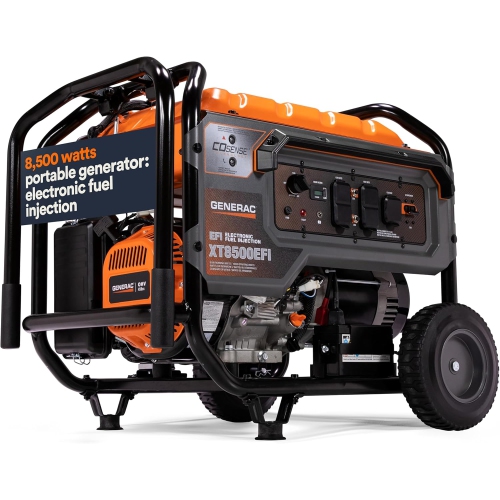 Your price for this item is $3000
 -
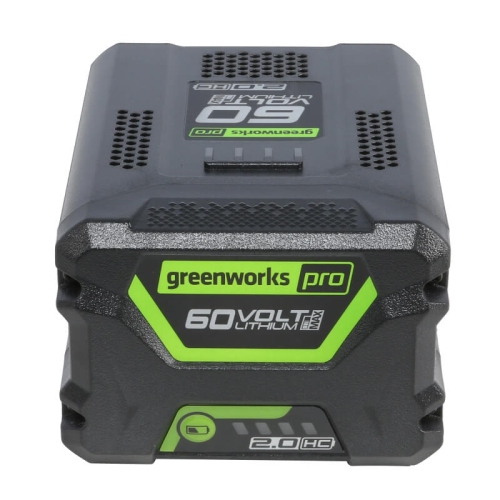 Your price for this item is $124.45
 -
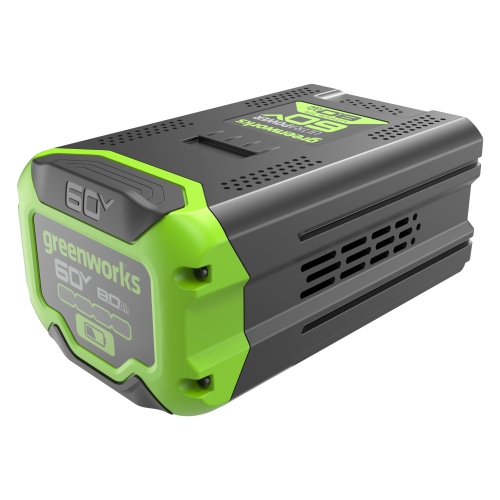 Your price for this item is $329.99
 -
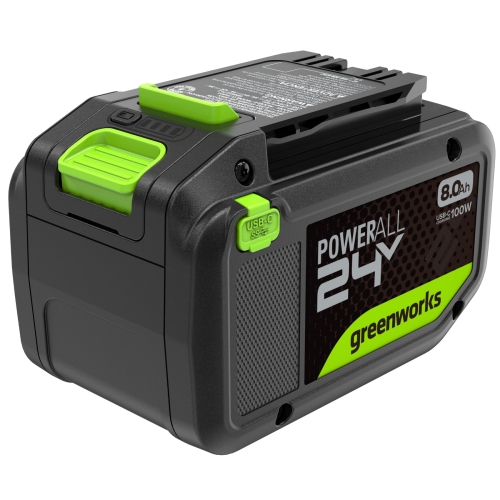 Your price for this item is $139.99
 -
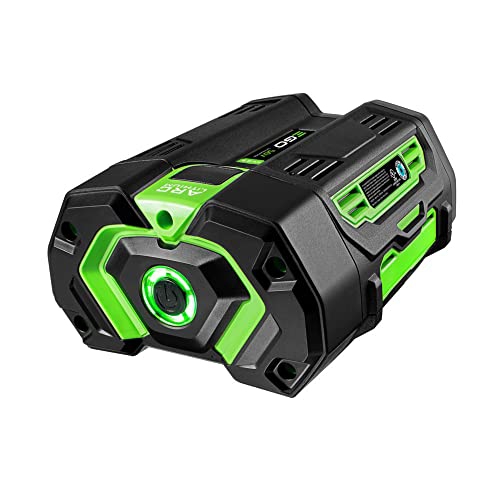 Your price for this item is $264
 -
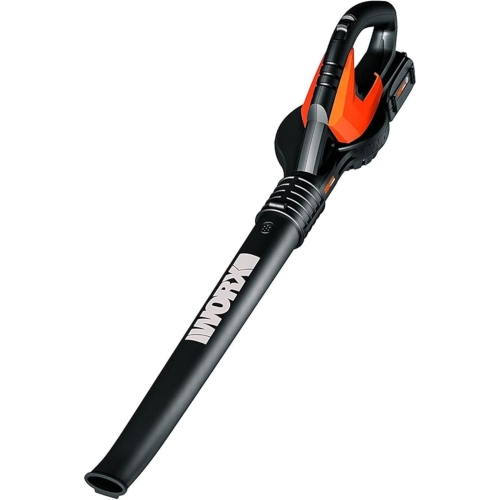 Your price for this item is $217.55
 -
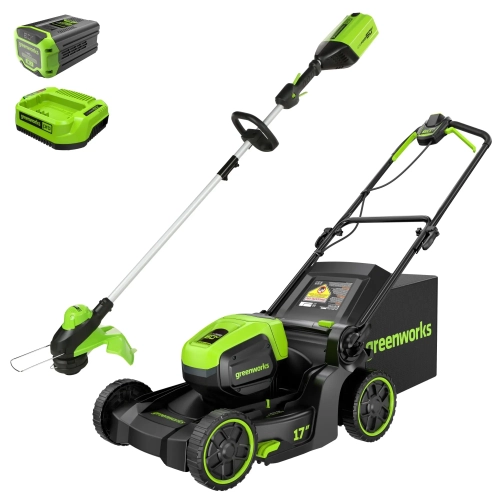 Your price for this item is $739.99
 -
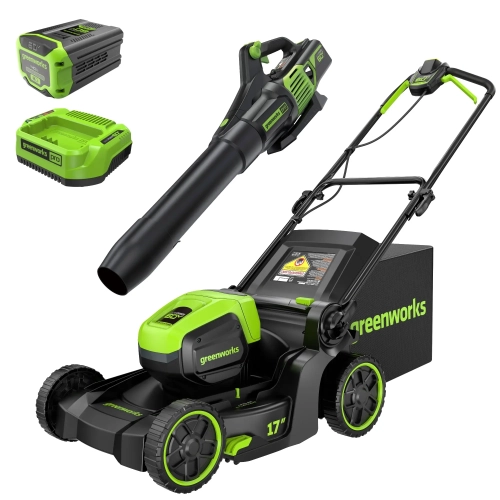 Your price for this item is $599.99
Discover more categories related to Metal Table Legs Canada
Top Collections:
Pokemon Centers, Kindle Devices, Best Budget Office Chairs, Apple iPhones 16, Best Laptops for Writers, iPhone 15 Apple, Canon G7X Cameras, Refurbished Apple Laptops, Alarm Clock, Motorola Razr Phones
Some products may be subject to Environmental Handling Fees
(EHF) depending on your province.
Learn more about EHFs.