Meuble Ashley
Meuble Ashley offers an impressive selection of stylish and versatile furniture designed to enhance any living space. Whether you're looking to refresh your home or complete a new room, discover options that blend comfort with modern design. Explore the Meuble Ashley collection for pieces that suit every taste and complement a variety of interiors, making it easy to create a space you love.
Sort
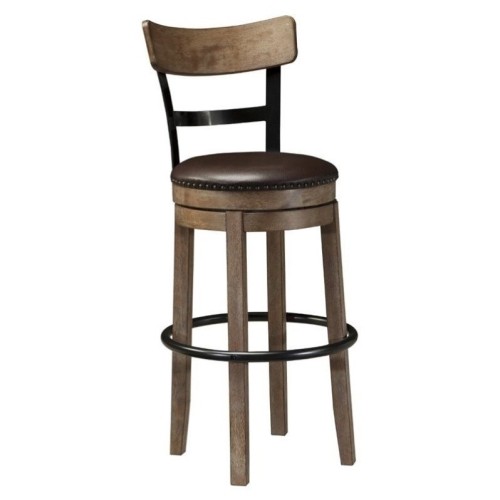
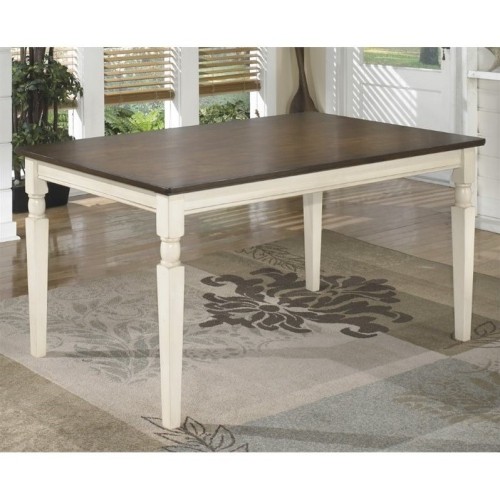
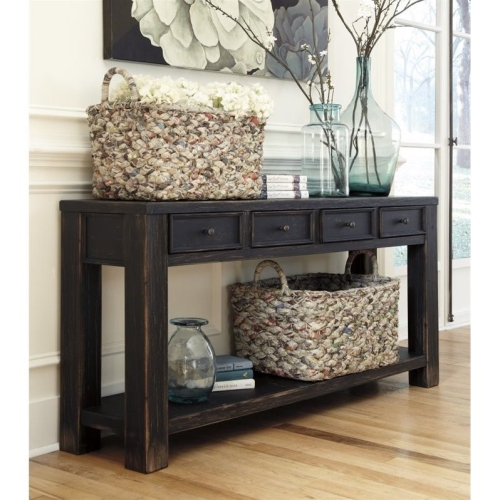
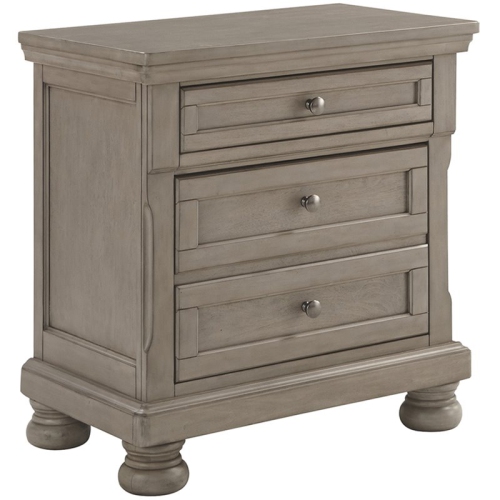
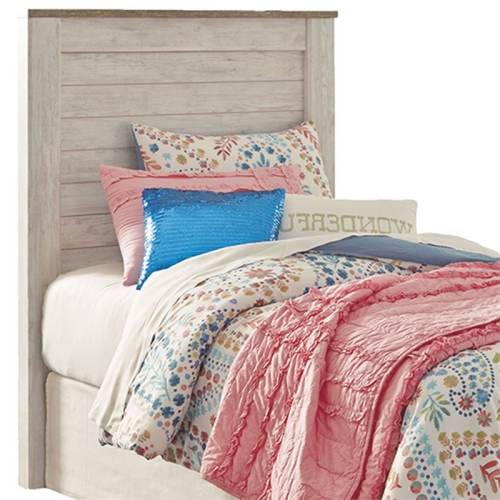
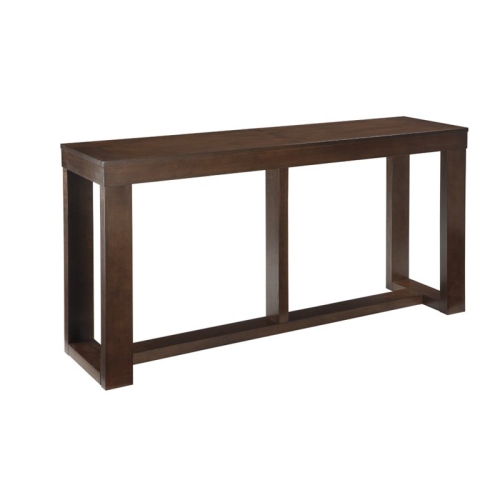
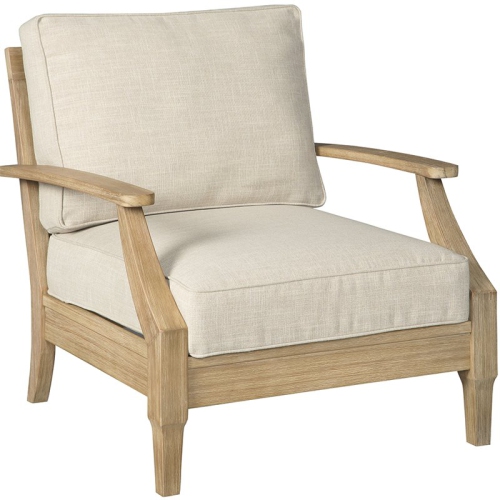
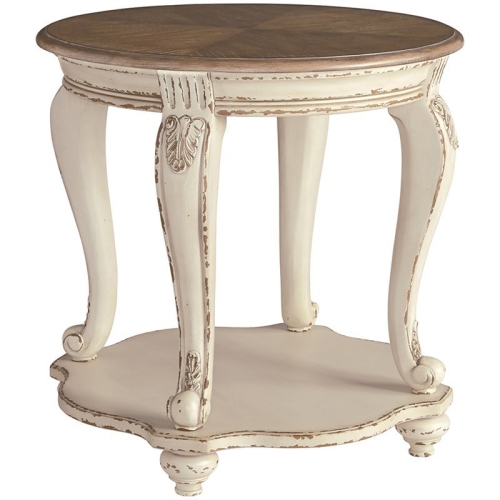
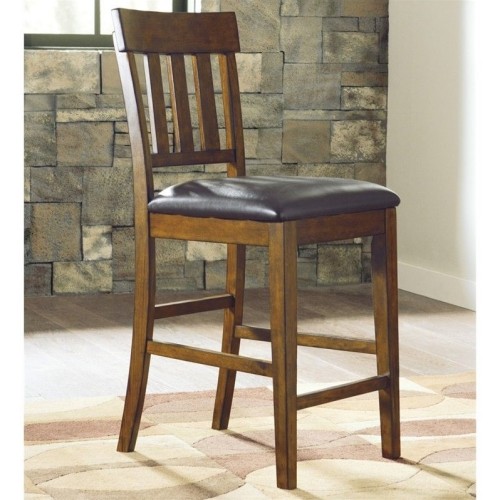
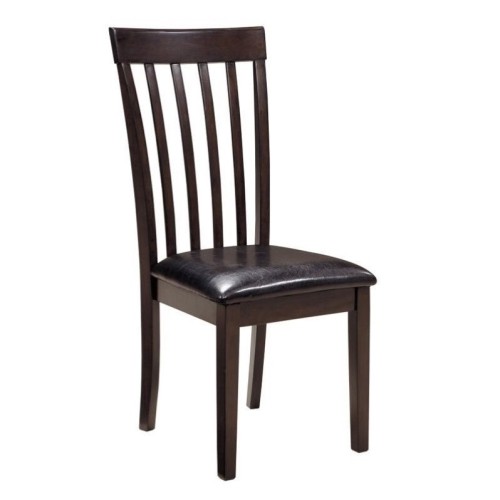
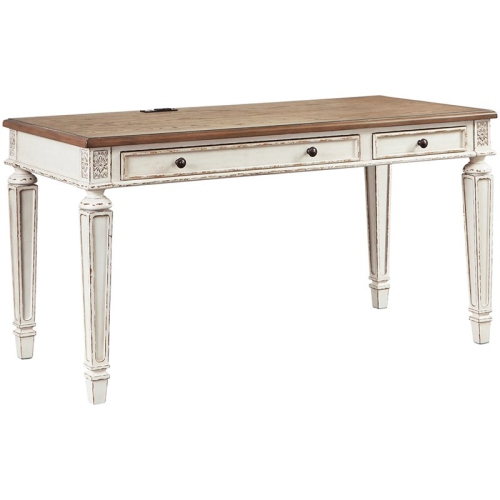

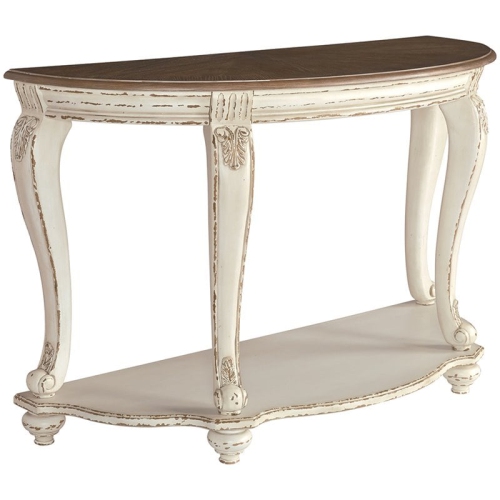
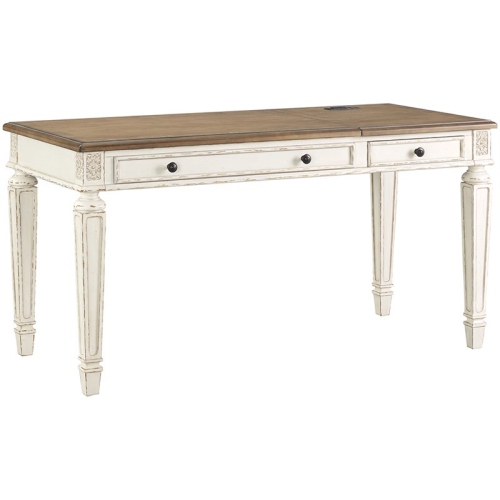
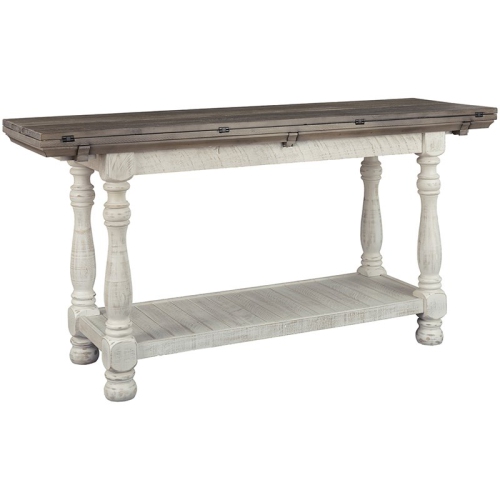
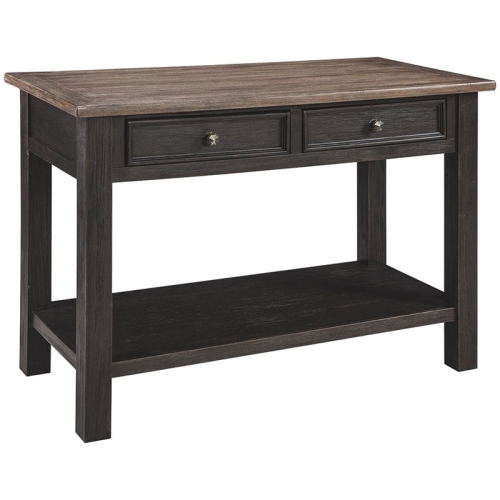
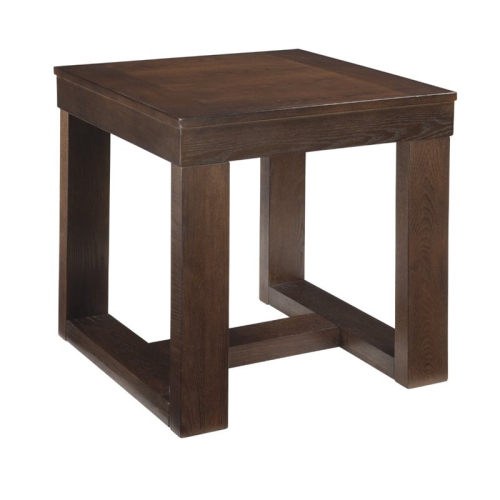
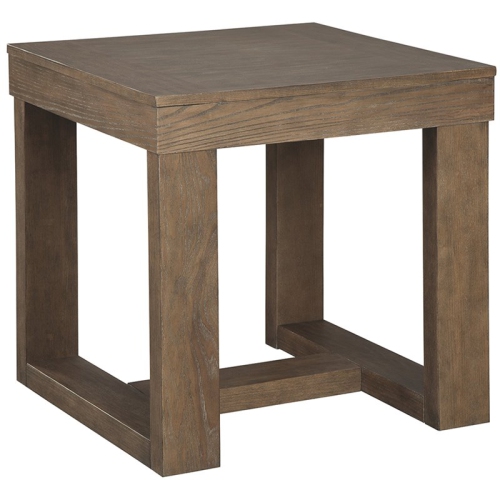
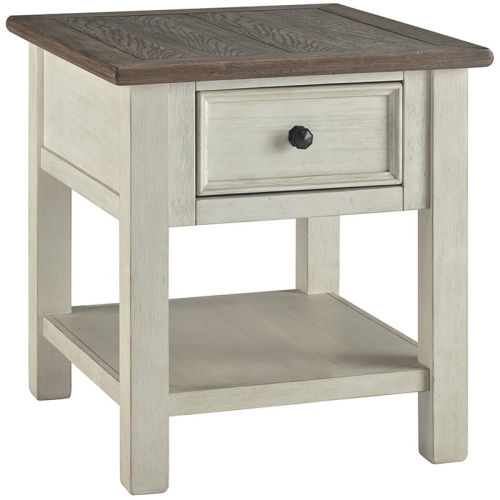
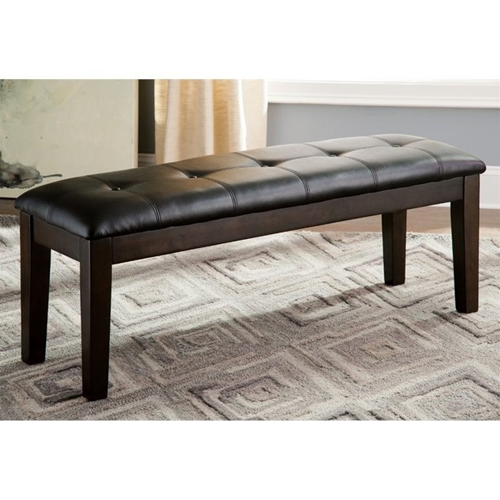
Furniture that fits your room and your routine
Furniture shapes how a home feels and how comfortably it supports everyday life, from a quiet breakfast at the dining table to an evening stretched out on the sofa. Living room, bedroom, and dining room furniture each serve a different purpose, yet the most inviting spaces share a sense of proportion, useful storage, and materials that suit the household. A generously cushioned seating area can make a family room feel relaxed, while slimmer arms and raised legs give a smaller apartment a more open appearance. Warm wood tones, textured upholstery, and softly rounded edges lend themselves to casual rooms; straighter lines, smooth surfaces, and restrained detailing create a more tailored look. Traditional, contemporary, rustic, and transitional styles can also work together when a repeated finish or colour connects them. A dining table with visible wood grain, for example, can sit comfortably alongside upholstered chairs without every surface matching. In an open-plan home, a consistent palette helps the living and dining areas feel connected, while a change in texture gives each area its own character. Furniture serves different households in different ways: a first apartment may need compact seating and versatile storage, a busy family home may call for sturdy surfaces and easy-care fabrics, and a guest room benefits from practical pieces that leave visitors space to unpack. During the cooler months, comfortable seating, a place to set down a warm drink, and a dining area that accommodates shared meals can make time indoors more pleasant. Visual appeal matters, but so does the small, repeated experience of using a room: whether a chair supports a leisurely meal, whether a drawer opens without hitting the bed, or whether a side table is within easy reach. Those everyday details give furniture lasting value beyond its appearance and help a room feel settled rather than simply filled.
Materials and construction influence the look, feel, and upkeep of furniture as much as its overall style. Solid wood has natural variations in grain and colour, while wood veneer brings a real wood surface to a supporting core that may use engineered wood. Neither description alone tells the whole story about durability; joints, hardware, finish quality, and the way a piece is used all contribute to how it holds up. Wood can respond to changes in indoor humidity, so placement away from direct heat and attention to the maker’s care instructions matter, particularly when heating systems run regularly. Painted and laminated surfaces offer different appearances and cleaning requirements, and even a smooth, sealed tabletop benefits from coasters and protection beneath hot dishes. Metal frames can provide a crisp outline or an industrial accent, while glass surfaces offer visual lightness but tend to show fingerprints more readily. Upholstery adds another layer of choice. Tightly woven fabrics may suit frequent use, although stain resistance and cleaning methods depend on the actual textile and any applied treatment. Genuine leather and leather-look upholstery have distinct care needs, and neither should be treated with a household cleaner unless the manufacturer permits it. Removable cushion covers are not necessarily machine washable; the care label remains the best reference. In a home with children or pets, seams, exposed edges, fabric texture, and the accessibility of spills can matter as much as colour. A patterned weave may make small marks less noticeable, but it does not replace prompt cleaning. Comfort also comes from what sits beneath the surface. Cushion fill, seat suspension, back support, and frame construction affect whether seating feels soft, upright, or somewhere between the two. A deeper seat may appeal to someone who likes to curl up, while a shallower seat and supportive arms can make sitting down and standing up easier. Bedroom and dining furniture benefit from the same attention to daily contact points, including smooth drawer movement, stable chair frames, and edges that feel comfortable where hands and legs naturally rest.
Fit is about more than whether furniture falls within a room’s measurements. It includes the space needed to walk past a sofa, pull out a dining chair, open a wardrobe, or fully extend a reclining seat. A table can look well proportioned in an empty dining area yet feel cramped once chairs are occupied, especially when the route to the kitchen passes behind them. In bedrooms, the outer dimensions of a bed frame can exceed the mattress dimensions, and a footboard or projecting headboard may affect circulation. Mattress compatibility, required supports, and any need for a foundation depend on the frame’s specifications. Storage also works best when its layout matches what will go inside: shallow drawers suit folded accessories, deeper compartments hold bulkier textiles, and adjustable shelves offer flexibility for belongings of different heights. Tall storage furniture requires particular attention to stability and should be anchored as directed by the manufacturer. For media areas, Meuble TVs provides a related furniture category centred on television placement and storage. A suitable TV stand needs to accommodate the television’s weight and stand footprint, not just its screen size, with enough room for cables and the ventilation clearances required by connected equipment. Closed compartments can keep everyday accessories out of sight, while open shelving keeps frequently used devices accessible. Flexible furniture is especially useful in shared rooms, where an ottoman may provide a place to rest feet and, when designed for it, extra storage, or an extendable table may accommodate occasional guests without occupying as much floor space every day. Access into the home deserves equal attention: doorways, stair turns, lifts, and hallways can limit what reaches the intended room, even when the room itself has ample space. Assembly requirements and the dimensions of separate components may also affect placement. Whether furnishing a compact condo, refreshing a family dining area, or making a spare bedroom more welcoming, a balance of comfort, appropriate scale, and manageable care helps furniture support the way a home is actually lived in.
Materials and construction influence the look, feel, and upkeep of furniture as much as its overall style. Solid wood has natural variations in grain and colour, while wood veneer brings a real wood surface to a supporting core that may use engineered wood. Neither description alone tells the whole story about durability; joints, hardware, finish quality, and the way a piece is used all contribute to how it holds up. Wood can respond to changes in indoor humidity, so placement away from direct heat and attention to the maker’s care instructions matter, particularly when heating systems run regularly. Painted and laminated surfaces offer different appearances and cleaning requirements, and even a smooth, sealed tabletop benefits from coasters and protection beneath hot dishes. Metal frames can provide a crisp outline or an industrial accent, while glass surfaces offer visual lightness but tend to show fingerprints more readily. Upholstery adds another layer of choice. Tightly woven fabrics may suit frequent use, although stain resistance and cleaning methods depend on the actual textile and any applied treatment. Genuine leather and leather-look upholstery have distinct care needs, and neither should be treated with a household cleaner unless the manufacturer permits it. Removable cushion covers are not necessarily machine washable; the care label remains the best reference. In a home with children or pets, seams, exposed edges, fabric texture, and the accessibility of spills can matter as much as colour. A patterned weave may make small marks less noticeable, but it does not replace prompt cleaning. Comfort also comes from what sits beneath the surface. Cushion fill, seat suspension, back support, and frame construction affect whether seating feels soft, upright, or somewhere between the two. A deeper seat may appeal to someone who likes to curl up, while a shallower seat and supportive arms can make sitting down and standing up easier. Bedroom and dining furniture benefit from the same attention to daily contact points, including smooth drawer movement, stable chair frames, and edges that feel comfortable where hands and legs naturally rest.
Fit is about more than whether furniture falls within a room’s measurements. It includes the space needed to walk past a sofa, pull out a dining chair, open a wardrobe, or fully extend a reclining seat. A table can look well proportioned in an empty dining area yet feel cramped once chairs are occupied, especially when the route to the kitchen passes behind them. In bedrooms, the outer dimensions of a bed frame can exceed the mattress dimensions, and a footboard or projecting headboard may affect circulation. Mattress compatibility, required supports, and any need for a foundation depend on the frame’s specifications. Storage also works best when its layout matches what will go inside: shallow drawers suit folded accessories, deeper compartments hold bulkier textiles, and adjustable shelves offer flexibility for belongings of different heights. Tall storage furniture requires particular attention to stability and should be anchored as directed by the manufacturer. For media areas, Meuble TVs provides a related furniture category centred on television placement and storage. A suitable TV stand needs to accommodate the television’s weight and stand footprint, not just its screen size, with enough room for cables and the ventilation clearances required by connected equipment. Closed compartments can keep everyday accessories out of sight, while open shelving keeps frequently used devices accessible. Flexible furniture is especially useful in shared rooms, where an ottoman may provide a place to rest feet and, when designed for it, extra storage, or an extendable table may accommodate occasional guests without occupying as much floor space every day. Access into the home deserves equal attention: doorways, stair turns, lifts, and hallways can limit what reaches the intended room, even when the room itself has ample space. Assembly requirements and the dimensions of separate components may also affect placement. Whether furnishing a compact condo, refreshing a family dining area, or making a spare bedroom more welcoming, a balance of comfort, appropriate scale, and manageable care helps furniture support the way a home is actually lived in.
Top selling and popular products
-
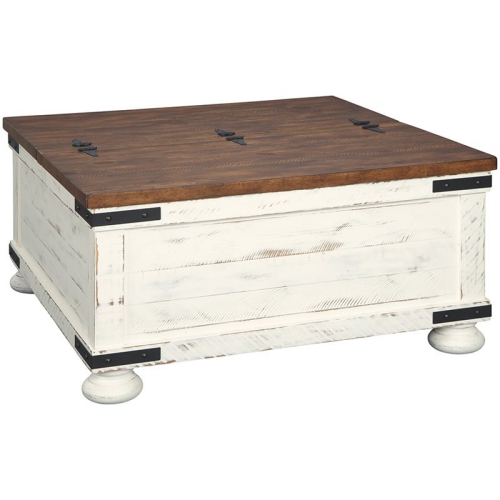 Your price for this item is $1030.03
 -
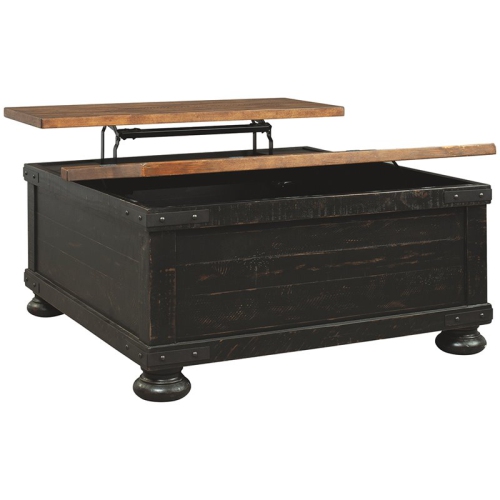 Your price for this item is $1070.91
 -
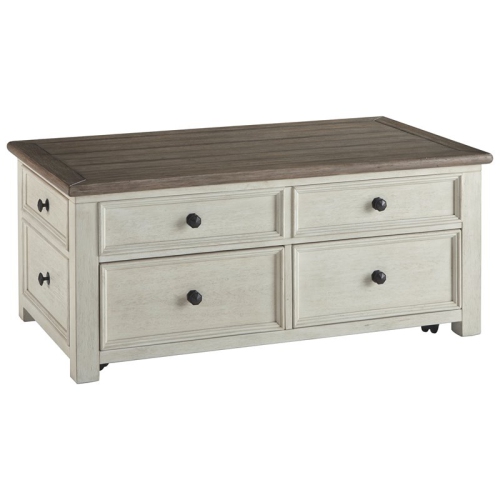 Your price for this item is $949
 -
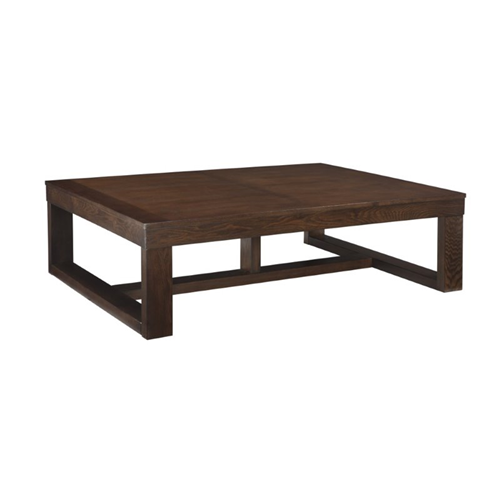 Your price for this item is $449
 -
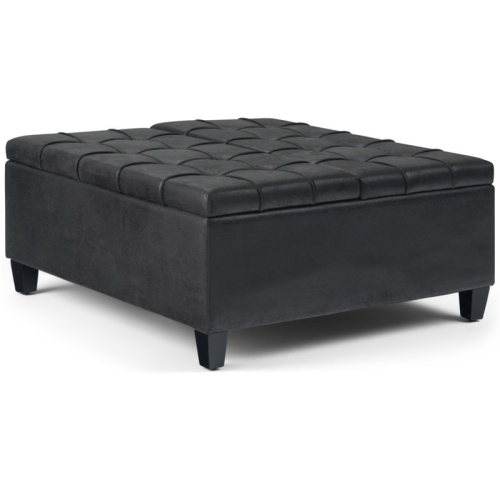 Your price for this item is $1042.91
 -
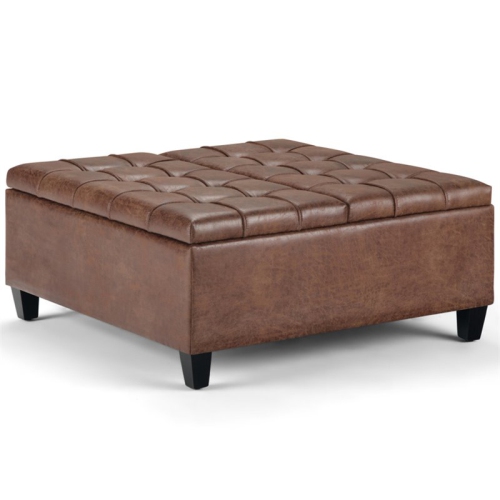 Your price for this item is $1013.77
 -
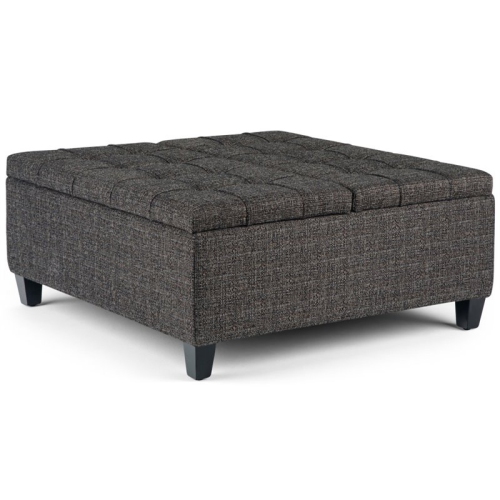 Your price for this item is $1021.17
 -
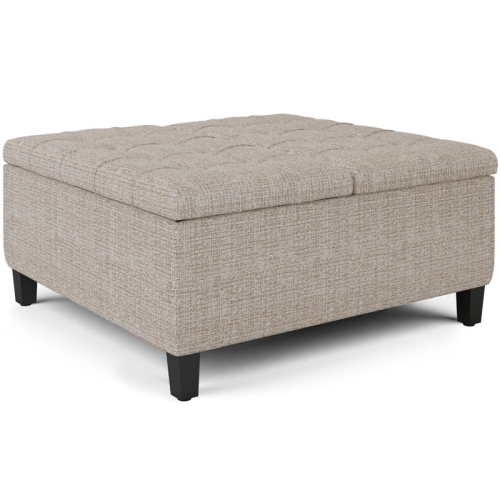 Your price for this item is $1022.03
Discover more categories related to Meuble Ashley
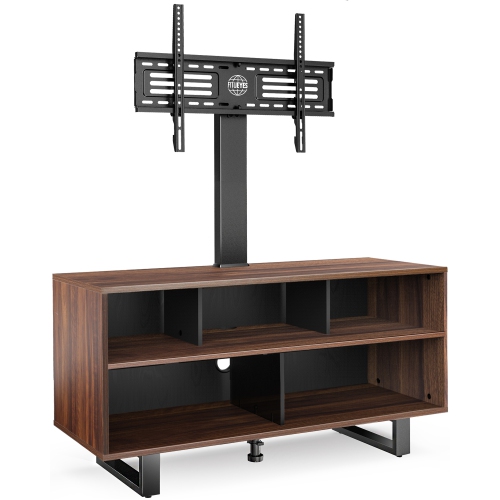
Top Collections:
Pokemon Centers, Kindle Devices, Best Budget Office Chairs, Apple iPhones 16, Best Laptops for Writers, iPhone 15 Apple, Canon G7X Cameras, Refurbished Apple Laptops, Alarm Clock, Motorola Razr Phones
Some products may be subject to Environmental Handling Fees
(EHF) depending on your province.
Learn more about EHFs.