Microwave Kitchen Carts
Upgrade your kitchen with versatile and stylish microwave kitchen carts. These functional pieces of furniture not only provide a convenient space to store your microwave but also offer additional storage options for your kitchen essentials. Whether you're looking to maximize counter space or add a touch of elegance to your culinary space, our collection of microwave kitchen carts has something for everyone. From sleek and modern designs to classic and rustic styles, you'll find the perfect cart to suit your needs and enhance the functionality of your kitchen.
Sort


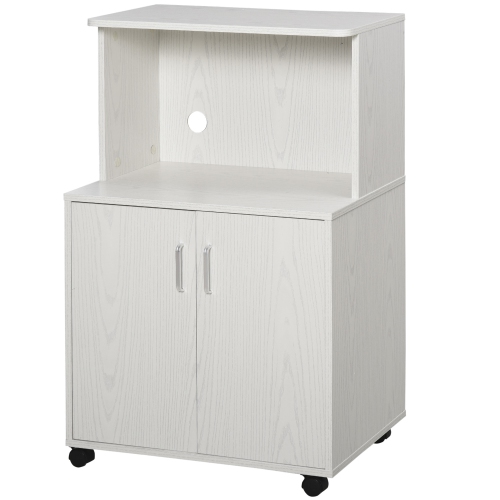
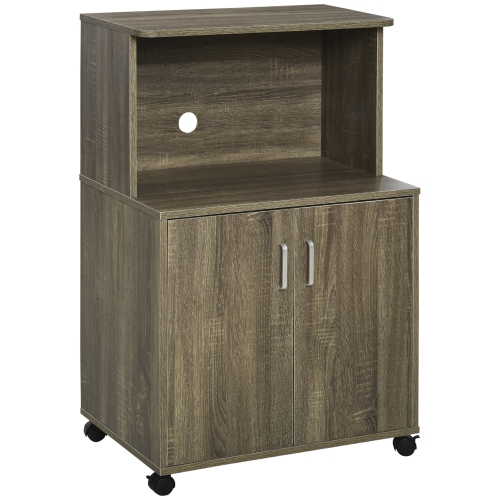

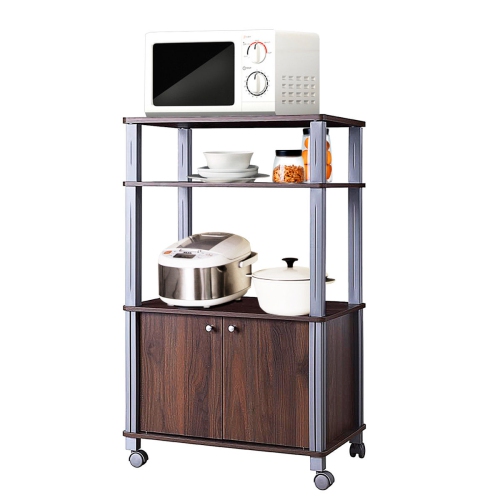
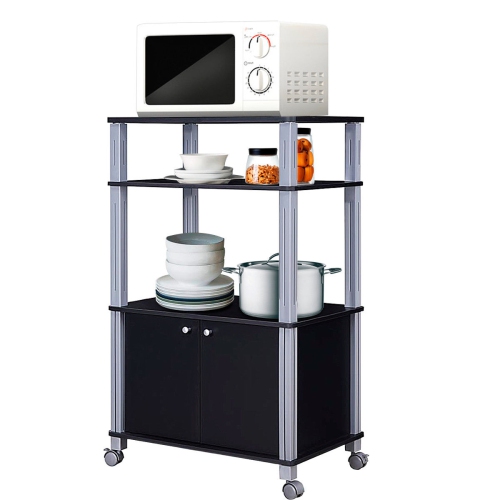
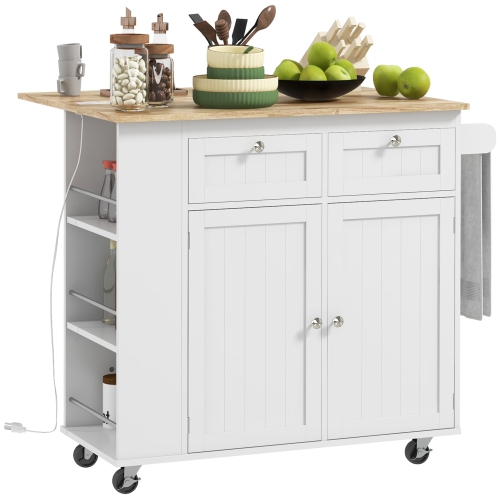
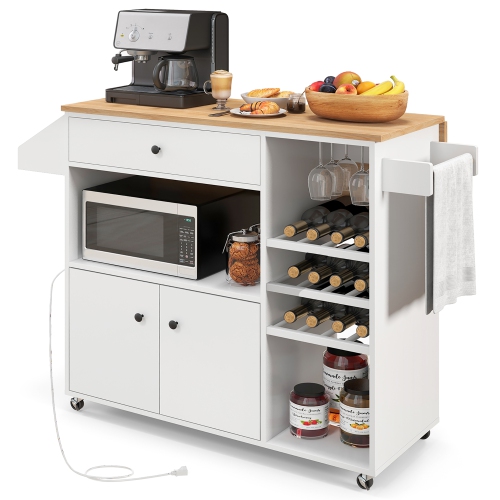
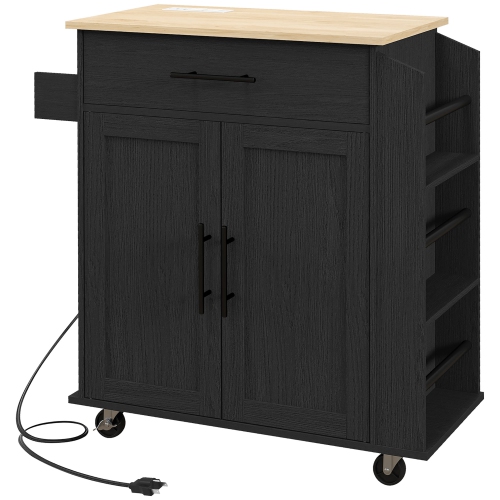
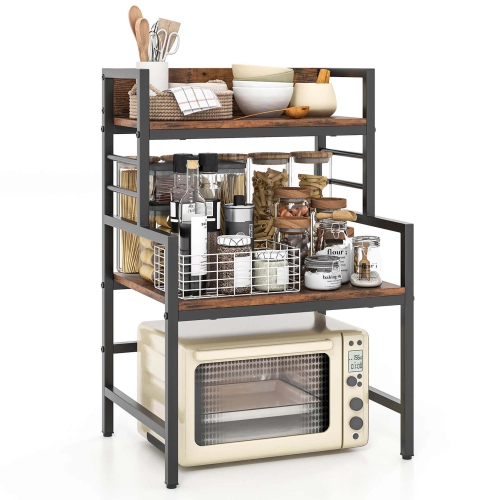
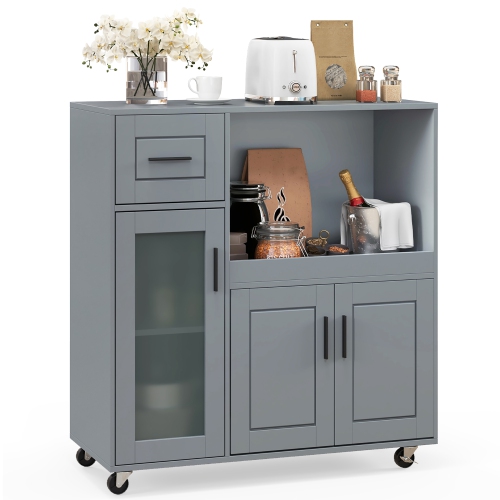
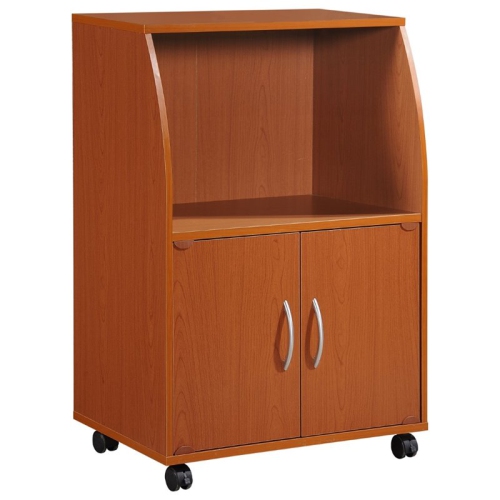

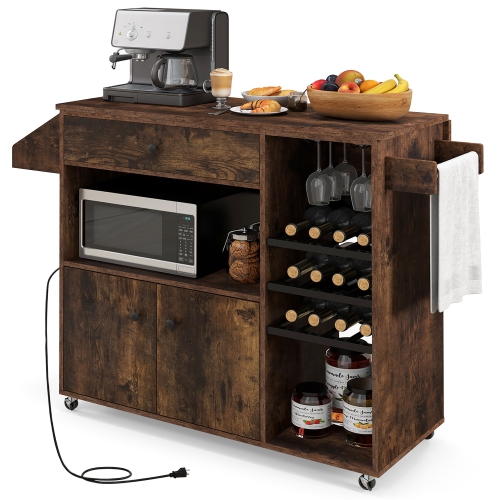
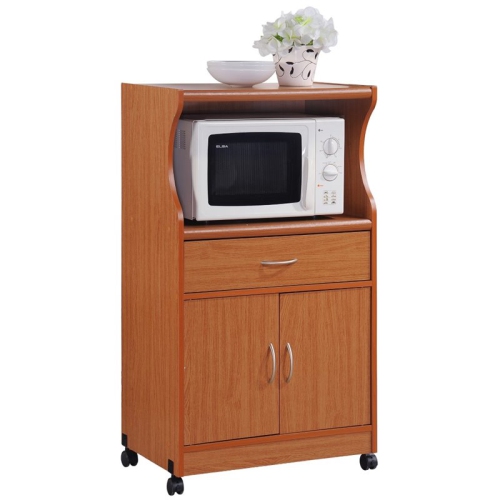

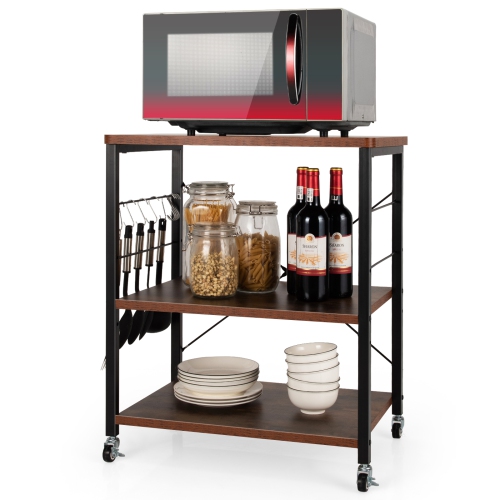
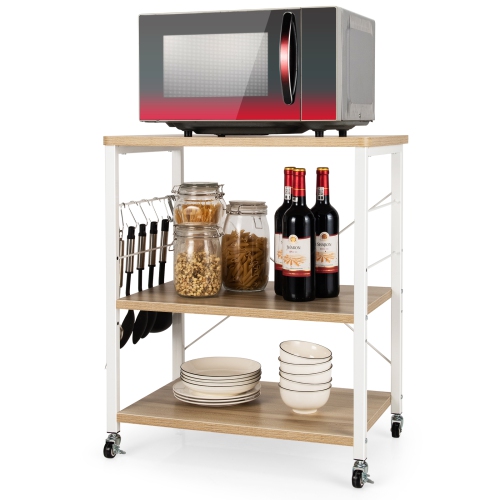
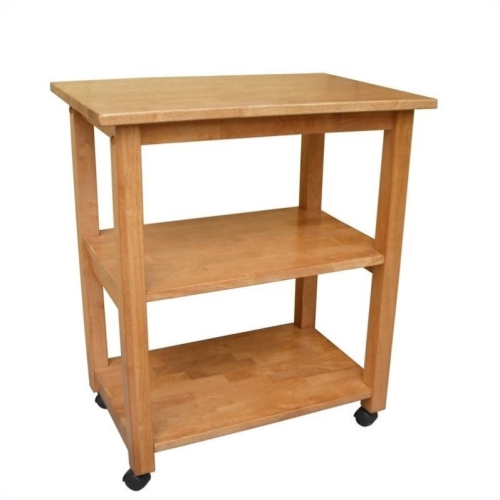
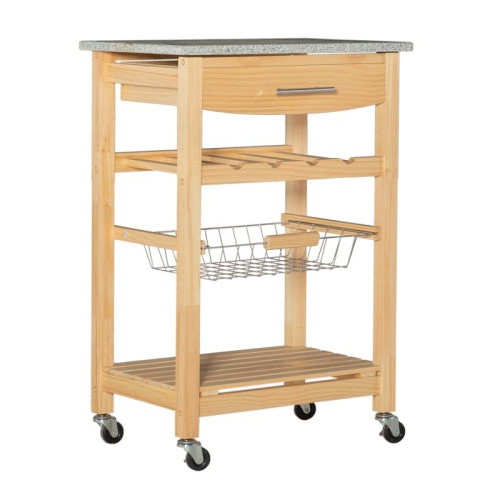

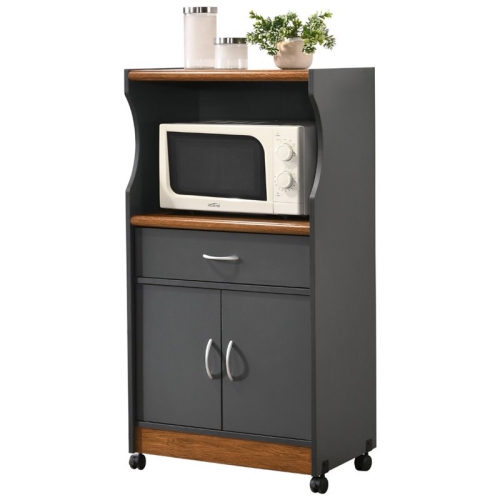
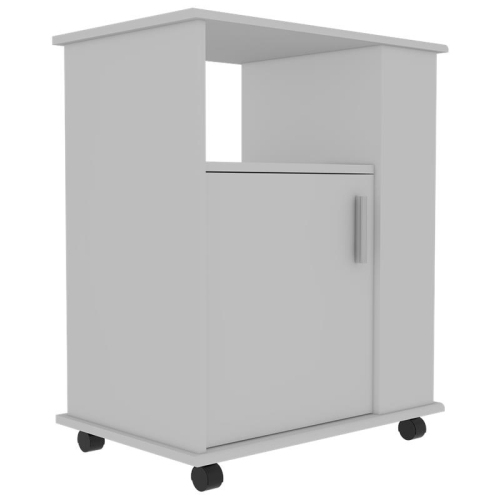
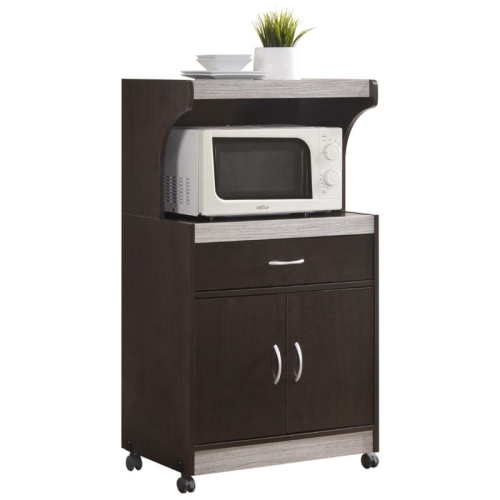

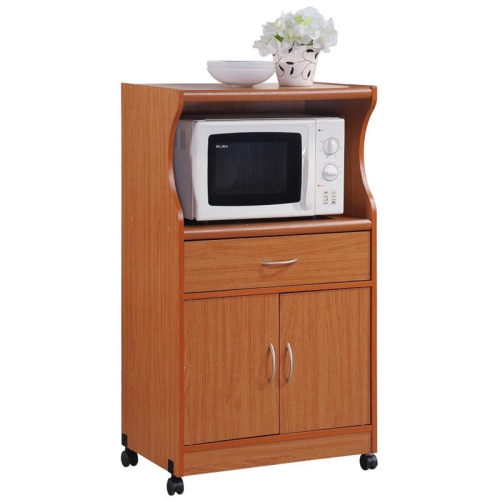
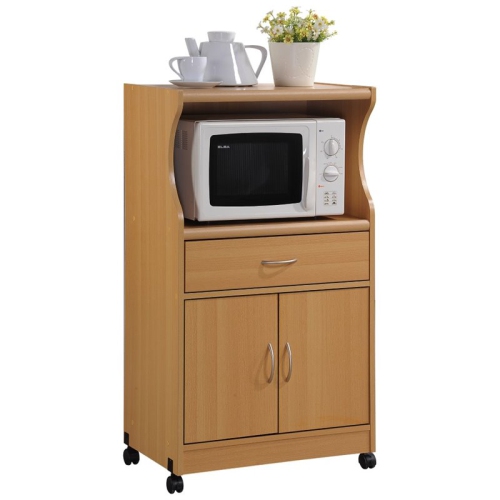
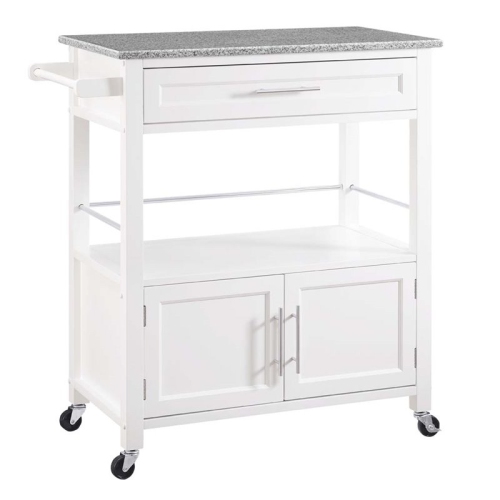
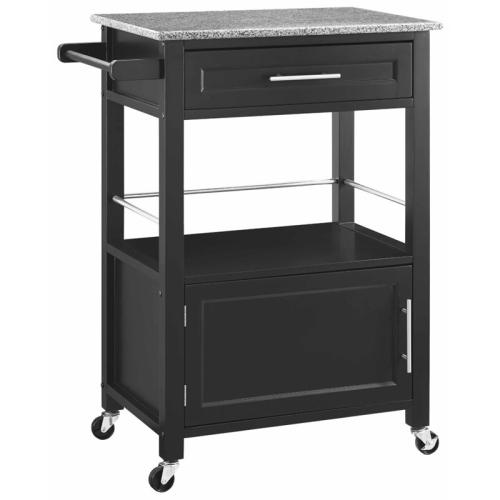

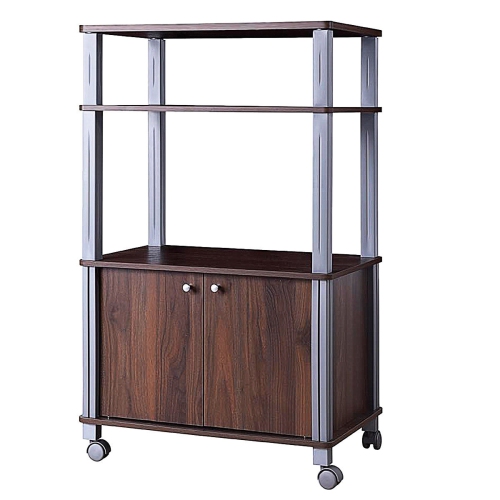
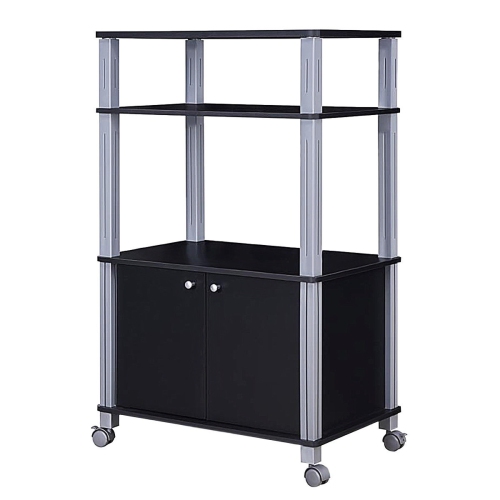

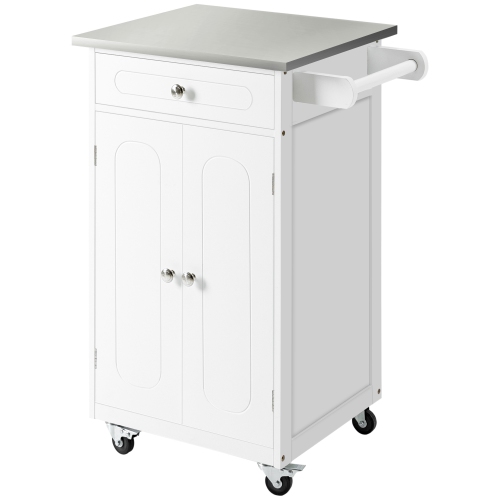
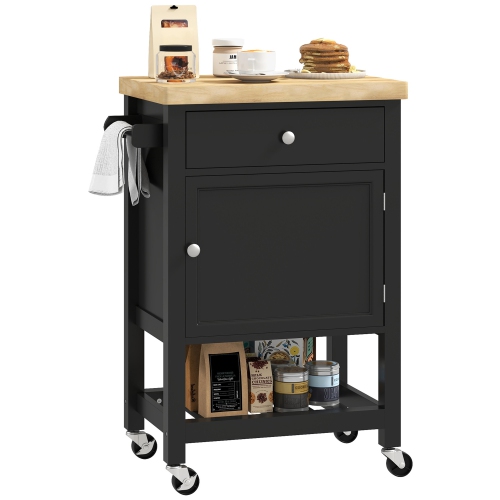

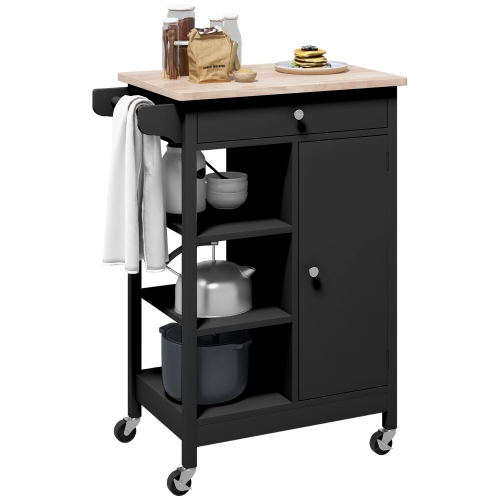
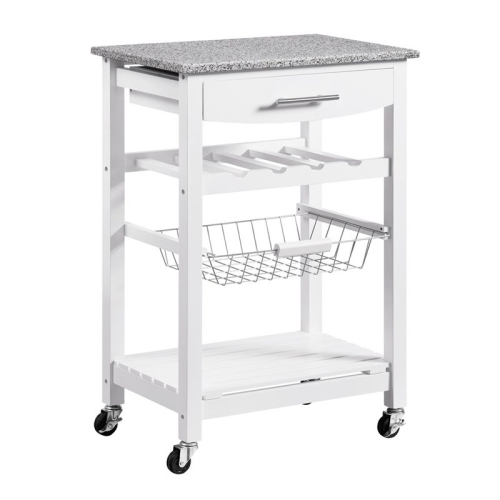
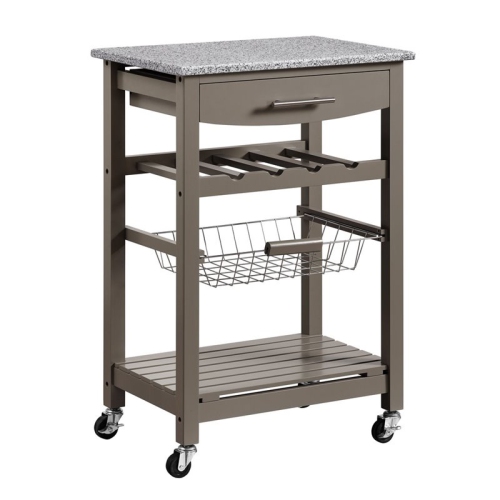
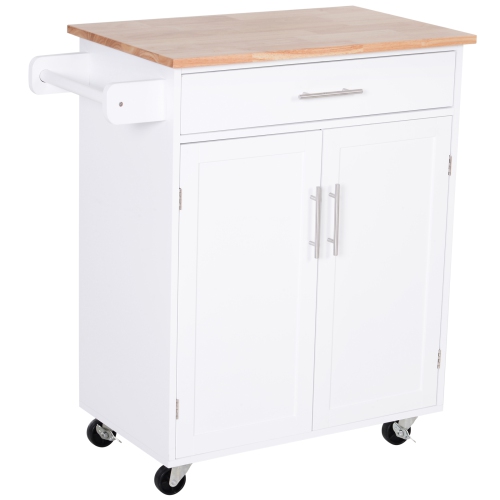
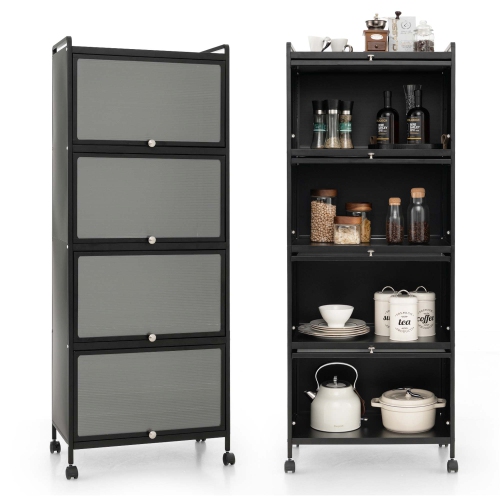
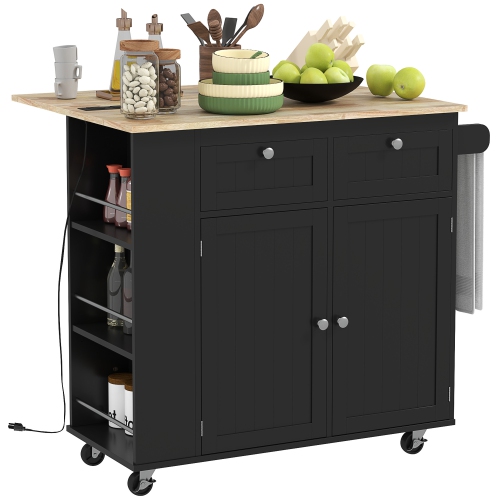
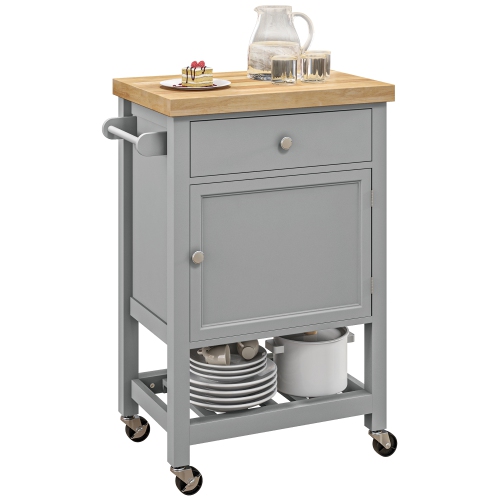
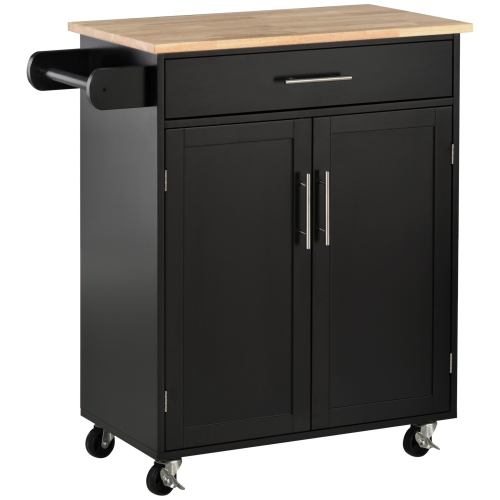
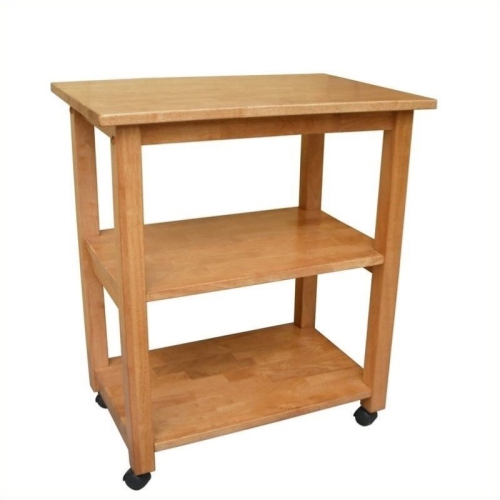
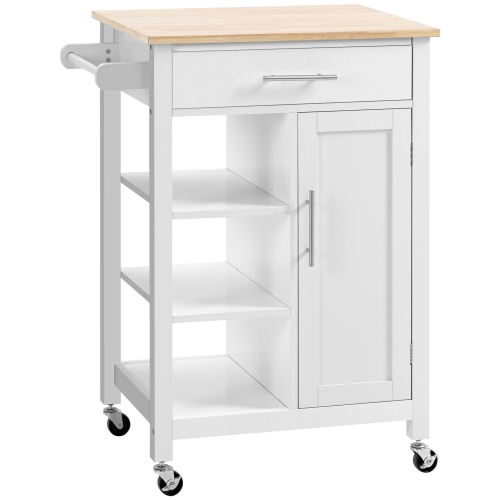
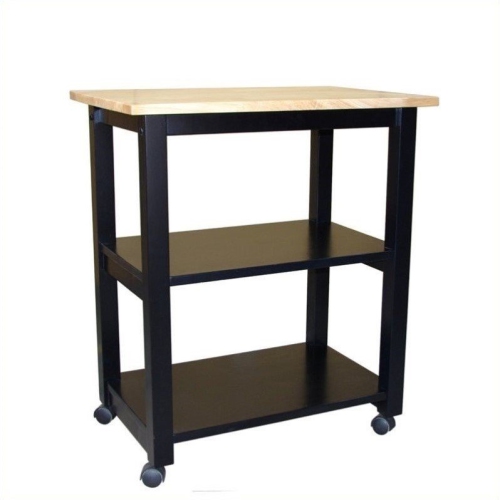
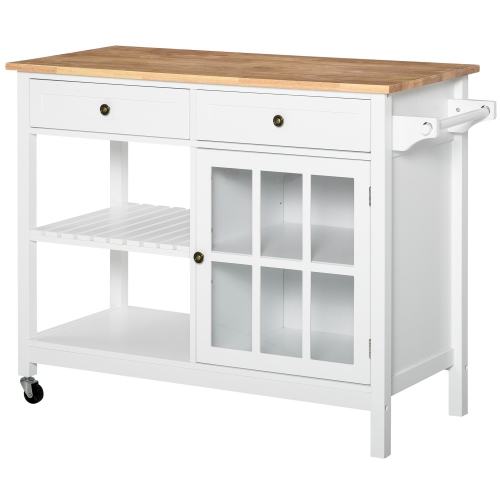
A dedicated microwave spot that frees up worktop space
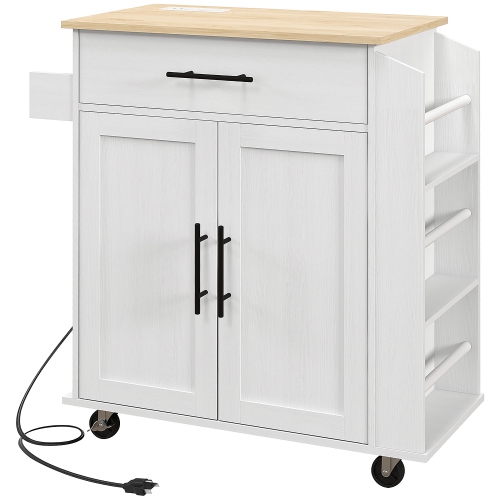
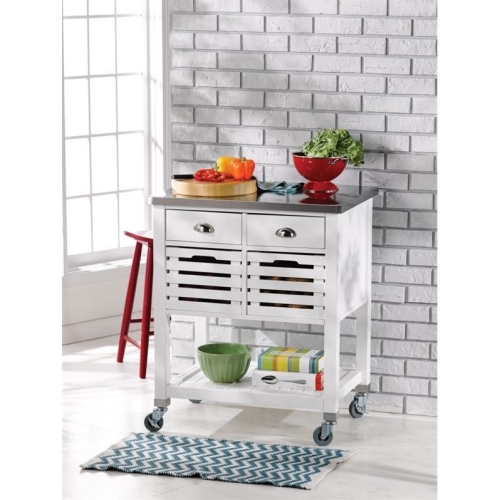
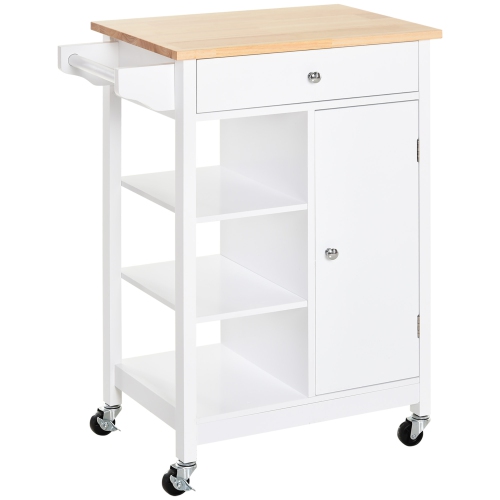
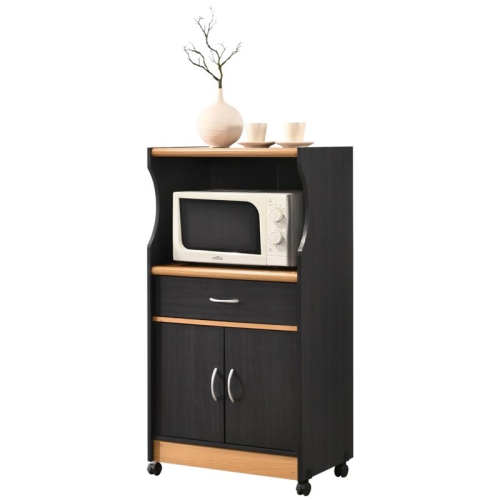
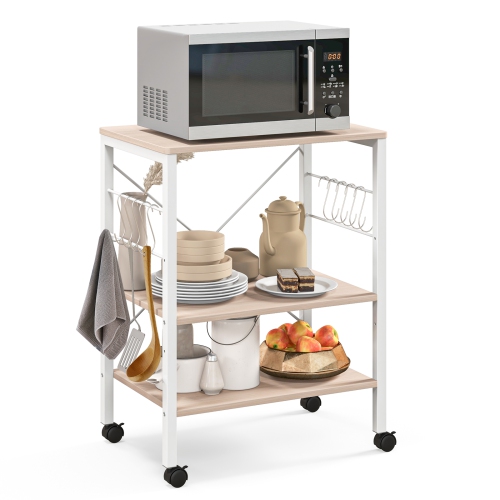
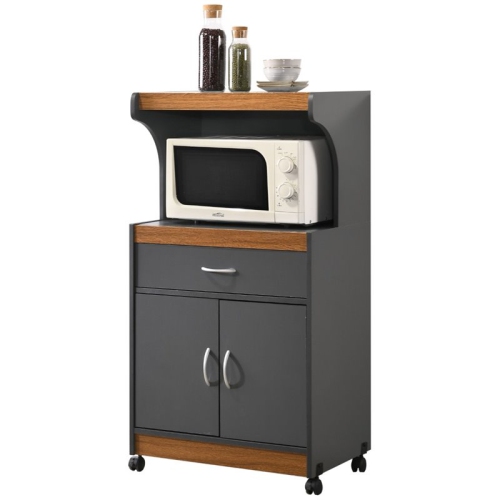
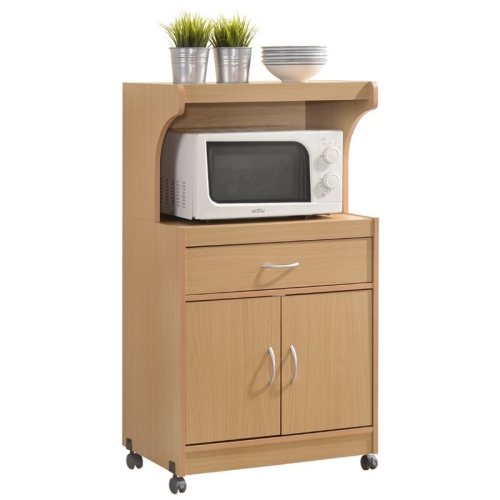
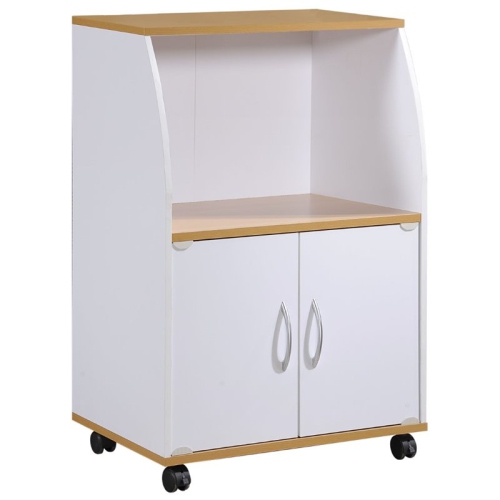
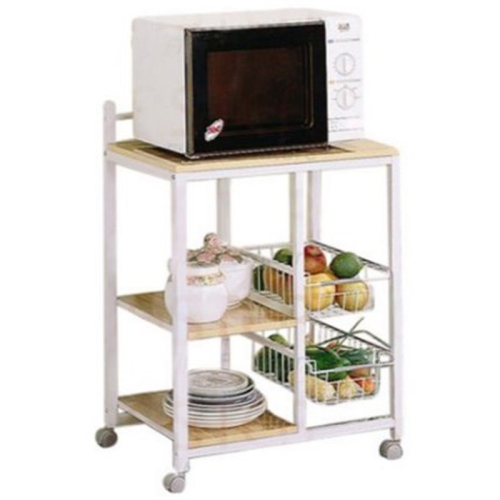
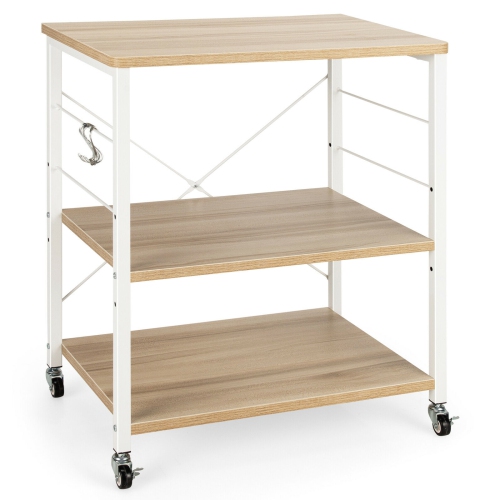
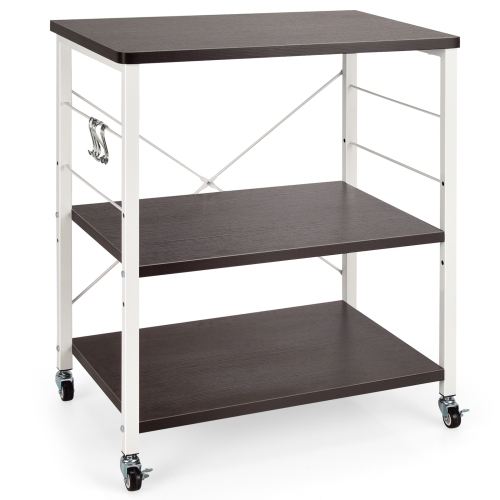
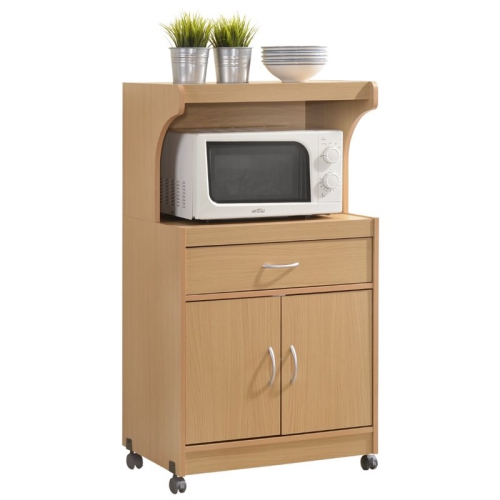
Microwave kitchen carts are freestanding storage units that give a countertop microwave a dedicated place while adding room for everyday kitchen essentials. They can help clear a crowded worktop, turn an unused stretch of wall into useful storage, or keep reheating and serving tasks together in a compact kitchen. Unlike a basic shelving unit, a cart designed to support a microwave typically combines an appliance surface with some arrangement of shelves, drawers, or cupboards below. Rolling designs add flexibility, while stationary stands suit layouts where the appliance will stay in one place. In an apartment, a narrow cart can separate the microwave from the main food preparation area, leaving more space for a chopping board and mixing bowl. In a larger kitchen, a wider unit can create a convenient spot for warming leftovers, setting down a plate, and storing serving dishes within easy reach. The most useful layout depends on how the household moves through the room: a microwave near the dining area may make sense for quick breakfasts, while one near the refrigerator can simplify lunch preparation. A cart should still leave comfortable clearance for passing through the kitchen, opening nearby cupboards, and pulling out chairs. Its height also matters, since lifting a hot bowl is easier when the microwave sits at a comfortable level and its contents are visible without stretching. A low shelf that requires deep bending or a high platform that puts hot food near face level may be less practical for frequent use. For households with limited floor space, Small Kitchen Carts offer a related option for organizing compact work areas, though any unit intended to hold a microwave needs suitable dimensions and load capacity. Whether used in a first apartment, a family kitchen, or a shared household, a microwave cart works best as part of the daily routine rather than simply as another piece of furniture.
Fit involves more than matching the microwave’s width to the cart’s top. The appliance’s depth, feet, door swing, and required ventilation clearances all affect whether it can sit safely and function properly. A surface that looks wide enough may still be too shallow to support every foot, particularly when a plug or cord needs space behind the appliance. The microwave manufacturer’s placement instructions take priority, including any restrictions on enclosed spaces; a countertop microwave should not be tucked into a cabinet opening unless that placement is expressly permitted. Open shelves can leave more room around an appliance, but they do not remove the need for the specified clearances. Weight ratings matter just as much. The shelf or worktop supporting the microwave needs to carry the appliance and its contents within the stated limit, while lower shelves and drawers may have separate capacities. Sturdy joints, a rigid frame, and a level base help limit movement when the door is opened or a dish is lifted out. On rolling microwave carts, locking castors help keep the unit in position during use, although they are not a substitute for sound construction or correct assembly. Wheels are useful for moving an unloaded cart to clean the floor underneath or adjusting a layout, but the microwave should be unplugged before the unit is moved, with hot dishes removed and movement handled according to the furniture instructions. Placement near a suitable wall outlet also helps keep cords away from walkways, sinks, and hot cooking surfaces. Cable openings can make the setup tidier, provided the cord is not pinched or stretched. Built-in outlets require particular attention: their presence does not automatically mean they are suitable for a microwave’s electrical load. The appliance’s connection requirements and the cart’s electrical rating should both support the intended use. These details are especially important in a busy kitchen where cupboard doors, appliance cords, and foot traffic share a small area.
Materials and storage details influence how a microwave kitchen cart looks, feels, and holds up to everyday use. Solid wood brings visible grain and a substantial furniture-like appearance, with care requirements that depend on its finish. Engineered wood with a laminated or coated surface can provide a smooth, easy-to-wipe exterior, though exposed edges and joints need protection from standing water. Metal frames offer a different look and can pair with wood or manufactured surfaces; the quality of the connections and protective finish matters more than appearance alone. Stainless steel surfaces suit a practical kitchen style, but fingerprints, water marks, and scratches may remain visible without regular care. Across materials, spills are best wiped up promptly with a soft cloth and a suitable cleaner, followed by drying where needed. Abrasive pads, excess moisture, and harsh cleaning products can damage finishes, while hot cookware should only rest on surfaces rated for that purpose or on appropriate heat protection. For storage, open shelves make frequently used dishes and microwave-safe containers easy to see, while cupboard doors keep mismatched containers and less attractive essentials out of sight. Drawers can organize cutlery, napkins, and small tools, helping prevent the appliance surface from becoming a catch-all. Adjustable shelves provide flexibility for taller bowls or stacks of plates, and a towel rail can keep a drying cloth close at hand without taking up drawer space. Heavier contents generally belong lower in the unit, within the stated weight limits, to help maintain a stable arrangement. A clear area beside the microwave is particularly useful when setting down a warm mug or transferring a covered dish to the table; extra surface space only serves that purpose if it stays uncluttered. Periodic checks of fasteners, castors, and door hinges can help keep the cart steady and working smoothly. For someone furnishing a new home, a microwave cart can also be a thoughtful practical gift when the kitchen measurements, appliance requirements, and preferred finish are already known. The right combination of fit, storage, and durable construction makes everyday meals easier to manage without overwhelming the room.
Fit involves more than matching the microwave’s width to the cart’s top. The appliance’s depth, feet, door swing, and required ventilation clearances all affect whether it can sit safely and function properly. A surface that looks wide enough may still be too shallow to support every foot, particularly when a plug or cord needs space behind the appliance. The microwave manufacturer’s placement instructions take priority, including any restrictions on enclosed spaces; a countertop microwave should not be tucked into a cabinet opening unless that placement is expressly permitted. Open shelves can leave more room around an appliance, but they do not remove the need for the specified clearances. Weight ratings matter just as much. The shelf or worktop supporting the microwave needs to carry the appliance and its contents within the stated limit, while lower shelves and drawers may have separate capacities. Sturdy joints, a rigid frame, and a level base help limit movement when the door is opened or a dish is lifted out. On rolling microwave carts, locking castors help keep the unit in position during use, although they are not a substitute for sound construction or correct assembly. Wheels are useful for moving an unloaded cart to clean the floor underneath or adjusting a layout, but the microwave should be unplugged before the unit is moved, with hot dishes removed and movement handled according to the furniture instructions. Placement near a suitable wall outlet also helps keep cords away from walkways, sinks, and hot cooking surfaces. Cable openings can make the setup tidier, provided the cord is not pinched or stretched. Built-in outlets require particular attention: their presence does not automatically mean they are suitable for a microwave’s electrical load. The appliance’s connection requirements and the cart’s electrical rating should both support the intended use. These details are especially important in a busy kitchen where cupboard doors, appliance cords, and foot traffic share a small area.
Materials and storage details influence how a microwave kitchen cart looks, feels, and holds up to everyday use. Solid wood brings visible grain and a substantial furniture-like appearance, with care requirements that depend on its finish. Engineered wood with a laminated or coated surface can provide a smooth, easy-to-wipe exterior, though exposed edges and joints need protection from standing water. Metal frames offer a different look and can pair with wood or manufactured surfaces; the quality of the connections and protective finish matters more than appearance alone. Stainless steel surfaces suit a practical kitchen style, but fingerprints, water marks, and scratches may remain visible without regular care. Across materials, spills are best wiped up promptly with a soft cloth and a suitable cleaner, followed by drying where needed. Abrasive pads, excess moisture, and harsh cleaning products can damage finishes, while hot cookware should only rest on surfaces rated for that purpose or on appropriate heat protection. For storage, open shelves make frequently used dishes and microwave-safe containers easy to see, while cupboard doors keep mismatched containers and less attractive essentials out of sight. Drawers can organize cutlery, napkins, and small tools, helping prevent the appliance surface from becoming a catch-all. Adjustable shelves provide flexibility for taller bowls or stacks of plates, and a towel rail can keep a drying cloth close at hand without taking up drawer space. Heavier contents generally belong lower in the unit, within the stated weight limits, to help maintain a stable arrangement. A clear area beside the microwave is particularly useful when setting down a warm mug or transferring a covered dish to the table; extra surface space only serves that purpose if it stays uncluttered. Periodic checks of fasteners, castors, and door hinges can help keep the cart steady and working smoothly. For someone furnishing a new home, a microwave cart can also be a thoughtful practical gift when the kitchen measurements, appliance requirements, and preferred finish are already known. The right combination of fit, storage, and durable construction makes everyday meals easier to manage without overwhelming the room.
Top selling and popular products
-
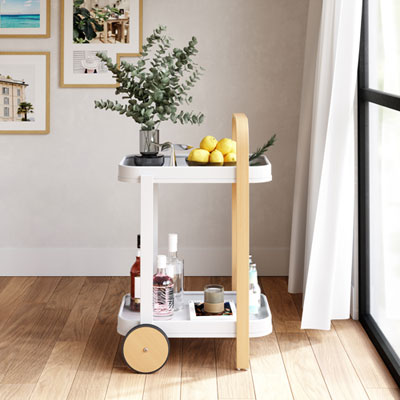 Your price for this item is $169.98
 -
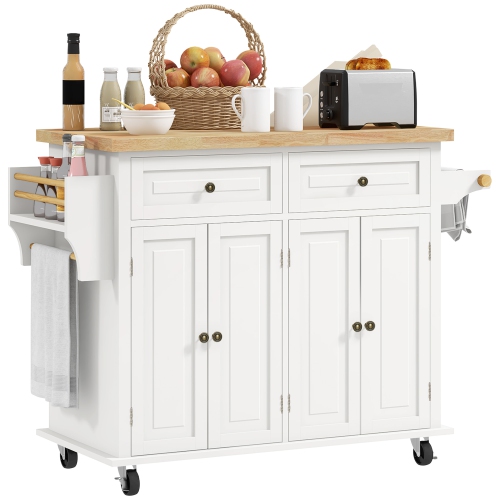 Your price for this item is $219.99
 -
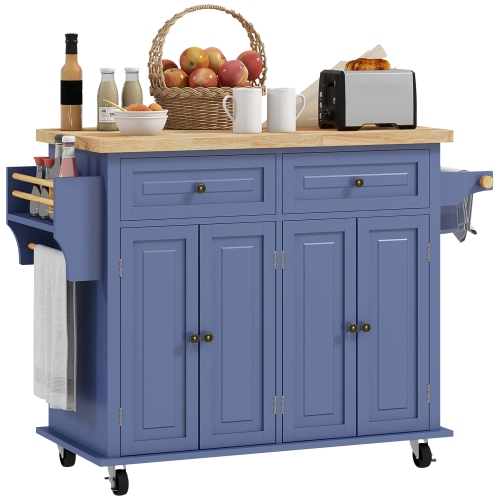 Your price for this item is $219.99
 -
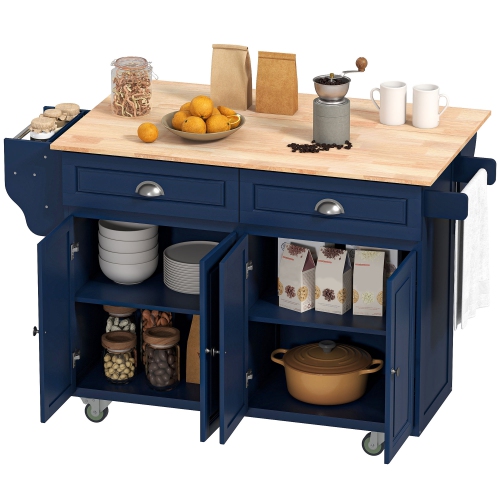 Your price for this item is $359.99
 -
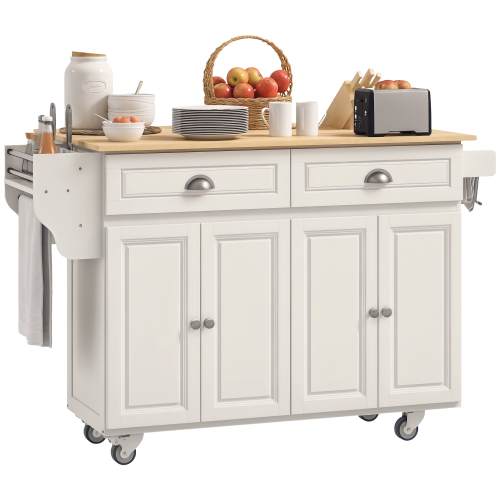 Your price for this item is $360.49
 -
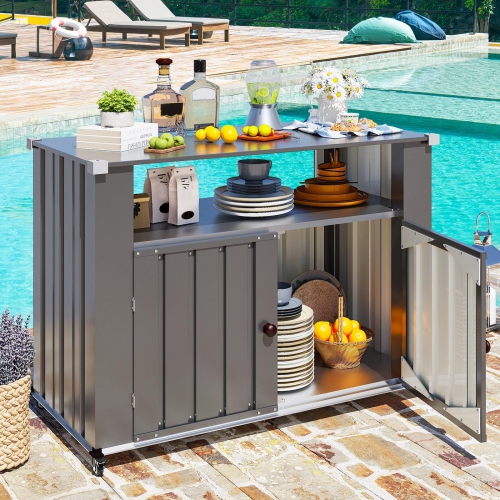 Your price for this item is $149.99
 -
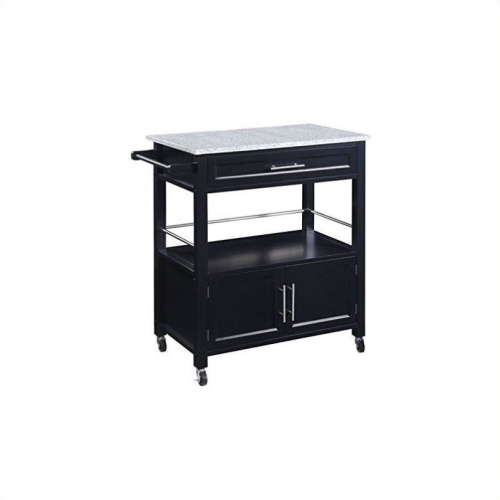 Your price for this item is $482.86
 -
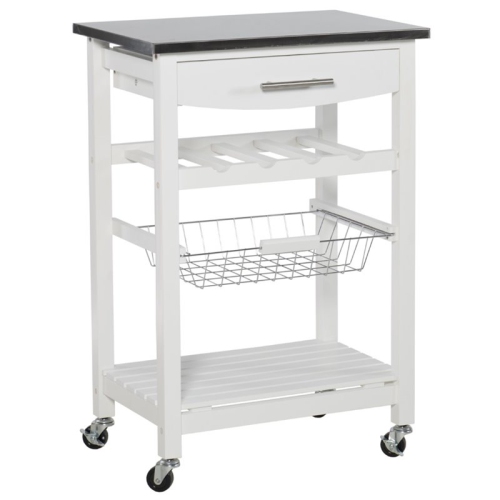 Your price for this item is $305.66
Discover more categories related to Microwave Kitchen Carts
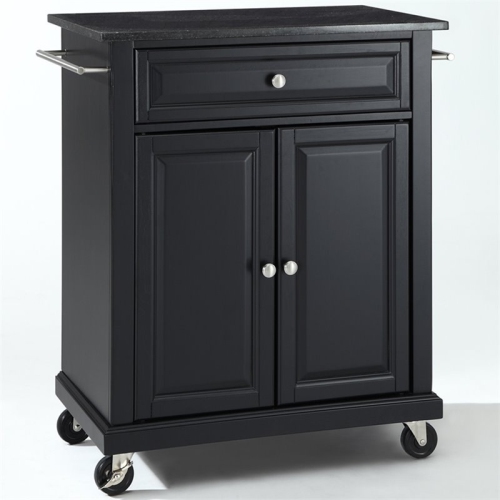
Top Collections:
Pokemon Centers, Kindle Devices, Best Budget Office Chairs, Apple iPhones 16, Best Laptops for Writers, iPhone 15 Apple, Canon G7X Cameras, Refurbished Apple Laptops, Alarm Clock, Motorola Razr Phones
Some products may be subject to Environmental Handling Fees
(EHF) depending on your province.
Learn more about EHFs.