Microwave Safe Containers
When it comes to storing and reheating leftovers, having the right containers can make a world of difference. This selection of microwave-safe containers offers convenience and peace of mind, allowing you to easily transition from fridge to microwave without almost any hassle. From meal prep to storing snacks, these containers are designed to withstand the heat and make your life in the kitchen a whole lot easier.
Sort
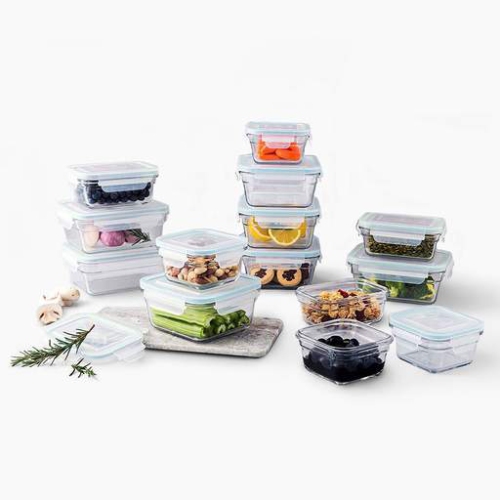
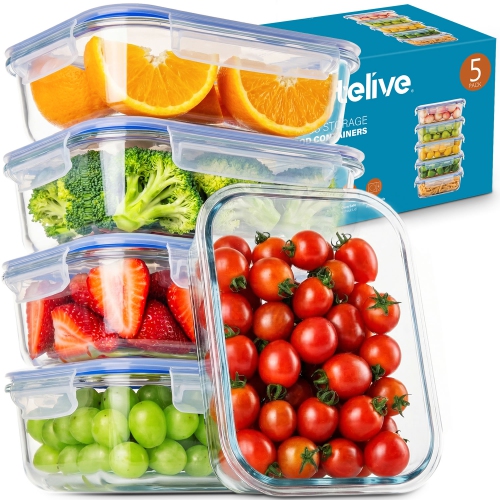
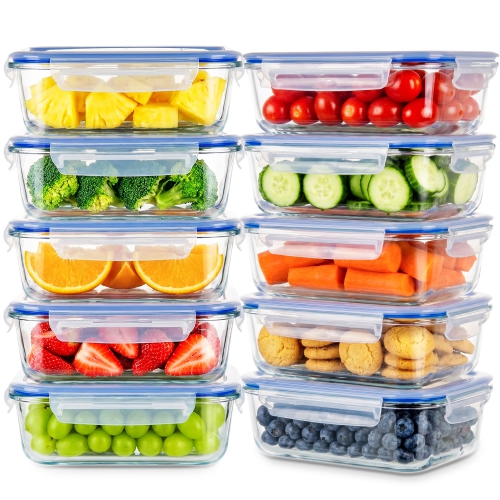
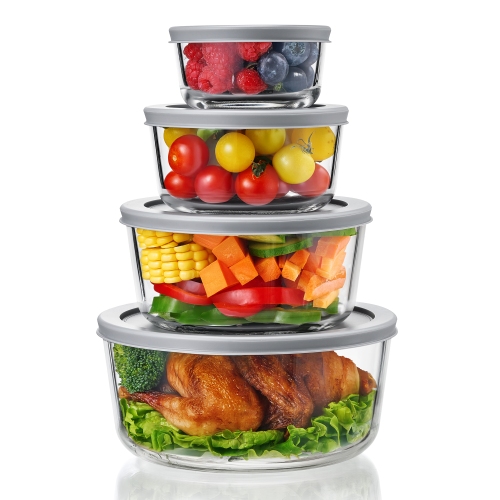
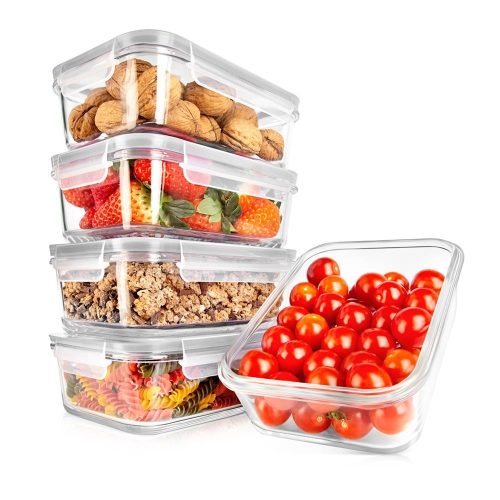
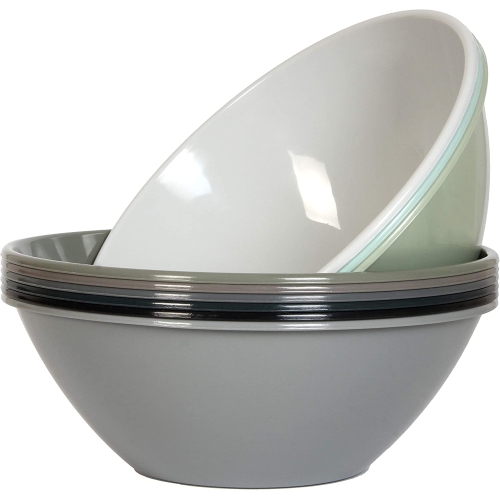
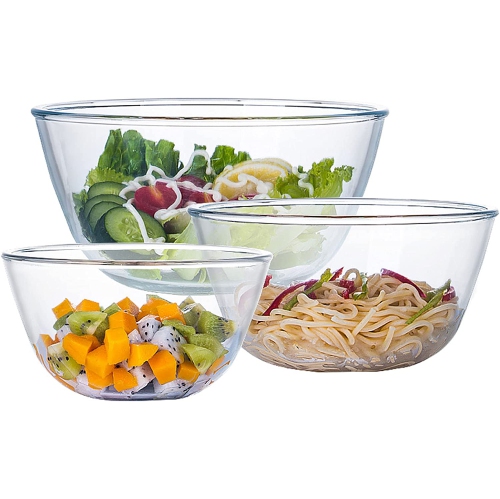
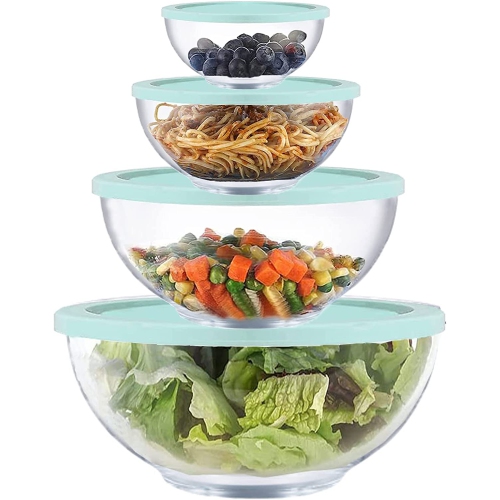
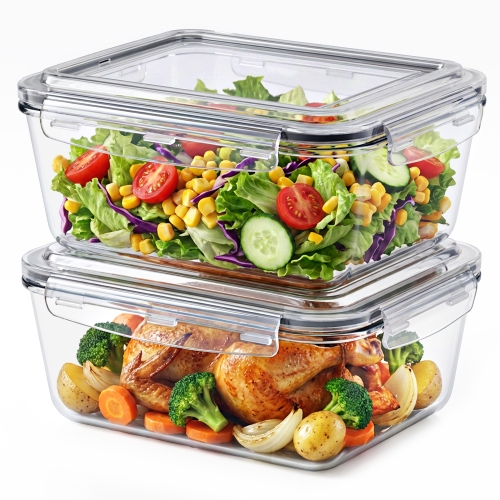
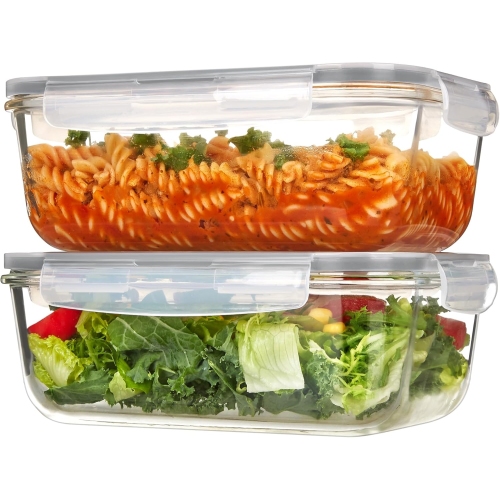
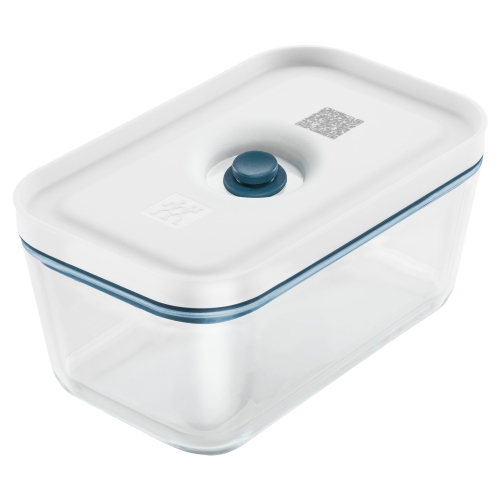
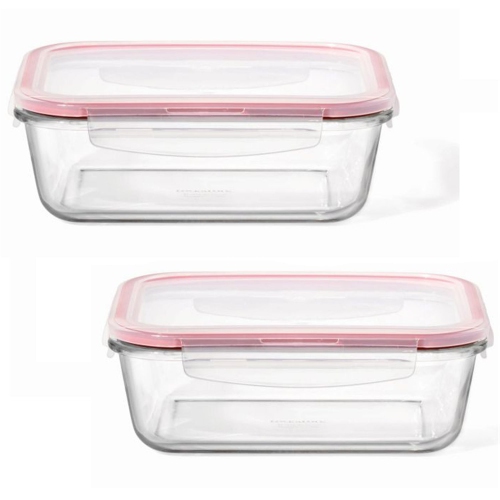
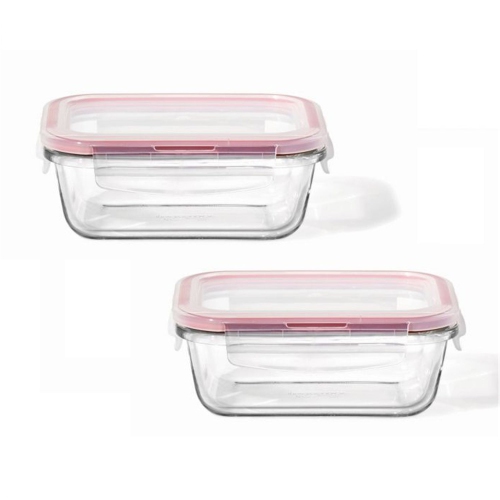
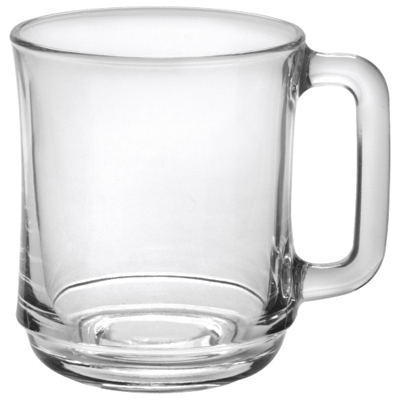
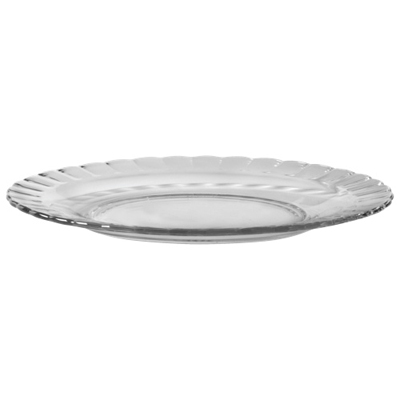
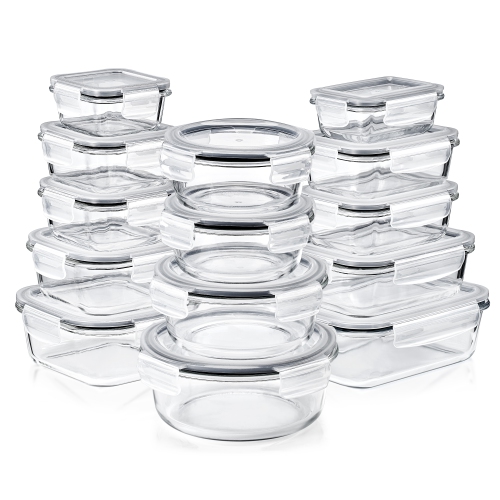
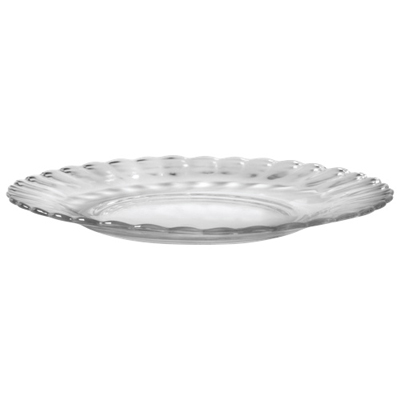
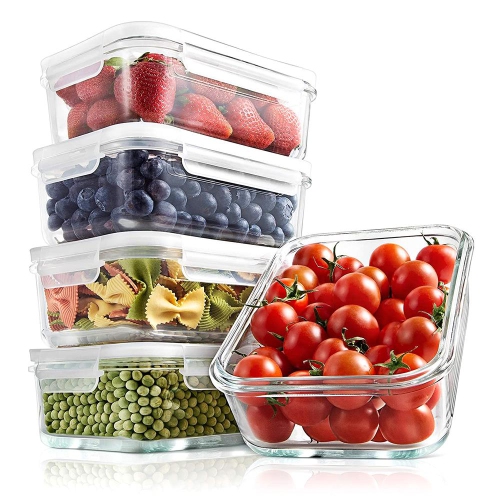
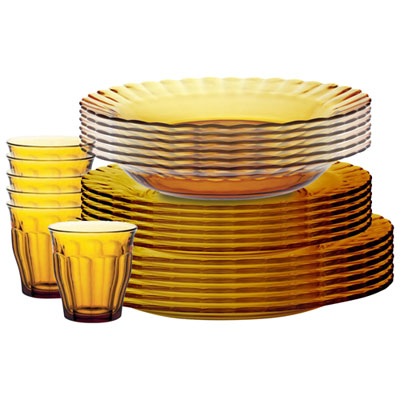
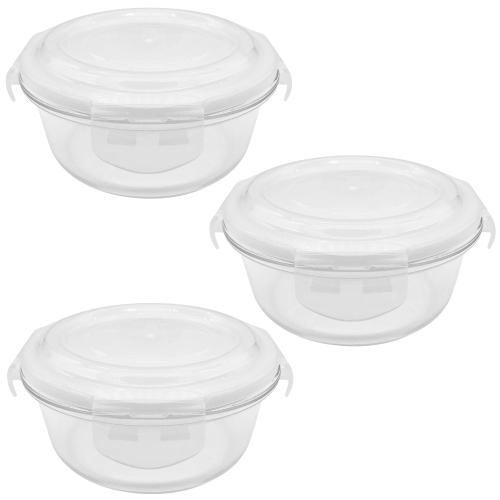
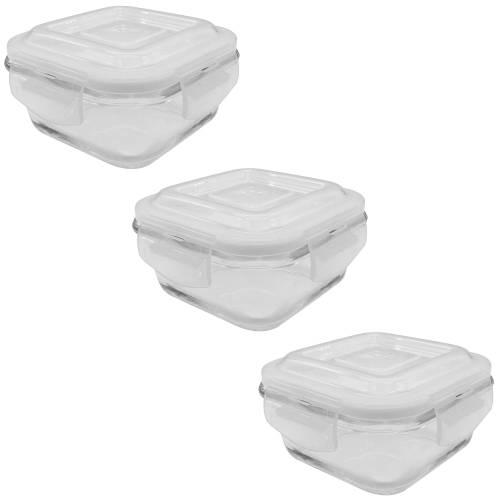
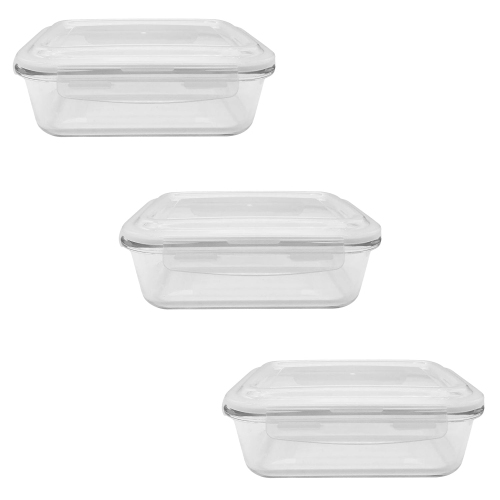
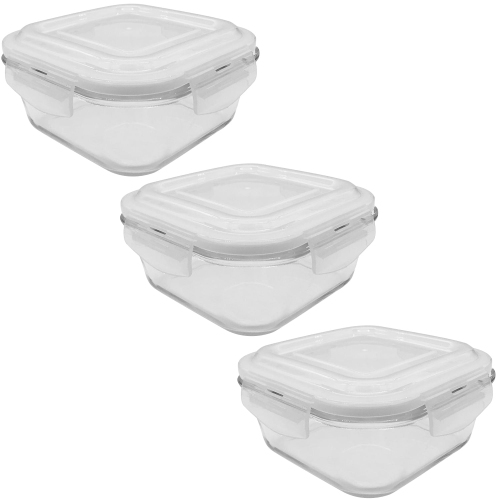
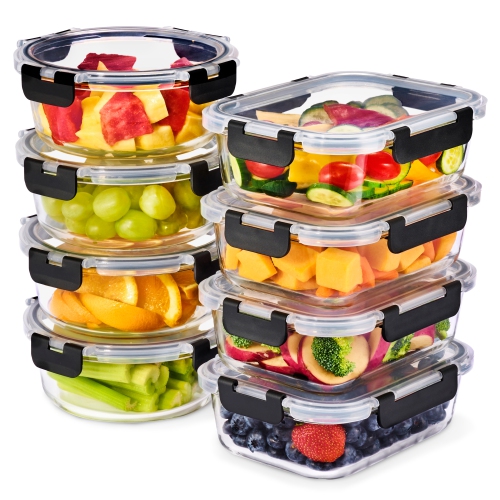
Thoughtful lids and materials simplify everyday reheating and storage
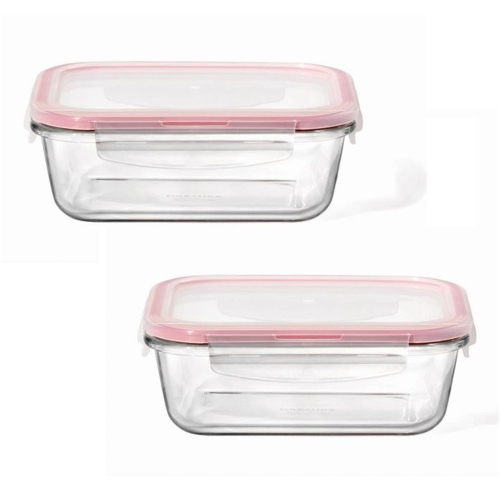
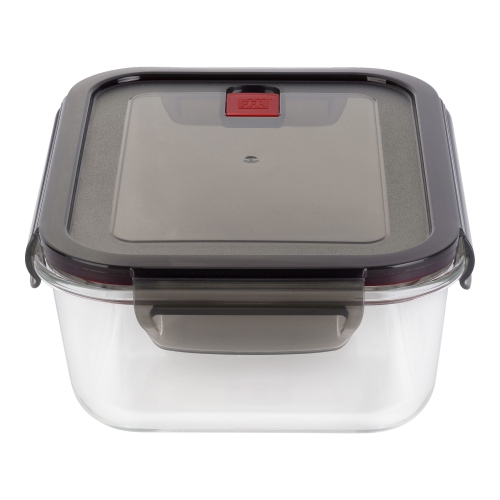
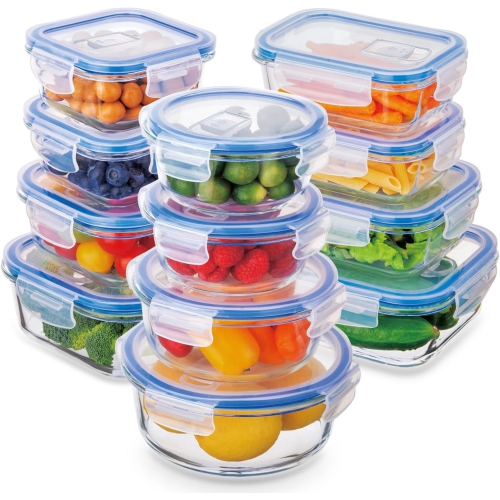
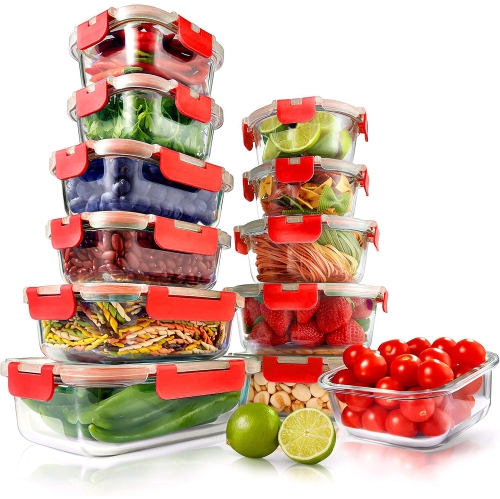
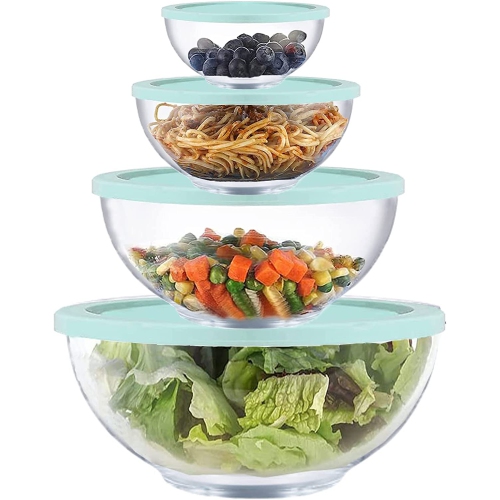
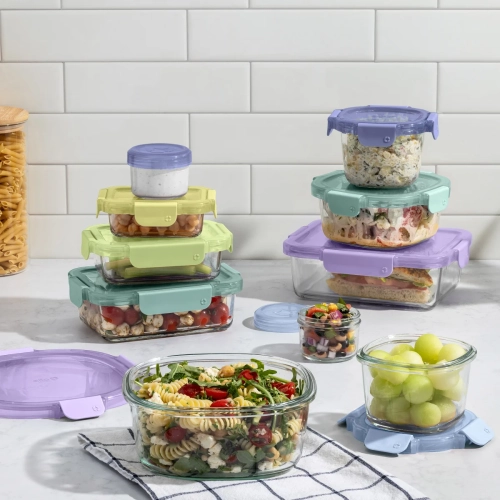
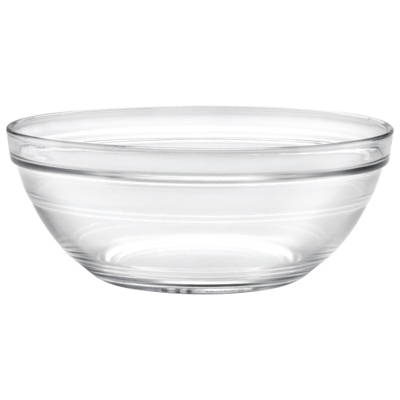
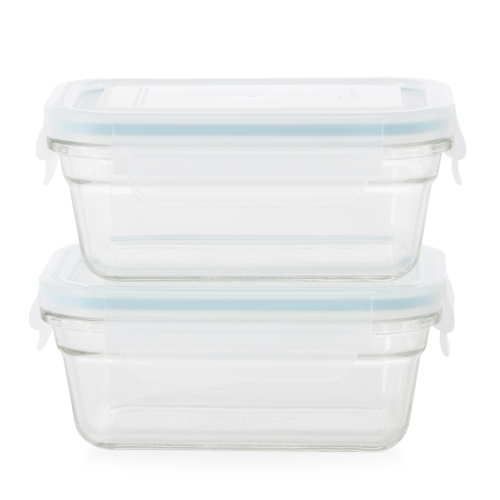
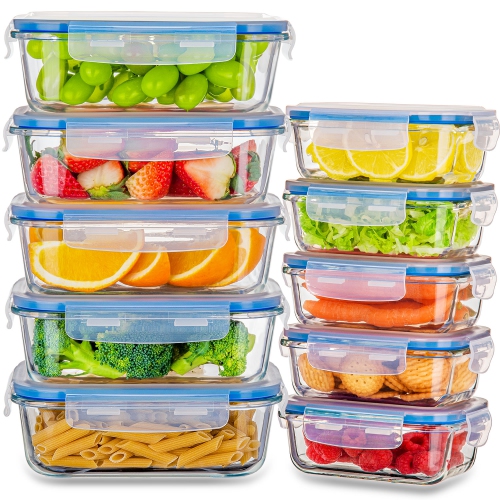
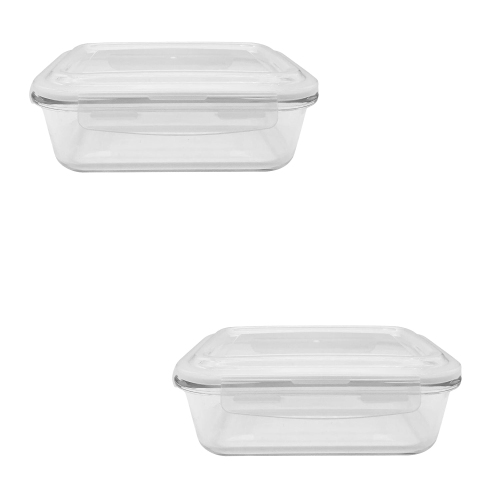
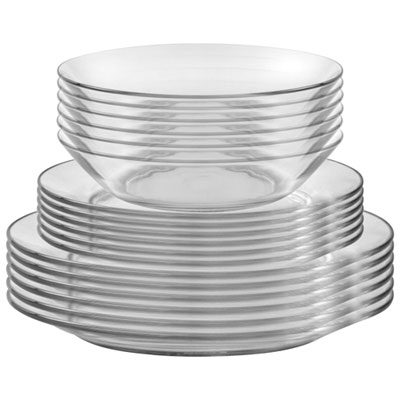
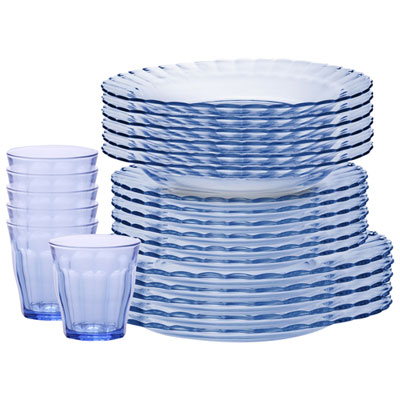
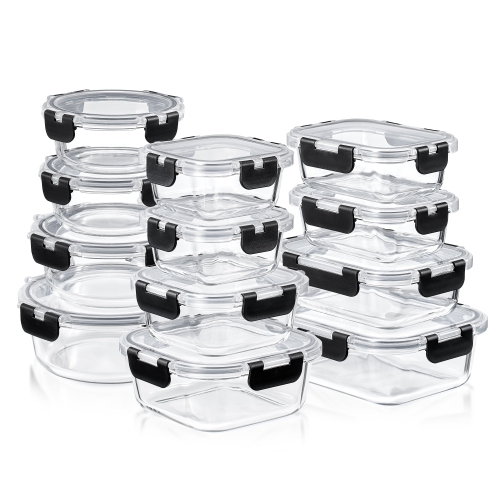
Microwave safe containers make everyday meals easier to store, heat, serve, and carry, whether you are organizing prepared lunches, saving leftovers after dinner, or warming a quick snack during the cooler months. They are designed for use in a microwave when handled according to the manufacturer’s instructions, with materials and construction that can withstand normal reheating without warping, cracking, or becoming excessively hot. Glass and ceramic are popular choices for reheating because they are sturdy, easy to clean, and generally distribute heat evenly, while microwave-safe polypropylene plastic can offer a lighter option for packed lunches and stackable food storage. The most important detail is the label: look for wording that clearly states the container is microwave-safe or for a microwave symbol with wavy lines. A container that is suitable for food storage is not automatically suitable for microwave use, so checking the base, lid, packaging, or care instructions can help you choose with confidence. It is also useful to consider the size and shape of each piece. Low, wide containers can help food warm more evenly, while deeper containers may be convenient for soups, stews, pasta, rice, and other saucy dishes. Sets with multiple sizes can be particularly practical in a busy household, giving you a small option for sauces and snacks, a medium option for individual portions, and a larger option for family leftovers. Clear walls make it easier to identify what is inside the refrigerator or freezer, and stackable shapes can help keep cupboards and shelves orderly. For a coordinated table setting, containers can be paired with Microwave Safe Plates for a simple way to move food from storage to serving.
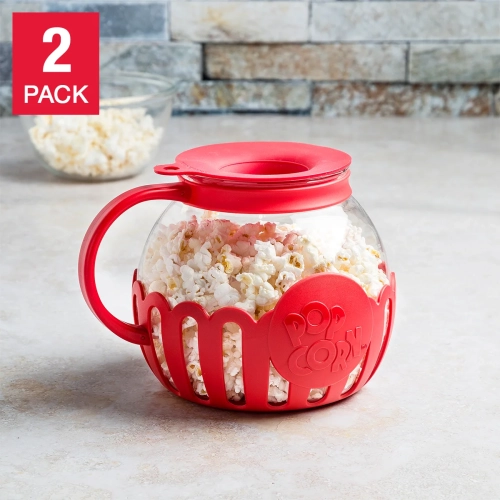
A well-designed lid is just as important as the container itself. When food heats, moisture turns to steam, and a tightly sealed lid can allow pressure to build inside. Before starting the microwave, loosen the lid or open its steam-release vent as directed, leaving a safe path for steam to escape. This helps reduce splattering and makes the container easier to open after heating. Even with a vented lid, use care when removing it, as hot steam can rise quickly and cause burns. For best results, arrange food evenly rather than placing a large, dense portion in one spot, and pause to stir or rotate the contents when appropriate. Heating times vary depending on the food, portion size, microwave power, and container material, so shorter intervals with a stir between rounds can help prevent cold centres and overheated edges. Glass and ceramic may become hot as food heats, even when the food itself appears ready, making handles, grips, or oven mitts useful additions. Microwave-safe plastic is often valued for its light weight and convenience, but it should still be used only within the temperature and care limits provided by the manufacturer. Avoid placing single-use takeout tubs, margarine containers, yoghurt cups, foam packaging, or other unmarked food containers in the microwave, as they may soften, deform, or fail when exposed to heat. Metal containers, metallic trim, and foil should also be kept out of the microwave unless the appliance instructions specifically permit a particular use. These materials can cause sparks and may damage the appliance or create a fire hazard. Containers that are cracked, badly scratched, cloudy, warped, or missing their markings are best removed from regular use, since damage can affect their performance and make cleaning more difficult. Dishwasher, freezer, and oven compatibility also varies, so reviewing the care symbols can help you select containers that suit the rest of your routine rather than relying on microwave compatibility alone.
Microwave safe containers can serve students, commuters, families, home cooks, and anyone who prefers practical food storage that moves easily from the refrigerator to the microwave. They are useful for portioning lunches before a workday, packing reheatable meals for school, dividing ingredients for meal preparation, or keeping extra servings ready for a late arrival home. A leak-resistant design can be helpful for soups, sauces, and gravies, while a secure lid and compact footprint are useful when containers need to travel in a lunch bag or fit neatly into a crowded refrigerator. If you often prepare food in advance, look for a set with consistent shapes and several capacities so portions can be organized without filling the cupboard with mismatched pieces. If you mostly reheat one serving at a time, a few medium containers with easy-to-handle lids may be more convenient than a large collection. Families may appreciate durable, stackable pieces that simplify weekday meal planning, while someone setting up a first apartment may benefit from a versatile assortment for leftovers, lunches, and pantry organization. These containers can also make a thoughtful housewarming, wedding, student, or new-home gift because they support simple routines without requiring specialized cooking skills. For shared meals, consider pieces that allow food to be stored separately and heated in manageable portions, helping everyone serve themselves when ready. During the cooler months, having labelled containers filled with soup, chilli, casseroles, or reheatable leftovers can make a warm meal feel close at hand after a busy day. Choose based on the foods you prepare most often, the amount of storage space available, and whether lightweight portability or sturdy reheating performance matters more to you. With the right material, capacity, lid design, and care instructions, microwave safe containers can become dependable kitchen essentials for preparing, preserving, reheating, and serving food from one meal to the next.
A well-designed lid is just as important as the container itself. When food heats, moisture turns to steam, and a tightly sealed lid can allow pressure to build inside. Before starting the microwave, loosen the lid or open its steam-release vent as directed, leaving a safe path for steam to escape. This helps reduce splattering and makes the container easier to open after heating. Even with a vented lid, use care when removing it, as hot steam can rise quickly and cause burns. For best results, arrange food evenly rather than placing a large, dense portion in one spot, and pause to stir or rotate the contents when appropriate. Heating times vary depending on the food, portion size, microwave power, and container material, so shorter intervals with a stir between rounds can help prevent cold centres and overheated edges. Glass and ceramic may become hot as food heats, even when the food itself appears ready, making handles, grips, or oven mitts useful additions. Microwave-safe plastic is often valued for its light weight and convenience, but it should still be used only within the temperature and care limits provided by the manufacturer. Avoid placing single-use takeout tubs, margarine containers, yoghurt cups, foam packaging, or other unmarked food containers in the microwave, as they may soften, deform, or fail when exposed to heat. Metal containers, metallic trim, and foil should also be kept out of the microwave unless the appliance instructions specifically permit a particular use. These materials can cause sparks and may damage the appliance or create a fire hazard. Containers that are cracked, badly scratched, cloudy, warped, or missing their markings are best removed from regular use, since damage can affect their performance and make cleaning more difficult. Dishwasher, freezer, and oven compatibility also varies, so reviewing the care symbols can help you select containers that suit the rest of your routine rather than relying on microwave compatibility alone.
Microwave safe containers can serve students, commuters, families, home cooks, and anyone who prefers practical food storage that moves easily from the refrigerator to the microwave. They are useful for portioning lunches before a workday, packing reheatable meals for school, dividing ingredients for meal preparation, or keeping extra servings ready for a late arrival home. A leak-resistant design can be helpful for soups, sauces, and gravies, while a secure lid and compact footprint are useful when containers need to travel in a lunch bag or fit neatly into a crowded refrigerator. If you often prepare food in advance, look for a set with consistent shapes and several capacities so portions can be organized without filling the cupboard with mismatched pieces. If you mostly reheat one serving at a time, a few medium containers with easy-to-handle lids may be more convenient than a large collection. Families may appreciate durable, stackable pieces that simplify weekday meal planning, while someone setting up a first apartment may benefit from a versatile assortment for leftovers, lunches, and pantry organization. These containers can also make a thoughtful housewarming, wedding, student, or new-home gift because they support simple routines without requiring specialized cooking skills. For shared meals, consider pieces that allow food to be stored separately and heated in manageable portions, helping everyone serve themselves when ready. During the cooler months, having labelled containers filled with soup, chilli, casseroles, or reheatable leftovers can make a warm meal feel close at hand after a busy day. Choose based on the foods you prepare most often, the amount of storage space available, and whether lightweight portability or sturdy reheating performance matters more to you. With the right material, capacity, lid design, and care instructions, microwave safe containers can become dependable kitchen essentials for preparing, preserving, reheating, and serving food from one meal to the next.
Top selling and popular products
-
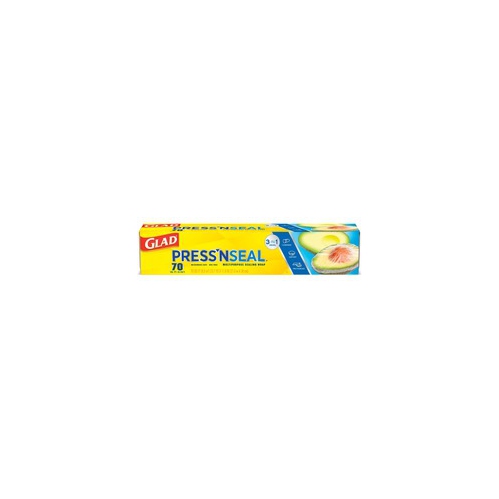 Your price for this item is $5.99
 -
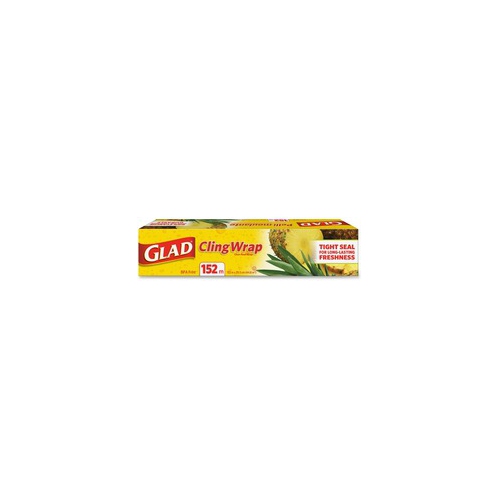 Your price for this item is $9.99
 -
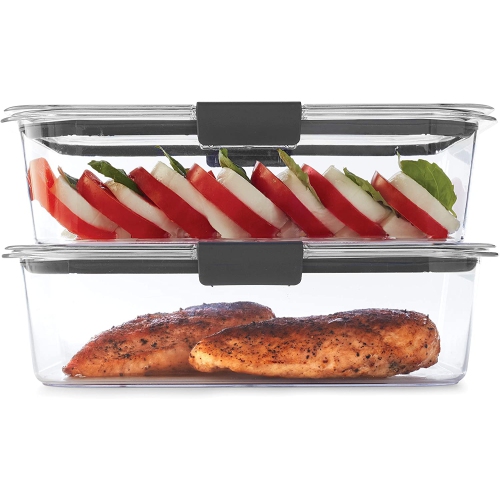 Your price for this item is $108.25
 -
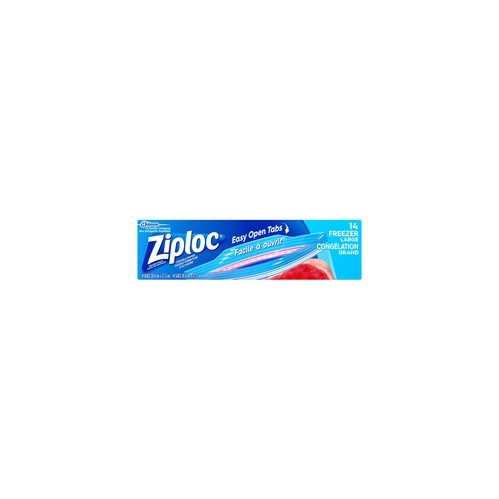 Your price for this item is $7.99
 -
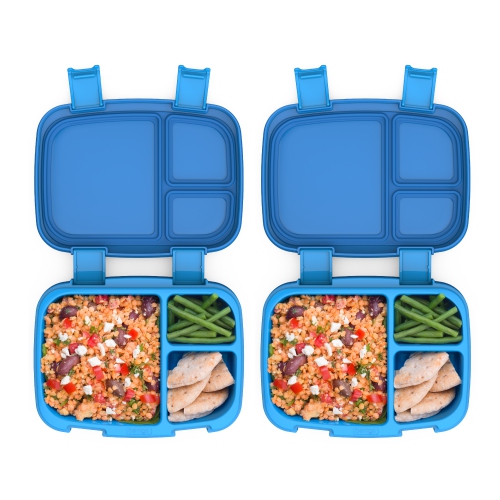 Your price for this item is $44.99
 -
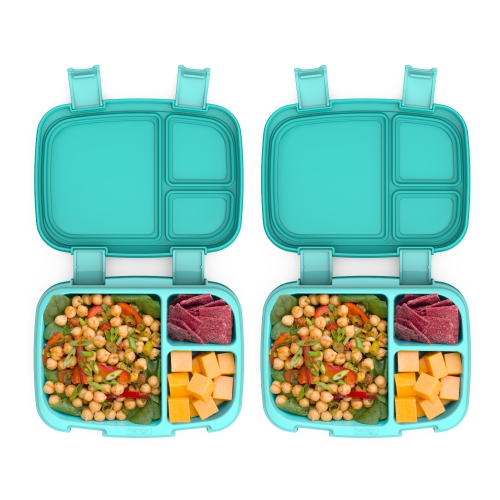 Your price for this item is $44.99
 -
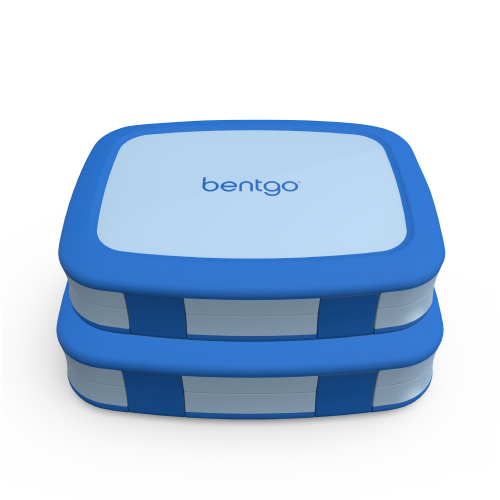 Your price for this item is $59.99
 -
 Your price for this item is $59.99
Discover more categories related to Microwave Safe Containers
Top Collections:
Pokemon Centers, Kindle Devices, Best Budget Office Chairs, Apple iPhones 16, Best Laptops for Writers, iPhone 15 Apple, Canon G7X Cameras, Refurbished Apple Laptops, Alarm Clock, Motorola Razr Phones
Some products may be subject to Environmental Handling Fees
(EHF) depending on your province.
Learn more about EHFs.