Microwave-Safe Glass Storage Containers
Microwave-safe glass storage containers offer a reliable solution for keeping your food fresh and organized at home or on the go. With their versatile design, these containers make it easy to store leftovers, prep meals in advance, and conveniently reheat dishes when needed. Perfect for busy lifestyles, microwave-safe glass storage containers help streamline kitchen routines while maintaining the quality of your favourite foods. Explore a wide selection to find the ideal sizes and styles to suit your needs.
Sort
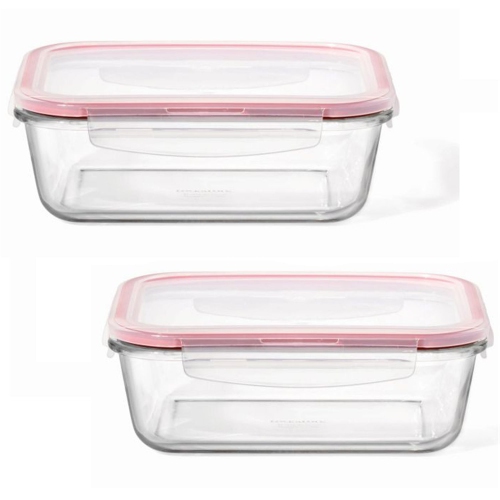
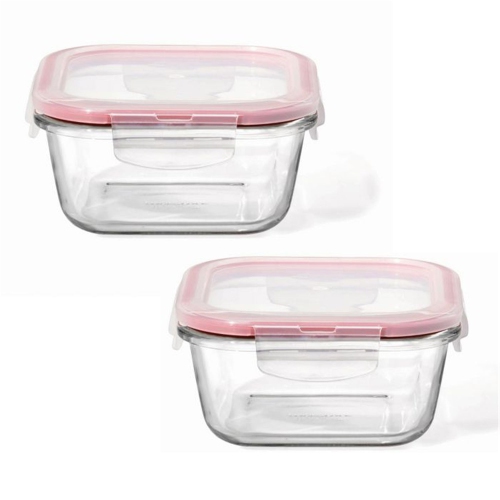
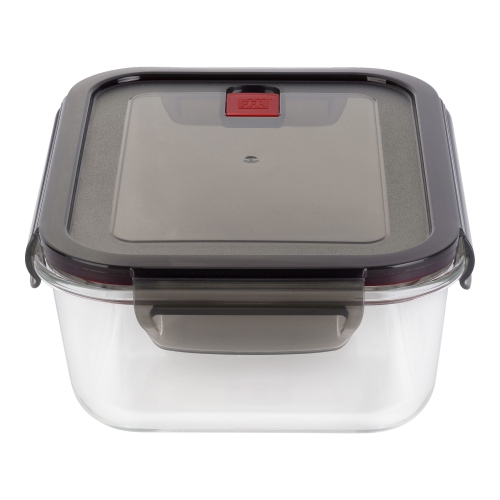
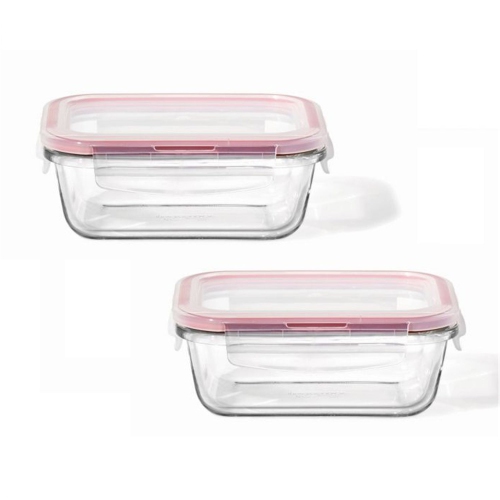
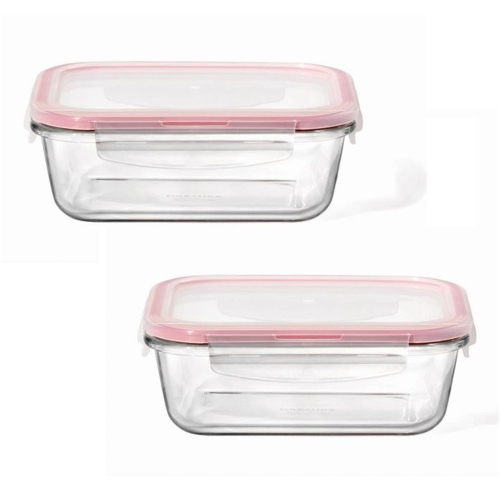
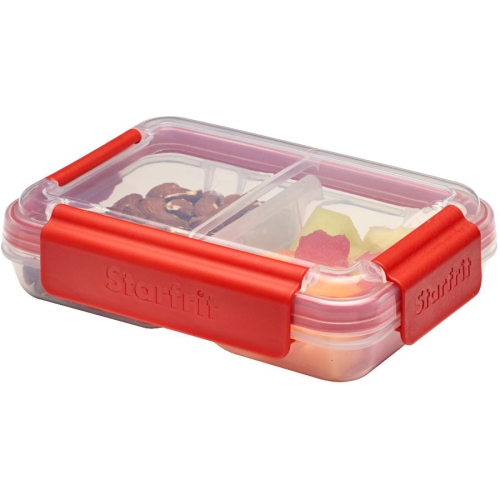
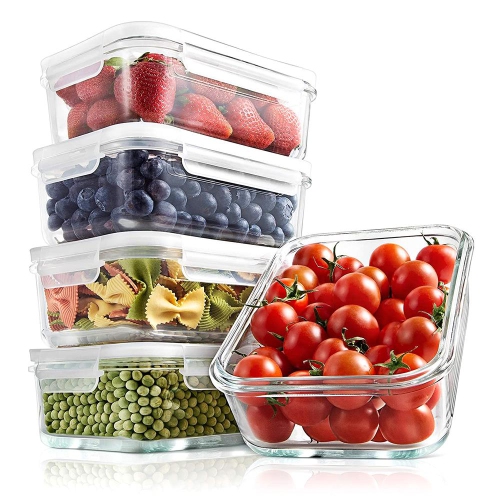
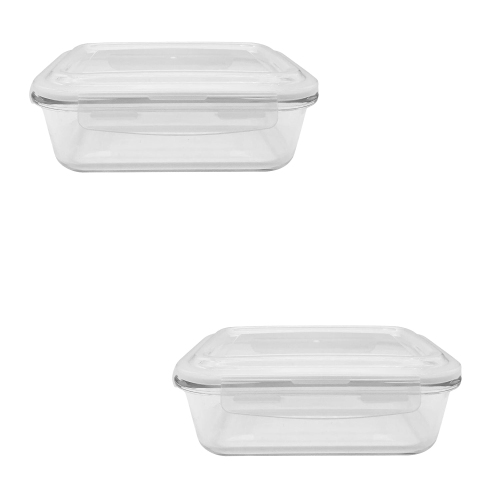
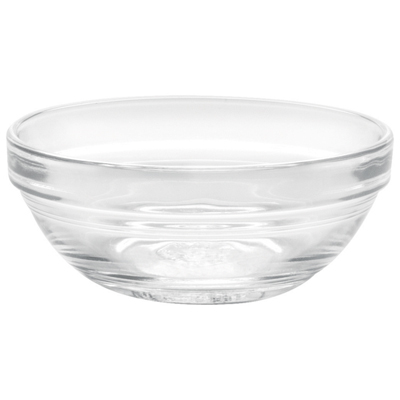
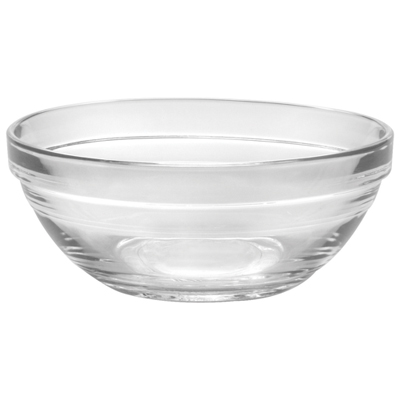
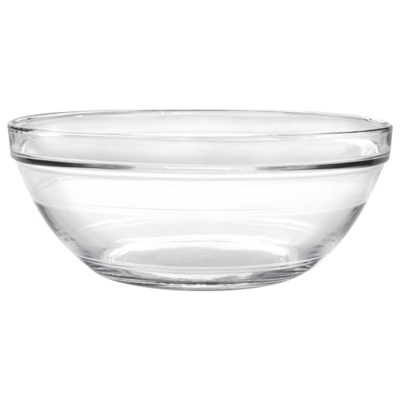
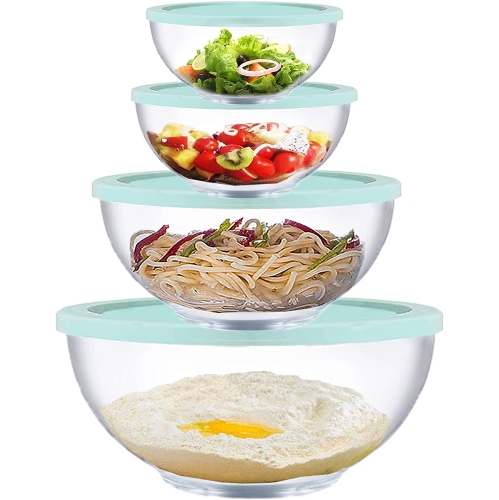
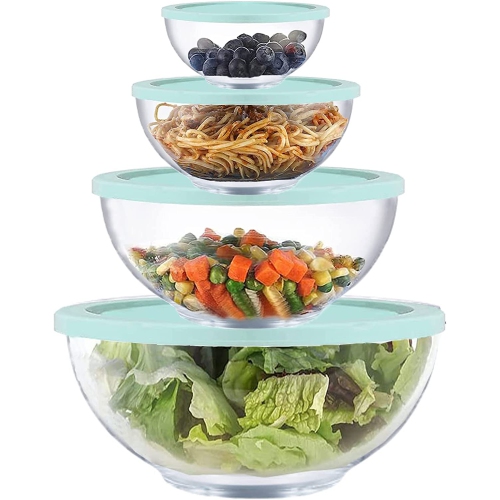
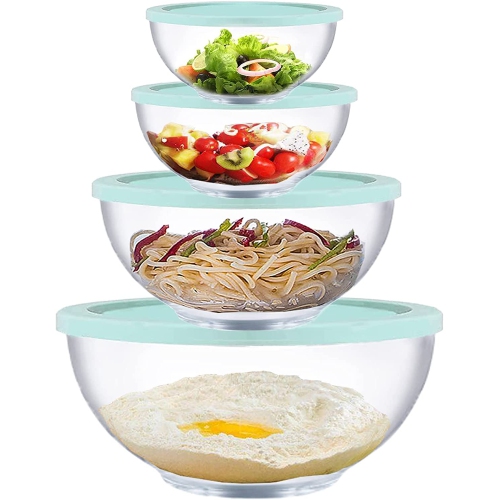
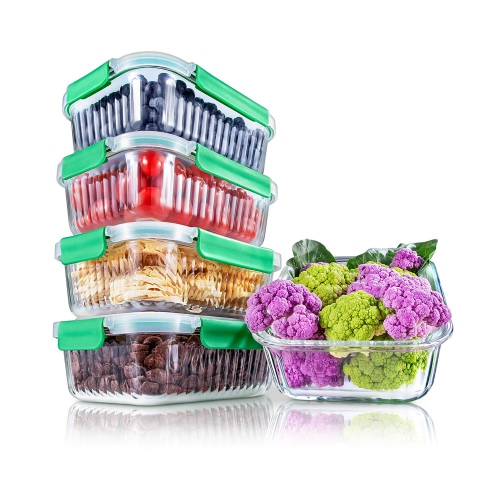
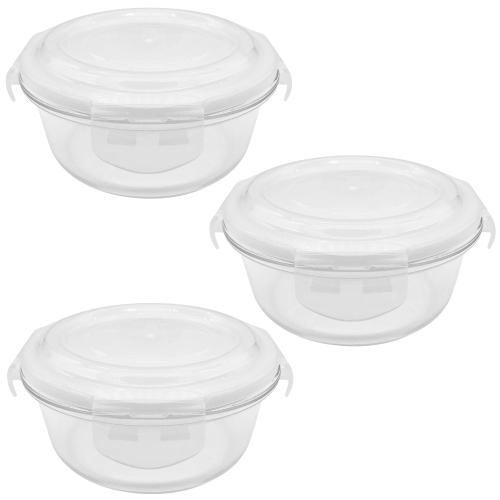
Safer reheating and simpler storage for everyday meals
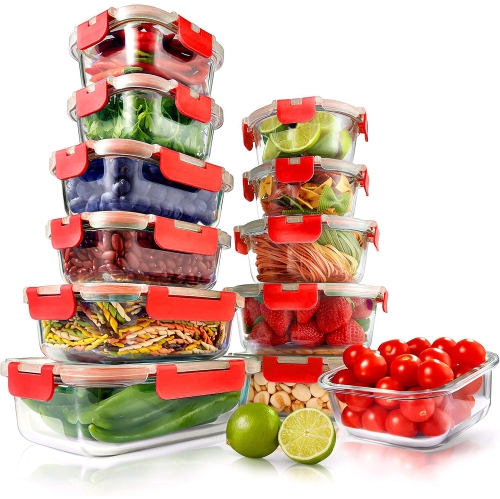
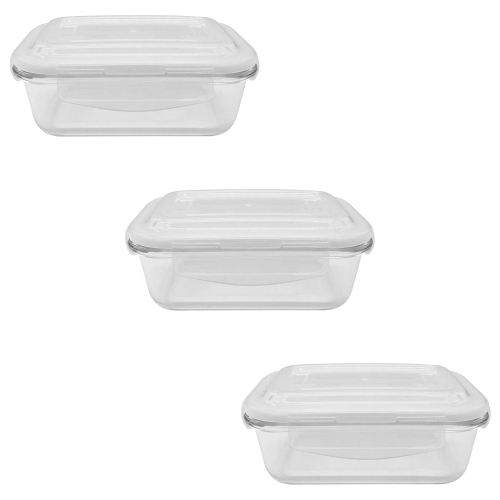
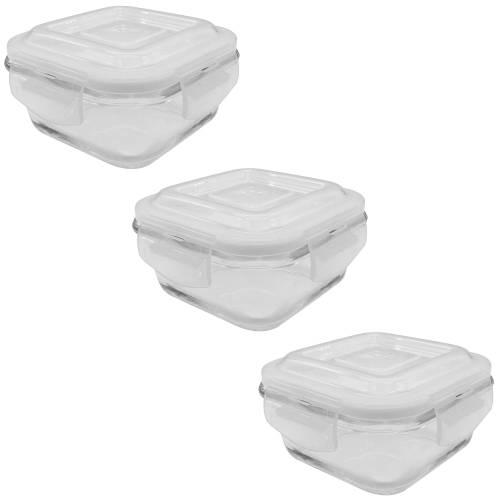
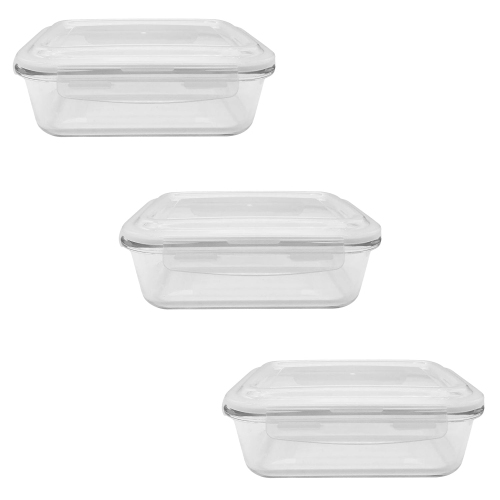
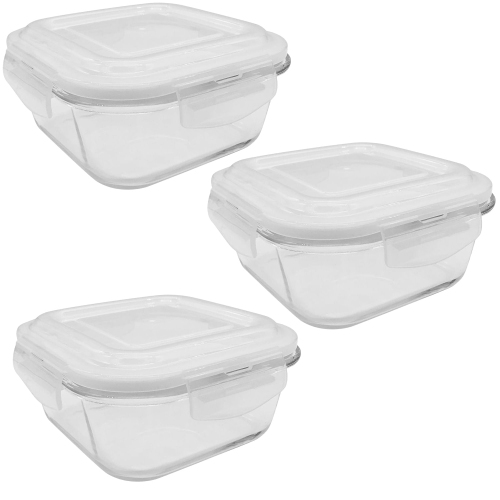
Microwave-safe glass storage containers are a practical choice for preparing, storing, reheating, and serving food with fewer transfers between dishes. A set can help organize leftovers after a family dinner, portion lunches for work or school, or keep prepared ingredients close at hand during busy weekdays. Clear glass makes it easy to see what is inside, which is especially useful when several meals are stacked in the refrigerator or when a container has been tucked into the freezer. The glass base is generally well suited to microwave reheating, but microwave-safe does not automatically mean every part of the container can go in the microwave. Lids, seals, locking tabs, and other accessories may be made from materials that can warp, soften, or become damaged by high heat. Before reheating, remove the lid unless the manufacturer specifically states that it is microwave-safe, or loosen it as directed to allow steam to escape. A sealed container can build pressure as food heats, creating a safety concern and making the lid difficult to remove. Containers with vented lids may offer a convenient way to cover food while reheating, but the vent should be opened according to the care instructions. For a broader selection of sizes and shapes for everyday meal storage, explore Glass Food Storage Containers and compare the features that fit your kitchen routine.
Safe handling also starts with inspecting the glass before each use. Do not microwave a container with chips, cracks, deep scratches, or other visible damage, since weakened areas may break when exposed to heat. Avoid containers with metal rims, metallic decoration, metal snaps, or foil accents in the microwave, even when the main body is made from glass. Sudden changes in temperature can also cause thermal shock. Moving a container directly from a cold freezer into a hot microwave may place stress on the glass, so allow frozen food to thaw in the refrigerator when possible and follow the manufacturer’s instructions for any approved freezer-to-microwave use. Similarly, do not place a hot container on a very cold or wet surface. A dry towel, wooden board, or heat-resistant mat can provide a more suitable landing spot after reheating. When warming food, use moderate intervals and stir or rotate the contents when appropriate, since sauces, soups, and dense portions can heat unevenly. Steam can collect beneath a lid, so lift it carefully and keep your hands and face away from escaping heat. These small habits are easy to build into a normal routine and can help protect the container, the microwave, and the person handling the meal. Always check the instructions supplied with the specific container, particularly when using it in a freezer, dishwasher, oven, or under a broiler, because glass types and lid materials can have different limits.
When choosing microwave-safe glass storage containers, consider the combination of capacities rather than focusing on a single large piece. Small containers can hold chopped toppings, snacks, sauces, baby food, or individual portions, while medium and larger options are useful for pasta, roasted vegetables, casseroles, soups, and family-sized leftovers. Nesting designs can make better use of cupboard space, and stackable shapes can keep a crowded refrigerator more orderly. Straight-sided containers are often convenient for scooping and cleaning, while rectangular designs can make efficient use of shelf space and lunch bags. Look for secure lids with dependable seals when transporting food, particularly if the container will be carried to an office, classroom, cottage, or sports facility. A lid that closes firmly can help reduce spills, although it should still be removed or vented for microwave use as directed. Glass food containers can also make thoughtful gifts for students setting up a first kitchen, new parents organizing prepared meals, home cooks who enjoy batch preparation, or anyone bringing lunches from home during the cooler months. They are useful for storing a hearty soup after an afternoon of cooking, dividing dinner into ready-to-reheat portions, or keeping baking ingredients and leftovers visible between meals. For everyday convenience, choose a collection that matches the foods you usually prepare, the amount of refrigerator and cupboard space available, and the care instructions you are comfortable following. With the right sizes, properly fitted lids, and careful attention to temperature changes, microwave-safe glass storage containers can become reliable kitchen essentials from early fall through the colder season and well beyond.
Safe handling also starts with inspecting the glass before each use. Do not microwave a container with chips, cracks, deep scratches, or other visible damage, since weakened areas may break when exposed to heat. Avoid containers with metal rims, metallic decoration, metal snaps, or foil accents in the microwave, even when the main body is made from glass. Sudden changes in temperature can also cause thermal shock. Moving a container directly from a cold freezer into a hot microwave may place stress on the glass, so allow frozen food to thaw in the refrigerator when possible and follow the manufacturer’s instructions for any approved freezer-to-microwave use. Similarly, do not place a hot container on a very cold or wet surface. A dry towel, wooden board, or heat-resistant mat can provide a more suitable landing spot after reheating. When warming food, use moderate intervals and stir or rotate the contents when appropriate, since sauces, soups, and dense portions can heat unevenly. Steam can collect beneath a lid, so lift it carefully and keep your hands and face away from escaping heat. These small habits are easy to build into a normal routine and can help protect the container, the microwave, and the person handling the meal. Always check the instructions supplied with the specific container, particularly when using it in a freezer, dishwasher, oven, or under a broiler, because glass types and lid materials can have different limits.
When choosing microwave-safe glass storage containers, consider the combination of capacities rather than focusing on a single large piece. Small containers can hold chopped toppings, snacks, sauces, baby food, or individual portions, while medium and larger options are useful for pasta, roasted vegetables, casseroles, soups, and family-sized leftovers. Nesting designs can make better use of cupboard space, and stackable shapes can keep a crowded refrigerator more orderly. Straight-sided containers are often convenient for scooping and cleaning, while rectangular designs can make efficient use of shelf space and lunch bags. Look for secure lids with dependable seals when transporting food, particularly if the container will be carried to an office, classroom, cottage, or sports facility. A lid that closes firmly can help reduce spills, although it should still be removed or vented for microwave use as directed. Glass food containers can also make thoughtful gifts for students setting up a first kitchen, new parents organizing prepared meals, home cooks who enjoy batch preparation, or anyone bringing lunches from home during the cooler months. They are useful for storing a hearty soup after an afternoon of cooking, dividing dinner into ready-to-reheat portions, or keeping baking ingredients and leftovers visible between meals. For everyday convenience, choose a collection that matches the foods you usually prepare, the amount of refrigerator and cupboard space available, and the care instructions you are comfortable following. With the right sizes, properly fitted lids, and careful attention to temperature changes, microwave-safe glass storage containers can become reliable kitchen essentials from early fall through the colder season and well beyond.
Top selling and popular products
-
 Your price for this item is $5.99
 -
 Your price for this item is $9.99
 -
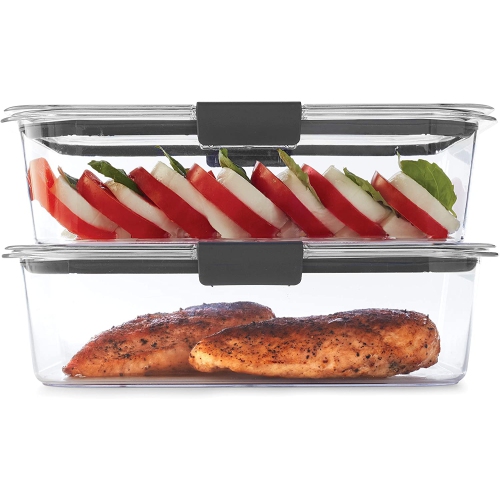 Your price for this item is $108.25
 -
 Your price for this item is $7.99
 -
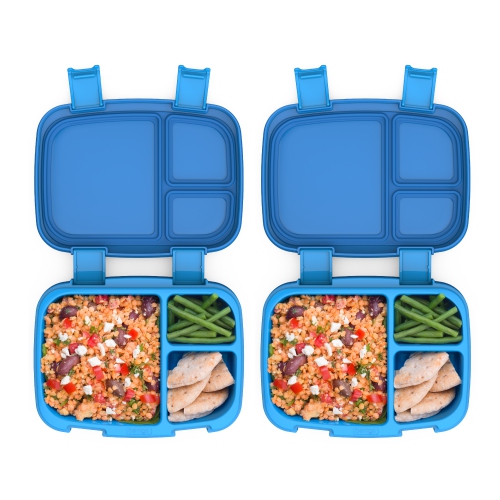 Your price for this item is $44.99
 -
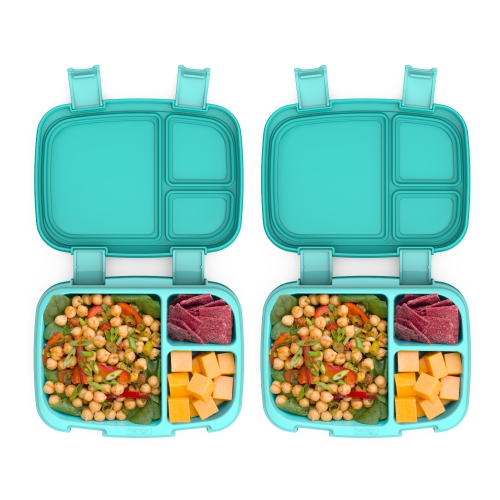 Your price for this item is $44.99
 -
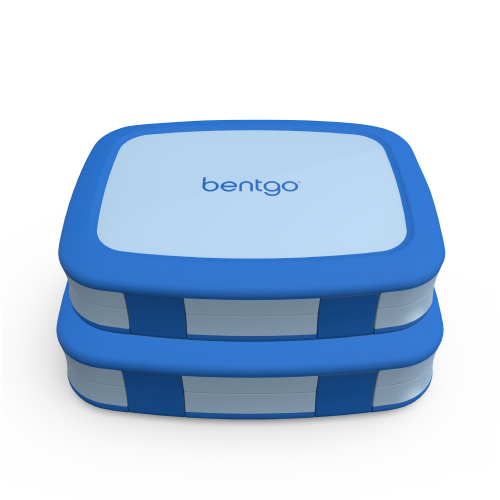 Your price for this item is $59.99
 -
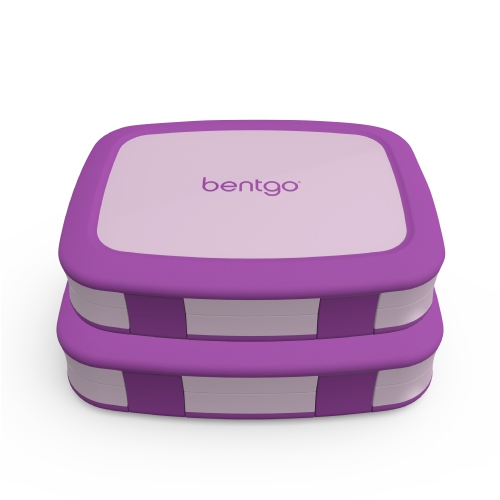 Your price for this item is $59.99
Discover more categories related to Microwave-Safe Glass Storage Containers
Top Collections:
Pokemon Centers, Kindle Devices, Best Budget Office Chairs, Apple iPhones 16, Best Laptops for Writers, iPhone 15 Apple, Canon G7X Cameras, Refurbished Apple Laptops, Alarm Clock, Motorola Razr Phones
Some products may be subject to Environmental Handling Fees
(EHF) depending on your province.
Learn more about EHFs.