Mid Century Modern Patio Chairs
Mid Century Modern Patio Chairs bring timeless style and sophistication to any outdoor space. With their iconic lines and retro-inspired design, these chairs effortlessly elevate patios, decks, and balconies. Explore a curated selection of seating options that blend classic aesthetics with contemporary appeal, making it easy to create an inviting atmosphere for relaxing or entertaining outdoors. Discover the perfect Mid Century Modern Patio Chairs to complement your unique outdoor décor and enjoy lasting comfort season after season.
Sort


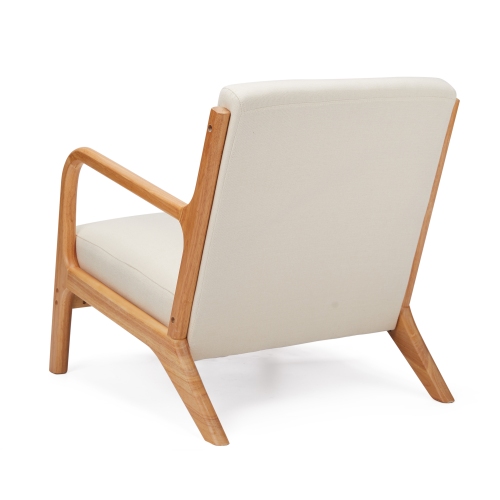
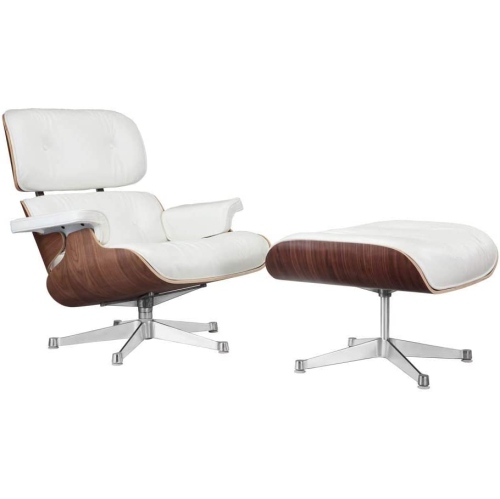
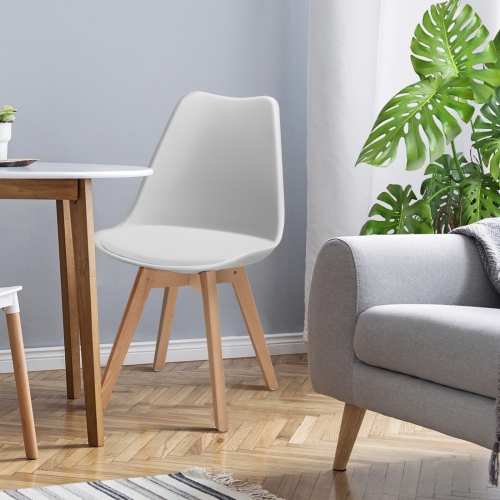
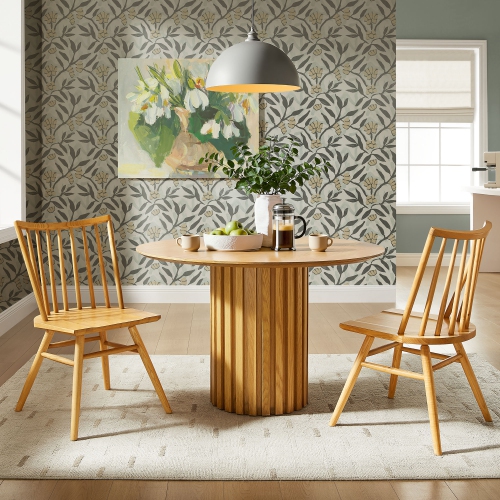


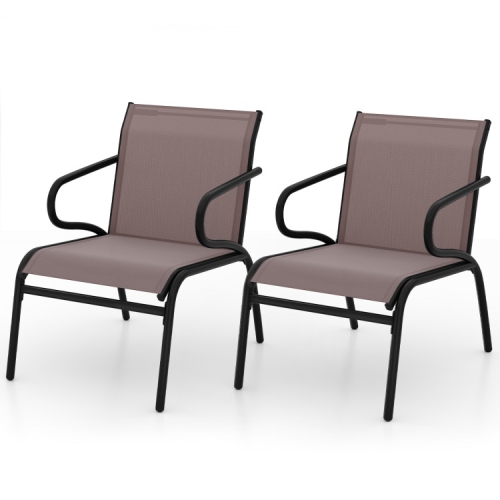


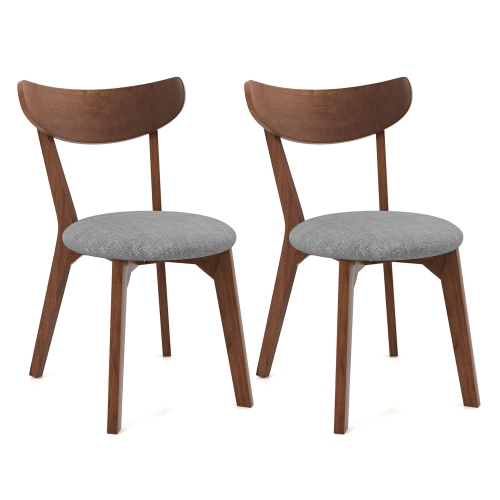
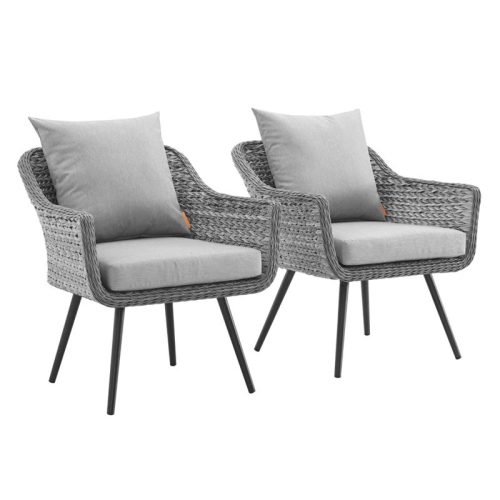

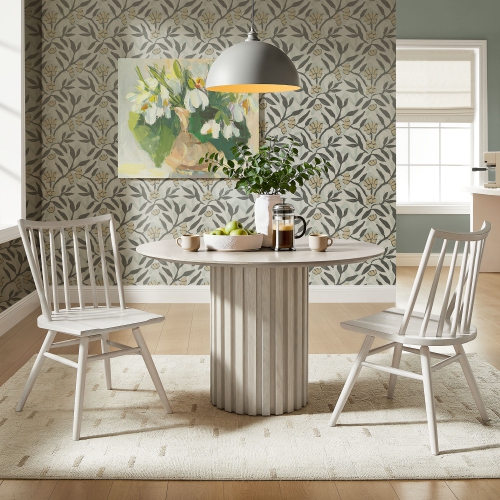

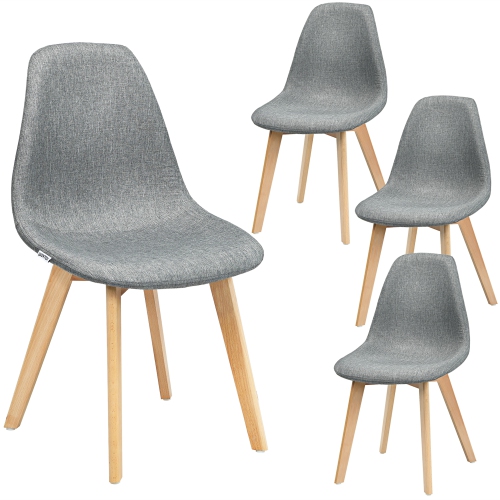

Sculptural seating that leaves your patio feeling open
Mid-century modern patio chairs bring the clean lines, balanced proportions, and sculptural shapes of mid-20th-century furniture to outdoor seating. The style is often associated with tapered or angled legs, gently curved backs, open frames, and a restrained mix of materials rather than elaborate ornament. Wood, metal, woven rope, and synthetic wicker can all suit this look; the defining feature is how their shapes and textures work together. A slatted wood back can feel architectural, while a curved metal frame with an open weave has a lighter visual presence. These details make the style adaptable to a compact balcony, a paved courtyard, or a patio connected to an open-plan living area. Chairs with slim profiles leave more of the surrounding space visible, helping an outdoor seating area feel connected to the room beyond the door. Natural wood tones pair easily with cream, charcoal, olive, and muted blue cushions, while black or softly coloured metal frames create a more graphic effect. Material choice also affects weight, upkeep, and everyday use. Teak contains natural oils and can develop a silvery-grey surface when left untreated; maintaining its original colour generally requires care suited to the wood and finish. Acacia offers distinctive grain and warm colour variation, but its performance outdoors depends on construction, protective treatment, and exposure. Powder-coated aluminum is typically lighter to move than steel and does not develop the red rust associated with iron-based metals. Steel can provide a substantial frame, though scratches in its protective finish deserve attention. Outdoor-rated synthetic wicker and rope introduce texture without requiring a solid seat or back, but their resistance to sunlight and moisture varies by material. Beyond appearance, secure joints, smooth edges, stable legs, and a finish intended for outdoor use are meaningful signs of a chair designed for regular patio use. A chair can capture the mid-century look convincingly without being a vintage piece, provided its proportions and detailing feel cohesive.
The most useful distinction within mid-century modern patio seating is between chairs intended for dining and those intended for lounging. Dining chairs generally support a more upright posture and need to work with the height of the table, while lounge chairs often have deeper seats, lower frames, and more reclined backs. A chair that looks inviting beside a coffee table may sit too low for comfortable meals, so overall dimensions matter as much as style. Seat height, seat depth, back angle, and armrest position help determine whether a chair suits its intended setting. For someone who enjoys lingering over dinner, a supportive back and enough space to shift position can be more useful than a dramatic silhouette. For reading or conversation, a deeper seat with a well-fitted cushion may offer a more relaxed place to settle. Cushions change the effective seat height and depth, which is worth considering when comparing measurements. Armrests should fit beneath a dining table if the chairs need to tuck away, and the table apron can reduce that clearance even when the tabletop appears high enough. On a narrow balcony, the footprint includes not only the chair itself but also the space needed to pull it out, sit down, and move past it. Doors, railings, planters, and serving routes all influence how comfortably the layout works. Open-backed chairs can keep a small arrangement visually light, while wider wooden frames may feel more grounded in a larger seating area. Swivel or rocking designs need room for their movement and a suitable surface beneath them. Narrow legs may sink into soft ground, whereas firm, level paving or decking provides a more predictable base. A coordinated pair can frame a small side table without filling the entire patio, and chairs with similar proportions can create cohesion even when their finishes differ. For seating centred on relaxed conversation rather than meals, Mid Century Outdoor Lounge Chairs offer a closely related direction within the same design style.
Comfort and durability also depend on the less visible details: cushion construction, fabric suitability, drainage, hardware, and the care each material needs. Outdoor fabric is not automatically waterproof, and a removable cover does not necessarily mean it can be machine washed. Care labels clarify which cleaning methods are appropriate, while fabric specifications can indicate resistance to fading and moisture. Cushions with supportive filling should fit the seat securely without overhanging the frame or sliding forward during use. Ties or other attachments can help keep them in place, especially on smooth slatted seats. In an exposed setting, the way a chair sheds water matters; gaps between slats and open woven surfaces allow drainage, while deep cushions may need to be brought indoors before prolonged rain. A sheltered patio reduces direct exposure but does not eliminate dampness, dust, or windblown debris. Routine care is usually straightforward when matched to the material: gentle cleaning for finished frames, prompt attention to spills, and thorough drying before cushions or chairs are covered or stored. Abrasive brushes and harsh cleaners can damage coatings, wood finishes, or woven surfaces, so the manufacturer's care directions remain important. Wood may need periodic treatment, and metal frames benefit from checks around joints and any chipped coating. Furniture covers should fit properly and allow ventilation rather than trapping moisture against the chair. In areas with freezing conditions, sheltered storage can help protect components from repeated moisture exposure and freeze-thaw cycles. These practical details make a difference for households that use outdoor seating for daily coffee, family meals, or quiet reading, rather than only occasional entertaining. Chairs that are manageable to lift are easier to reposition and store; heavier frames may feel steadier but require more effort to move. Patio seating can also be a thoughtful housewarming gift when the recipient's space, preferred seating height, and storage arrangements are known. The strongest match brings together the characteristic mid-century shape, comfortable proportions, and materials suited to the setting, creating an outdoor area that feels considered without sacrificing everyday usefulness.
Top selling and popular products
-
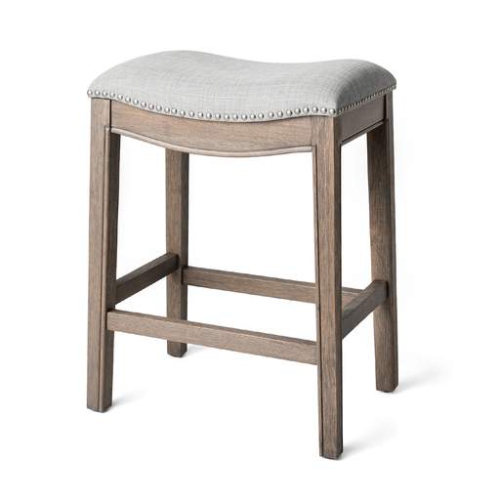 Your price for this item is $176.99
-
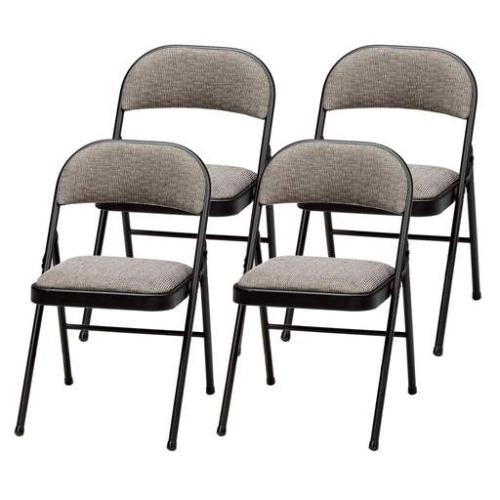 Your price for this item is $270.99
-
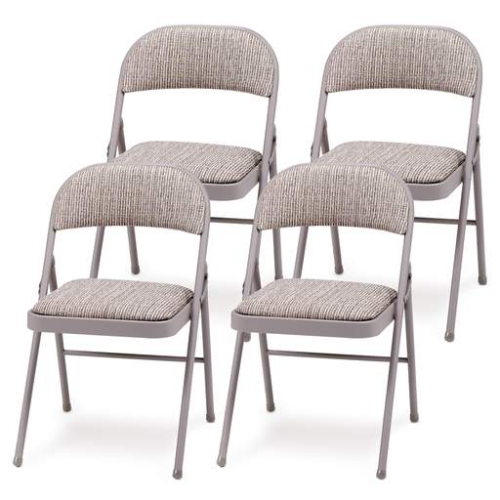 Your price for this item is $317.99
-
 Your price for this item is $430.14
-
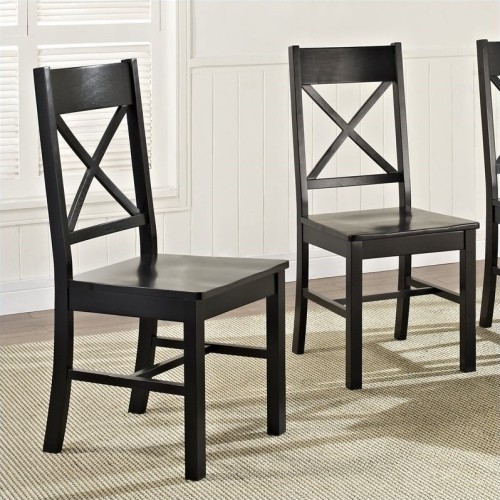 Your price for this item is $498.07
-
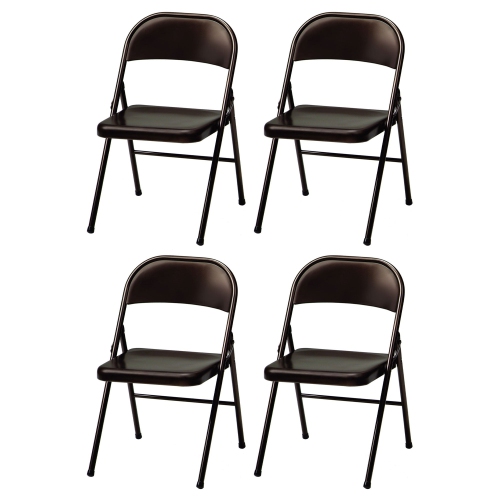 Your price for this item is $155.99
-
 Your price for this item is $431.99
-
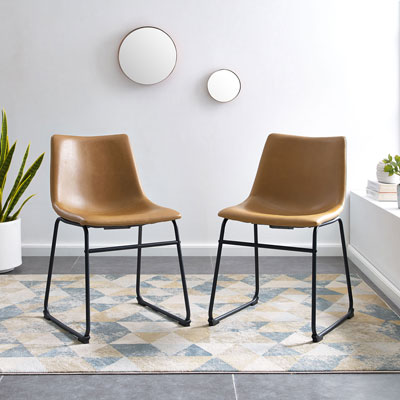 Your price for this item is $431.99
Discover more categories related to Mid Century Modern Patio Chairs


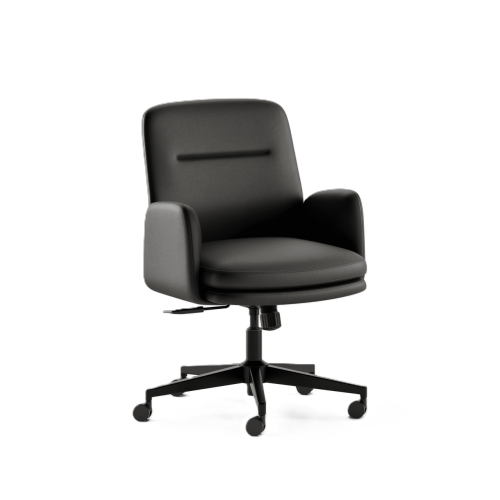
Top Collections:
Pokemon Centers, Best Cameras for Sports Photography, Kindle Devices, Samsung Galaxy Phones, Canon G7X Cameras, Pokémon 30th Celebration Cards, Refurbished Apple Laptops, iPhone 15 Apple, Laptops for Students, Budget Smartphones
Some products may be subject to Environmental Handling Fees
(EHF) depending on your province.
Learn more about EHFs.