Mid Century Wood Console Tables
Looking to add a touch of timeless elegance to your living space? Our collection of mid-century wood console tables is sure to impress. Crafted with the perfect blend of sleek lines and warm wood finishes, these console tables effortlessly combine style and functionality. Whether you're looking for a statement piece to enhance your entryway or a versatile surface for your living room, our mid-century wood console tables are designed to elevate almost any room's aesthetic. Explore our wide range of options and find the perfect match for your home decor today.
Sort
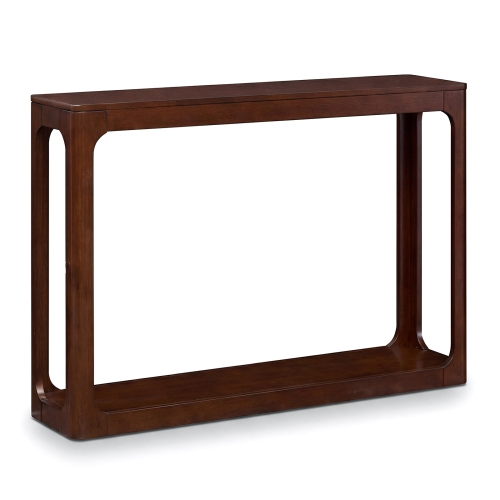
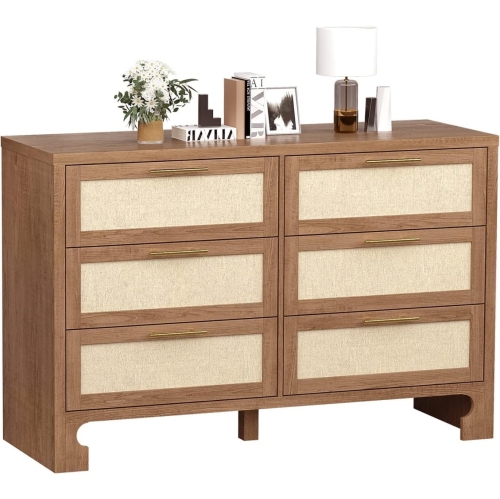
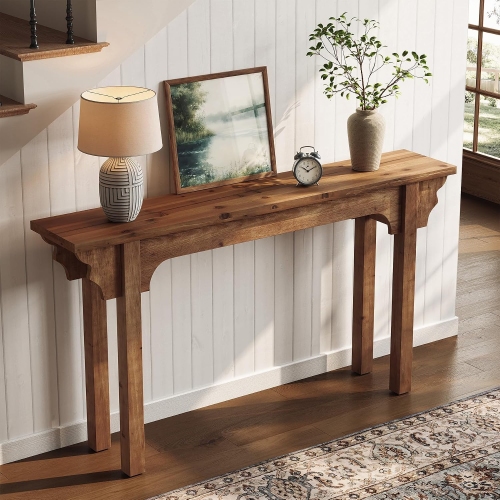
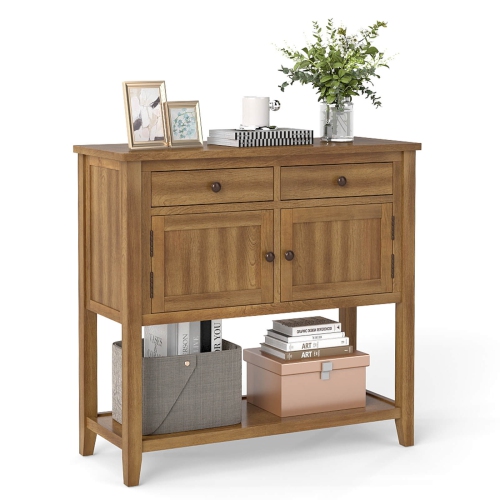
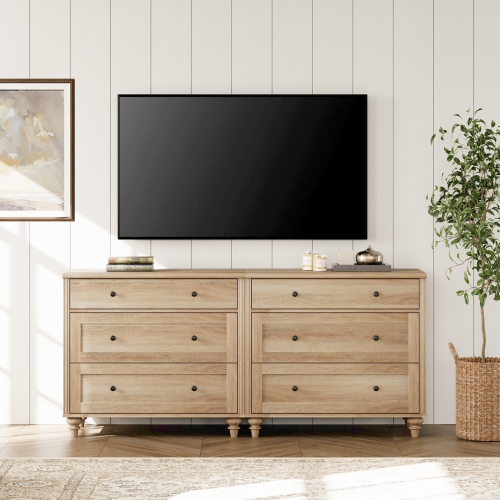
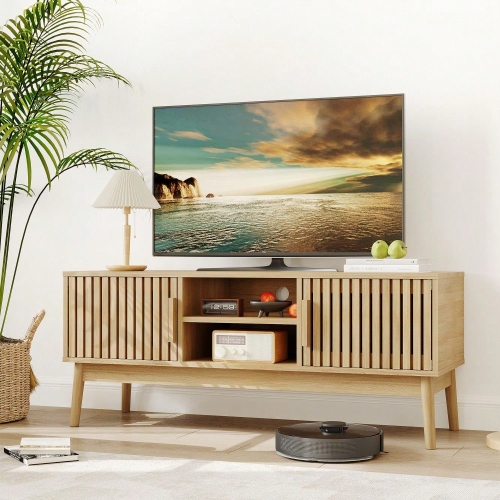
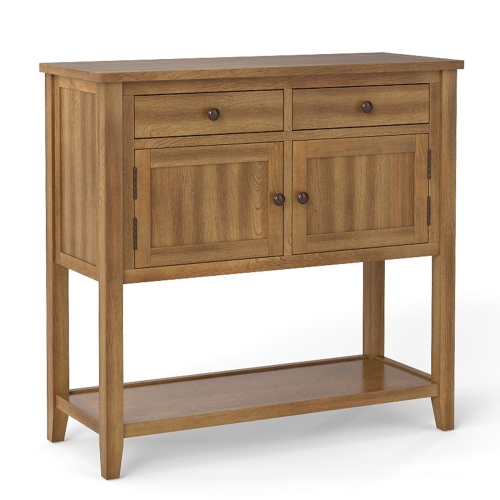
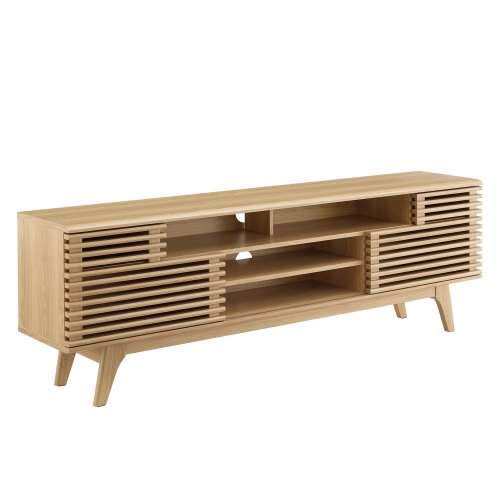
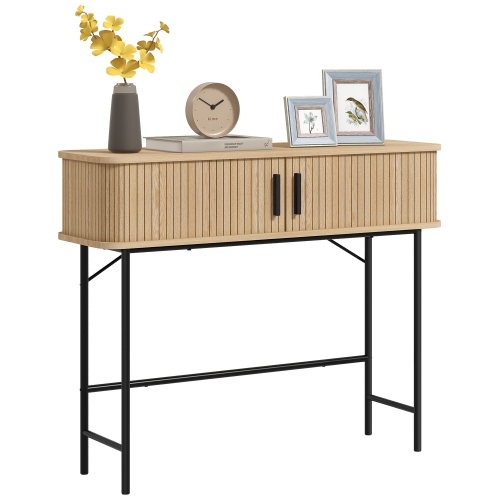
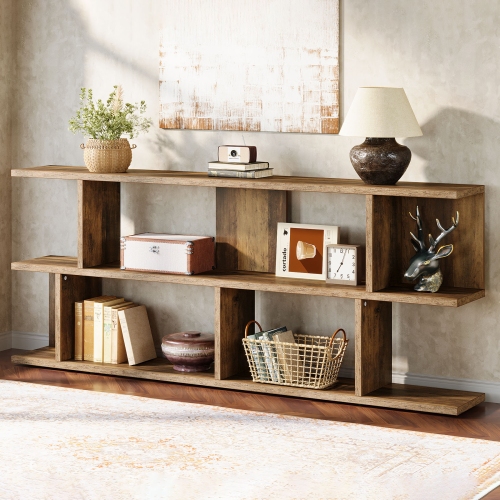
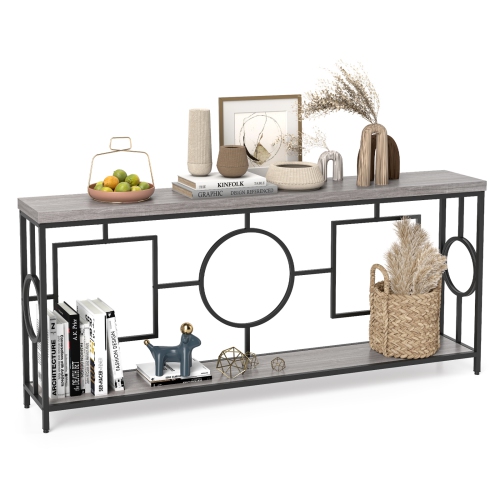
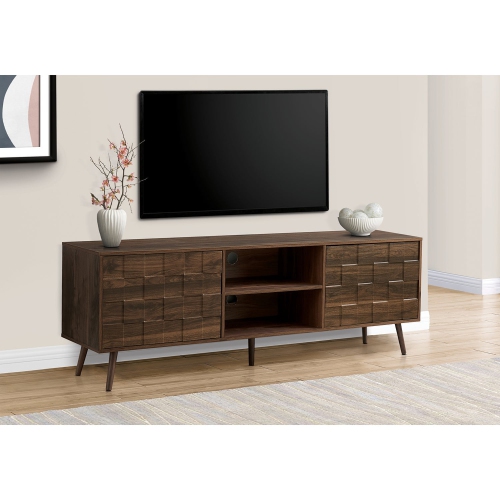
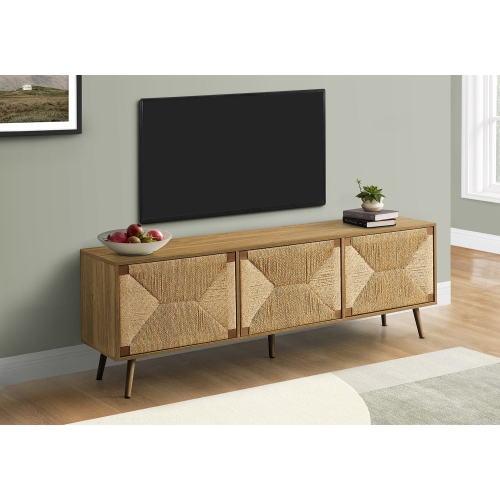
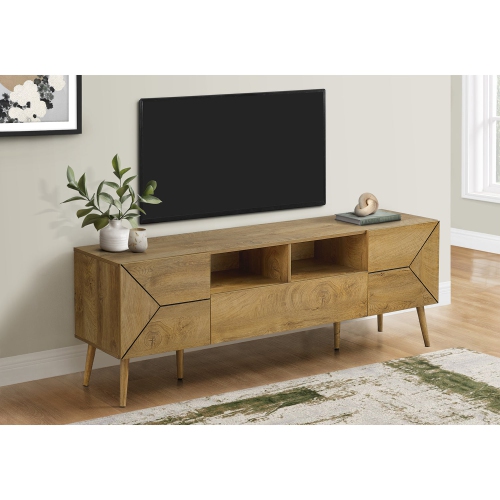
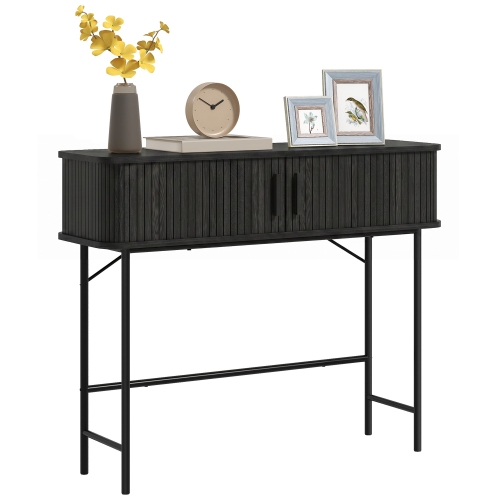

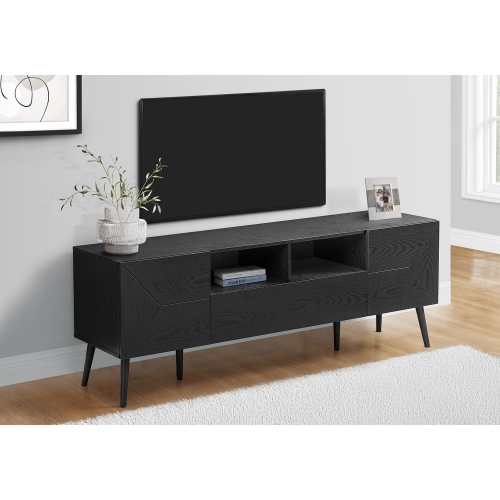
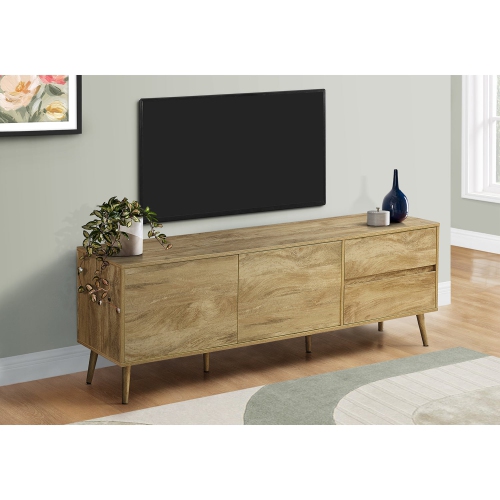
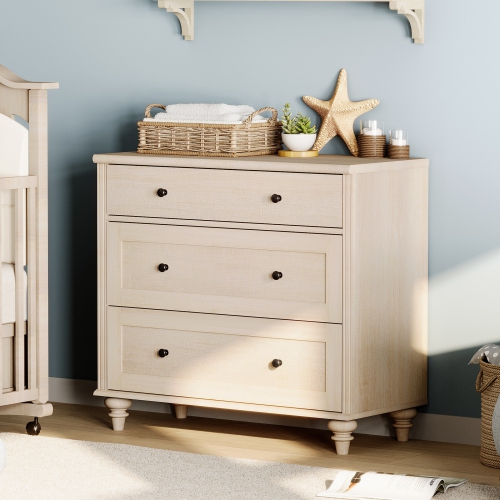
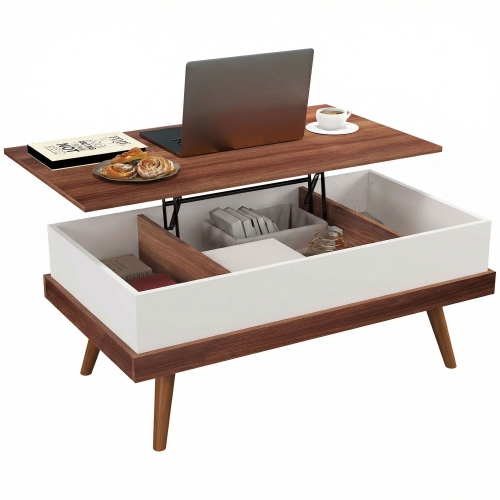
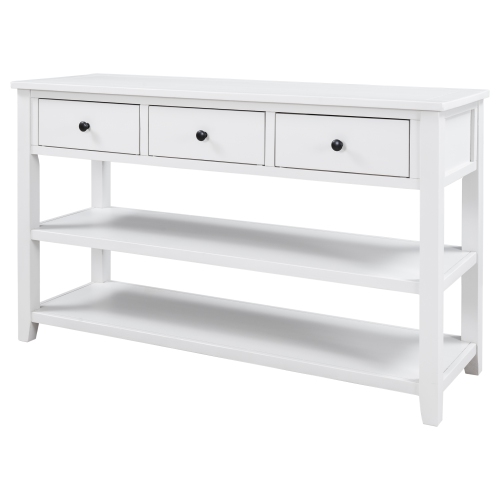
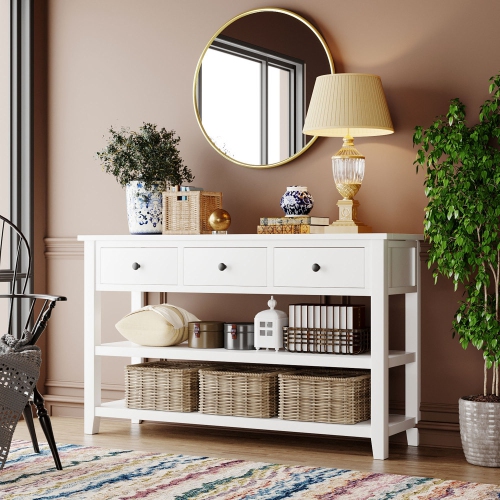
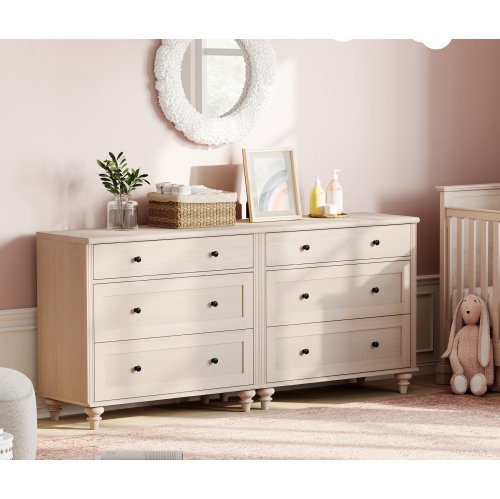
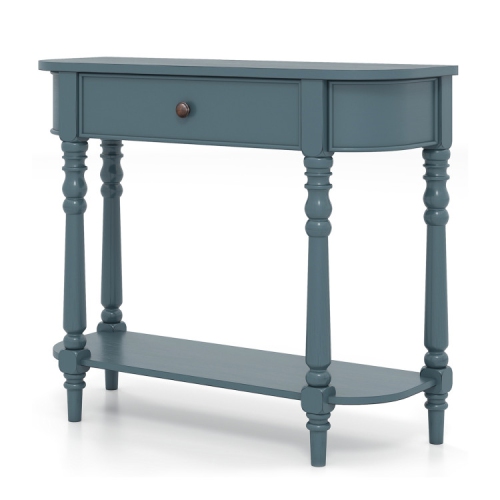
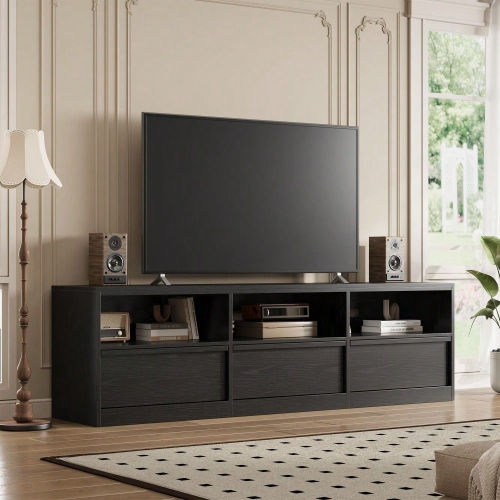
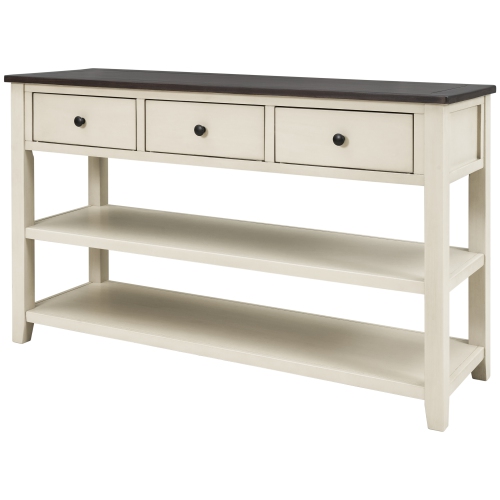
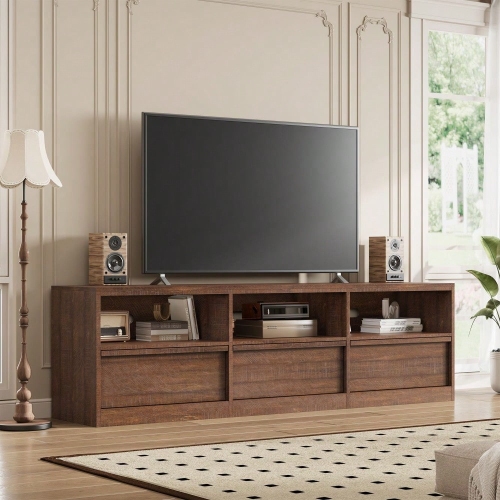
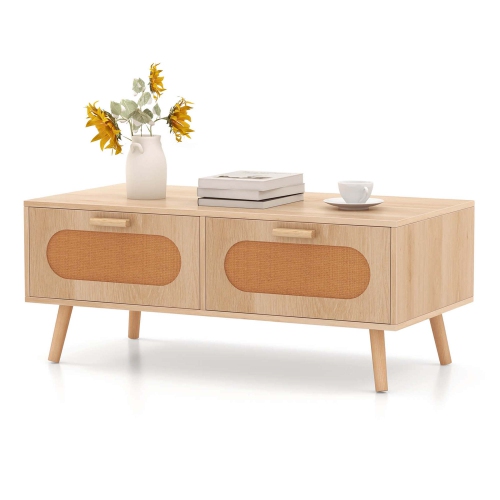
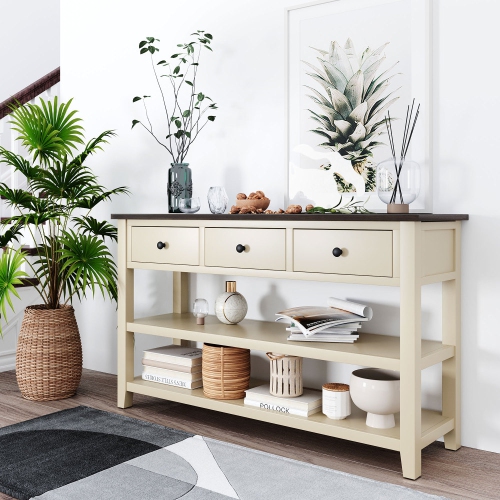
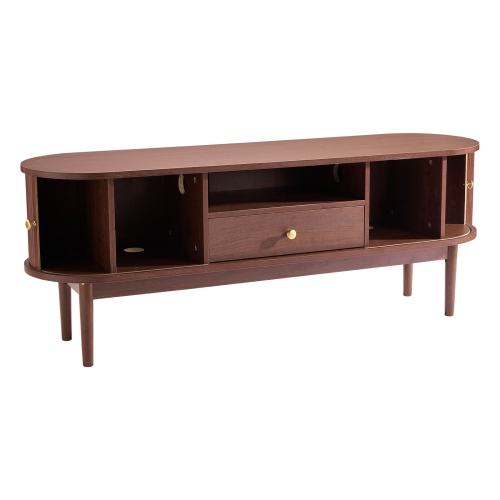
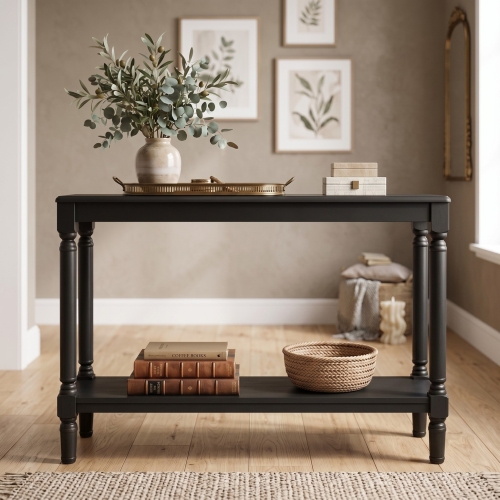
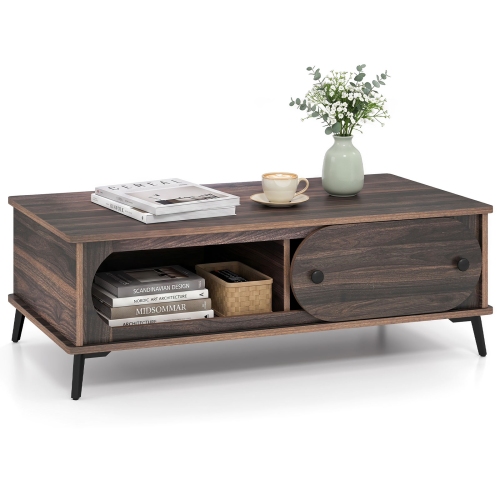

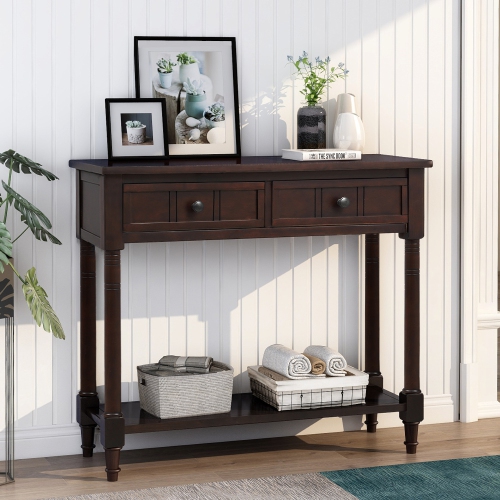
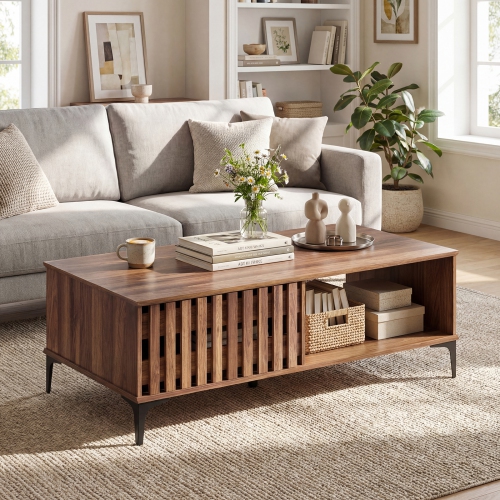
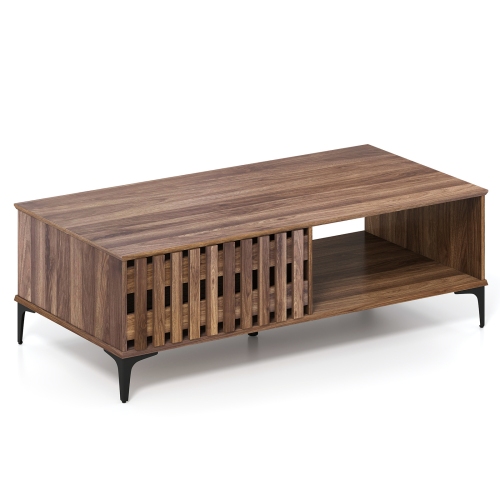
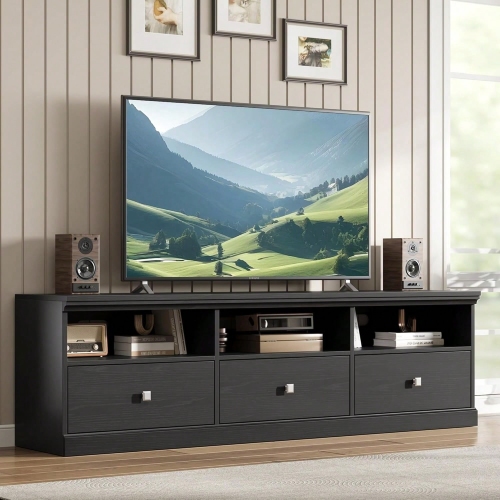
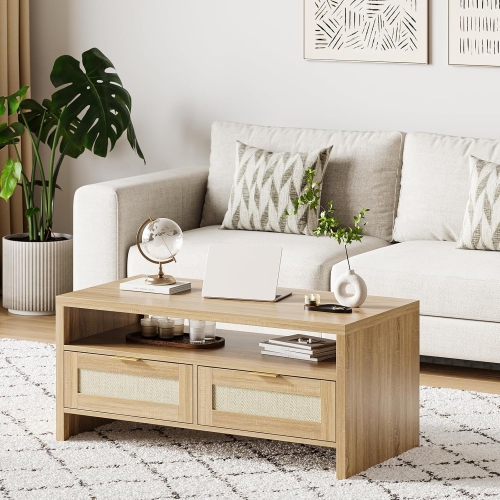
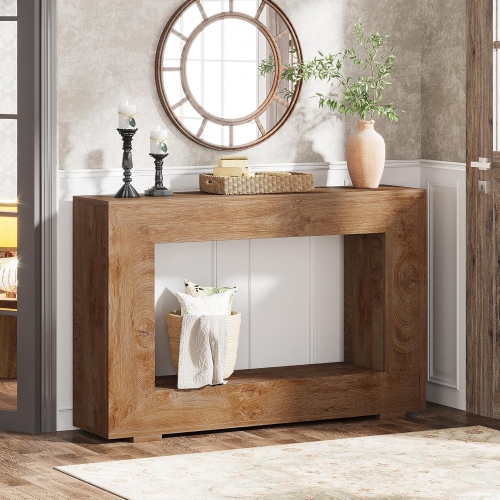
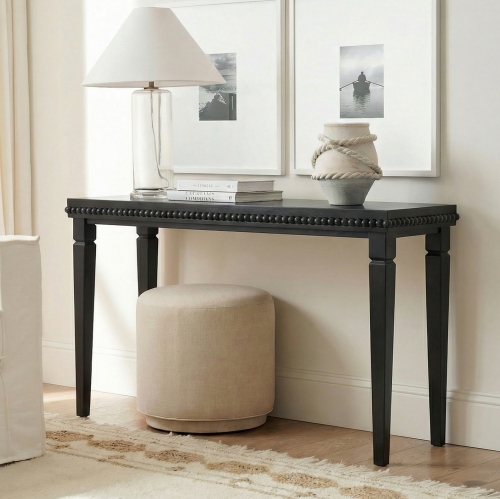
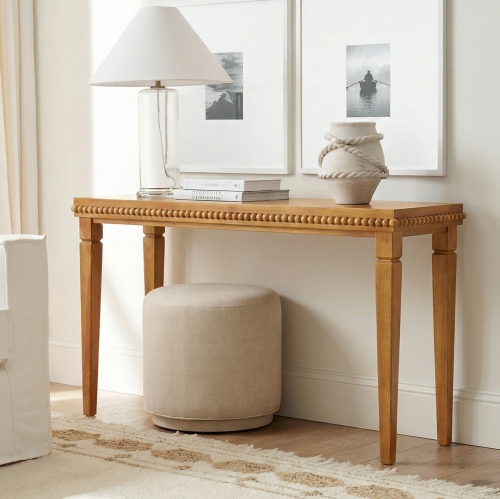
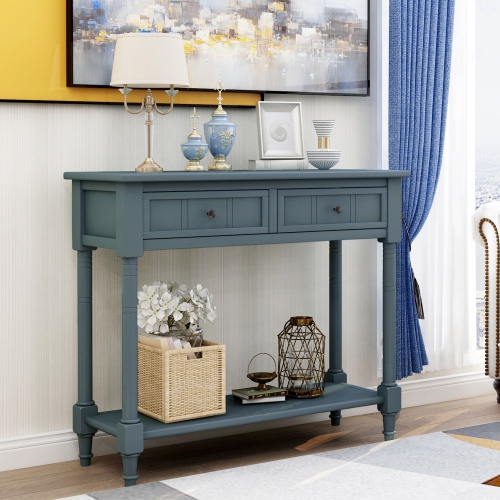
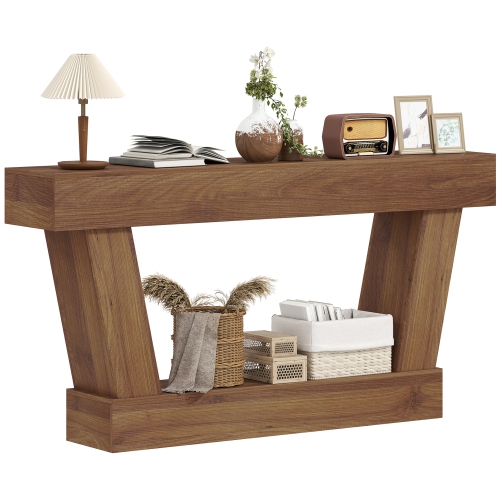
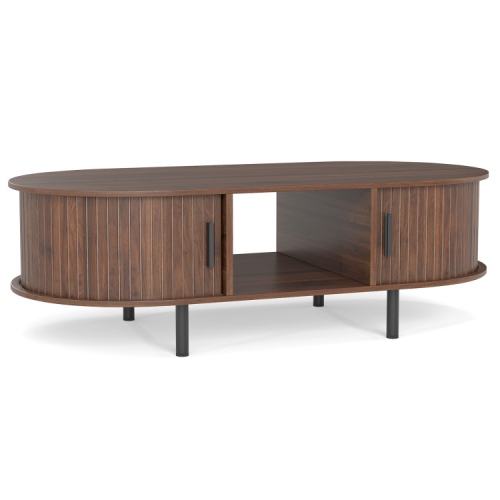
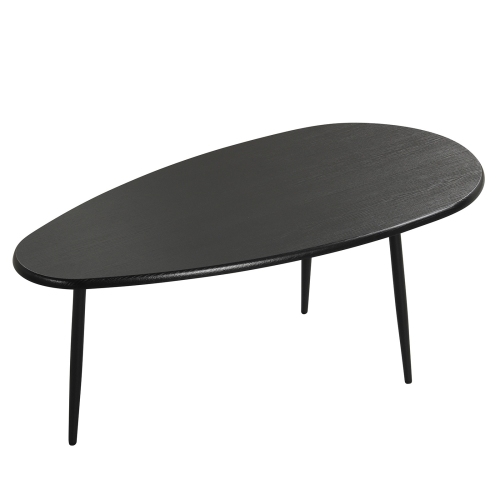
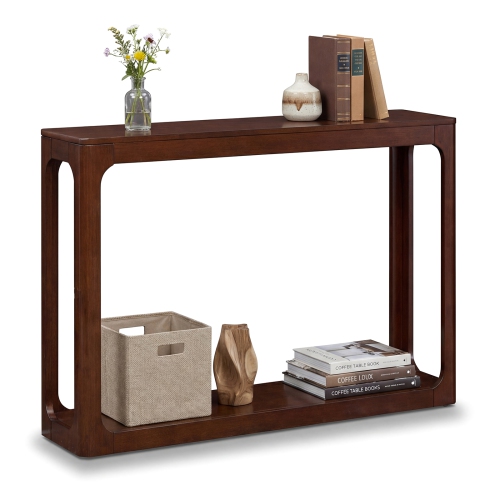
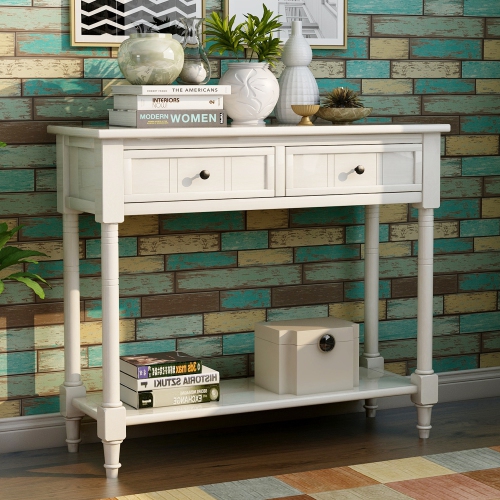
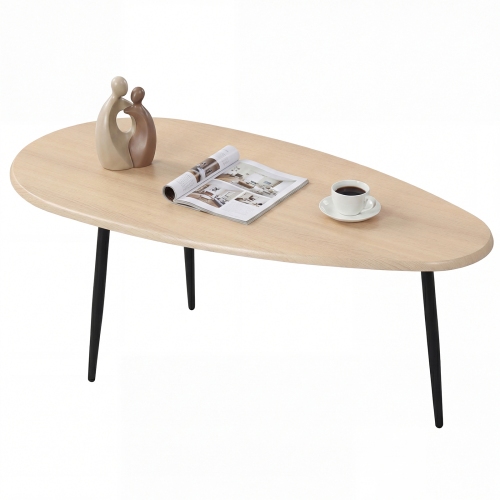
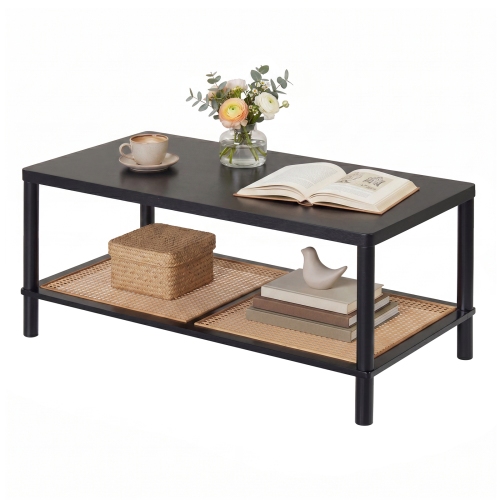
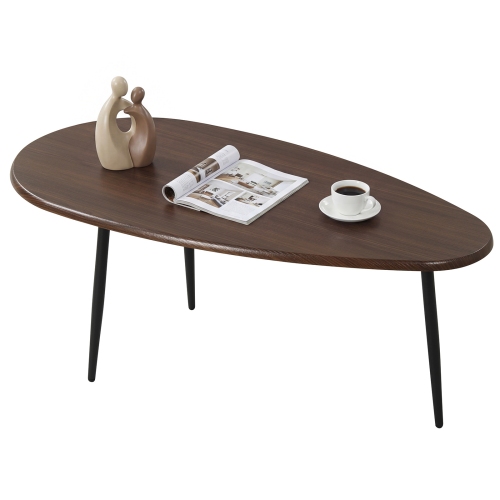
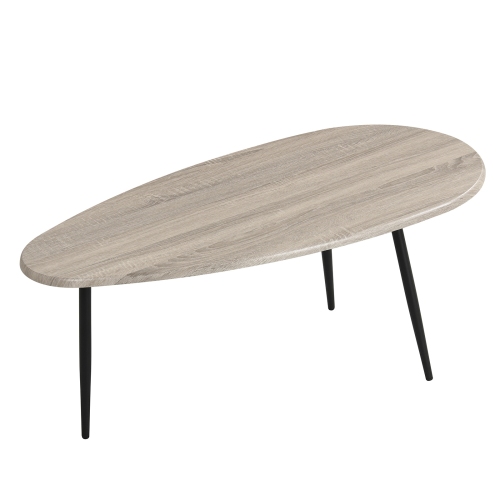
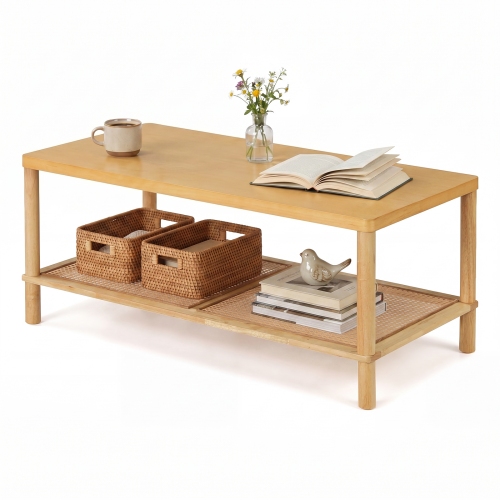
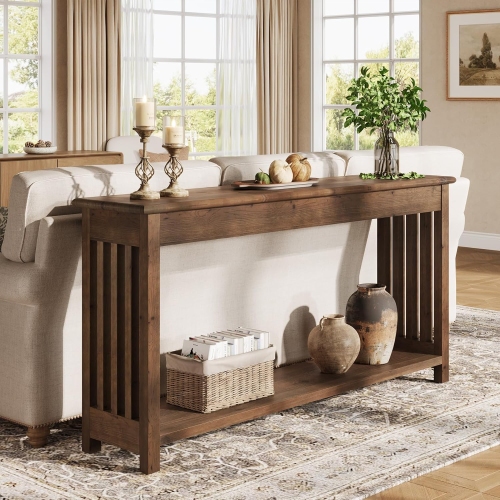
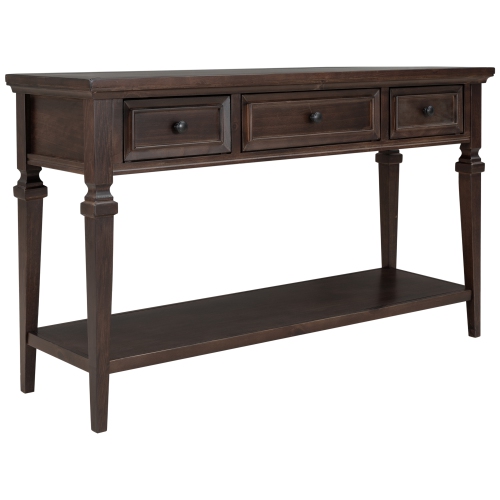
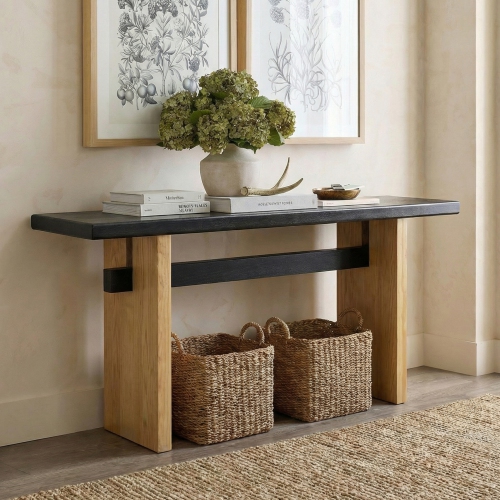
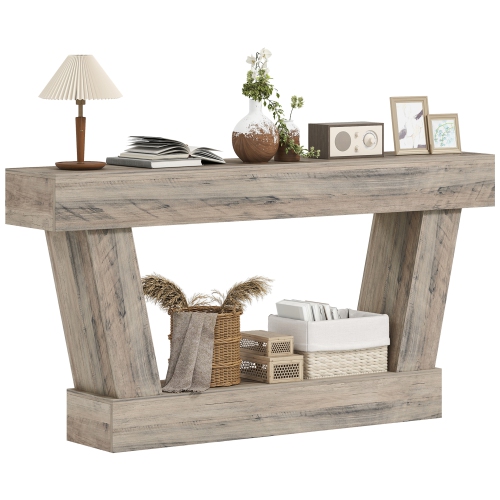
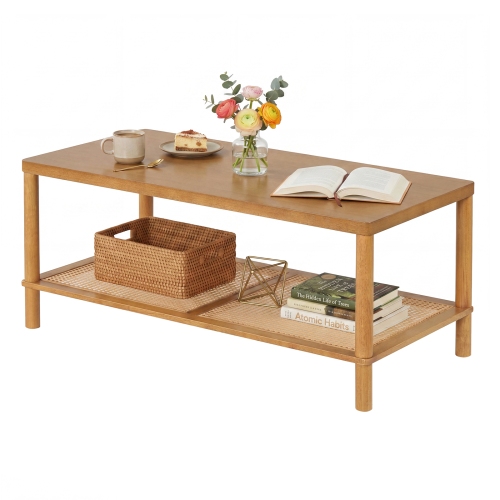
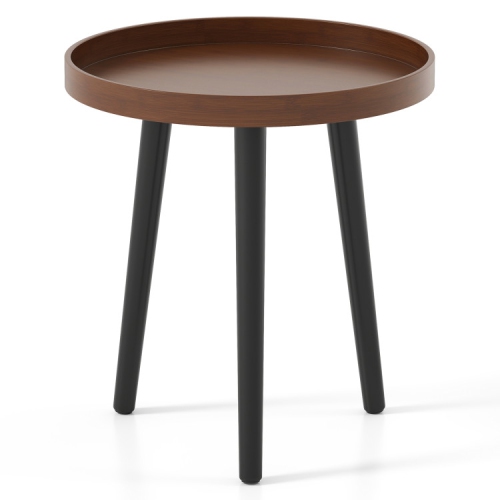
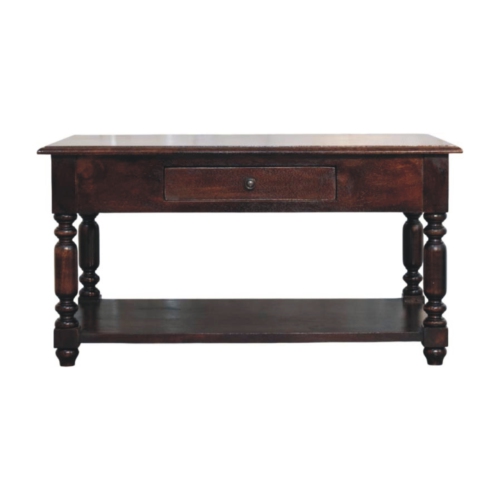
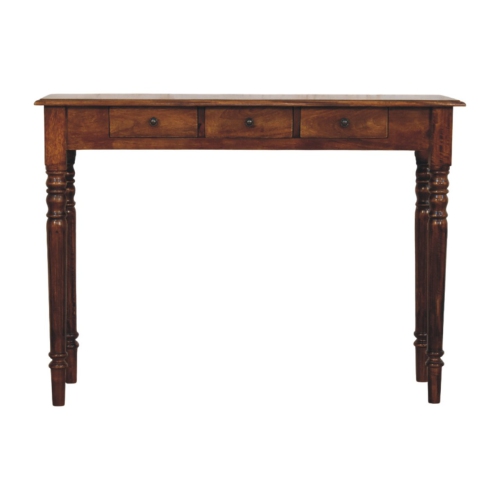
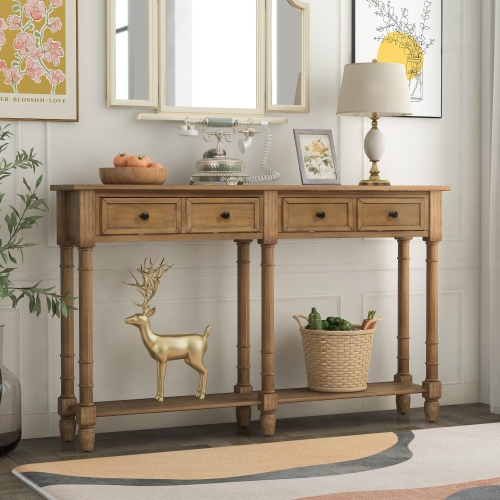
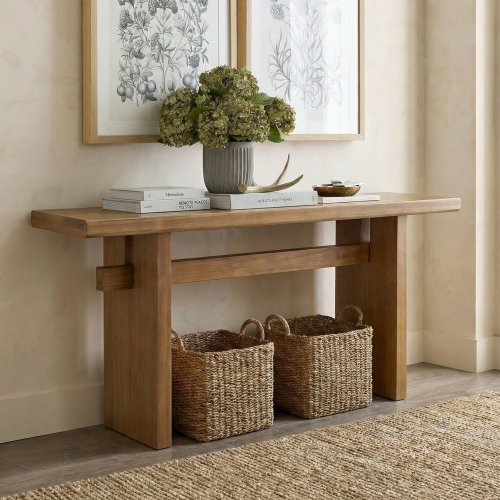
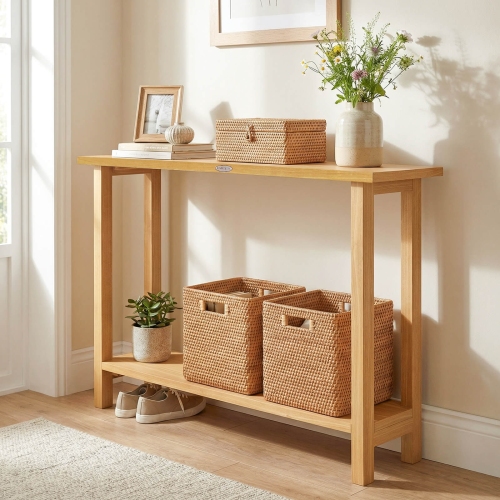
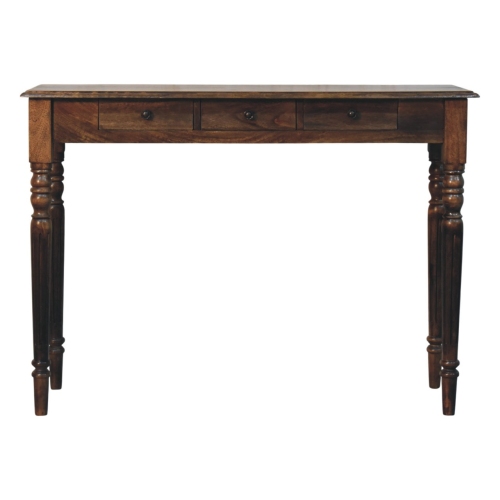
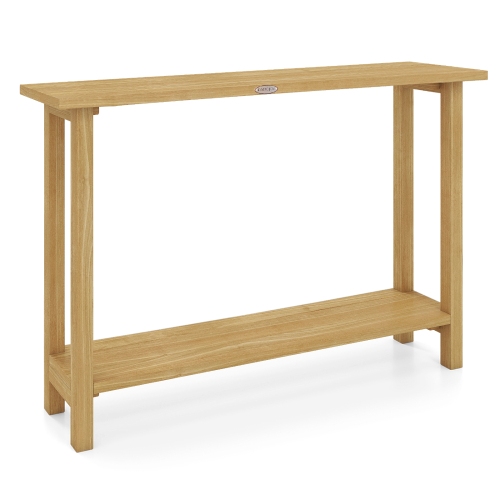
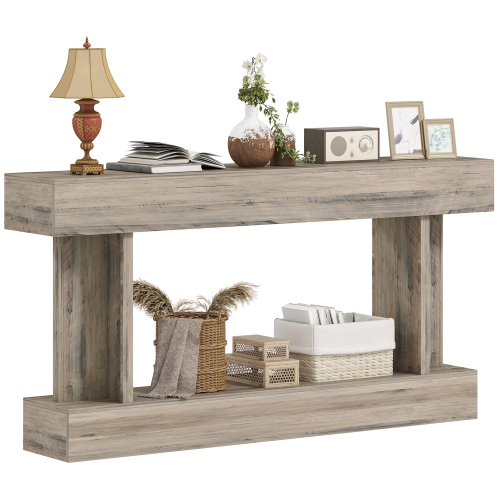
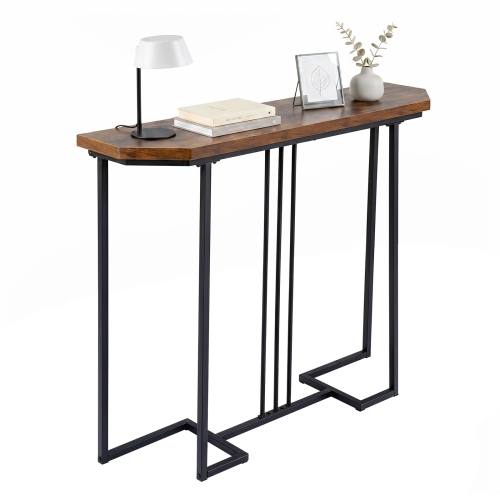
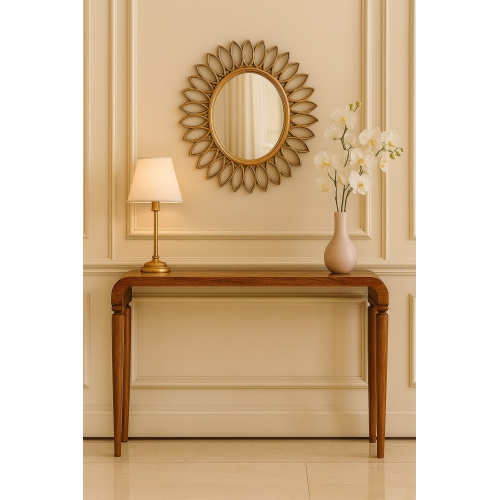
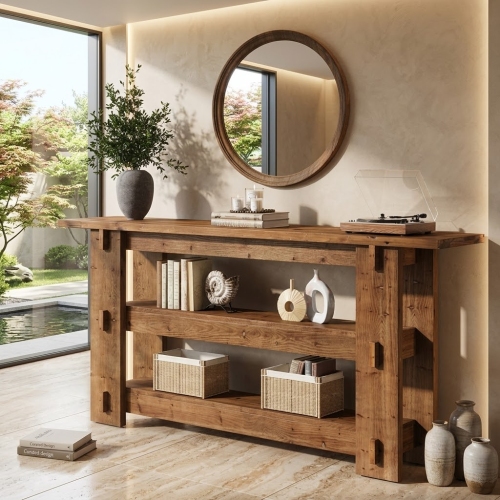
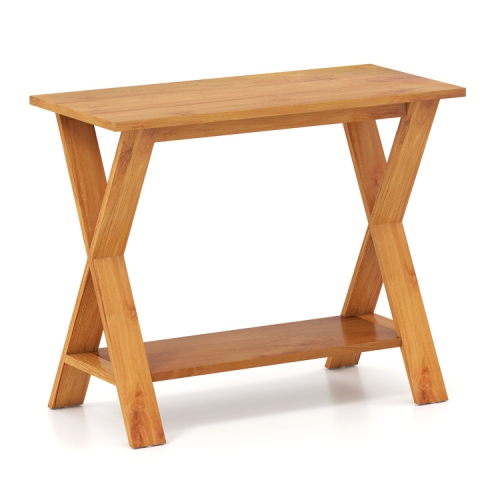
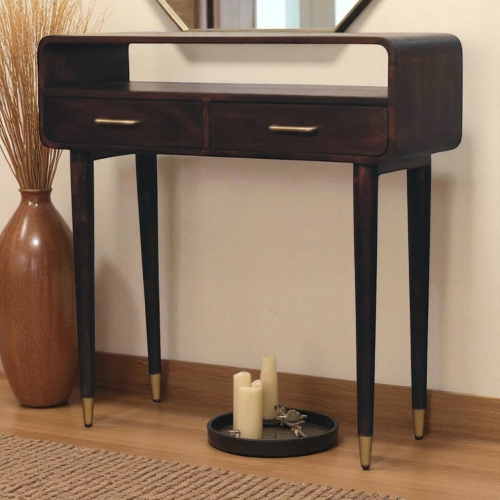
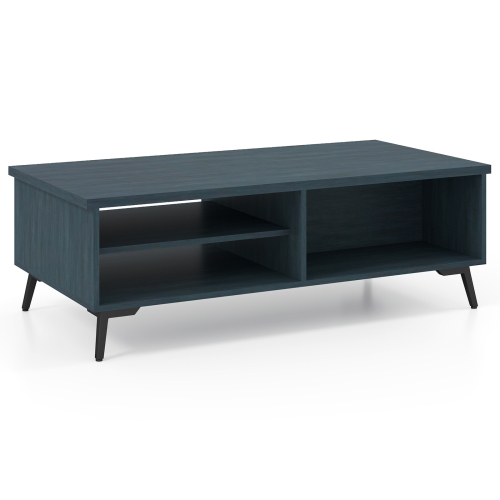

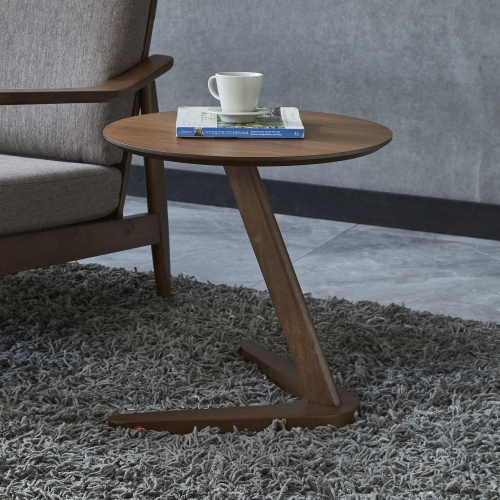
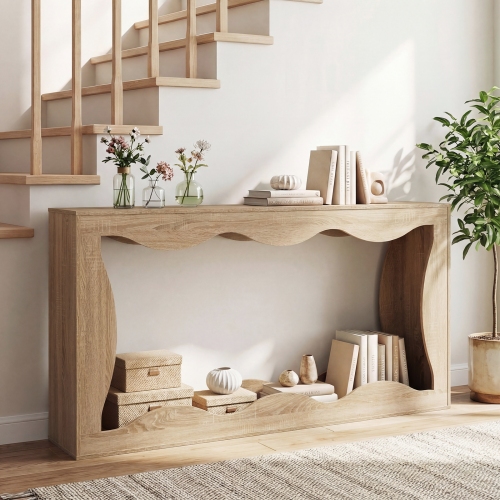
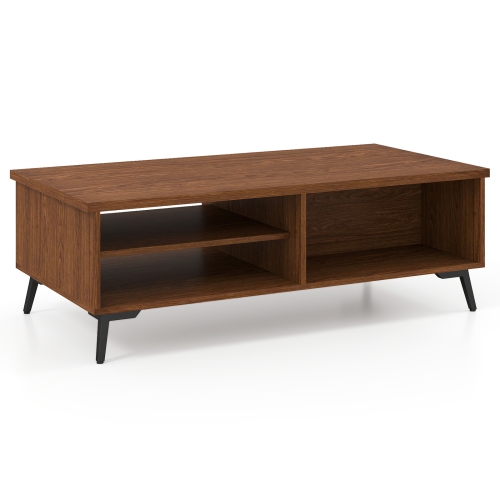
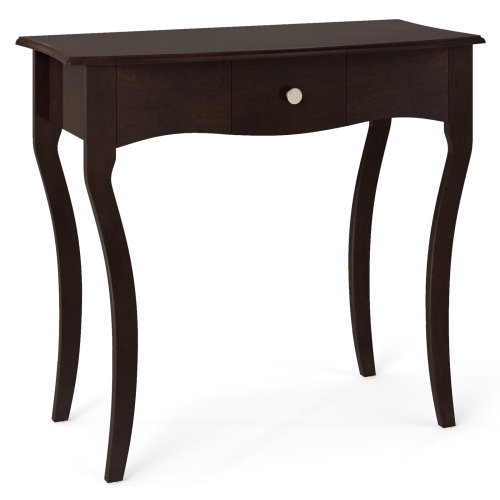
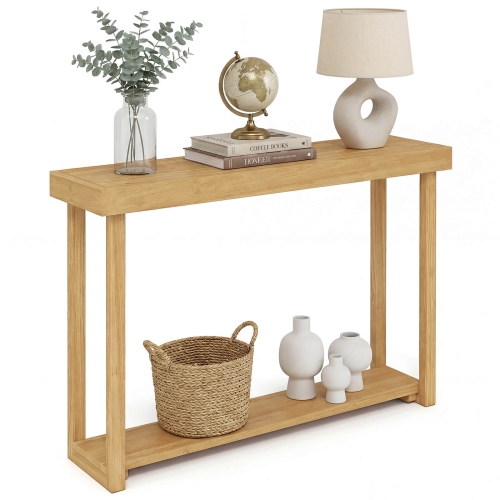
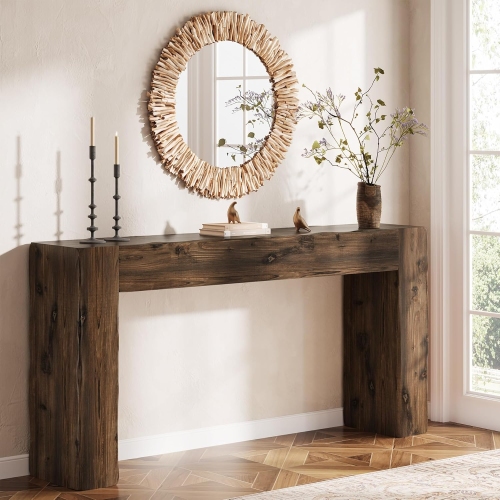
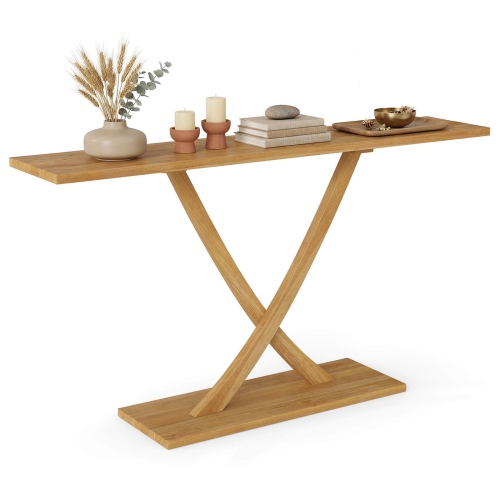
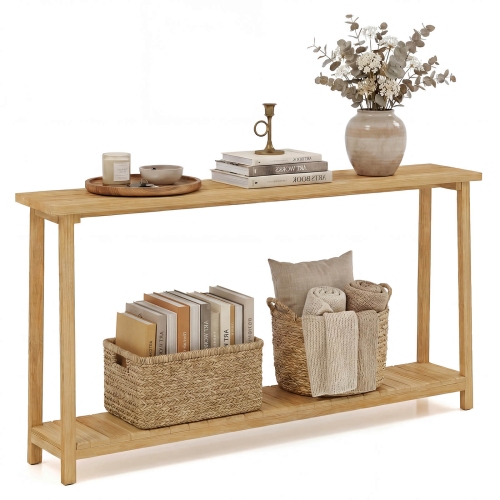
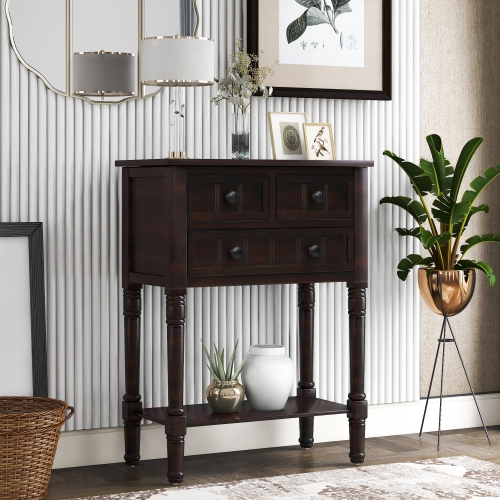
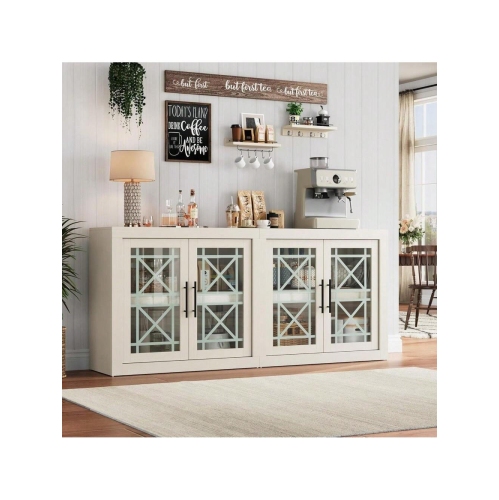
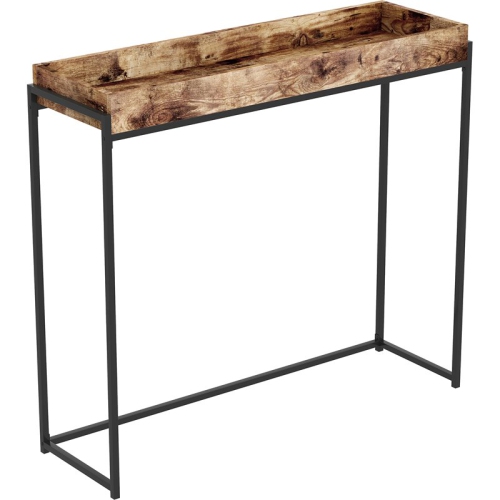
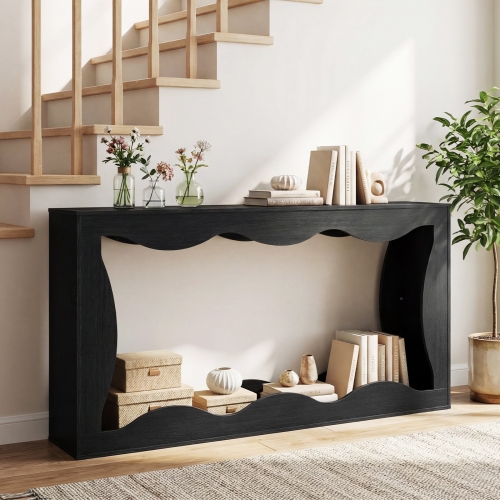
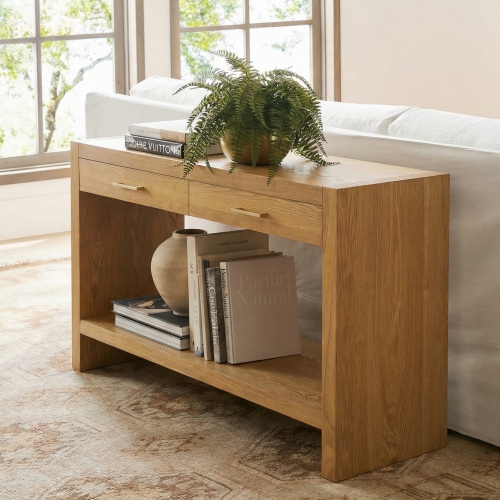
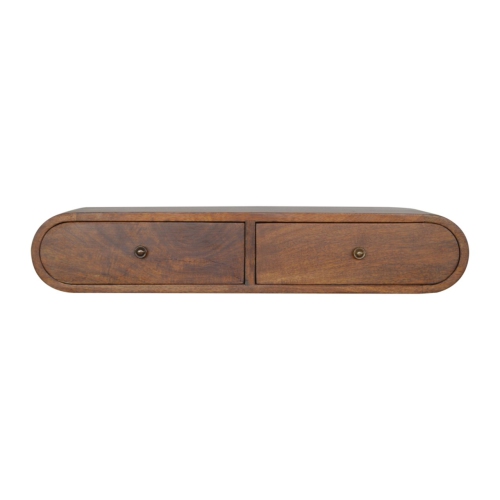
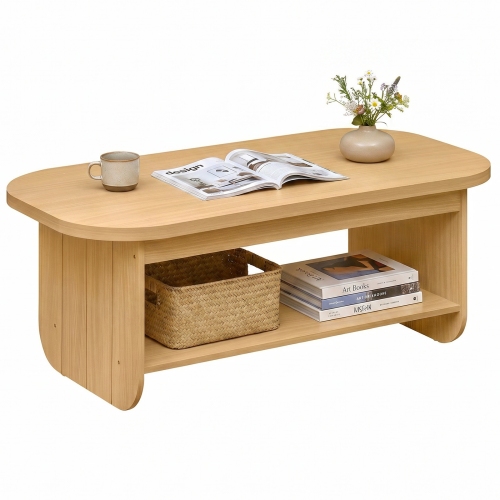
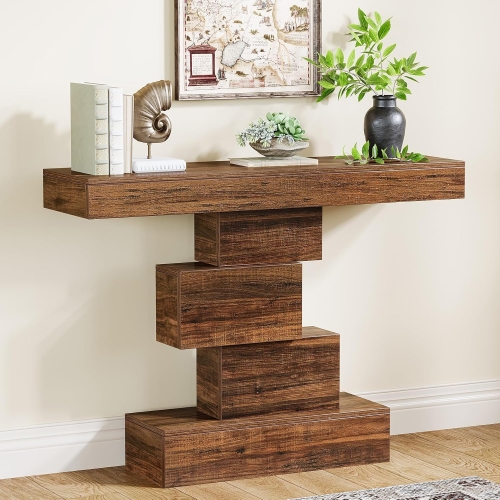
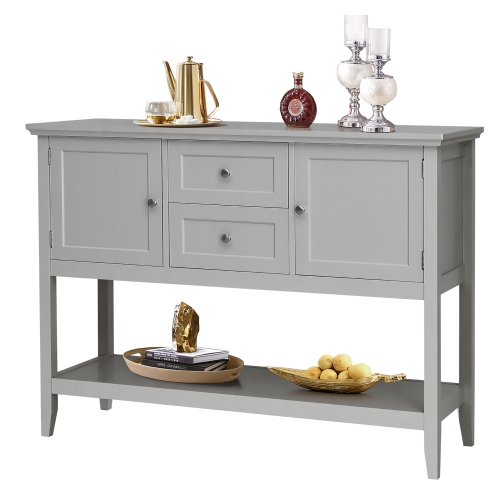


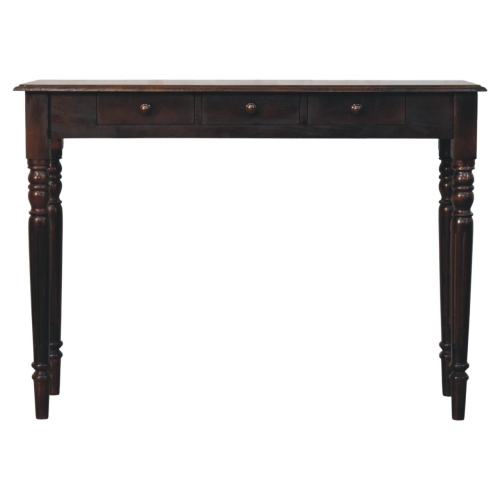
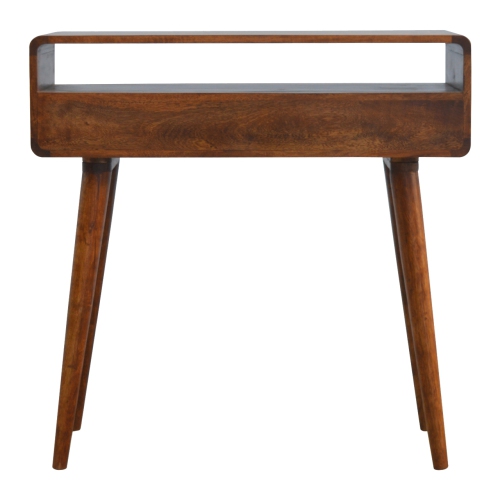
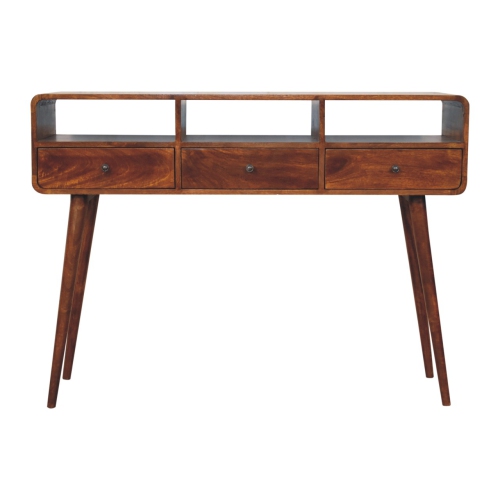

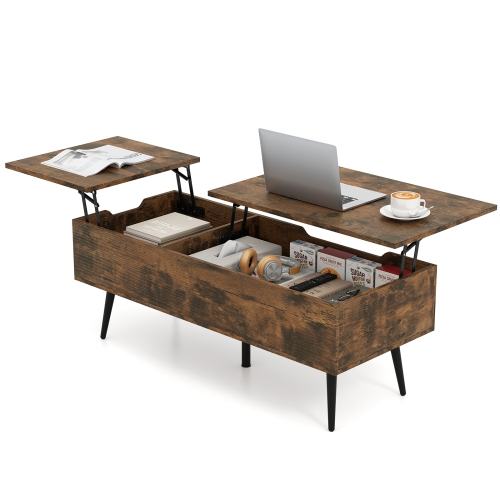
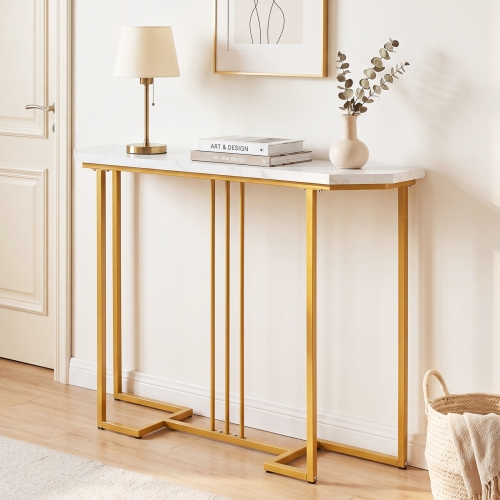
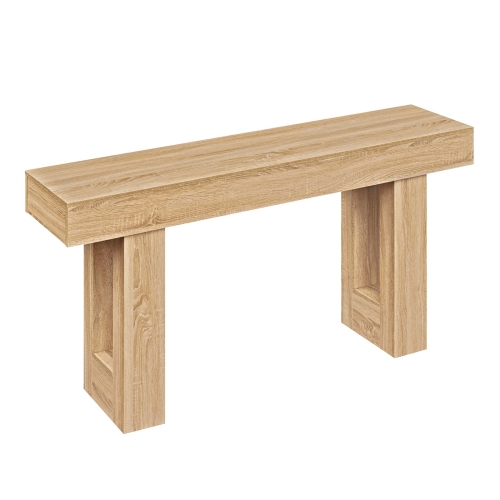
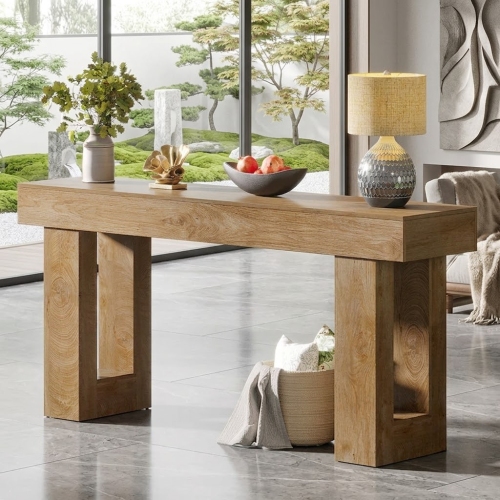
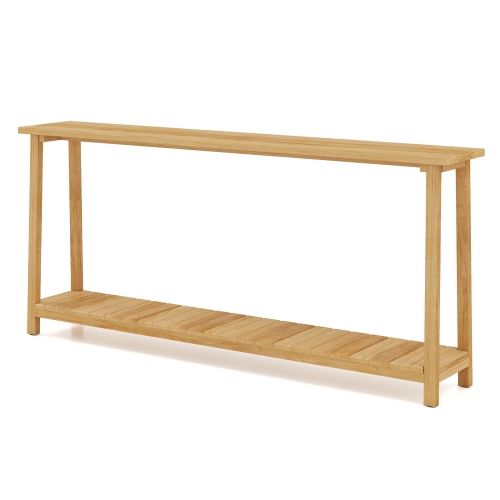
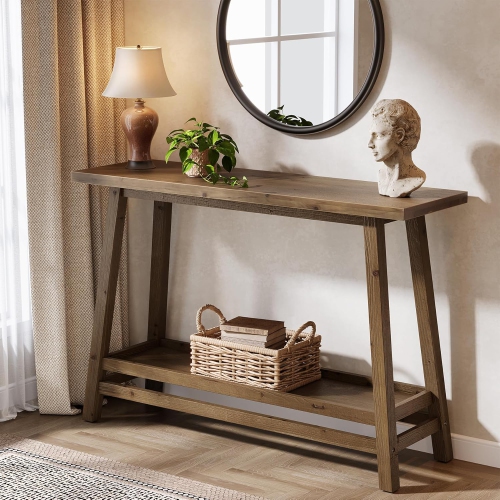
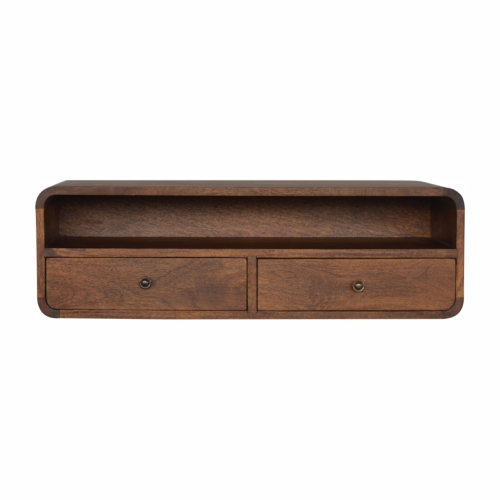
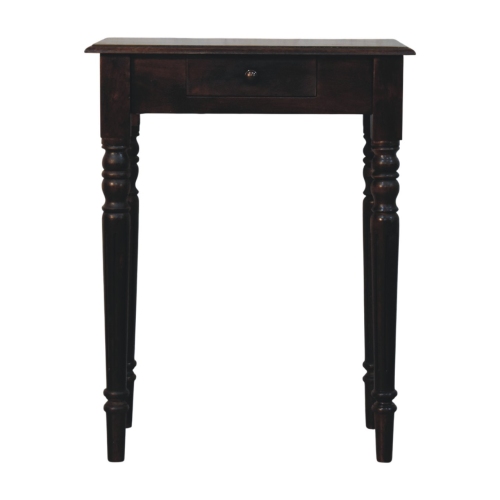
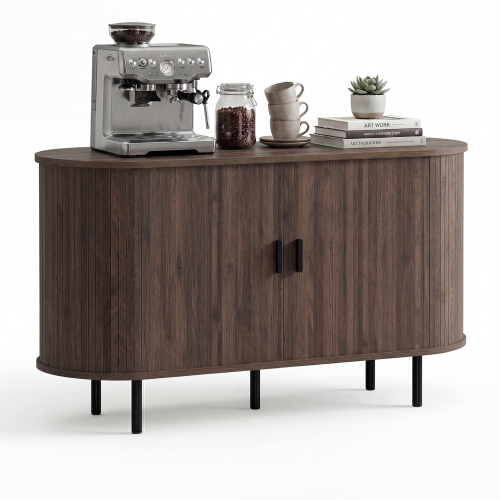
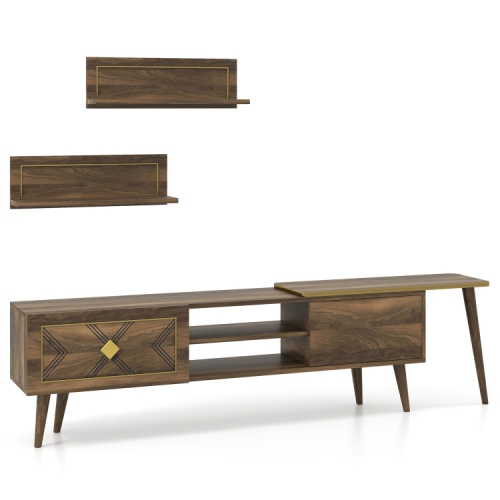
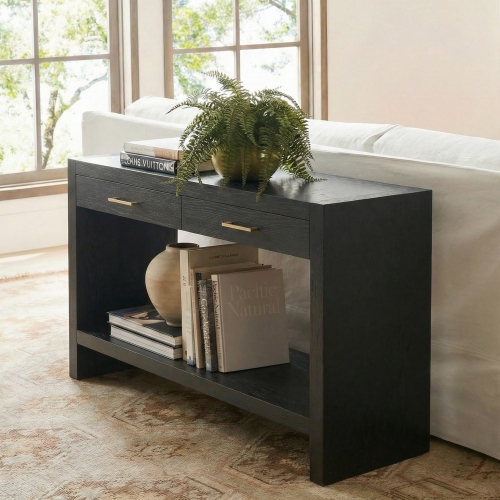
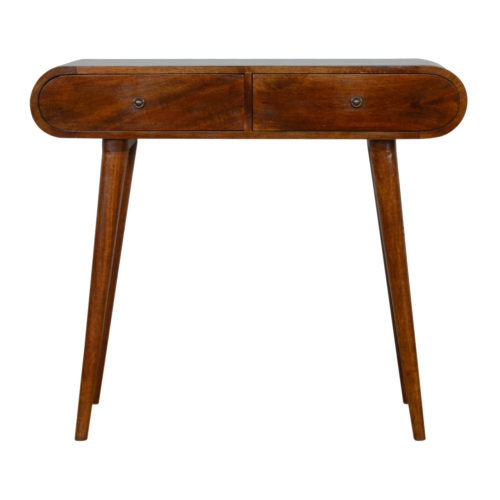
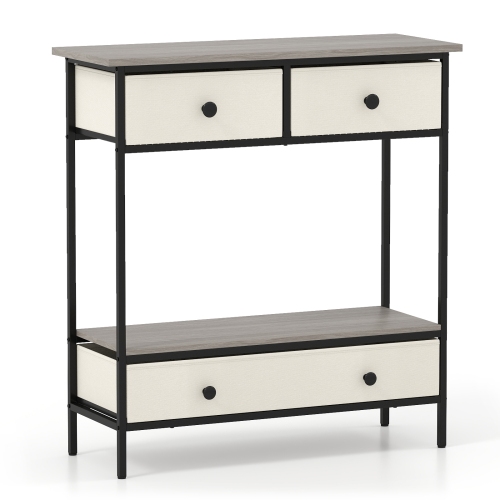
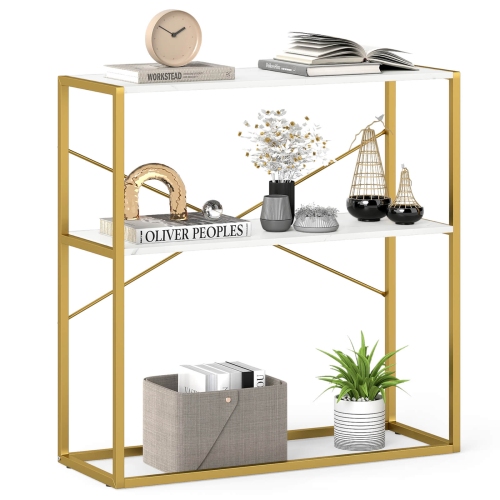
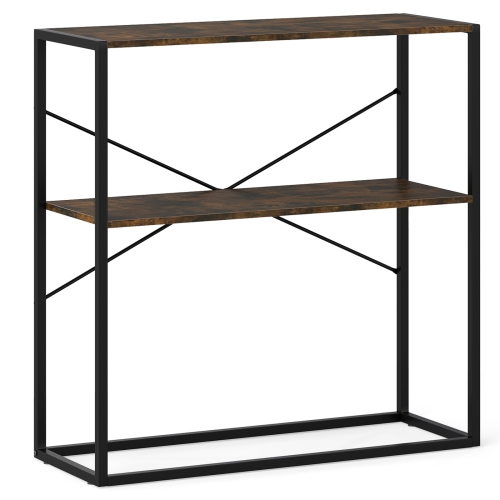
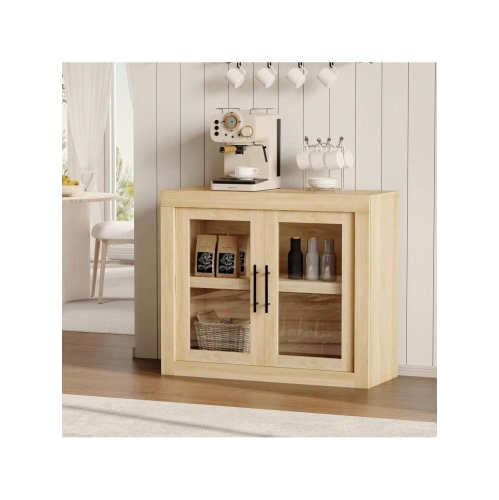
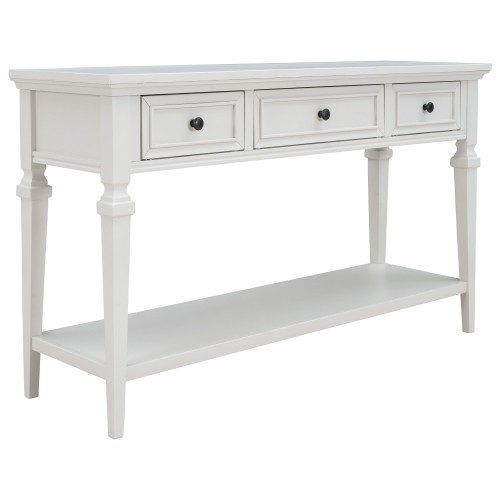
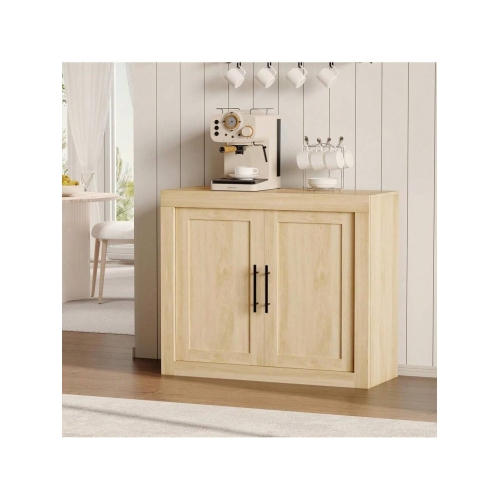
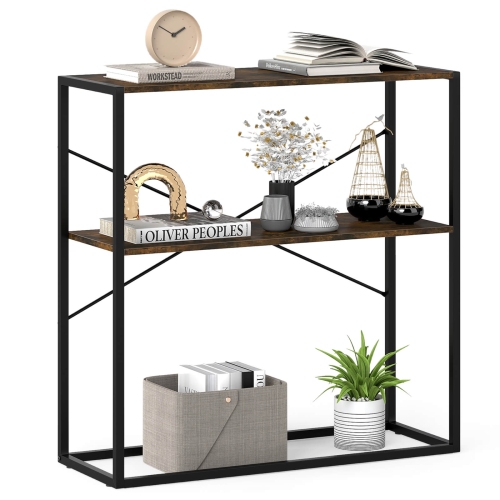
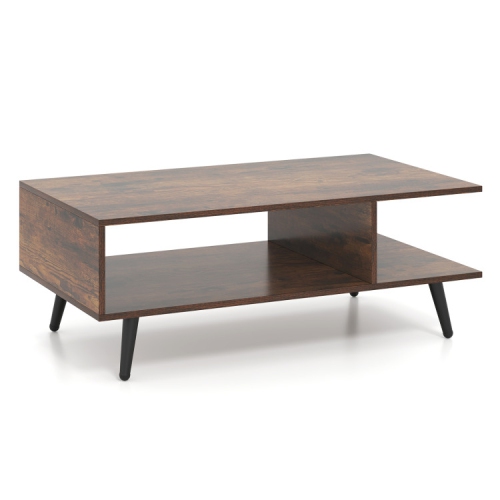
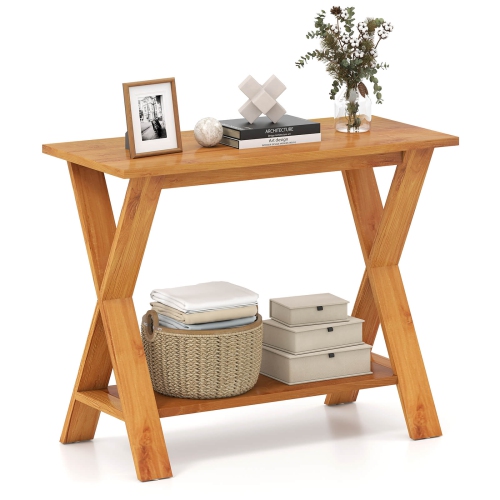
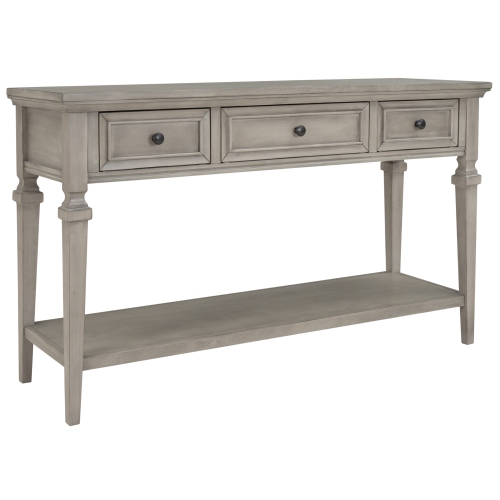
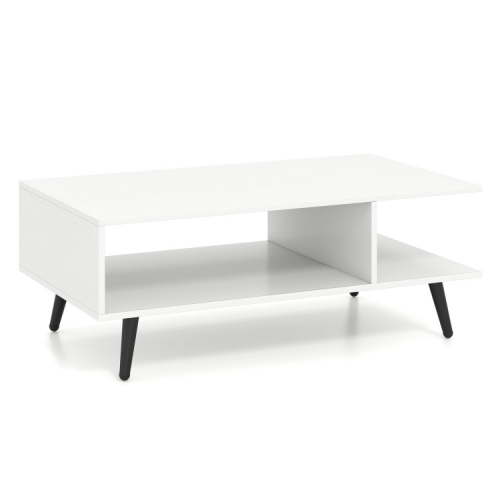
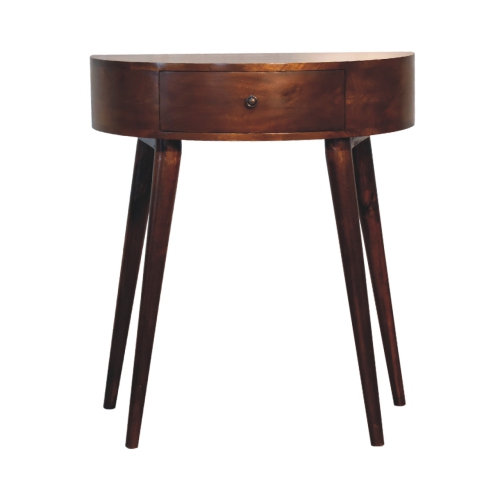
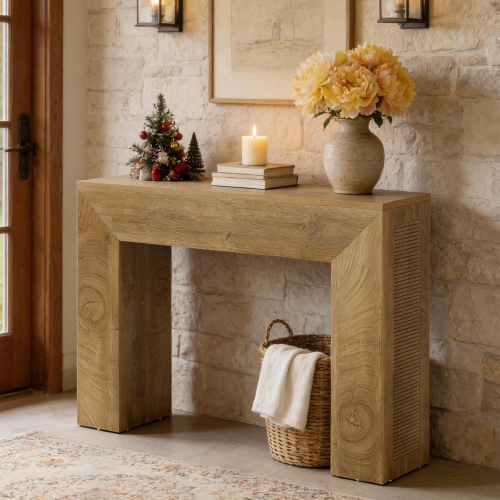
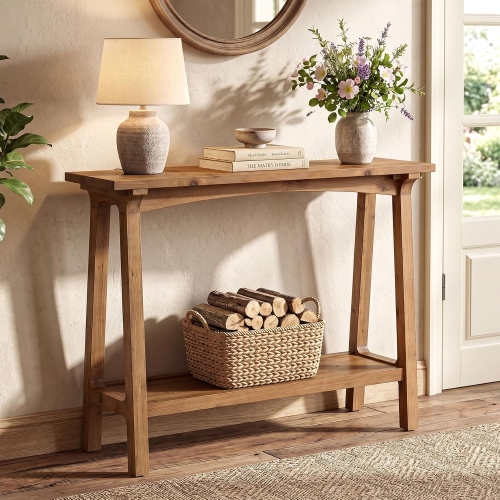
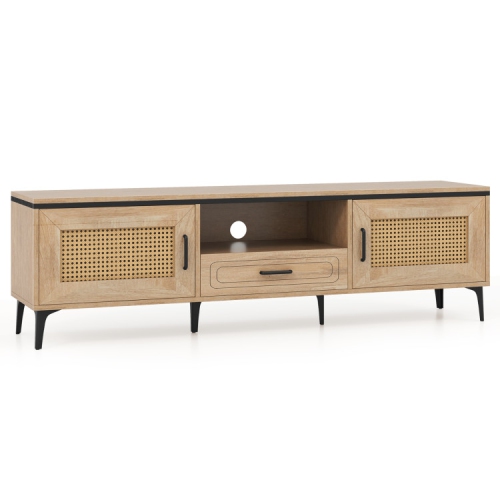
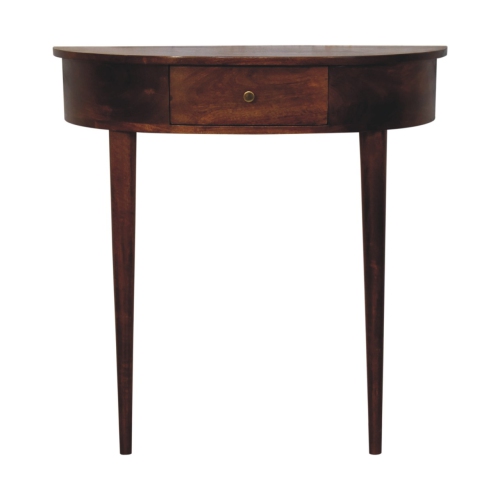
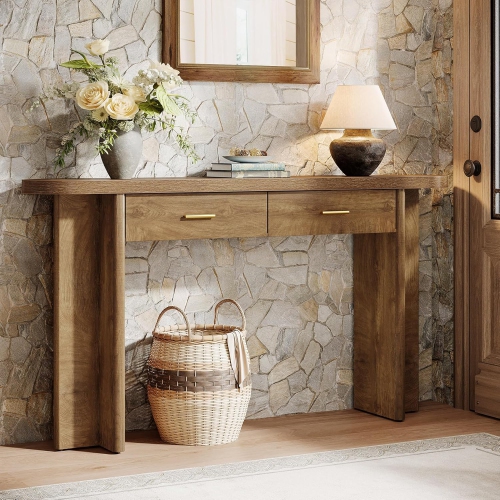
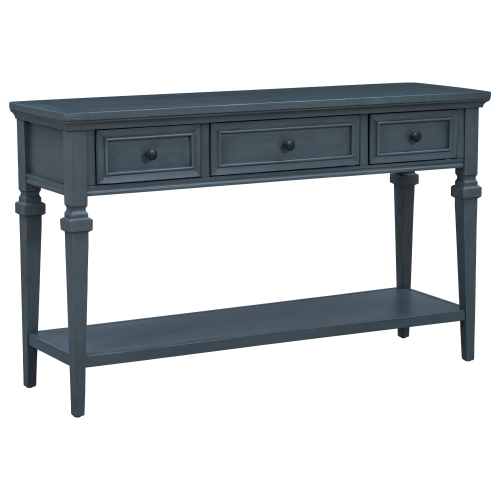
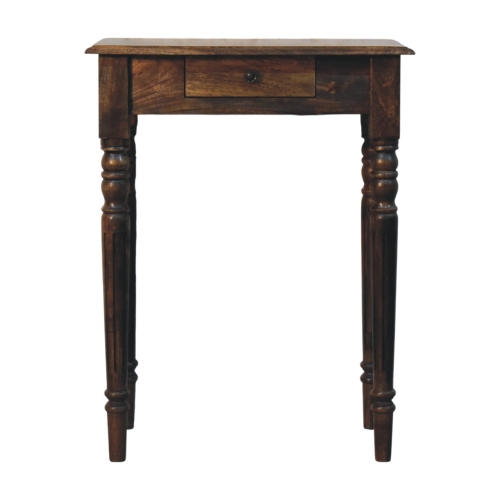
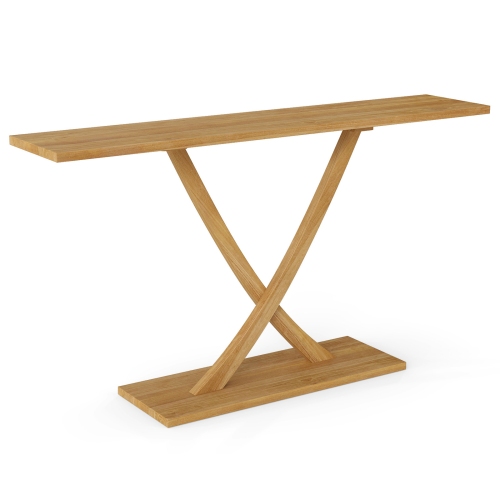
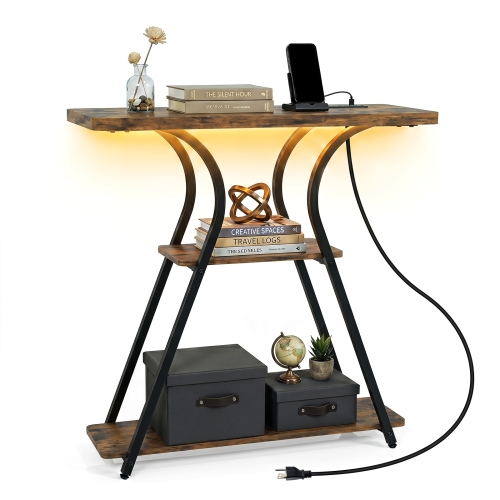
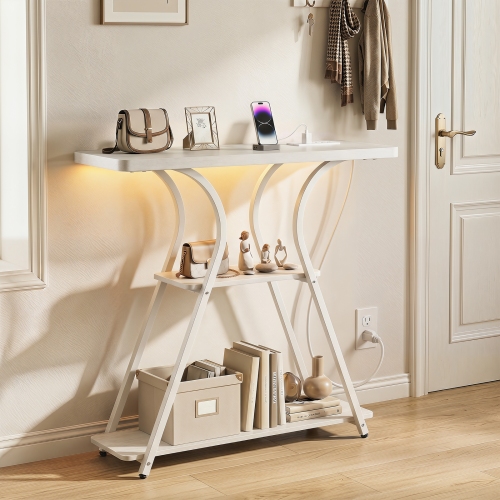
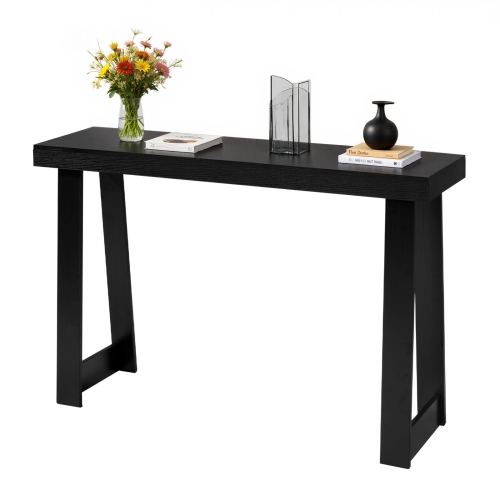
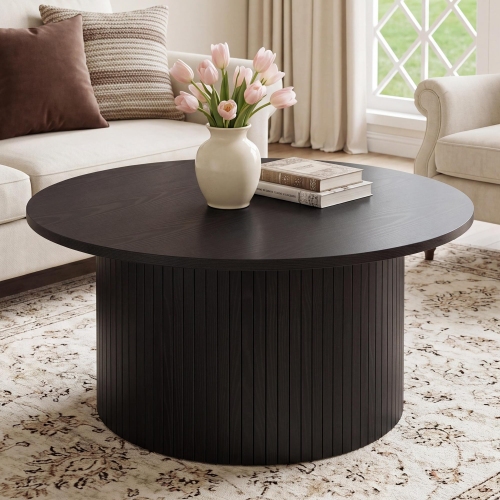
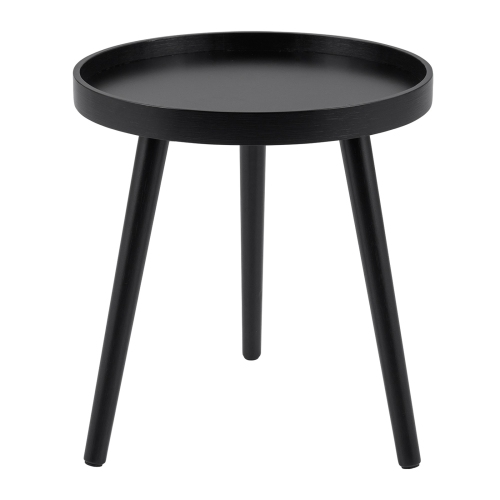
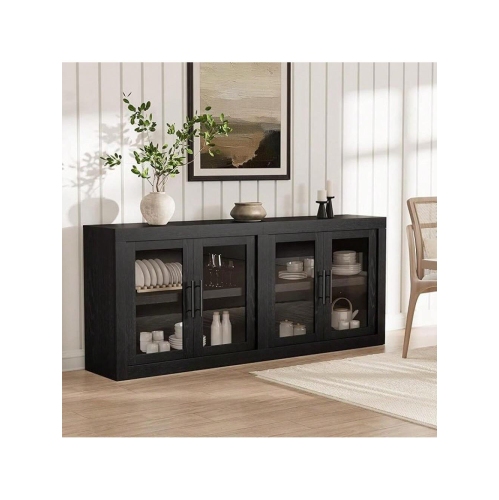
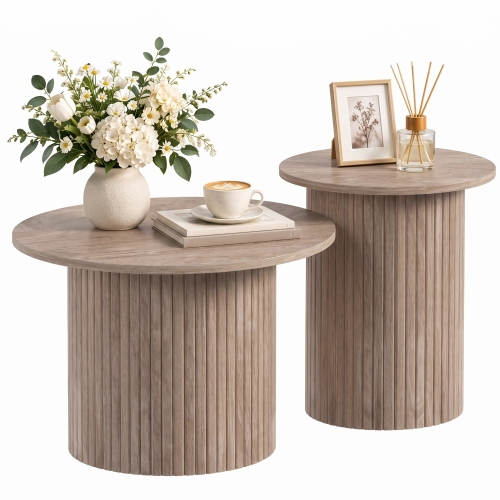
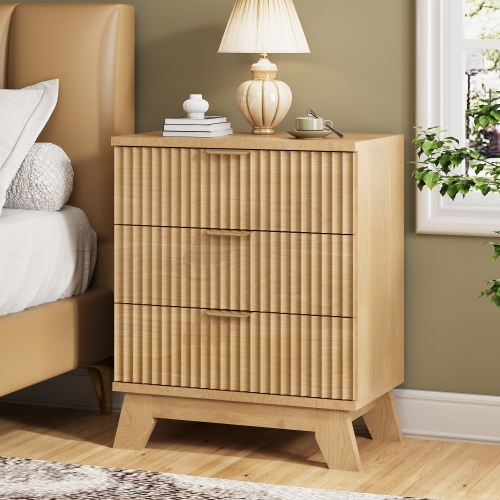
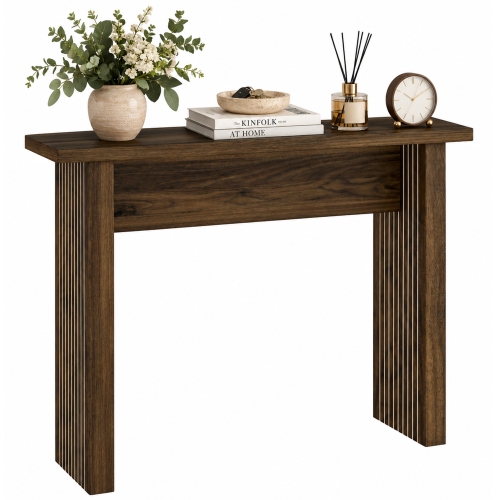
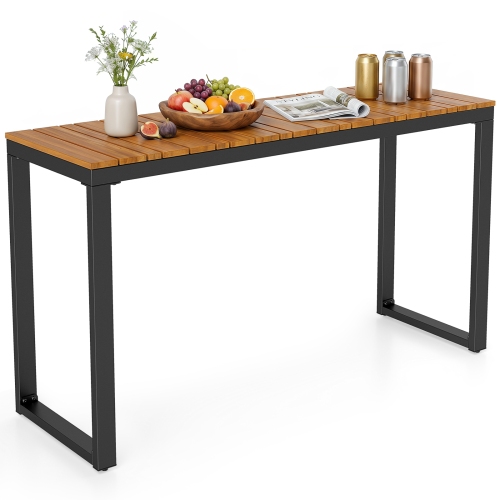
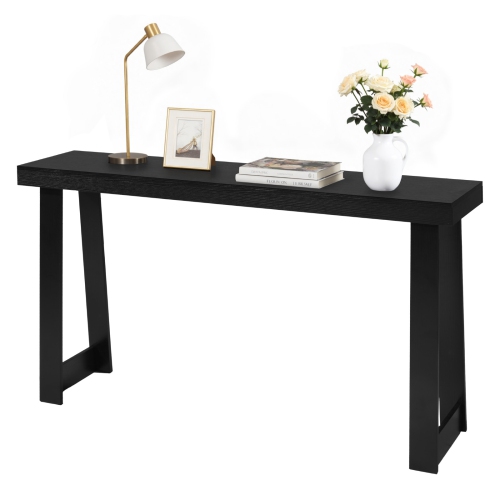

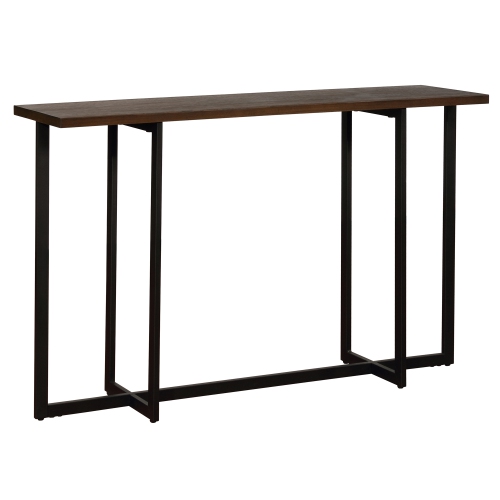
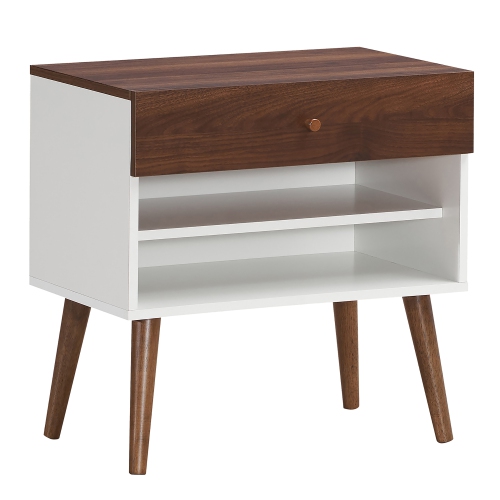
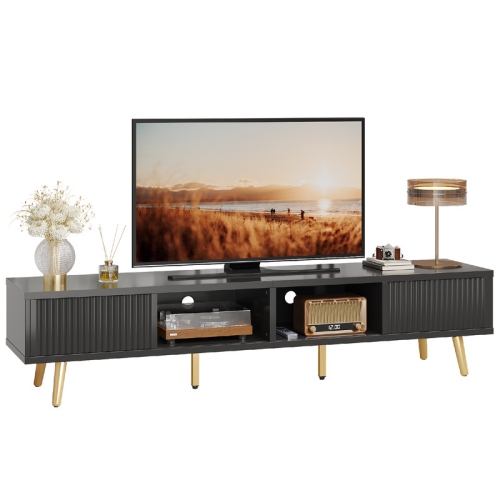
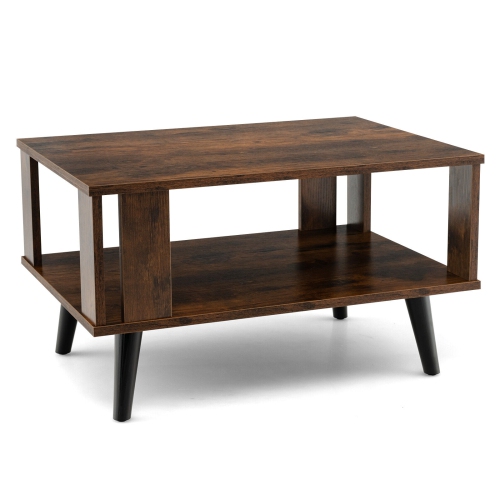
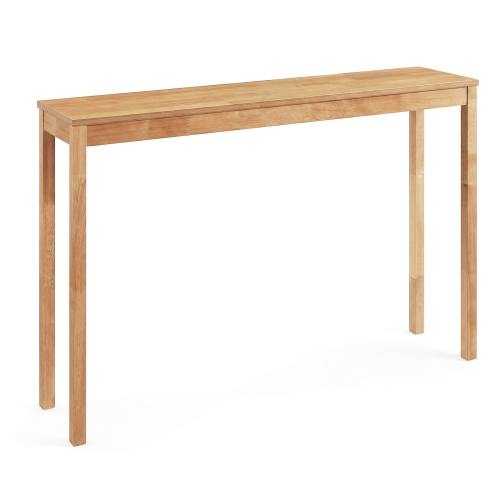
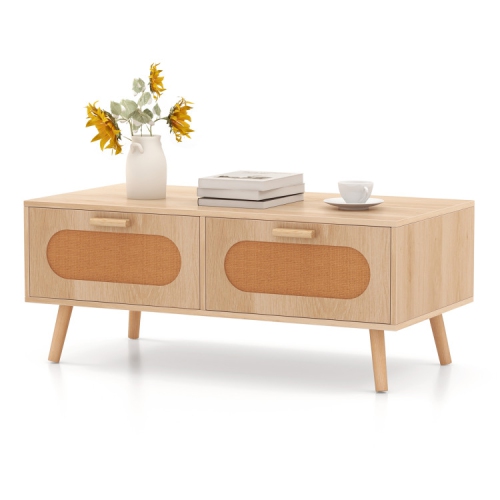
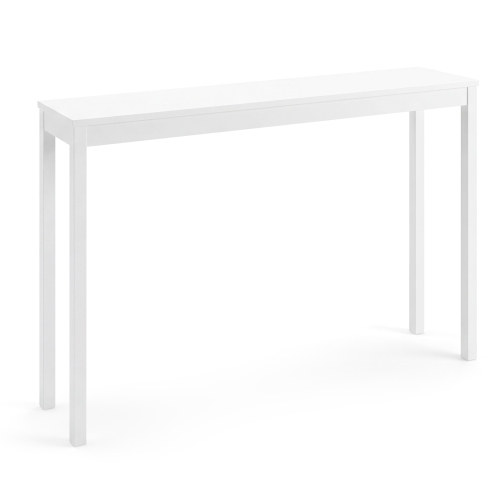
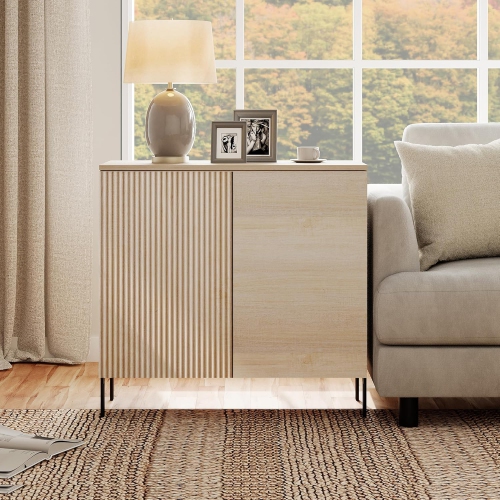
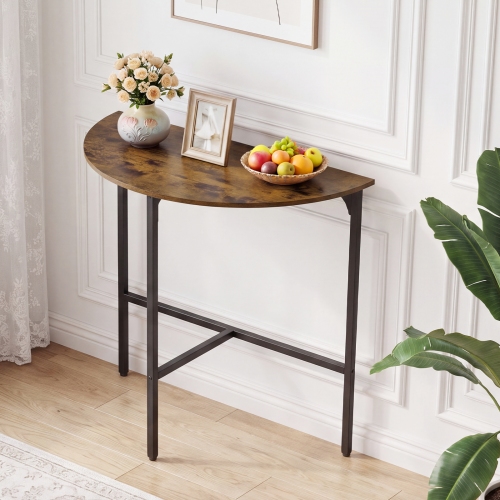
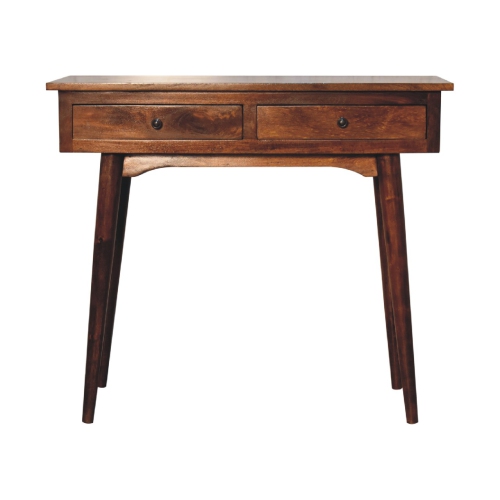
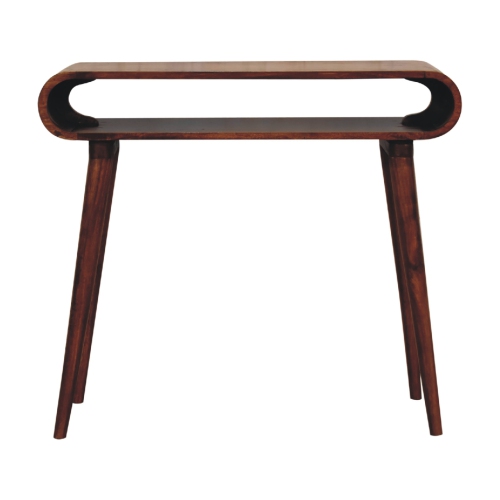
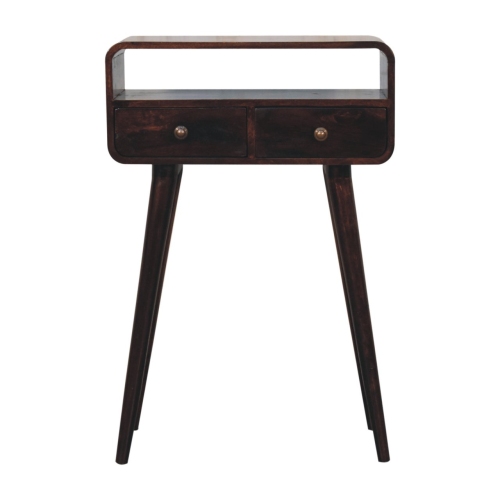
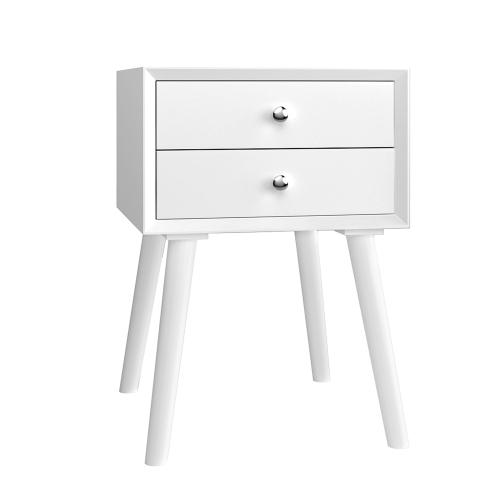
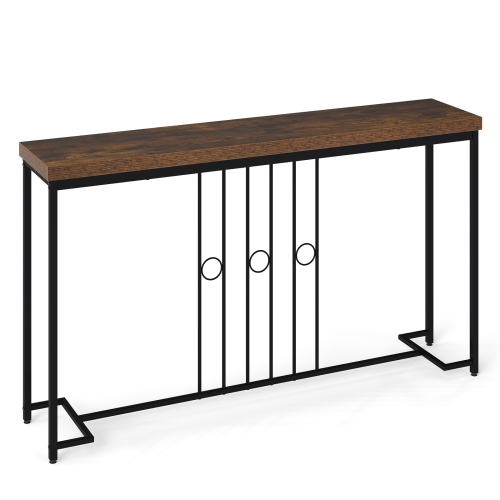
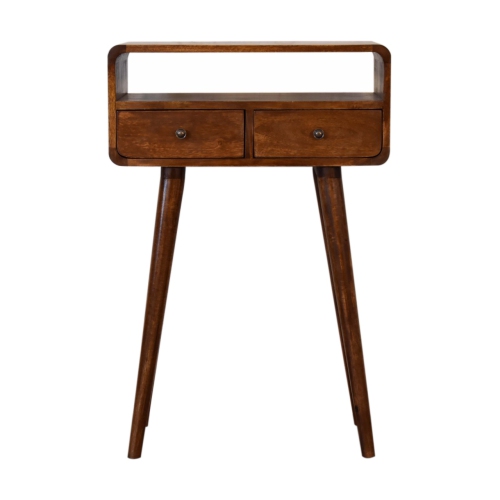

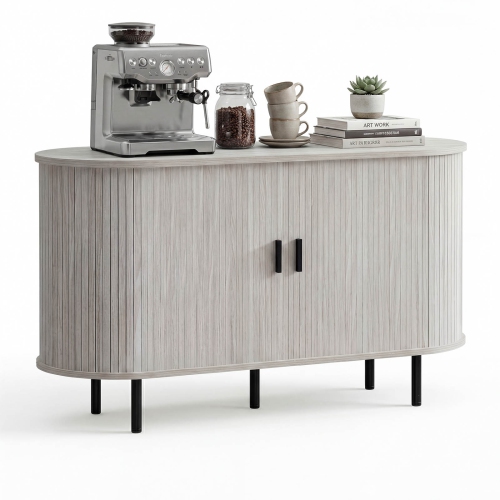
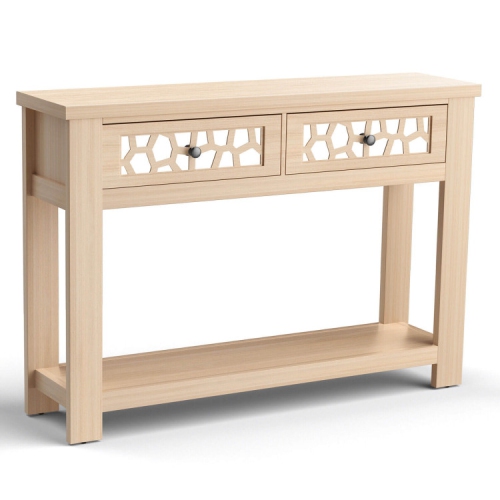
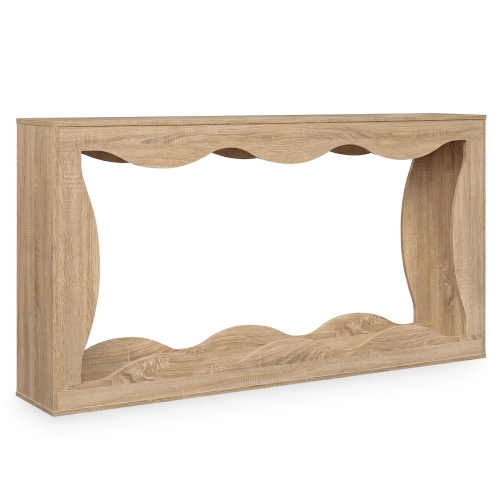
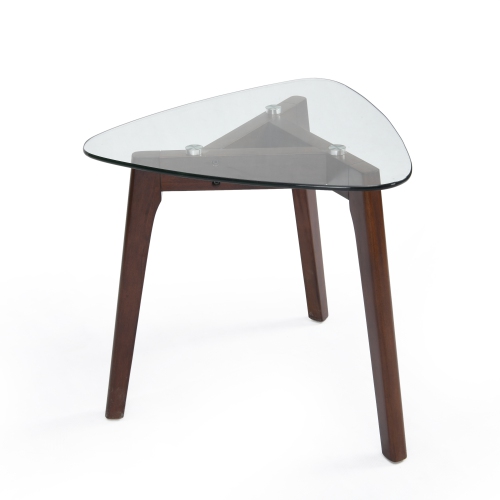
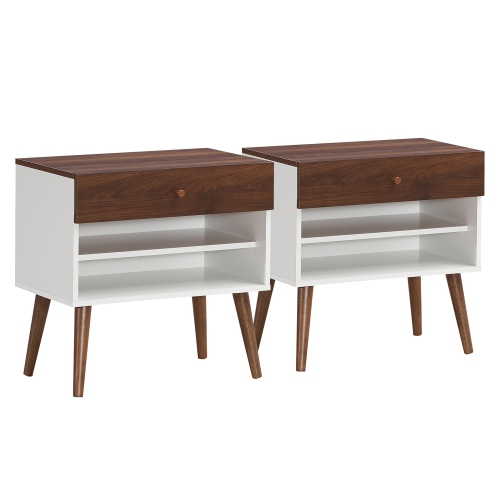
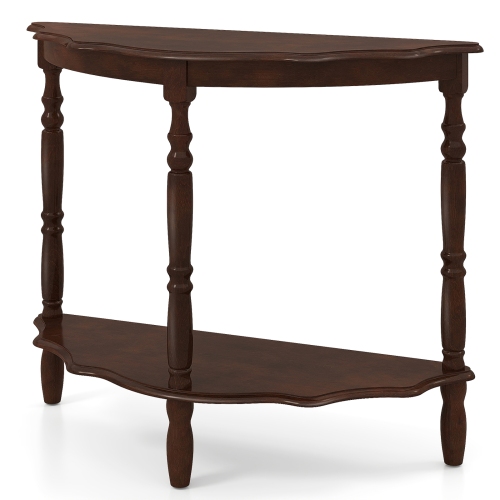

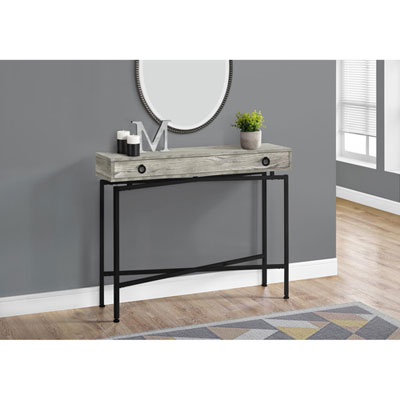
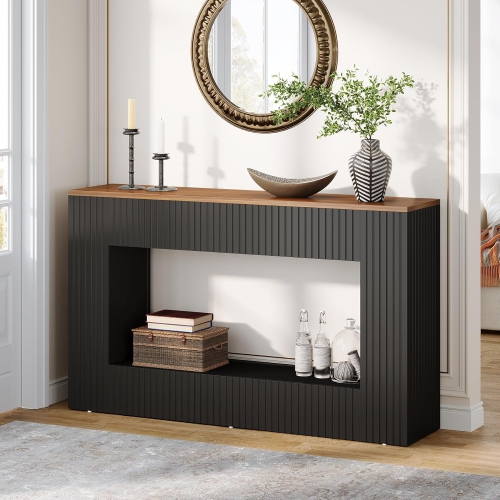
Warm wood character with a lighter visual footprint
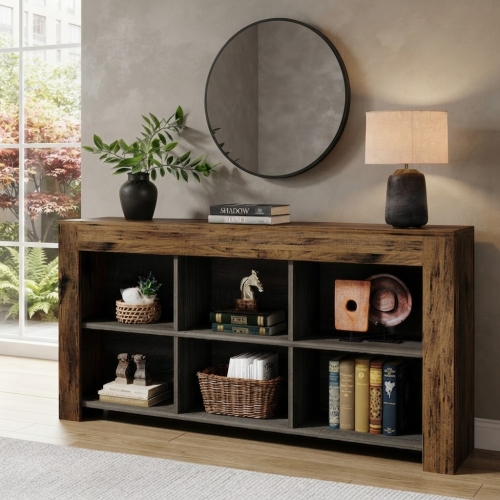
Mid-century wood console tables combine a slim profile with clean lines, warm wood tones, and details such as tapered legs, gently rounded corners, and understated drawer pulls. Inspired by furniture design associated with the middle of the twentieth century, these tables bring a sense of order to an entryway, living room, or dining area without adding the visual weight of a large cabinet. Their appeal lies in the balance between useful surfaces and sculptural shape: a narrow top provides a place for a lamp or a bowl of keys, while raised legs leave more of the floor visible. Some designs lean towards simplicity, with a rectangular top and little ornamentation; others introduce curved drawer fronts, slatted panels, or contrasting handles. Walnut is associated with rich brown colouring and expressive grain, while oak often offers a more pronounced grain pattern in lighter or medium tones. Teak and rubberwood can also appear in furniture with this design influence, each with its own grain and finishing possibilities. The finished colour depends on both the wood and the stain, so a walnut-coloured table is not necessarily made from walnut. Construction matters as much as appearance. Solid wood brings natural variation, while wood veneer places a thin layer of real wood over a supporting core, allowing the grain to remain part of the design. Engineered wood may also be used beneath a veneer or decorative finish. These approaches offer different characteristics rather than a simple distinction between good and bad; joinery, surface protection, hardware, and the quality of the supporting structure all contribute to everyday durability. A clear or lightly tinted finish can highlight the grain, whereas a darker stain creates a more uniform look. Small knots, shifts in grain direction, and differences between panels can give real wood its individual character, especially on a broad tabletop where the pattern is easy to appreciate.
The right proportions help a console table feel like part of the room rather than an obstacle within it. In an entrance, depth is particularly important: a table can fit along a wall yet still leave too little room to carry shopping bags past it or open a nearby closet door. The table’s full footprint includes angled legs and projecting handles, not just the top. Baseboards, wall outlets, floor vents, and door swings also affect placement. Behind a sofa, a console that sits at or slightly below the back can create a convenient surface for lighting and a few everyday objects without dominating the seating area. Against a dining room wall, it can hold serving accessories between meals, provided its surface and weight limits suit the intended use. Height becomes especially noticeable when a mirror or artwork hangs above the table; a comfortable arrangement leaves breathing room between the furniture and the piece on the wall. Storage changes how the table works from day to day. Shallow drawers can keep keys, charging cables, and stationery out of sight, although internal measurements matter when storing anything larger than small accessories. An open shelf provides space for baskets or books, while a cabinet front creates a quieter appearance when the contents are varied. Drawer clearance deserves attention in a tight hallway, since a table that fits neatly when closed may be awkward to use when fully open. A lower rail or shelf can add useful storage but may interfere with a basket intended to slide underneath. Stable construction and suitable hardware are important wherever a table will be used regularly. Manufacturer instructions determine assembly, load limits, and any wall anchoring requirements, particularly in homes with children or pets. A console should not be assumed to function as a television stand, seat, or heavy equipment support unless it is expressly designed for that purpose. Its strength needs to match the job, even when its shape looks substantial.
Mid-century styling is adaptable enough to sit alongside both contemporary furniture and older pieces. A wood console can soften a room with metal shelving and upholstered seating, or provide a simple counterpoint to patterned rugs and detailed artwork. Matching every wood finish is not essential; a shared undertone or a repeated accent colour can make different pieces feel connected. The table’s surface usually works best when some of the wood remains visible. A ceramic lamp at one end, a shallow tray near the entrance, and a small framed print can create a useful arrangement without leaving the top crowded. Protective pads beneath decorative objects help limit scratches, and a waterproof liner beneath a plant pot can prevent moisture from reaching the finish. Everyday care should follow the manufacturer’s directions, since lacquered, oiled, painted, and other finished surfaces do not all respond to the same products. Dusting with a soft cloth, wiping spills promptly, and avoiding abrasive cleaners are sensible starting points. When damp cleaning is permitted, excess water should not sit on the surface or collect around seams and drawer edges. Coasters and protective mats are useful beneath drinks or serving pieces, while direct sunlight and nearby heat sources can affect the appearance of some finishes over time. Moving a table by lifting rather than dragging helps protect the legs and their connections, and checking fasteners as directed can address looseness from regular use. For a housewarming or a shared home furnishing gift, a console table is most thoughtful when its dimensions, finish, and storage suit the recipient’s space and routines. Those considering other silhouettes alongside mid-century designs can explore All Wood Console Tables for a broader range of wood console styles. Whether used to organize an entrance or finish the space behind a sofa, a well-proportioned table brings together practical storage, an accessible surface, and the character of its wood finish.
Top selling and popular products
-
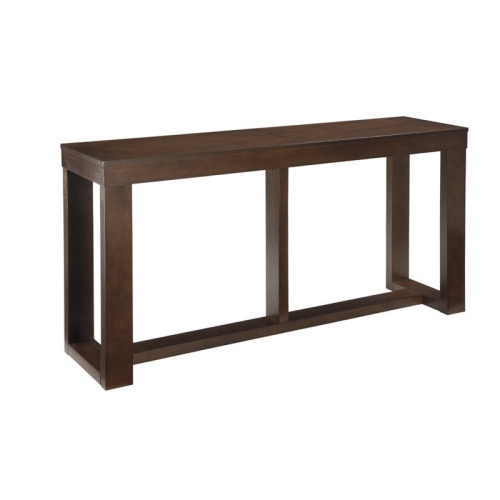 Your price for this item is $349
-
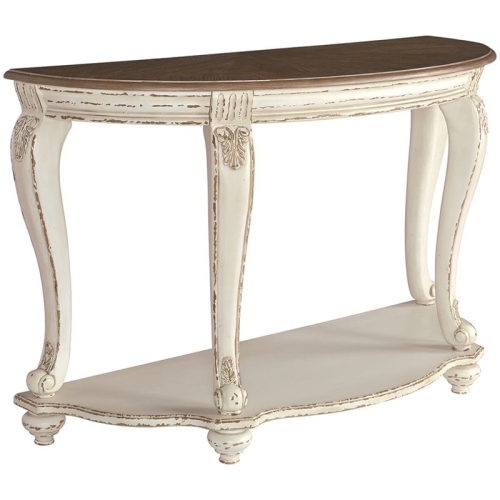 Your price for this item is $499
-
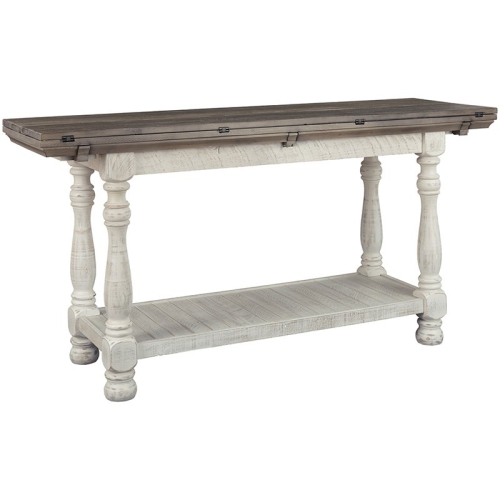 Your price for this item is $799
-
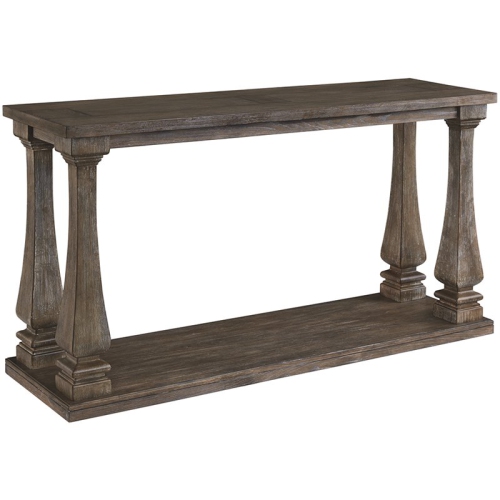 Your price for this item is $629
-
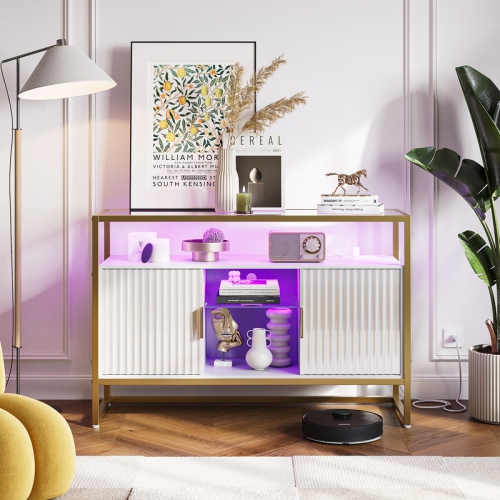 Your price for this item is $249.99
-
 Your price for this item is $144.99
-
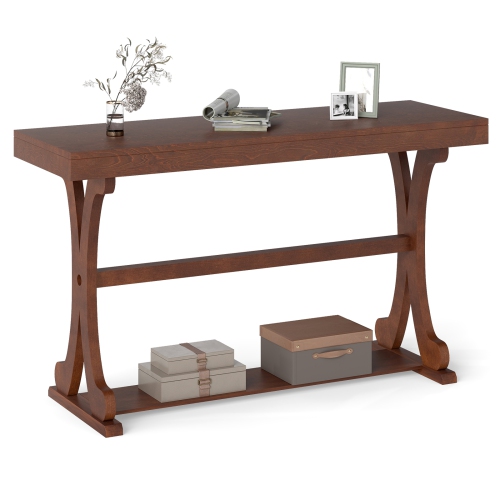 Your price for this item is $179.99
-
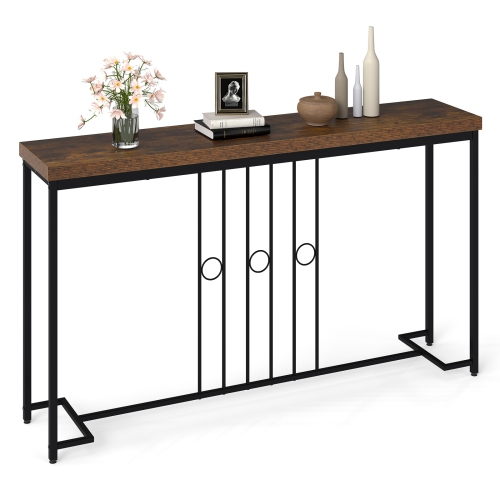 Your price for this item is $89.99
Discover more categories related to Mid Century Wood Console Tables


Top Collections:
Best Black Friday Deals This Year, Best Black Friday Deals On Electronics, Kindle Devices, Dyson Airwrap, Best Cameras for Sports Photography, Best Budget Office Chairs, Canon G7X Cameras, PS5 Pro Consoles, Best Black Friday Deals On Apple Products, XBOX One S Consoles
Some products may be subject to Environmental Handling Fees
(EHF) depending on your province.
Learn more about EHFs.