Mini Blinds
Mini Blinds offer a versatile and stylish solution for controlling light and enhancing privacy in any room. Perfect for windows of all sizes, these window coverings are designed to complement a wide range of interior decors. Discover options that make it easy to update your living space with both function and flair. Explore the selection of Mini Blinds to find the ideal match for your home or office needs.
Sort
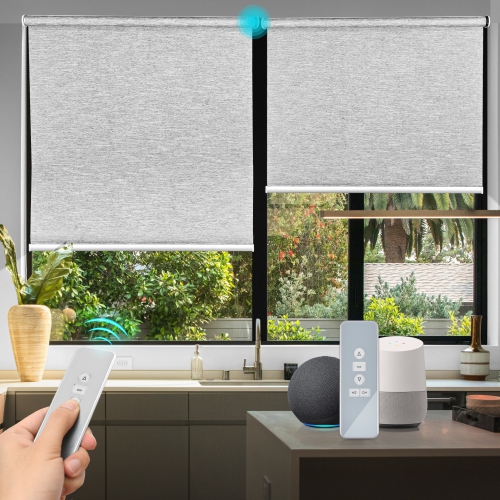
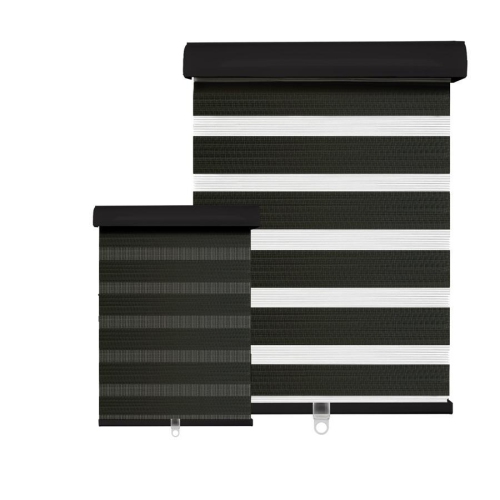
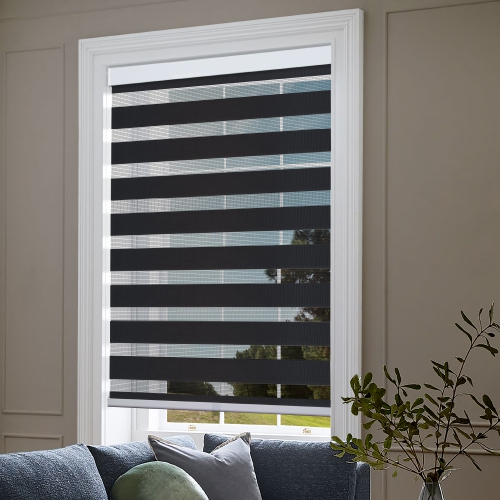
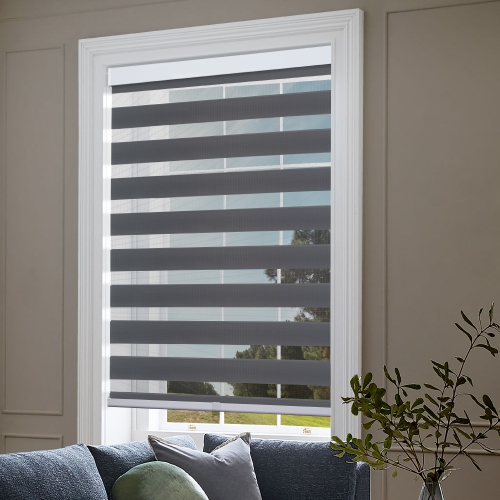


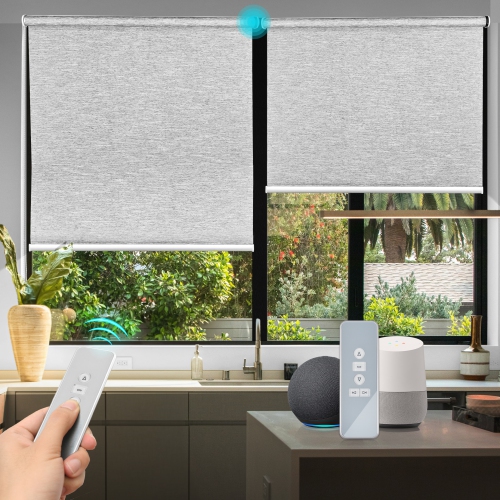
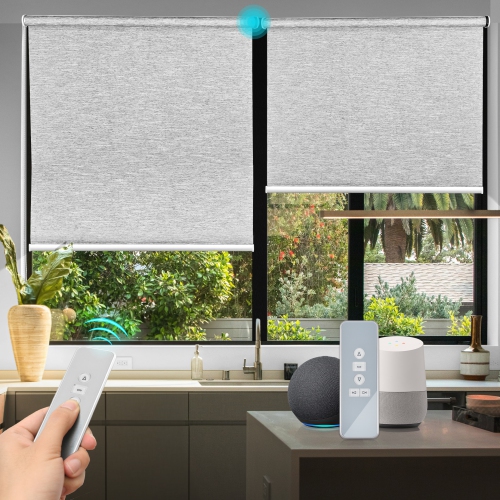

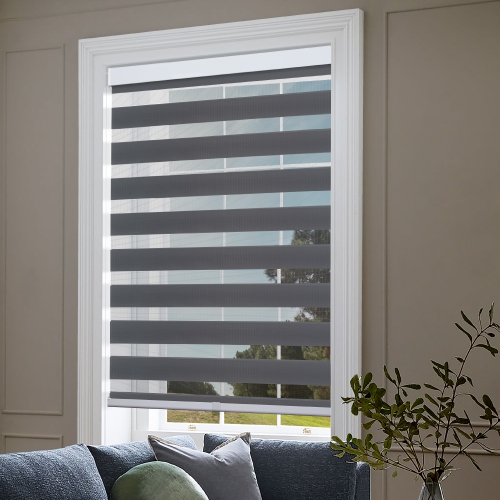
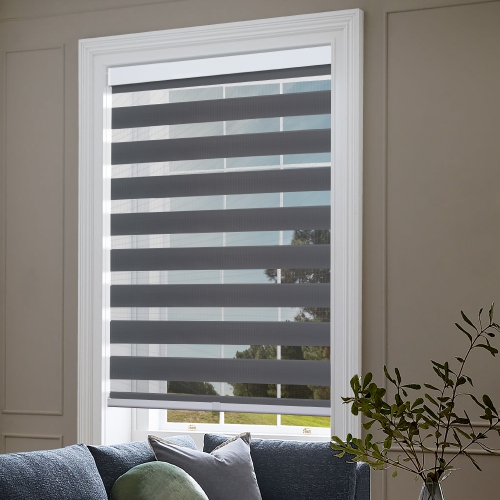
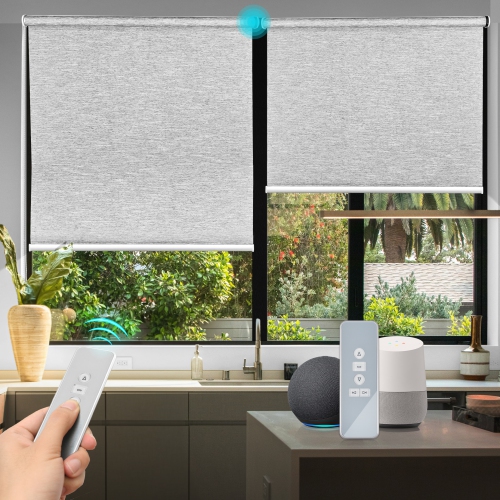
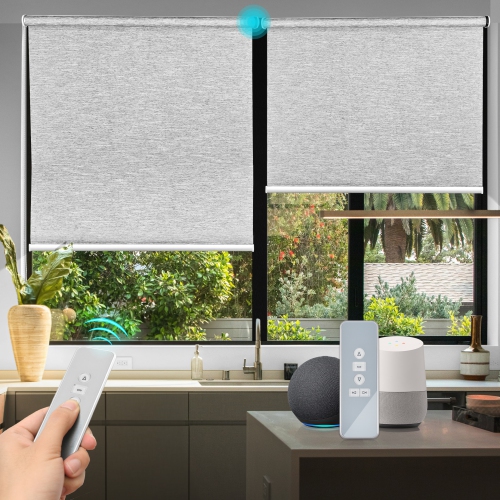
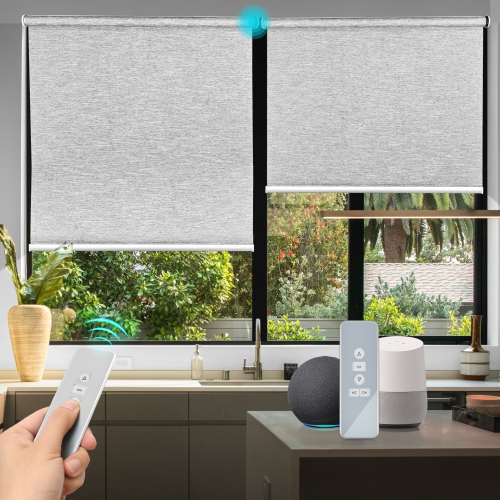
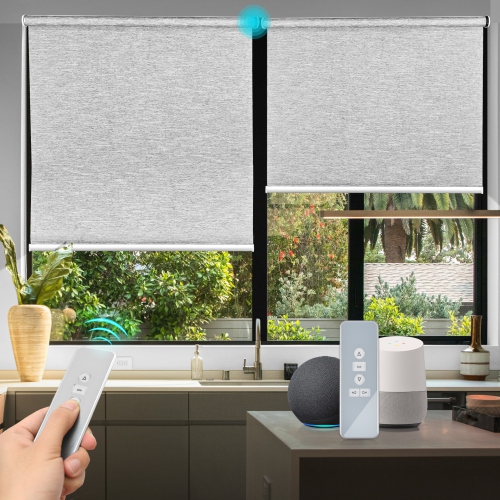
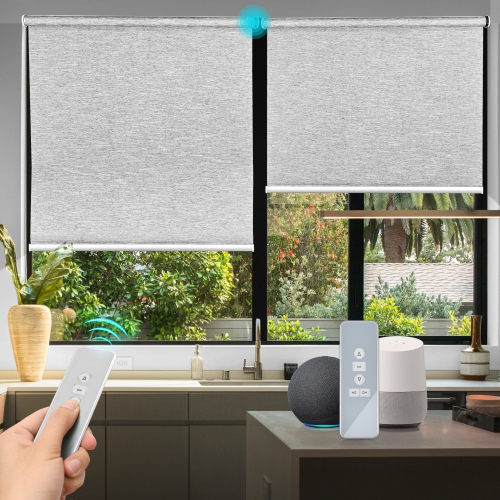
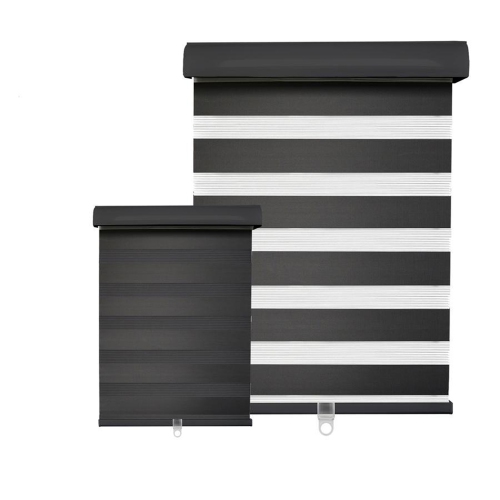
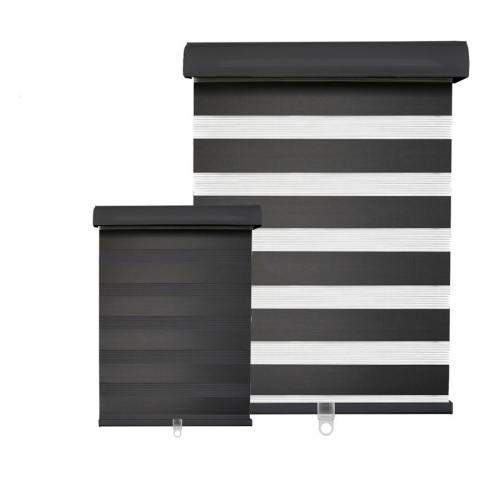
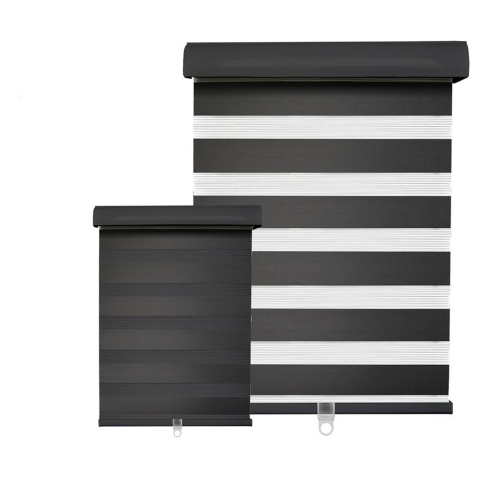
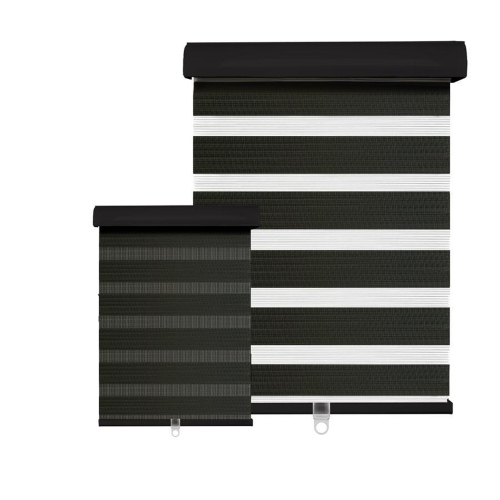
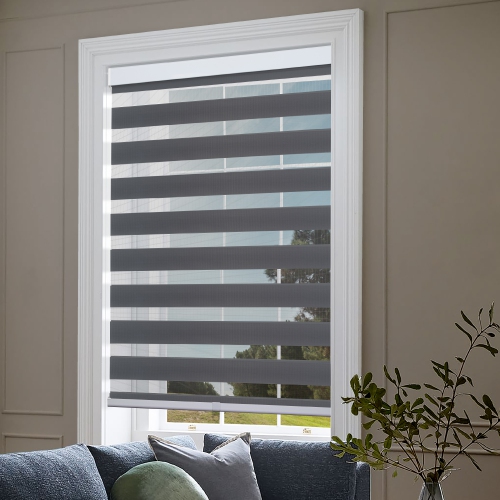
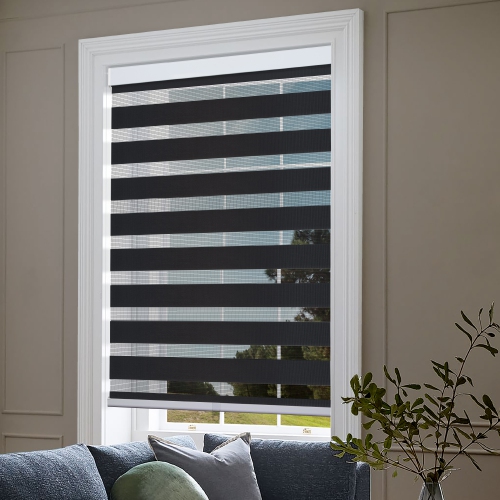
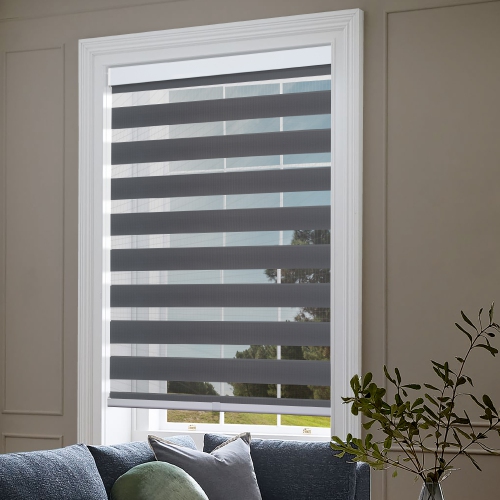
Slim slats balance daylight and privacy without the bulk
Mini blinds are horizontal window coverings with narrow slats, typically about 1 inch wide, that tilt to adjust daylight and privacy and lift to open the view. Their slim profile suits smaller windows, shallow-looking frames, and rooms where a heavier window treatment would feel bulky. In a kitchen, angled slats can soften bright light across a breakfast table without closing the room off completely. In a home office, they can help redirect sunlight away from a monitor while allowing some daylight onto the desk. That balance makes mini blinds useful in bedrooms, living rooms, laundry rooms, and apartments, although the best material and fit depend on the conditions around each window. Vinyl and aluminum are common materials, each with a different feel and finish. Vinyl slats are lightweight, resist moisture, and are generally easy to wipe clean, making them practical for spaces where splashes or humidity are an occasional concern. Aluminum slats have a thin, crisp appearance and resist rust, but they can crease if bent sharply. Neither material is immune to damage: vinyl may warp or become brittle with prolonged exposure to strong heat or sunlight, while aluminum can hold a dent from rough handling. Material quality, slat thickness, hardware, and everyday use all influence how well a blind holds its shape. White and off-white finishes tend to blend into light window trim, while grey or darker tones give the window a more defined outline. A smooth finish is convenient where dust or cooking residue settles, and a low-sheen surface can look more subdued beside a bright window. For a cohesive result across adjoining rooms, matching the slat width and finish often matters as much as matching the colour. Mini blinds also work as a discreet layer behind curtains, providing adjustable daytime coverage while the fabric adds softness and more substantial coverage after dark.
Fit affects both the appearance and the usefulness of mini blinds. An inside mount places the blind within the window recess, leaving the surrounding trim visible and keeping the treatment close to the glass. This arrangement can look especially neat on a row of small windows, but it requires enough unobstructed depth for the headrail and mounting brackets. Window handles, locks, projecting trim, and insect screens may interfere with the slats or bottom rail, so the usable space matters more than the depth of the frame alone. An outside mount sits on suitable trim or wall space beyond the opening and can provide greater overlap at the sides. That extra coverage is helpful when the recess is shallow or when side gaps would leave an unwanted view into the room. Accurate measurements are important with either approach because window openings are not always perfectly square. Width measurements at the top, middle, and bottom, along with height measurements in several places, help reveal small differences that could affect clearance. Manufacturer sizing instructions should determine which measurements to use and whether any fitting allowance is already included; subtracting an allowance twice can leave a blind narrower than intended. The finished length also deserves attention, particularly above a kitchen counter, desk, or deep sill where excess material may collect in an awkward stack. In rental homes, permitted mounting methods and the condition of the window frame can be just as important as dimensions. The Window Blinds for Apartments page offers a related starting point for smaller living spaces and rental layouts. Any installation still needs secure attachment to a suitable surface, with hardware appropriate to that surface. Near a door or an opening window, a correctly positioned blind should allow normal movement without catching on handles or being repeatedly knocked against the frame. These details help a compact window treatment feel properly integrated rather than simply fitted over the glass.
Daily comfort depends on how mini blinds manage light, how easily they operate, and how well their care requirements suit the room. Tilting the slats provides a gradual adjustment between an open view and more enclosed coverage, but standard mini blinds are not usually a blackout solution. Light can pass between slats, through cord holes, and around the edges, even when the blind is closed. A bedroom used by a shift worker or a nursery where darkness is important may benefit from a separate blackout layer. Privacy also changes with the angle of the slats and the difference between indoor and outdoor light. A room that feels private in daylight can be more visible from outside once indoor lamps are on, so coverage is worth checking after dark, especially at street level. Cordless lift designs avoid dangling operating cords and can be a useful choice in homes with children or pets, though no window covering replaces careful placement and supervision. Cribs, beds, and climbable furniture should remain away from windows, and the blind should be installed and operated according to its safety instructions. An easy-to-reach bottom rail makes cordless operation more convenient; a window positioned behind a broad counter may need particular attention to reach and handling. For routine cleaning, a soft cloth, duster, or suitable vacuum brush attachment can remove loose dust without placing much pressure on the slats. Supporting each slat while wiping helps prevent bends, and stubborn marks may respond to a lightly dampened cloth with mild soap if the care instructions permit it. Headrails and lift mechanisms should not be soaked, and slats should be allowed to dry before the blind is raised. Gentle, even lifting and keeping loose objects clear of the slats can help reduce everyday wear. During the cooler months, blinds offer useful privacy as evenings grow darker, but they should not be treated as a substitute for sound window seals or proper insulation. Leaving space around heat sources and watching for condensation behind closed coverings helps protect both the blind and the window area. With suitable materials, accurate sizing, and straightforward care, mini blinds provide a practical way to make daylight and privacy easier to manage throughout the home.
Fit affects both the appearance and the usefulness of mini blinds. An inside mount places the blind within the window recess, leaving the surrounding trim visible and keeping the treatment close to the glass. This arrangement can look especially neat on a row of small windows, but it requires enough unobstructed depth for the headrail and mounting brackets. Window handles, locks, projecting trim, and insect screens may interfere with the slats or bottom rail, so the usable space matters more than the depth of the frame alone. An outside mount sits on suitable trim or wall space beyond the opening and can provide greater overlap at the sides. That extra coverage is helpful when the recess is shallow or when side gaps would leave an unwanted view into the room. Accurate measurements are important with either approach because window openings are not always perfectly square. Width measurements at the top, middle, and bottom, along with height measurements in several places, help reveal small differences that could affect clearance. Manufacturer sizing instructions should determine which measurements to use and whether any fitting allowance is already included; subtracting an allowance twice can leave a blind narrower than intended. The finished length also deserves attention, particularly above a kitchen counter, desk, or deep sill where excess material may collect in an awkward stack. In rental homes, permitted mounting methods and the condition of the window frame can be just as important as dimensions. The Window Blinds for Apartments page offers a related starting point for smaller living spaces and rental layouts. Any installation still needs secure attachment to a suitable surface, with hardware appropriate to that surface. Near a door or an opening window, a correctly positioned blind should allow normal movement without catching on handles or being repeatedly knocked against the frame. These details help a compact window treatment feel properly integrated rather than simply fitted over the glass.
Daily comfort depends on how mini blinds manage light, how easily they operate, and how well their care requirements suit the room. Tilting the slats provides a gradual adjustment between an open view and more enclosed coverage, but standard mini blinds are not usually a blackout solution. Light can pass between slats, through cord holes, and around the edges, even when the blind is closed. A bedroom used by a shift worker or a nursery where darkness is important may benefit from a separate blackout layer. Privacy also changes with the angle of the slats and the difference between indoor and outdoor light. A room that feels private in daylight can be more visible from outside once indoor lamps are on, so coverage is worth checking after dark, especially at street level. Cordless lift designs avoid dangling operating cords and can be a useful choice in homes with children or pets, though no window covering replaces careful placement and supervision. Cribs, beds, and climbable furniture should remain away from windows, and the blind should be installed and operated according to its safety instructions. An easy-to-reach bottom rail makes cordless operation more convenient; a window positioned behind a broad counter may need particular attention to reach and handling. For routine cleaning, a soft cloth, duster, or suitable vacuum brush attachment can remove loose dust without placing much pressure on the slats. Supporting each slat while wiping helps prevent bends, and stubborn marks may respond to a lightly dampened cloth with mild soap if the care instructions permit it. Headrails and lift mechanisms should not be soaked, and slats should be allowed to dry before the blind is raised. Gentle, even lifting and keeping loose objects clear of the slats can help reduce everyday wear. During the cooler months, blinds offer useful privacy as evenings grow darker, but they should not be treated as a substitute for sound window seals or proper insulation. Leaving space around heat sources and watching for condensation behind closed coverings helps protect both the blind and the window area. With suitable materials, accurate sizing, and straightforward care, mini blinds provide a practical way to make daylight and privacy easier to manage throughout the home.
Top selling and popular products
-
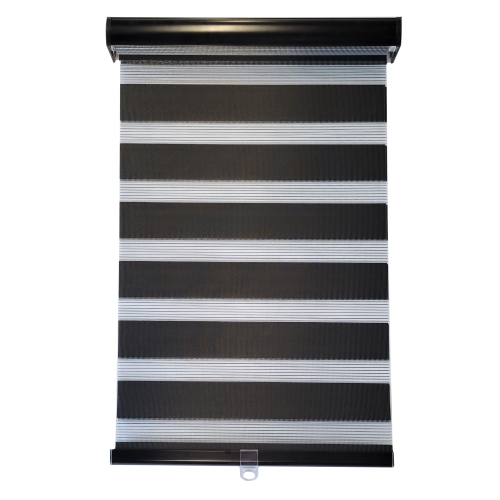 Your price for this item is $134.97
 -
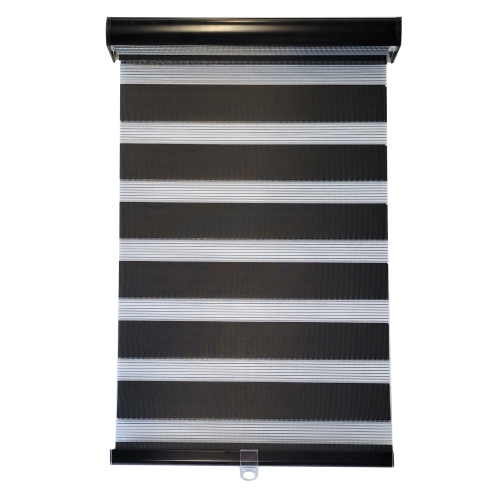 Your price for this item is $119.97
 -
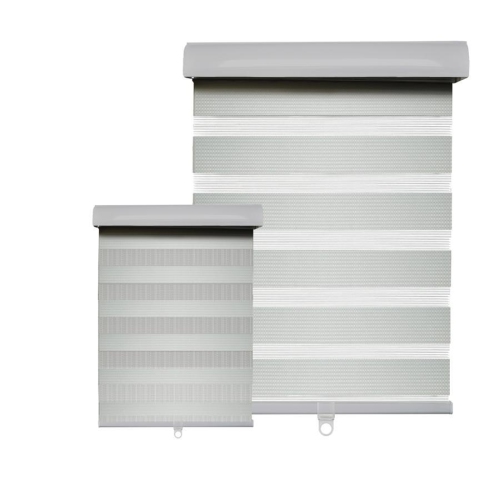 Your price for this item is $57.97
 -
 Your price for this item is $61.99
 -
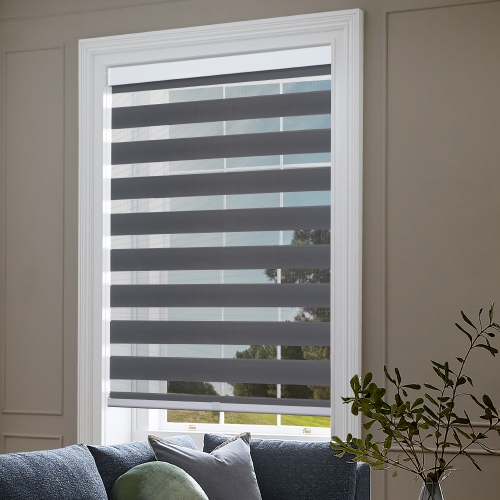 Your price for this item is $68.99
 -
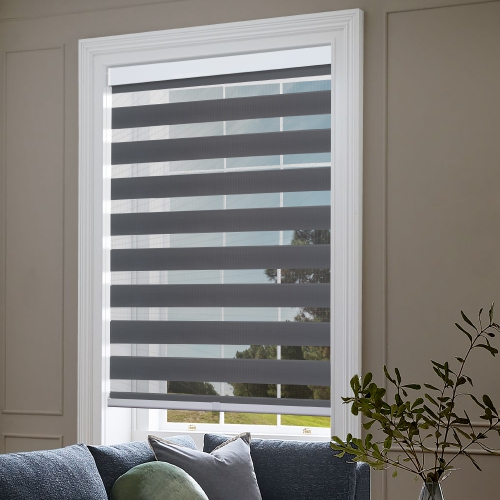 Your price for this item is $75.99
 -
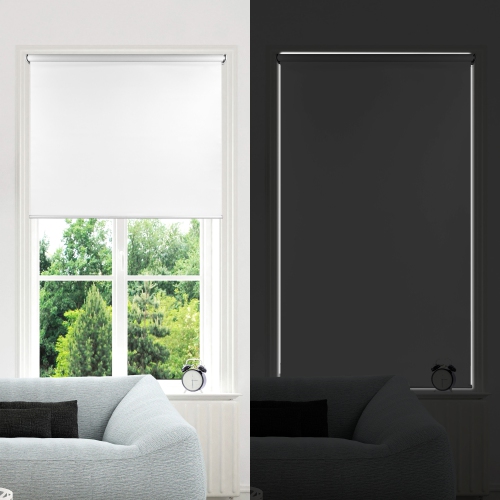 Your price for this item is $46.99
 -
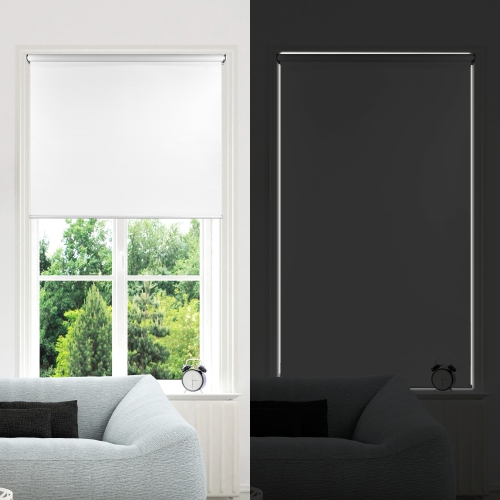 Your price for this item is $33.99
Discover more categories related to Mini Blinds
Top Collections:
Pokemon Centers, Kindle Devices, Best Budget Office Chairs, Apple iPhones 16, Best Laptops for Writers, iPhone 15 Apple, Canon G7X Cameras, Refurbished Apple Laptops, Alarm Clock, Motorola Razr Phones
Some products may be subject to Environmental Handling Fees
(EHF) depending on your province.
Learn more about EHFs.