Mini Pine Trees
Transform your living space into a serene, nature-inspired haven with the charming allure of mini pine trees. These petite wonders bring the refreshing essence of the great outdoors into your home, offering a touch of greenery that complements any décor style. Perfect for creating a cozy atmosphere during the holiday season or adding year-round elegance to your surroundings, mini pine trees are versatile additions that can enhance both indoor and outdoor settings. Whether you're looking to spruce up your office desk, living room, or patio, these delightful trees provide an effortless way to infuse natural beauty into your everyday environment. Discover how mini pine trees can elevate your space with their timeless appeal and subtle sophistication.






Why small trees differ in more than size
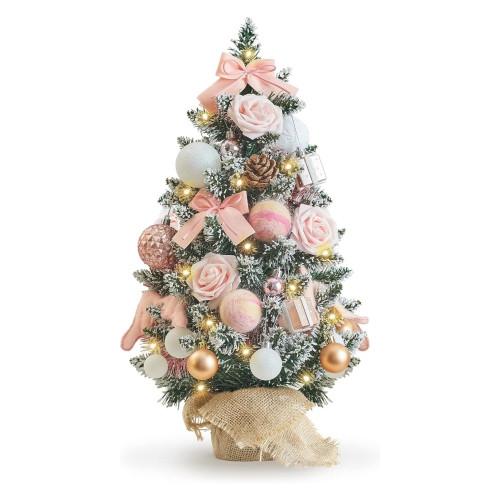
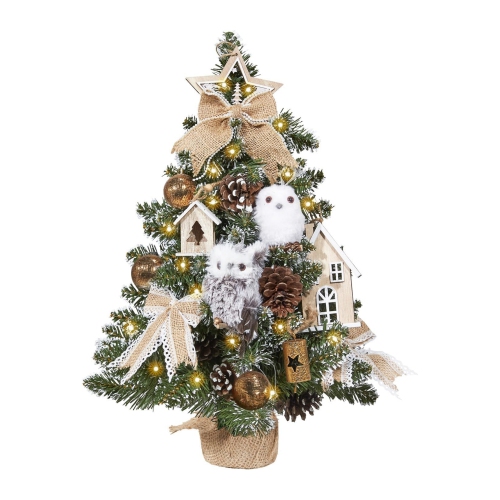
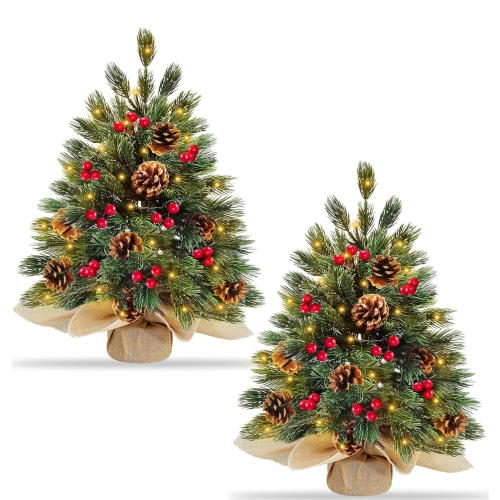
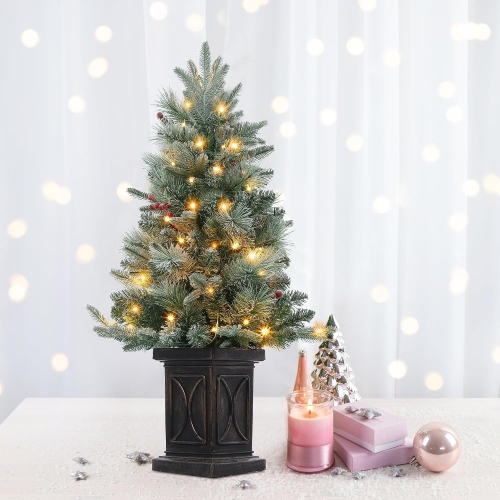
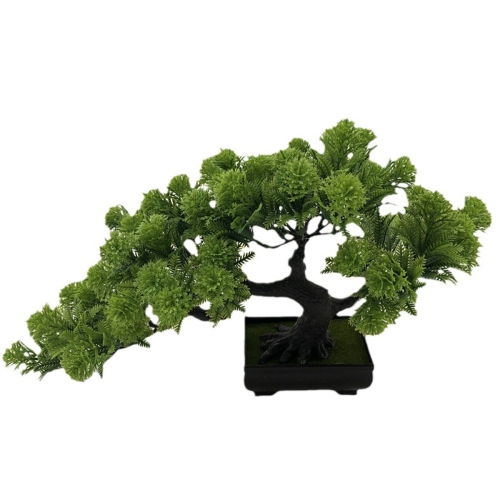
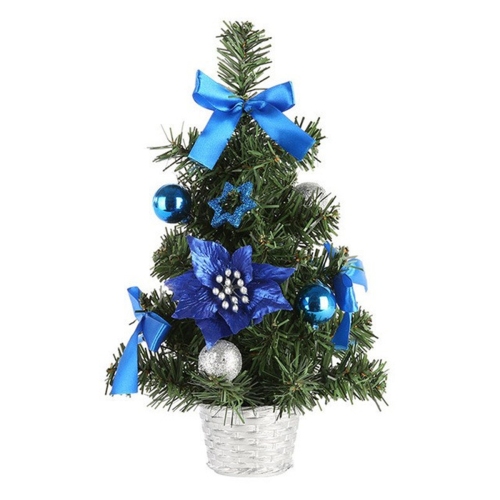
Materials strongly influence how artificial mini pine trees look at close range and how well they hold their shape. Moulded plastic foliage can reproduce defined needle clusters, while cut plastic strips tend to create a softer, fuller outline. Bottle-brush styles use fibres arranged around a central wire, producing a textured shape that works particularly well in small decorative scenes. Wire-supported branches may allow gentle adjustment, although very fine stems are better suited to light handling than repeated reshaping. Wood, resin, metal, and fabric can appear in trunks, stands, pots, and decorative coverings, each adding a different finish. A painted wooden base feels visually different from a rough bark-effect trunk or a smooth ceramic pot, even when the trees are similar in height. Colour is another useful distinction: deep green suggests a traditional pine, muted green blends easily with neutral furnishings, and white-tipped foliage creates a snow-covered appearance for Christmas decorating. Glitter and flocking add texture but may shed, making the surface beneath the tree part of the practical consideration. Miniature Christmas scenes depend especially on proportion. Miniature Christmas Village Trees can help frame little buildings, define a town square, or create a wooded backdrop behind a row of houses. Trees of slightly different heights often make a scene feel more convincing than a perfectly uniform line. The relationship between tree height, doorways, figures, and street accessories matters more than matching every piece exactly. Smaller craft models also suit railway layouts, architectural models, and dioramas, where base size and attachment method affect placement. A flat stand works well for a movable display, while a stem-style model may need a suitable mounting surface to remain upright. These small models are generally decorative or hobby components rather than toys, and exposed wire ends or detachable pieces call for thoughtful placement away from young children and pets. For tabletop Christmas arrangements, lightweight decorations are a better match for delicate branches than heavy ornaments that can bend the tree or pull it off balance.
Care and durability depend on whether a mini pine tree is artificial or alive. Artificial foliage generally benefits from gentle dusting with a soft brush or a dry cloth, especially around tightly packed branches where dust can settle. Flocked, glittered, or painted finishes need lighter handling, and any cleaning method should suit the materials and the manufacturer's care directions. Damp cleaning can damage some finishes, loosen glued details, or affect a base made from unfinished wood or cardboard. After a Christmas display is taken down, storage that protects the tree's outline helps preserve its appearance. A rigid container with enough room around the branches can prevent crushing, while separate wrapping keeps decorative finishes from rubbing against neighbouring pieces. Trees with built-in lights have additional considerations, including the power source, access to the battery compartment, and the placement of cords. Indoor and outdoor use are not interchangeable: foliage, finishes, bases, and electrical components need to be rated for their intended location. Living dwarf pines require a different approach altogether. Their compact growth habit does not mean they will remain at their purchase size, and mature dimensions are more useful than initial height when considering a garden or long-term container planting. Most true pines need ample sunlight, well-drained soil, and outdoor growing conditions; they are not generally suitable as permanent houseplants. A container needs drainage holes and enough space for roots, while watering needs vary with the plant, pot, and growing conditions. Suitability for a Canadian garden also depends on the pine's hardiness and the location where it will grow, with container-grown roots needing particular consideration. For gifting, the distinction between a decorative tree and a living plant is important. An artificial tabletop tree can suit someone decorating a small home, personalizing an office, or building a Christmas village, while miniature models may appeal to hobbyists who enjoy detailed scenes. A living dwarf pine is better matched to someone with an appropriate outdoor space and an interest in plant care. In each case, the most useful fit comes from the tree's proportions, finish, and intended purpose rather than height alone.
Top selling and popular products
-
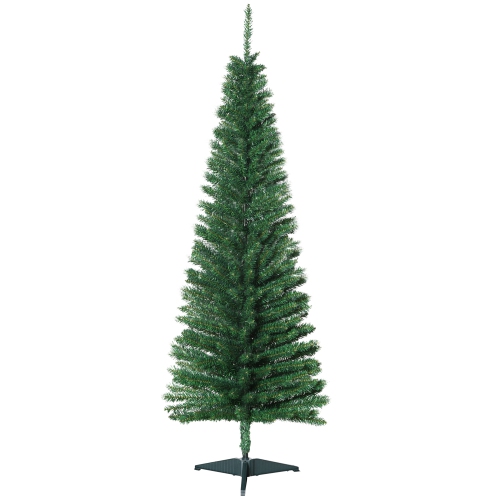 Your price for this item is $44.99
-
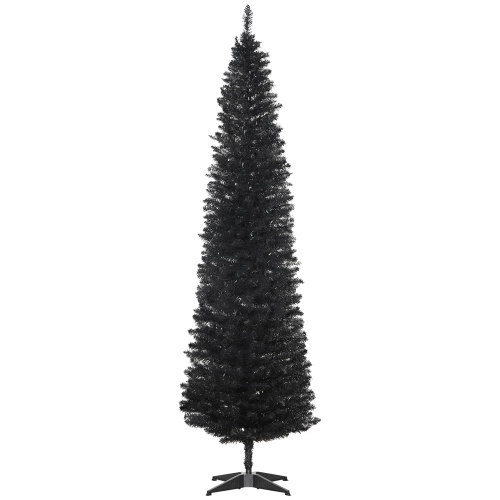 Your price for this item is $79
-
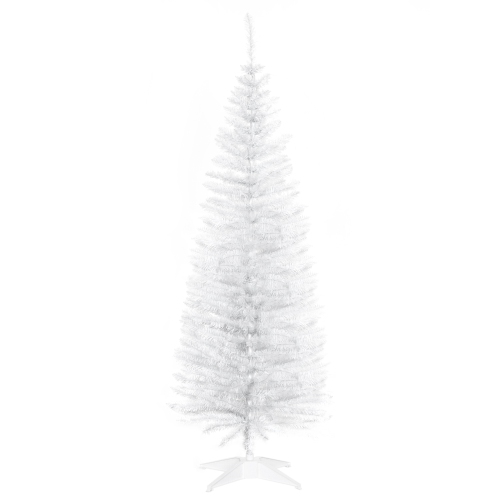 Your price for this item is $44.99
-
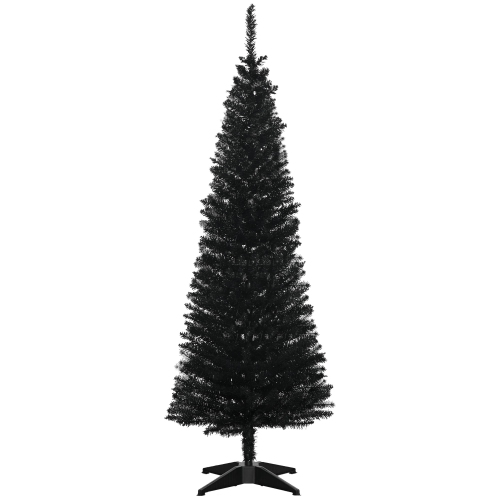 Your price for this item is $51.99
-
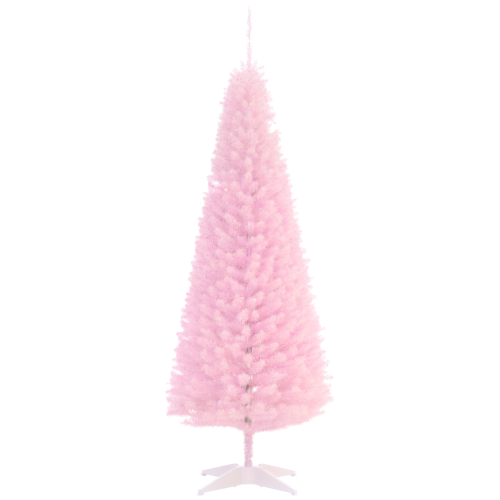 Your price for this item is $48
-
 Your price for this item is $137.99
-
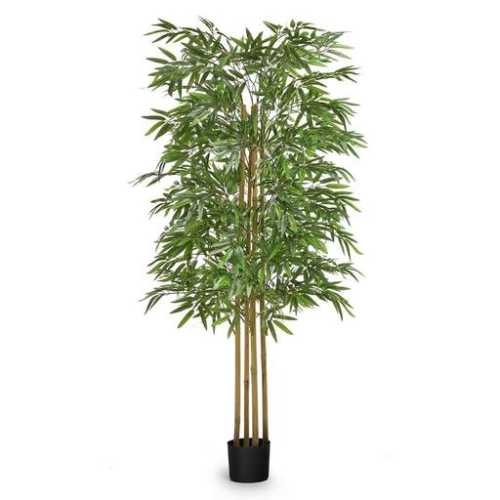 Your price for this item is $141.99
-
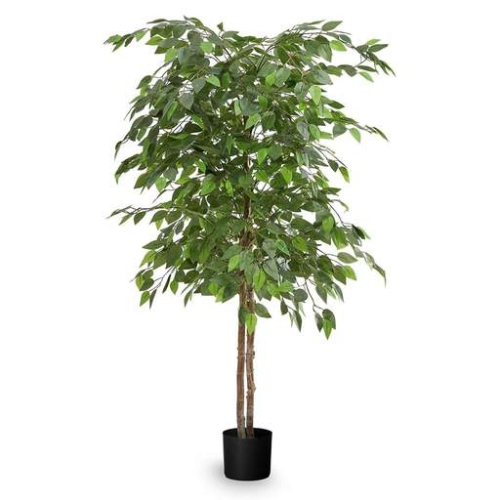 Your price for this item is $101.99


