Minimalist Living Room Decor
Create a serene and clutter-free oasis with our collection of minimalist living room decor. Embrace simplicity and sophistication with clean lines, neutral tones, and functional pieces that elevate your space without overwhelming it. From sleek furniture to understated accents, discover how less can truly be more when designing a modern and chic living room. Elevate your home with our curated selection of minimalist decor essentials that will transform your living room into a stylish sanctuary.
Sort
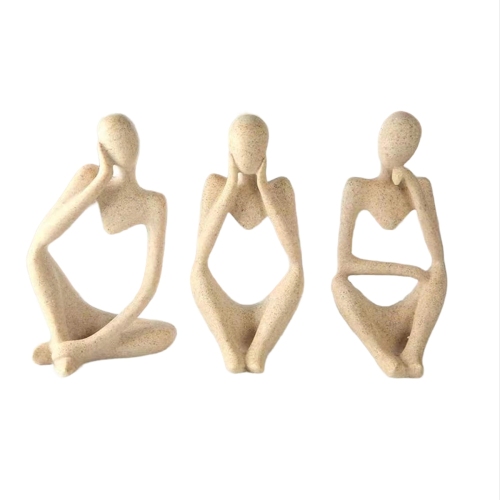

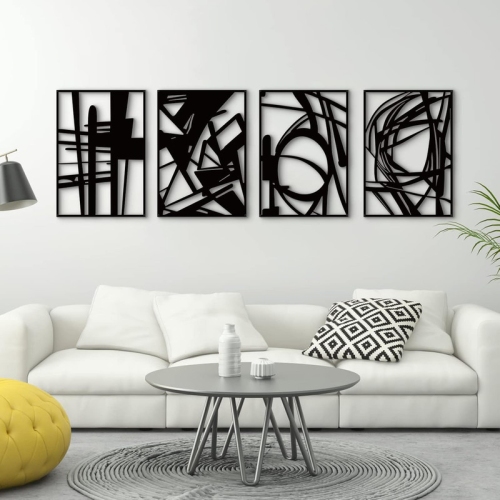
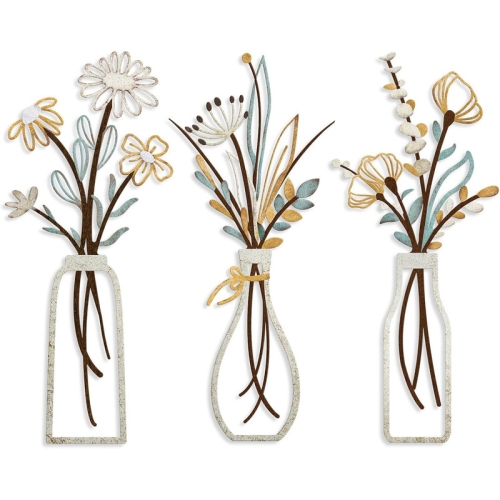
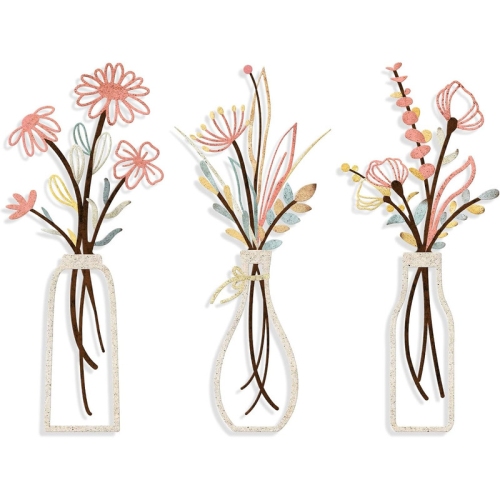

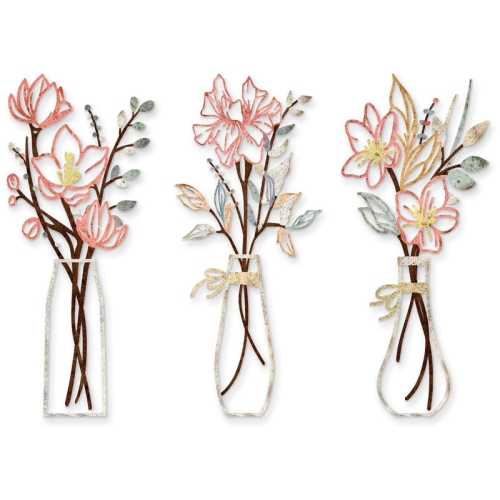

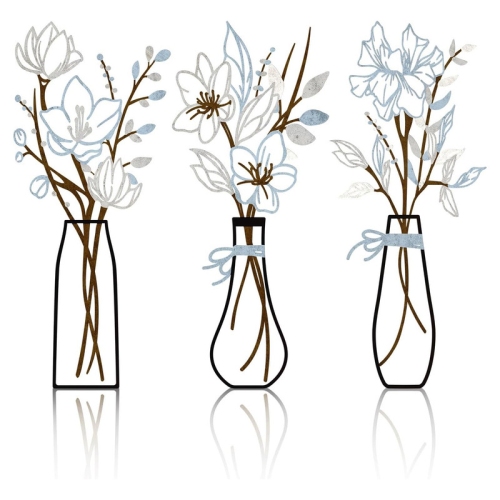

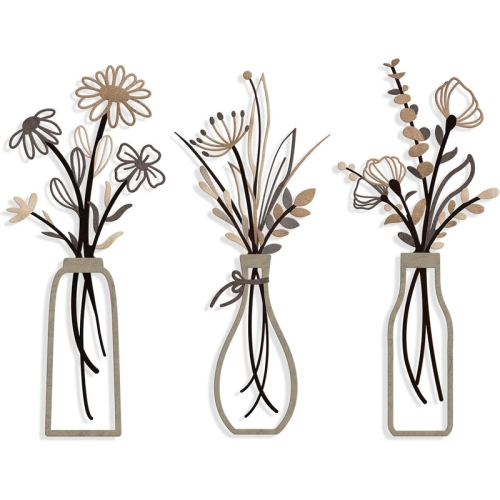




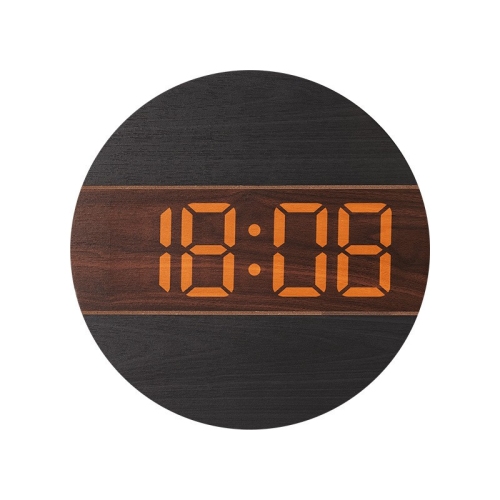


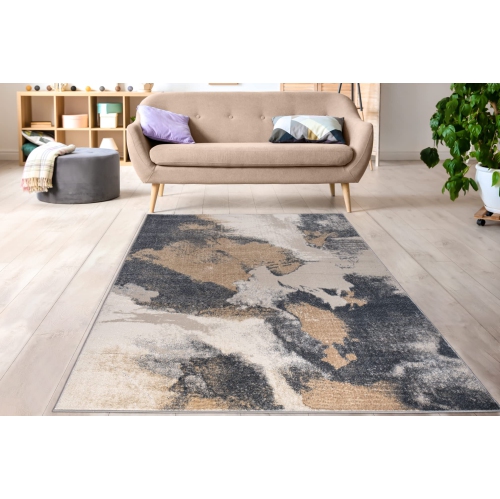
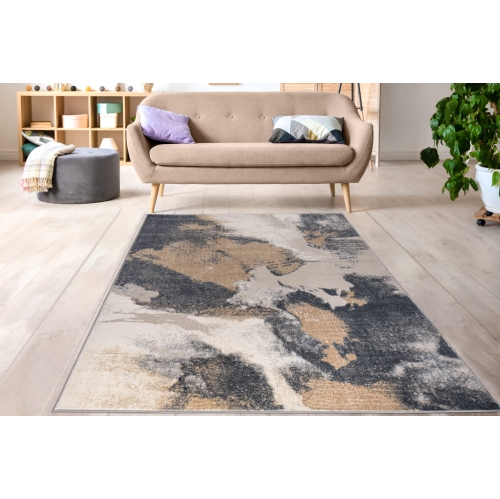


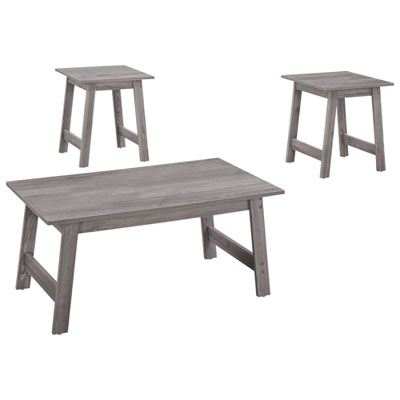
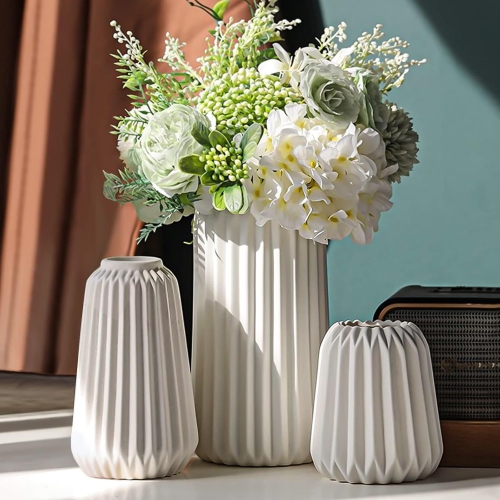
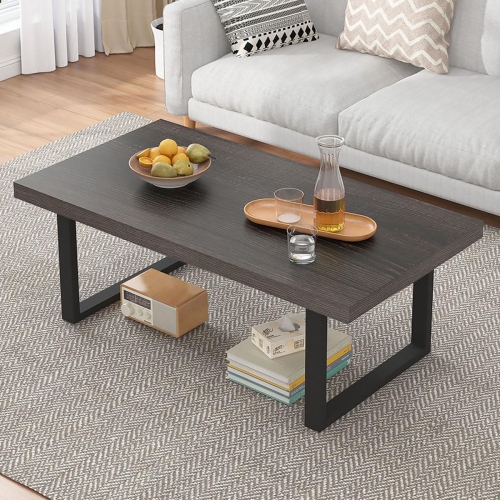
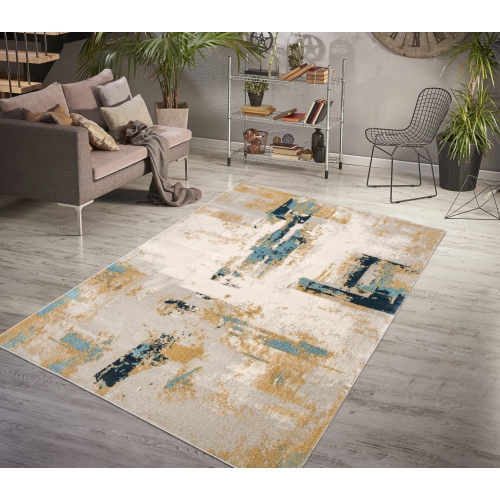
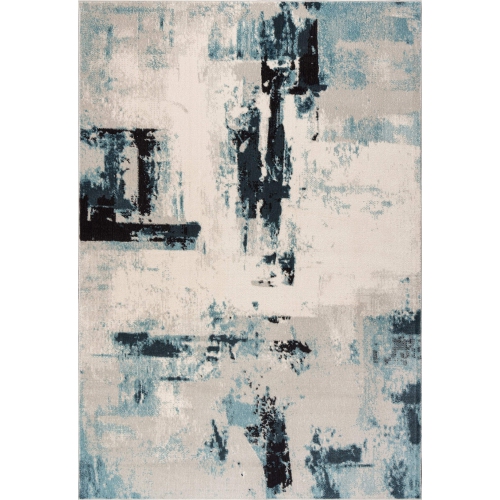
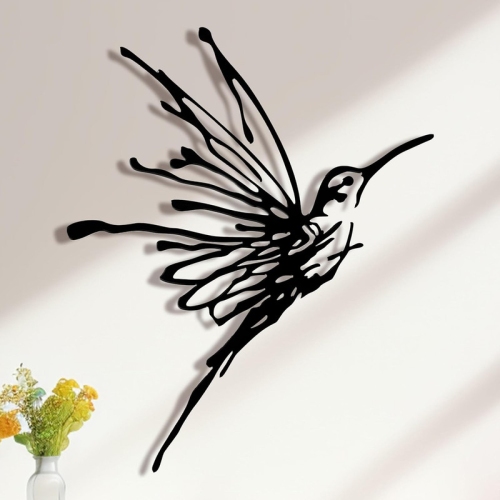
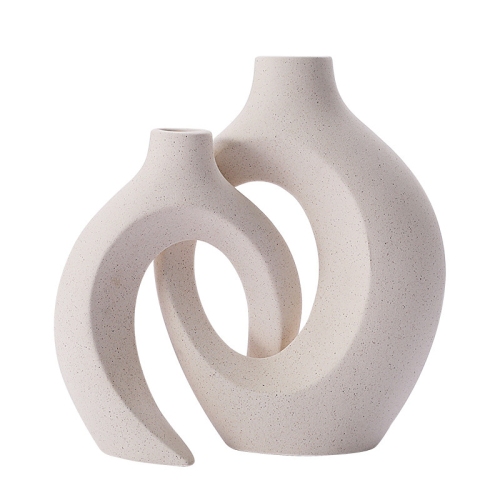
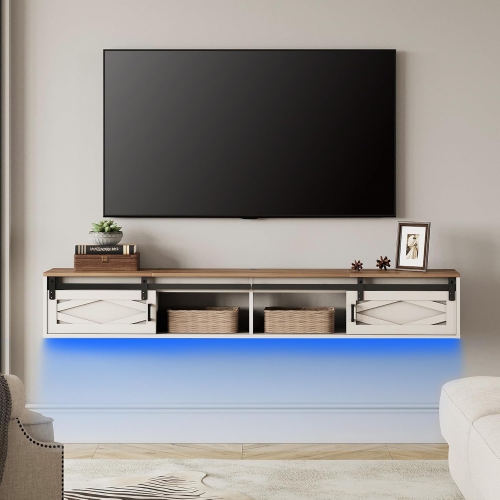


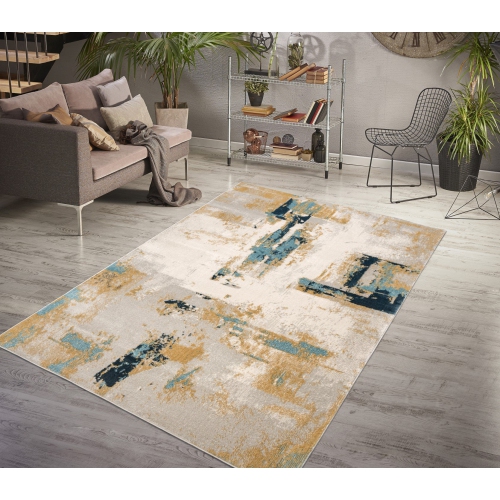
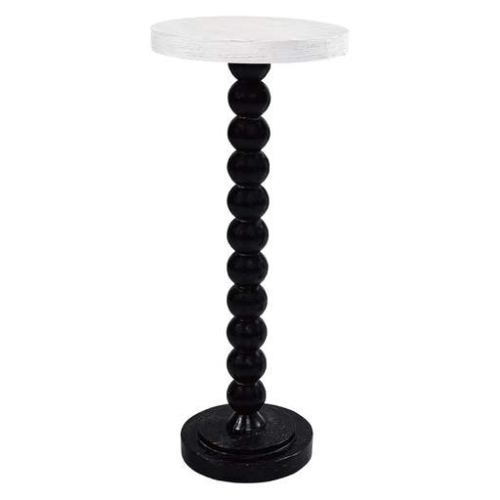


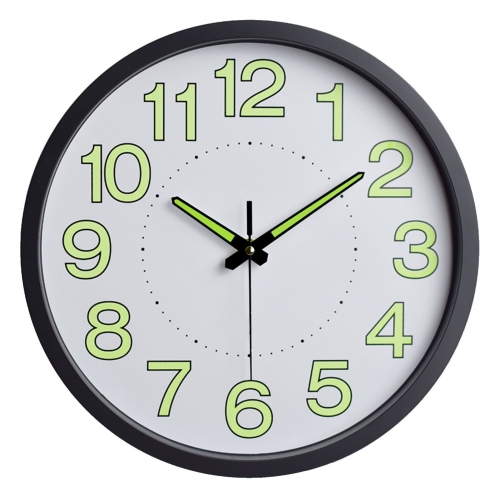
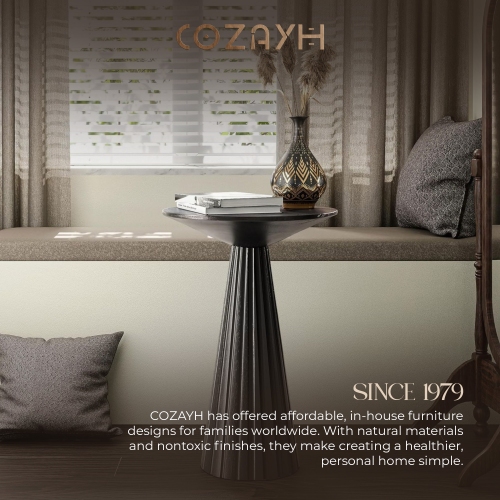
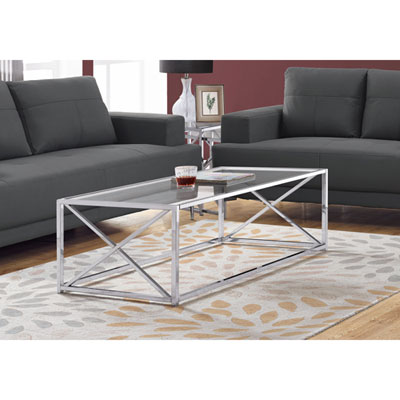
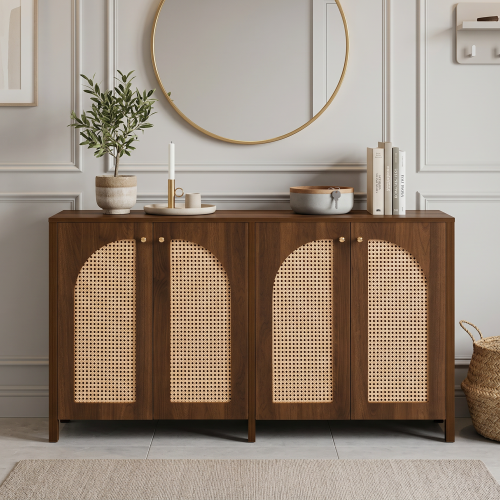
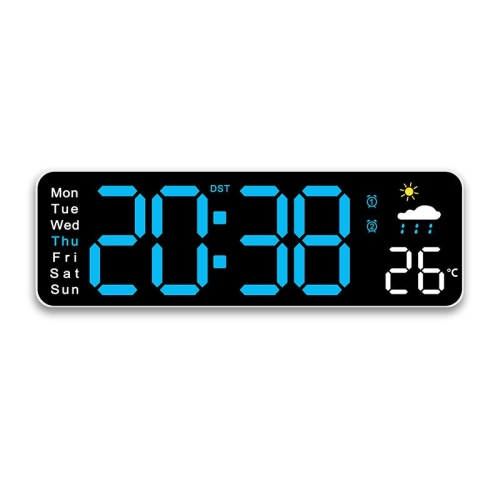
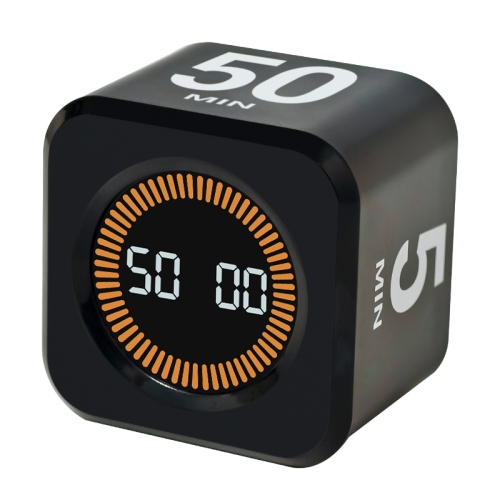
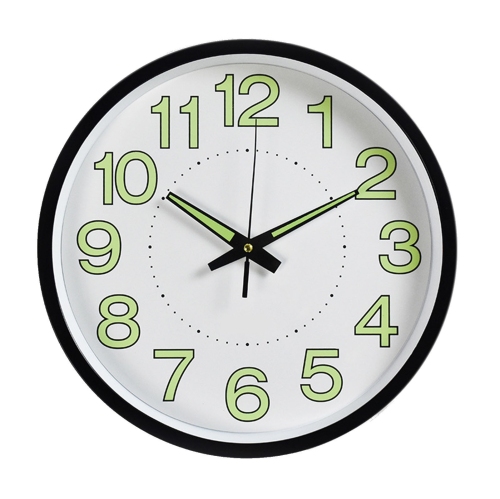
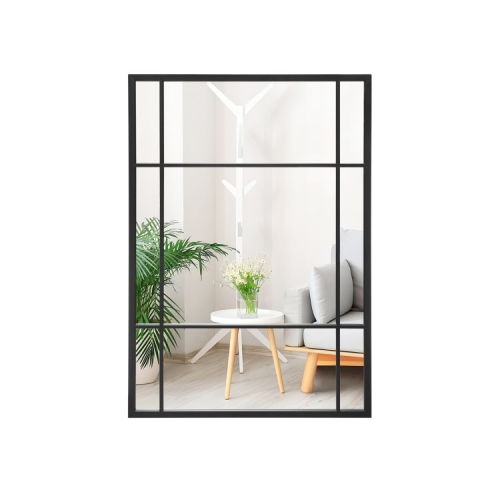
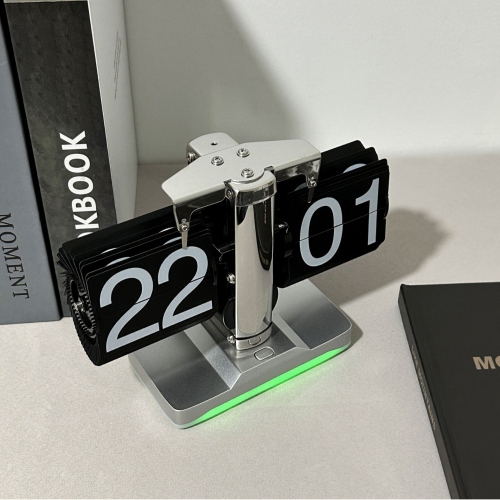
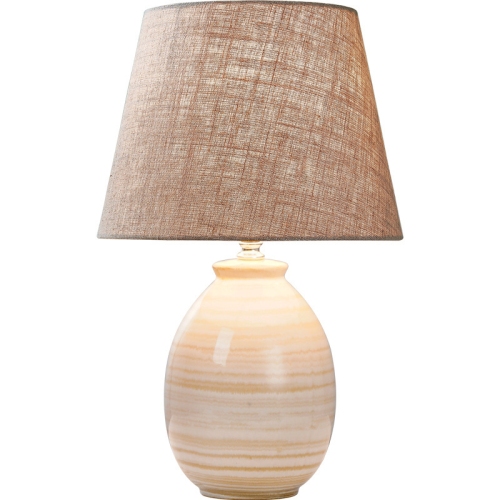

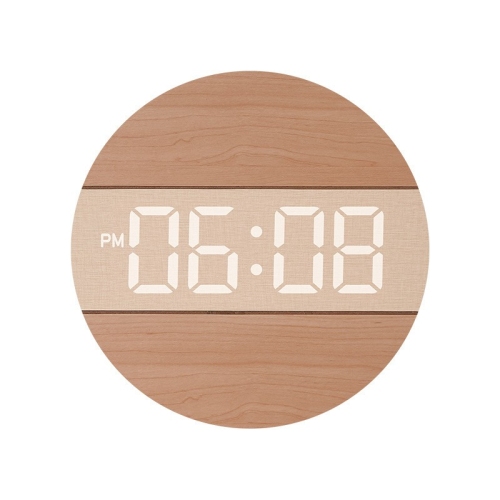

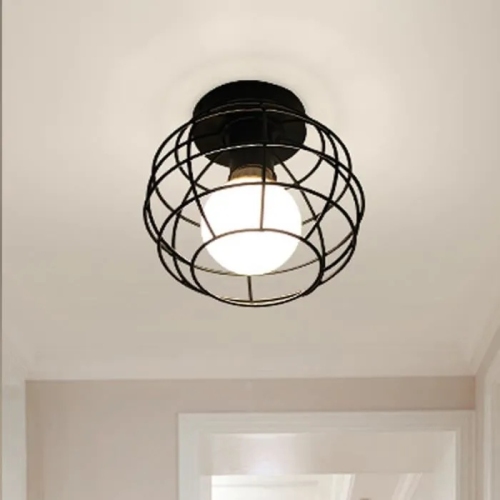
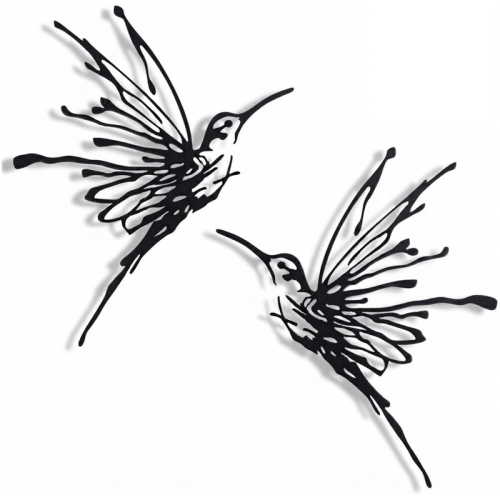
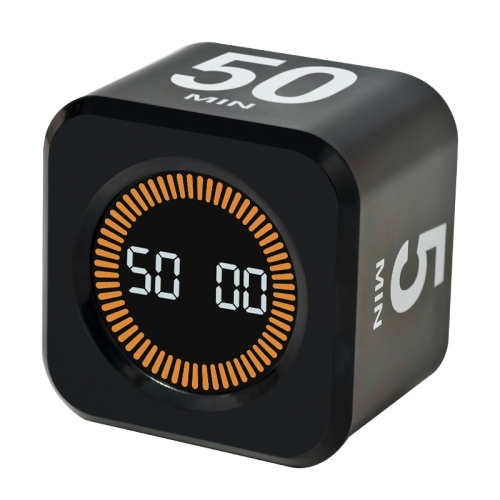
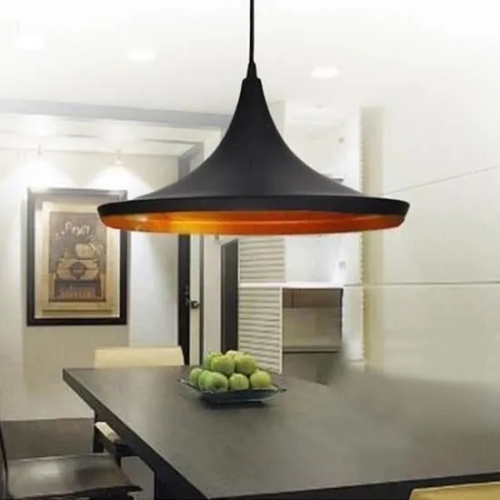
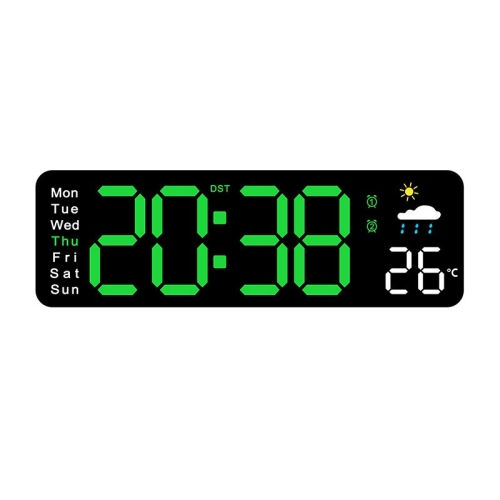
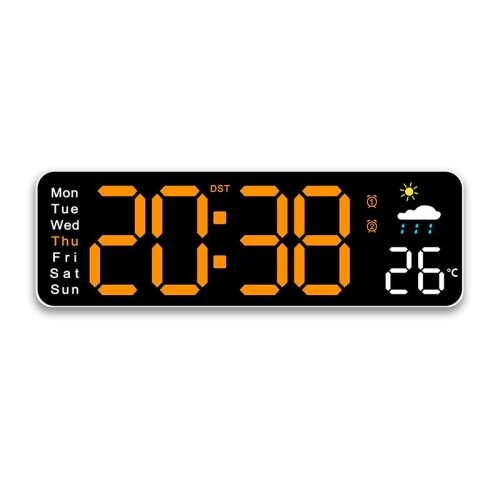

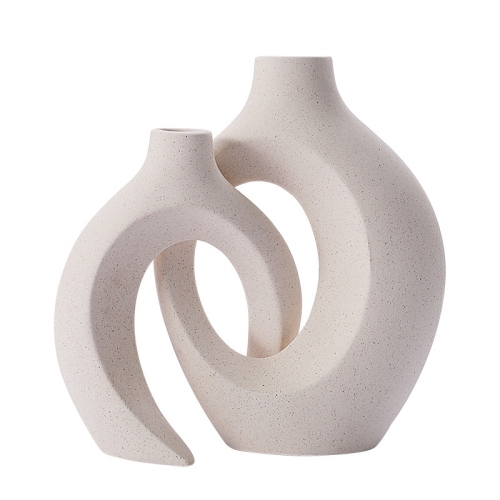

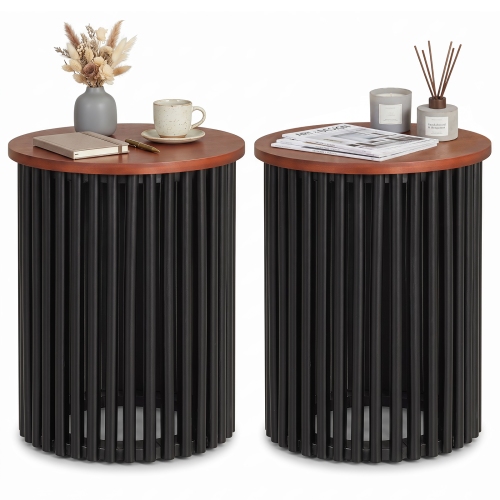

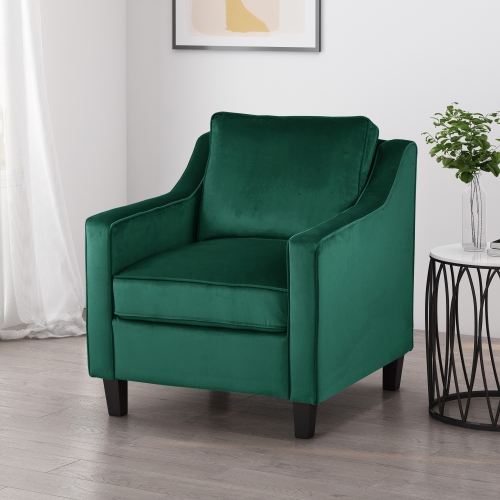


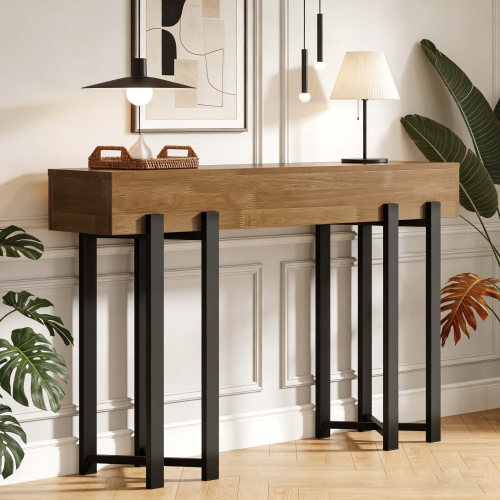


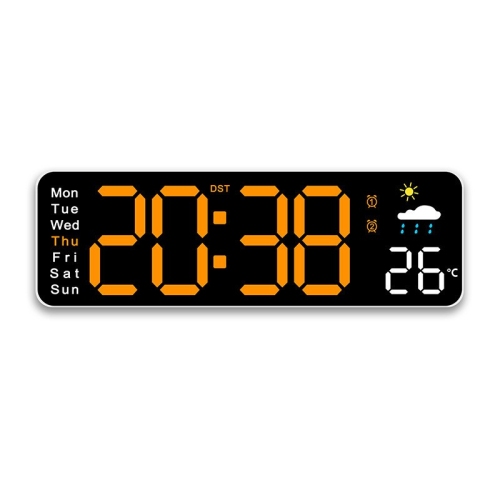
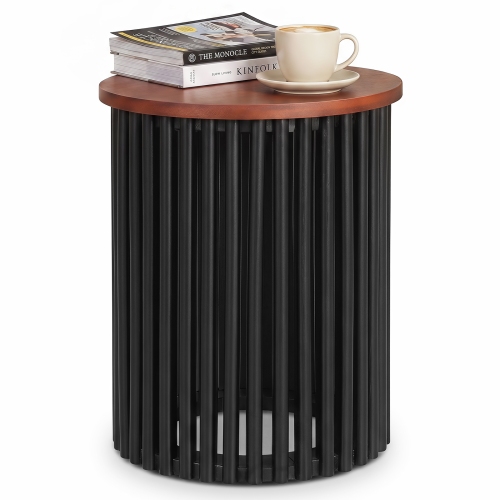
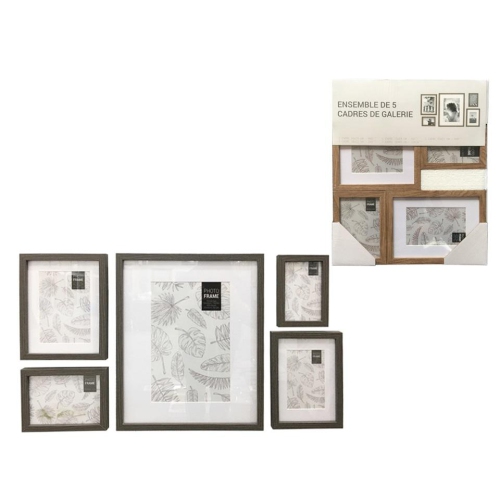
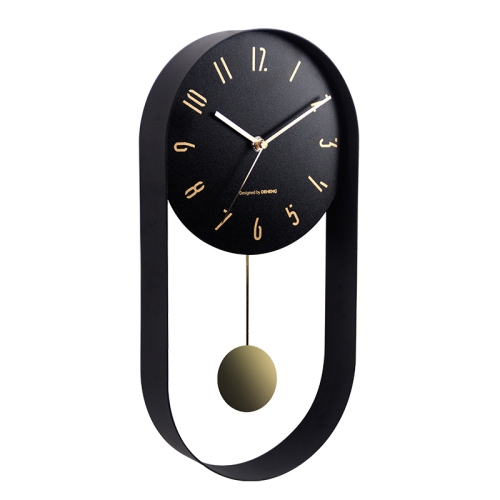
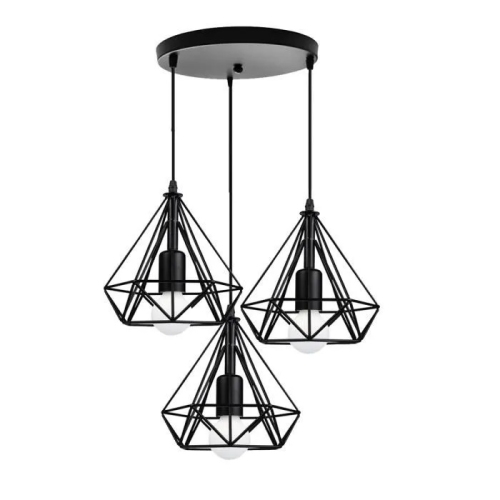



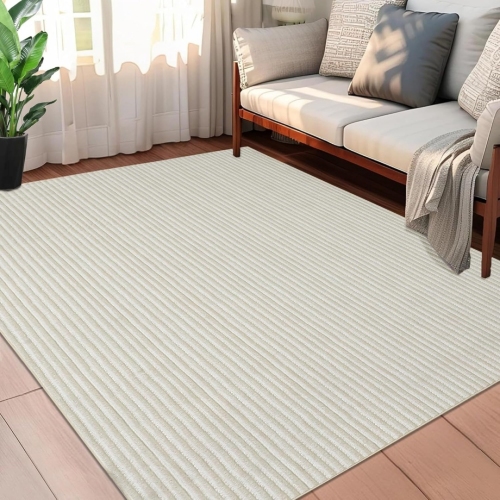
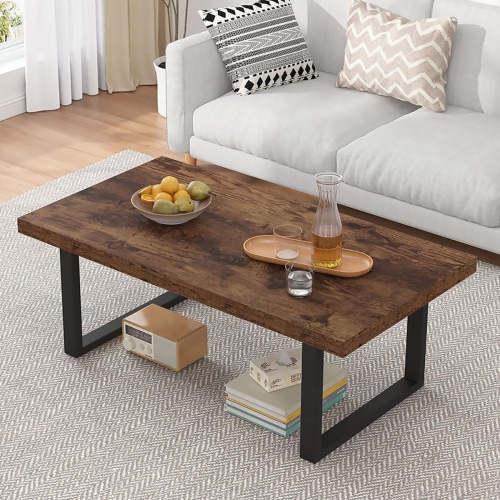
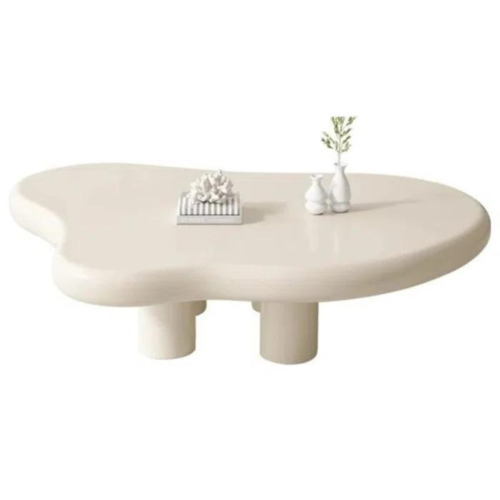
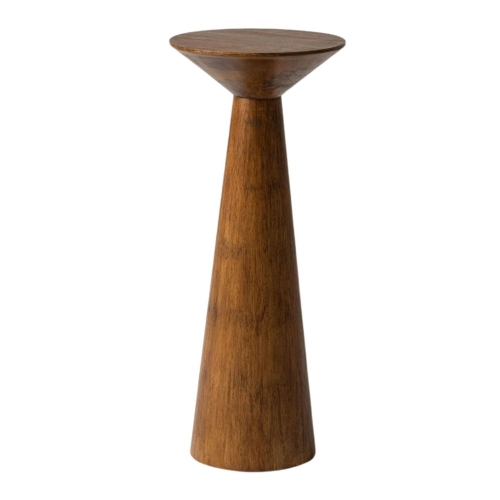

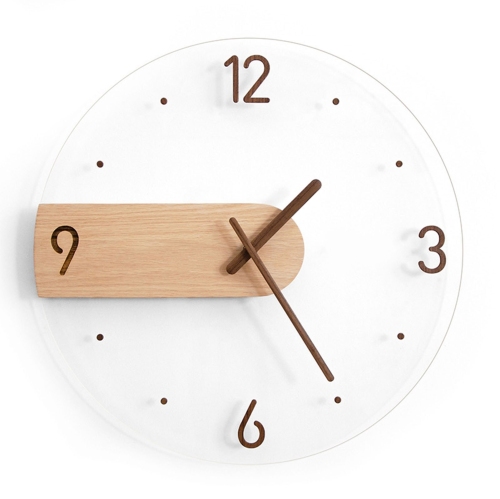
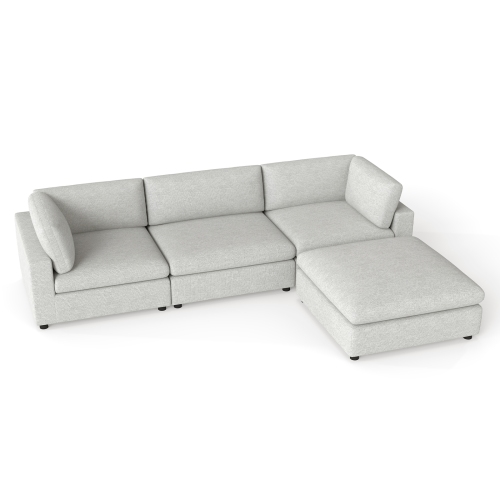

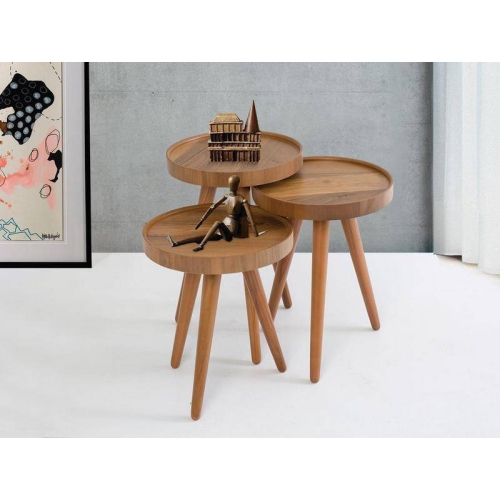
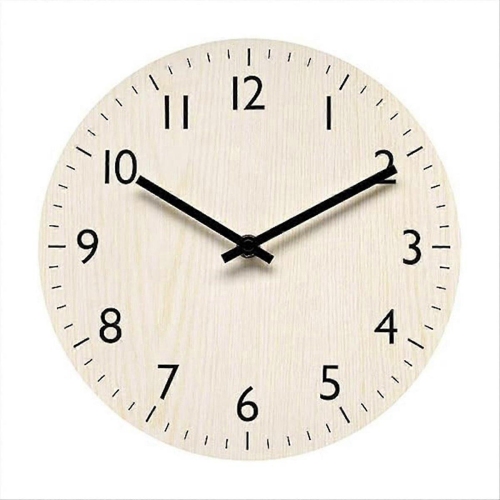

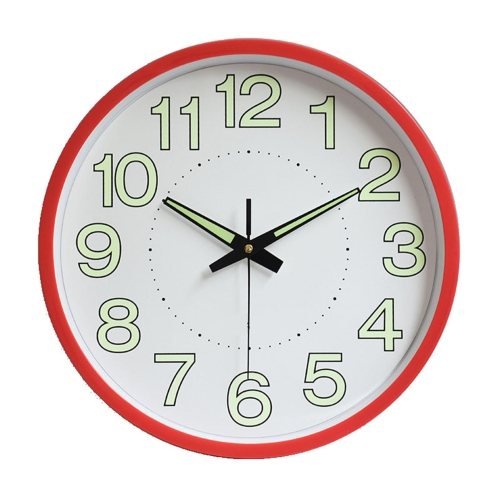



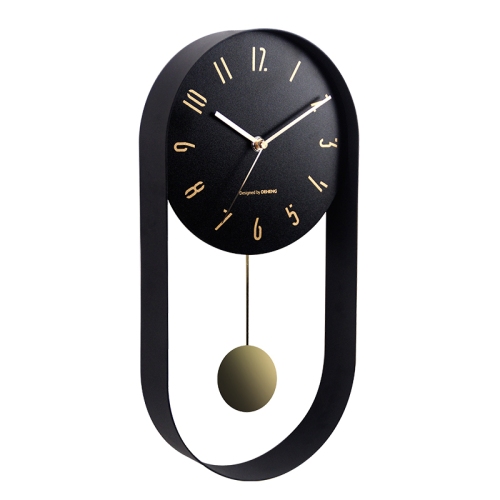
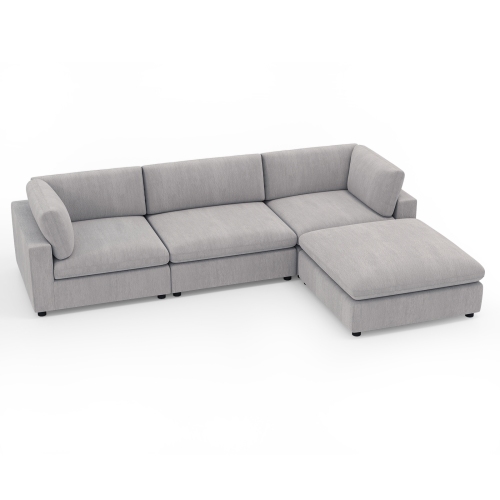


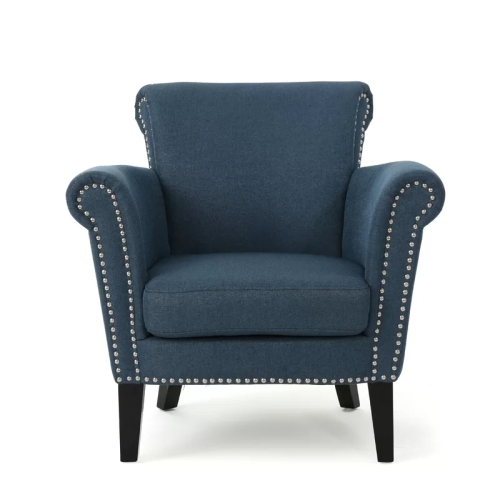
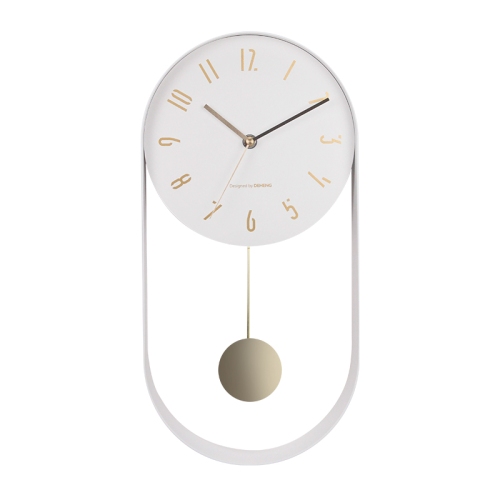
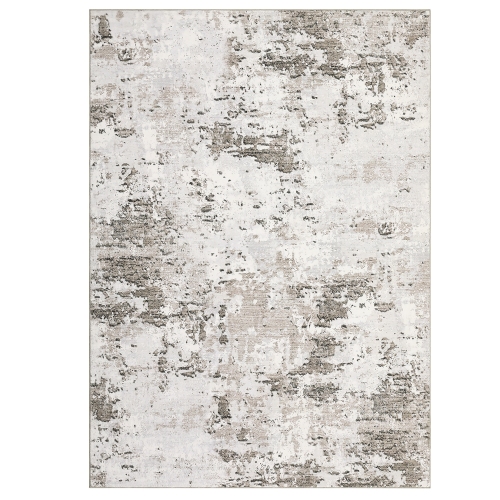
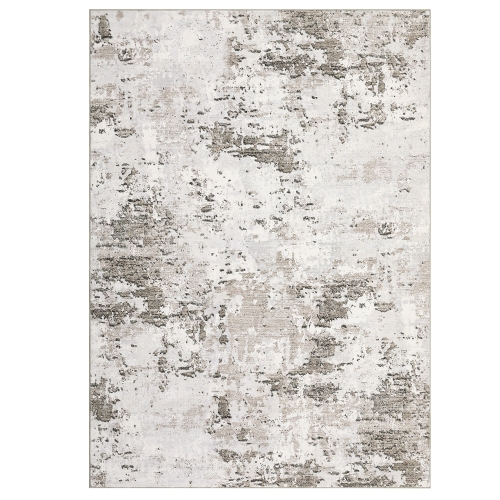
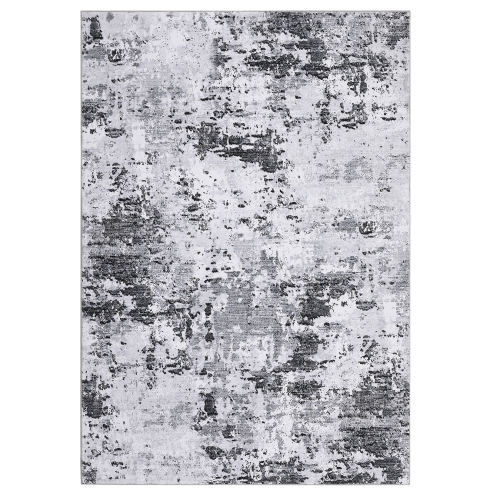
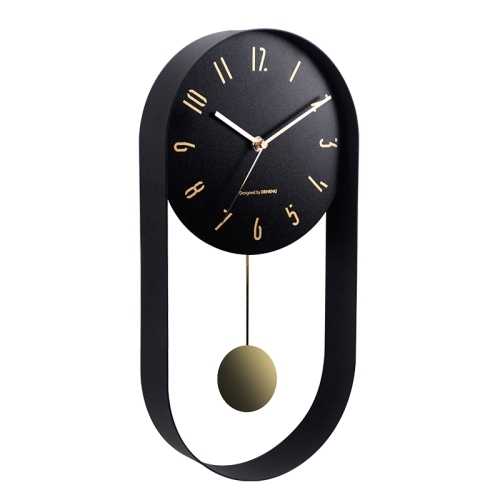
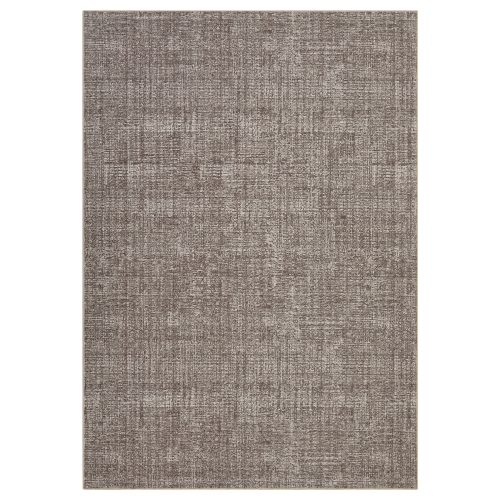

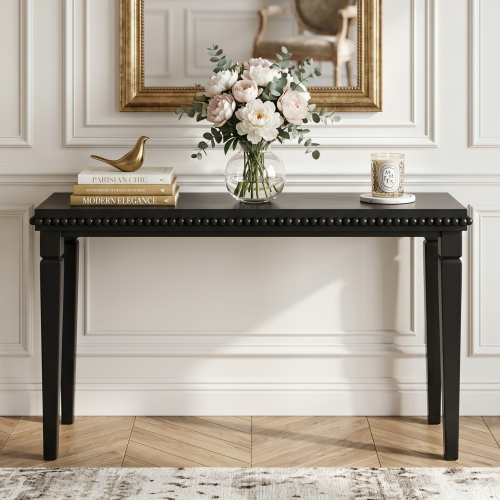
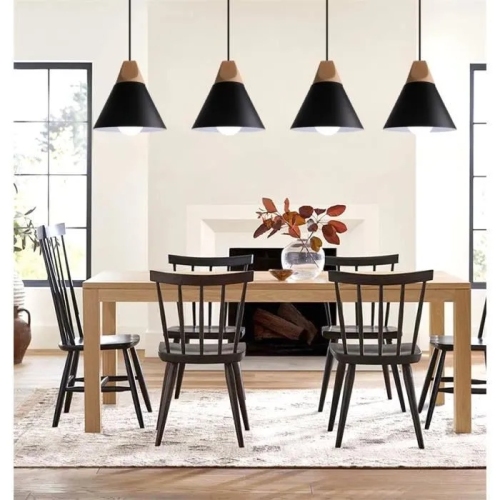
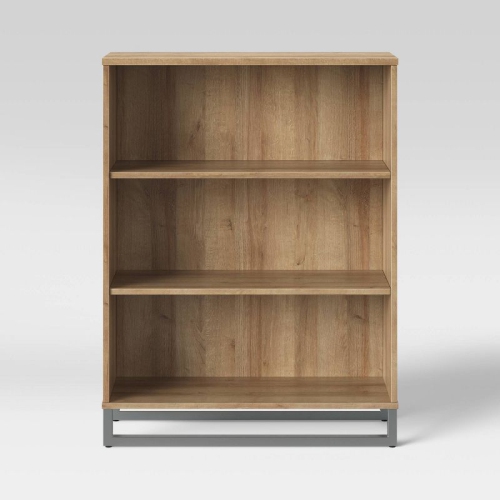
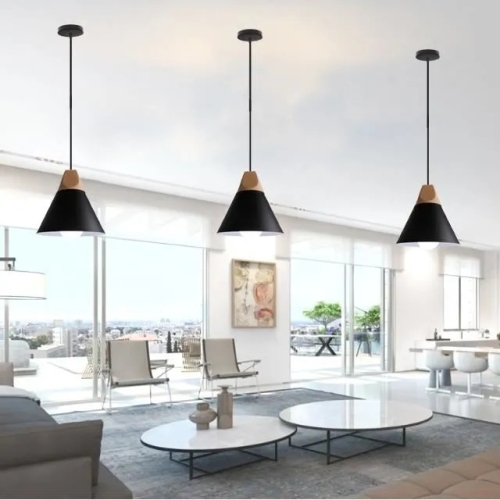

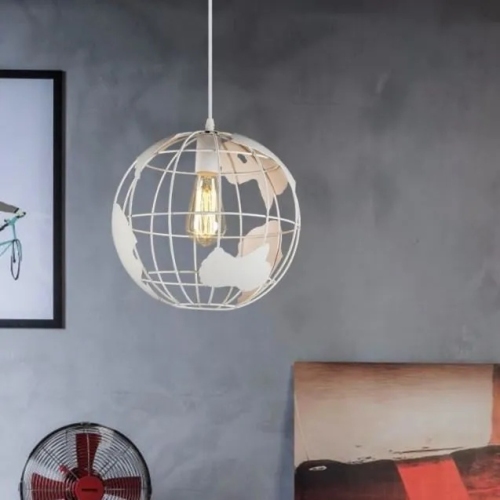
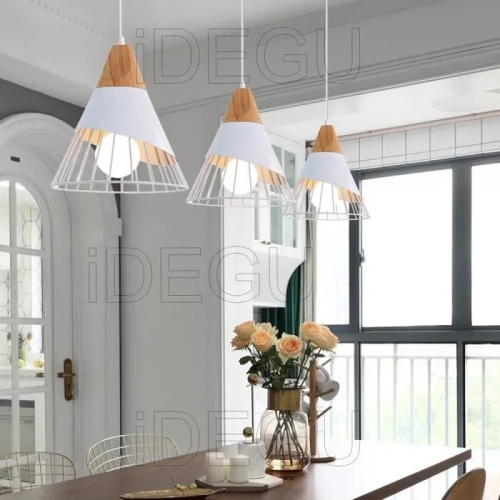


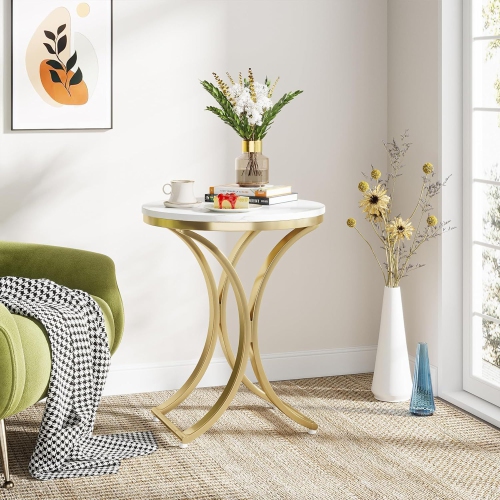

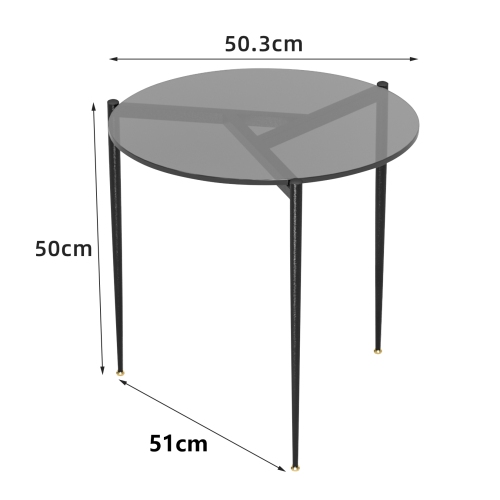

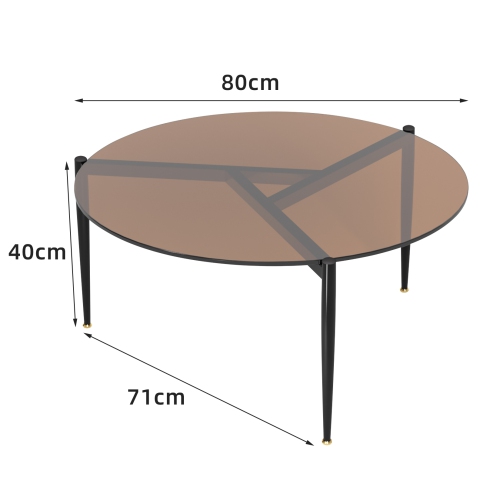
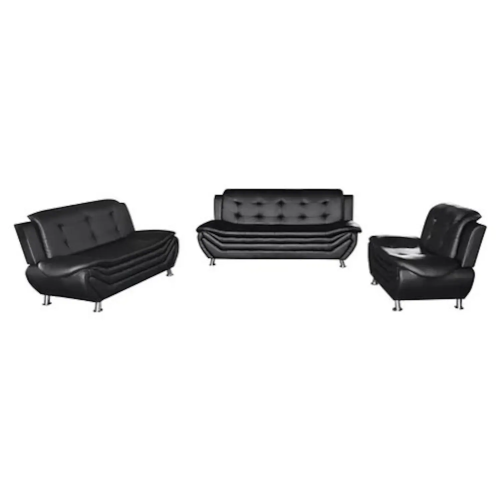

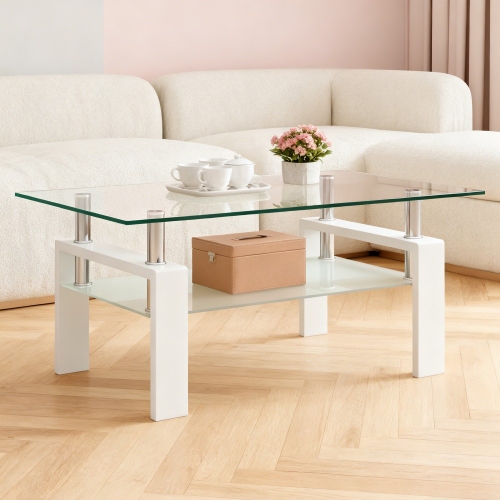
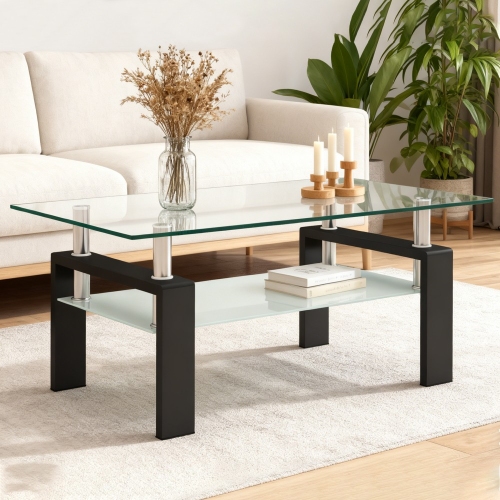
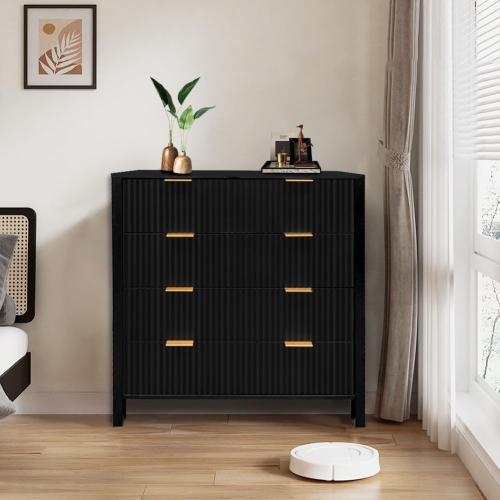

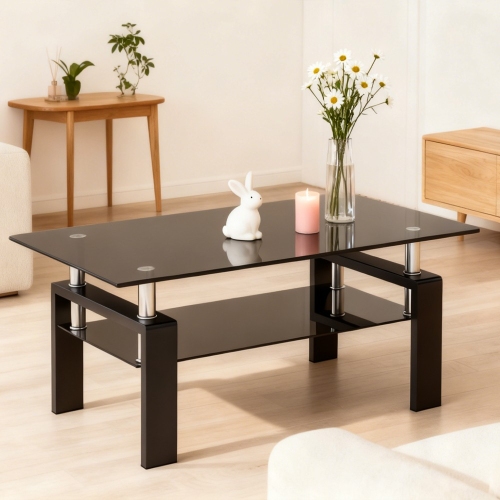


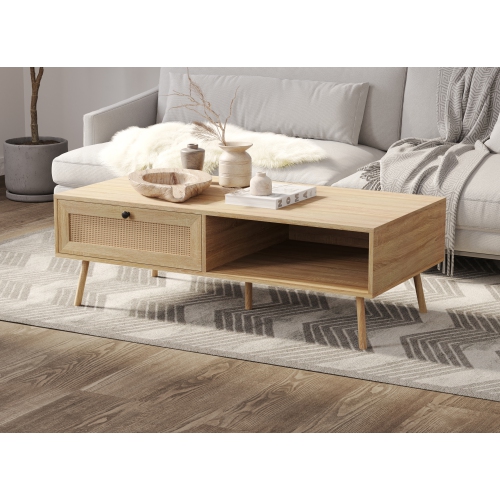
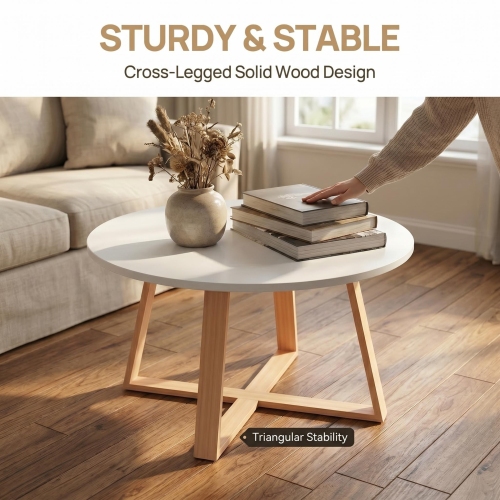


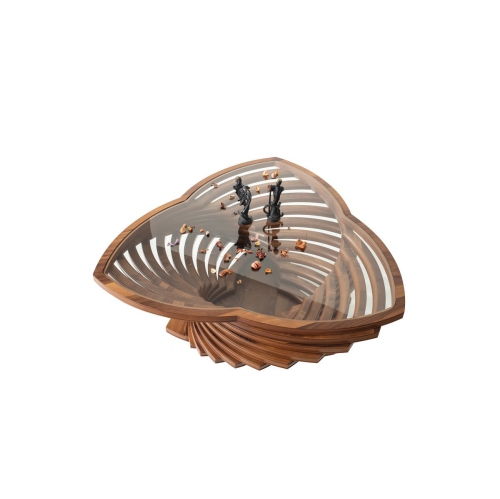
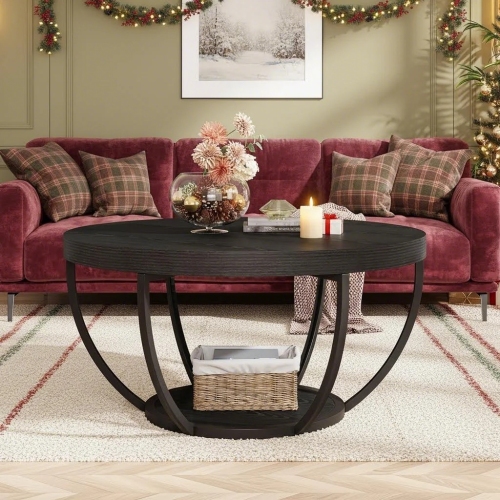
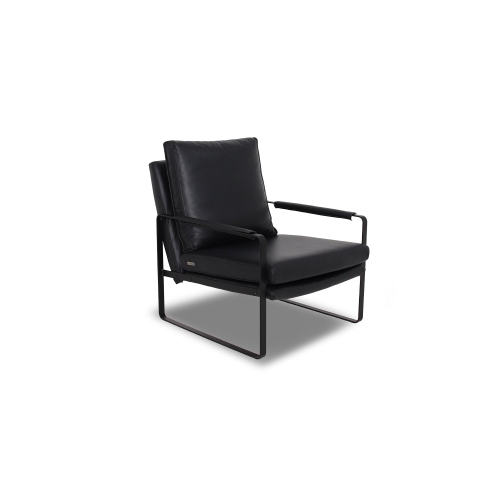
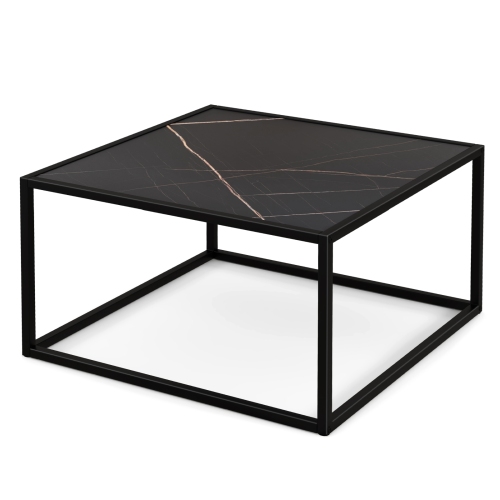
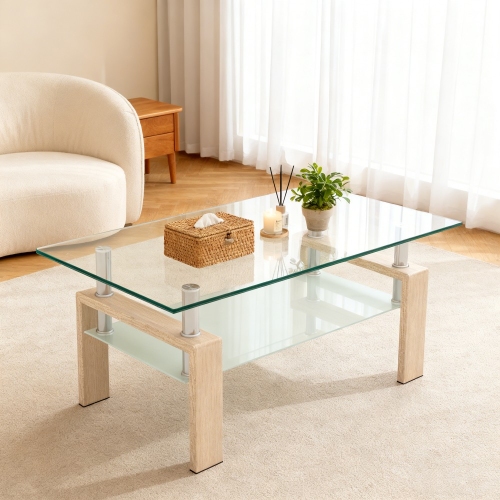


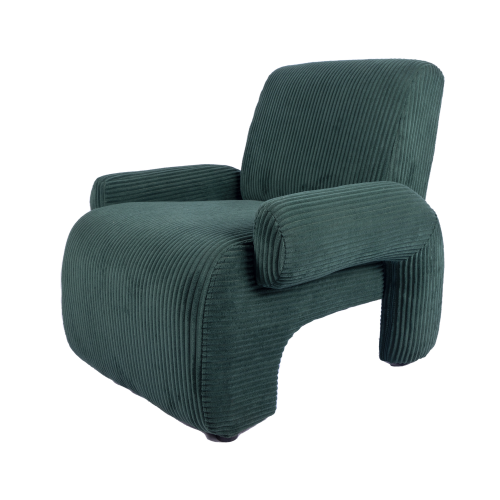
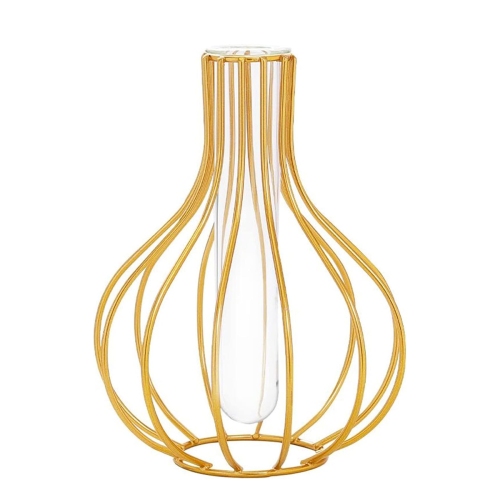

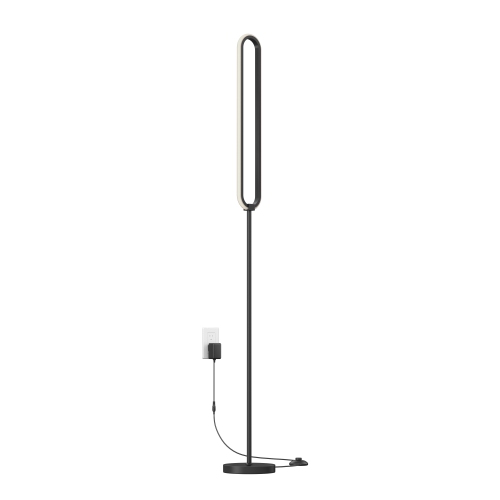


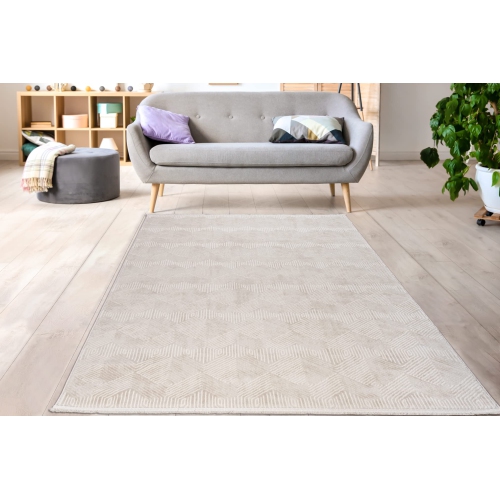
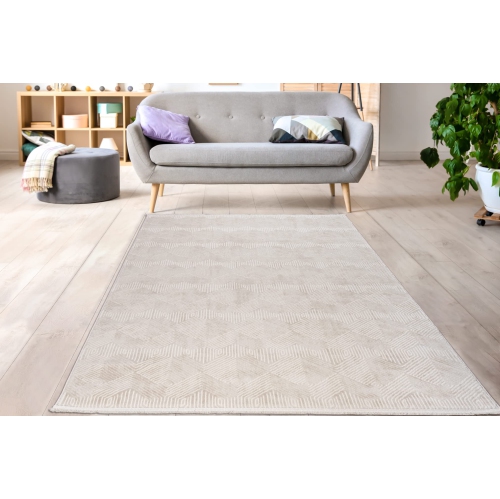

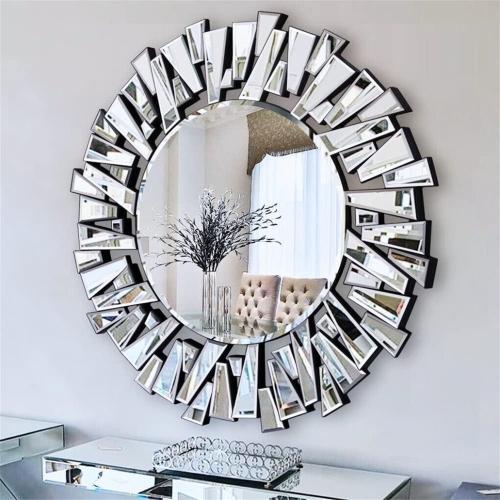


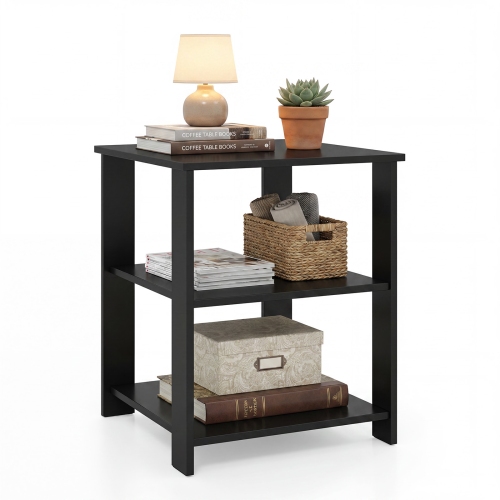


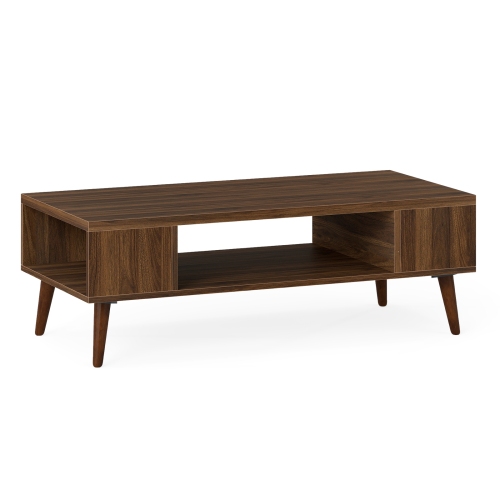

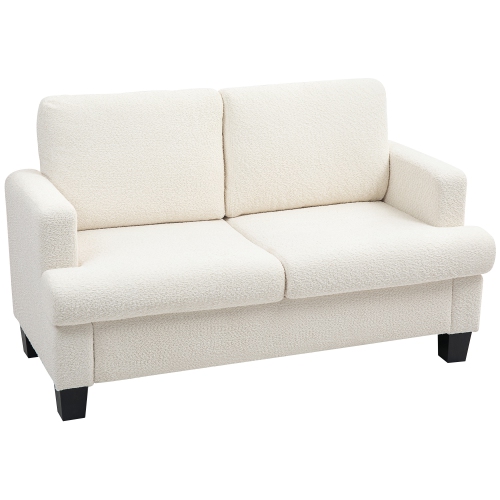
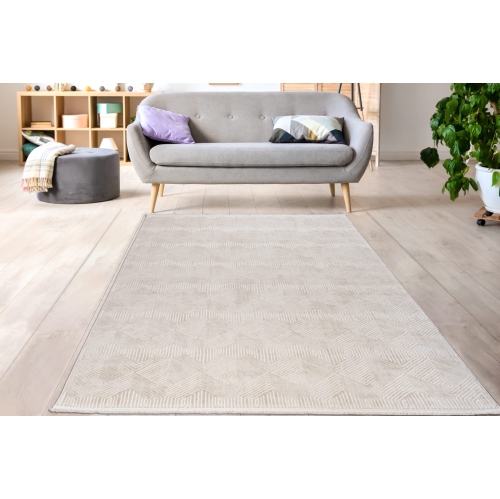


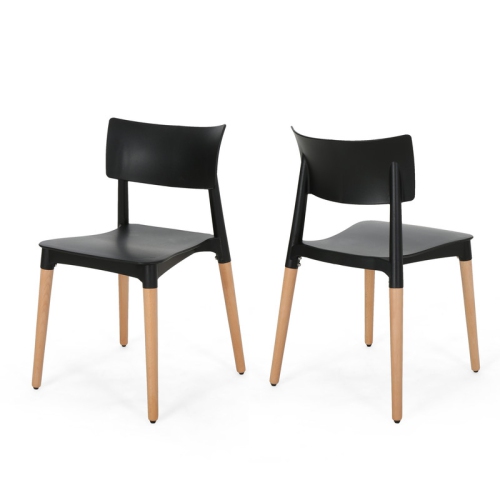

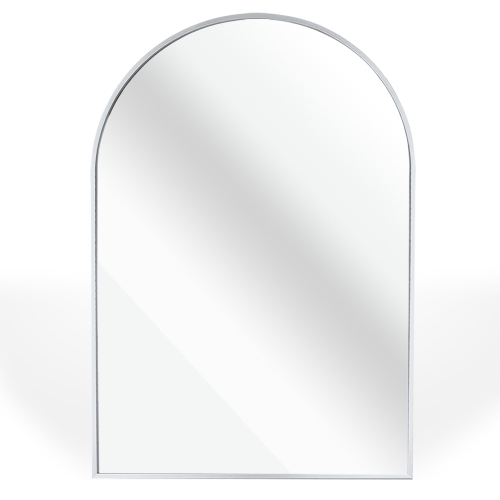
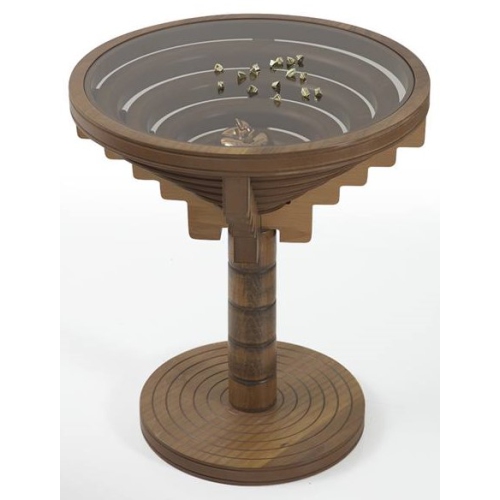
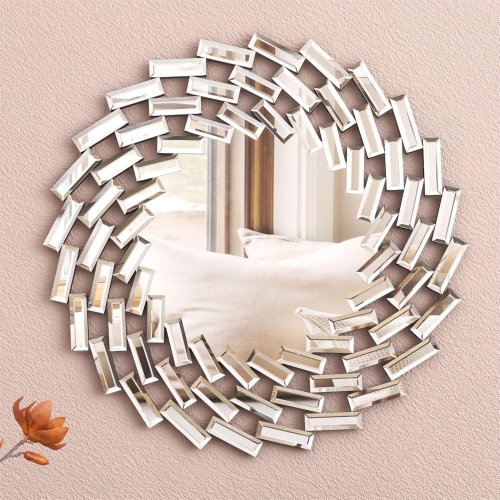
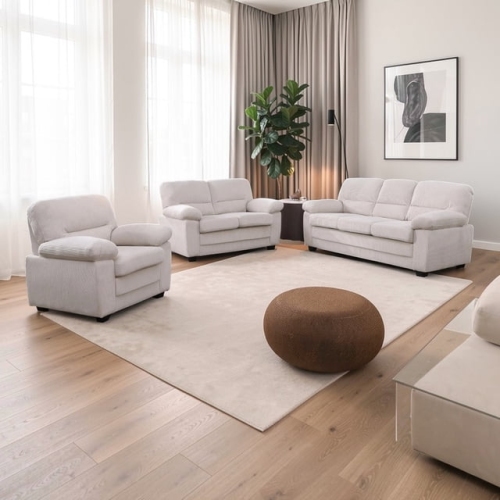
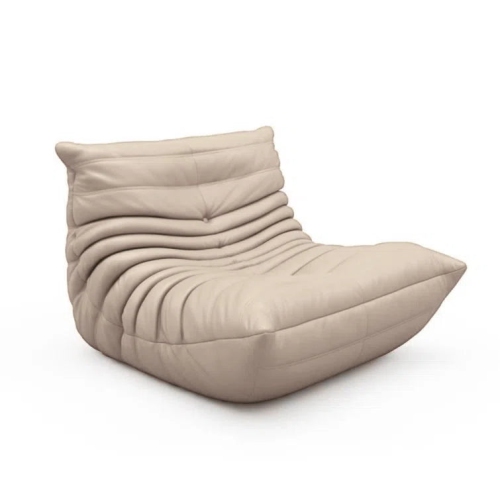

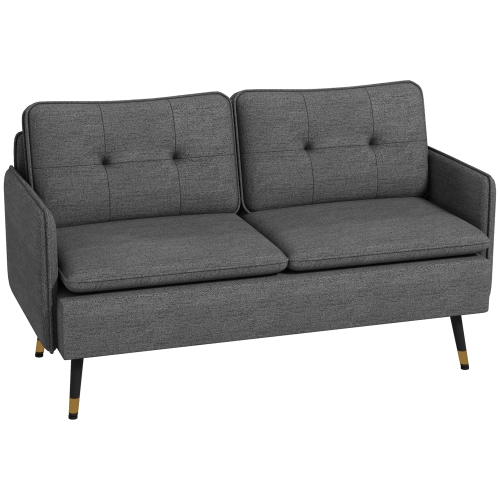
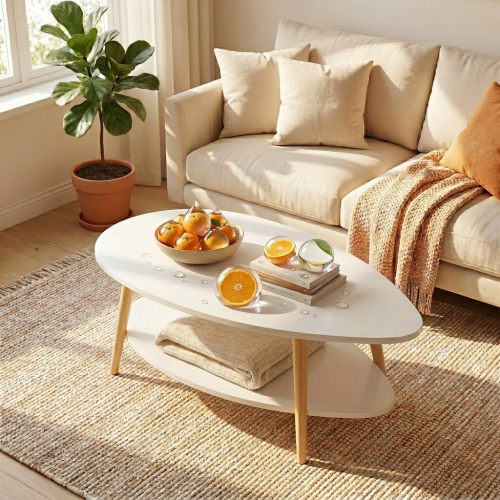

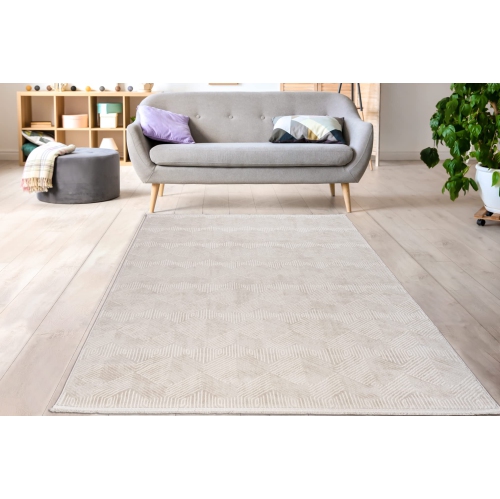

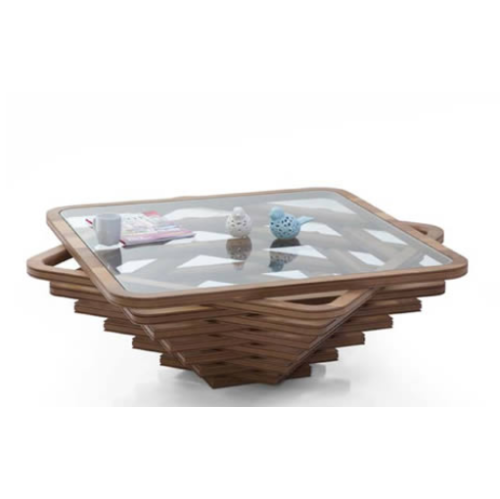
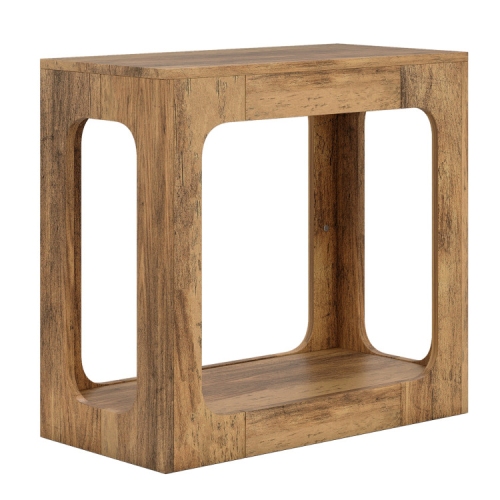
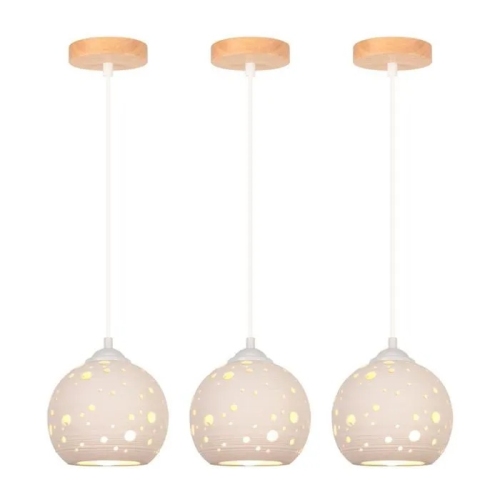

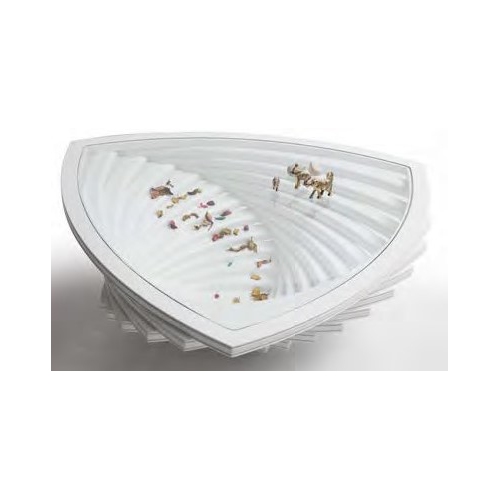
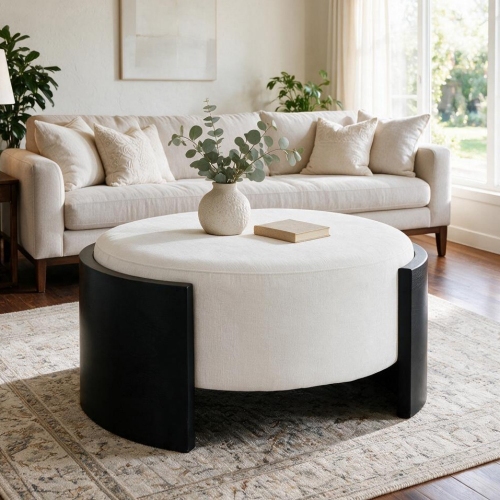

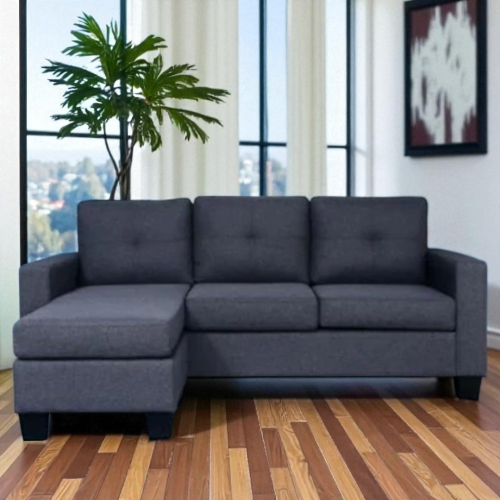
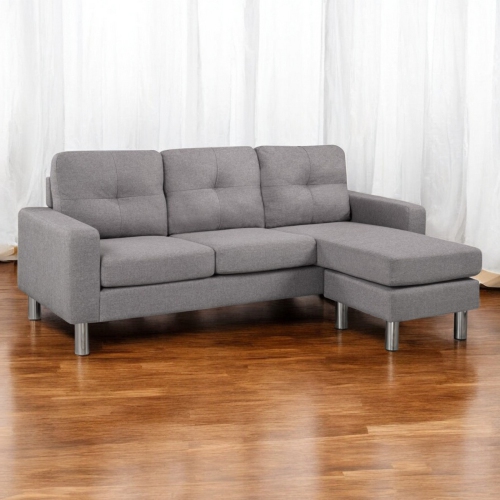

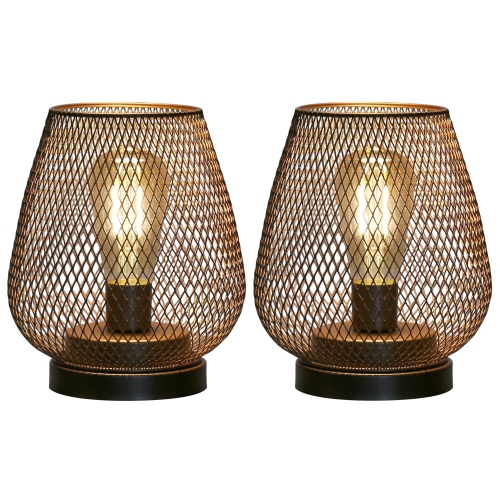
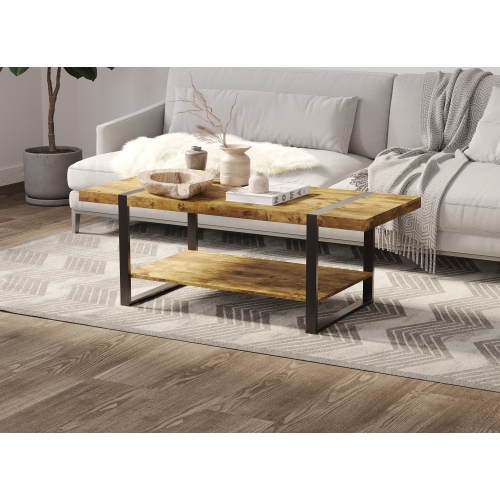
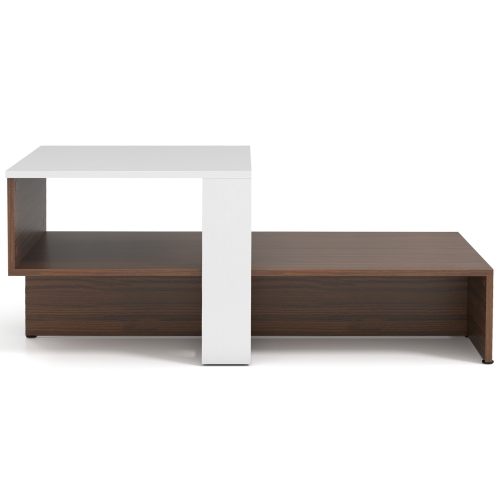

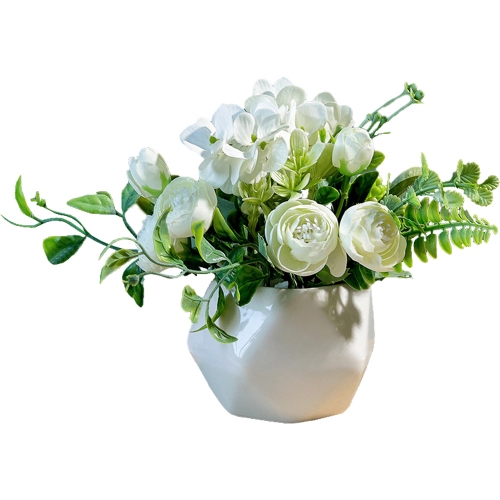

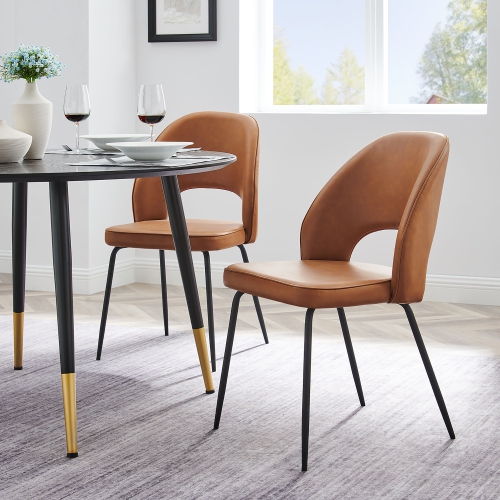
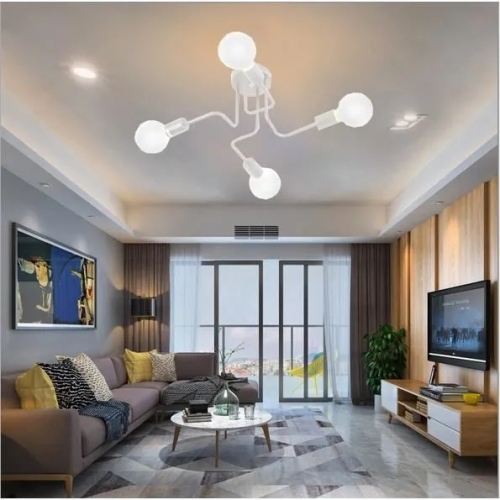
A calmer living room without sacrificing warmth or comfort
Minimalist living room decor brings together clean-lined furniture, useful storage, restrained colour, and a small number of accents to create a room that feels calm without feeling empty. The emphasis is on pieces that earn their place through comfort, function, or visual interest, leaving enough open space for everyday movement. A palette of warm white, beige, grey, or muted earth tones gives furniture and accessories a shared foundation, while one or two accent colours can add depth without making the room feel busy. Texture keeps this approach inviting: a woven cushion against a smooth upholstered sofa, a softly patterned rug beneath a simple table, or visible wood grain beside a matte metal frame. Minimalism does not require an entirely white room or bare shelves. A favourite photograph, a substantial vase, or a single large artwork can give the space personality when surrounding surfaces remain relatively clear. Scale matters as much as quantity. Several tiny accents may look more cluttered than one larger piece, while furniture that overwhelms the floor plan can make even a sparsely furnished room feel cramped. In a condo, an apartment, or a shared family living room, slim profiles and exposed legs can help preserve sightlines. Larger rooms may benefit from broader seating and a generous rug that visually connects the furniture rather than leaving each piece isolated. The most comfortable arrangements reflect how the room is actually used, whether that means conversation, evening television, reading, or a place to unwind after work. A reading corner needs supportive seating and light at a useful height; a gathering space needs surfaces within reach and clear routes between seats. For households with children or pets, a relaxed interpretation with washable textiles and accessible storage often feels more welcoming than a room arranged purely for appearance. During the cooler months, a textured throw or a deeper accent shade adds warmth without requiring a complete change of style. The result is a living area with fewer visual distractions and enough softness to feel lived in.
Materials, proportions, and construction shape both the appearance and the everyday usefulness of minimalist living room furniture. Solid wood offers distinctive grain and can develop character with use, although its finish still needs protection from spills, heat, and scratches. Wood veneer provides a real-wood surface over a supporting core, while laminate offers a different surface finish whose care requirements depend on its construction. Metal frames bring a crisp outline, glass can keep a table looking visually light, and stone surfaces add natural variation and weight. None of these materials is maintenance-free: glass shows fingerprints, some stone needs sealing, and abrasive cleaners can damage many finishes. Manufacturer care directions are the best reference for cleaning methods and suitable products. Upholstery deserves the same attention. Smooth, tightly woven fabrics can be easier to keep free of loose debris than highly textured weaves, while removable covers are helpful only when their care labels permit the washing method a household needs. Durability also depends on frame quality, joinery, fabric performance, and how frequently the furniture is used, not simply on a streamlined appearance. Fit involves more than measuring an empty spot on the floor. Doorways, lifts, stairwells, and tight corners affect whether furniture can reach the room, and drawers or cabinet doors need clearance to open once everything is in place. Seating depth and height influence comfort for different users, especially when a sofa serves as the main place for reading or relaxing. Rounded table edges may be useful near a busy walking route, while a stable base helps keep occasional furniture steady. Rugs work best when their dimensions relate to the seating group, with enough coverage to make the arrangement feel connected. Pile height also matters: a lower pile can make chair movement and routine vacuuming easier, while a thicker surface offers a softer feel underfoot. A suitable rug pad helps limit shifting and should be compatible with the flooring beneath it. These practical details allow a pared-back room to remain comfortable through daily use rather than simply looking orderly.
Storage, lighting, and finishing touches give minimalist living room decor much of its flexibility. Closed cabinets can keep charging cables, games, and paperwork out of sight, while a modest amount of open shelving leaves room for books and meaningful objects. Storage works particularly well when it matches familiar routines: remotes near the seating, blankets close to where they are used, and everyday belongings within easy reach. Multipurpose furniture can reduce the number of separate pieces in a compact room, though its usefulness depends on access; a storage compartment is less convenient if opening it means moving several objects every evening. Media furniture also needs to suit the dimensions and weight of the equipment it supports, with ventilation and cable access appropriate to the devices. Tall storage units should be secured as directed by the manufacturer, and wall-mounted shelves or mirrors need fixings suited to the wall and the supported weight. Lighting brings another layer of comfort without adding unnecessary visual bulk. Ambient light provides general illumination, task lighting supports reading, and a focused accent light can draw attention to art or an interesting surface. Compatible dimmable lighting allows the room to shift from daytime activities to a softer evening setting. A mirror placed to reflect daylight or an appealing view can add a sense of depth, but placement opposite a television or an exposed bulb may introduce distracting glare. Finishing accents feel most cohesive when they repeat a colour, shape, or material already present in the room rather than introducing an unrelated detail on every surface. Curtains with a simple drape, a few cushions in complementary textures, and an uncluttered tabletop can make the setting feel complete. For an open-plan home, repeating a wood tone or metal finish across adjoining areas creates continuity without requiring matching furniture throughout. A similar approach can carry into a quieter personal space through Minimalist Bedroom Decor. Thoughtful proportions, manageable care, and room for ordinary belongings make this style adaptable to first apartments, established family homes, and smaller spaces where every piece has a clear purpose.
Top selling and popular products
-
 Your price for this item is $42.98
-
 Your price for this item is $44.99
-
 Your price for this item is $89.99
-
 Your price for this item is $114.99
-
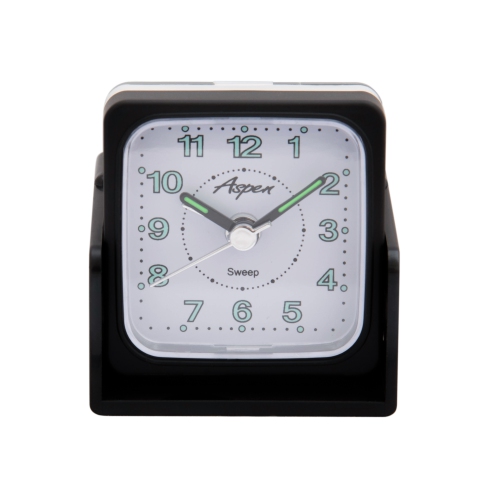 Your price for this item is $19.95
-
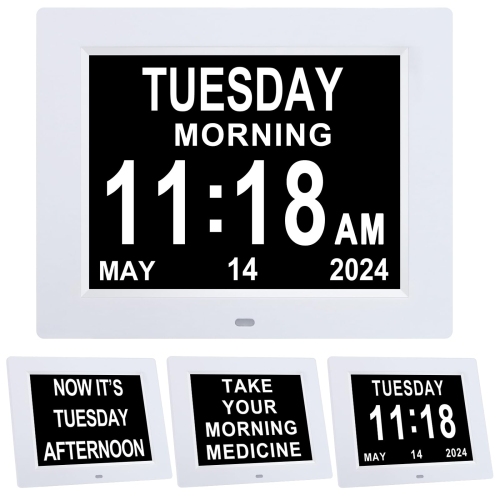 Your price for this item is $90.96
-
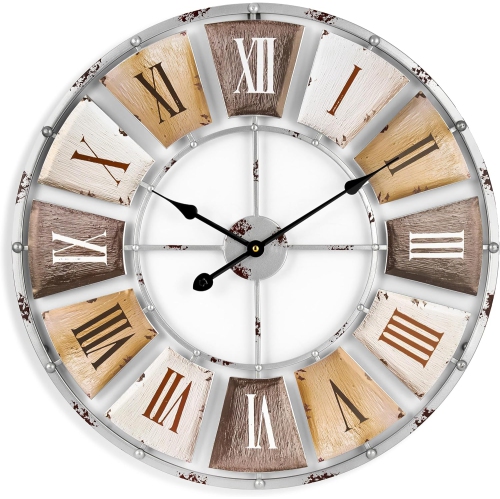 Your price for this item is $79.99
-
 Your price for this item is $45.99
Discover more categories related to Minimalist Living Room Decor


Top Collections:
Pokemon Centers, Kindle Devices, Best Cameras for Sports Photography, Pokémon 30th Celebration Cards, Apple iPhones 16, Canon G7X Cameras, iPhone 15 Apple, Flip Phones, Samsung Galaxy Phones, Alarm Clock
Some products may be subject to Environmental Handling Fees
(EHF) depending on your province.
Learn more about EHFs.