Mirror Wall Art
Elevate your home décor with stunning mirror wall art, a perfect blend of functionality and style. These captivating pieces not only add a touch of elegance to any room but also create an illusion of space and light, enhancing the overall ambiance of your living area. Whether you're looking to make a bold statement or prefer something more subtle, mirror wall art offers a versatile design solution that complements various interior styles. Discover how these reflective masterpieces can transform your walls into eye-catching focal points, infusing charm and sophistication into your home.
Sort
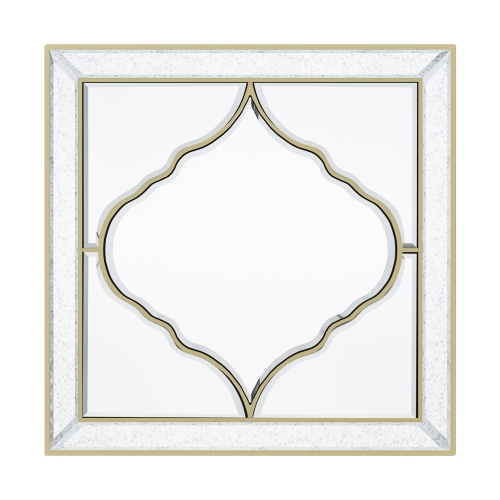

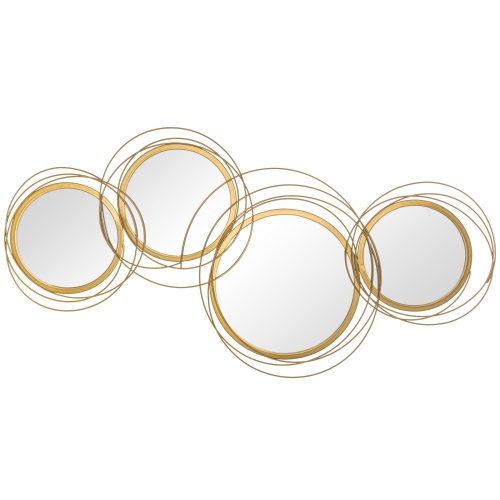
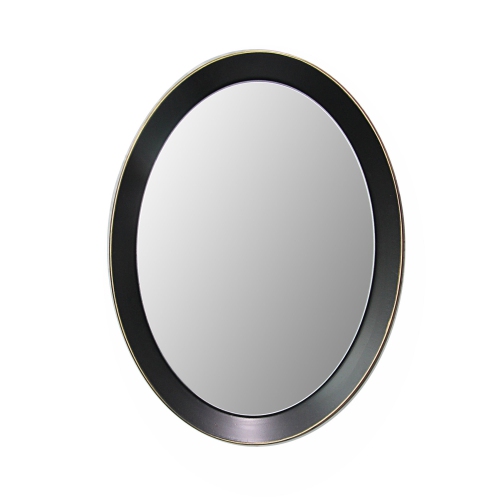
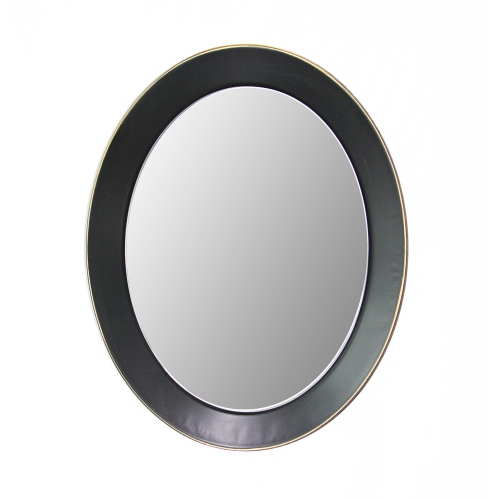
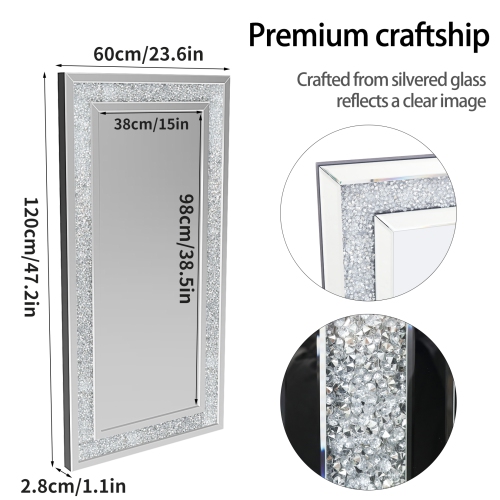


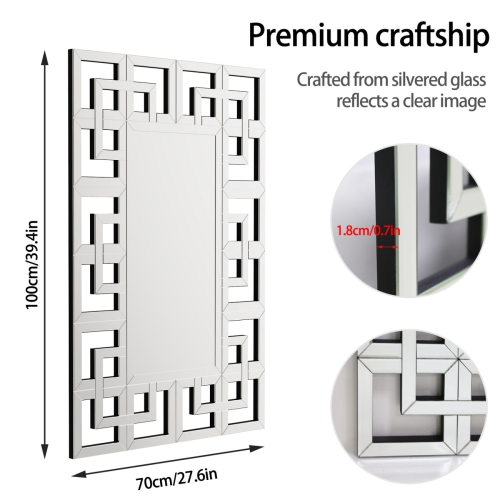
Reflective shapes give walls a new sense of depth
Mirror wall art combines reflective surfaces with decorative shapes, frames, and arrangements to bring depth and visual interest to a room. Unlike a mirror chosen mainly for checking an outfit, it often acts as part of the room’s composition: a sculptural accent above a sideboard, a cluster of small circles along a hallway, or an arched silhouette that softens the lines of a living room. The category includes framed glass mirrors, frameless designs with polished or bevelled edges, geometric arrangements, and lightweight acrylic mirror shapes that form patterns across a wall. Some designs provide a clear, useful reflection, while others emphasize texture, repetition, or an abstract effect. Round and oval shapes sit comfortably beside angular furniture, while rectangular forms can echo doorways, shelving, and cabinetry. Sunburst outlines and irregular shapes create a more expressive focal point without needing a brightly coloured surface. Frame finishes help connect the mirror to its surroundings: warm metallic tones can pick up the detail of a lamp base, black can repeat the outline of furniture legs, and wood can complement a console or dining table. For a broad focal point above furniture, large wall mirrors offer a different visual presence from a grouping of smaller reflective accents. A single expansive surface feels relatively calm, while several separate shapes introduce rhythm and movement. What appears in the reflection matters as much as the frame itself. A mirror facing artwork, a leafy plant, or an uncluttered corner brings those details into another part of the room; one facing open storage may repeat visual clutter. Reflected daylight and lamplight can make a space feel brighter, though a mirror does not create light or physically enlarge a room. In an entrance, it can pair a useful last glance before leaving with a welcoming decorative feature. Above a dining-room sideboard, it can reflect a pendant fixture and add depth without taking up space needed for serving dishes.
Materials influence the appearance, weight, and everyday use of mirror wall art. Glass generally provides a crisp reflection and a substantial feel, making it well suited to designs that balance decoration with practical viewing. Bevelled edges add a subtle border that catches light, while antiqued or deliberately distressed finishes introduce mottled detail rather than a uniformly clear image. Acrylic mirror panels are lighter and can be shaped into feathers, petals, letters, and other intricate forms, but their reflections may be less precise than glass, particularly if the material bends or the wall beneath is uneven. Thin reflective stickers are best understood as decorative accents rather than substitutes for a conventional dressing mirror. Frame construction also changes the character of a piece. Solid wood offers natural grain and variation; engineered wood can support smooth painted finishes; and metal can create slender outlines or more elaborate sculptural borders. The suitability of any material for a bathroom or another humid space depends on its finish, backing, and manufacturer’s intended use. A decorative mirror designed for a dry living area should not automatically be treated as bathroom-ready. Proportion is equally important. A mirror above a console usually looks more connected to the furniture when it leaves some visible wall on either side, while a small arrangement can suit a narrow section between a doorway and a bookcase. The full outside dimensions, including the frame, are more useful for planning than the reflective surface alone. Depth deserves attention in busy passages, where projecting frames could be bumped. For grouped designs, the overall footprint includes the spaces between each shape, not just the dimensions of the individual elements. Consistent gaps can make an arrangement feel orderly, while varied sizes can produce a looser gallery effect beside framed prints. Eye level, furniture height, and the view from the room’s entrance all affect whether the arrangement feels comfortably placed. A cardboard template can help show the true scale before any holes are made.
Secure mounting and suitable care help mirror wall art remain attractive and practical over time. A substantial glass mirror needs hardware rated for its weight and suited to the wall construction, whether that involves fastening into studs or using appropriate anchors. Supplied fittings should be checked against the installation requirements rather than assumed to suit every surface. Mirrors should hang from their designated mounting points, and horizontal or vertical placement is only appropriate when the design supports that orientation. Above a sofa, bed, or other occupied area, secure installation is especially important; professional installation may be worthwhile for a heavy or awkward shape. Self-adhesive mirror accents have different requirements. Their hold depends on factors such as wall texture, cleanliness, paint condition, and the adhesive itself. A smooth, dry surface may be necessary, and removable claims do not guarantee that every painted finish will remain unmarked. For renters, the attachment method and removal instructions deserve as much attention as the appearance. Everyday cleaning also varies by material. Glass is commonly cleaned with a soft, lint-free cloth and a suitable cleaner applied to the cloth rather than sprayed heavily onto the mirror, helping limit moisture around edges and backing. Acrylic needs a cleaner approved for that material and gentle wiping, since abrasive cloths and unsuitable chemicals can scratch or cloud its surface. Wood, metal, and decorative frame details may require separate care, particularly around carved recesses or delicate finishes. Keeping a mirror away from repeated splashes and accidental knocks can help protect both its appearance and its attachment points. These practical details matter when choosing a gift as well. Mirror wall art can make a thoughtful housewarming, wedding, or first-apartment gift when its scale and style suit the recipient’s home. A restrained frame may fit easily among existing furnishings, whereas an ornate or strongly geometric design is a more personal choice. Knowing the available wall space and whether permanent mounting is possible helps make the gift useful as well as decorative.
Top selling and popular products
-
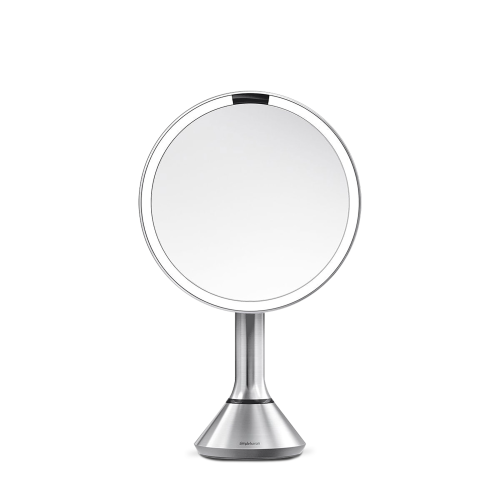 Your price for this item is $270
-
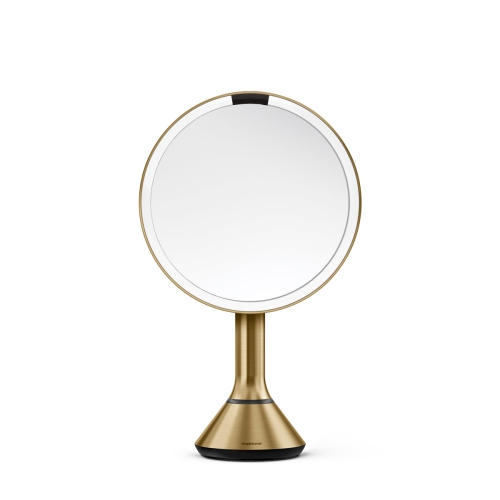 Your price for this item is $270
-
 Your price for this item is $270
-
 Your price for this item is $450
-
 Your price for this item is $154.99
-
 Your price for this item is $184.99
-
 Your price for this item is $149.99
-
 Your price for this item is $400
Discover more categories related to Mirror Wall Art

Top Collections:
Best Black Friday Deals This Year, Best Black Friday Deals On Electronics, Kindle Devices, Pokemon Centers, Best Black Friday Deals On Apple Products, Best Cameras for Sports Photography, Dyson Airwrap, Pokémon 30th Celebration Cards, Apple iPhone 17 Pro, Canon G7X Cameras
Some products may be subject to Environmental Handling Fees
(EHF) depending on your province.
Learn more about EHFs.