Mixed Material Furniture
Upgrade your living space with our collection of mixed material furniture. Combining the best of both worlds, these stunning pieces effortlessly blend different materials to create a unique and stylish look. Whether you're looking for a modern dining table with a sleek glass top and metal legs, or a rustic coffee table featuring a beautiful wood finish and iron accents, we have the perfect options to suit your taste and elevate your home decor. Discover the endless possibilities of mixed material furniture and transform your space into a true reflection of your personal style.
Sort
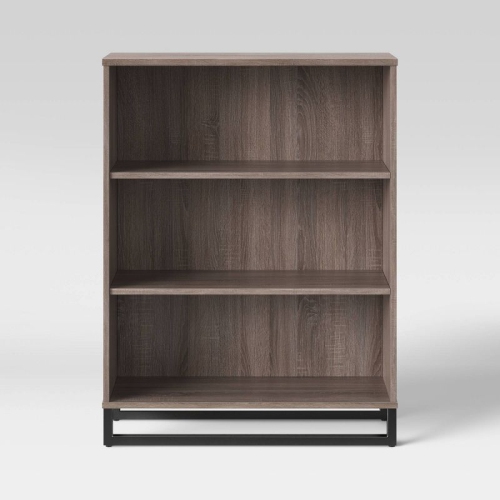
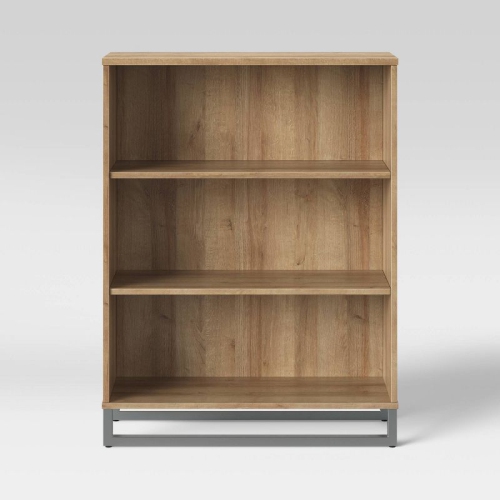

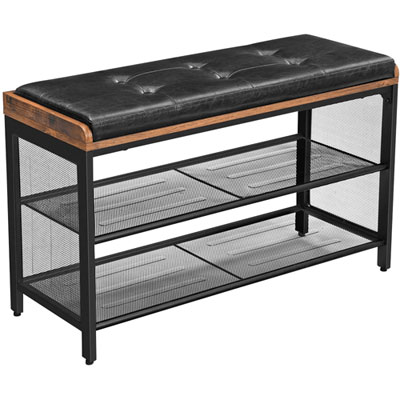

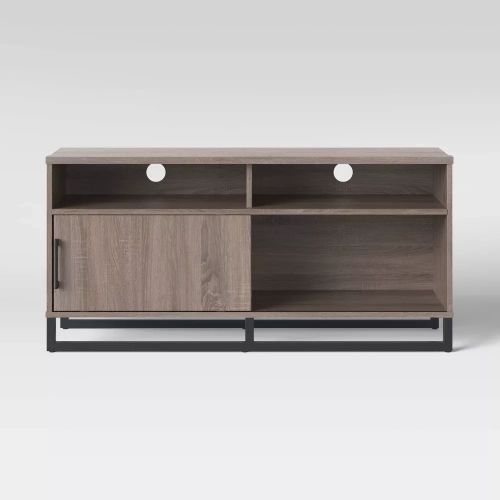
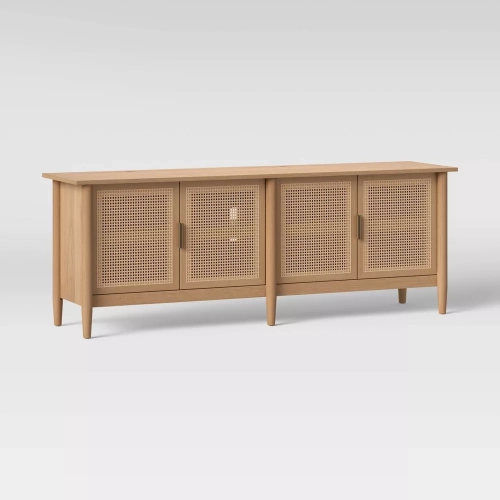

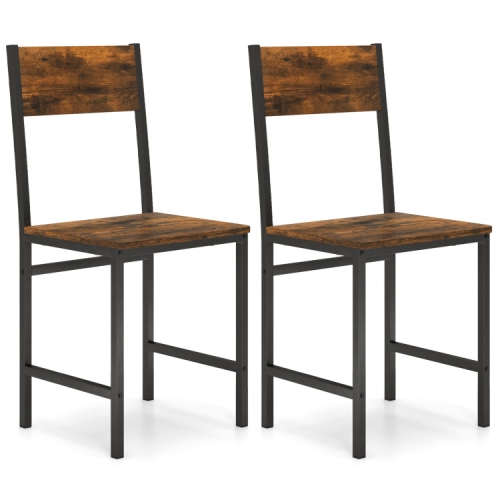


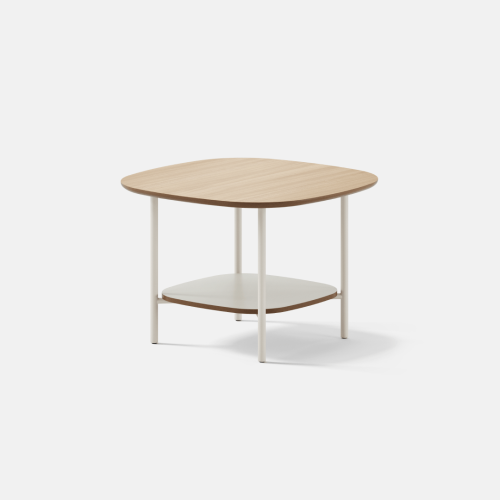
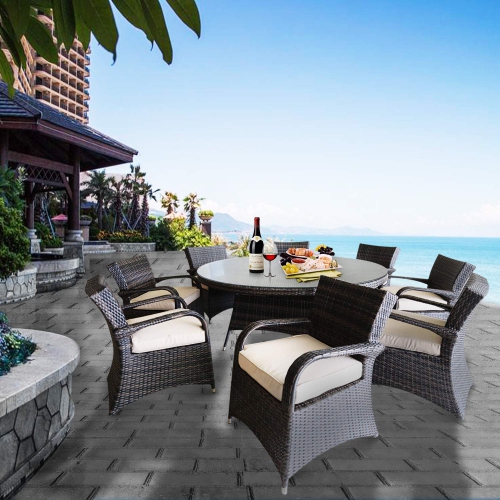
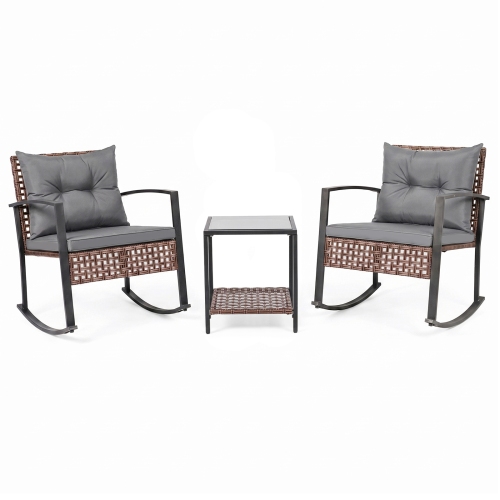

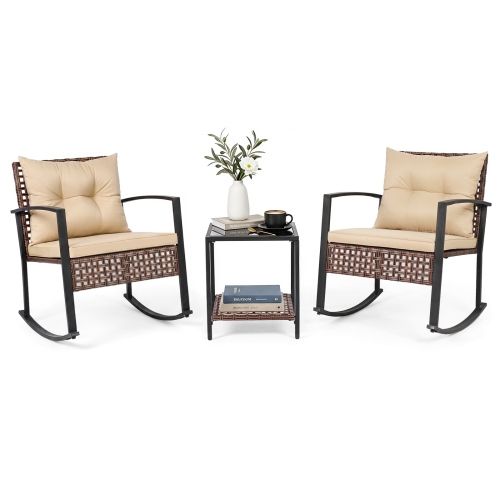

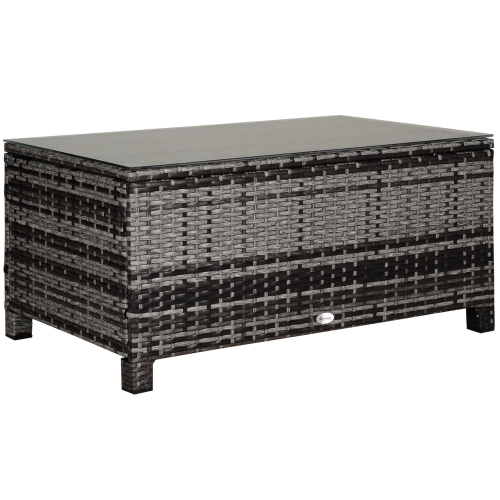


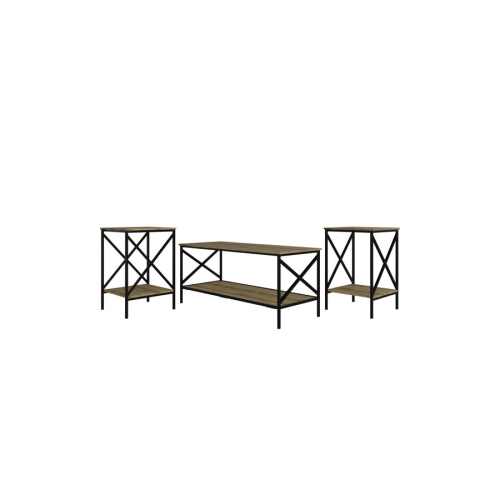
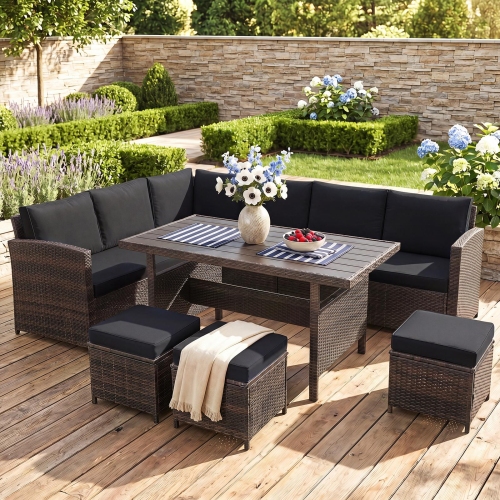
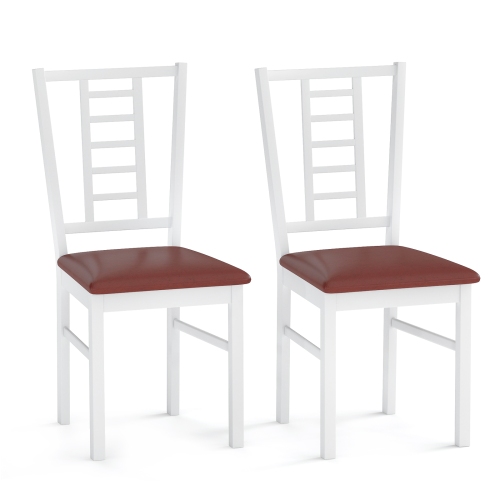
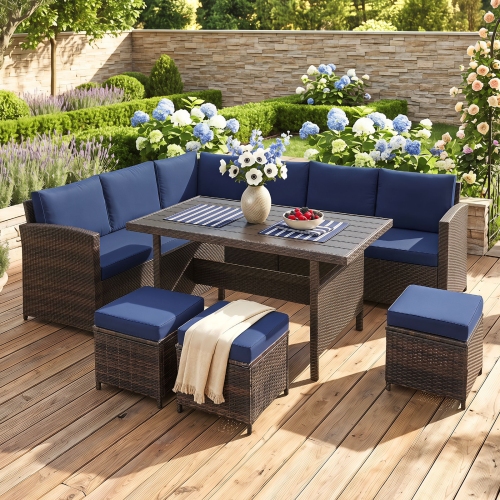


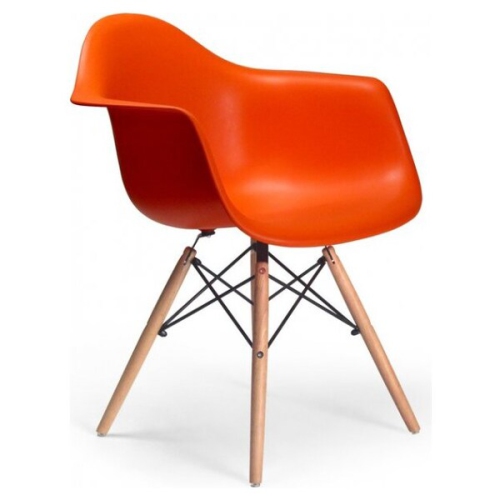




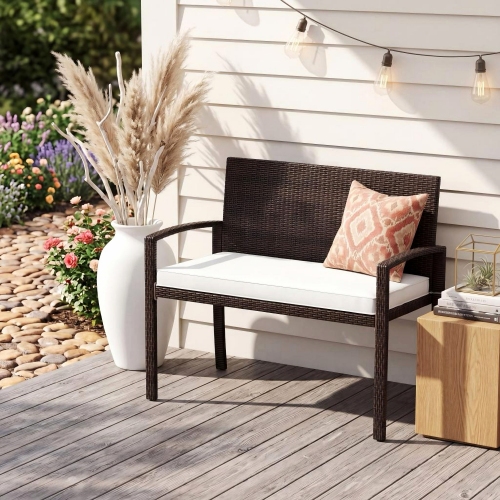


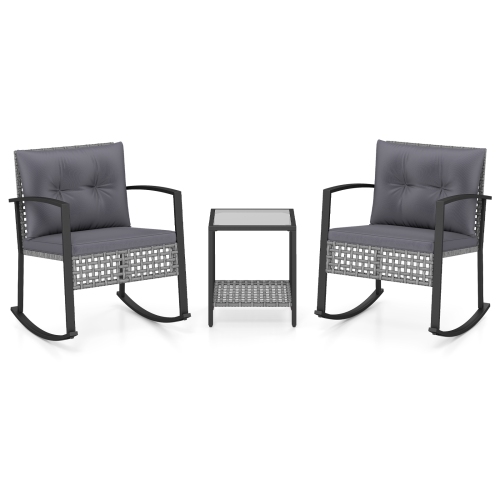
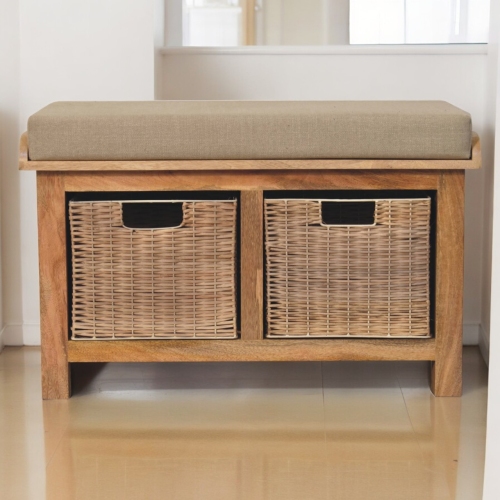


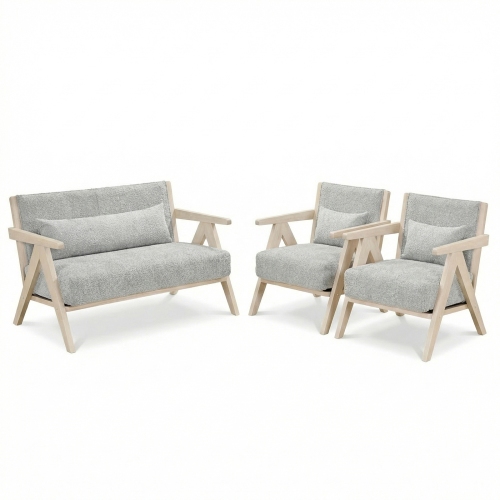
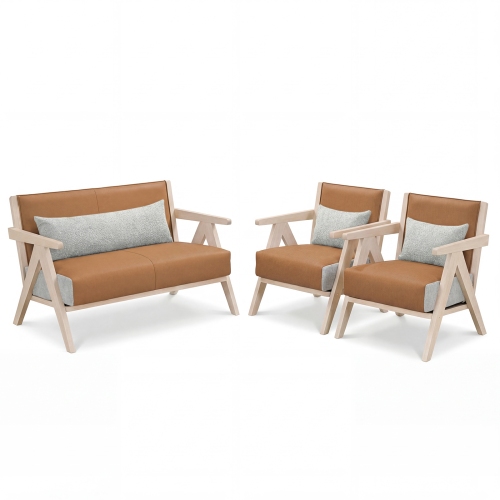

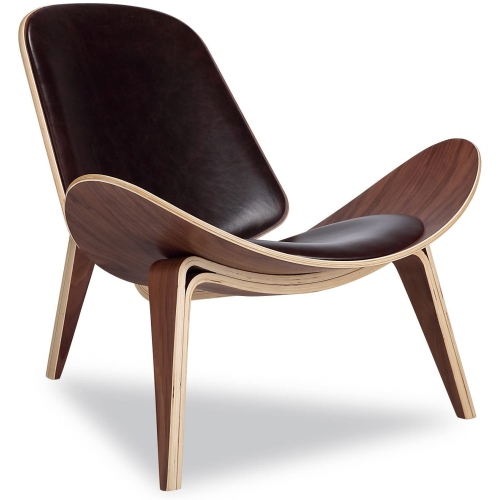


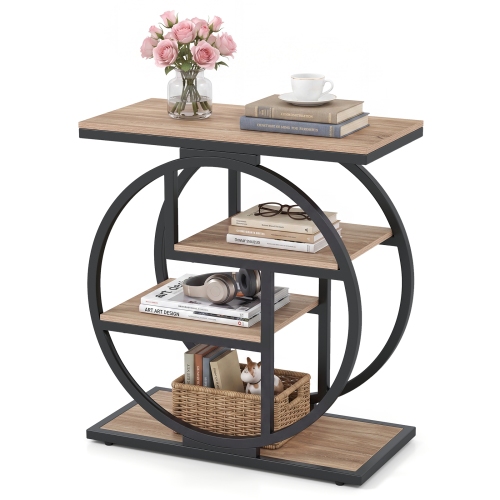


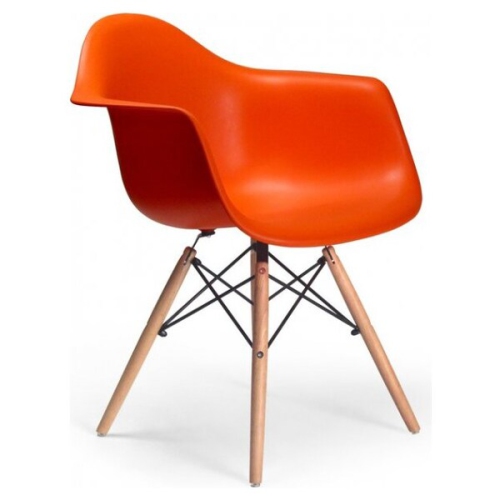

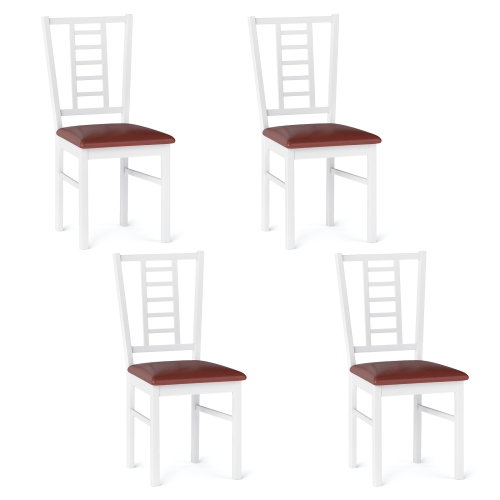

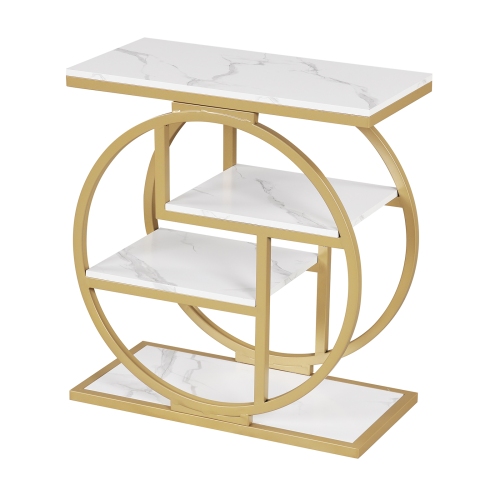

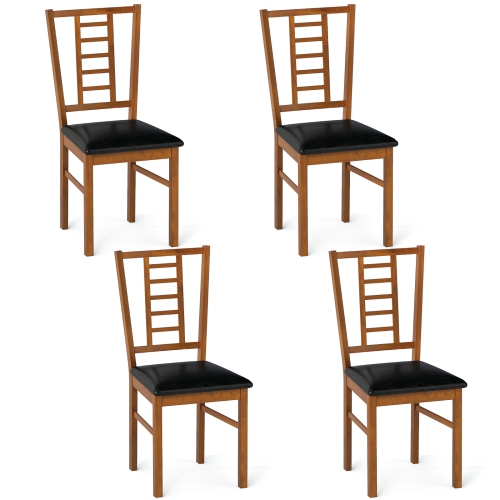


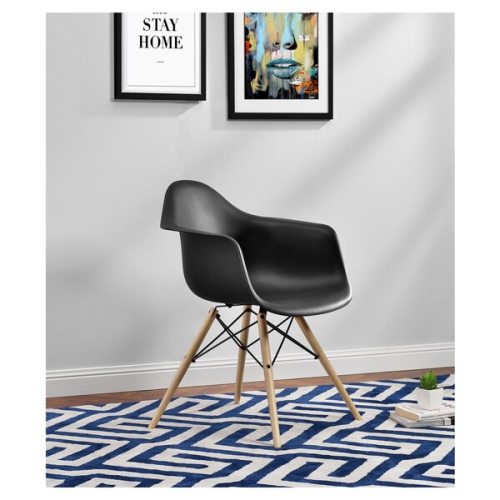


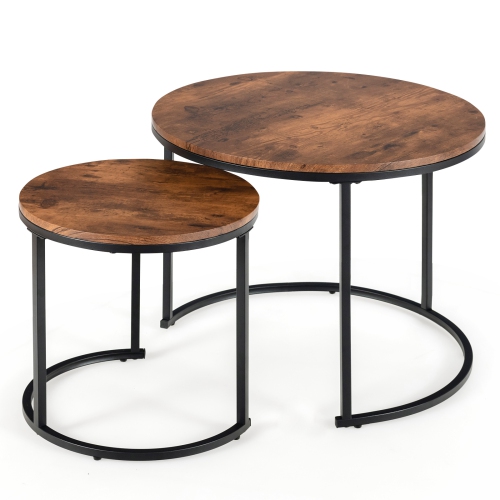


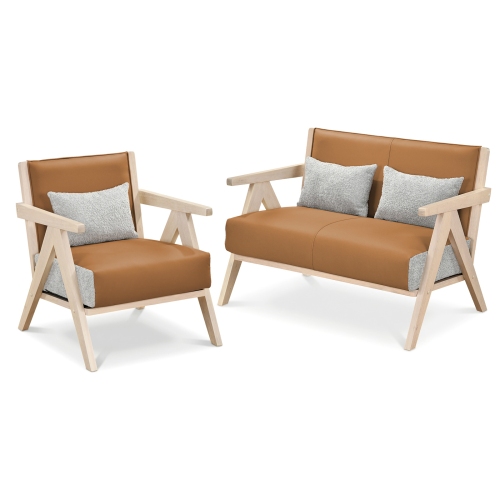
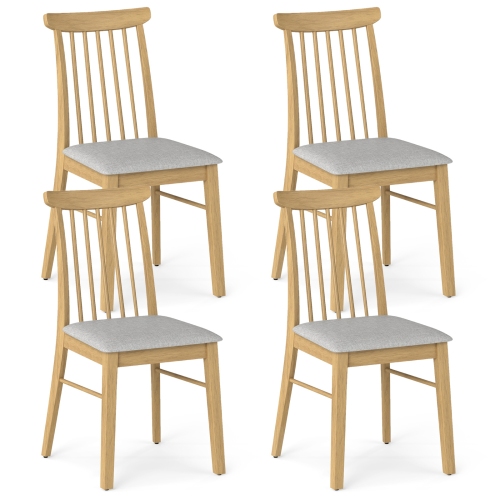

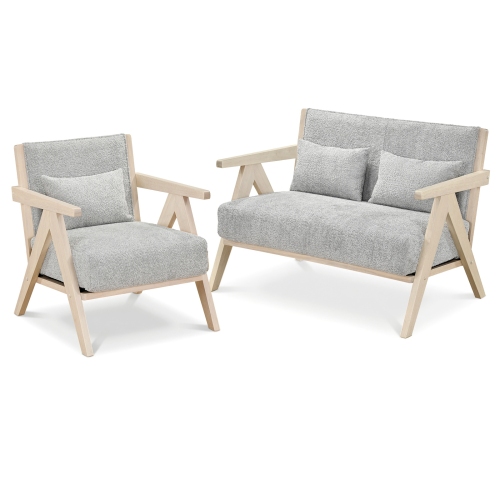


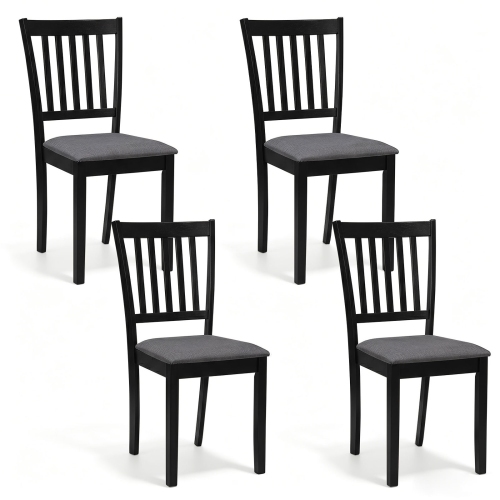
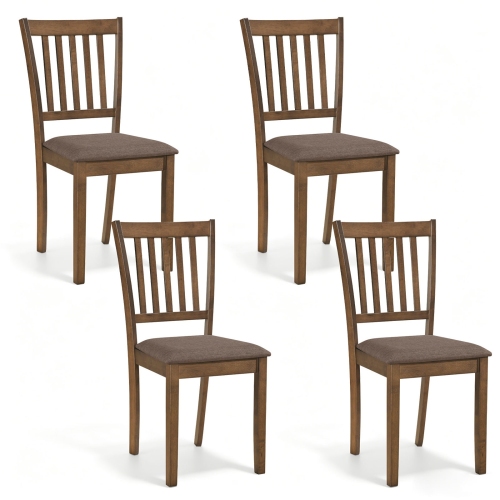

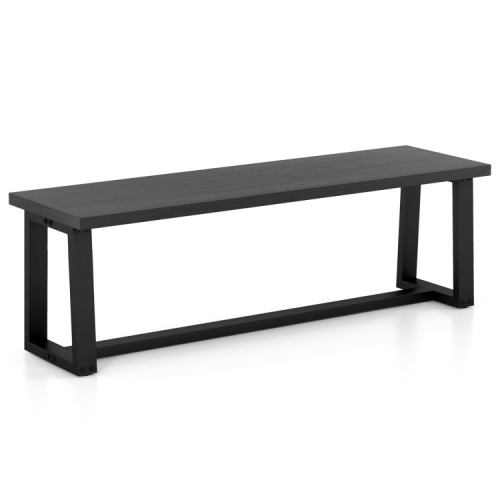
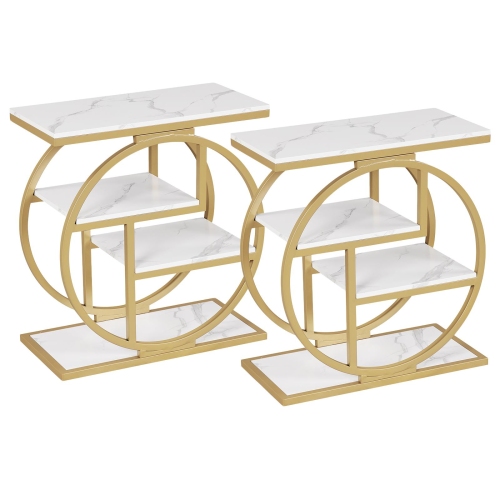





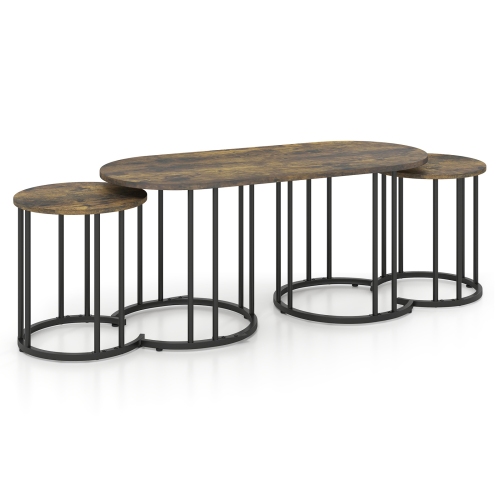

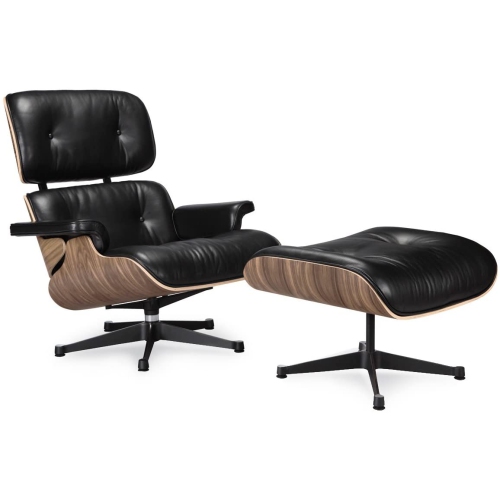
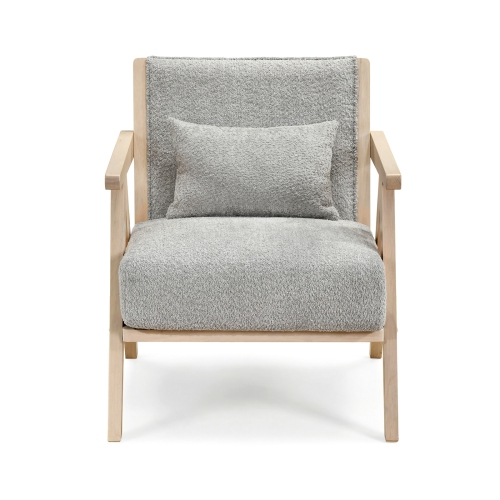
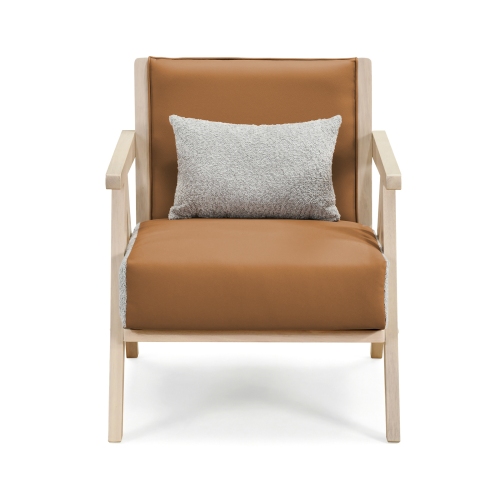
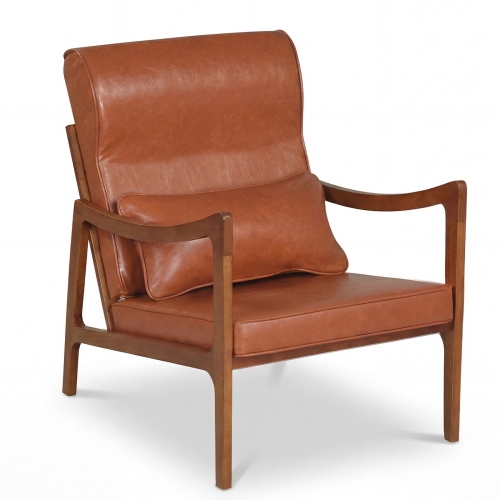


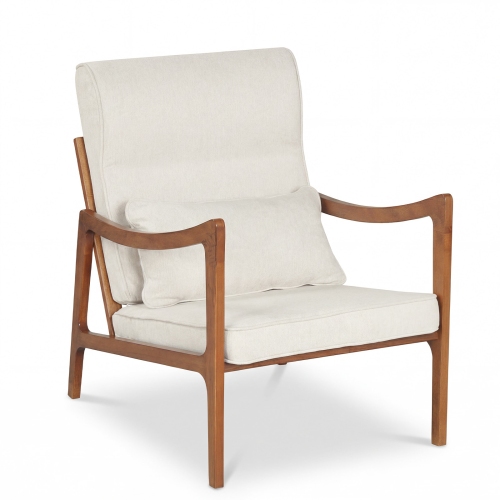
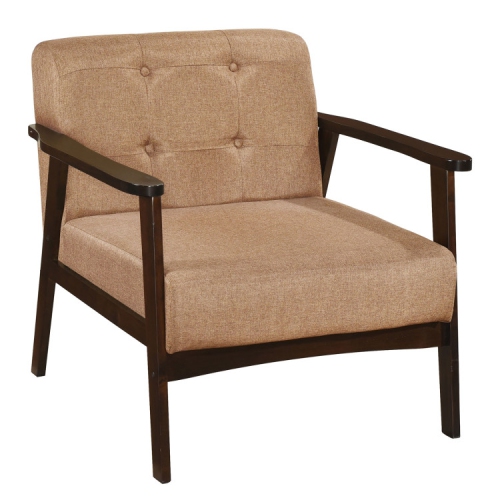
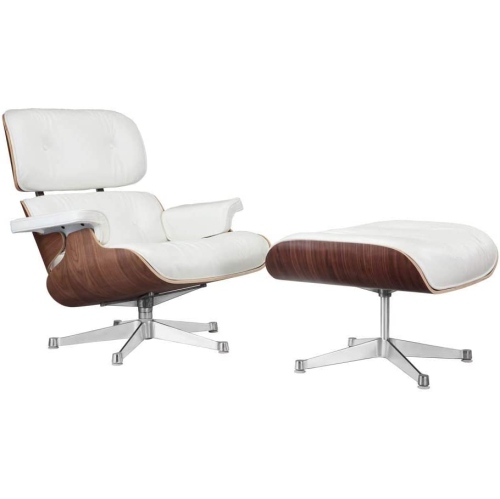
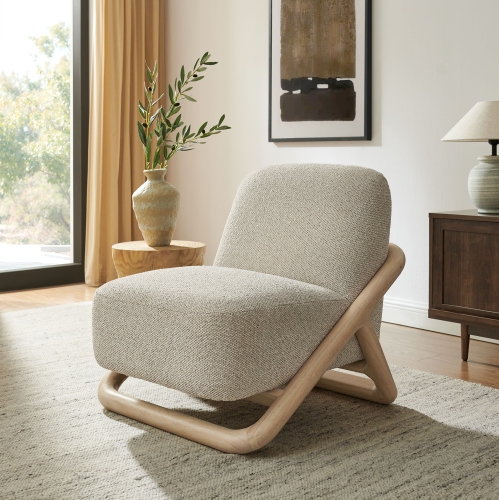
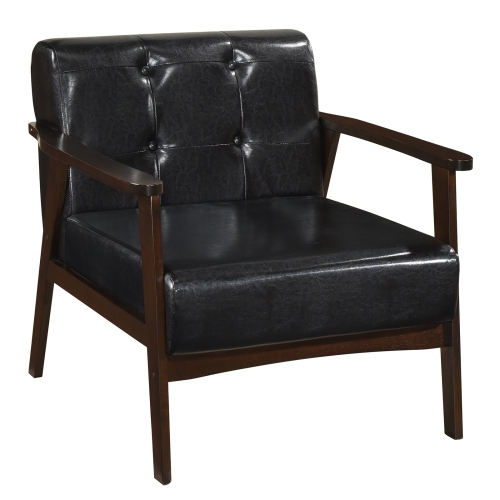
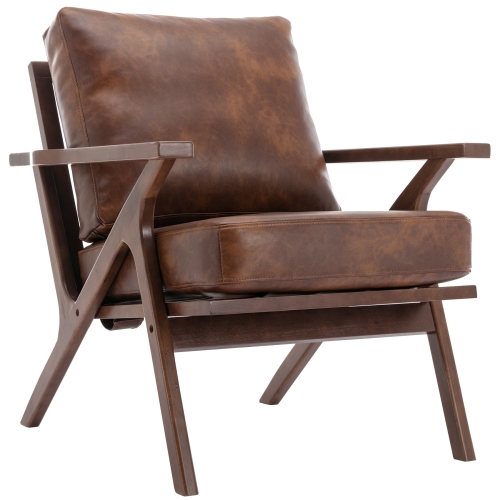
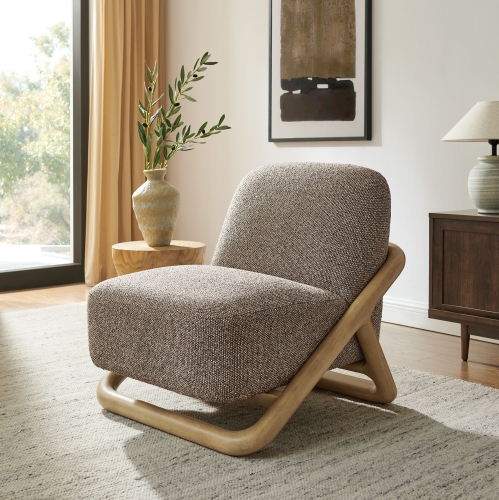






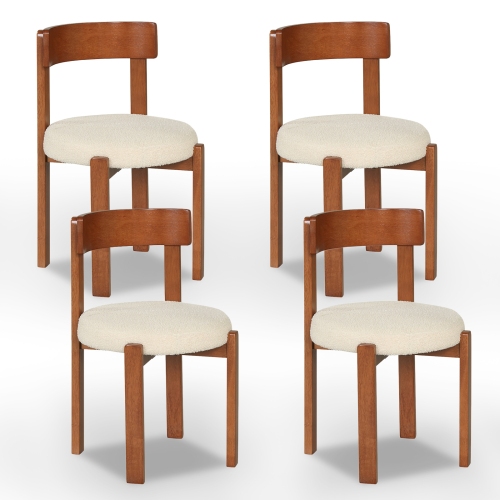


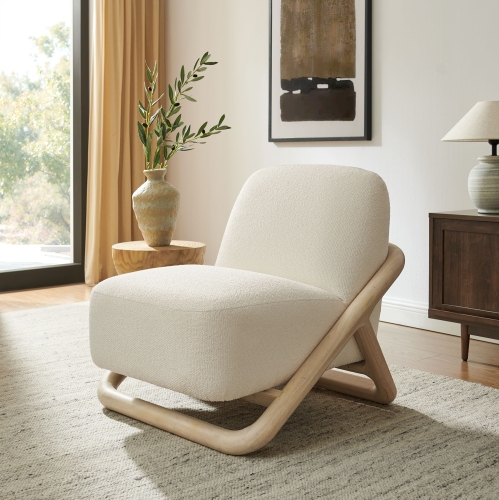

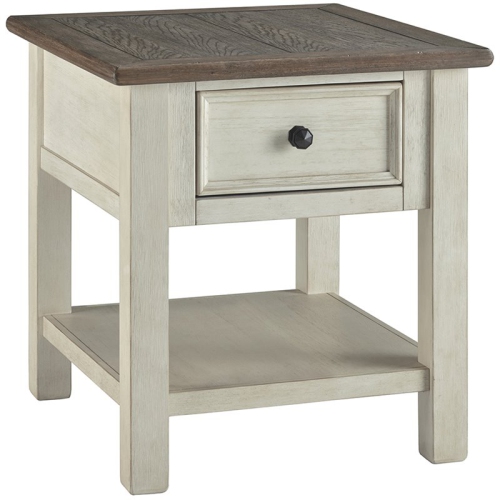
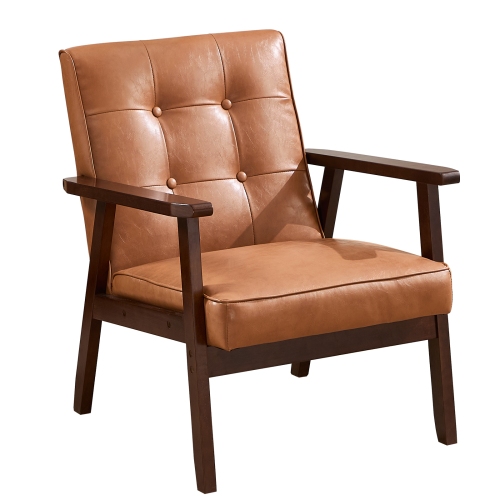


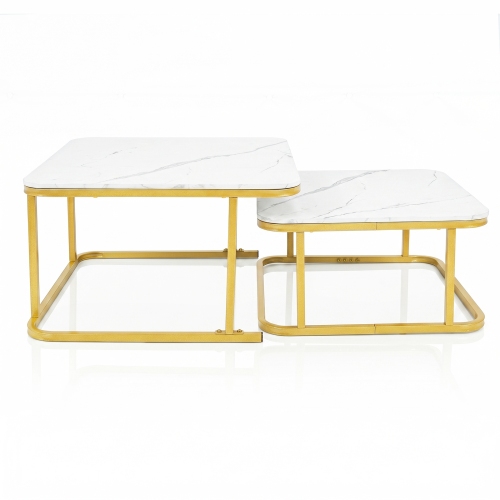


How contrasting surfaces add depth without matching finishes
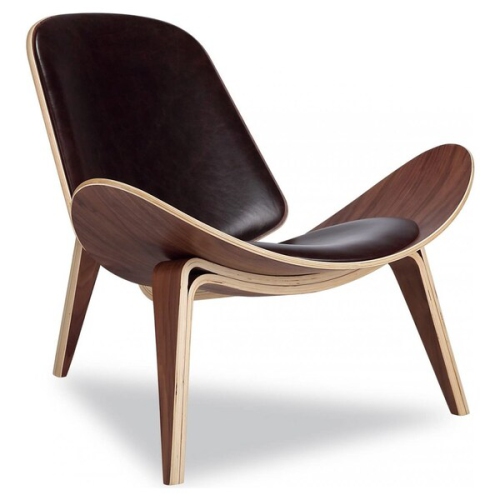
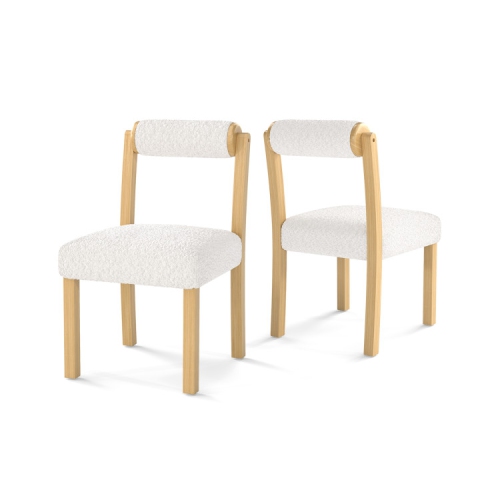
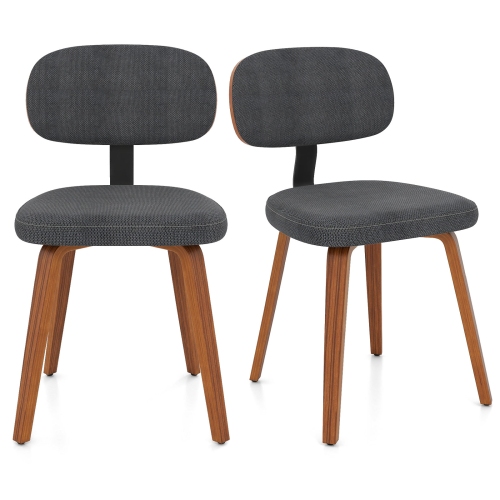
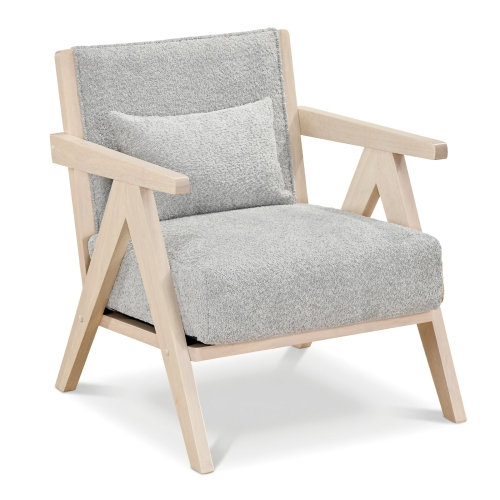
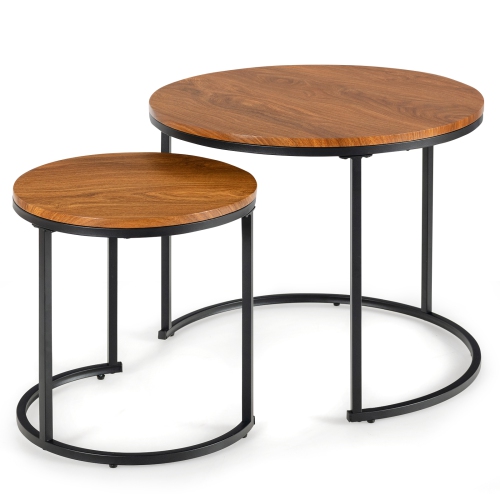
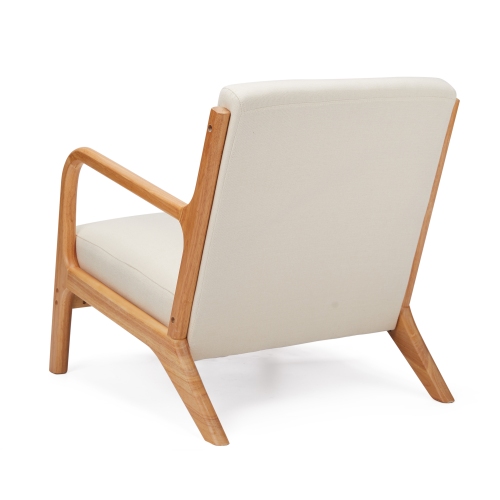
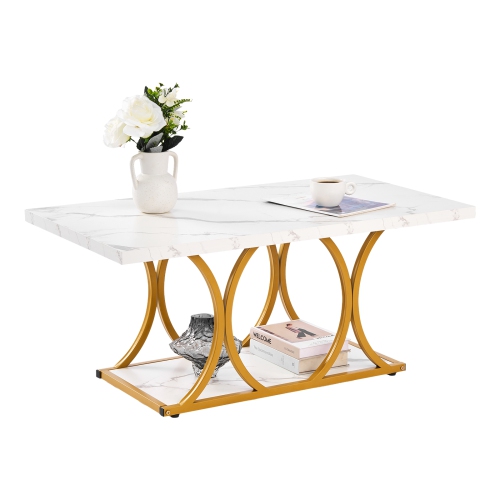
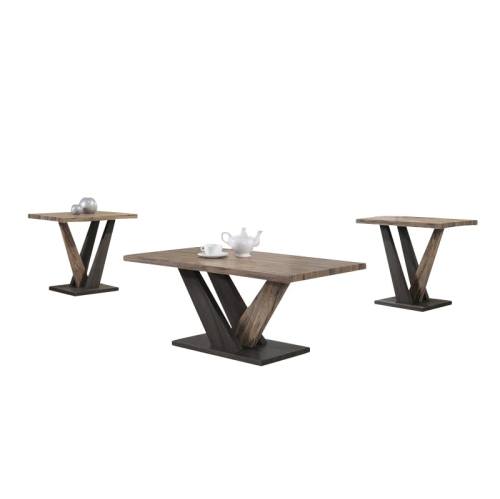
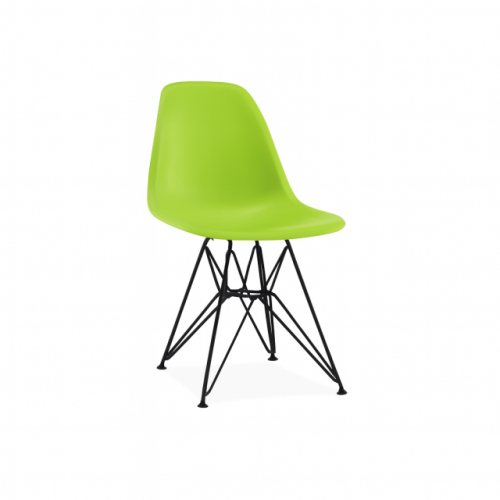
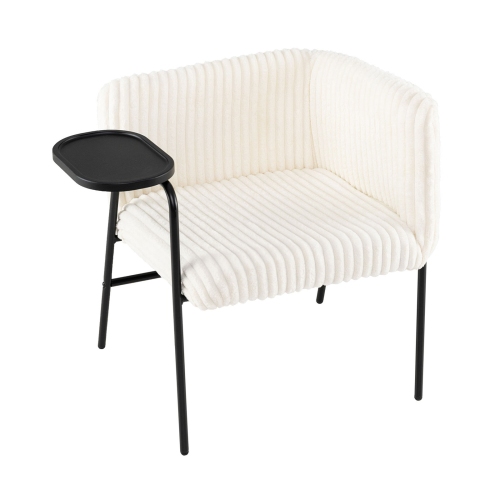
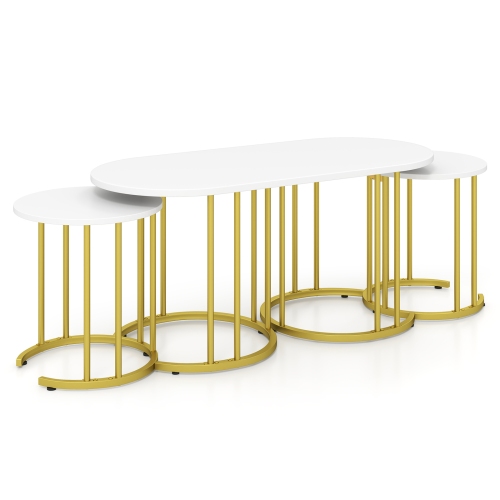
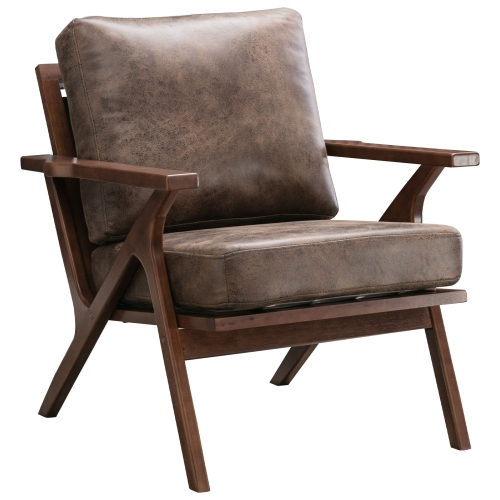
Mixed material furniture combines two or more materials within the same piece, bringing together contrasting surfaces such as wood and metal, glass and steel, or upholstery and exposed timber. The appeal comes from how those surfaces work together: a wood tabletop adds visible grain above a slim metal frame, while a padded seat softens the outline of a solid wood chair. Rather than relying on a single finish throughout a room, these combinations introduce depth through differences in texture, sheen, and shape. They can suit a range of interiors, from an open living area with clean lines to a dining room filled with familiar, well-used furnishings. Wood and black metal often create a structured, industrial feel; glass paired with polished metal can appear lighter and more streamlined. Woven panels set into wood frames bring a more textured look, while stone surfaces and upholstered details create a balance between substantial and soft. The overall effect depends as much on proportion as on the materials themselves. A narrow metal base beneath a broad wood surface reads differently from thick wooden legs supporting a glass top. Shared colour undertones help these contrasts feel connected. Honey-toned wood can sit comfortably beside muted brass finishes, while pale timber, grey fabric, and brushed metal offer a quieter combination. One repeated detail, such as dark legs across seating and tables, can connect furniture without making every piece match. For a softer contrast, fabric furniture can complement the harder edges of metal, glass, and wood elsewhere in the space. This flexibility makes mixed material furniture useful when furnishing a first apartment, bringing two households together, or adding to a room gradually. An existing wood cabinet does not need an identical companion; a nearby table that shares its warm undertone or handle finish can provide enough visual continuity.
The right material combination also depends on what the furniture needs to do each day. In a living room, a table may hold drinks, books, and a laptop, so the usable surface, base stability, and reach from the sofa matter alongside its appearance. A glass top can leave a rug visible and make a compact seating area feel less visually crowded, but it does not reduce the table’s physical footprint. Clear walking routes and comfortable spacing remain important, especially around projecting corners or wide bases. In dining spaces, the position of metal supports or wooden stretchers can affect legroom and whether chairs tuck neatly under the tabletop. Upholstered chairs add cushioning for lingering meals or board games, while their seat height, depth, and back shape influence comfort. For a home office, a wood-look work surface on a metal frame may offer the desired style, but desktop depth, knee clearance, cable access, and the stated weight capacity determine how well it supports a working setup. Entryway benches with cushioned tops and lower shelves can combine a place to sit with storage for everyday belongings, provided they are designed and rated for seating. In bedrooms, upholstered headboards paired with wood or metal frames offer a soft surface behind the pillows and a defined outline around the bed. Measurements need to account for doors, drawers, nearby furniture, and the path through the home during delivery, not just the open patch of floor where a piece will stand. Scale matters visually, too: slender legs may suit a small room, while a broad base can help balance a larger seating arrangement. For households with children or pets, rounded edges, stable construction, securely attached components, and suitable upholstery deserve particular attention. Tall storage furniture should be anchored according to its instructions. Mixed material furniture can also make a thoughtful housewarming gift when the recipient’s room measurements, preferred finishes, and practical needs are known, rather than chosen on looks alone.
Durability comes from the quality of each material and the way the parts are joined, not simply from the number of materials used. Solid wood, wood veneer, and laminate have different constructions and care needs, even when their colours look similar in a photograph. Veneer provides a real wood surface over a supporting core, while laminate offers a manufactured surface whose performance depends on its construction and finish. Metal frames may have painted, plated, or powder-coated finishes, each with its own cleaning requirements. Glass, natural stone, and manufactured stone also need to be assessed separately; weight, edge treatment, surface protection, and the manufacturer’s intended use all matter. Where materials meet, well-fitted joints, secure fasteners, and even support help limit unwanted movement. Removable cushions, accessible hardware, and clear care information can make ongoing upkeep more manageable. A dining chair used several times a day faces different demands from an accent chair in a quiet corner, so upholstery suitability should reflect that pattern of use. Tightly woven fabrics may be practical for frequent seating, though stain resistance, cleaning methods, and resistance to snagging vary by fabric. Leather and leather-look coverings need their own care routines and should not be treated as interchangeable. Routine cleaning is usually simplest when each surface is handled separately: dust wood and metal with an appropriate soft cloth, follow the specified method for upholstery, and use a suitable glass cleaner without letting overspray settle onto neighbouring finishes. Coasters and placemats help protect tabletops from moisture and everyday contact, while felt pads can reduce scratching beneath objects and furniture feet. Spills need prompt attention using the manufacturer’s directions, particularly when liquid could reach seams, absorbent surfaces, or upholstered edges. Abrasive pads and harsh cleaners can damage finishes, and dragging a heavy piece can strain its joints. Indoor furniture belongs indoors unless explicitly rated for outdoor use. With proportions that suit the room and care matched to every surface, mixed material furniture offers both tactile interest and practical function, whether it anchors a busy dining area or adds a comfortable seat beside a reading lamp.
Top selling and popular products
-
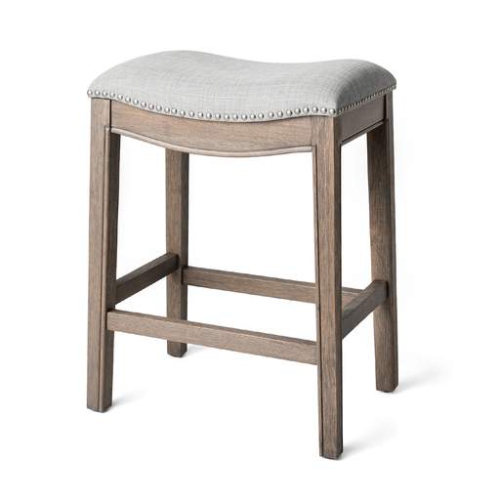 Your price for this item is $176.99
-
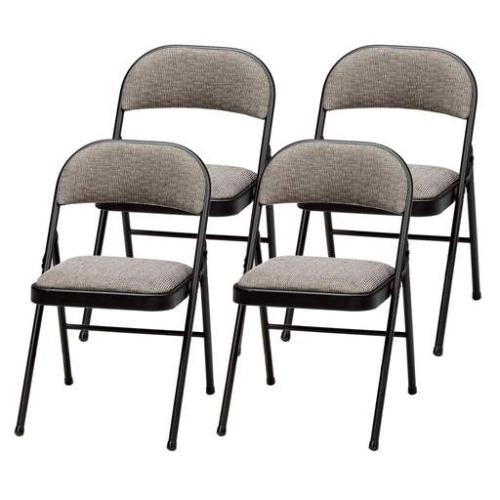 Your price for this item is $270.99
-
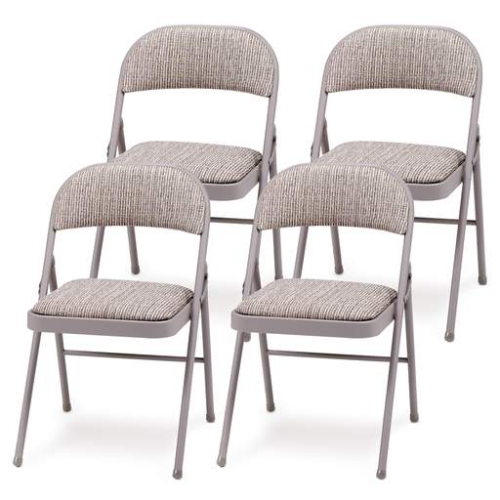 Your price for this item is $317.99
-
 Your price for this item is $430.14
-
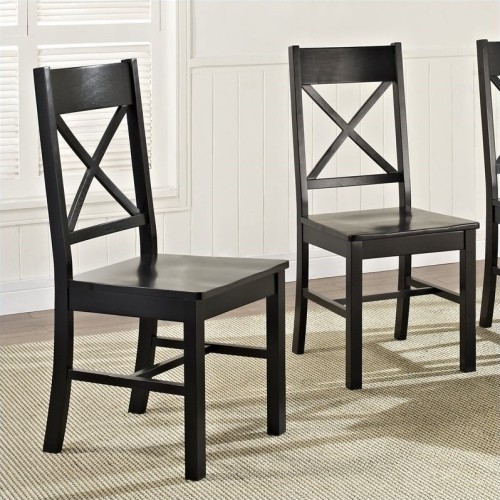 Your price for this item is $498.07
-
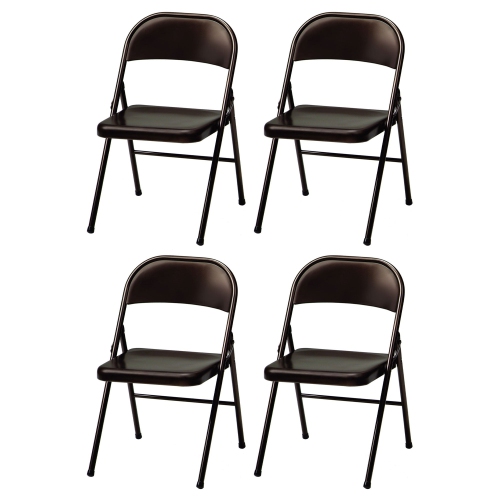 Your price for this item is $155.99
-
 Your price for this item is $431.99
-
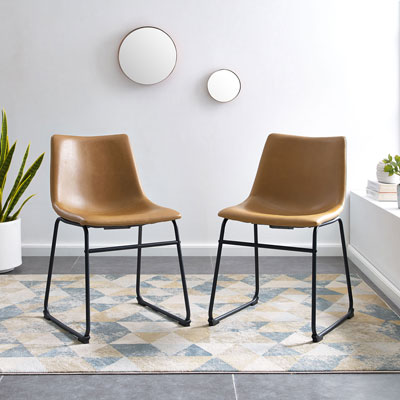 Your price for this item is $431.99
Discover more categories related to Mixed Material Furniture

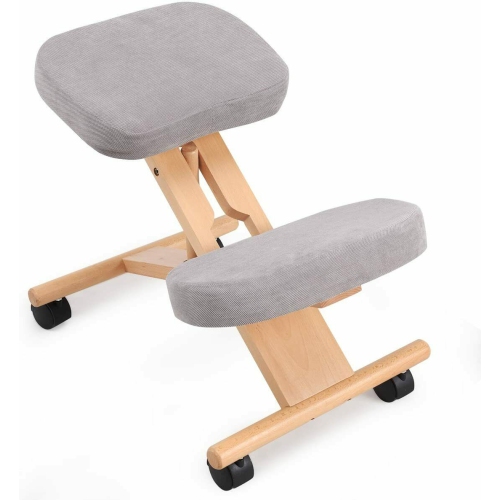
Top Collections:
Pokemon Centers, Best Cameras for Sports Photography, Kindle Devices, Samsung Galaxy Phones, Canon G7X Cameras, Pokémon 30th Celebration Cards, Refurbished Apple Laptops, iPhone 15 Apple, Laptops for Students, Budget Smartphones
Some products may be subject to Environmental Handling Fees
(EHF) depending on your province.
Learn more about EHFs.