Modern Bathroom Cabinets
Upgrade your bathroom with our collection of modern bathroom cabinets. Designed to combine functionality and style, these cabinets are the perfect addition to any contemporary bathroom. With sleek lines, clean finishes, and ample storage space, our modern bathroom cabinets will help you keep your bathroom organized while adding a touch of sophistication to your space. Whether you're looking for a wall-mounted cabinet, a freestanding vanity, or a mirrored cabinet, we have a wide range of options to suit your needs and elevate your bathroom decor. Explore our selection today and transform your bathroom into a modern oasis.
Sort
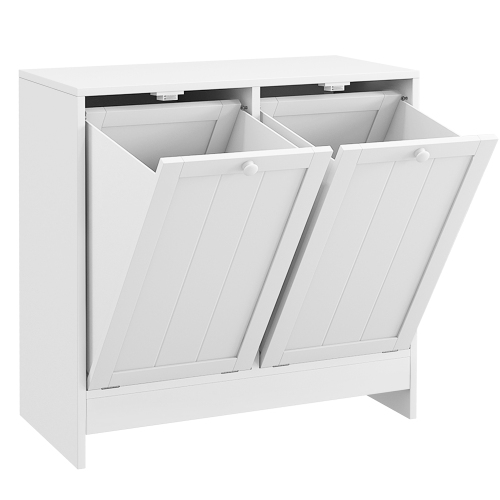
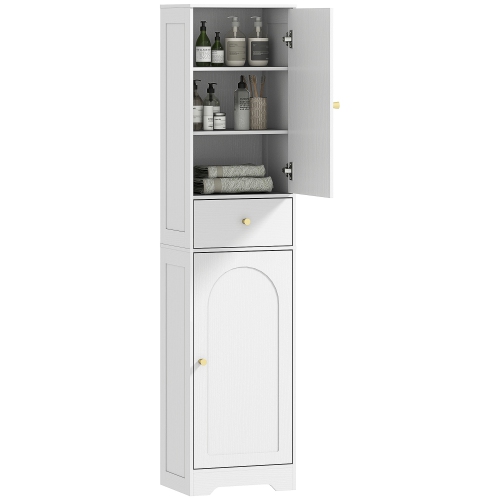
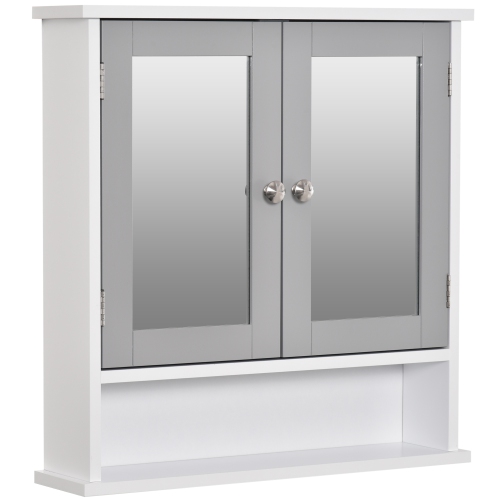
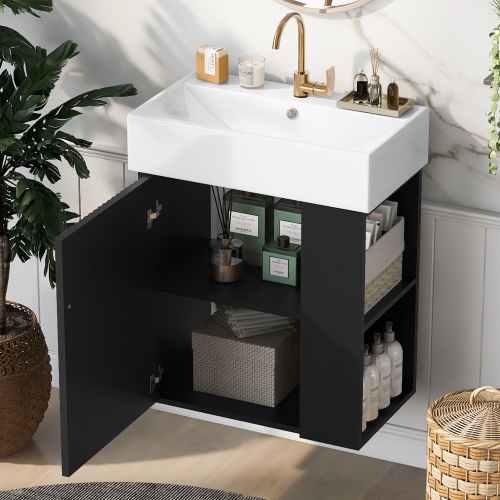
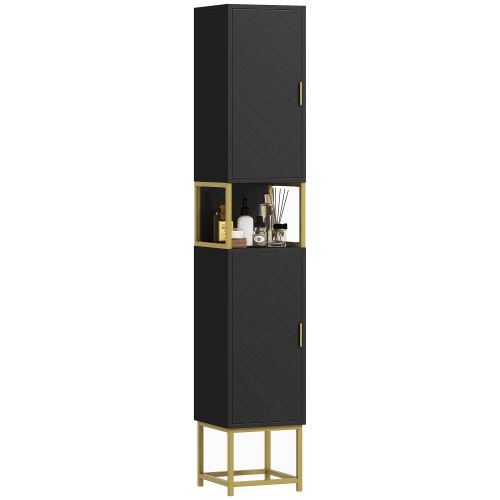
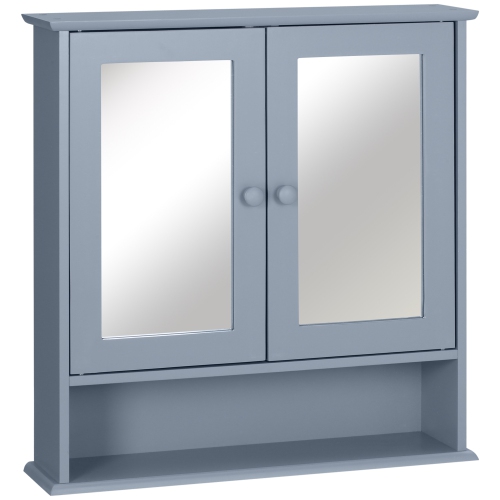
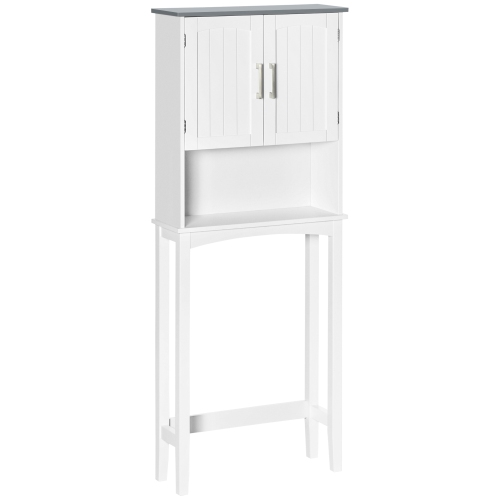
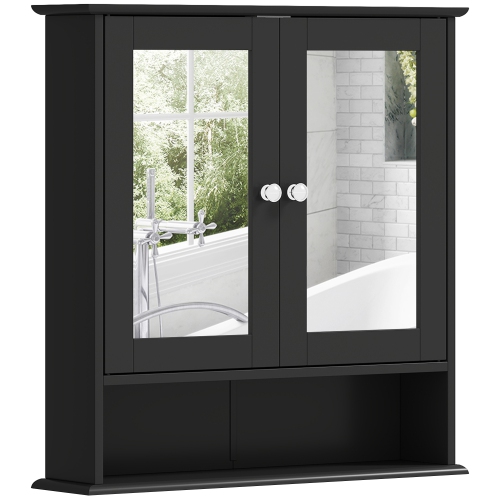

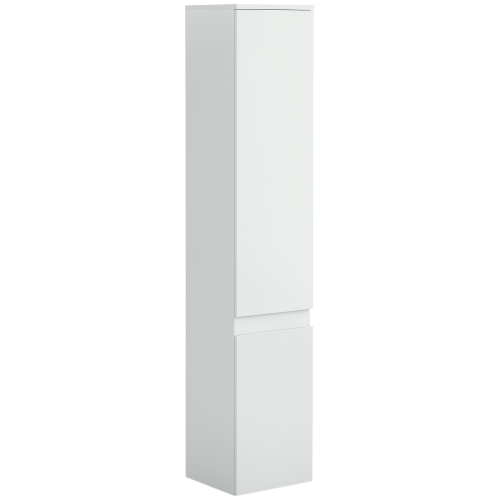
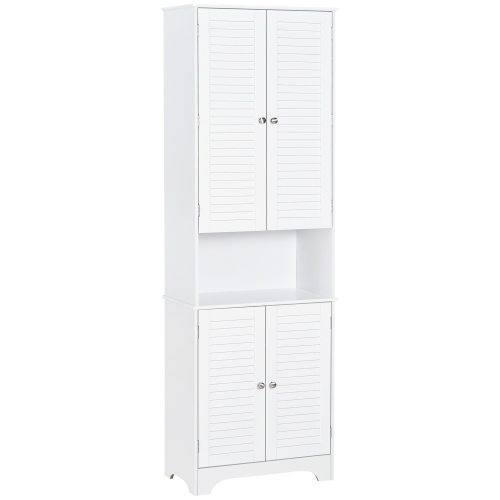
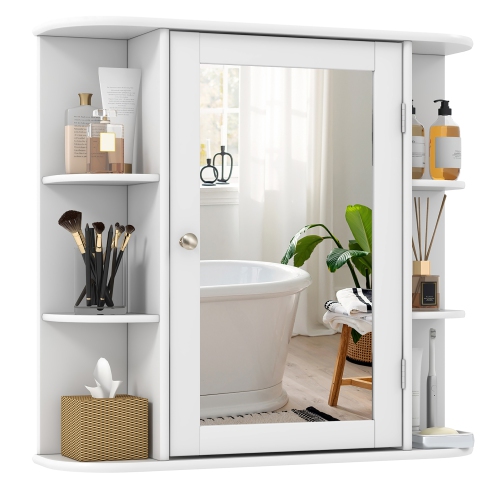
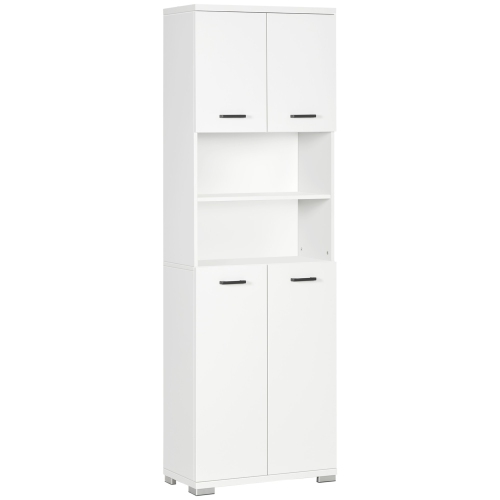
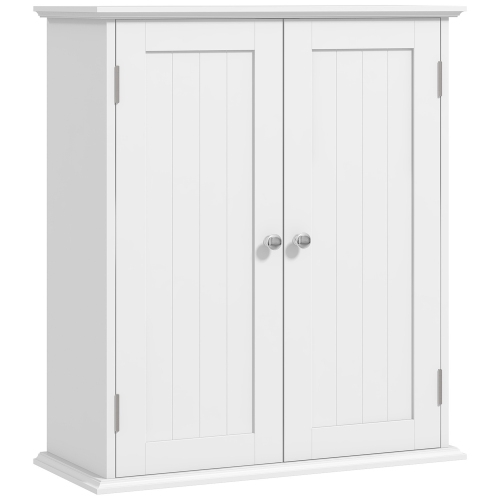
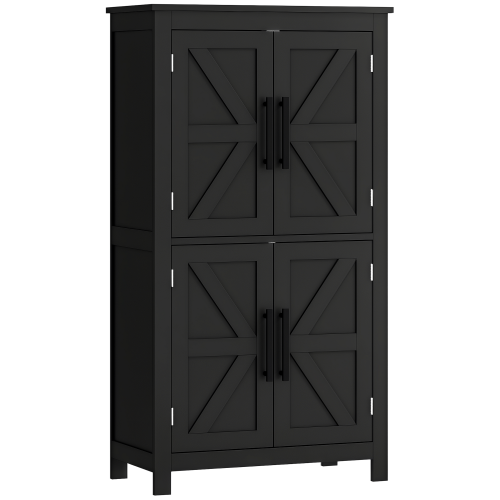
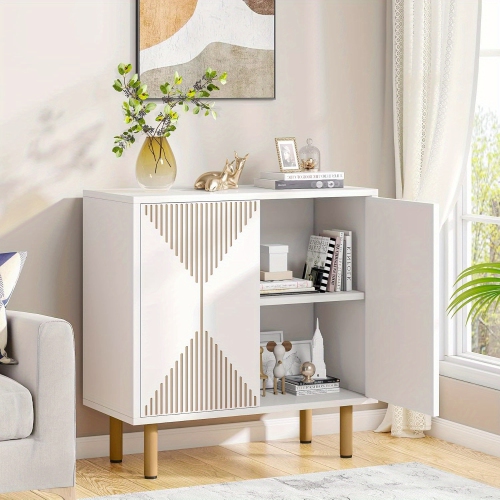
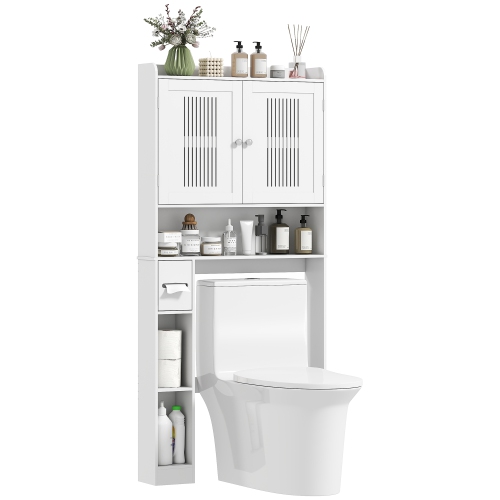


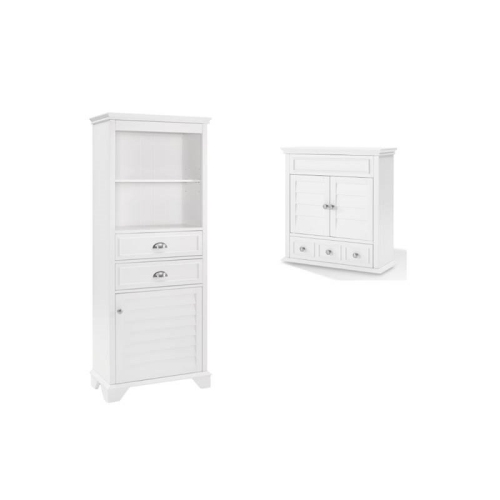
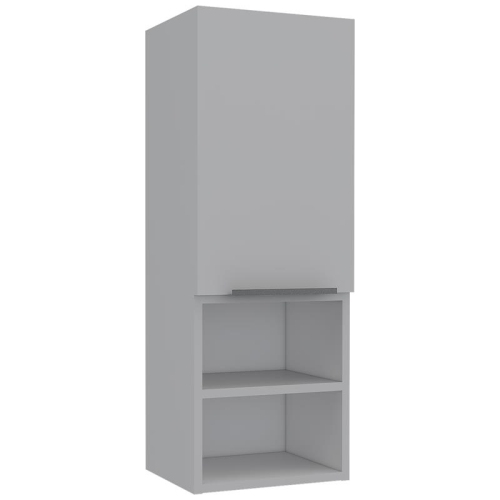
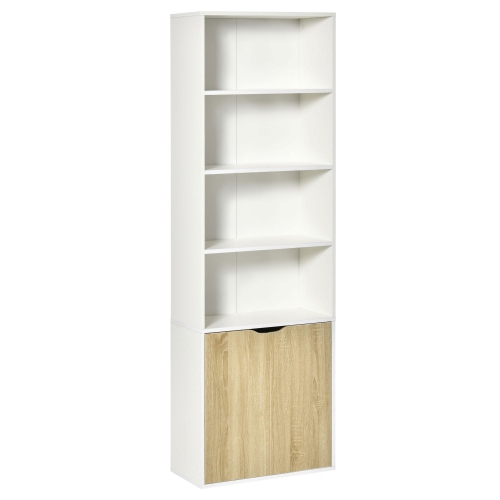
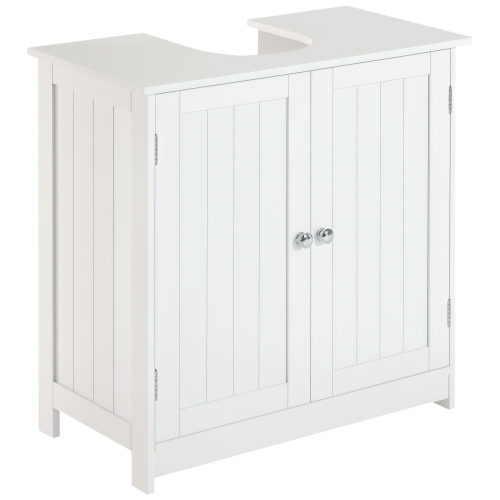
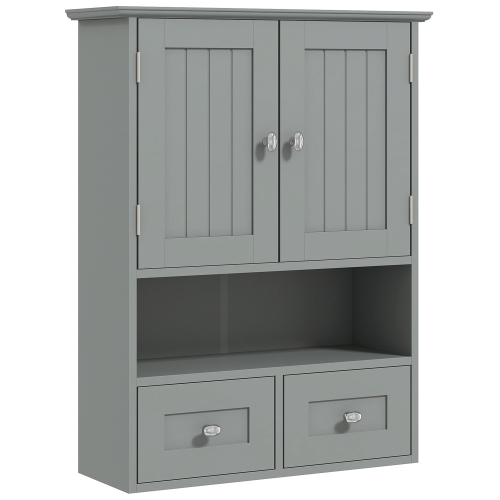

Bathroom storage that fits without crowding your space
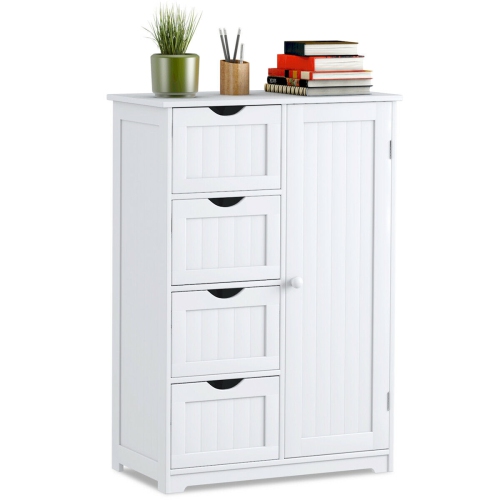
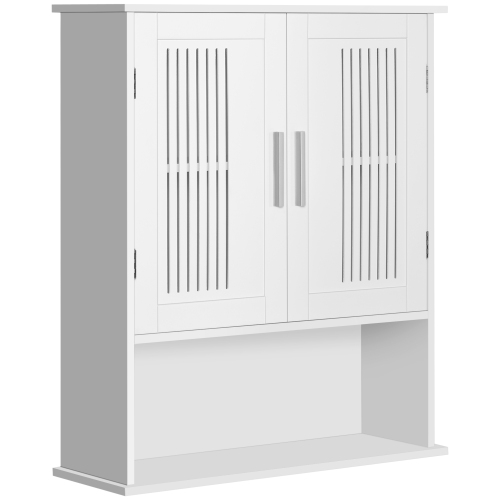
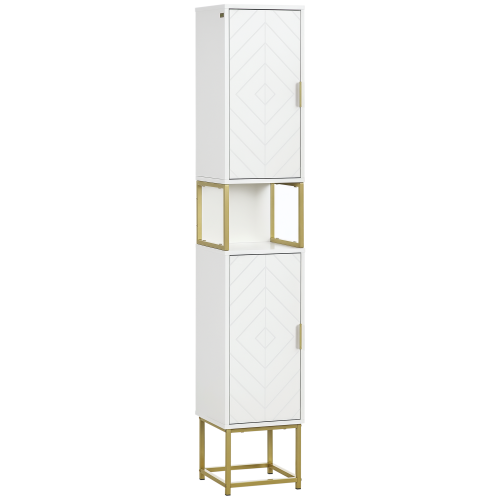
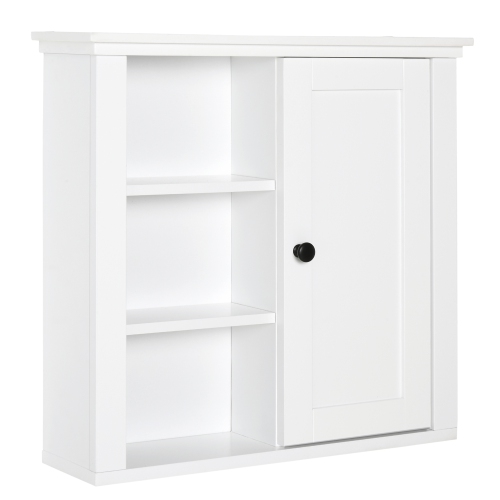
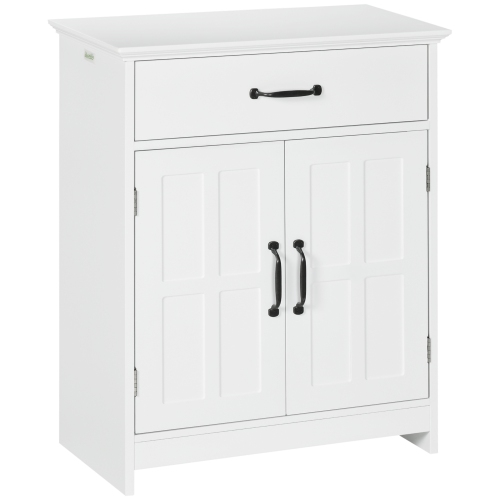
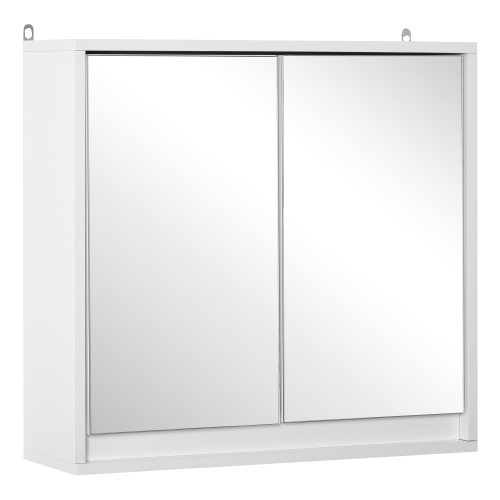
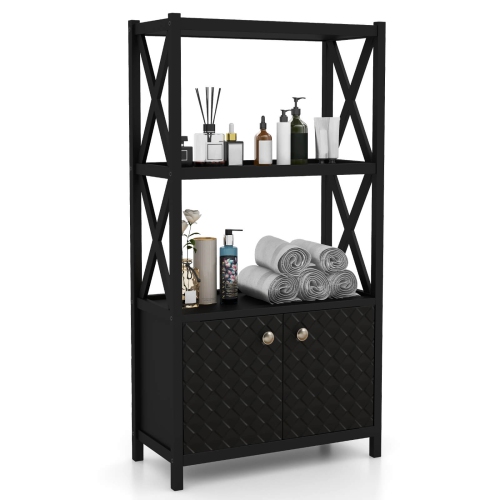
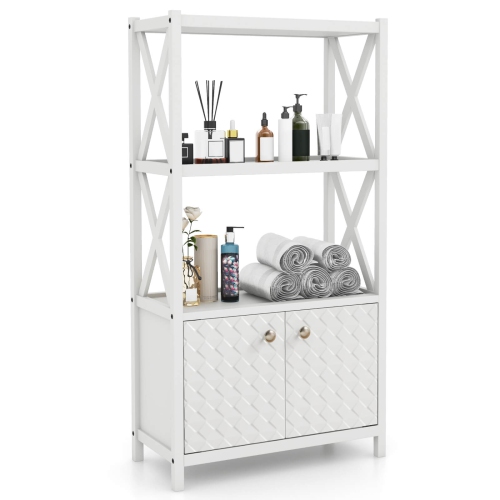
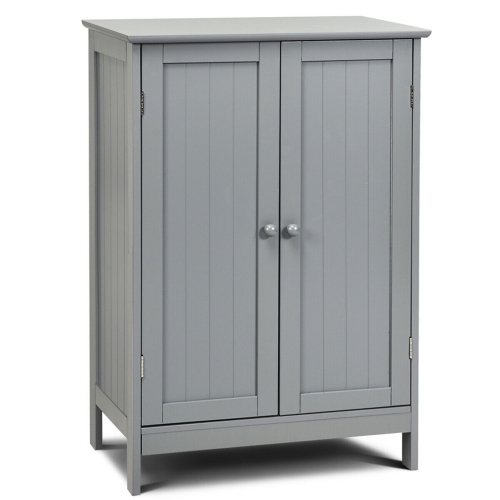
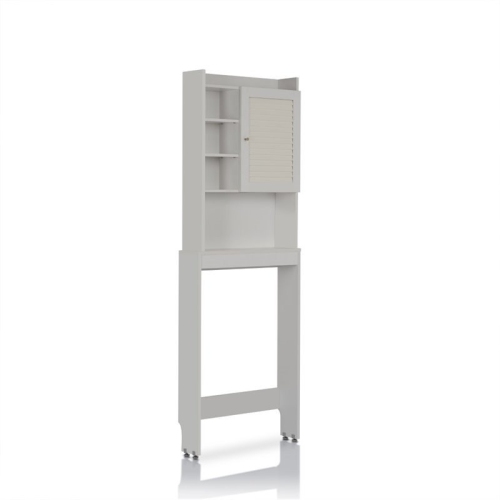
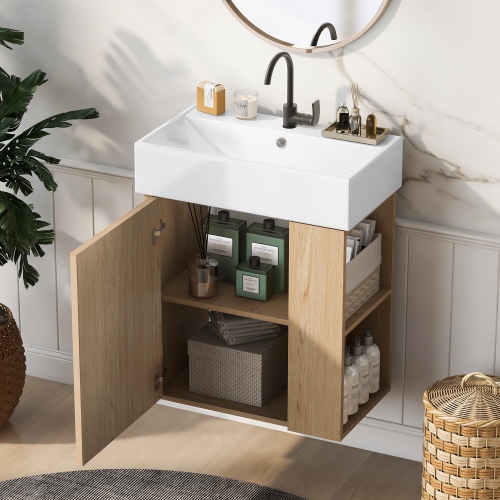
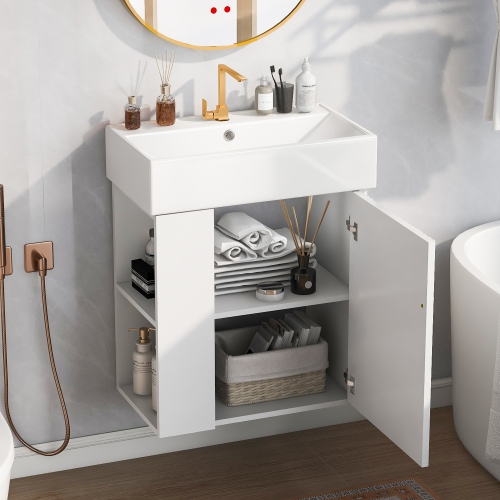
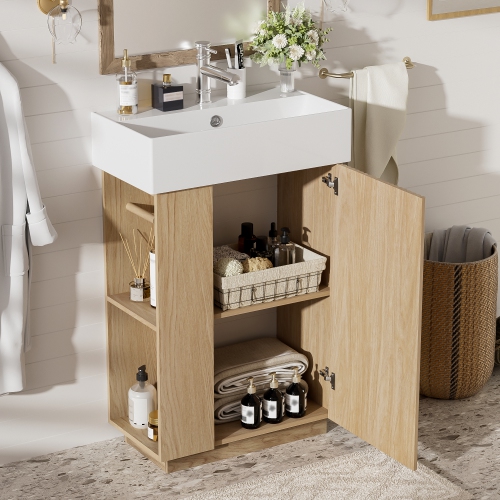
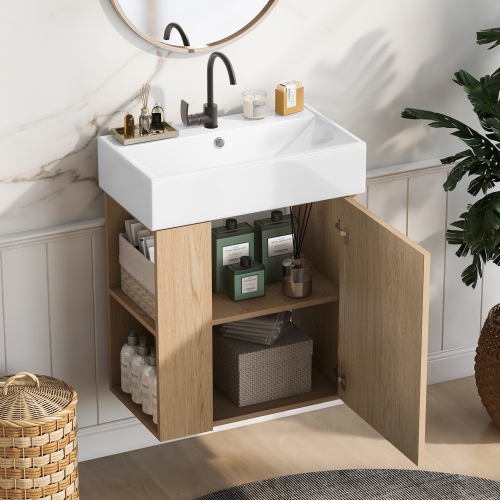
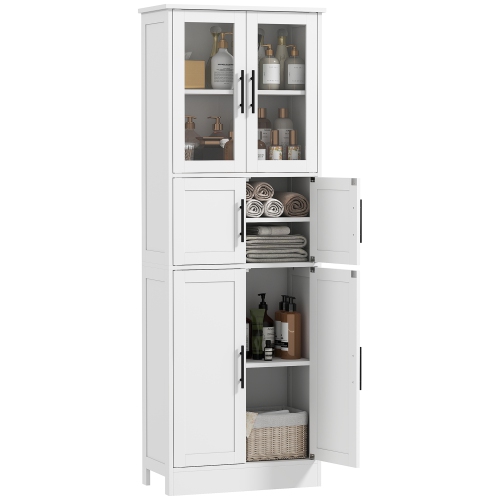
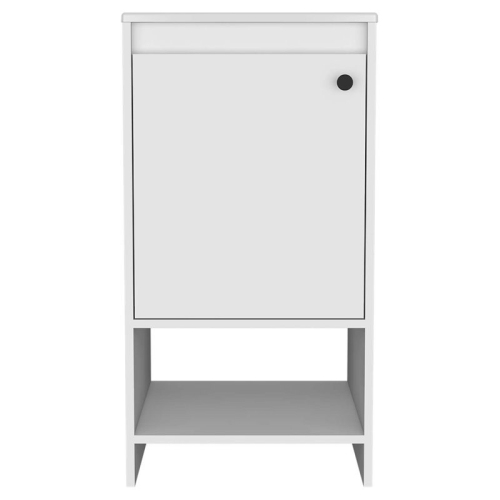
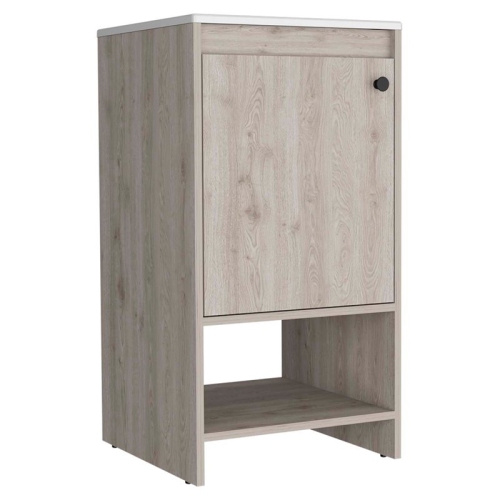
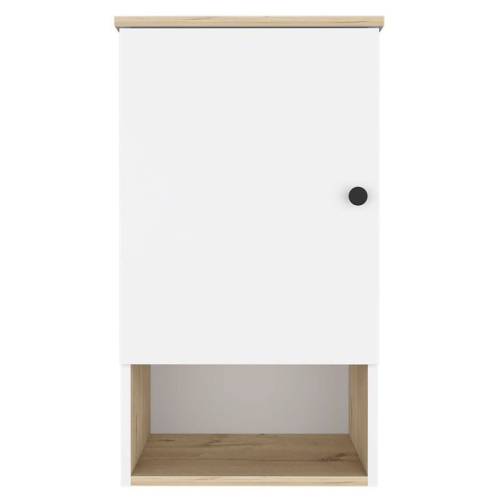
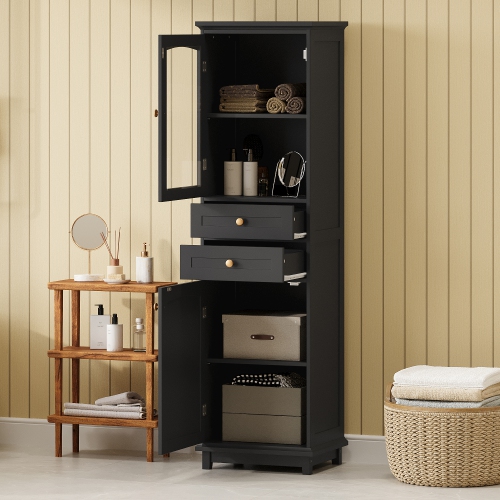
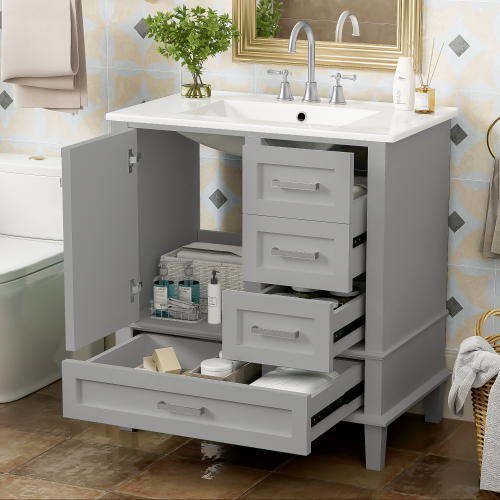
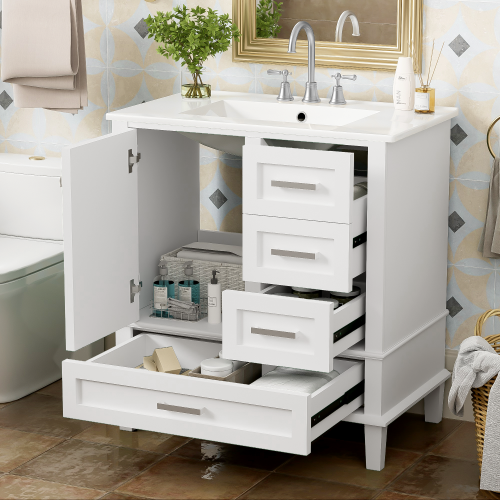
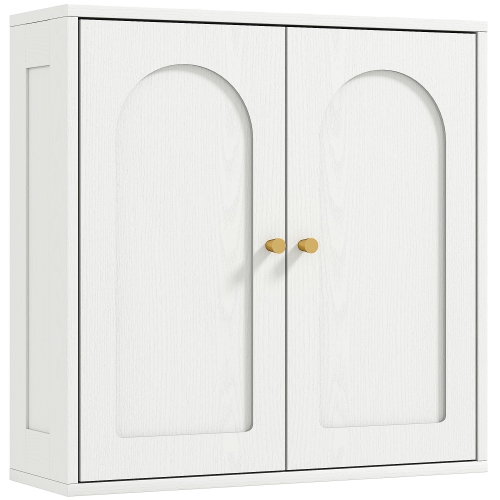
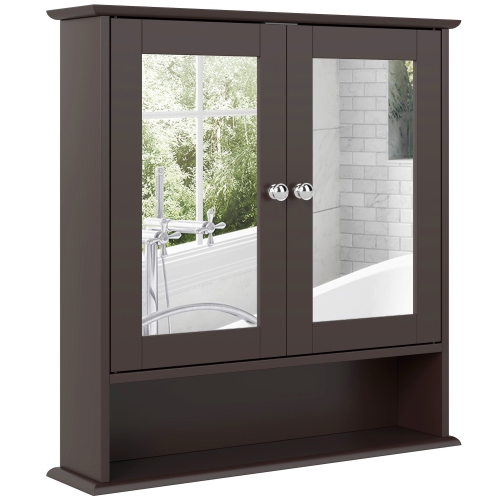
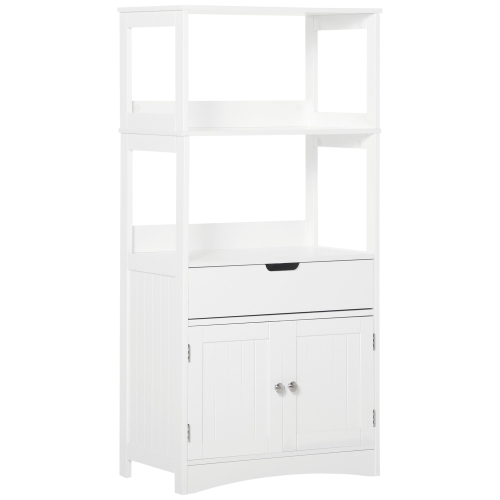
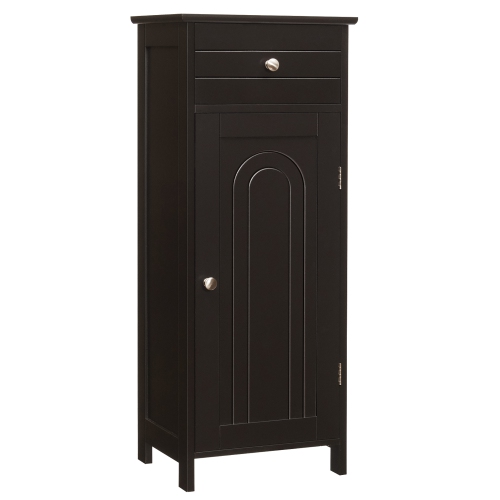
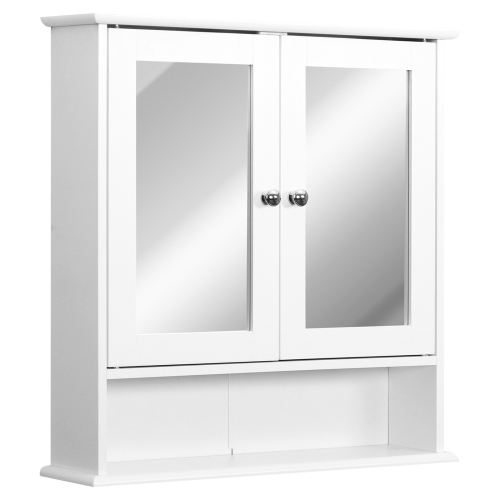
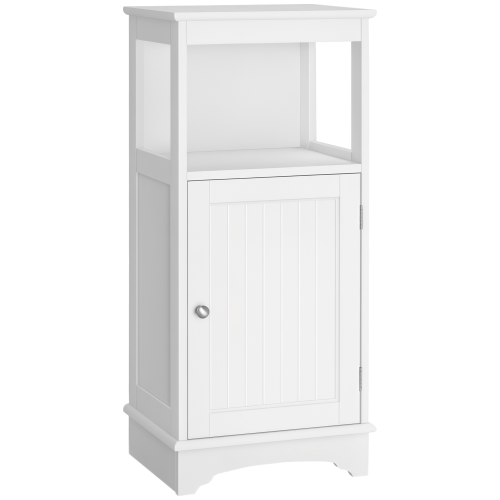
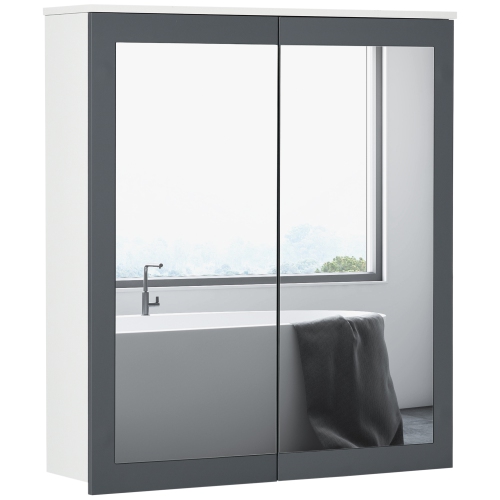
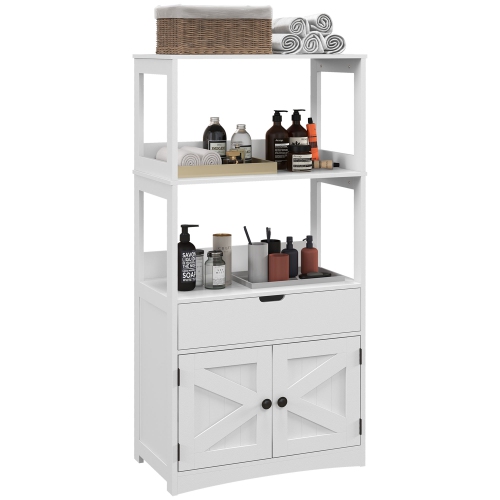
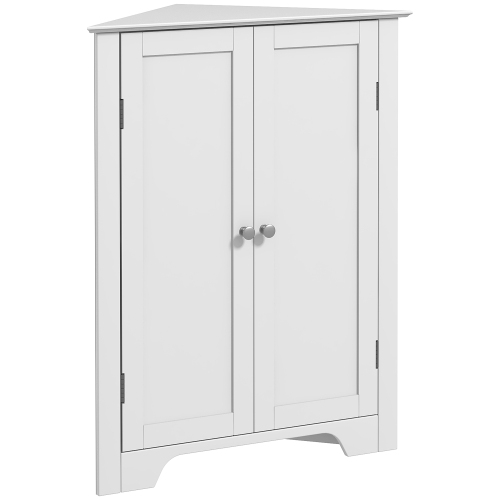
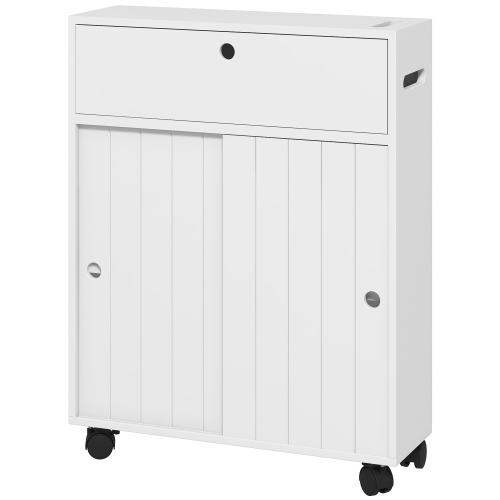
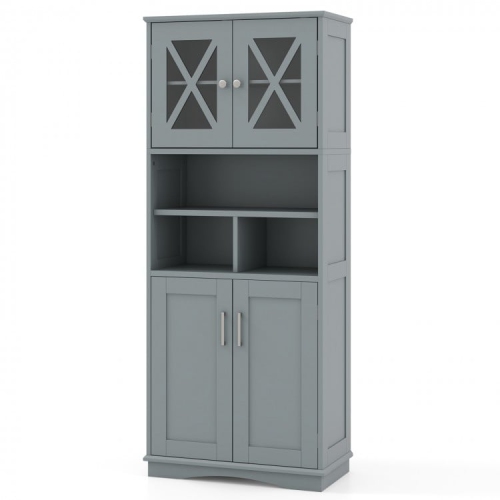
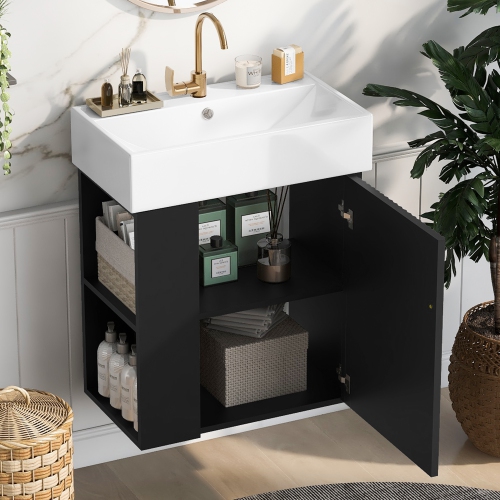
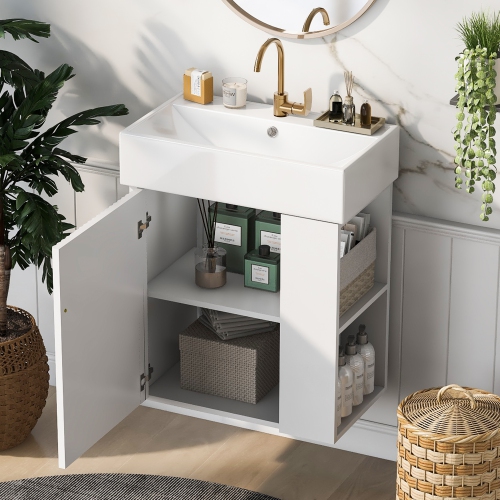
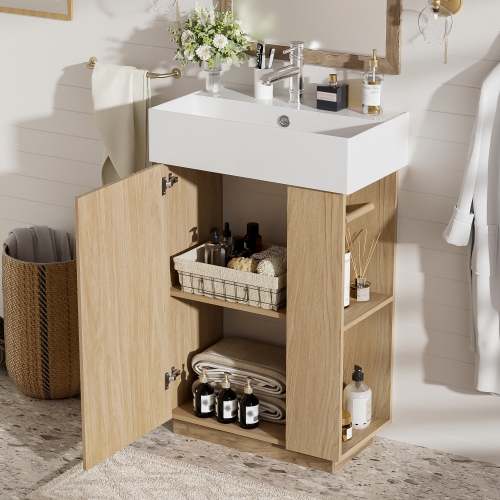
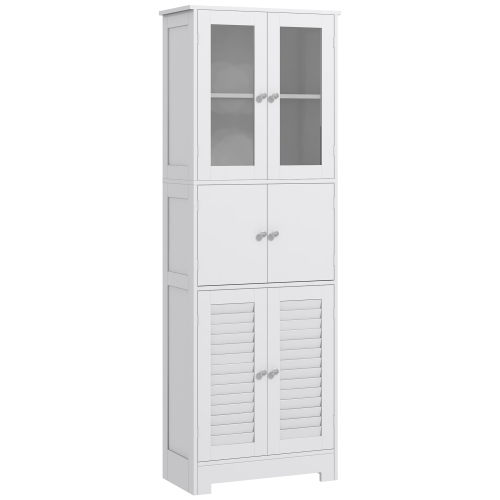
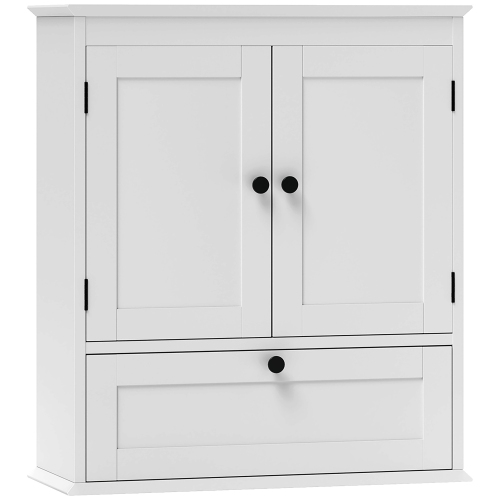
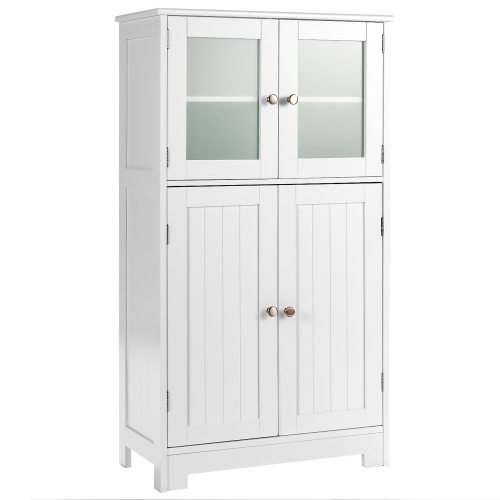
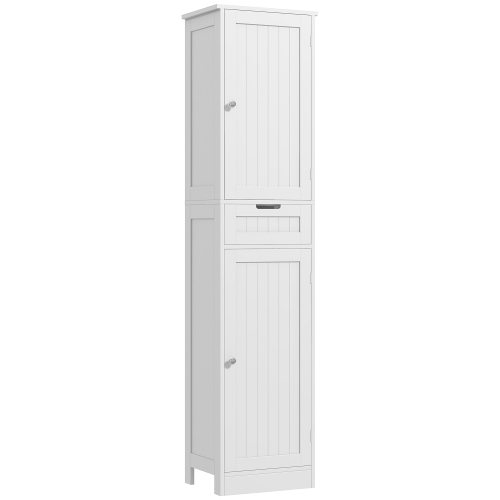
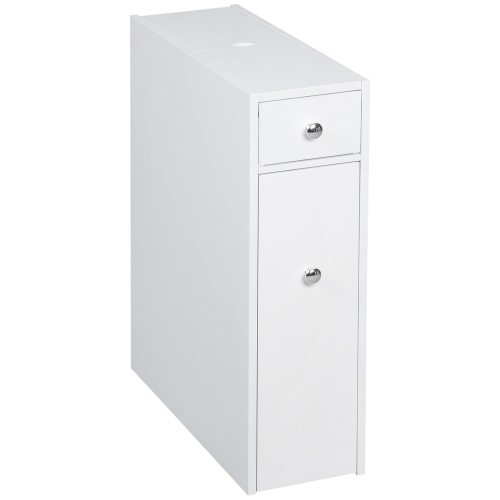
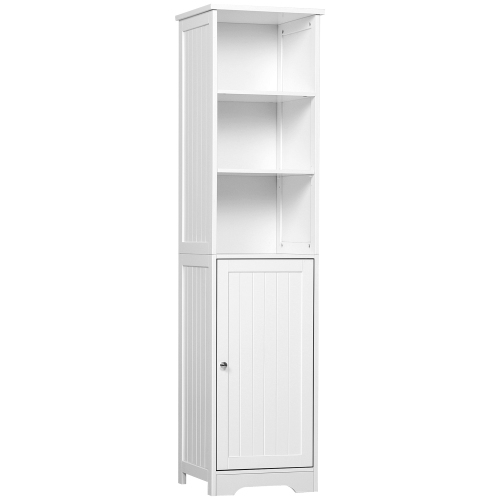
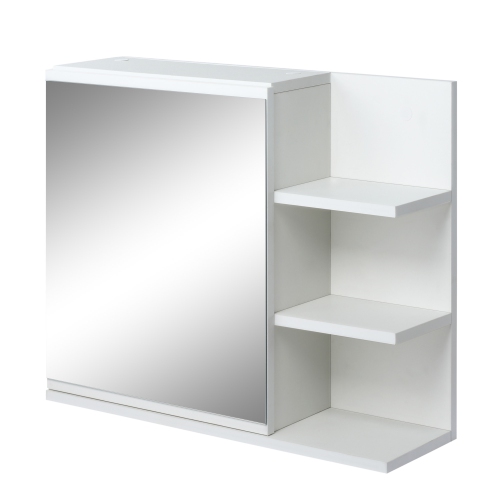
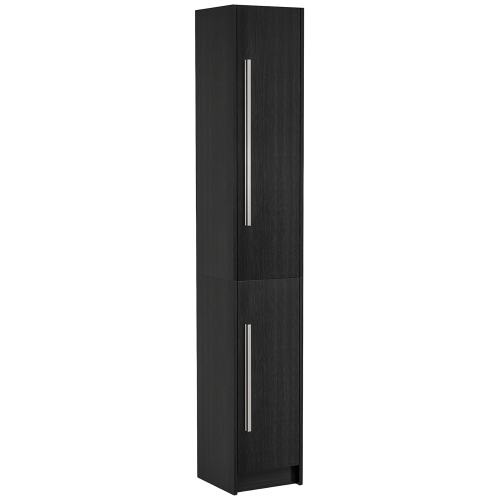
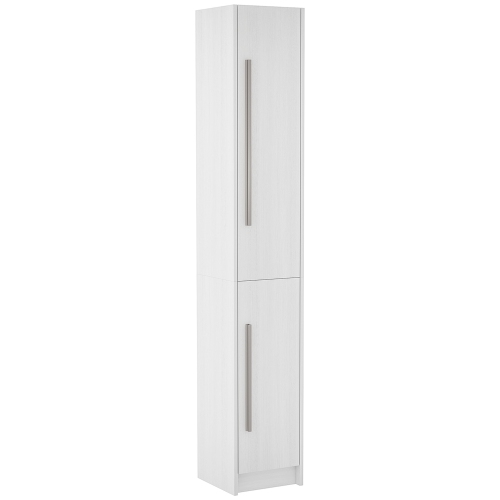
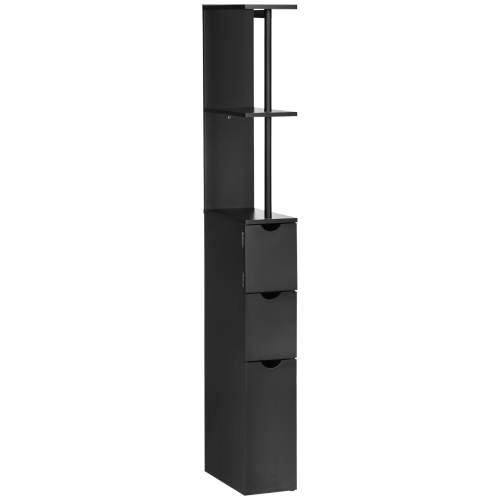
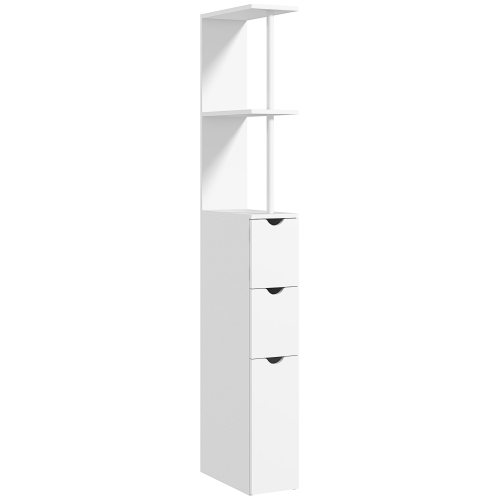
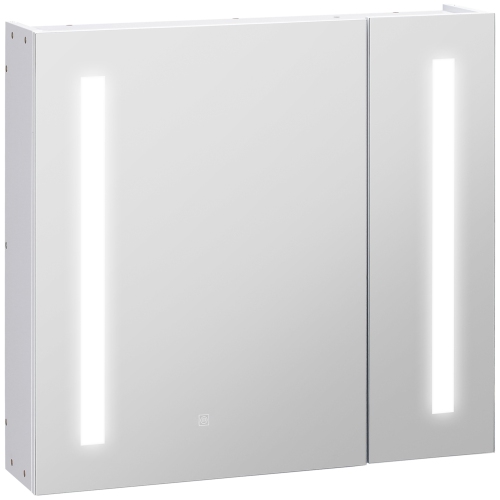
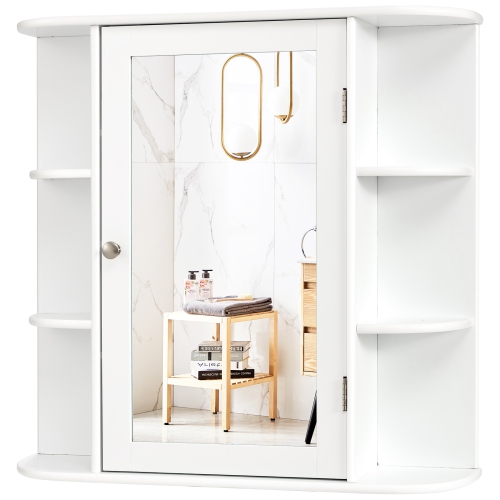
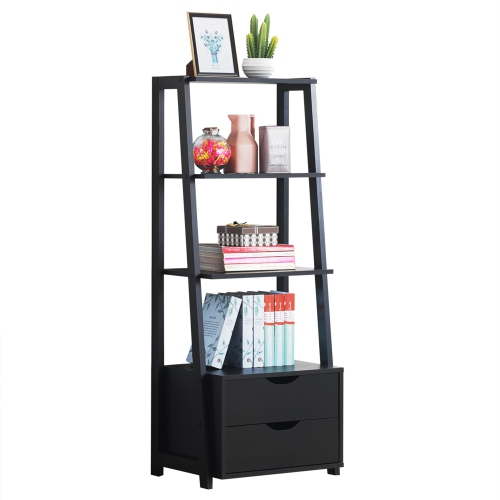
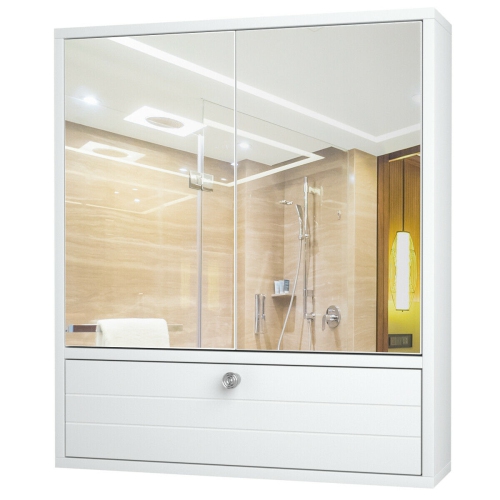
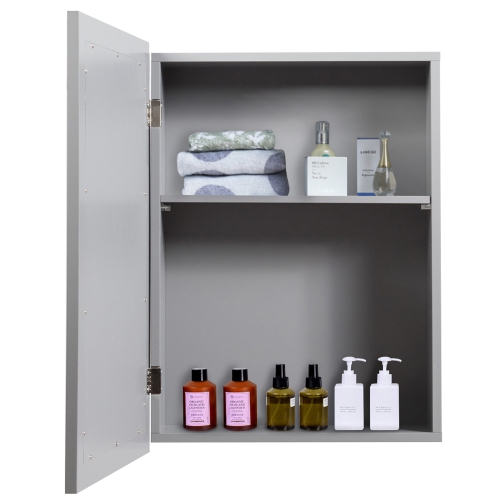
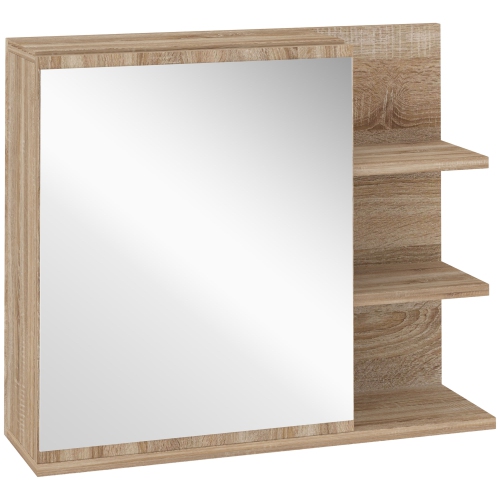
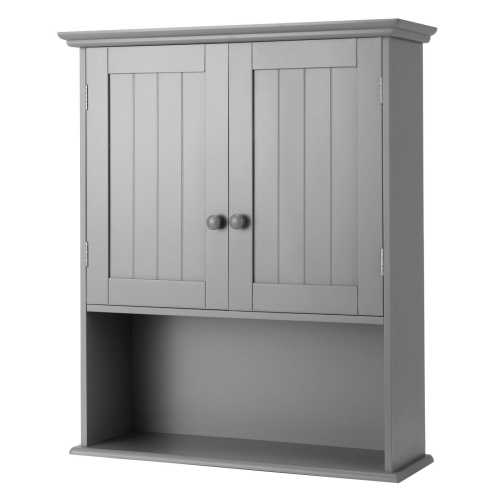
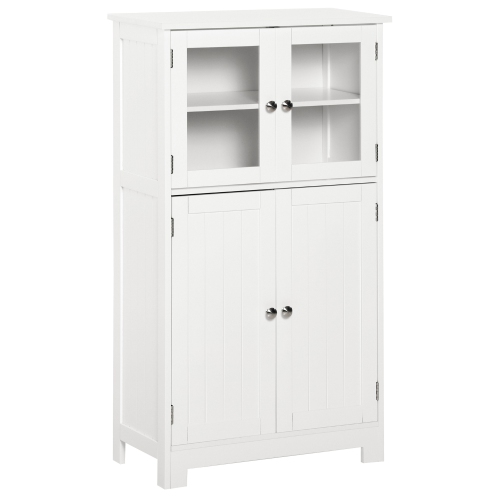
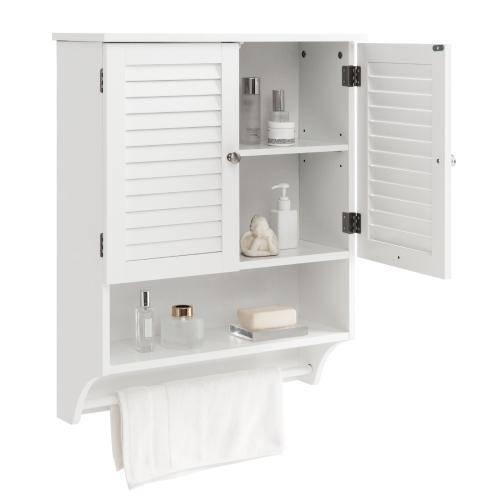
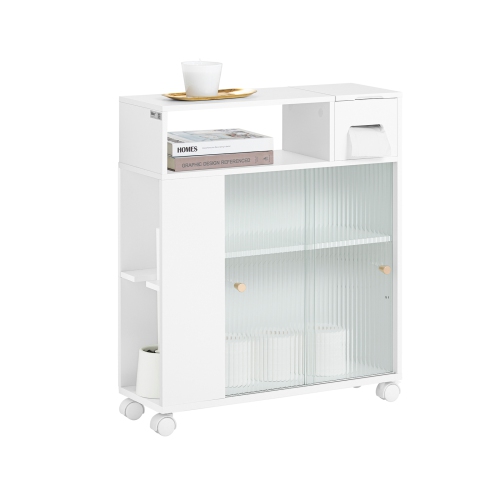
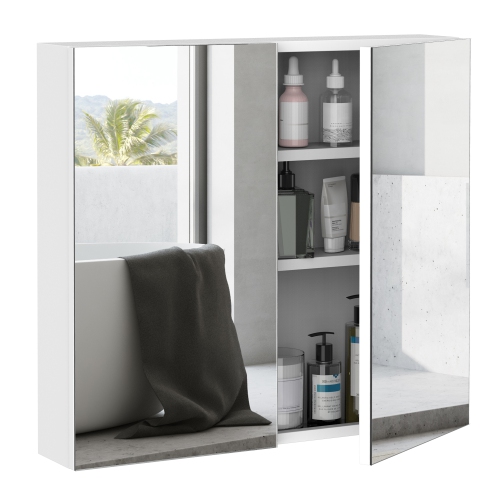
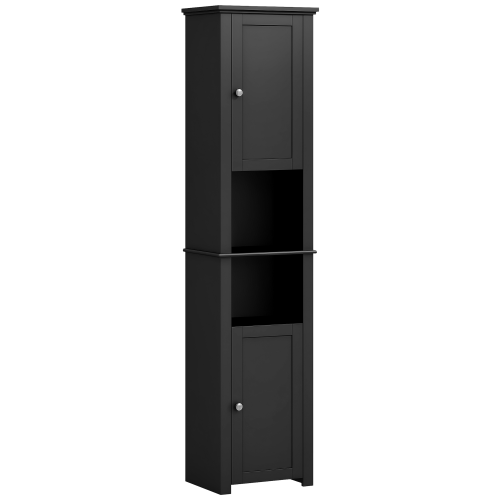
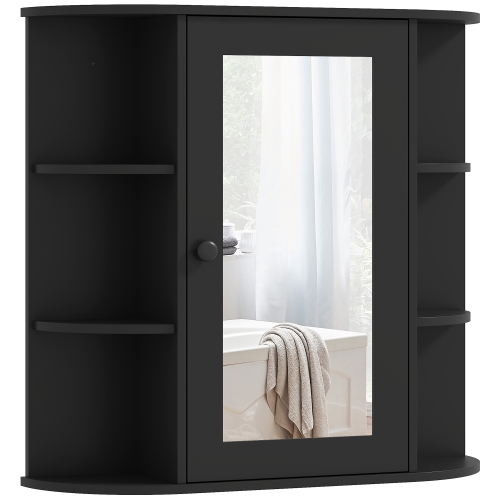
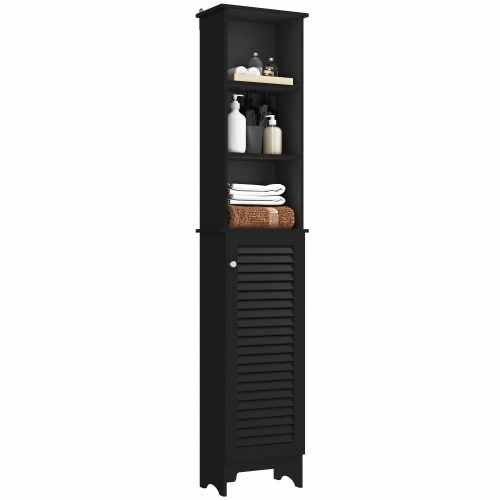
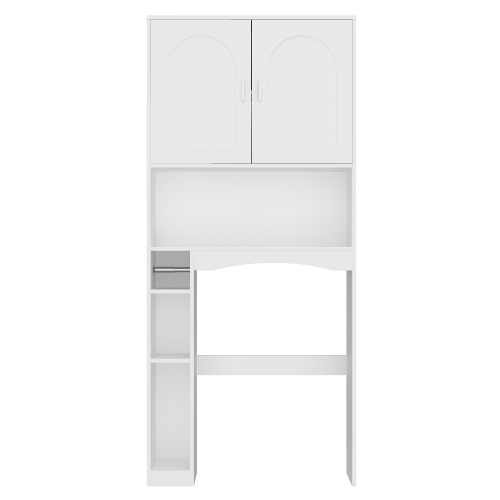
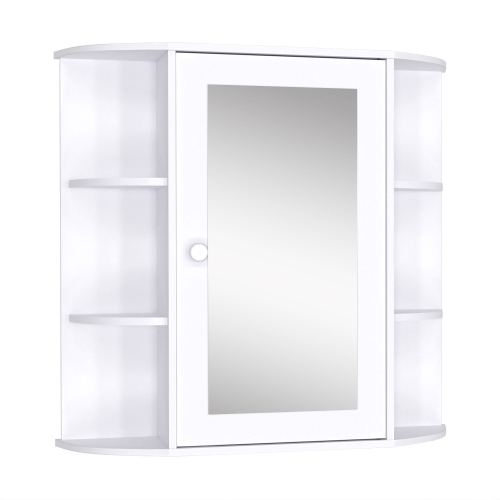
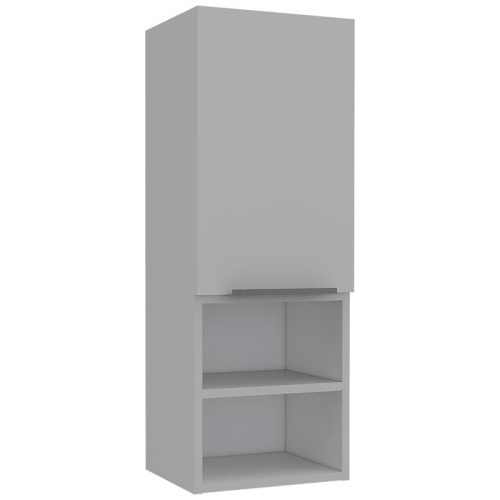
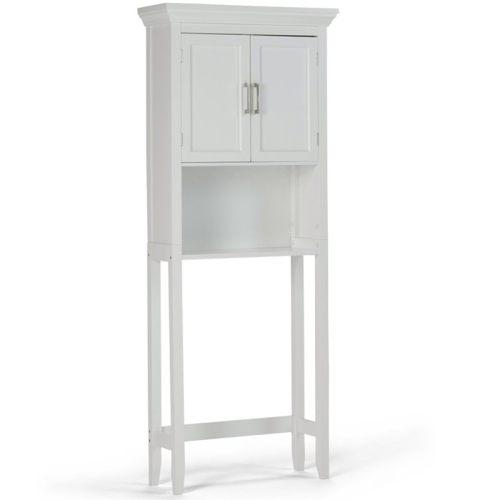
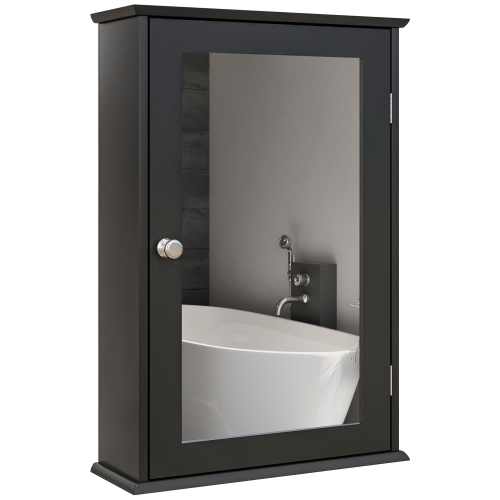
Modern bathroom cabinets bring everyday storage into a room where space often has several jobs to do. A cabinet may need to keep toiletries close to the sink, hold fresh towels for guests, and tuck cleaning supplies out of sight without making the bathroom feel crowded. Clean lines, simple door fronts, and understated hardware give modern designs their appeal, but the most useful cabinet is one whose proportions and interior layout suit the room. Wall-mounted cabinets leave the floor visible and can make a compact bathroom feel more open, while freestanding designs add storage without becoming part of the vanity. Tall, narrow cabinets make use of vertical space beside a sink or along an unused wall; wider units can provide room for folded linens and shared household essentials. Mirrored cabinets combine concealed storage with a surface used daily for shaving, skincare, and getting ready. Closed doors create a quieter visual backdrop, especially when several people keep different bottles, brushes, and grooming supplies in the same room. Open shelves offer a more relaxed look, with space for neatly folded hand towels or a small basket of frequently used essentials. A combination of both can work well in a main bathroom, keeping everyday necessities within reach while leaving less attractive packaging behind a door. Finish and colour help tie these practical choices to the rest of the room. White cabinetry can blend with pale tile, wood-look finishes introduce warmth, and darker tones create definition against lighter walls. For a stronger contrast, black bathroom cabinets can connect visually with dark taps, mirror frames, or shower fittings. Matching every finish is not essential: repeating a handle shape, a wood tone, or a simple horizontal line can make the room feel considered without making it look overly uniform. Smooth fronts and restrained details also let textured tile, patterned flooring, or a distinctive basin remain the focal point.
Bathroom cabinetry has to do more than look good beside the sink. Splashes, steam, damp hands, and regular cleaning place different demands on its surfaces than storage in a hallway or bedroom. Solid wood, engineered wood, metal, glass, and combinations of these materials each bring different qualities, with construction and finish playing a large part in how well a cabinet holds up. Solid wood has natural grain and variation, although it still needs a suitable protective finish and care around moisture. Engineered wood can provide a smooth, consistent surface for painted, laminated, or wood-look designs; its edges, joints, and areas around hardware deserve particular attention because exposed material can be vulnerable to water. Metal cabinets can have a crisp, architectural appearance, with corrosion-resistant finishes especially relevant near sinks and showers. Glass shelves and mirrored doors reflect light and are easy to see across, though fingerprints and water marks tend to show more readily. Moisture-resistant construction does not mean that a cabinet is waterproof, so placement away from direct spray and prompt wiping of splashes help protect the finish. Everyday care is usually straightforward: a soft cloth, a cleaner suitable for the surface, and drying around door edges and handles can prevent residue from building up. Abrasive pads and harsh cleaning solutions may dull coatings or damage mirrored surfaces, making the manufacturer’s care directions important. Durability also comes down to the parts used most often. Secure shelf supports, well-fitted hinges, sturdy drawer runners, and handles that are comfortable to grasp all matter during repeated daily use. Soft-close doors or drawers can reduce slamming, but their presence and performance depend on the cabinet’s construction. Adjustable shelves allow the interior to accommodate tall pump bottles as well as shorter jars, while removable shelves can make cleaning easier. In a busy family bathroom, a wipeable interior and accessible corners may prove more useful than an elaborate finish that needs frequent attention. Good ventilation and keeping wet towels from resting against cabinet surfaces also help preserve the cabinetry over time.
A comfortable fit depends on the cabinet’s depth and door movement as much as its height and width. A shallow wall cabinet can hold small toiletries without projecting far into the room, while a deeper freestanding unit may be better suited to bath towels and larger containers. Space in front of the cabinet needs to accommodate someone standing at the sink, opening a drawer, or moving between the toilet and shower. A door that clears the basin when closed may still strike a tap, light fitting, or neighbouring wall when opened fully. These details are particularly noticeable in a powder room, where a few inches can affect how easily the space is used. Wall-mounted designs also depend on suitable wall construction, appropriate fixings, and installation that accounts for concealed plumbing and wiring. Recessed mirrored cabinets can offer a streamlined profile, but the wall cavity must be suitable for that installation. Freestanding cabinets need a level position, and tall units may require anchoring according to the manufacturer’s instructions. In households with children, cleaning products, medicines, and sharp grooming tools need secure storage; a high shelf or an ordinary cabinet door alone should not be treated as a safety measure. Interior organization can then reflect the people using the room. Shared bathrooms benefit from separate shelves or drawers for each person, reducing the jumble around the basin during overlapping routines. An ensuite may call for storage close to the mirror for grooming essentials, while a guest bathroom often needs little more than accessible towels, spare tissue, and a clear surface for a visitor’s wash bag. Easy-grip handles and storage positioned within comfortable reach can make daily use more convenient for people with limited mobility. For renters, a suitable freestanding cabinet may offer flexibility, subject to any anchoring requirements and property rules. Across these settings, modern bathroom cabinets work best when their clean appearance is supported by practical dimensions, dependable construction, and enough usable storage to keep everyday necessities organized without filling every corner of the room.
Bathroom cabinetry has to do more than look good beside the sink. Splashes, steam, damp hands, and regular cleaning place different demands on its surfaces than storage in a hallway or bedroom. Solid wood, engineered wood, metal, glass, and combinations of these materials each bring different qualities, with construction and finish playing a large part in how well a cabinet holds up. Solid wood has natural grain and variation, although it still needs a suitable protective finish and care around moisture. Engineered wood can provide a smooth, consistent surface for painted, laminated, or wood-look designs; its edges, joints, and areas around hardware deserve particular attention because exposed material can be vulnerable to water. Metal cabinets can have a crisp, architectural appearance, with corrosion-resistant finishes especially relevant near sinks and showers. Glass shelves and mirrored doors reflect light and are easy to see across, though fingerprints and water marks tend to show more readily. Moisture-resistant construction does not mean that a cabinet is waterproof, so placement away from direct spray and prompt wiping of splashes help protect the finish. Everyday care is usually straightforward: a soft cloth, a cleaner suitable for the surface, and drying around door edges and handles can prevent residue from building up. Abrasive pads and harsh cleaning solutions may dull coatings or damage mirrored surfaces, making the manufacturer’s care directions important. Durability also comes down to the parts used most often. Secure shelf supports, well-fitted hinges, sturdy drawer runners, and handles that are comfortable to grasp all matter during repeated daily use. Soft-close doors or drawers can reduce slamming, but their presence and performance depend on the cabinet’s construction. Adjustable shelves allow the interior to accommodate tall pump bottles as well as shorter jars, while removable shelves can make cleaning easier. In a busy family bathroom, a wipeable interior and accessible corners may prove more useful than an elaborate finish that needs frequent attention. Good ventilation and keeping wet towels from resting against cabinet surfaces also help preserve the cabinetry over time.
A comfortable fit depends on the cabinet’s depth and door movement as much as its height and width. A shallow wall cabinet can hold small toiletries without projecting far into the room, while a deeper freestanding unit may be better suited to bath towels and larger containers. Space in front of the cabinet needs to accommodate someone standing at the sink, opening a drawer, or moving between the toilet and shower. A door that clears the basin when closed may still strike a tap, light fitting, or neighbouring wall when opened fully. These details are particularly noticeable in a powder room, where a few inches can affect how easily the space is used. Wall-mounted designs also depend on suitable wall construction, appropriate fixings, and installation that accounts for concealed plumbing and wiring. Recessed mirrored cabinets can offer a streamlined profile, but the wall cavity must be suitable for that installation. Freestanding cabinets need a level position, and tall units may require anchoring according to the manufacturer’s instructions. In households with children, cleaning products, medicines, and sharp grooming tools need secure storage; a high shelf or an ordinary cabinet door alone should not be treated as a safety measure. Interior organization can then reflect the people using the room. Shared bathrooms benefit from separate shelves or drawers for each person, reducing the jumble around the basin during overlapping routines. An ensuite may call for storage close to the mirror for grooming essentials, while a guest bathroom often needs little more than accessible towels, spare tissue, and a clear surface for a visitor’s wash bag. Easy-grip handles and storage positioned within comfortable reach can make daily use more convenient for people with limited mobility. For renters, a suitable freestanding cabinet may offer flexibility, subject to any anchoring requirements and property rules. Across these settings, modern bathroom cabinets work best when their clean appearance is supported by practical dimensions, dependable construction, and enough usable storage to keep everyday necessities organized without filling every corner of the room.
Top selling and popular products
-
 Your price for this item is $109.31
 -
 Your price for this item is $200.83
 -
 Your price for this item is $90
 -
 Your price for this item is $100
 -
 Your price for this item is $100
 -
 Your price for this item is $426.55
 -
 Your price for this item is $300
 -
 Your price for this item is $120
Discover more categories related to Modern Bathroom Cabinets
Top Collections:
Pokemon Centers, Kindle Devices, Best Budget Office Chairs, Apple iPhones 16, Best Laptops for Writers, iPhone 15 Apple, Canon G7X Cameras, Refurbished Apple Laptops, Alarm Clock, Motorola Razr Phones
Some products may be subject to Environmental Handling Fees
(EHF) depending on your province.
Learn more about EHFs.