Modern Bathroom Faucets
Upgrade your bathroom with a touch of contemporary elegance by exploring these modern bathroom faucets. Designed to enhance both the functionality and aesthetic appeal of your space, these sleek and stylish fixtures offer a perfect blend of form and function. With their clean lines, minimalist designs, and innovative features, these modern bathroom faucets will effortlessly elevate the look of almost any bathroom decor.
Sort


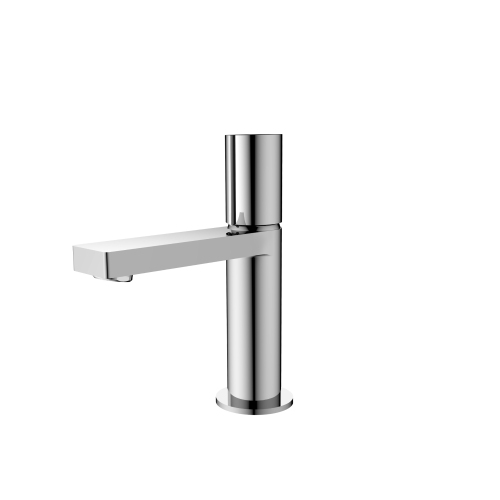


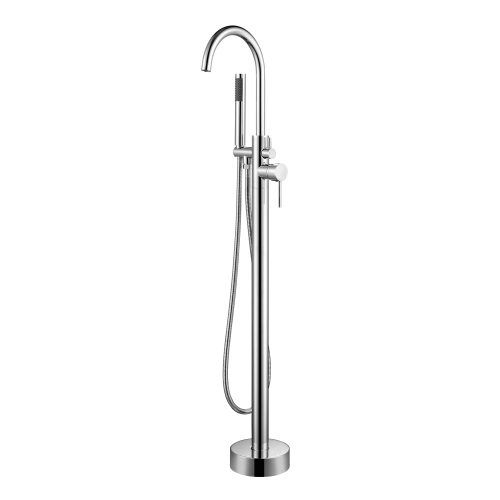


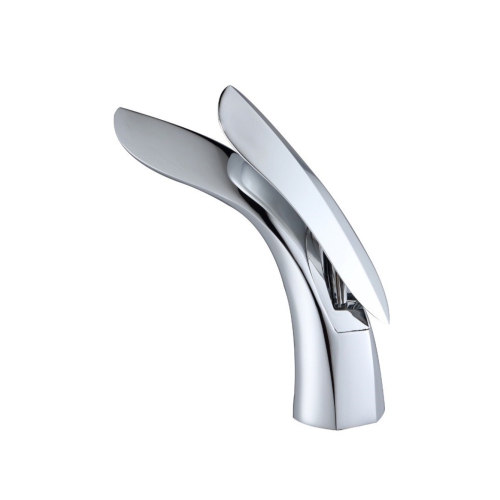


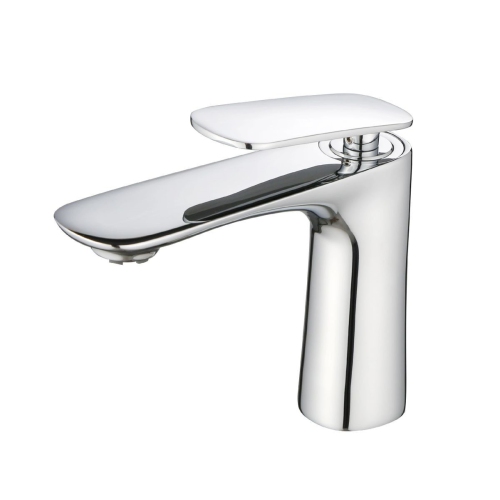

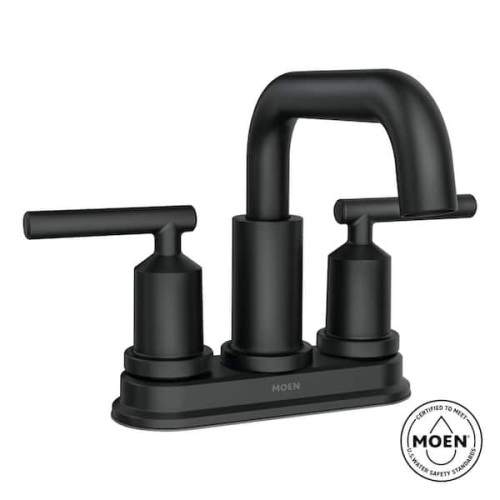


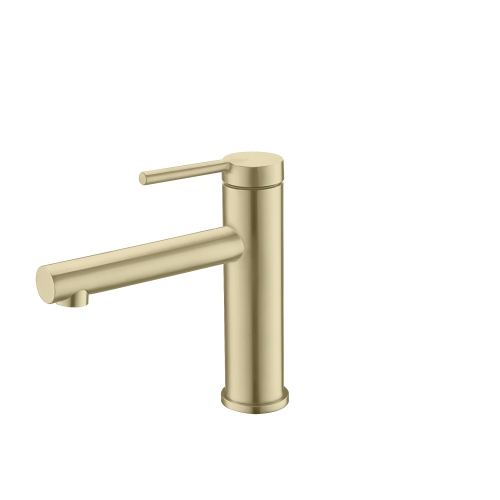
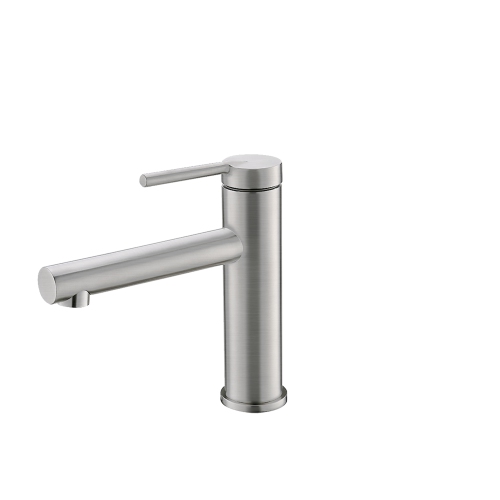
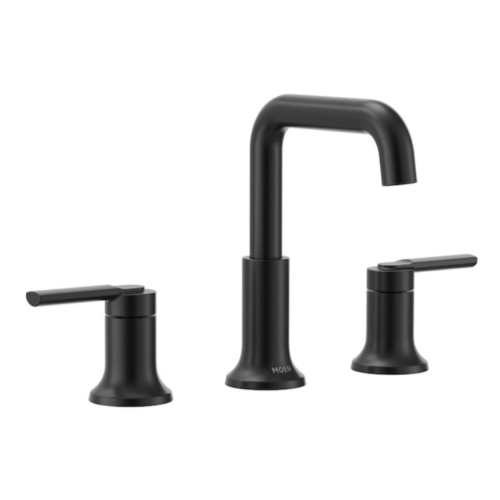

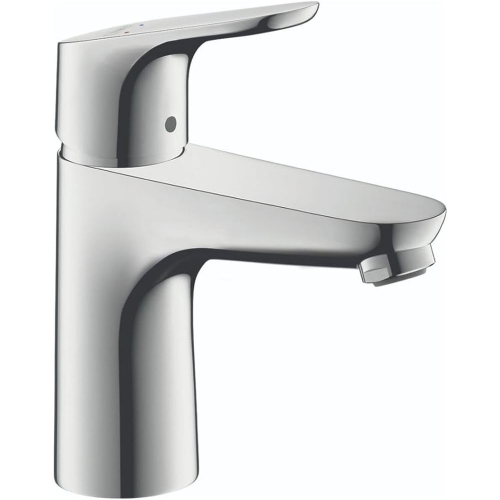
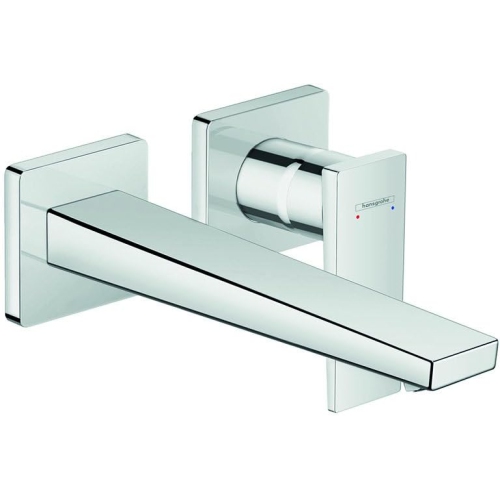


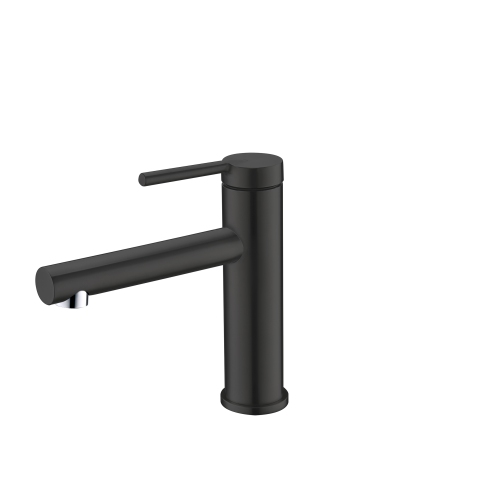


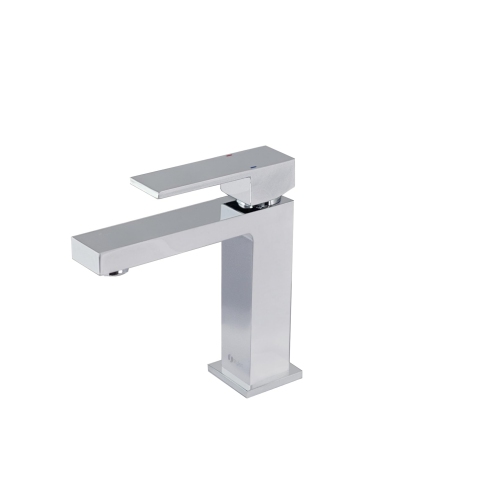


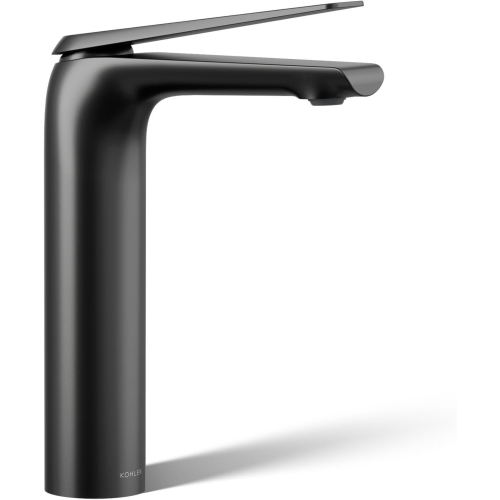
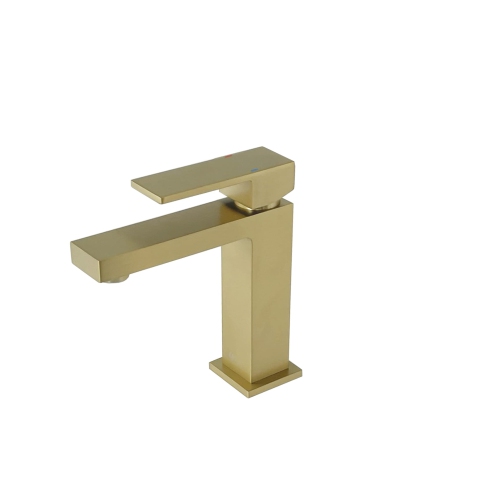


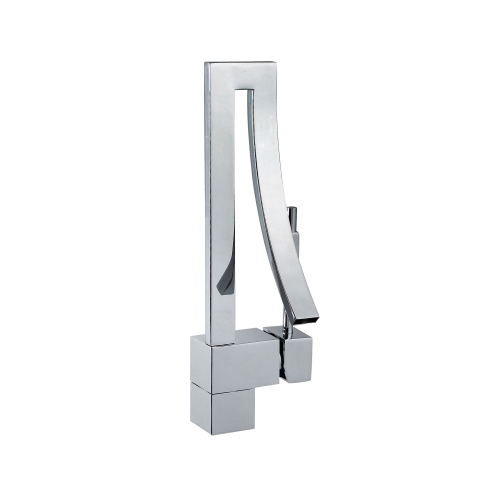


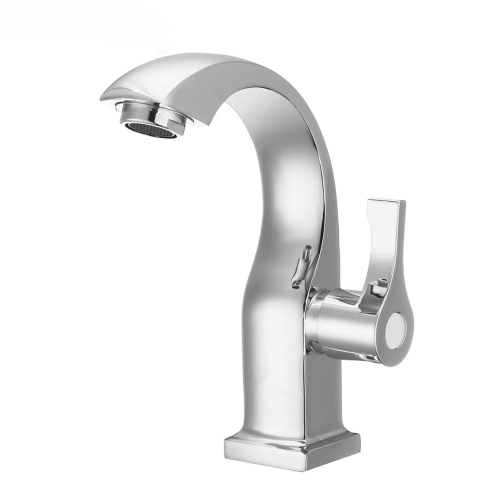
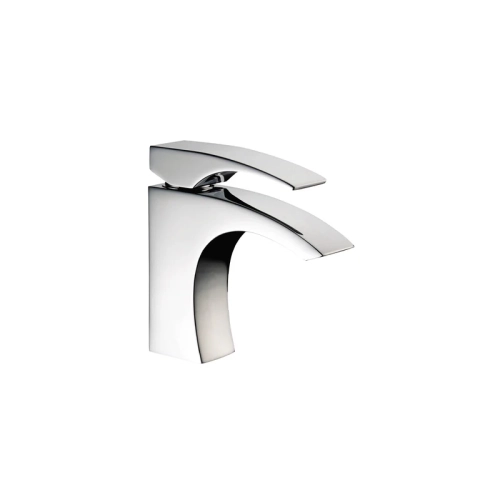

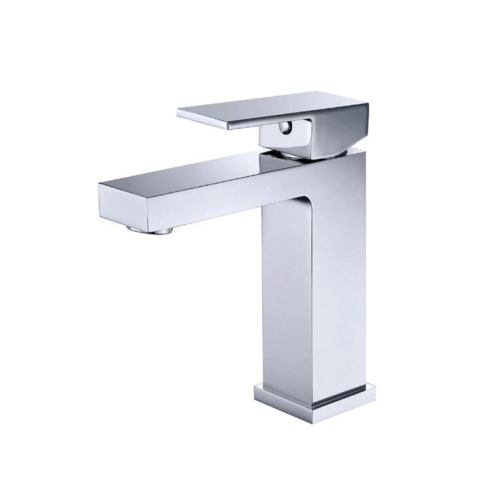
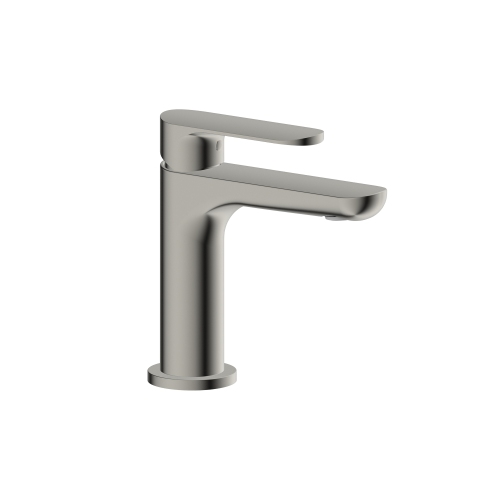
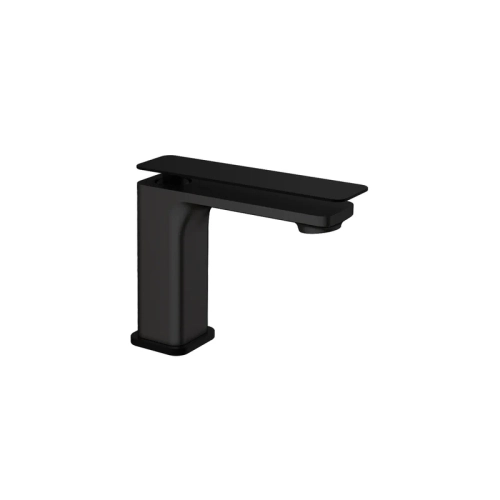














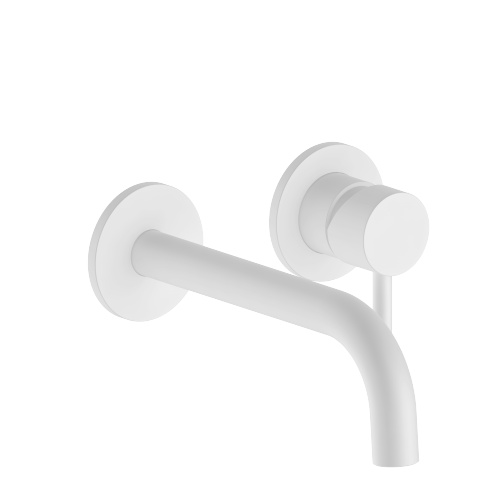

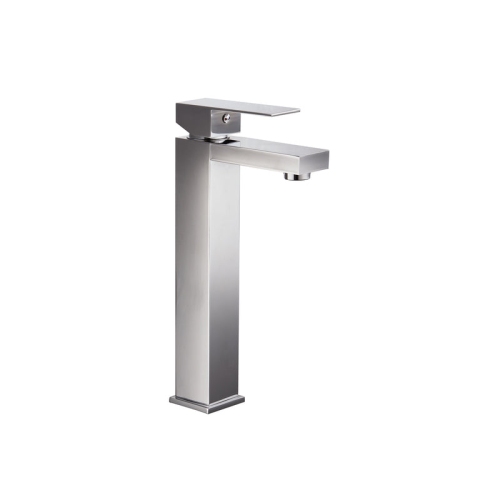

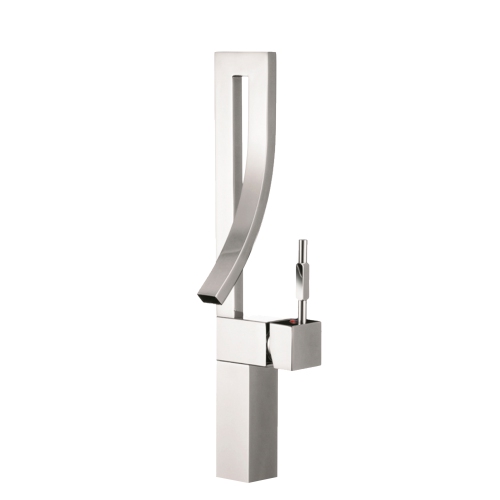


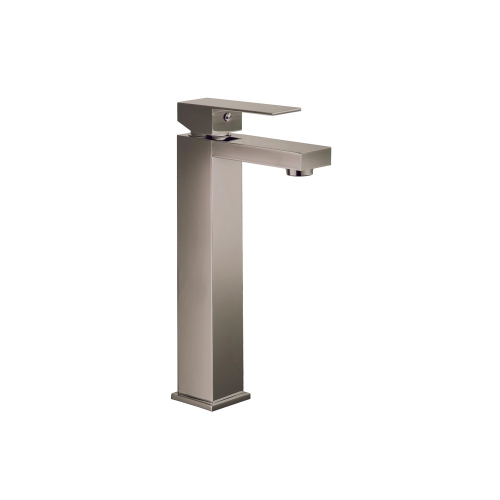


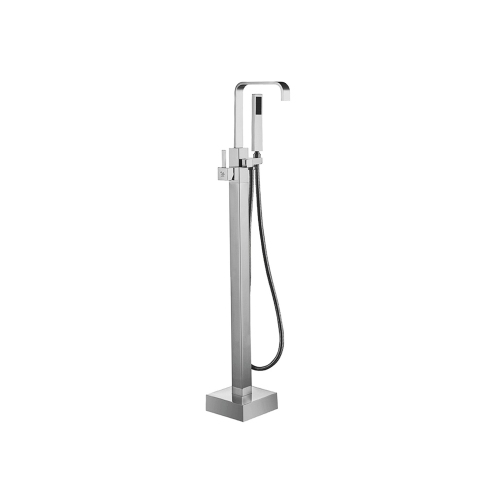


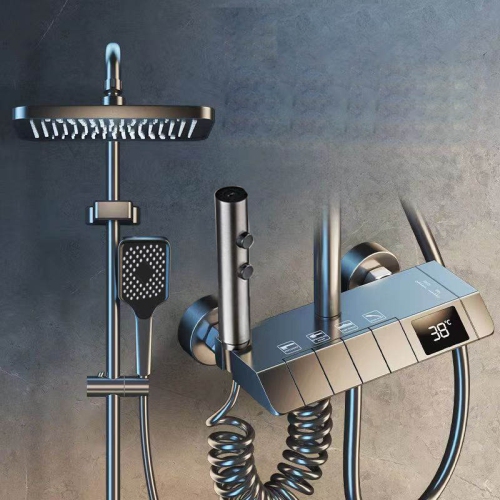
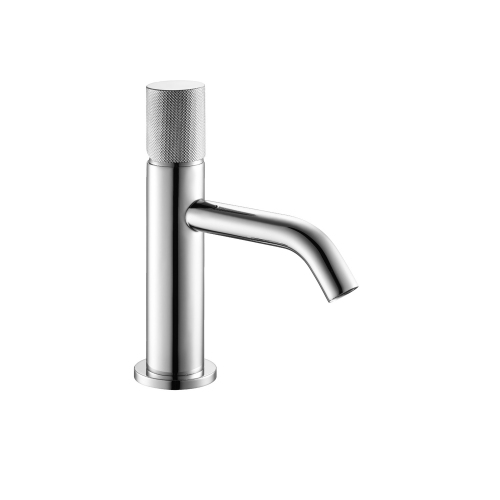
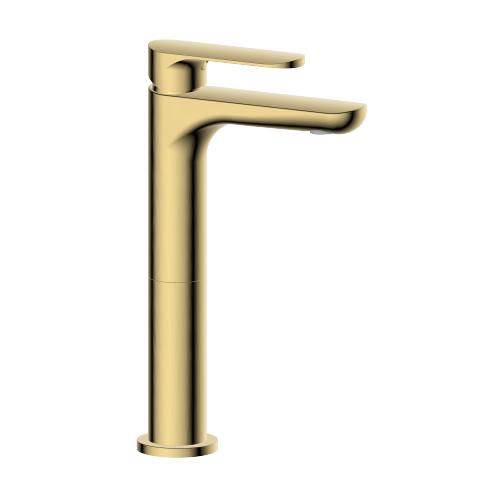








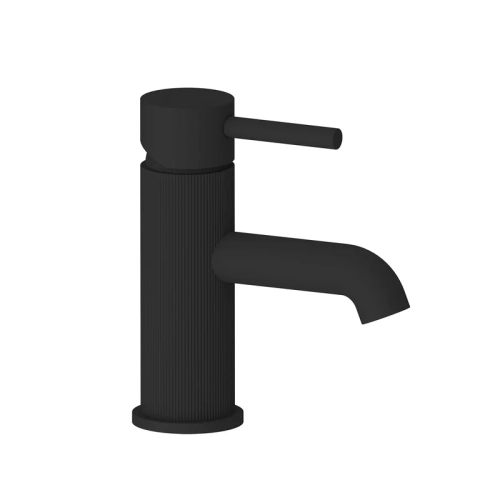

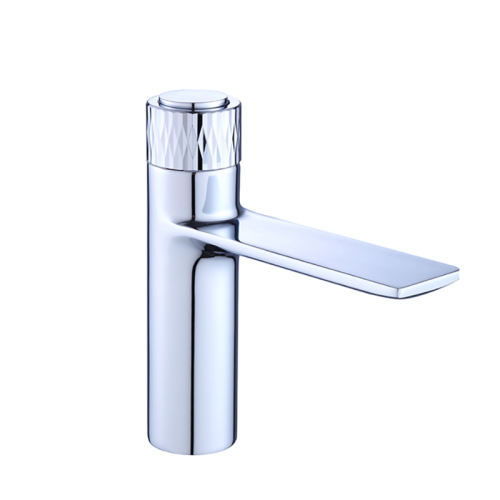

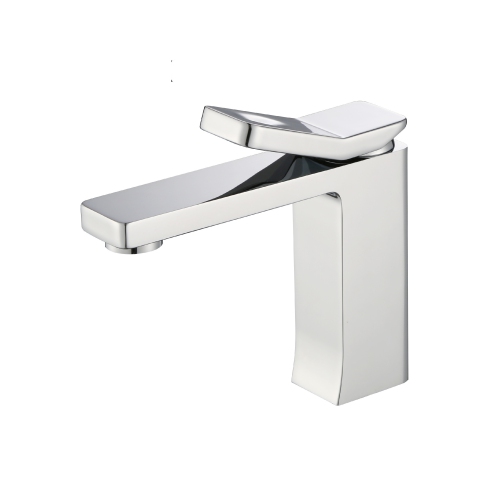


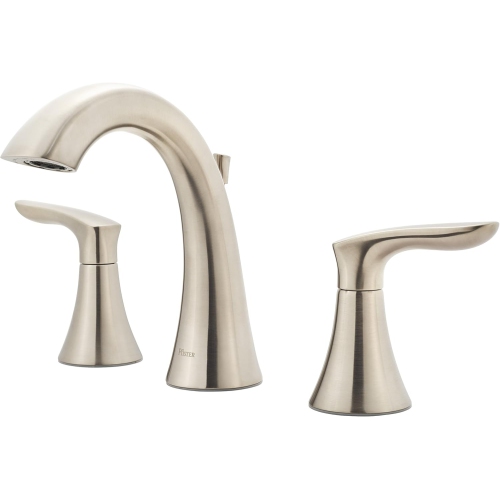


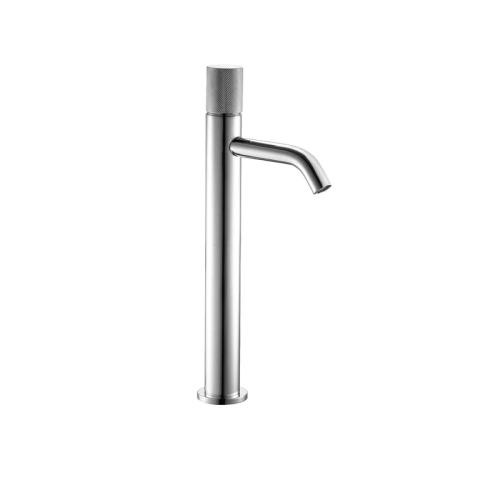
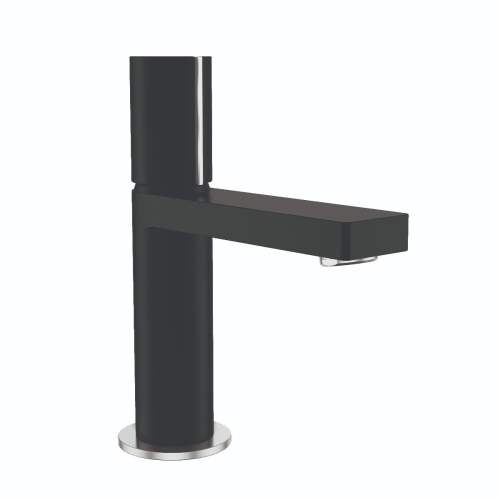


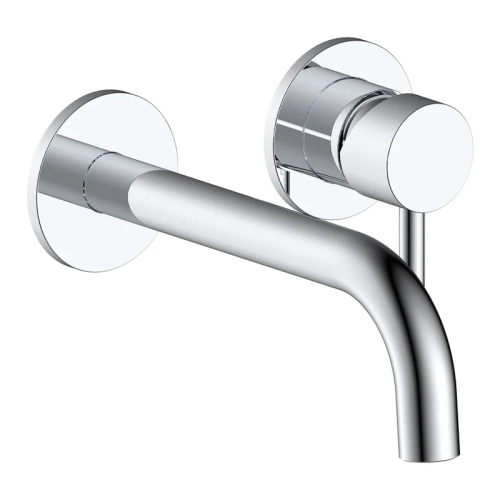
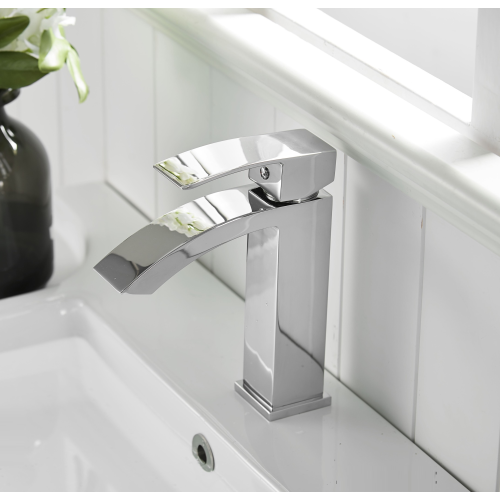


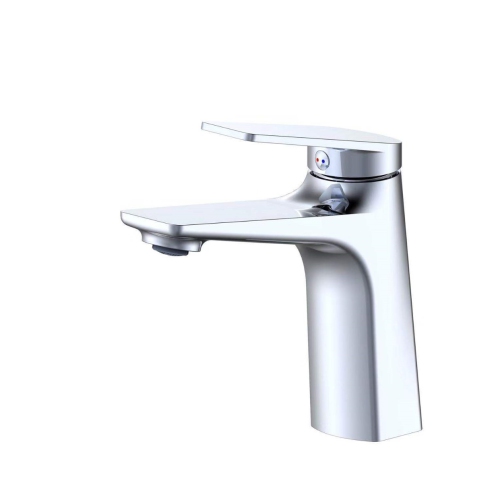

How faucet shape and finish define your sink area
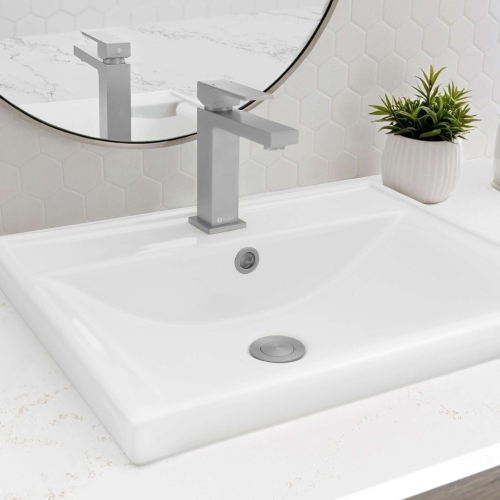
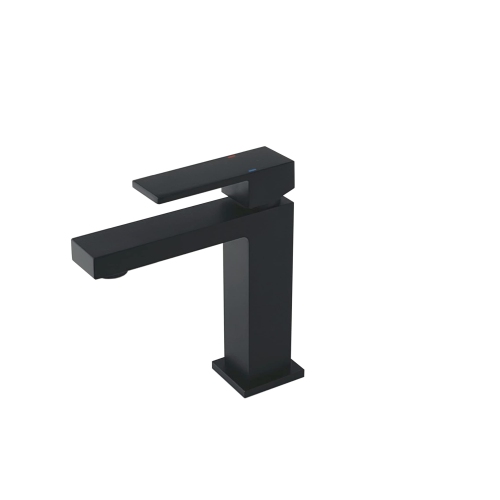
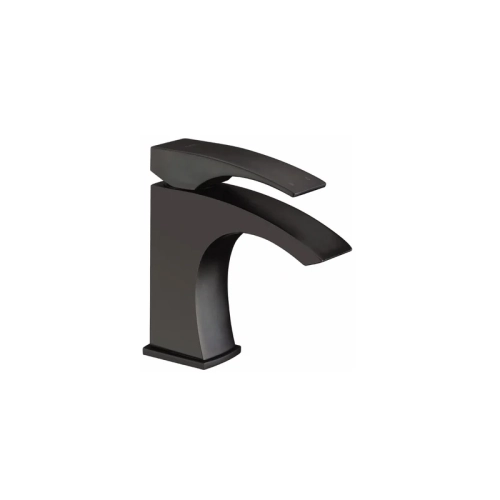
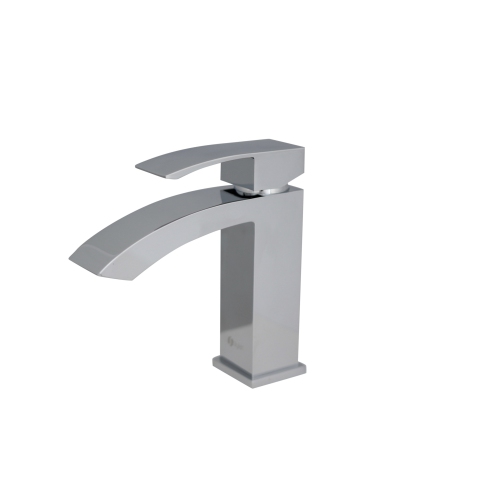
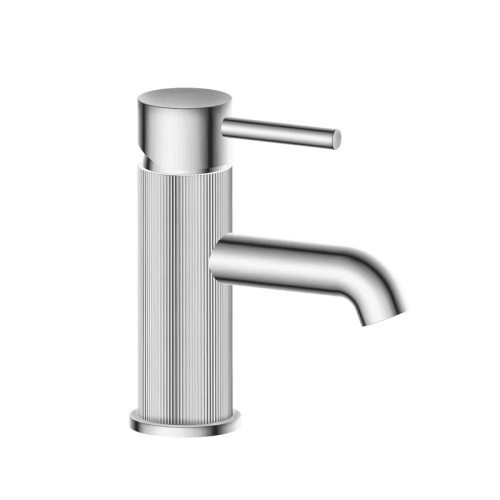
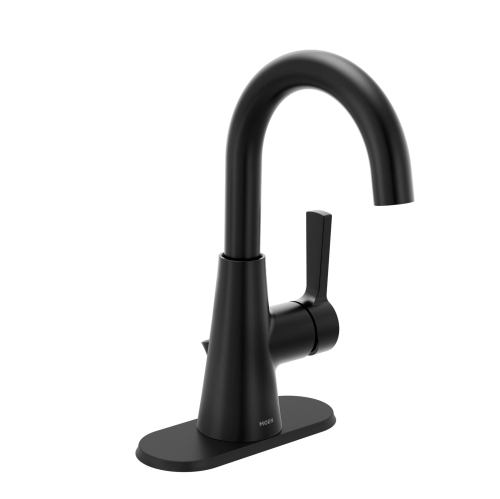
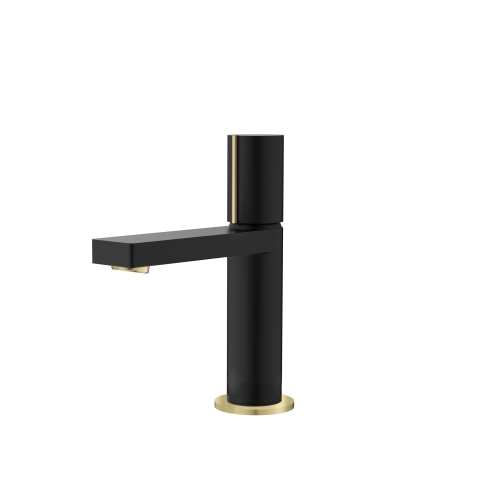
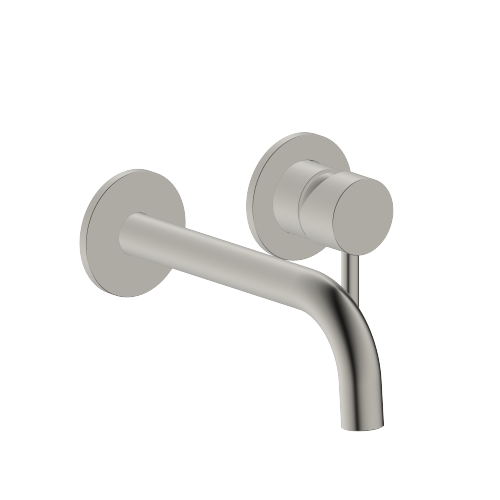
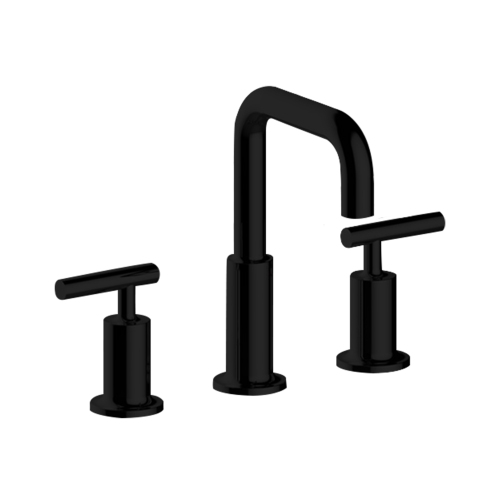
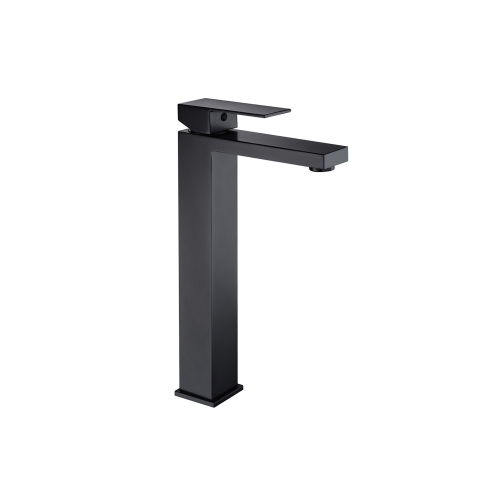
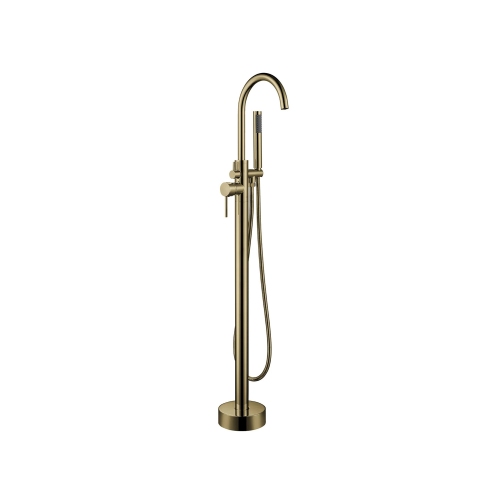
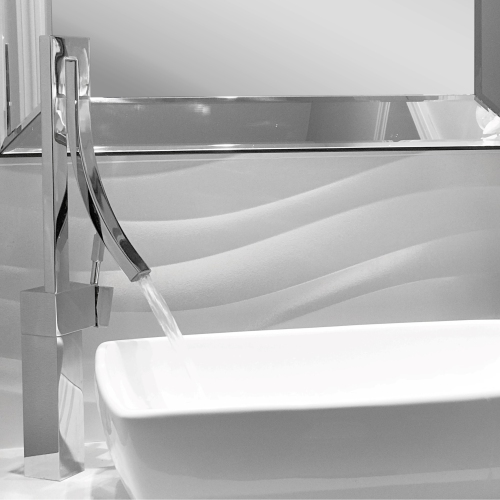
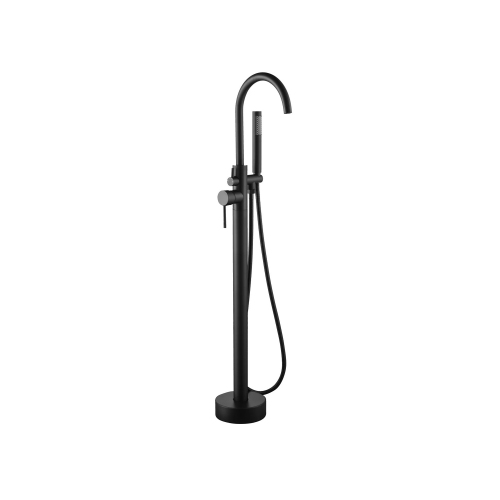
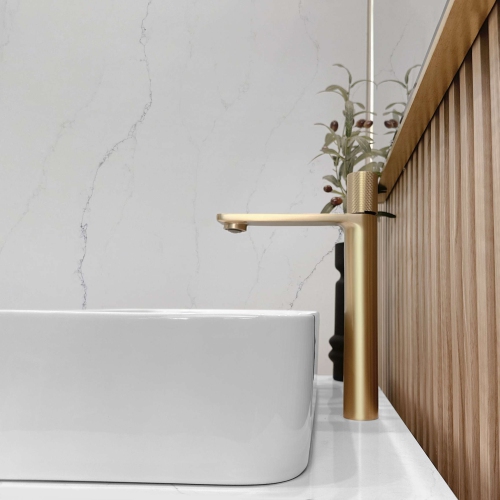
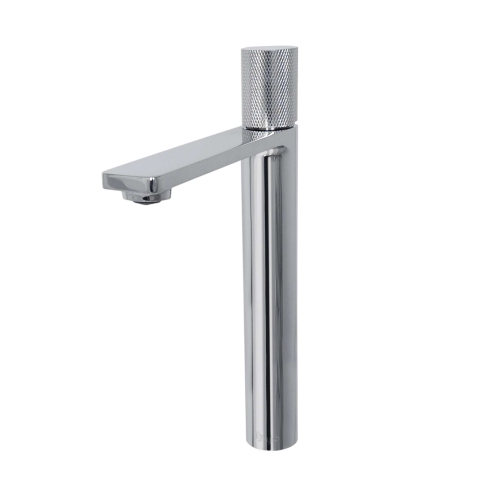
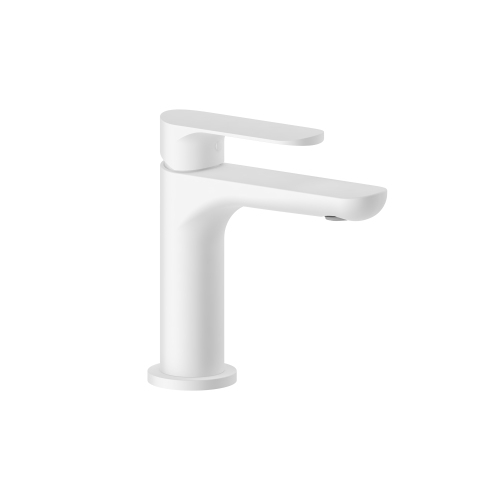
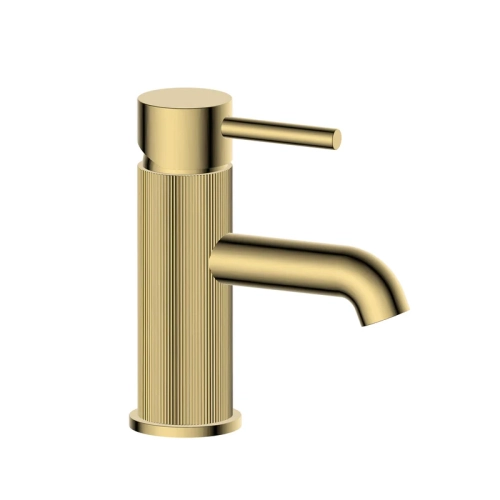
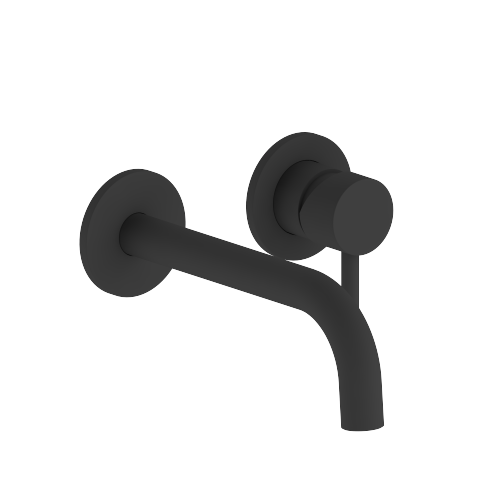
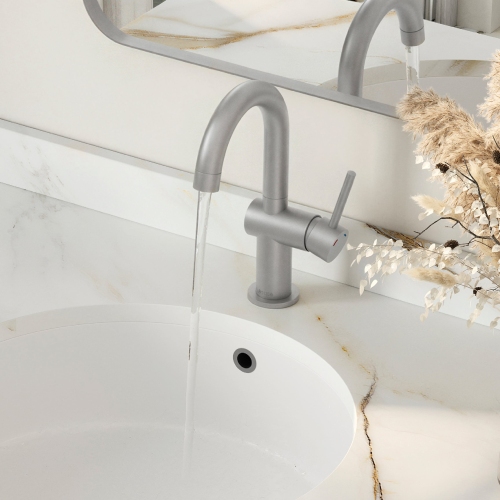
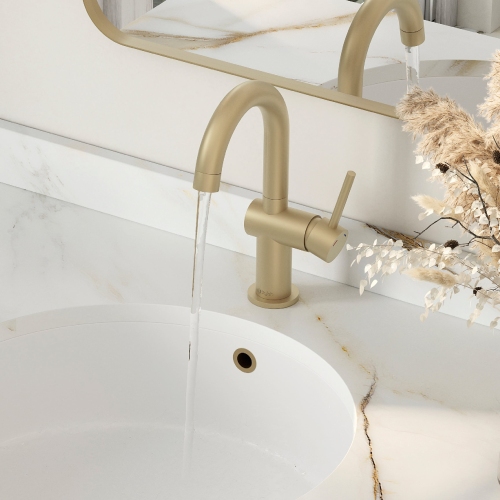
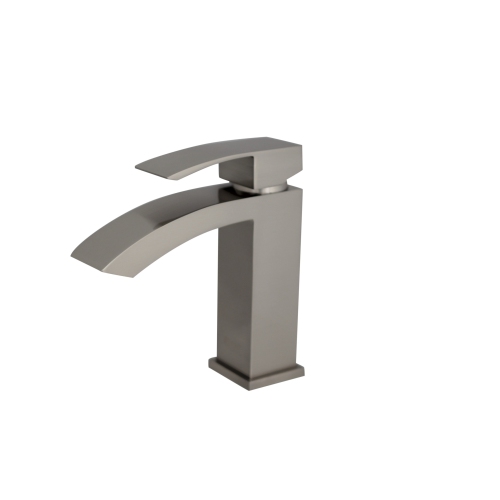
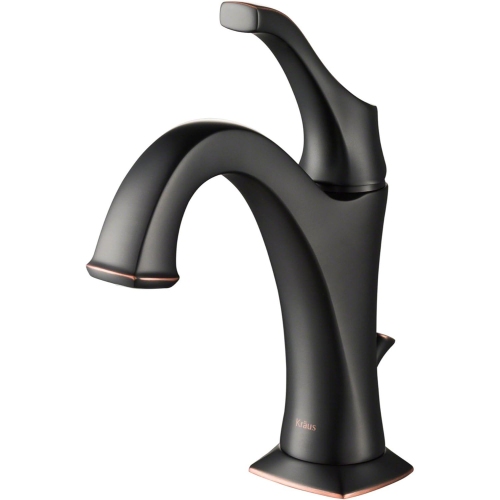
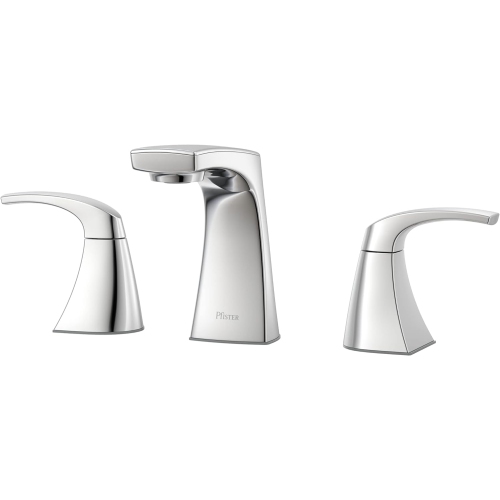
Modern bathroom faucets are sink fixtures defined by clean lines, pared-back handles, and finishes that suit contemporary interiors. Their appearance can range from a slim cylindrical body with a gently curved spout to a squared profile with crisp edges and a flat lever. The common thread is a simple silhouette that lets the basin, countertop, and surrounding materials share the attention. In a compact powder room, a narrow single-handle faucet can keep a small vanity from feeling crowded. In a primary bathroom, a pair of matching faucets can give a double vanity a cohesive look, especially when the mirrors, lighting, and cabinet hardware follow a similar visual direction. Finish changes the effect considerably. Matte black creates a strong outline against pale stone or white porcelain, while brushed gold brings a warmer accent to wood cabinetry and neutral tile. Brushed nickel has a softer sheen, and polished chrome gives the sink area a bright, reflective detail. Contemporary Chrome Bathroom Faucets work particularly well with glass, glossy ceramic, and other polished fittings, while also fitting comfortably into rooms that mix modern shapes with more traditional cabinetry. Coordinating the faucet with a drain cover, towel bar, or shower trim can create continuity without requiring every surface to look identical. Spout shape also affects the character of the fixture. A conventional closed spout with an aerator usually produces a defined stream for handwashing and toothbrushing. An open waterfall spout creates a broader ribbon of water and gives the sink a more sculptural focal point. Waterfall designs need enough basin space for that wider flow; their visual appeal does not replace the need for a suitable reach and sink depth. Rounded edges tend to soften a sharply geometric vanity, while angular faucets reinforce the straight lines of rectangular basins. These design choices suit both a complete renovation and a focused update to an existing sink area.
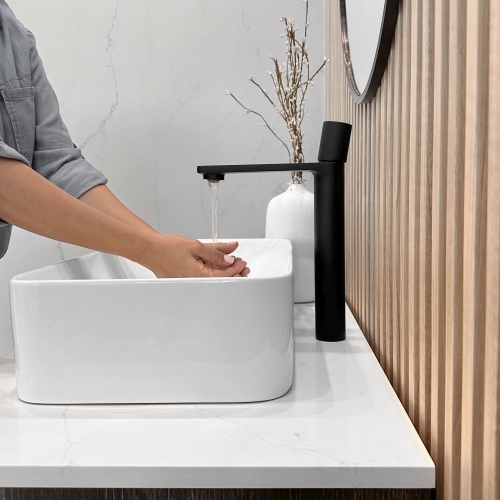
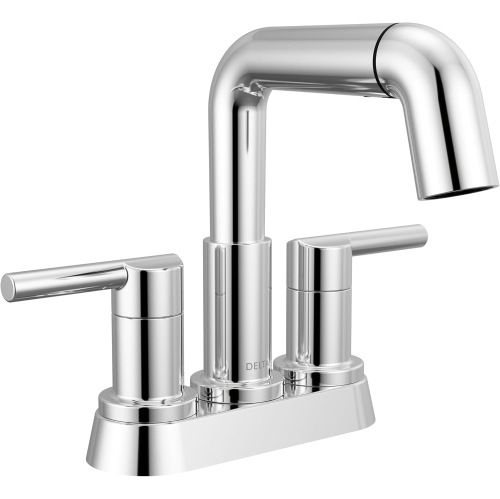
The relationship between the faucet and the sink determines how comfortable the fixture feels in everyday use. Single-hole bathroom faucets combine the spout and control in one compact installation, making them a natural fit for many smaller vanities and uncluttered countertops. Some can also cover an existing three-hole layout when paired with a compatible deck plate, although that compatibility depends on the faucet and hole spacing. Compact three-hole designs place the handles and spout close together, while widespread faucets position each component separately for a more open arrangement on a larger sink deck. Mounting-hole count, spacing, and countertop thickness all affect installation, so a similar-looking fixture is not necessarily a direct replacement. Vessel sinks introduce another consideration: the faucet must rise above the bowl and reach far enough inward to direct water into a useful part of the basin. A tall body alone does not establish a good fit. Too little reach can leave hands pressed against the back of the bowl, while excessive height or a poorly placed stream can send droplets onto the counter. Lower-profile faucets generally suit inset and undermount basins, provided there is comfortable clearance for washing hands. Wall-mounted bathroom faucets leave the countertop clear around the basin and can create a particularly clean appearance, but they require compatible plumbing within the wall and careful positioning relative to the finished sink. Handle movement matters as much as spout placement. A lever that tilts backwards needs room beneath a mirror or in front of a backsplash, and separate handles need enough space to turn without catching nearby surfaces. Single-handle controls adjust flow and the mix of hot and cold water with one movement, which can be convenient when hands are wet or soapy. Dual-handle designs offer separate controls and a more symmetrical arrangement. For a shared family bathroom, practical clearance and easy operation often matter more than an unusually dramatic silhouette.
Materials, internal components, and finish care influence how modern bathroom faucets hold up to repeated use. Solid brass bodies are valued for their strength and resistance to corrosion, while stainless steel is another durable body material. A chrome, black, or gold appearance describes the surface finish rather than necessarily identifying the metal underneath, so body construction and coating details are distinct considerations. Ceramic-disc cartridges are commonly used to control water flow and can provide smooth operation with relatively little wear, although correct installation and clean water passages still matter. Serviceable cartridges and removable aerators make routine maintenance more manageable without requiring the entire fixture to be replaced. For drinking-water contact, applicable certification and material specifications are more meaningful than appearance alone. Drain compatibility also deserves attention: basins with overflow openings require an appropriate drain assembly, and sinks without an overflow need a design suited to that configuration. A coordinated drain can finish the look, but the correct fit comes first. Daily care is usually straightforward when it follows the manufacturer's recommendations. A soft cloth and mild soap are often suitable, while abrasive pads, harsh cleaners, and prolonged contact with cleaning chemicals can damage some finishes. Drying the spout and handle after cleaning helps limit visible water marks, especially on reflective surfaces. In homes with hard water, deposits may collect around the outlet or on an open waterfall channel, making access for gentle cleaning useful. Finish texture affects what is noticeable, too: polished surfaces can show fingerprints, while dark finishes may make pale mineral residue more apparent. In a guest bathroom, the faucet may be chosen partly for its visual impact; at a busy family vanity, a comfortable lever, predictable stream, and easy-to-clean shape become daily benefits. A well-matched faucet leaves room to rinse a toothbrush, wash a child's hands, or clean the basin without awkward splashing. That combination of proportion, dependable operation, and manageable upkeep gives a modern fixture lasting value beyond its initial appearance.
Top selling and popular products
-
 Your price for this item is $355
-
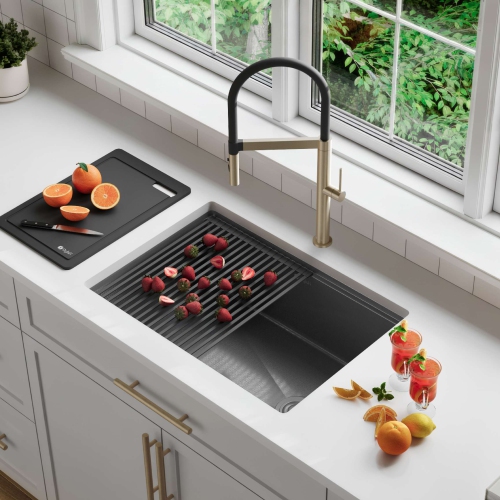 Your price for this item is $566
-
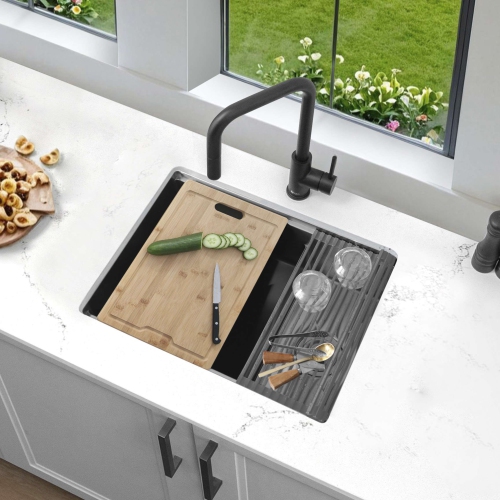 Your price for this item is $717
-
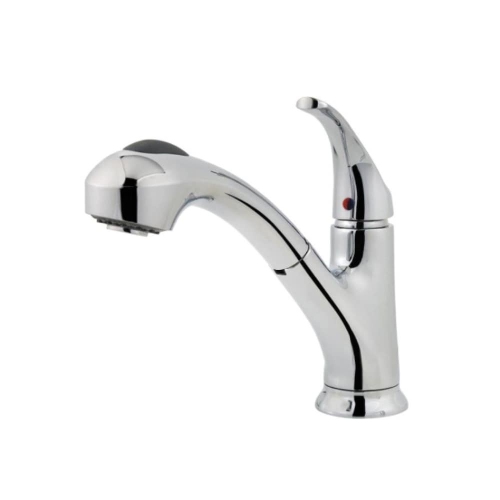 Your price for this item is $129.99
-
 Your price for this item is $595
-
 Your price for this item is $475
-
 Your price for this item is $236.55
-
 Your price for this item is $379.05
Discover more categories related to Modern Bathroom Faucets

Top Collections:
Best Black Friday Deals This Year, Best Black Friday Deals On Electronics, Kindle Devices, Pokemon Centers, Best Black Friday Deals On Apple Products, Best Cameras for Sports Photography, Dyson Airwrap, Pokémon 30th Celebration Cards, Apple iPhone 17 Pro, Canon G7X Cameras
Some products may be subject to Environmental Handling Fees
(EHF) depending on your province.
Learn more about EHFs.