Modern Bathroom Vanity Lighting Fixtures
Modern Bathroom Vanity Lighting Fixtures instantly elevate the look and feel of any bathroom space. Whether you're updating your master bath or refreshing a guest powder room, these lighting solutions offer the perfect blend of form and function. With a wide variety of styles, finishes, and designs to choose from, it's easy to find options that complement your existing décor while providing the illumination you need for daily routines. Explore how Modern Bathroom Vanity Lighting Fixtures can transform your bathroom into a bright and inviting retreat.
Sort





Why proportions and placement matter around your bathroom mirror
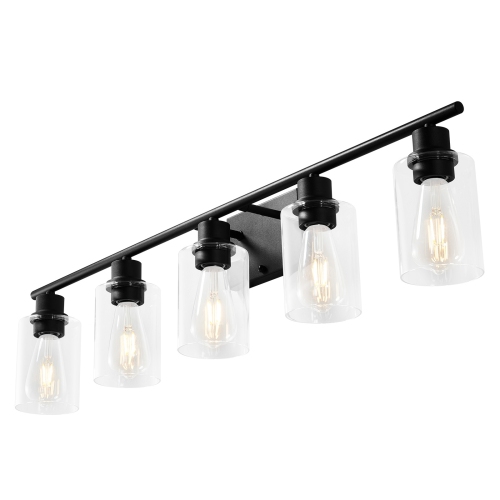
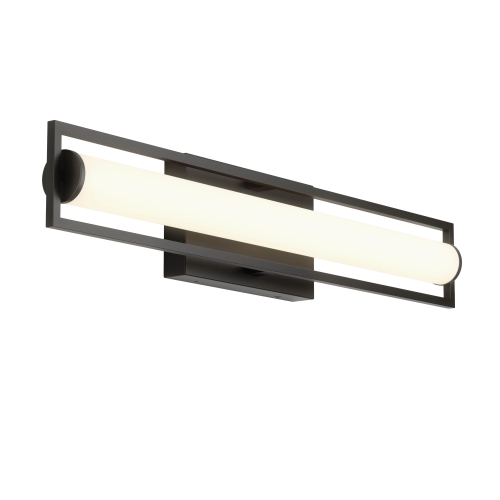
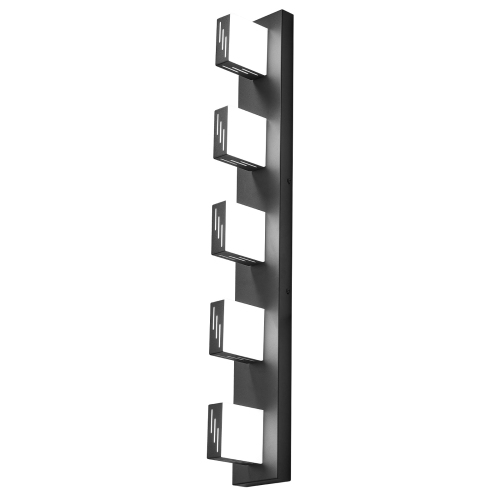
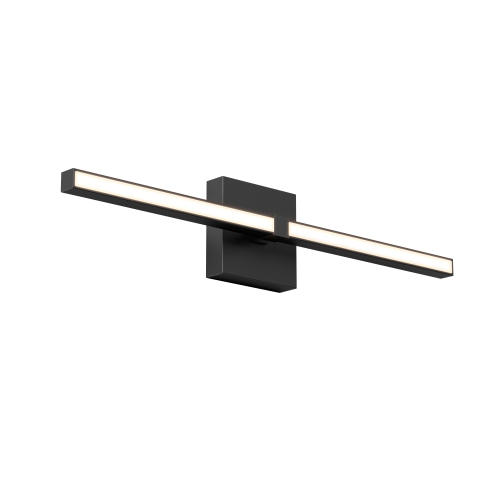
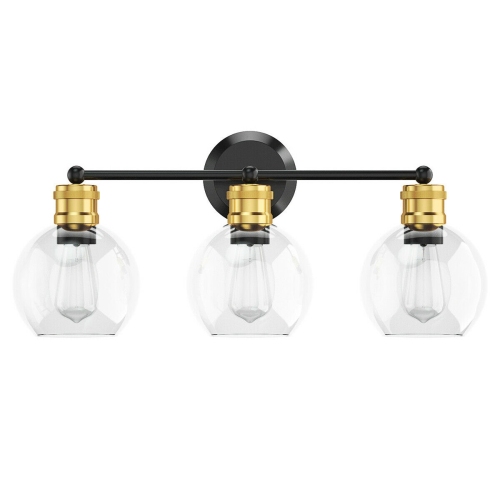
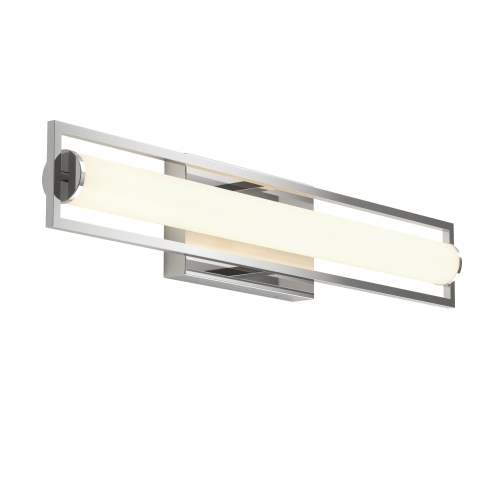
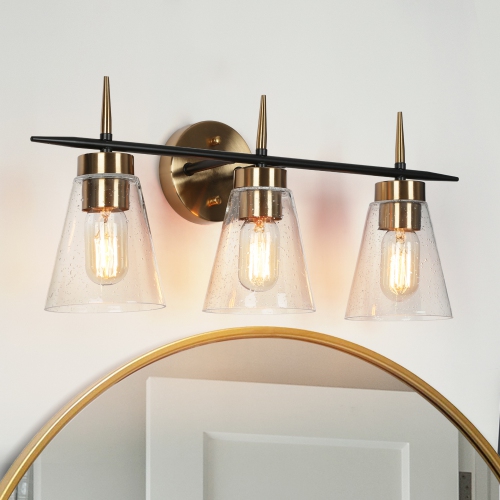
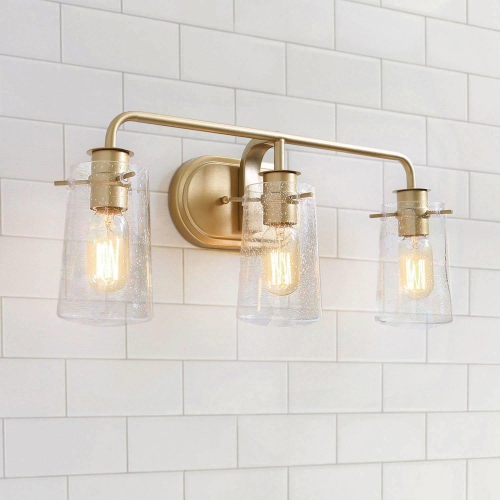
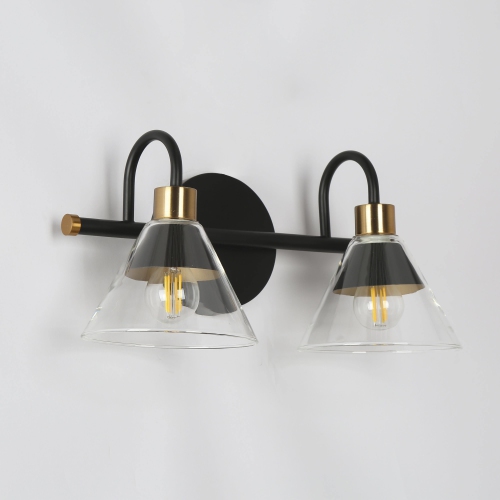
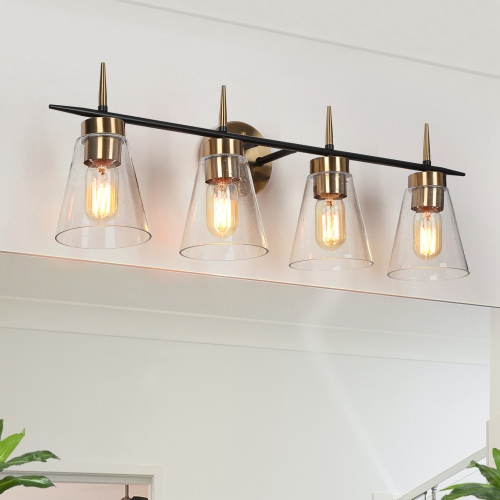
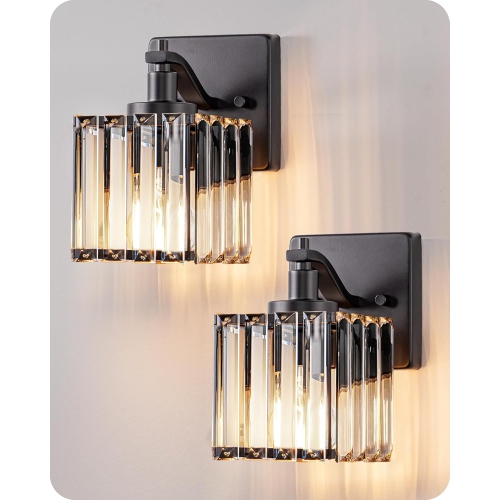
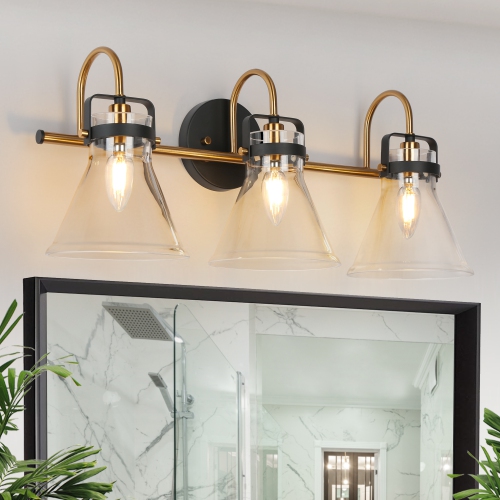
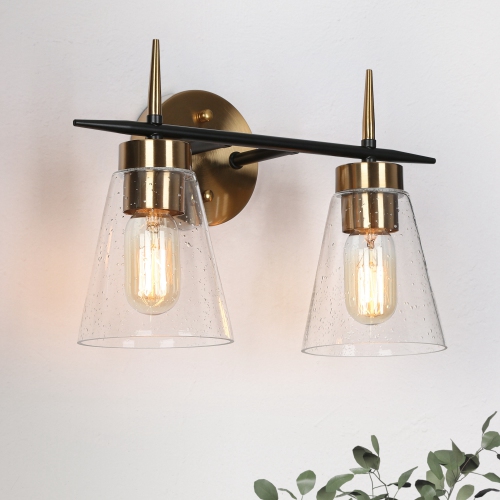
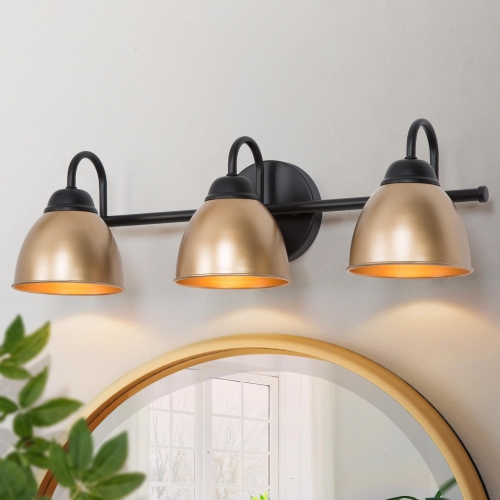
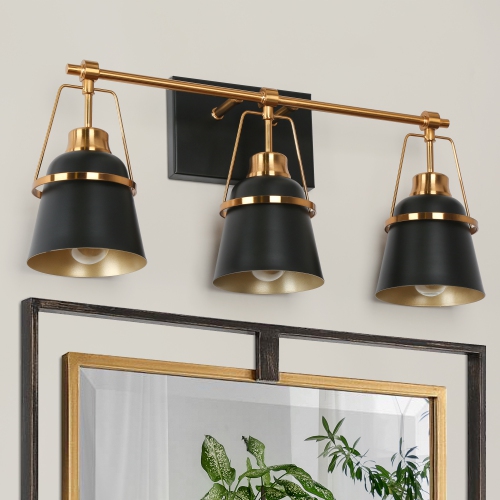
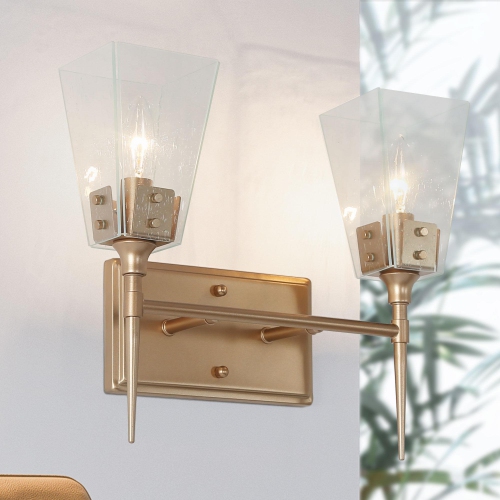
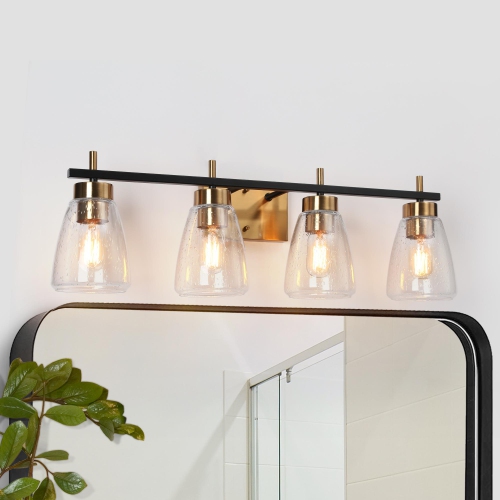
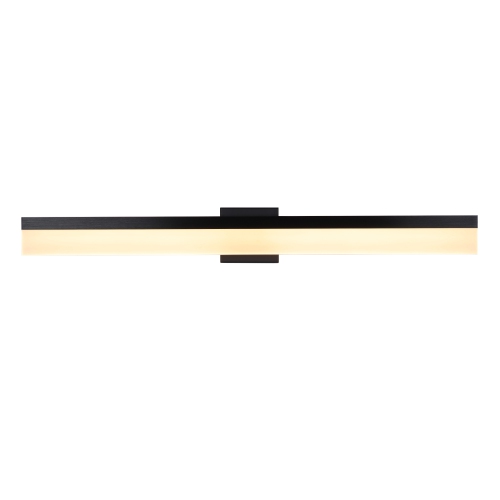
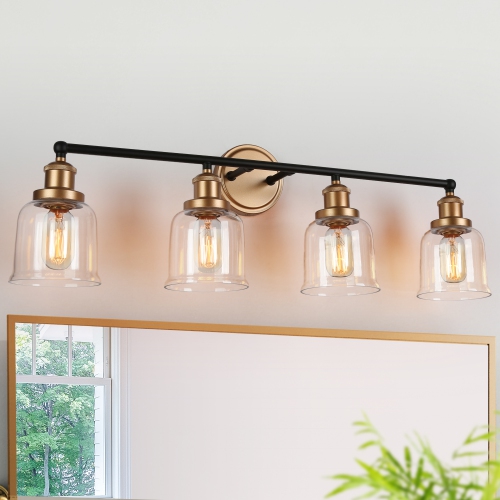
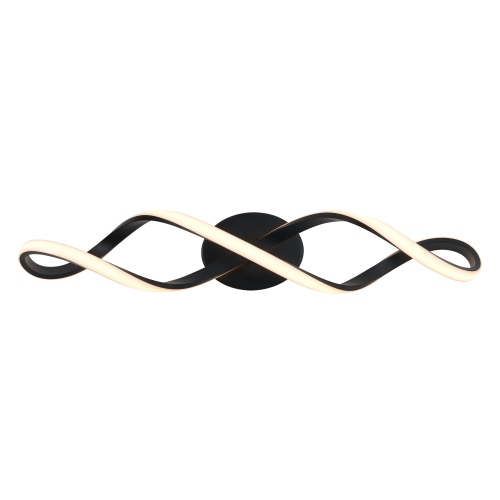
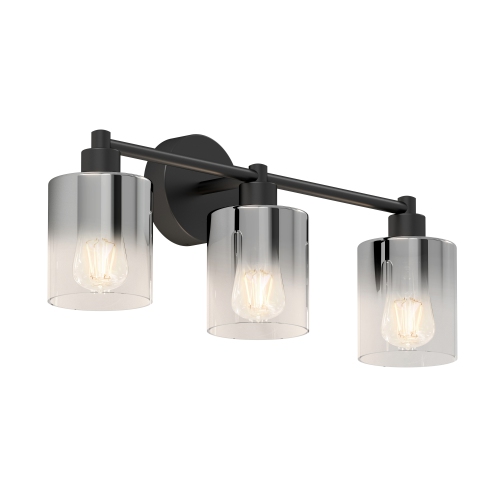
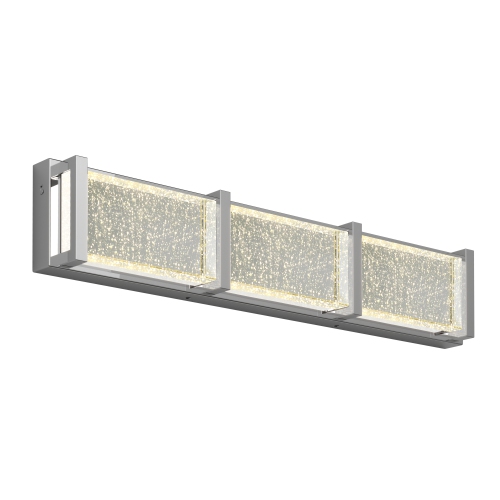
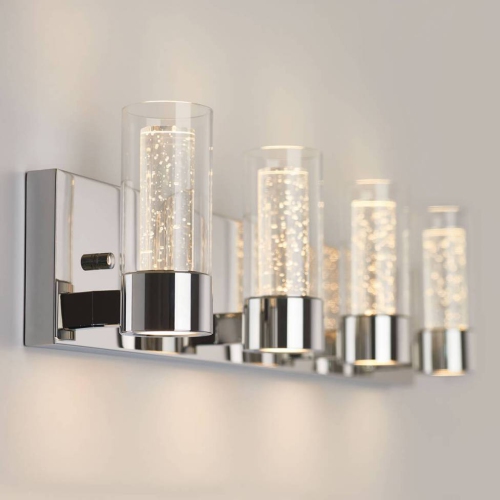
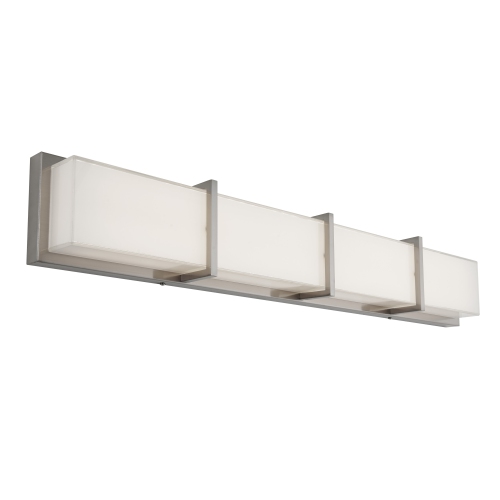
Modern bathroom vanity lighting fixtures combine clean lines, balanced proportions and practical illumination around the mirror. Common designs include slim linear light bars, geometric wall sconces and multi-light fixtures with simple glass shades. Matte black, brushed nickel, chrome and champagne gold finishes create different effects without requiring elaborate shapes: black adds definition against pale tile, brushed metals introduce a softer sheen, and polished finishes pick up reflections from mirrors and glass. The fixture’s shape can echo other bathroom details, such as a rectangular mirror, rounded basin or angular faucet, while still having enough contrast to feel intentional. A long horizontal light can give a wide vanity a unified appearance, whereas individual sconces beside separate mirrors help define two grooming areas. In a compact powder room, a smaller fixture with clear proportions can feel more comfortable than an oversized arrangement that crowds the mirror. Width, depth and mounting position all affect the fit. A fixture that looks appropriately scaled from the doorway still needs enough clearance for a medicine cabinet to open, and projecting shades should not interfere with nearby shelves or cabinet doors. Materials contribute to both appearance and everyday upkeep. Glass shades may be clear, frosted, opal or textured, each changing how the light source is seen. Clear glass leaves bulbs visible and creates a crisp look, while frosted and opal glass spread light more gently and help conceal individual light points. Acrylic diffusers can provide a smooth illuminated surface on linear designs. Metal construction and the quality of the finish also matter in a room where fixtures may encounter humid air and occasional splashes. A finish name describes its appearance, not necessarily its underlying material or suitability for every bathroom location. Together, the fixture’s proportions, shade material and surface treatment establish whether the vanity feels sharply architectural, softly contemporary or somewhere between the two.
The most useful vanity lighting makes faces easy to see without producing distracting glare. Shaving, applying makeup, putting in contact lenses and checking the back of a hairstyle place different demands on the mirror area than general ceiling lighting does. Light arriving from both sides of a mirror can reduce the strong shadows that overhead light sometimes casts beneath the eyes, nose and chin. An above-mirror fixture can also provide effective illumination when its distribution, mounting position and output suit the space. The relationship between the fixture and the mirror matters as much as the fixture’s appearance: a shallow light mounted behind the front edge of a deep cabinet may leave part of the basin area in shadow. Diffused shades can make the light more comfortable at close range, especially where a visible bulb would sit near eye level. Brightness is expressed in lumens, while colour temperature, measured in kelvins, describes whether white light appears warmer or cooler. These are separate characteristics; a cooler-looking light is not automatically brighter. Warm white light tends to complement wood cabinetry and warm-toned finishes, while a more neutral white can suit crisp tilework and detailed grooming tasks. Consistent colour temperature across the vanity and other bathroom lighting helps the room look cohesive rather than patchy. Colour rendering is another useful consideration because it affects how accurately skin tones, makeup and clothing colours appear under the light. Integrated LED fixtures place the light source within the design, allowing slender profiles and continuous illuminated lines. Fixtures with replaceable bulbs offer flexibility in bulb selection, provided the bulb shape, base and electrical specifications match the fixture. Dimming can support both detailed tasks and a gentler setting for a quiet bath, but the fixture, bulbs and dimmer must be compatible. For shared bathrooms, adjustable light levels can accommodate different routines without making one fixed setting serve every person and every activity.
Bathroom suitability and long-term care are essential parts of a well-matched fixture. Damp-location and wet-location ratings describe different levels of exposure, and the required rating depends on where the light will be installed. A vanity fixture’s suitability near a basin does not automatically make it appropriate inside a shower or anywhere it could receive direct water spray. Product specifications, installation instructions and applicable local electrical requirements determine the appropriate placement. A qualified electrician can assess the electrical connection, mounting support and any restrictions around bathing areas, particularly when an existing fixture is being moved or a single connection is being changed into separate wall lights. The mounting plate also deserves attention during a replacement: a different shape or size may expose unfinished wall surfaces that were hidden behind the previous fixture. In daily use, accessible shades and straightforward surfaces can make cleaning less awkward. Dust, fingerprints and residue from grooming products are especially noticeable on clear glass and polished metal, while textured shades may need more careful attention around grooves. With the power switched off and the fixture cool, cleaning should follow the manufacturer’s directions, using suitable cloths and cleaners that will not damage the finish. Harsh abrasives can scratch glass or alter a coated surface, and moisture should be kept away from electrical components. Replaceable bulbs should remain accessible, while integrated LED designs warrant attention to service information, including whether components can be replaced. For a more decorative expression of contemporary style, Luxury Bathroom Vanity Lights can complement a room centred on distinctive finishes and sculptural details. Whether the setting is a busy family bathroom, a compact ensuite or a guest powder room, the strongest match brings together comfortable light, appropriate bathroom protection and proportions that suit the mirror and cabinetry. Those practical details allow the fixture to feel like part of the room rather than an accessory added after everything else.
Top selling and popular products
-
 Your price for this item is $99.99
-
 Your price for this item is $299.99
-
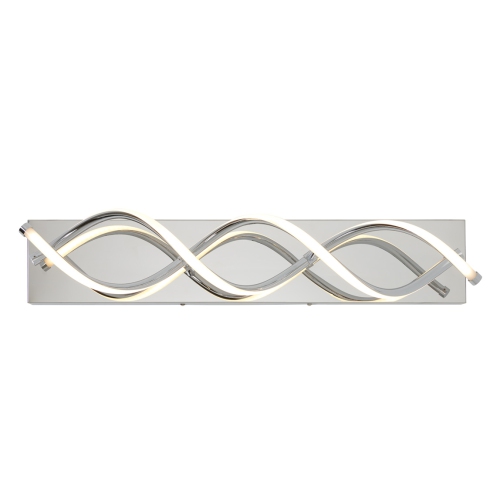 Your price for this item is $169.99
-
 Your price for this item is $159
-
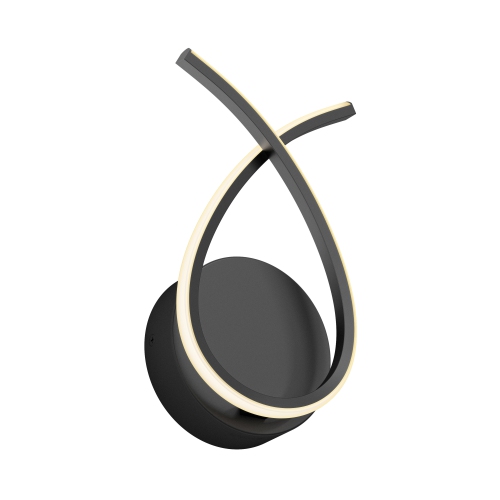 Your price for this item is $49.99
-
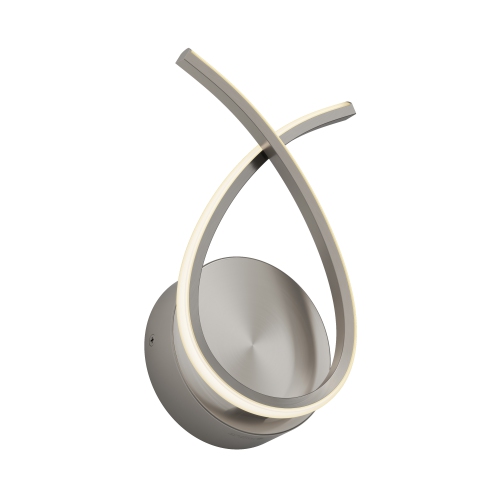 Your price for this item is $59.99
-
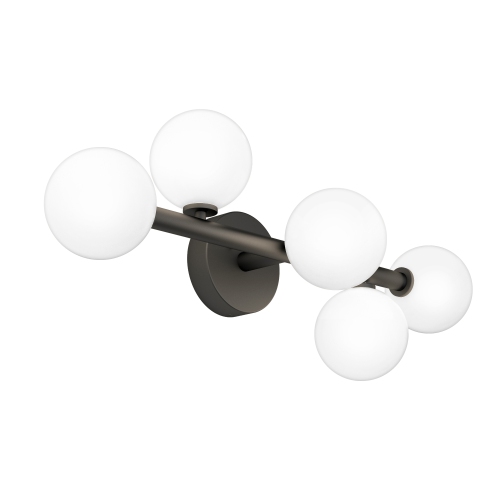 Your price for this item is $139
-
 Your price for this item is $129.99
Discover more categories related to Modern Bathroom Vanity Lighting Fixtures
Top Collections:
Best Black Friday Deals This Year, Best Black Friday Deals On Electronics, Kindle Devices, Pokemon Centers, Best Black Friday Deals On Apple Products, Best Cameras for Sports Photography, Dyson Airwrap, Pokémon 30th Celebration Cards, Apple iPhone 17 Pro, Canon G7X Cameras
Some products may be subject to Environmental Handling Fees
(EHF) depending on your province.
Learn more about EHFs.