Modern Bedside Tables
If you're looking to spruce up your bedroom, a modern bedside table is an excellent way to do so. Not only do they provide a convenient place to store items such as books, lamps, and alarm clocks, but they also add a stylish touch to almost any bedroom. These pieces of furniture come in a variety of shapes, sizes, and materials, so it's easy to find one that fits your personal style. Here are some of the great options.
Sort

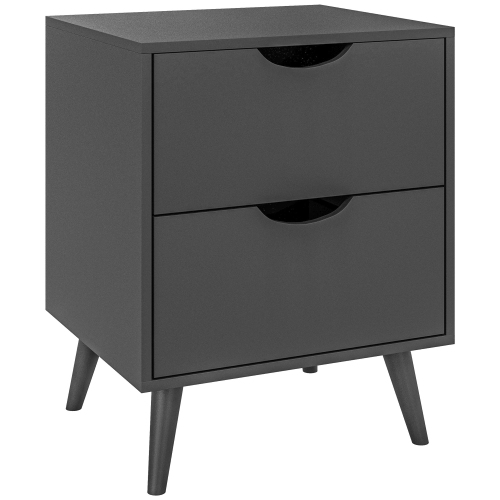
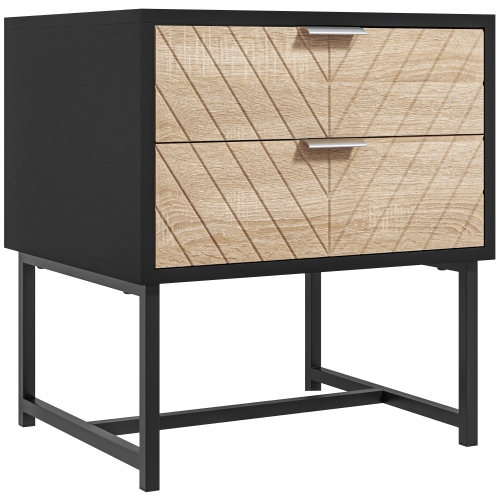
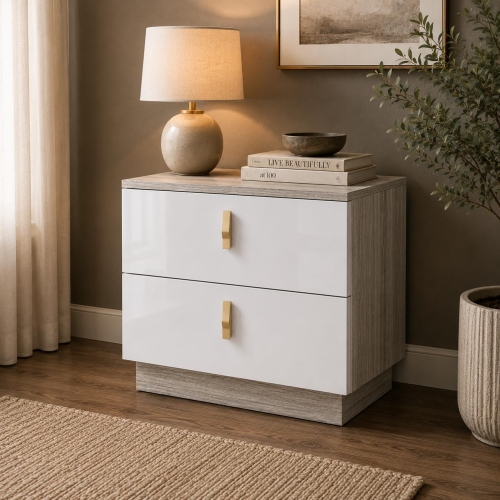
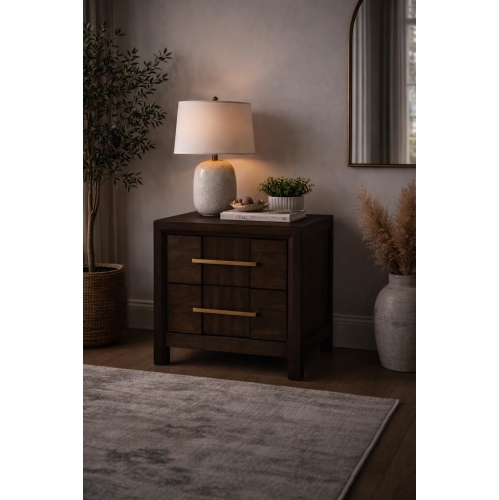

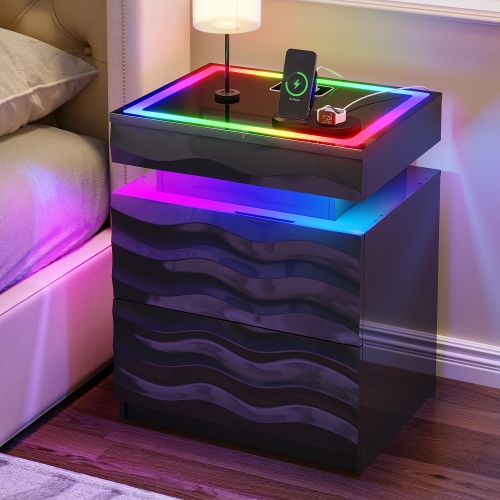
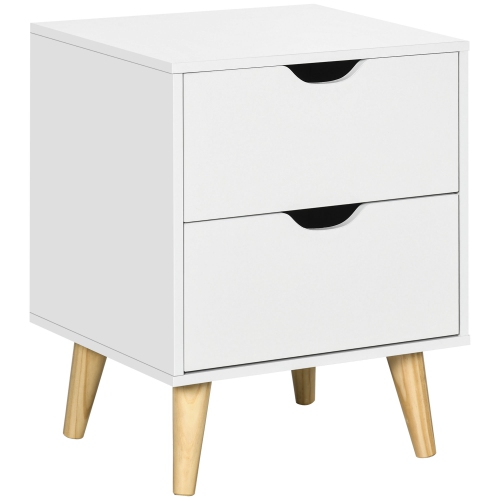
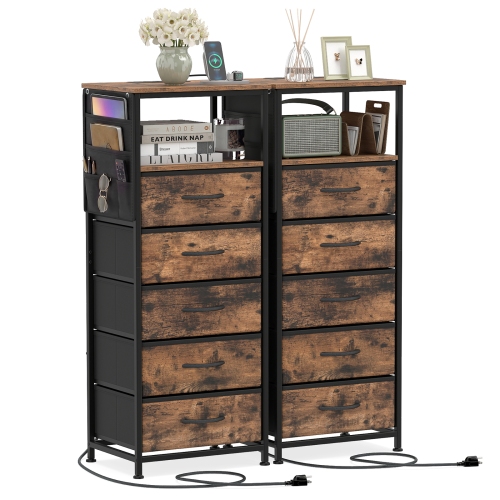
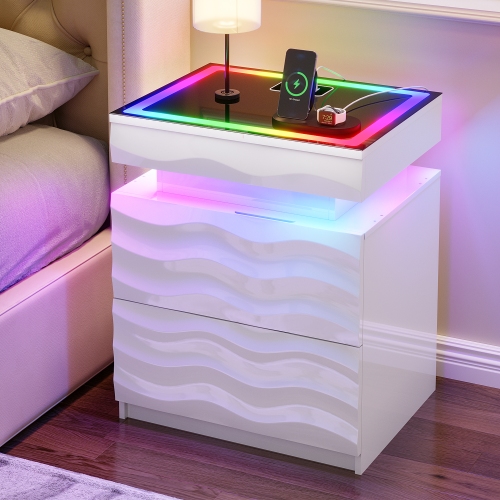
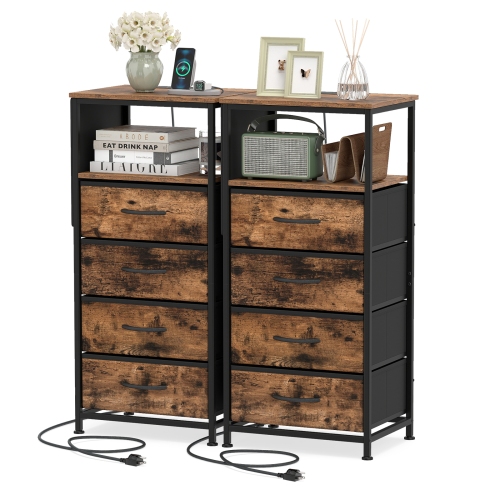
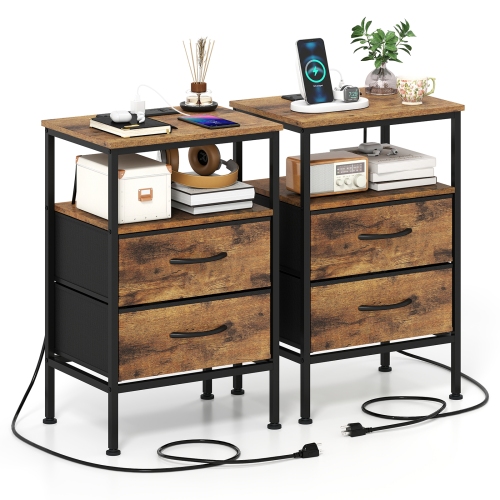
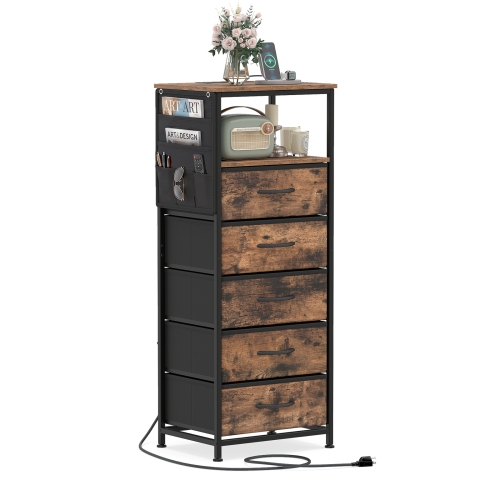
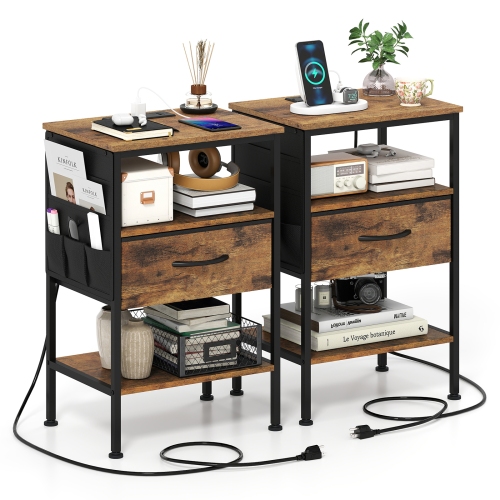
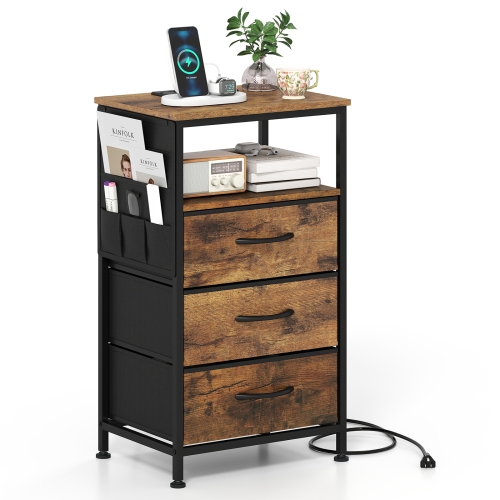
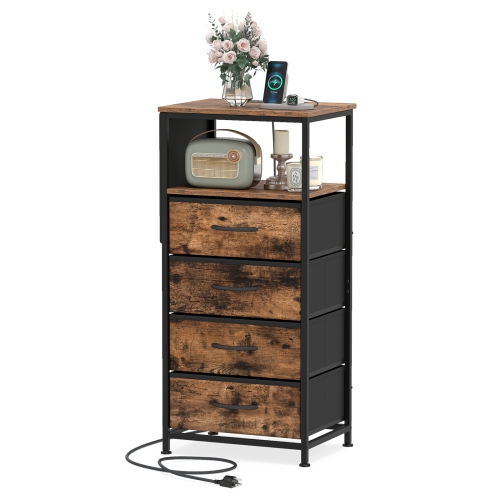

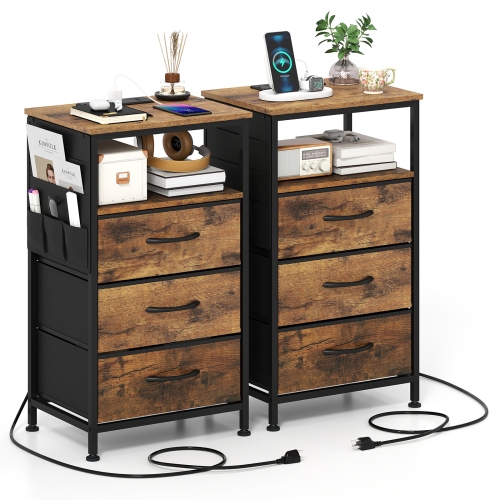

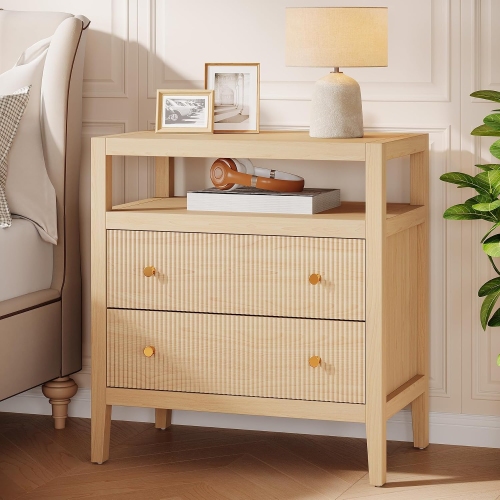
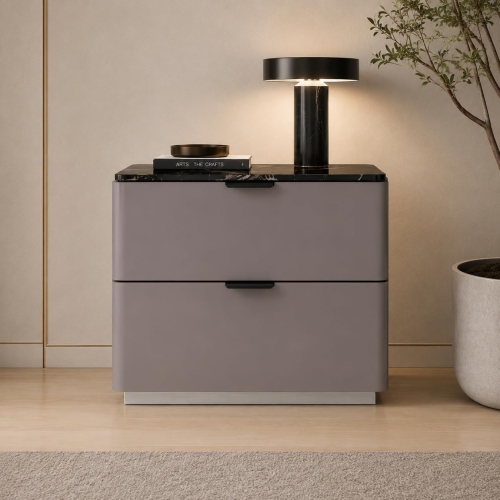
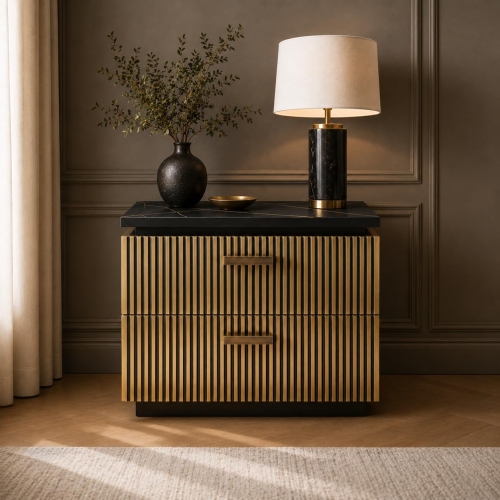
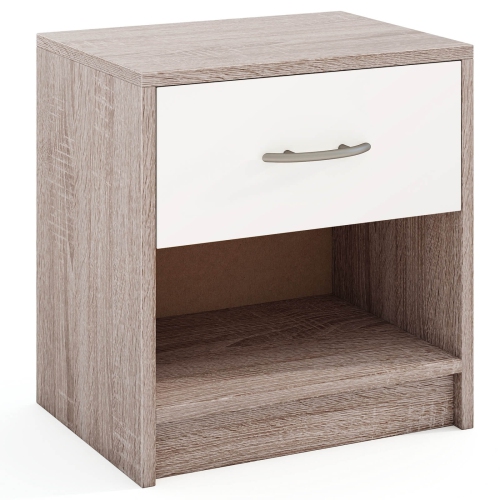
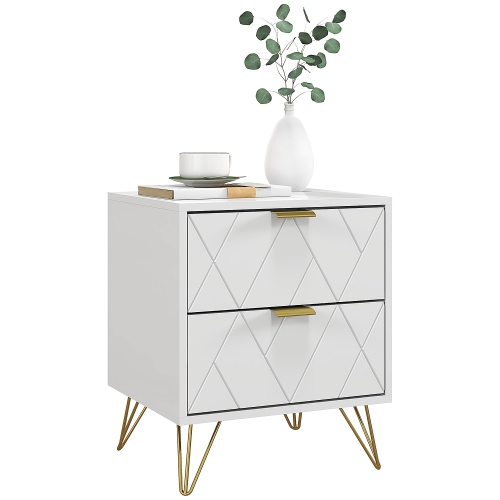
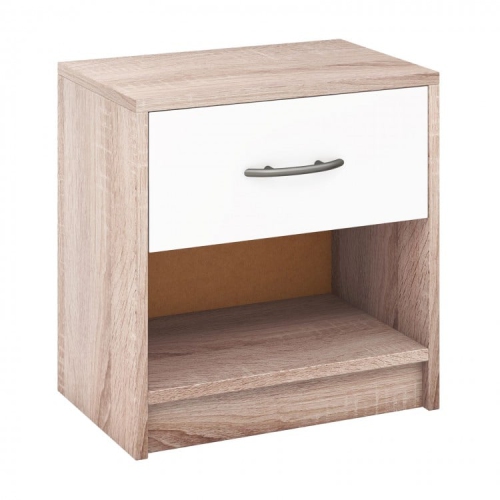
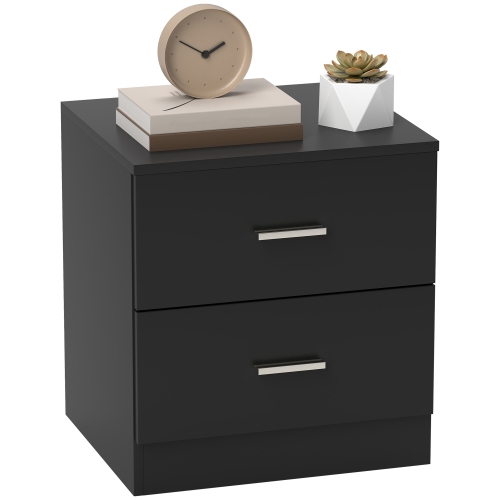
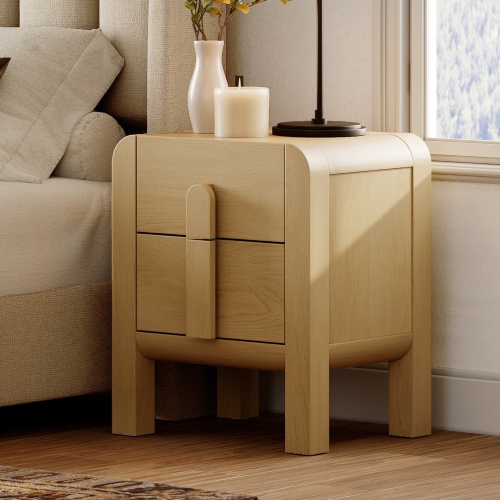
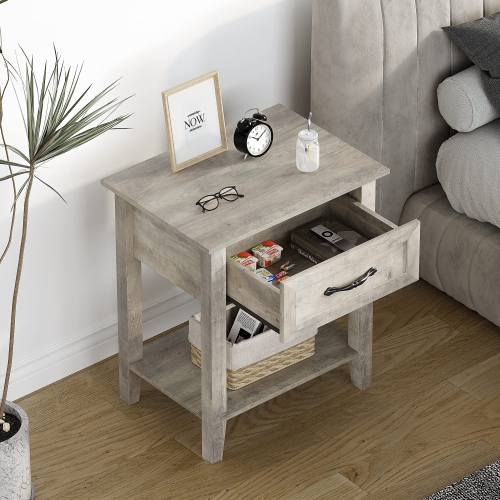
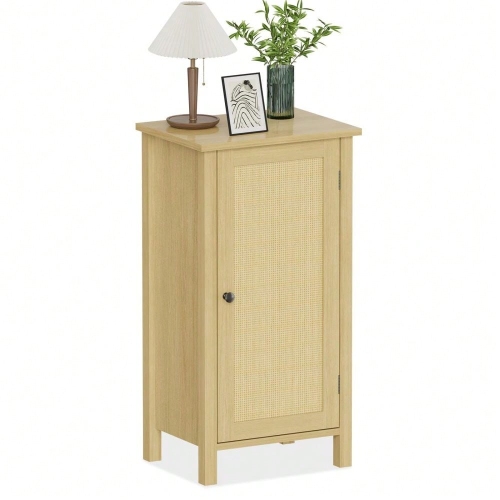
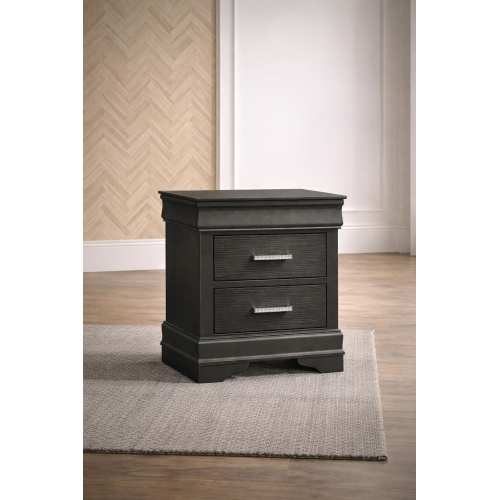
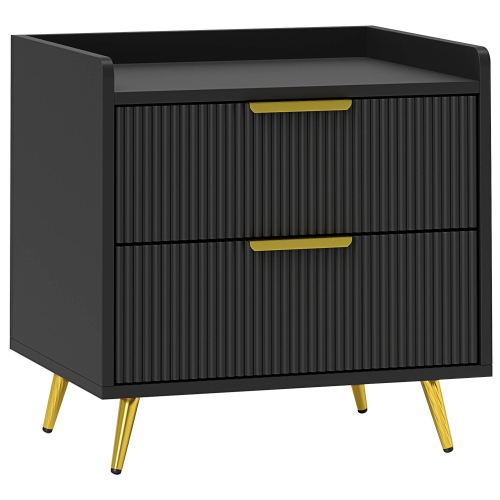
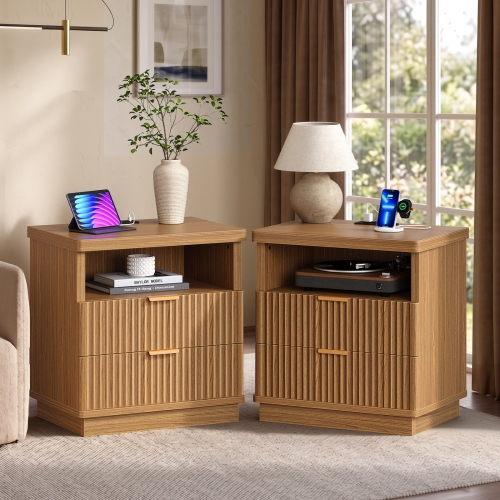
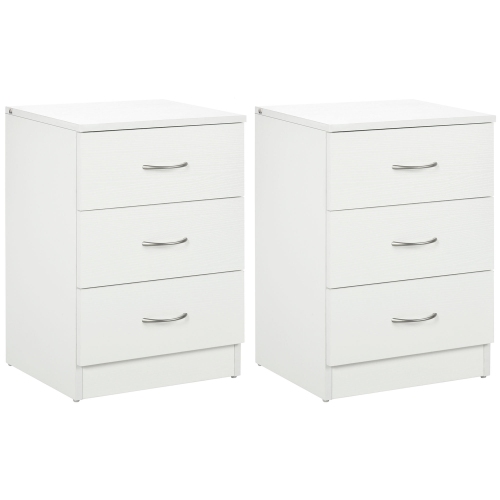
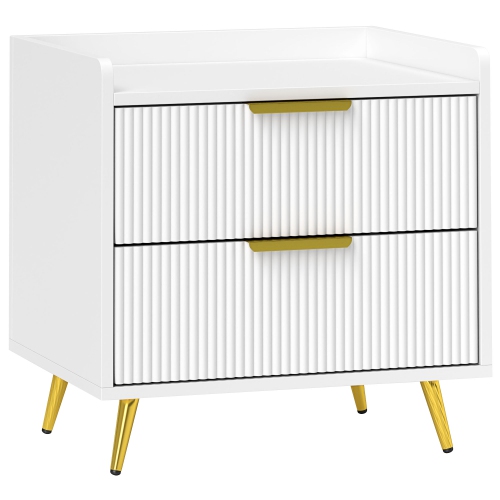
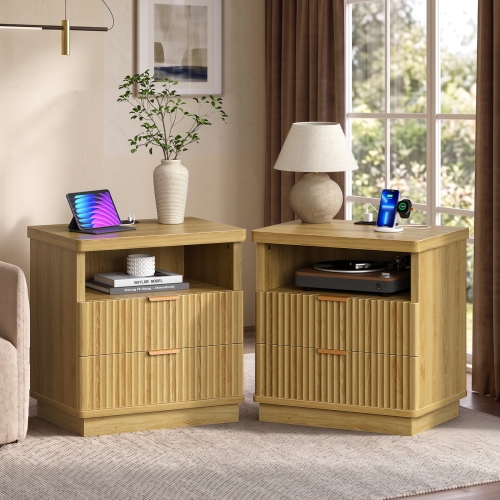
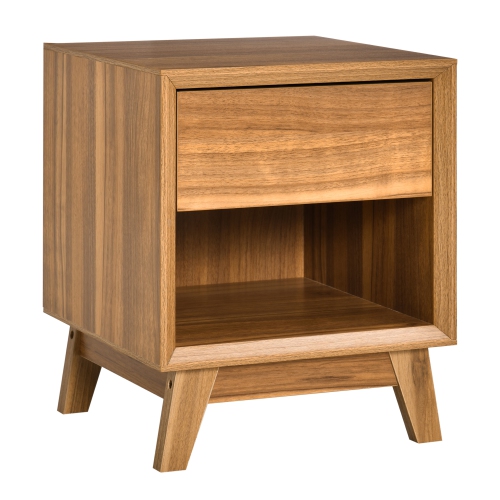
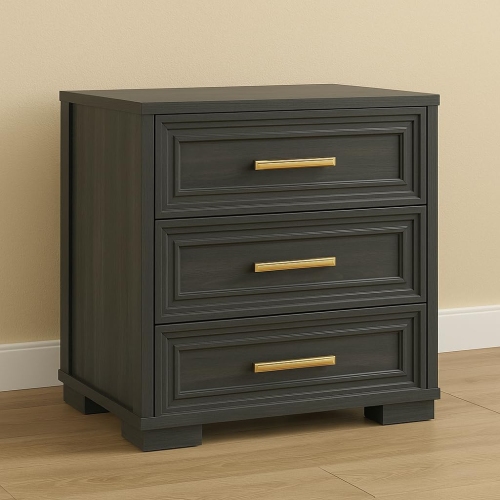
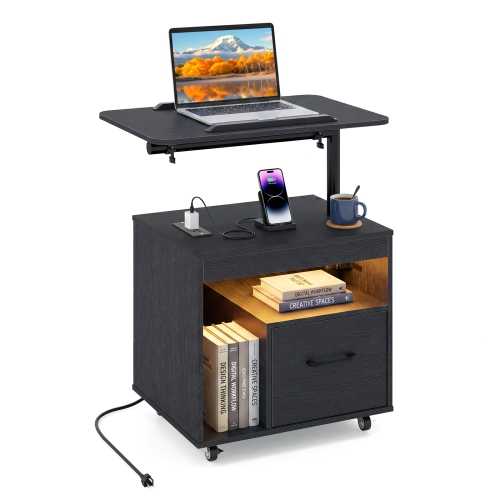
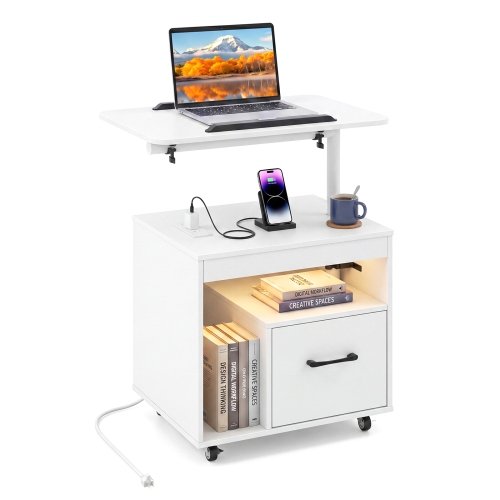
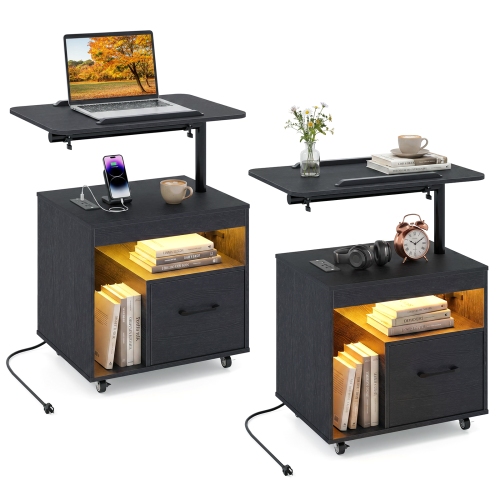
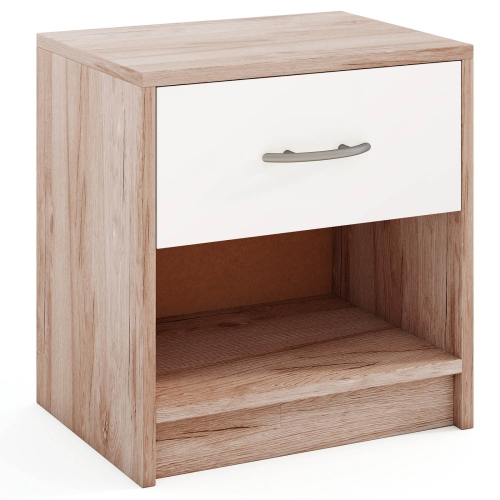
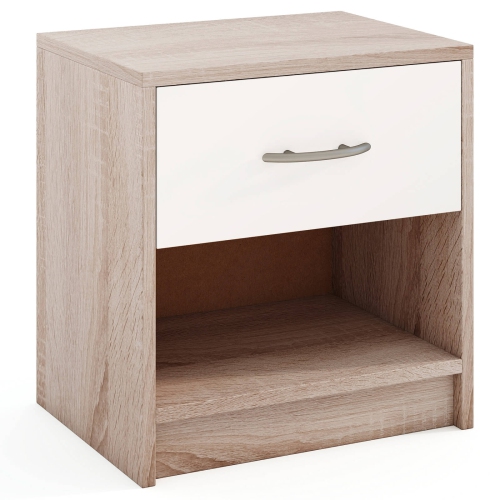

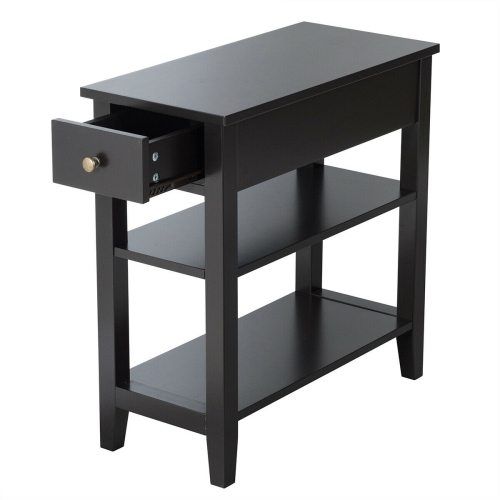
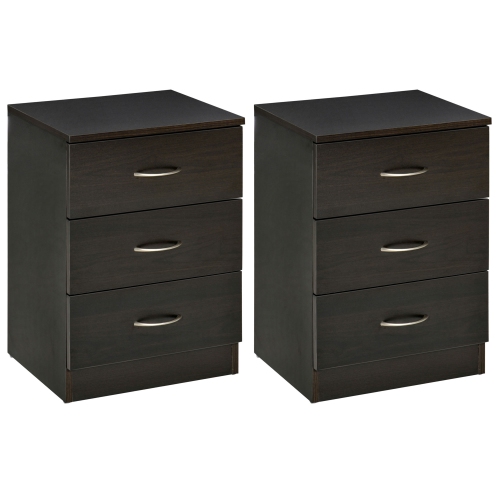


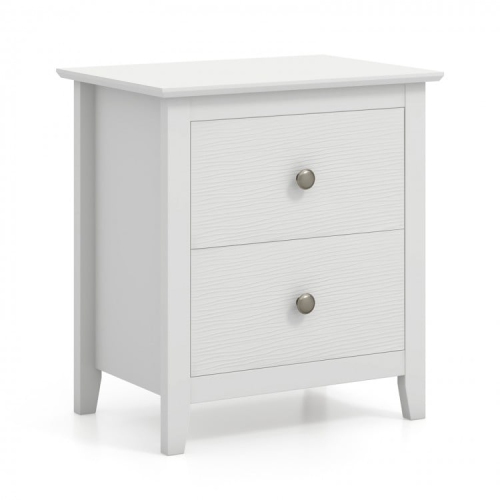
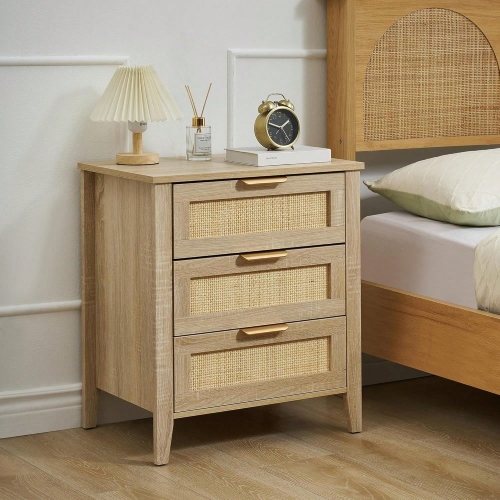
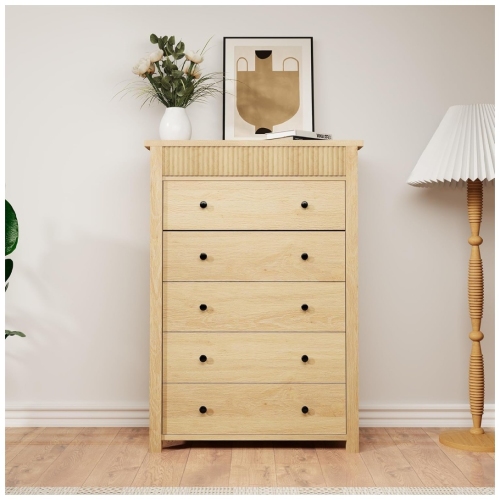
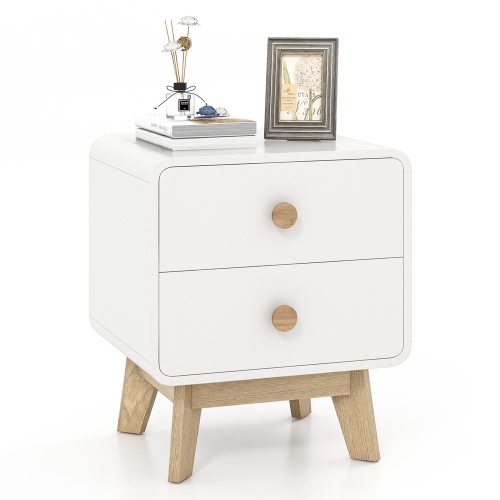

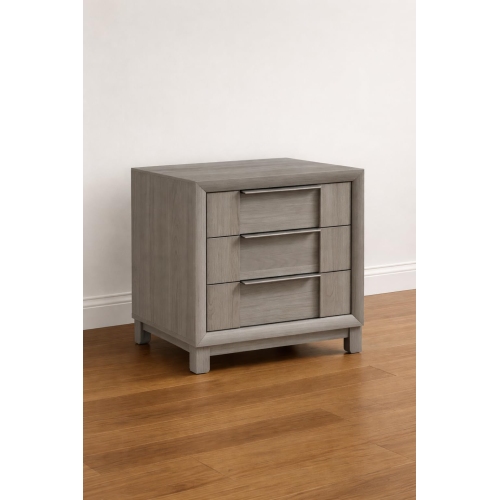
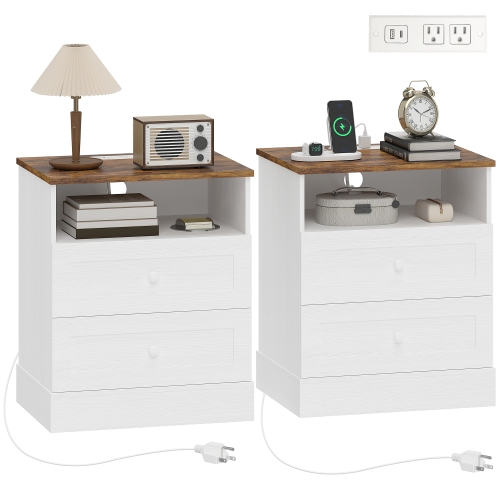
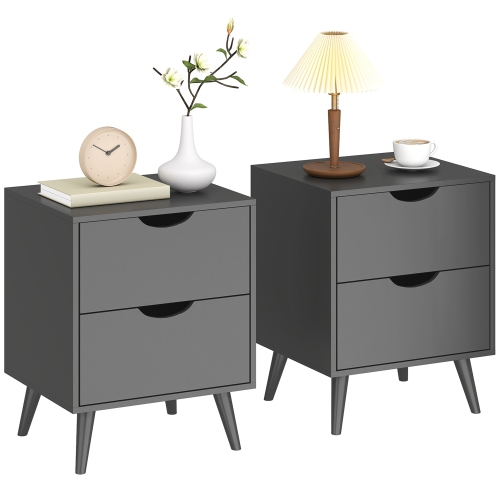
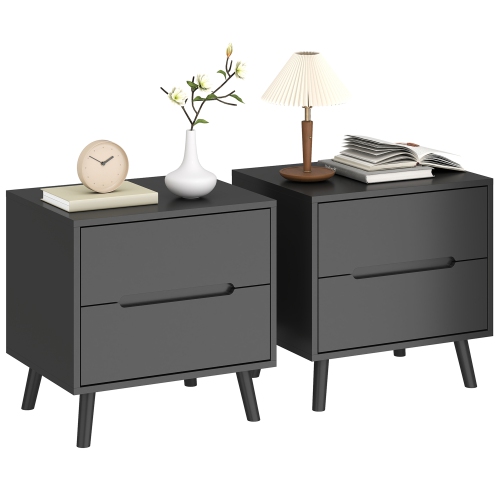


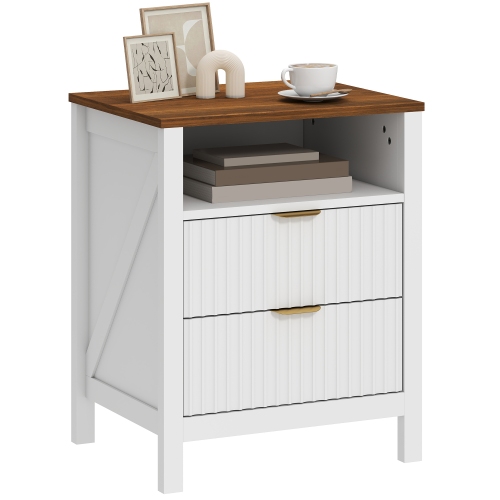
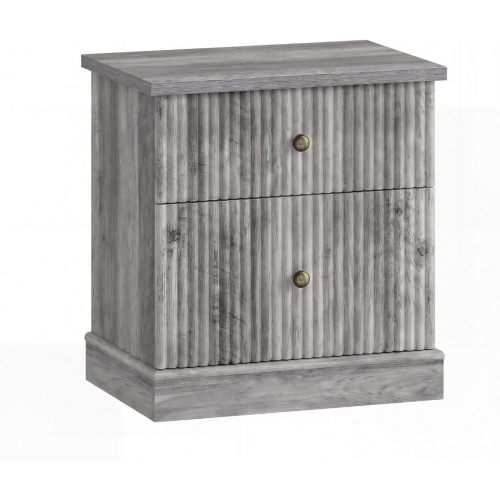
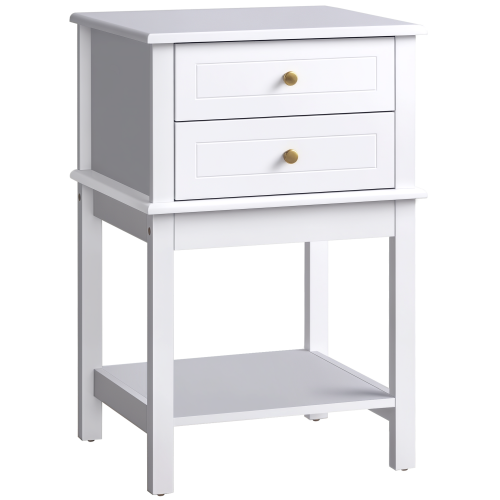
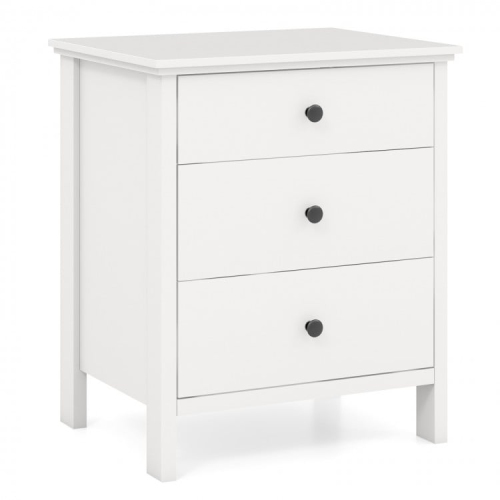
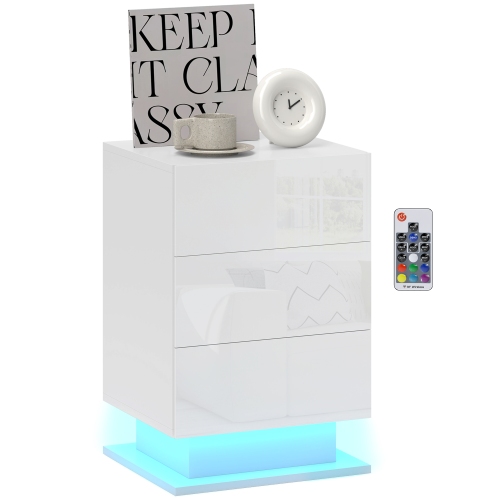
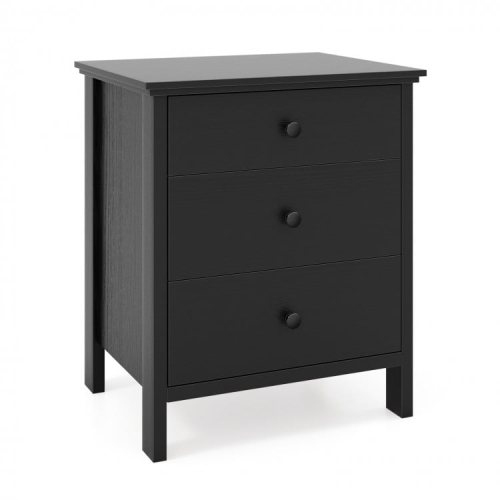
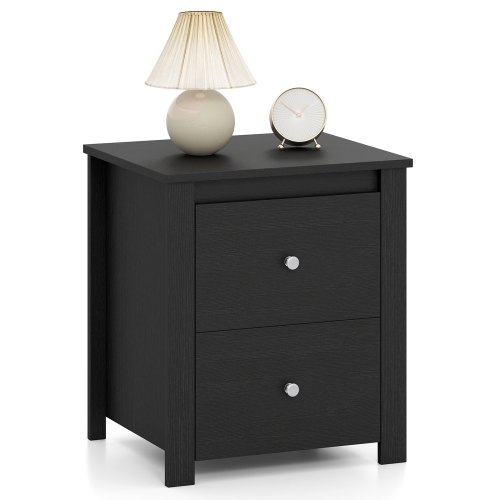
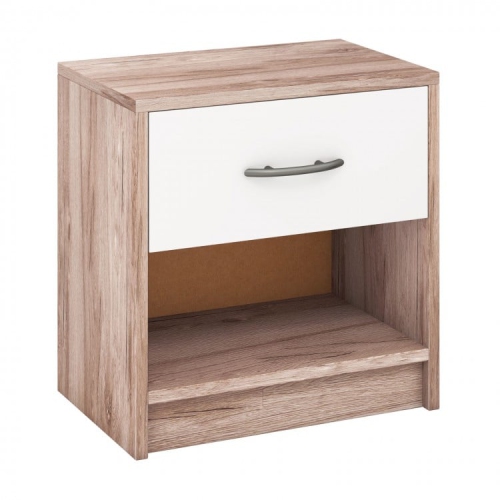
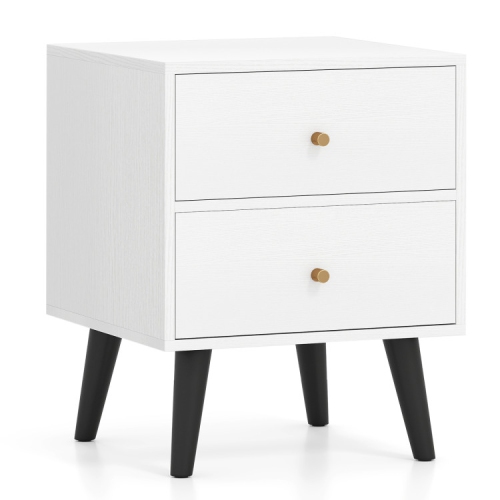
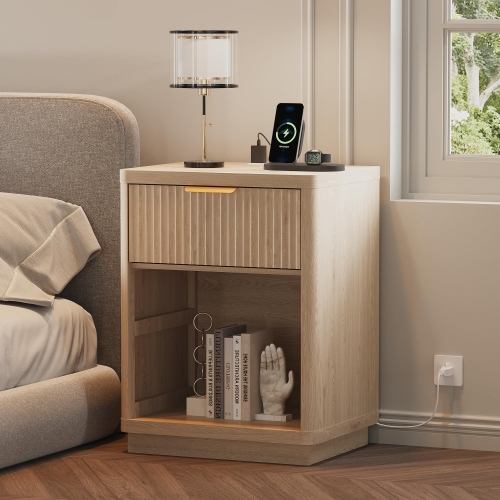
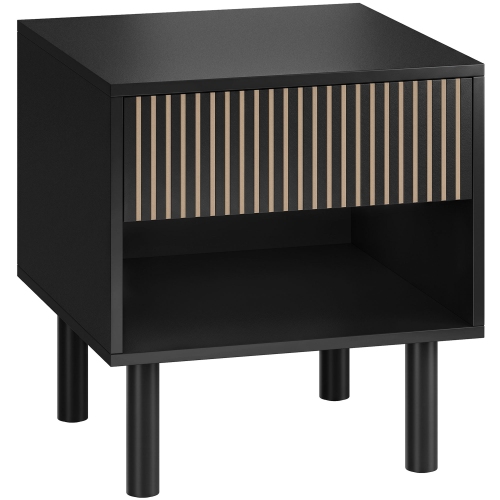
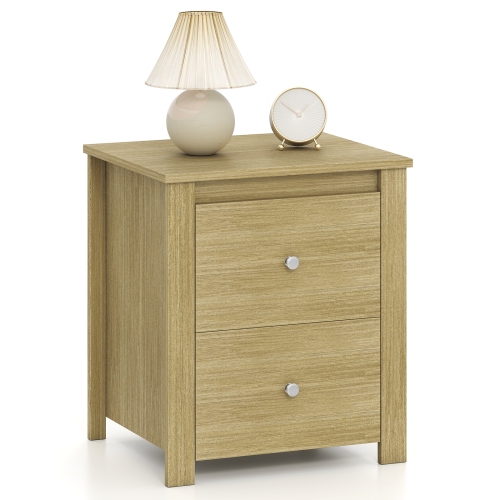
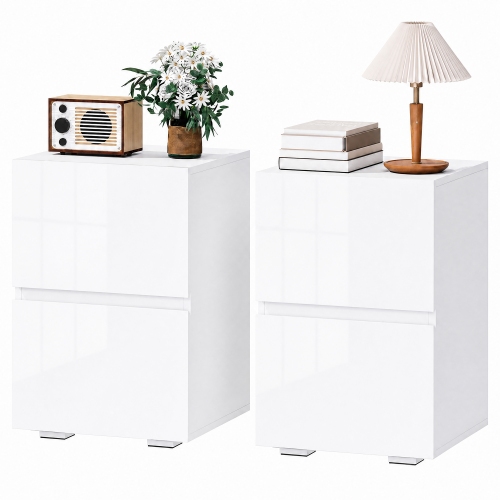
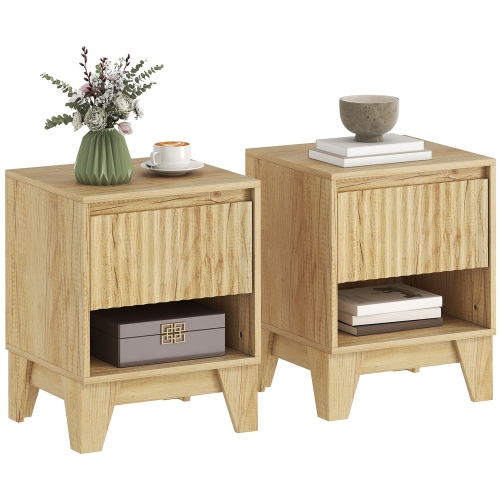
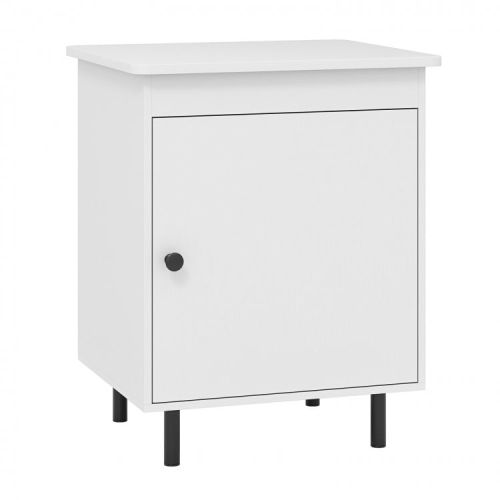
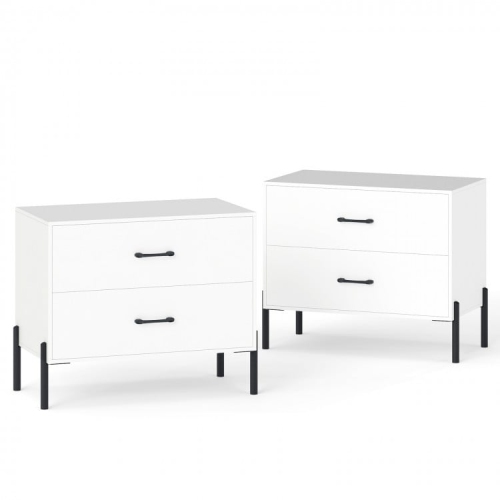
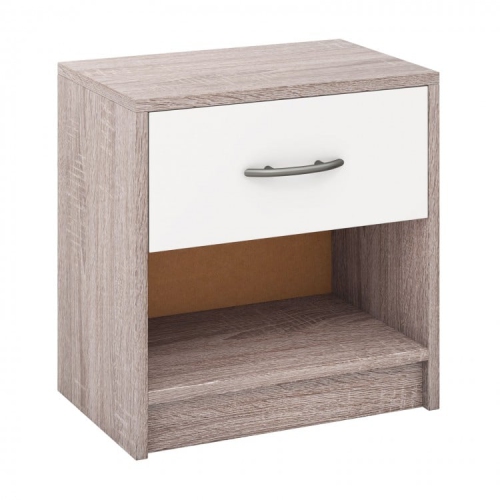
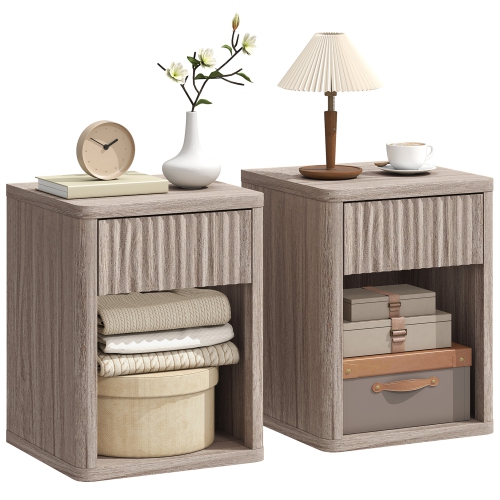
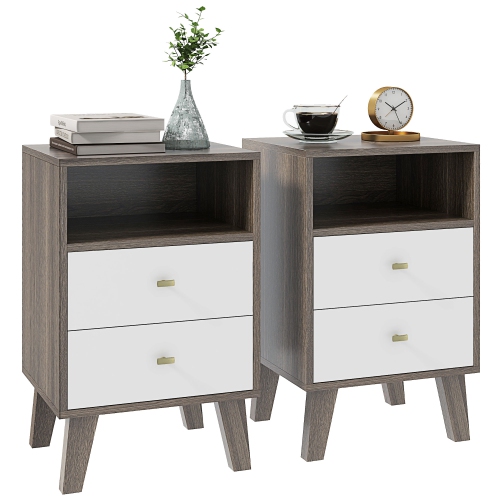
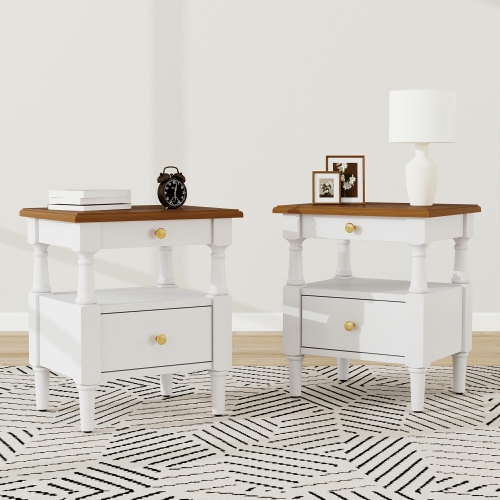
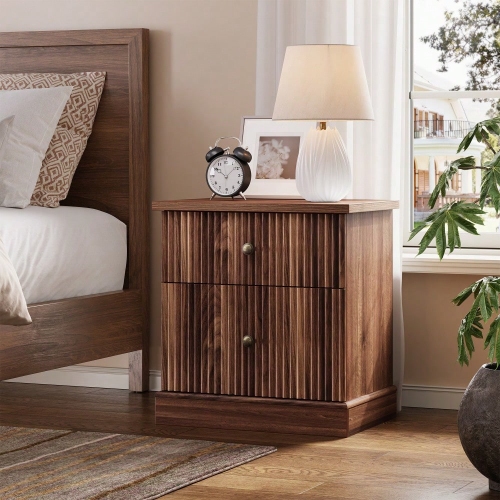
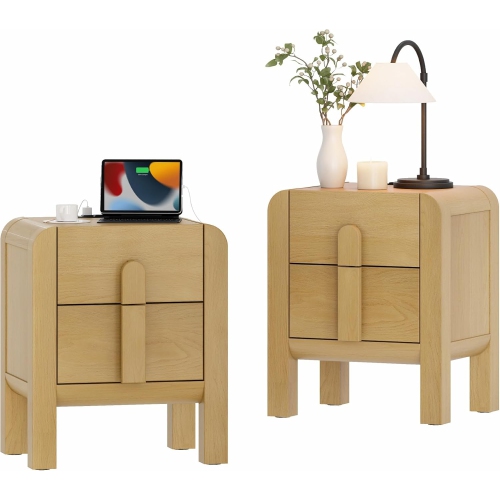
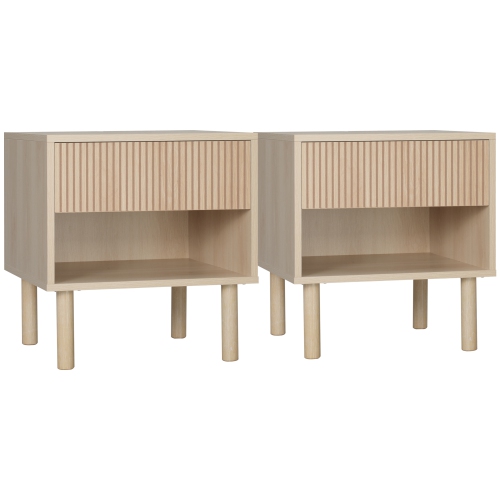
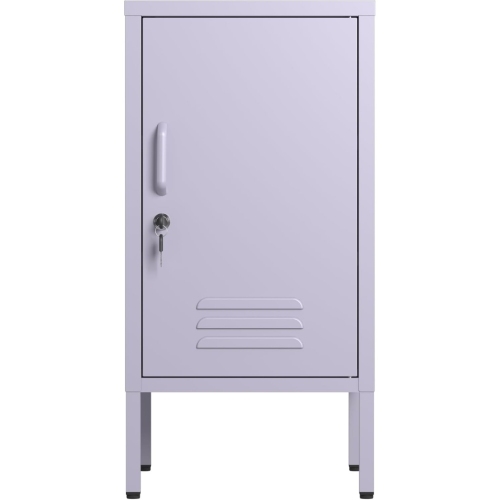
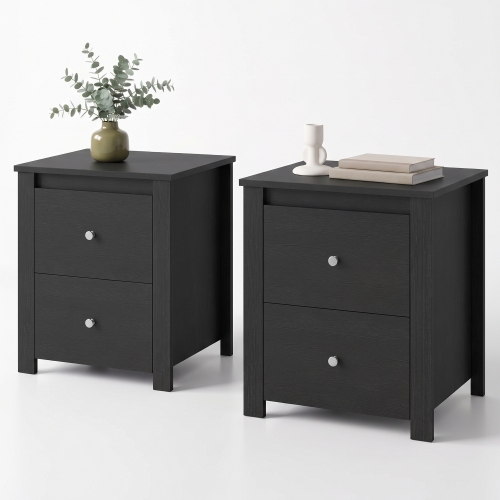
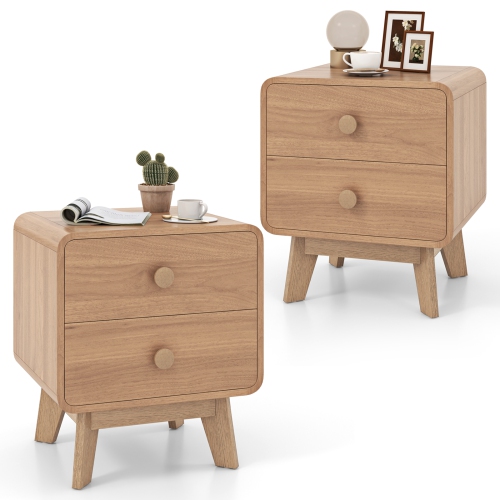
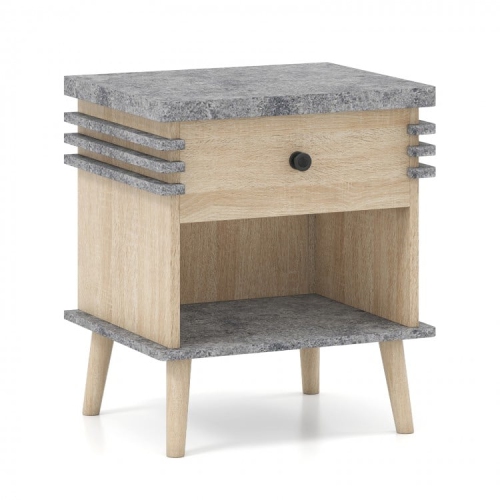
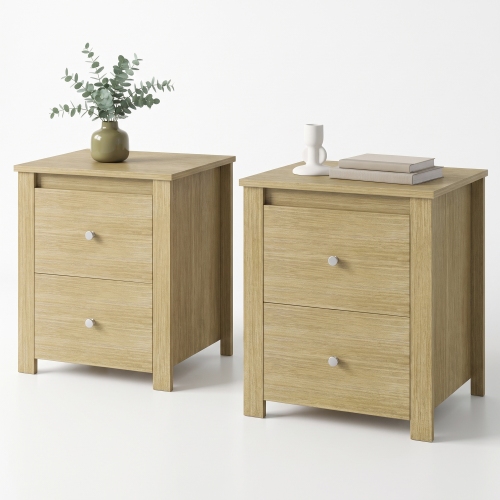
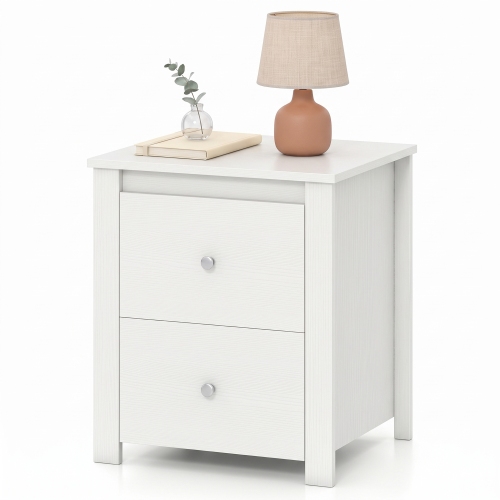
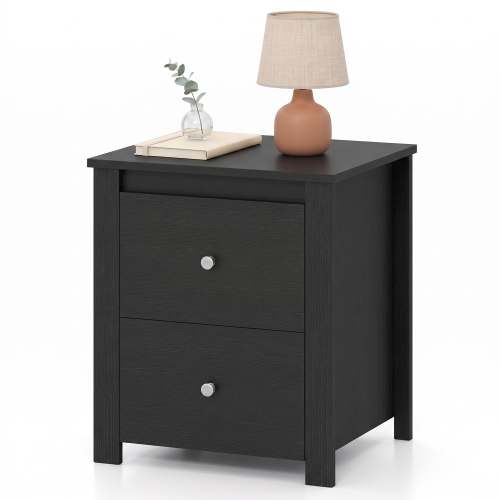
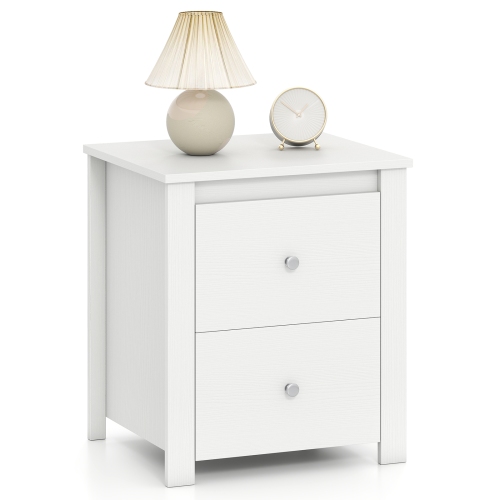
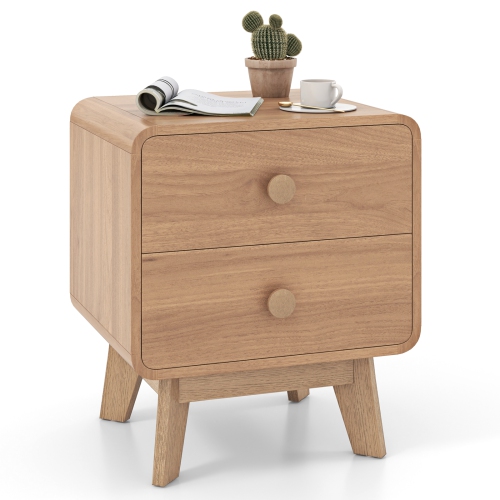
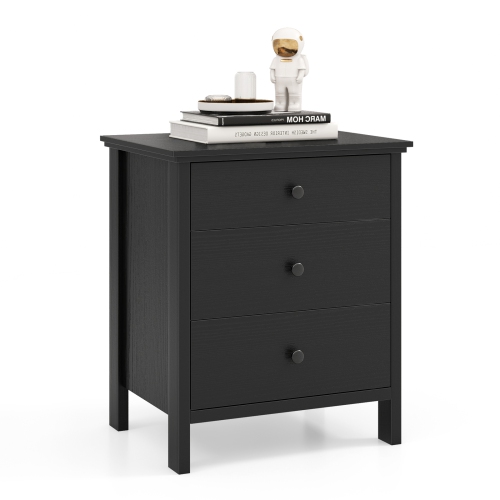
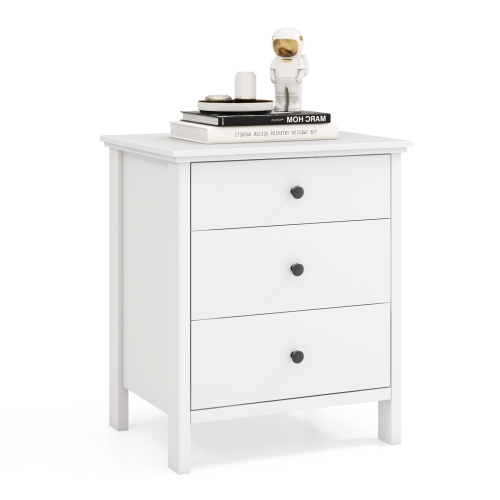
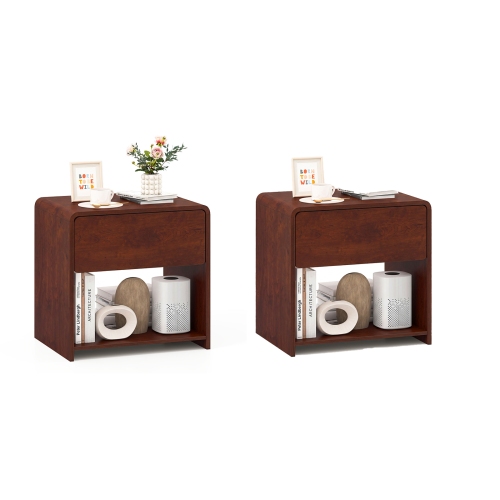
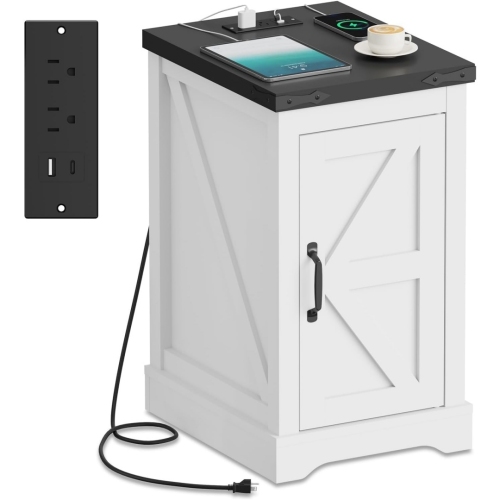
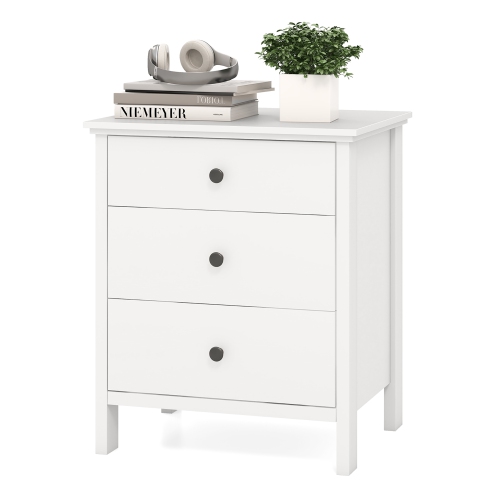
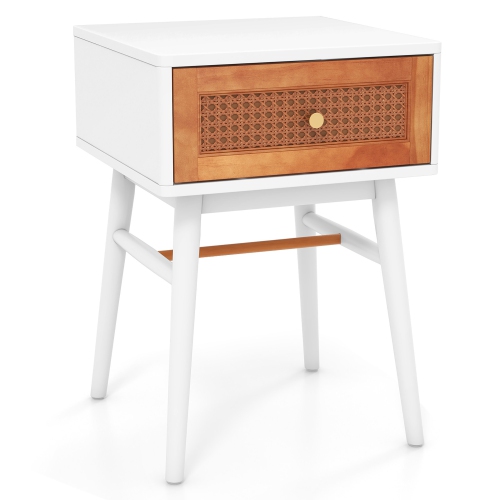
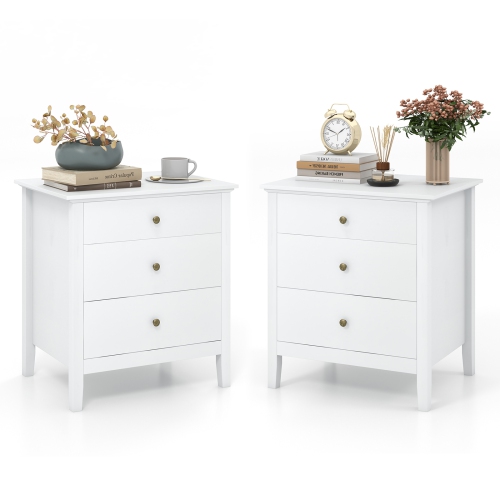
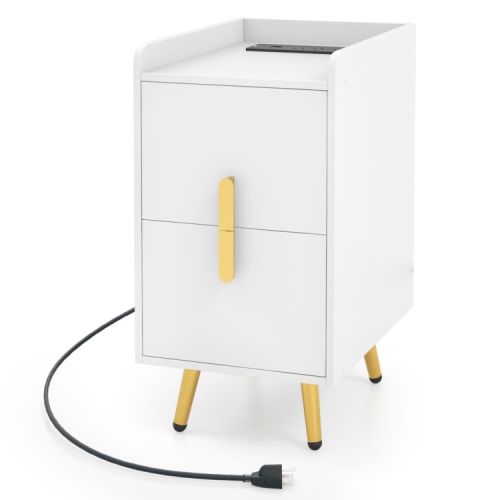
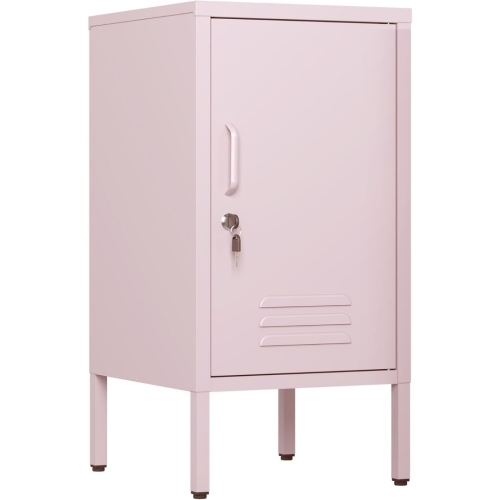
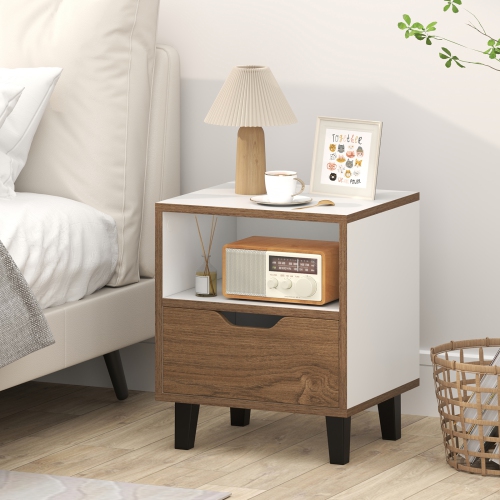
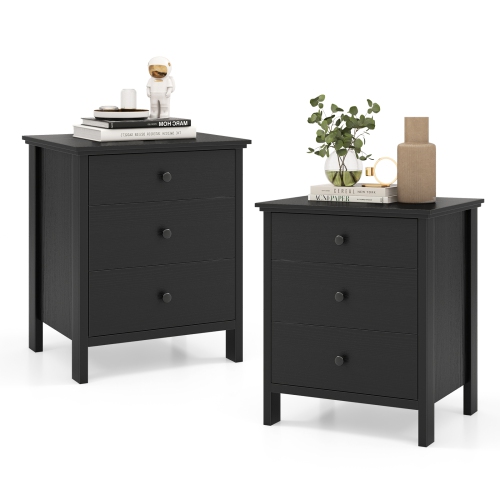
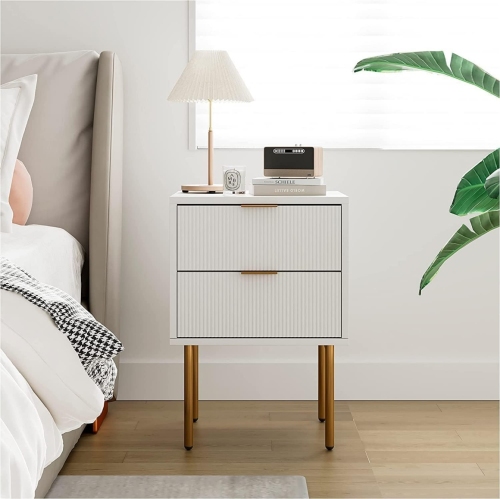
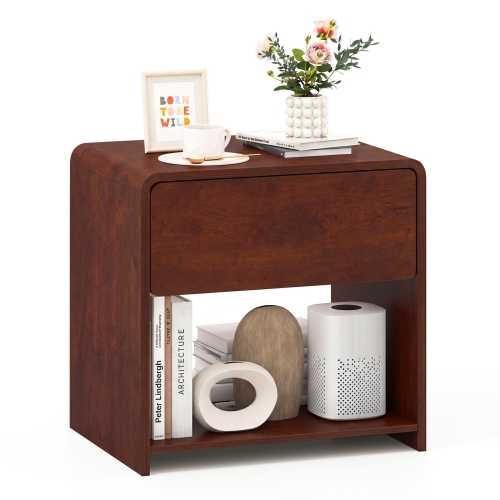
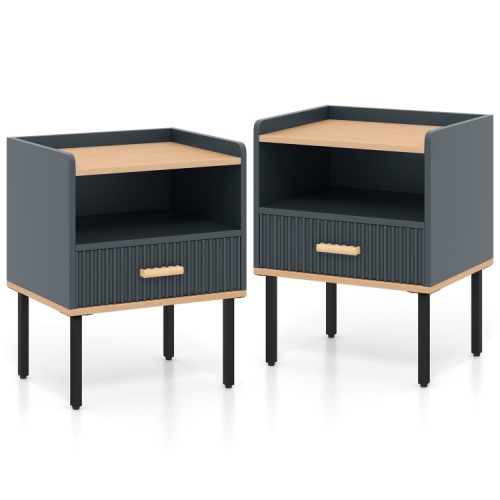
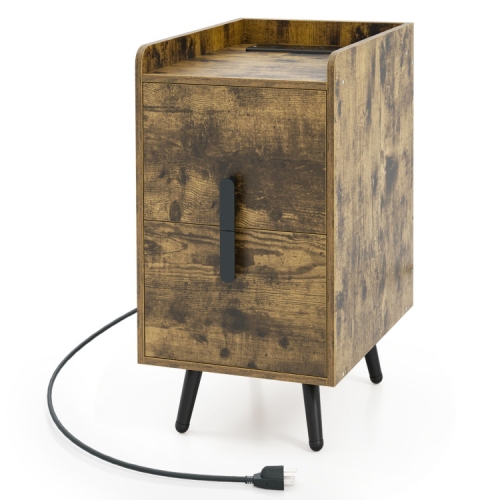
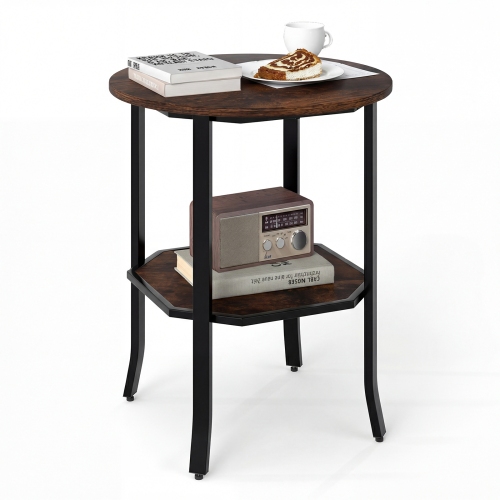

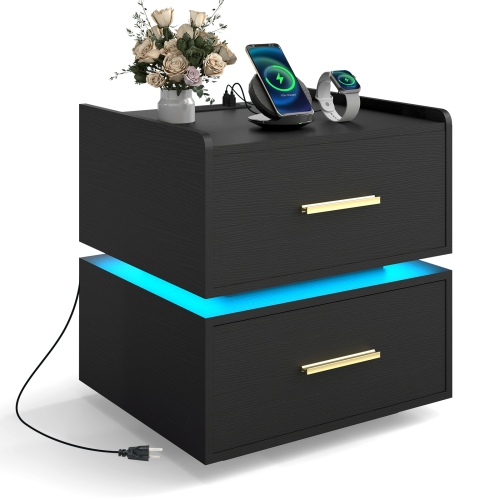
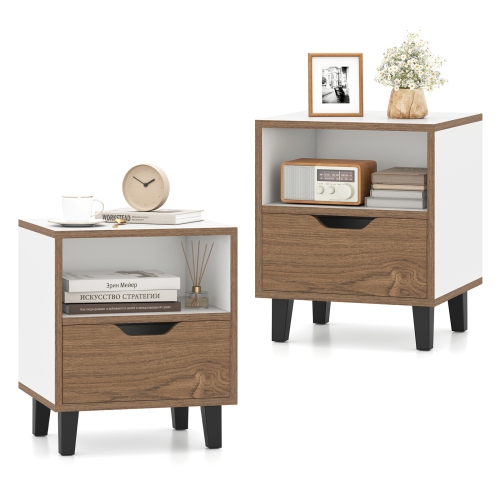
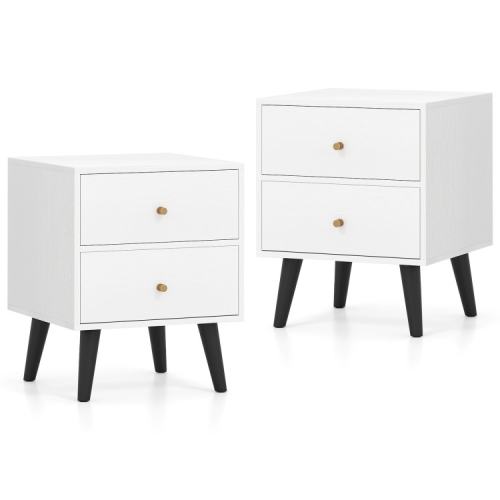
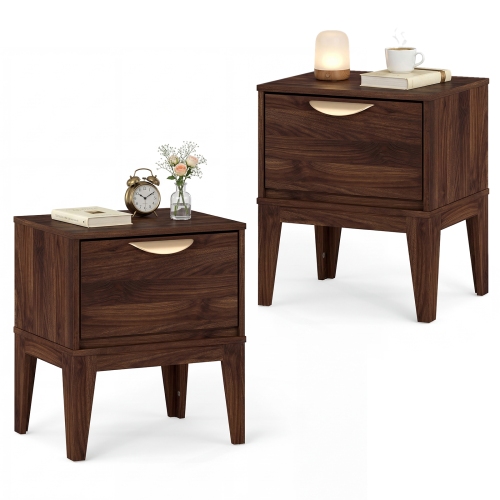
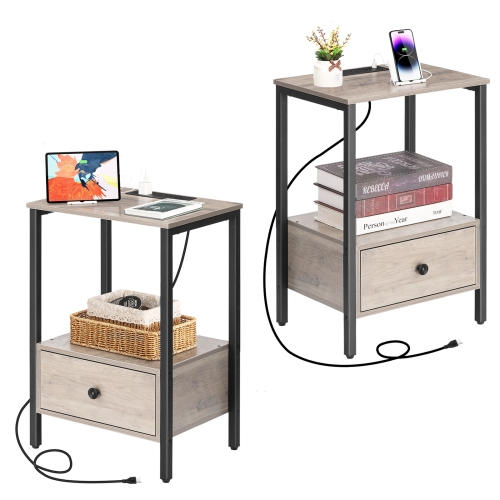
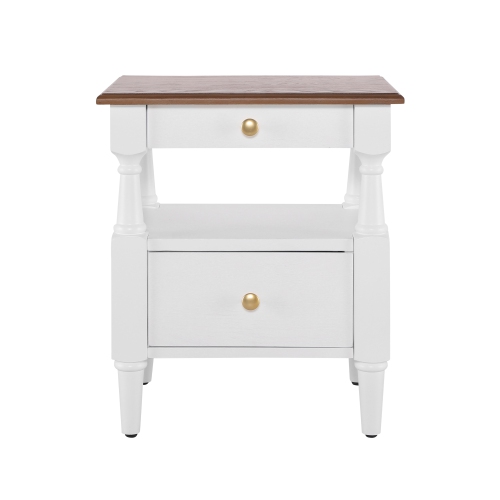
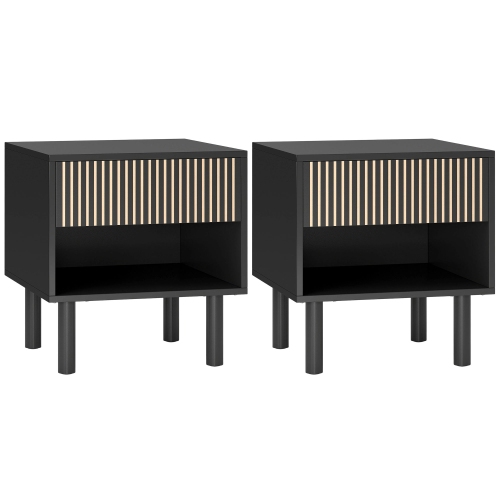
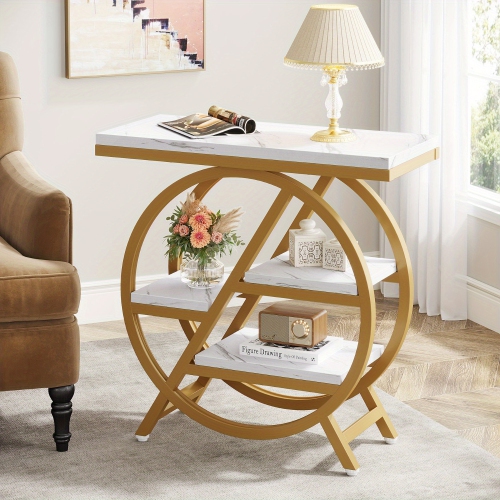
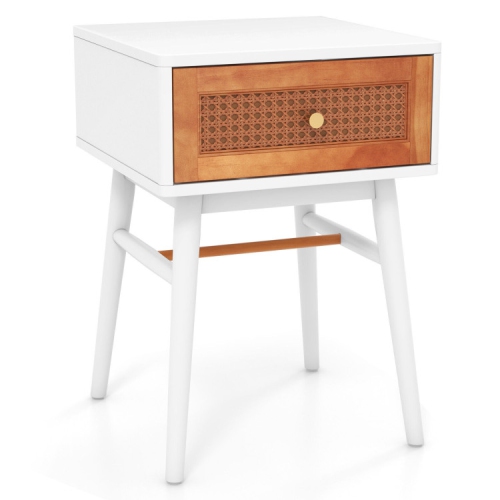
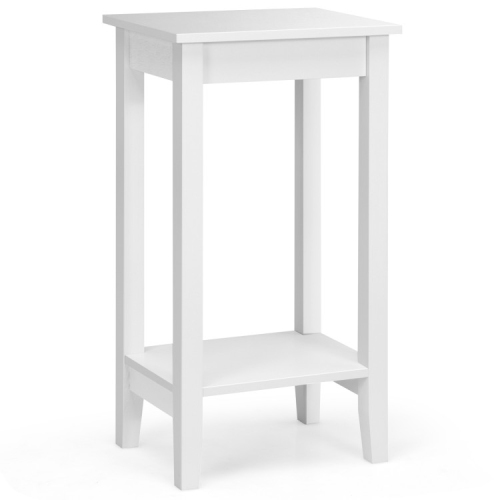

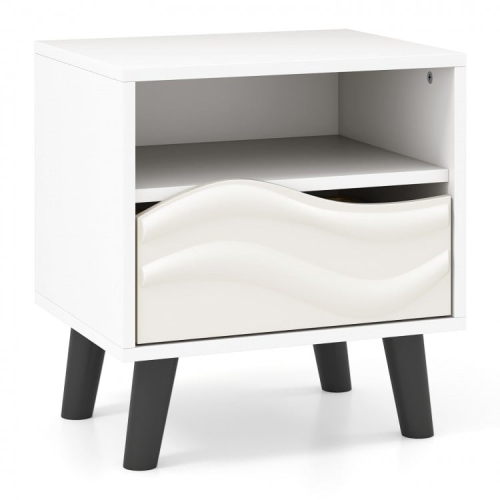
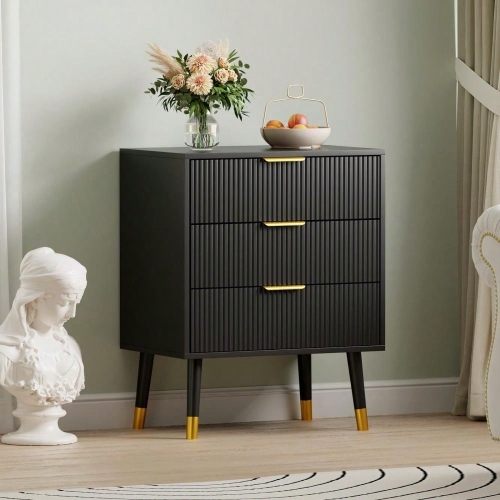

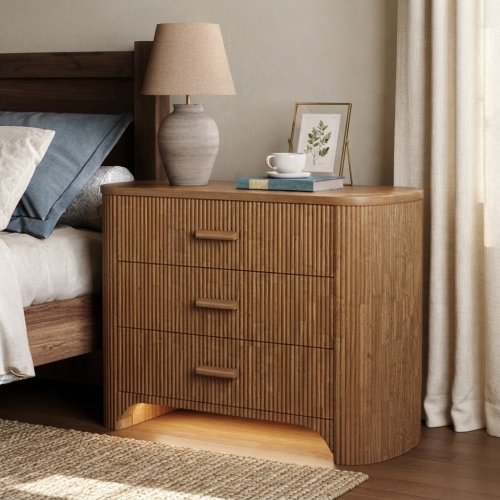

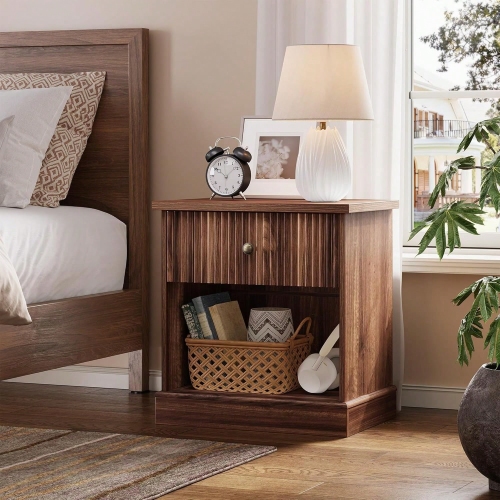
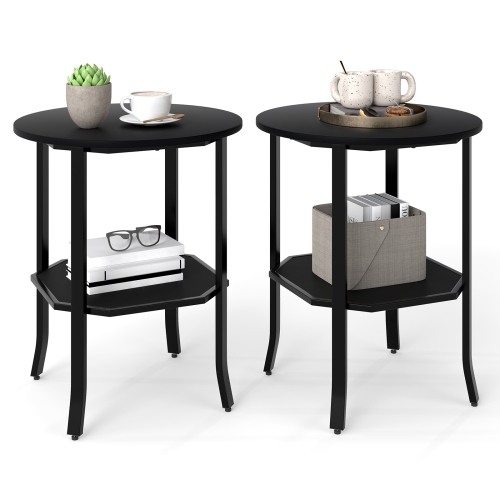
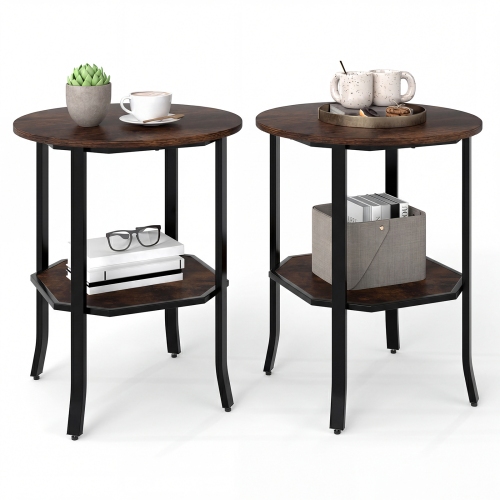
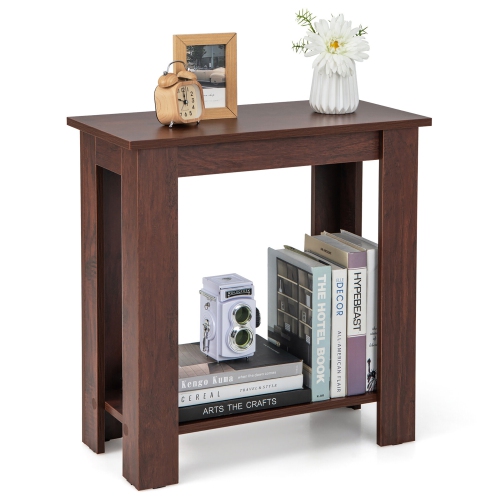
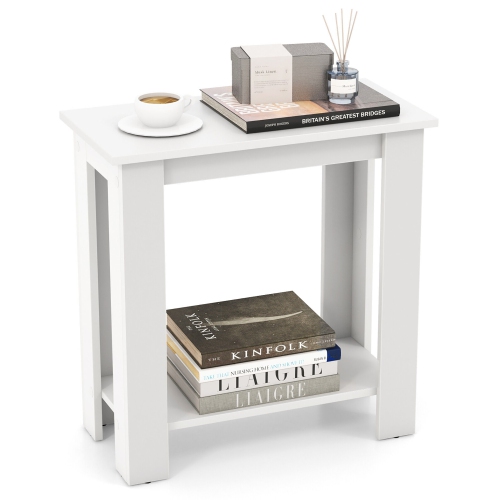
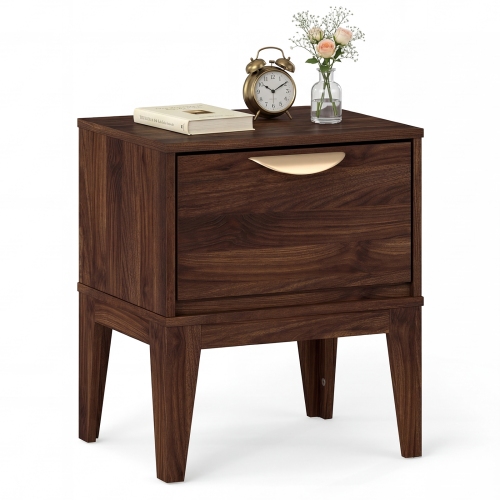
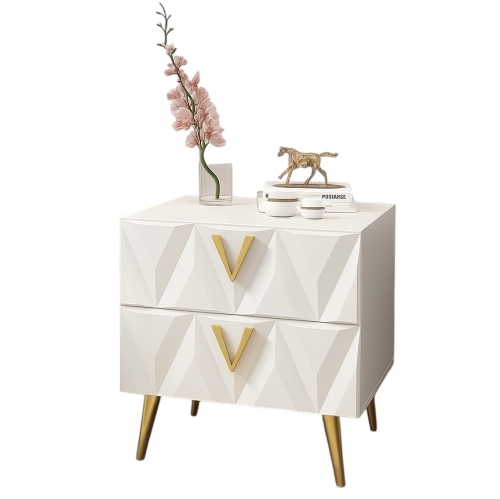

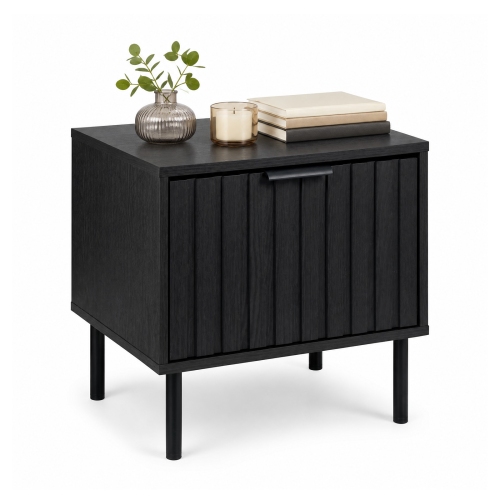
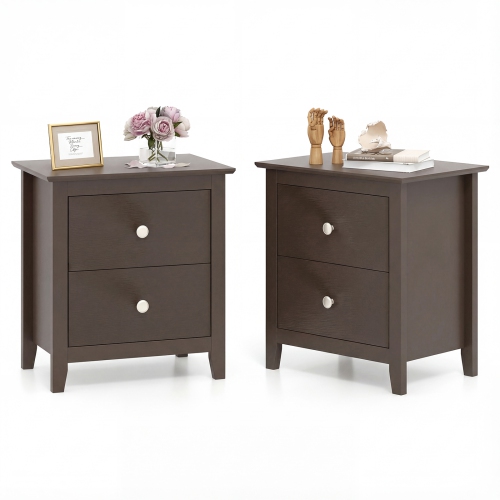
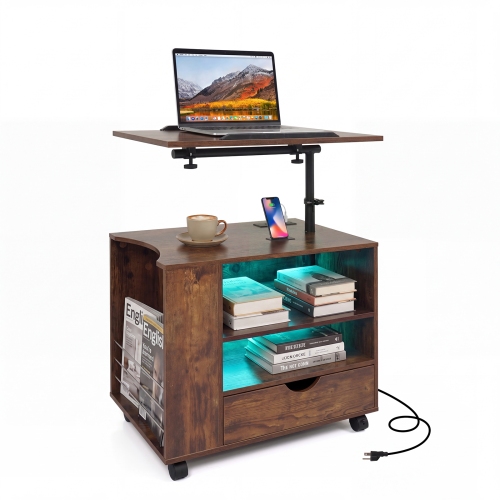
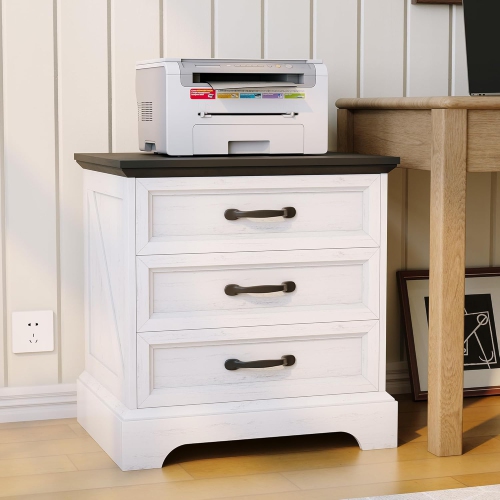
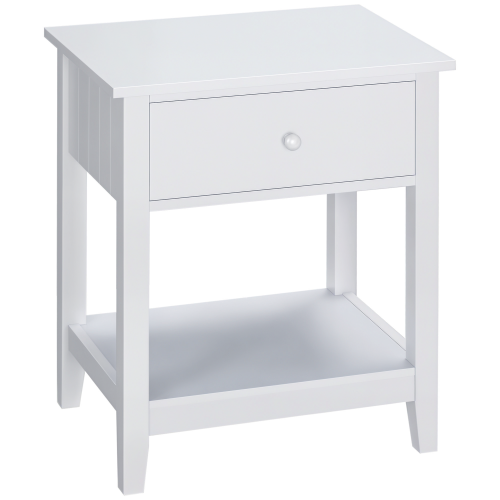
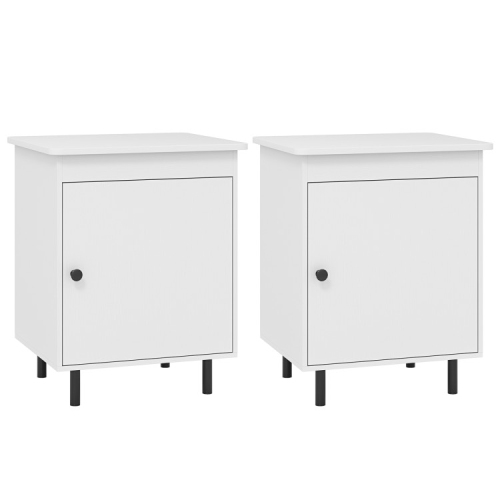
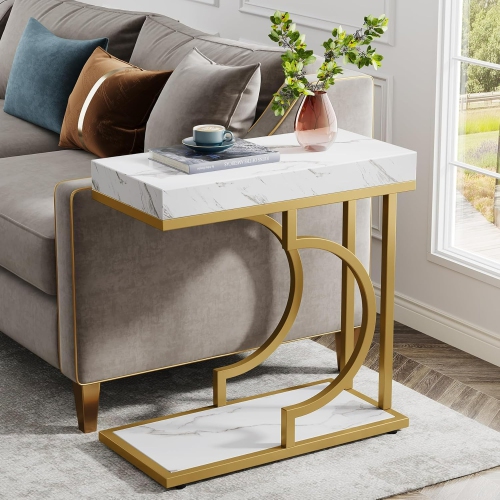
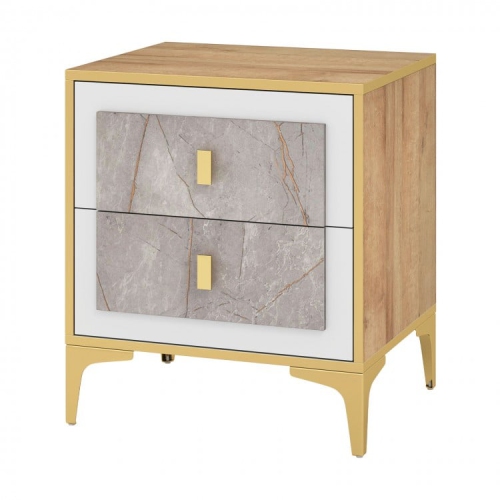
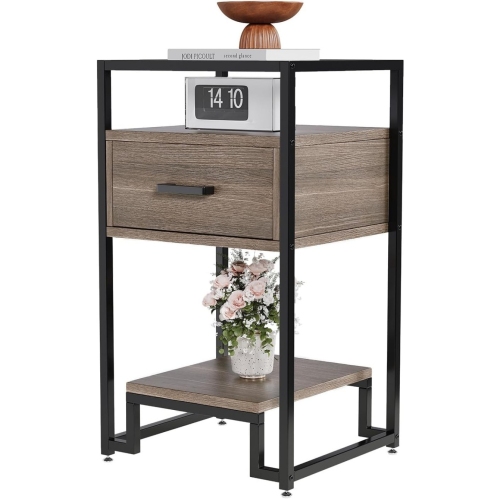
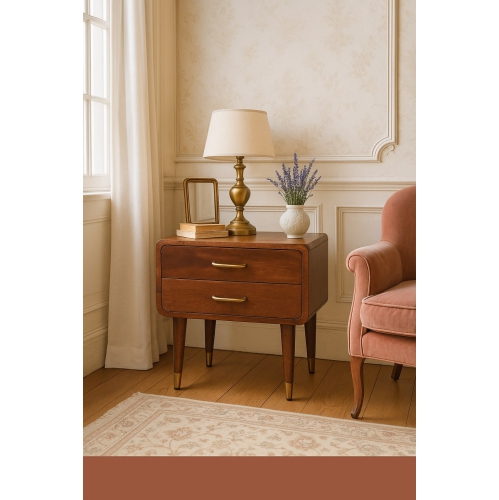


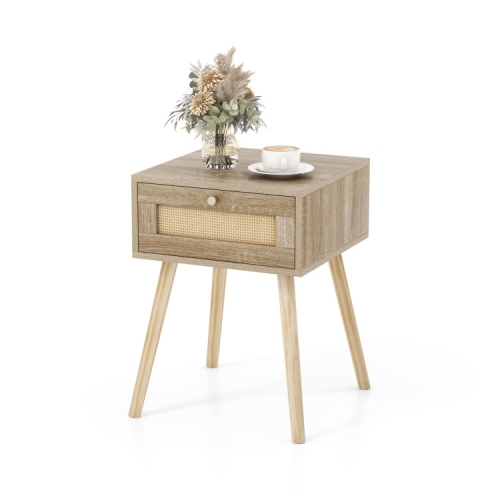
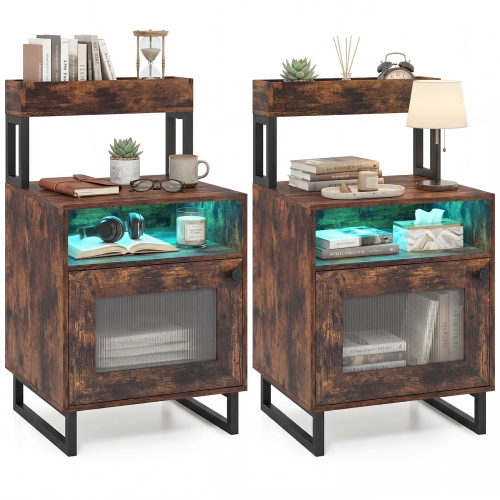
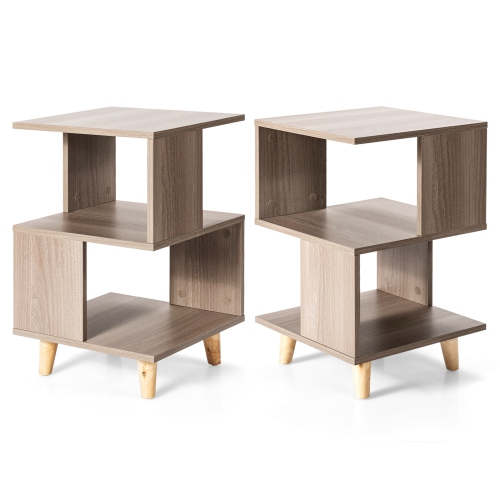
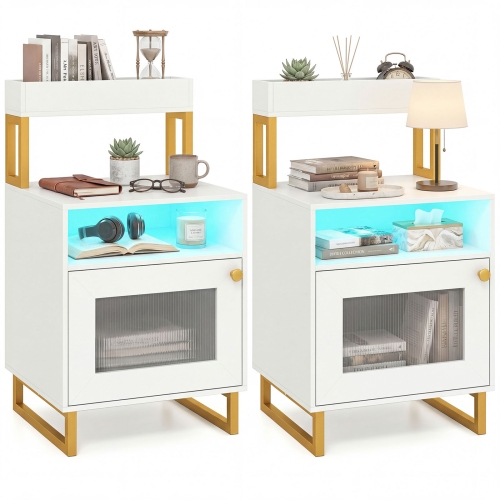
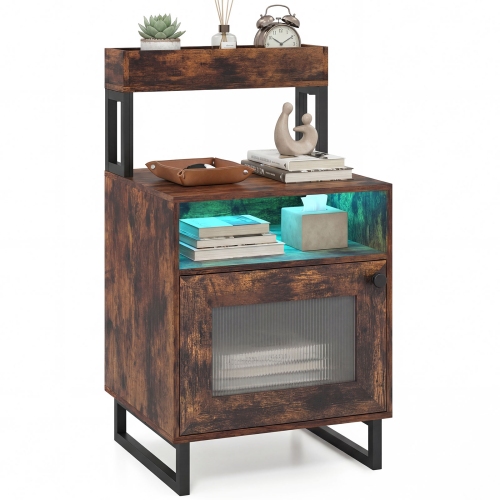
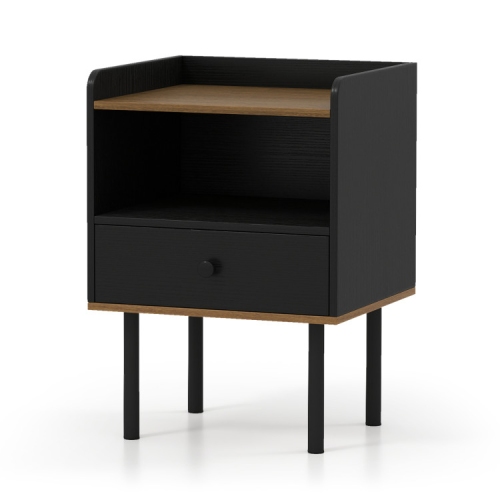
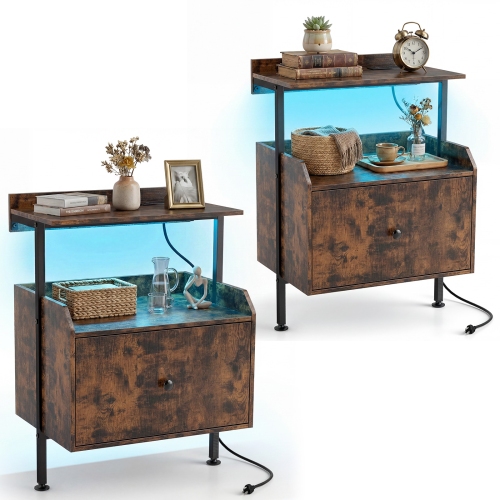
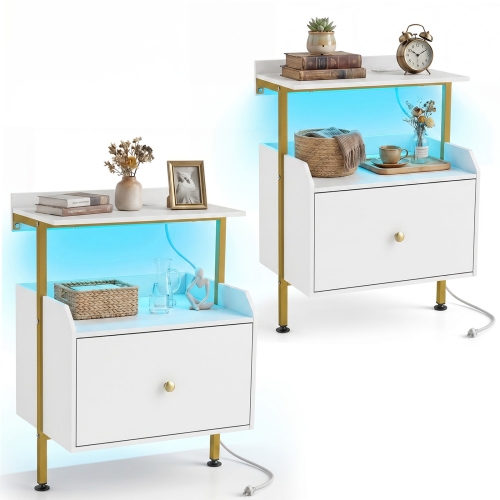
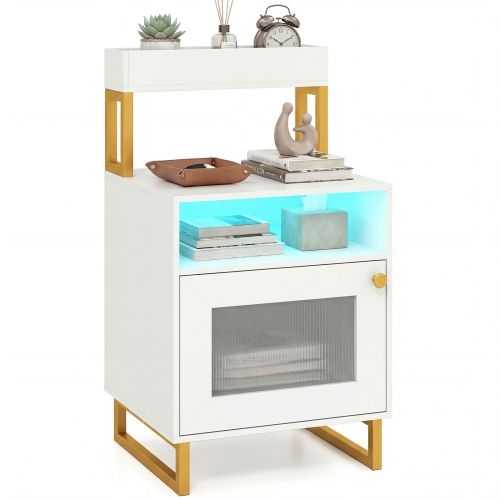
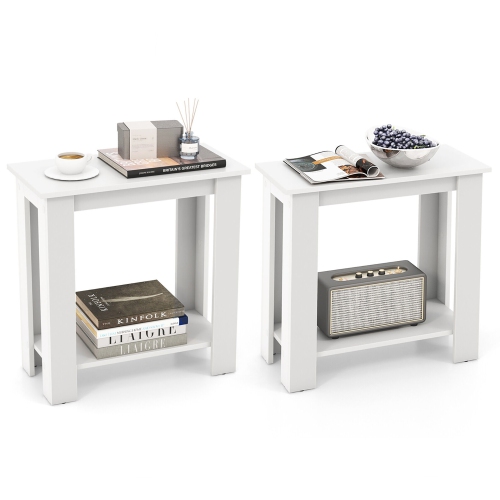
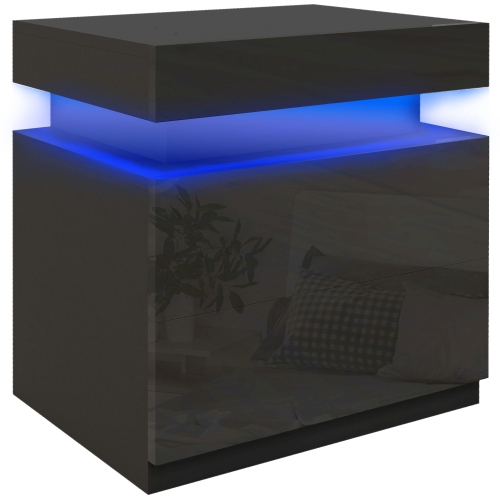
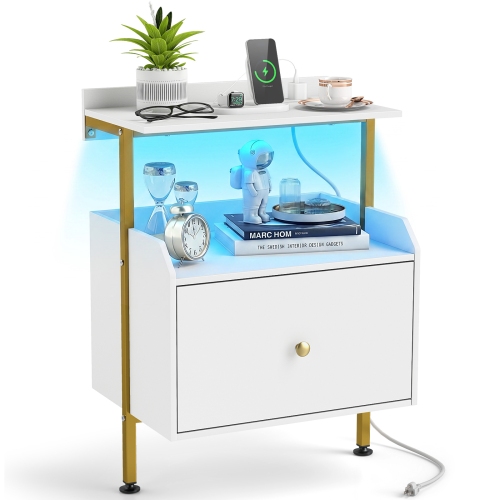
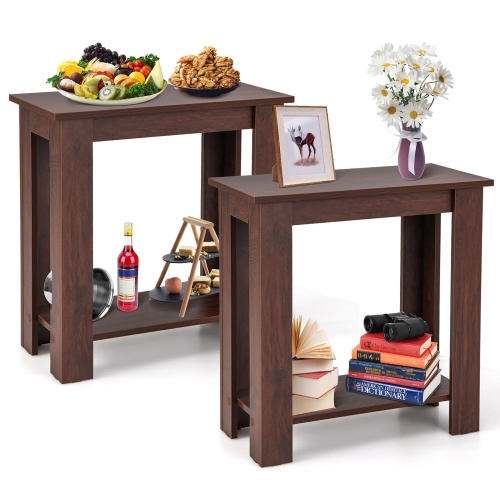
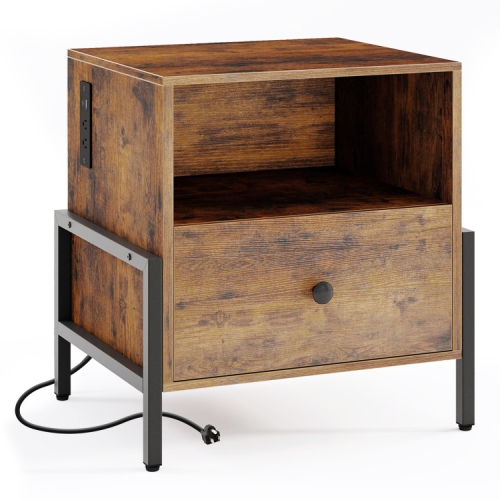

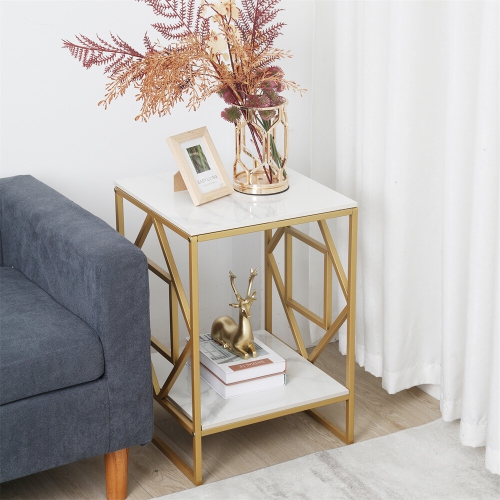
Good bedside design goes beyond matching the bed
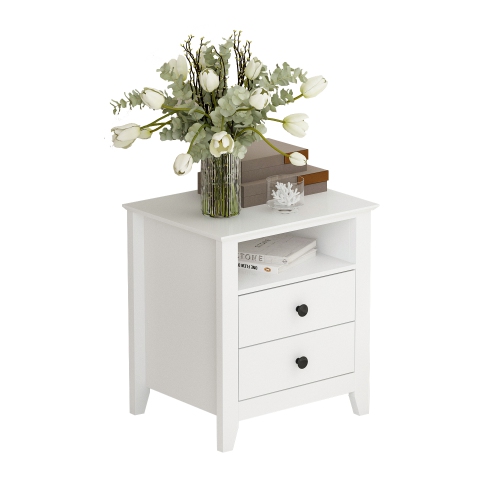
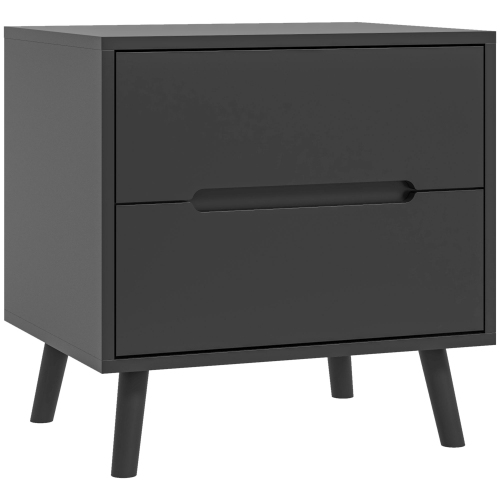
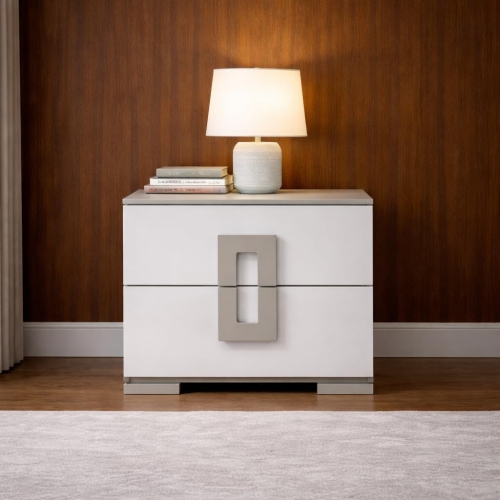
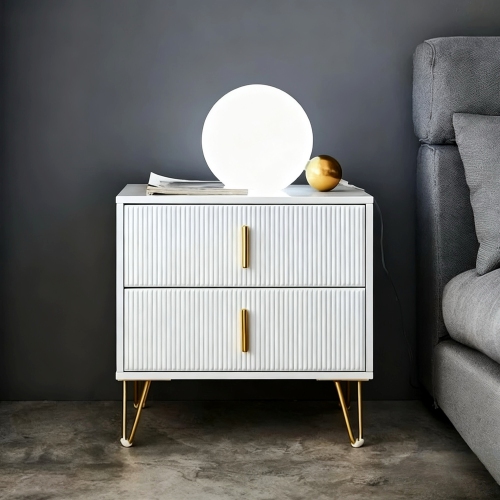
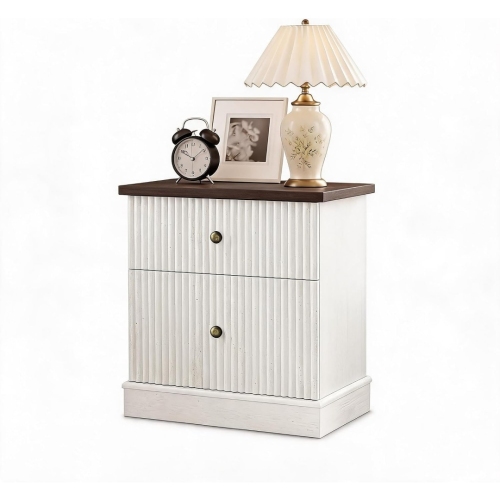
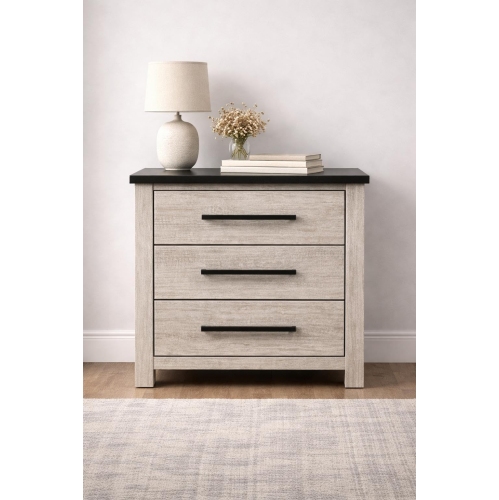
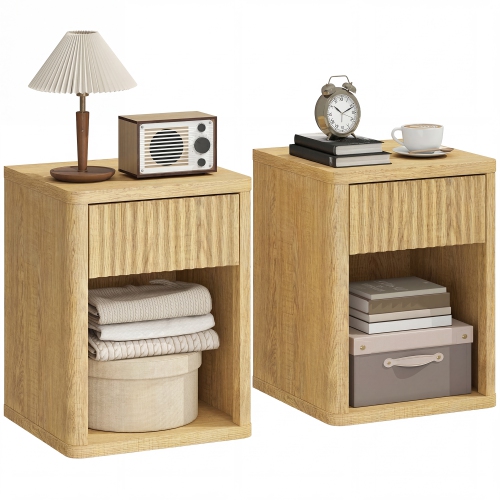
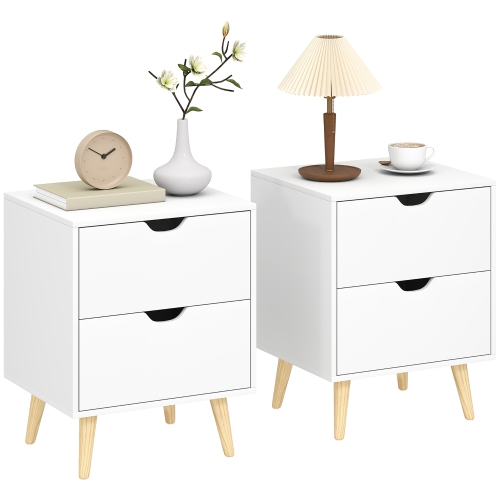
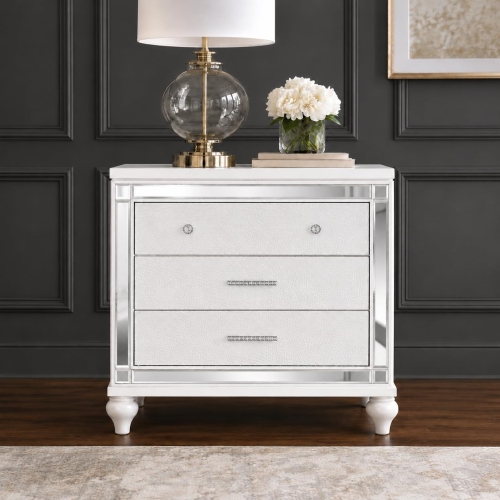
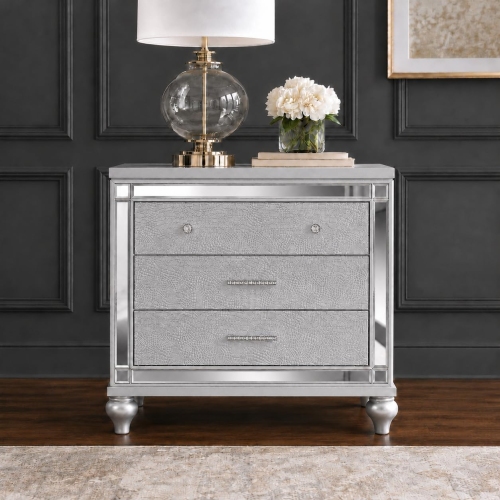
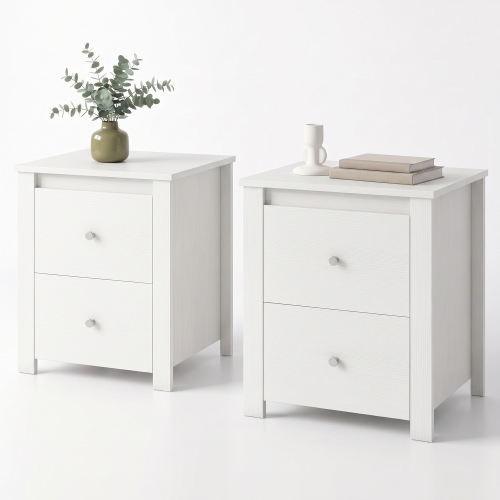
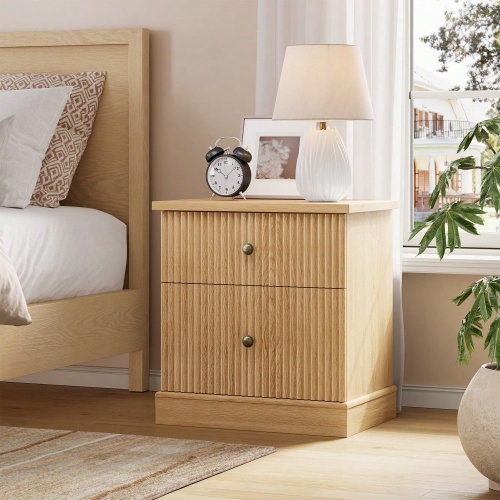
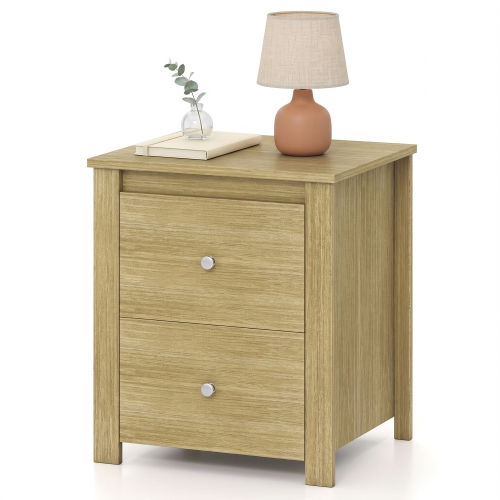
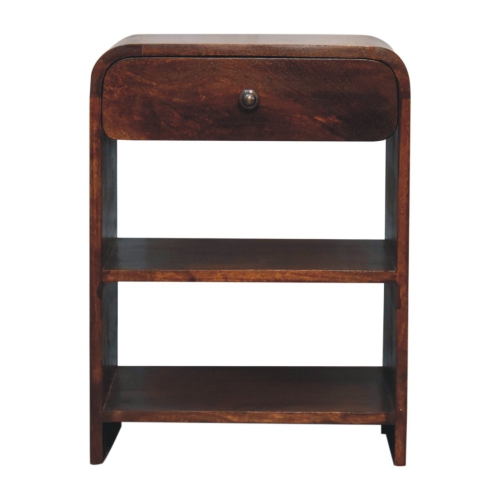
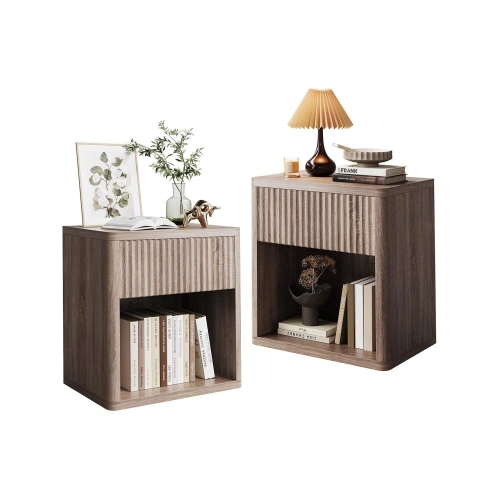
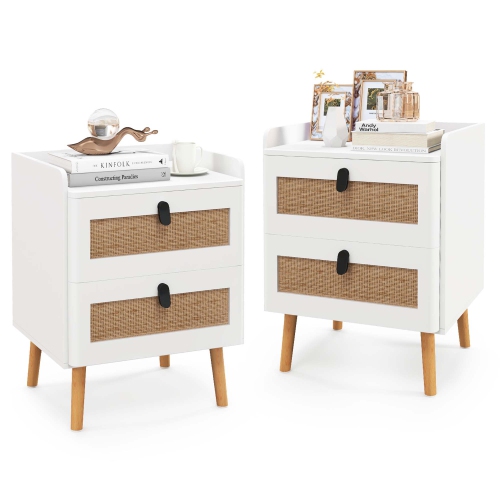
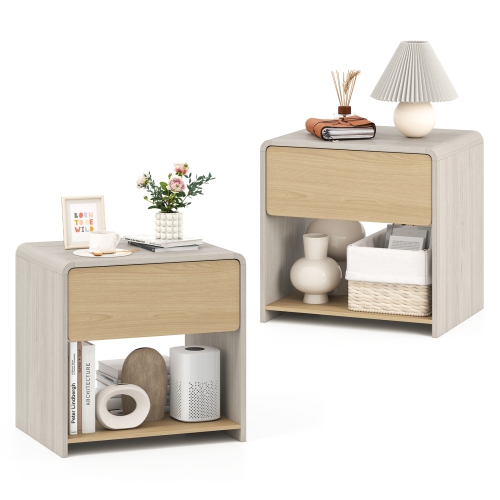
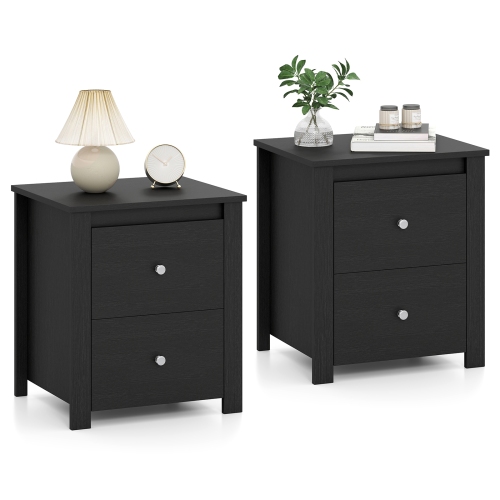
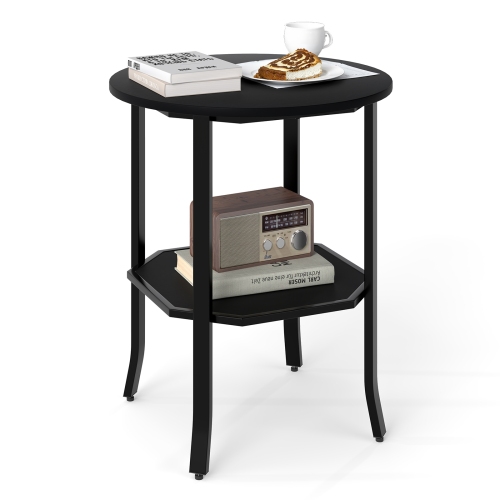
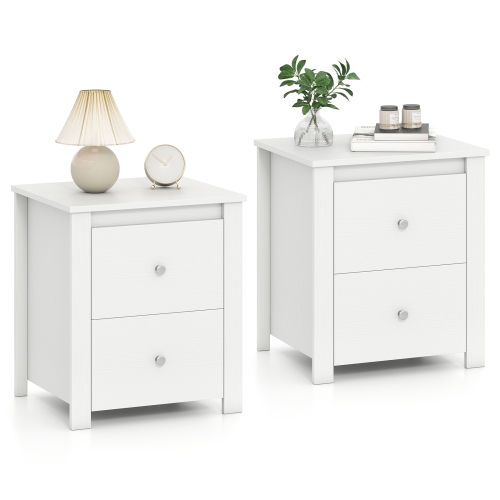
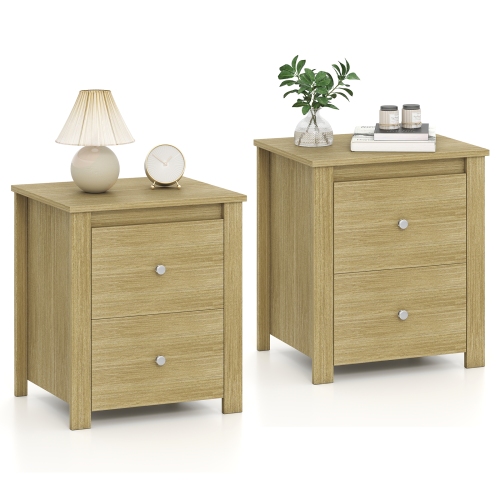
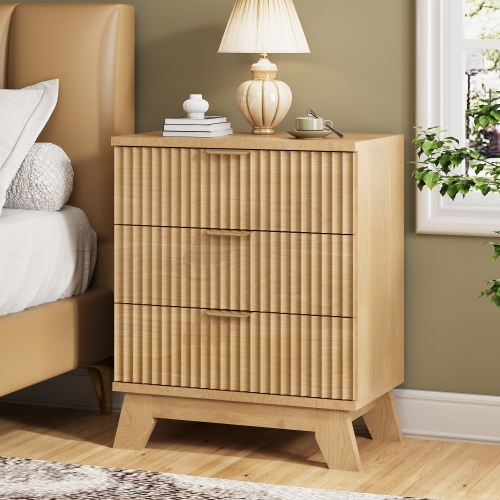
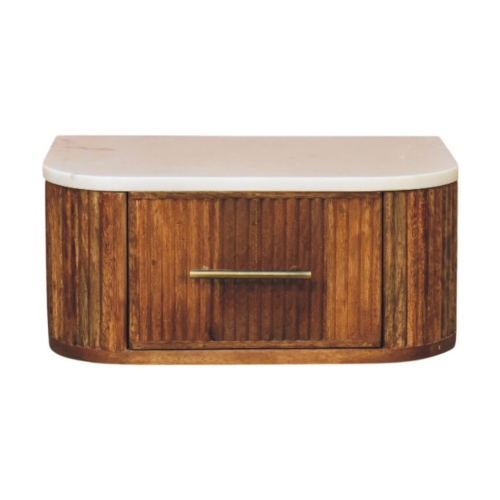
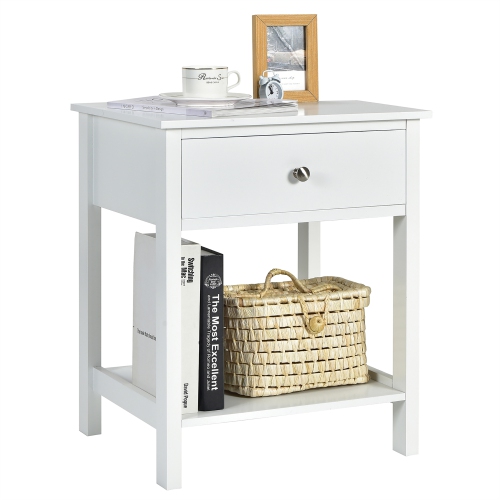
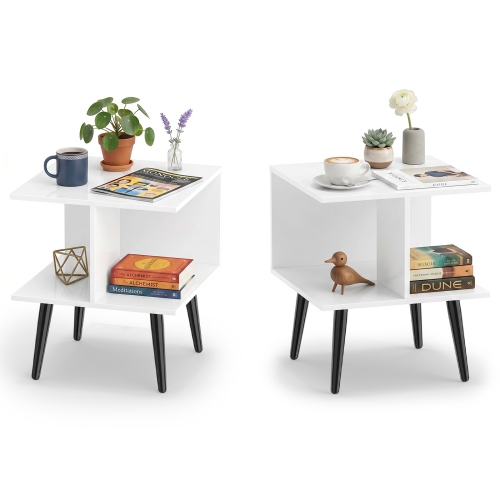
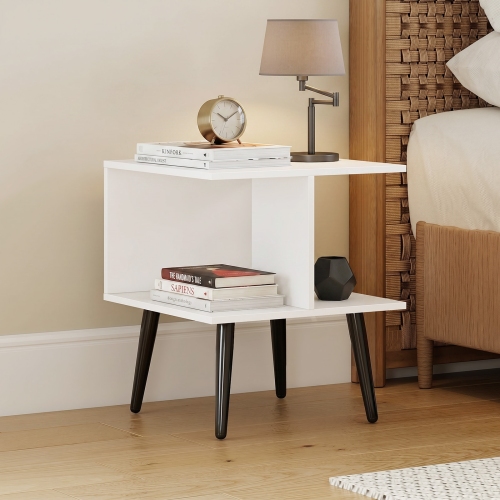
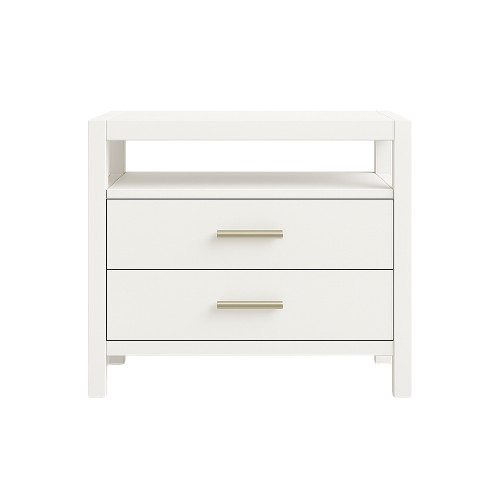
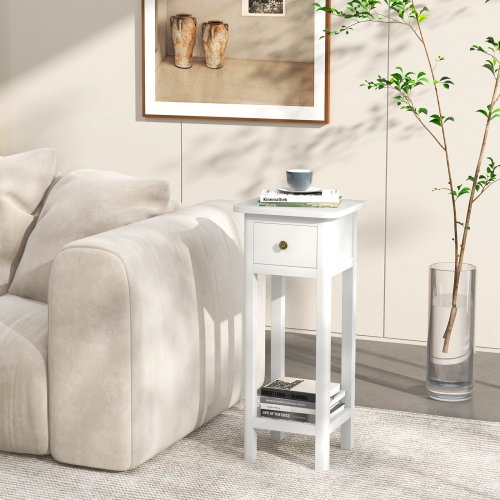
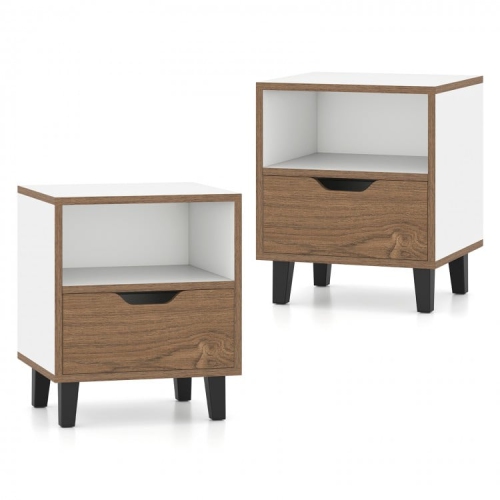
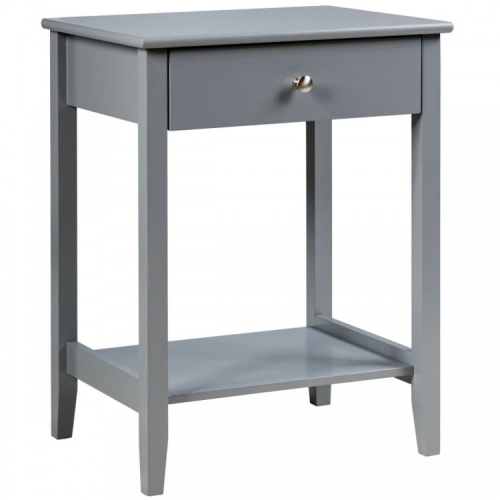
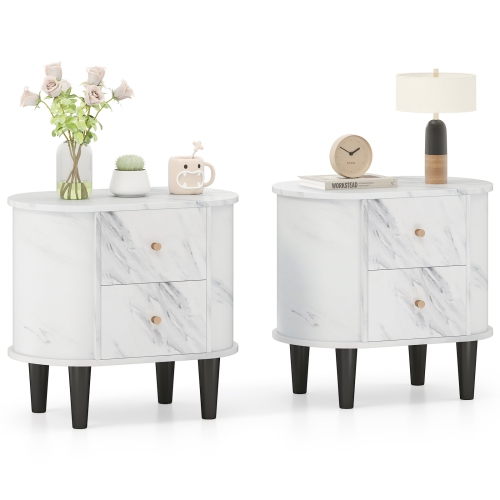
Modern bedside tables combine clean lines, practical storage, and a compact surface for the things kept close at bedtime. Their modern character can come from a simple rectangular silhouette, a rounded pedestal base, slim metal legs, or a wall-mounted design that leaves the floor visible beneath it. Some keep the look quiet with flat drawer fronts and discreet pulls; others introduce contrast through ribbed panels, curved edges, or a mix of wood and metal. A bedside table does not need to match the bed exactly to feel at home beside it. A shared colour, a similar wood tone, or hardware that echoes a nearby dresser can give the room a sense of connection without making every piece identical. Proportion matters just as much as style. A low platform bed generally suits a lower nightstand, while a taller mattress and bed frame may need a higher surface to keep a lamp, phone, or glass of water within comfortable reach. A tabletop close to mattress height is often convenient, though the right relationship depends on the bed and the person using it. Width and depth also affect how naturally the furniture fits into daily life. In a narrow bedroom, a shallow table can preserve a walking route between the bed and the wall, while a wider surface provides more breathing room around a reading lamp. Drawer extension, cabinet-door clearance, baseboards, and nearby outlets all influence placement. A floating bedside table creates an open look, but its fixed height makes installation position especially important. Rounded corners can feel less intrusive beside a tight passage, and a recessed base may leave more room for feet. In a shared bedroom, two tables can have different storage layouts while still looking balanced through similar heights, finishes, or shapes. The result is a bedside arrangement that feels intentional without asking both sleepers to have exactly the same routine.
Materials give modern nightstands much of their visual character, as well as influencing their weight, durability, and care. Solid wood brings grain variation and a substantial feel, with natural differences that make the surface less uniform. Wood veneer offers the appearance of real wood over a supporting core, while engineered wood can provide smooth, consistent panels suited to painted, laminated, or wood-look finishes. Construction and surface treatment matter alongside the material itself: well-fitted joints, secure hardware, and drawers that travel smoothly all contribute to everyday usefulness. For rooms where the warmth and texture of timber are central to the look, Wood Bedside Tables offer a related direction, including simple shapes that work comfortably with modern furniture. Metal frames can introduce a crisp outline, particularly when paired with a wood or glass top. Glass has a lighter visual presence, although fingerprints, dust, and objects stored underneath remain more noticeable. Stone and stone-look surfaces add pattern and visual weight, but care requirements vary considerably between natural stone and manufactured finishes. A material’s appearance alone does not establish how well it will resist moisture, scratches, or household cleaners. A coaster beneath a water glass, a small tray for jewellery, and prompt attention to spills can help protect a tabletop from ordinary wear. Gentle dusting and cleaning according to the manufacturer’s directions are generally more suitable than using the same spray across every surface. Excess moisture can affect wood-based materials, and abrasive cleaners may dull or scratch some finishes. Long-term durability also depends on how the table is used. A drawer holding a few charging cables places different demands on its hardware than one filled with heavy books. Stable construction and the specified weight limits matter for both freestanding and wall-mounted designs. Wall-mounted tables need suitable support and fasteners for the wall type, while any supplied anchoring instructions remain important for freestanding furniture. These details help a streamlined piece remain useful beyond its first impression.
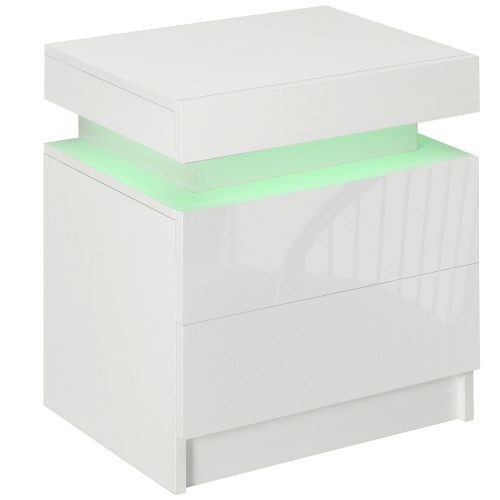
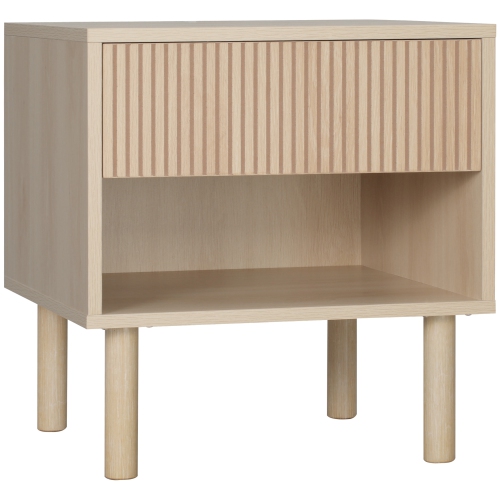
Storage determines whether a modern bedside table stays clear or gradually becomes a pile of small belongings. An open shelf keeps a book or reading glasses visible and easy to retrieve, while a drawer conceals charging cables, hand cream, and other personal essentials. A cabinet offers enclosed space for bulkier belongings, although its door needs room to swing without meeting the bed frame. A combination of open and closed storage can be particularly practical when something needs to stay within reach but does not need to stay on display. The tabletop itself still has a job to do. A broad lamp base can occupy much of a compact surface, so the relationship between lighting and usable space matters as much as the table’s overall dimensions. Wall lighting can free up that surface, whereas a bedside lamp may call for a little more width. Some modern bedside tables include built-in charging ports, outlets, or cable openings. These features can reduce visible cable clutter, but their usefulness depends on the connection types, device requirements, and access to a suitable wall outlet. Integrated lighting, where included, also varies in brightness and controls rather than serving the same purpose in every room. Practical details become especially clear in different households. A compact nightstand can give a smaller bedroom a dedicated landing place without crowding the bed; a guest-room table benefits from an obvious spot for a phone and an accessible light. In a teenager’s room, enclosed storage can separate bedtime essentials from school supplies, while a primary bedroom may need space for a larger collection of reading material or personal devices. Handles that are comfortable to grasp and drawers that open without excessive effort can make daily use easier. Minimalist rooms may favour a single drawer and an uncluttered top, while busier routines often benefit from additional compartments. Modern bedside furniture works best when its clean appearance supports these ordinary habits, keeping useful belongings close and leaving enough clear space to settle in comfortably.
Top selling and popular products
-
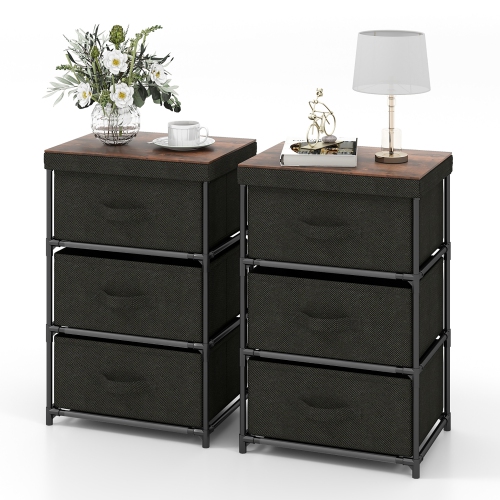 Your price for this item is $99.99
-
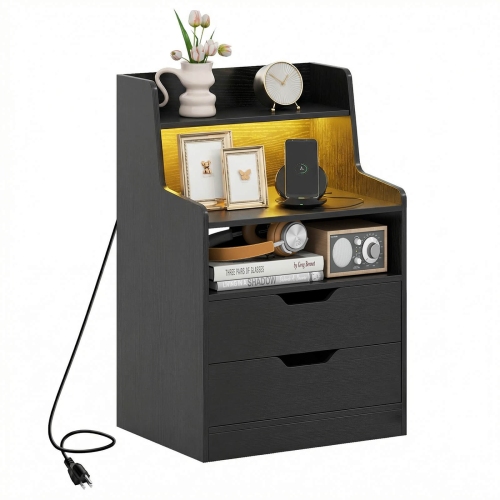 Your price for this item is $107.99
-
 Your price for this item is $188.99
-
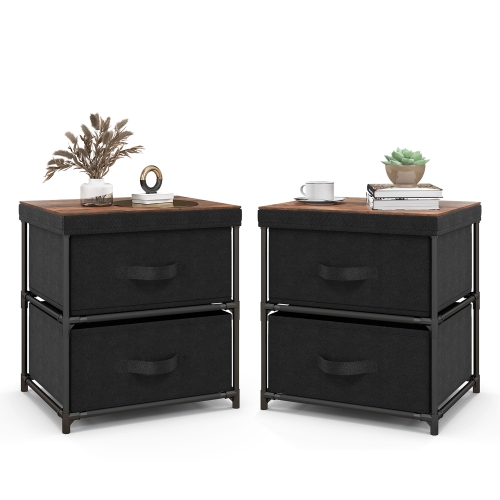 Your price for this item is $79.99
-
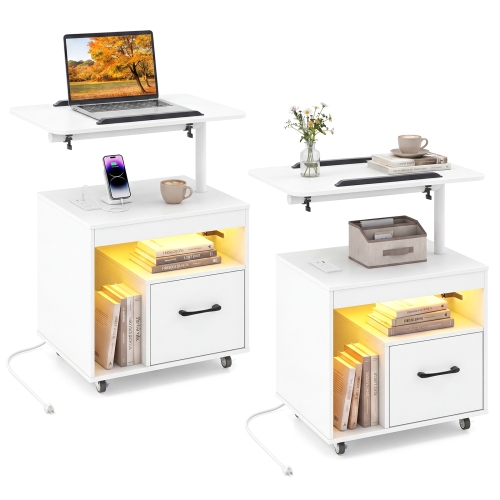 Your price for this item is $218.49
-
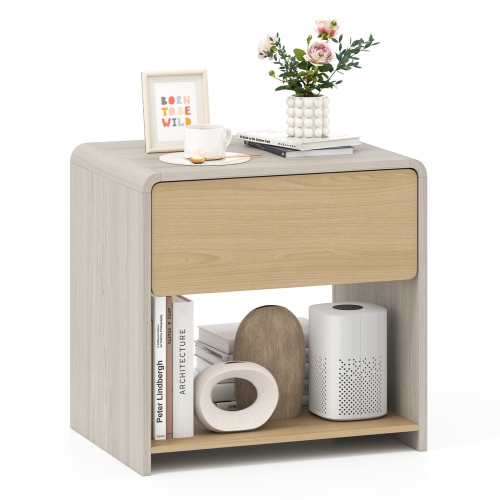 Your price for this item is $119.99
-
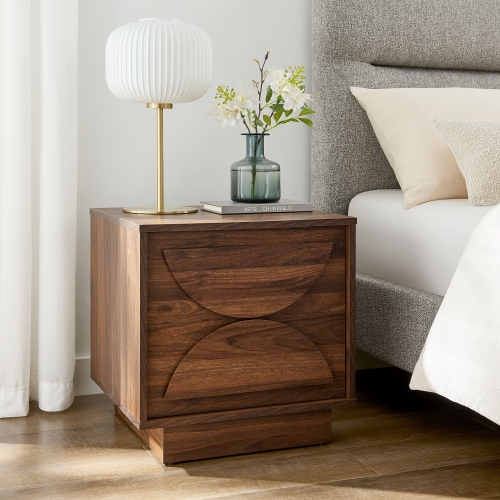 Your price for this item is $260.94
-
 Your price for this item is $169.99
Discover more categories related to Modern Bedside Tables
Top Collections:
Best Black Friday Deals This Year, Best Black Friday Deals On Electronics, Kindle Devices, Dyson Airwrap, Best Cameras for Sports Photography, Best Budget Office Chairs, Canon G7X Cameras, PS5 Pro Consoles, Best Black Friday Deals On Apple Products, XBOX One S Consoles
Some products may be subject to Environmental Handling Fees
(EHF) depending on your province.
Learn more about EHFs.