Modern Floor Lamps for Living Room
Illuminate your living space with style and sophistication with our collection of modern floor lamps for the living room. Whether you're looking to add a touch of elegance, create a cozy reading nook, or simply brighten up your room, our curated selection offers a variety of sleek and contemporary designs to suit any decor theme. From minimalist silhouettes to statement pieces, these floor lamps are not just sources of light but also functional art pieces that will elevate the ambiance of your home. Discover the perfect blend of form and function as you browse through our range of modern floor lamps designed to enhance your living room's aesthetic appeal.
Sort
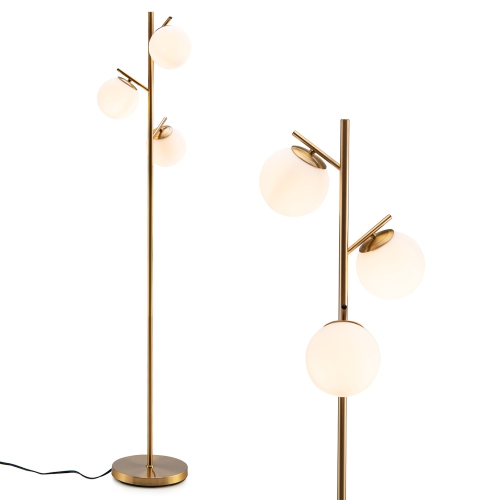
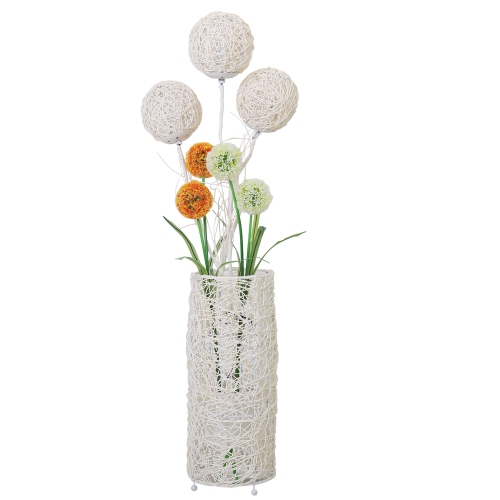
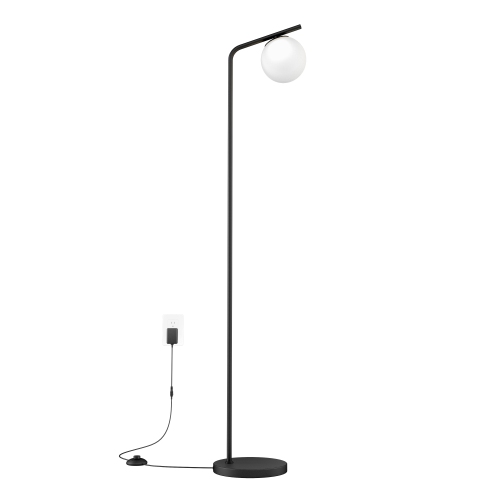
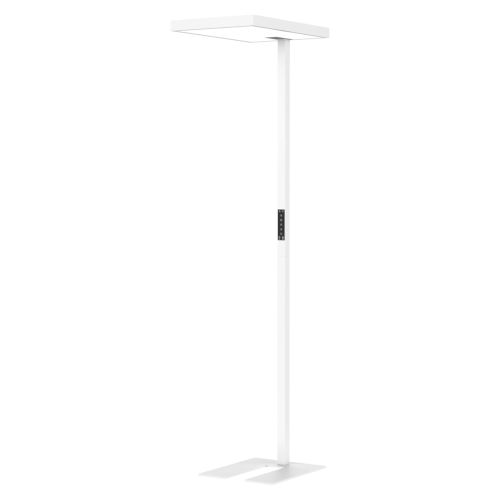
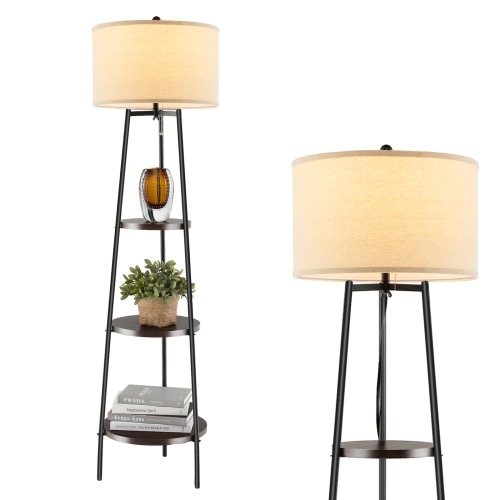
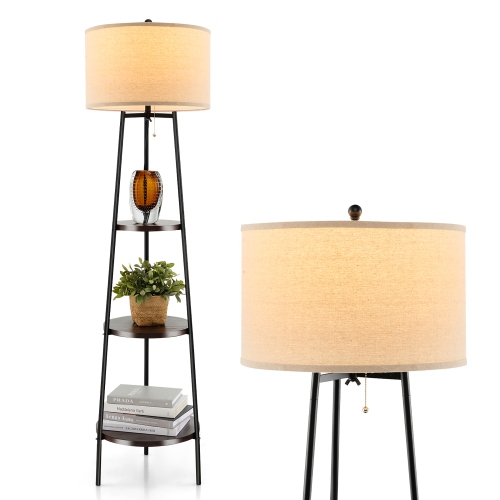
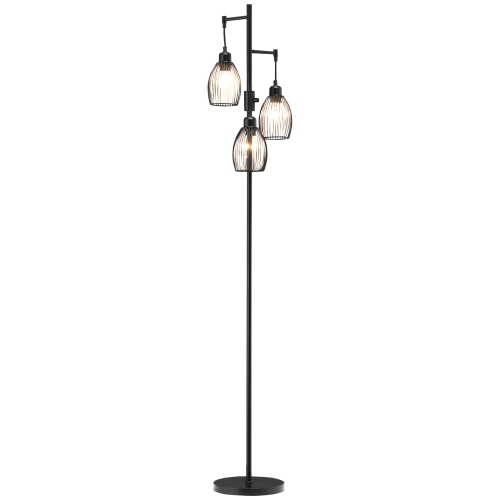
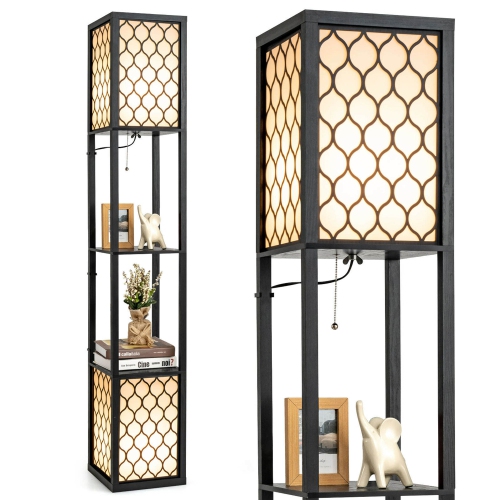
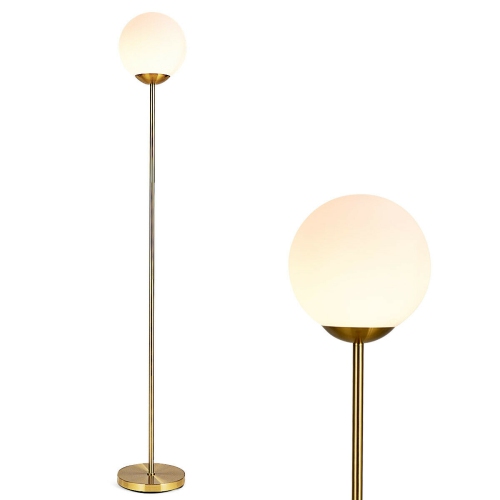
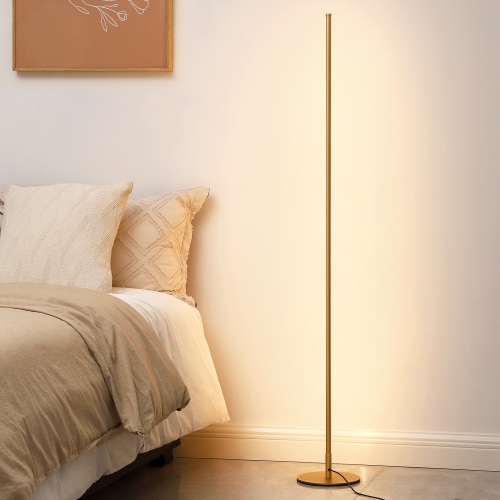
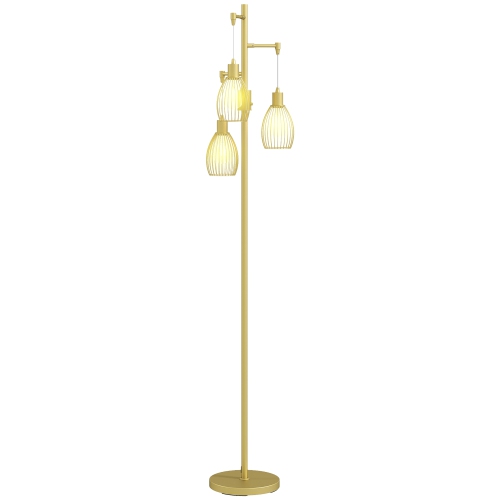
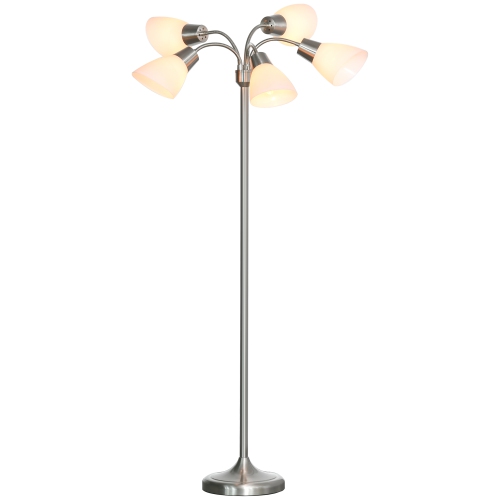
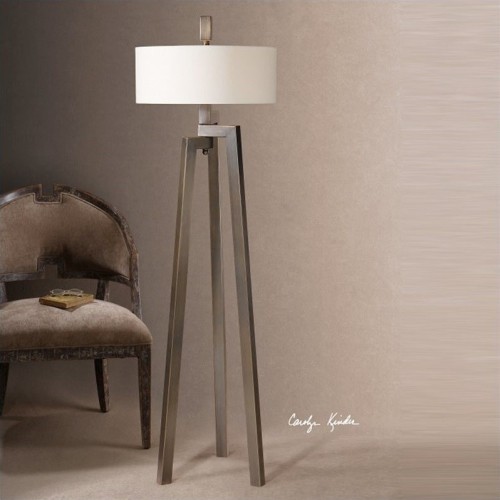
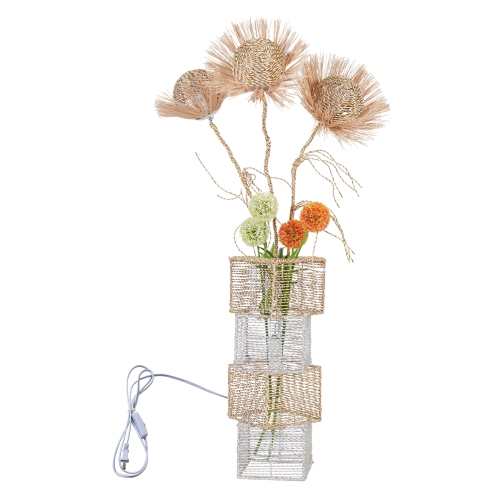
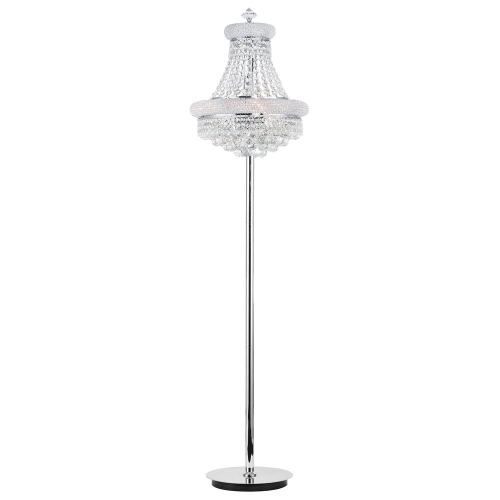
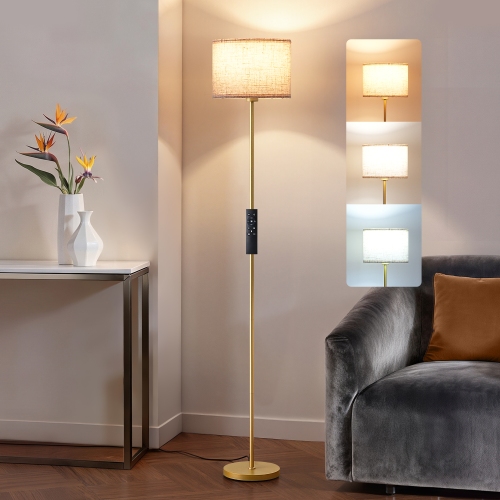

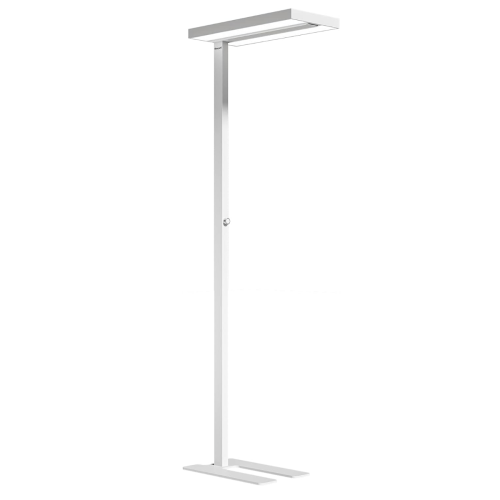
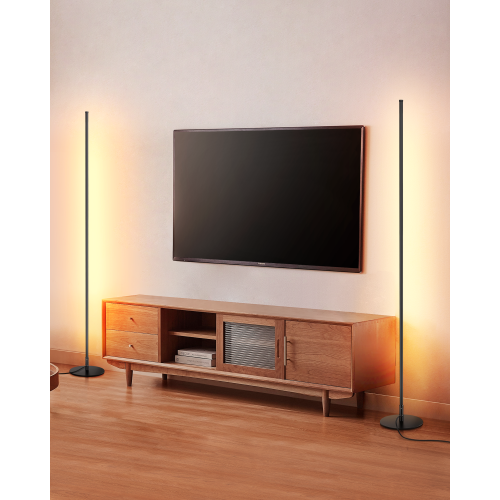
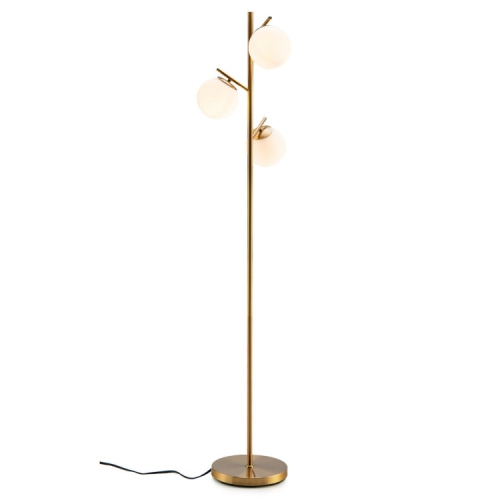
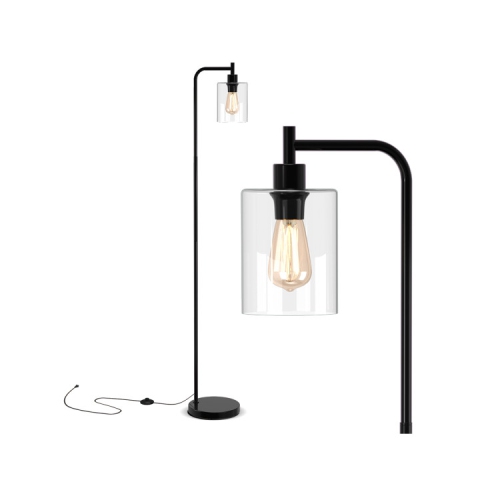

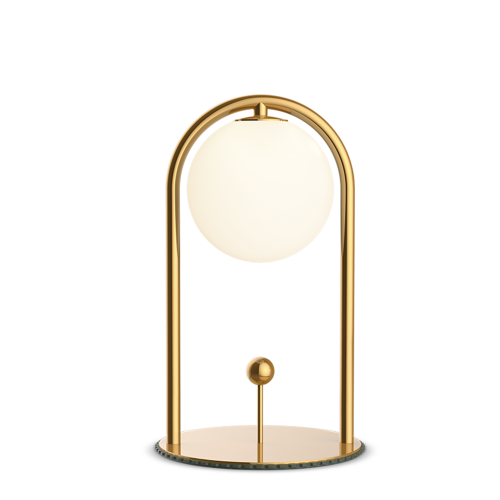

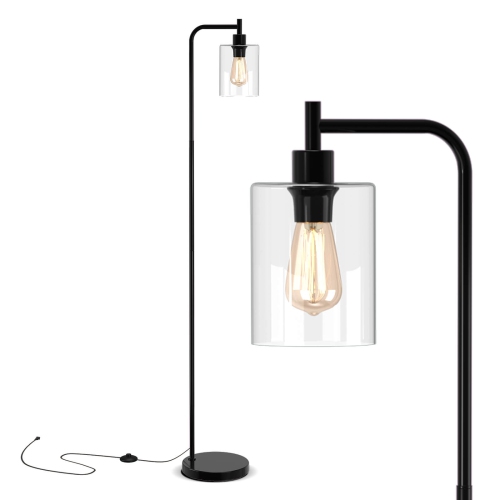
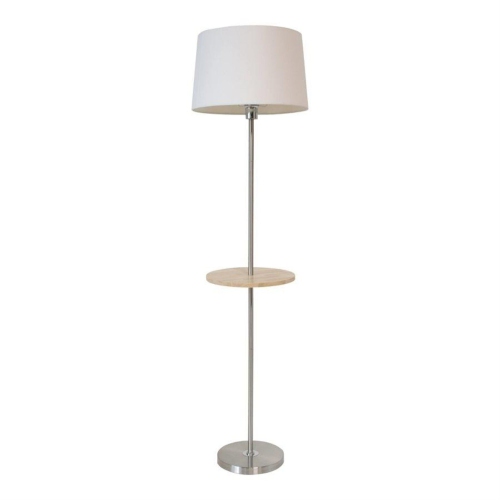
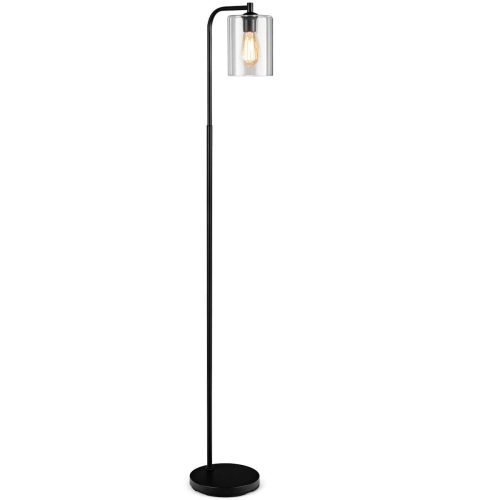
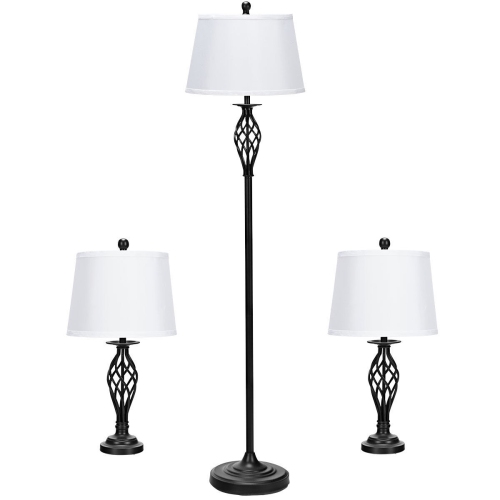
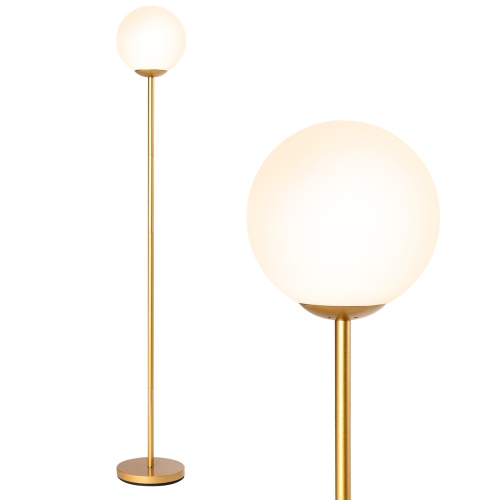
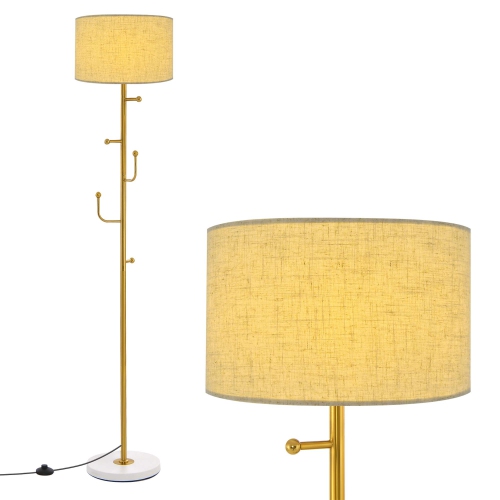
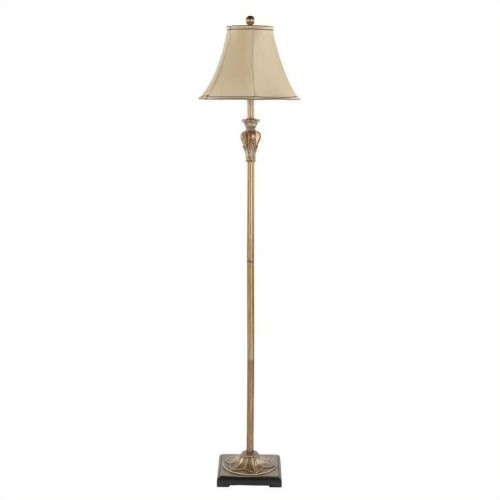
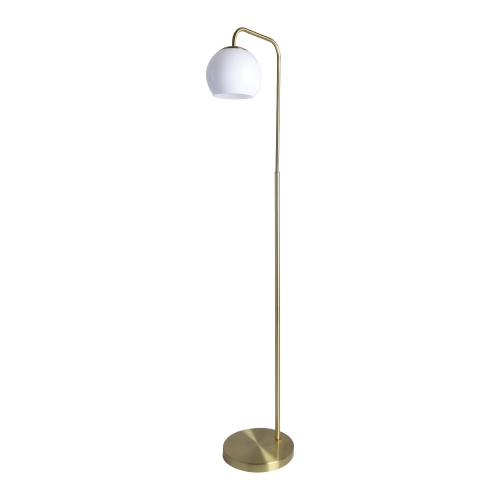
How lamp shape changes the light around your sofa
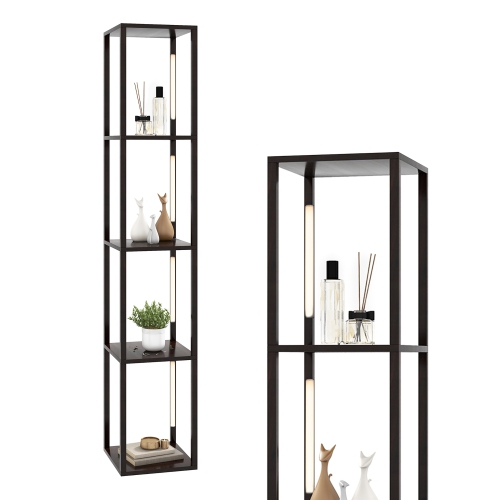
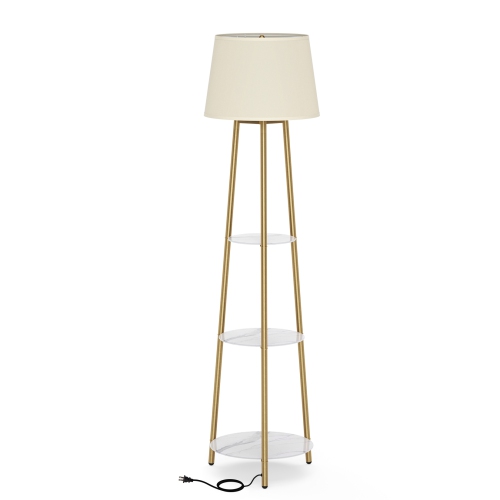
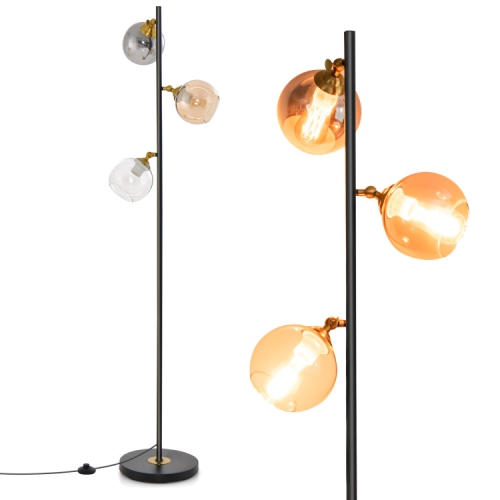
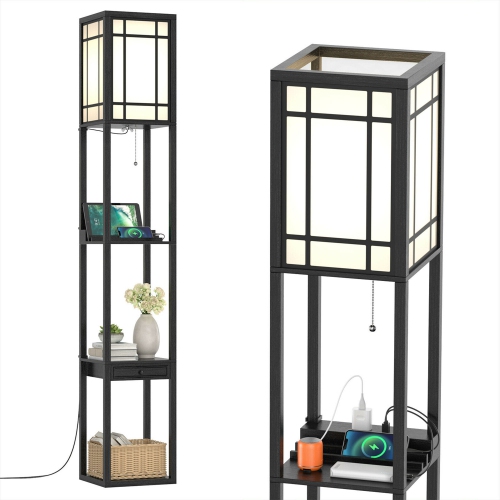
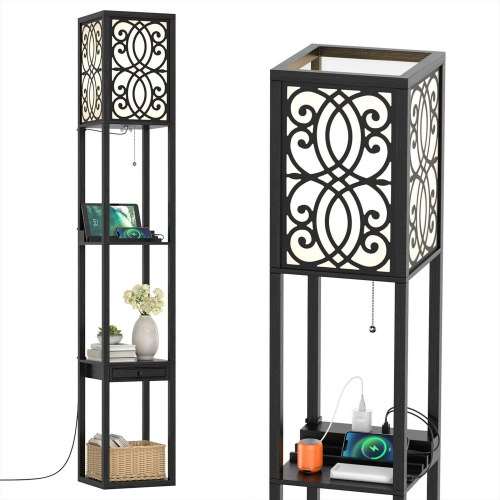
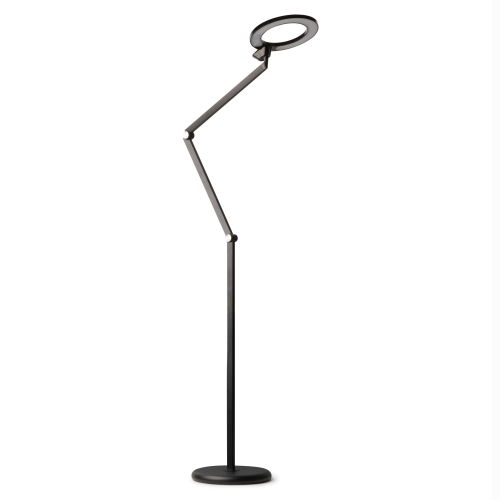
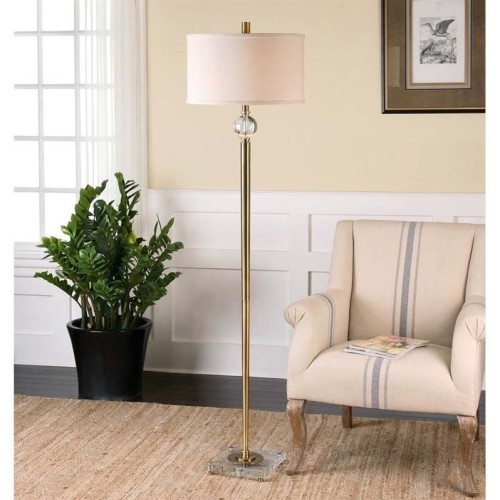
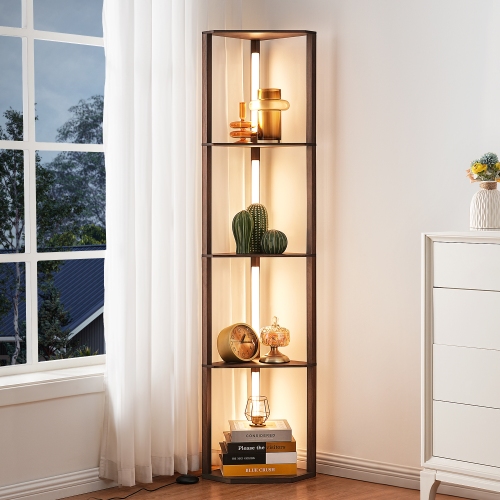
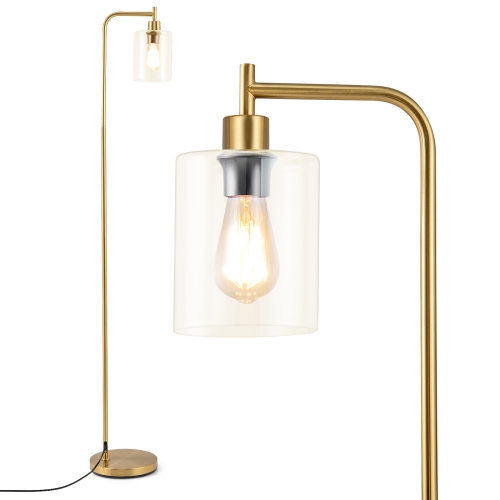
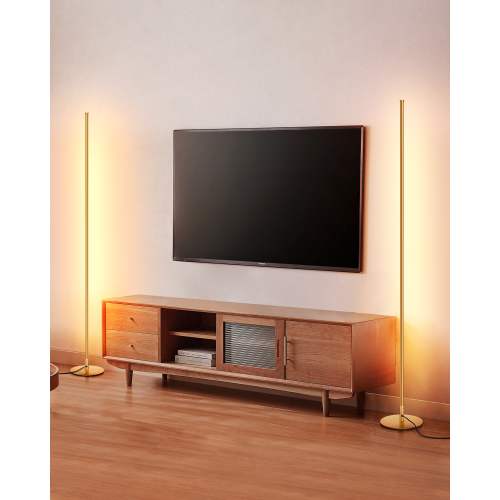
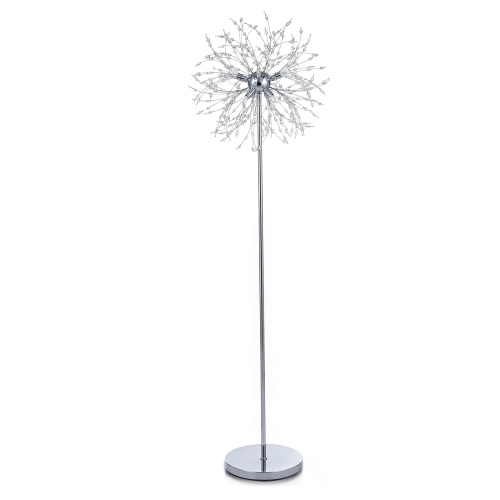
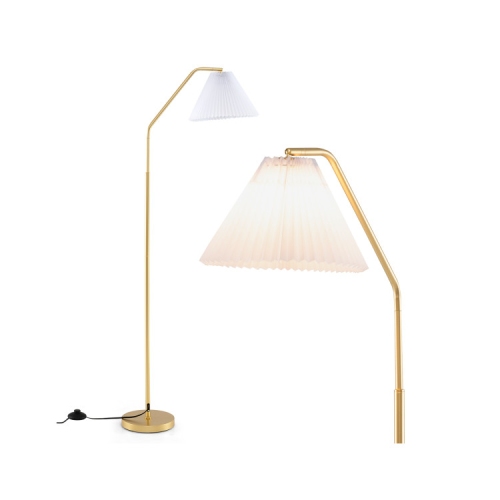
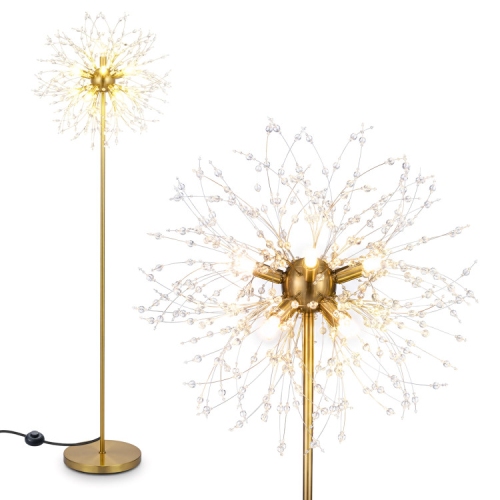
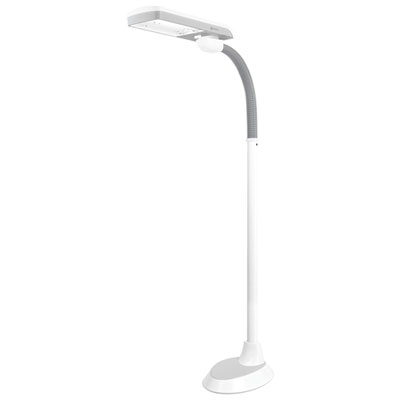
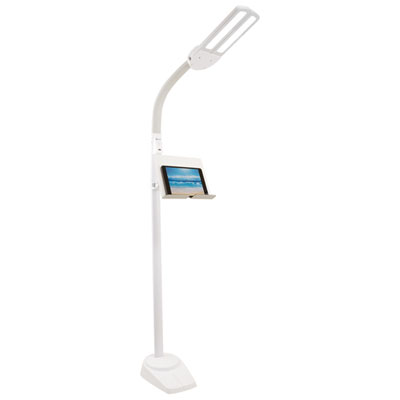
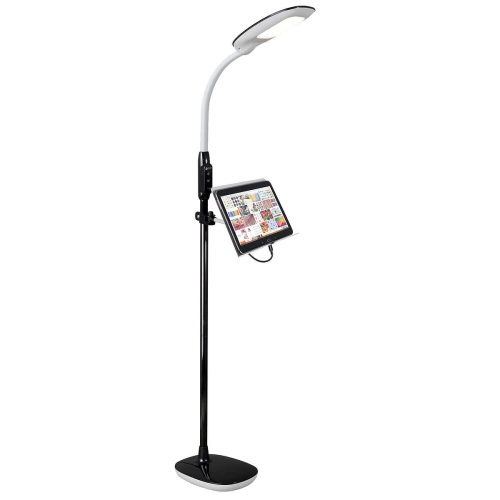
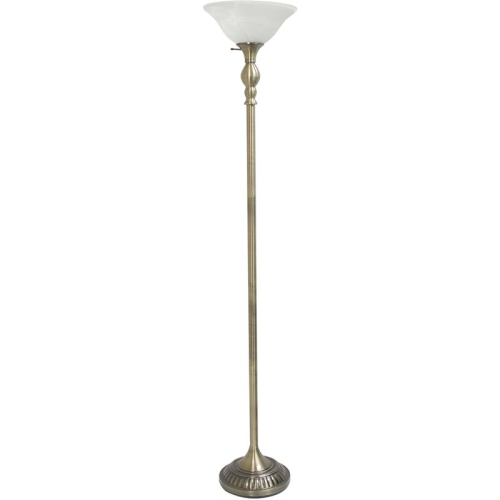
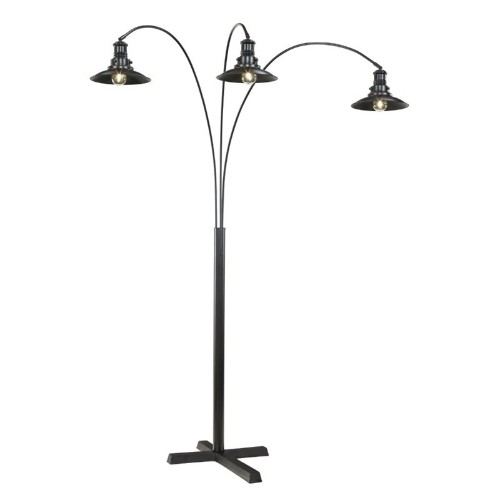
Modern floor lamps for a living room combine freestanding lighting with clean-lined design, bringing light to seating areas without taking up space on a side table. Common styles include arc lamps, uplighters, tripod lamps, adjustable reading lamps, and slim corner lamps, each suited to a different role within the room. An arc floor lamp extends a shade out from its base, making it useful beside a sectional where light needs to reach over a seat rather than stay close to the wall. Its curved profile also creates a visual frame around a conversation area, although the base and overhead reach need enough clearance to avoid walkways. Torchiere lamps direct light upwards, bouncing it off the ceiling for softer general illumination; the effect depends partly on ceiling height and colour, with lighter surfaces reflecting more light into the room. Tripod floor lamps have a more architectural presence, pairing three spreading legs with a shade that can soften the straight edges of a sofa or media console. Their wider footprint suits an open corner better than a narrow gap between furniture. For smaller living rooms, a slender upright lamp can brighten the space beside an armchair while leaving more floor area clear. Shelf floor lamps combine illumination with small display surfaces, though shelf dimensions and weight limits determine what they can safely hold. Minimalist designs often favour slim stems, simple shades, and restrained finishes, while sculptural silhouettes give a quiet room a stronger focal point. The most useful distinction is between ambient lighting, which provides an overall glow, and task lighting, which concentrates illumination where someone reads, knits, or works on a puzzle. A shaded lamp near a sofa can contribute to both, but an adjustable reading head offers greater control over the page. In a shared living room, separate pools of light let one person read while another watches television, without relying entirely on a bright ceiling fixture.
Materials, proportions, and shade construction give modern living room floor lamps much of their character. Metal stems and bases offer crisp outlines, with matte black bringing definition beside pale upholstery and brushed finishes adding a gentler sheen. Wood introduces visible grain and warmth, making it an easy companion to woven textiles, upholstered seating, and furniture with rounded edges. For a look centred on natural texture, wooden floor lamps for living rooms can connect a lighting piece with an oak coffee table or a walnut-toned bookcase without requiring every finish to match exactly. Glass shades can feel light and open, although clear glass leaves the bulb visible and may create more glare than frosted or opal glass. Fabric shades diffuse light, with pale fabrics generally allowing a brighter glow and darker shades directing more light through their openings. A solid metal shade concentrates illumination more narrowly, which can be helpful beside a reading chair. Scale matters as much as finish: a broad shade may balance a deep sofa but overwhelm a compact loveseat, while a very slim lamp can appear lost beside substantial furniture. Shade height also affects comfort. From a seated position, a bare bulb should not shine directly into the eyes, and the lamp should illuminate the reading surface without the reader’s shoulder blocking the beam. Measuring the base, full height, shade width, and any extended arm helps establish whether a design fits its intended spot. Adjustable sections need room to move, particularly near shelves, artwork, or curtains. A substantial, well-balanced base and secure joints matter for everyday durability, especially where an arm projects beyond the stem. In homes with children or pets, placement away from busy routes and management of trailing cords are particularly important; a heavy base alone does not make a lamp tip-proof. Positioning the lamp near a suitable outlet also helps keep cables away from doorways and prevents the awkward stretch of a cord across the seating area.
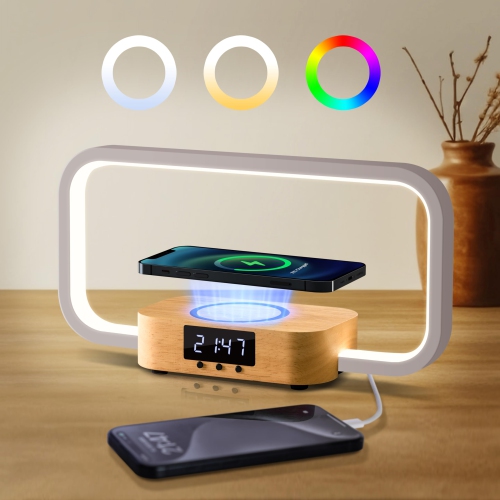
Light quality and controls shape how a floor lamp feels in daily use. Warm white light, often around 2700 to 3000 K, gives a living room a relaxed glow for conversation and quiet evenings, while a more neutral white can suit detailed activities. Brightness is measured in lumens rather than watts, so bulb selection depends on the desired light output as well as the lamp’s stated electrical limits. For lamps with replaceable bulbs, the socket type, maximum wattage, bulb size, and shade clearance all need to be compatible. Integrated LED designs can support very slim profiles, but light-source replacement and servicing differ by model. Dimmable floor lamps make it easier to move from reading to watching a film, provided any separate bulb and dimmer are designed to work together. Adjustable colour temperature offers another way to adapt the light, while colour-changing corner lamps can add an accent behind furniture without serving as the main reading light. Smart controls may include scheduling, app access, or voice operation; compatibility with the household’s devices, Wi-Fi setup, and preferred platform varies. Physical controls remain worth considering too. A foot switch is convenient in an open spot but less useful when hidden behind a sofa, whereas a reachable stem switch or remote can suit someone who prefers to adjust the light while seated. For television viewing, placing a lamp to avoid reflections on the screen can make a greater difference than simply lowering its brightness. Care is generally straightforward: switch off and unplug the lamp, let it cool, and follow the material-specific cleaning directions. A soft, dry cloth suits many bases and stems, while fabric shades may need gentle dust removal rather than wet cleaning. Keeping moisture away from sockets and checking that adjustable fittings remain secure supports dependable use. Floor lamps can also make thoughtful housewarming gifts for someone furnishing a first apartment or refreshing a favourite reading corner, especially when room dimensions and finish preferences are known. During the cooler months, their appeal is particularly tangible: a softly lit chair, a book within reach, and enough light to make the living room comfortable long after daylight fades.
Materials, proportions, and shade construction give modern living room floor lamps much of their character. Metal stems and bases offer crisp outlines, with matte black bringing definition beside pale upholstery and brushed finishes adding a gentler sheen. Wood introduces visible grain and warmth, making it an easy companion to woven textiles, upholstered seating, and furniture with rounded edges. For a look centred on natural texture, wooden floor lamps for living rooms can connect a lighting piece with an oak coffee table or a walnut-toned bookcase without requiring every finish to match exactly. Glass shades can feel light and open, although clear glass leaves the bulb visible and may create more glare than frosted or opal glass. Fabric shades diffuse light, with pale fabrics generally allowing a brighter glow and darker shades directing more light through their openings. A solid metal shade concentrates illumination more narrowly, which can be helpful beside a reading chair. Scale matters as much as finish: a broad shade may balance a deep sofa but overwhelm a compact loveseat, while a very slim lamp can appear lost beside substantial furniture. Shade height also affects comfort. From a seated position, a bare bulb should not shine directly into the eyes, and the lamp should illuminate the reading surface without the reader’s shoulder blocking the beam. Measuring the base, full height, shade width, and any extended arm helps establish whether a design fits its intended spot. Adjustable sections need room to move, particularly near shelves, artwork, or curtains. A substantial, well-balanced base and secure joints matter for everyday durability, especially where an arm projects beyond the stem. In homes with children or pets, placement away from busy routes and management of trailing cords are particularly important; a heavy base alone does not make a lamp tip-proof. Positioning the lamp near a suitable outlet also helps keep cables away from doorways and prevents the awkward stretch of a cord across the seating area.
Light quality and controls shape how a floor lamp feels in daily use. Warm white light, often around 2700 to 3000 K, gives a living room a relaxed glow for conversation and quiet evenings, while a more neutral white can suit detailed activities. Brightness is measured in lumens rather than watts, so bulb selection depends on the desired light output as well as the lamp’s stated electrical limits. For lamps with replaceable bulbs, the socket type, maximum wattage, bulb size, and shade clearance all need to be compatible. Integrated LED designs can support very slim profiles, but light-source replacement and servicing differ by model. Dimmable floor lamps make it easier to move from reading to watching a film, provided any separate bulb and dimmer are designed to work together. Adjustable colour temperature offers another way to adapt the light, while colour-changing corner lamps can add an accent behind furniture without serving as the main reading light. Smart controls may include scheduling, app access, or voice operation; compatibility with the household’s devices, Wi-Fi setup, and preferred platform varies. Physical controls remain worth considering too. A foot switch is convenient in an open spot but less useful when hidden behind a sofa, whereas a reachable stem switch or remote can suit someone who prefers to adjust the light while seated. For television viewing, placing a lamp to avoid reflections on the screen can make a greater difference than simply lowering its brightness. Care is generally straightforward: switch off and unplug the lamp, let it cool, and follow the material-specific cleaning directions. A soft, dry cloth suits many bases and stems, while fabric shades may need gentle dust removal rather than wet cleaning. Keeping moisture away from sockets and checking that adjustable fittings remain secure supports dependable use. Floor lamps can also make thoughtful housewarming gifts for someone furnishing a first apartment or refreshing a favourite reading corner, especially when room dimensions and finish preferences are known. During the cooler months, their appeal is particularly tangible: a softly lit chair, a book within reach, and enough light to make the living room comfortable long after daylight fades.
Top selling and popular products
-
 Your price for this item is $164.99
 -
 Your price for this item is $165
 -
 Your price for this item is $144.56
 -
 Your price for this item is $637.1
 -
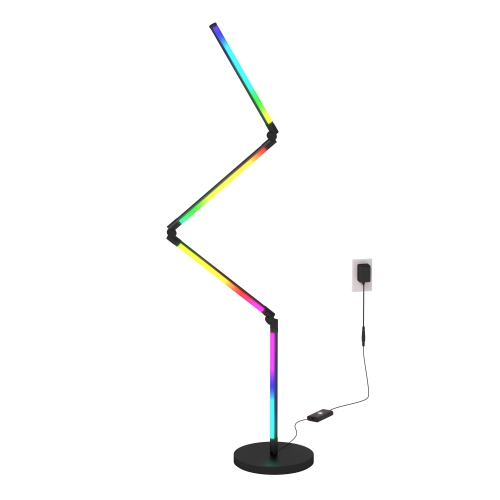 Your price for this item is $79.99
 -
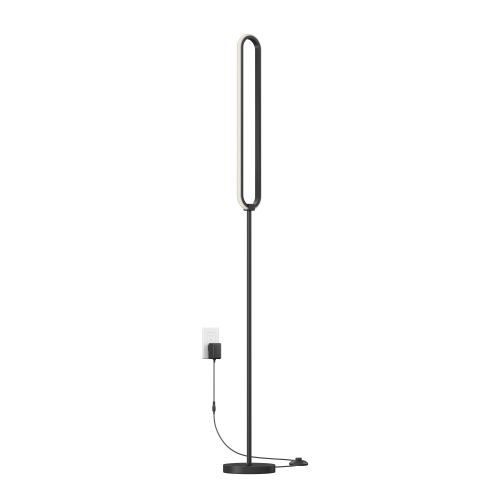 Your price for this item is $69.99
 -
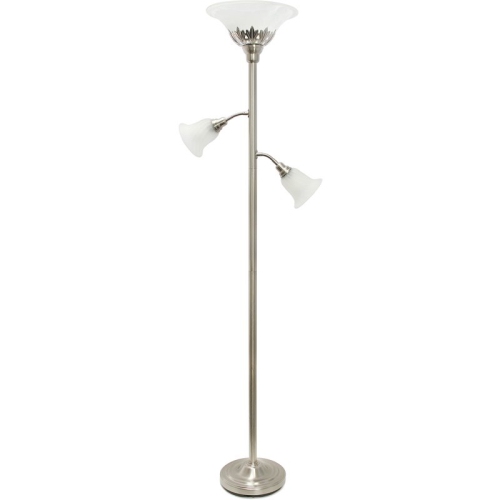 Your price for this item is $158.56
 -
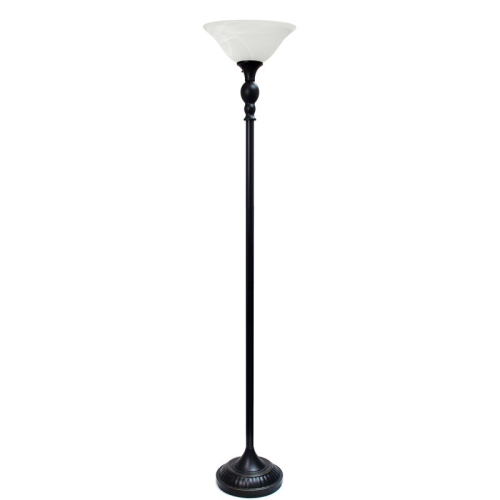 Your price for this item is $136.56
Discover more categories related to Modern Floor Lamps for Living Room
Top Collections:
Pokemon Centers, Kindle Devices, Best Budget Office Chairs, Apple iPhones 16, Best Laptops for Writers, iPhone 15 Apple, Canon G7X Cameras, Refurbished Apple Laptops, Alarm Clock, Motorola Razr Phones
Some products may be subject to Environmental Handling Fees
(EHF) depending on your province.
Learn more about EHFs.