Modern Interior Design
Elevate your living space with our curated collection of modern interior design essentials. Discover sleek and contemporary pieces that will transform your home into a stylish sanctuary. From minimalist furniture to chic decor accents, our selection embodies the latest trends in home styling. Create a sophisticated and inviting atmosphere with our range of high-quality products designed to enhance every room in your house. Redefine your living experience with our modern interior design offerings that marry form and function seamlessly.
Sort


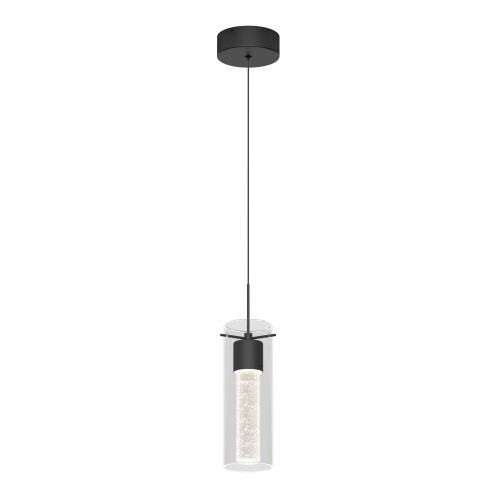
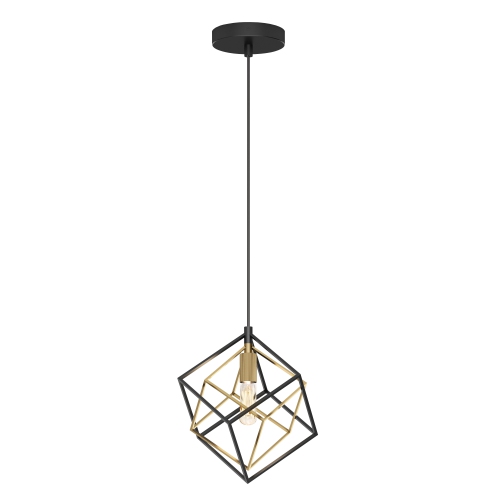


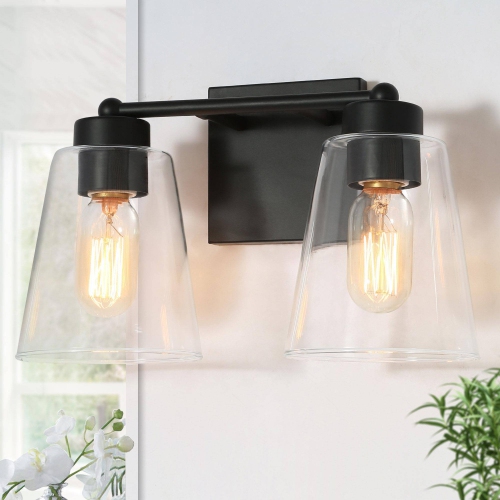

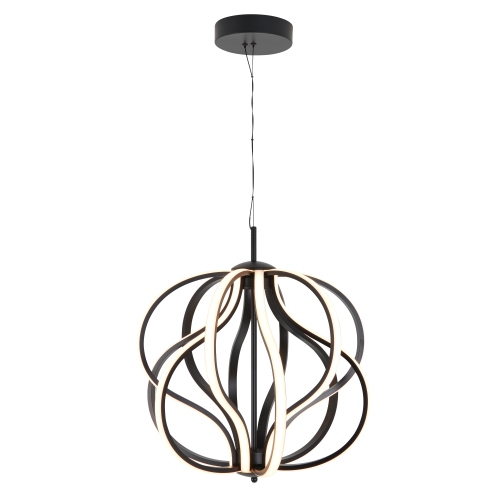
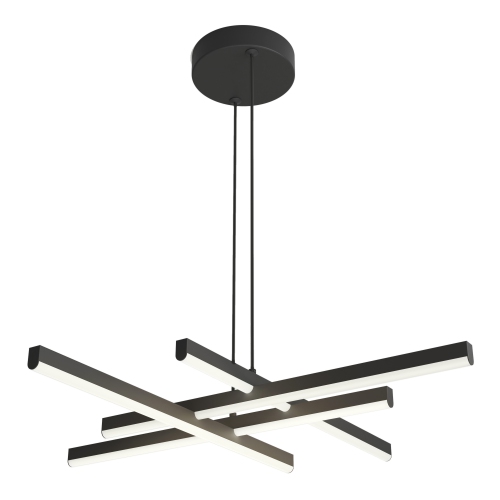
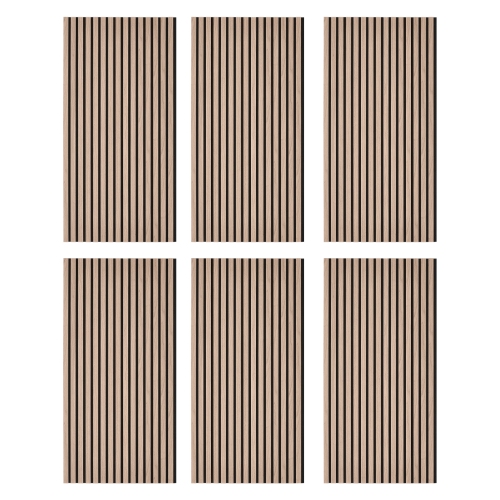


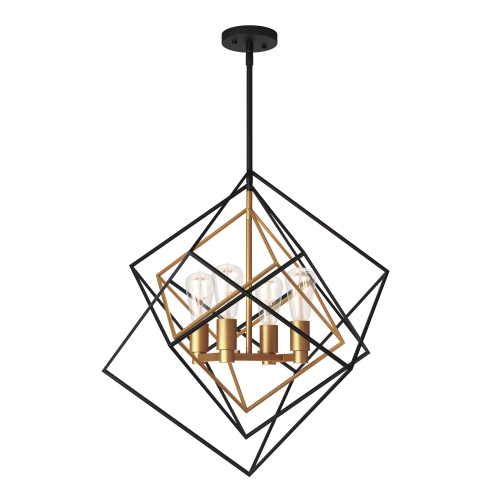
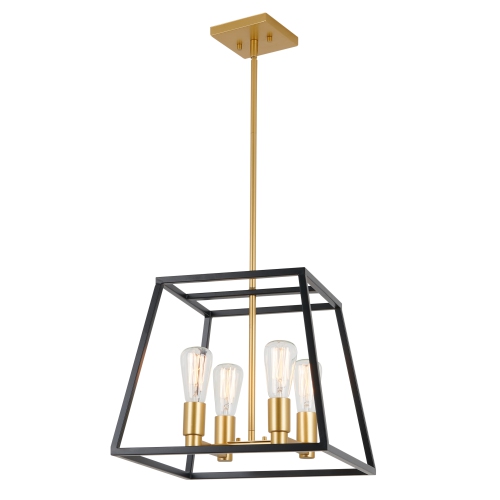


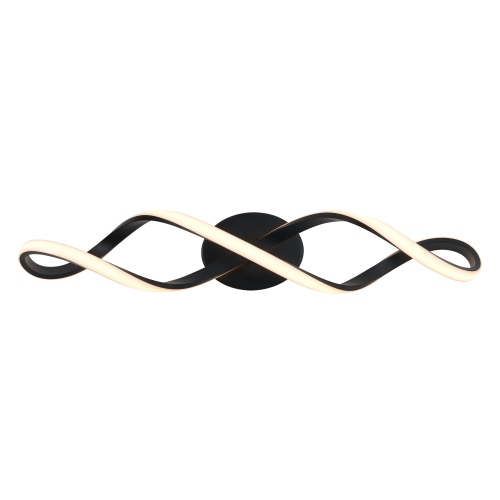
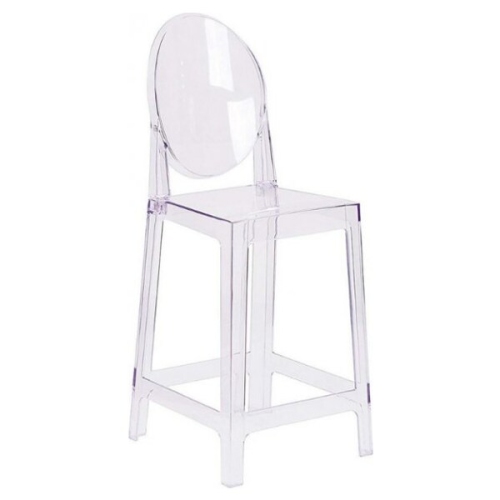
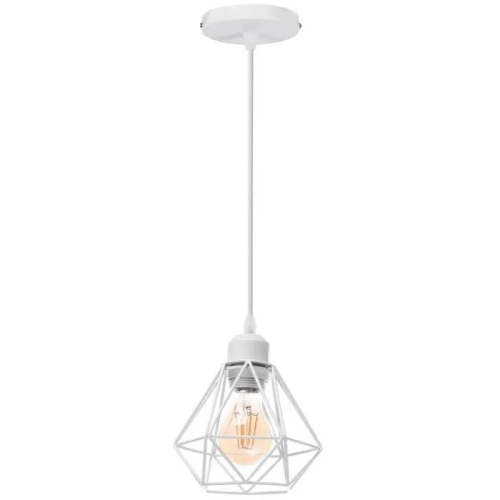
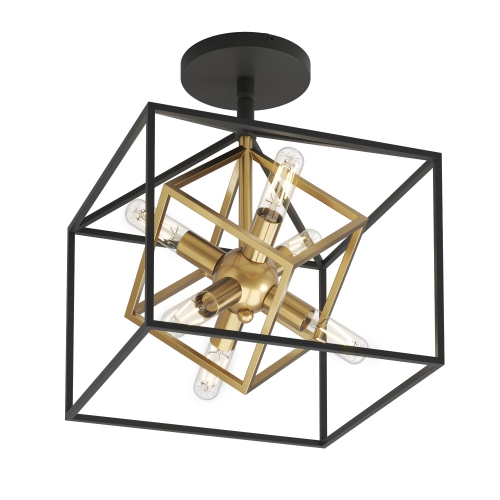
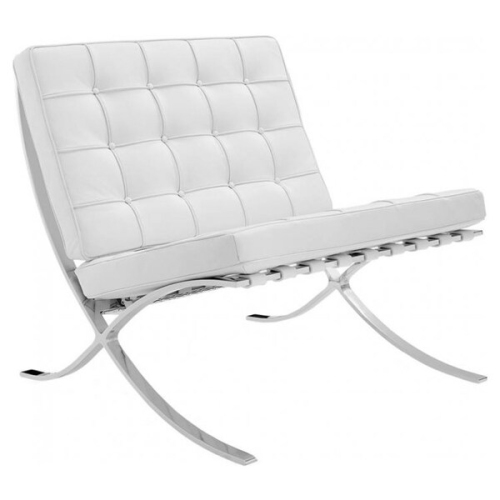


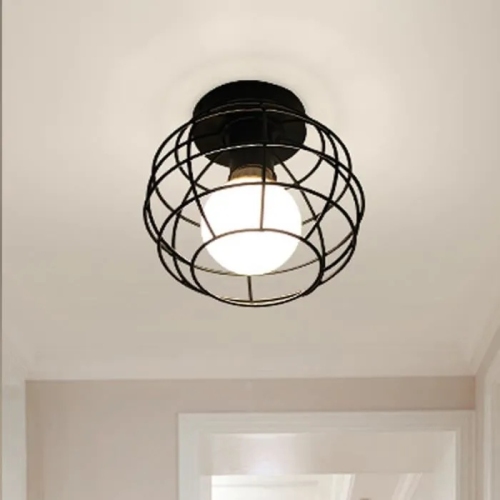
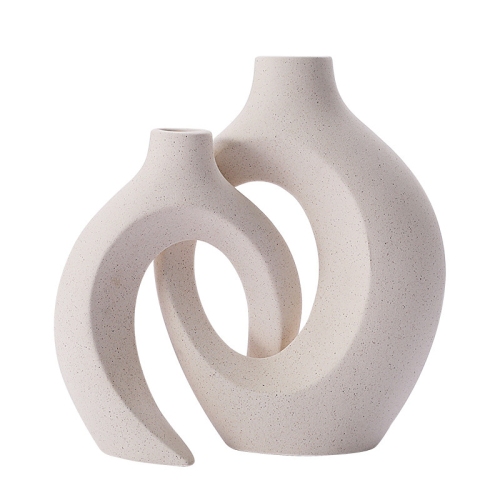
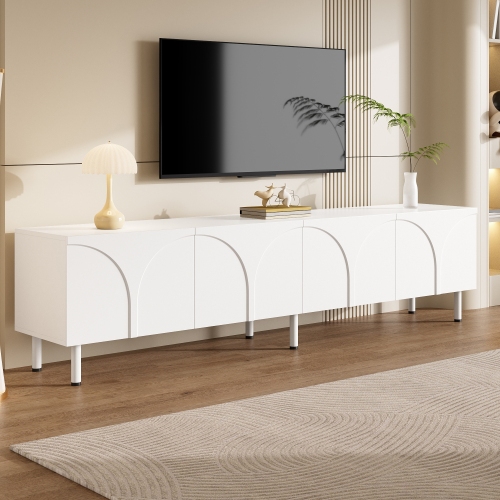
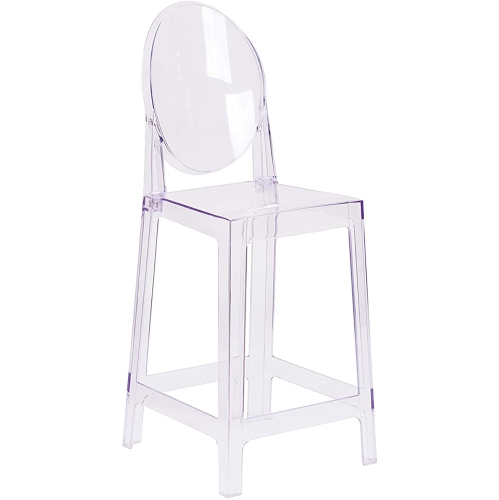
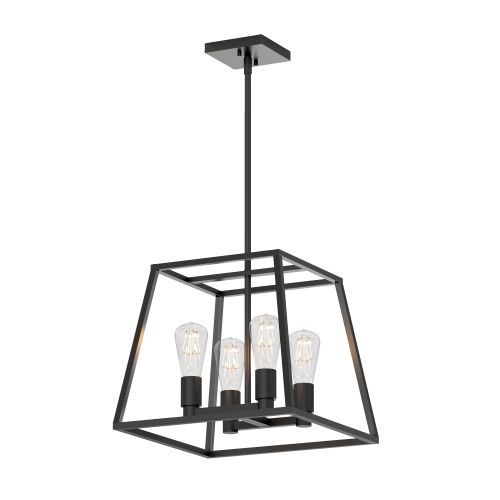


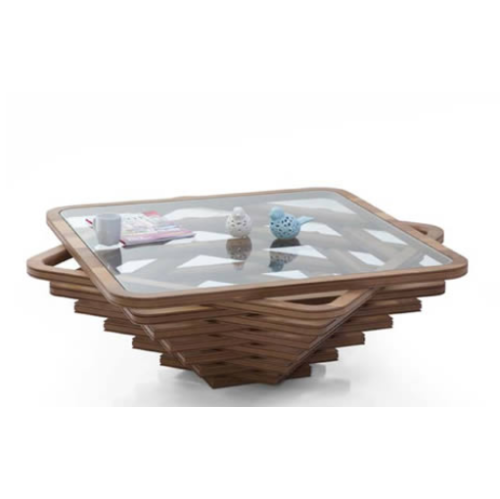
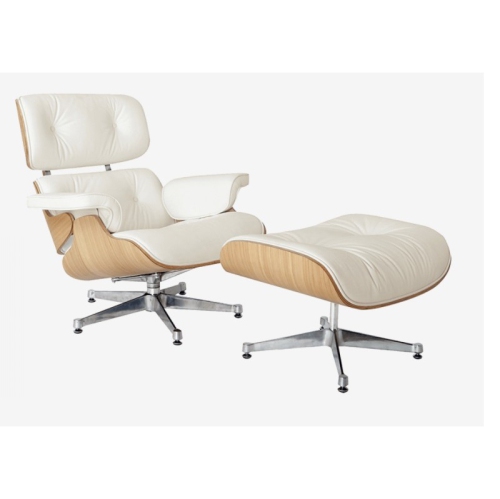

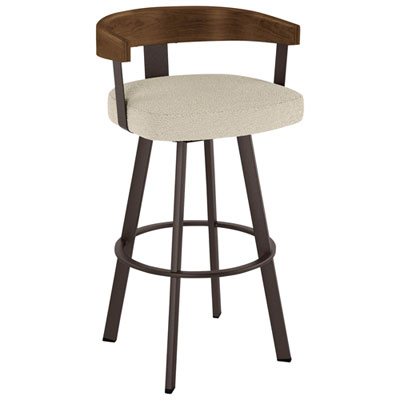


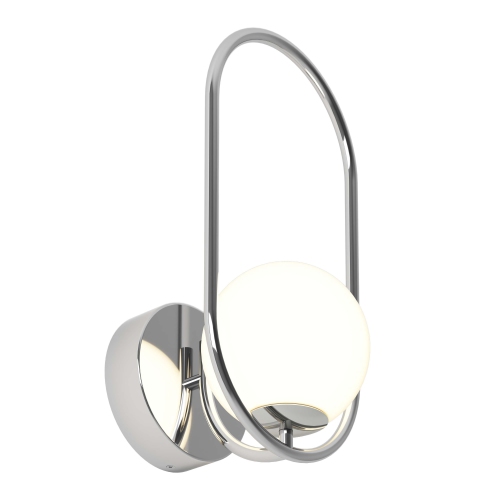


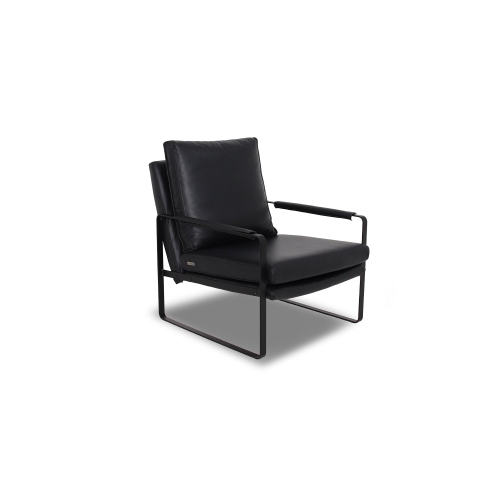
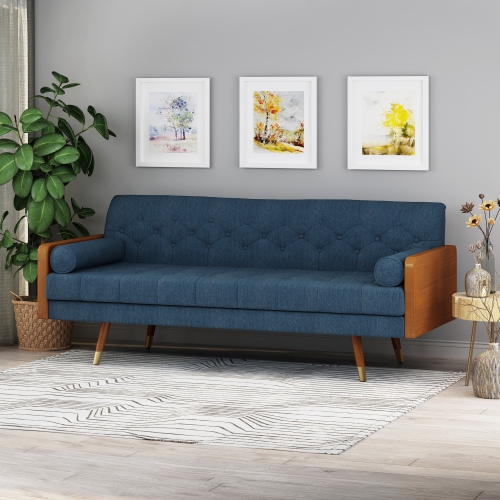
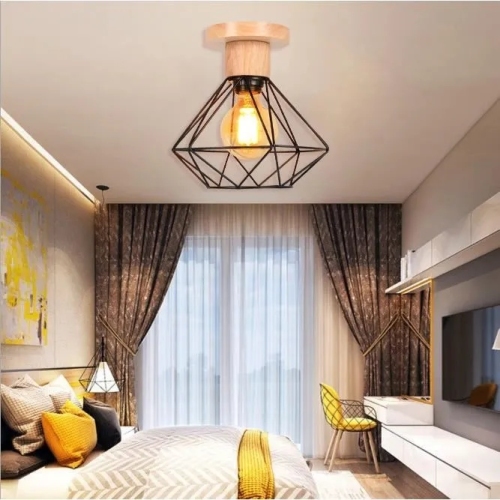
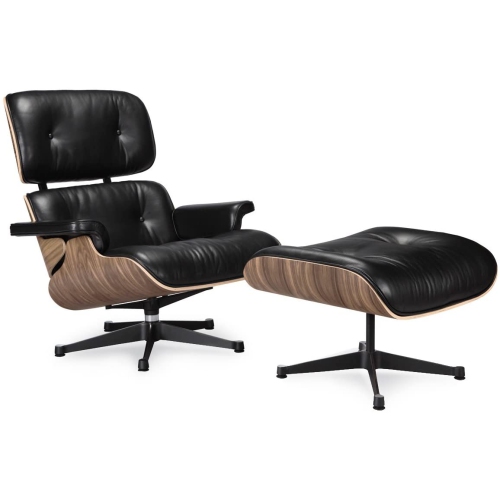
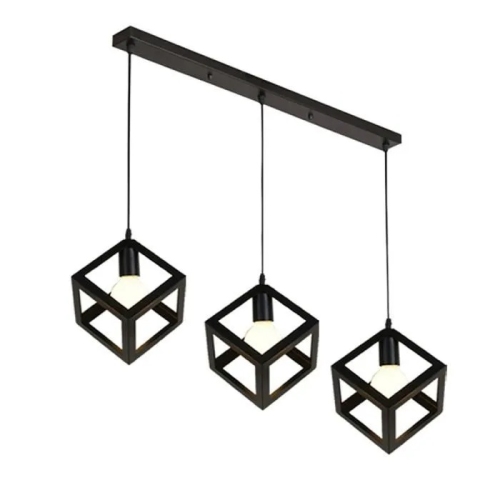
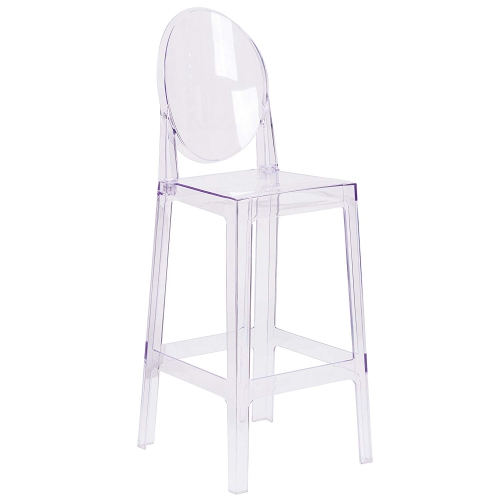

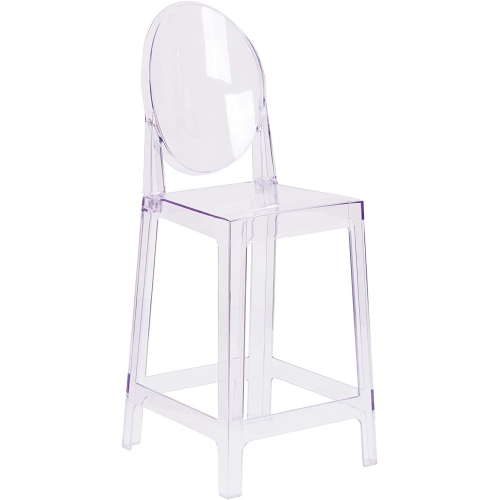
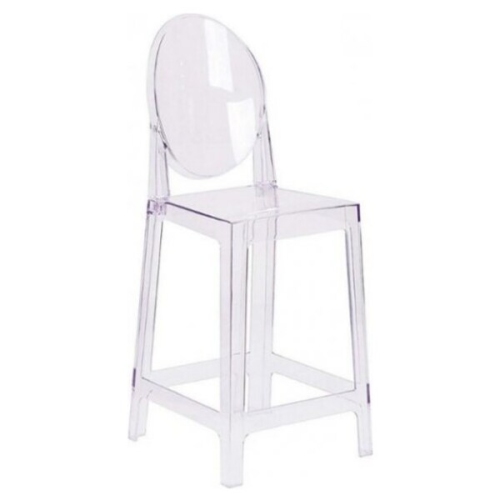
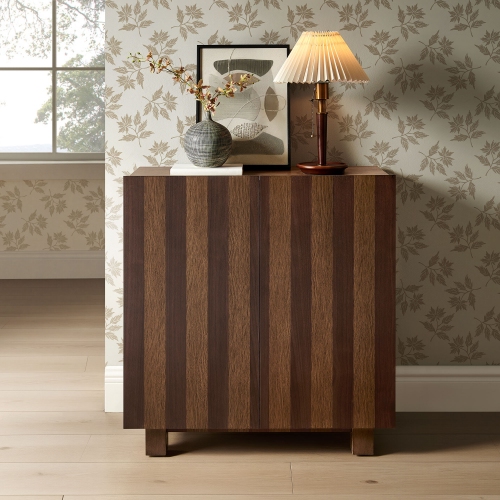
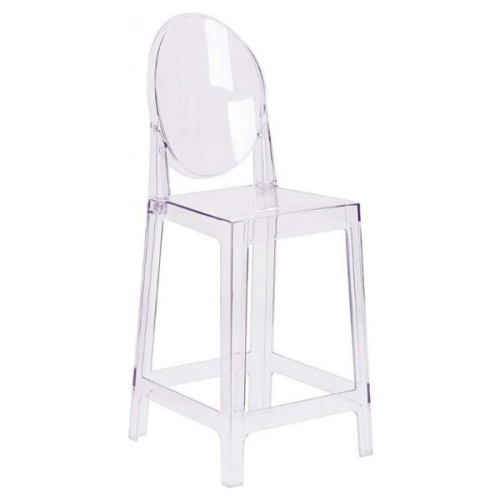

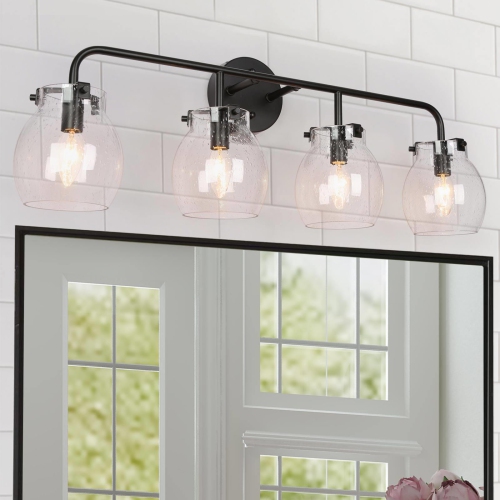
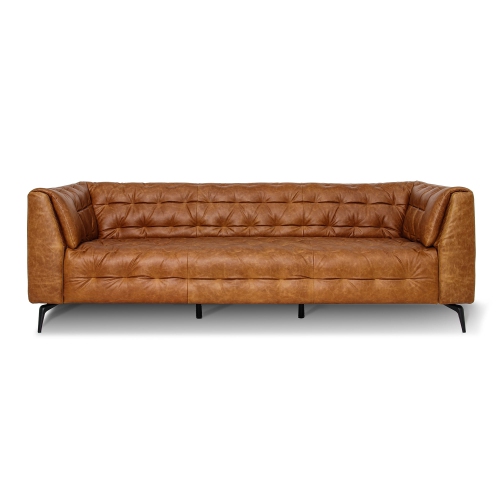
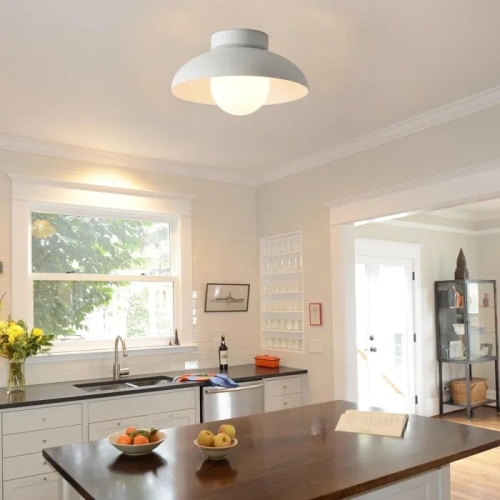

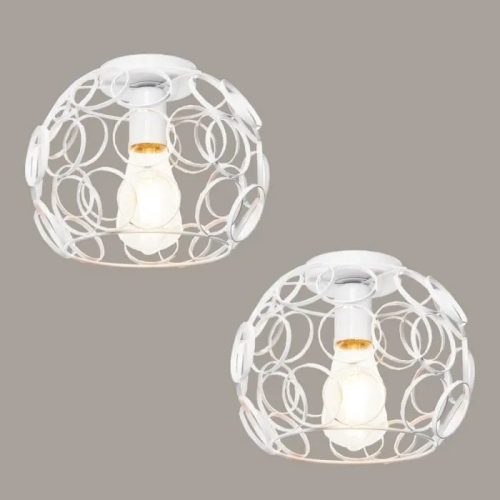

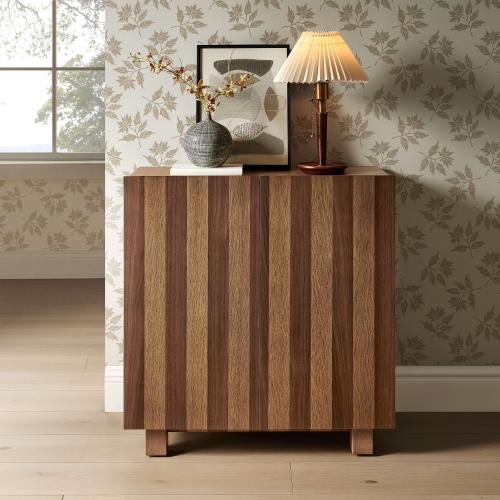
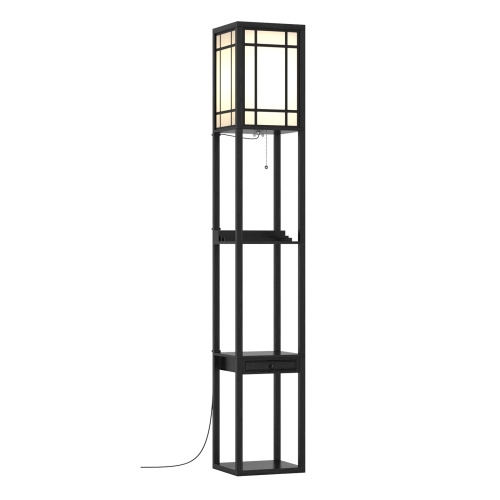


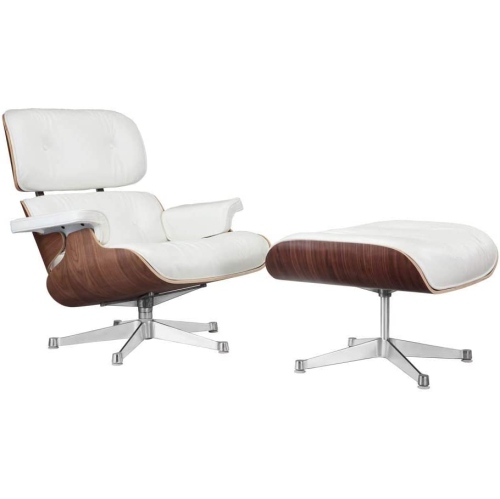

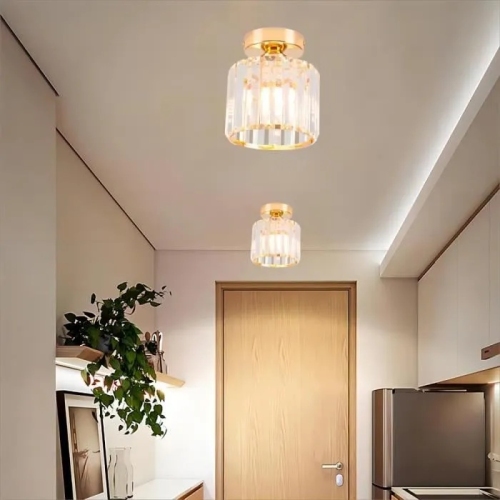
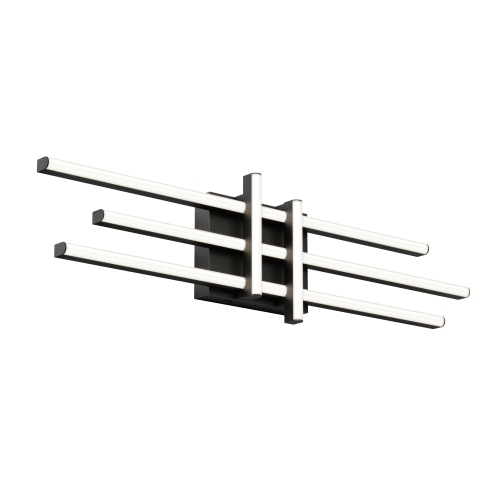

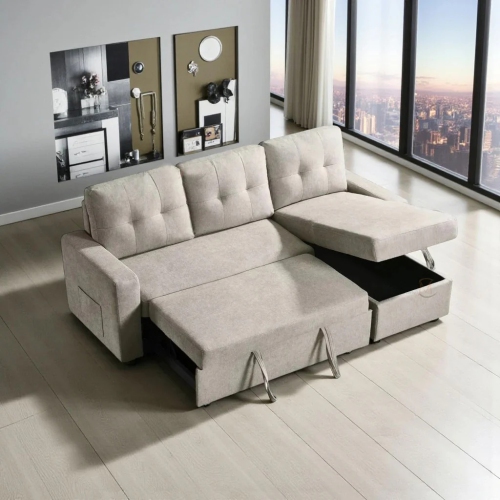

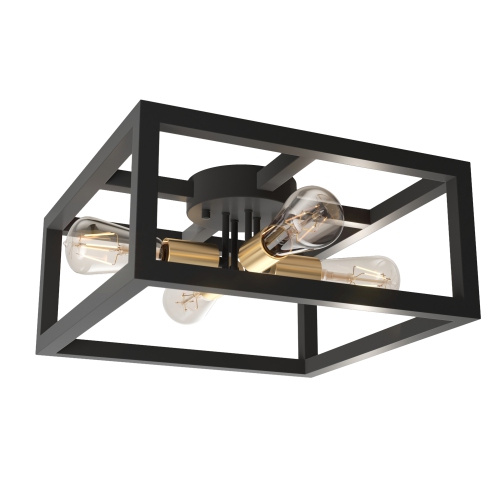
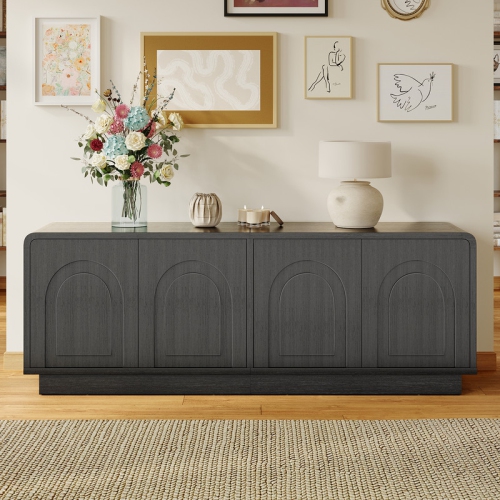
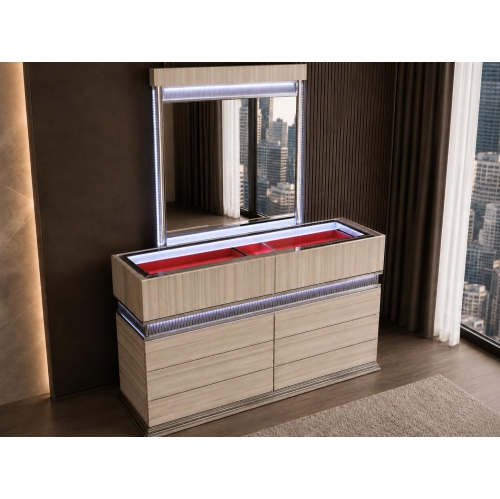
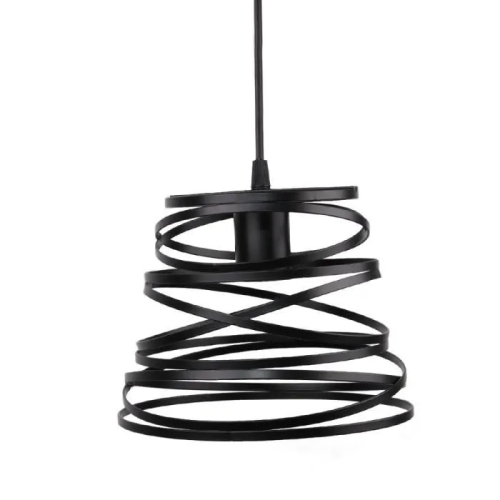
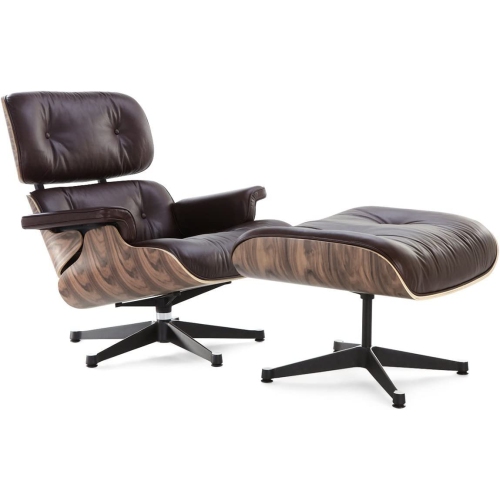
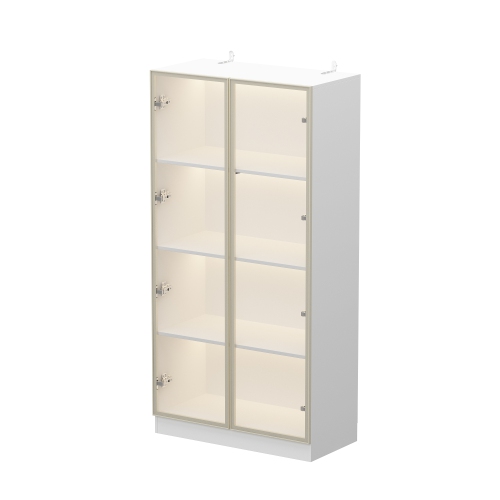
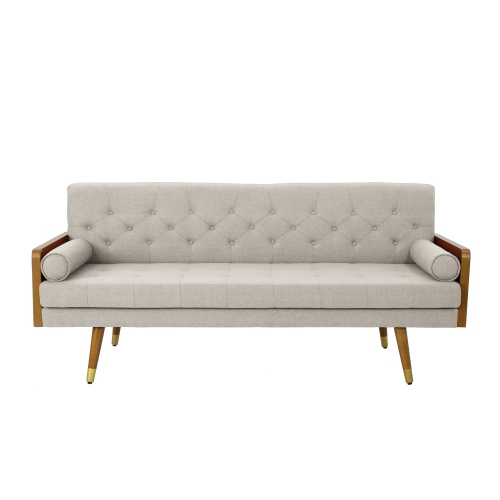
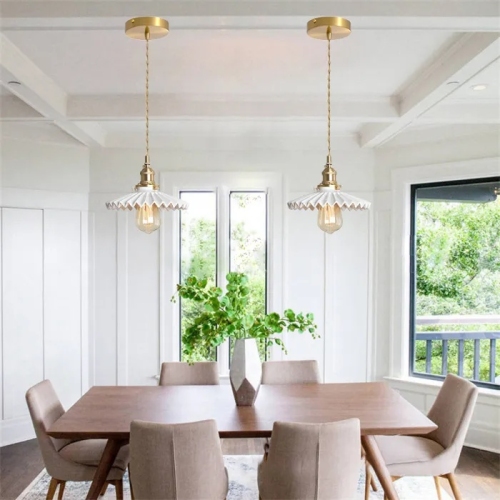
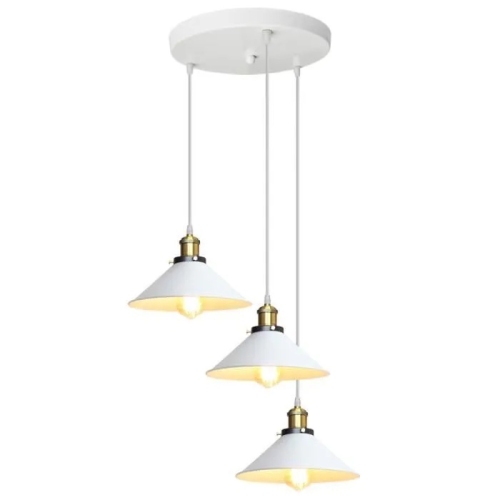
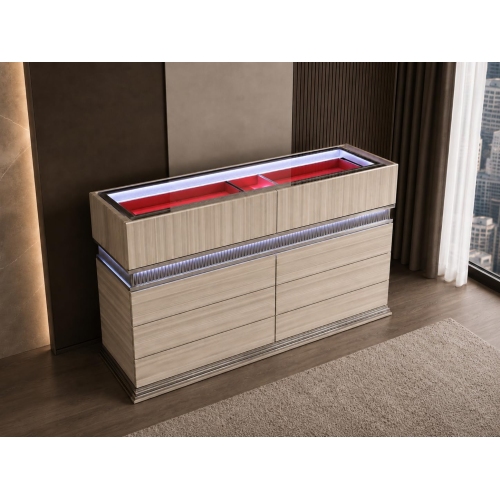

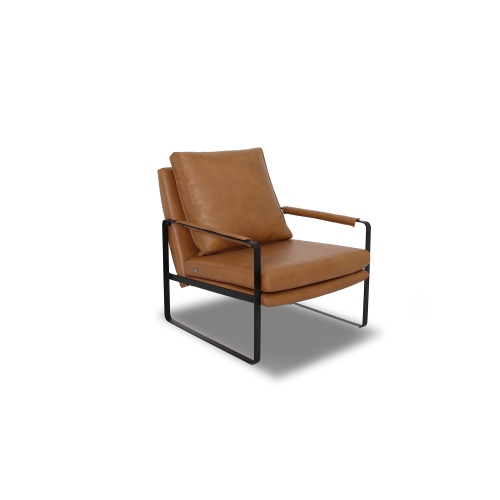
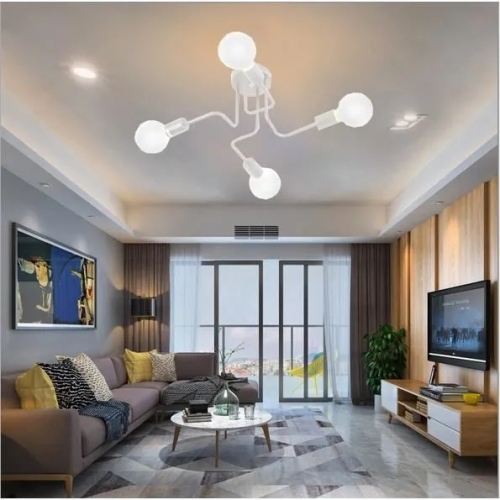
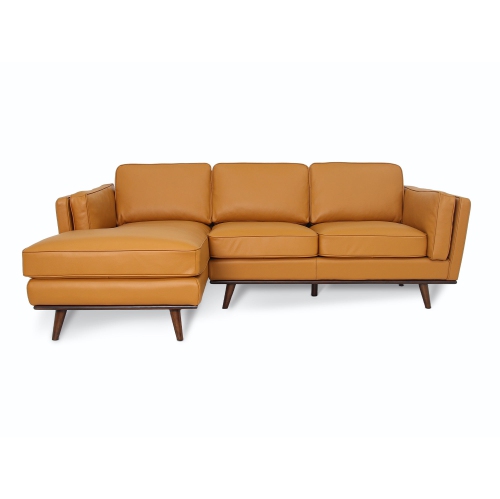

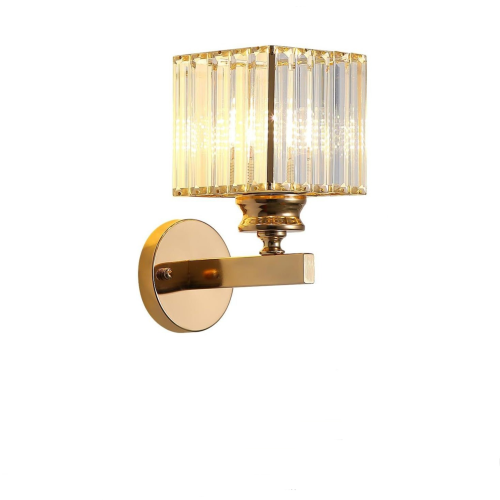


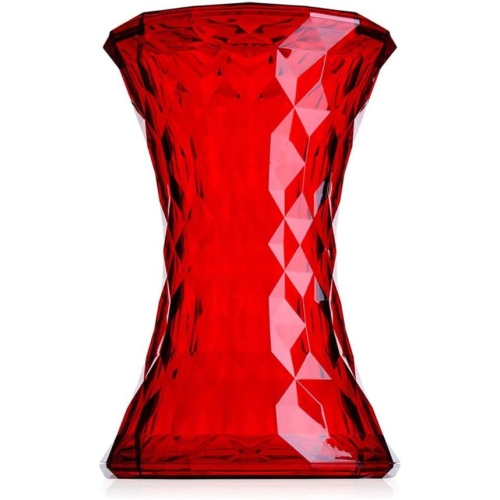


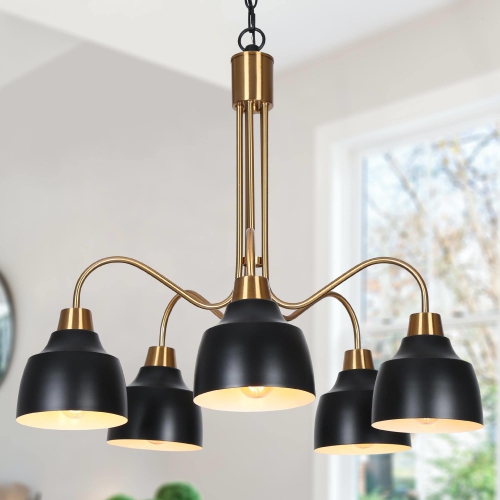
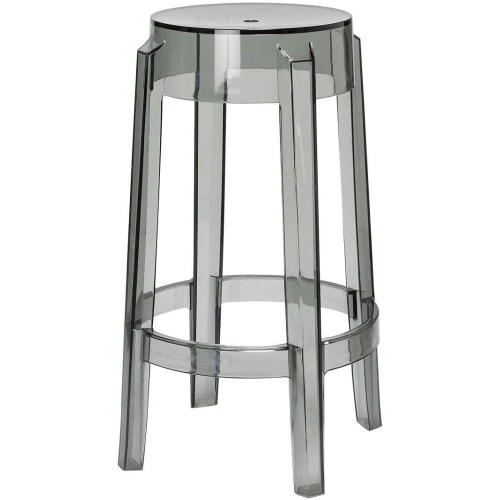

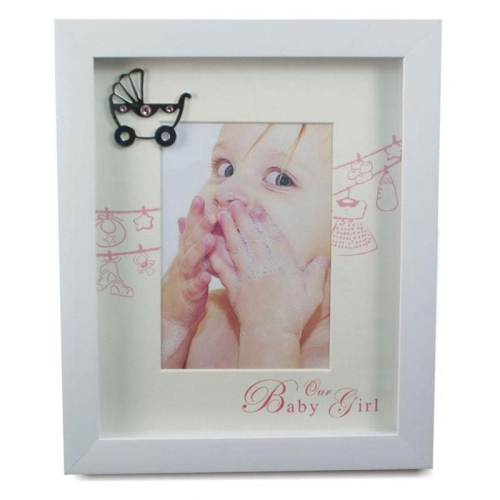
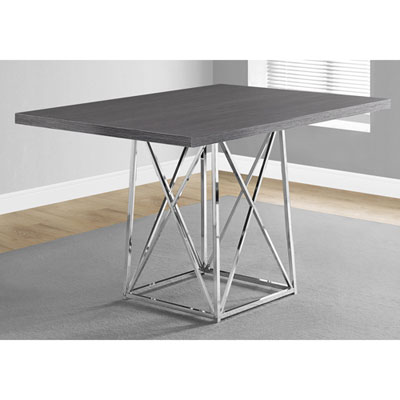
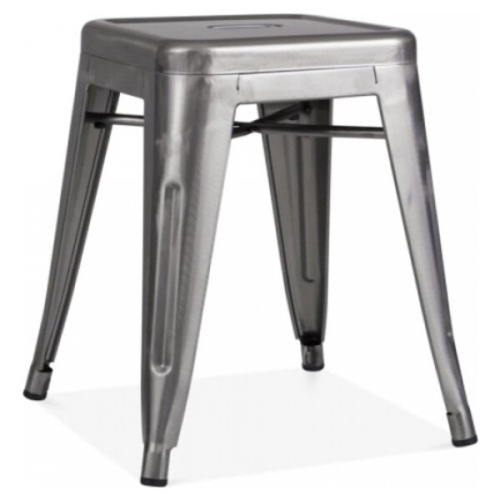
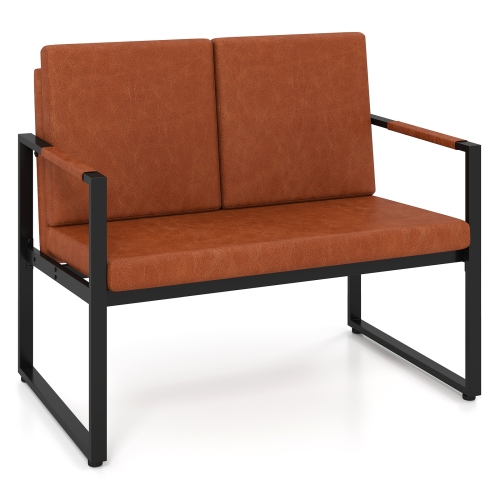

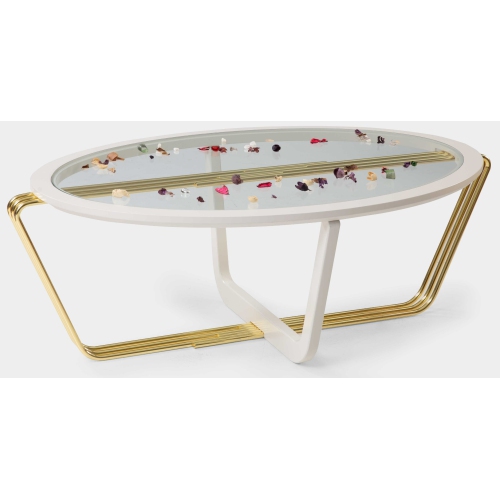

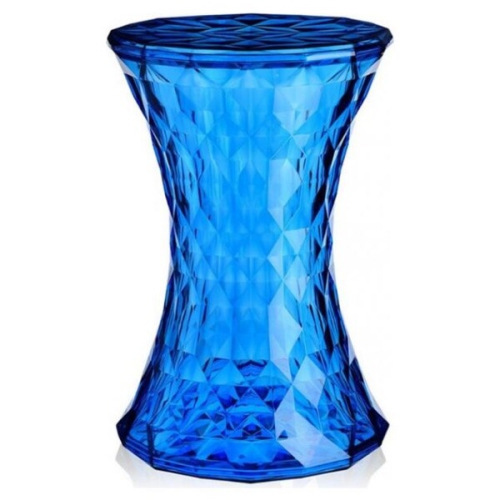
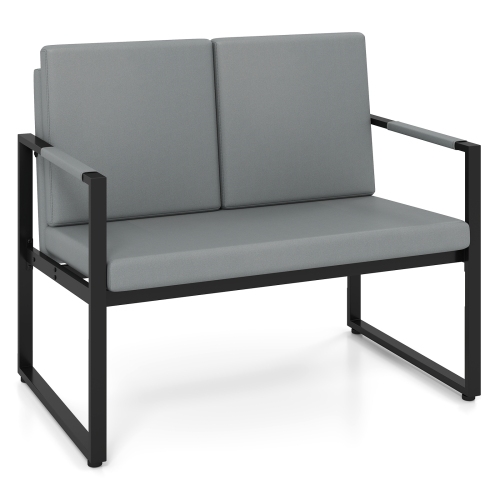

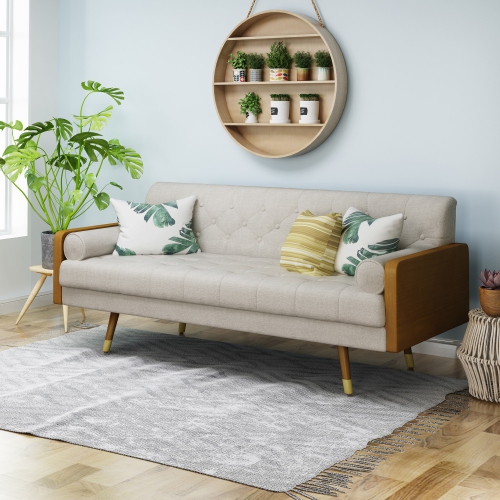
Clean lines and warm textures meet everyday comfort
Modern interior design brings together clean lines, practical furniture, and a restrained colour palette to create rooms that feel open, comfortable, and easy to use. Rooted in early- to mid-twentieth-century design, the style favours purposeful shapes over elaborate ornament, with an emphasis on proportion, texture, and the character of each material. White, cream, beige, grey, and brown often form the foundation, while black accents add definition and muted colours introduce personality without overwhelming the space. Natural wood grain, smooth glass, brushed metal, and woven upholstery give a simple room depth: a warm timber surface beside a softly textured seat can be enough to make an understated arrangement feel welcoming. Modern furniture often features low profiles, straight edges, and visible legs that leave more of the floor in view. Curves still have a place, particularly in rounded seating and mid-century-inspired shapes that soften a strongly geometric room. The result need not be stark or empty. A few well-proportioned furnishings, useful lighting, and thoughtfully chosen accents can support everyday life while leaving breathing room between pieces. Within this broader style, mid-century modern interiors lean towards tapered legs and sculptural forms, minimalist spaces emphasize uncluttered surfaces, and organic modern rooms pair simple silhouettes with tactile wood, stone, and natural-looking finishes. Modern and contemporary interiors share some visual qualities, but the terms are not identical: modern refers to an established design tradition, while contemporary reflects a more evolving mix of present-day influences. Furnishings associated with Contemporary Interior Design may appeal to those who enjoy clean-lined rooms with a wider range of shapes and finishes. Across these approaches, the strongest connection is between appearance and purpose. A living area should offer comfortable conversation, a dining space should accommodate the people who gather there, and a work area should make daily tasks easier rather than simply look composed in a photograph. That practical foundation gives modern home furnishings their lasting appeal in apartments, family homes, and multipurpose rooms alike.
Scale and fit have a considerable effect on how modern furniture feels in a home. In a compact condo, raised legs and shallower profiles can preserve sightlines, while a larger room may need broader proportions to keep the arrangement from feeling scattered. Overall dimensions tell only part of the story. Seat depth, back height, arm placement, and the clearance beneath a tabletop all influence comfort during a long conversation, a shared meal, or an evening spent reading. Lower seating can suit a relaxed lounge area, but a firmer, higher seat may be more comfortable for someone who prefers support when sitting down or standing up. Open-plan spaces benefit from furnishings that look finished from more than one angle, since the back of a seating arrangement or storage unit may be visible from an adjoining area. Repeated wood tones or metal finishes can connect those spaces without making every piece match. Storage is equally important to the uncluttered appearance associated with modern interiors. Closed compartments keep cables, paperwork, and everyday belongings out of sight, while a limited amount of open shelving leaves room for books and meaningful objects. Adjustable shelves and accessible cable openings add practical value, especially where a room serves as both a living space and a home office. Furniture intended to hold electronics needs suitable weight capacity, enough depth for connections, and ventilation appropriate to the equipment. Delivery access also matters: doorways, stair turns, lifts, and the space needed for assembly can determine whether a furnishing is a workable fit. Once in place, drawers and doors need room to open without blocking a walkway. Lighting completes the arrangement by supporting different activities rather than relying on a single bright overhead source. Diffused light creates a comfortable background, while directed light supports reading or focused work. Simple shades and streamlined bases fit naturally into modern rooms, though the light’s direction, glare, and ease of control matter just as much as its silhouette. These details help a clean-lined space remain comfortable through the ordinary routines of the day.
Materials and construction shape both the appearance of modern interiors and the care their furnishings require. Solid wood brings variations in grain and tone, while wood veneer offers a real wood surface over a supporting core; performance depends on the overall construction and finish, not the surface material alone. Glass creates visual lightness but shows fingerprints readily, and metal offers crisp definition with finishes that can range from polished to softly brushed. Stone surfaces vary in porosity and may need particular cleaning methods or sealing, depending on the material. In a frequently used dining or living area, resistance to spills, scratches, and repeated handling deserves attention alongside colour and texture. Upholstery has its own balance of comfort and upkeep. A close weave generally offers fewer places for claws or jewellery to catch than a loose, heavily textured fabric, though suitability for pets and children depends on the fabric’s stated properties. Removable covers can make care more convenient, but they are not necessarily machine washable. Leather develops character with use and needs care appropriate to its finish; synthetic alternatives may have different cleaning requirements and wear patterns. Manufacturer care directions remain the best reference for each material. Soft cloths, prompt attention to spills, and protection beneath frequently moved objects can help preserve finishes, while abrasive cleaners may dull or damage them. Durability also comes from sound joints, stable bases, smoothly operating hardware, and weight limits suited to the intended use. For households with young children, rounded edges and properly secured tall storage can be useful considerations without changing the room’s overall style. Modern furnishings suit a broad range of people, from someone setting up a first apartment to a household bringing more order to a busy shared space. Smaller home accents can also make thoughtful housewarming or wedding gifts when chosen with the recipient’s colours, available space, and care preferences in mind. The most personal modern interiors leave room for familiar belongings: a favourite stack of books, a textured throw, or a family photograph can sit comfortably within a restrained setting. Clean lines provide the structure; comfort, useful storage, and the details of daily life make the room feel like home.
Top selling and popular products
-
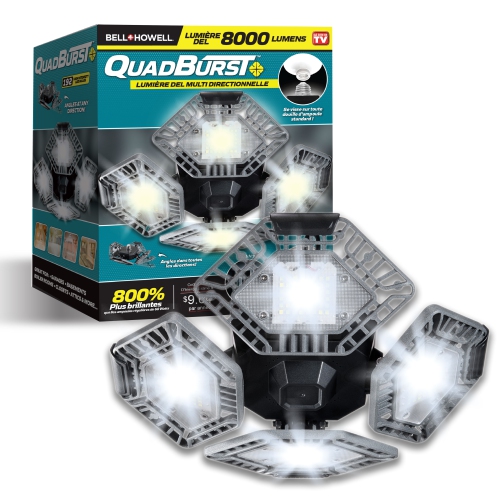 Your price for this item is $49.95
-
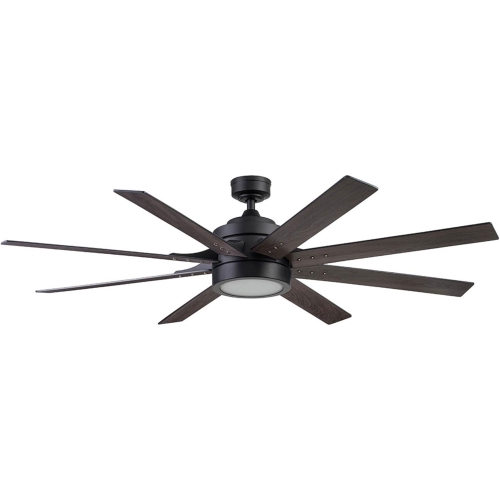 Your price for this item is $385.99
-
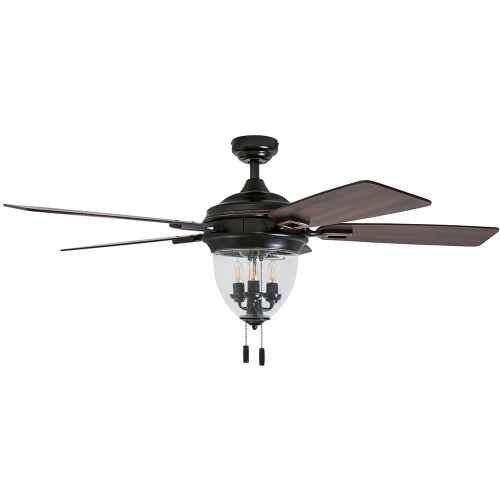 Your price for this item is $287.99
-
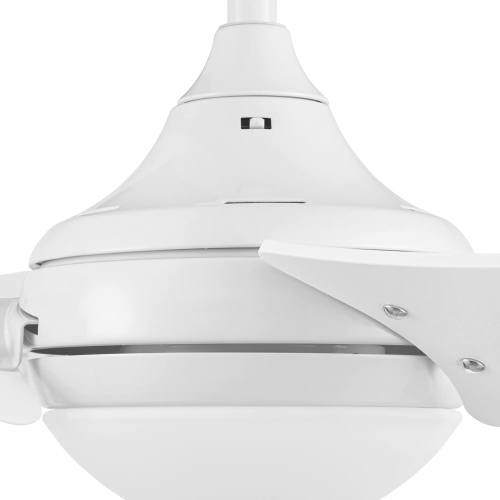 Your price for this item is $187.99
-
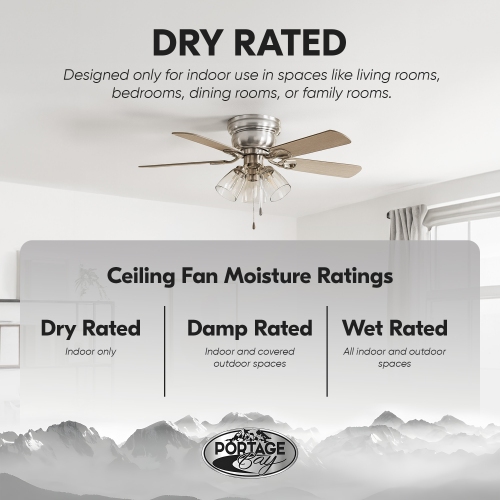 Your price for this item is $174.99
-
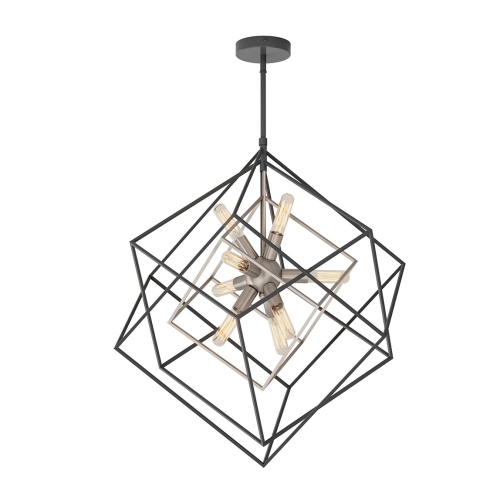 Your price for this item is $299
-
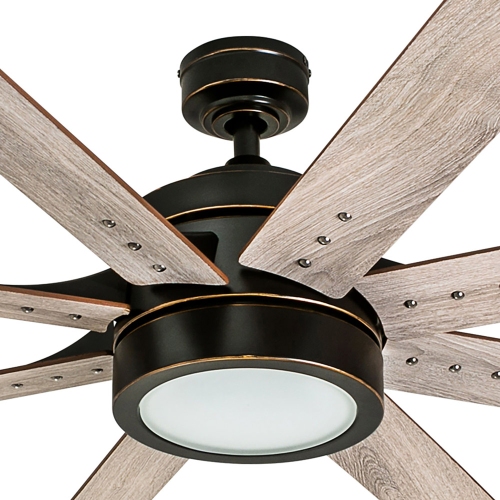 Your price for this item is $427.99
-
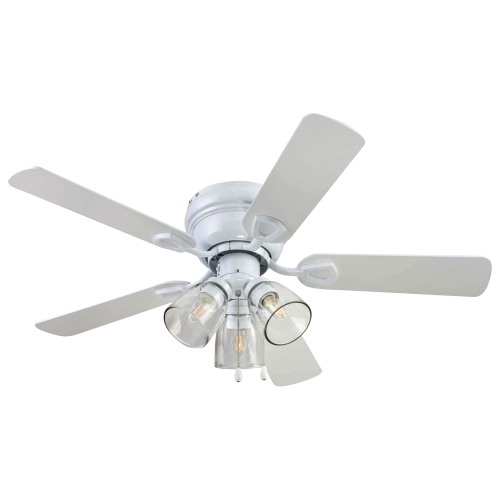 Your price for this item is $166.99
Discover more categories related to Modern Interior Design
Top Collections:
Pokemon Centers, Kindle Devices, Best Cameras for Sports Photography, Pokémon 30th Celebration Cards, Apple iPhones 16, Canon G7X Cameras, iPhone 15 Apple, Flip Phones, Samsung Galaxy Phones, Alarm Clock
Some products may be subject to Environmental Handling Fees
(EHF) depending on your province.
Learn more about EHFs.