Modern Kitchen Hardware for Cabinets
Elevate your kitchen’s style with modern kitchen hardware for cabinets, designed to bring a fresh and updated look to any space. Whether you’re refreshing your current cabinets or completing a full renovation, the right hardware can make a significant impact on your kitchen’s overall aesthetic. Discover a wide variety of options that cater to contemporary tastes, allowing you to personalize your cabinets with ease. Explore modern kitchen hardware for cabinets that combines sleek design with lasting appeal, perfect for creating a kitchen that feels both functional and stylish.
Sort
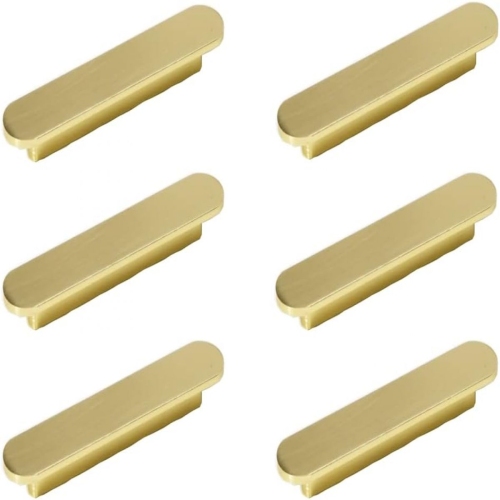
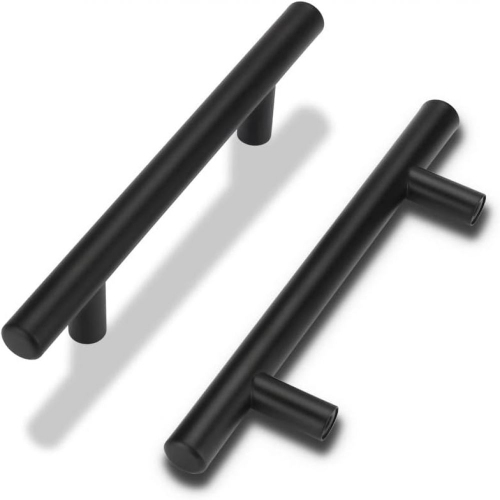
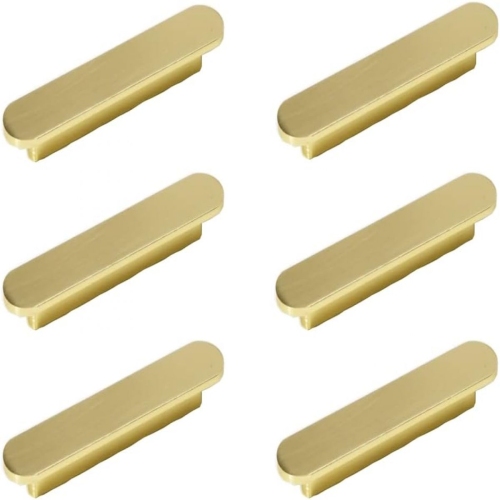
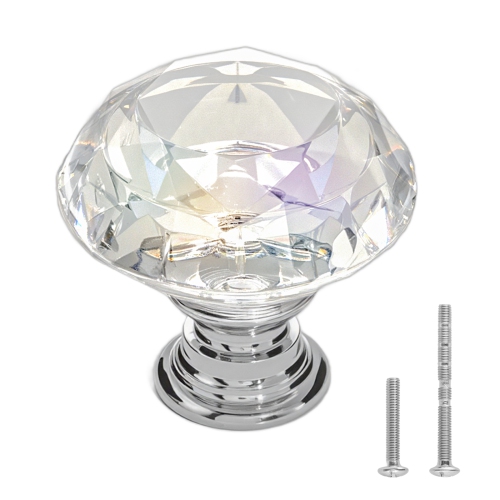
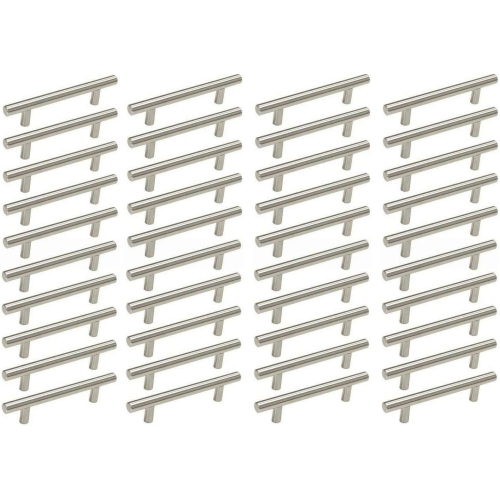
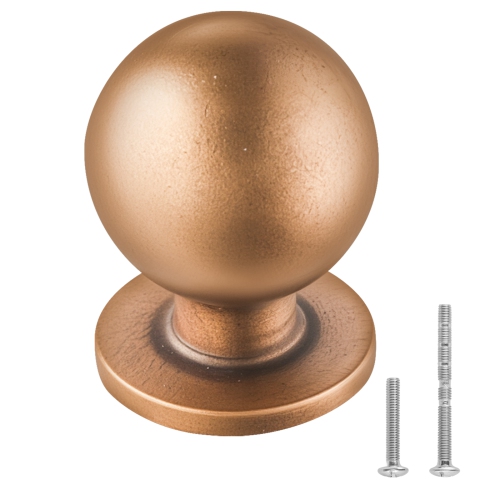
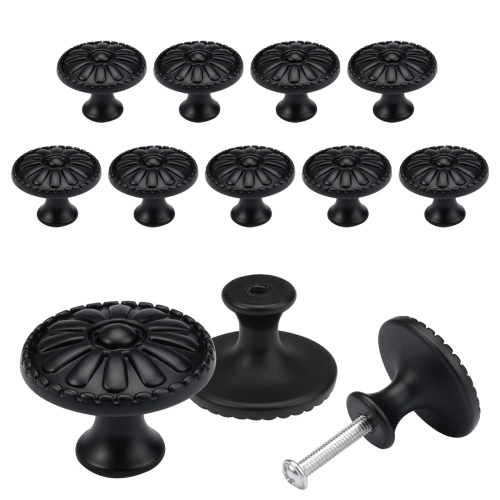
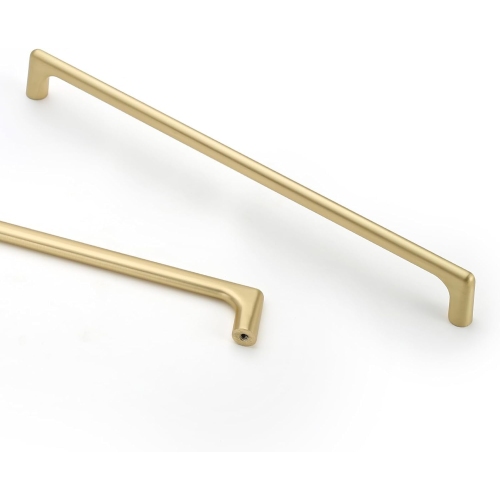
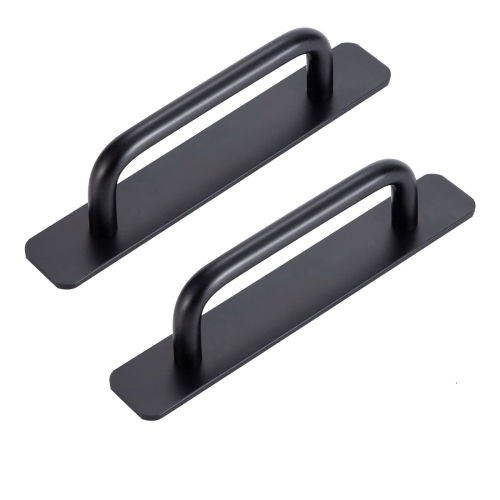
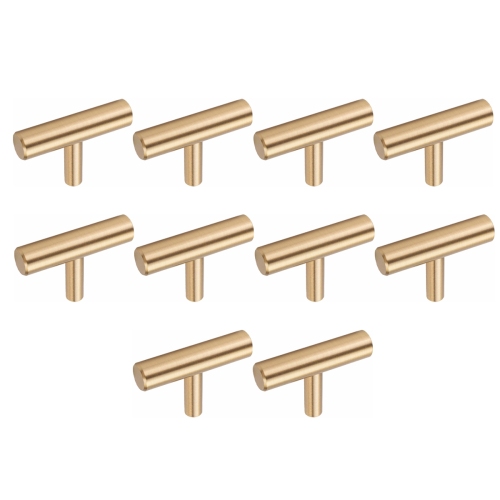
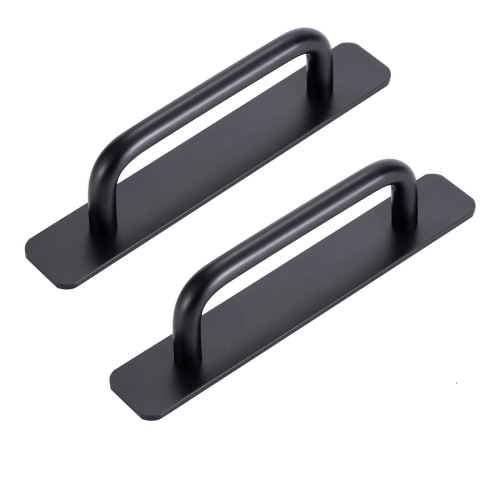
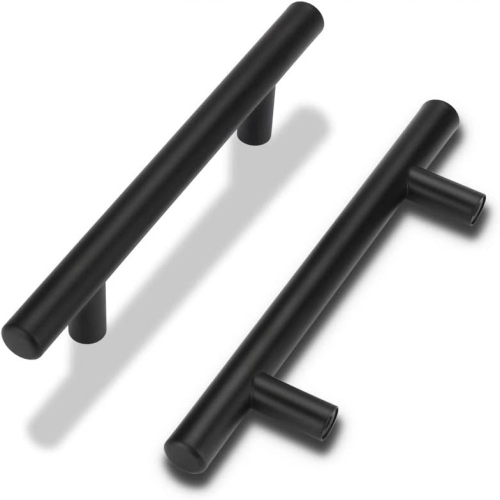
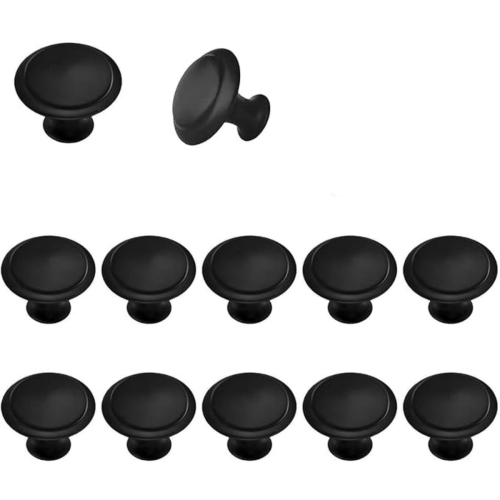
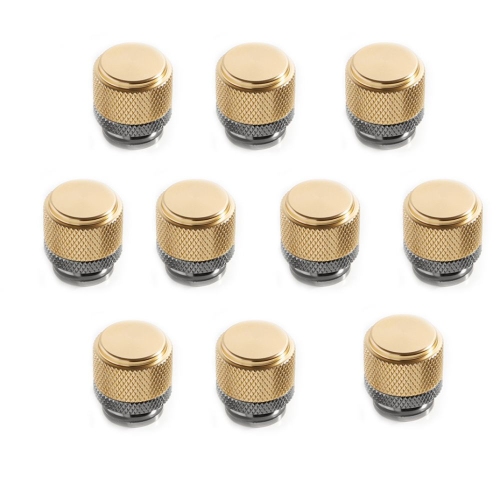
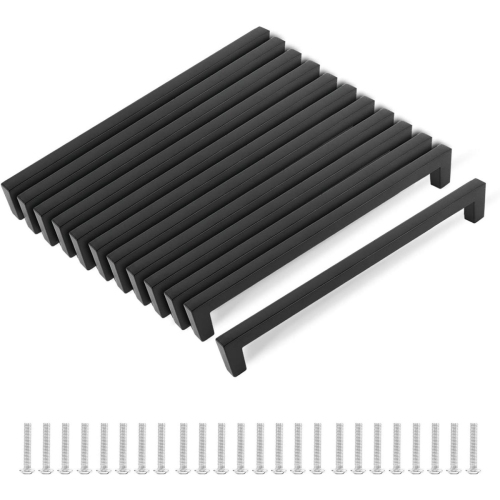
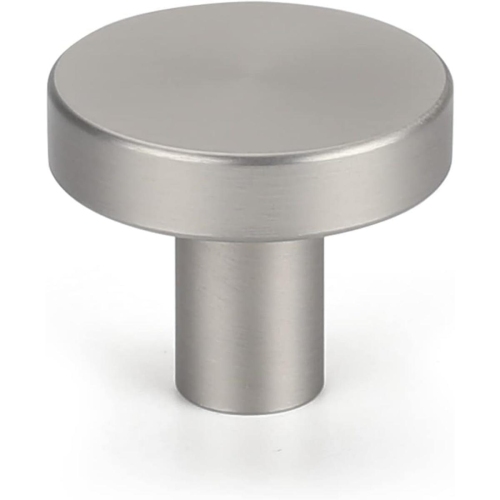
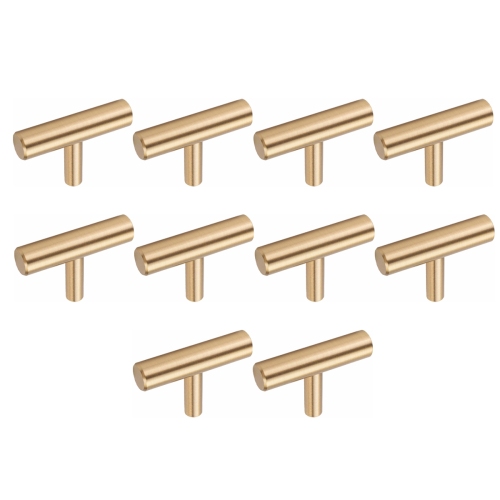
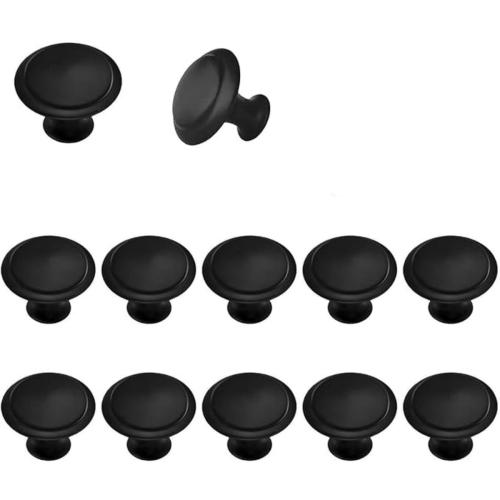
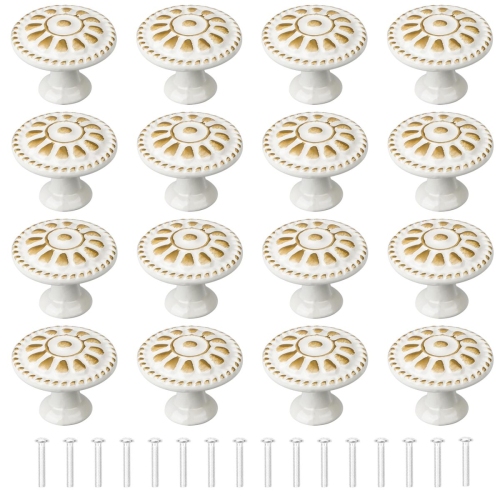

How handle proportions change the look of cabinetry
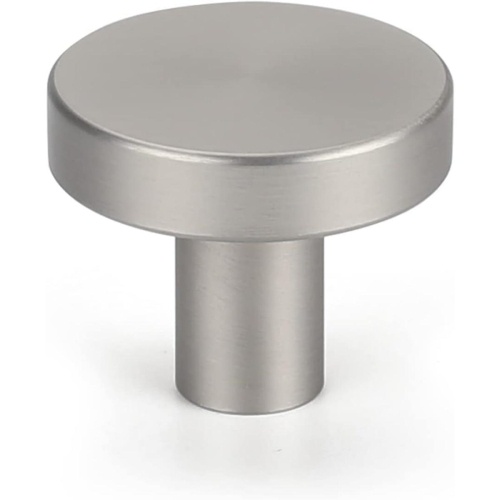
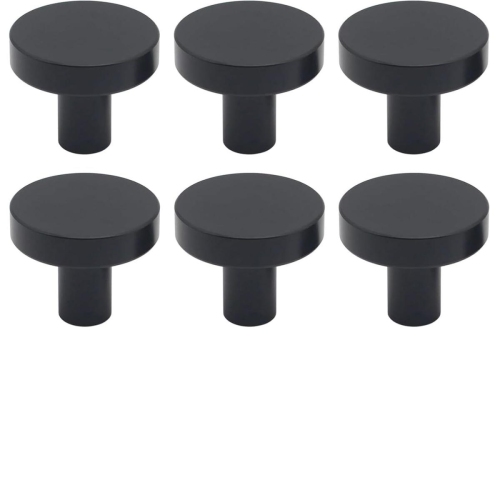
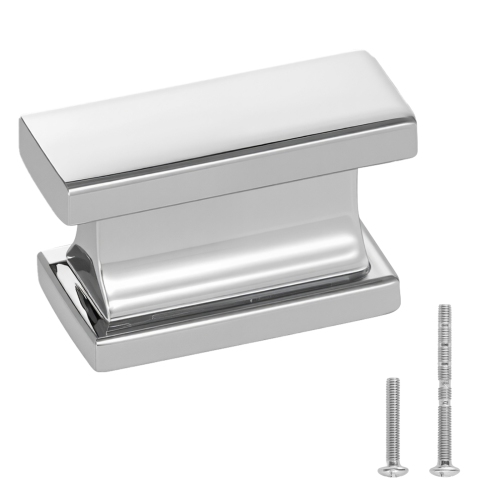
Modern kitchen hardware for cabinets includes knobs, pulls, and edge handles with clean lines, simple shapes, and finishes that complement contemporary cabinetry. Rather than adding elaborate ornament, these fittings bring definition to doors and drawers through proportion, texture, and contrast. A slim bar pull can emphasize the width of a deep drawer, while a compact round knob leaves more of a cabinet door’s surface visible. Flat-panel doors often suit straight profiles and restrained detailing; contemporary Shaker cabinets can carry the same streamlined look while retaining the depth of their framed fronts. The effect depends as much on the relationship between the hardware and cabinetry as on the hardware alone. Matte black creates a clear outline against pale painted doors, brushed metallic finishes sit comfortably beside stainless steel appliances, and warmer brass tones add contrast to white, charcoal, or wood-grain cabinetry. Matching every metal surface is not essential, although repeating a finish across several touchpoints can make the kitchen feel more cohesive. Shape also changes how the space feels in everyday use. Rounded ends soften an otherwise angular layout, narrow rectangular pulls reinforce crisp horizontal lines, and discreet edge handles keep the cabinet face visually open. The related Contemporary Kitchen Handles page provides another way to explore this streamlined style. Within a kitchen, different hardware types can share a consistent finish without looking identical: knobs on upper doors and longer pulls on lower drawers can create a balanced arrangement. This flexibility suits a full renovation as well as a smaller refresh where the cabinet boxes and doors remain in place. For homeowners updating a familiar kitchen, the right proportions can make existing cabinetry feel more considered without changing its basic character. In an open-concept home, understated hardware can also connect the kitchen visually with nearby furniture, lighting, and shelving without competing with those larger features.
Materials and surface finishes influence both appearance and how cabinet hardware responds to frequent handling. Stainless steel is valued for its strength and resistance to corrosion, while solid brass offers a substantial feel and can develop a changing surface character when left unlacquered. Zinc alloy is commonly shaped into a wide range of profiles and covered with decorative finishes, and aluminium can provide a lighter feel in streamlined designs. Material descriptions matter because a brass-coloured finish does not necessarily mean the hardware is solid brass, just as a stainless steel look may refer to a surface treatment rather than the underlying metal. Protective coatings, plating quality, construction, and cleaning habits all contribute to durability. A brushed or satin surface can make fingerprints and small marks less noticeable than a highly polished finish, though no finish is entirely maintenance-free. Matte surfaces offer a quieter visual effect but may show oily residue depending on their colour and coating. Around a busy preparation area, handles are touched after everything from unloading groceries to kneading dough, making easy-to-clean contours a practical consideration. Smooth profiles with fewer grooves leave less space for residue to collect, while textured grips can provide a more tactile hold but may need closer attention during cleaning. Routine care generally involves a soft cloth and a mild cleaning solution suitable for the finish, followed by drying; abrasive pads and harsh chemicals can damage some coatings. Manufacturer care directions remain important, particularly for plated, painted, or lacquered surfaces. Near a sink or dishwasher, promptly wiping away splashes can help protect the finish and prevent residue from building up around mounting points. Hardware on a frequently opened cutlery drawer experiences a different level of contact than a knob on an occasional-use cupboard, so the expected workload belongs alongside colour and shape when comparing materials. A comfortable, well-finished grip has value long after the initial visual update.
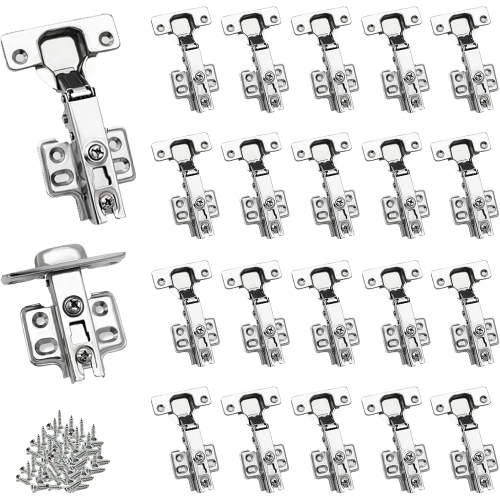
Fit determines whether modern cabinet hardware feels like a natural part of the kitchen or an awkward addition. For replacement pulls, centre-to-centre hole spacing is the key measurement: it describes the distance between the mounting holes, not the full length of the handle. Two pulls can have the same overall length and still require different hole positions. Knobs generally use a single mounting point, while many pulls use two, and edge-mounted designs may need a different attachment method altogether. Cabinet door or drawer-front thickness also affects screw length and mounting compatibility, particularly where a drawer has an additional front panel. Existing holes, surface marks, and the footprint of the previous hardware can influence how cleanly a replacement fits; a backplate may cover some marks, but its dimensions need to suit the area. Beyond installation, clearance deserves attention. A handle needs enough space behind it for fingers, and its projection should not cause neighbouring drawers, appliance doors, or corner cabinets to collide. In a compact kitchen, a shallow profile can reduce protrusion along a narrow walkway, while a larger grip may be more comfortable on a wide drawer holding cookware. Comfort varies by hand size and mobility. A pull with generous clearance may be easier for someone who finds small knobs difficult to grasp, while rounded edges can feel gentler during repeated use. Longer does not automatically mean more comfortable; grip thickness, underside shape, and the distance from the cabinet face all contribute. Hardware placement also affects the visual rhythm of a kitchen, especially where several drawers sit side by side or a tall pantry door stands beside shorter cupboards. Consistent alignment helps these different sizes read as one arrangement. Where hinges are part of the update, compatibility depends on the cabinet construction, door overlay, opening angle, and mounting pattern rather than appearance alone. Taken together, these details connect the clean look of modern hardware with the practical demands of opening cupboards, reaching for dishes, and moving comfortably through a kitchen every day.
Top selling and popular products
-
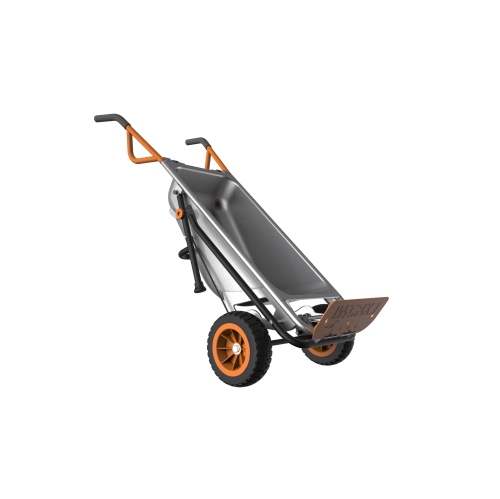 Your price for this item is $329.99
-
 Your price for this item is $150
-
 Your price for this item is $199.99
-
 Your price for this item is $489.99
-
 Your price for this item is $3028.99
-
 Your price for this item is $359.99
-
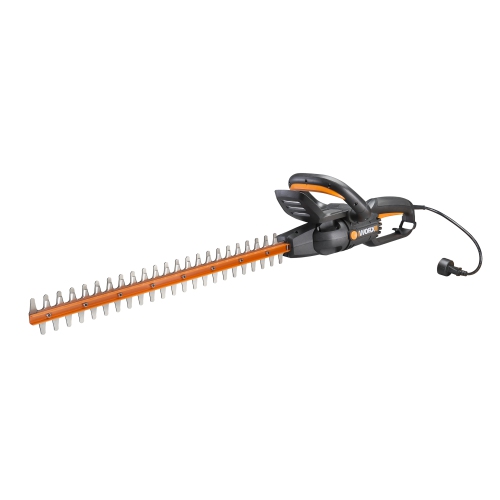 Your price for this item is $159.99
-
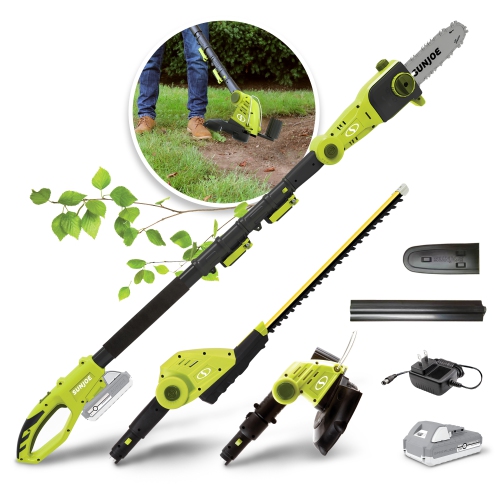 Your price for this item is $396.99
Discover more categories related to Modern Kitchen Hardware for Cabinets
Top Collections:
Best Black Friday Deals This Year, Best Black Friday Deals On Electronics, Kindle Devices, Dyson Airwrap, Best Cameras for Sports Photography, Best Budget Office Chairs, Canon G7X Cameras, PS5 Pro Consoles, Best Black Friday Deals On Apple Products, XBOX One S Consoles
Some products may be subject to Environmental Handling Fees
(EHF) depending on your province.
Learn more about EHFs.