Modern Living Room Ceiling Lights
Elevate your home’s ambiance with modern living room ceiling lights that blend style and functionality. Whether you’re updating your space or designing a new look, these lighting options offer a sleek touch to any décor. Explore a wide range of designs to find the perfect fit for your living area, from subtle fixtures to statement pieces. Discover how the right ceiling lights can enhance the atmosphere and bring a contemporary flair to your living room.
Sort
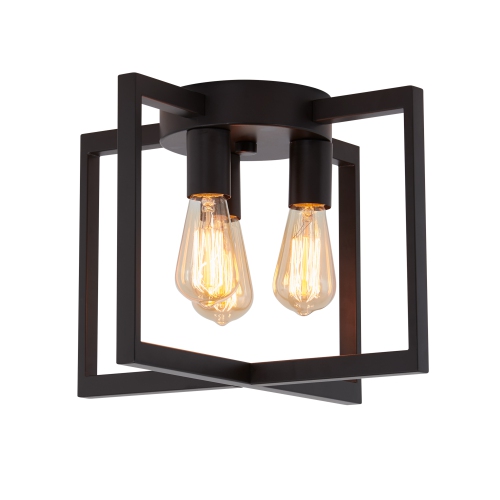
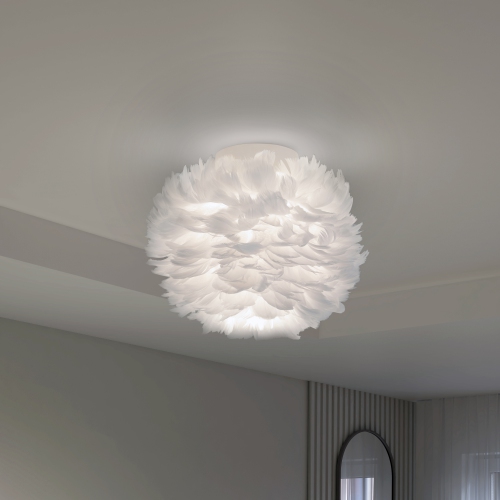

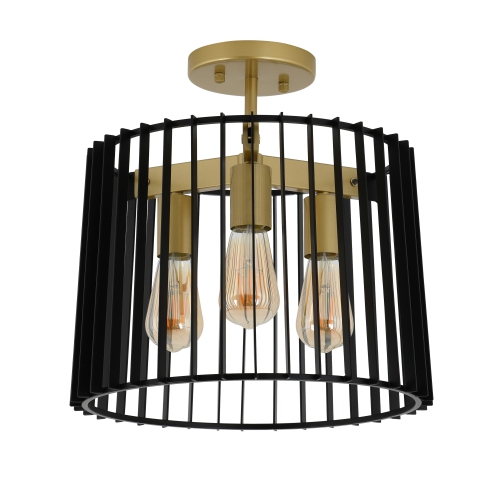
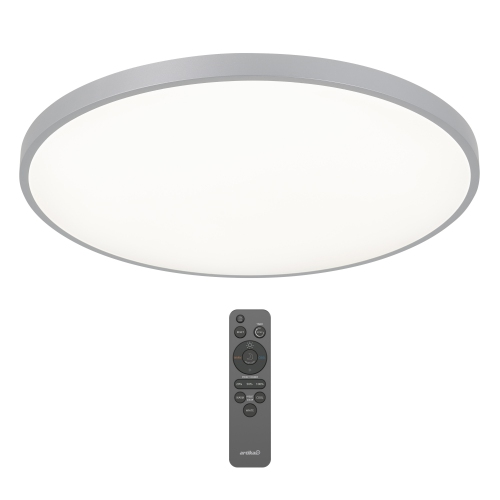
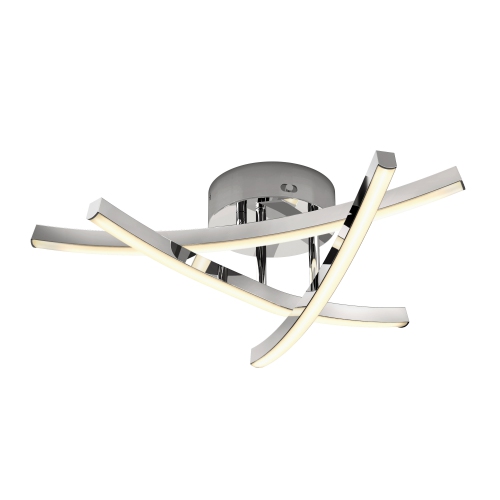


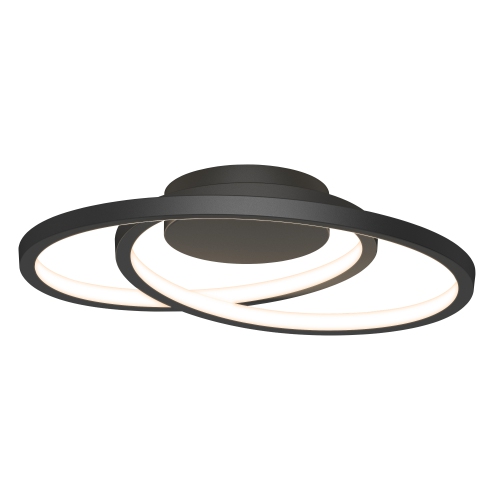
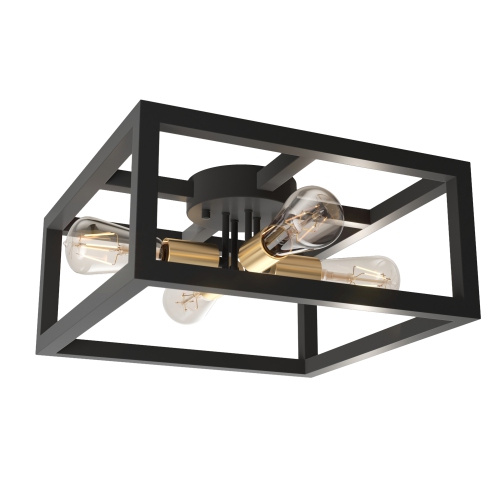
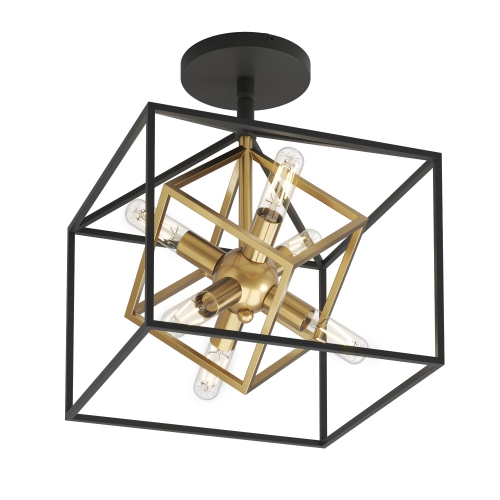

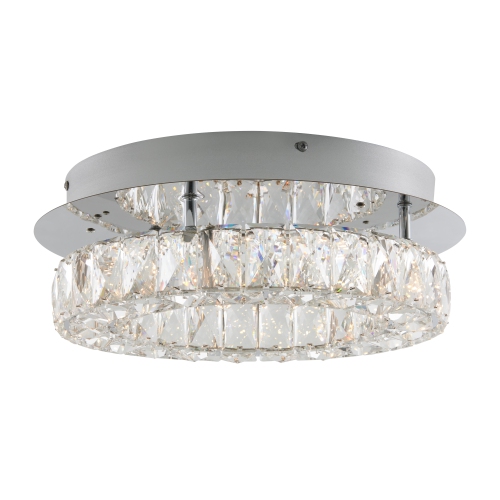

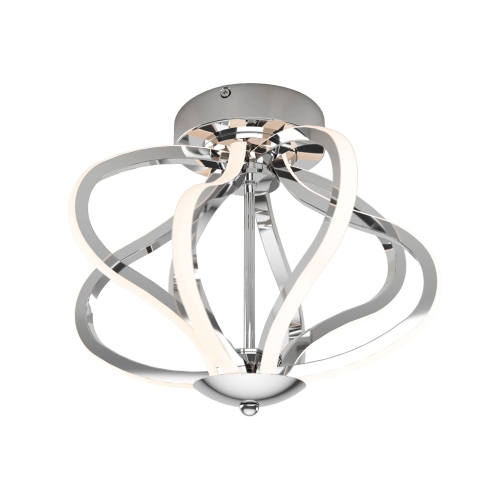

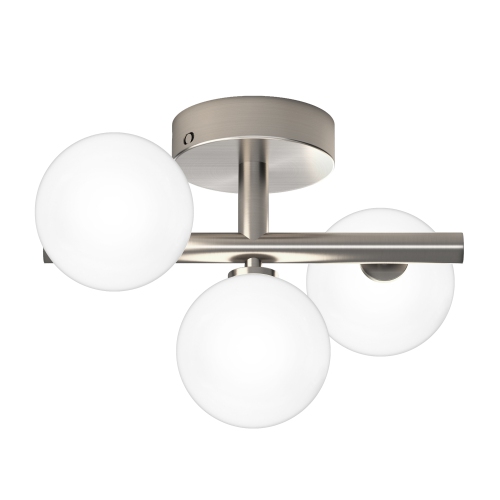
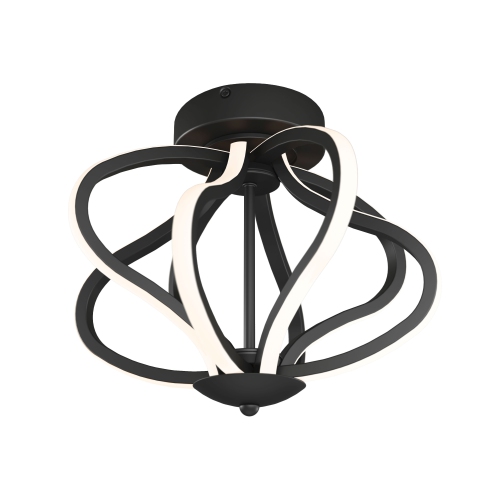

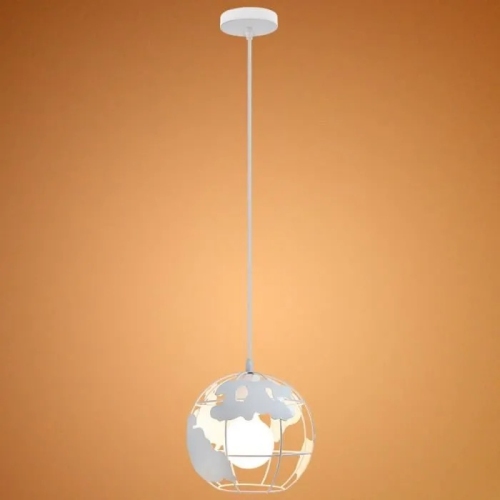
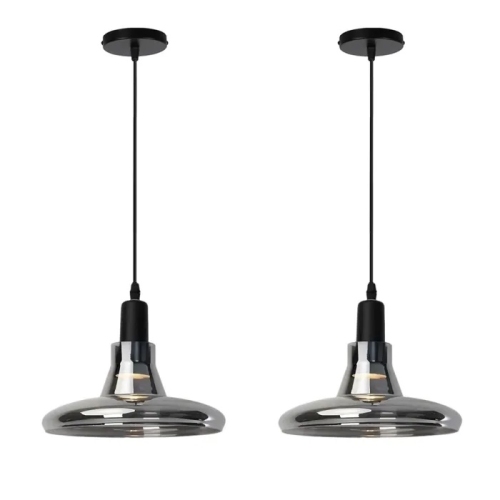
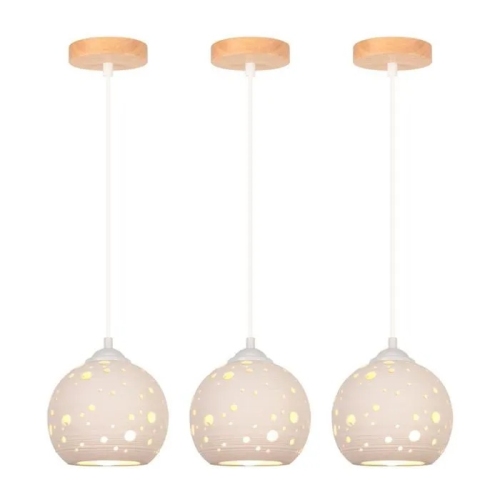
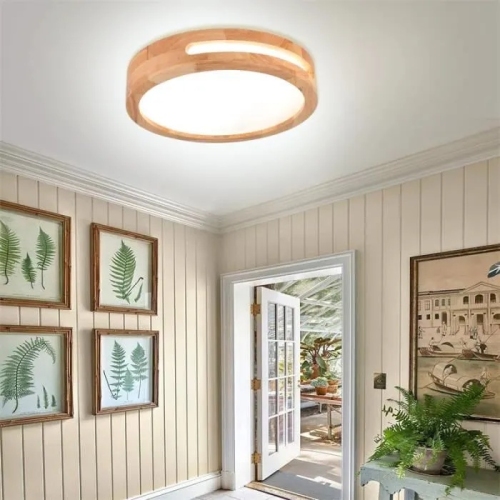
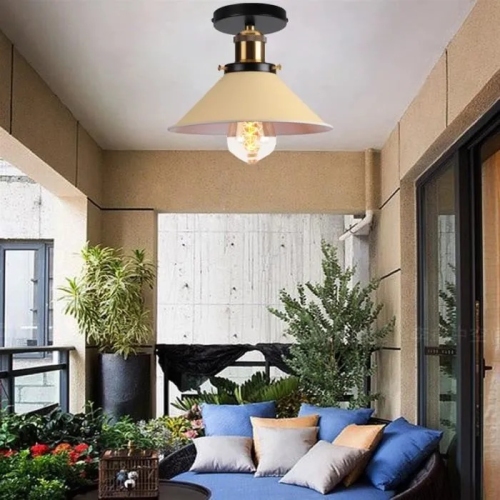
How fixture proportions and softer light shape your space
Modern living room ceiling lights combine clean-lined shapes, balanced illumination, and finishes that work naturally with contemporary furniture. Flush-mount lights sit close to the ceiling, making them a practical choice for rooms where overhead clearance matters, while semi-flush designs leave a small gap that adds depth without the drop of a pendant. Suspended fixtures and modern chandeliers bring more visual presence, with arrangements ranging from slender arms and simple globes to sculptural rings. Each shape changes how a room feels: a broad, shallow fixture can quietly anchor a compact sitting area, while an open framework can create a focal point without appearing visually heavy. The right proportions depend on more than floor area. Ceiling height, the size of the seating arrangement, and sightlines from adjoining rooms all influence how comfortably a fixture fits. A light centred over a conversation area may feel more intentional than one positioned solely around the room’s architectural centre, particularly in an open-plan space. Low-profile designs help maintain an uncluttered view above a television, while a suspended light can define a seating zone within a larger room. For a more pronounced focal point, Modern Living Room Chandelier Lights offer a distinct direction, bringing branching forms, repeated shades, or sculptural silhouettes into the overall design. Finishes help connect overhead lighting with the rest of the space. Matte black can echo slim window frames or furniture legs, brushed metallic finishes introduce subtle texture, and white shades can blend into pale ceilings. Matching every metal surface is not essential; repeating a finish in a few places often creates a more relaxed, cohesive result. A fixture with simple geometry can also bridge different furniture styles, sitting comfortably above a curved sofa, a wood coffee table, or a mix of upholstered chairs. The result is lighting that belongs to the room rather than looking like an isolated finishing touch.
The quality of the light matters just as much as the fixture’s appearance. Ceiling lighting usually provides the broad illumination needed for conversation, tidying, and moving comfortably through the living room, while floor lamps, table lamps, and accent lighting supply more focused layers. A single bright overhead source can leave corners looking flat or create uncomfortable contrast around a television, so balanced coverage is often more useful than maximum brightness alone. Lumens describe light output, whereas wattage describes power use; comparing brightness by lumens gives a clearer picture when considering different bulb types or integrated LED designs. Room proportions, shade materials, wall colours, and ceiling height all affect how that output is perceived. Pale surfaces tend to reflect more light, while dark upholstery and deep wall colours absorb more of it. Diffusers and frosted shades soften the view of the light source, making them especially relevant above seating where people may look upward while reclining. Clear glass and exposed bulbs create a sharper, more decorative effect, but bulb placement and brightness deserve attention to limit glare. Colour temperature also shapes the atmosphere. Light around 2700 K to 3000 K generally creates a warm appearance that suits relaxed seating areas, while neutral-white light can provide a crisper effect for a multipurpose room. Consistent colour temperature across ceiling lights and nearby lamps helps the space feel connected. Accurate colour rendering is useful where artwork, wood tones, and carefully chosen fabrics are part of the room’s appeal. Dimming adds flexibility for reading, entertaining, or watching a film, provided the fixture, bulbs, and dimmer are compatible. Adjustable-white and smart lighting can offer further control, although features such as Wi-Fi connectivity, app access, and voice control vary by design. For someone working at a small desk beside the sofa, separate task lighting can keep the work surface bright without making the entire room feel overlit.
Materials, construction, and access for maintenance help determine how well modern ceiling lighting suits everyday life. Metal frames provide structure and can range from smooth painted surfaces to brushed or plated finishes, each with a different visual texture. Glass shades offer anything from clear sparkle to softly diffused light, while acrylic diffusers can provide a lighter-weight alternative with an even appearance. Fabric shades introduce softness, though their texture may hold dust more readily than a smooth surface. In a busy family living room, straightforward shapes and accessible shades can make routine cleaning less awkward. Intricate frames, multiple glass globes, and deep recesses may need more careful attention to keep their appearance crisp. Cleaning methods should suit the material and finish: a soft, dry cloth is often appropriate for routine dusting, while removable glass components may have separate care requirements. Power should be switched off and bulbs allowed to cool before cleaning, with the manufacturer’s directions taking priority over general advice. Replaceable-bulb fixtures offer flexibility in bulb selection within the stated socket type, size, and maximum wattage, whereas integrated LED fixtures have built-in light sources whose serviceability varies. Access to replacement components, including drivers or diffusers where applicable, is worth considering for long-term upkeep. Installation requirements are equally important. The ceiling box and mounting arrangement must support the fixture’s weight, and an existing wall dimmer may not suit a new LED light. Fixtures should carry electrical certification accepted in the applicable Canadian province or territory, and hardwired installation is best handled by a qualified electrician in accordance with local requirements. Sloped ceilings may require compatible mounting hardware, while suspended designs need enough clearance above walkways and furniture. Renters and condo residents may also have building or owner requirements to confirm before changing a hardwired fixture. Attention to these practical details allows the finished lighting to serve everyday routines while maintaining the clean, considered look that defines a modern living room.
Top selling and popular products
-
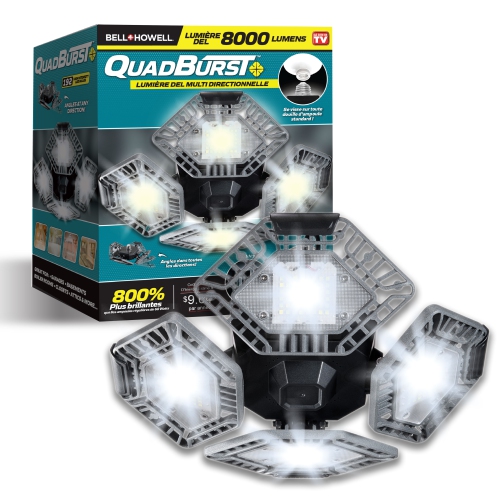 Your price for this item is $49.95
-
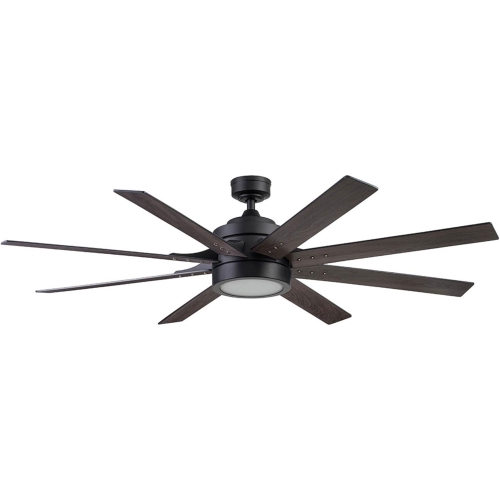 Your price for this item is $491.99
-
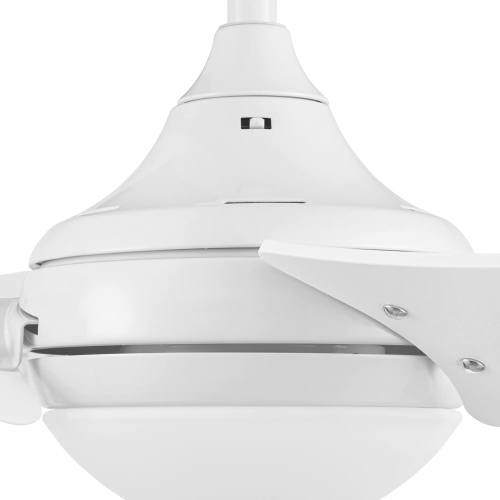 Your price for this item is $239.99
-
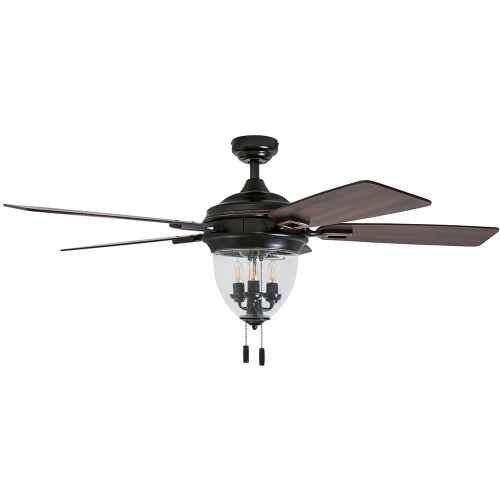 Your price for this item is $368.99
-
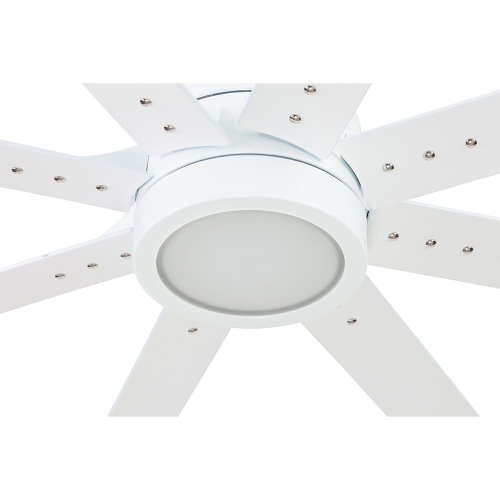 Your price for this item is $502.99
-
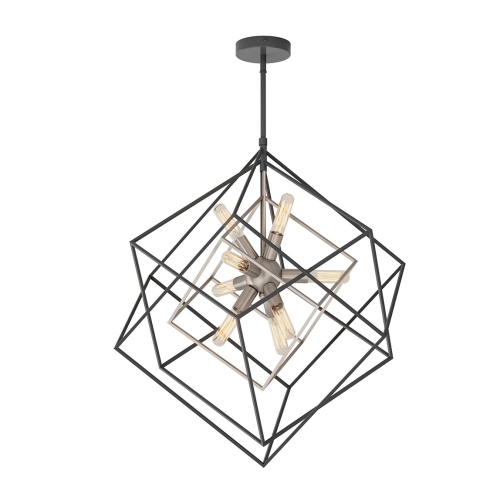 Your price for this item is $299
-
 Your price for this item is $227.99
-
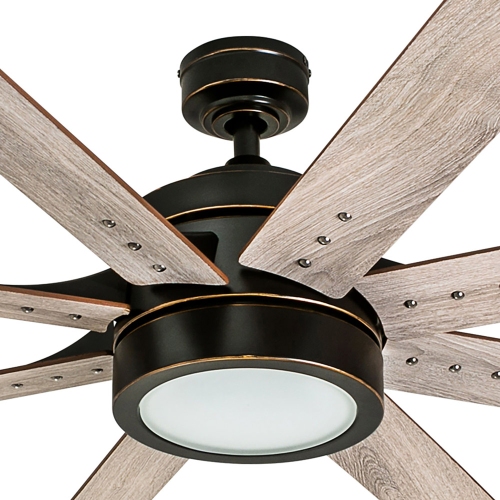 Your price for this item is $536.99
Discover more categories related to Modern Living Room Ceiling Lights
Top Collections:
Pokemon Centers, Kindle Devices, Best Black Friday Deals This Year, Pokémon 30th Celebration Cards, Best Black Friday Deals On Electronics, Best Cameras for Sports Photography, Best Black Friday Deals On Apple Products, Canon G7X Cameras, iPhone 15 Apple, Candle Warmer Lights
Some products may be subject to Environmental Handling Fees
(EHF) depending on your province.
Learn more about EHFs.