Modern Outdoor Benches
Upgrade your outdoor space with our collection of modern outdoor benches that effortlessly blend style and functionality. Whether you're looking to create a cozy nook in your garden, add seating to your patio, or enhance your backyard oasis, our range of sleek and durable outdoor benches are designed to elevate your al fresco experience. From clean lines and contemporary designs to weather-resistant materials that withstand the elements, these benches are perfect for soaking up the sun, enjoying a cup of coffee, or simply unwinding in the fresh air. Explore our selection and find the perfect modern outdoor bench to complement your outdoor decor and lifestyle.
Sort
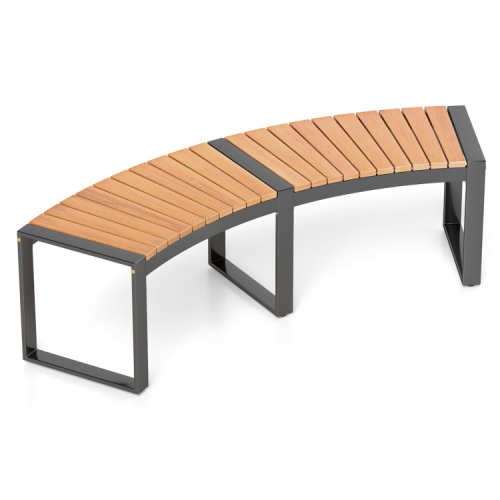


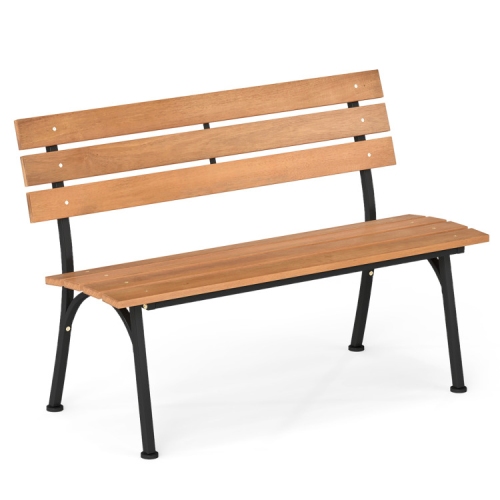
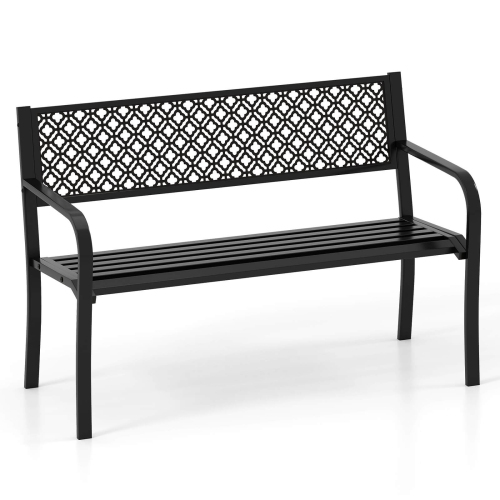


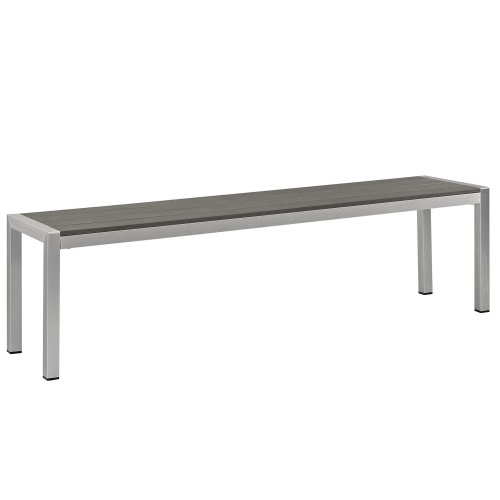


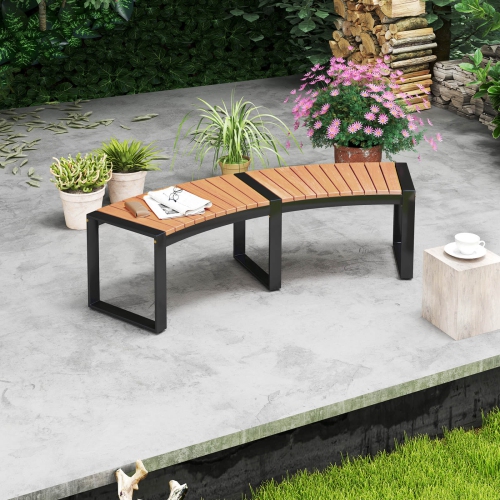
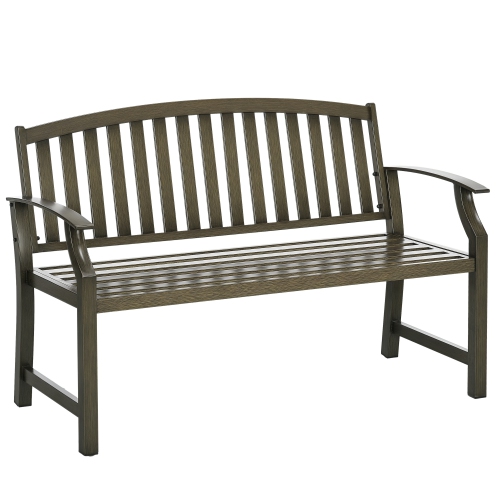

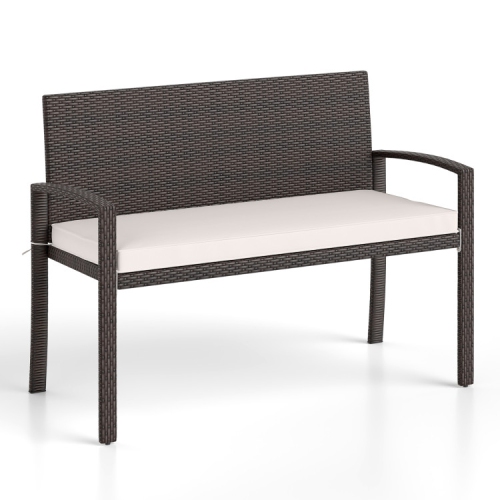

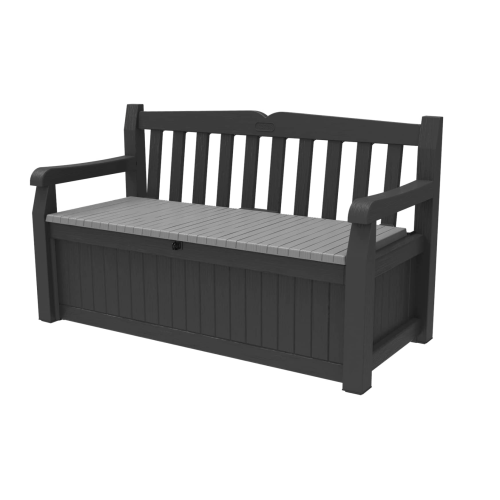


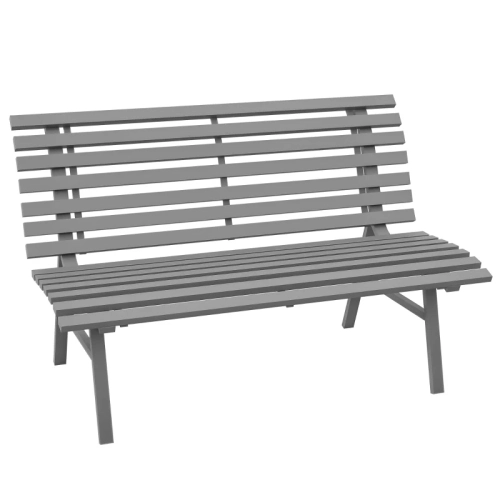


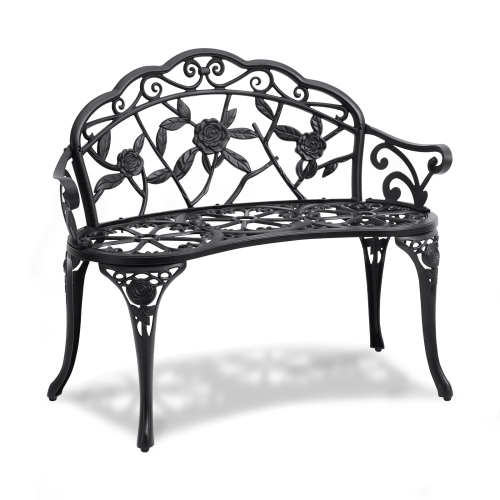


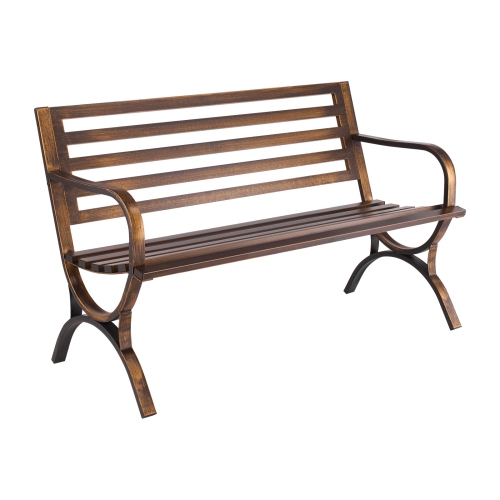


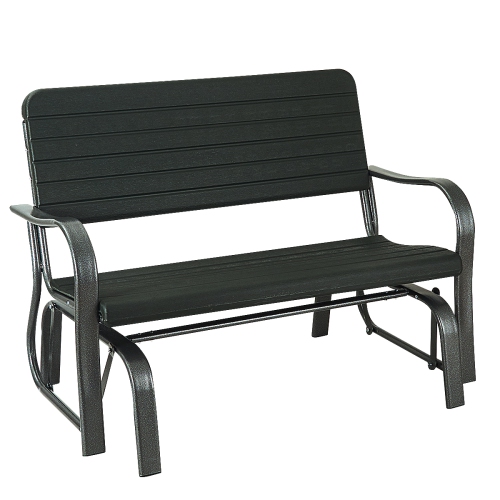
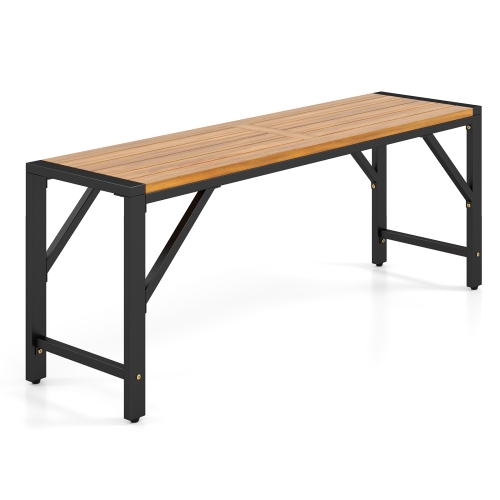


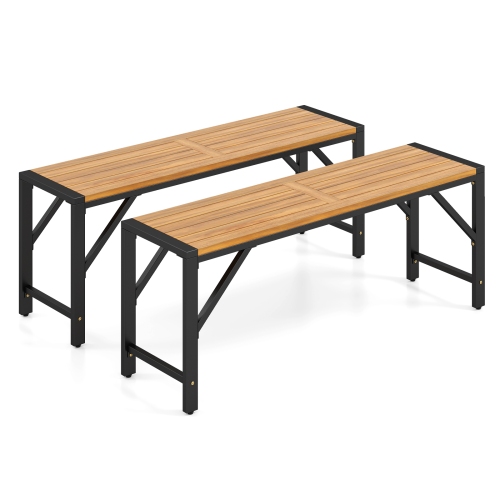
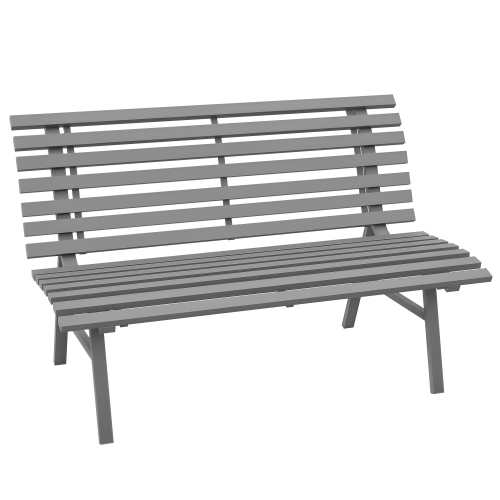

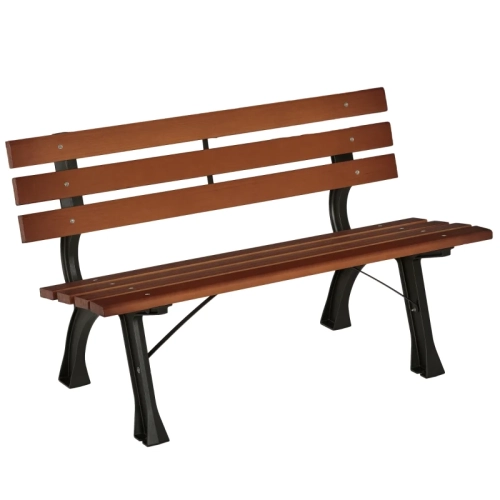

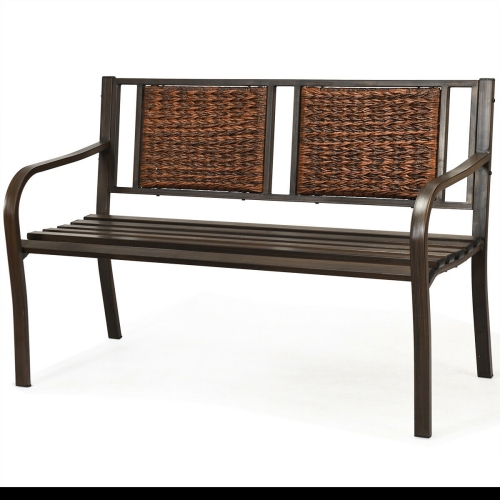


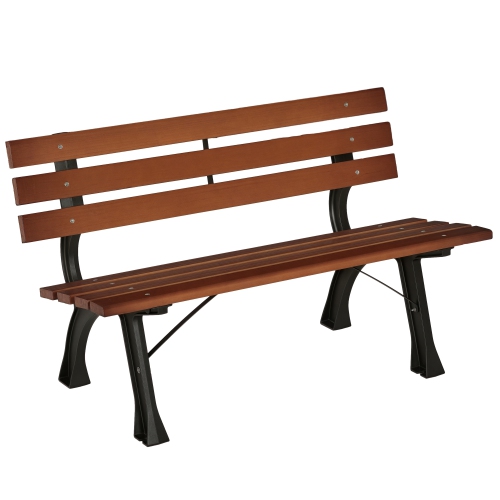

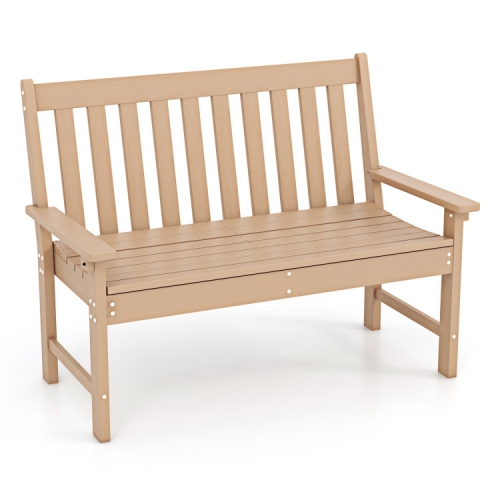
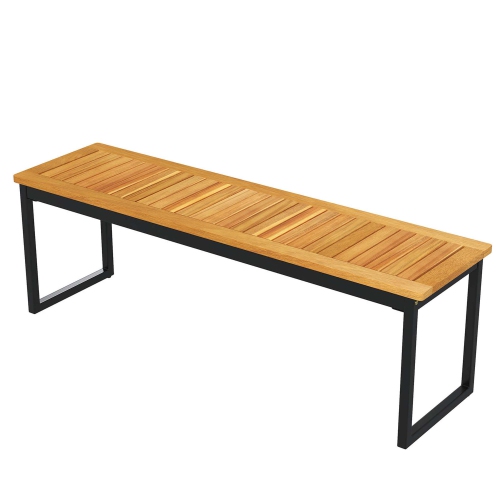
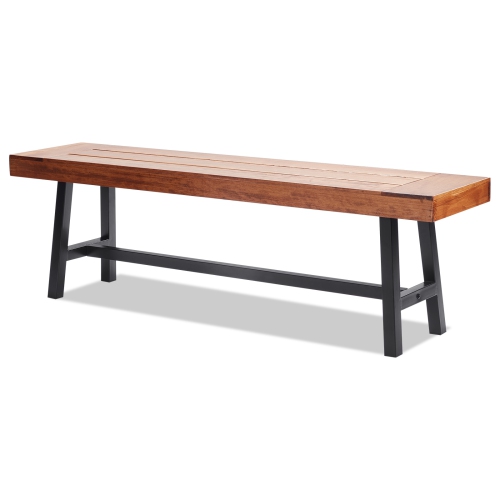


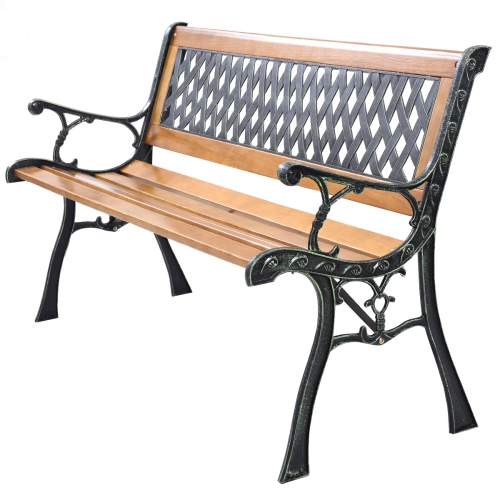

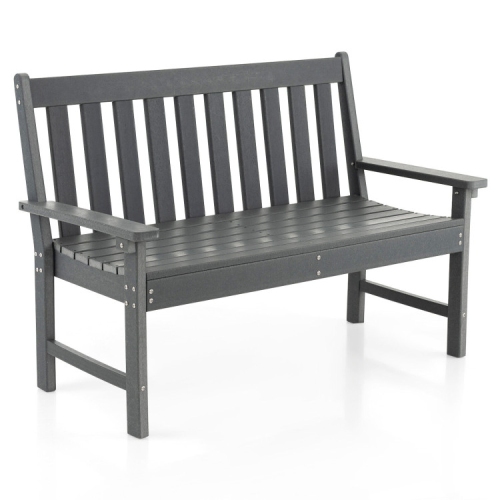
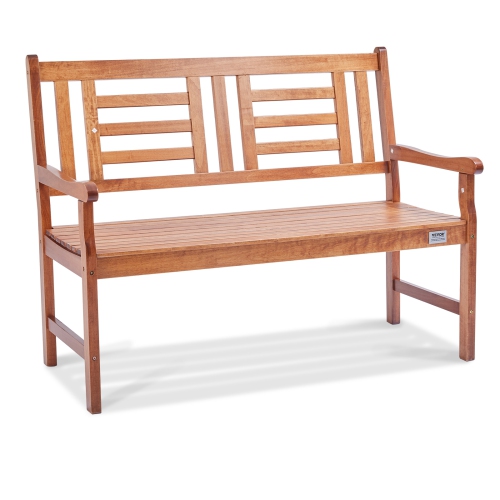

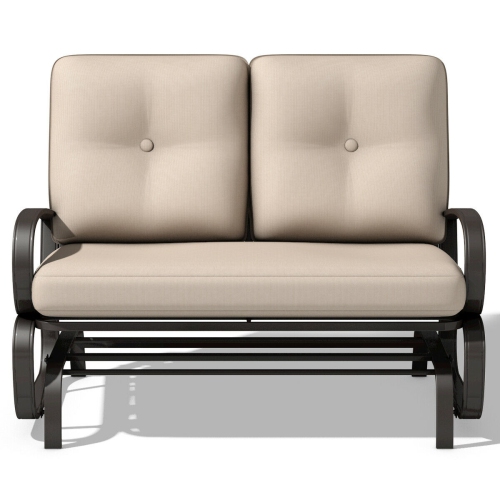


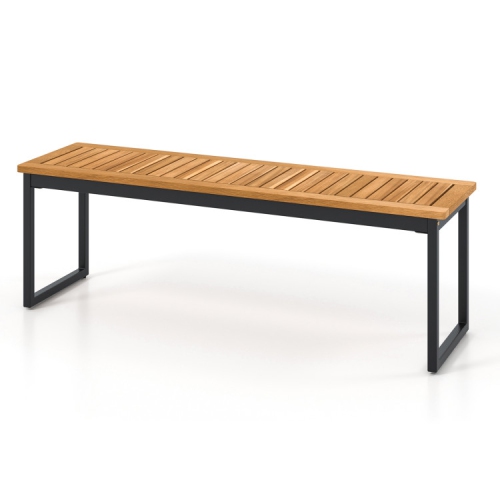
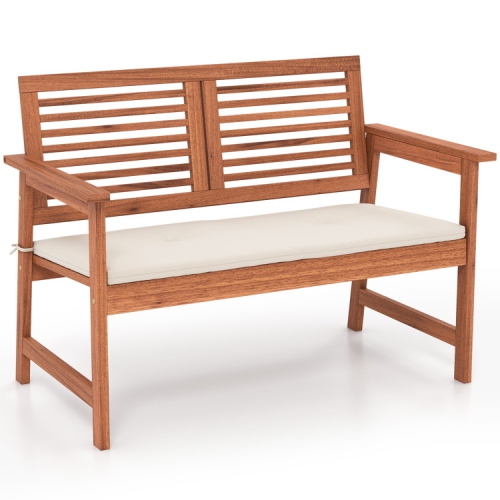


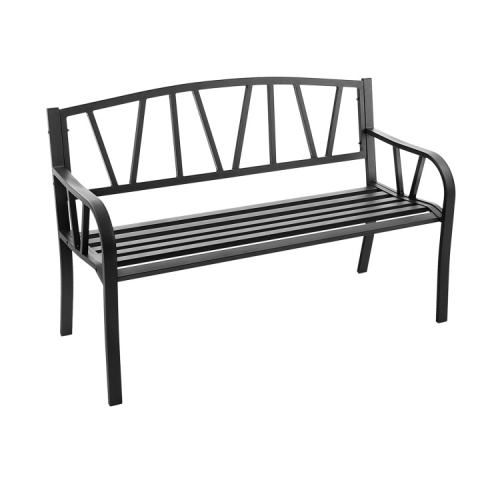
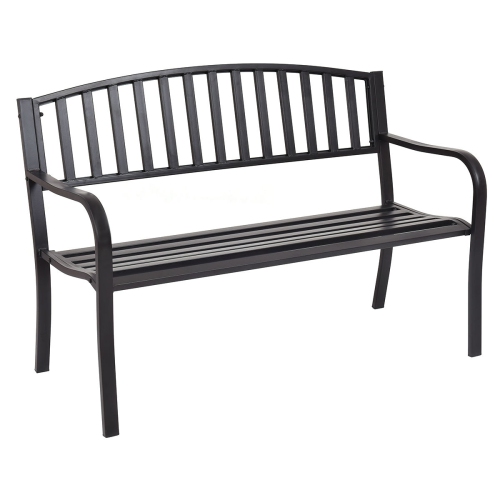

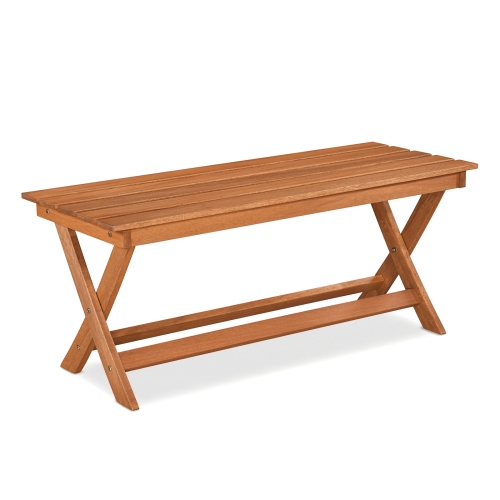


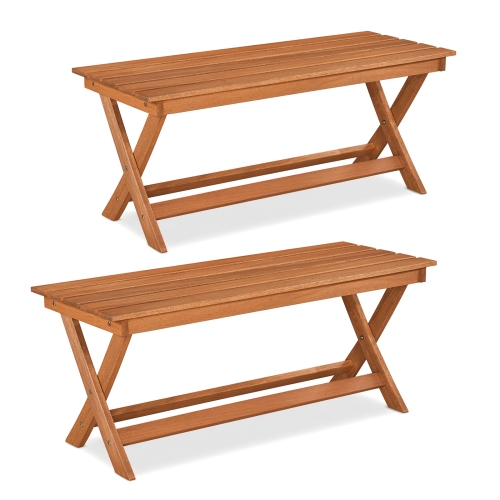


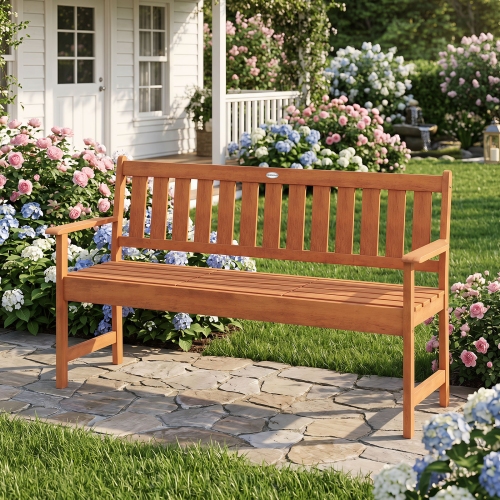
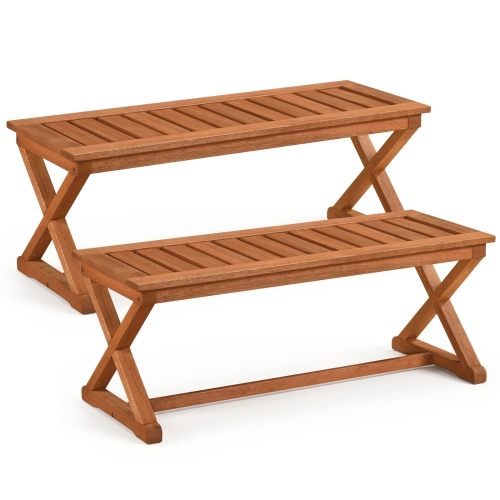
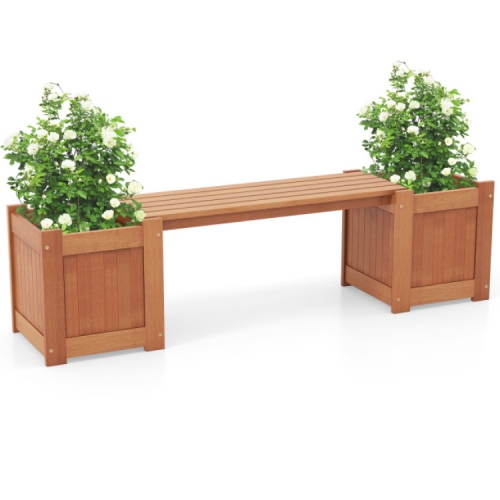


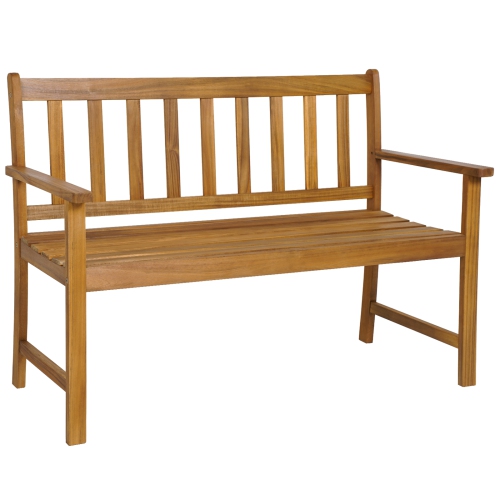
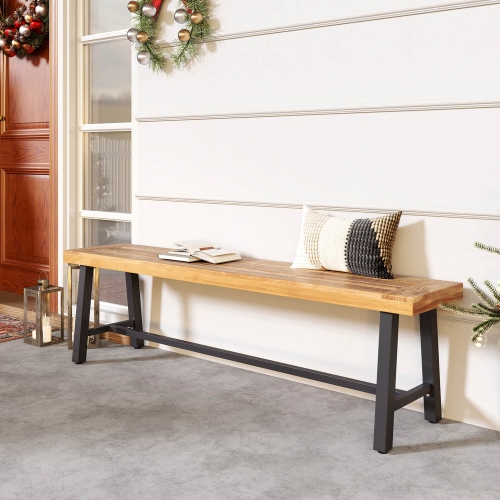
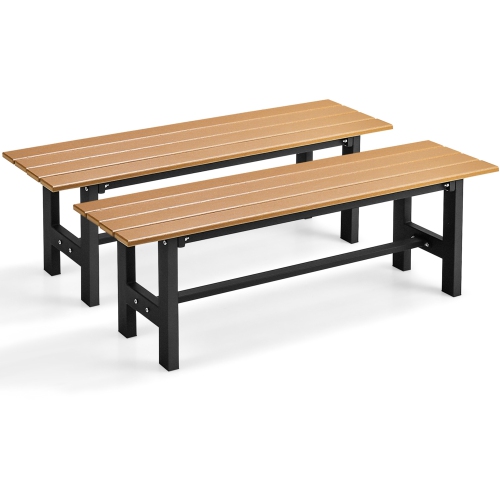

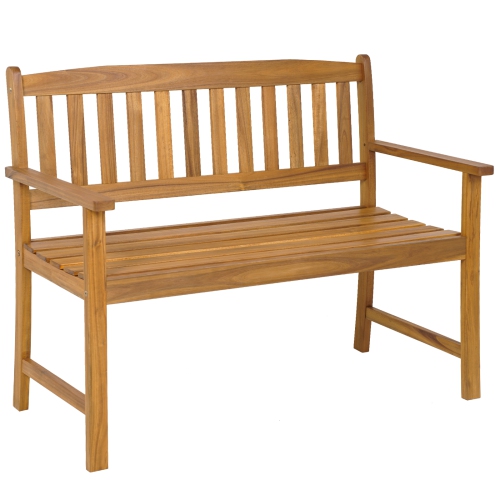


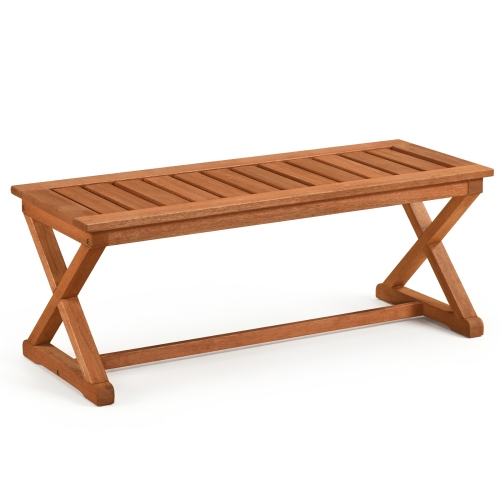
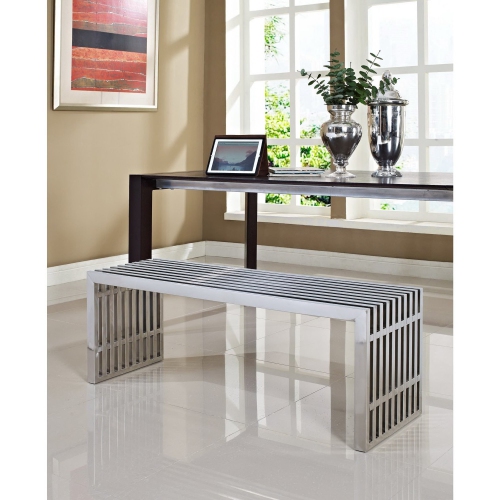

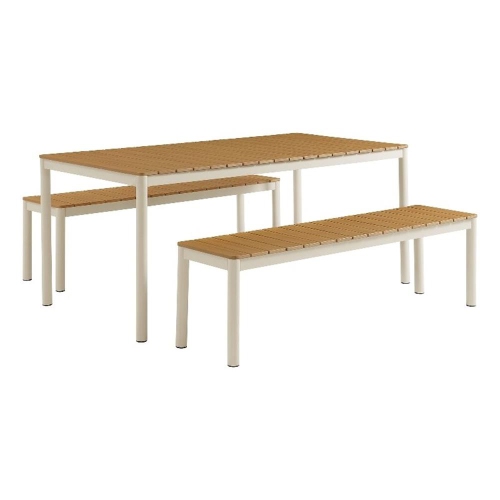


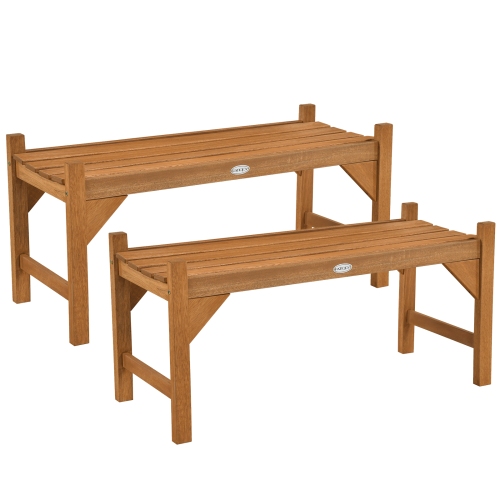


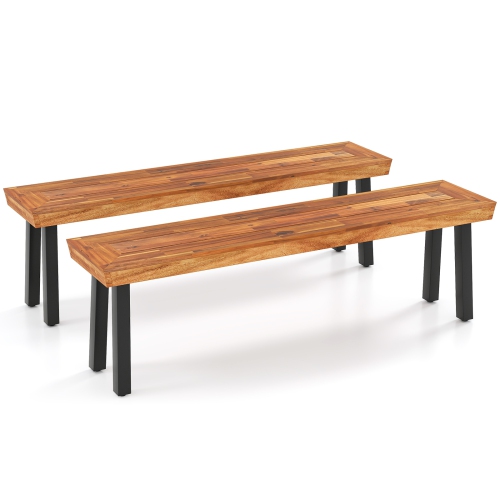

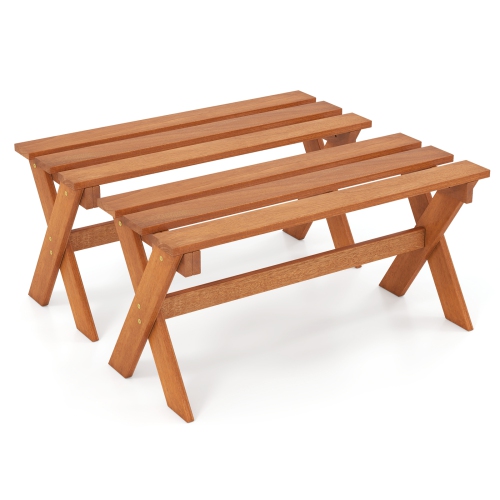

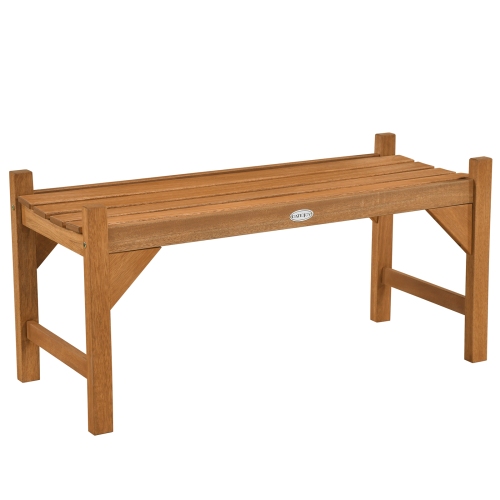
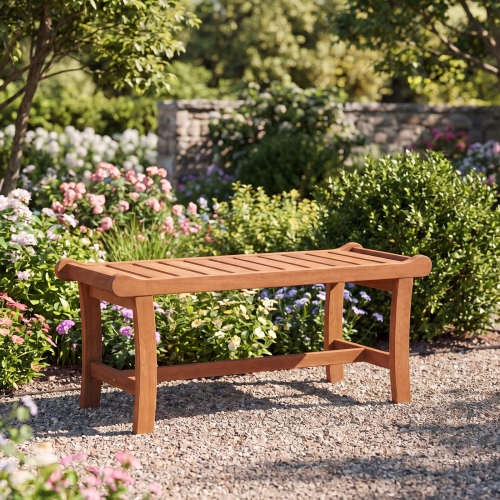


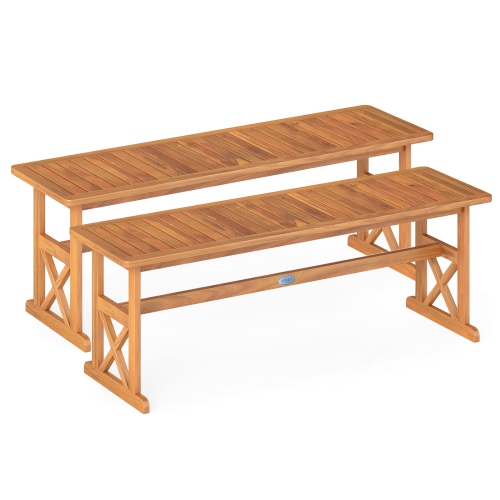

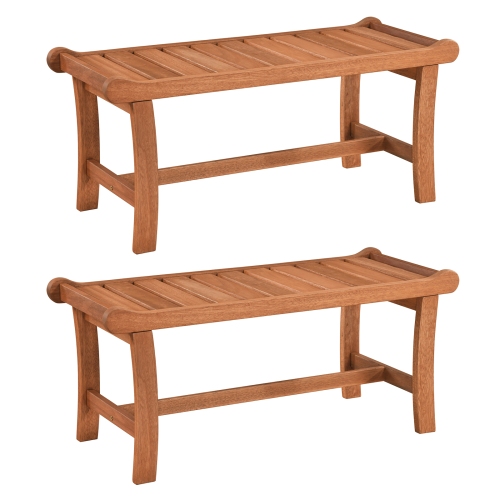

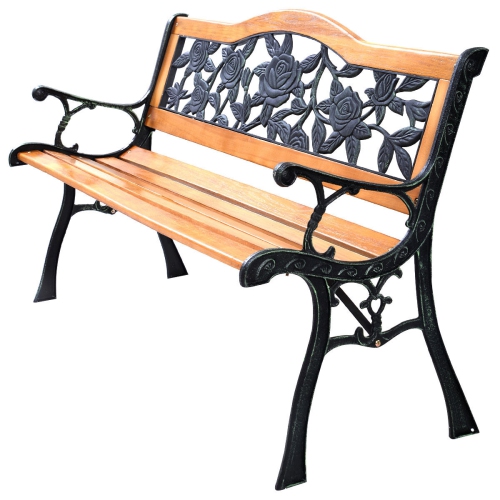


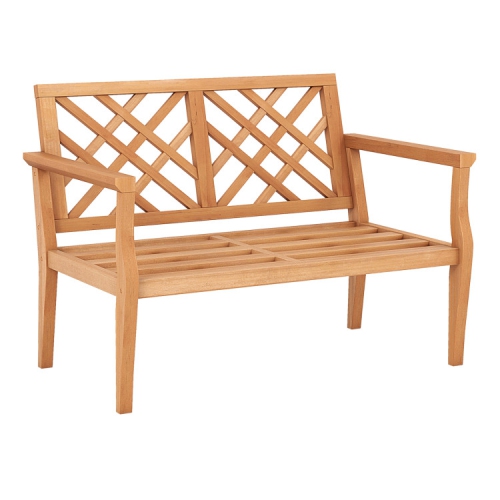

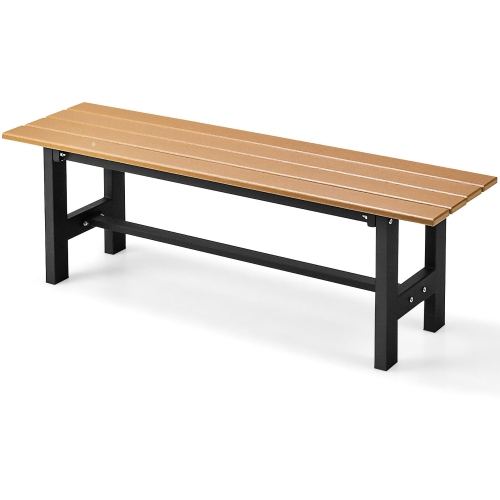


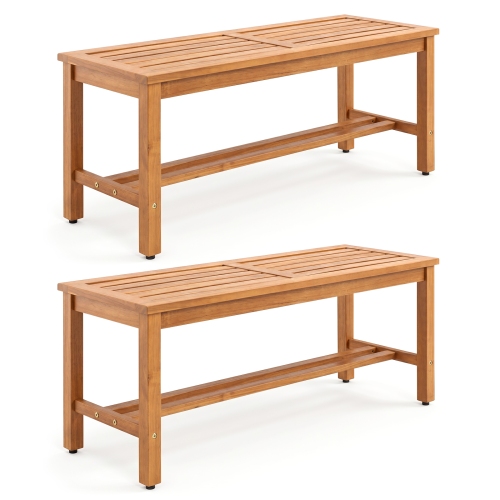


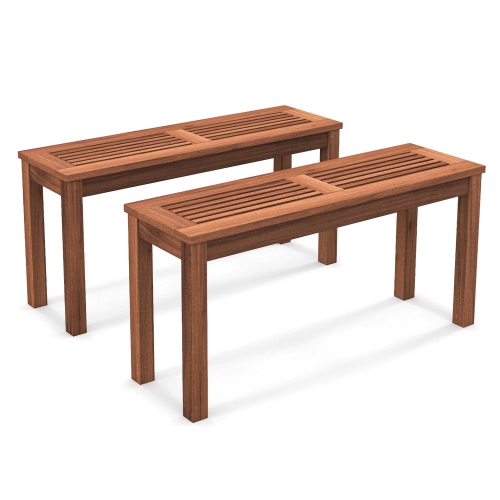
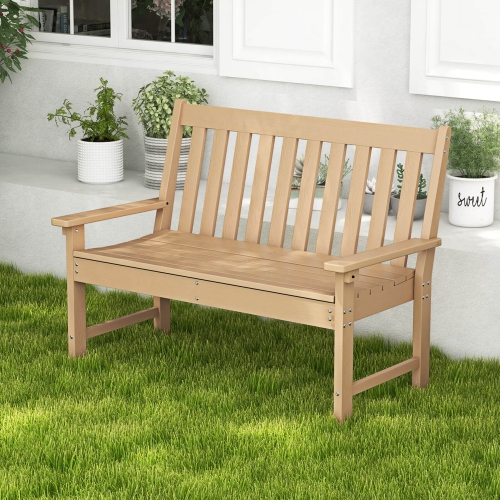
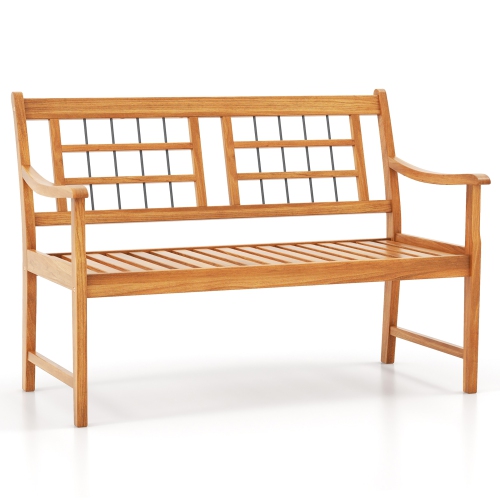

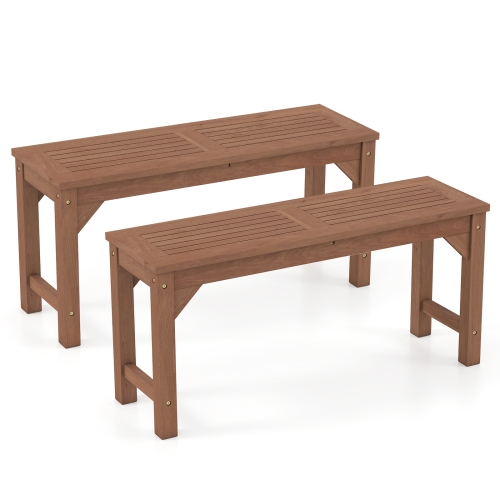
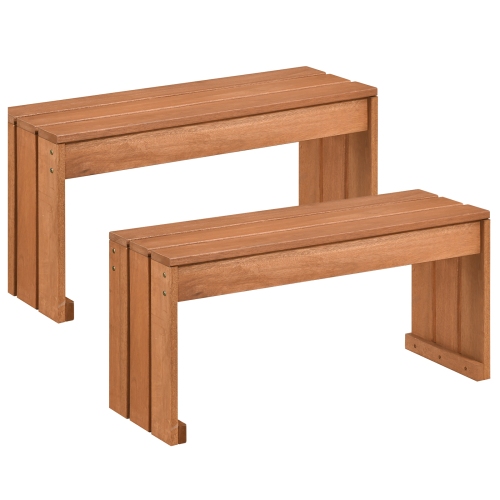


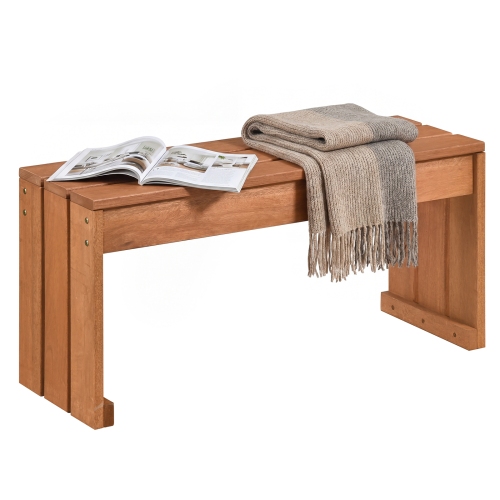
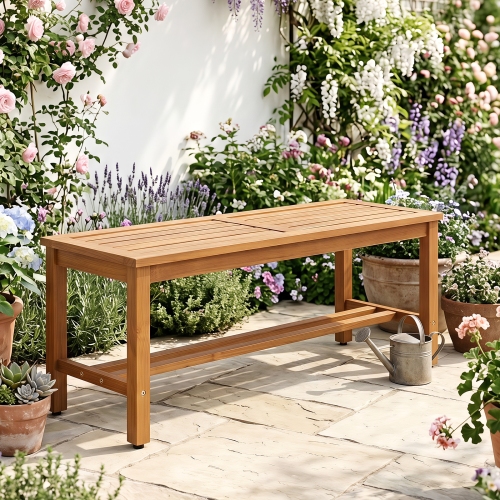
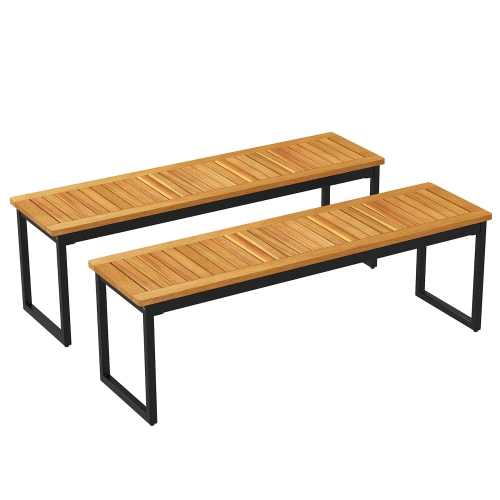


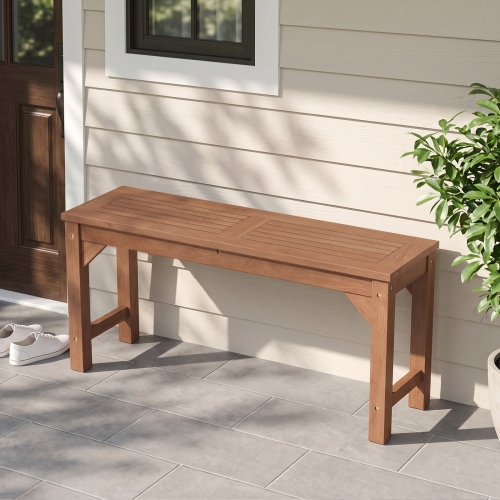

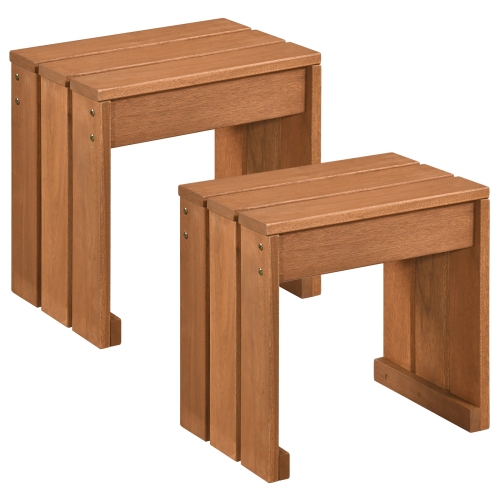


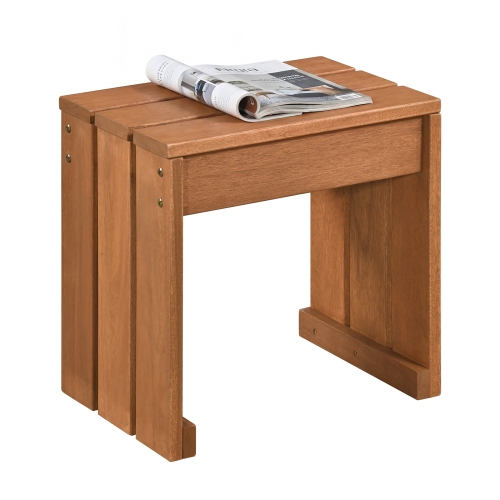
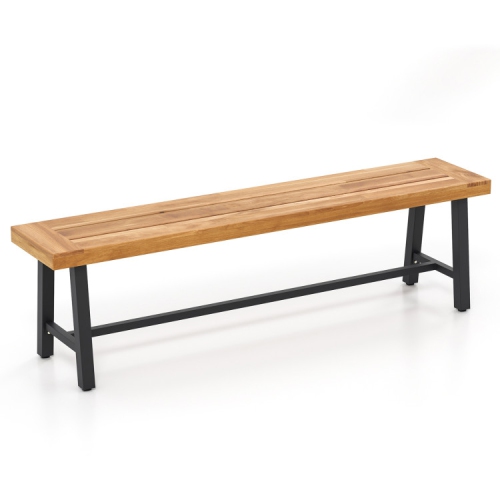
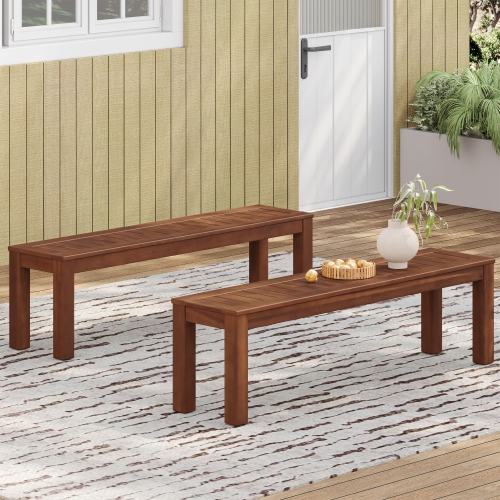

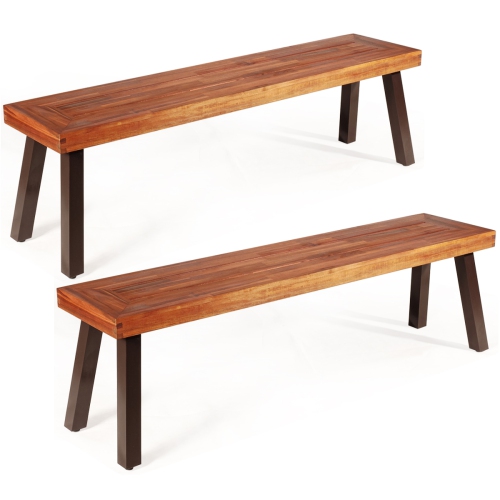
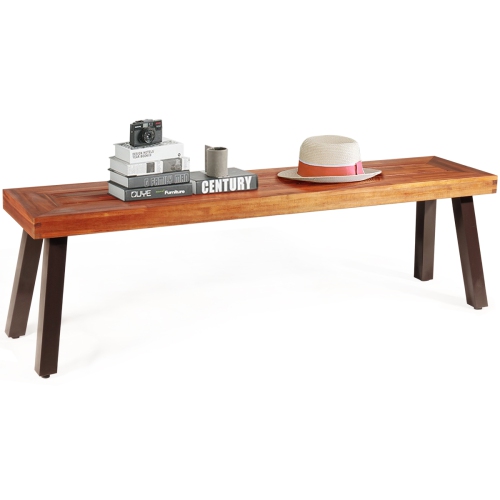
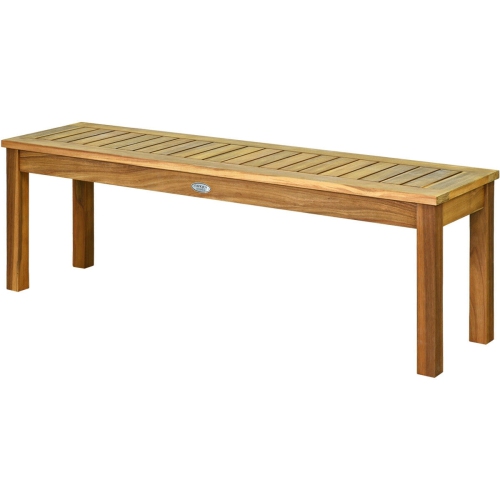


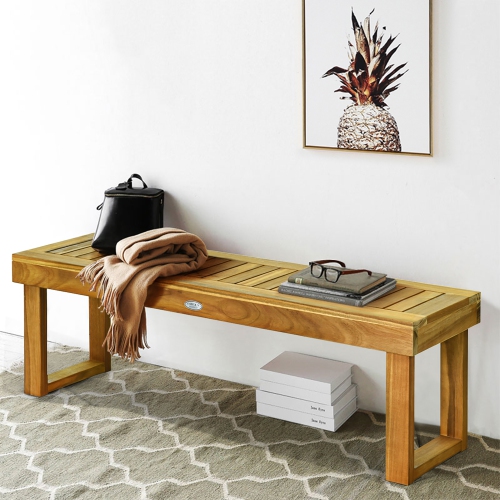
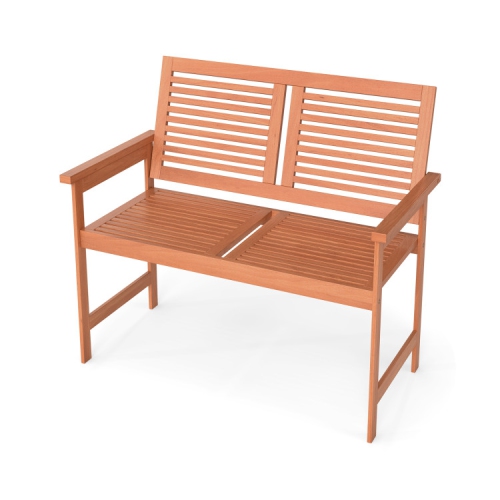
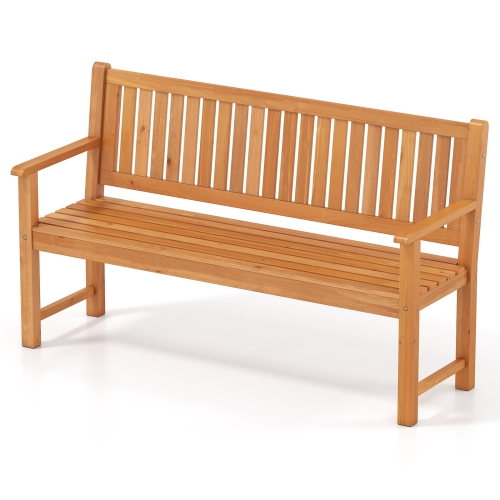


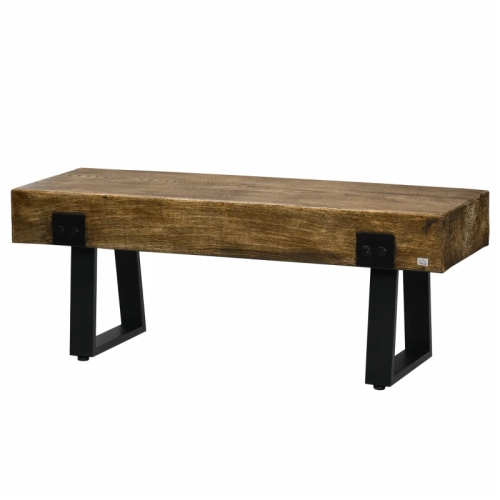


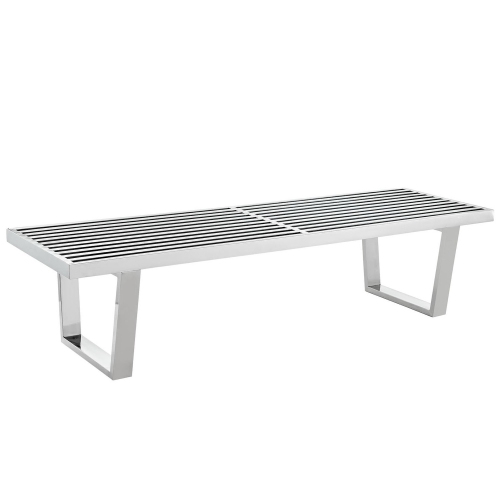
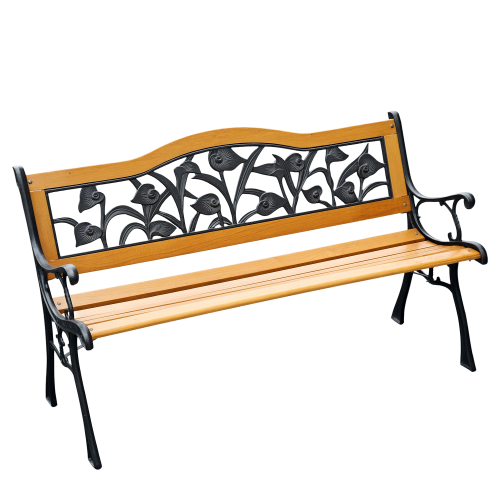

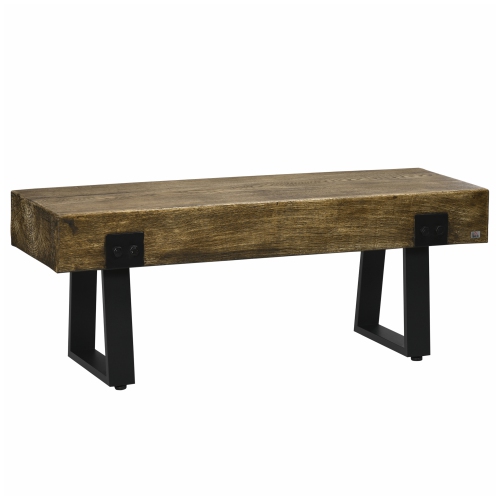

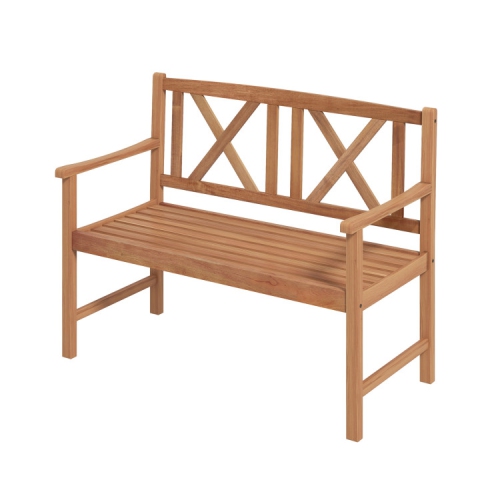

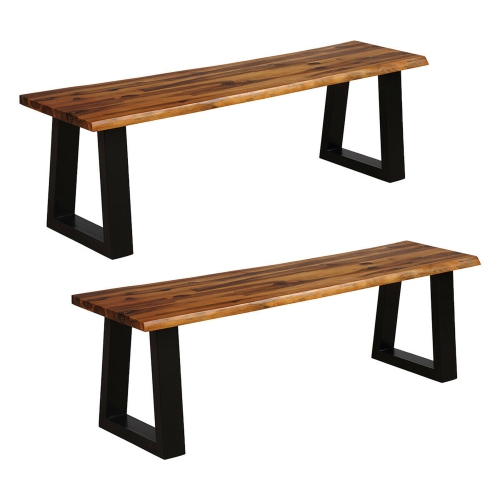


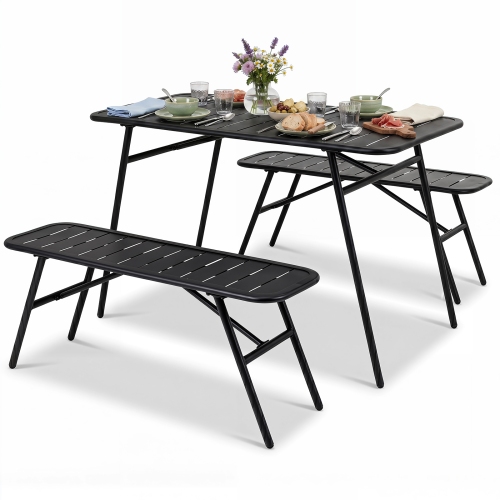
Shared seating that balances clean lines with everyday comfort
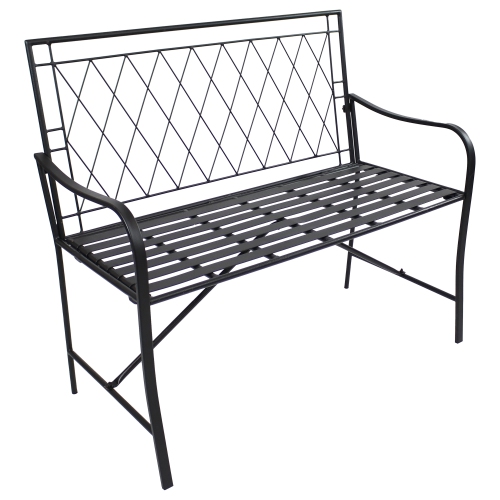
Modern outdoor benches bring shared seating and a clean architectural shape to patios, balconies, gardens, and front entrances. Their appeal often comes from simple proportions: a long horizontal seat, neatly spaced slats, slim legs, or a solid base that gives a paved courtyard a more grounded feel. Unlike individual chairs, a bench creates one continuous place to sit, making it useful beside an outdoor dining table, along a garden path, or near the door where someone can set down a bag while finding their keys. A backless design keeps sightlines open and may tuck beneath a compatible table, while a bench with a backrest provides support for longer conversations. Armrests can add comfort and offer a place to steady a hand when sitting down or standing up, although their height and shape affect how easily people can move onto the seat. The right proportions depend as much on the setting as on the number of people the bench needs to accommodate. A compact balcony benefits from shallow seating that leaves room to pass, while a broad terrace can carry a longer bench without feeling crowded. Seat length alone does not determine capacity; the stated seating capacity and weight limit are also important. Around a dining table, seat height and leg placement influence whether people can sit comfortably without knocking their knees against a support. At an entrance, enough clearance for the door to open fully matters more than filling every spare centimetre. Visually, modern designs can blend with both newer and older homes. A black metal frame echoes dark window trim, pale wood softens concrete and brick, and a sculptural bench can create a focal point beside a planter. For spaces that carry a similar look from indoors to outdoors, Contemporary Benches offer another way to explore streamlined shapes, with each bench’s intended placement and material specifications determining where it belongs.
Materials give modern outdoor benches much of their character, but they also influence weight, maintenance, and how the seating feels in everyday use. Solid wood brings visible grain and a warmer visual texture to stone or metal surroundings. Different wood species have different care requirements, and some develop a grey patina with outdoor exposure unless maintained with an appropriate finish. That gradual change can suit a relaxed garden setting, while a more uniform appearance may call for periodic cleaning and refinishing according to the manufacturer’s directions. Aluminium is generally lighter than steel, which can make it easier to reposition a bench when rearranging a patio or cleaning beneath it. Steel can provide a substantial feel, but its protective finish needs attention, particularly around scratches, joints, and fasteners where corrosion may begin. Powder-coated surfaces offer a smooth, finished appearance, though they are not immune to chips or wear. Resin and plastic designs can be straightforward to wipe clean, with resistance to fading and cracking depending on the material and its rating for outdoor use. Concrete and stone-style benches create a strong visual anchor, but their weight makes placement, delivery access, and the suitability of the supporting surface especially important. Mixed-material designs balance these qualities: a wood seat on a metal frame, for example, combines a textured sitting surface with a crisp outline. Construction details deserve just as much attention as the main material. Slat spacing can help water drain, rounded edges can feel more comfortable against the backs of the legs, and well-fitted joints help reduce movement during use. Exposed hardware should be appropriate for outdoor placement, and adjustable feet, where included, can help accommodate slight variations in a hard surface. A bench still needs a stable base rather than loose gravel or uneven ground that allows its legs to shift. Outdoor suitability is not the same as being maintenance-free, so the care directions and recommended exposure conditions remain important even for a bench intended to stay outside.
Comfort and intended use help distinguish a bench that simply fills a space from one that becomes part of a daily routine. A seat near a front entrance might mainly serve short pauses, while seating beside a garden or conversation area may need a more supportive back angle and room to settle in. Seat depth matters here: a deeper bench can feel generous with cushions, but it may leave a shorter person sitting forward without back support. A firm, reasonably upright seat can be easier to rise from than a low, deep design, particularly for someone who finds low seating difficult. For households with children, smooth edges, a steady frame, and placement away from balcony guards or other climbable boundaries are practical considerations. Cushions can soften a slatted or solid seat and introduce colour without changing the bench itself. Their dimensions should match the usable seating area, and ties or other suitable attachments can help keep them in place. Outdoor-rated fabric and removable covers may simplify care, but cushions still need to be dried thoroughly and stored as directed rather than left holding moisture against the seat. Routine maintenance is usually easier when there is enough space to reach beneath and behind the bench. Leaves and dirt can collect between slats and around feet, so gentle cleaning with methods approved for the material helps keep those areas clear. Protective covers should fit securely and allow the ventilation recommended by the manufacturer; covering a damp bench can trap moisture instead of protecting it. Assembly requirements also affect the overall fit for a household, especially when a heavy frame needs two people to move it safely. Checking access through gates, corridors, and balcony doors helps avoid awkward manoeuvring later. As a housewarming gift or a shared addition to a family patio, an outdoor bench works best when its dimensions, style, and care needs match the recipient’s space. Whether placed beside a dining table or overlooking a quiet corner of the garden, a well-proportioned modern bench offers useful seating without overwhelming its surroundings.
Top selling and popular products
-
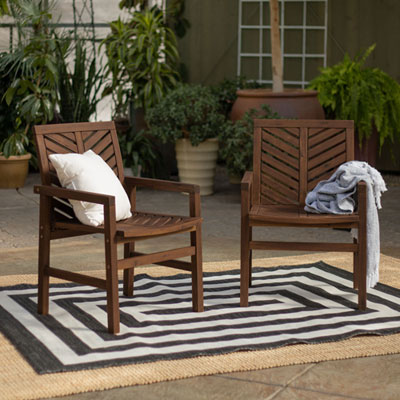 Your price for this item is $604.99
-
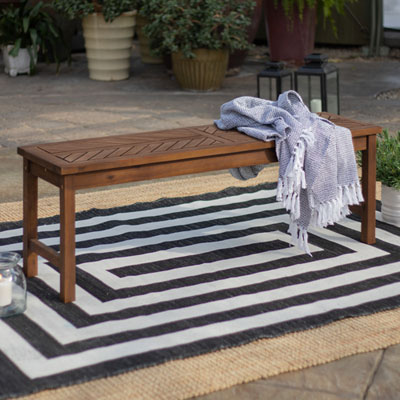 Your price for this item is $371.99
-
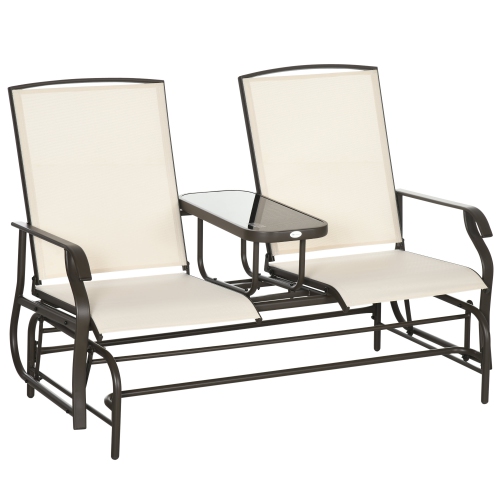 Your price for this item is $209.99
-
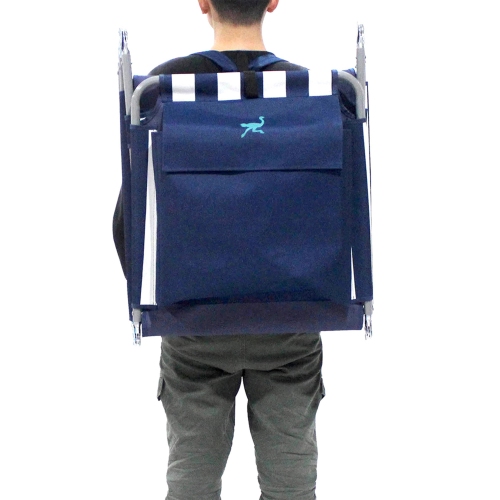 Your price for this item is $174.99
-
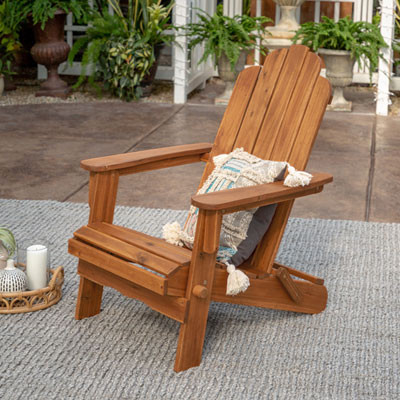 Your price for this item is $461.99
-
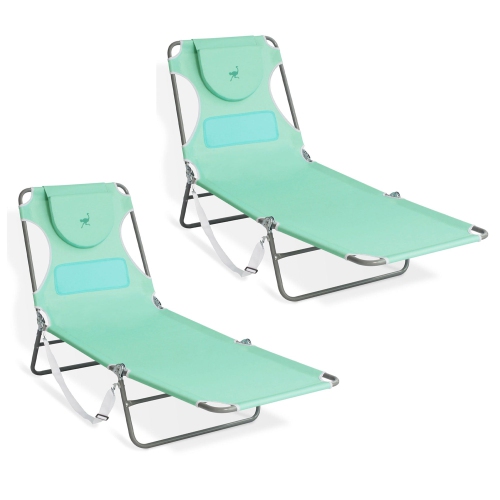 Your price for this item is $335.99
-
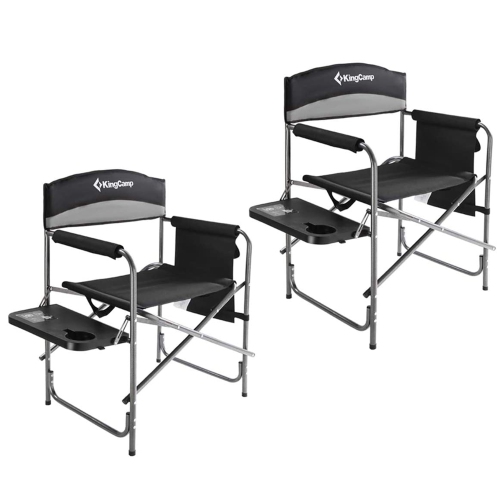 Your price for this item is $205.99
-
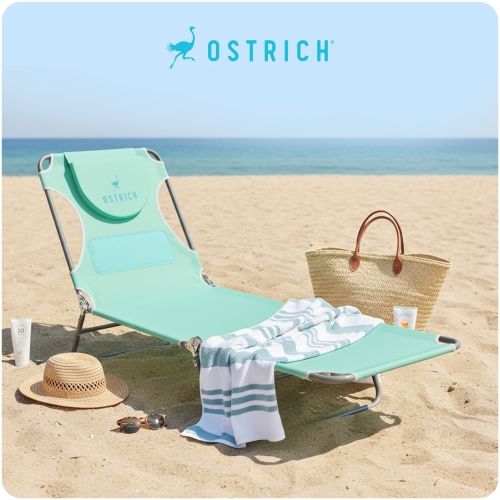 Your price for this item is $170.99
Discover more categories related to Modern Outdoor Benches
Top Collections:
Pokemon Centers, Kindle Devices, Best Cameras for Sports Photography, Pokémon 30th Celebration Cards, Apple iPhones 16, Canon G7X Cameras, iPhone 15 Apple, Flip Phones, Samsung Galaxy Phones, Alarm Clock
Some products may be subject to Environmental Handling Fees
(EHF) depending on your province.
Learn more about EHFs.