Modern Outdoor Coffee Tables
If you're looking for a coffee table that's both modern and outdoorsy, consider these options. These tables are made to be used outside, and they're built to last. They're also available in a variety of styles, to suit your preferences. Here are some great options for modern outdoor coffee tables.
Sort


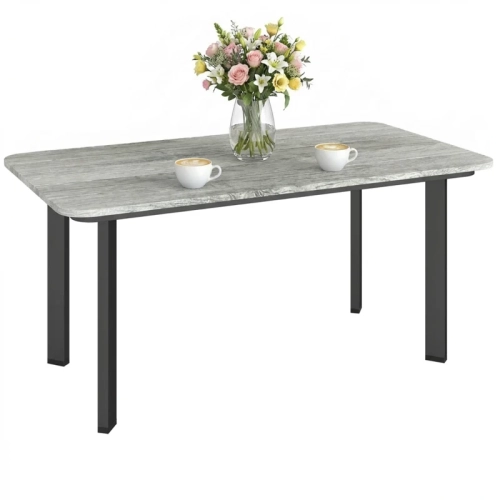
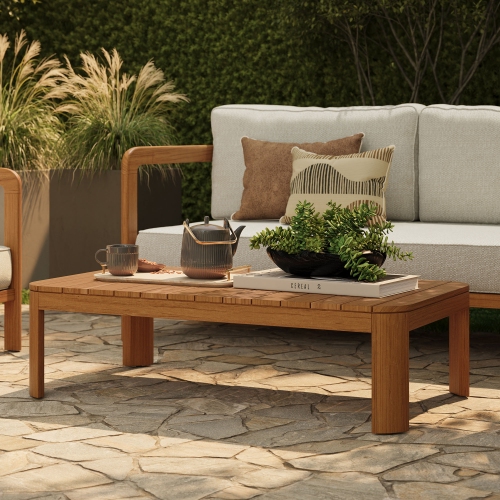


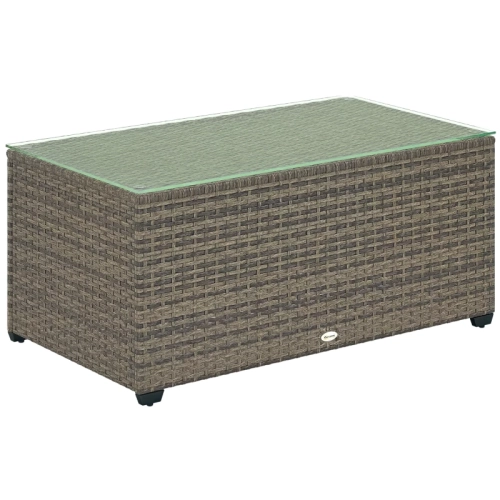


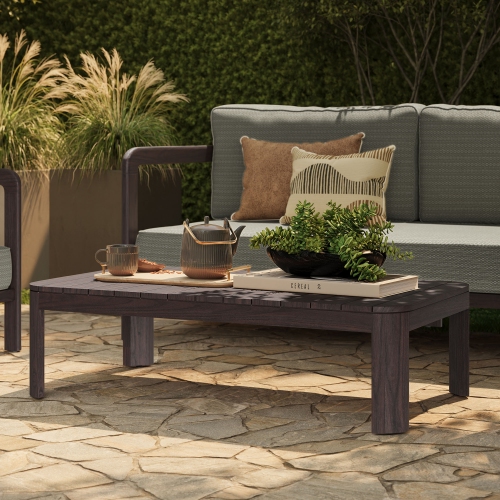


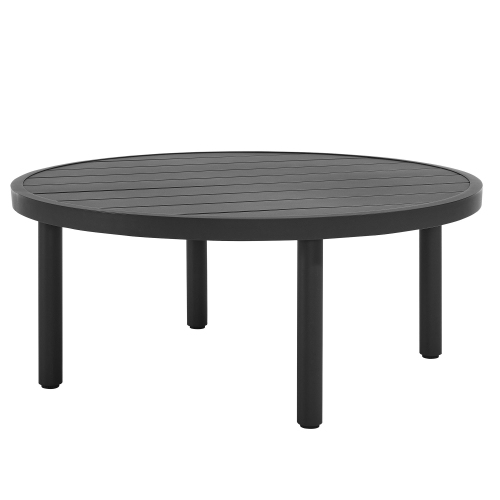
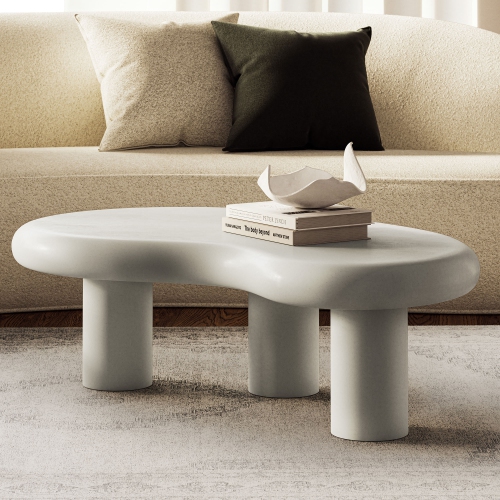
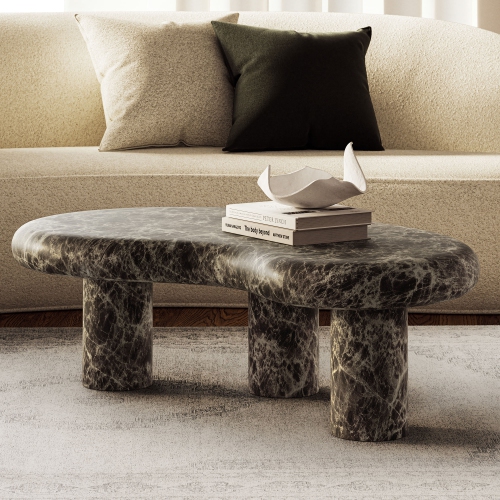

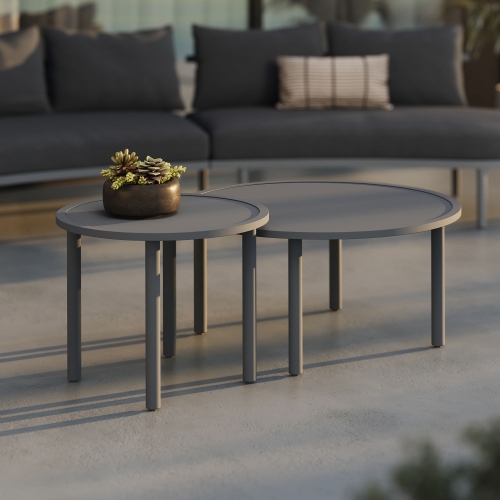
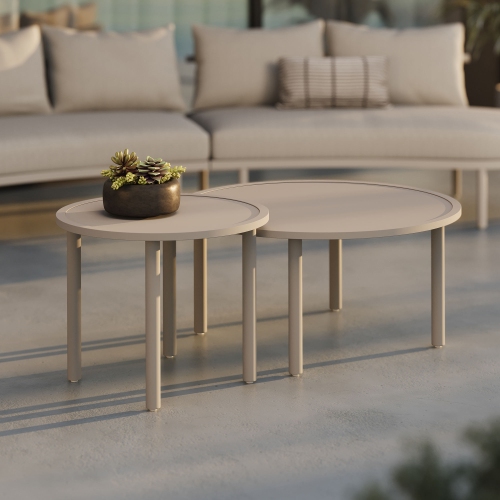


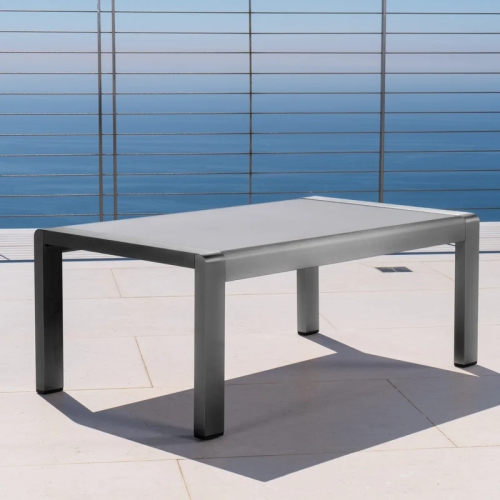

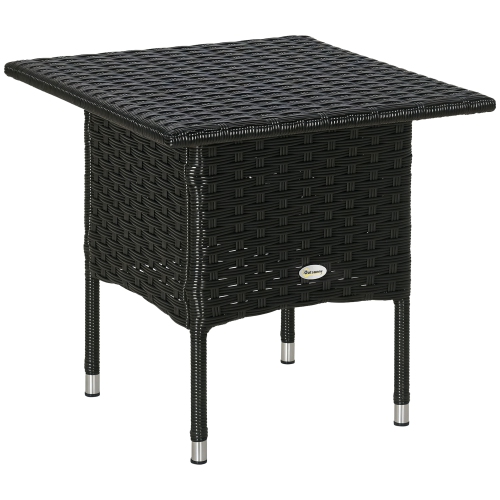


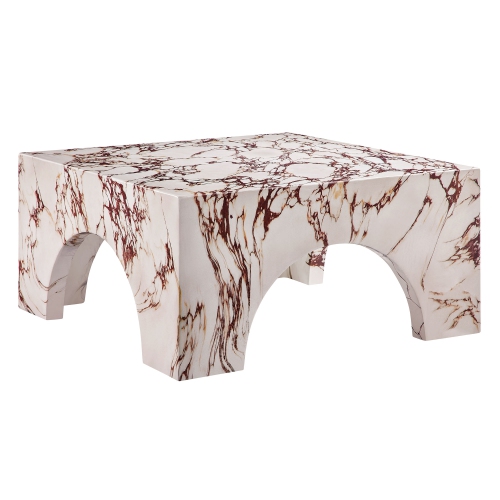
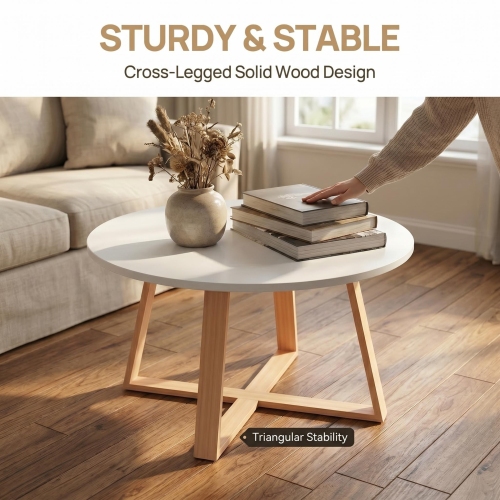


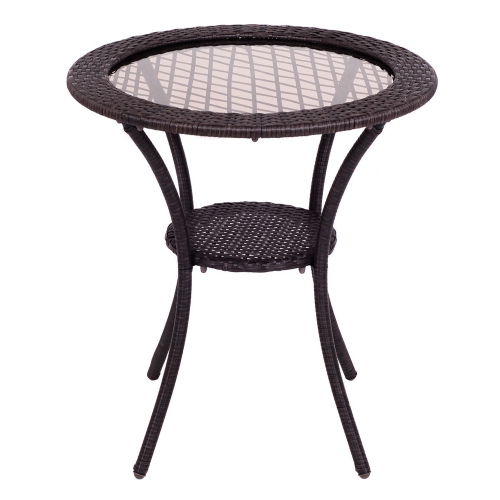
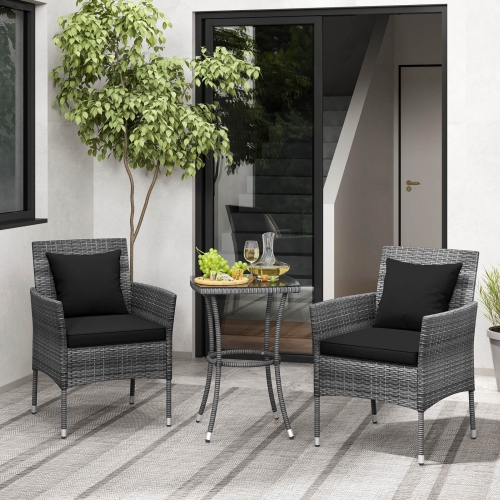
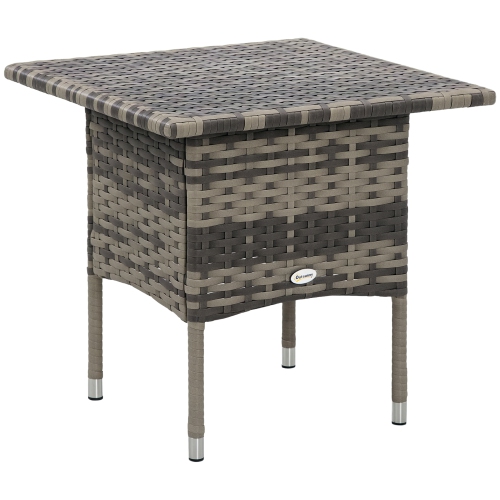


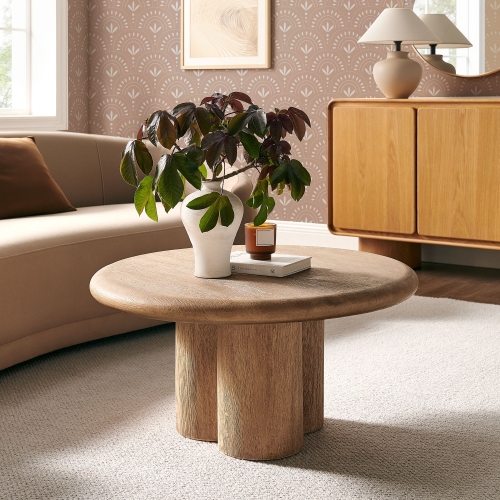
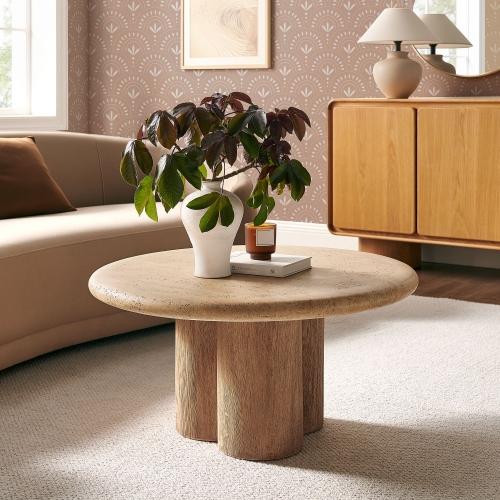

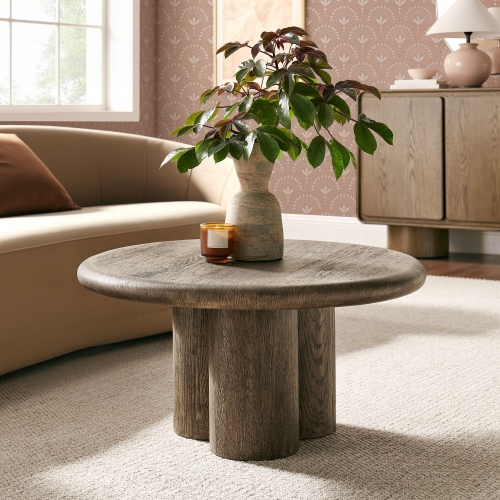
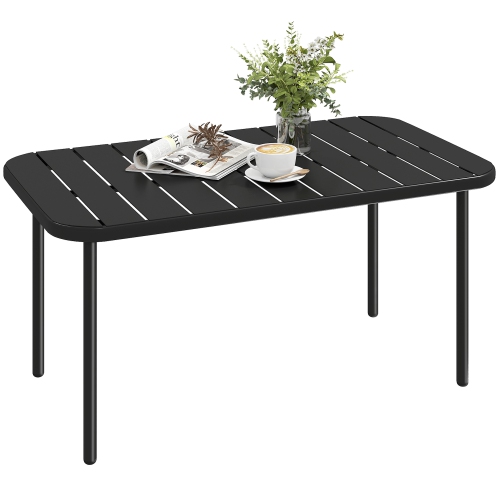
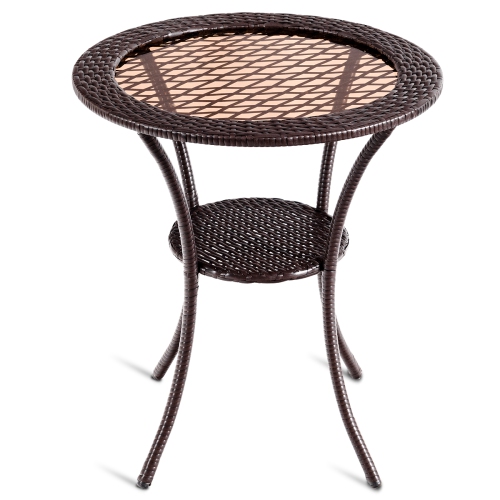


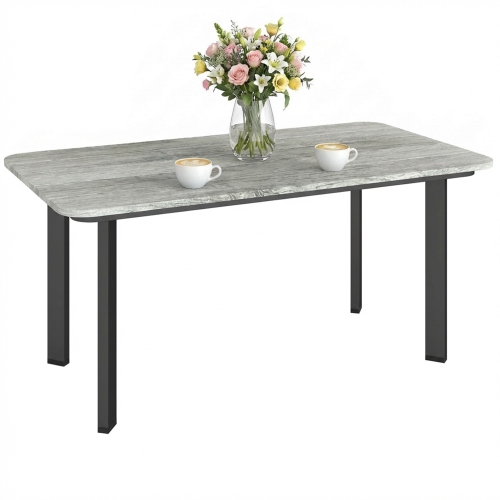
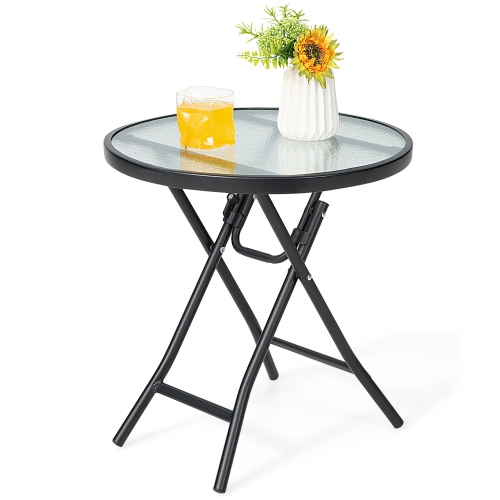


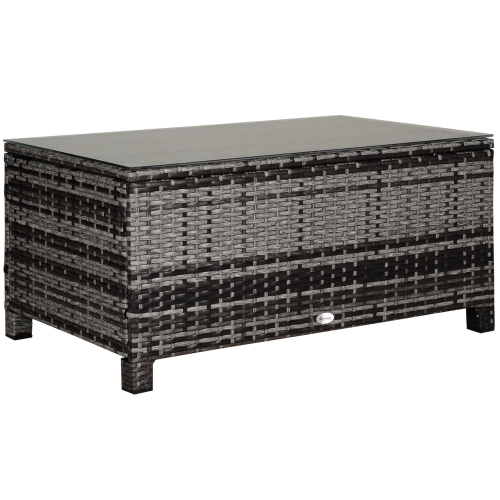


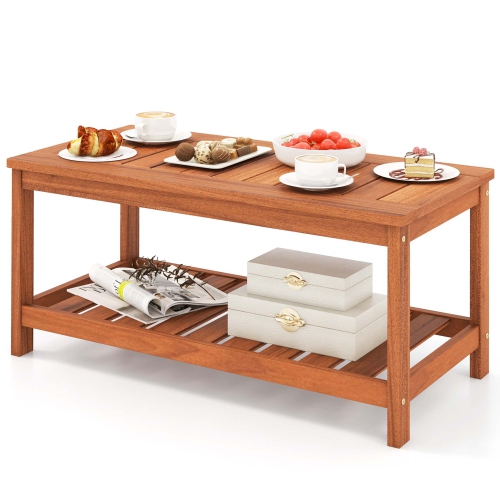


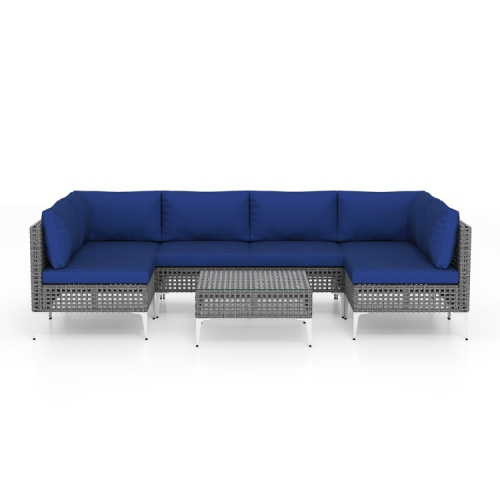


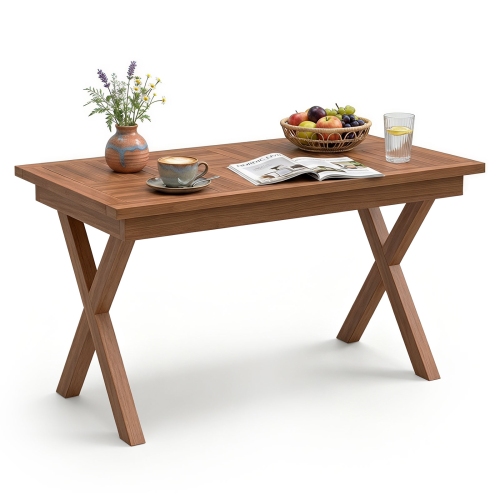
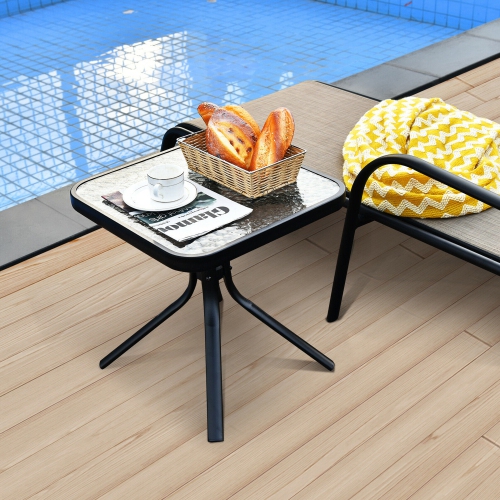
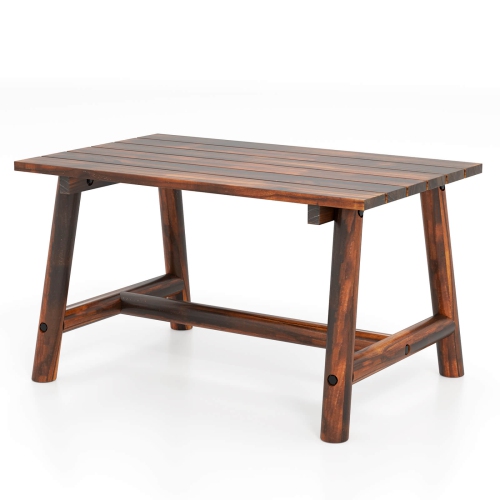


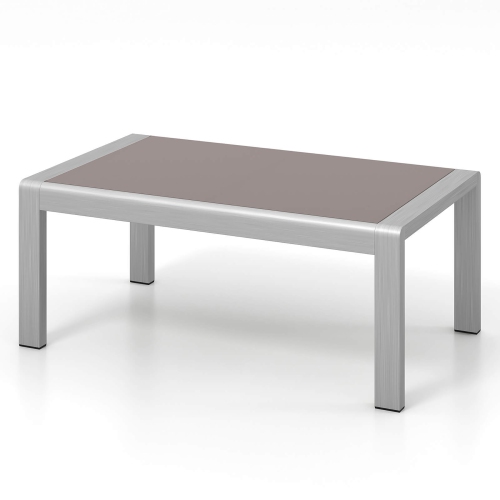

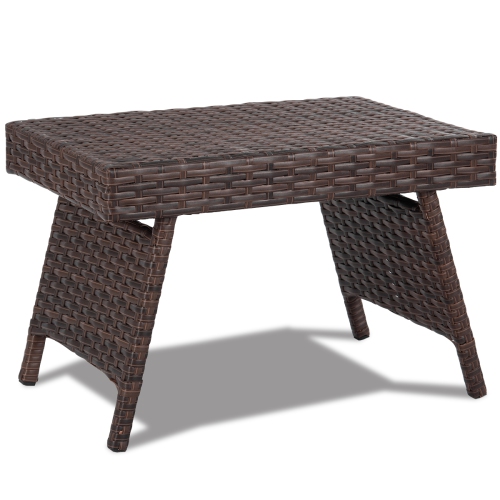


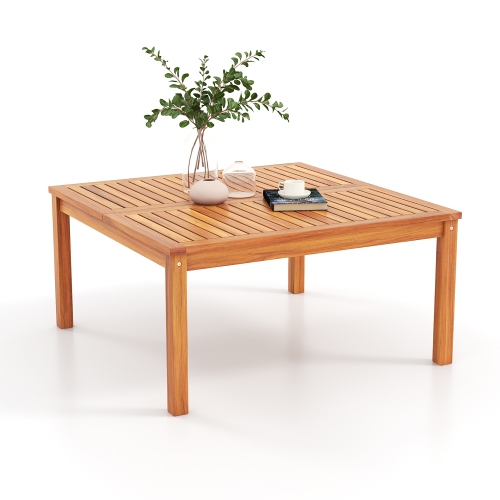


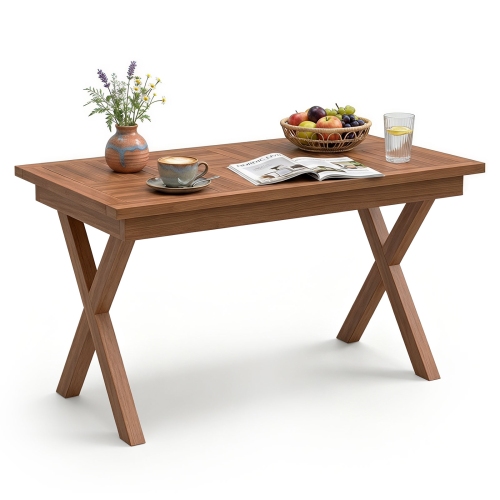


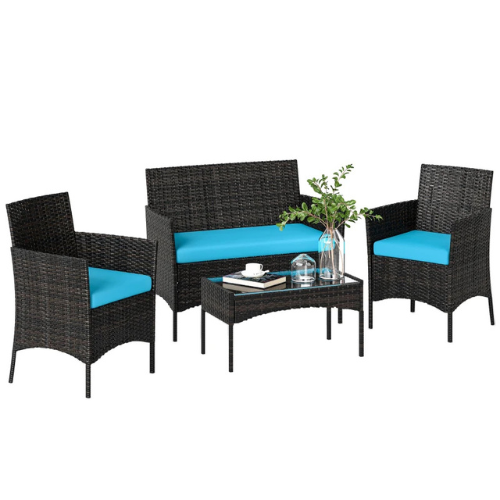


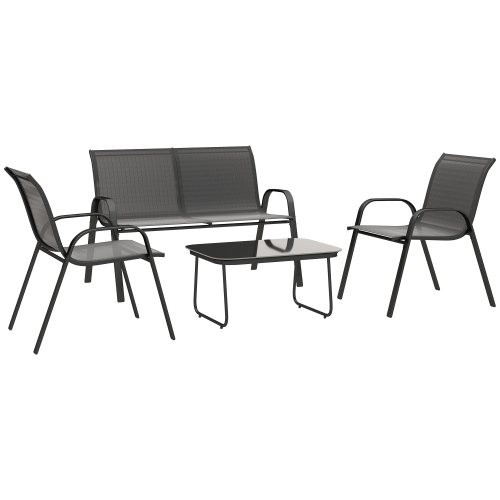


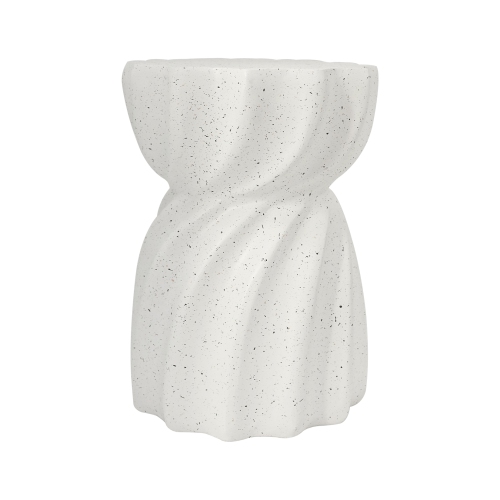


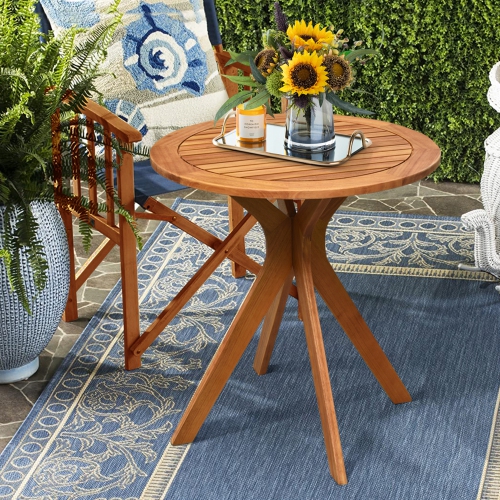


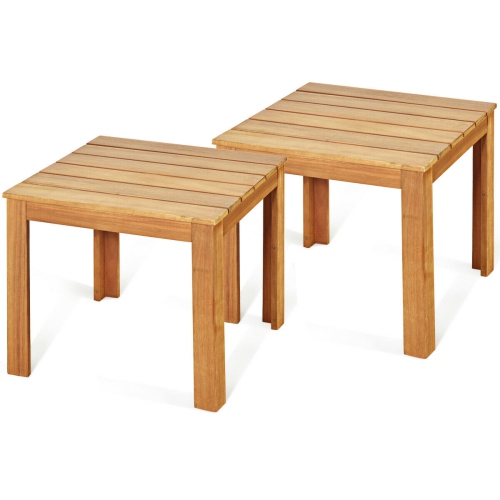


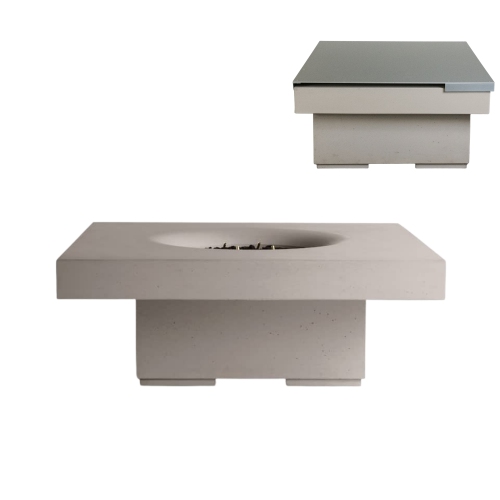


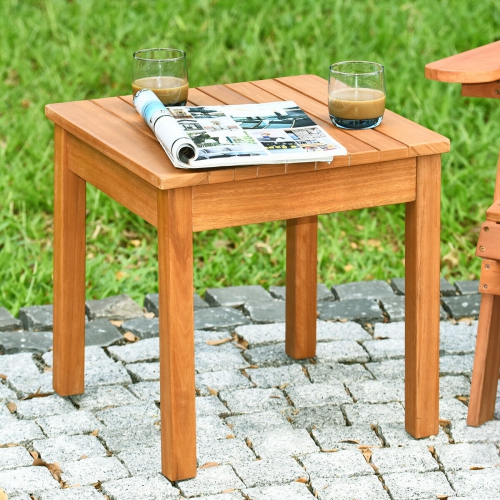
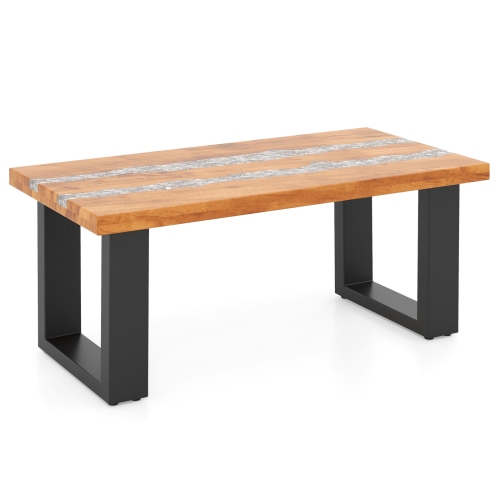


The right table leaves room to relax outdoors
Modern outdoor coffee tables combine clean-lined design with materials suited to patio, deck, and balcony use. Their low profiles help anchor a seating area without blocking the view across it, while simple frames, sculptural bases, and restrained finishes give outdoor furniture a cohesive look. A rectangular table can follow the length of a sofa, creating a convenient surface for drinks, a serving tray, and a book. A round or oval table softens an arrangement of angular lounge chairs and can make movement easier where several paths meet. Square shapes work well within balanced seating groups, while compact nesting designs provide separate surfaces that can be brought closer to individual seats. The right proportions depend as much on the surrounding furniture as on the size of the outdoor space. A broad tabletop may suit a deep sectional, but the same piece can overwhelm a narrow balcony or leave too little room to pass an open door. Measuring the usable floor area, door swing, and distance between seats helps establish a comfortable footprint. Leaving roughly 40 to 45 centimetres between the table and seating is a useful starting point for reaching drinks without crowding knees, with additional clearance needed along main walking routes. Height matters, too: a tabletop close to the seat cushion height, or slightly lower, generally feels natural beside lounge furniture. Very low silhouettes create a relaxed look but require more bending, which may not suit every household. Open bases can keep a small setting visually light, whereas solid pedestal forms give a larger arrangement a stronger focal point. Colour and texture complete the balance. Charcoal metal can sharpen the outline of pale cushions, warm wood can soften a tiled terrace, and a light stone-look surface can provide contrast beside dark seating. Matching every finish is not necessary; repeating one colour or material across a few elements often creates a more connected arrangement.
Material choice influences weight, upkeep, and how a modern outdoor coffee table handles exposure. Powder-coated aluminium is relatively light and does not rust like steel, making it practical when furniture needs to move for cleaning or a different seating layout. Its finish still benefits from protection against abrasive cleaners and scratches. Powder-coated steel usually has a heavier feel and can support slim, defined frames, but damaged coatings may expose the metal to corrosion, particularly around joints and fasteners. Neither material should be judged by appearance alone: the quality of the finish, construction, and hardware affects long-term performance. Teak and other woods specified for outdoor use bring visible grain and a warmer touch to minimalist designs. Wood can change colour with exposure, and care requirements vary by species and finish; some surfaces are intended to develop a grey patina, while others need periodic treatment to retain their original appearance. Concrete, stone, and cement-based composites create substantial, sculptural forms, although their weight and care requirements differ considerably. A concrete-look table may be made from a lighter composite rather than solid concrete, so checking its stated construction helps set expectations for handling and placement. Porous surfaces may need sealing, and not every stone or concrete table is suitable for freezing conditions. Outdoor-rated ceramic or porcelain tops can provide a smooth surface that is easy to wipe, but edges still need protection from hard impacts. Mixed-material designs pair these qualities in different ways, such as a metal base with a wood or ceramic top. For any construction, look beyond the tabletop to details such as stable feet, secure connections, smooth edges, and drainage. Slatted tops can let water pass through, although narrow objects may sit less securely across wider gaps. A continuous top supports small cups more evenly but may need wiping after rain. Weather-resistant construction reduces vulnerability to exposure; it does not mean a table can be left without care in every setting.
Everyday use is often what separates an attractive table from one that feels right at home. A couple sharing a compact balcony may need room for two mugs and a small plate, while a household that gathers around a sectional may appreciate a longer surface with space for several drinks. A lower shelf can keep reading material or a serving tray off the main surface, though anything stored outdoors still needs protection from moisture. Rounded corners may be preferable near busy seating areas, but stability, supervision, and sensible placement remain important where children play. Coffee tables are not substitutes for seats, steps, or footrests unless expressly designed for those uses. On a deck, a stable base should sit securely without rocking, and adjustable feet can help accommodate minor surface unevenness. Furniture glides may reduce scratching, provided they suit both the table and the flooring. Weight also deserves attention before delivery or rearranging: a substantial table may be difficult to carry through a narrow doorway, and large stone or concrete pieces can require additional consideration on balconies. Routine care usually starts with removing loose debris and cleaning with a soft cloth, mild soap, and water when permitted by the manufacturer. Abrasive pads, harsh chemicals, and pressure washing can damage certain finishes or joints. Spills should be wiped promptly, and coasters or trivets can help protect surfaces from staining and heat. A properly fitted, breathable furniture cover can limit exposure when the table is not in use, but trapped moisture and pooled water should still be avoided. Follow the stated storage guidance, especially for materials that are not rated for freezing conditions, and allow the table to dry before covering it. For a broader comparison of shapes and design approaches, the Best Outdoor Coffee Tables collection provides another starting point. The most useful choice is one whose dimensions, finish, and maintenance needs fit the way the outdoor seating area is actually used.
Top selling and popular products
-
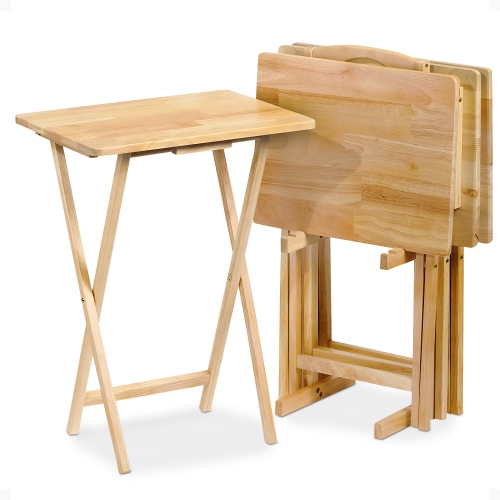 Your price for this item is $162.99
-
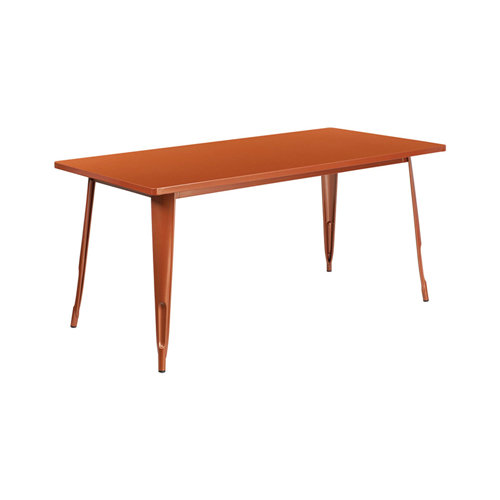 Your price for this item is $515.33
-
 Your price for this item is $115.99
-
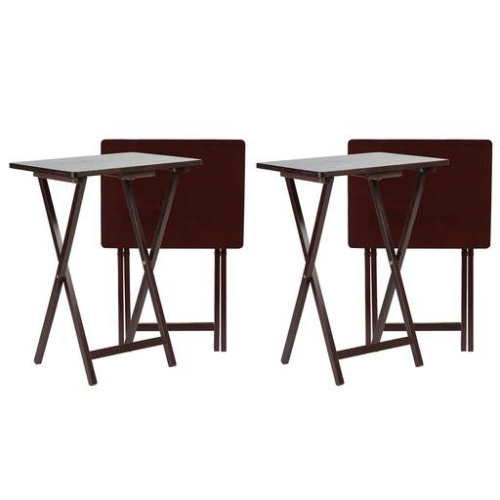 Your price for this item is $180.99
-
 Your price for this item is $149
-
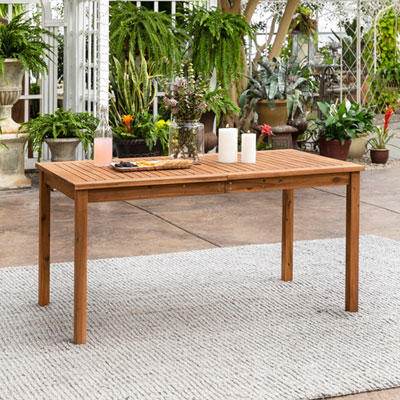 Your price for this item is $550.99
-
 Your price for this item is $259.99
-
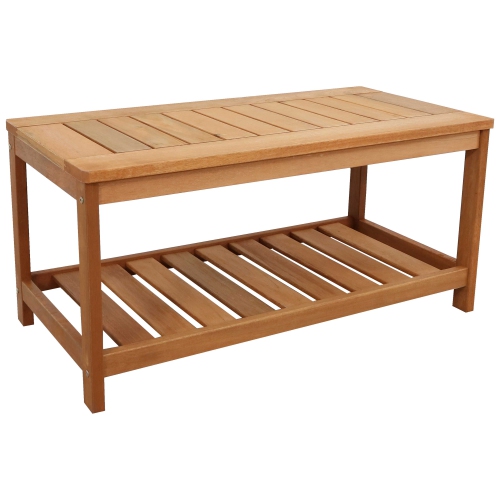 Your price for this item is $234.75
Discover more categories related to Modern Outdoor Coffee Tables
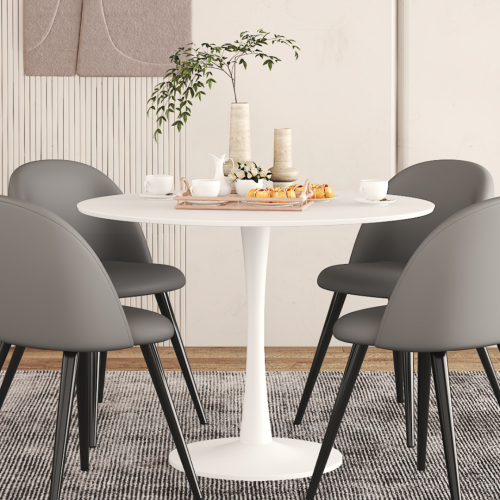
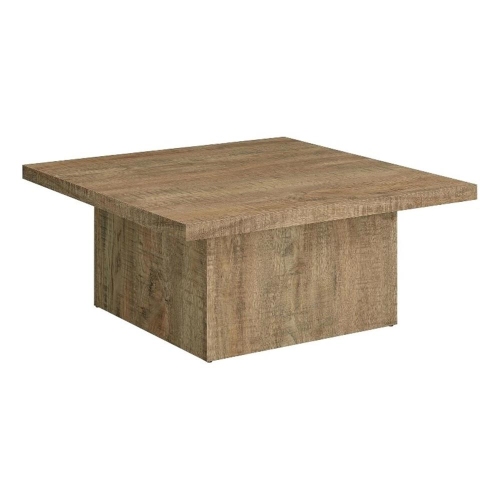

Top Collections:
Pokemon Centers, Kindle Devices, Best Cameras for Sports Photography, Pokémon 30th Celebration Cards, Apple iPhones 16, Canon G7X Cameras, iPhone 15 Apple, Flip Phones, Samsung Galaxy Phones, Alarm Clock
Some products may be subject to Environmental Handling Fees
(EHF) depending on your province.
Learn more about EHFs.