Modern Outdoor Lighting
Enhance the ambiance of your outdoor space with our collection of modern outdoor lighting options. Whether you're looking to illuminate your patio, deck, or Garden, our diverse range of stylish and functional outdoor lighting fixtures will add a touch of contemporary elegance to any setting. From sleek wall sconces and chic pendant lights to energy-efficient LED pathway lights and sophisticated post lamps, our selection offers something for every taste and style. Create a warm and inviting atmosphere for your outdoor gatherings or simply enhance the security of your property with our modern outdoor lighting solutions.
Sort

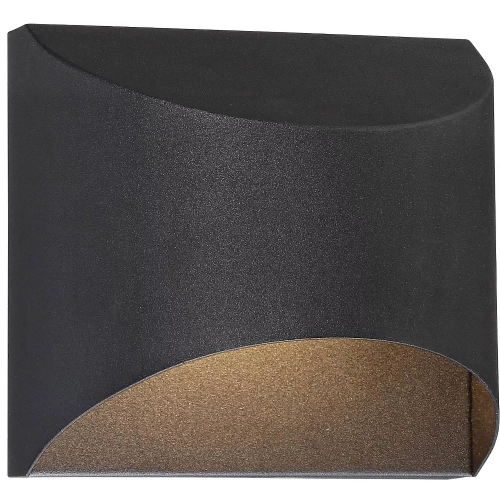
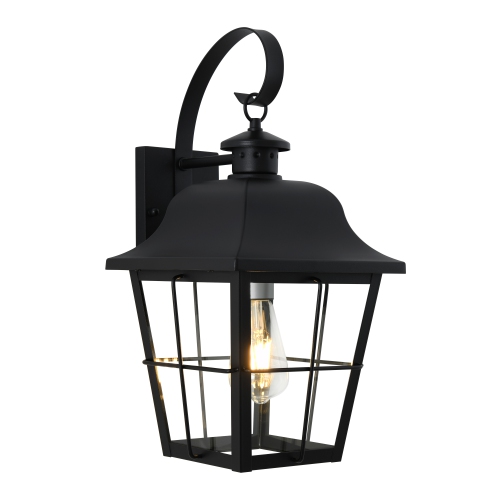


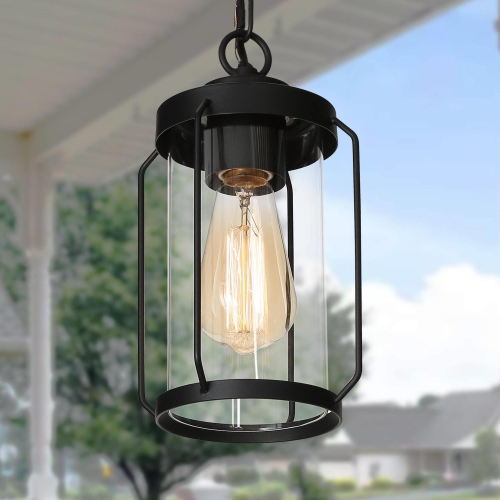
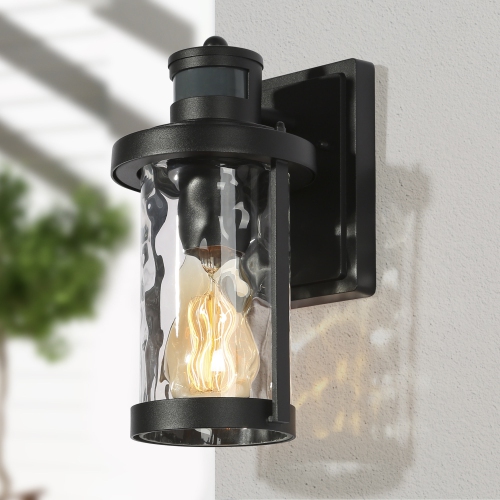
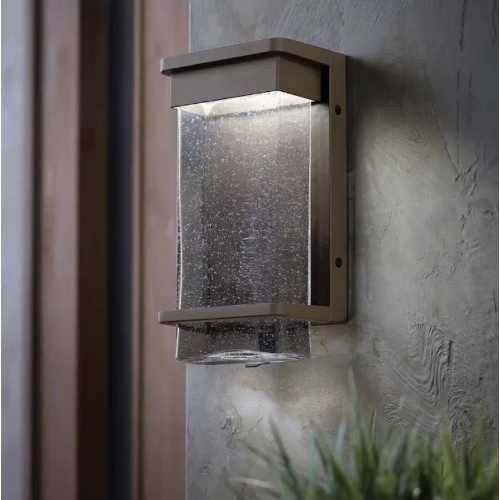


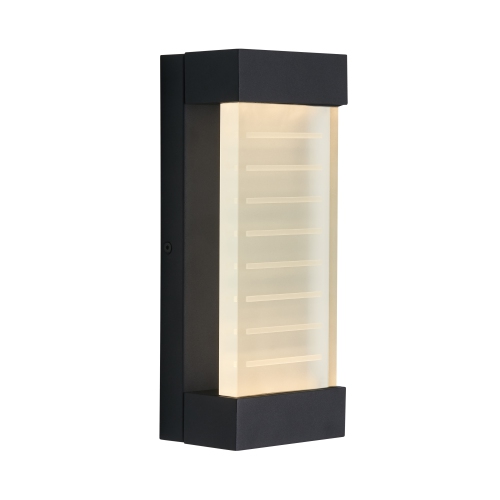
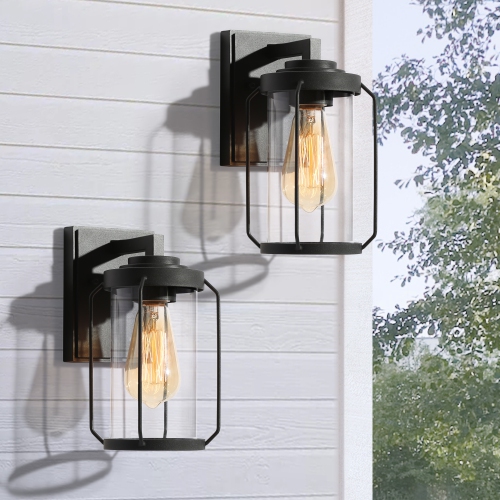

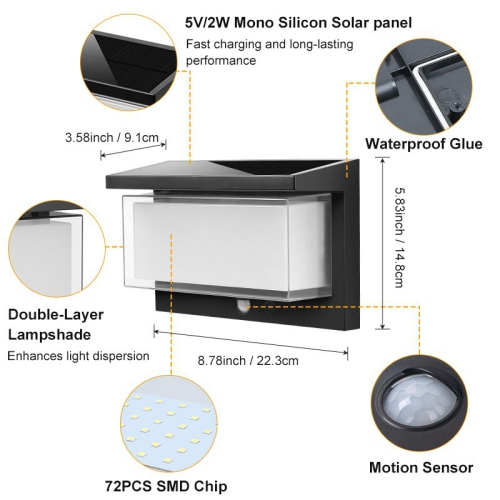
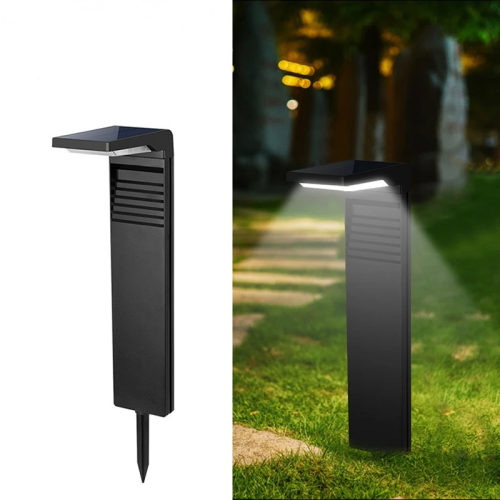


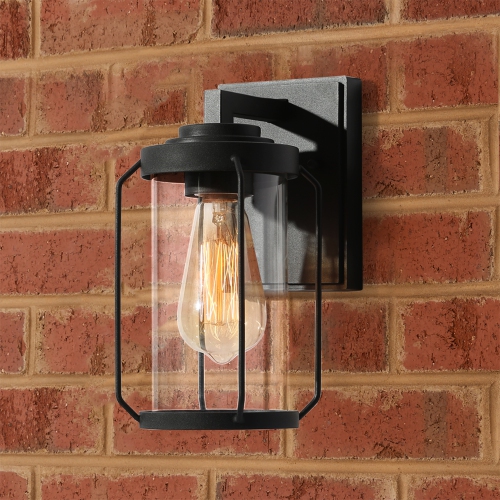
Where the light lands after dark
Modern outdoor lighting pairs clean lines and restrained finishes with light directed where it’s needed. A slim wall sconce, a low path light and a small fixture tucked beneath a stair tread can share the same simple look while doing very different jobs. At a front door, the priority might be enough light to find the lock, see a visitor’s face and spot a parcel on the landing. On a patio, a softer wash along the wall can give a seating area definition without putting a bright bulb in anyone’s line of sight. Modern Outdoor Wall Lights are especially useful at entries and beside garage doors, where a fixture can illuminate the area around it without taking up space on the ground. Matte black can pick up the colour of dark window frames, while brushed metal can tie in with door hardware without matching it exactly. Size matters as much as finish: a narrow backplate may suit the strip of siding beside a door, while a wider fixture can look more at home on an uninterrupted stretch of brick. Check the fixture’s depth, too, particularly near a gate or along a walkway where people pass close to the wall. For lighting that extends beyond the entry, fixtures at different heights can make a space easier to read than a single bright source. Low lights can trace the edge of a path, wall lights can mark doors, and overhead lighting can make faces and place settings easier to see at a dining table. Put light where the layout changes, such as a turn in a walkway or the first and last steps of a short stairway. Spacing fixtures around those features, rather than at rigid intervals, can keep the route clear without giving it the look of a runway.
The look of a fixture in daylight is only half the picture. After dark, its shade, lens and beam shape determine whether the light pools on the ground, washes across the wall or spreads in several directions. A clear lens shows off the light source but can produce glare near eye level; a frosted diffuser softens the appearance of the source, while a shielded fixture can direct light down onto a landing without sending it towards a nearby window. Lumens describe light output, but they don’t say where that light will land. Two fixtures with similar output can give very different results if one throws a narrow beam and the other spreads light across a broad area. Colour temperature is another useful point of comparison. Warm white in the 2700 K to 3000 K range tends to suit seating areas and front entries, and keeping neighbouring fixtures close in colour temperature can help them look like part of the same space. Fixtures with selectable white settings offer some flexibility if the light looks different against stone or siding than it did on a screen. Integrated LEDs can fit into slimmer housings, while a fixture with a replaceable bulb makes it easier to swap out the light source later. For dimming, check compatibility between the fixture or bulb and the control. Materials and location ratings matter just as much as light quality. Powder-coated aluminum is lightweight, stainless steel offers a different look, and glass or plastic diffusers can affect both the fixture’s weight and how easily it can be cleaned. A damp-location rating may suit a sheltered spot out of direct contact with water, while exposed positions call for a fixture rated for wet locations. Check the label for any limits on mounting position, since a fixture designed to sit upright on a wall may not be intended for mounting sideways or overhead.
How the lights are powered and controlled can shape how useful they are from day to day. Hardwired fixtures make sense at regularly used entrances or along a garage wall with existing electrical connections. When replacing a wall fixture, measure the mounting area and check how the new backplate will sit over the electrical box and any marks left by the old fitting. New wiring is a job for a qualified electrician. Low-voltage landscape lighting can suit a series of path or accent lights, though the placement of the transformer and the cable route need to be considered together. Solar lights depend on how much direct light reaches the panel, so a location beneath a deep overhang or dense tree canopy may be a poor fit. Battery-powered fixtures can be useful in spots without wiring, especially when the battery compartment is easy to reach. For everyday controls, a dusk-to-dawn sensor keeps an entry lit without relying on someone to flip a switch, while motion activation can suit a side gate or a stretch of driveway that only needs light when someone approaches. An adjustable sensor can help keep passing sidewalk traffic from triggering it, and smart controls can be handy for setting separate schedules for the entry and patio. Care can be straightforward: with the fixture switched off, wipe the housing and lens as directed by the manufacturer, and avoid harsh cleaners that could dull the finish. Leaves or grit around low fixtures can block light, so clear the area if a step or path starts to look unevenly lit. For a housewarming gift, a portable light rated for outdoor use can suit someone setting up a balcony or patio without assuming they can drill into a wall. Whether it’s a light by the side door or several fixtures around a deck, the most useful placement is often the one that helps with an ordinary task, from carrying groceries up the steps to finding the latch on the way out.
Top selling and popular products
-
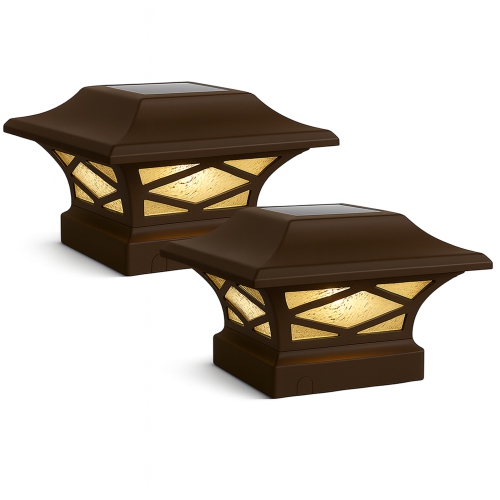 Your price for this item is $99.99
-
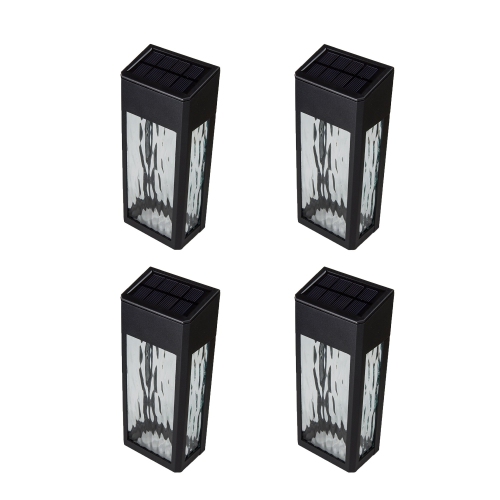 Your price for this item is $73.99
-
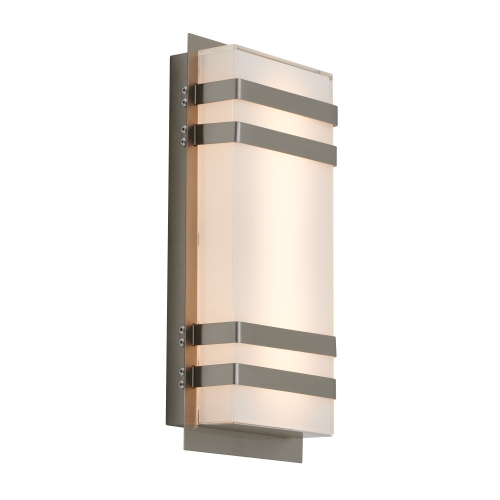 Your price for this item is $69.99
-
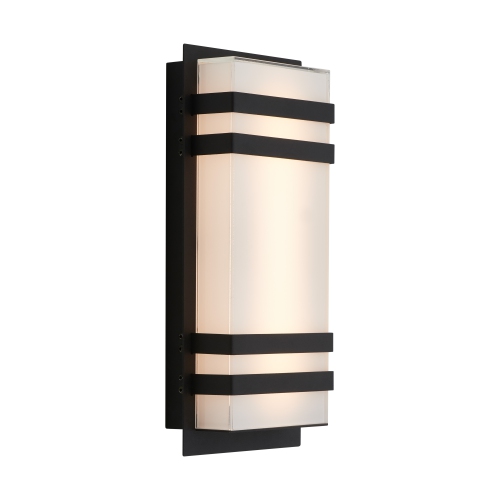 Your price for this item is $59.99
-
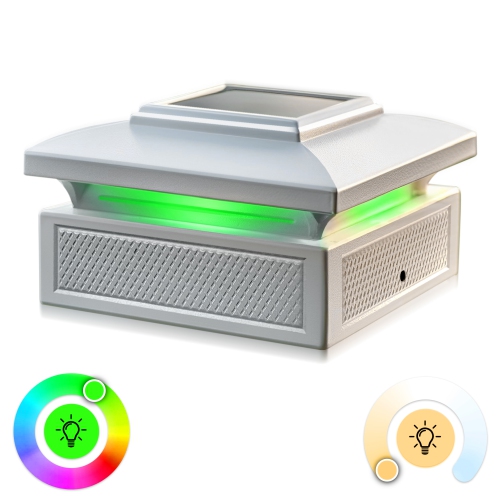 Your price for this item is $99.99
-
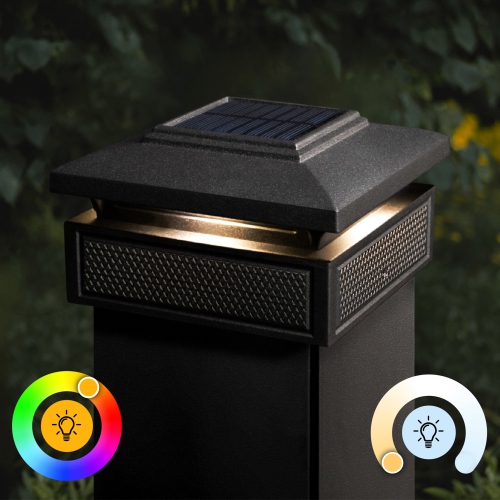 Your price for this item is $99.99
-
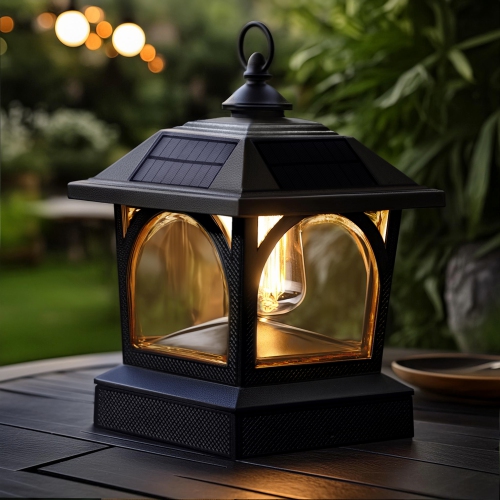 Your price for this item is $99.99
-
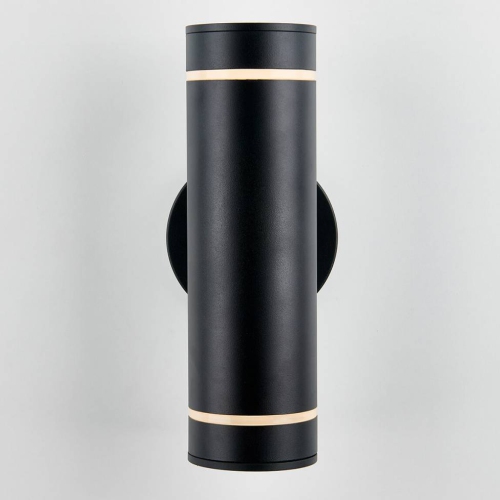 Your price for this item is $99
Discover more categories related to Modern Outdoor Lighting
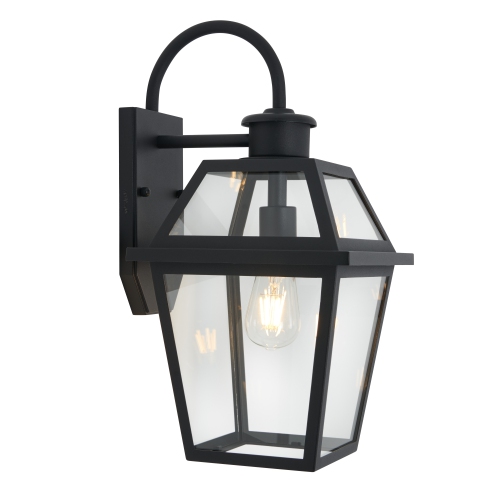
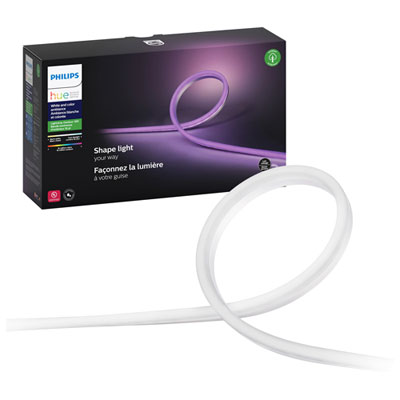

Top Collections:
Best Black Friday Deals This Year, Best Black Friday Deals On Electronics, Kindle Devices, Pokemon Centers, Best Black Friday Deals On Apple Products, Best Cameras for Sports Photography, Dyson Airwrap, Pokémon 30th Celebration Cards, Apple iPhone 17 Pro, Canon G7X Cameras
Some products may be subject to Environmental Handling Fees
(EHF) depending on your province.
Learn more about EHFs.