Modern Oval Coffee Tables
Looking to add a touch of contemporary style to your living room? Our selection of modern oval coffee tables offers the perfect blend of form and function for almost any space. With their sleek lines and unique shape, these coffee tables are not only a practical addition to your seating area but also a statement piece that will elevate the overall aesthetic of your home. Here are some great options available.
Sort
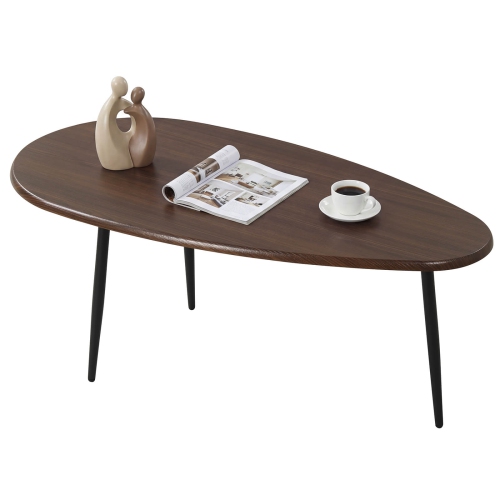
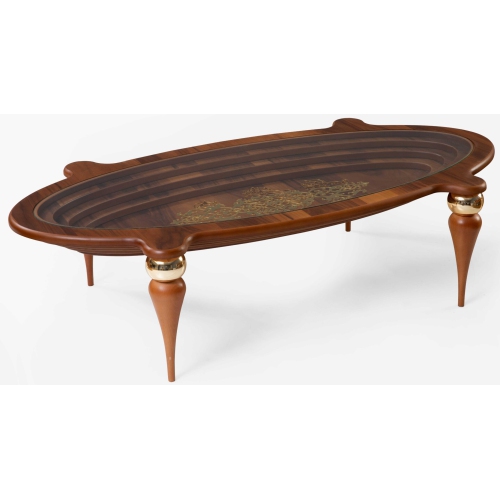
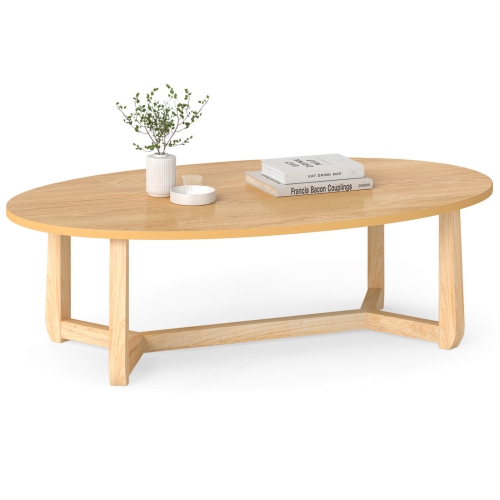
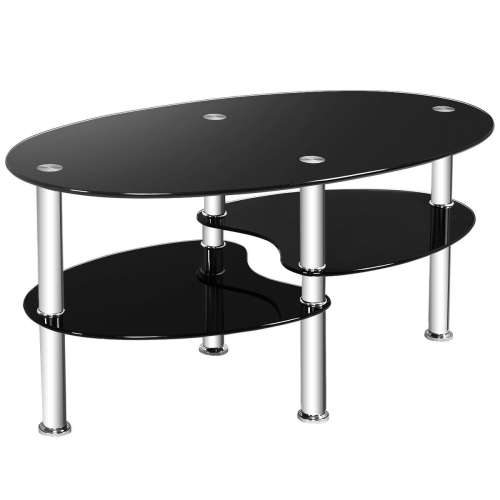
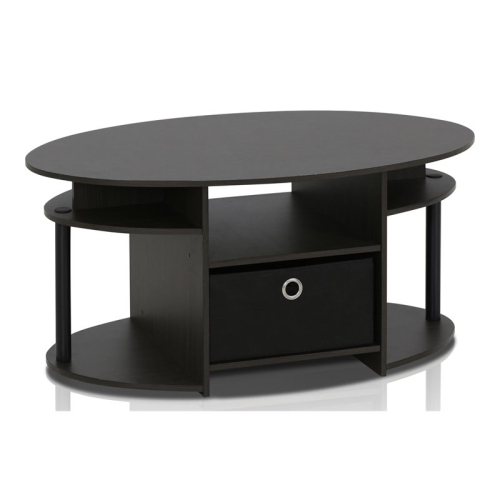
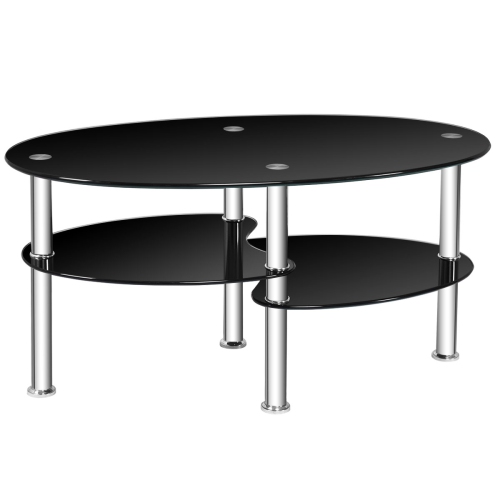
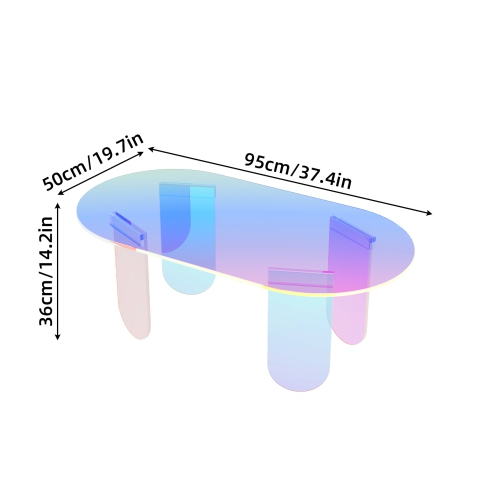
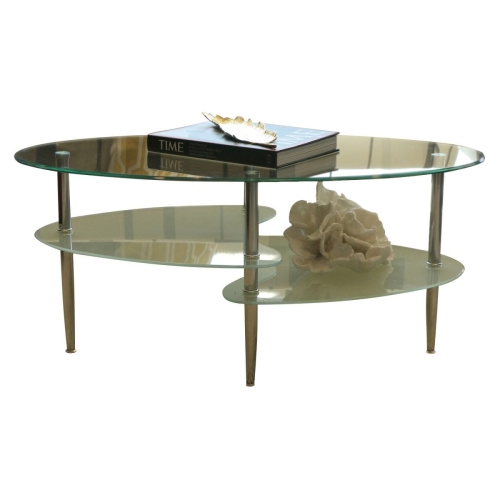

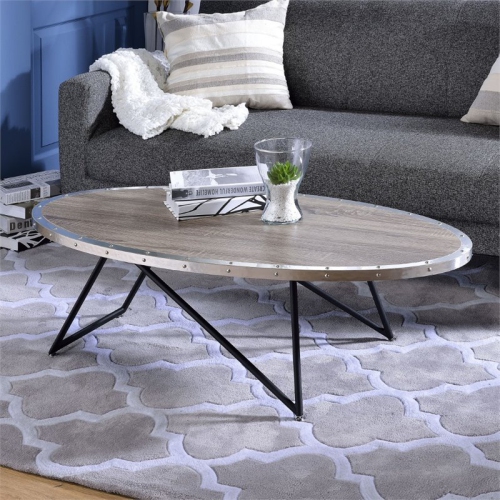
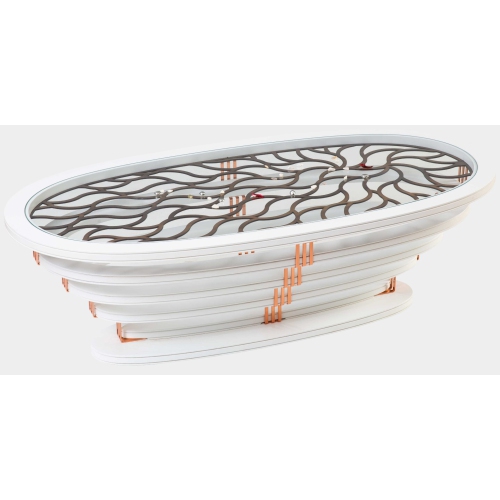
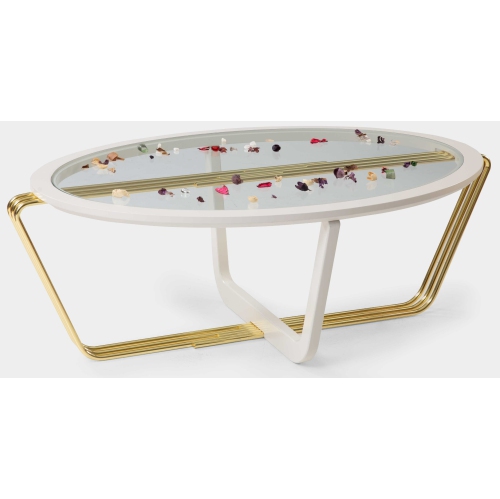
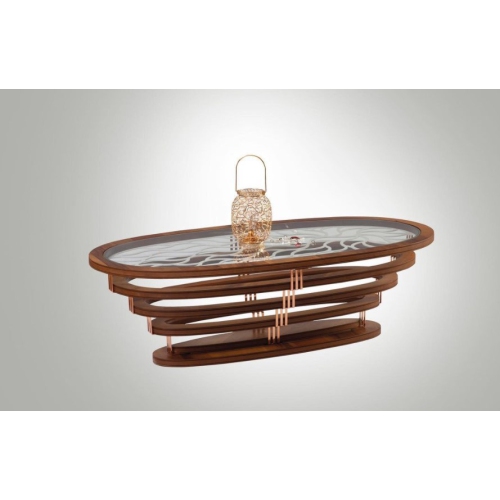
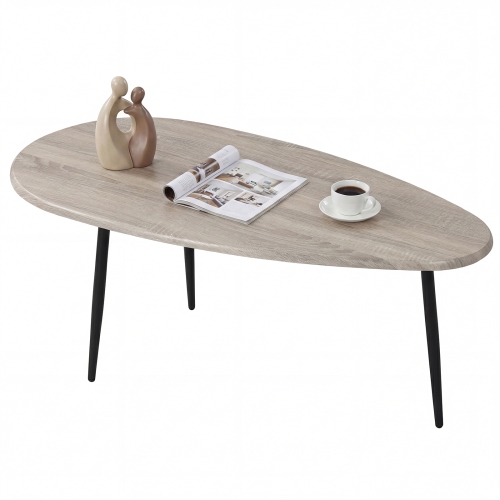
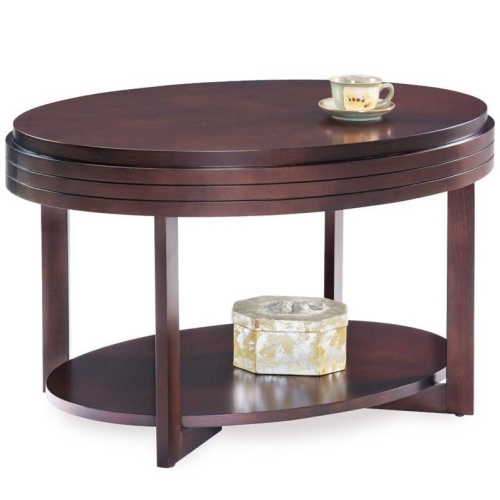
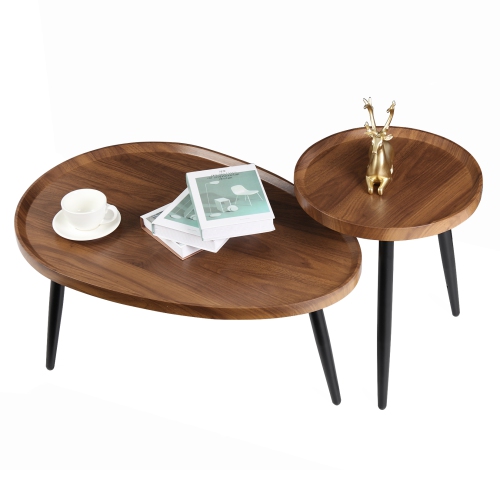
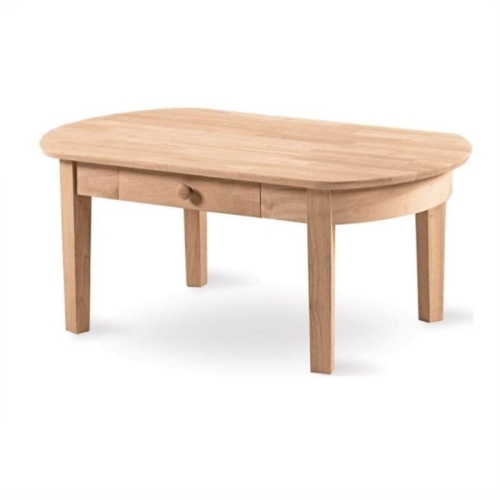
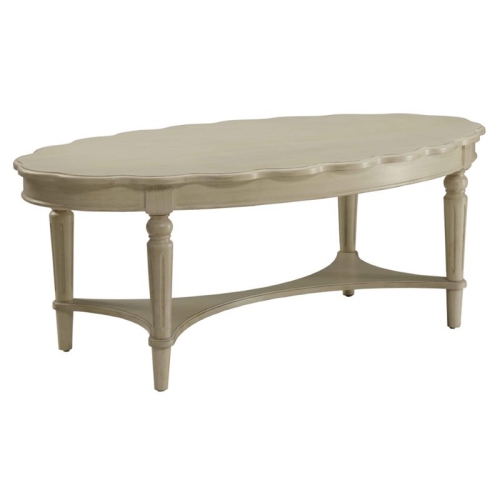
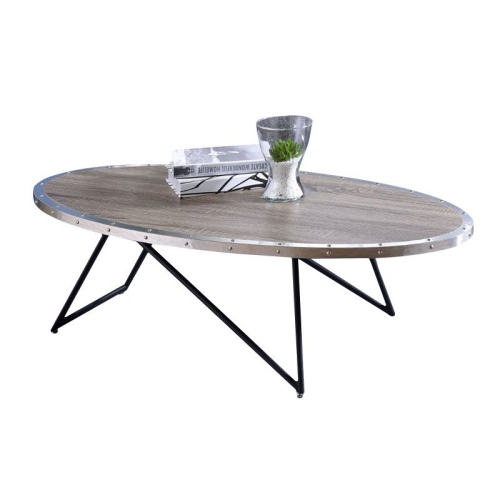
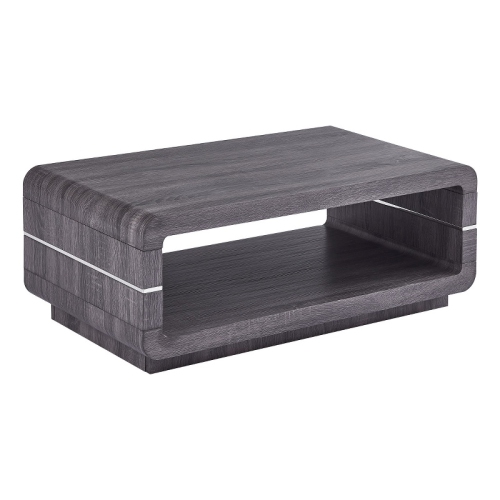
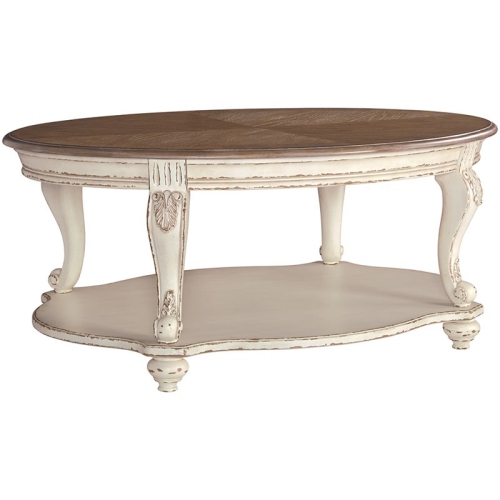
Softer lines with everyday essentials within reach
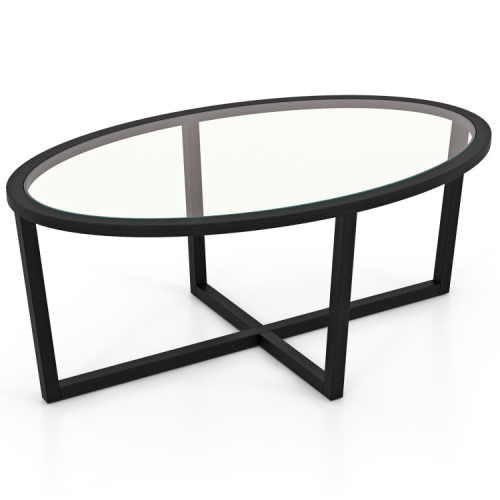
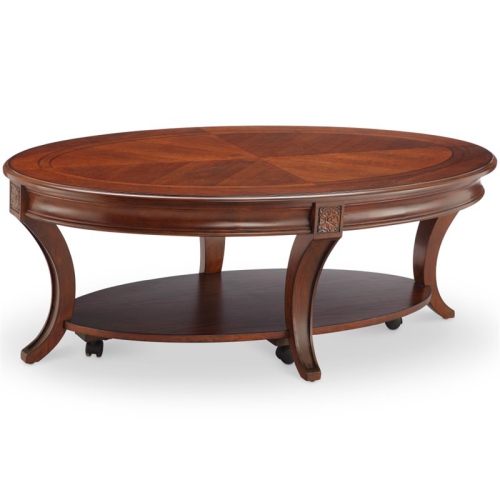
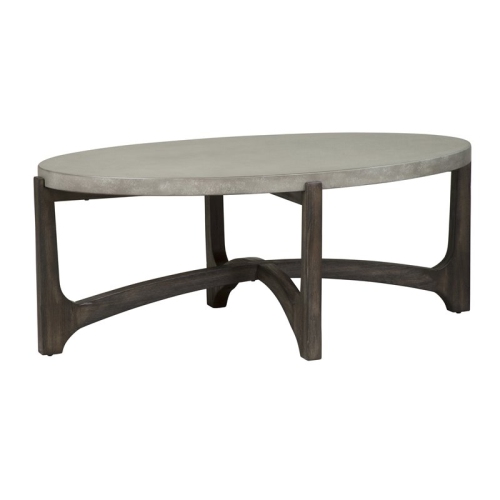
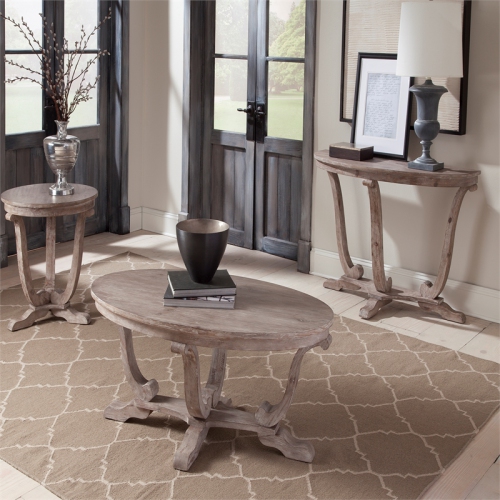
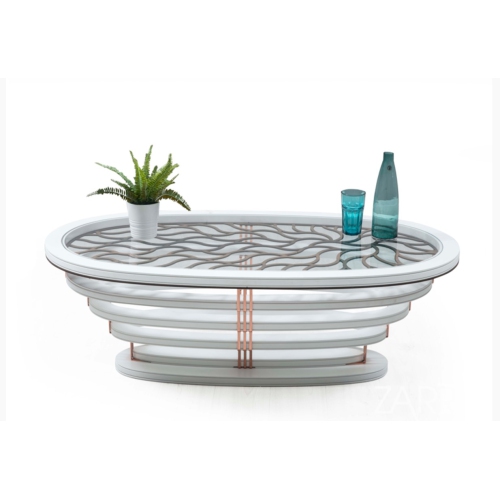
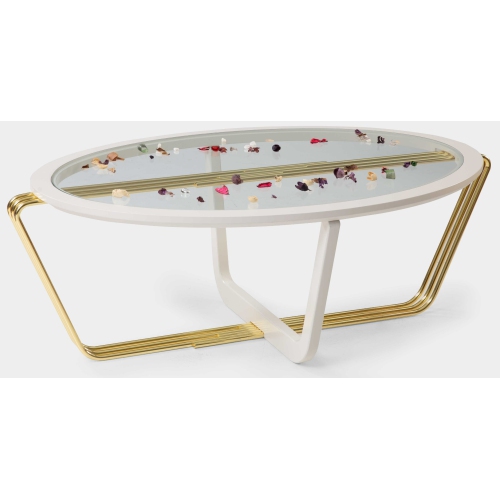
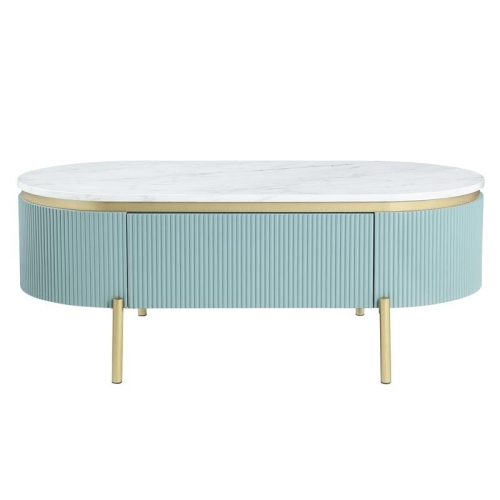
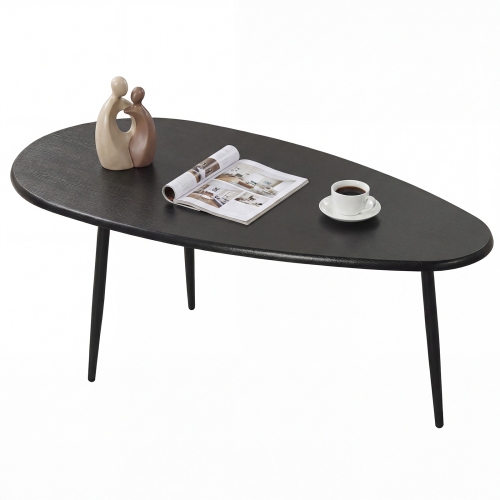
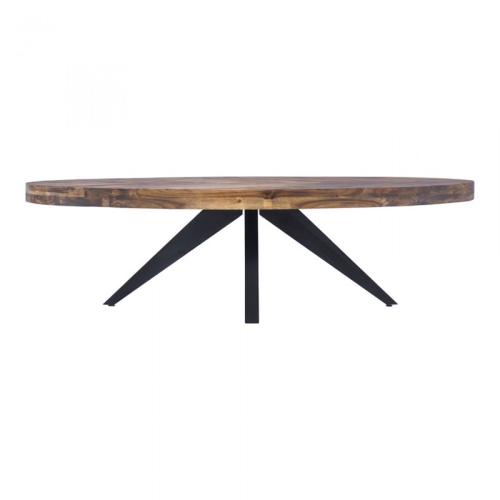
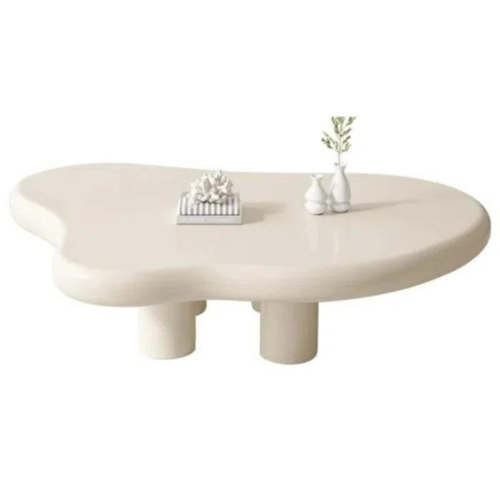
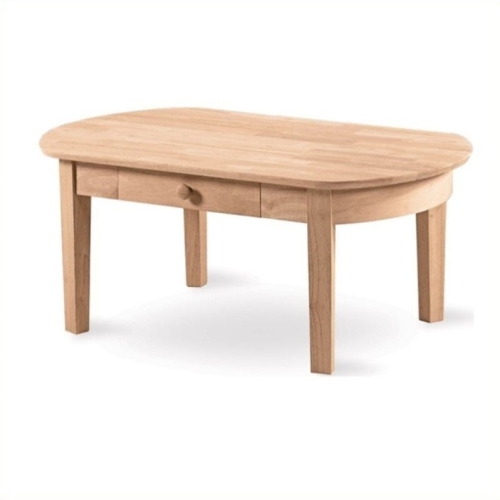
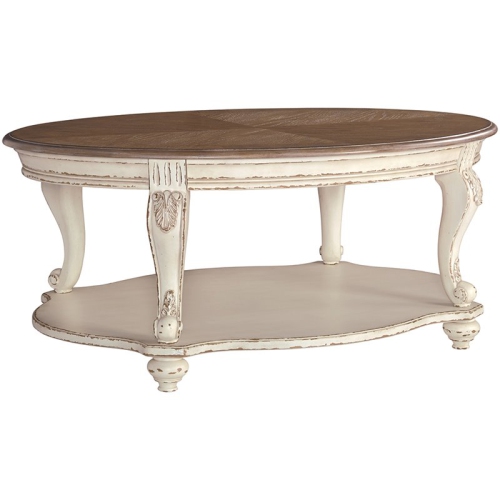
Modern oval coffee tables pair an elongated surface with rounded ends, bringing useful tabletop space and a softer outline to a living room. Their curved profile works particularly well beside the straight lines of a sofa, sectional, or media console, adding contrast without making the room feel busy. Unlike a round table, an oval shape extends along more of the seating area, placing drinks, books, and remotes within reach of people sitting at either end of a sofa. The tapered ends can also leave more room to move around seating, although the table’s overall width and placement still determine how comfortable those walking paths feel. Modern designs range from slim tops on slender metal legs to substantial wood forms with pedestal bases, fluted details, or gently rounded edges. Mid-century modern styles often feature warm wood tones and angled legs, while minimalist designs rely on simple proportions and restrained finishes. An oval coffee table can anchor a compact condo sitting area, balance a long sofa in a family room, or create a shared surface between a pair of lounge chairs. For everyday use, a length around one-half to two-thirds of the sofa’s length is a helpful starting point, rather than a fixed rule. A tabletop close to the height of the sofa cushions generally feels easy to reach, while a lower profile suits some deep, relaxed seating arrangements. Leaving roughly 14 to 18 inches between the table and sofa often provides a practical balance of legroom and access; main walking routes may need more space. Marking the footprint on the floor helps show whether the curved ends clear an armchair or leave enough room beside a chaise. Rounded corners remove the pointed corners found on rectangular tables, but they do not make furniture injury-proof. Edge thickness, stability, tabletop material, and secure assembly remain important considerations in homes with children or pets. A broad, stable base may suit a busy household better than a lightweight design that shifts easily when bumped.
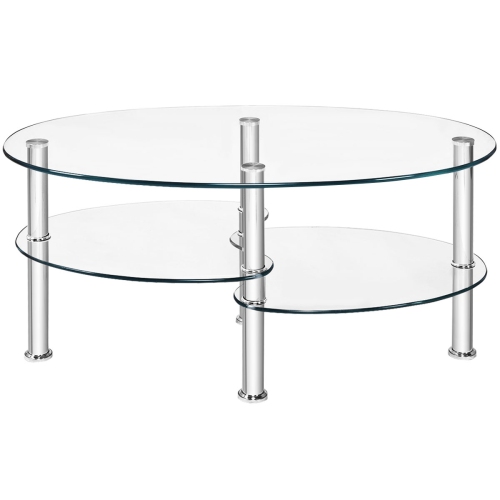
Materials give modern oval coffee tables much of their character and influence how they handle daily use. Solid wood brings visible grain and natural variation, with pale tones lending a light appearance and darker finishes creating a more grounded focal point. Its surface can develop marks over time, and the potential for refinishing depends on the construction and finish. Wood veneer offers a genuine wood surface over a supporting core, often allowing a consistent profile or distinctive grain pattern, but its thin outer layer needs protection from deep scratches and aggressive sanding. Engineered wood with a laminate finish can provide a uniform look and a surface suited to everyday routines, though exposed edges and joints deserve attention because moisture can cause damage. Glass tops keep sightlines open, making them useful where a large opaque surface would visually crowd the seating area. Tempered glass is preferable for furniture applications, but it can still chip or break and should never be treated as unbreakable. Fingerprints and dust tend to show on glass, so its airy appearance comes with more frequent wiping. Marble and other natural stone tops bring veining and weight, with patterns that differ from one piece to another. Porous stone may need sealing, and acidic spills can leave dull patches on certain surfaces. Concrete offers a substantial, textured appearance, although weight, sealing requirements, and susceptibility to staining vary by construction. Metal bases can create a fine-lined silhouette or a bold sculptural shape; the quality of the joints and protective finish matters as much as the material itself. Colour changes the overall effect, too. Light finishes blend easily with pale upholstery, warm wood complements woven textiles, and black creates a clear outline against a light rug. Black Oval Coffee Tables offer a focused option for rooms where a darker finish would connect with black lighting, shelving, or cabinet hardware. Matching every finish is unnecessary: repeating one tone elsewhere in the room often makes a mixed-material arrangement feel intentional.
The most useful coffee table is one that supports the way the room is actually used. An open tabletop leaves space for a serving tray when friends visit, a puzzle in progress, or a stack of books beside a favourite seat. A lower shelf adds accessible storage for magazines and game controllers, though it also keeps those belongings visible and creates another surface to dust. Enclosed compartments hide smaller essentials, while drawers need enough clearance to open without catching a sofa cushion or blocking a nearby chair. Lift-top designs can bring a surface closer for occasional laptop use or a casual meal, but the raised height, mechanism, weight limit, and base stability all affect their usefulness. A coffee table is not a substitute for a properly fitted desk for extended work, and moving tops require care around fingers. Nesting designs offer additional surfaces that can be spread out for guests and tucked together afterwards; checking the combined footprint matters just as much as measuring the larger table alone. Base placement also changes everyday comfort. A central pedestal can leave more room for feet around the perimeter, while widely spaced legs may provide a different balance of support and visual openness. For households that frequently rearrange furniture, manageable weight and suitable floor protectors make moving the table less awkward. Heavier stone or concrete designs are better considered as pieces that will usually stay in one place. Care is generally straightforward when matched to the finish: use coasters beneath drinks, protect the surface from hot dishes, blot spills promptly, and follow the manufacturer’s cleaning directions. A soft cloth is suitable for many routine tasks, while abrasive pads and harsh cleaners can damage protective coatings. Dust and grit beneath trays or accessories can also leave fine scratches, so lifting objects rather than sliding them helps preserve the surface. With the right proportions, practical storage, and a finish suited to daily habits, an oval coffee table can feel equally at home during a quiet evening with a book or a living room full of conversation.
Materials give modern oval coffee tables much of their character and influence how they handle daily use. Solid wood brings visible grain and natural variation, with pale tones lending a light appearance and darker finishes creating a more grounded focal point. Its surface can develop marks over time, and the potential for refinishing depends on the construction and finish. Wood veneer offers a genuine wood surface over a supporting core, often allowing a consistent profile or distinctive grain pattern, but its thin outer layer needs protection from deep scratches and aggressive sanding. Engineered wood with a laminate finish can provide a uniform look and a surface suited to everyday routines, though exposed edges and joints deserve attention because moisture can cause damage. Glass tops keep sightlines open, making them useful where a large opaque surface would visually crowd the seating area. Tempered glass is preferable for furniture applications, but it can still chip or break and should never be treated as unbreakable. Fingerprints and dust tend to show on glass, so its airy appearance comes with more frequent wiping. Marble and other natural stone tops bring veining and weight, with patterns that differ from one piece to another. Porous stone may need sealing, and acidic spills can leave dull patches on certain surfaces. Concrete offers a substantial, textured appearance, although weight, sealing requirements, and susceptibility to staining vary by construction. Metal bases can create a fine-lined silhouette or a bold sculptural shape; the quality of the joints and protective finish matters as much as the material itself. Colour changes the overall effect, too. Light finishes blend easily with pale upholstery, warm wood complements woven textiles, and black creates a clear outline against a light rug. Black Oval Coffee Tables offer a focused option for rooms where a darker finish would connect with black lighting, shelving, or cabinet hardware. Matching every finish is unnecessary: repeating one tone elsewhere in the room often makes a mixed-material arrangement feel intentional.
The most useful coffee table is one that supports the way the room is actually used. An open tabletop leaves space for a serving tray when friends visit, a puzzle in progress, or a stack of books beside a favourite seat. A lower shelf adds accessible storage for magazines and game controllers, though it also keeps those belongings visible and creates another surface to dust. Enclosed compartments hide smaller essentials, while drawers need enough clearance to open without catching a sofa cushion or blocking a nearby chair. Lift-top designs can bring a surface closer for occasional laptop use or a casual meal, but the raised height, mechanism, weight limit, and base stability all affect their usefulness. A coffee table is not a substitute for a properly fitted desk for extended work, and moving tops require care around fingers. Nesting designs offer additional surfaces that can be spread out for guests and tucked together afterwards; checking the combined footprint matters just as much as measuring the larger table alone. Base placement also changes everyday comfort. A central pedestal can leave more room for feet around the perimeter, while widely spaced legs may provide a different balance of support and visual openness. For households that frequently rearrange furniture, manageable weight and suitable floor protectors make moving the table less awkward. Heavier stone or concrete designs are better considered as pieces that will usually stay in one place. Care is generally straightforward when matched to the finish: use coasters beneath drinks, protect the surface from hot dishes, blot spills promptly, and follow the manufacturer’s cleaning directions. A soft cloth is suitable for many routine tasks, while abrasive pads and harsh cleaners can damage protective coatings. Dust and grit beneath trays or accessories can also leave fine scratches, so lifting objects rather than sliding them helps preserve the surface. With the right proportions, practical storage, and a finish suited to daily habits, an oval coffee table can feel equally at home during a quiet evening with a book or a living room full of conversation.
Top selling and popular products
-
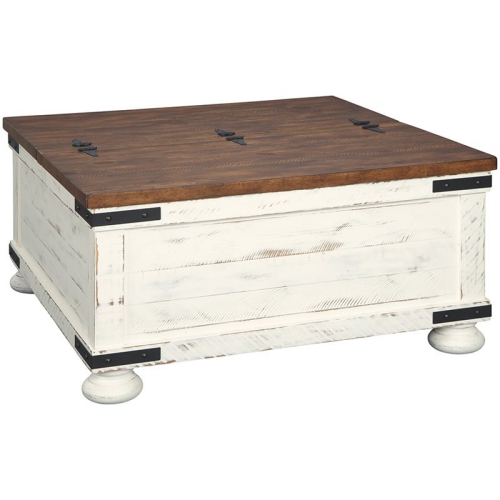 Your price for this item is $1030.03
 -
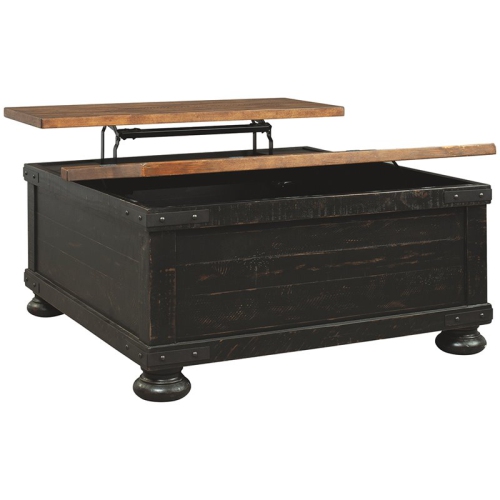 Your price for this item is $1070.91
 -
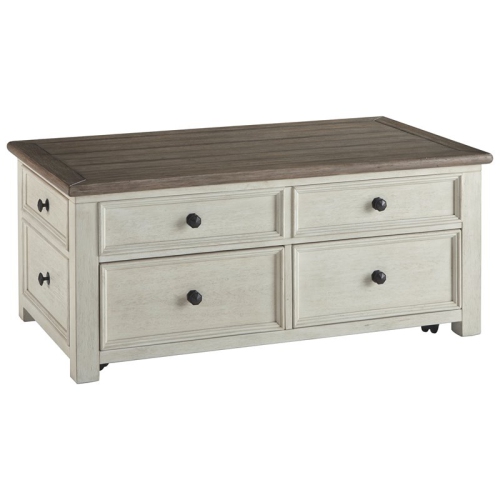 Your price for this item is $949
 -
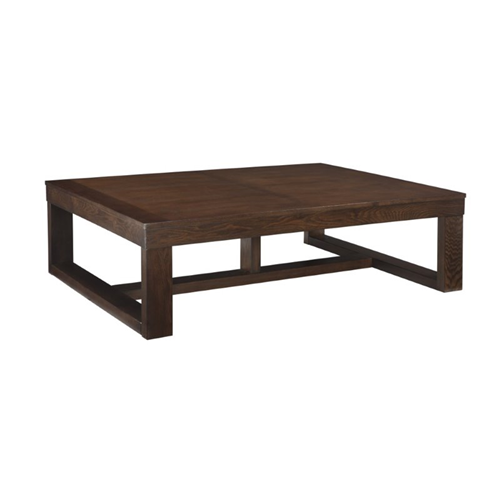 Your price for this item is $449
 -
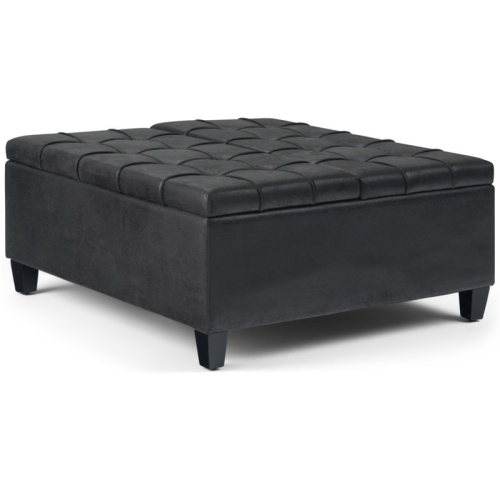 Your price for this item is $1042.91
 -
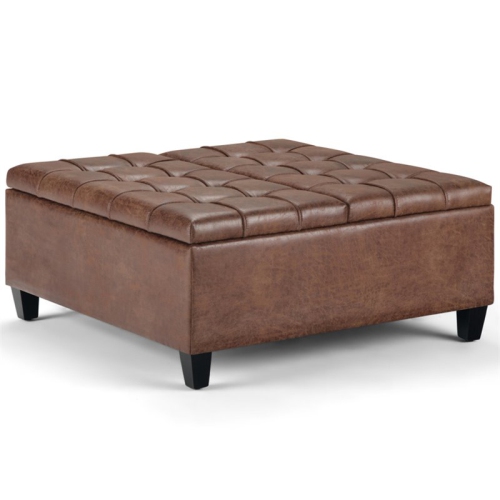 Your price for this item is $1013.77
 -
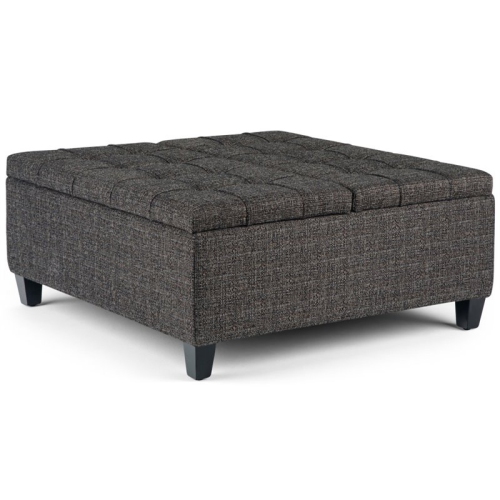 Your price for this item is $1021.17
 -
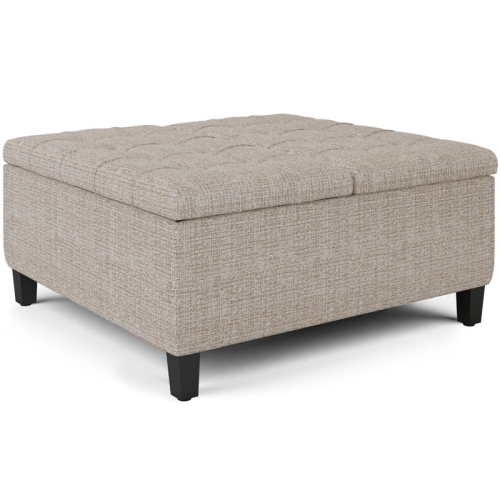 Your price for this item is $1022.03
Discover more categories related to Modern Oval Coffee Tables
Top Collections:
Pokemon Centers, Kindle Devices, Best Budget Office Chairs, Apple iPhones 16, Best Laptops for Writers, iPhone 15 Apple, Canon G7X Cameras, Refurbished Apple Laptops, Alarm Clock, Motorola Razr Phones
Some products may be subject to Environmental Handling Fees
(EHF) depending on your province.
Learn more about EHFs.