Modern Slim Bookcases
A slim bookcase is a perfect addition to almost any living room, bedroom, or office. These bookcases are designed to fit into small spaces and can be used in apartments, condos, or almost any other area where space is limited. Here are some great options for modern slim bookcases available today.
Sort

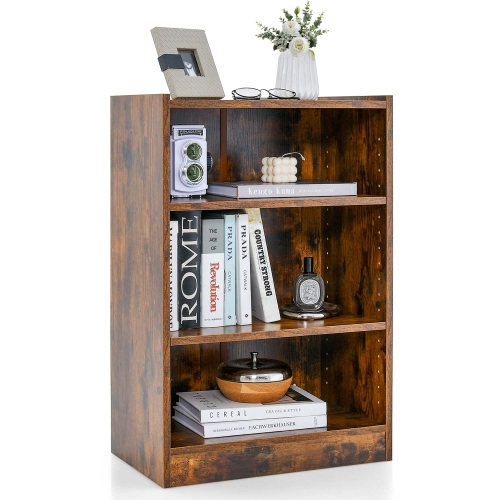


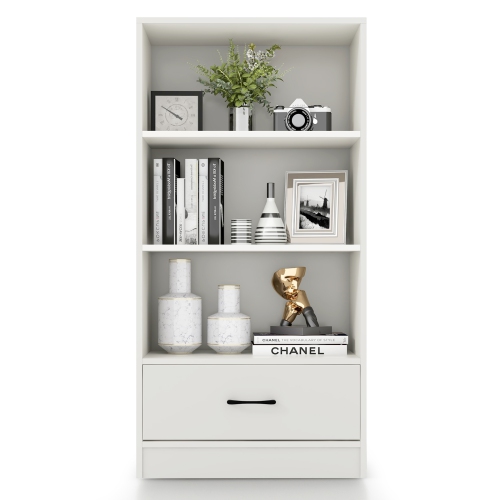
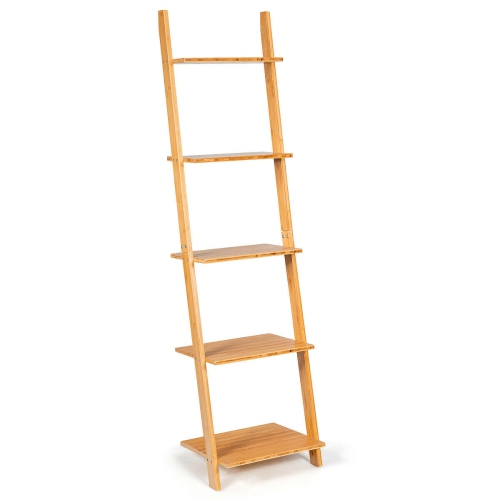
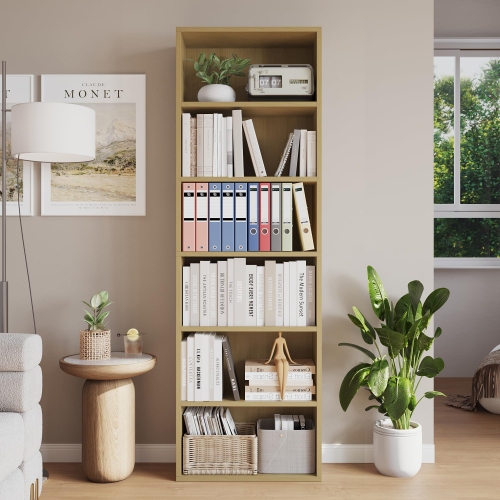
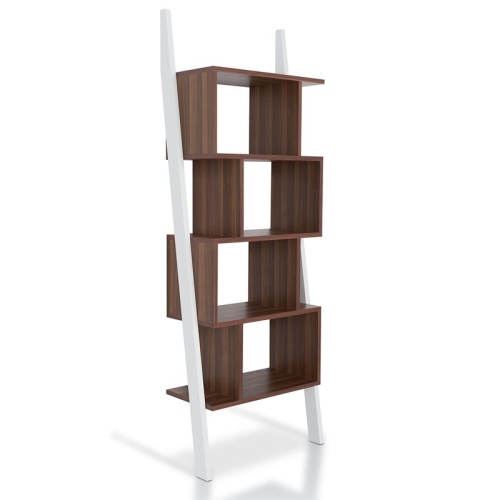
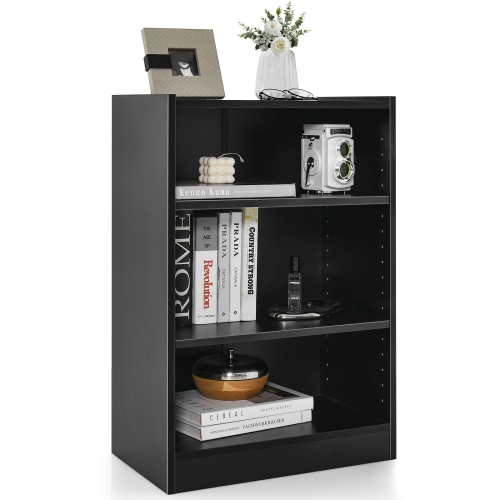
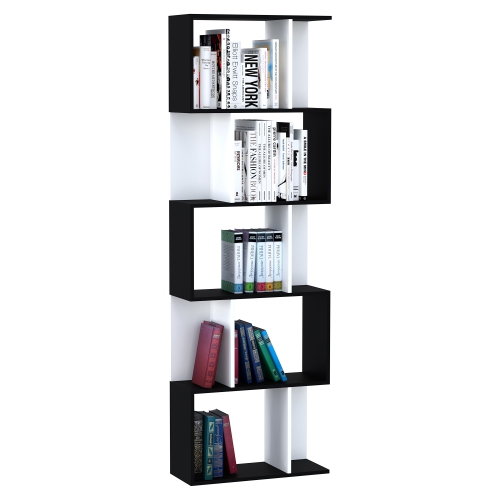
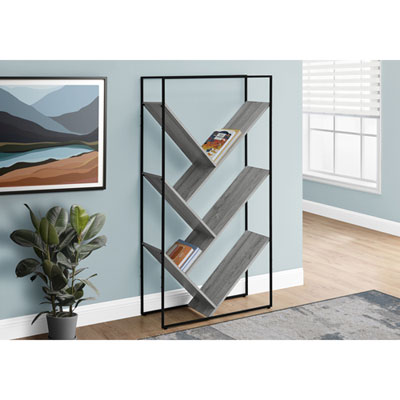
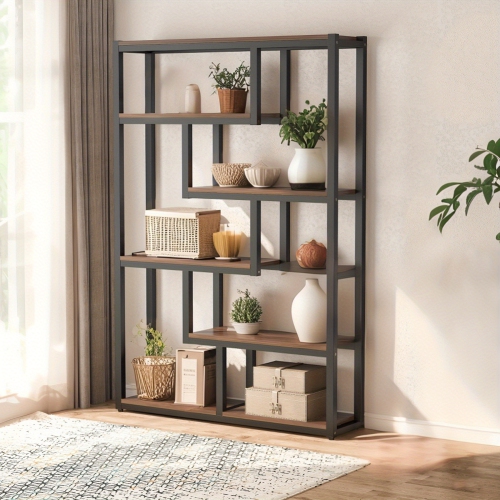
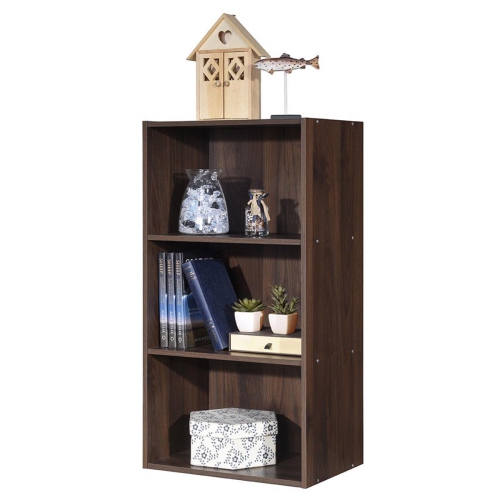

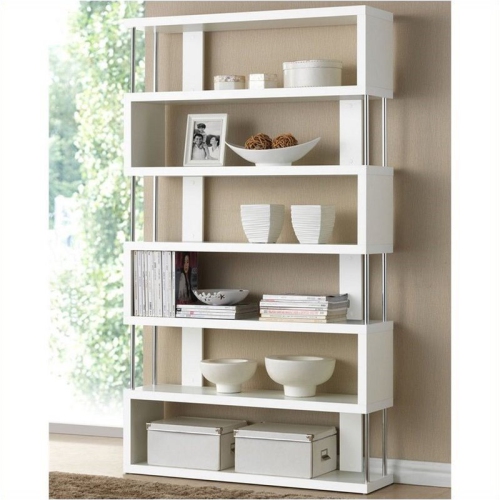

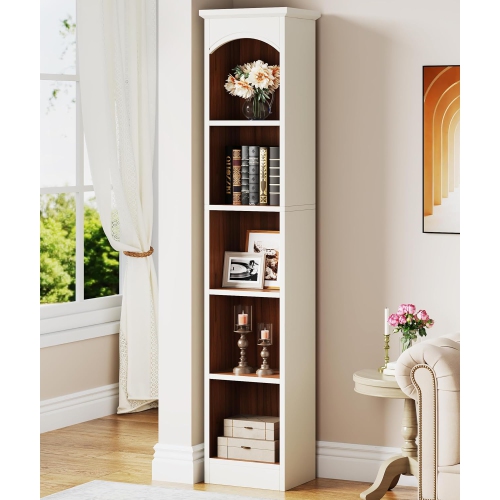
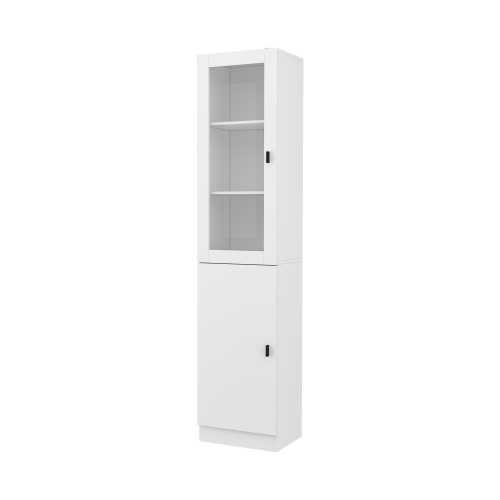
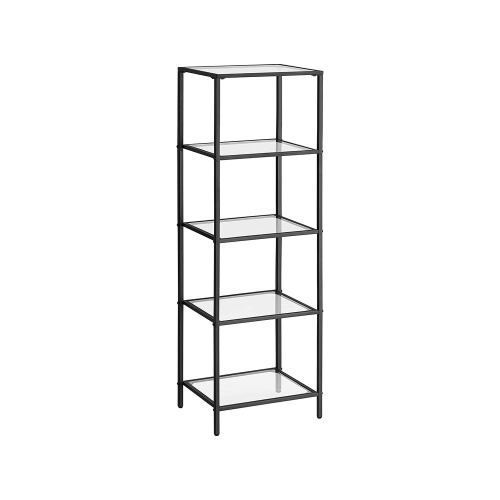
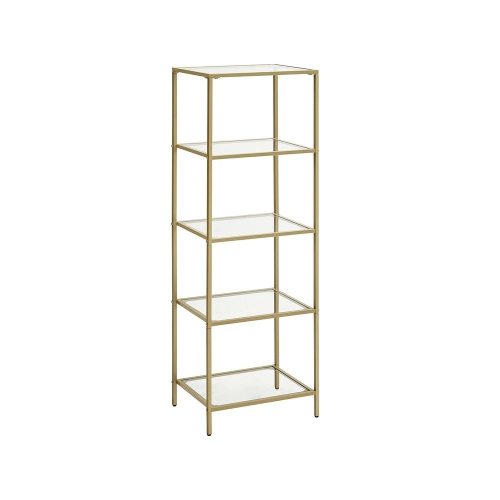
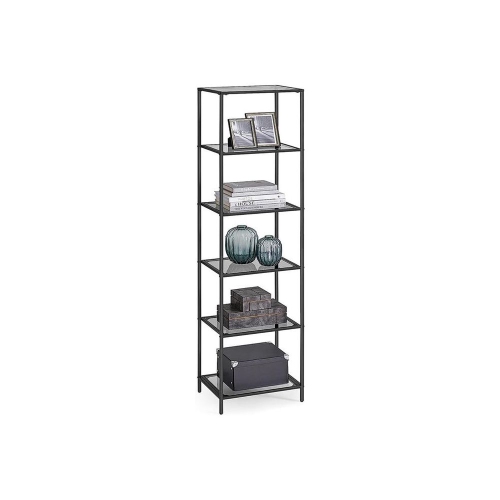
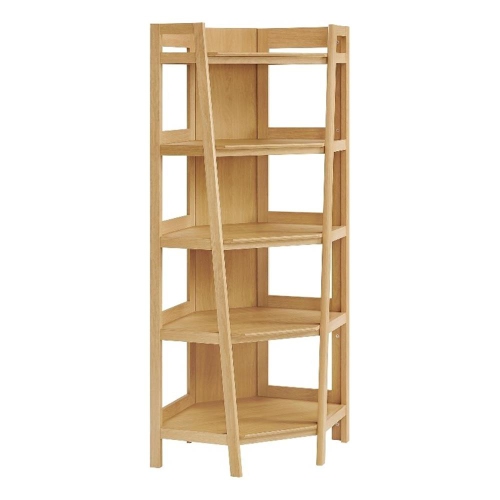
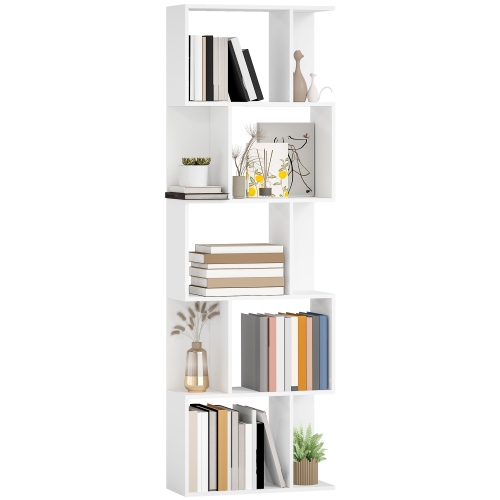
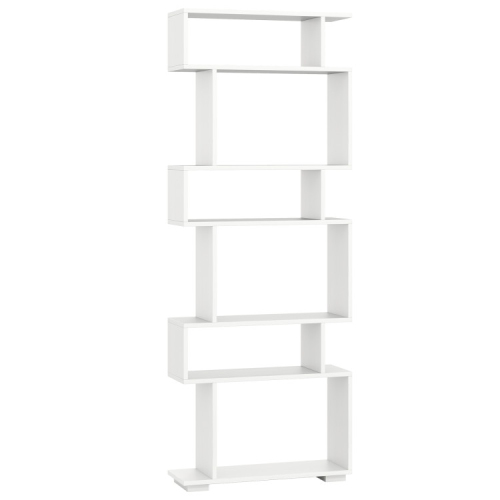
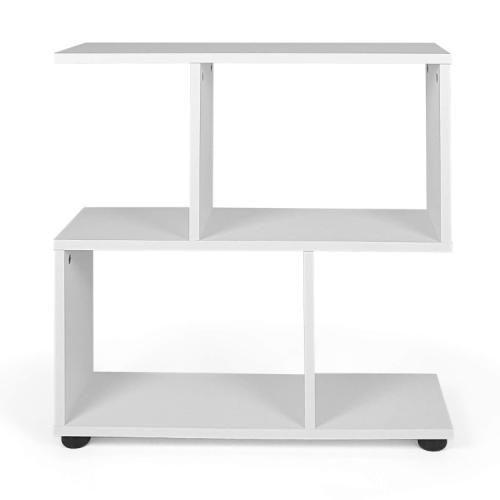
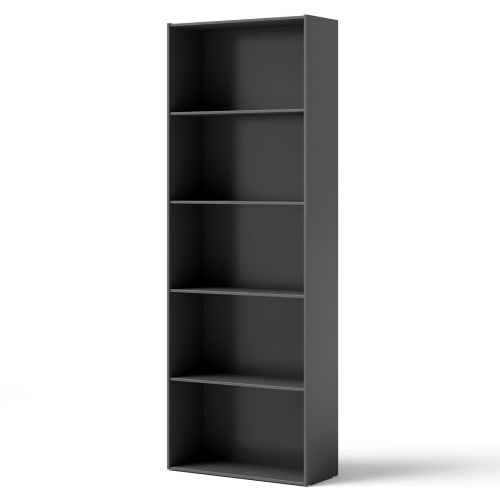
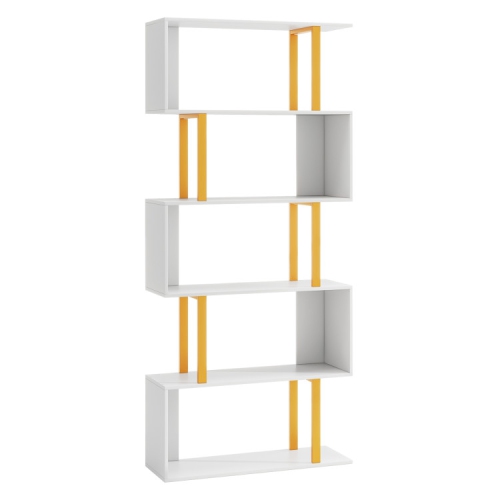
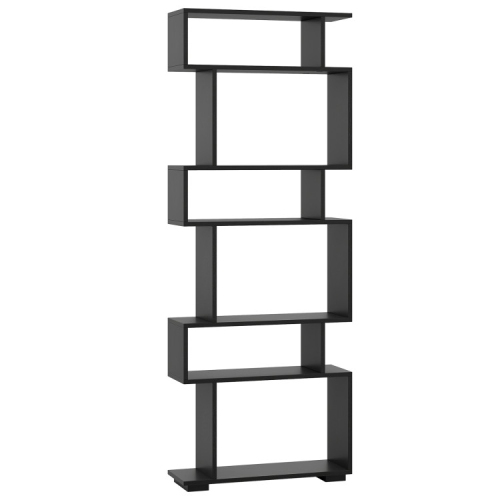
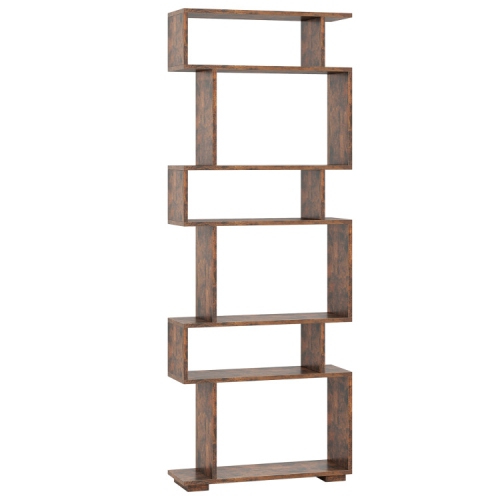
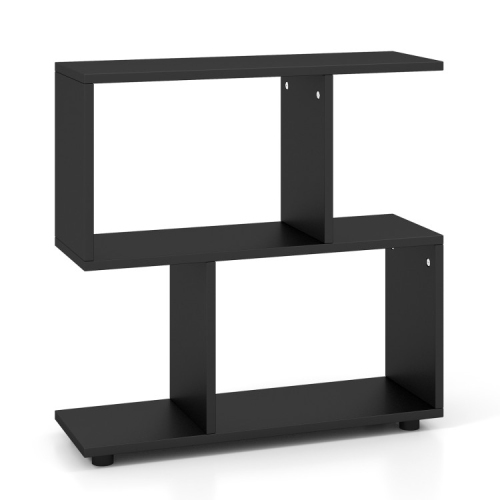
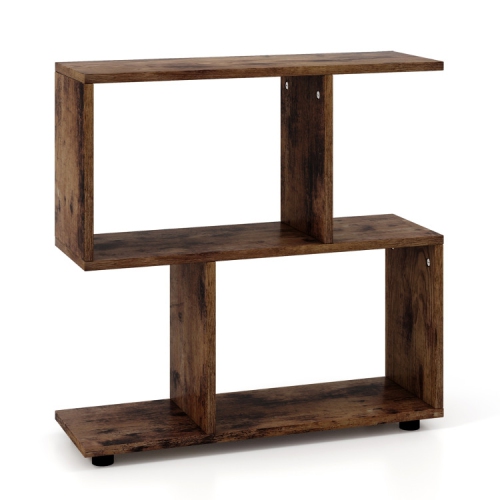
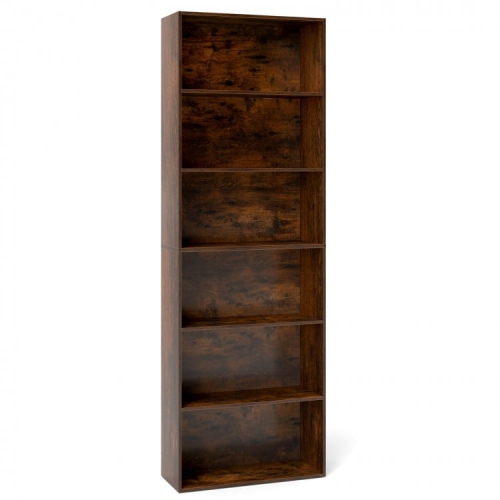
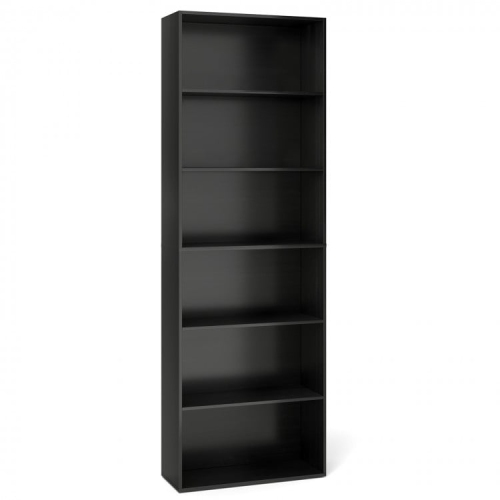
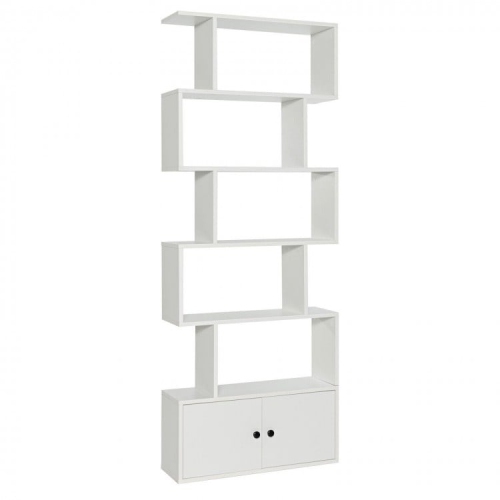
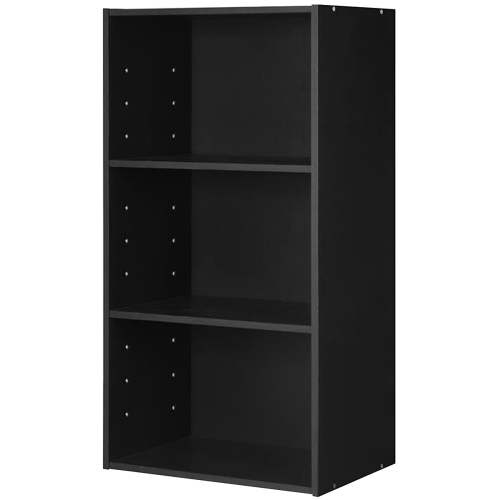
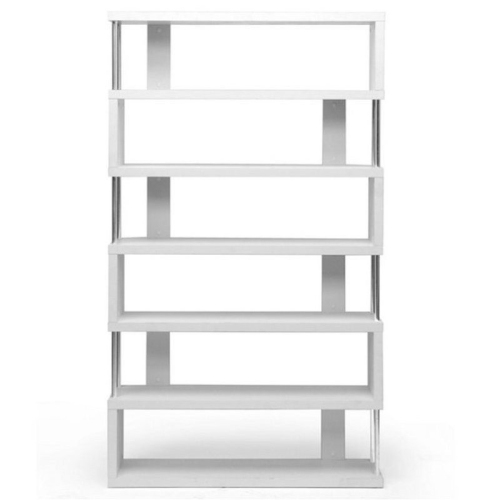

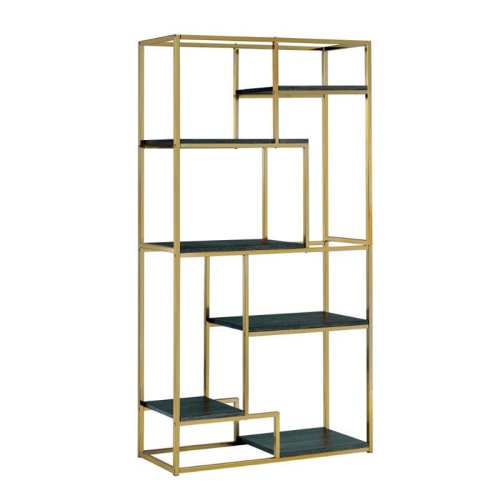
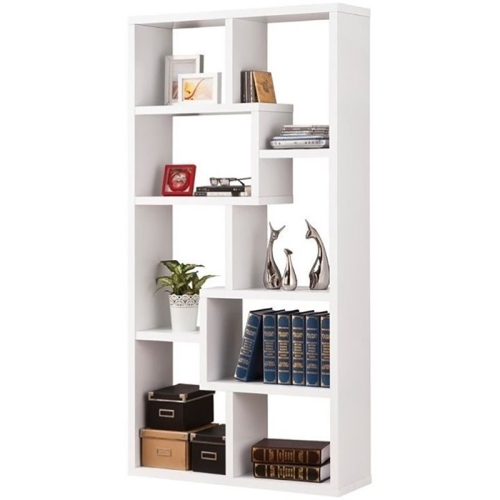
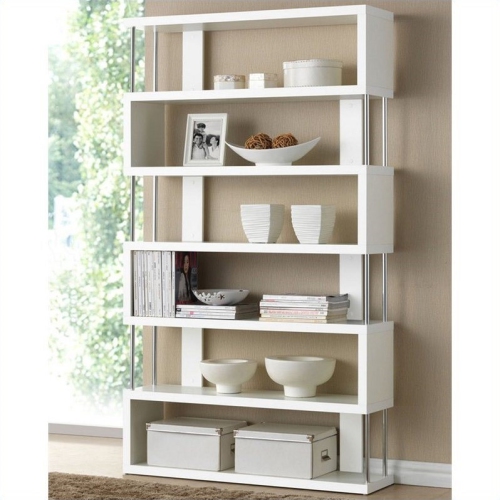
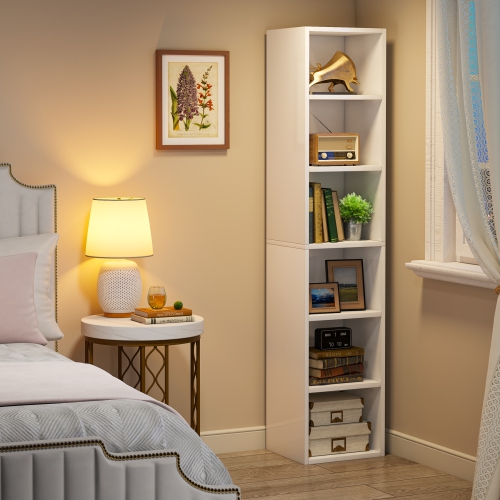
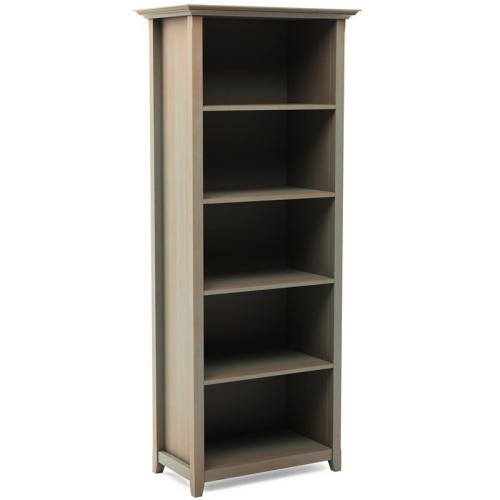
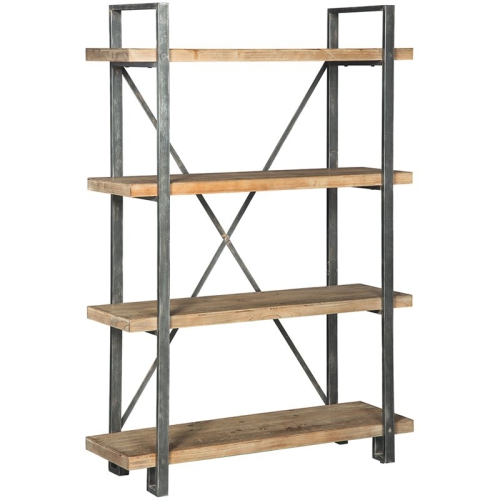
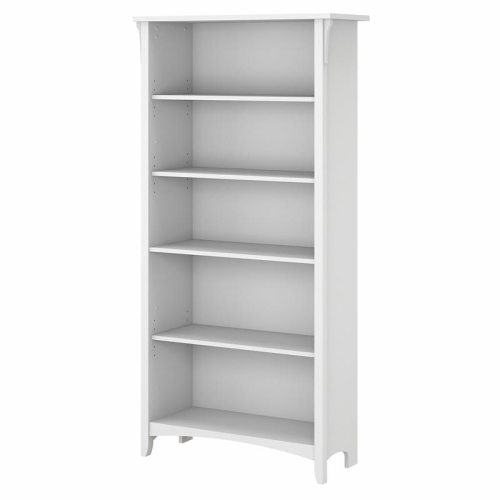
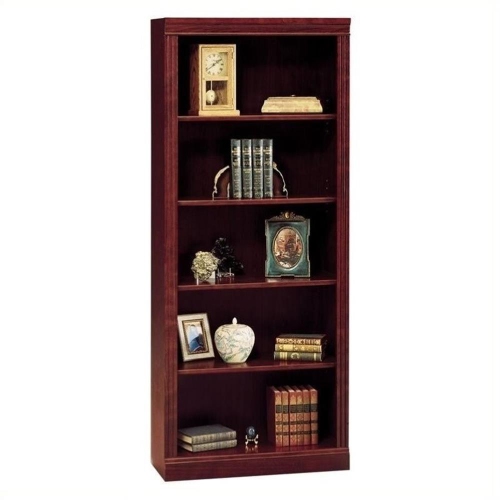
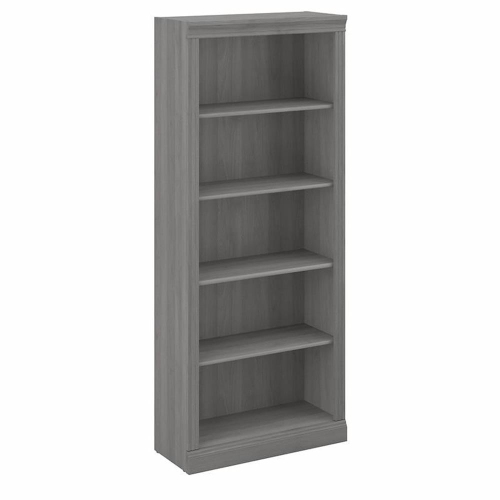
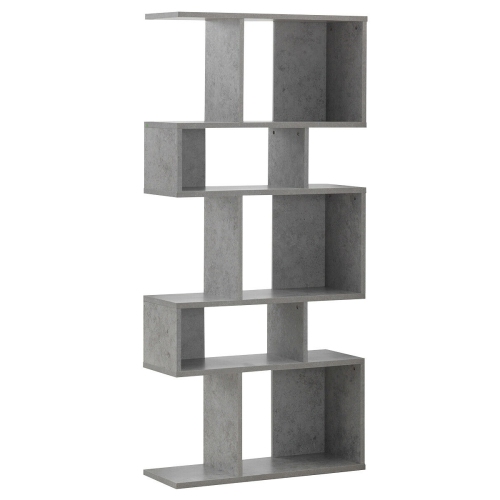
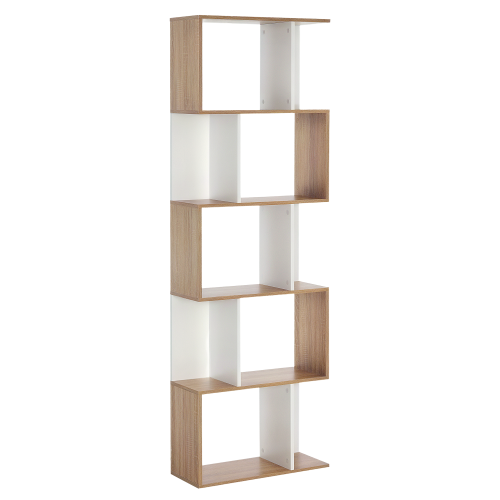
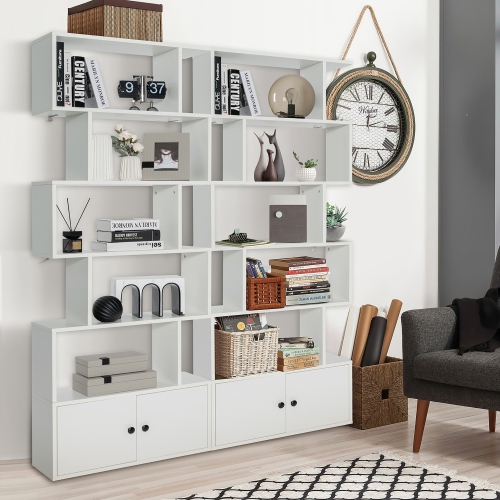
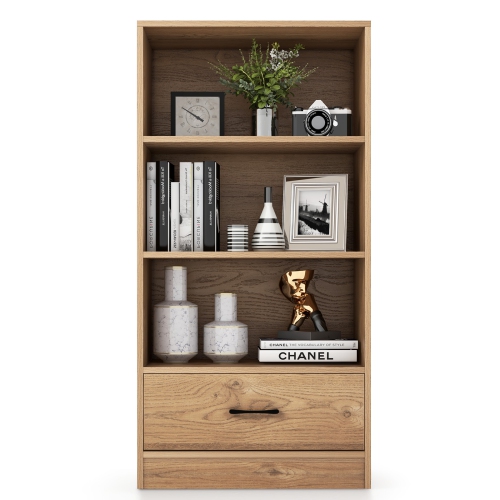
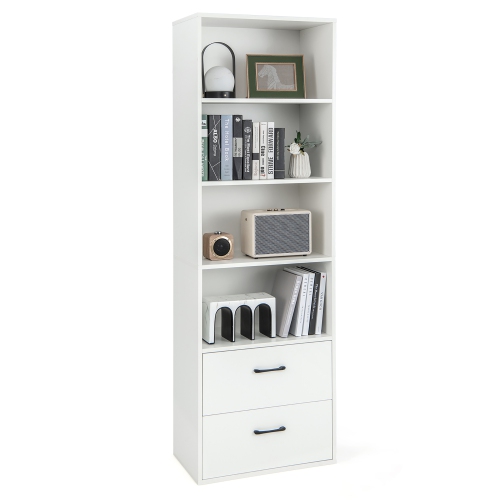
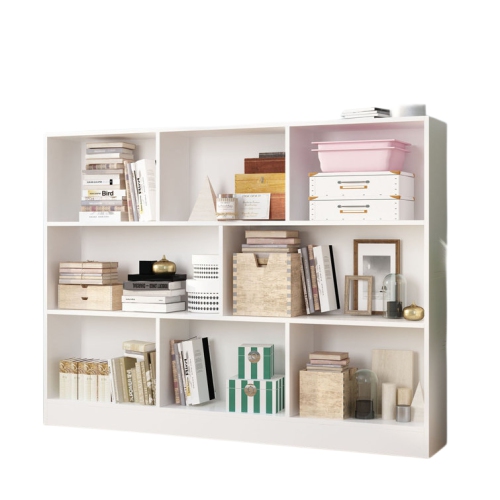
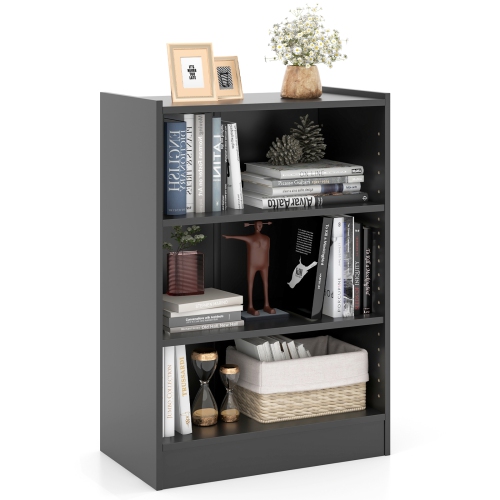
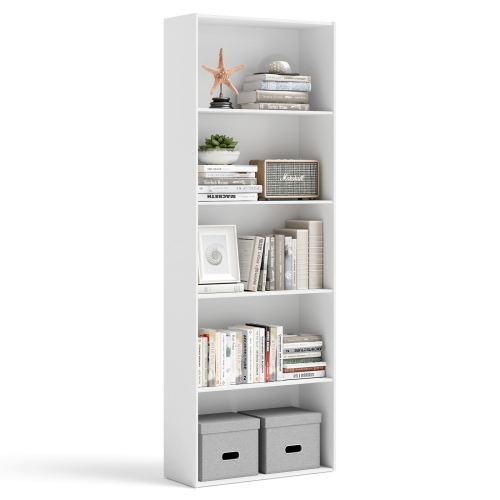
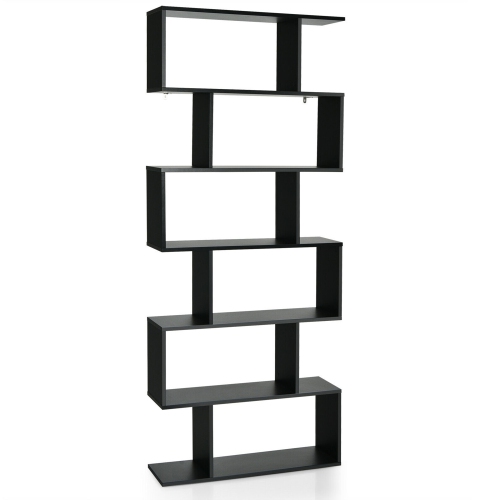
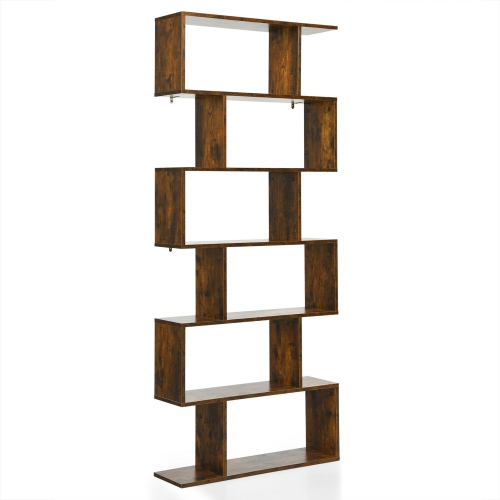
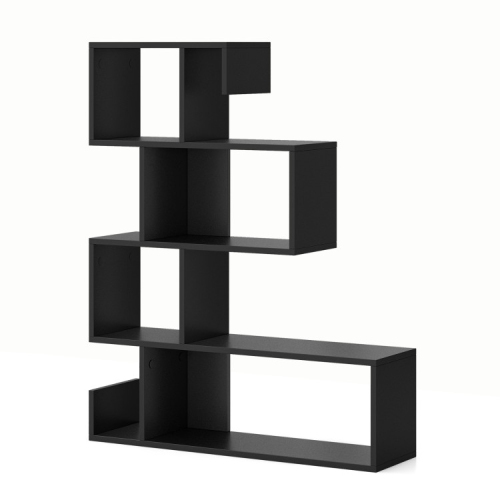
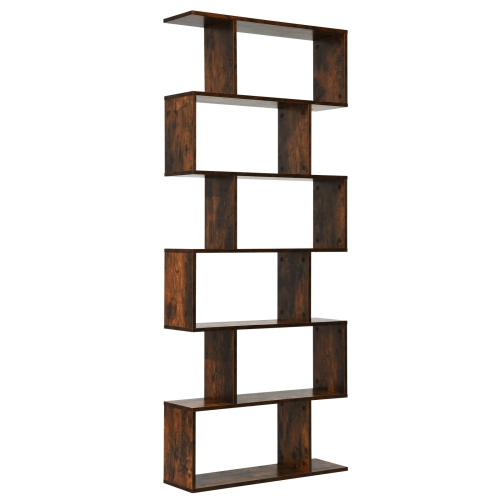
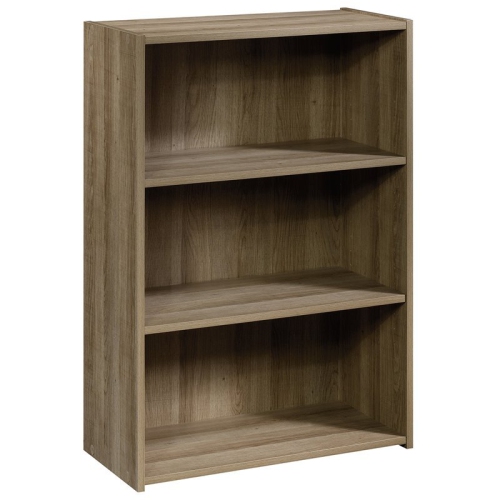
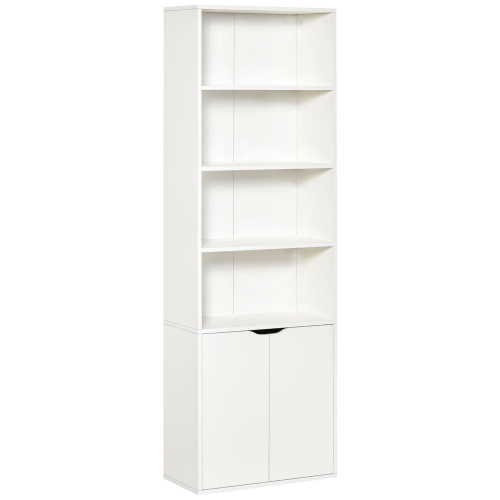

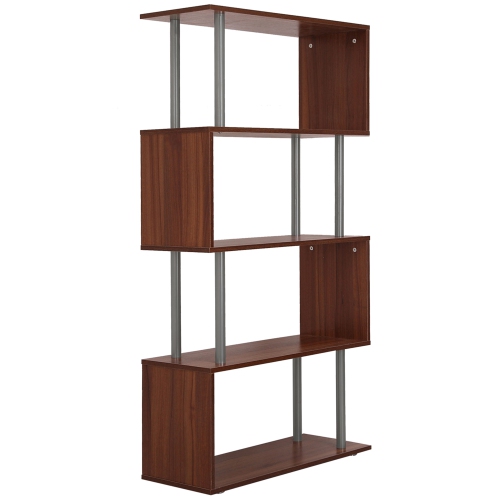
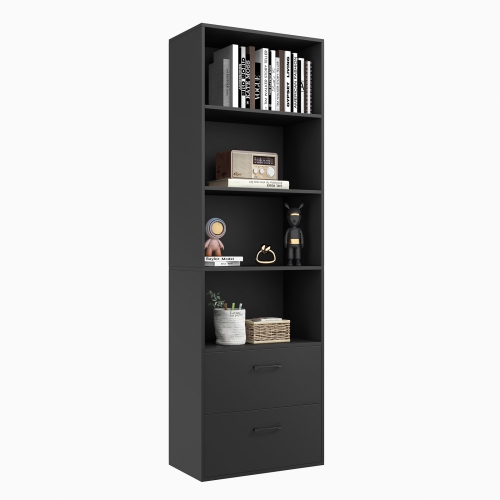
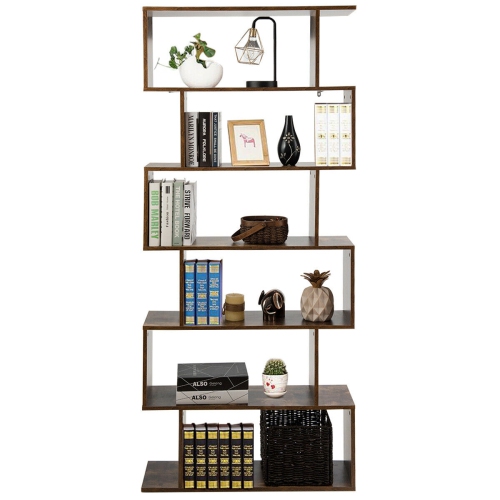

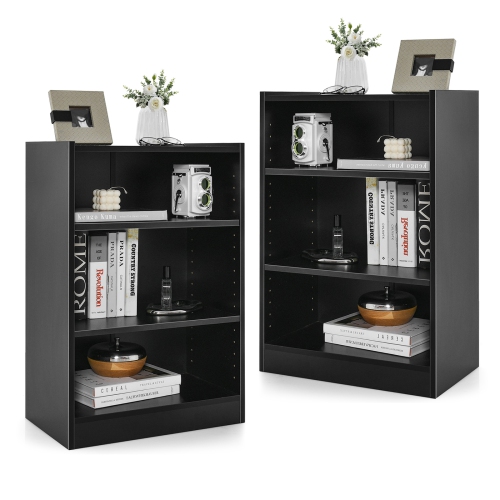
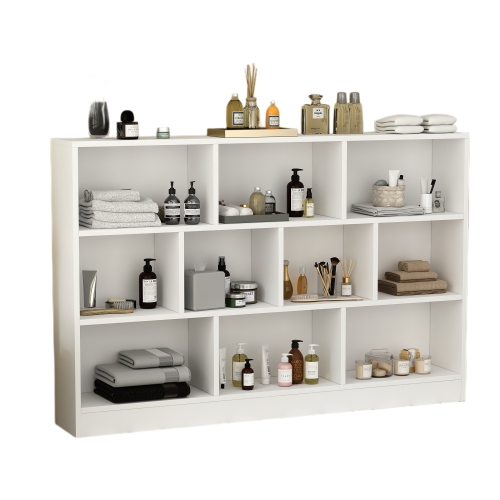
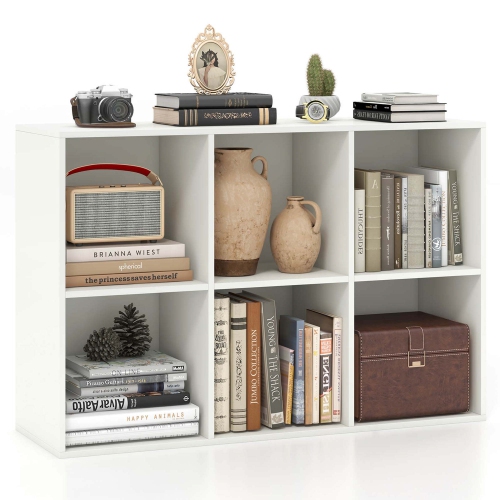
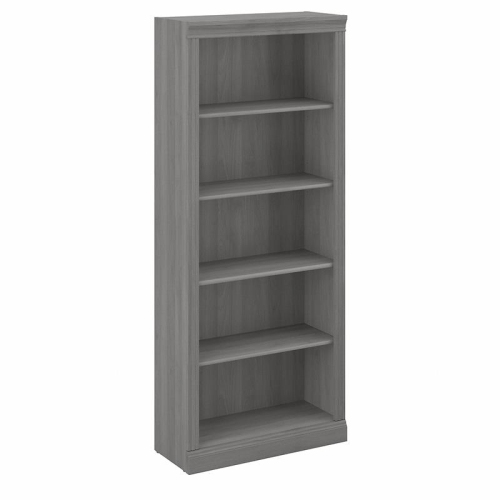

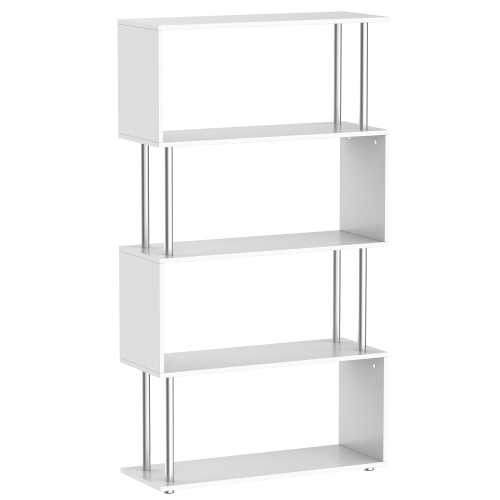
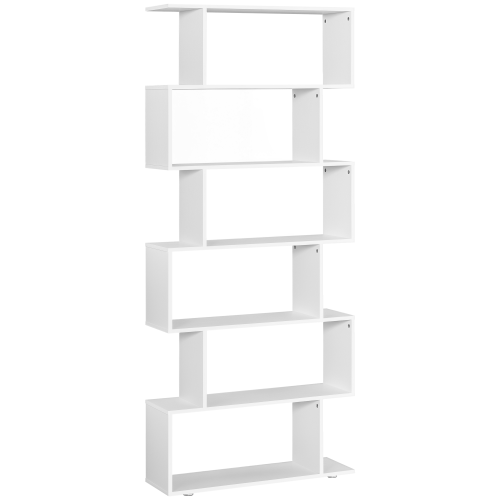
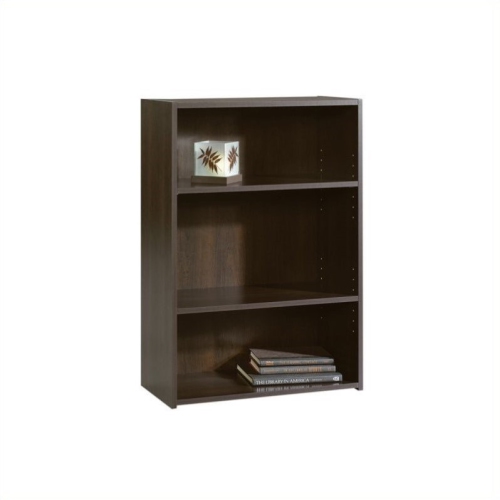
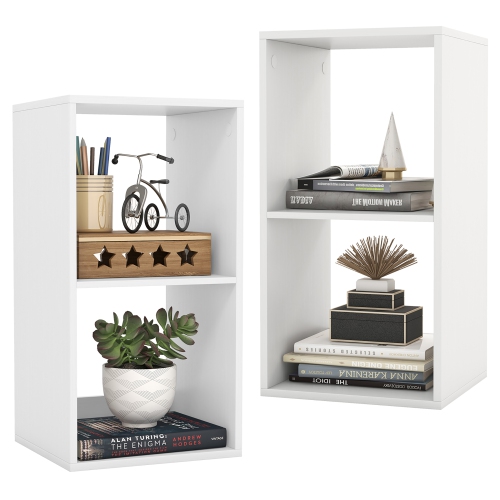
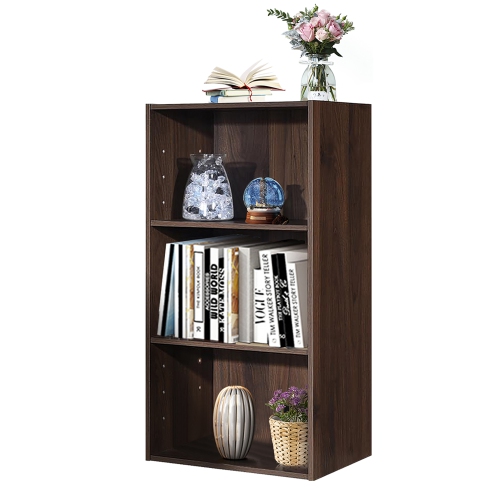
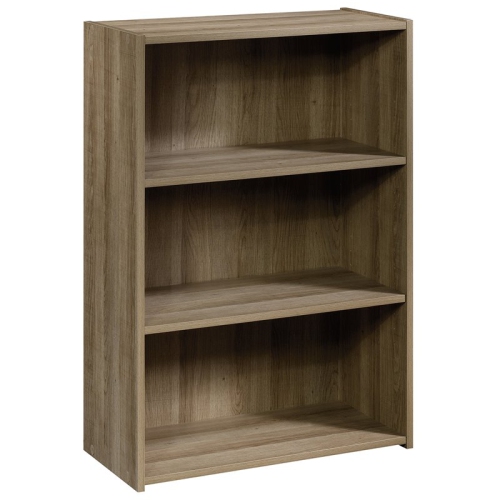
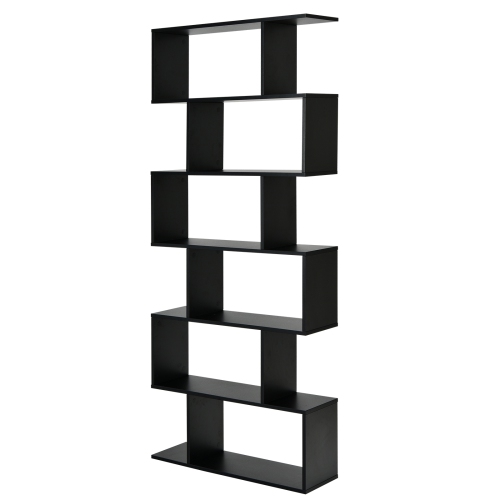

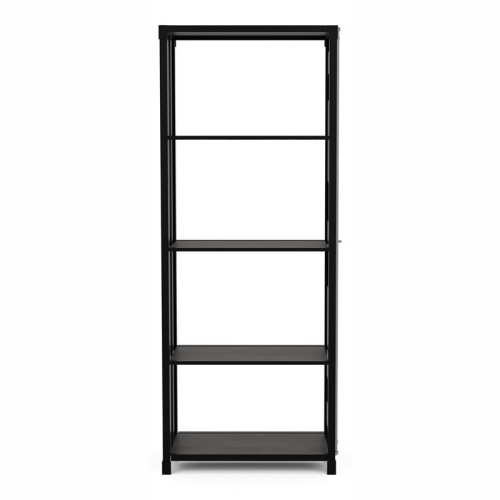
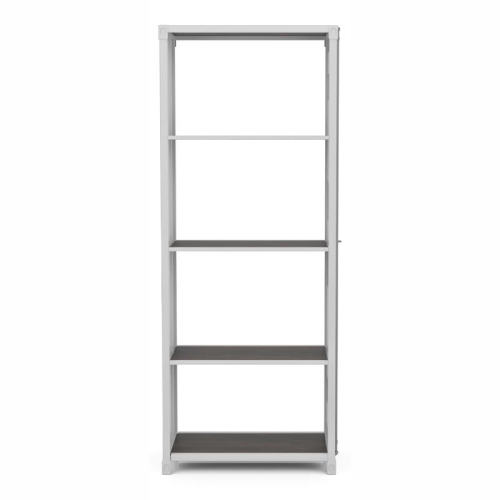
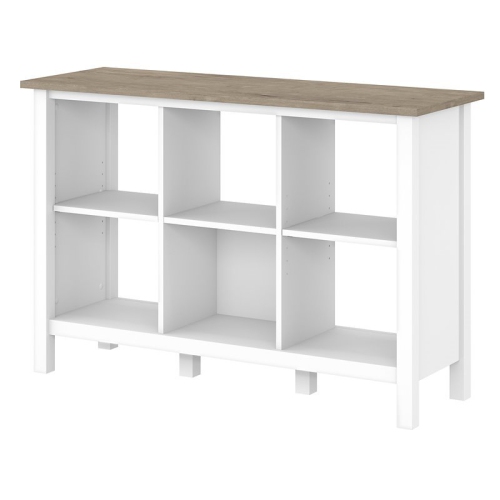
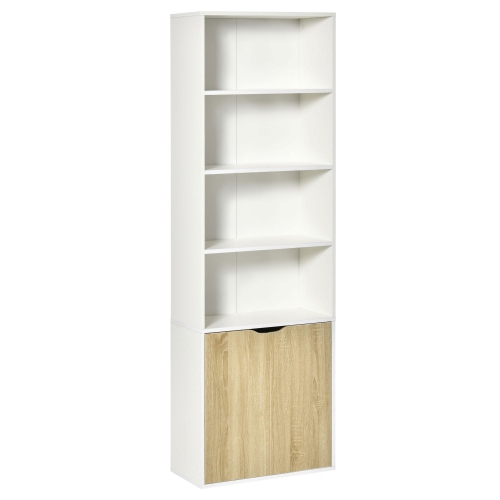
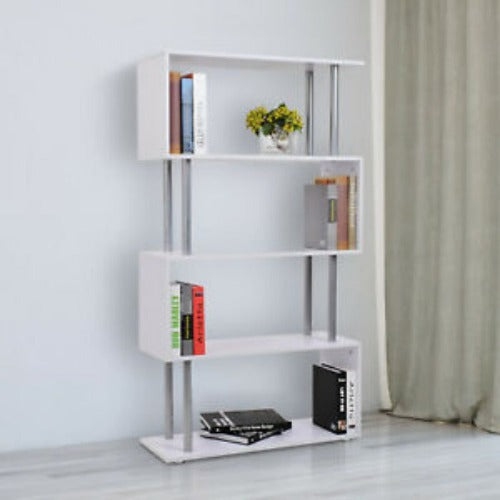
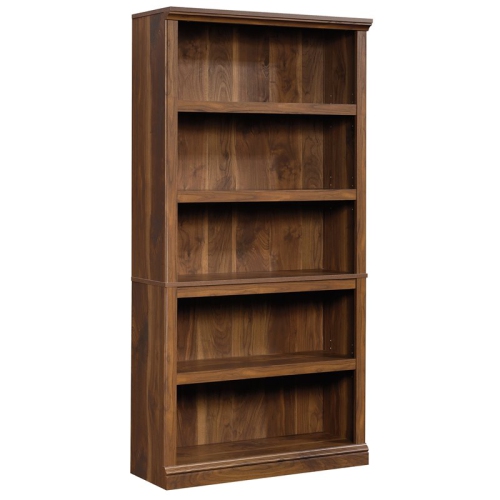
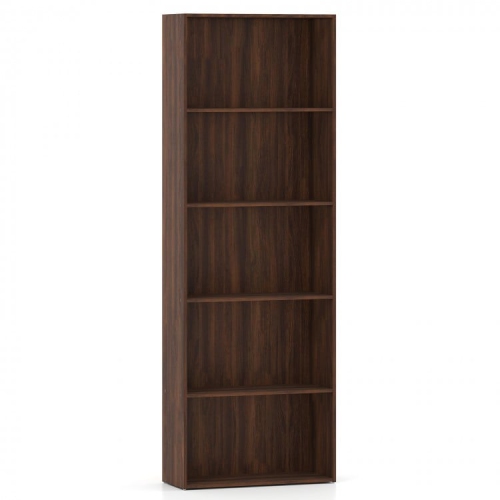
Vertical storage that puts narrow spaces to work
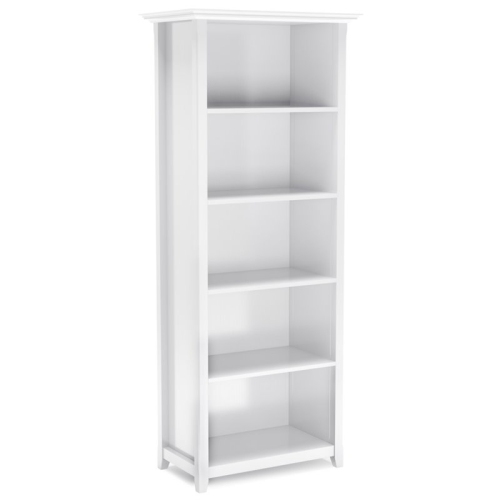
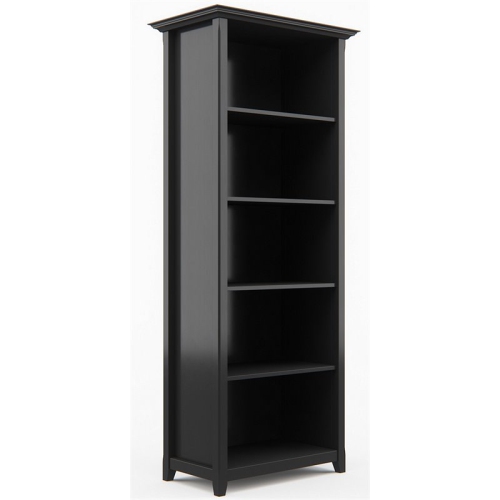
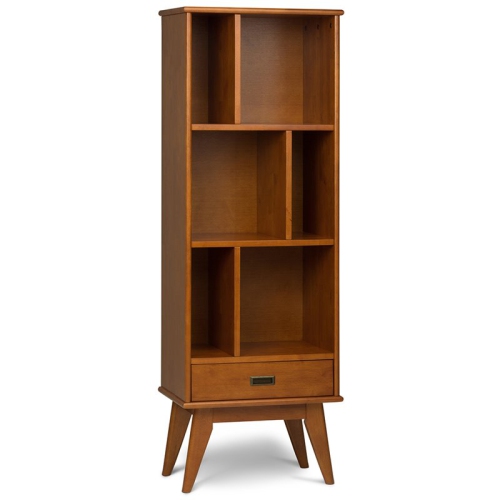
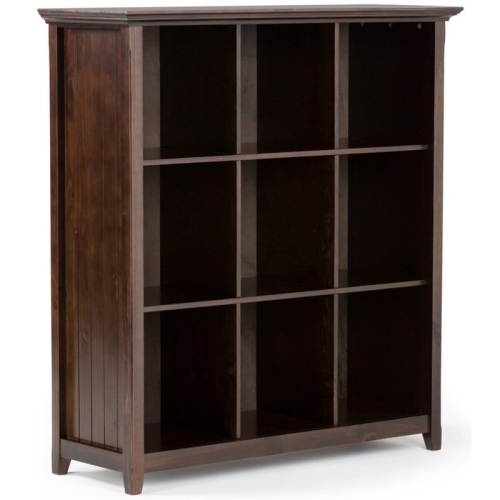
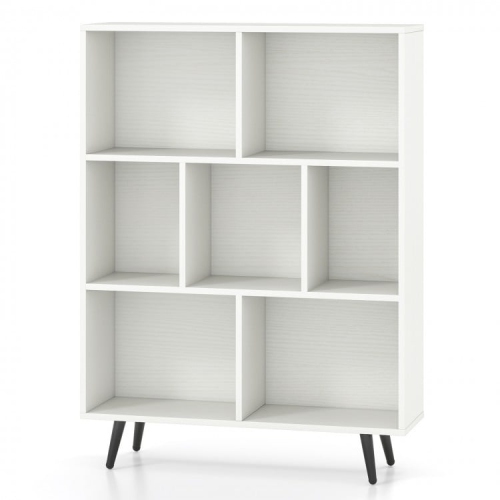
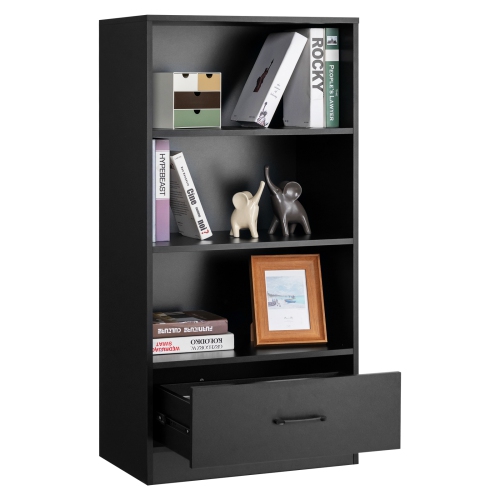
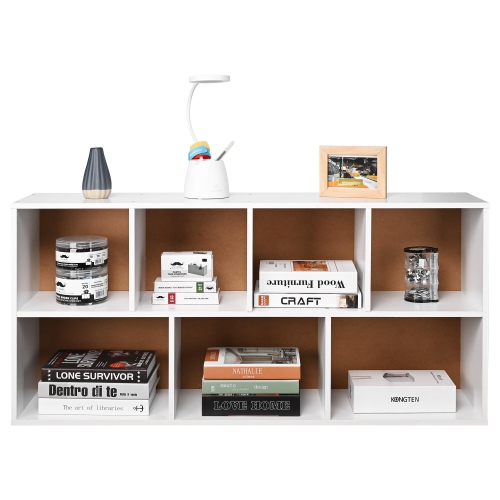
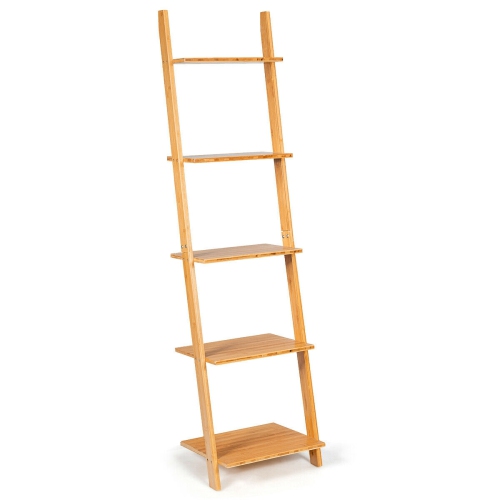
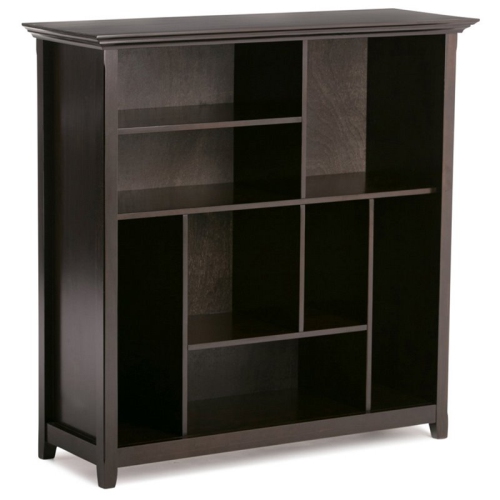
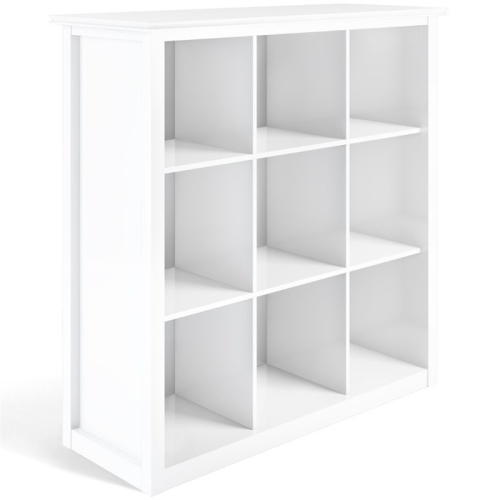
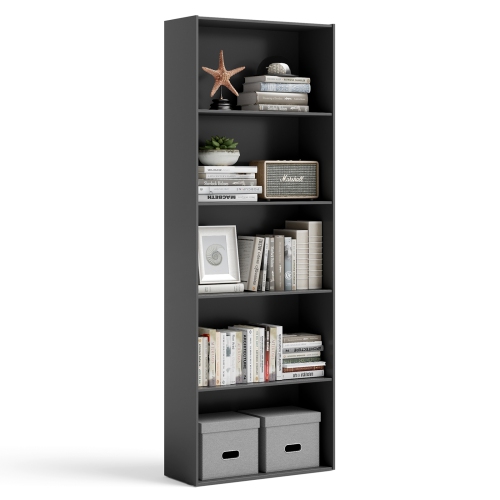
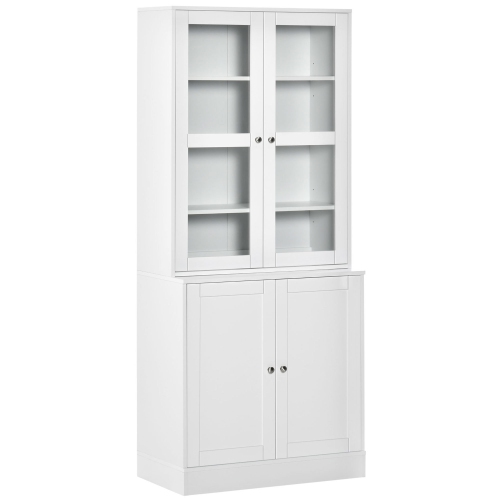
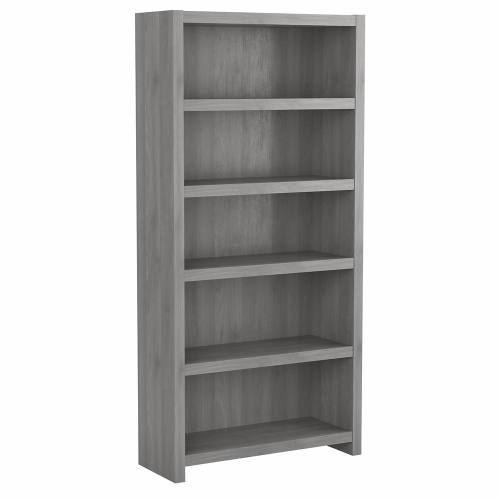
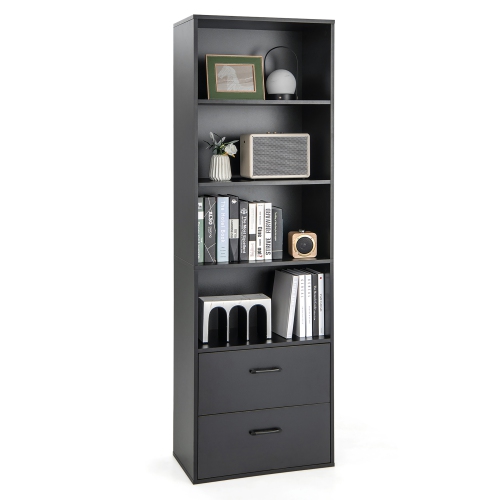
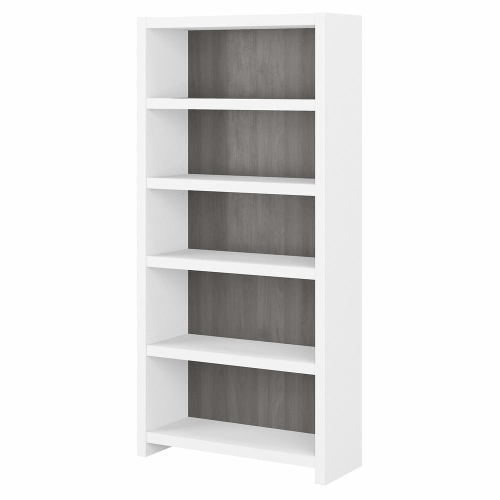
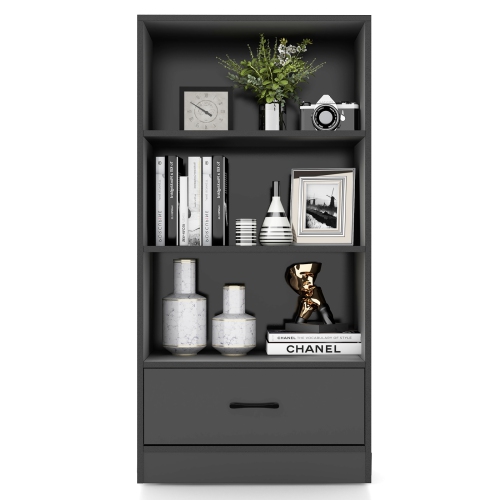
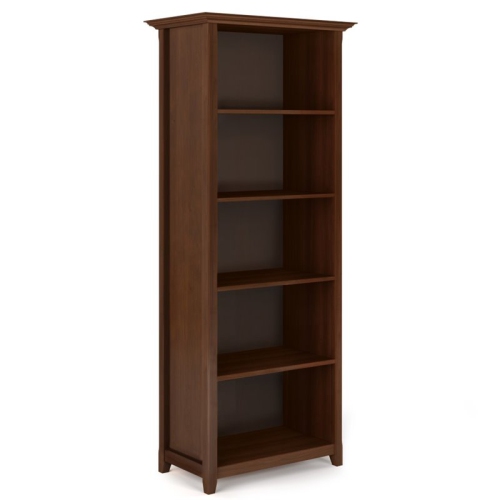
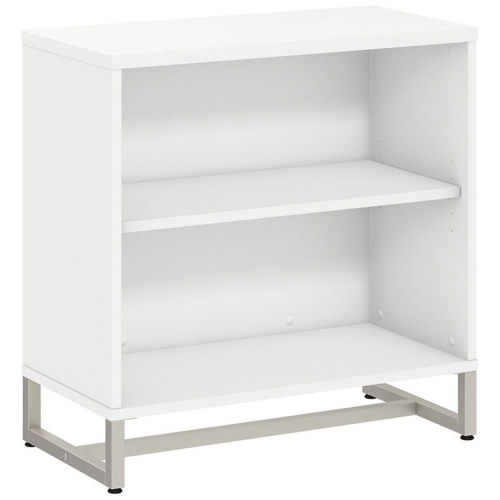
Modern slim bookcases bring vertical storage to narrow spaces without the visual weight of a wide shelving unit. Their clean lines, compact footprints, and simple finishes suit contemporary living rooms, home offices, bedrooms, and apartments where every piece of furniture needs to earn its place. A tall, narrow bookcase can turn the space beside a desk into a small reference library, hold novels next to a reading chair, or give framed photographs and ceramics a home in an otherwise unused alcove. “Slim” can describe a narrow width, a shallow depth, or both, so the proportions matter as much as the overall style. A shallow shelf may be well suited to paperbacks and small display pieces, while larger art books, binders, and storage baskets need more depth. Compared with a broad bookcase, a slim design concentrates storage upward, leaving more wall space for other furnishings. Open sides and slender frames keep the outline light, while a solid back creates a more defined backdrop for books and helps separate the shelving visually from the wall behind it. Ladder-style silhouettes introduce an angled profile, although their bases may extend farther into the room than expected. Straight-sided designs tend to fit more neatly between existing furnishings, provided there is enough clearance for assembly and safe use. Within the wider range of slim bookcases, modern styles often pair restrained shapes with wood grain, metal, glass, or a mix of materials. The result can feel warm and understated, crisp and architectural, or lightly industrial without requiring the rest of the room to follow one particular look. These proportions work especially well where a full-width bookcase would crowd a seating area or interrupt a walkway. A narrow unit beside a media cabinet, for example, can add useful storage while maintaining a clear division between the screen and the objects displayed nearby.
Materials influence how a modern slim bookcase looks, feels, and stands up to everyday use. Solid wood offers natural grain and variation, with care needs that depend on the species and finish. Wood veneer provides a real wood surface over a core material, while laminate and other applied finishes can create a consistent colour or wood-look appearance. Engineered wood, including MDF and particleboard, is common in shelving, but performance depends on the construction, shelf span, thickness, and stated weight capacity rather than the material name alone. A shelf holding a few ornaments has different demands from one filled edge to edge with hardcovers. Metal frames can give narrow bookcases a crisp outline, though joint quality and bracing also affect how steady the assembled unit feels. Glass shelves let light pass through and draw attention to the objects on display; their edges and surfaces need protection from knocks, and the stated load limits remain important. Tempered glass is not scratchproof or unbreakable. Finish also changes the room’s character: matte black creates contrast against a pale wall, white can blend with light trim, and wood tones add warmth beside upholstered furniture. Matching every finish is not essential; a repeated colour or similar frame shape can connect the bookcase with a nearby desk or side table. Everyday care is generally straightforward when it follows the manufacturer’s directions. A soft cloth removes dust from shelves and frame corners, and spills should be wiped up promptly, particularly around the edges and joints of engineered wood. Excess moisture, abrasive pads, and unsuitable cleaners can damage finishes. Protective pads beneath rough pottery help prevent scratches, while lifting rather than dragging baskets reduces wear along shelf edges. Direct sunlight may alter some wood tones and finishes over time. For a frequently used family room or workspace, accessible surfaces and enough room to dust between objects can make the bookcase easier to maintain than a tightly packed arrangement.
Fit involves more than checking whether a bookcase slips into an empty gap. Overall width, depth, and height establish its footprint, but usable shelf dimensions determine what it can actually hold. Baseboards, projecting window trim, electrical outlets, and nearby door swings can affect placement, especially in a tight corner. Measuring at floor level and higher up helps account for these details. Adjustable shelves offer flexibility for a changing mix of novels, files, and taller objects, while fixed shelves create a consistent rhythm and may contribute to the structure of the unit. Neither arrangement removes the need to check individual shelf capacities and the total load limit. Heavier books belong on lower shelves, with weight distributed evenly rather than concentrated in one spot. Tall, narrow furniture also needs careful attention to stability: any required wall anchoring should follow the manufacturer’s instructions, using hardware appropriate for the wall construction. A bookcase should not be treated as freestanding room-divider furniture unless it is designed for that purpose. In households with children or pets, anchoring and placement away from tempting climbing routes are particularly important. Intended use helps shape the arrangement once the bookcase is safely installed. A student might keep course books within reach of a desk, with small supplies contained in a fitted basket. Someone working from home may prefer shelf spacing that accommodates upright folders without bending their corners. In a living room, a mix of upright books, a short horizontal stack, and a few personal objects can make narrow shelving feel lived-in without overcrowding it. Leaving some open space keeps frequently used titles easy to remove and highlights the frame’s clean proportions. A slim bookcase can also be a thoughtful housewarming gift for a reader or someone setting up a first apartment, provided the dimensions, finish, and assembly requirements suit their home. The most useful choice balances a compact outline with enough practical shelf space for the things that will genuinely live there.
Materials influence how a modern slim bookcase looks, feels, and stands up to everyday use. Solid wood offers natural grain and variation, with care needs that depend on the species and finish. Wood veneer provides a real wood surface over a core material, while laminate and other applied finishes can create a consistent colour or wood-look appearance. Engineered wood, including MDF and particleboard, is common in shelving, but performance depends on the construction, shelf span, thickness, and stated weight capacity rather than the material name alone. A shelf holding a few ornaments has different demands from one filled edge to edge with hardcovers. Metal frames can give narrow bookcases a crisp outline, though joint quality and bracing also affect how steady the assembled unit feels. Glass shelves let light pass through and draw attention to the objects on display; their edges and surfaces need protection from knocks, and the stated load limits remain important. Tempered glass is not scratchproof or unbreakable. Finish also changes the room’s character: matte black creates contrast against a pale wall, white can blend with light trim, and wood tones add warmth beside upholstered furniture. Matching every finish is not essential; a repeated colour or similar frame shape can connect the bookcase with a nearby desk or side table. Everyday care is generally straightforward when it follows the manufacturer’s directions. A soft cloth removes dust from shelves and frame corners, and spills should be wiped up promptly, particularly around the edges and joints of engineered wood. Excess moisture, abrasive pads, and unsuitable cleaners can damage finishes. Protective pads beneath rough pottery help prevent scratches, while lifting rather than dragging baskets reduces wear along shelf edges. Direct sunlight may alter some wood tones and finishes over time. For a frequently used family room or workspace, accessible surfaces and enough room to dust between objects can make the bookcase easier to maintain than a tightly packed arrangement.
Fit involves more than checking whether a bookcase slips into an empty gap. Overall width, depth, and height establish its footprint, but usable shelf dimensions determine what it can actually hold. Baseboards, projecting window trim, electrical outlets, and nearby door swings can affect placement, especially in a tight corner. Measuring at floor level and higher up helps account for these details. Adjustable shelves offer flexibility for a changing mix of novels, files, and taller objects, while fixed shelves create a consistent rhythm and may contribute to the structure of the unit. Neither arrangement removes the need to check individual shelf capacities and the total load limit. Heavier books belong on lower shelves, with weight distributed evenly rather than concentrated in one spot. Tall, narrow furniture also needs careful attention to stability: any required wall anchoring should follow the manufacturer’s instructions, using hardware appropriate for the wall construction. A bookcase should not be treated as freestanding room-divider furniture unless it is designed for that purpose. In households with children or pets, anchoring and placement away from tempting climbing routes are particularly important. Intended use helps shape the arrangement once the bookcase is safely installed. A student might keep course books within reach of a desk, with small supplies contained in a fitted basket. Someone working from home may prefer shelf spacing that accommodates upright folders without bending their corners. In a living room, a mix of upright books, a short horizontal stack, and a few personal objects can make narrow shelving feel lived-in without overcrowding it. Leaving some open space keeps frequently used titles easy to remove and highlights the frame’s clean proportions. A slim bookcase can also be a thoughtful housewarming gift for a reader or someone setting up a first apartment, provided the dimensions, finish, and assembly requirements suit their home. The most useful choice balances a compact outline with enough practical shelf space for the things that will genuinely live there.
Top selling and popular products
-
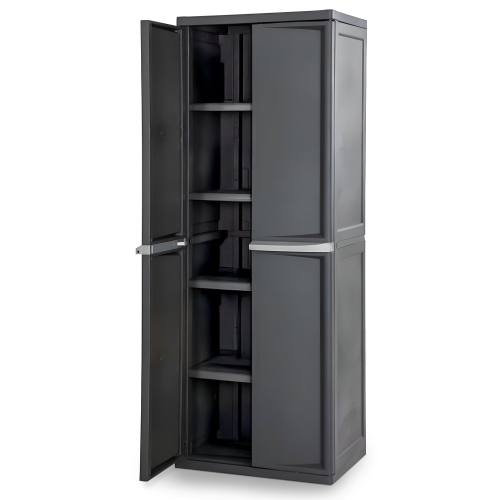 Your price for this item is $772.99
 -
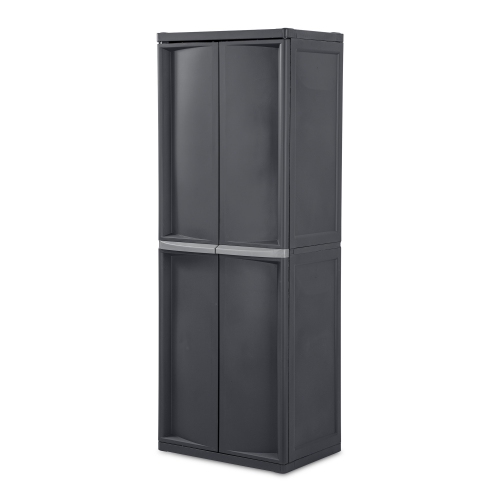 Your price for this item is $1522.99
 -
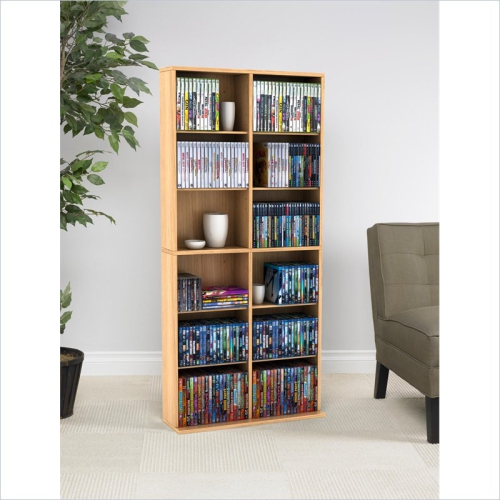 Your price for this item is $234.68
 -
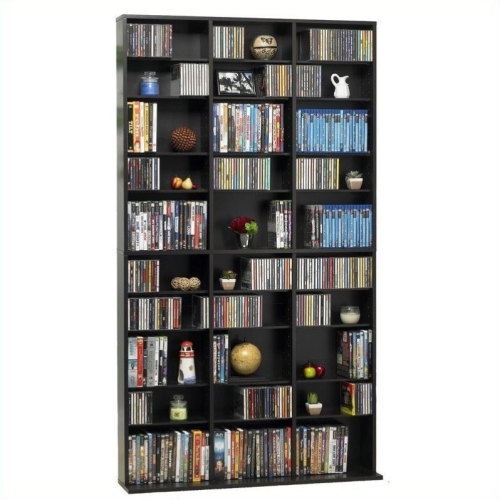 Your price for this item is $365.38
 -
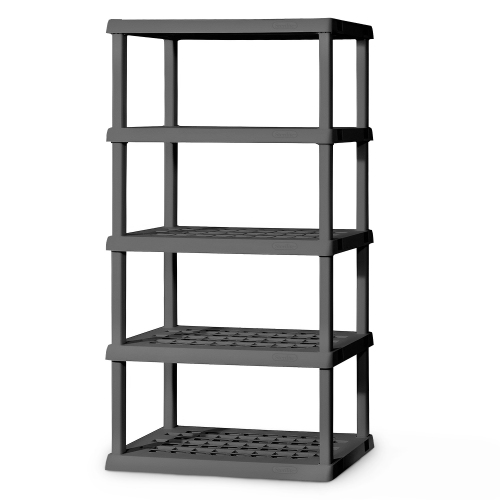 Your price for this item is $468.99
 -
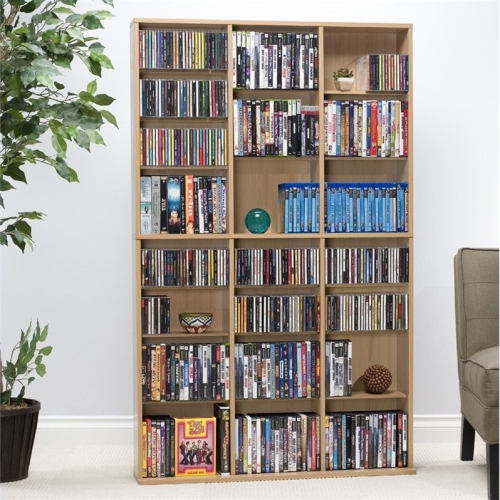 Your price for this item is $295.84
 -
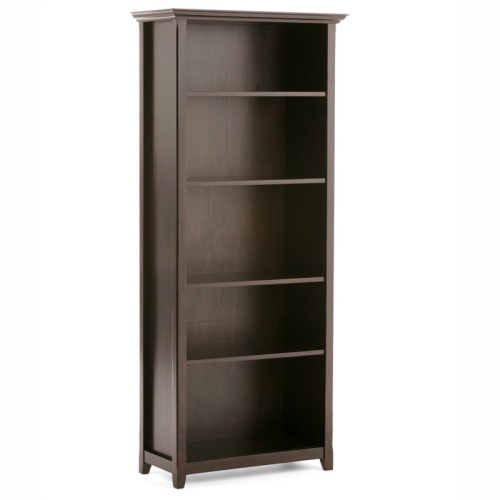 Your price for this item is $999.77
 -
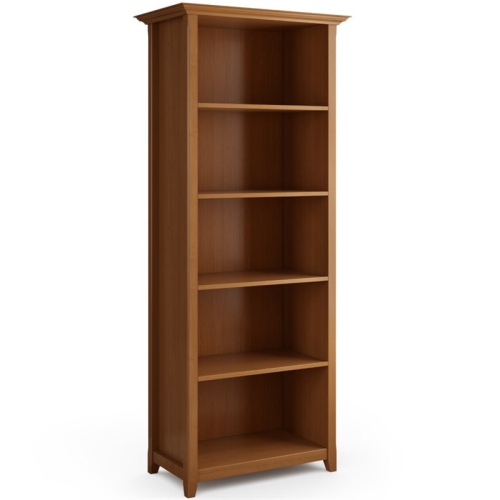 Your price for this item is $998.43
Discover more categories related to Modern Slim Bookcases
Top Collections:
Pokemon Centers, Kindle Devices, Best Budget Office Chairs, Apple iPhones 16, Best Laptops for Writers, iPhone 15 Apple, Canon G7X Cameras, Refurbished Apple Laptops, Alarm Clock, Motorola Razr Phones
Some products may be subject to Environmental Handling Fees
(EHF) depending on your province.
Learn more about EHFs.