Modern Study Desks
If you're a student, an office worker, or a parent who wants to make sure your kids are as comfortable as possible while they learn or work, a modern study desk is a perfect solution. These desks are designed to fit into small spaces and offer plenty of space for all your homework and other tasks. They also come in a variety of styles and colors to match almost any decor. Here are some of our favorites.
Sort
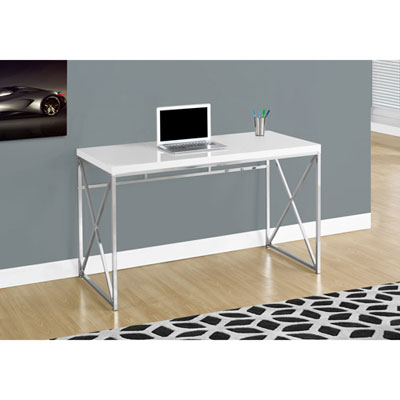
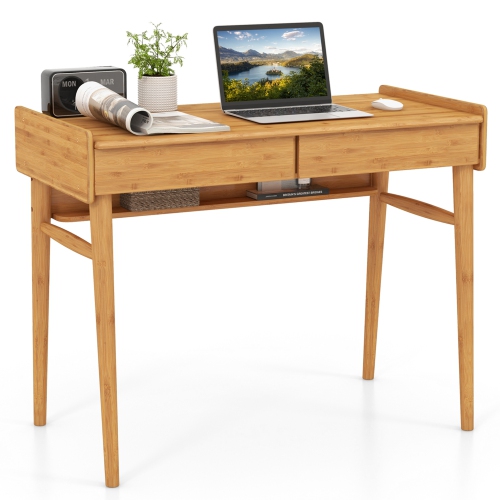
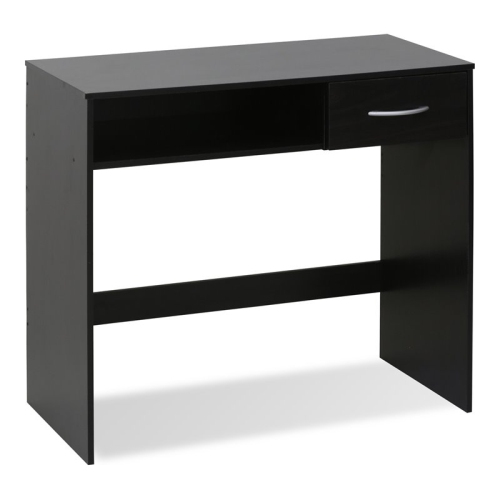
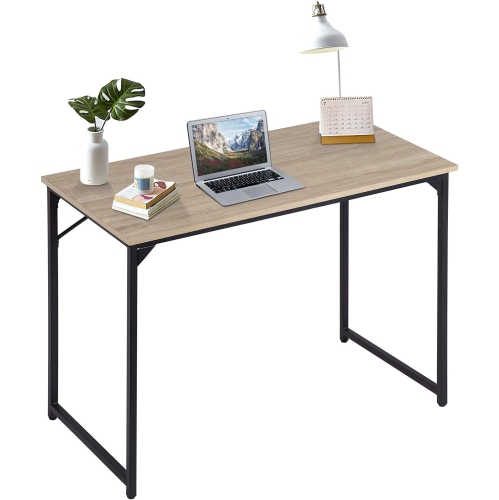

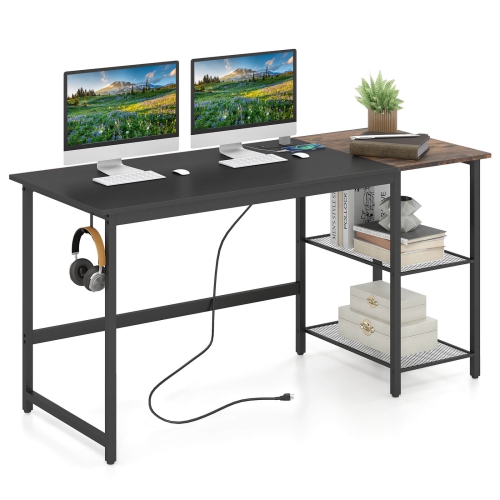
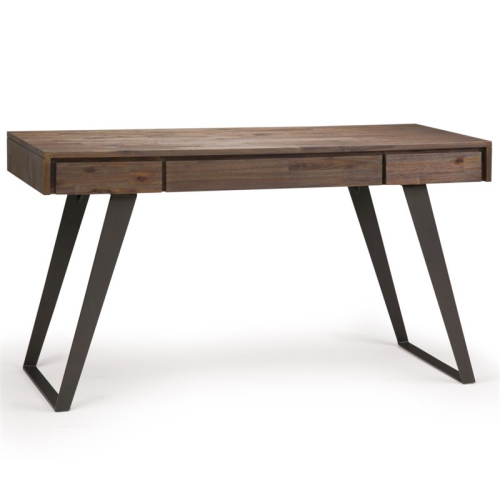
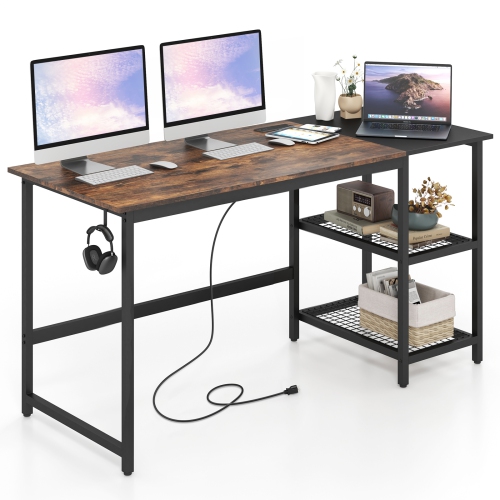

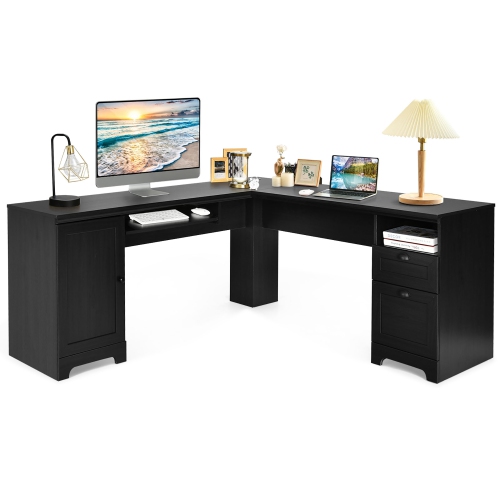
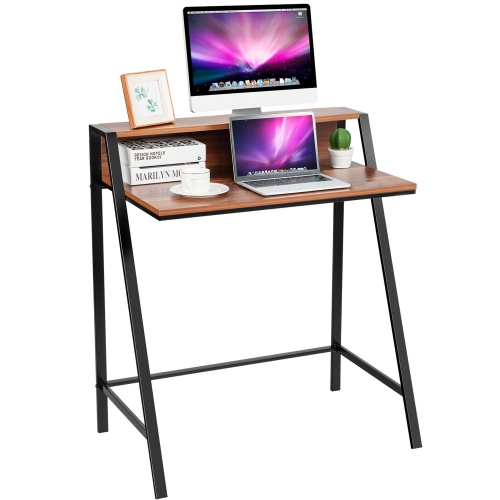
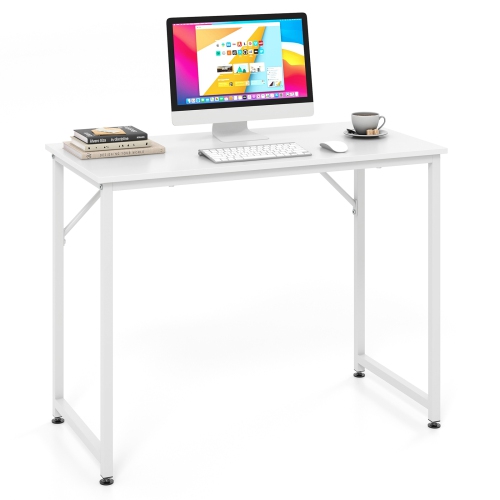
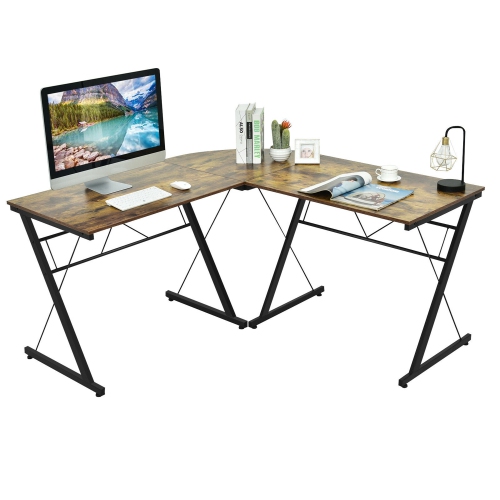

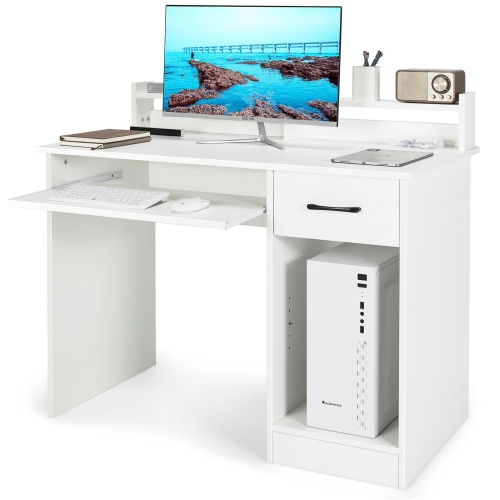


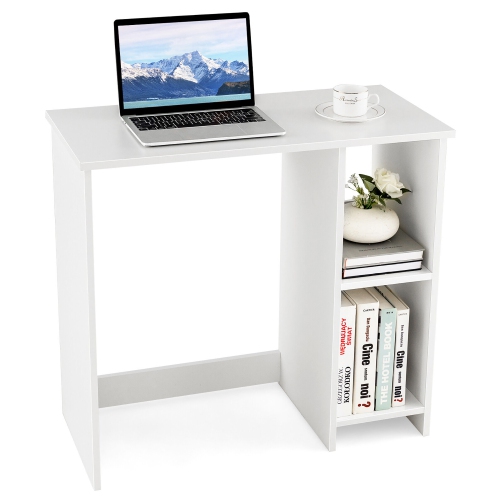
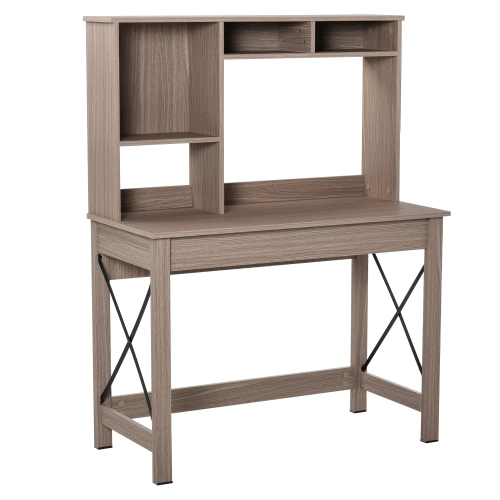
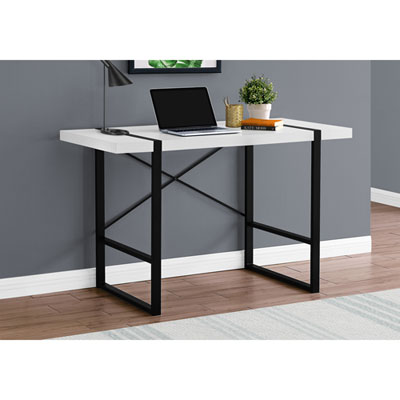
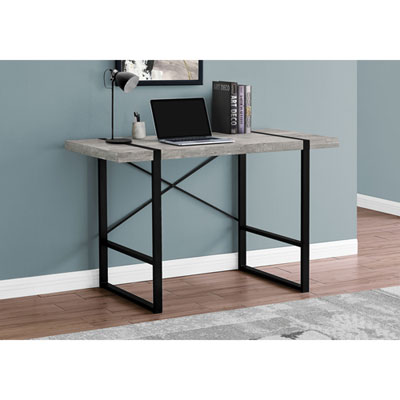
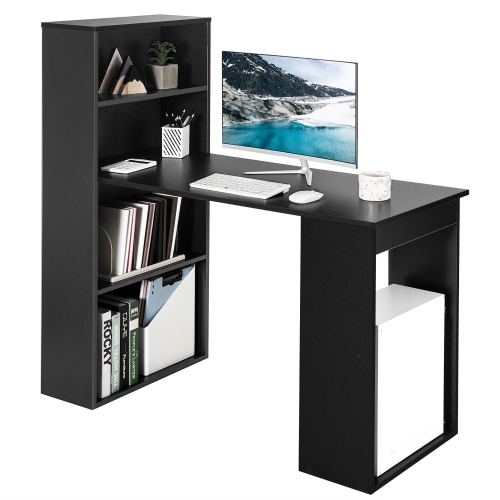
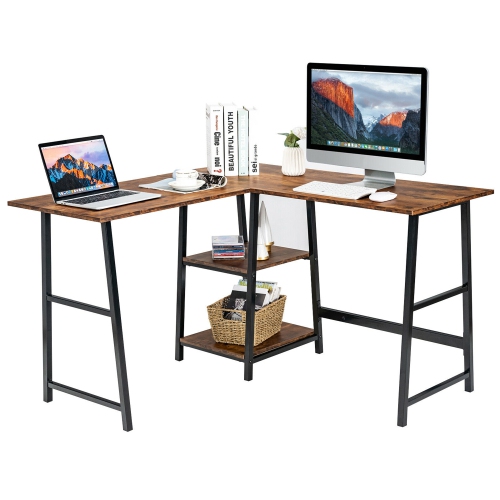
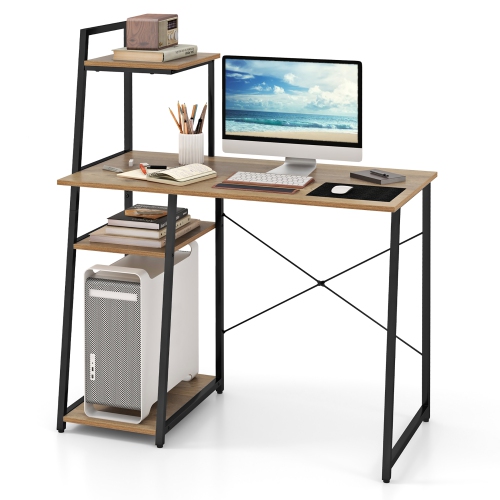
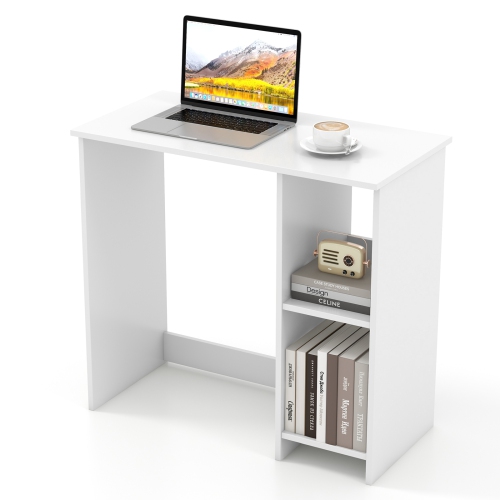
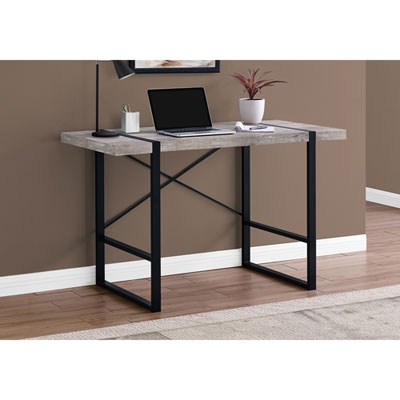
Thoughtful sizing and storage support focused everyday routines
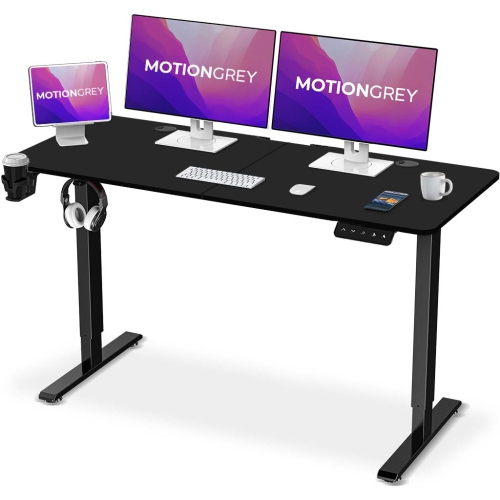
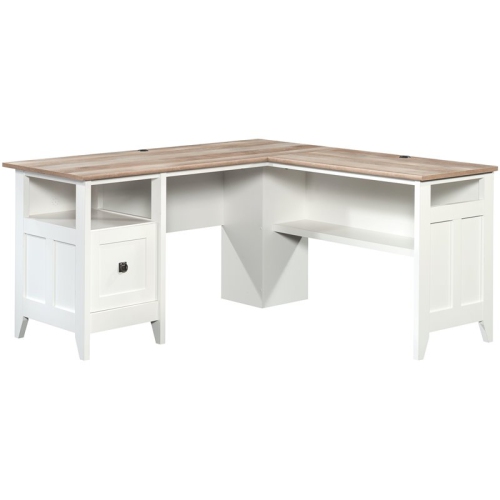
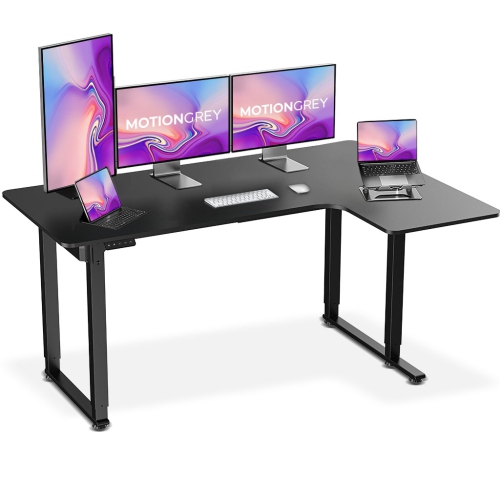
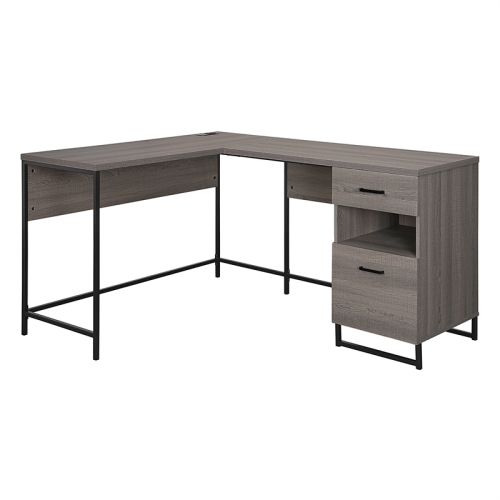
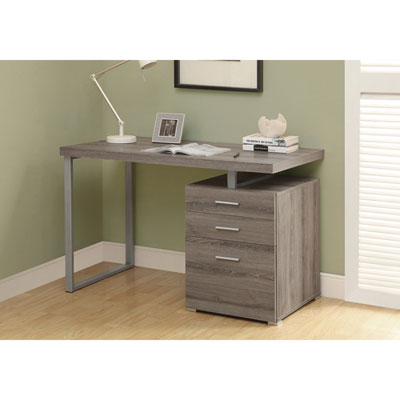
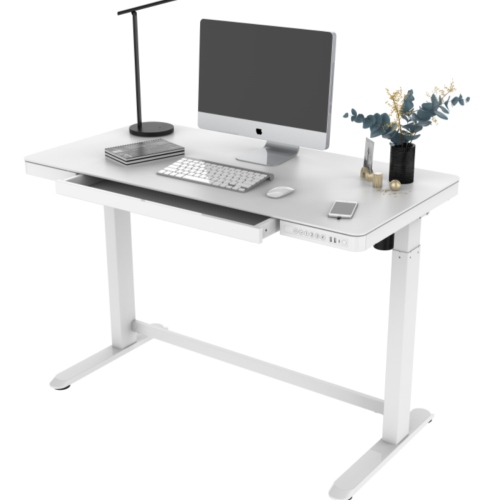
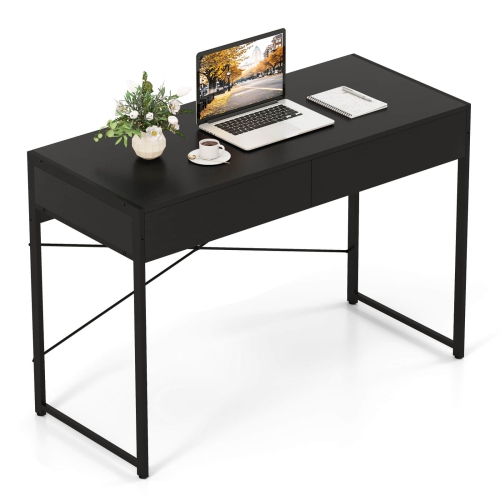
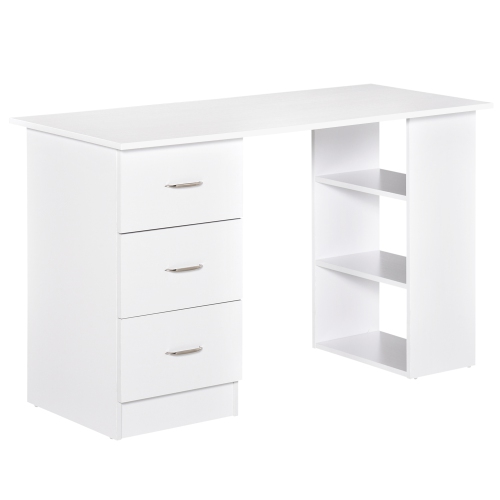
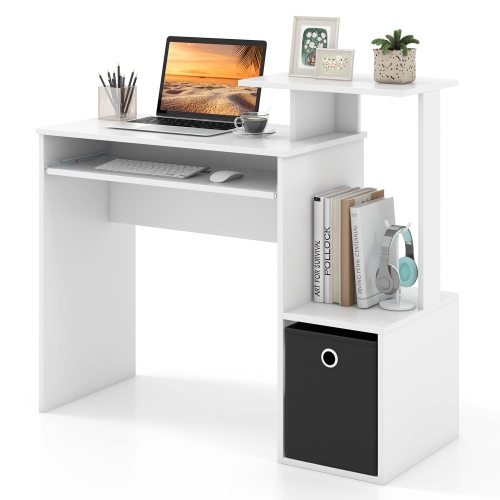
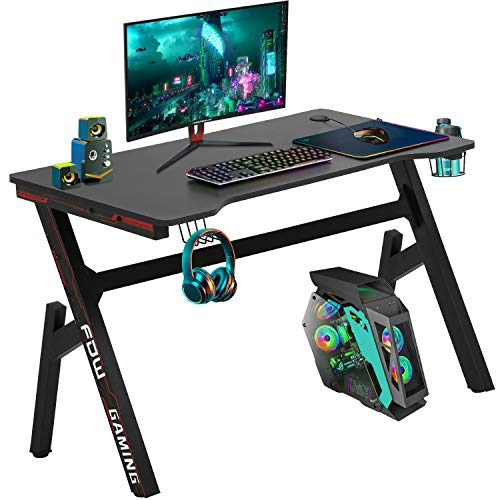
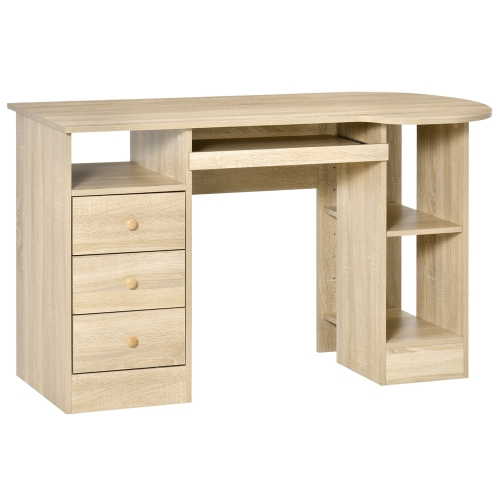
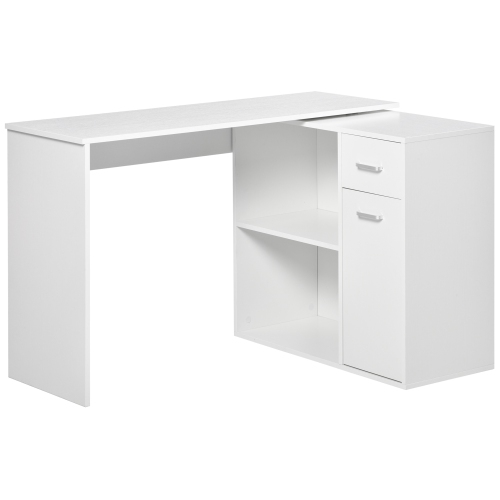
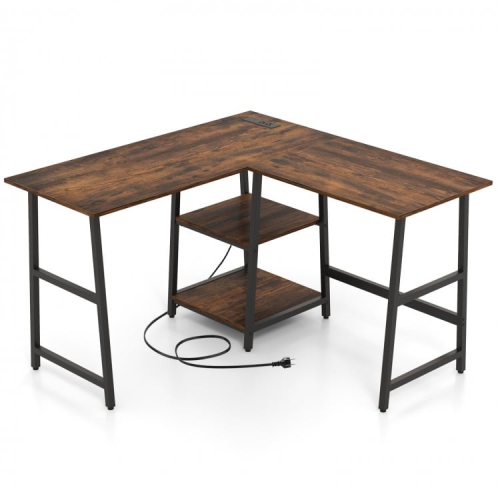
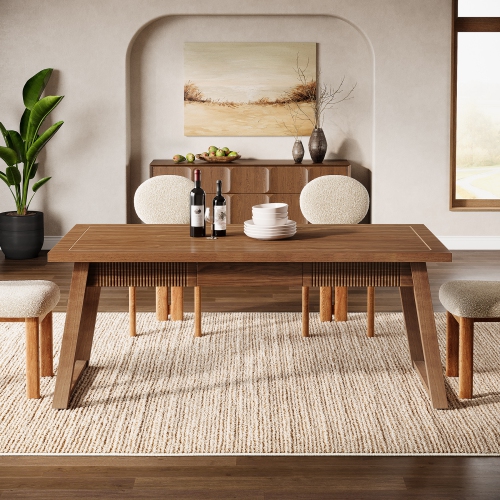
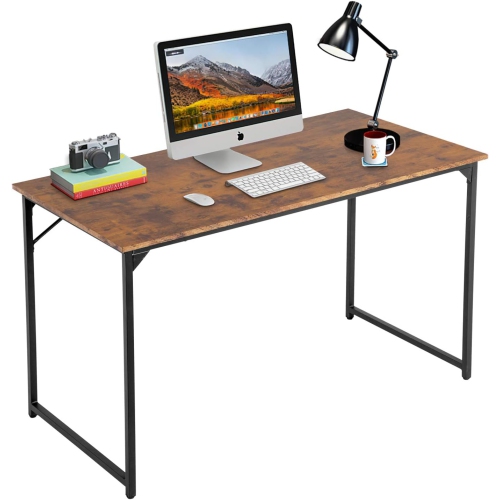
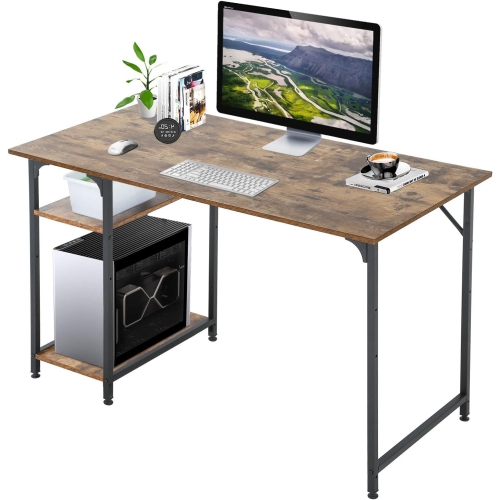
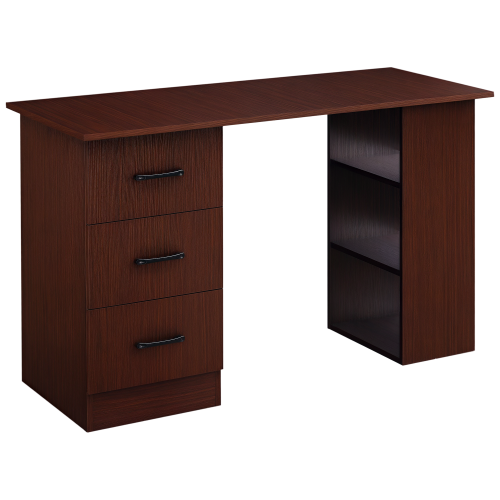
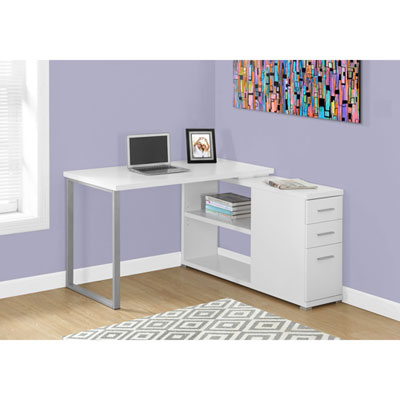
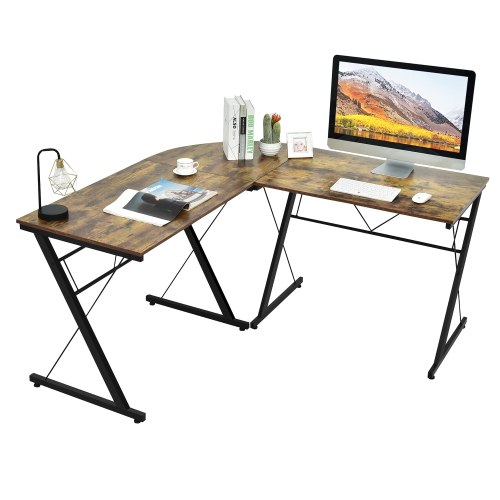
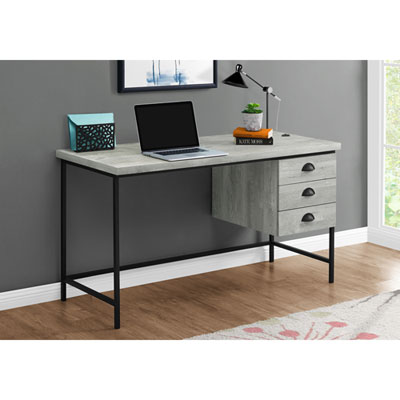
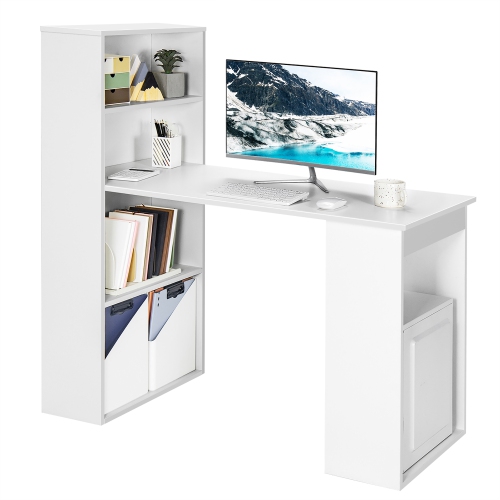
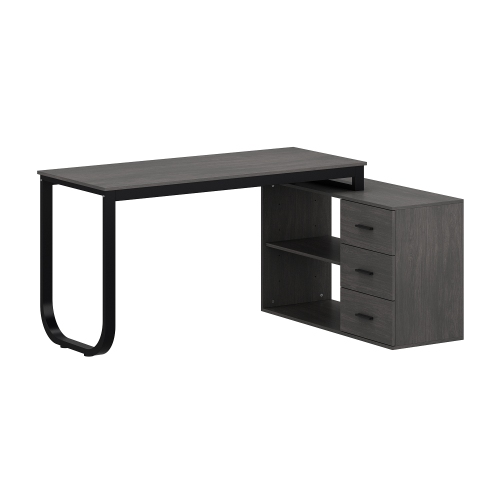
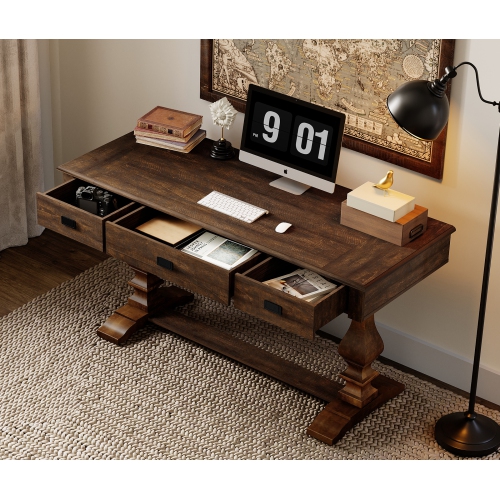
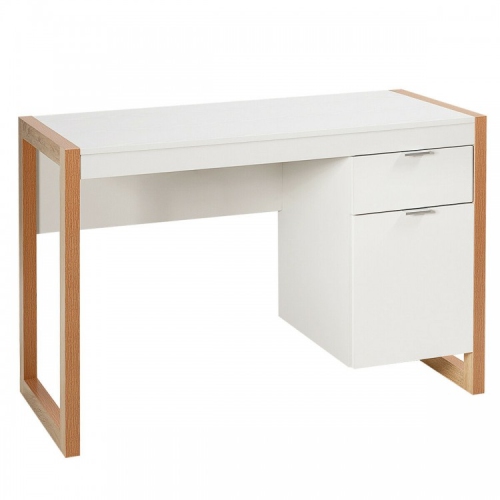
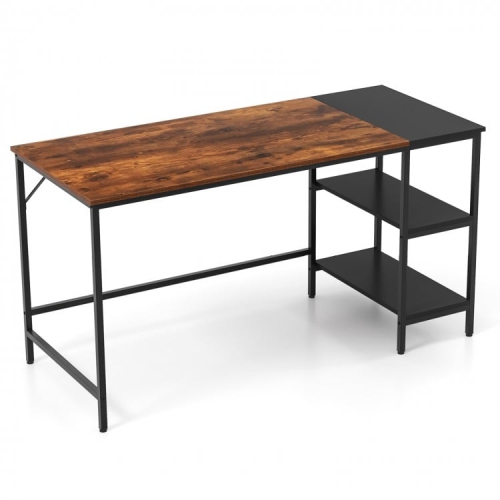
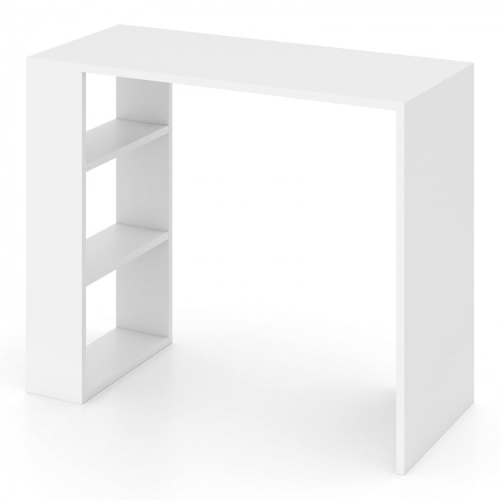
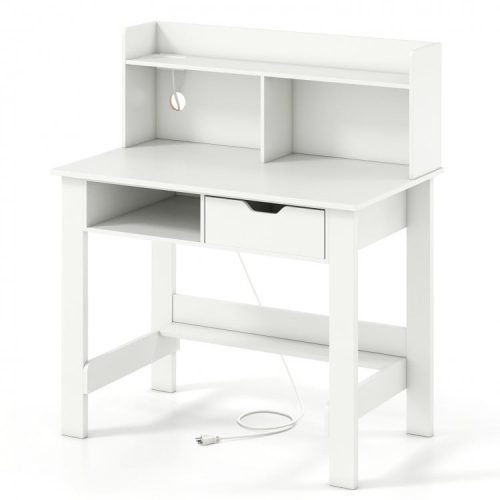
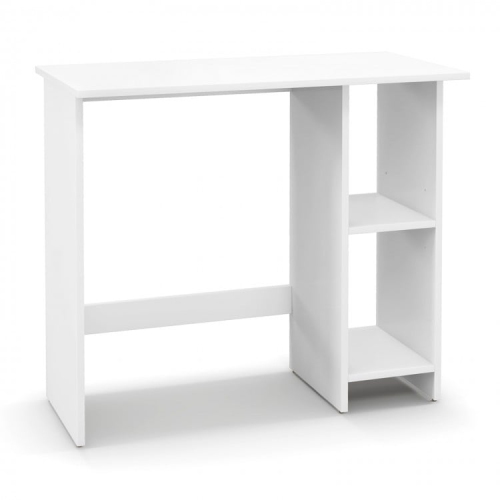
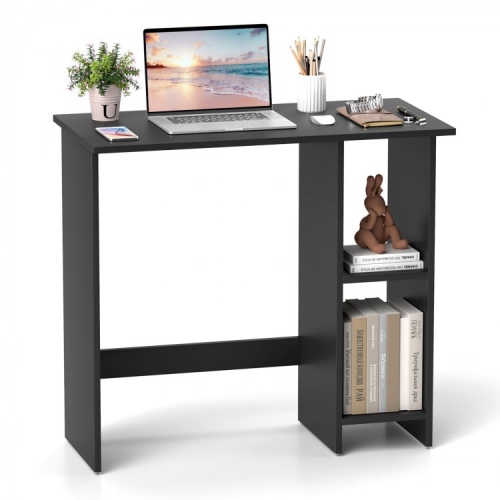
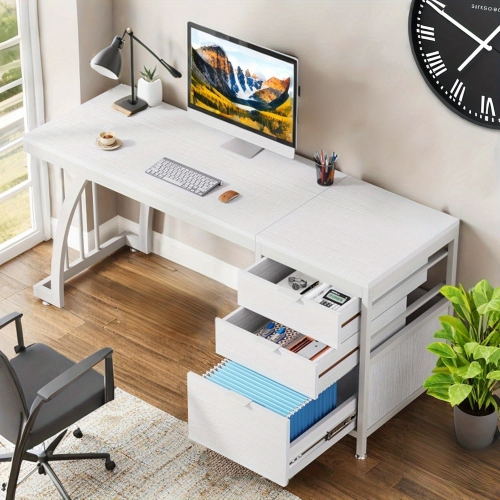
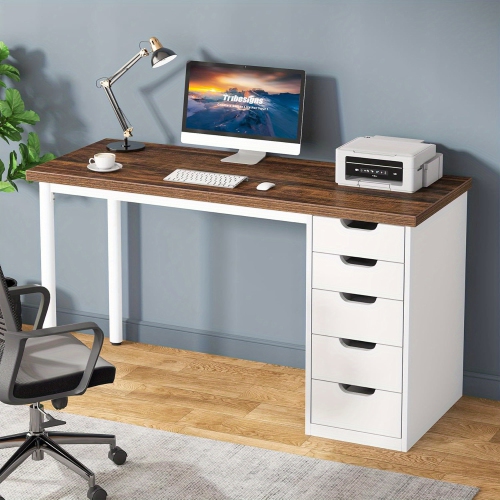
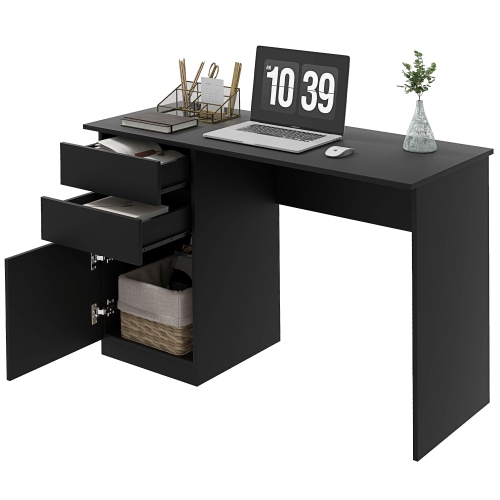
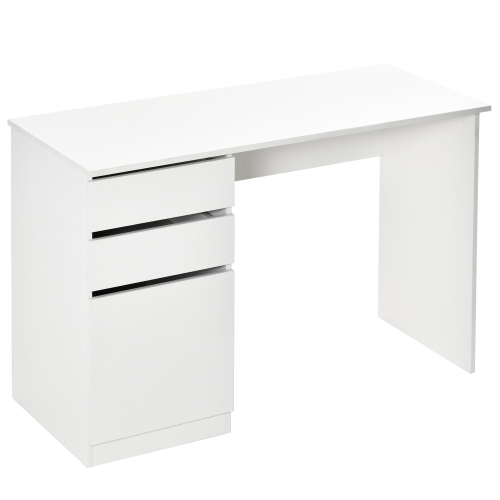
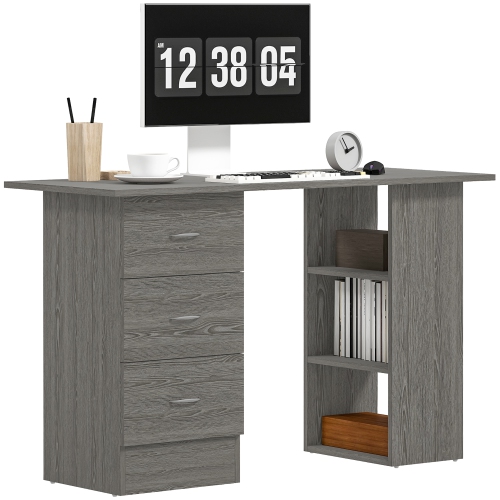
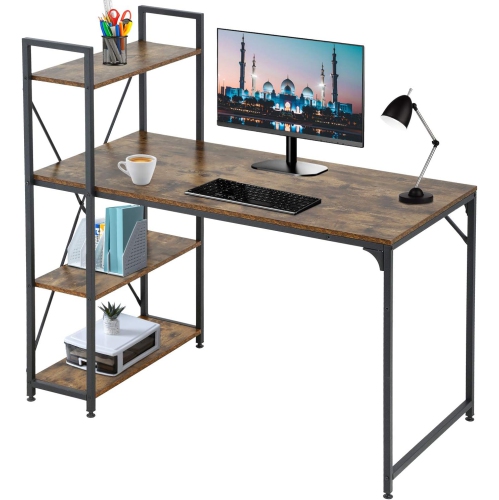
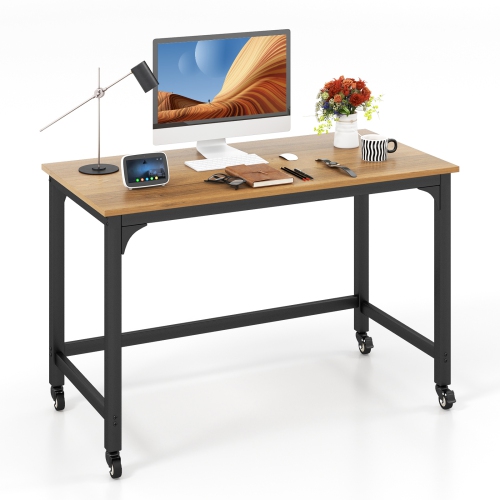
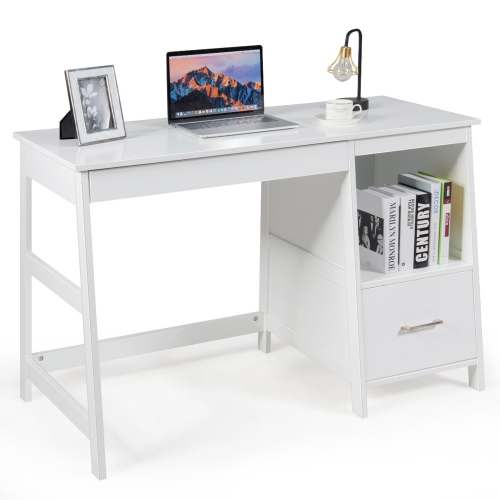
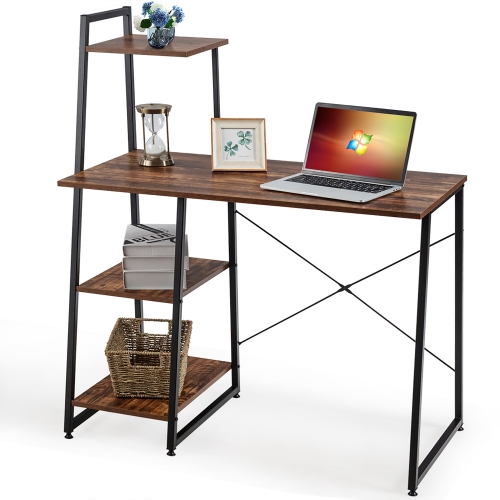
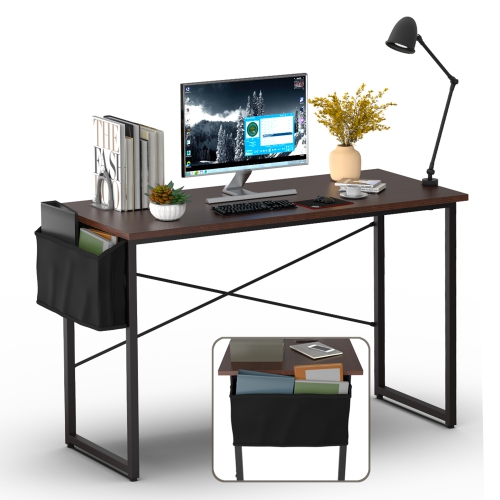
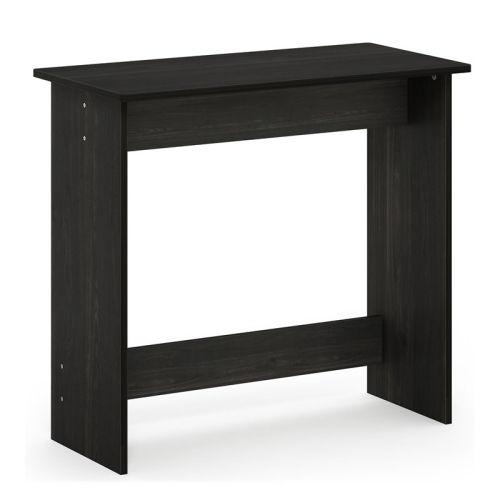
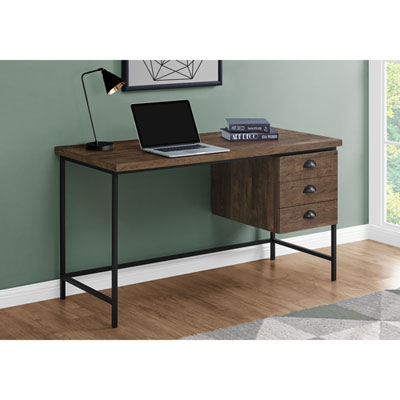
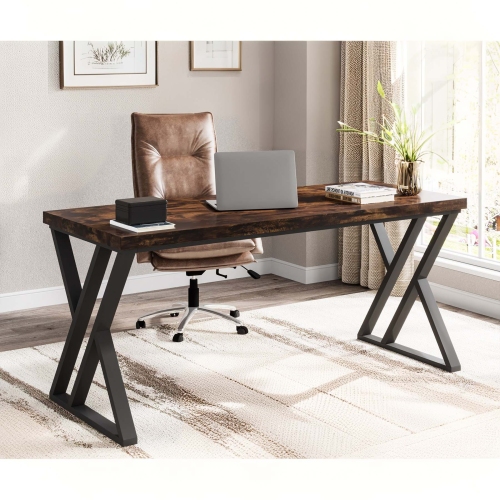
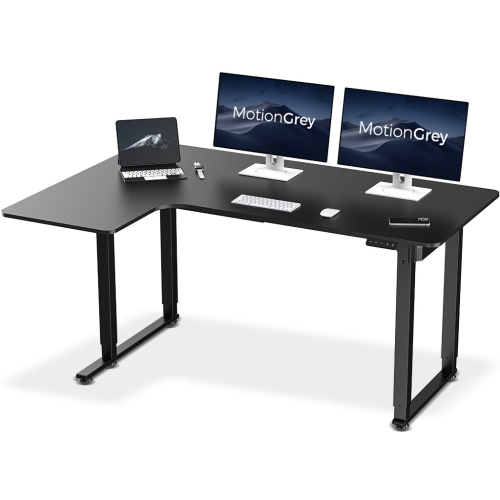
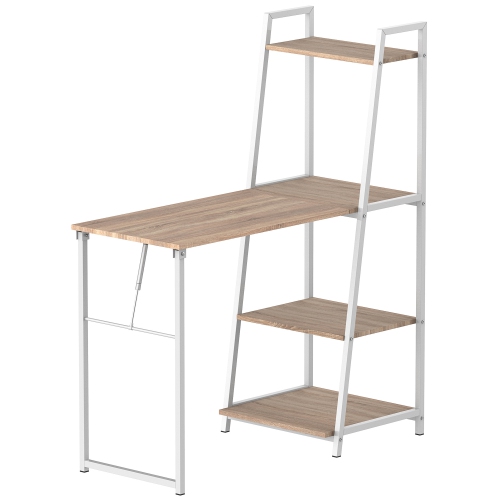
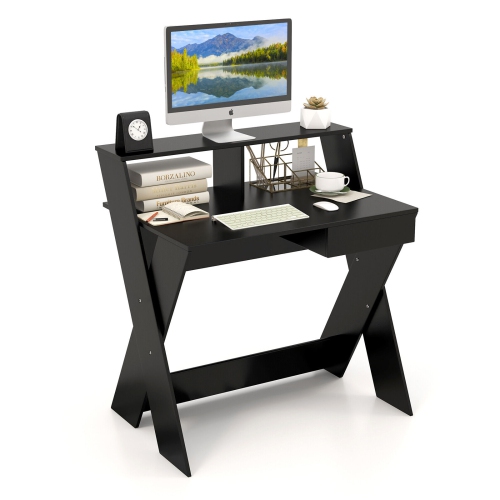
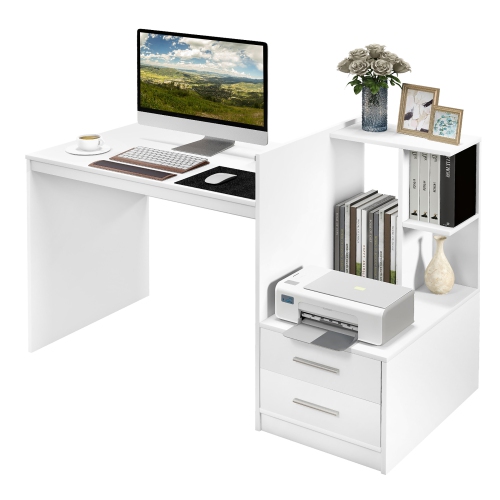
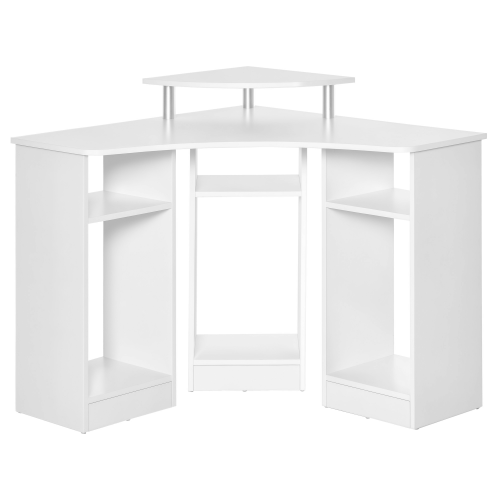
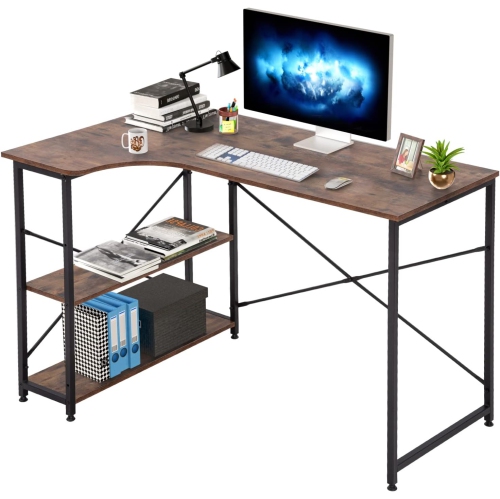
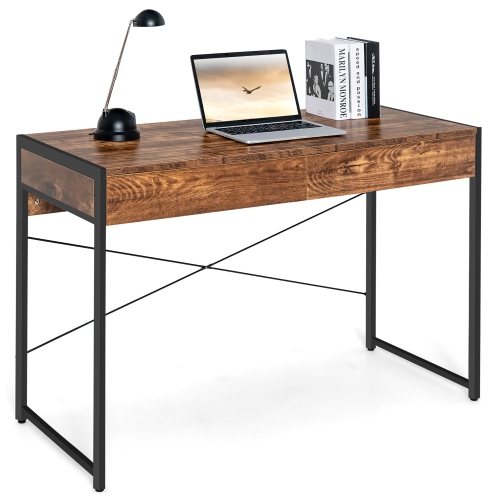
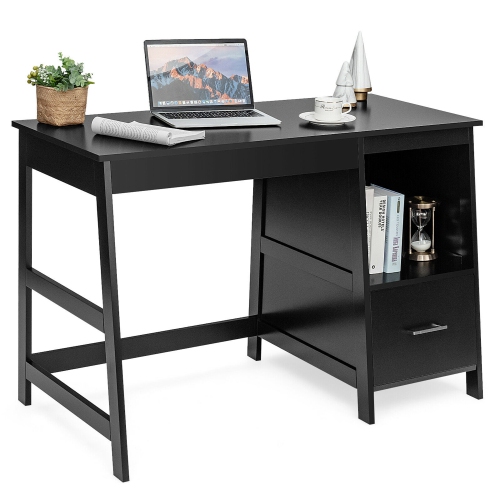
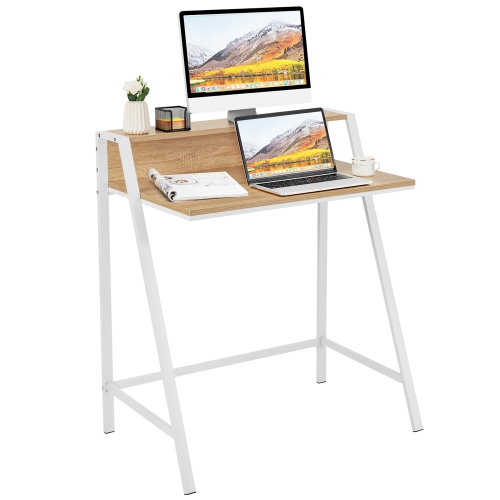
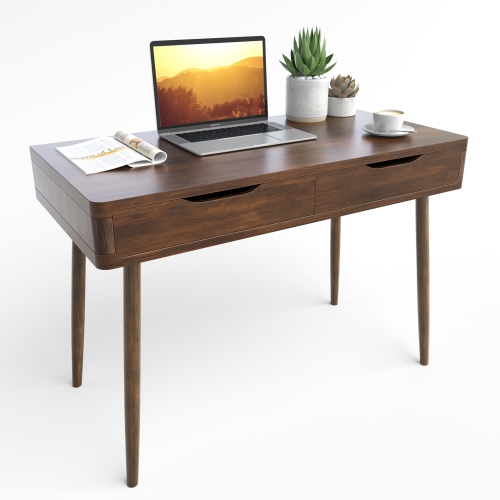
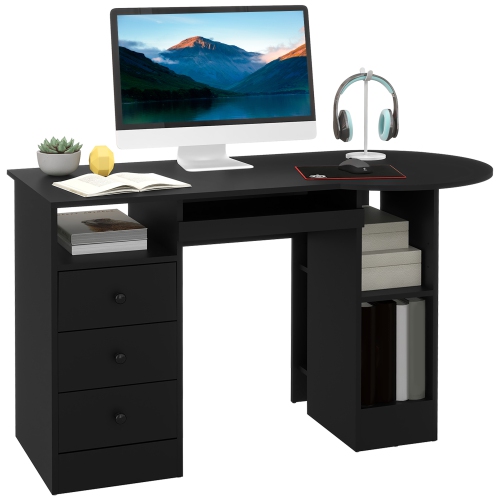
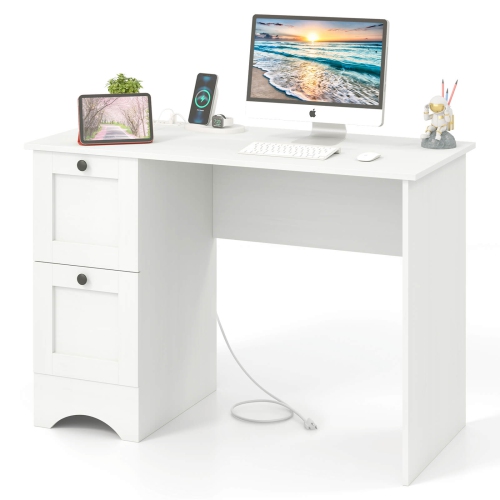
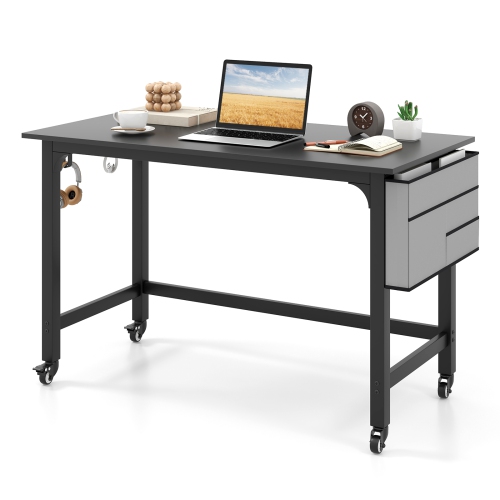
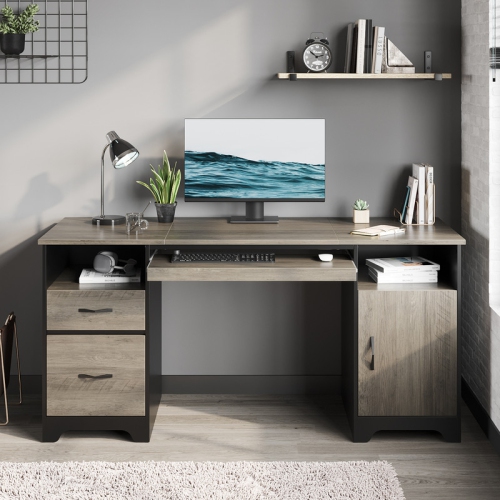
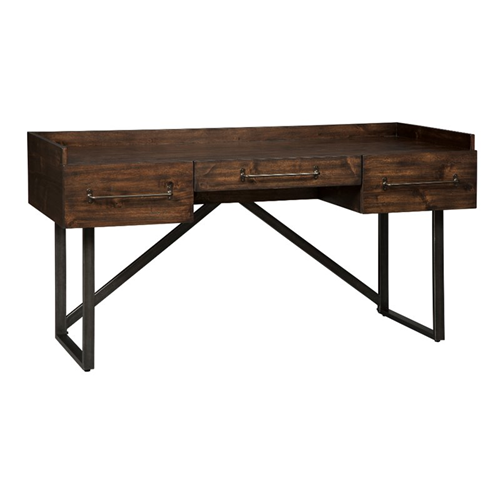
Modern study desks bring together the practical needs of studying, working, creating and organizing with a style that feels at home in contemporary rooms. Defined by clean lines, useful proportions and thoughtful storage, these desks can turn an unused corner, bedroom wall or shared family space into a comfortable place for concentration. A modern study desk may feature a simple rectangular top, slim legs, built-in drawers, open shelving or a combination of closed and accessible storage. Warm wood tones such as oak, walnut and natural brown finishes can add visual softness, while white, grey, black and mixed-material designs offer a more streamlined look. For shoppers who prefer a darker palette, Black Study Desks can create a crisp focal point that pairs easily with light walls, colourful accessories and metallic task lighting. The right style depends on the room as much as personal taste. A compact desk with a narrow profile can fit neatly in a condo, apartment or bedroom, while a wider surface gives students and remote workers room to spread out notebooks, reference material, a laptop and a desk lamp without feeling crowded. As the weather shifts through the cooler months and more time is spent indoors, a well-planned study area can make everyday routines feel more settled, whether it is used for online classes, evening reading, creative projects, household administration or focused work.
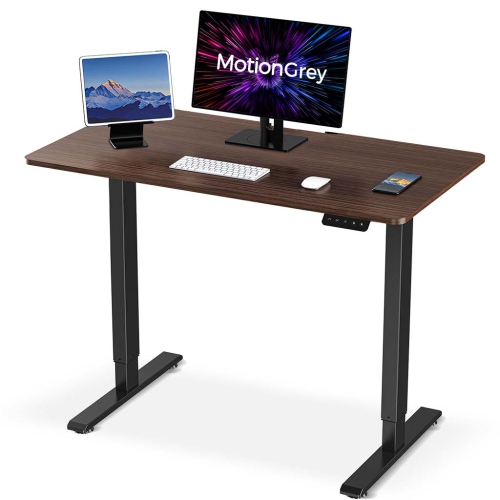
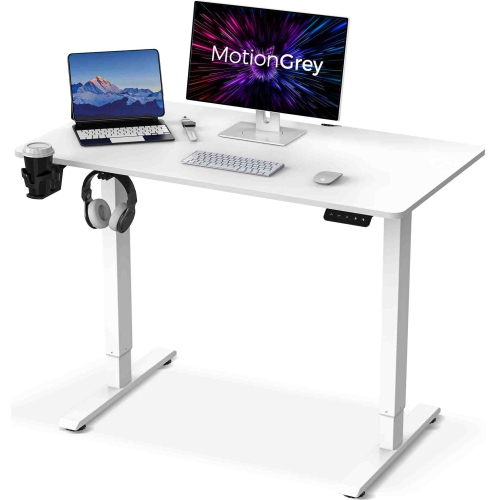
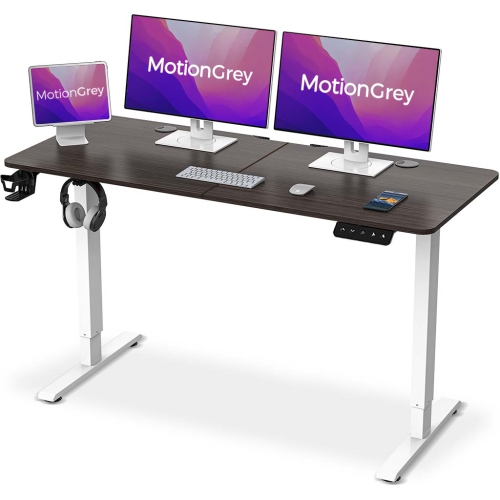
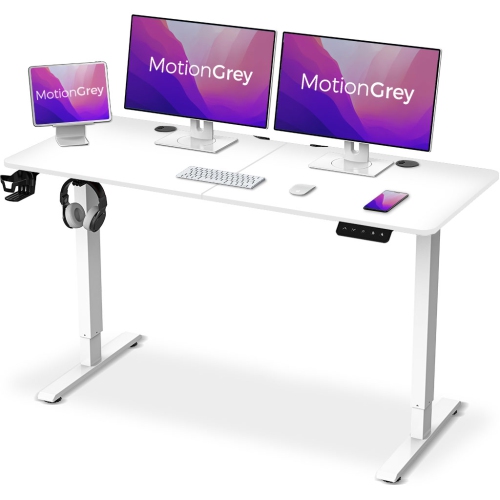
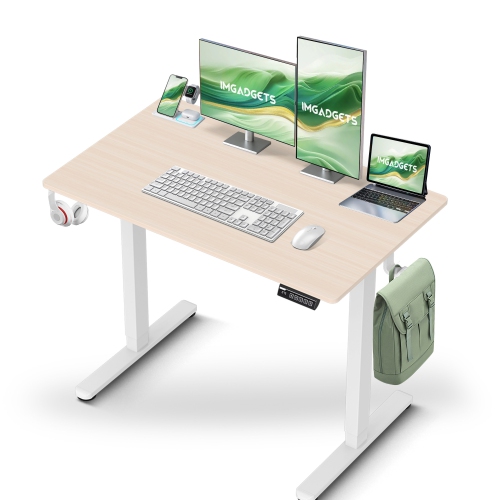
Measurements are among the most important considerations when choosing a modern study desk. Before browsing, measure the available wall, alcove or corner and leave enough clearance for a chair to pull out comfortably. A desk width of about 48 to 72 inches can provide a useful balance between usable workspace and room efficiency, while a depth of roughly 24 to 30 inches is often suitable for a laptop, monitor, keyboard, writing materials and a small lamp. Smaller rooms may benefit from a compact design around 36 to 48 inches wide, particularly when the desk will be used for homework or occasional computer tasks. Larger surfaces are helpful for older students, artists, crafters and anyone who switches between digital and paper-based work throughout the day. Pay attention to height as well. A standard desk should allow the user to sit with relaxed shoulders, bent elbows and feet resting comfortably on the floor. If several people will use the same desk, an adjustable design may offer added flexibility. Standing or sit-stand models can be useful for users who like to change position during longer sessions, although a traditional fixed-height desk may be the better choice for a child’s bedroom, a dedicated study nook or a room where simplicity matters most. Check the weight capacity and the amount of legroom beneath the top, especially if a computer tower, filing drawer or storage bin will be placed nearby. A tidy cable-management opening or rear channel can also help prevent charging cords from sliding across the floor, while a finished back is worth considering if the desk will sit away from the wall.
Storage can shape how a desk feels from one use to the next. Drawers are useful for keeping pens, calculators, chargers, headphones and personal papers close at hand but out of sight. Open shelves make frequently used books, folders and decorative items easy to reach, although they work best when the user is comfortable keeping belongings arranged. A desk with a combination of both can support a more flexible routine: notebooks can sit on a shelf for quick access, while small accessories and paperwork can be tucked into a drawer at the end of the day. Think about the equipment that needs to share the surface before choosing a design. A single laptop requires less room than a monitor, keyboard, speakers and writing pad, and a student who studies from printed textbooks may appreciate extra depth more than additional drawers. Materials also influence the desk’s appearance and upkeep. Wood and wood-look finishes bring warmth and can complement bedroom furniture, while metal legs and powder-coated frames often create a lighter, contemporary silhouette. Smooth laminated surfaces are practical for everyday writing and easy to wipe clean, and textured or matte finishes can help reduce the visual impact of fingerprints and minor marks. Modern study desks can be a thoughtful gift for a student moving into a new room, a graduate setting up a first workspace, a parent organizing a homework station or a friend refreshing a home office. Pairing the desk with a supportive chair, task light, monitor stand or cable organizer can make the gift feel complete, but the desk itself remains the foundation. Place it near natural light where possible, position the screen to reduce glare, and keep frequently used items within easy reach. With the right size, storage and finish, a modern study desk can provide a dependable spot for focused mornings, quiet reading in the afternoon and relaxed planning during the evening.
Measurements are among the most important considerations when choosing a modern study desk. Before browsing, measure the available wall, alcove or corner and leave enough clearance for a chair to pull out comfortably. A desk width of about 48 to 72 inches can provide a useful balance between usable workspace and room efficiency, while a depth of roughly 24 to 30 inches is often suitable for a laptop, monitor, keyboard, writing materials and a small lamp. Smaller rooms may benefit from a compact design around 36 to 48 inches wide, particularly when the desk will be used for homework or occasional computer tasks. Larger surfaces are helpful for older students, artists, crafters and anyone who switches between digital and paper-based work throughout the day. Pay attention to height as well. A standard desk should allow the user to sit with relaxed shoulders, bent elbows and feet resting comfortably on the floor. If several people will use the same desk, an adjustable design may offer added flexibility. Standing or sit-stand models can be useful for users who like to change position during longer sessions, although a traditional fixed-height desk may be the better choice for a child’s bedroom, a dedicated study nook or a room where simplicity matters most. Check the weight capacity and the amount of legroom beneath the top, especially if a computer tower, filing drawer or storage bin will be placed nearby. A tidy cable-management opening or rear channel can also help prevent charging cords from sliding across the floor, while a finished back is worth considering if the desk will sit away from the wall.
Storage can shape how a desk feels from one use to the next. Drawers are useful for keeping pens, calculators, chargers, headphones and personal papers close at hand but out of sight. Open shelves make frequently used books, folders and decorative items easy to reach, although they work best when the user is comfortable keeping belongings arranged. A desk with a combination of both can support a more flexible routine: notebooks can sit on a shelf for quick access, while small accessories and paperwork can be tucked into a drawer at the end of the day. Think about the equipment that needs to share the surface before choosing a design. A single laptop requires less room than a monitor, keyboard, speakers and writing pad, and a student who studies from printed textbooks may appreciate extra depth more than additional drawers. Materials also influence the desk’s appearance and upkeep. Wood and wood-look finishes bring warmth and can complement bedroom furniture, while metal legs and powder-coated frames often create a lighter, contemporary silhouette. Smooth laminated surfaces are practical for everyday writing and easy to wipe clean, and textured or matte finishes can help reduce the visual impact of fingerprints and minor marks. Modern study desks can be a thoughtful gift for a student moving into a new room, a graduate setting up a first workspace, a parent organizing a homework station or a friend refreshing a home office. Pairing the desk with a supportive chair, task light, monitor stand or cable organizer can make the gift feel complete, but the desk itself remains the foundation. Place it near natural light where possible, position the screen to reduce glare, and keep frequently used items within easy reach. With the right size, storage and finish, a modern study desk can provide a dependable spot for focused mornings, quiet reading in the afternoon and relaxed planning during the evening.
Top selling and popular products
-
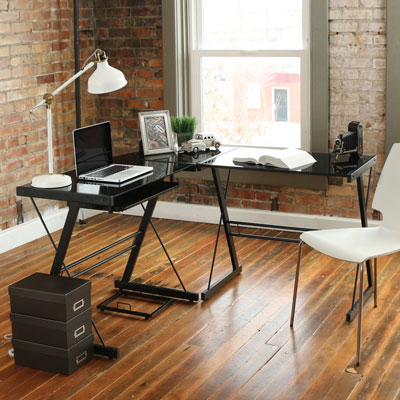 Your price for this item is $304.99
 -
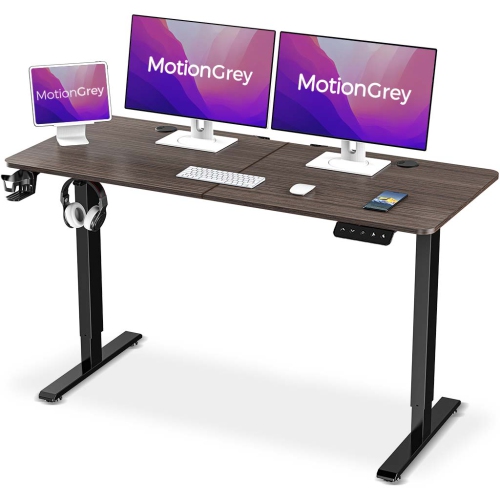 Your price for this item is $109.99
 -
 Your price for this item is $79.99
 -
 Your price for this item is $79.99
 -
 Your price for this item is $84.99
 -
 Your price for this item is $63.39
 -
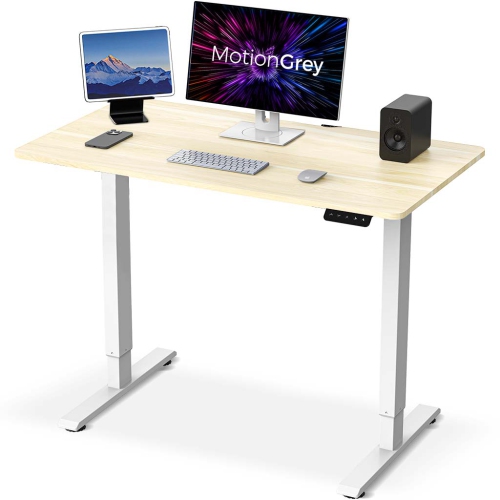 Your price for this item is $79.99
 -
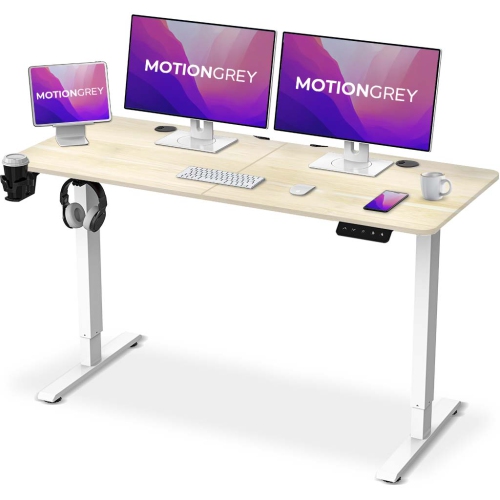 Your price for this item is $109.99
Discover more categories related to Modern Study Desks
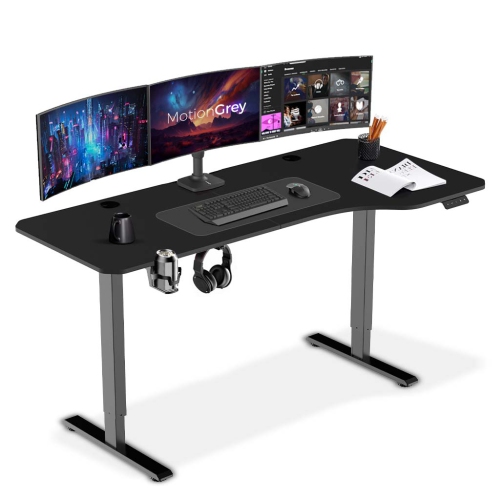
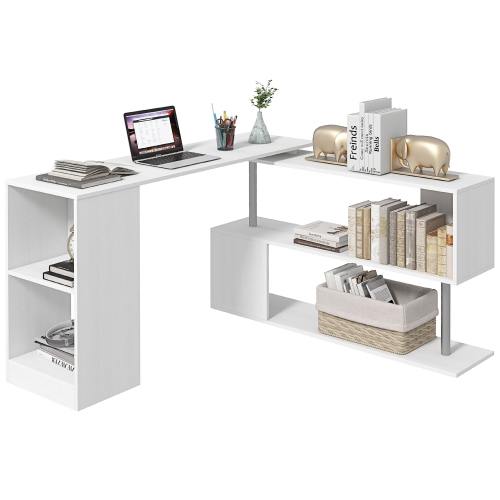
Top Collections:
Best Laptops for Video Editing, Pokemon Centers, Samsung Z Fold, Kindle Devices, Best Cell Phones Under $300, Best Laptops for Writers, Best Budget Office Chairs, Best Cell Phones Under $500, Best Laptop Computers for Students, iPhone 15 Apple
Some products may be subject to Environmental Handling Fees
(EHF) depending on your province.
Learn more about EHFs.