Modern Yellow Accent Chairs
Modern Yellow Accent Chairs instantly brighten any space with a pop of vibrant color and contemporary flair. These eye-catching pieces are perfect for adding a touch of personality to living rooms, bedrooms, or home offices. Whether you're refreshing your decor or looking for a stylish seating solution, Modern Yellow Accent Chairs offer both comfort and visual appeal. Explore a wide variety of designs and find the ideal chair to complement your unique style and elevate your home's atmosphere.
Sort


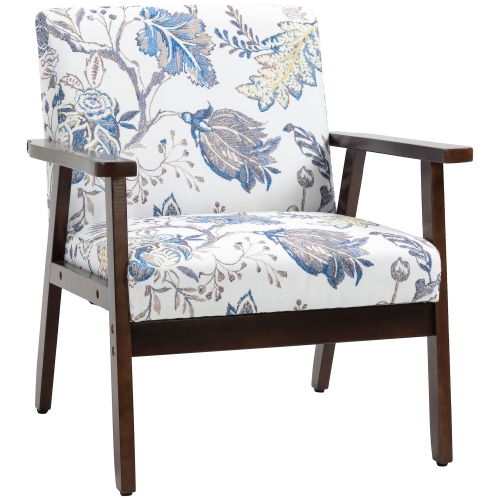


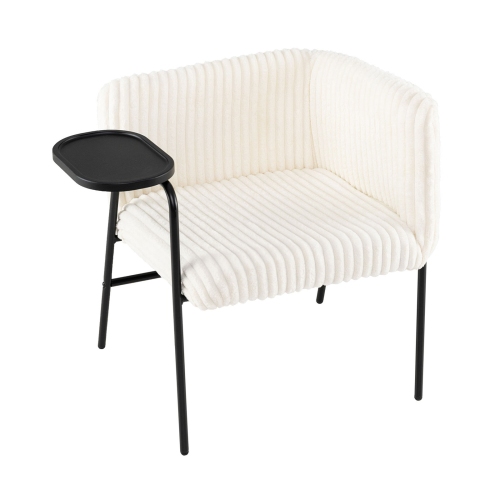
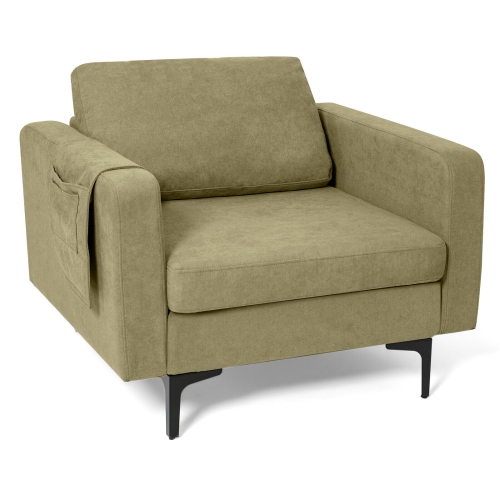
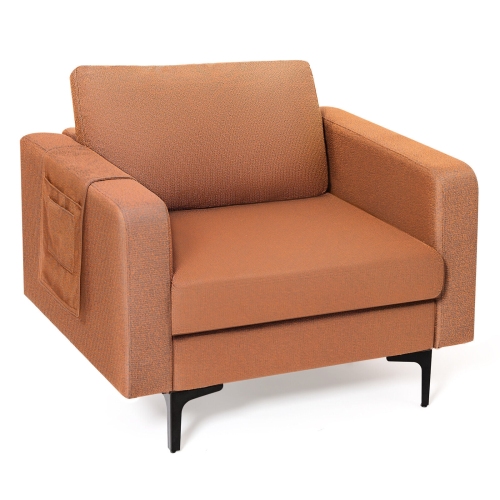
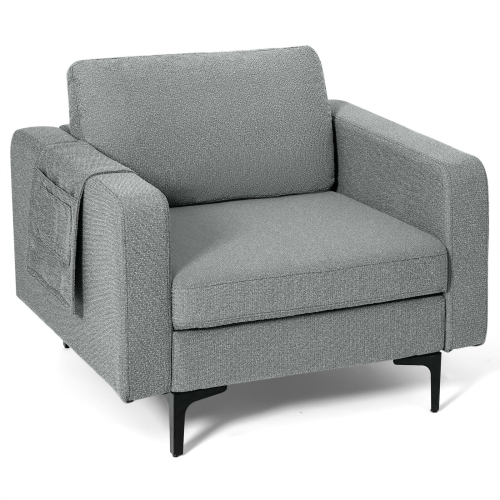


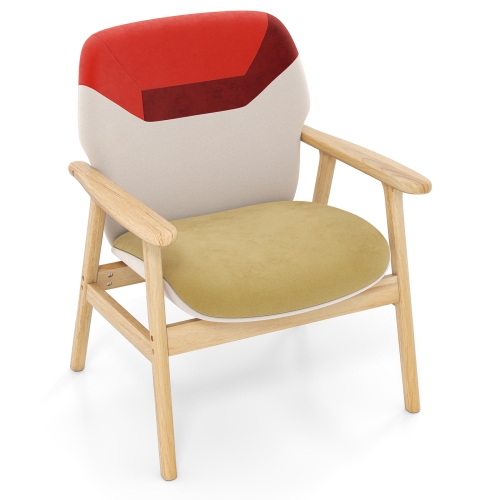


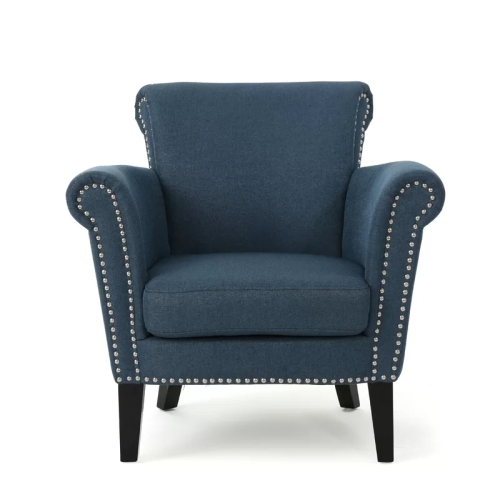

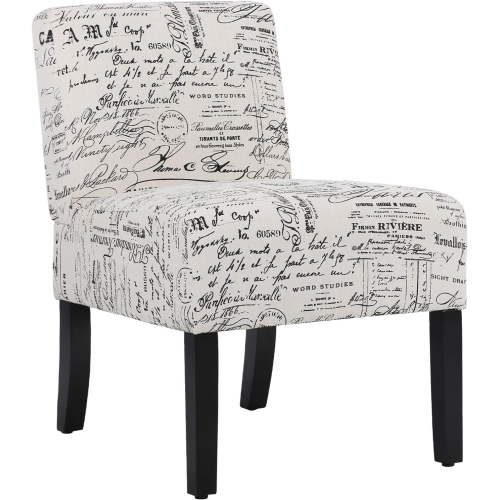

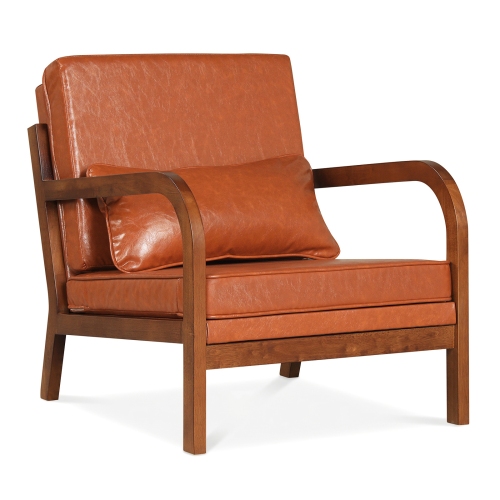
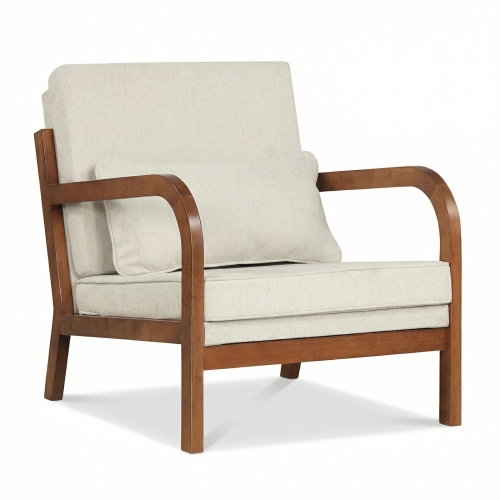


How yellow shades and chair shapes transform a room
Modern yellow accent chairs bring distinctive colour and additional seating to living rooms, reading nooks, bedrooms, and other spaces where a single chair can make a noticeable difference. Their contemporary character often comes from clean lines, curved backs, slim legs, or sculptural shapes rather than elaborate trim. Yellow adds another layer of personality: soft butter tones can sit quietly beside cream upholstery and pale wood, while mustard and ochre create a richer contrast with charcoal, navy, or walnut finishes. A clearer lemon yellow feels more vivid and works well when the surrounding palette is restrained. The effect depends as much on the chair’s proportions and fabric as its colour. A compact chair with an open frame can look light beside a substantial sofa, whereas a rounded, fully upholstered design gives an empty corner more visual weight. In a living room with a grey sofa, a yellow chair can become a focal point without requiring a matching furniture set. Repeating a small amount of yellow in artwork or a patterned cushion helps connect the seating to the rest of the room, though an exact colour match is not necessary. Wood, black metal, glass, and textured rugs offer different ways to balance the chair’s brightness. Among Modern Living Room Accent Chairs, yellow designs are especially useful for introducing contrast while keeping the overall furniture arrangement simple. Mid-century-inspired shapes suit tapered wooden legs and low-profile sofas, while curved silhouettes pair naturally with round side tables and softer architectural details. A chair’s back also matters when it will face into the room rather than sit against a wall; a neatly finished upholstered back or an exposed frame becomes part of the view from adjoining spaces. Photographs can suggest a shade, but fabric samples, when possible, give a better sense of its depth and texture alongside existing furnishings. The same yellow may look muted against beige and much stronger beside crisp white.
Comfort and fit determine whether an accent chair becomes a favourite seat or remains mainly a visual feature. Overall width matters, but seat width, seat depth, back height, and arm placement reveal more about how the chair will feel in use. A deep seat can be inviting for someone who likes to curl up with a book, yet less comfortable for a person who prefers to sit upright with their feet resting on the floor. A shallower seat and supportive back may better suit conversation, while padded arms provide a place to rest elbows during longer reading sessions. Low, lounge-style designs have a relaxed appearance, but a higher seat and stable arms can make sitting down and standing up easier for some people. Armless chairs can fit neatly into tighter arrangements, although they offer less support for resting an arm. The footprint should leave room for everyday movement, including access to drawers, nearby doors, and the path between the sofa and coffee table. In a smaller condo, a chair with visible legs can keep the seating area feeling open, but its full dimensions still need to work within the floor plan. Delivery access matters too, particularly around narrow doorways, stair landings, and lifts. Upholstery adds another practical distinction. Velvet has a soft pile that gives yellow subtle shifts in tone as the surface catches light; woven fabrics offer a more consistent appearance, with texture ranging from smooth and tightly woven to visibly nubby. Linen blends can have a relaxed finish, while bouclé introduces a looped surface that emphasizes rounded shapes. Faux leather provides a smoother look and a different feel against the skin. Fibre content, weave, cushion construction, and the care label are more useful indicators of suitability than appearance alone. For a home office, an accent chair can provide a comfortable place for reading or informal conversations, but it generally serves a different purpose from an adjustable task chair intended for extended desk work.
Durability comes from the whole construction, not simply a fabric that feels thick or a frame that looks substantial. Frame materials, secure joints, seat support, cushioning, and the chair’s stated weight capacity all contribute to how well it suits regular use. Solid wood, engineered wood, and metal can each be used effectively, depending on the design and assembly. A firmer cushion may feel more structured, while a softer cushion allows more settling into the seat; neither feel alone establishes how long the chair will last. For a frequently used living room seat, details such as reinforced seams, securely attached legs, and clear assembly instructions deserve attention. Households with children or pets may find tightly woven upholstery easier to live with than an open weave that can catch on claws or small objects. Removable cushion covers can be convenient, but a zip does not necessarily mean the cover is machine washable. Cleaning should follow the manufacturer’s directions for the specific upholstery, including any restrictions on water, solvents, or cleaning equipment. Regular gentle vacuuming with an appropriate attachment helps remove dust from seams and crevices, and prompt blotting gives spills less time to spread. Rubbing can distort some fabric surfaces, particularly pile fabrics. Strong direct sunlight may change upholstery colour over time, so placement and window coverings are worth considering when yellow is a central part of the room’s palette. Suitable floor protectors can help reduce marking beneath chair legs, especially on hardwood or laminate. Intended use should guide the final balance of shape, upholstery, and support: a bedroom chair for occasional sitting has different demands from the seat used every evening for reading. Beside a lamp and a small table, a supportive yellow chair can form a useful reading corner; opposite a sofa, it can make conversation easier without adding another large piece of furniture. The most satisfying choice gives the room a clear visual accent while remaining comfortable, appropriately sized, and manageable to care for in everyday life.
Top selling and popular products
-
 Your price for this item is $13.3
-
 Your price for this item is $102.99
-
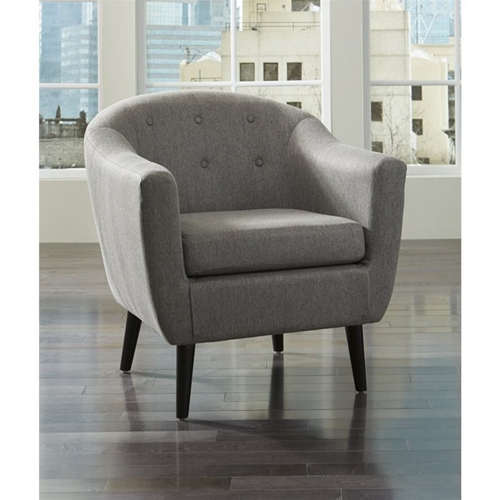 Your price for this item is $544.85
-
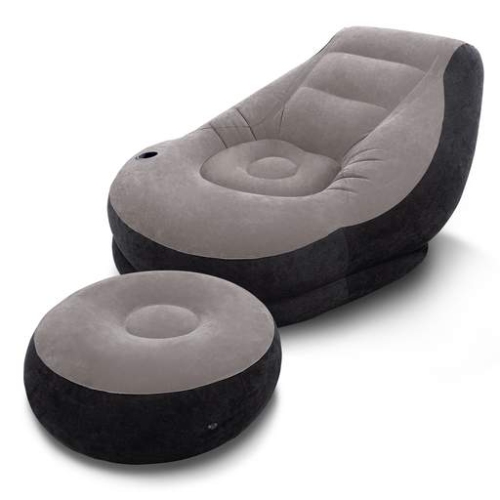 Your price for this item is $274.99
-
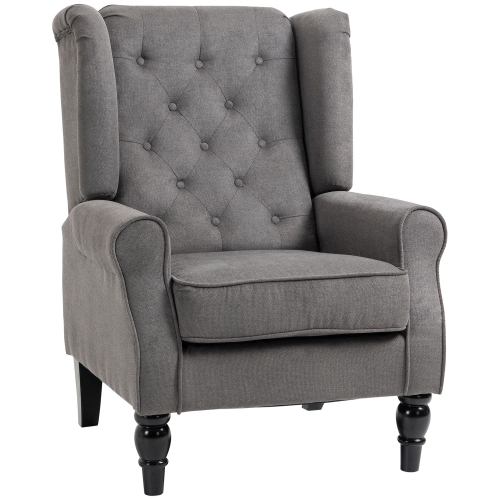 Your price for this item is $234.99
-
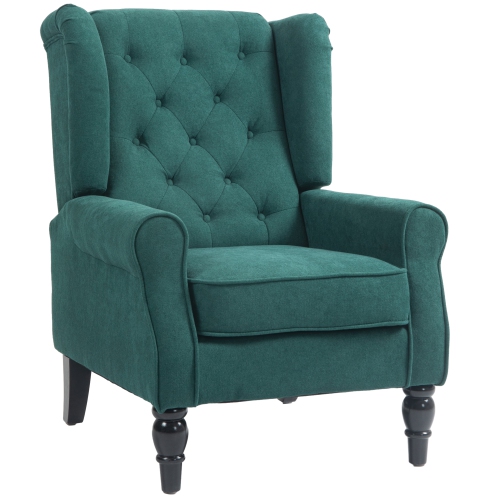 Your price for this item is $247.19
-
 Your price for this item is $289.99
-
 Your price for this item is $167.99
Discover more categories related to Modern Yellow Accent Chairs

Top Collections:
Pokemon Centers, Kindle Devices, Best Cameras for Sports Photography, Pokémon 30th Celebration Cards, Apple iPhones 16, Canon G7X Cameras, iPhone 15 Apple, Flip Phones, Samsung Galaxy Phones, Alarm Clock
Some products may be subject to Environmental Handling Fees
(EHF) depending on your province.
Learn more about EHFs.