Moon Decor
Transform your living space into a serene celestial haven with enchanting moon decor. Perfect for adding a touch of whimsy and elegance, these pieces capture the mystical allure of the night sky, bringing tranquility and style to any room. Whether you're looking to create a calming atmosphere in your bedroom or add a unique focal point to your living area, moon-themed decorations offer endless possibilities for personalization. Explore a variety of options that cater to diverse tastes and preferences, ensuring that every corner of your home reflects the beauty and mystery of the lunar landscape.
Sort
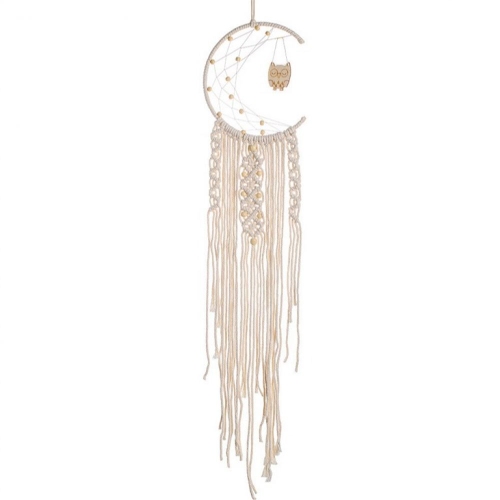
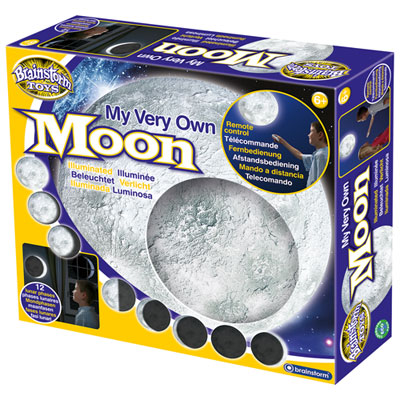
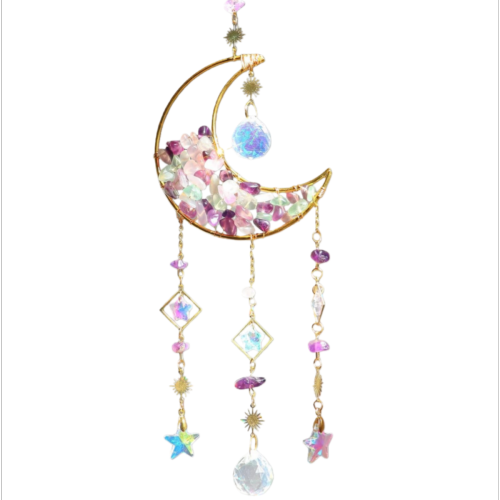
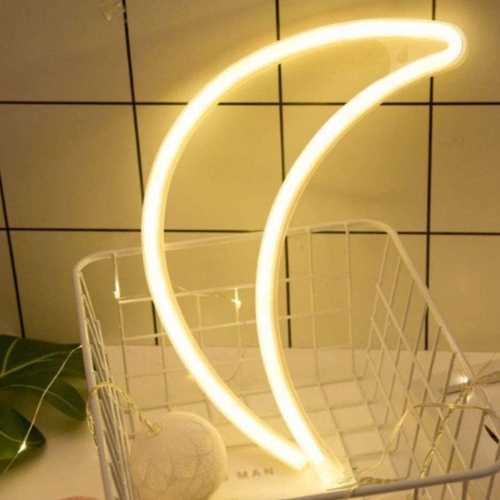
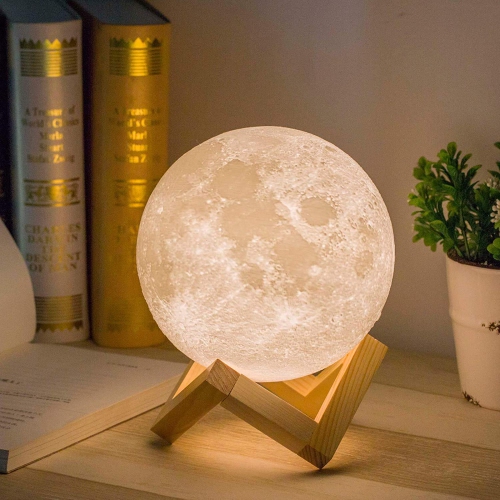
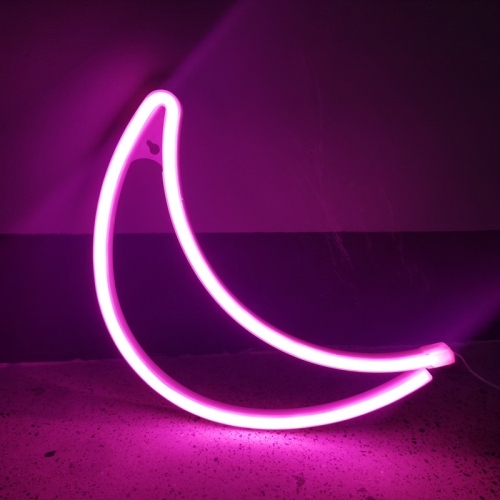
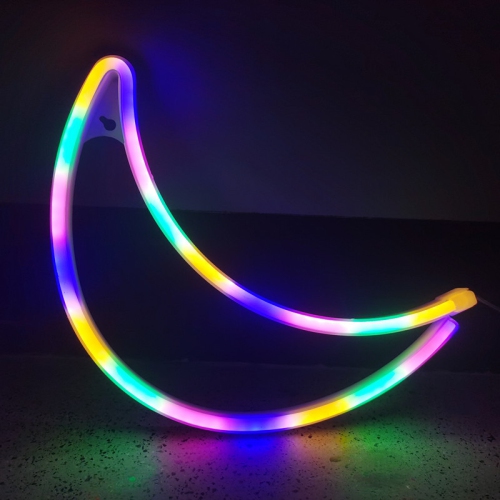
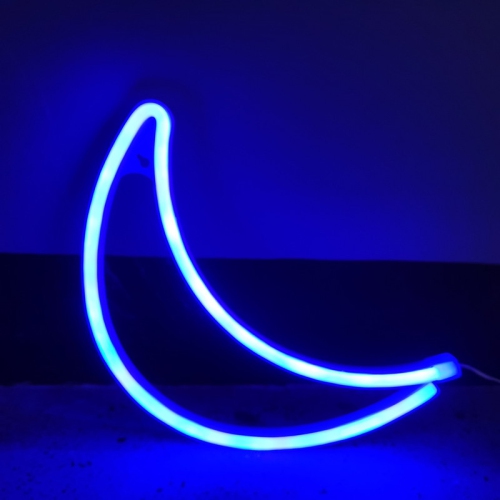






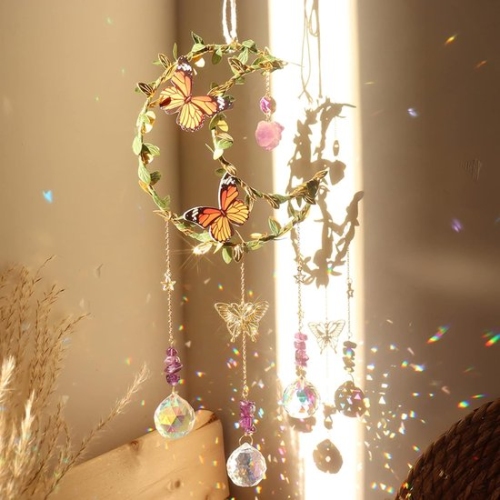
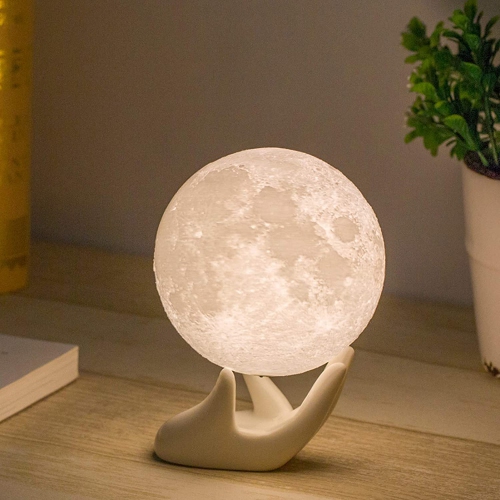
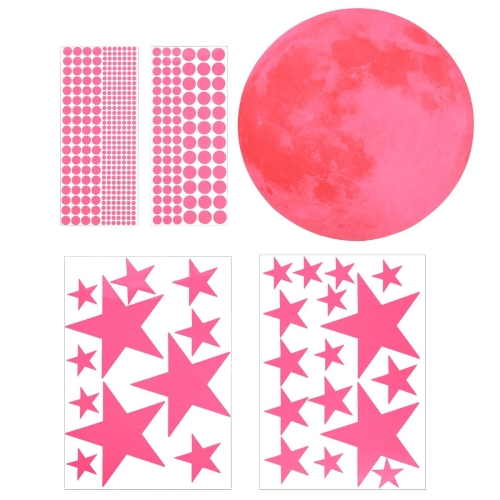

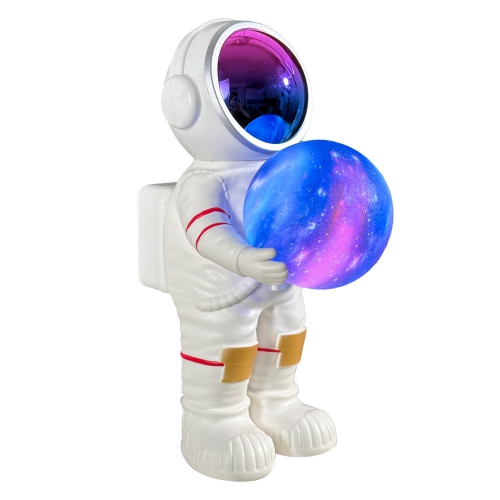


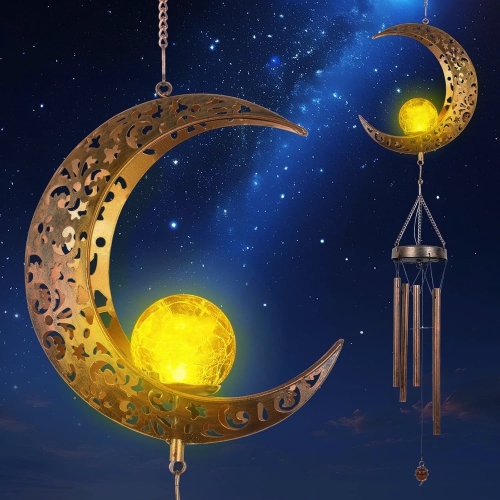
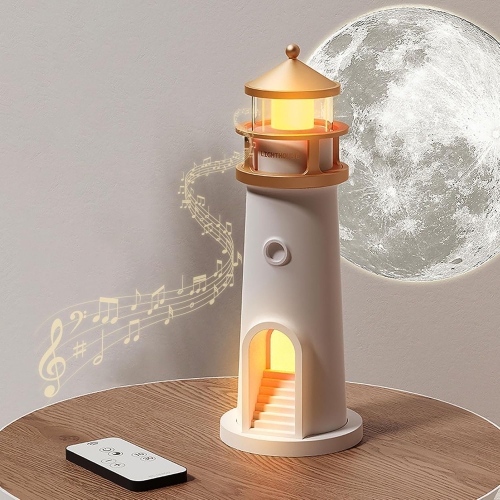
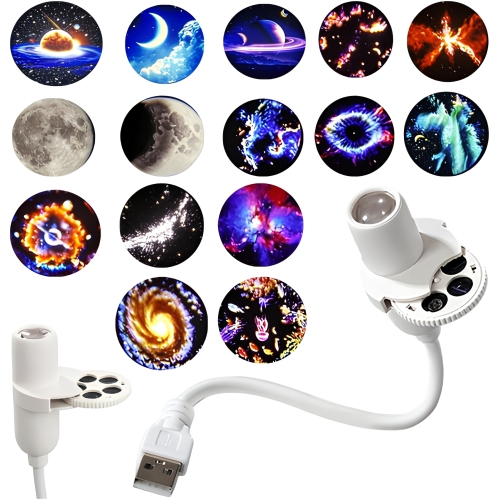
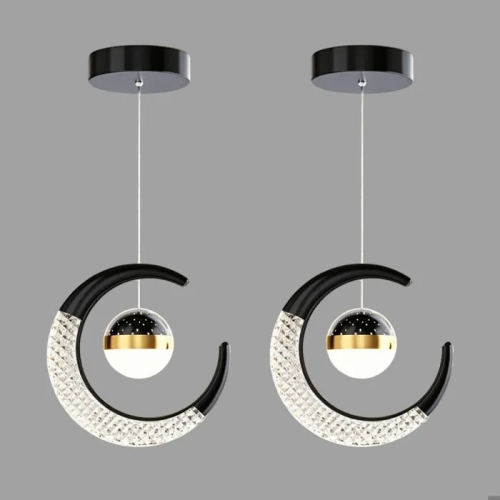
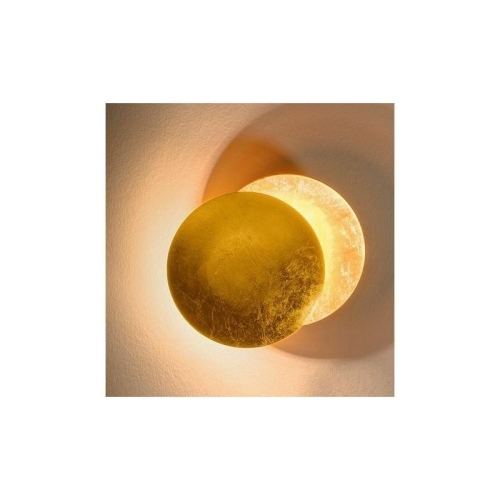
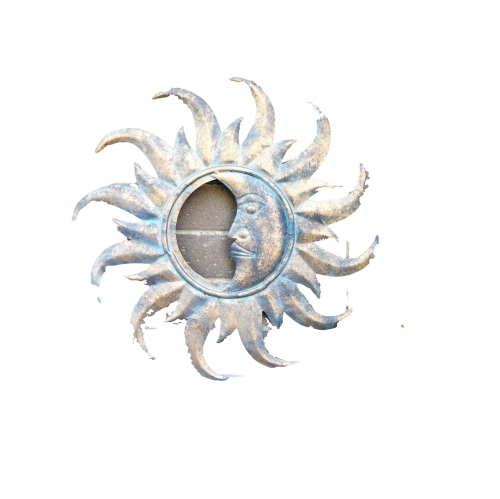
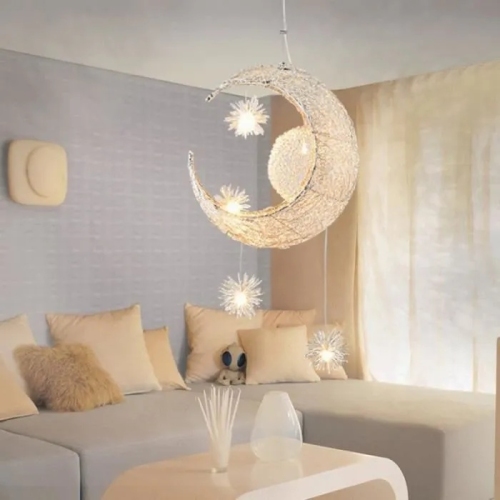
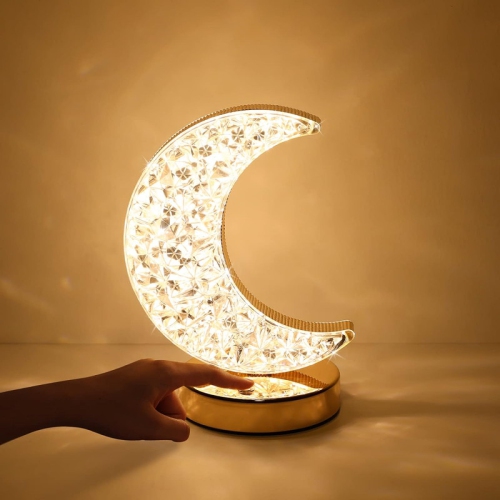
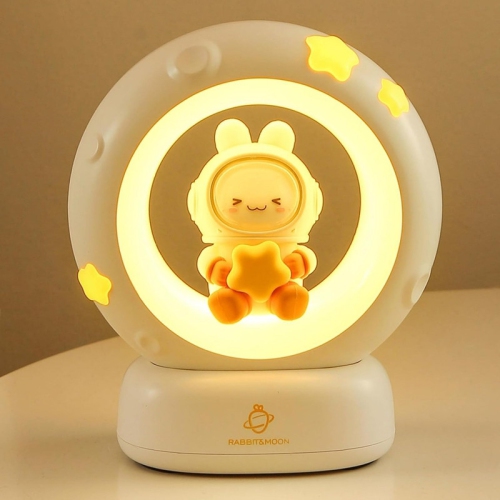
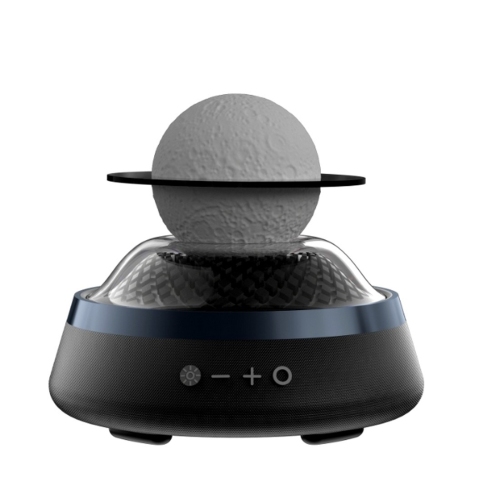
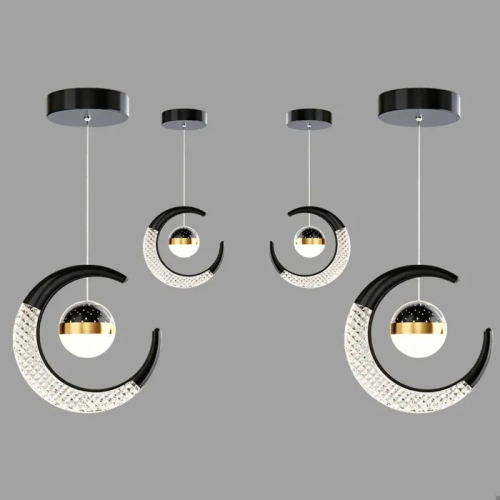
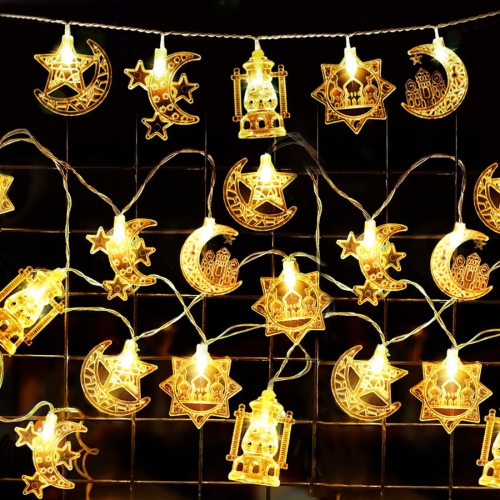
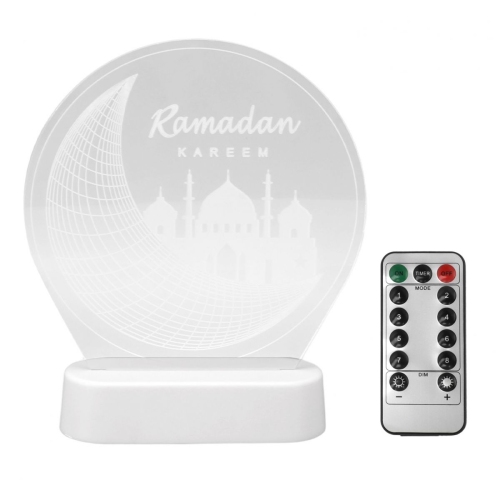
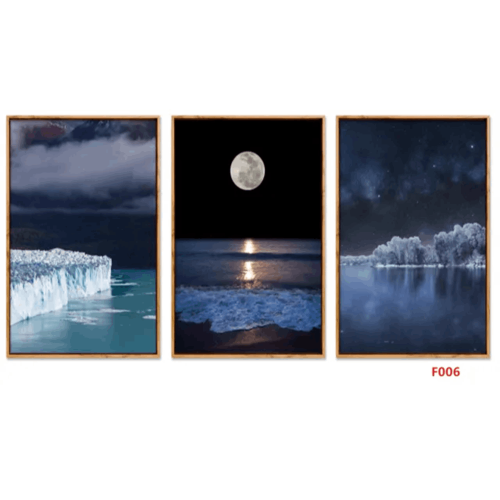
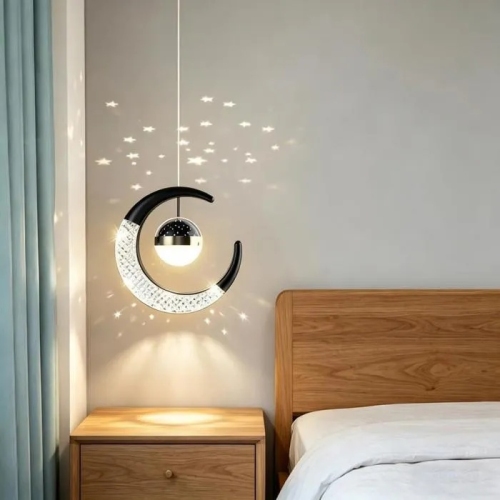
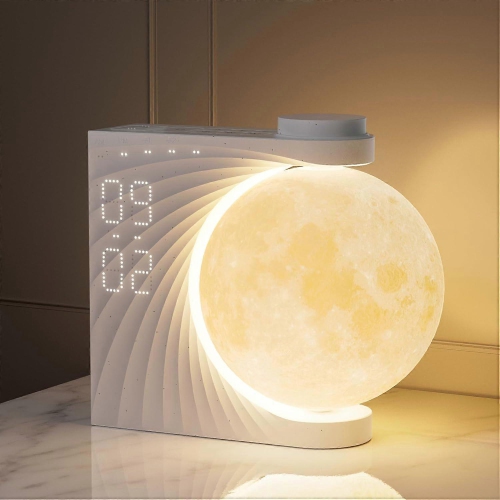
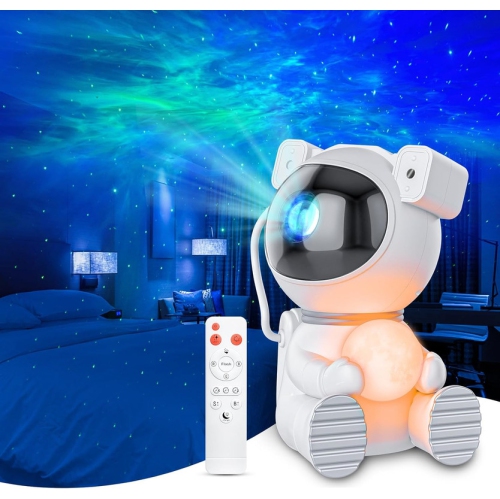
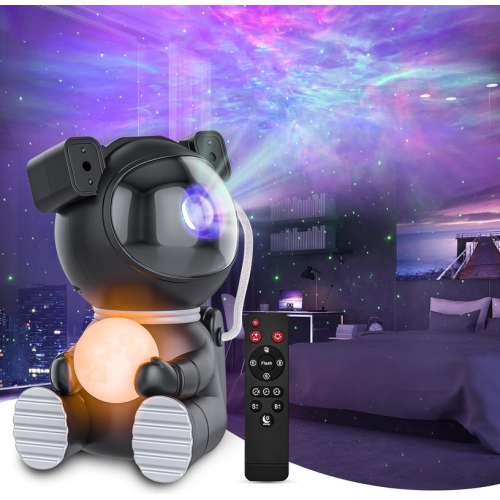


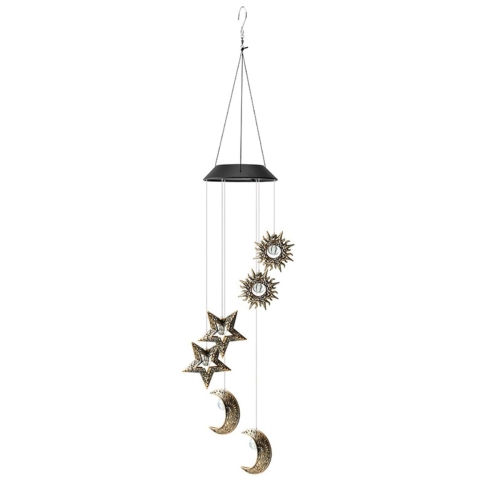
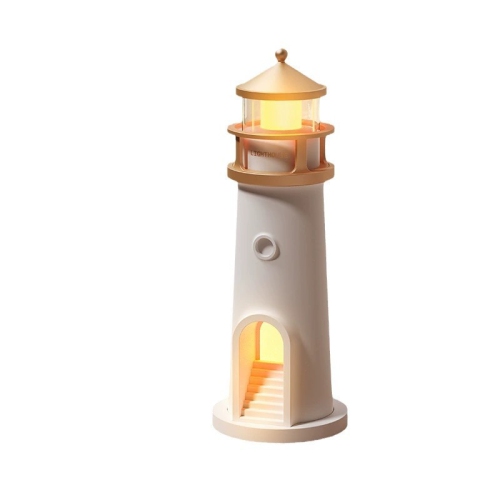
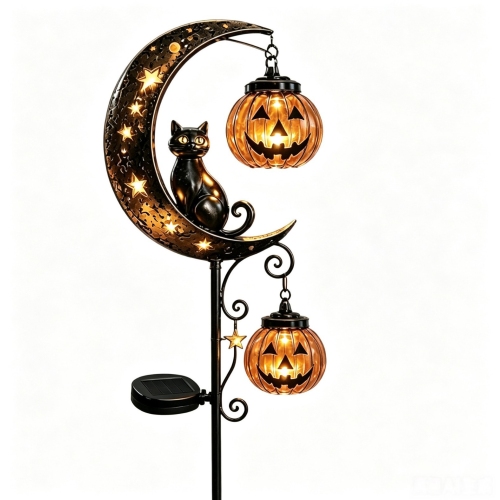

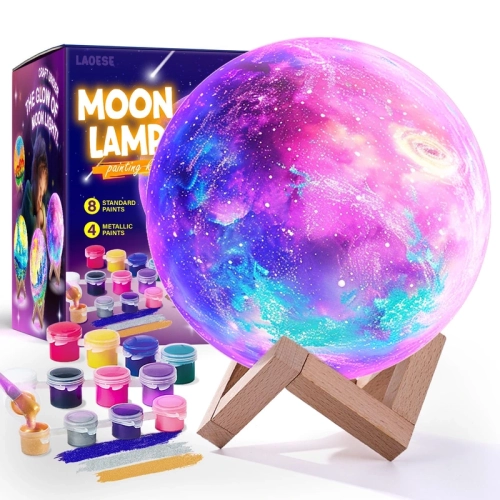
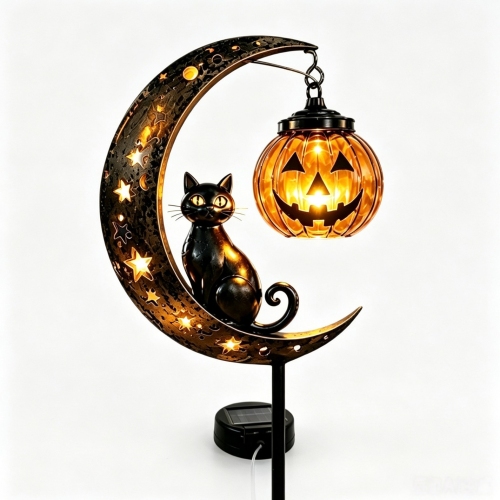
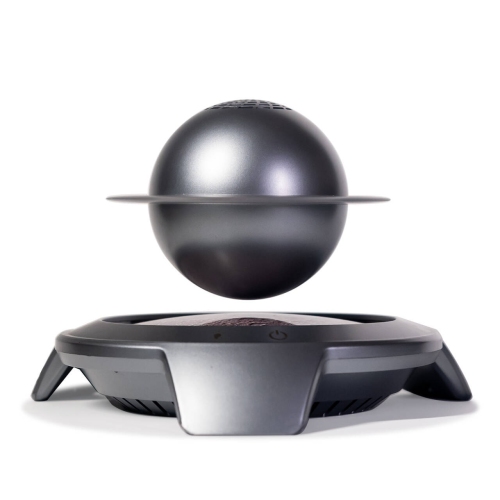
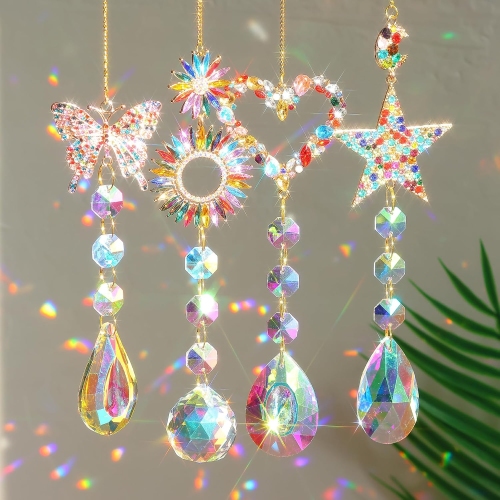
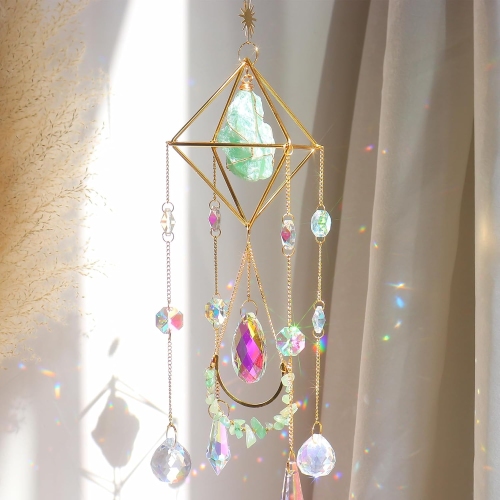
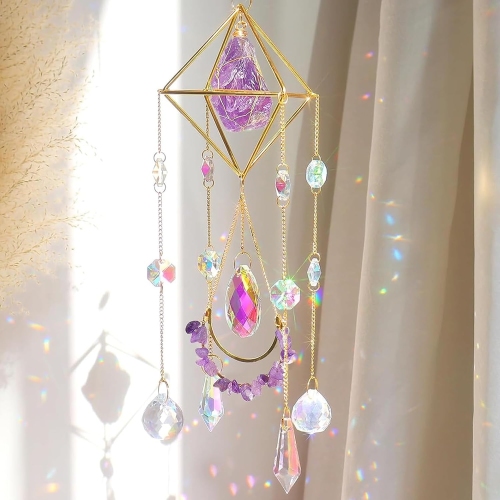
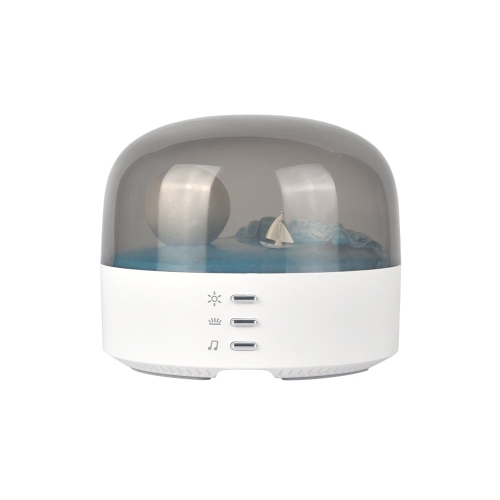
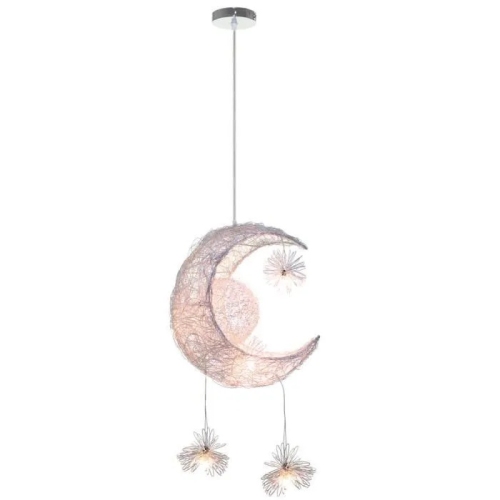

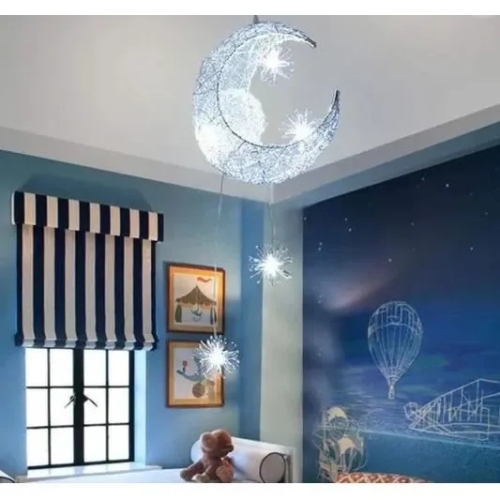
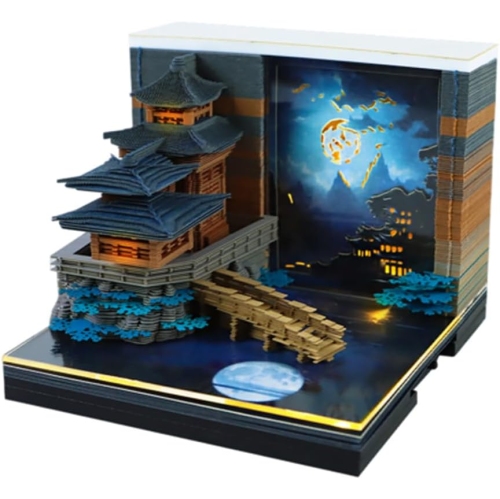
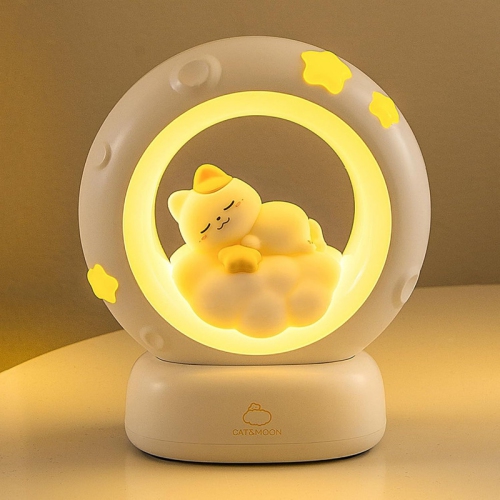
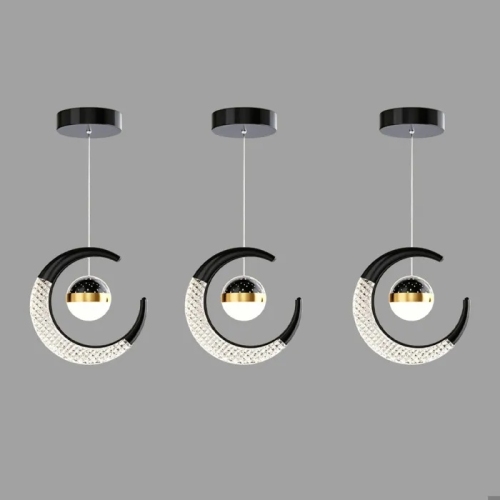
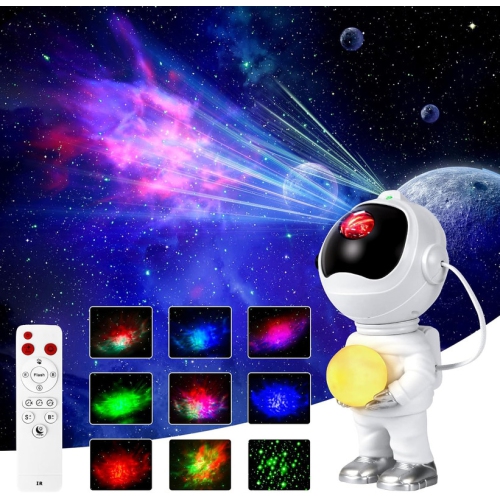
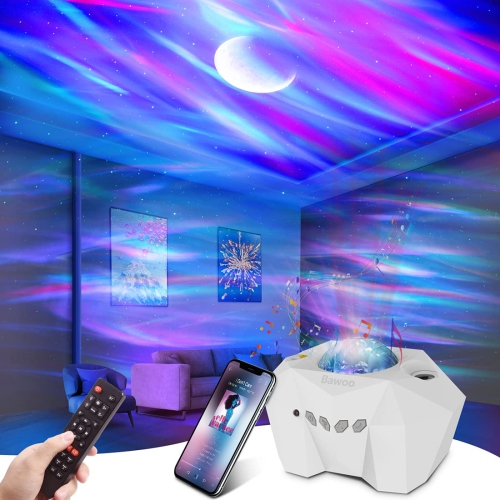
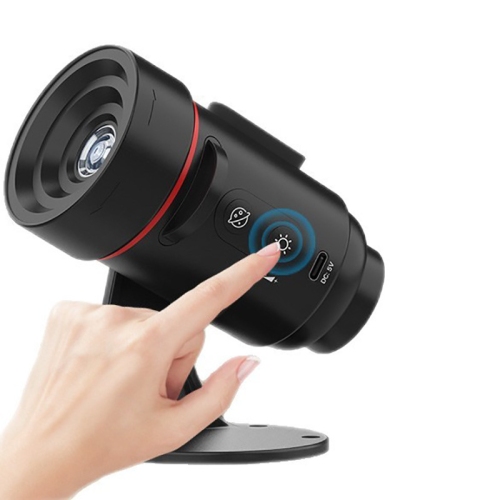
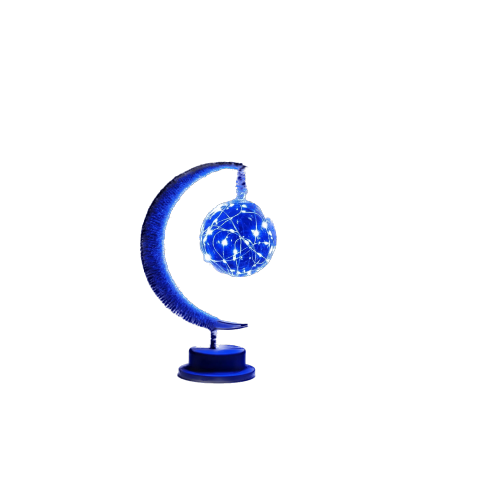
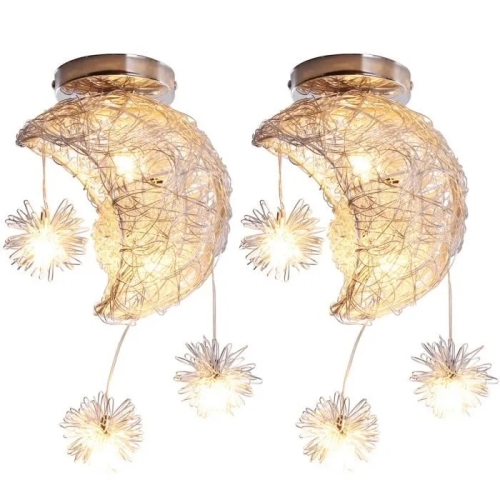
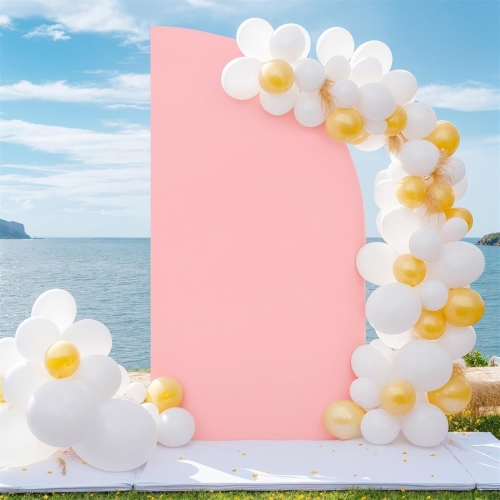
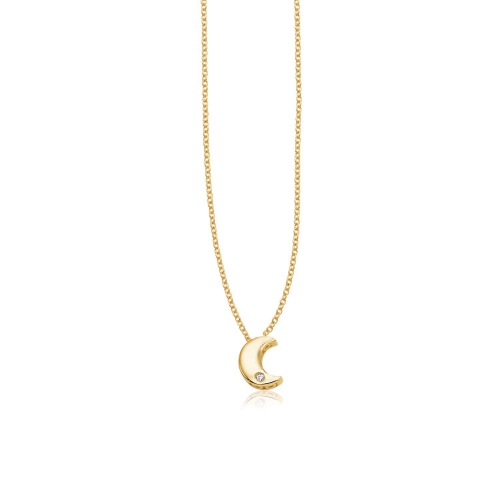

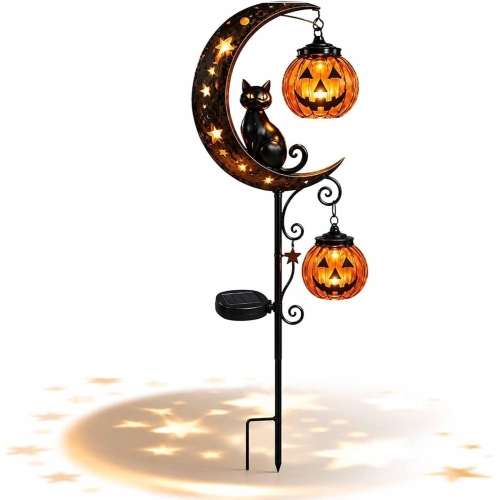

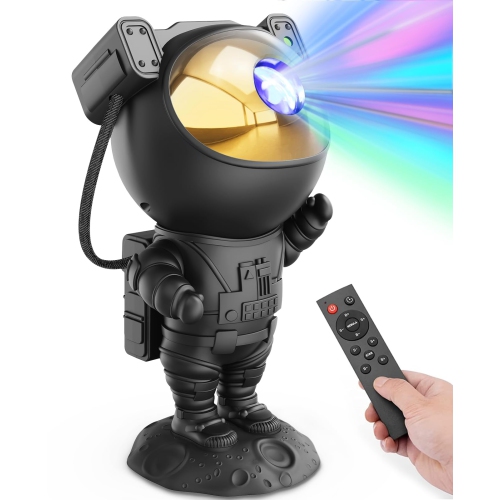
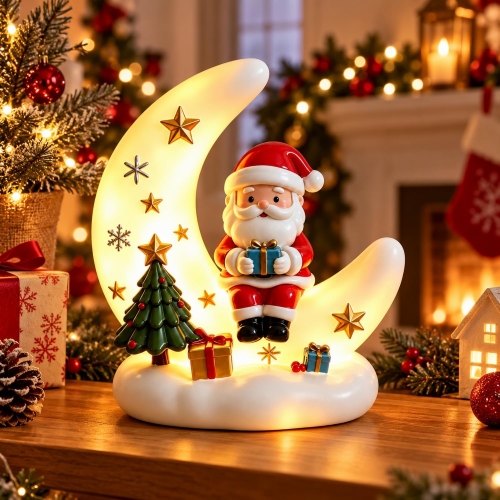
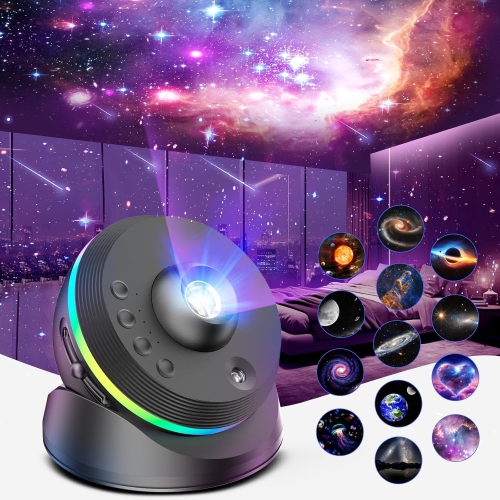
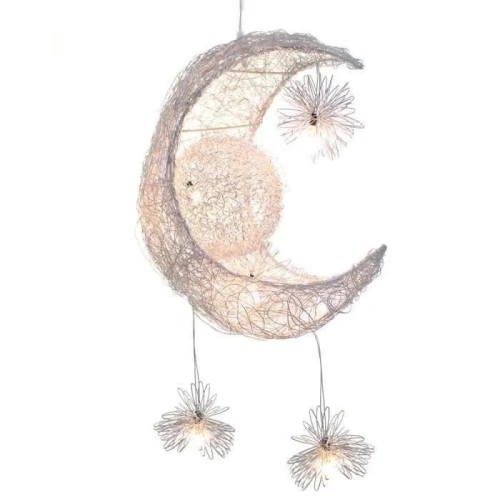
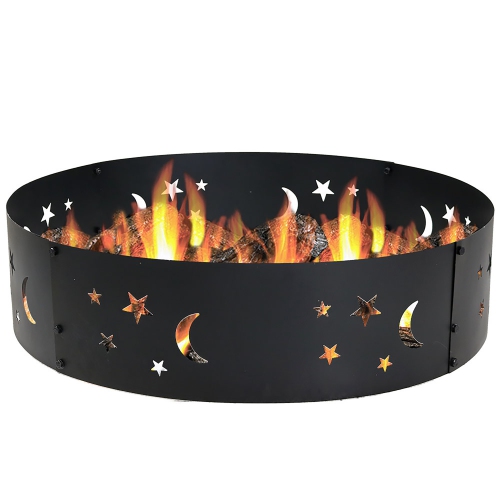

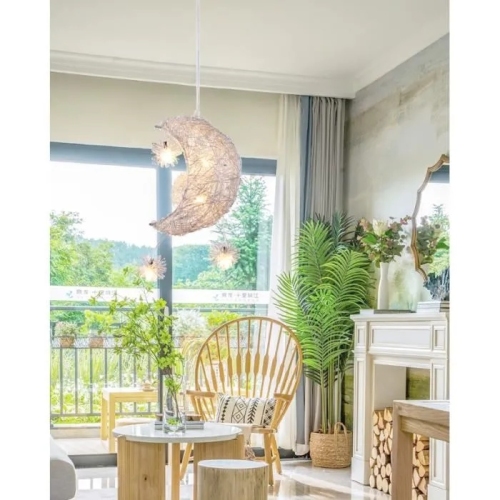
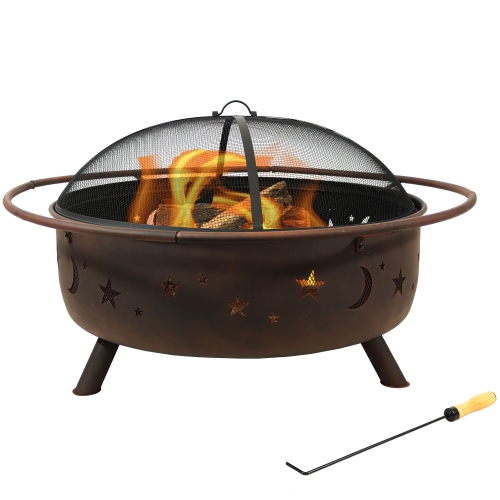
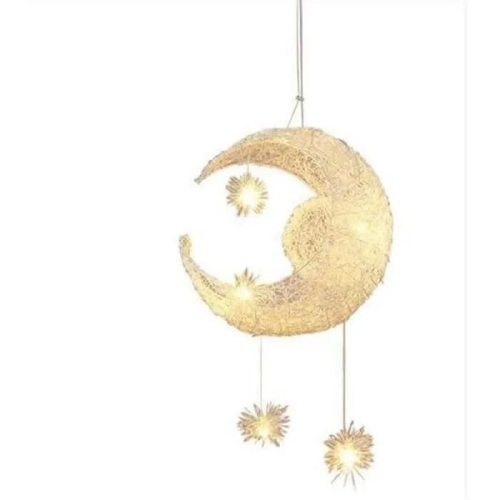

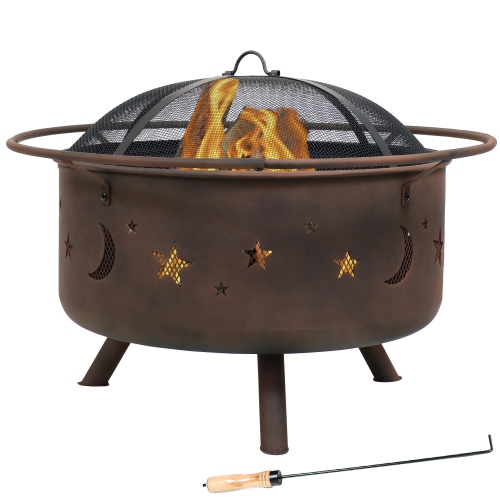
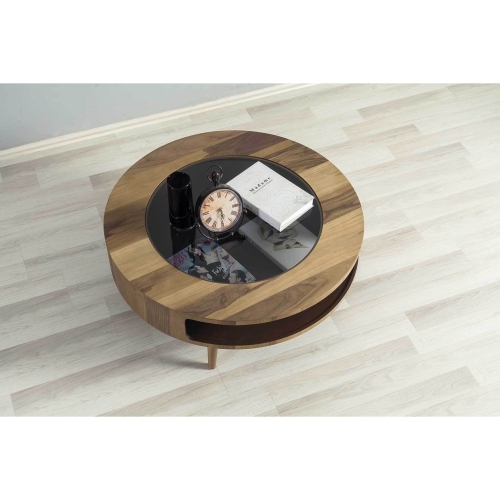
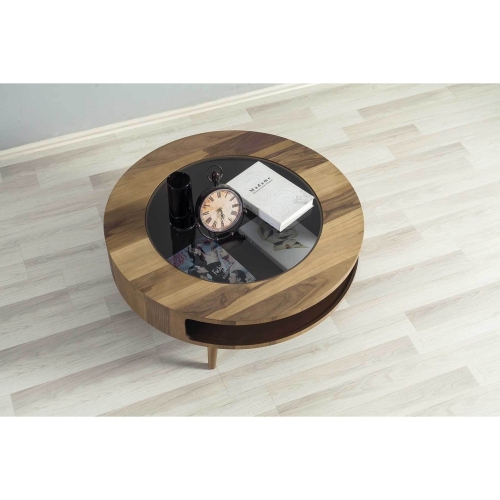
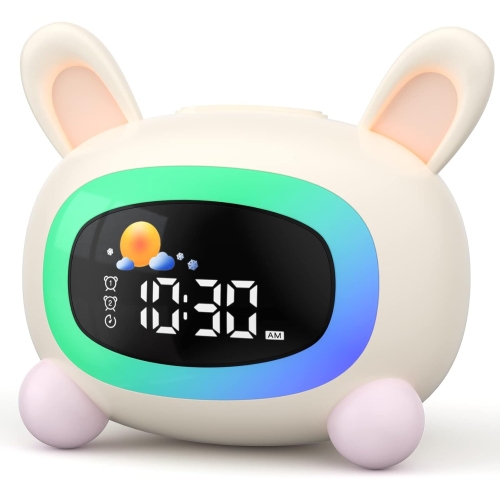
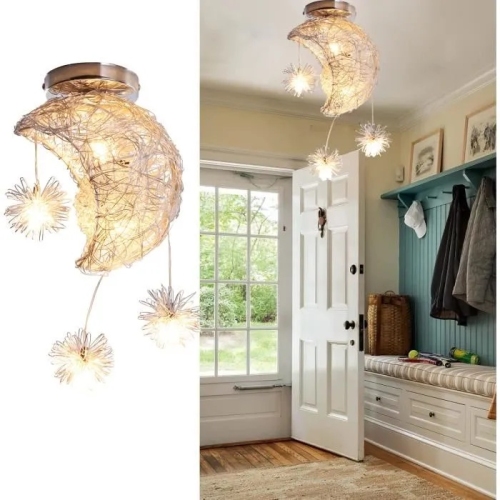

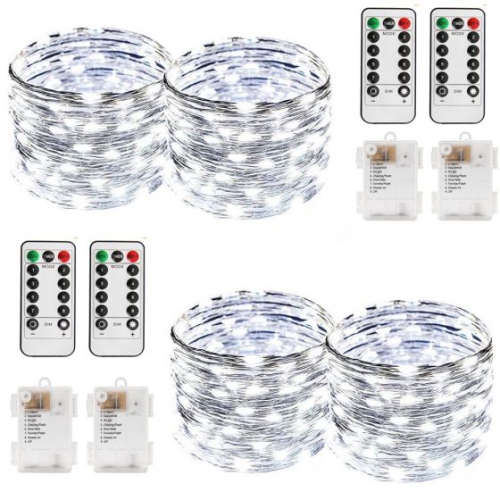
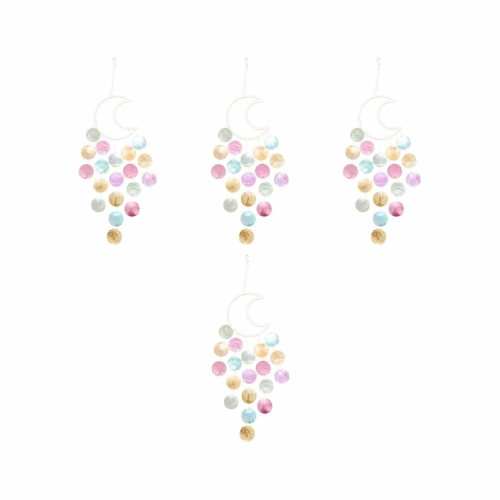
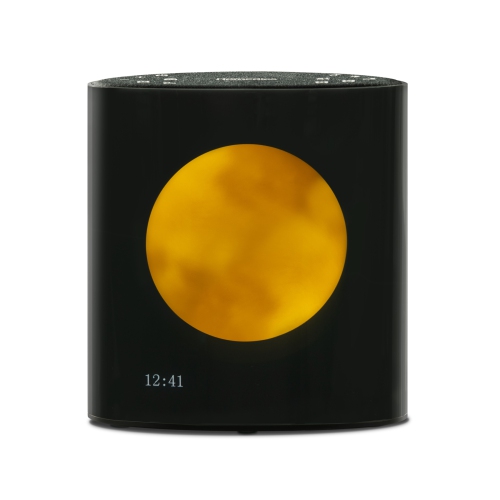
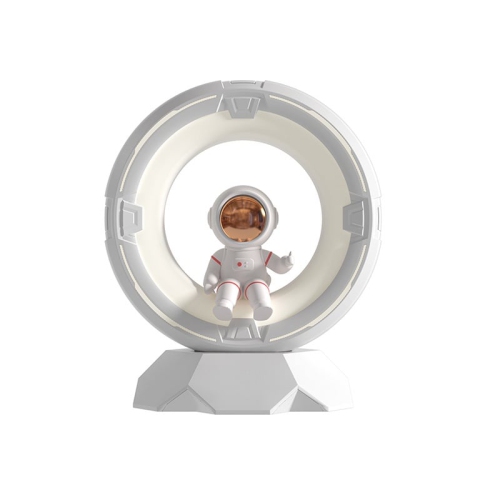
Lunar shapes add character without defining the room
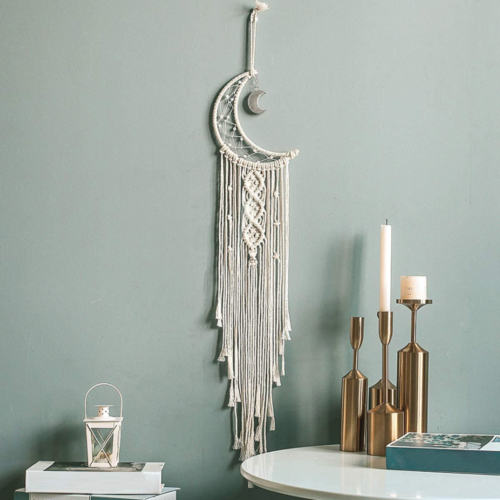
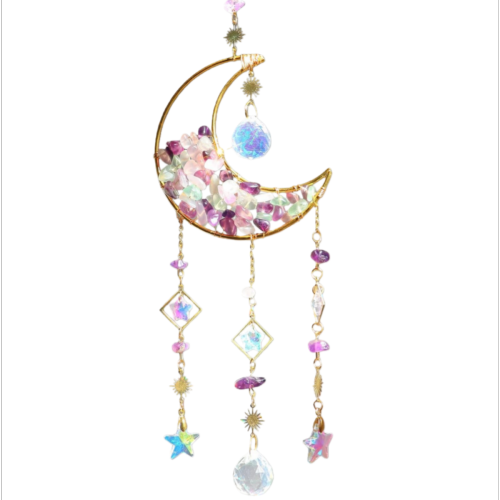
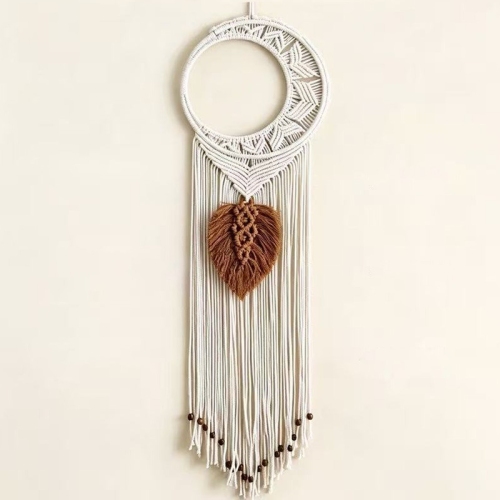
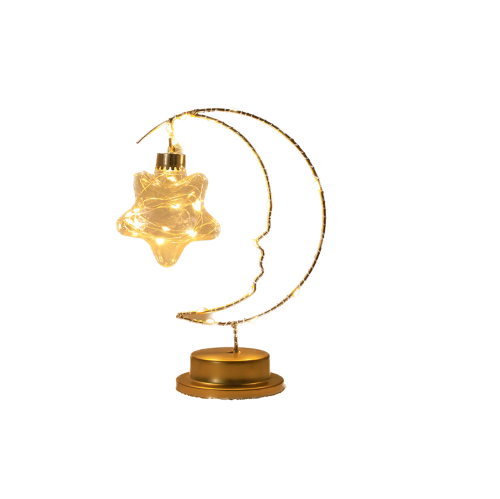
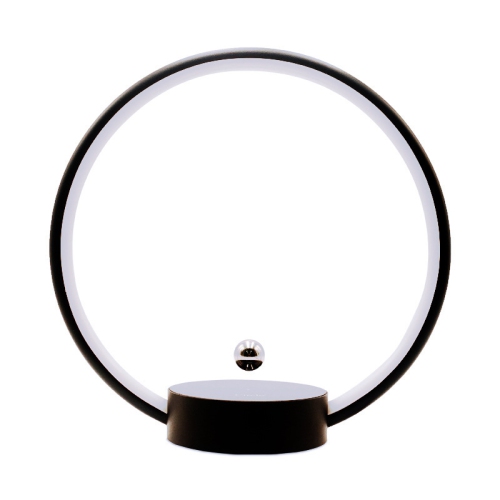
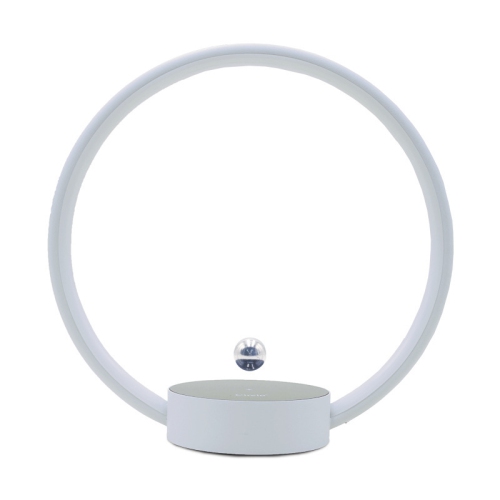
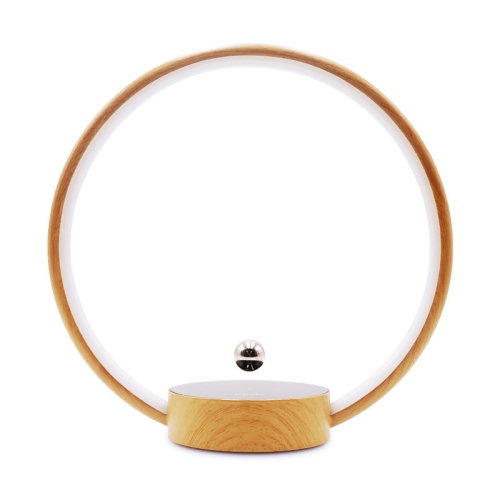
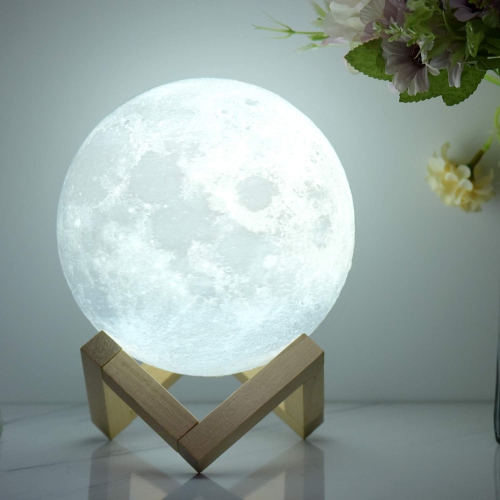
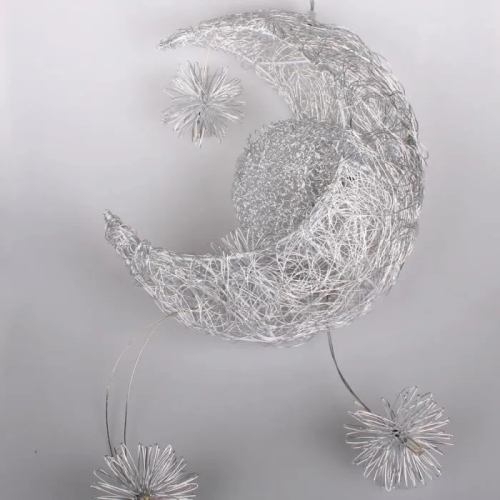
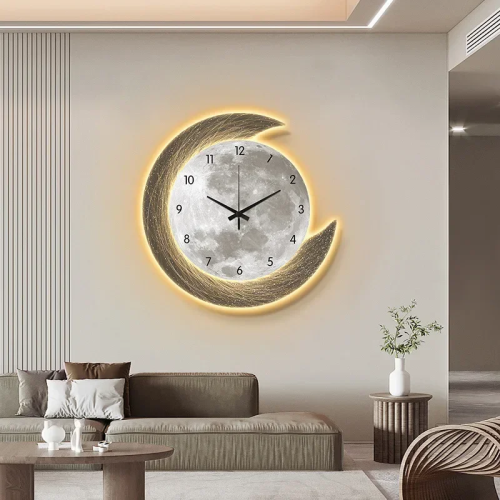
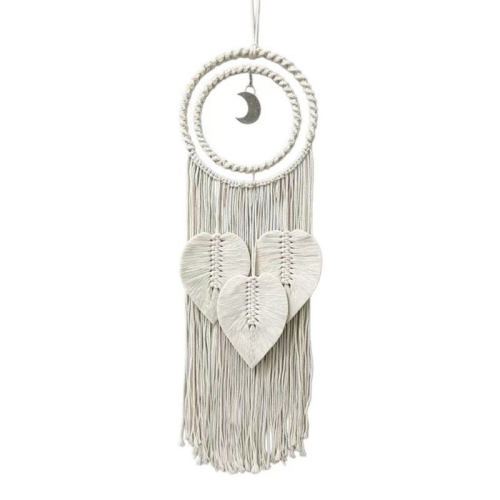
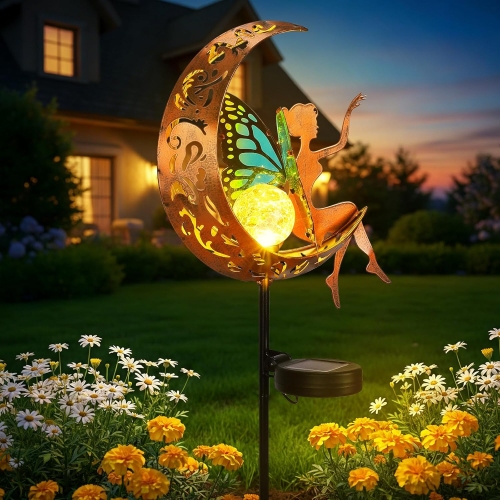
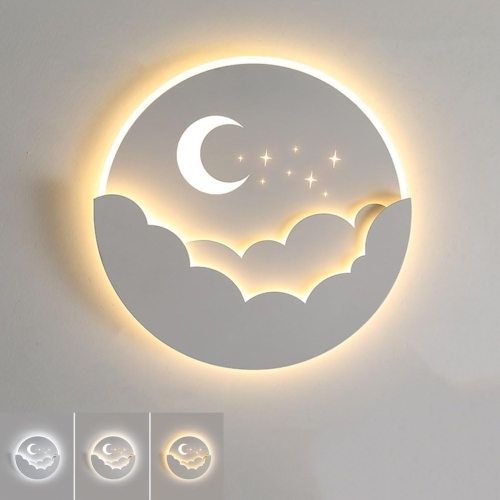
Moon decor brings celestial shapes into the home through wall art, decorative accents, textiles, mirrors, and lighting inspired by the moon and its phases. Crescent silhouettes, full-moon forms, and repeating lunar patterns can give bedrooms, living rooms, and nurseries a dreamy feel, with styles ranging from minimalist linework to richly textured, bohemian-inspired designs. The appeal lies partly in the moon’s familiar shape: it is recognizable enough to stand alone above a dresser, yet simple enough to sit comfortably beside abstract artwork, family photographs, or a favourite collection of books. A sequence of moon phases creates a horizontal rhythm over a headboard or sofa, while a single circular accent offers a quieter focal point in a reading corner. Colour and finish make a noticeable difference to the effect. Matte black outlines create contrast against pale walls, warm metallic finishes add a little shimmer, and natural wood tones work well with woven fabrics and neutral upholstery. White, ivory, and soft grey can blend into a restful room without disappearing into the background, particularly when raised details or uneven textures catch the light. Moon motifs also suit a range of decorating interests, from an astronomy-inspired bedroom to a relaxed living space with layered cushions and handmade-looking ceramics. A literal, cratered surface feels different from a smooth crescent or a stylized face, so the character of the design matters as much as the motif itself. In a shared room, a restrained lunar detail can acknowledge an interest in the night sky without defining the entire space. For a child’s room, friendly illustrations can feel playful, while simpler shapes offer a look that remains adaptable as tastes change. The surrounding decor does not need to follow a celestial theme; repeating one finish or colour elsewhere in the room is often enough to make a moon accent feel connected to its setting.
Materials influence the weight, texture, durability, and everyday care of moon decor. Wood can bring visible grain and a softer, warmer appearance, although its finish affects how well it tolerates moisture and handling. Metal lends itself to slender outlines and intricate cut-outs, with painted, brushed, and polished surfaces each reflecting light differently. Ceramic and glass have a more substantial presence on a shelf or console, but their weight and breakability make placement especially important in busy households. Resin allows for detailed surface textures, including crater-like relief, while fabric introduces the motif through embroidery, printed patterns, or woven designs. These differences become more noticeable at close range: a wall hanging seen across a room may rely on its silhouette, whereas an accent beside a chair invites attention to its surface and finish. Scale is equally important. A small crescent can look intentional within a cluster of artwork but feel isolated on a broad, empty wall; a larger circular form needs enough surrounding space for its outline to remain clear. For hanging designs, the overall drop, spacing between sections, and mounting method affect the final fit, not just the width of the largest piece. Wall material and the weight of the decoration determine the appropriate mounting hardware, and adhesive attachments are not suitable for every finish or load. Freestanding accents need a level surface with room around their base, particularly on narrow shelves or furniture used daily. Care requirements vary with the construction. Raised textures and delicate cut-outs can collect dust, polished surfaces may show fingerprints, and fabric care depends on the fibre, filling, and attached details. Manufacturer care directions are particularly useful for painted finishes, mixed materials, and decorative textiles that may not be machine washable. In a bathroom or kitchen, suitability for humidity and splashes matters more than appearance alone. Within reach of children or pets, stable placement, secure attachments, and the absence of accessible small parts deserve particular attention; decorative objects are not necessarily toys.
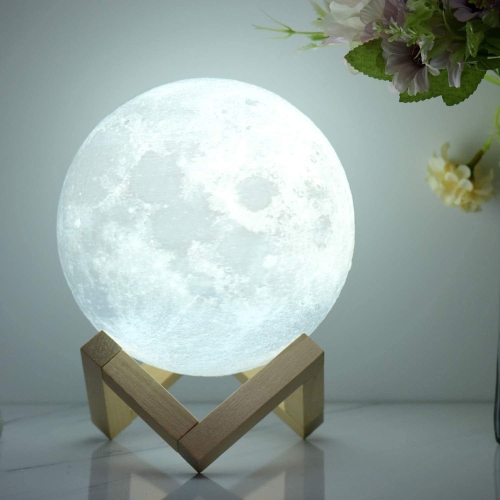
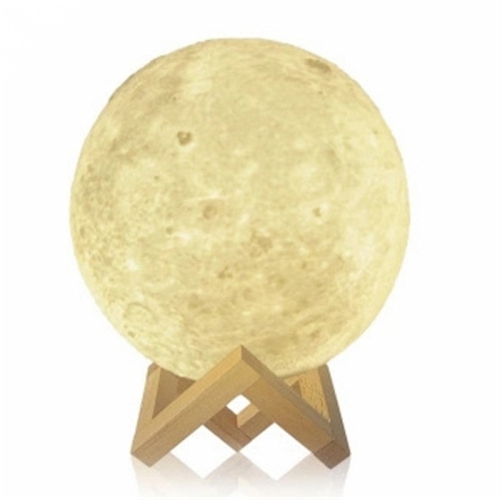
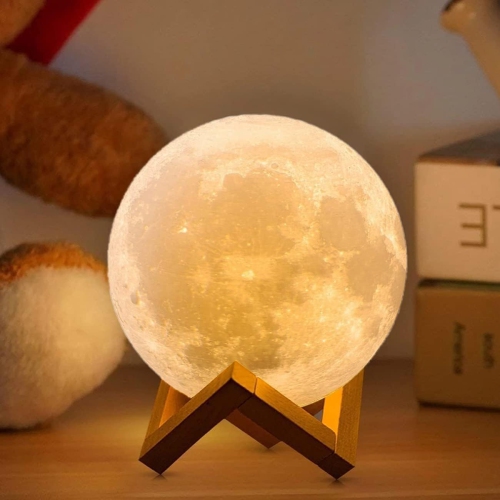
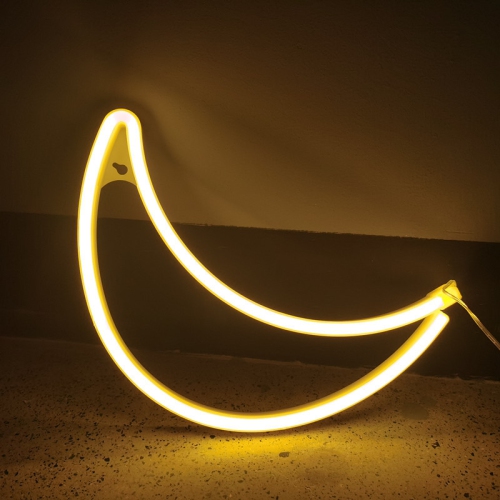
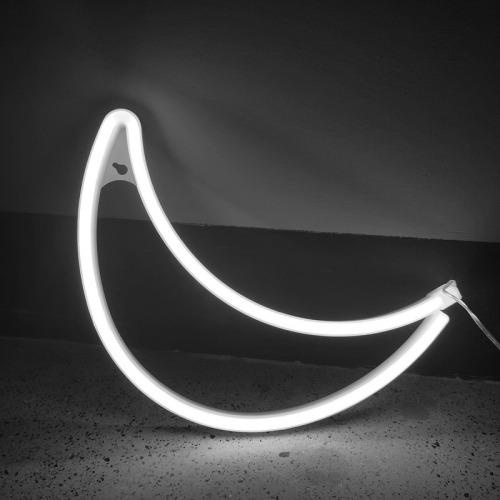
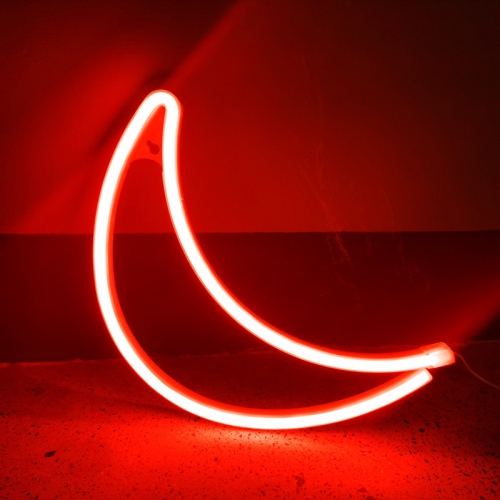
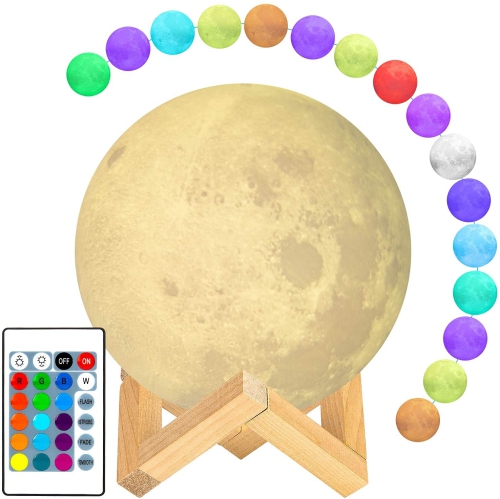
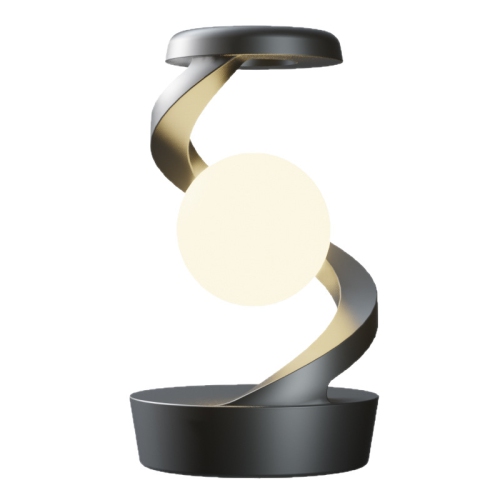
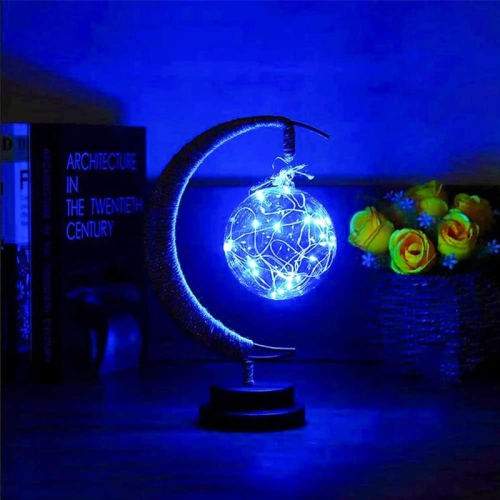
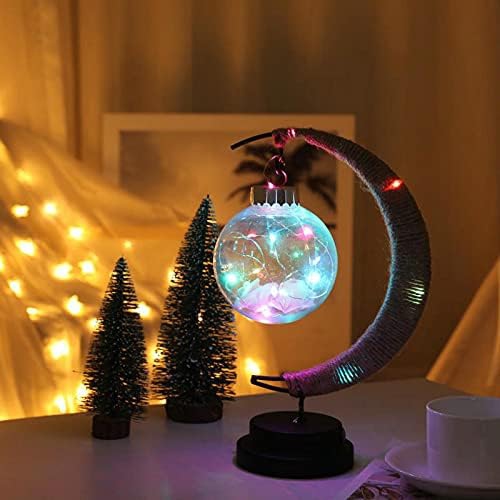
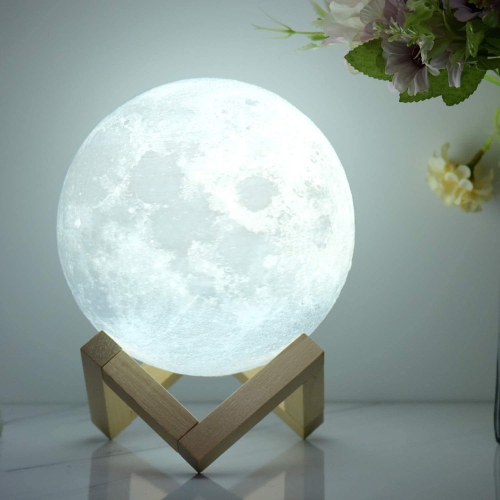
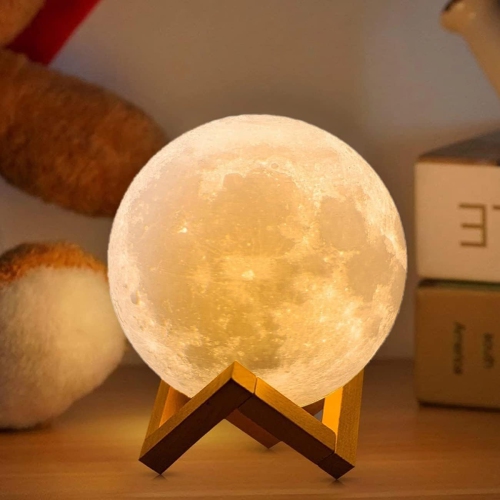
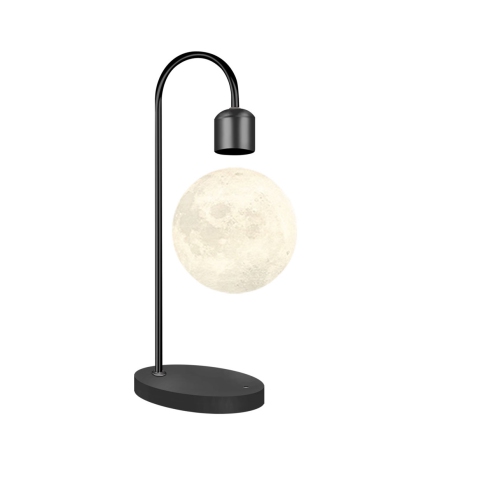
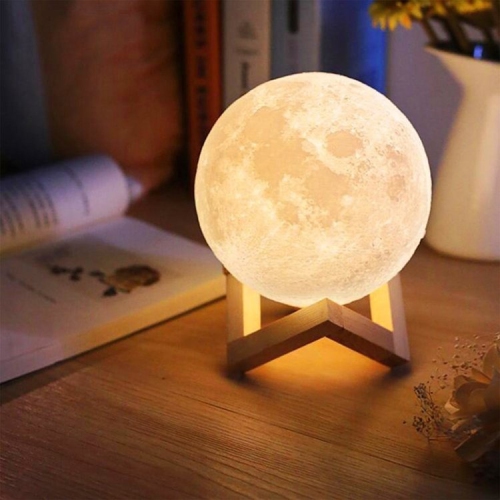
Lighting adds another dimension to the theme, allowing a moon shape to become a gentle visual accent after other room lights are lowered. Moon Lamps explore this illuminated side of lunar decor, where the appearance of the shade and the character of the light both contribute to the overall effect. A textured globe can emphasize the moon’s cratered appearance, while a smoother form gives a more abstract impression. The visible glow depends on the shade material, light source, brightness, and surrounding surfaces, so an illuminated accent may look quite different against a dark wall than beside a pale one. Warm light tends to sit comfortably with wood and cream-coloured furnishings, while a cooler white can emphasize silvery tones and crisp surface details. Where adjustable brightness or colour settings are included, those functions offer flexibility for different activities and room arrangements. Decorative lighting generally serves a different purpose from a reading lamp or ceiling fixture, so it works best as part of a broader lighting setup rather than as the sole source of light for detailed tasks. Power arrangements also influence placement: a cord needs a practical route to an outlet, while rechargeable or battery-powered designs have their own charging and replacement requirements. In nurseries and children’s bedrooms, lights and their cords belong out of reach and should be used according to their stated purpose. Beyond lighting, moon-themed accents can make thoughtful gifts for someone who enjoys astronomy, celestial jewellery, imaginative interiors, or simply the clean curve of a crescent. A subtle design may suit a housewarming or a new desk arrangement, while a playful interpretation can complement a child’s room refresh. The recipient’s space is a useful reference point: compact proportions suit a crowded bedside table, neutral finishes are easier to combine with existing furnishings, and easy-care materials are practical in frequently used rooms. The most personal choice often comes from matching the mood of the design to the person, whether that means sculptural and understated, softly textured, or full of celestial detail.
Top selling and popular products
-
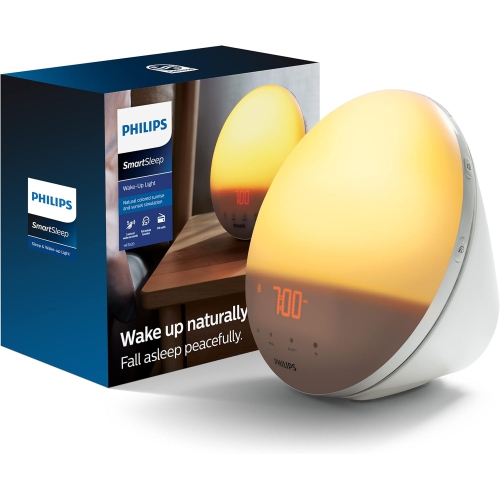 Your price for this item is $199.97
-
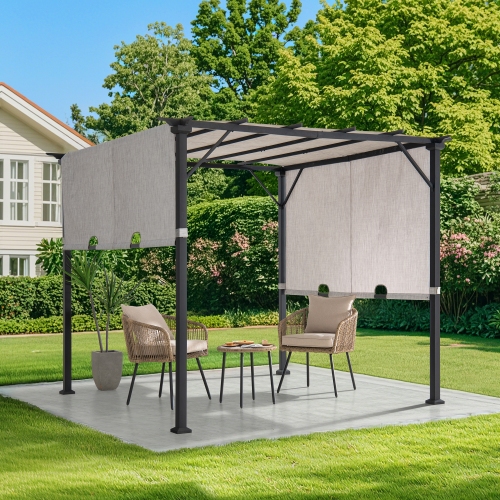 Your price for this item is $232.99
-
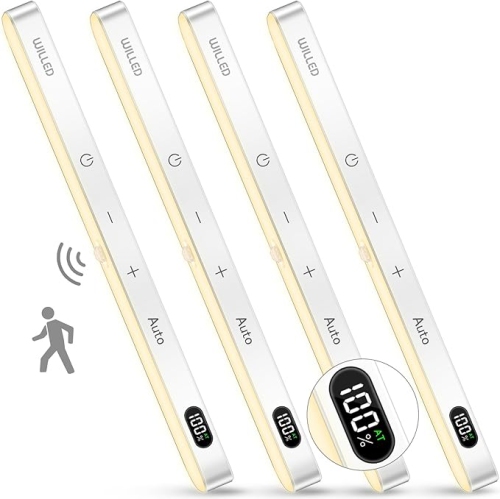 Your price for this item is $17.68
-
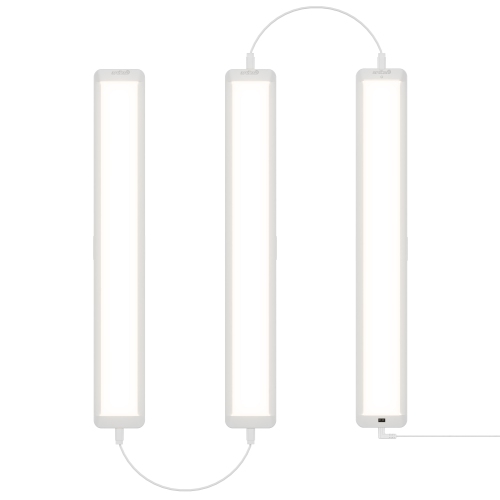 Your price for this item is $79.99
-
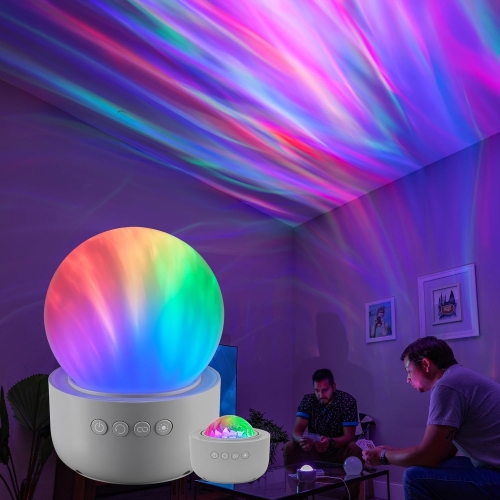 Your price for this item is $29.99
-
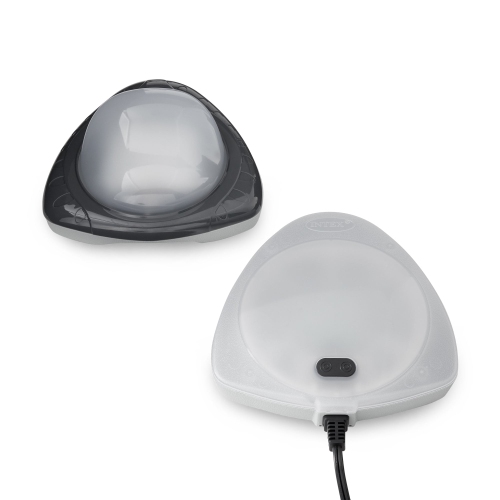 Your price for this item is $119.99
-
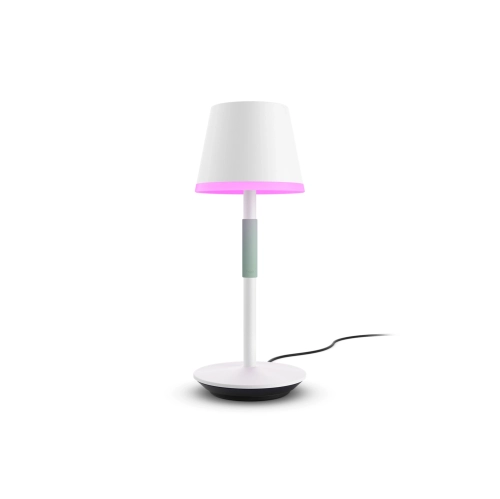 Your price for this item is $245.68
-
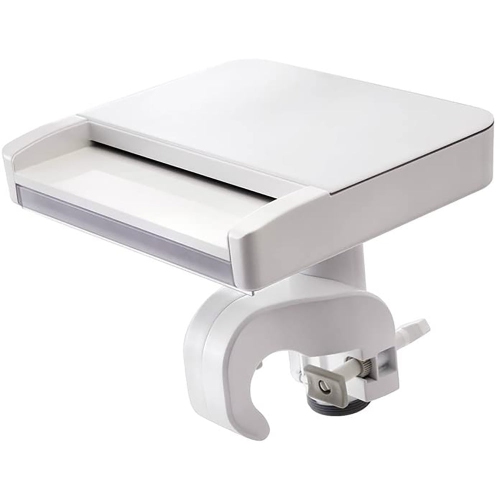 Your price for this item is $129.99
Discover more categories related to Moon Decor
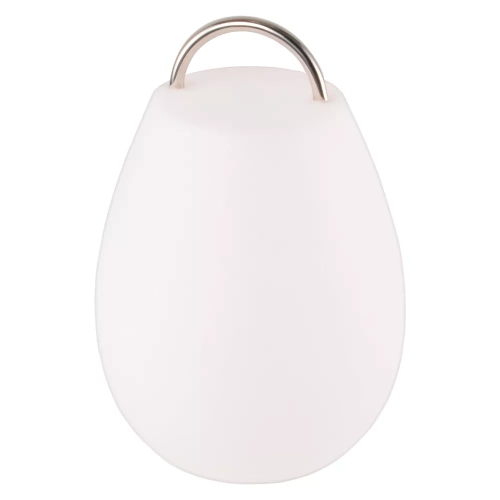
Top Collections:
Best Black Friday Deals This Year, Best Black Friday Deals On Electronics, Kindle Devices, Best Black Friday Deals On Apple Products, Best Budget Office Chairs, Best Cameras for Sports Photography, Dyson Airwrap, Canon G7X Cameras, Best Laptops for Writers, Samsung Galaxy Phones
Some products may be subject to Environmental Handling Fees
(EHF) depending on your province.
Learn more about EHFs.