Mosquito Traps for Outdoors
Enjoy your time outdoors without the annoyance of mosquitoes with our collection of mosquito traps. These innovative devices are designed to attract and capture mosquitoes, providing you with a peaceful and bug-free environment. Whether you're hosting a backyard barbecue, camping in the wilderness, or simply relaxing on your patio, mosquito traps offer an effective solution to keep these pesky insects at bay.
Sort




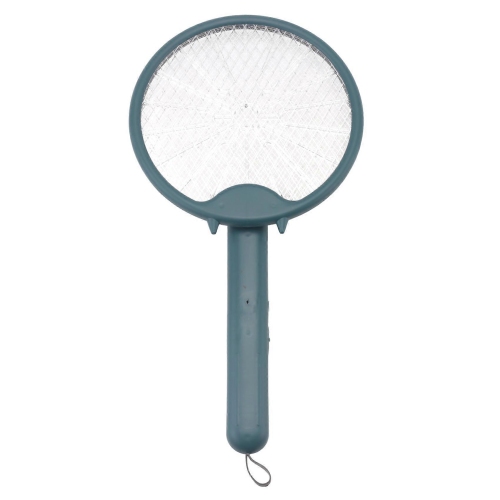

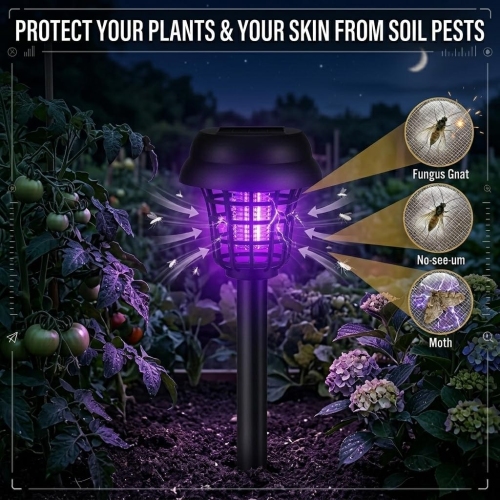


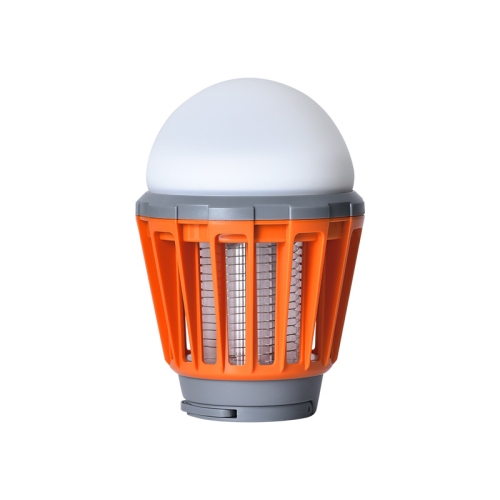


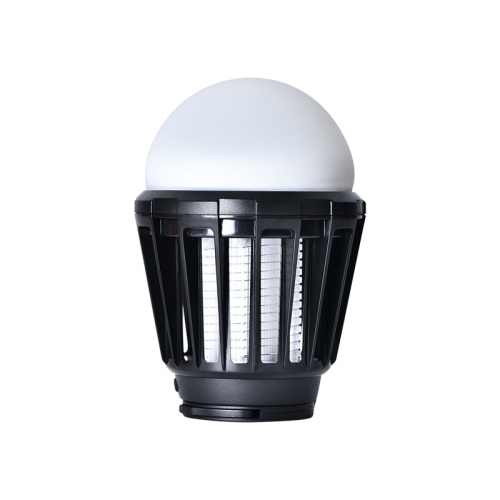











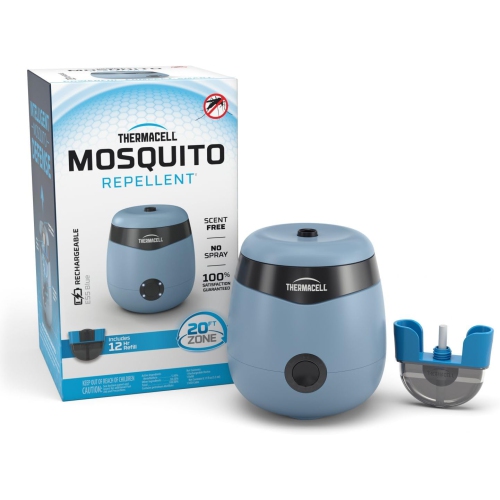


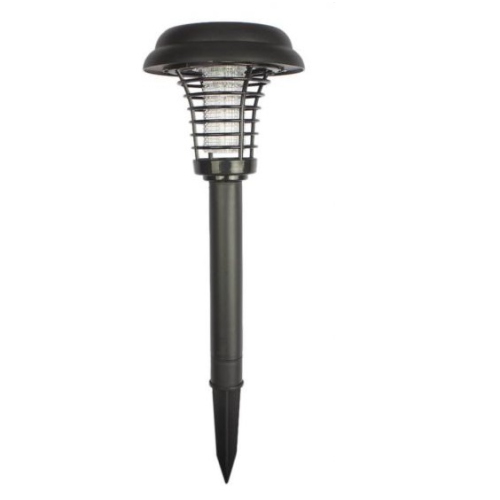
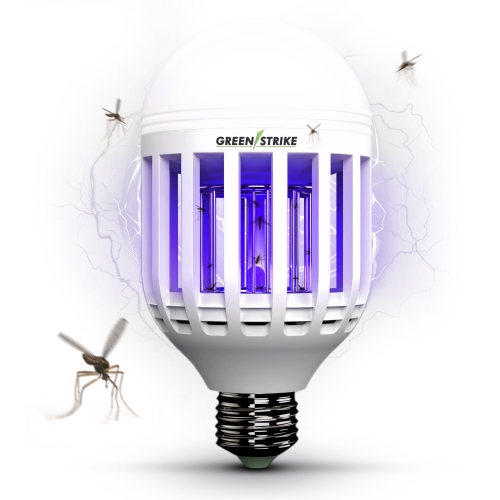
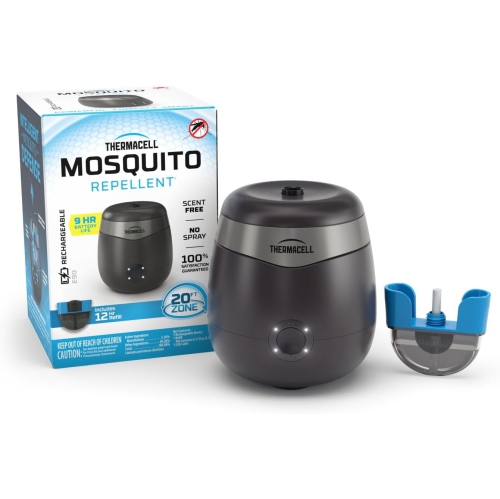




Placement, power, and coverage shape outdoor mosquito control
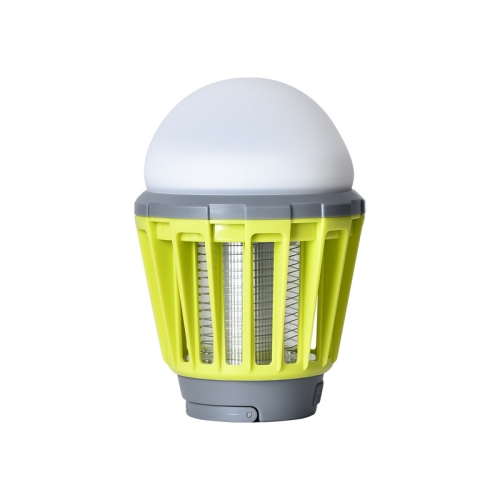
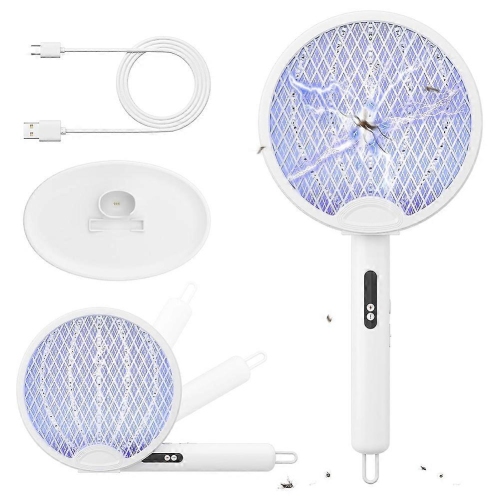
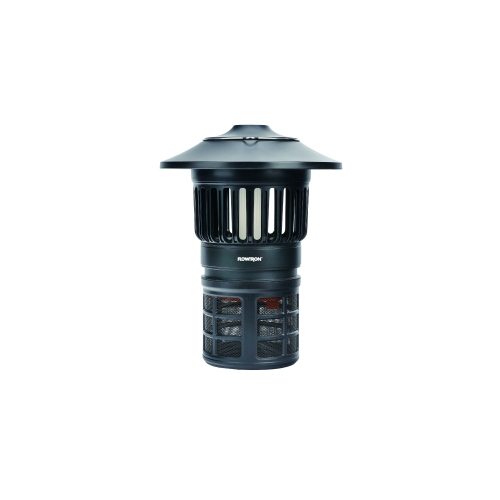
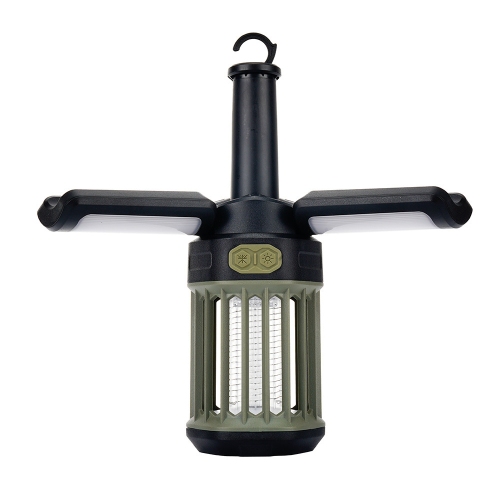
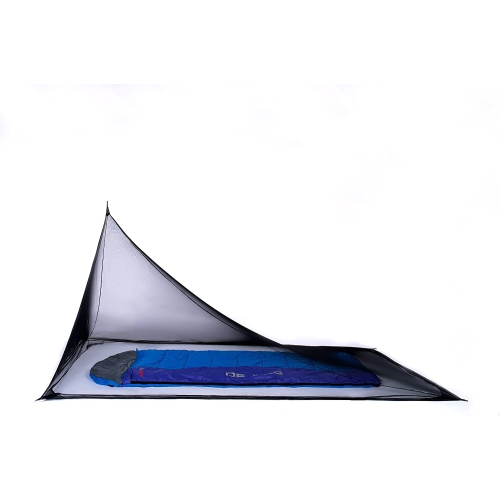
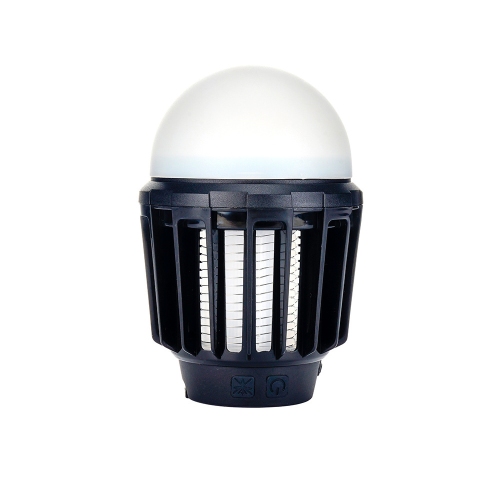
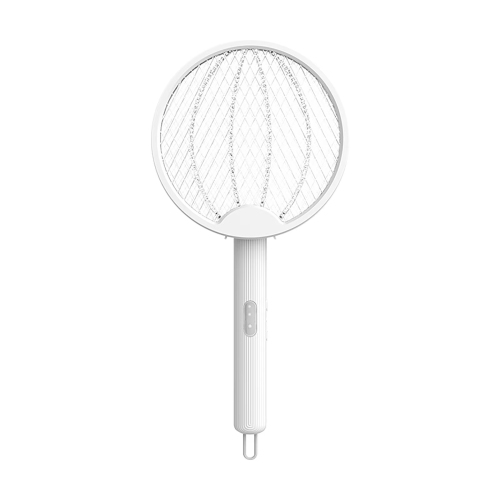
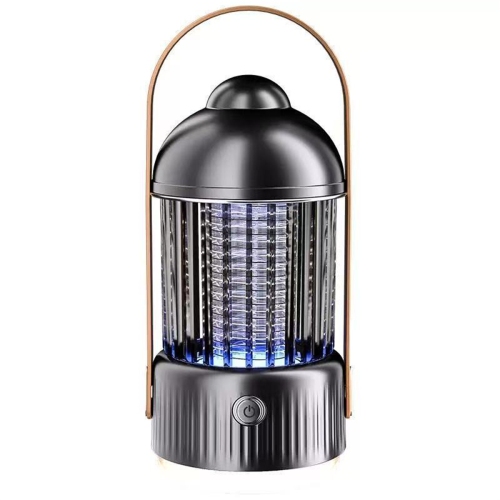
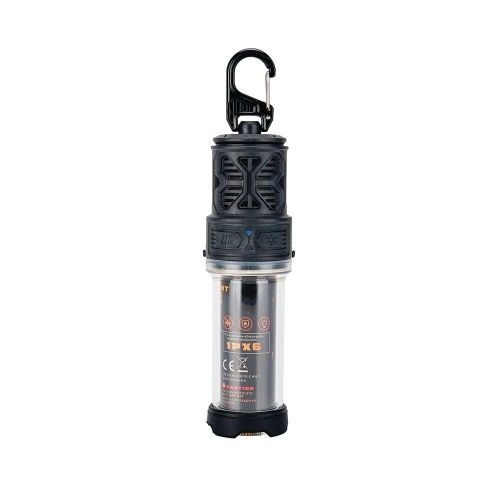
Outdoor time is more comfortable when mosquitoes are less likely to gather around patios, decks, balconies, gardens, and other places where people relax. Mosquito Traps are designed to draw flying insects away from seating areas and capture or eliminate them, helping create a more enjoyable atmosphere during warm evenings and milder days. Depending on the design, an outdoor mosquito trap may use ultraviolet light, heat, carbon dioxide, airflow, or a combination of attractants to imitate some of the cues mosquitoes use to locate people. Some models pull insects into a collection chamber with a quiet fan, while others use an electric grid to eliminate them on contact. Larger, high-capacity systems may use propane to generate carbon dioxide and are intended for broader yard coverage. This range of designs makes it easier to choose a trap that suits a compact balcony, a family patio, a cottage property, or a spacious backyard. Mosquito traps can be especially useful for people who enjoy dining outdoors, gardening in the evening, entertaining guests, camping near home, or spending time around a fire pit. They can also make a practical housewarming, cottage, or backyard gift for someone who looks forward to outdoor gatherings but finds persistent mosquitoes distracting. For the best results, place a trap away from the area where people sit, generally about 20 to 30 feet from a patio table, lounge chair, play area, or doorway. This gives the trap room to attract insects away from the people it is meant to help protect rather than positioning it directly beside the group.
When comparing outdoor mosquito traps, consider the size and layout of the space, the trap’s stated coverage area, its power source, and how much maintenance it requires. Plug-in models can be convenient near a covered patio or exterior outlet, while battery-powered options may be easier to position in a garden, at a campsite, or in a part of the yard without convenient access to electricity. Propane-powered systems can be suitable for larger properties, but they require fuel and should be installed and operated according to the manufacturer’s instructions. Light-based traps are often straightforward to set up and may appeal to shoppers looking for a compact solution, although ultraviolet light can attract a broad range of flying insects rather than mosquitoes alone. Fan-based traps typically collect insects in a container that needs to be emptied, so check how the collection chamber opens, how often it should be cleaned, and whether replacement parts are available. Electric-grid designs may offer quick results but can produce an audible snap when insects are eliminated and need to be kept dry and out of reach of children and pets. Look for weather-resistant construction if the trap will remain outside, along with stable placement, simple controls, and a cord length that works with the intended location. A shaded, sheltered position can help the unit operate consistently, while areas exposed to heavy wind may disperse the scents and airflow that help attract mosquitoes. Avoid placing a trap immediately beside doors, windows, or the main path into the house, since insects may be drawn toward those high-traffic areas. Keep standing water around the property under control as well by regularly checking planters, buckets, toys, gutters, and other containers where mosquitoes can lay eggs; a trap works best as part of a broader outdoor comfort routine that may also include screens, suitable clothing, and personal insect repellent.
Mosquito activity often changes with temperature, shade, moisture, and time of day, so placement and operating habits matter as much as the trap’s design. Many mosquitoes are most active around dawn and dusk, although activity can continue after dark or during overcast periods. Turning the trap on before outdoor plans begin allows it to establish a consistent attraction pattern, while leaving it in place between uses can help avoid frequent changes to its position. During the warmer part of the season, a shaded corner near the edge of a yard, away from strong breezes and several steps beyond the seating area, may be a useful starting point. As the weather cools, people may spend more time outdoors around sheltered patios, covered decks, and fire pits, making a movable or easy-to-store trap convenient. Read the instructions before installation, keep electrical connections protected from rain, and clean the unit as recommended so dust, dead insects, and debris do not interfere with airflow or the capture mechanism. No trap removes every mosquito from an outdoor space, and results can vary with local conditions, nearby vegetation, wind, and the presence of breeding sites. Still, choosing a model with suitable coverage and positioning it thoughtfully can reduce the number of insects gathering where people spend time. Whether it is intended for quiet morning coffee, an evening meal with friends, weekend time at the cottage, or a thoughtful gift for someone who enjoys making the most of their yard, an outdoor mosquito trap offers a practical way to support more comfortable time outside across changing seasons.
Top selling and popular products
-
 Your price for this item is $199
-
 Your price for this item is $430.99
-
 Your price for this item is $480.99
-
 Your price for this item is $130.99
-
 Your price for this item is $221.99
-
 Your price for this item is $69.45
-
 Your price for this item is $569.99
-
 Your price for this item is $249.99
Discover more categories related to Mosquito Traps for Outdoors


Top Collections:
Pokemon Centers, Best Cameras for Sports Photography, Kindle Devices, Samsung Galaxy Phones, Canon G7X Cameras, Pokémon 30th Celebration Cards, Refurbished Apple Laptops, iPhone 15 Apple, Laptops for Students, Budget Smartphones
Some products may be subject to Environmental Handling Fees
(EHF) depending on your province.
Learn more about EHFs.