Moss Decorations
Transform your living space into a serene oasis with the natural beauty of moss decorations. These versatile and eco-friendly accents bring a touch of nature indoors, enhancing your home or office with their lush greenery. Perfect for adding texture and depth to any room, moss decorations effortlessly complement various styles, from modern minimalism to rustic charm. Whether you're looking to create a calming atmosphere or simply introduce an element of the outdoors, these unique decorative pieces offer endless possibilities for personalizing your environment. Discover how moss decorations can elevate your interior design and infuse your space with tranquility and elegance.
Sort
Why similar moss displays need very different care
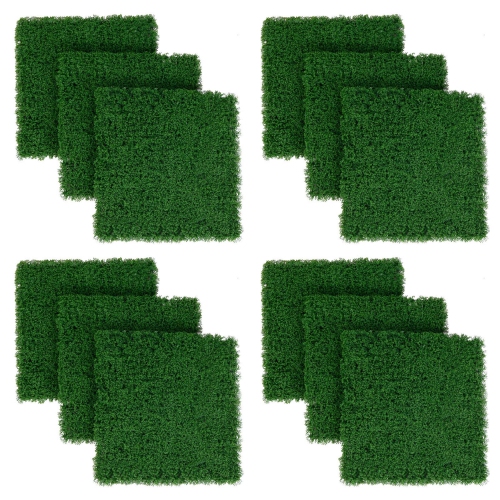
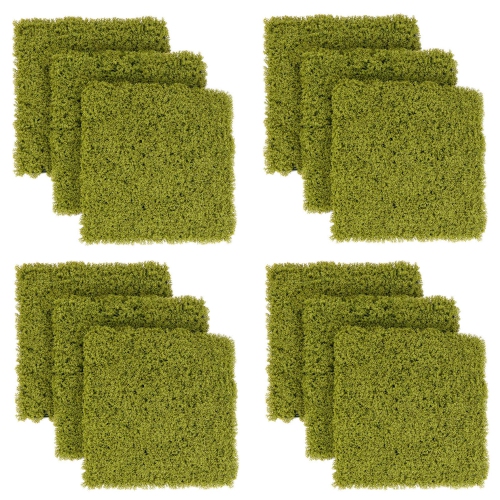
Moss decorations bring soft texture, layered greens, and a woodland look to shelves, tables, and walls. They generally fall into three groups: live moss, preserved moss, and artificial moss. Live moss is growing plant material that needs suitable light and moisture; preserved moss is real moss treated to maintain its decorative appearance without watering; artificial moss uses manufactured materials to imitate the look of moss without plant care. These differences matter more than colour alone, especially when choosing a decoration for a particular spot. A living arrangement may suit someone who enjoys tending plants, while preserved or artificial moss can provide a similar visual effect in a room where regular plant care is less practical. Live moss often benefits from indirect light and consistent moisture, but its exact needs depend on the species and how the arrangement is built. A shallow open display and an enclosed terrarium do not hold moisture in the same way, so watering should follow the arrangement’s care directions rather than a fixed routine. Standing water can cause problems, and a sealed glass vessel still needs observation rather than being treated as maintenance-free. Preserved moss does not continue growing and should not be watered like a living plant. It generally looks best away from direct sunlight, splashes, and frequent handling, with any additional care guided by the finish and treatment used. Artificial moss also needs no watering or light for growth, although its fibres and backing may require occasional dusting. Across all three types, texture creates much of the appeal: fine, feathery surfaces give a delicate appearance, while rounded cushions and irregular clumps introduce depth. Understanding whether the moss is living, preserved, or artificial helps set realistic expectations for its appearance, placement, and upkeep before considering how it will fit into a room.
The best fit for a space depends on the decoration’s shape, dimensions, colour, and supporting materials. Moss can appear as a low accent in a vessel, a textured surface within a frame, or part of a larger arrangement with wood, stone, bark, and other decorative elements. A shallow display leaves room for conversation across a dining table, while a vertical composition adds detail without taking up desk or console space. On a narrow shelf, depth matters just as much as width: an arrangement should sit securely without projecting into a walkway or pressing against nearby objects. Wall-mounted pieces need suitable hardware for both their weight and the wall surface, particularly when a frame or rigid backing adds more bulk than the moss itself suggests. Wood brings visible grain and warmth to the composition; glass makes small details easier to see; ceramic and stone-look vessels can give an arrangement a more substantial presence. The supporting material also affects care, since unfinished wood, porous pottery, and delicate finishes may react differently to moisture. Colour offers another way to shape the look. Muted olive tones can blend with neutral furniture, while brighter greens create a clearer focal point against pale walls or dark shelving. Moss is rarely perfectly uniform, and slight variations in height and shade can make a display feel more convincing than a flat, uninterrupted surface. In a home office, a restrained accent beside books or a lamp can soften a functional workspace without crowding it. In an entryway, a textured arrangement can complement a wood console while leaving space for everyday essentials. For a coordinated setting, Woodland Decorations can complement moss textures through related shapes and materials. Repeating one or two finishes usually creates a more cohesive result than filling every surface with matching accents, especially when the moss already has a detailed, uneven texture.
Durability depends on construction and placement as much as the type of moss. In preserved and artificial decorations, firmly attached material, a stable base, and a well-finished backing help the arrangement hold its shape during ordinary use. Loose decorative moss is better suited to contained displays than areas where it will be brushed by sleeves, moved frequently, or handled by children. Rounded sections and fine strands can be compressed or pulled out of place, so lifting a decoration by its vessel or frame is preferable to gripping the moss surface. Dust care should be gentle and appropriate to the material; a soft brush may suit some artificial arrangements, while delicate preserved moss may need a less hands-on approach specified by its maker. Cleaning sprays, polish, and soaking are not substitutes for material-specific care. Dyed or treated moss may also transfer colour under certain conditions, making it sensible to protect pale textiles and unfinished surfaces from direct contact. For bathrooms and kitchens, consider the actual location rather than assuming every green accent belongs near a sink: repeated splashes, steam, grease, and household cleaners can affect decorative materials. Outdoor placement requires an arrangement explicitly intended for that use; an indoor decoration is not automatically suitable simply because it resembles something found outside. Households with pets or young children should keep loose moss and small decorative components out of reach, and no decorative moss should be assumed safe to eat. As a gift, moss décor can suit someone who appreciates botanical details, textured interiors, or a woodland-inspired room. Preserved and artificial options are often a practical match for recipients who prefer decoration without a watering routine, while living moss is better chosen for someone interested in its ongoing care. For a housewarming or workspace refresh, a manageable footprint and a style that complements the recipient’s existing furnishings can matter more than an elaborate arrangement. A thoughtfully placed moss accent adds visual depth while leaving the space comfortable and useful.
Top selling and popular products
-
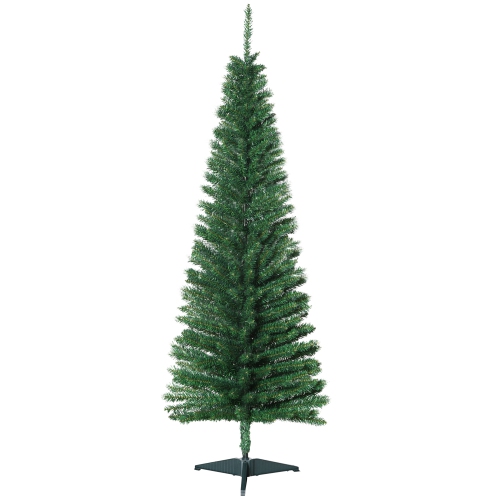 Your price for this item is $49.99
-
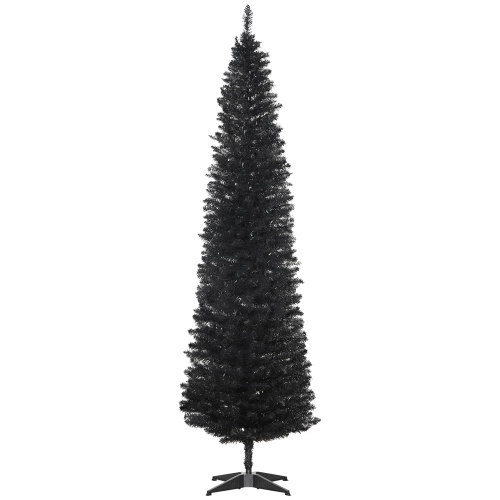 Your price for this item is $69.99
-
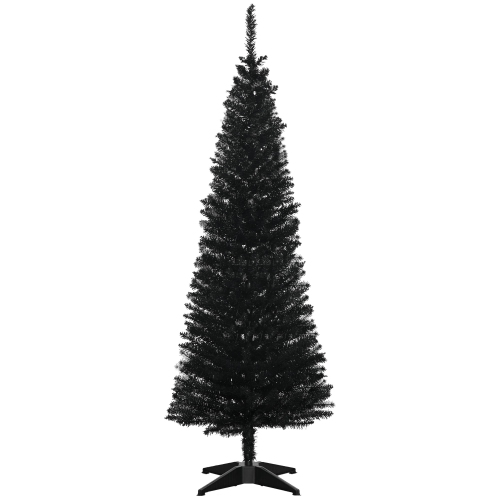 Your price for this item is $51.99
-
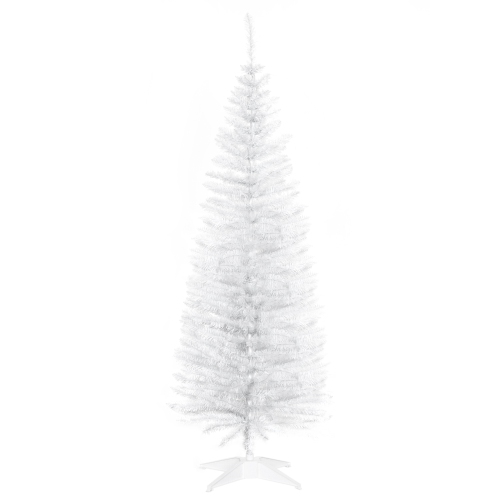 Your price for this item is $49.99
-
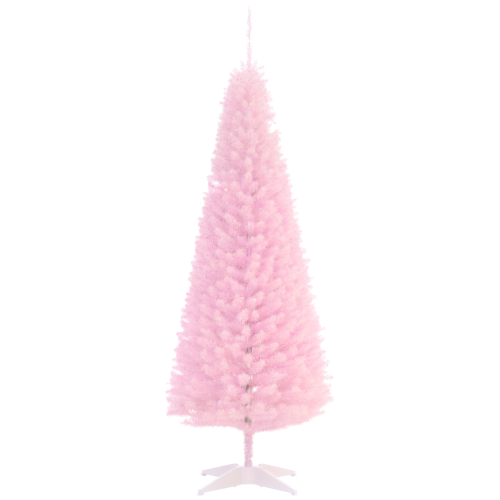 Your price for this item is $48
-
 Your price for this item is $130.99
-
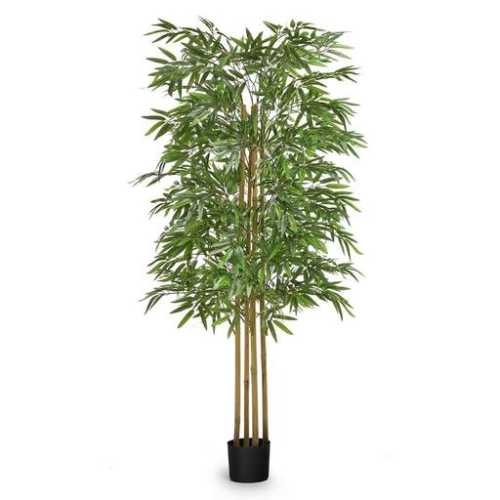 Your price for this item is $167.99
-
 Your price for this item is $112.99
Discover more categories related to Moss Decorations

Top Collections:
Best Black Friday Deals This Year, Best Black Friday Deals On Electronics, Kindle Devices, Pokemon Centers, Best Black Friday Deals On Apple Products, Best Cameras for Sports Photography, Dyson Airwrap, Pokémon 30th Celebration Cards, Apple iPhone 17 Pro, Canon G7X Cameras
Some products may be subject to Environmental Handling Fees
(EHF) depending on your province.
Learn more about EHFs.