Motion Sensor Lights
Illuminate your world with the convenience and security of motion sensor lights. Perfect for both indoor and outdoor settings, these innovative lighting solutions enhance safety while adding a touch of modern sophistication to any space. Whether you're looking to light up a dark hallway, provide extra security around your home, or simply want an energy-efficient lighting option that activates only when needed, motion sensor lights offer unparalleled versatility and peace of mind. Explore a variety of styles and designs to find the perfect fit for your home or office, and experience the seamless blend of functionality and style that motion sensor lighting brings.
Sort
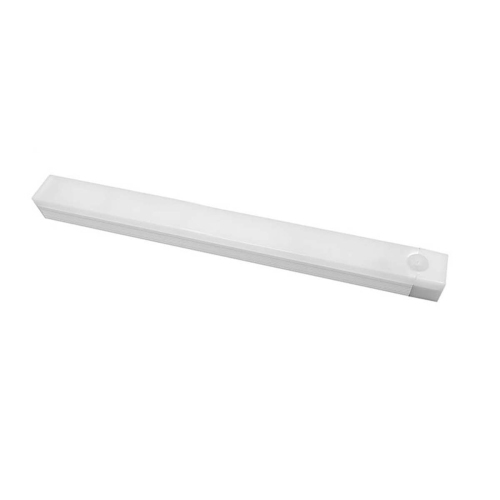
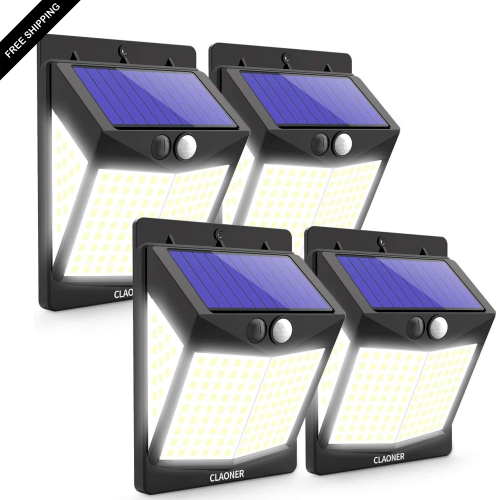

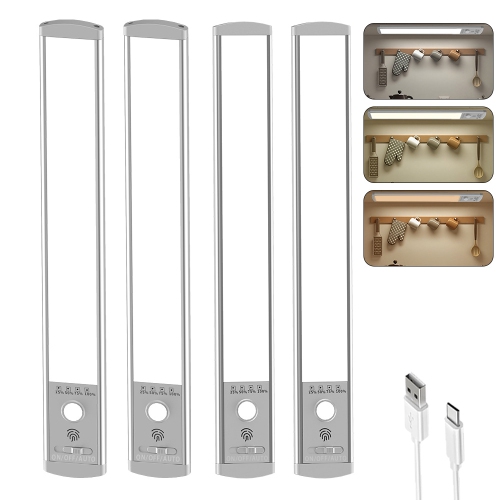
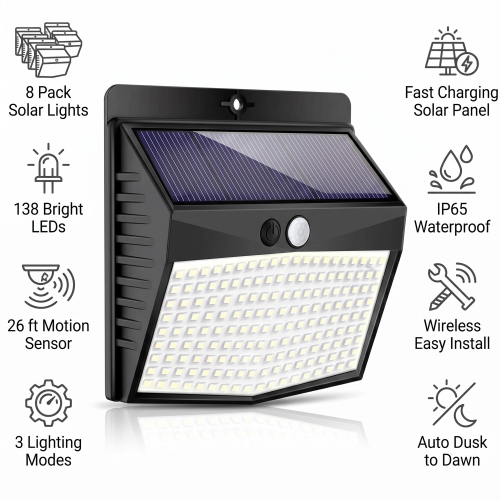
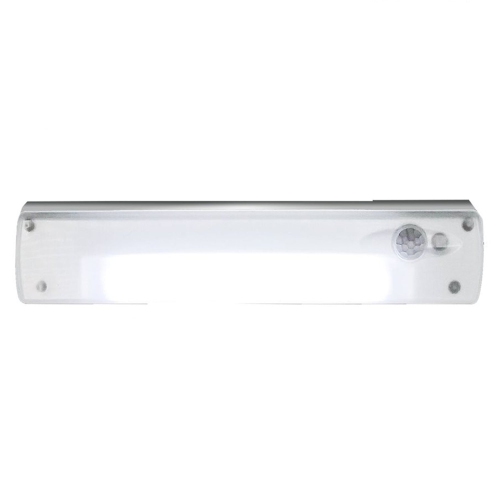
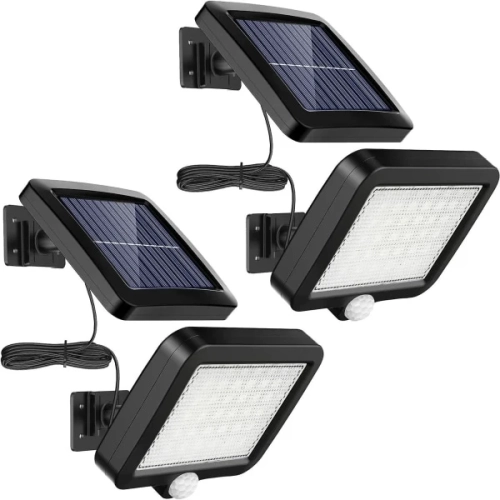
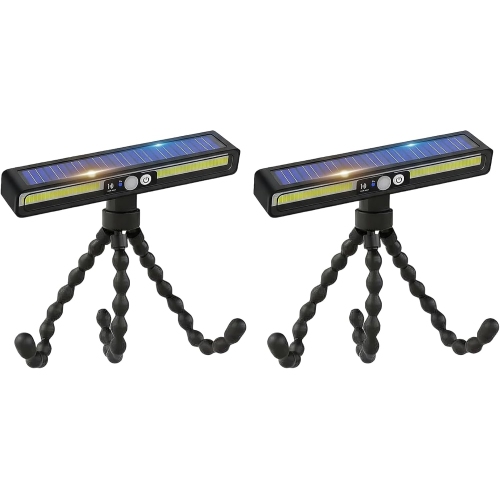
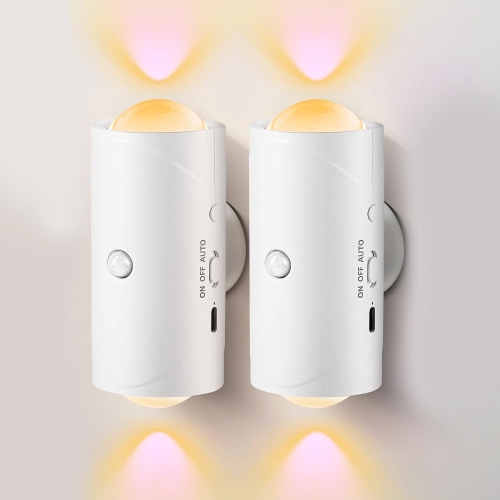
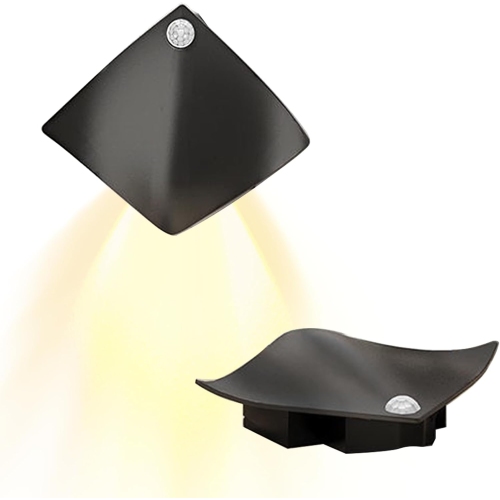
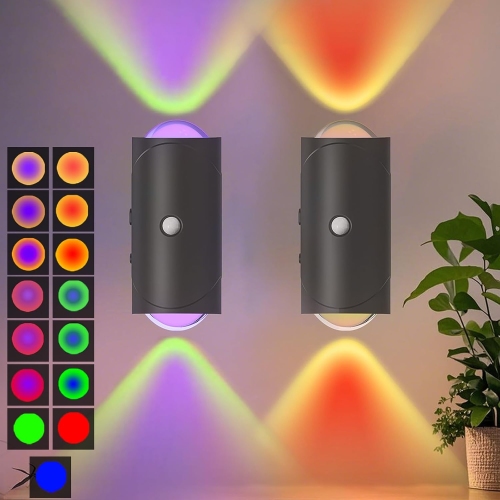
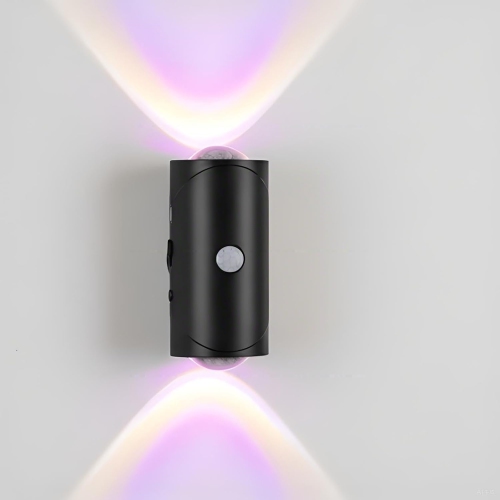
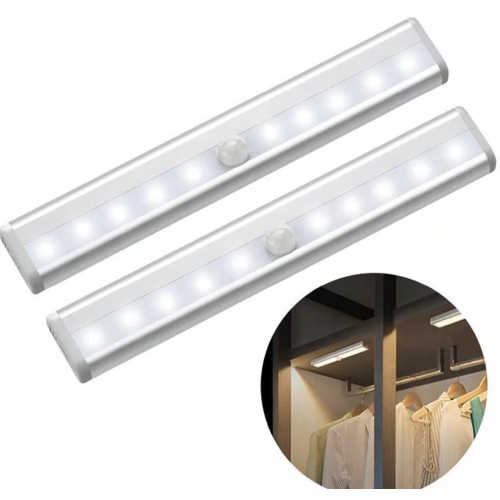
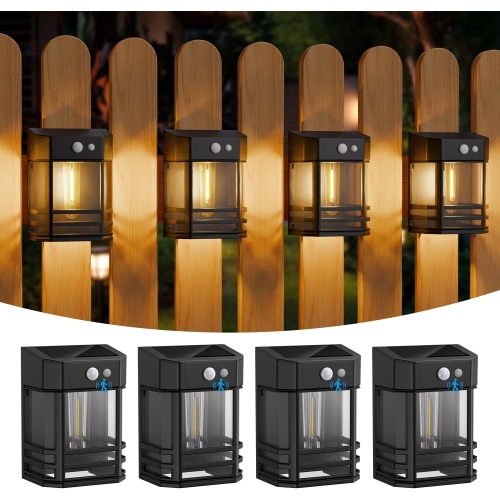
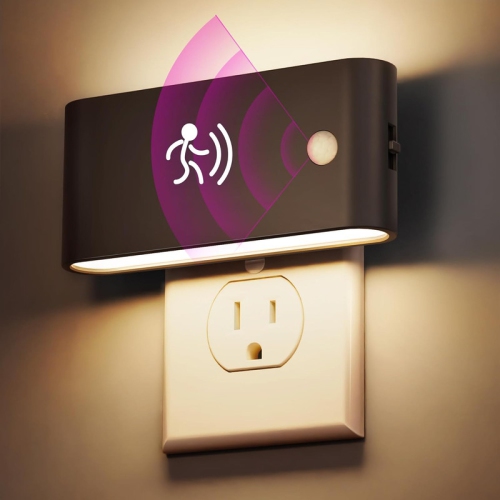
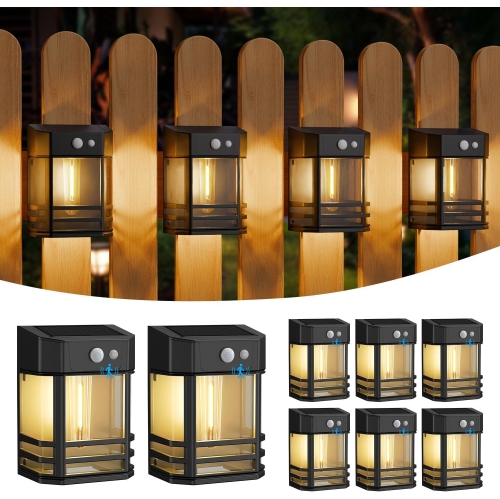
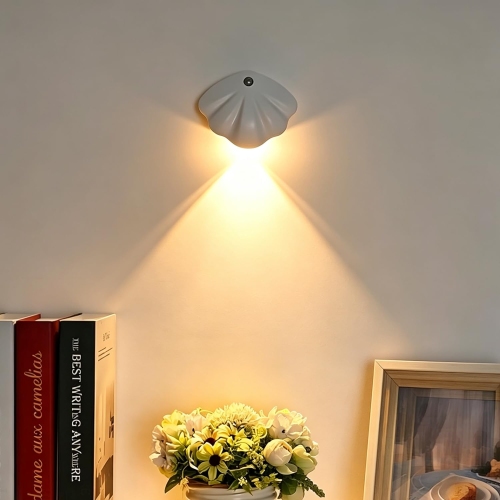
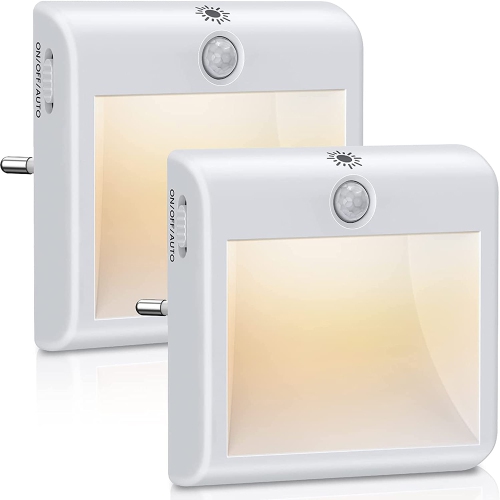
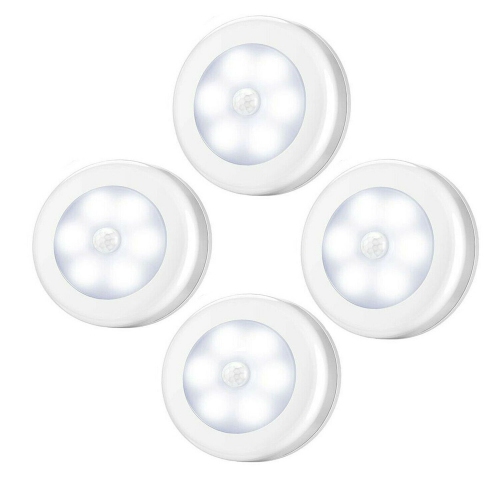
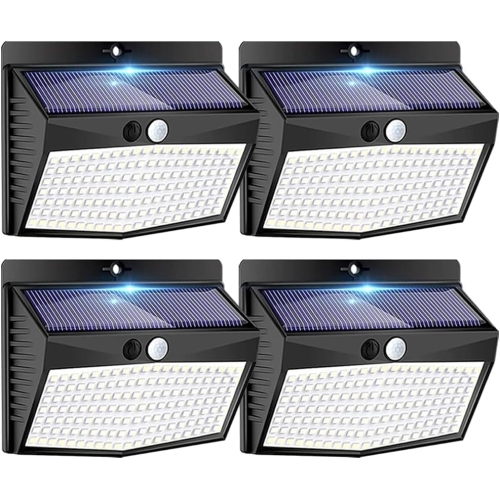
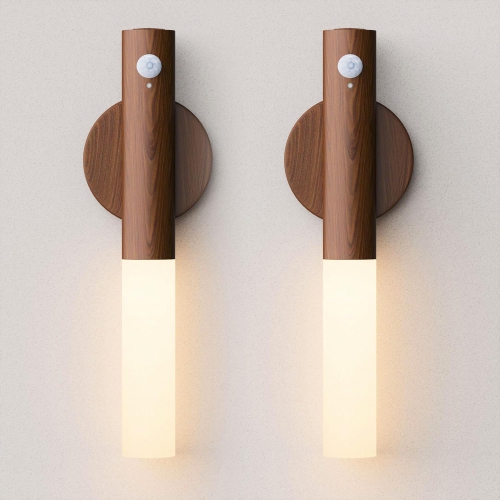
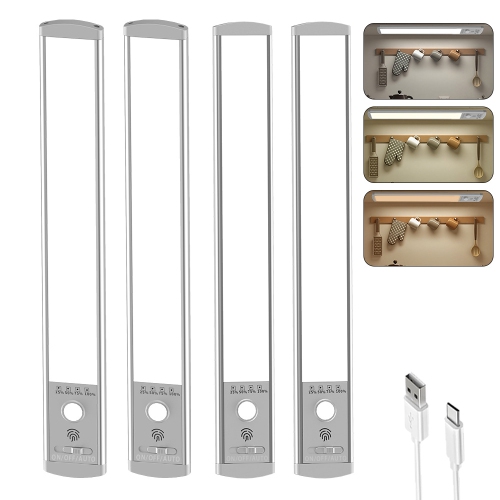
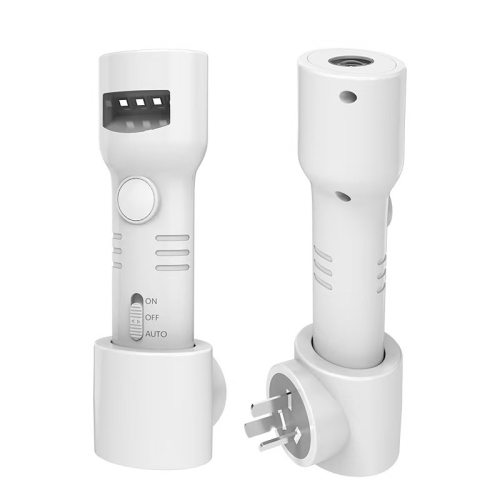
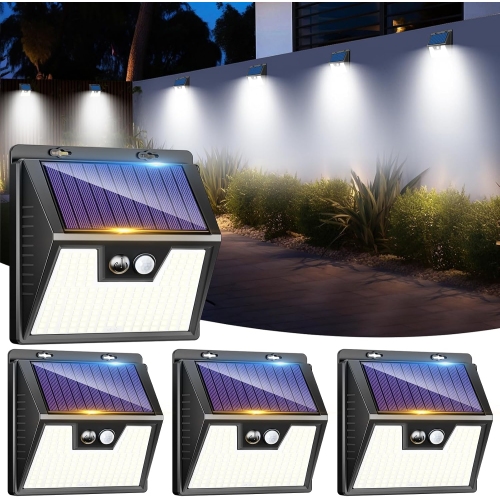
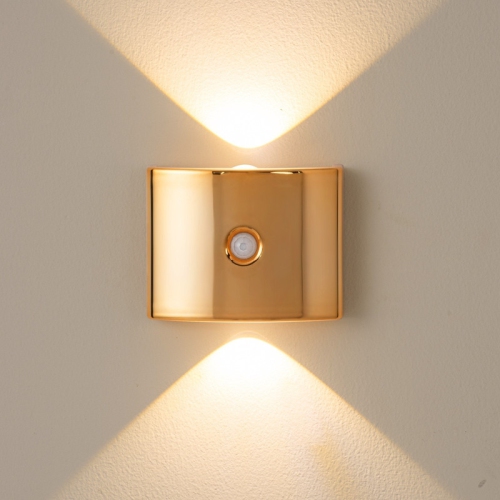
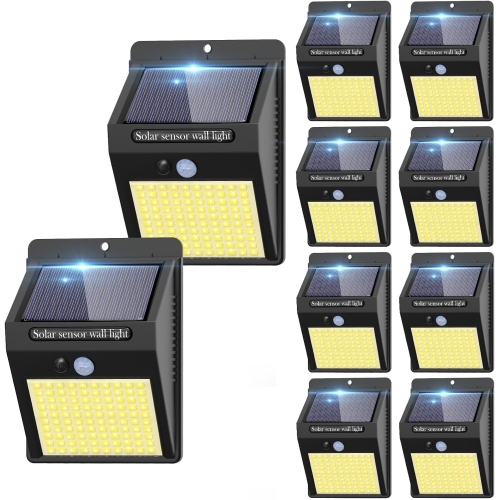
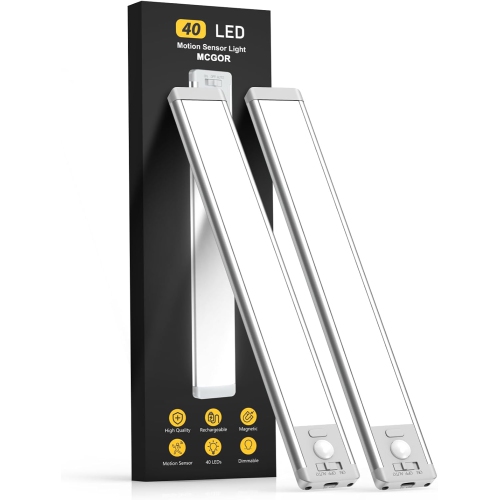
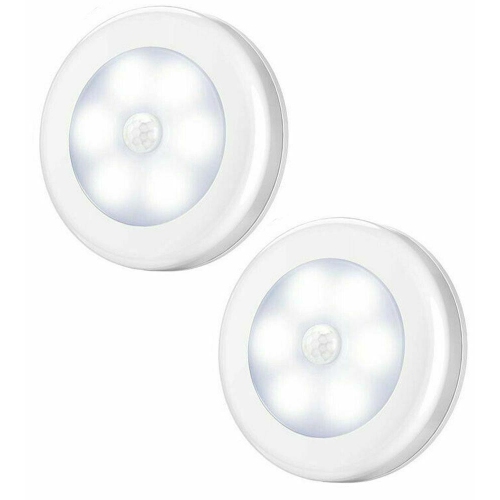
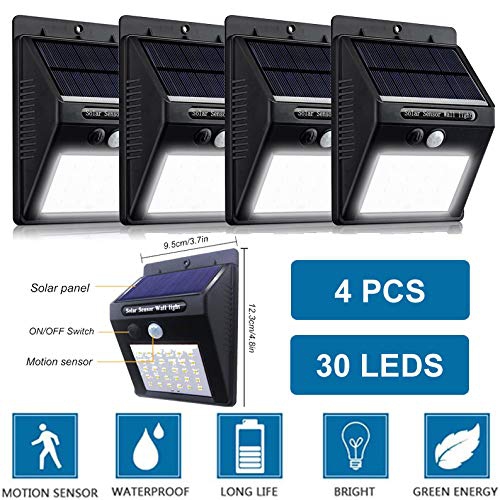
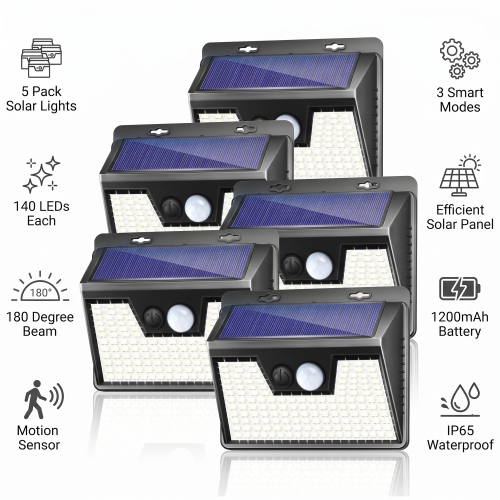
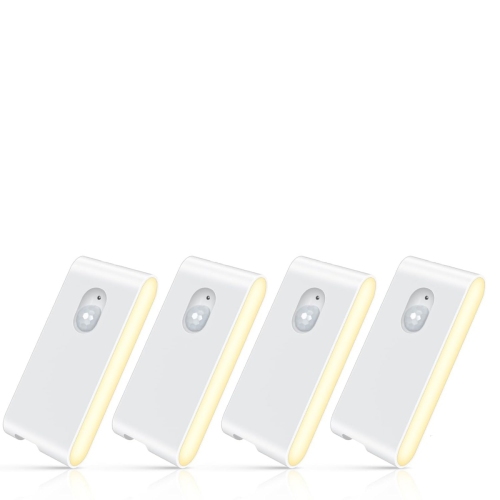
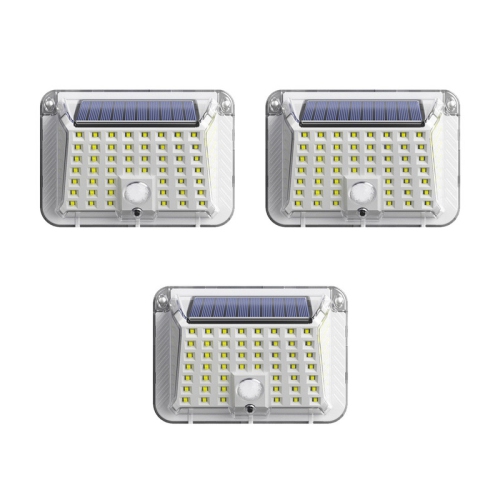
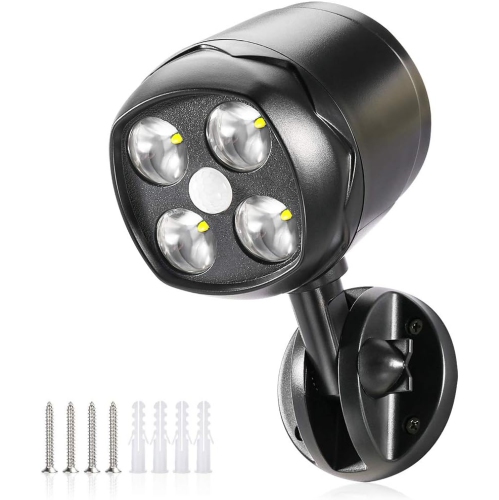
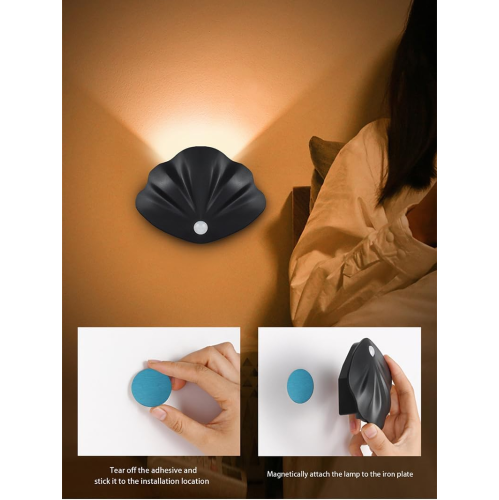
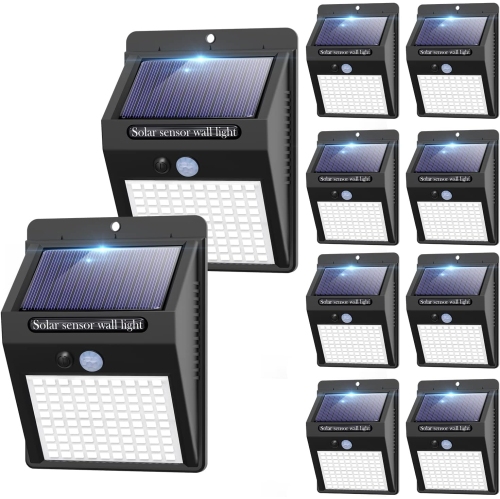

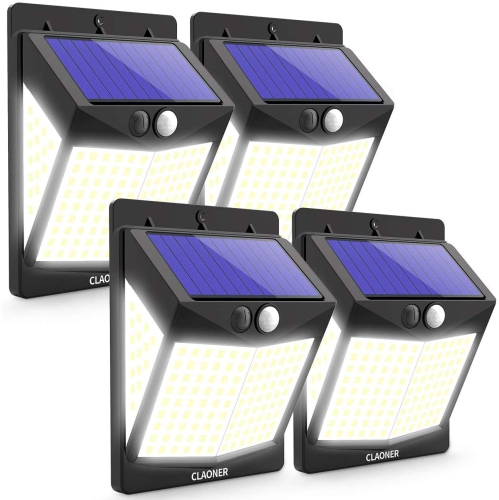
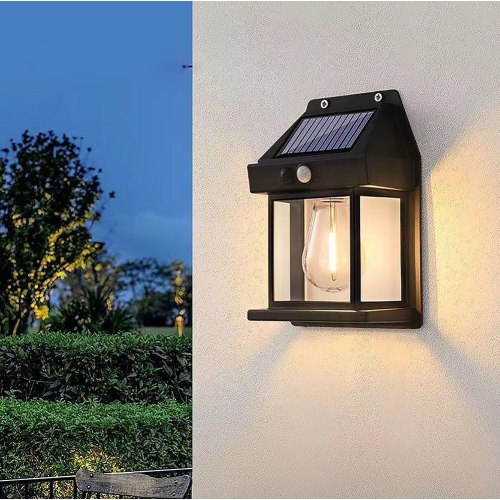
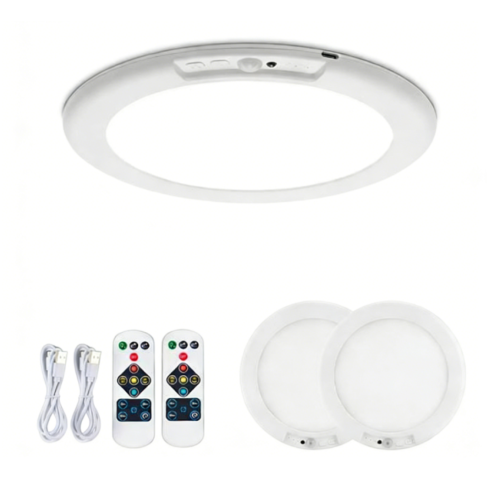
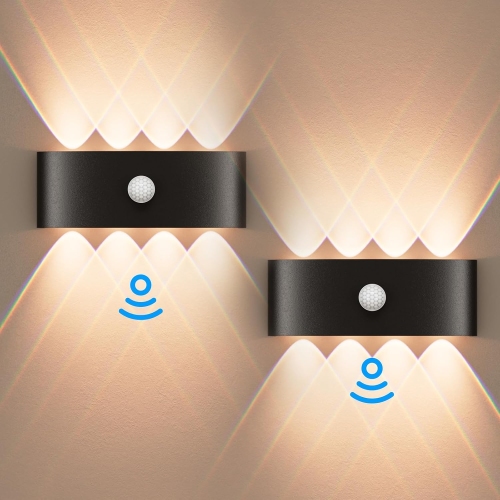
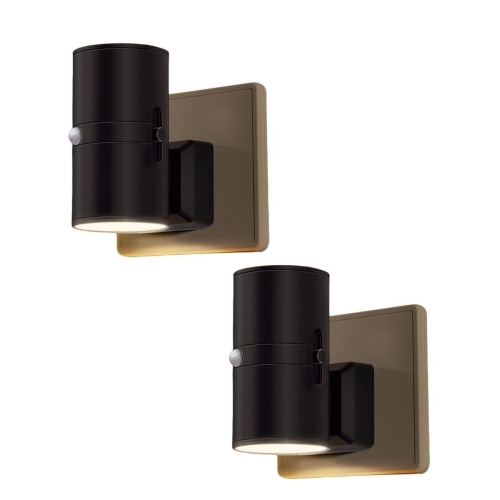
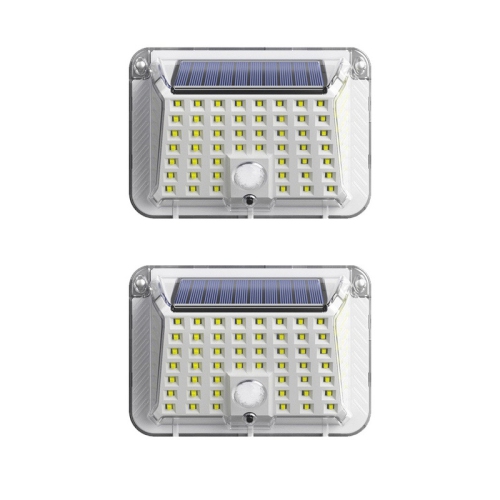
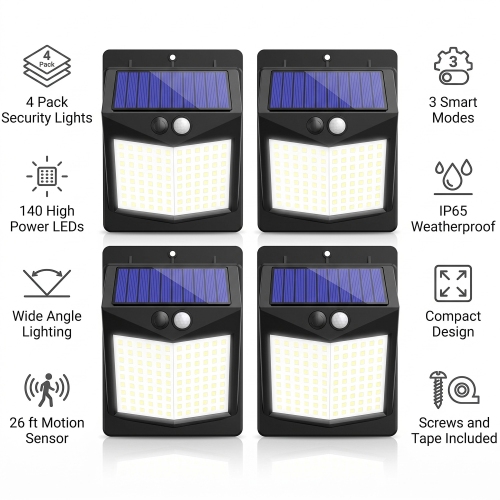
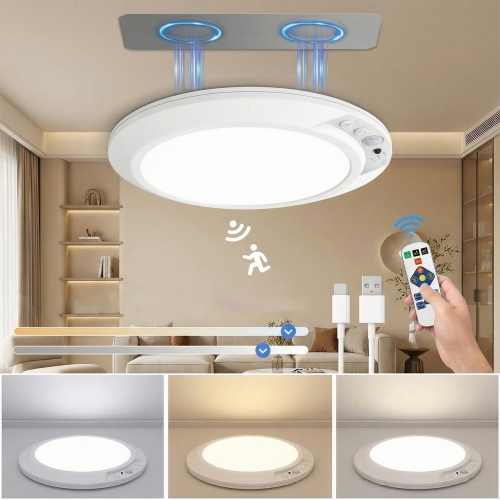
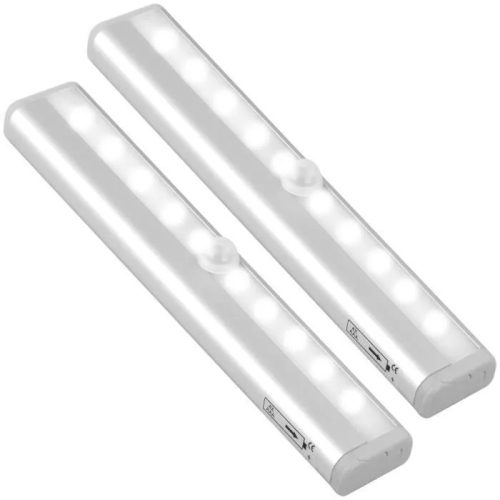
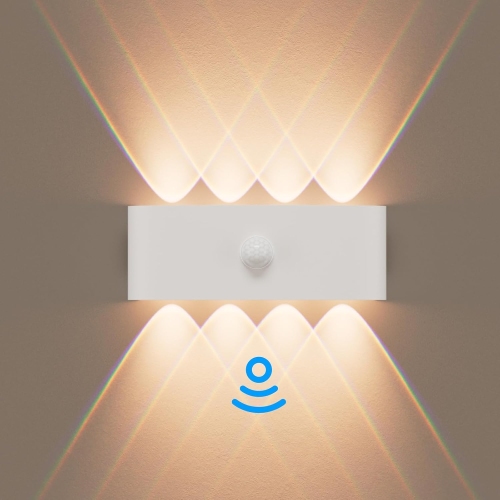
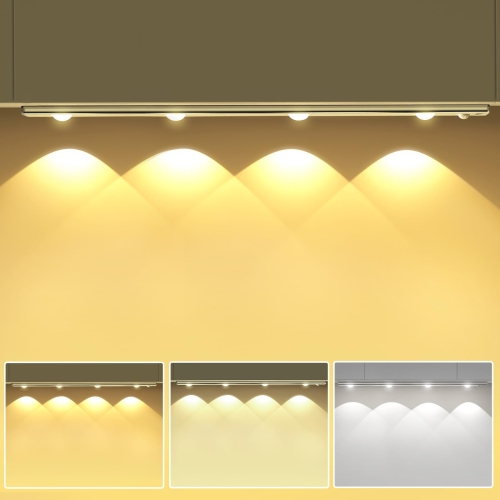
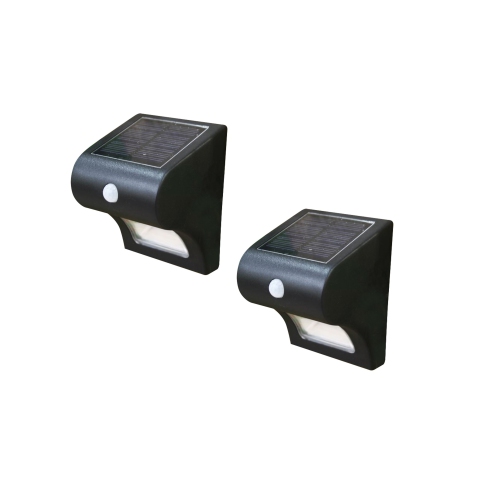
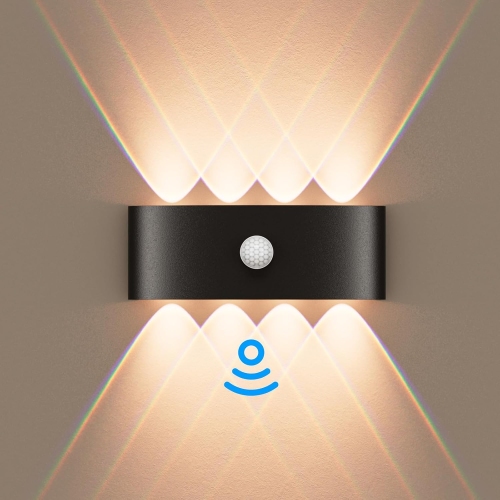
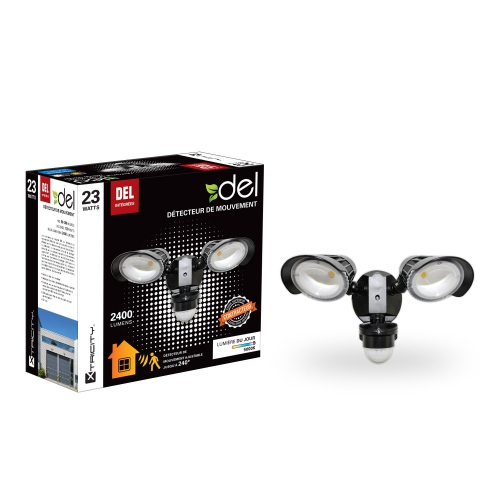
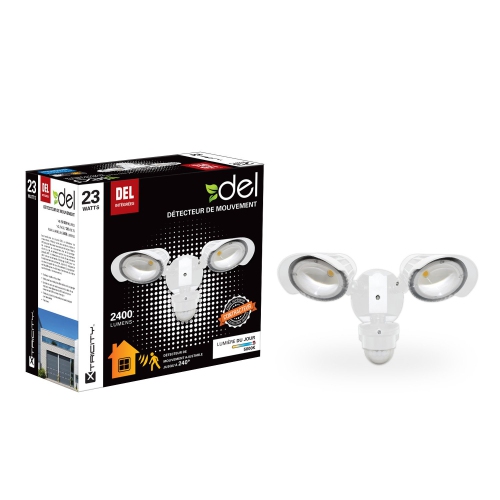
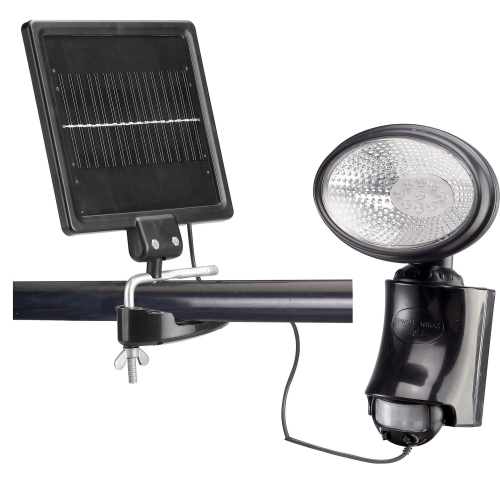
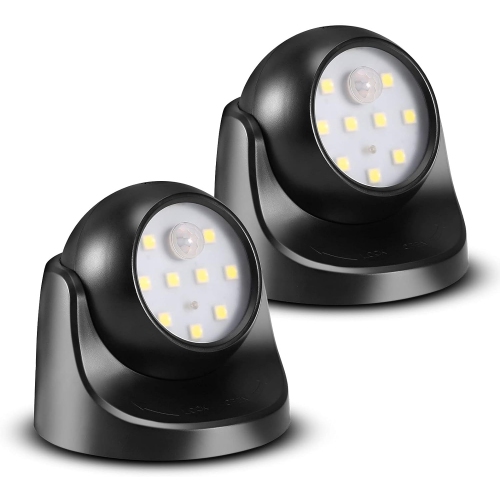
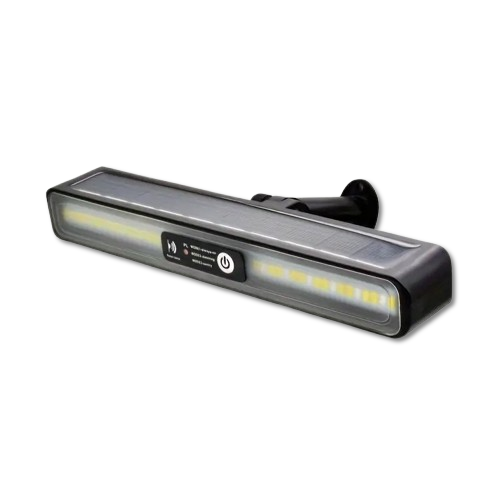
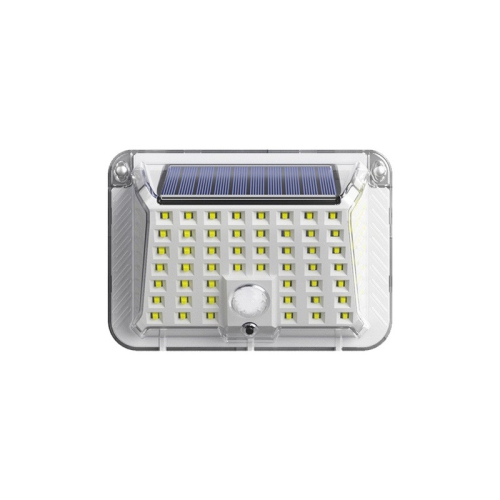
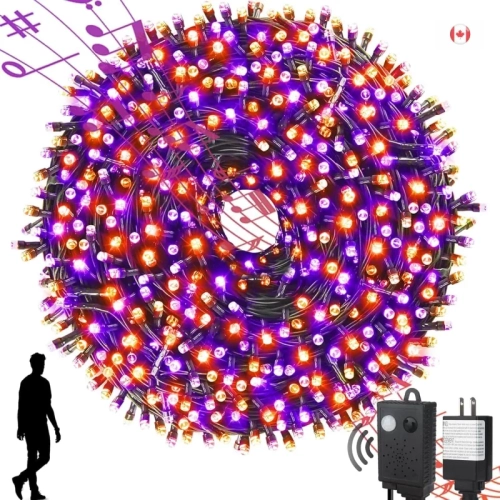
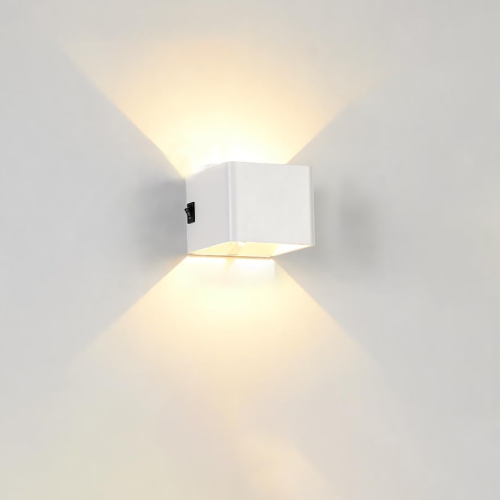
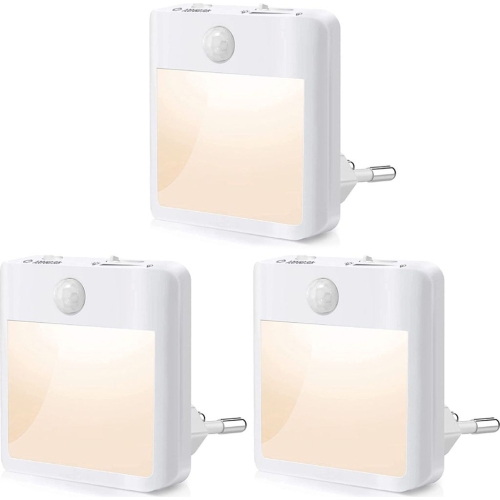
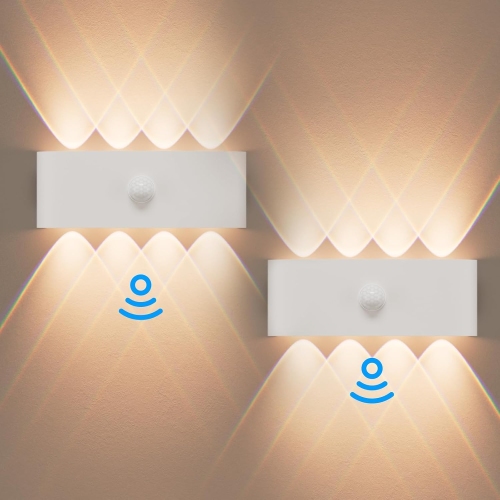
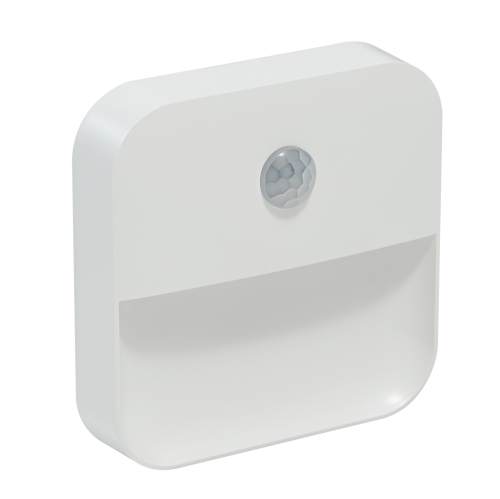
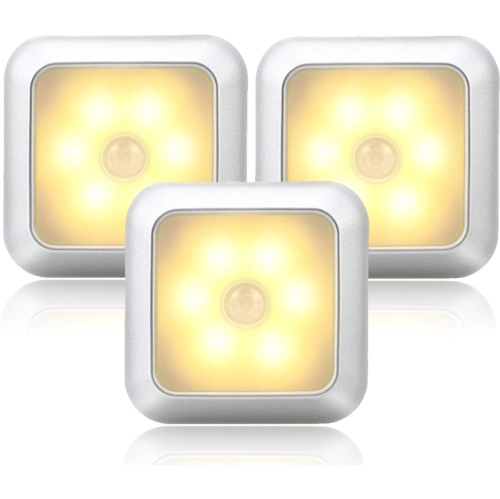
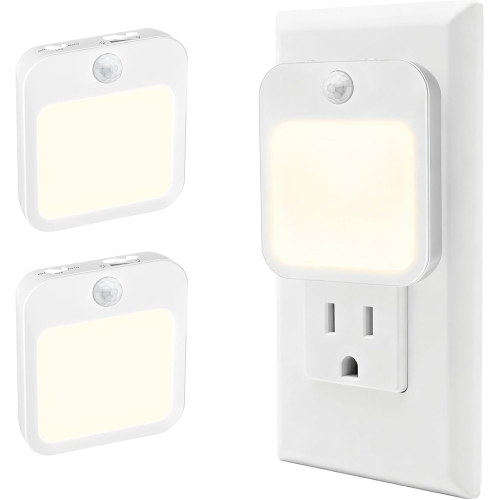
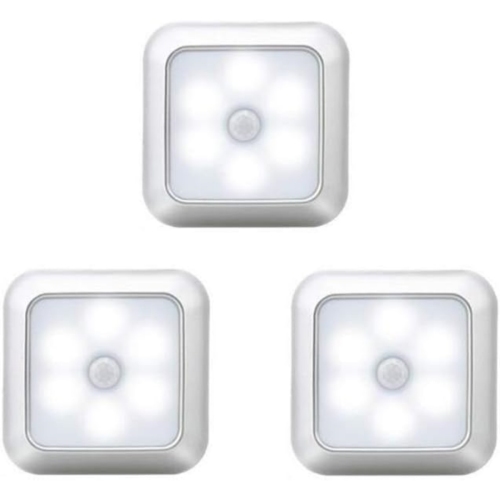
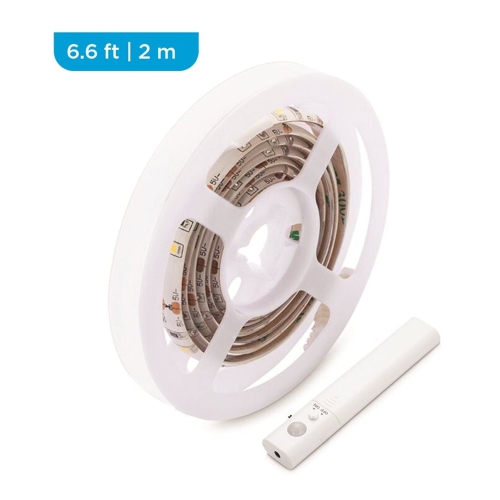
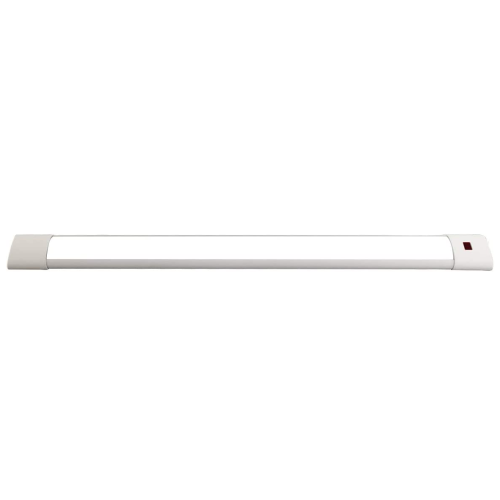
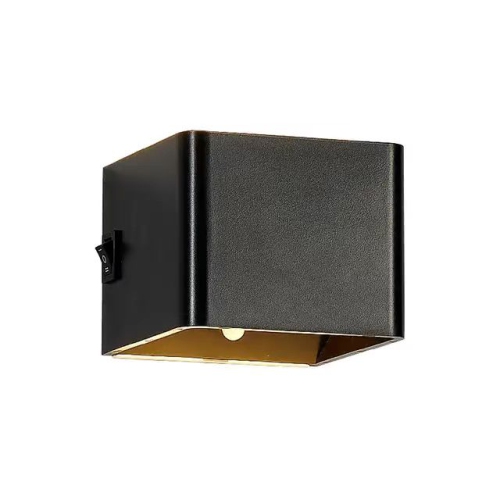
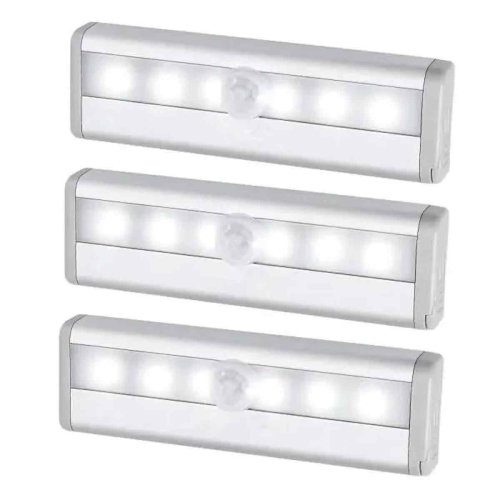
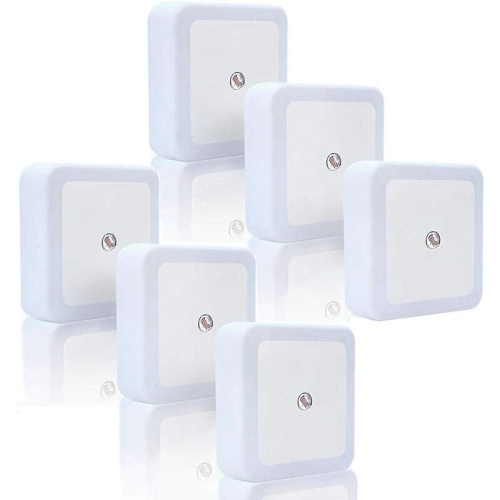
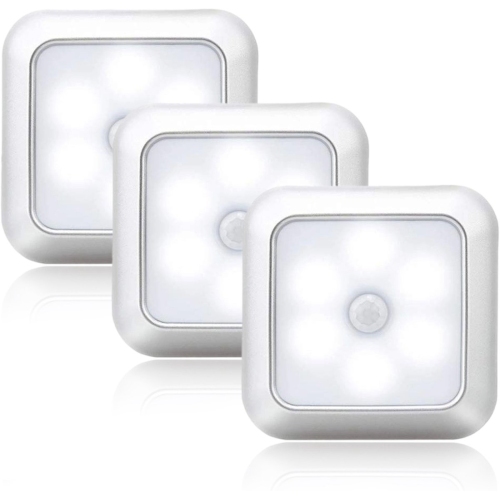
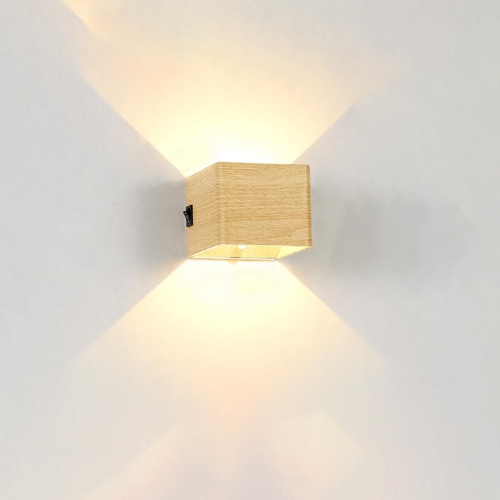
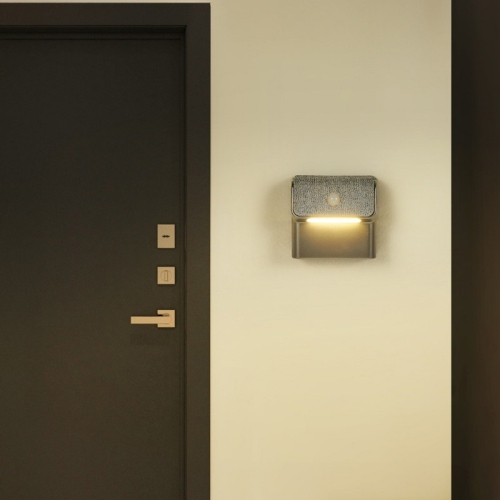
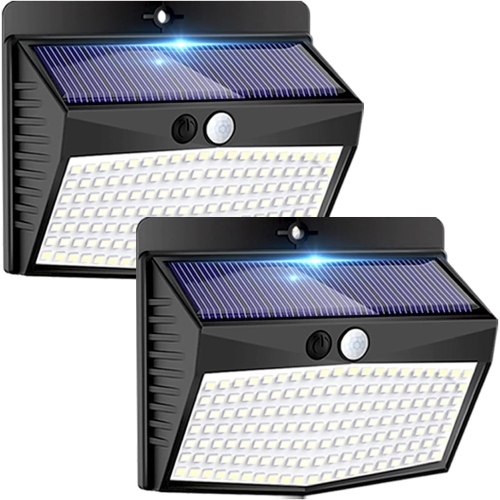
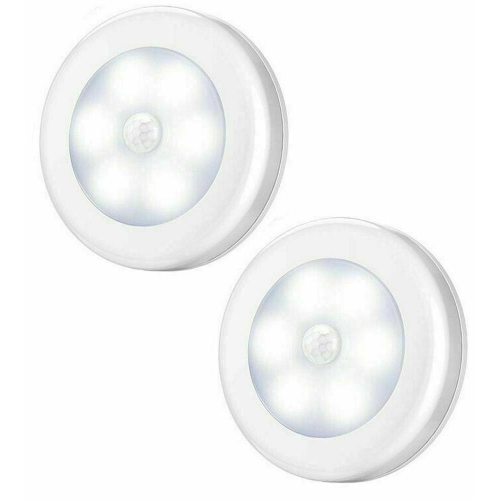
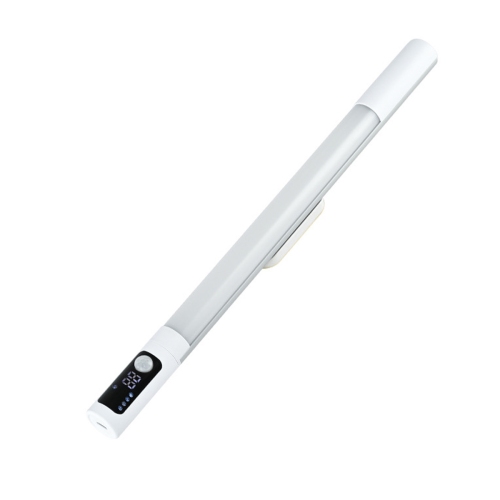
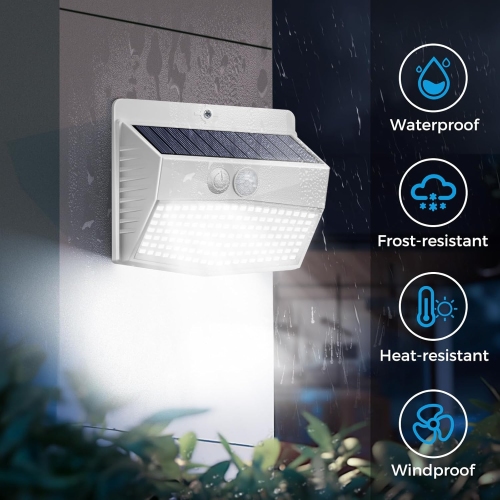
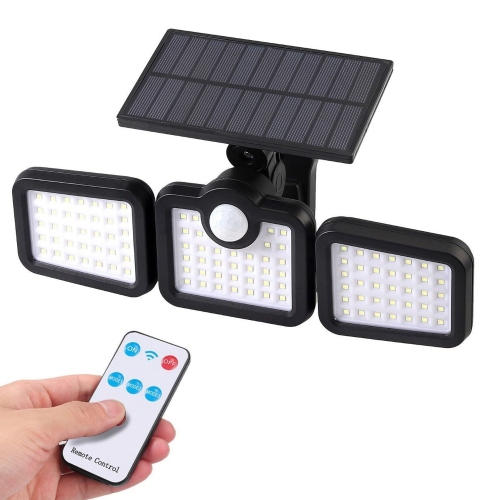
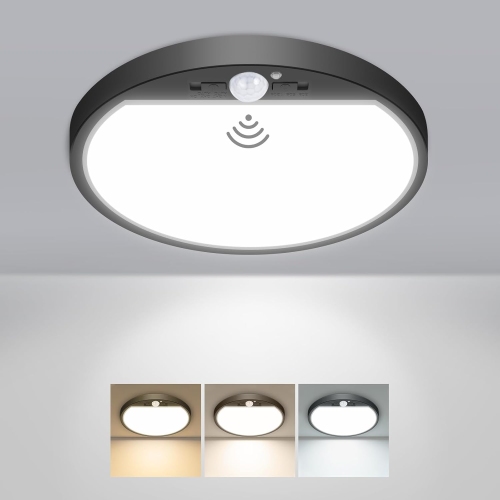
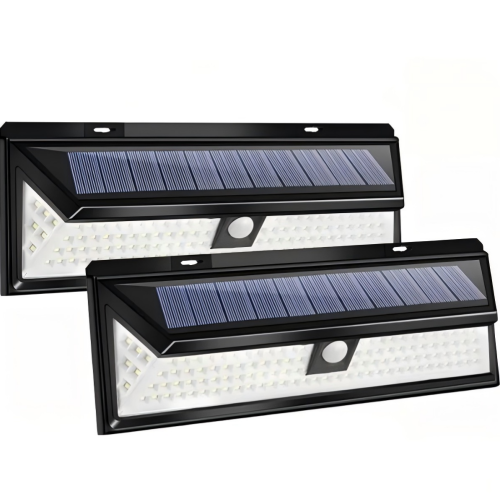
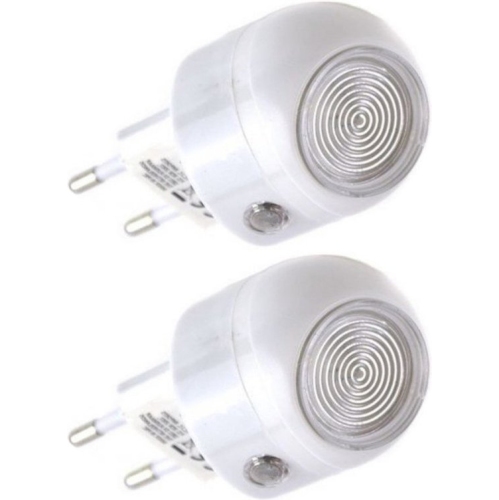
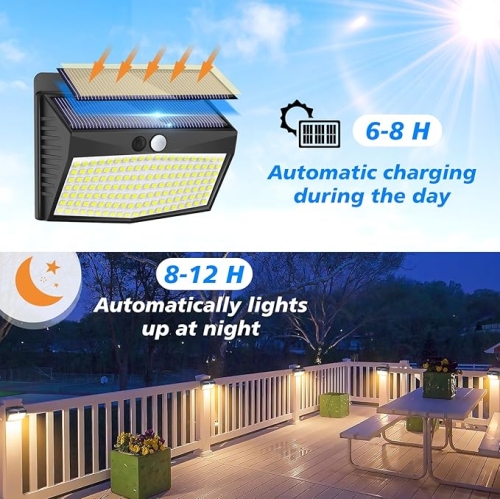
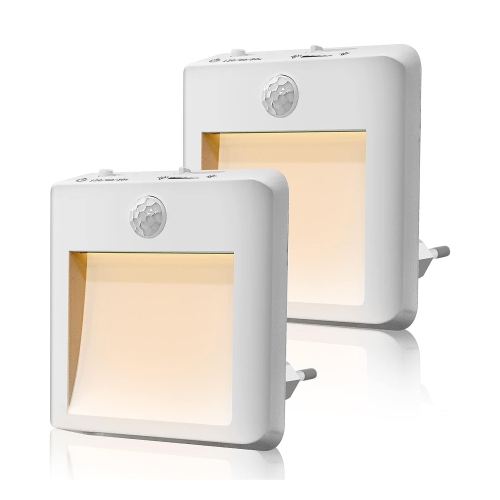
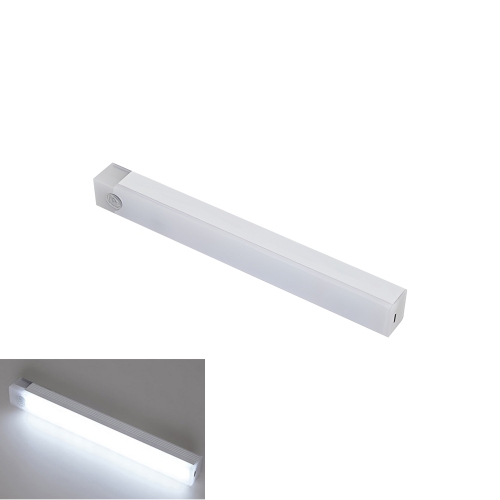
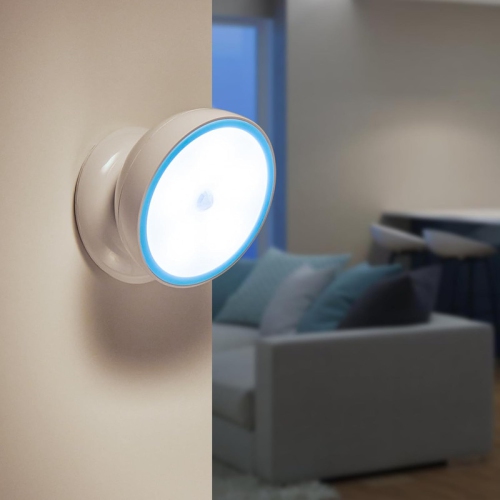
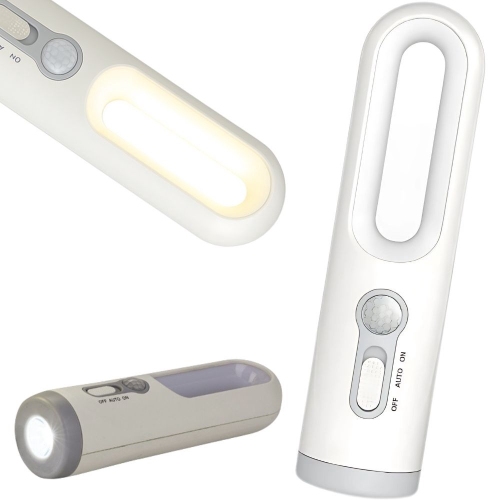
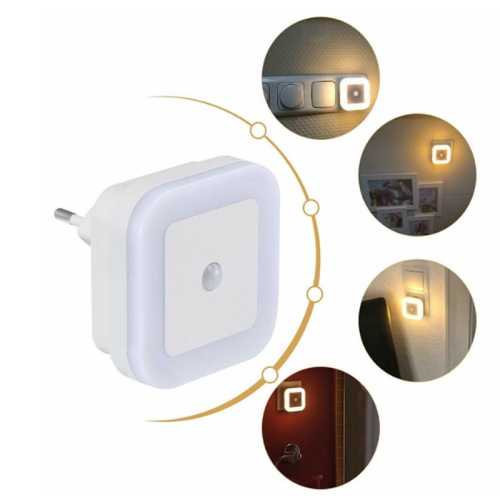
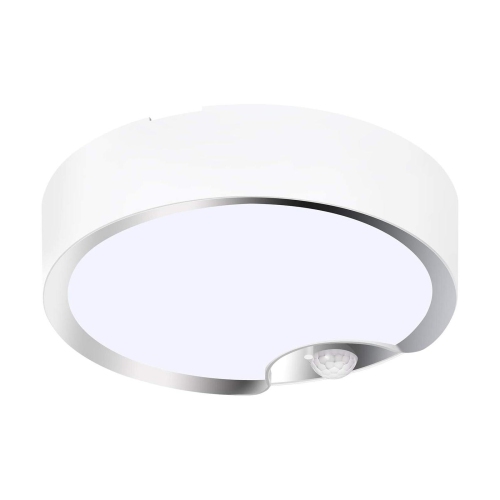
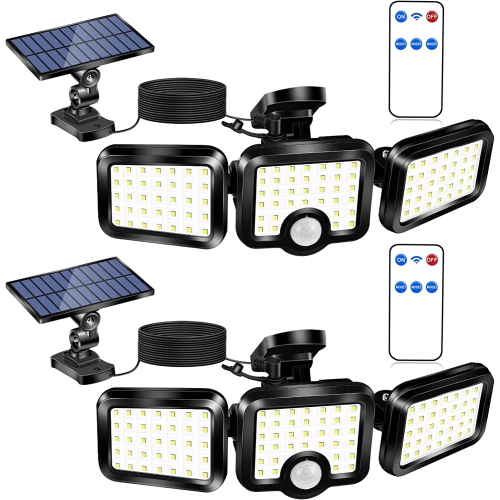
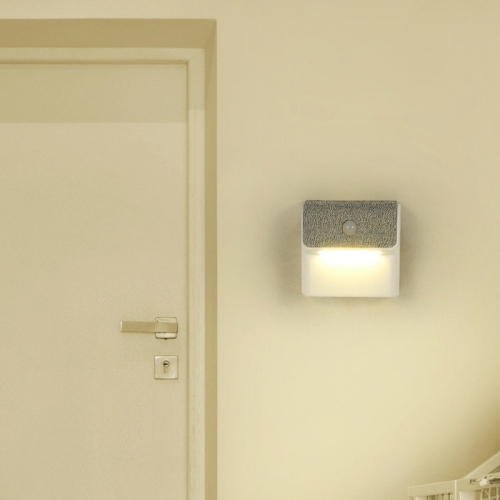
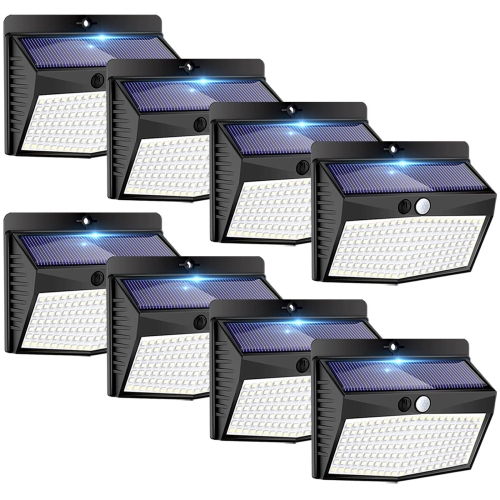
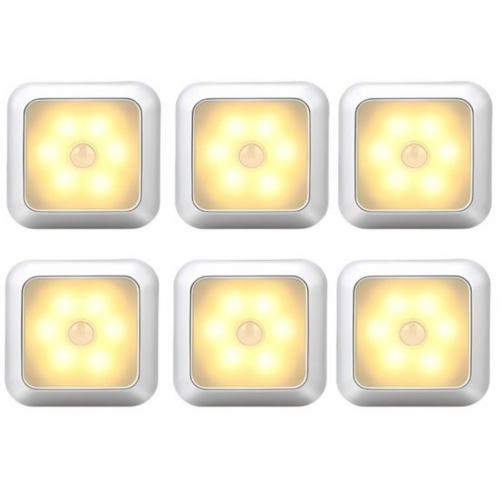
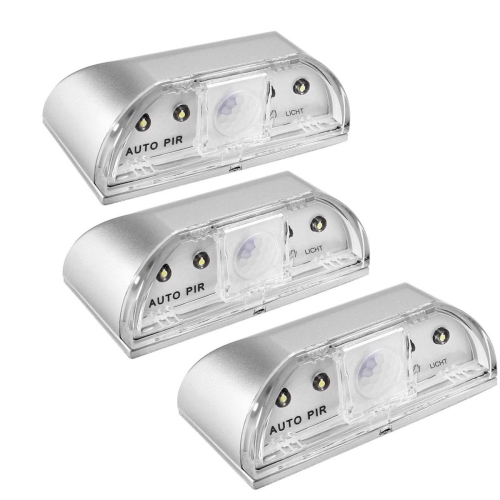
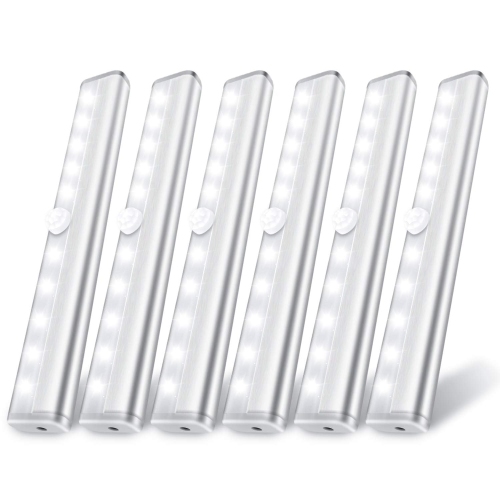
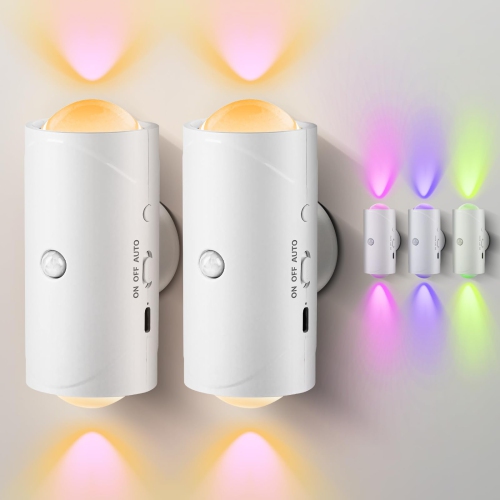
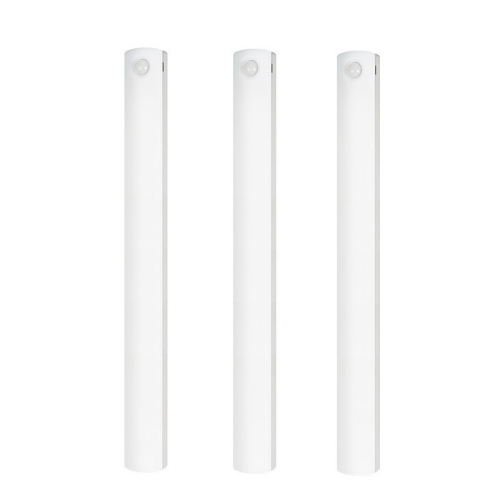
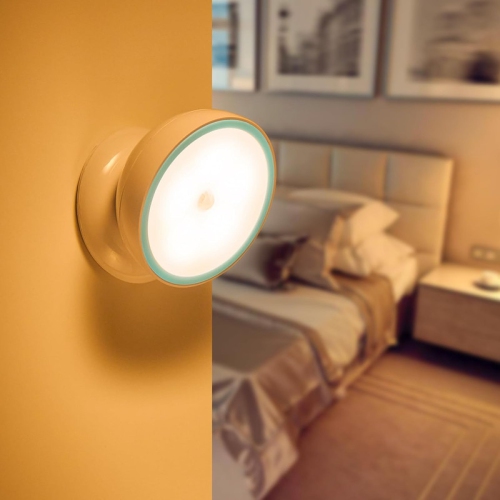
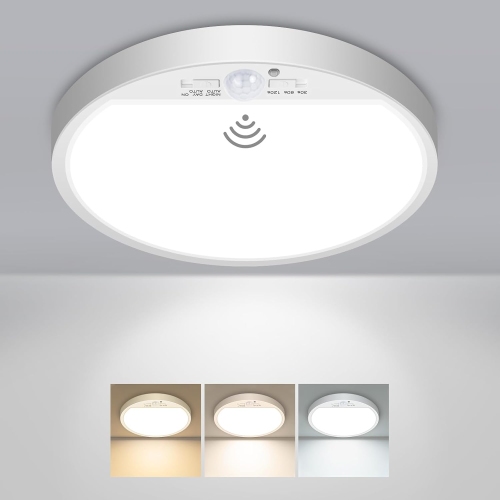
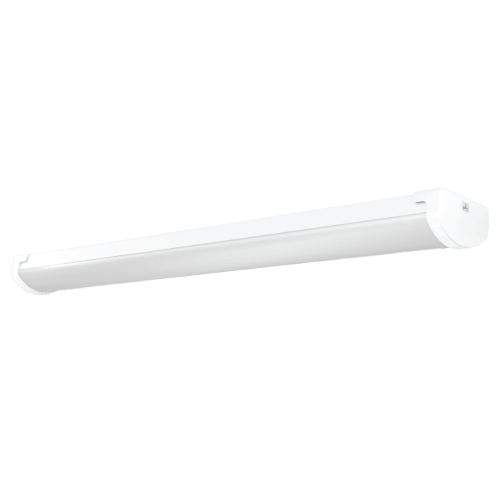
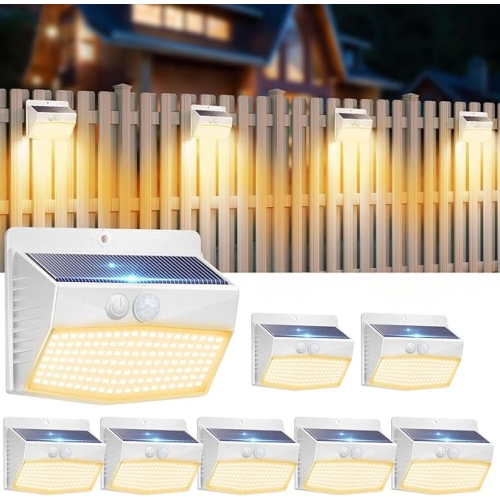
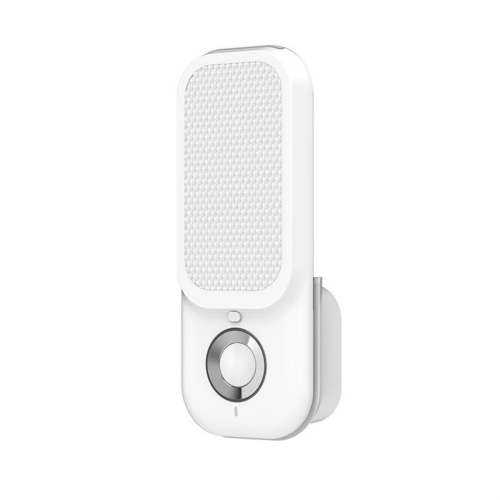
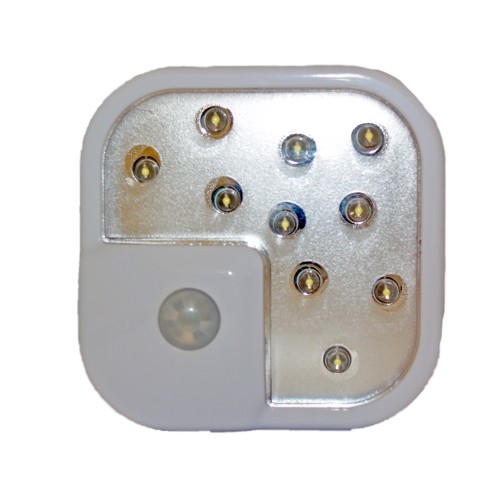
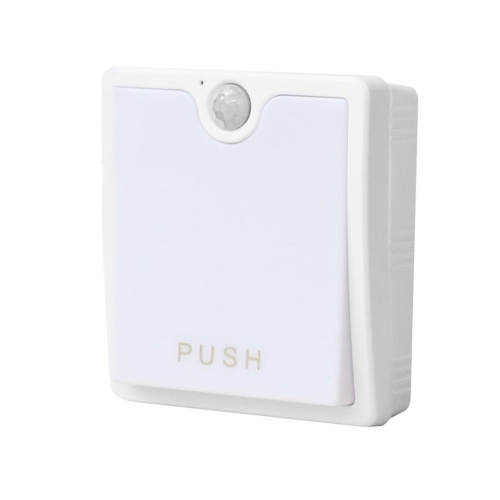
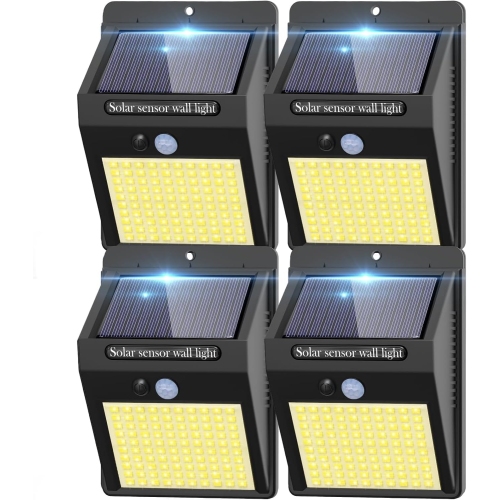
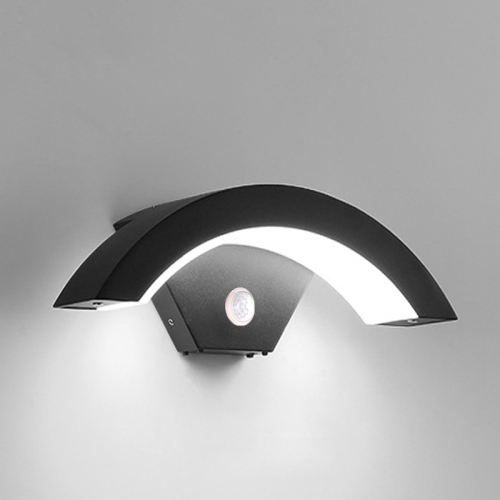
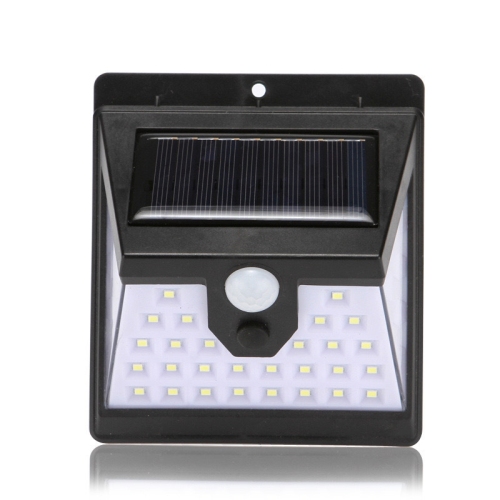
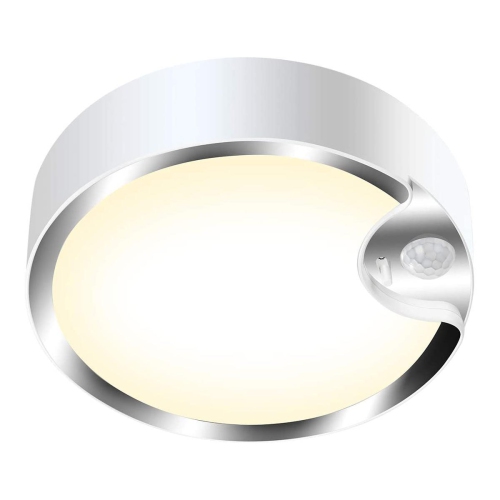
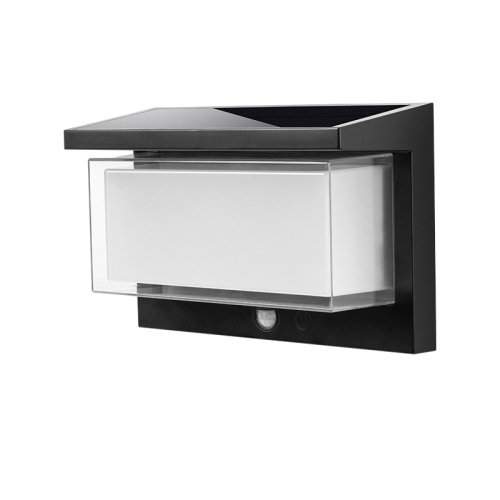
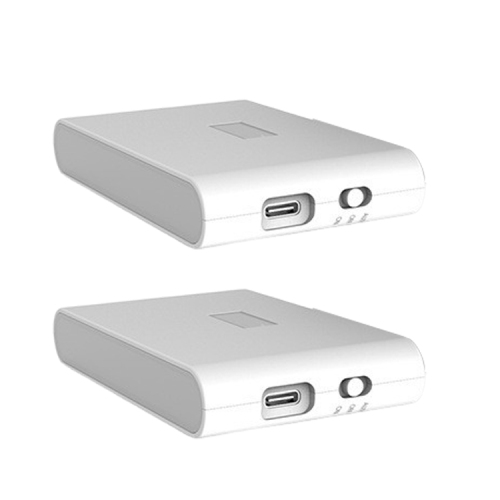
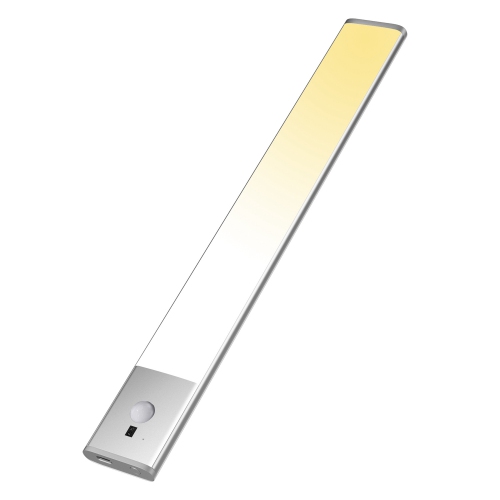

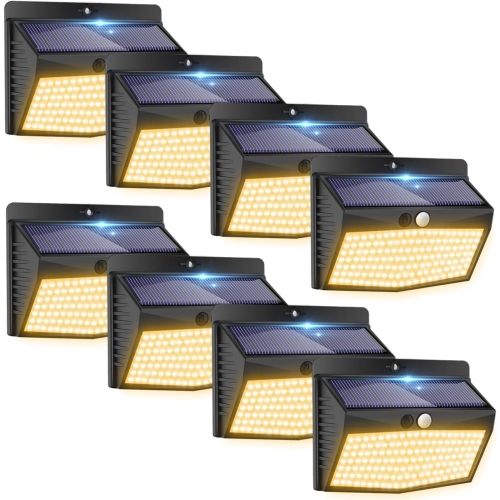
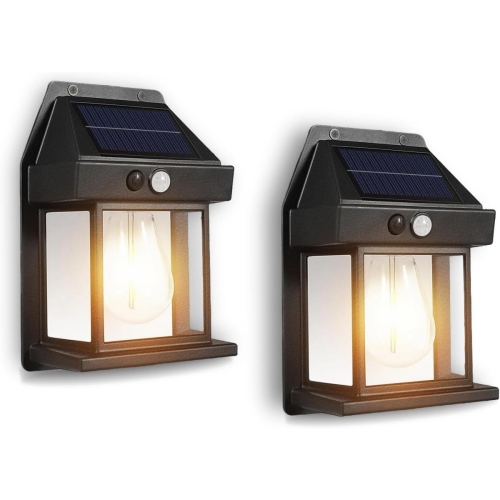
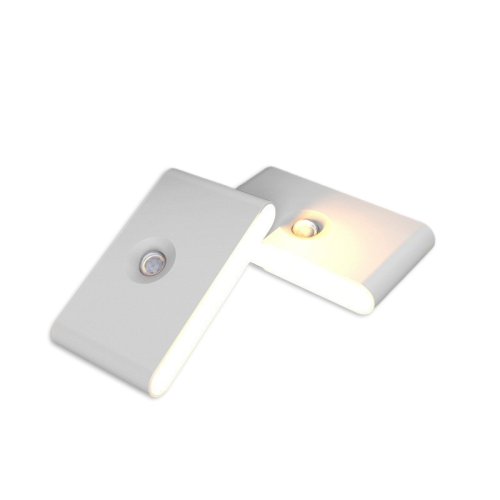
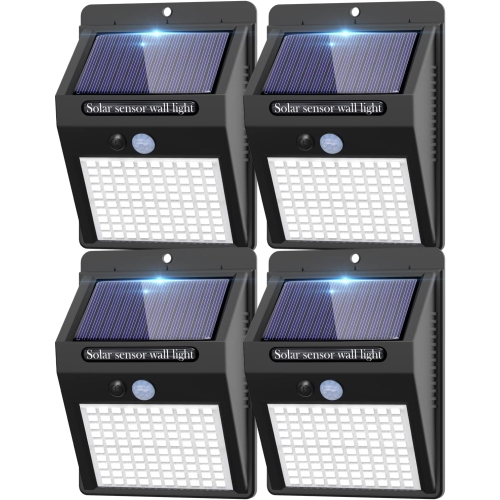
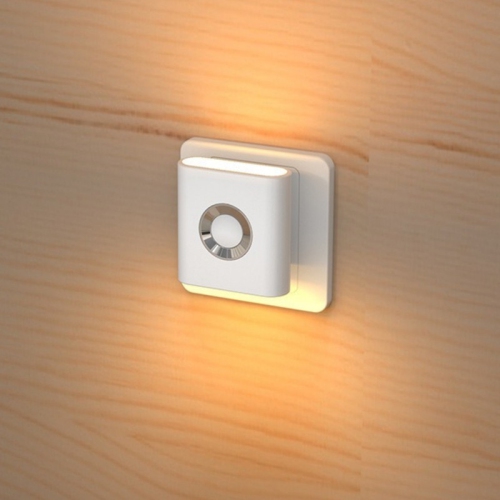
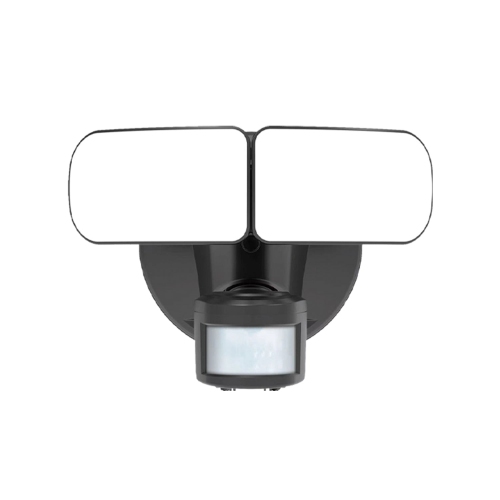
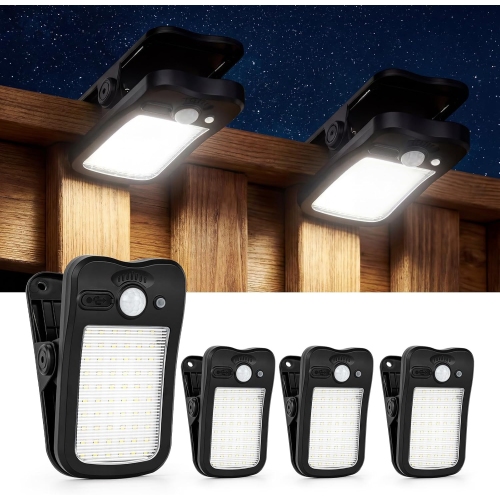
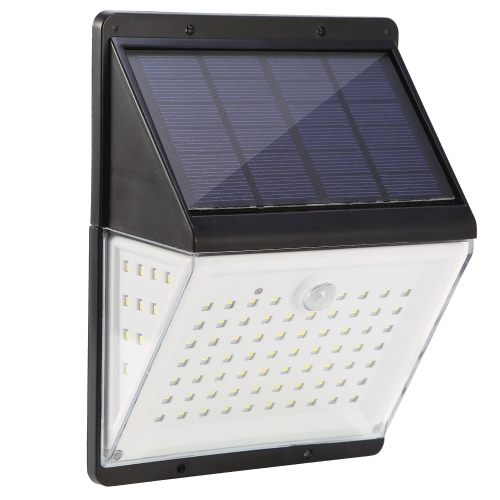
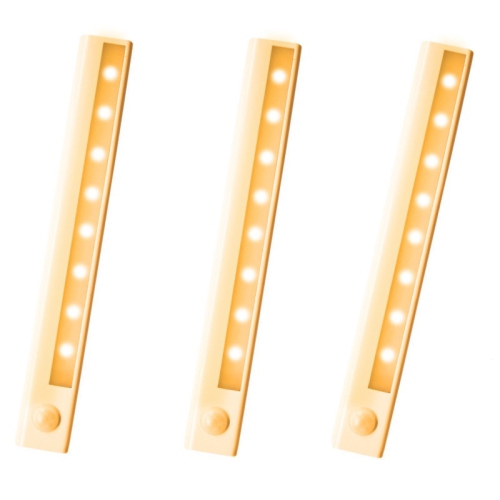
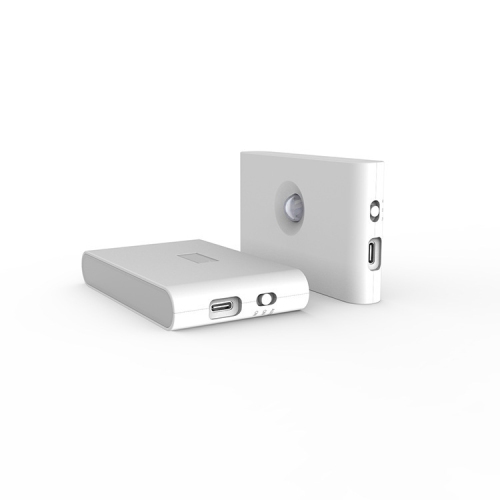
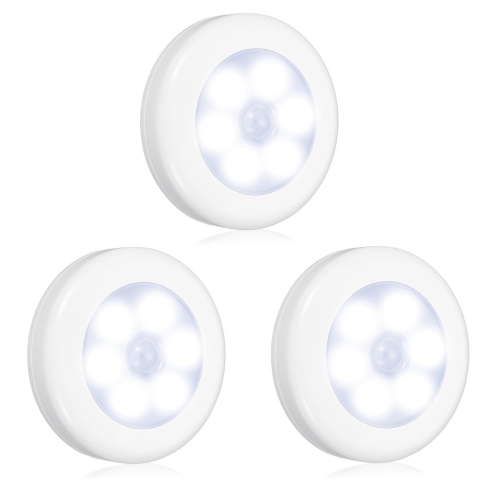
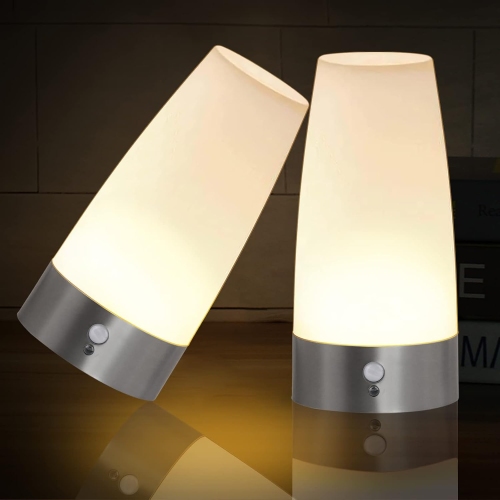
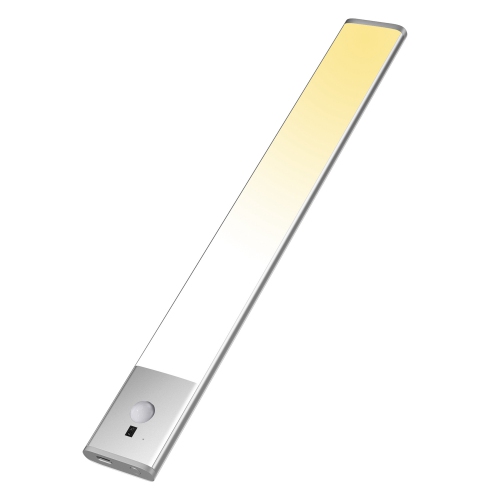

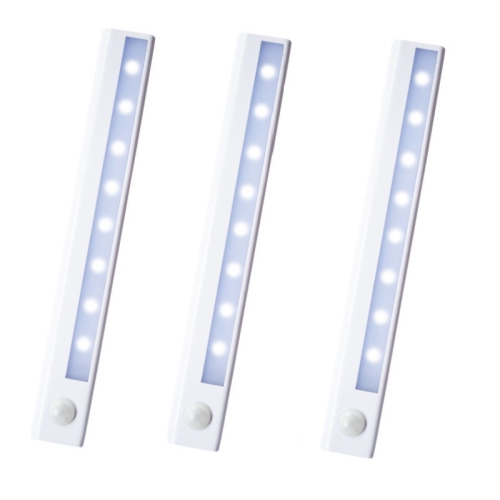
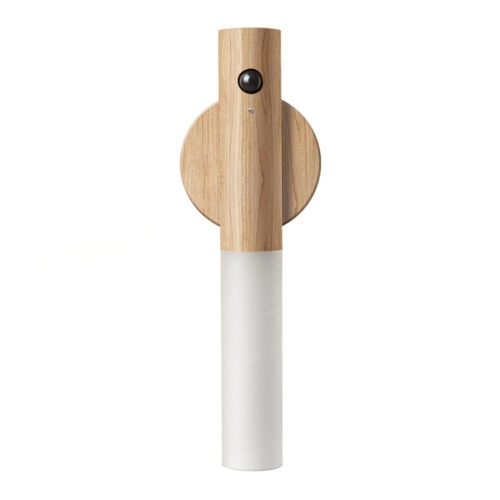

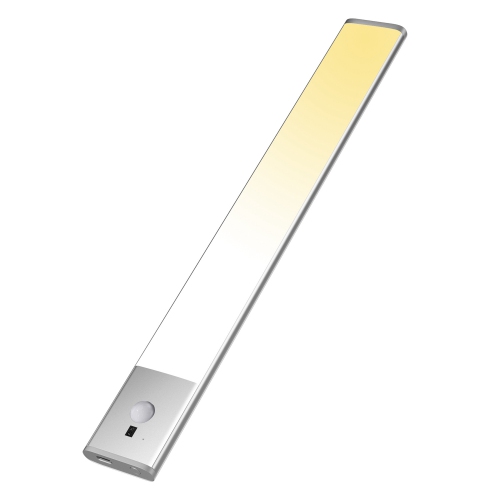

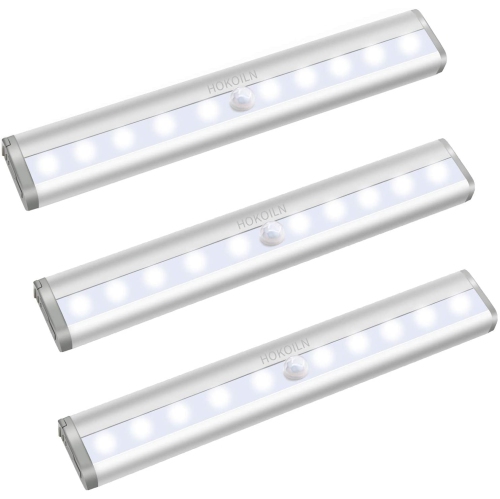
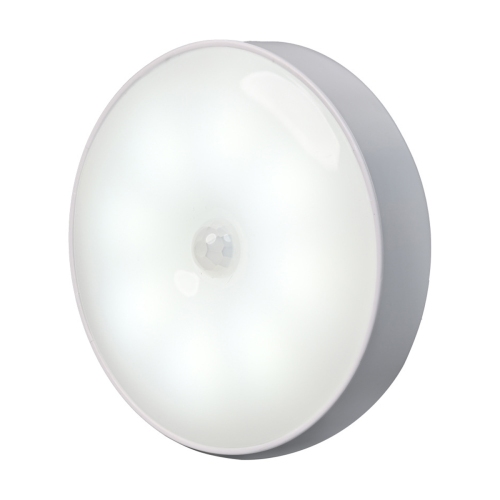
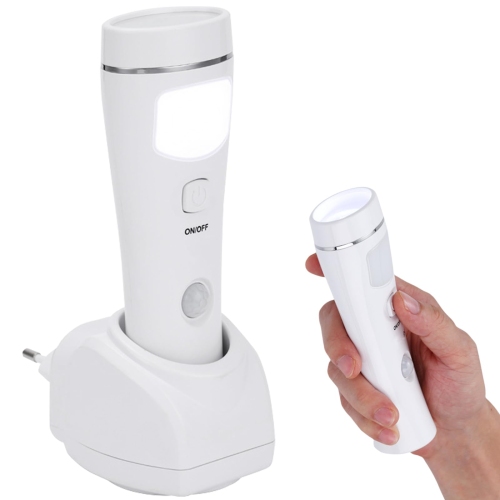
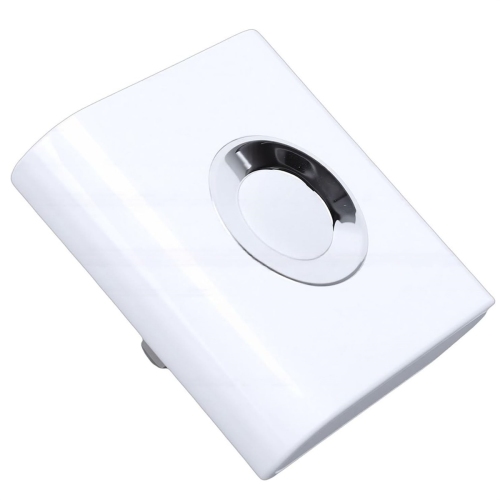
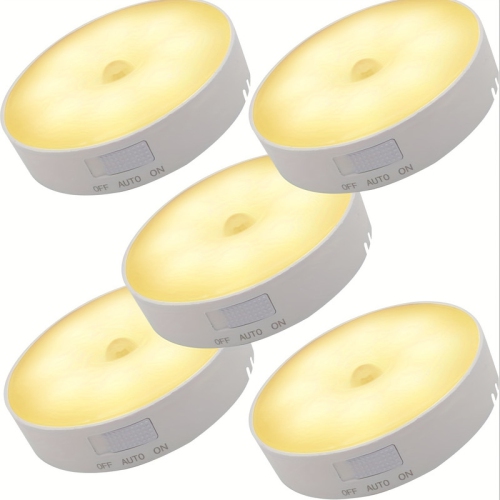
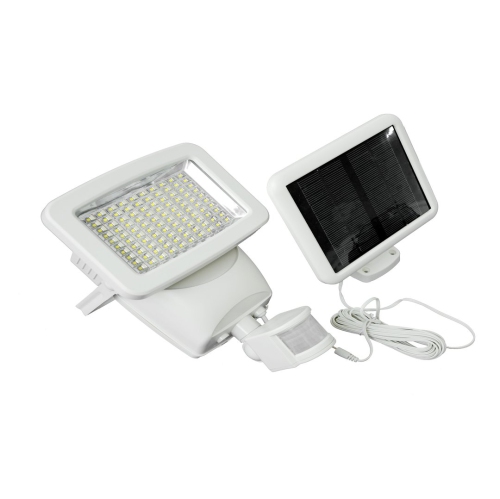
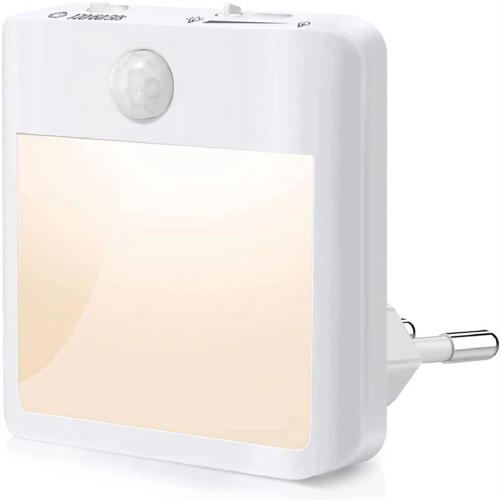
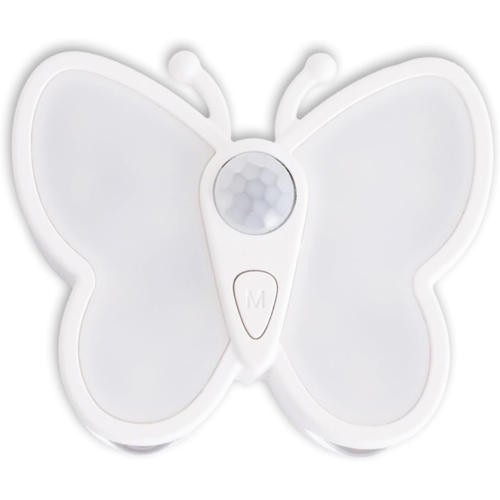
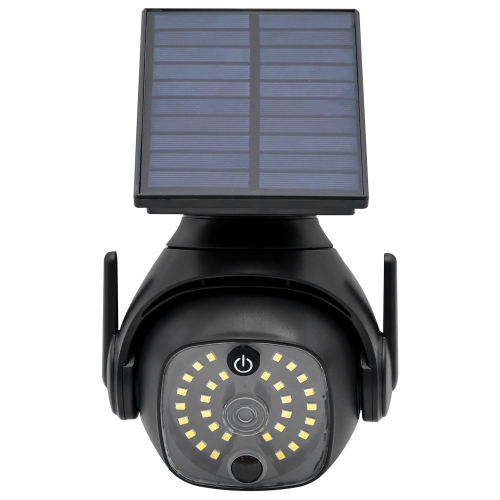
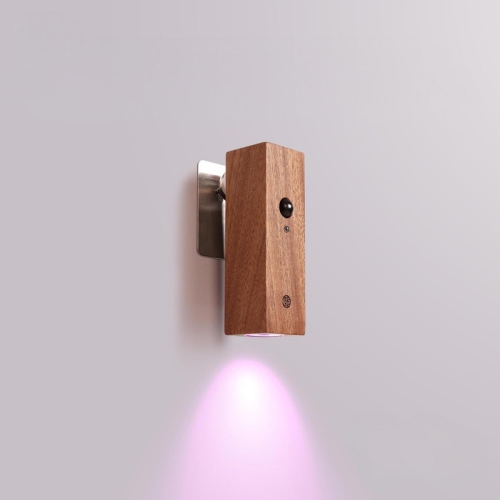
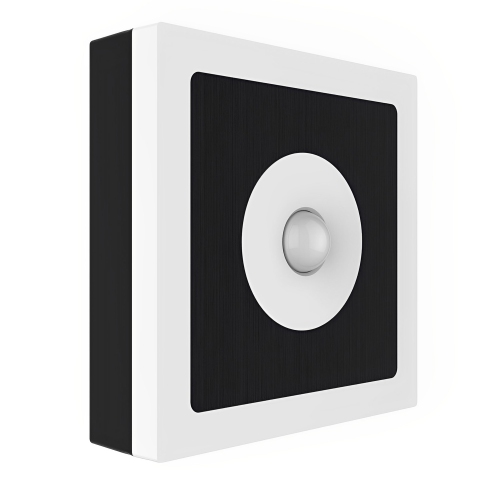
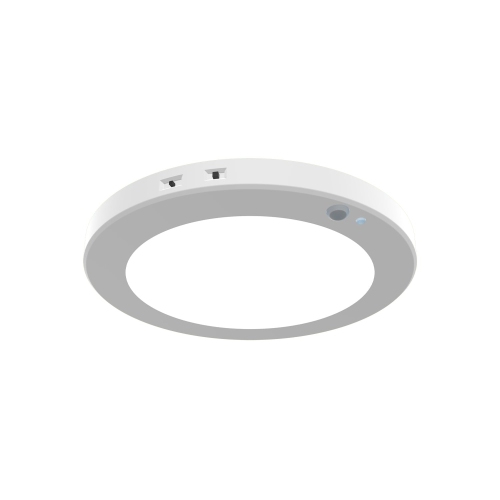
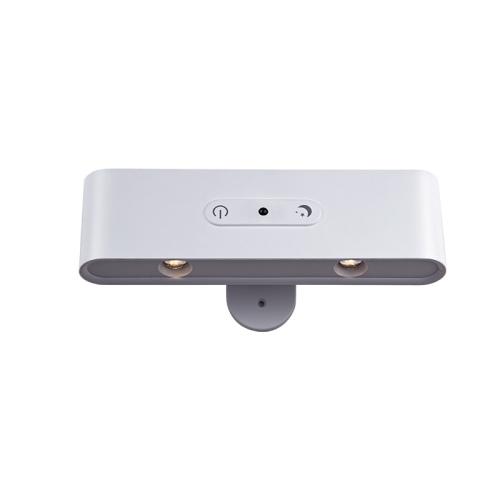
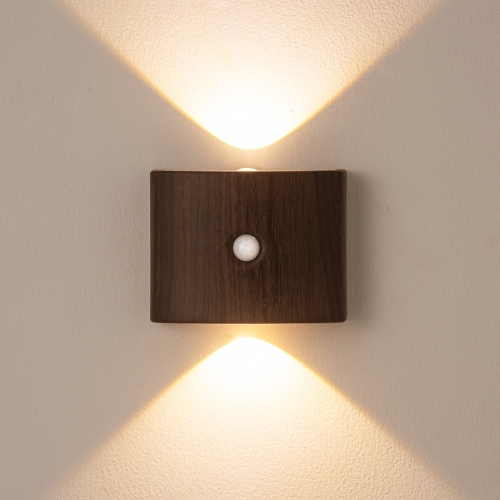
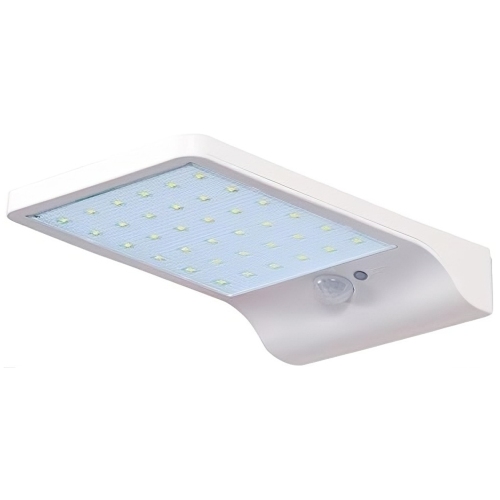
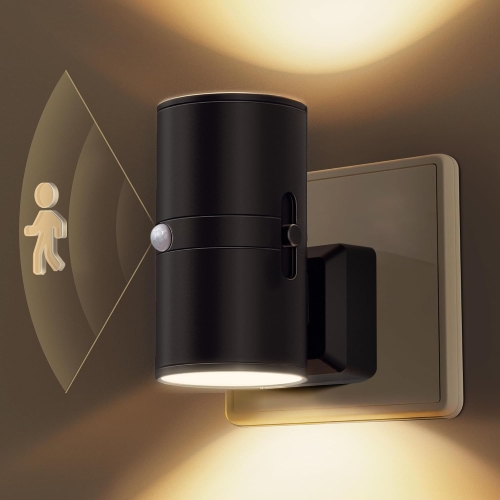
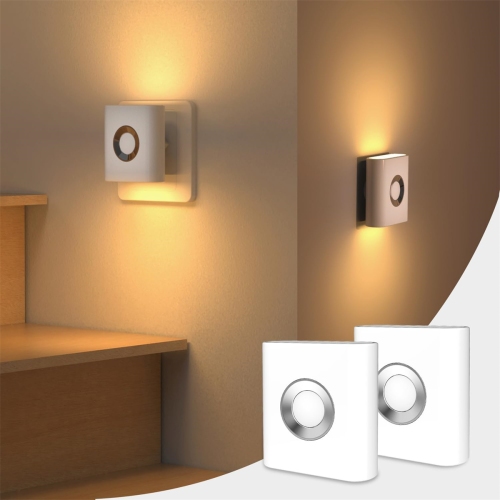
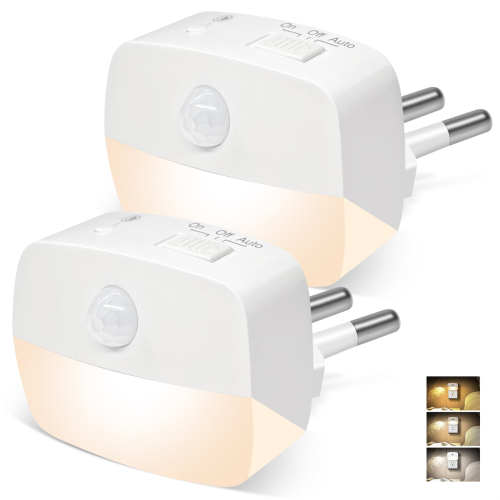
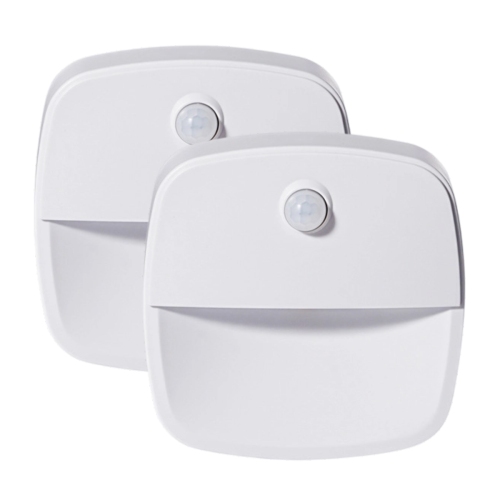
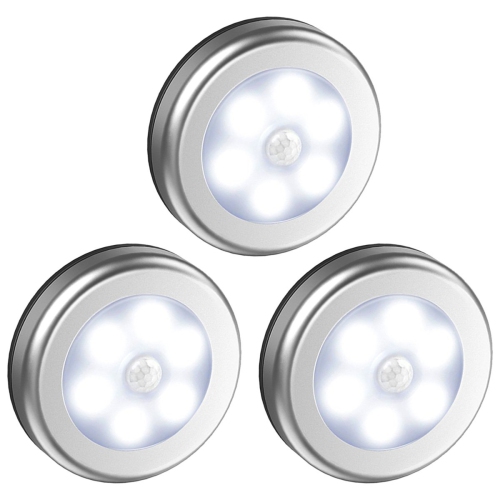
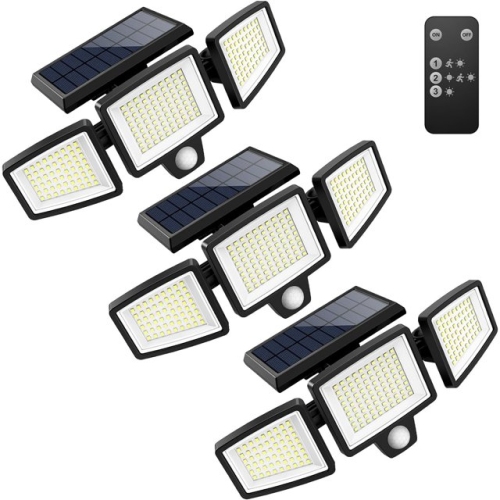
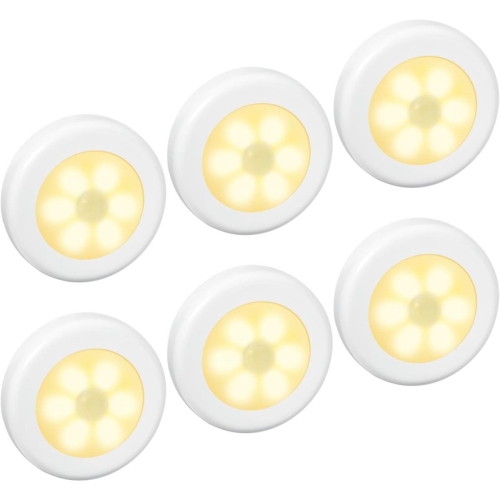
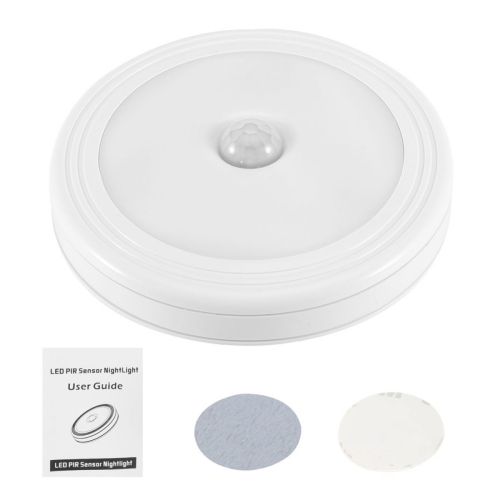
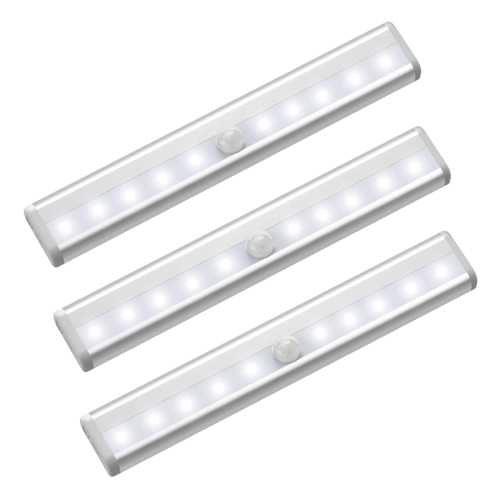
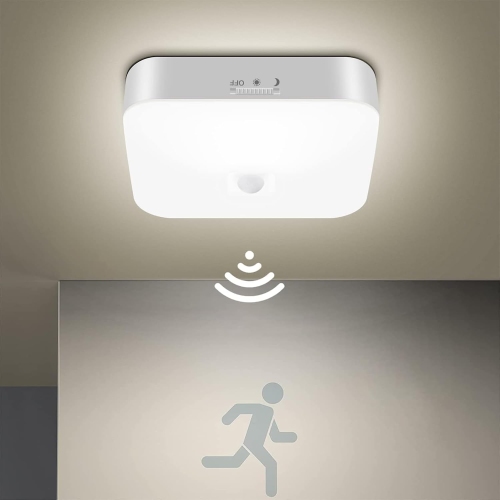
Automatic lighting for the moments your hands are full
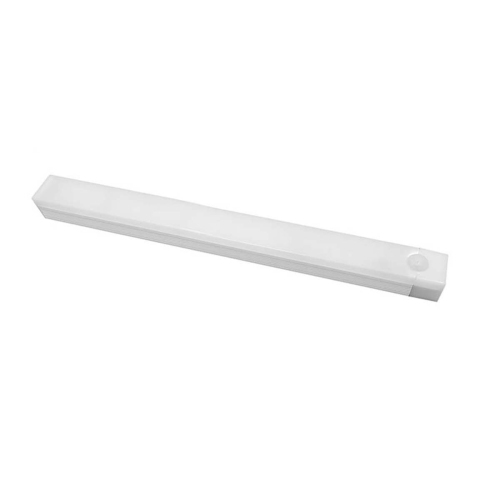
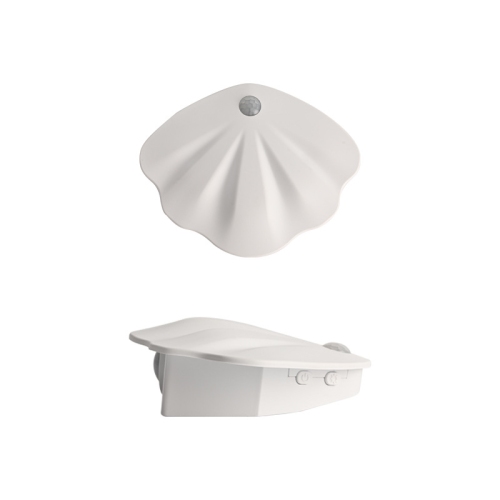
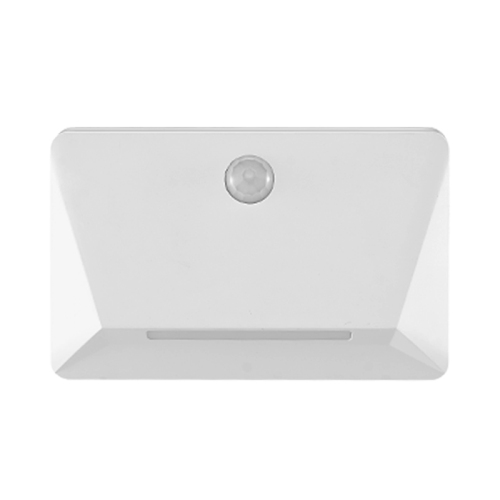
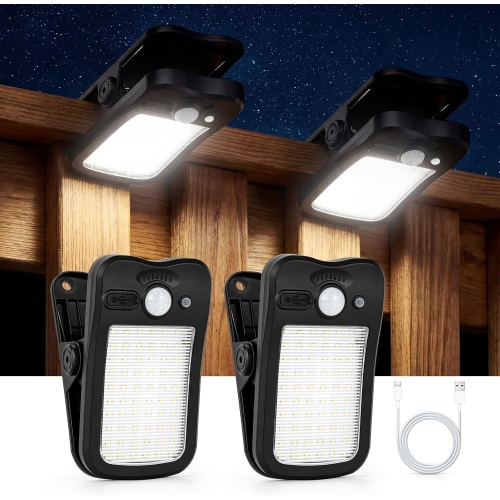
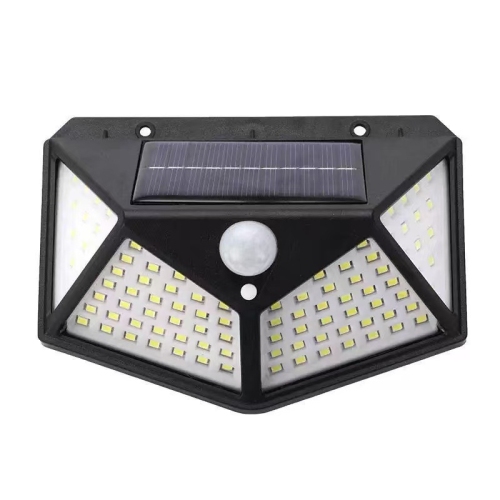
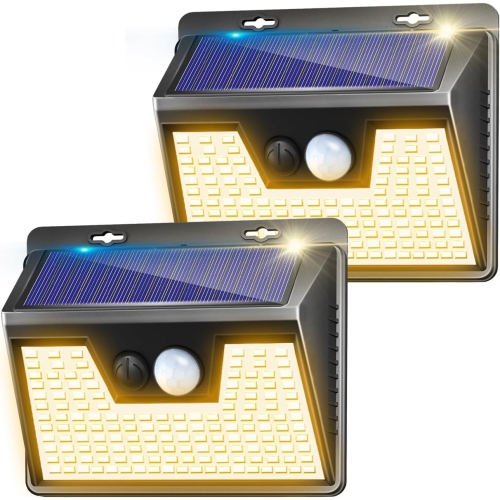
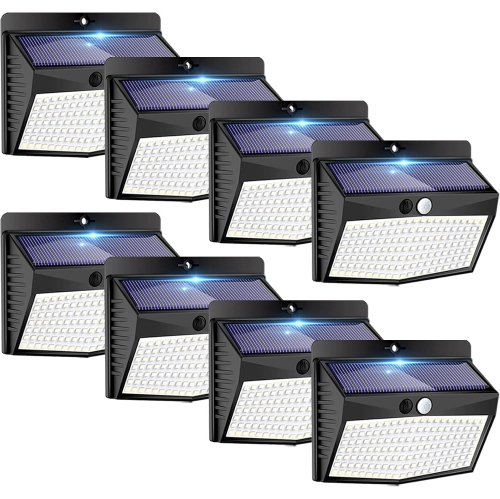
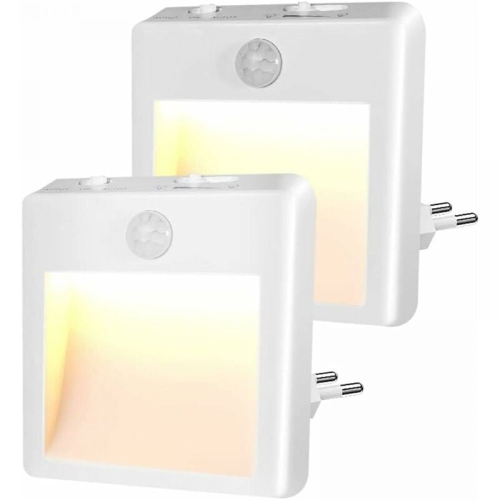
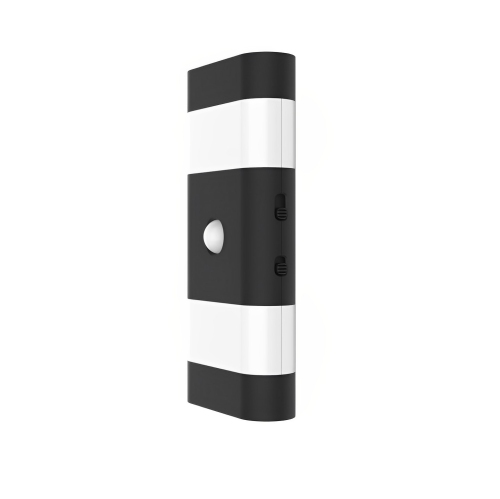
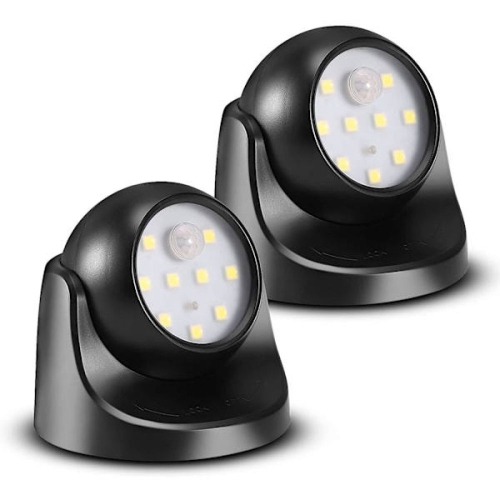
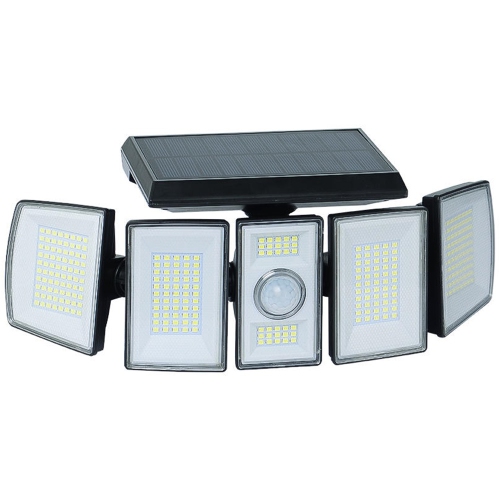
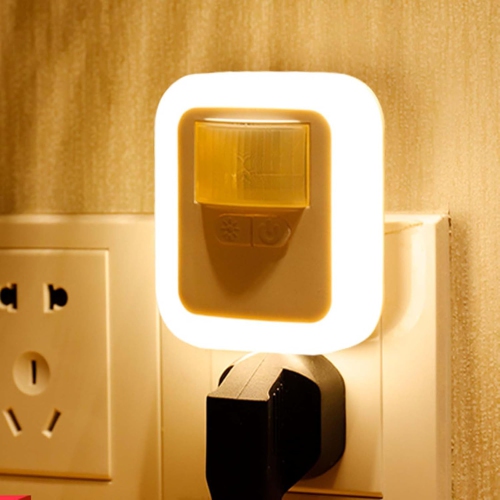
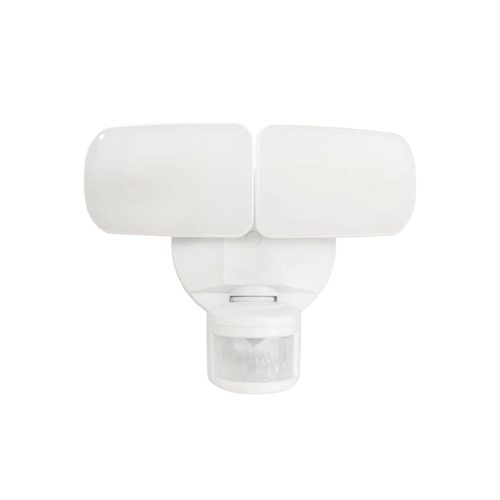
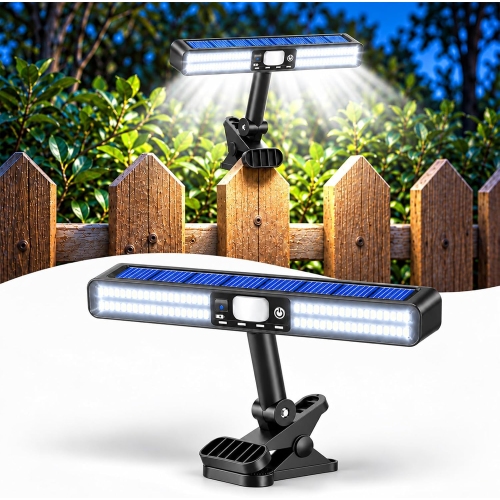
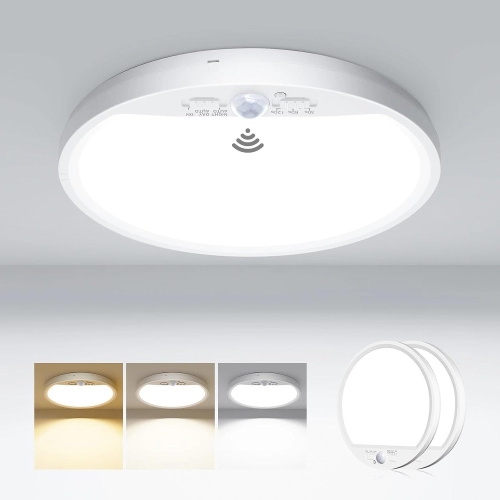
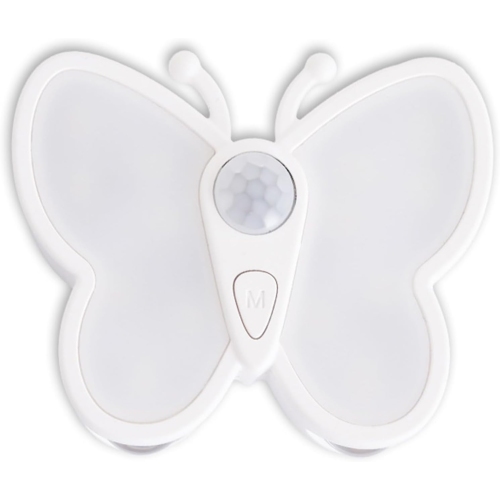
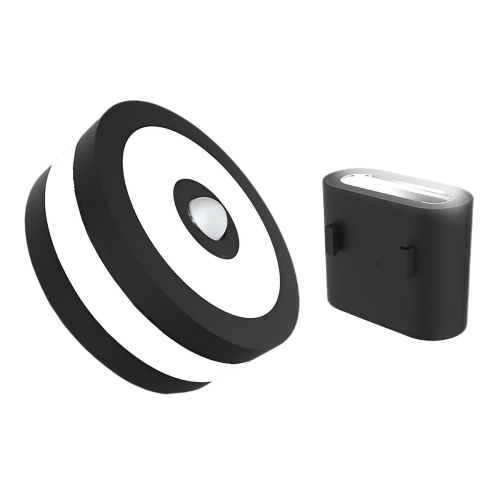
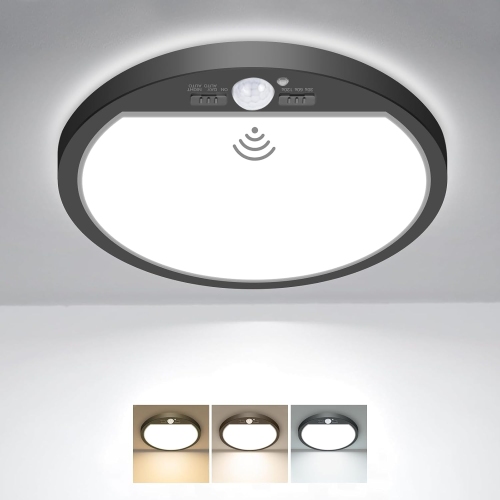
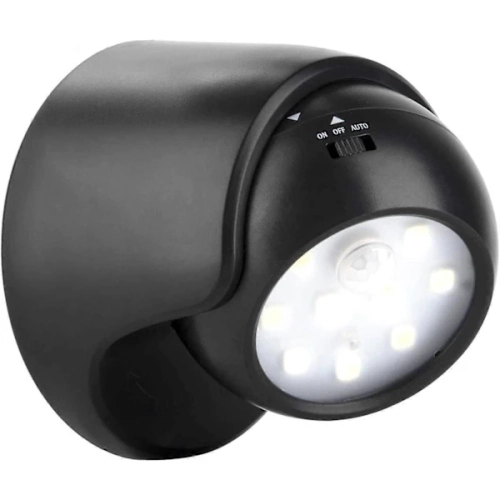
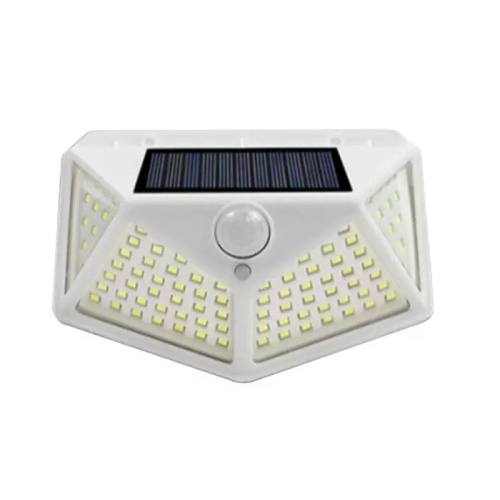
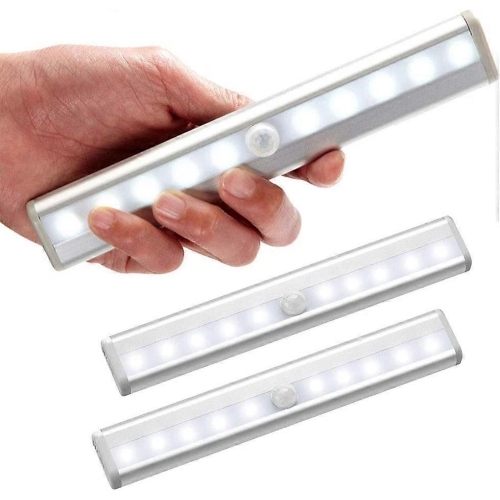
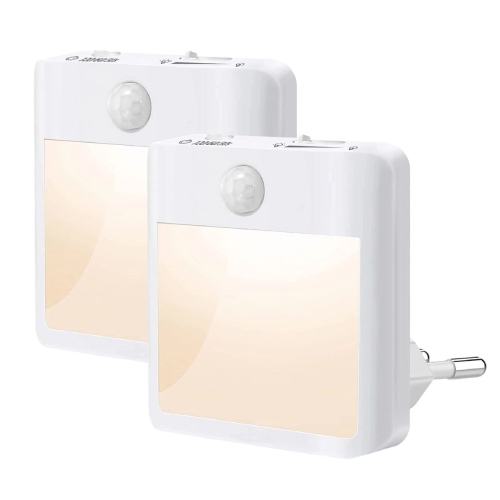
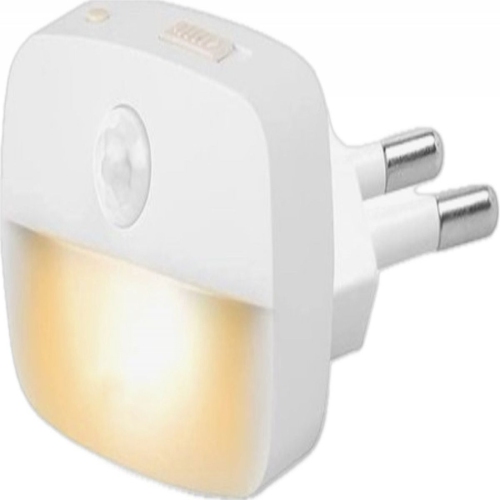
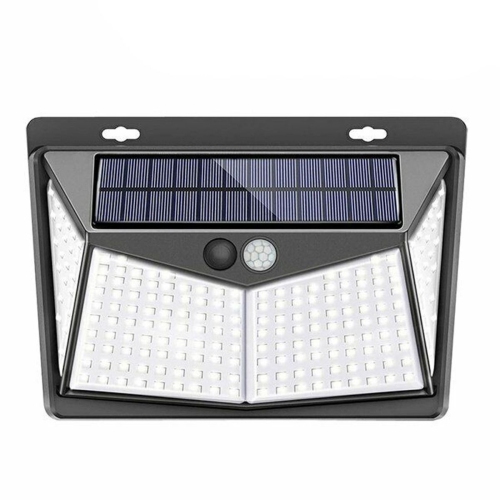
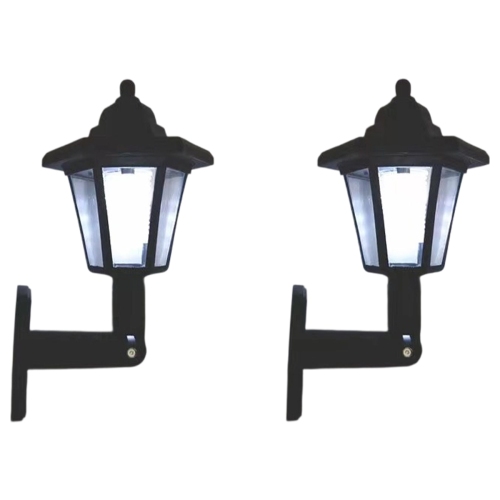
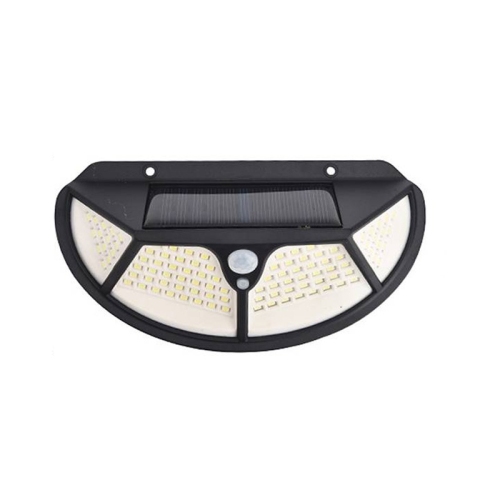
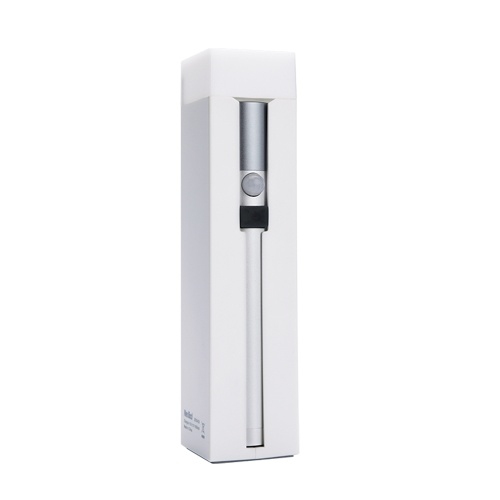
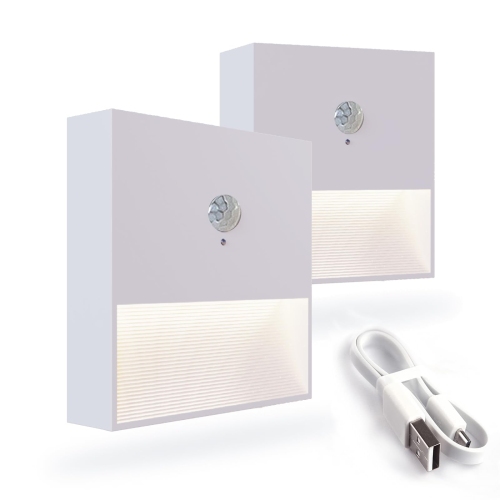
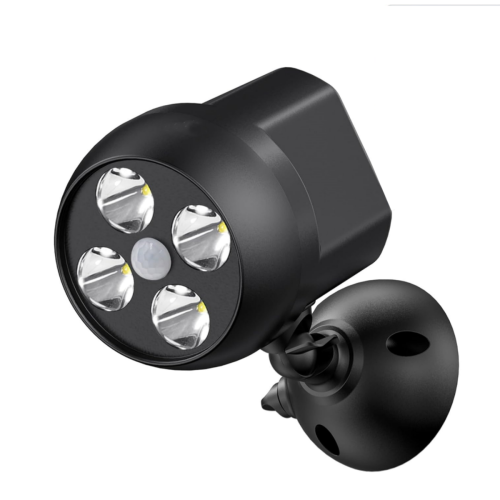
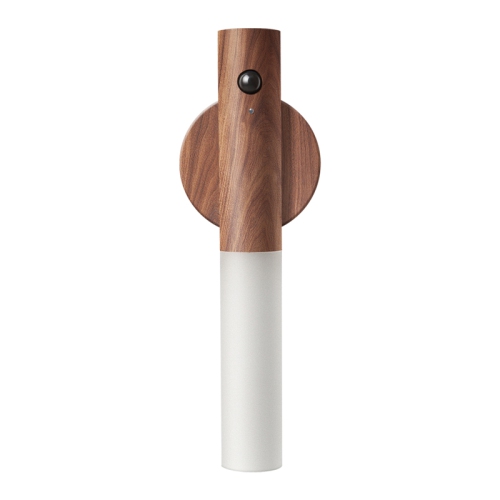
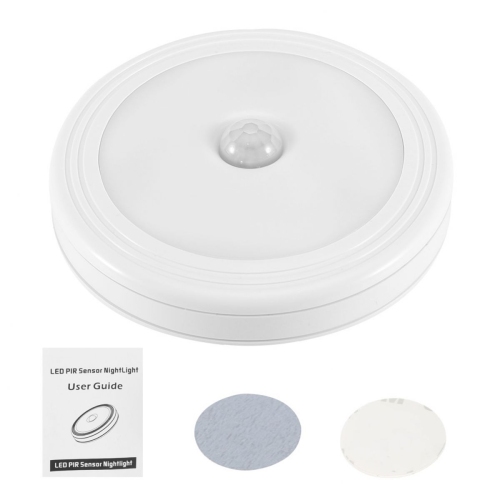
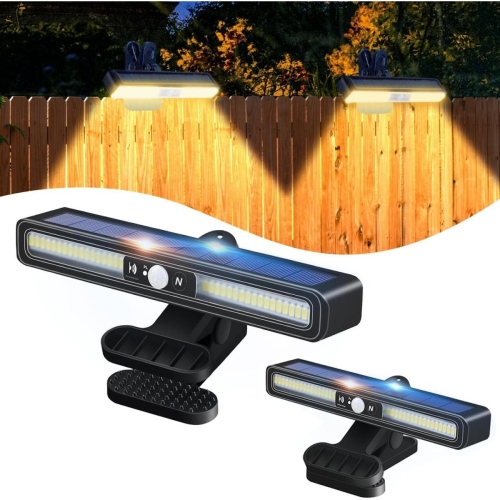
Motion sensor lights switch on automatically when they detect movement within a defined area, adding light where reaching for a wall switch is awkward or inconvenient. They can illuminate an entrance while someone carries groceries, brighten a hallway on the way to the bathroom, or make shelves easier to see when a cupboard opens. Indoor motion sensor lights often provide focused illumination for closets, stairways, kitchen cabinets, laundry areas, and other spaces where light is needed briefly rather than continuously. Outdoor motion sensor lights serve a different purpose: they help make doorways, paths, driveways, and garage entrances more visible and can draw attention to activity near a home. Motion-activated lighting can complement other home security measures, but it does not replace locks, cameras, or a broader security setup. The most suitable format depends on the space and the task. A compact light bar can spread light across a shelf, while a directional spotlight concentrates illumination on an entrance or a particular section of a yard. A wider floodlight beam covers more ground, although excessive brightness or poorly aimed light can spill into a neighbour’s windows. Low-level lighting is often more comfortable along an indoor route used at night, whereas a workspace may need stronger illumination to distinguish tools, labels, or stored belongings. Motion-activated designs sit within the broader Sensor Lights category, where sensing features and lighting formats suit different household routines. These lights can be useful for busy families, people who frequently have their hands full, and anyone adding visibility to an awkward corner without leaving a lamp on throughout the evening. Compact, easy-to-position designs can also make practical gifts for someone setting up a home office, organizing a utility room, or improving access to frequently used storage.
Brightness, beam shape, detection coverage, and control settings all influence how a motion sensor light feels in everyday use. Brightness is commonly expressed in lumens, while the beam determines whether that light is concentrated in one spot or distributed across a broader area. A bright fixture with a narrow beam may illuminate a doorway well without lighting the entire approach; a gentler, wider beam may be better suited to a small landing. Colour temperature affects the appearance of the light, with warmer tones creating a softer effect in living spaces and cooler tones providing a crisper appearance in utility areas. Many motion sensors use passive infrared technology, which responds to changes in infrared radiation as people or animals move across the detection area. Other sensing technologies work differently, so the stated detection distance and angle are important parts of the specifications. Coverage is not simply a matter of maximum range: mounting height, approach direction, and nearby obstructions can affect whether a light activates at the desired moment. A sensor positioned inside a deep cupboard may not respond until the door opens far enough, while one facing a busy walkway may trigger more often than intended. Adjustable sensitivity can help tailor the response, though its effectiveness depends on the design and placement. Adjustable light heads allow the illuminated area to be aimed separately from the sensor on some fixtures. Time-delay settings determine how long the light stays on after movement is detected, and repeated movement may restart that interval. A short delay can suit a passageway, while a longer interval is more convenient when sorting laundry or unloading a vehicle. Dusk-to-dawn or adjustable light-level controls can restrict automatic activation to darker conditions rather than every detected movement. Some designs also offer an always-on mode or a manual override. Those controls are useful when a task involves standing relatively still, since a motion sensor may otherwise stop detecting activity before the task is finished.
Power source and installation requirements help distinguish motion sensor lights intended for permanent fixtures from those designed for flexible placement. Hardwired lighting connects to the home’s electrical supply and can suit established entrances, garages, and other locations where a fixed installation makes sense. Electrical installation should follow the fixture instructions and local requirements, with a qualified electrician handling work where required. Plug-in designs need a conveniently located outlet and a cord route that does not create a tripping hazard or interfere with a door. Battery-operated lights are useful where wiring is impractical, particularly inside cabinets, along shelves, or in rental spaces where changes to fixtures may be restricted. Replaceable batteries require periodic replacement, while rechargeable designs need access to charging; removable light bodies can make that routine easier. Solar-powered outdoor lights rely on a panel receiving sufficient daylight, so panel position matters as much as the location of the lamp. For any format, physical fit deserves attention. The housing should clear cupboard hinges and doors, and mounting hardware needs to suit the surface and the light’s weight. Adhesive mounts can be convenient on suitable clean, smooth surfaces, but their holding strength depends on surface preparation and the mounting instructions. Materials such as moulded plastic and metal offer different combinations of weight, finish, and rigidity; construction quality, secure brackets, and protected connections matter more than appearance alone. Outdoor fixtures should be specifically rated for their intended location, with an appropriate ingress protection rating where exposure to water or dust is expected. Indoor-only lights should remain in suitable indoor spaces. Routine care is usually straightforward: a gentle wipe keeps the lens and sensor window clear, while periodic checks help identify loose mounts, damaged housings, or a battery that needs attention. Cleaning methods should follow the manufacturer’s directions, especially around seals and charging ports. Positioned thoughtfully and maintained properly, motion sensor lighting adds useful visibility to familiar routines without making every small task depend on finding a switch.
Top selling and popular products
-
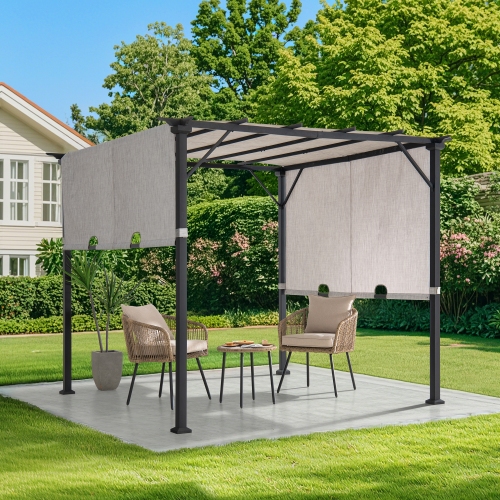 Your price for this item is $232.99
-
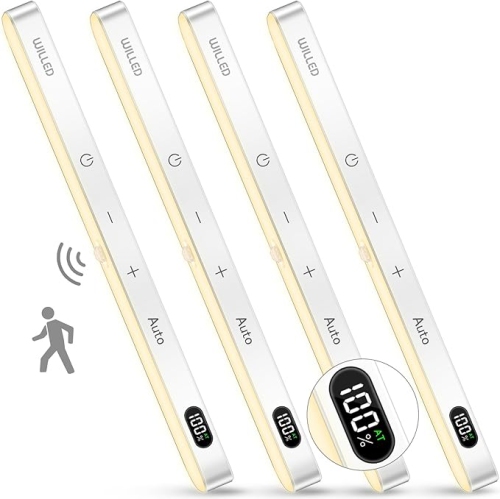 Your price for this item is $17.68
-
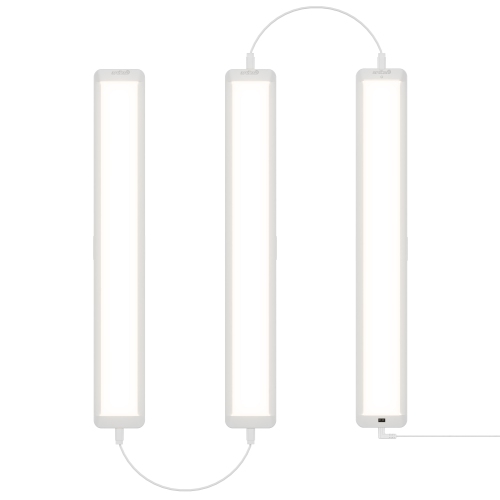 Your price for this item is $89.99
-
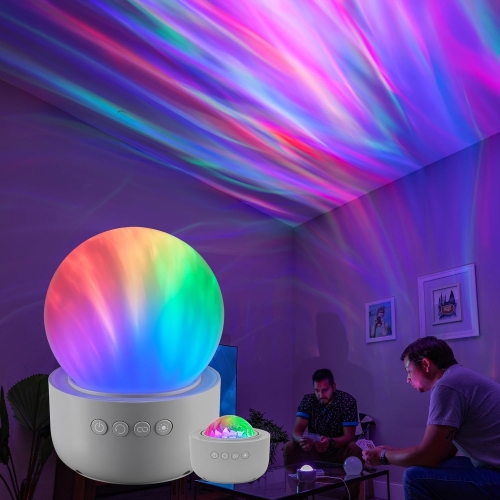 Your price for this item is $29.99
-
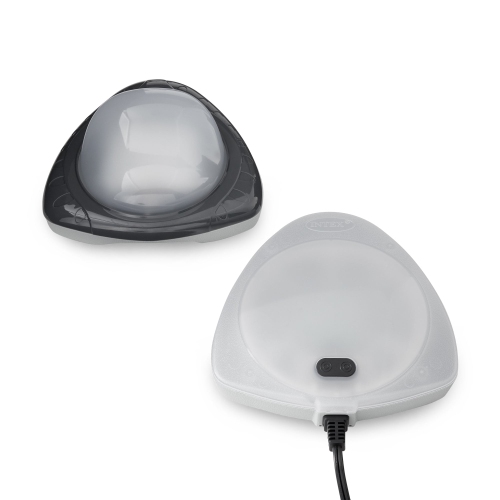 Your price for this item is $119.99
-
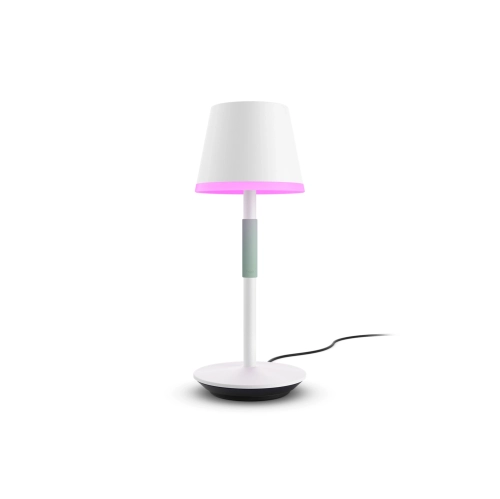 Your price for this item is $245.68
-
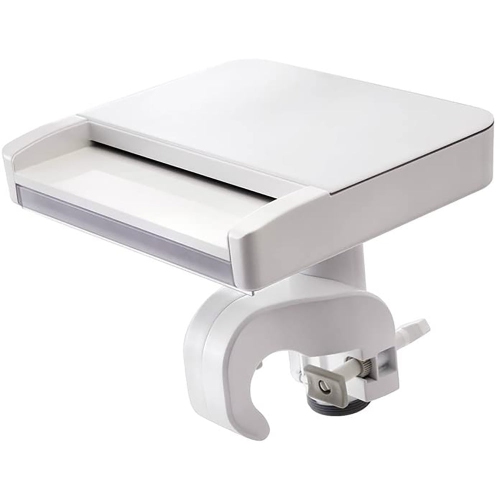 Your price for this item is $129.99
-
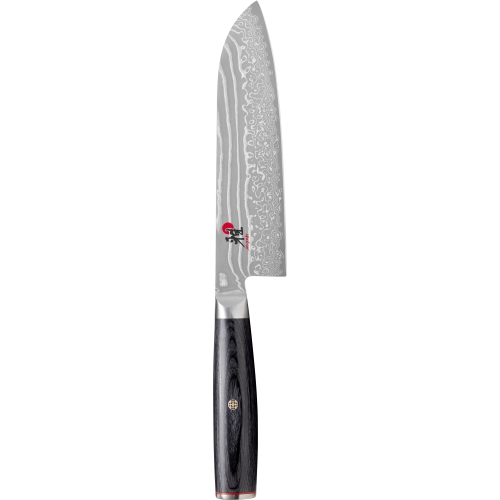 Your price for this item is $299.99
Discover more categories related to Motion Sensor Lights
Top Collections:
Best Black Friday Deals This Year, Best Black Friday Deals On Electronics, Kindle Devices, Pokemon Centers, Best Black Friday Deals On Apple Products, Best Cameras for Sports Photography, Dyson Airwrap, Pokémon 30th Celebration Cards, Apple iPhone 17 Pro, Canon G7X Cameras
Some products may be subject to Environmental Handling Fees
(EHF) depending on your province.
Learn more about EHFs.