Mounted Floating Desks
Elevate your workspace with a Mounted Floating Desk, designed to maximize both style and functionality in any room. Perfect for home offices, bedrooms, or compact spaces, these desks offer a modern solution for organizing your essentials while maintaining a sleek appearance. Discover versatile options that seamlessly blend with your décor and help you create an efficient work environment. Explore the selection of Mounted Floating Desks to find the ideal fit for your space and needs.
Sort
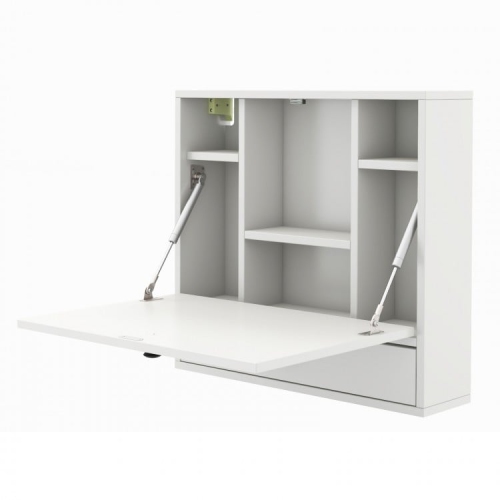
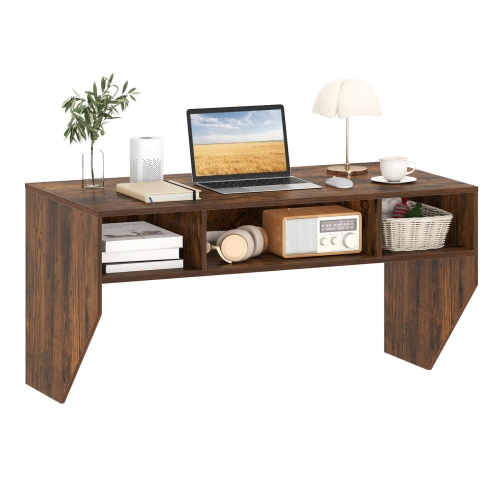
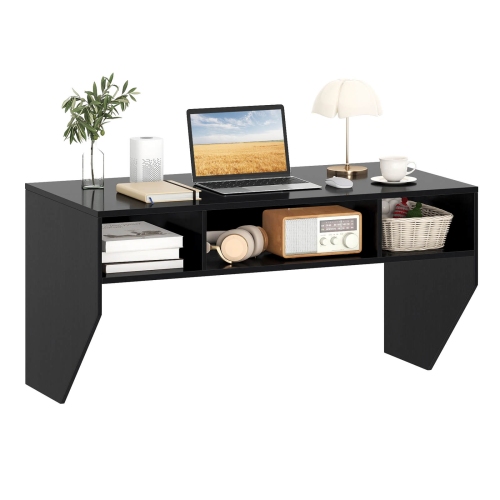
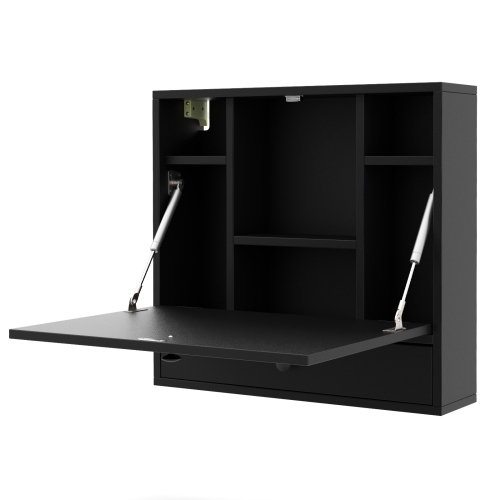

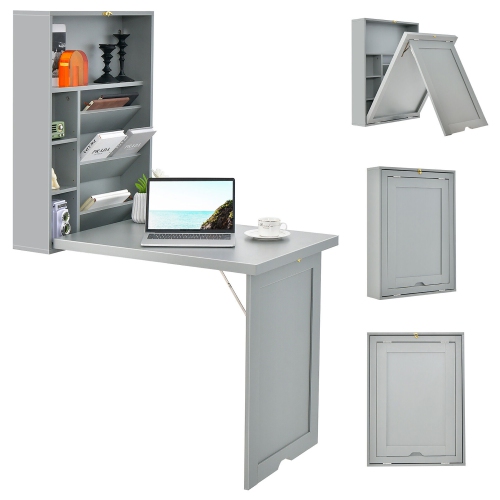
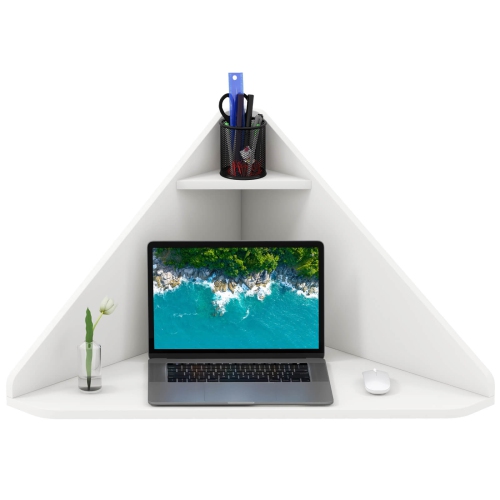
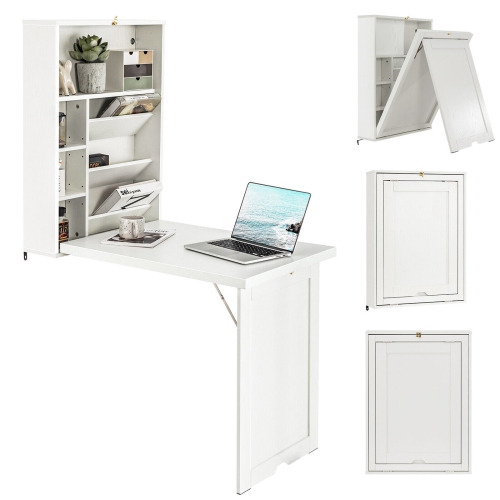
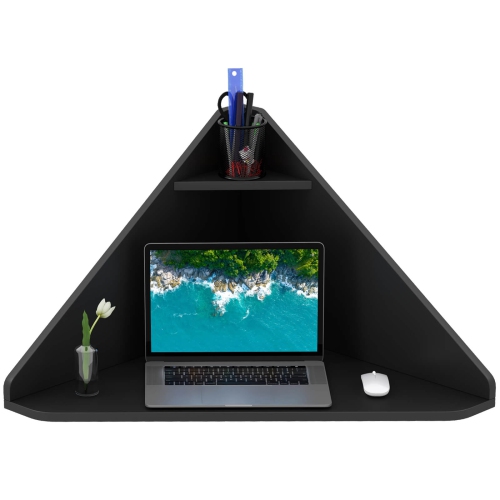
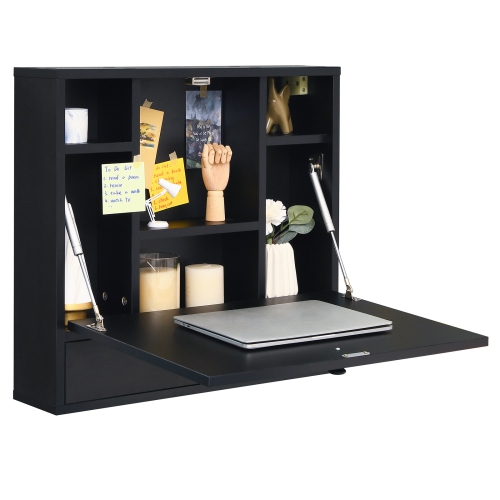
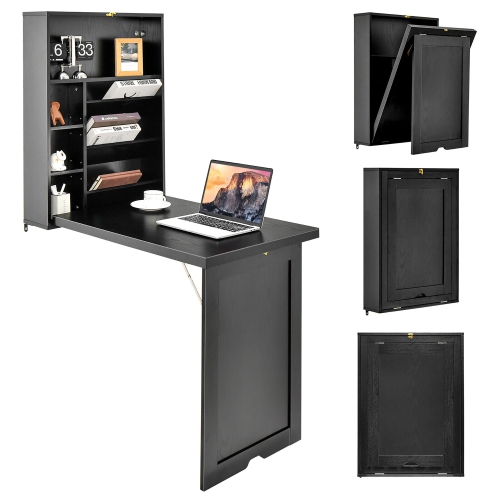
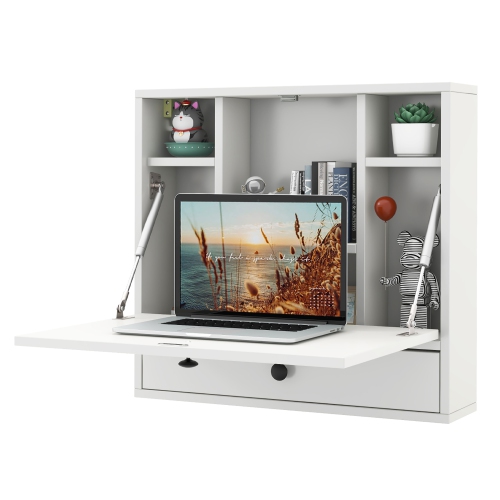
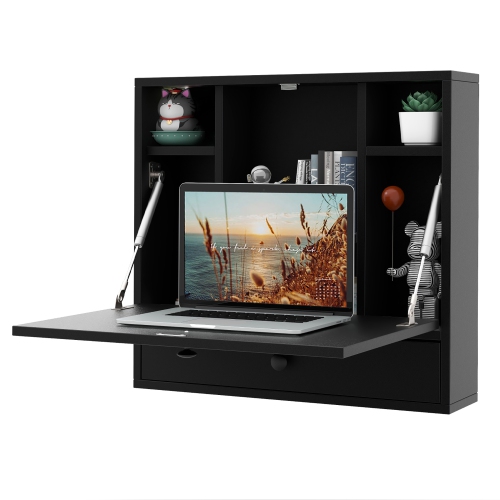
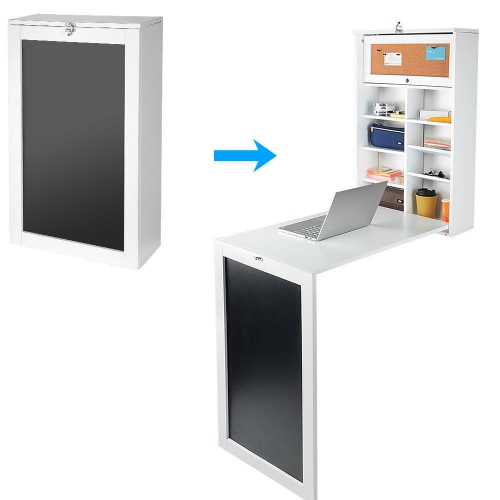
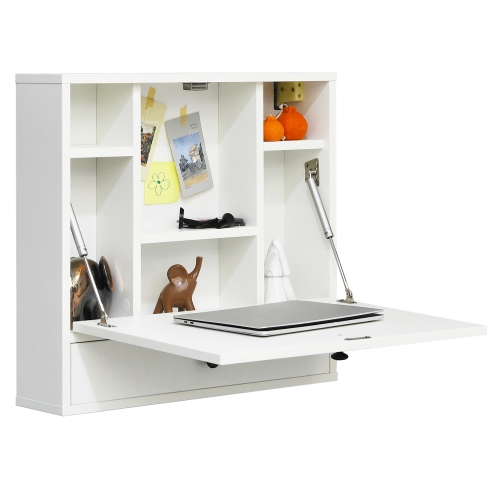
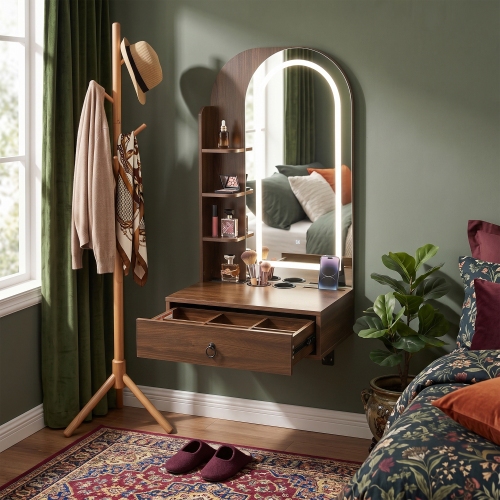
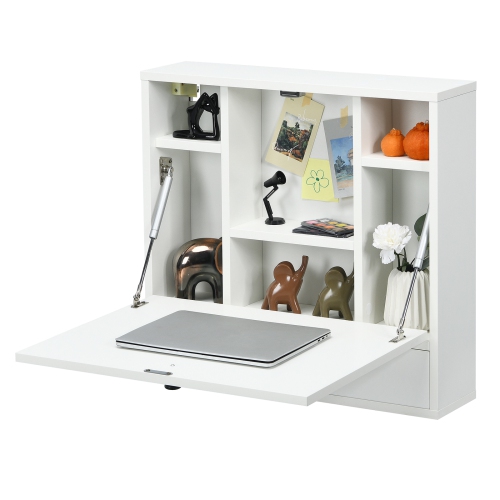
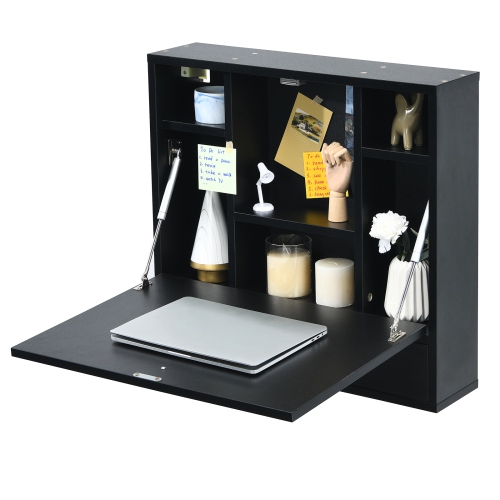
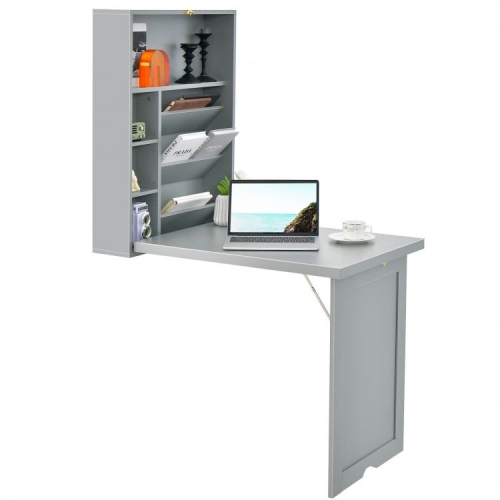
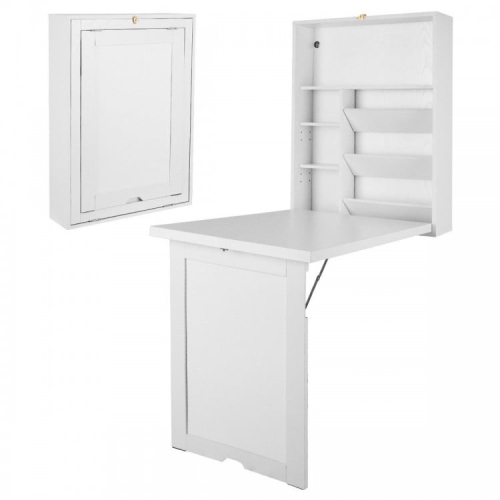
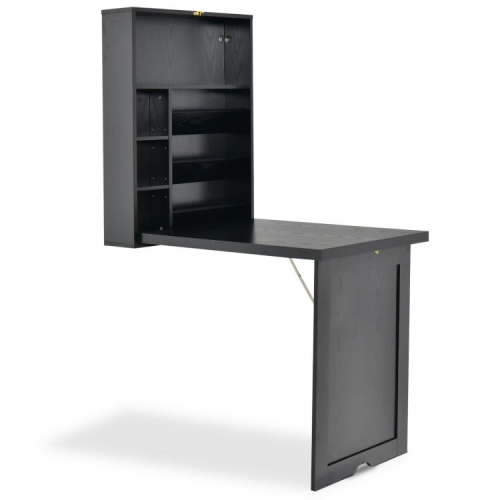
More floor space beneath your everyday workspace
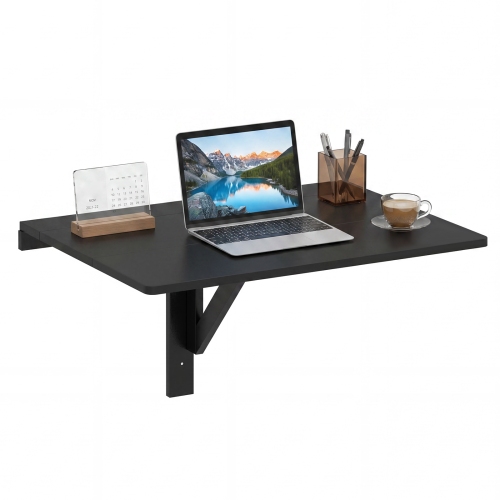
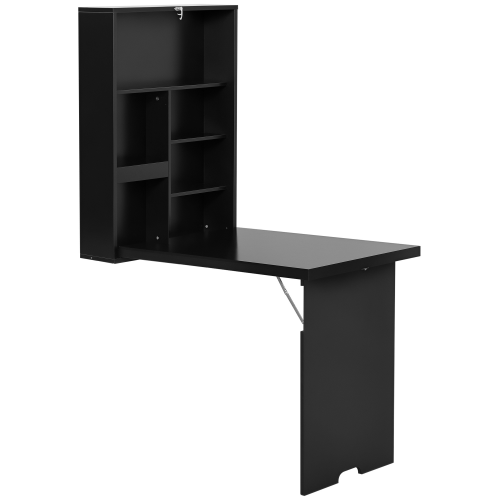
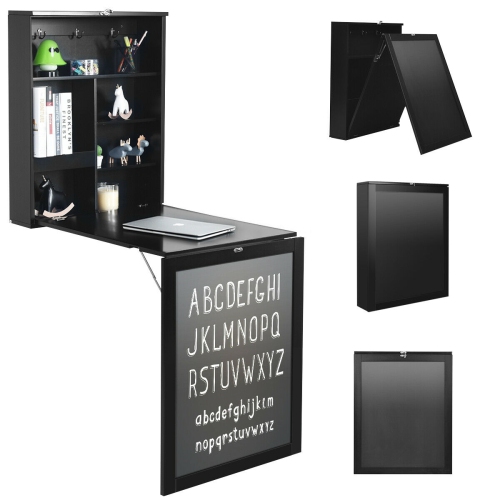
Mounted floating desks are wall-mounted work surfaces that attach directly to a wall rather than resting on floor-standing legs. Their open space underneath gives a room a less crowded appearance and leaves more floor area clear for a chair, footrest, or everyday cleaning. These desks suit apartments, condos, bedrooms, and home offices where a conventional desk might interrupt a walkway or occupy too much space. In a bedroom, a compact floating desk can turn an unused section of wall into a place for studying, answering emails, or organizing paperwork. In a shared living area, a wider surface can provide a dedicated workstation without introducing a bulky piece of furniture. The broader category of Wall Mounted Desks includes fixed work surfaces and fold-down designs, with different approaches to storage and support. Fixed designs keep a workspace ready throughout the day, while folding styles can close when the surface is no longer needed. The useful working area matters more than width alone: a shallow ledge may accommodate a notebook and laptop, but a separate keyboard, monitor, and mouse need more depth. A student spreading out a textbook beside a computer will have different requirements from someone using the desk for occasional video calls. Desk placement also affects how comfortably the room functions. There needs to be enough space to pull out a chair, sit down, and move away without blocking a doorway or cupboard. For fold-down styles, the opening path and the space occupied by any support arms are part of the overall footprint. A desk that looks compact when closed can project considerably farther into the room during use. Measuring both the wall space and the working area helps distinguish a practical daily workstation from a surface better suited to short tasks. Nearby windows and lamps also influence placement, particularly when reflections could make a laptop or monitor screen difficult to read.
Materials and construction influence the appearance, weight, and everyday durability of mounted floating desks. Solid wood offers natural grain and variation, while engineered wood can provide a consistent surface with a laminate, veneer, or painted finish. A wood veneer supplies the appearance of real wood over a supporting core; laminate offers a different surface treatment and often needs little more than gentle routine cleaning. Resistance to scratches, moisture, and wear depends on the particular finish, so material names alone do not tell the whole story. Smooth edges are useful where forearms rest against the front of the desk, and well-finished corners matter in narrow rooms where people pass close by. Metal brackets or frames may remain visible beneath the surface, while other designs conceal much of their mounting system for a floating appearance. Either approach depends on secure attachment to a suitable wall. A wall-mounted desk transfers its load into the wall structure, making wall construction, fasteners, and the manufacturer's installation requirements especially important. Drywall, masonry, and other wall types do not accept the same hardware, and supplied fixings may not suit every installation. Professional installation can be appropriate when the wall structure is uncertain or the mounting requirements are unfamiliar. Rental properties may also have restrictions on drilling or permanent fixtures. Weight capacity deserves close attention because a laptop-only setup places different demands on the desk than a large monitor, speakers, and a stack of books. The combined load must stay within the stated limit, and the surface should never be treated as a seat or climbing step. Monitor arms require particular care: their clamps need a compatible desktop edge and thickness, and their leverage can affect how force reaches the desk and its supports. Fold-down mechanisms add hinges, catches, and moving supports whose operation should remain unobstructed. A dependable setup matches the desk, mounting method, wall structure, and intended workload rather than relying on the appearance of the surface alone.
Comfort and organization help determine whether a floating desk works well beyond occasional use. Since many fixed designs are installed at one height, the relationship between the desktop and the chair is worth considering before mounting. A seated user should have room for their knees and thighs, with shoulders relaxed and forearms comfortably supported during typing. Storage compartments beneath the desktop can reduce legroom, particularly on shallow designs, while a support bracket may affect where a chair or footrest can sit. For a shared workspace, an adjustable chair offers some flexibility, although a fixed-height desk may not suit everyone equally well. Laptop users who spend long stretches at the desk may prefer enough space for a raised screen and separate keyboard rather than keeping both hands and eyes directed towards a low display. Built-in shelves, drawers, and cubbies can keep chargers, stationery, and notebooks close at hand, but their placement should leave the main surface usable. Open shelves make frequently used supplies easy to reach; closed compartments can give a living room or bedroom a quieter appearance once work is finished. Cable openings are helpful when positioned near outlets, with enough slack for a folding surface to move without pulling on connections. Cords should stay clear of hinges, chair wheels, and walking routes. Care is generally straightforward but depends on the finish: a soft cloth, prompt attention to spills, and cleaning products approved by the manufacturer help protect the surface. Excess moisture can damage some wood-based materials, especially around exposed edges or joins, while abrasive pads can mark finishes. Coasters and protective desk pads can reduce everyday wear without adding much bulk. Periodic checks of accessible fasteners and moving parts, following the manufacturer's directions, can help identify loosening or wear. For remote workers, students, and households creating a small administrative corner, the most useful mounted floating desks balance an appropriately sized work surface with comfortable clearance, suitable storage, and a mounting arrangement designed for the tasks ahead.
Top selling and popular products
-
 Your price for this item is $97.99
-
 Your price for this item is $89.99
-
 Your price for this item is $84.99
-
 Your price for this item is $97.99
-
 Your price for this item is $649
-
 Your price for this item is $749
-
 Your price for this item is $649
-
 Your price for this item is $749
Discover more categories related to Mounted Floating Desks

Top Collections:
Best Black Friday Deals This Year, Best Black Friday Deals On Electronics, Kindle Devices, Pokemon Centers, Best Black Friday Deals On Apple Products, Best Cameras for Sports Photography, Dyson Airwrap, Pokémon 30th Celebration Cards, Apple iPhone 17 Pro, Canon G7X Cameras
Some products may be subject to Environmental Handling Fees
(EHF) depending on your province.
Learn more about EHFs.