Mudroom Cabinets
Organize your entryway in style with our selection of mudroom cabinets. Keep clutter at bay and create a functional space for storing shoes, jackets, and everyday essentials with these versatile storage solutions. From sleek modern designs to classic and rustic styles, find the perfect mudroom cabinet to suit your home's aesthetic while keeping everything tidy and within reach. Whether you're looking to maximize space in a small entryway or add a statement piece to your foyer, our range of mudroom cabinets offers both fashion and function for a seamless entryway experience.
Sort
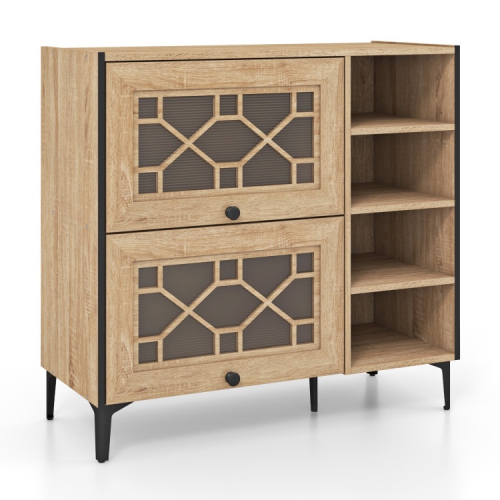
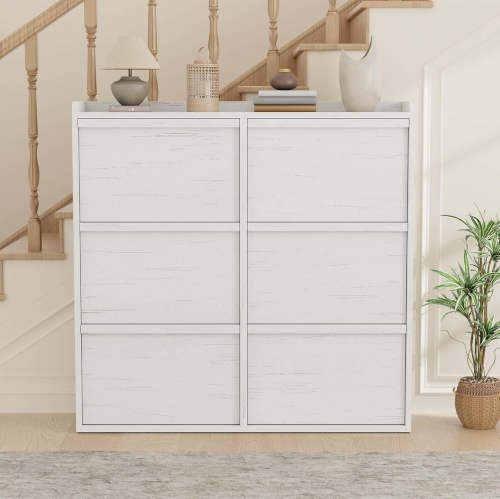
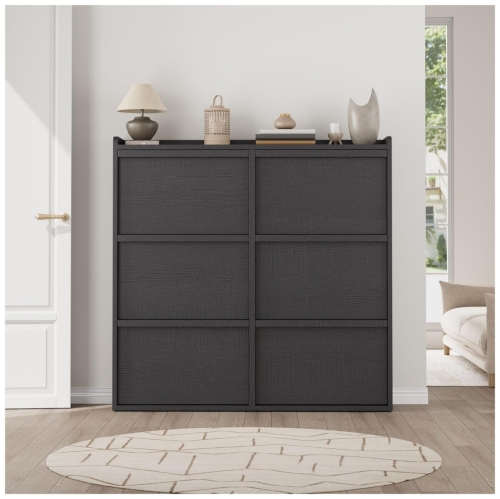
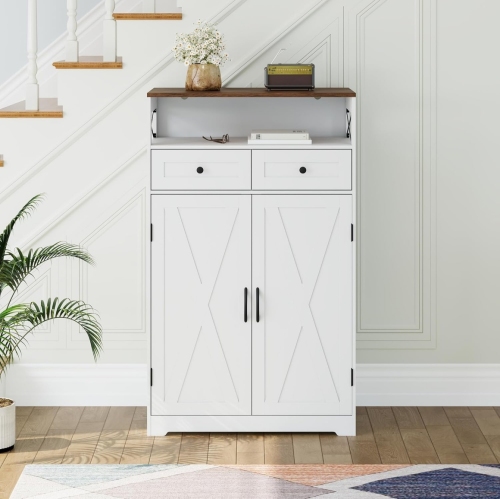
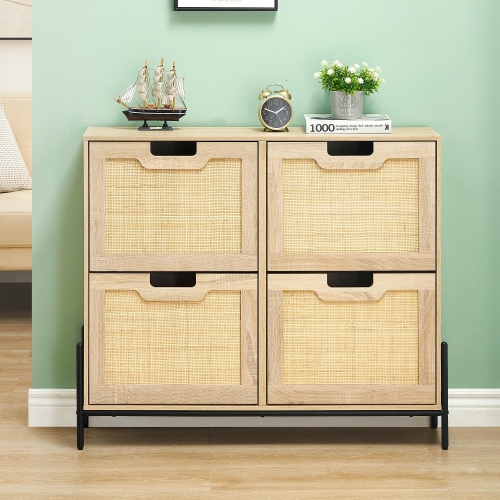
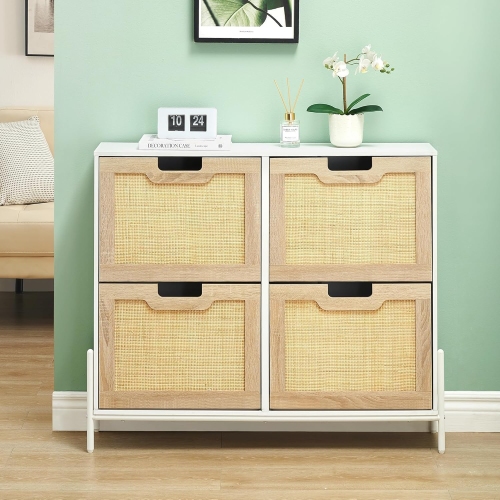
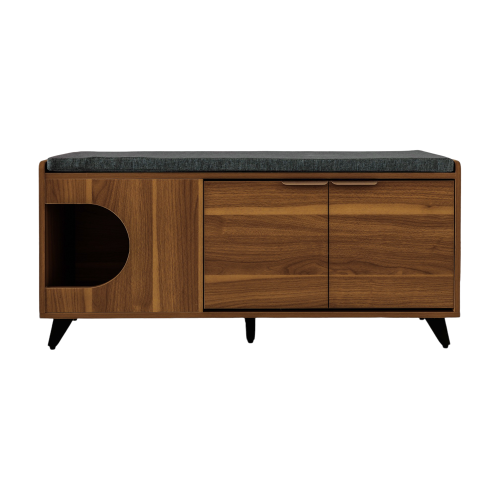
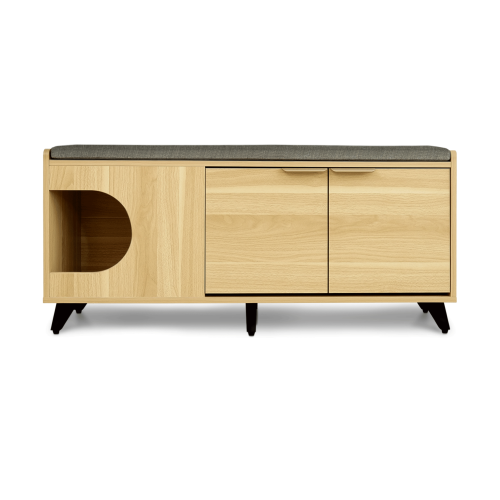
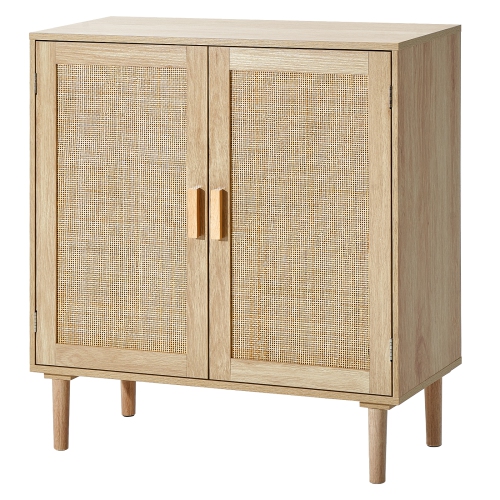
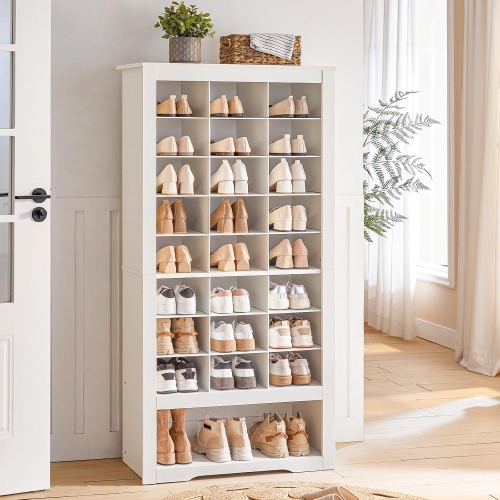
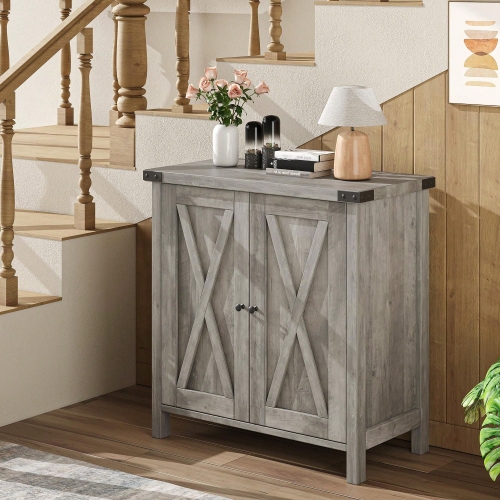
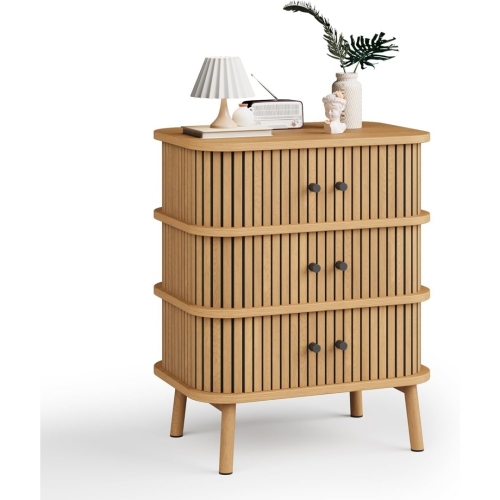
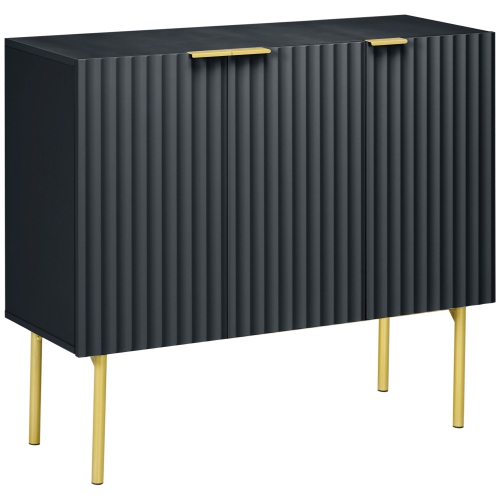
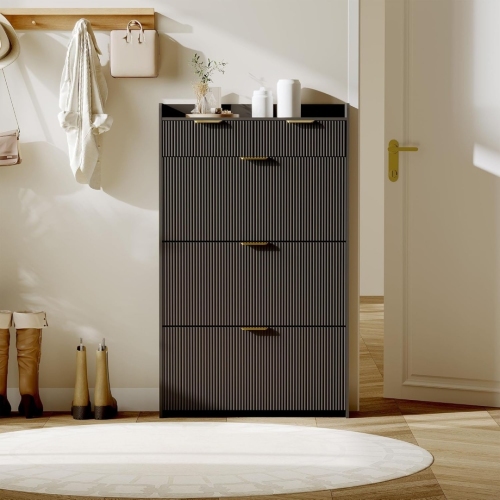
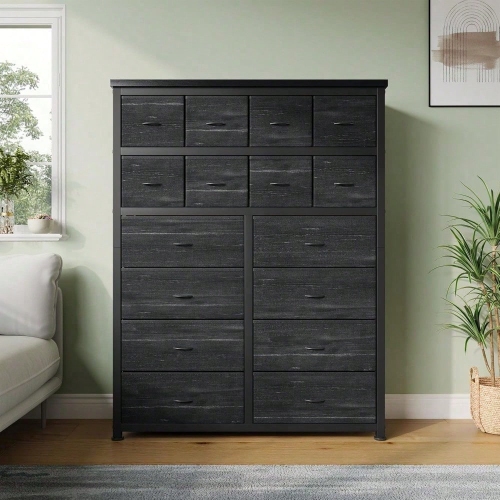
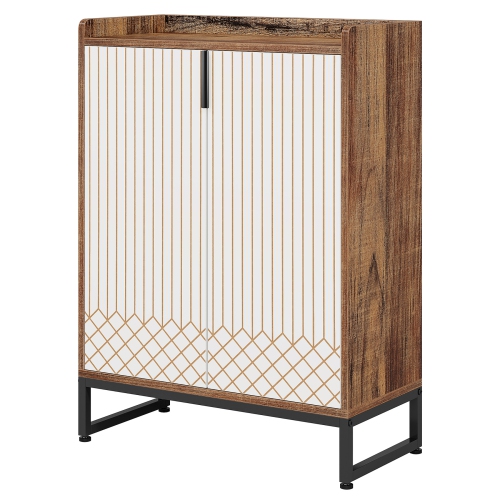
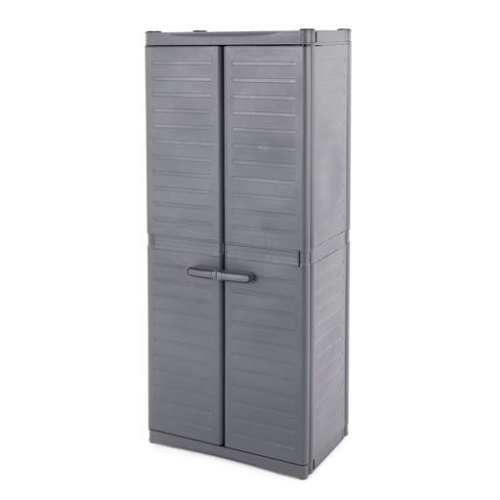
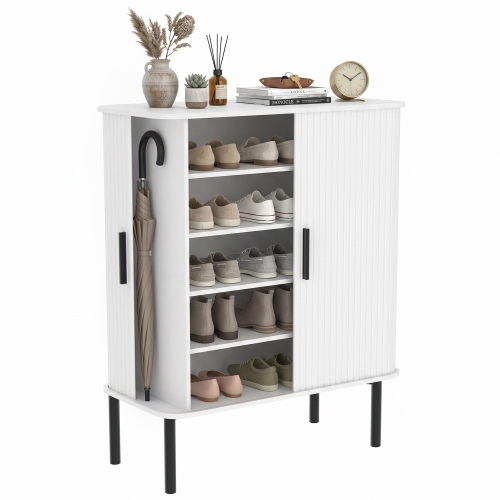
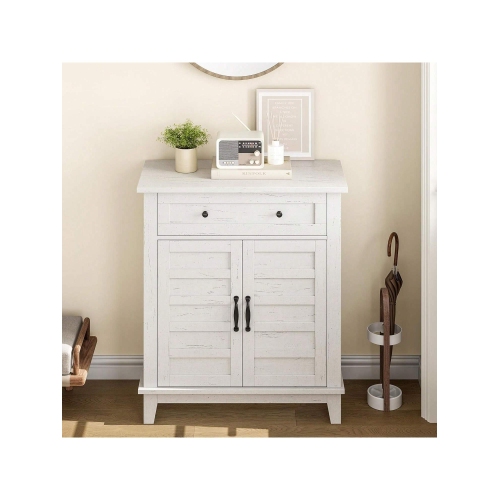
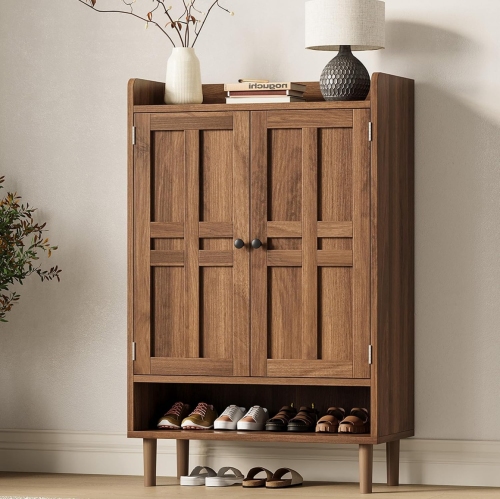
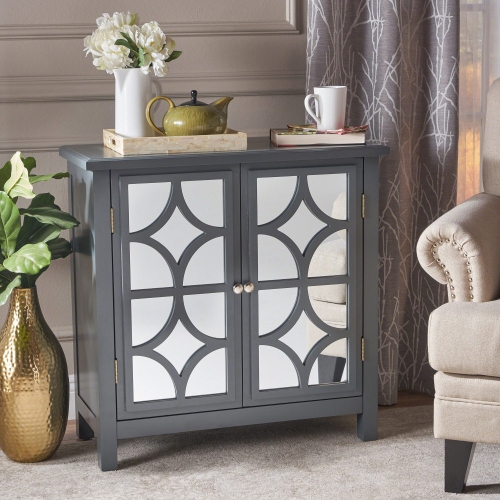
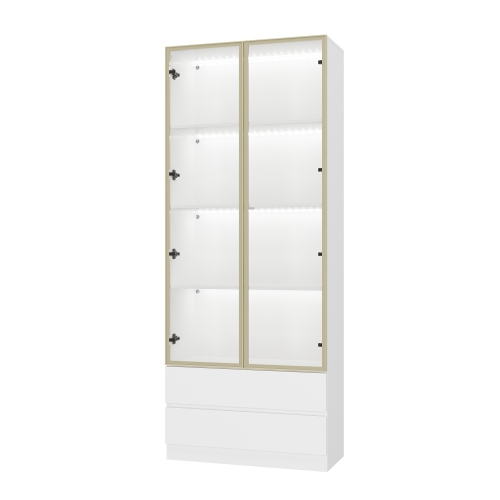
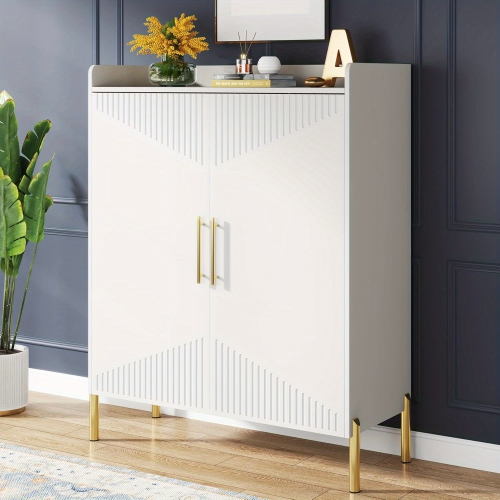
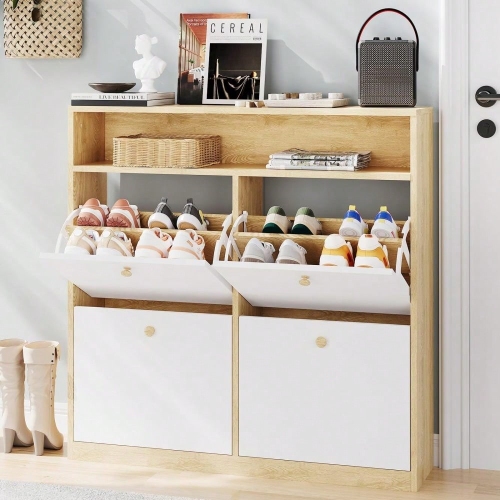
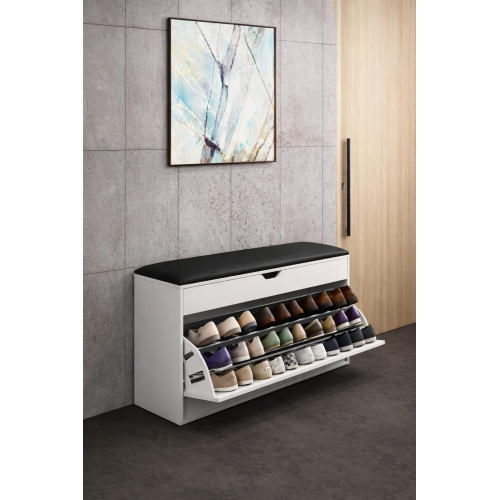
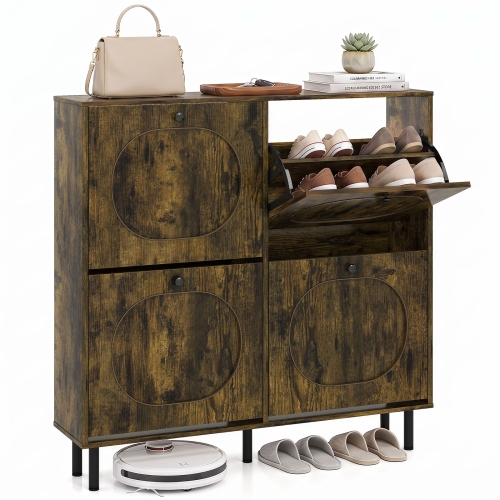
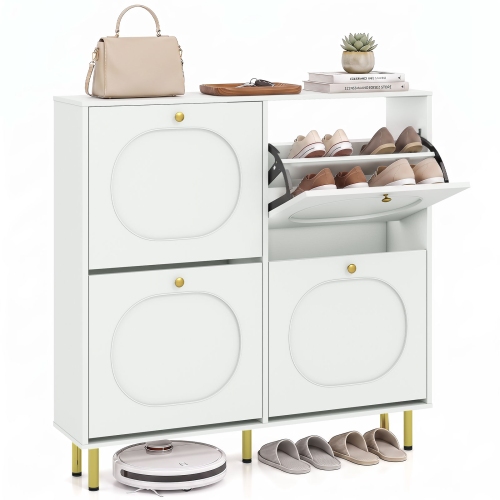
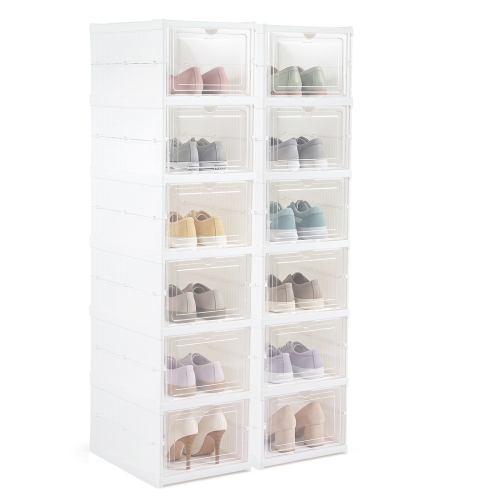
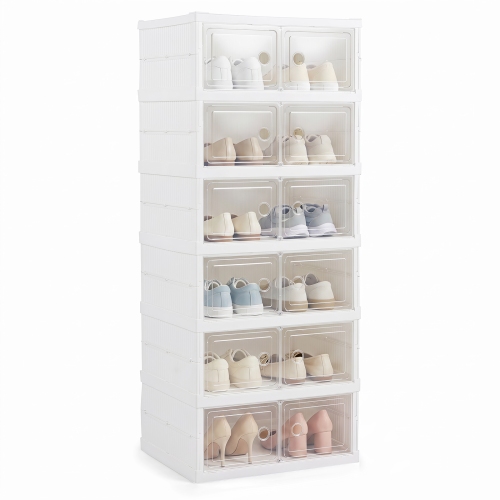
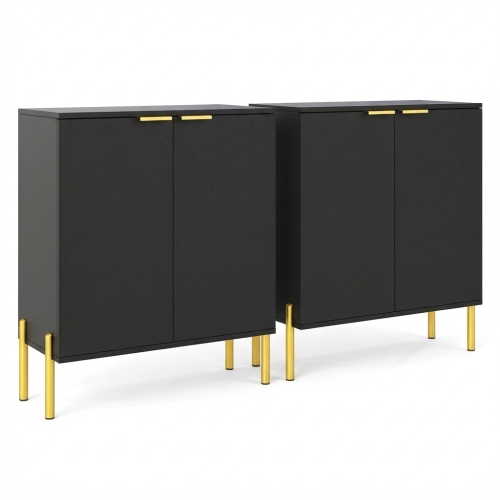
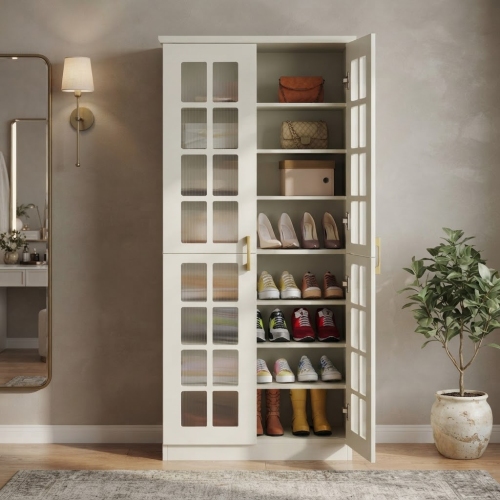
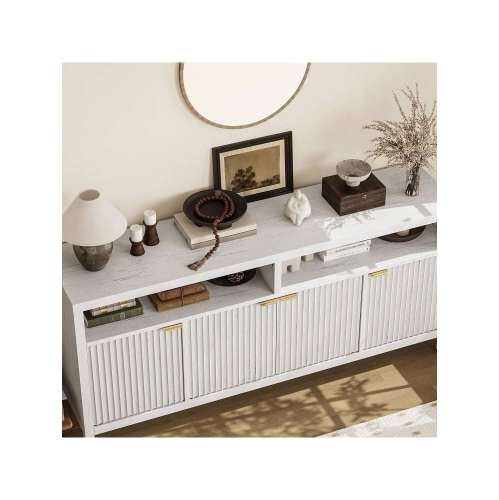
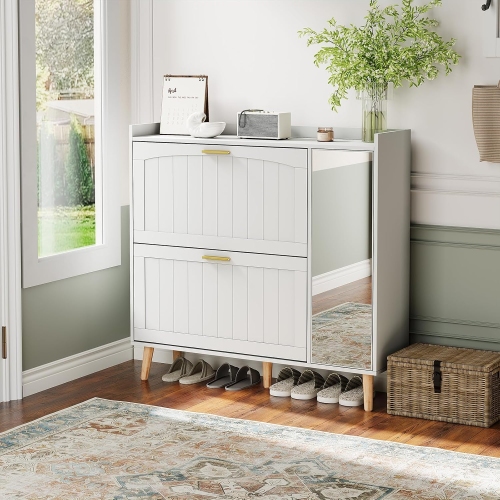
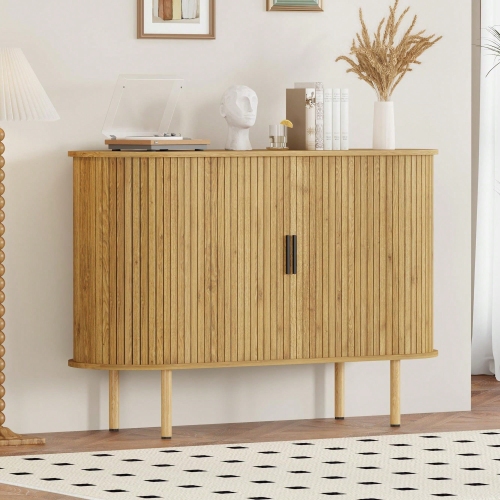
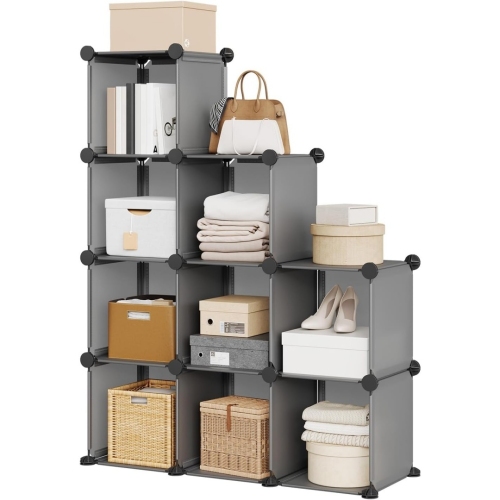
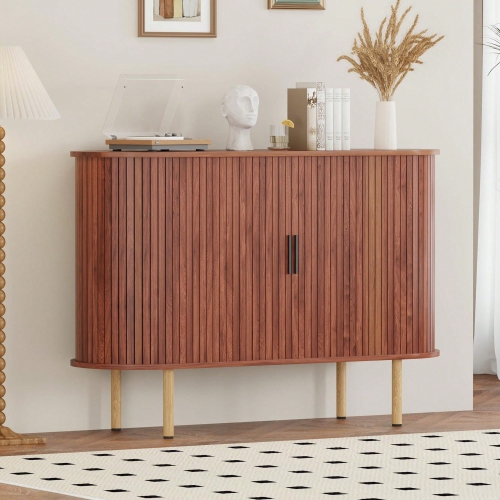
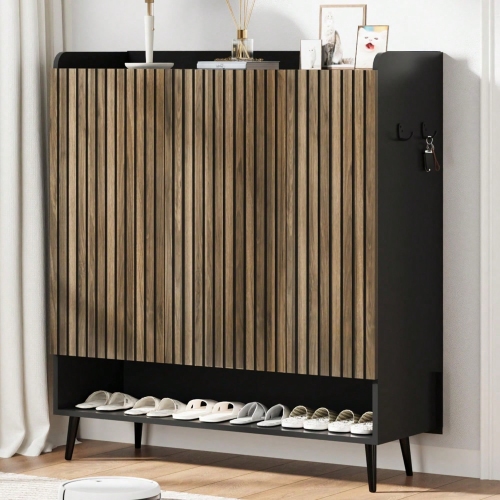
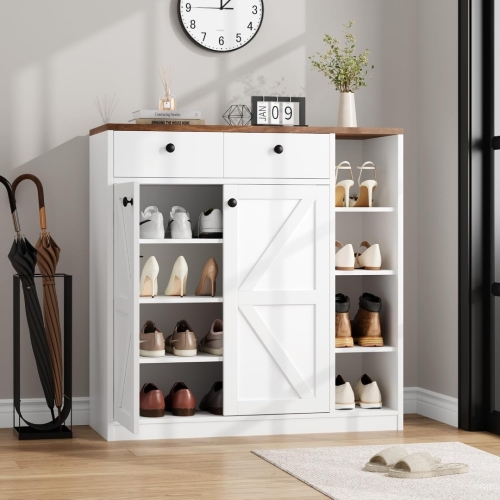
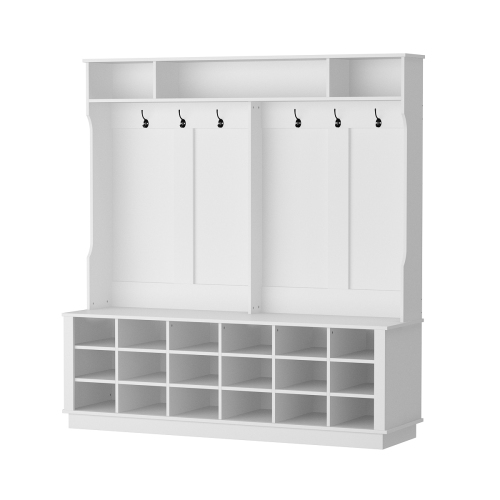
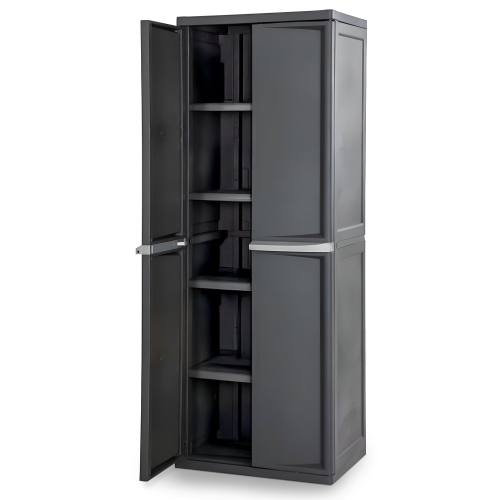
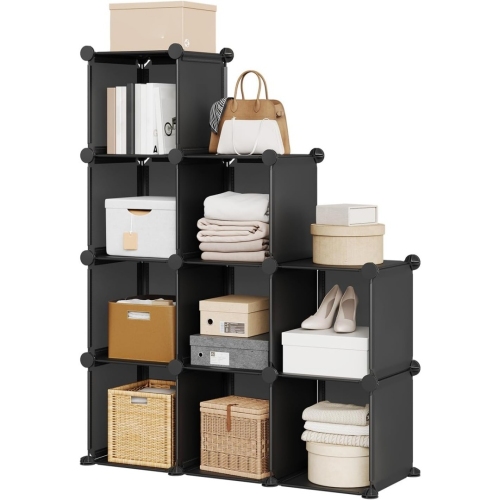
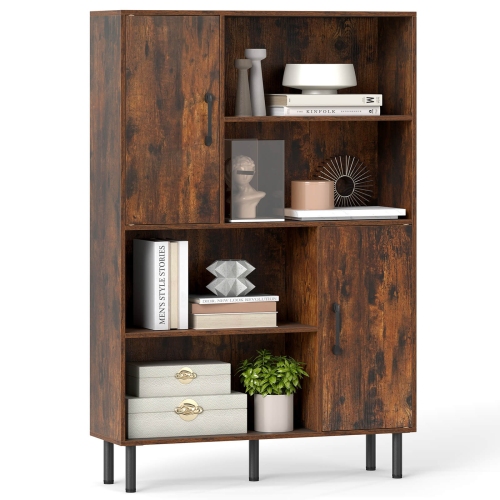
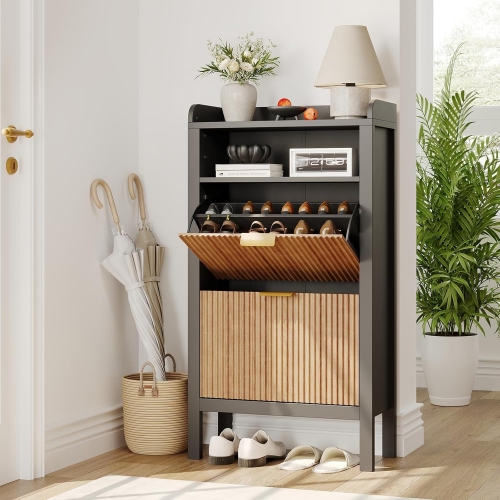
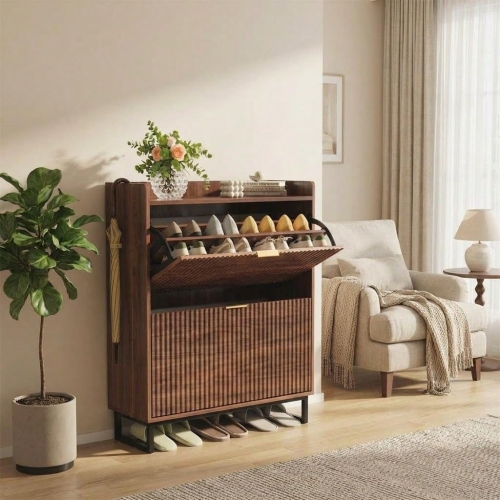
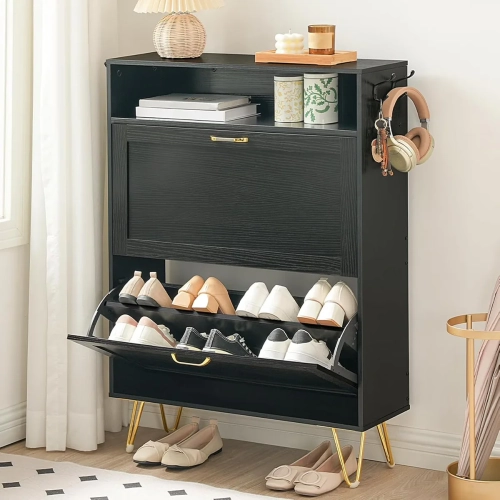
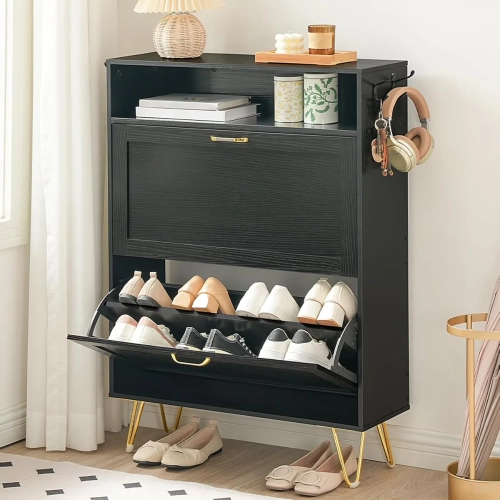
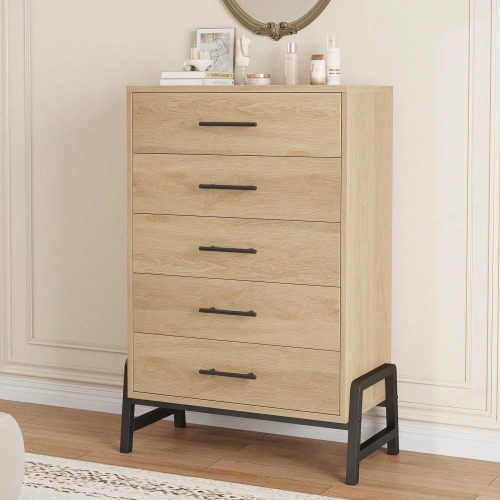
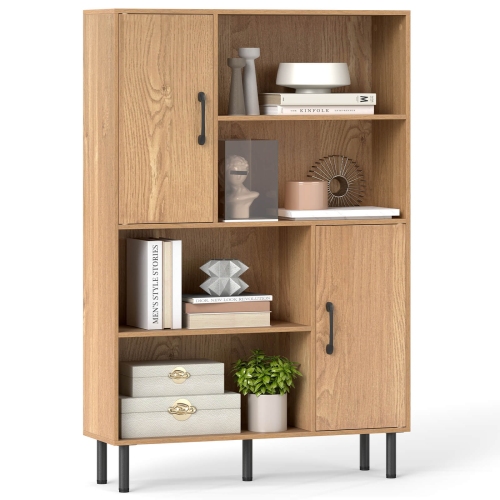
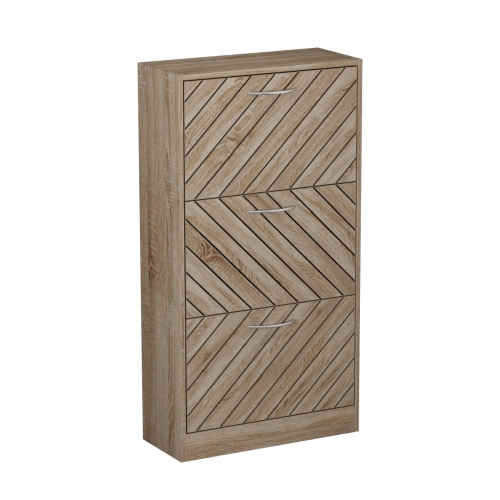
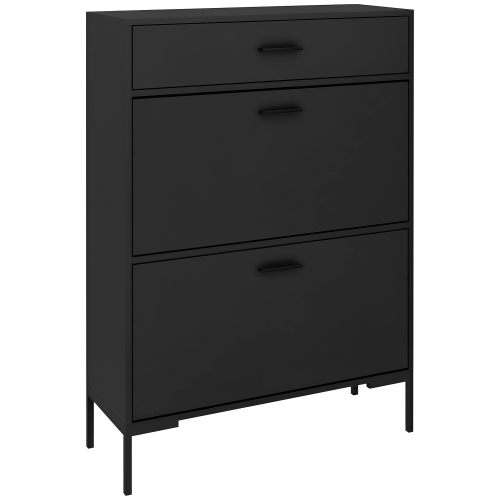
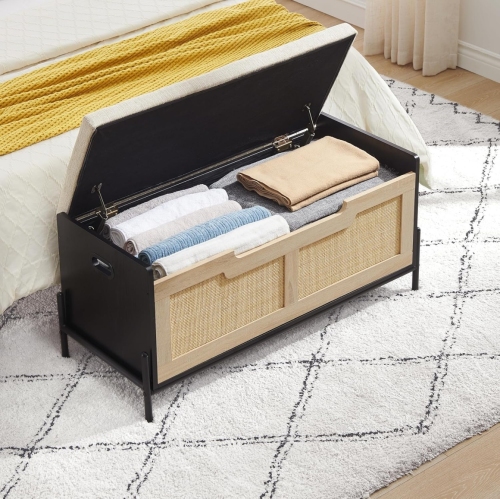
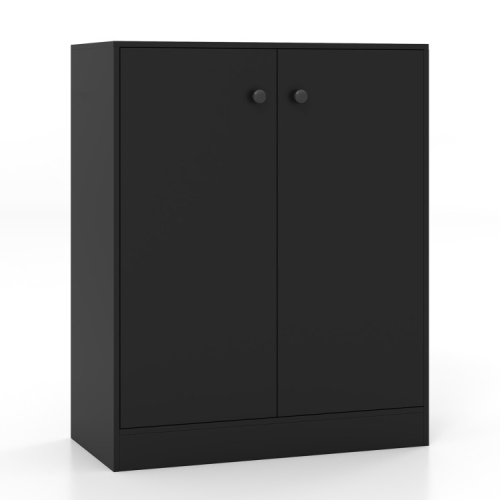
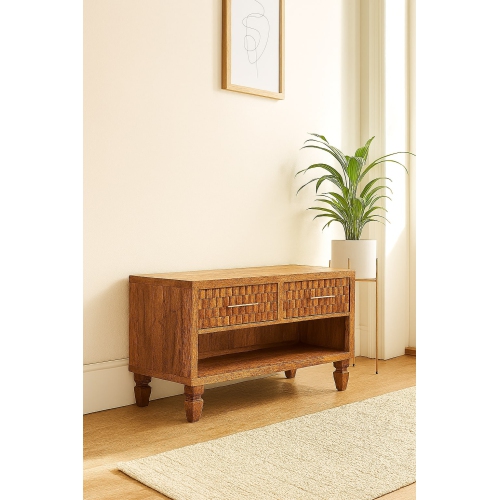
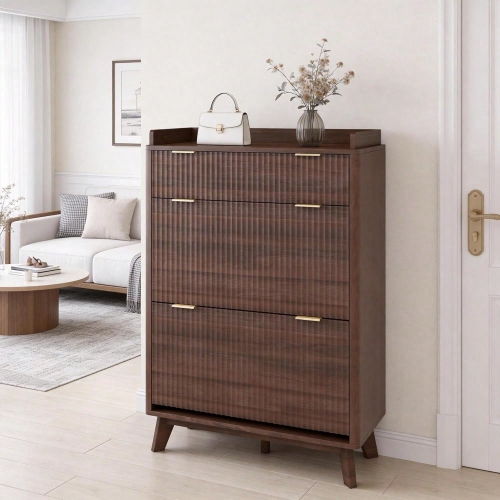
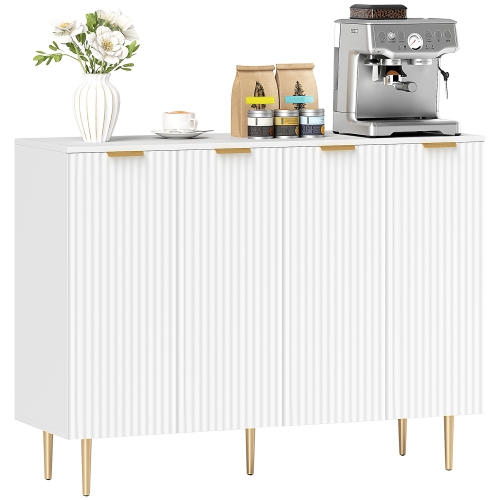
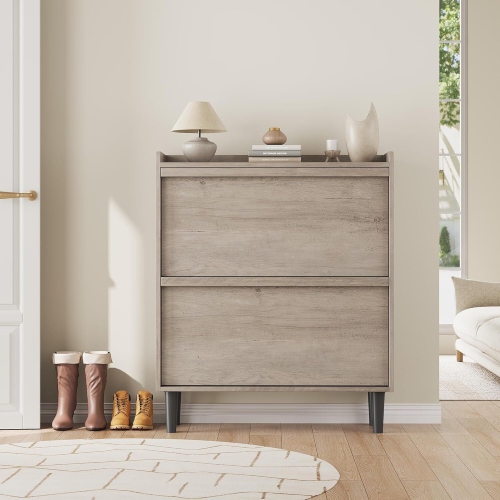
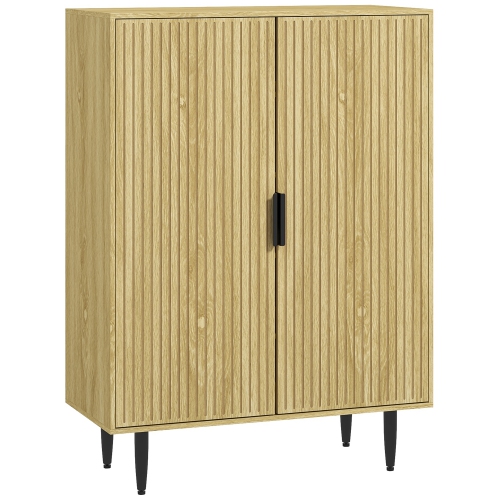
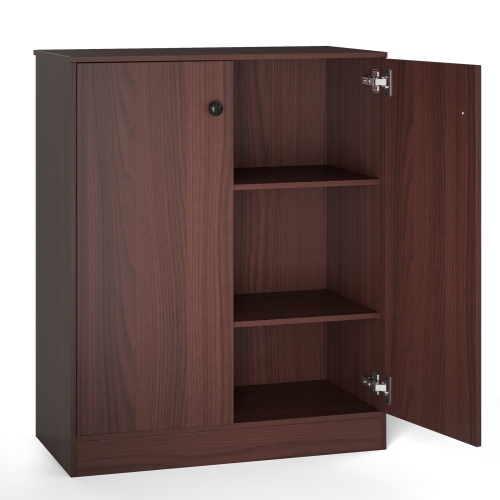
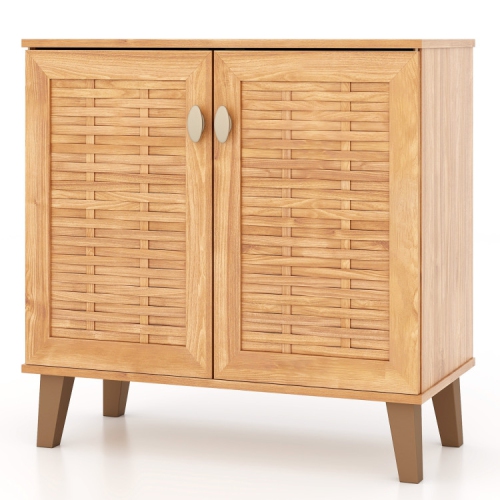
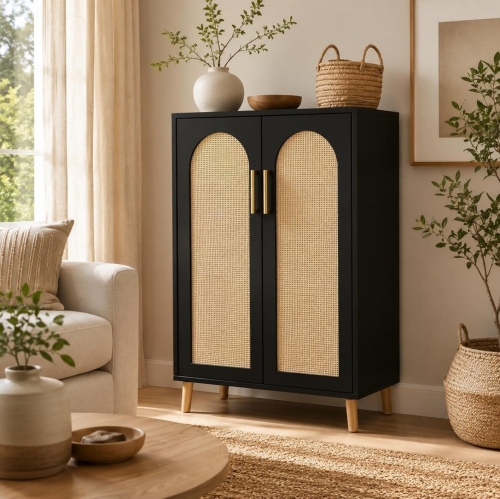
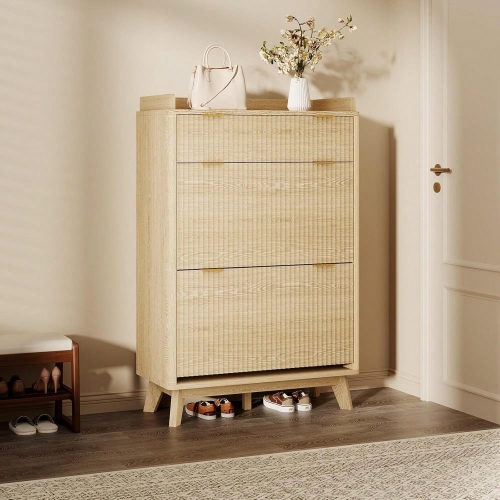
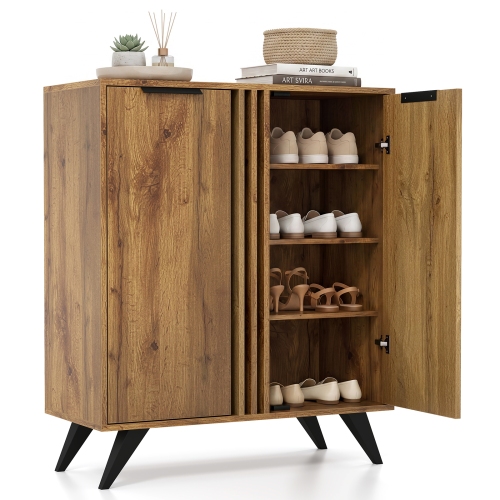
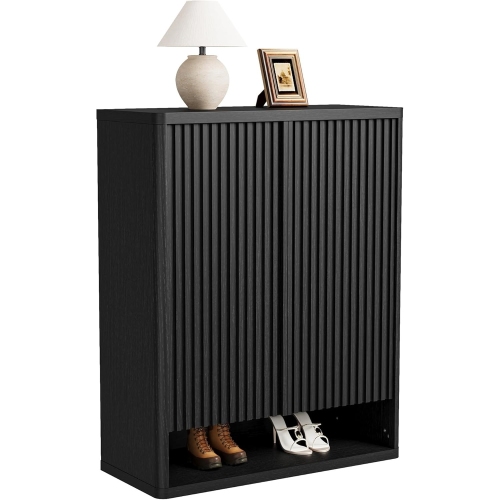
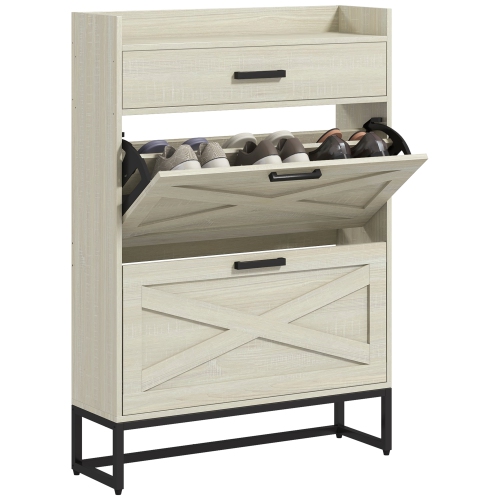
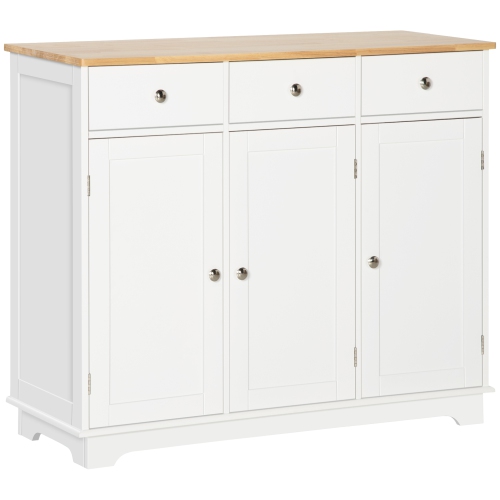
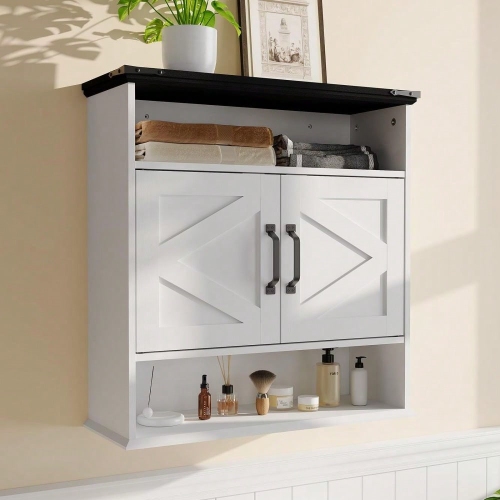
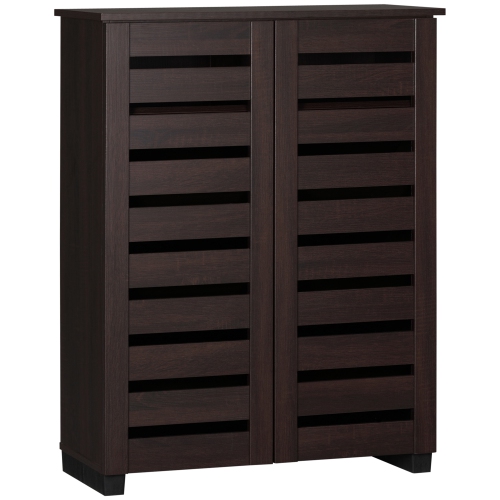
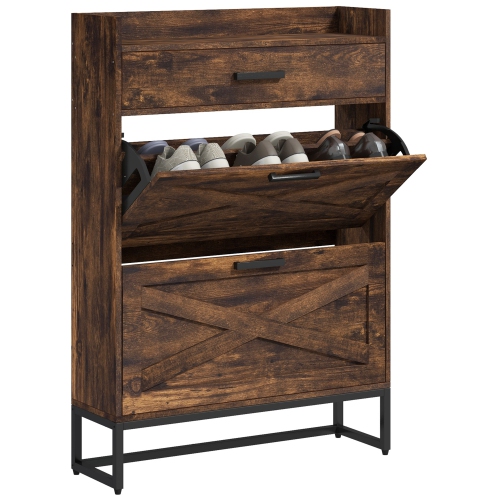

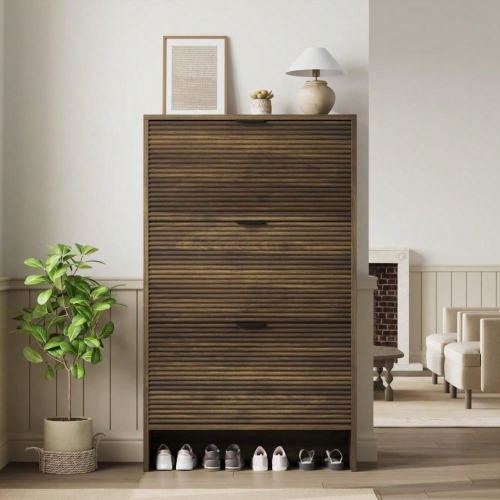
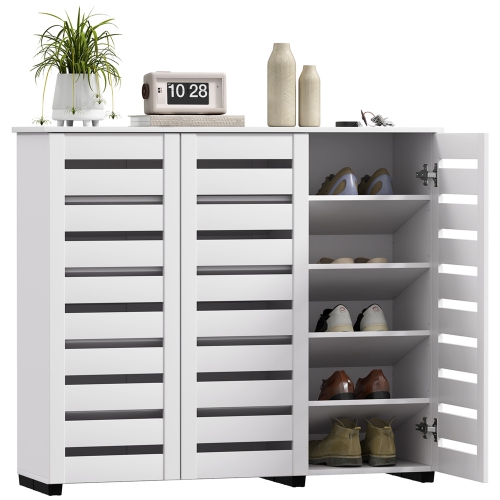
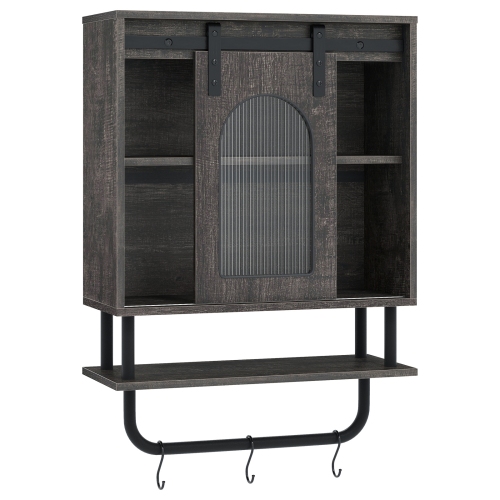
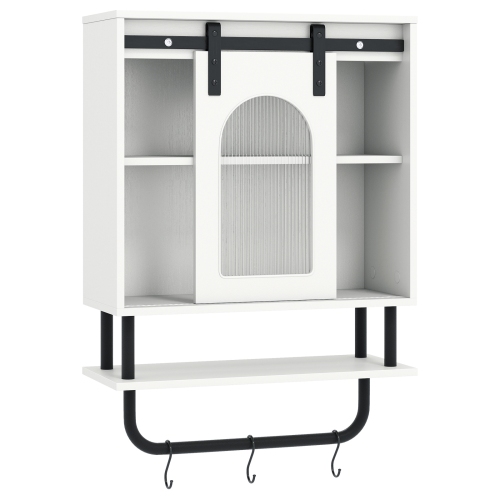
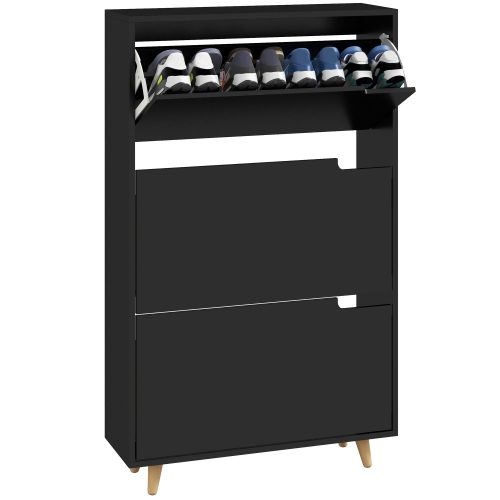
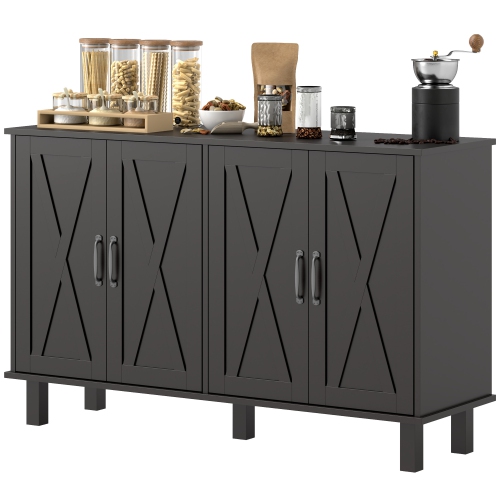
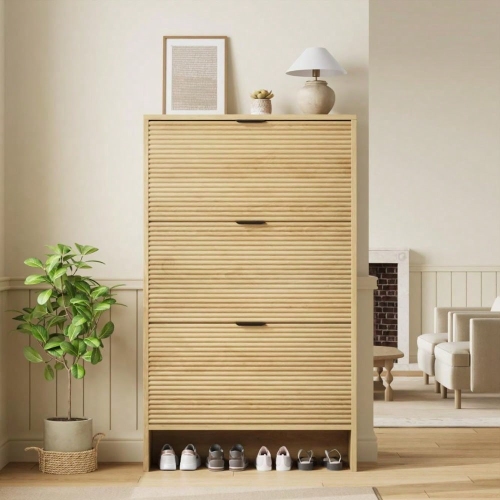
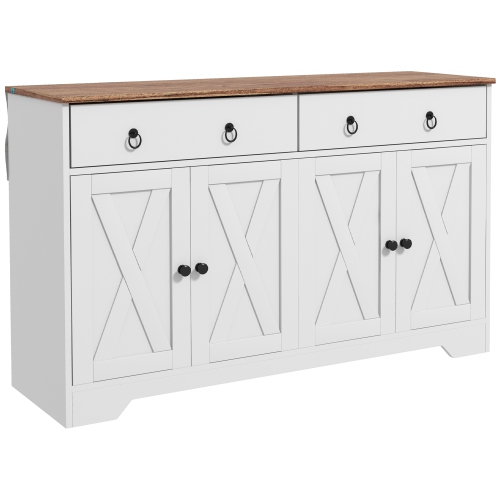
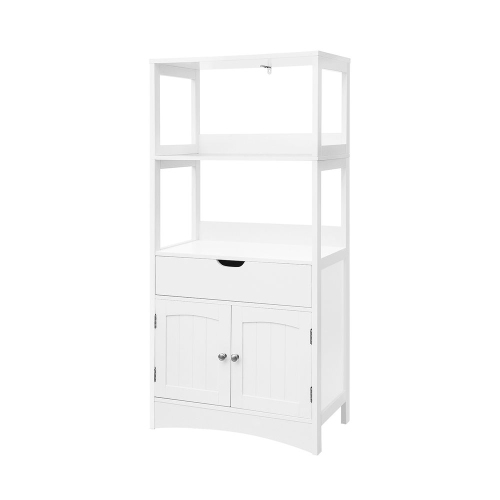
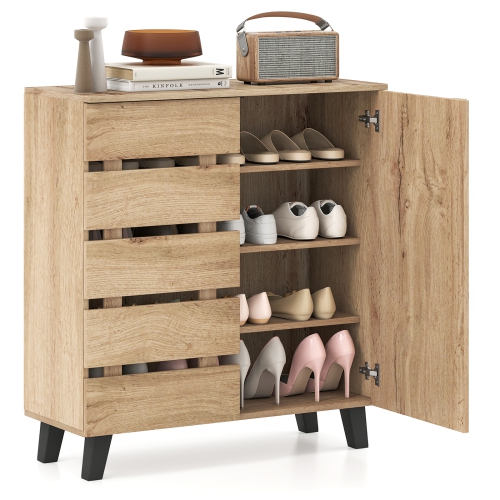
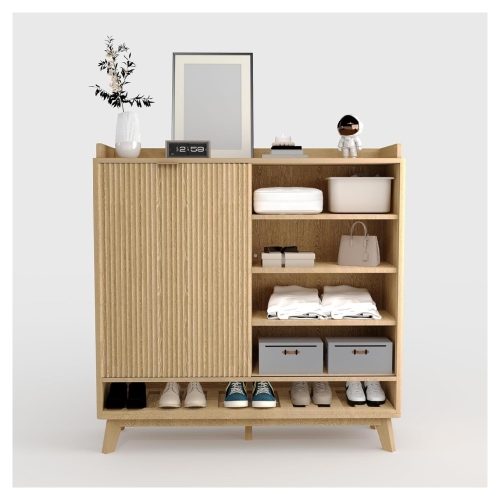
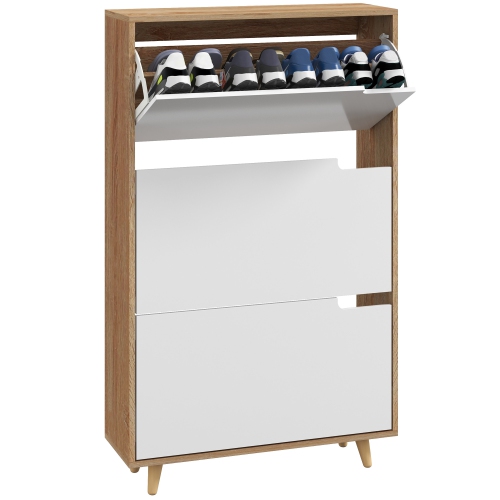
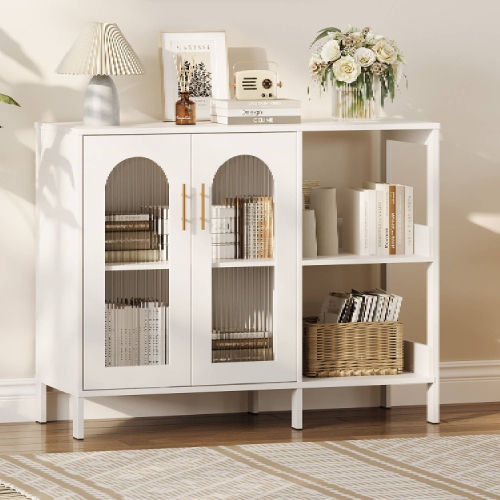
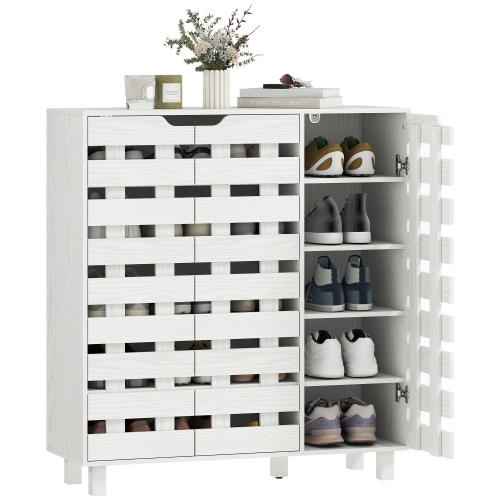
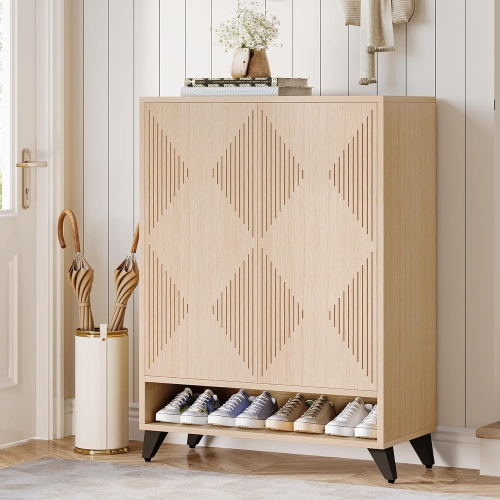
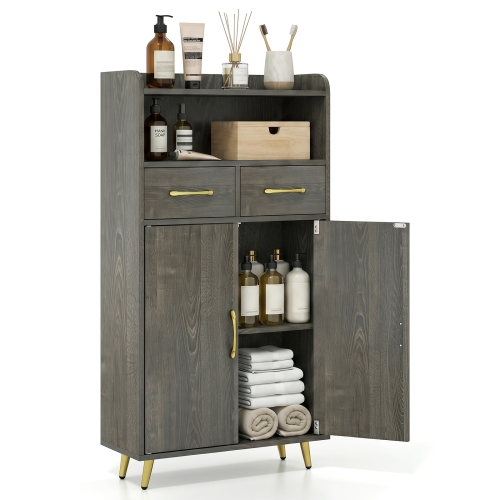
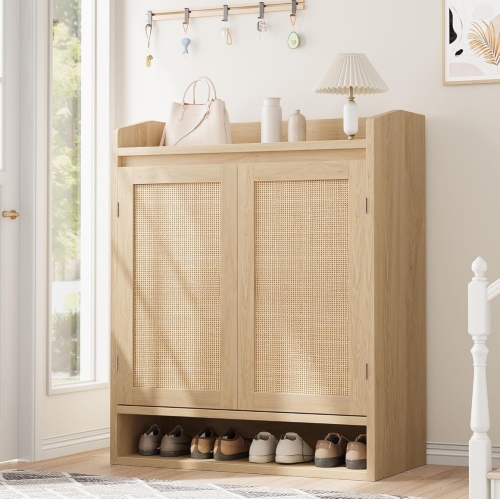
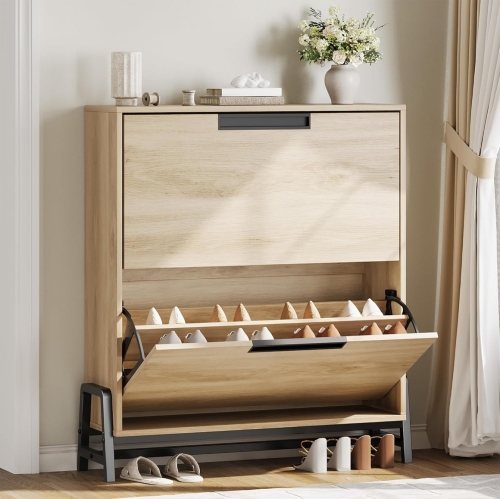
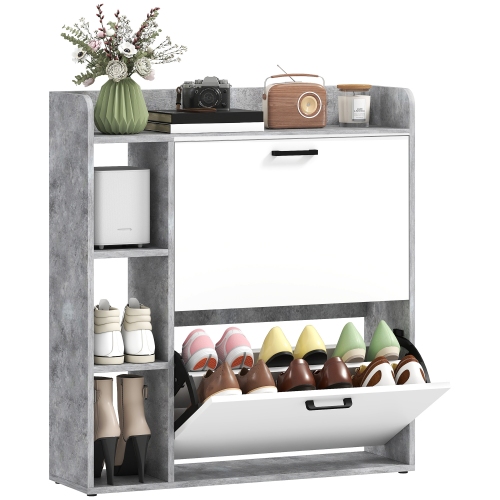
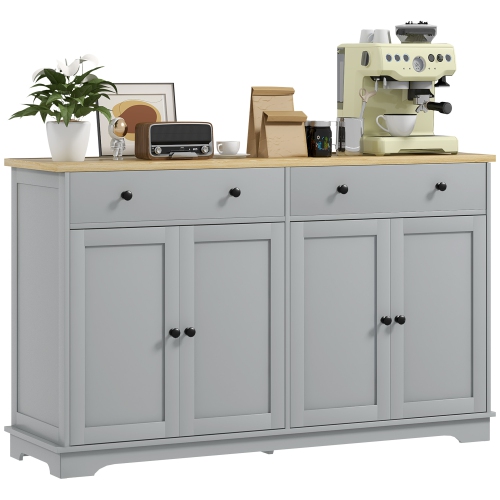
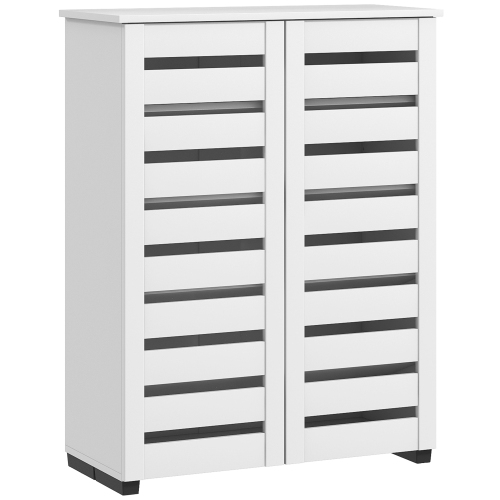
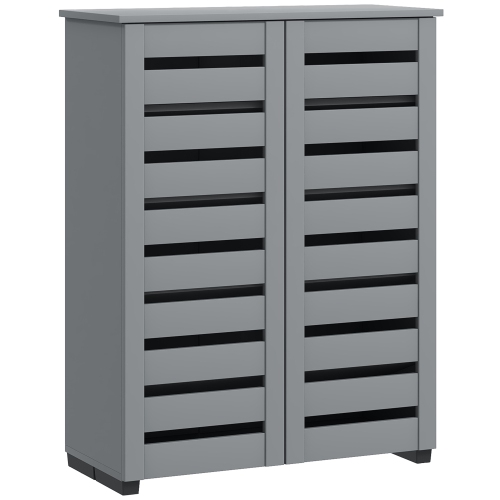
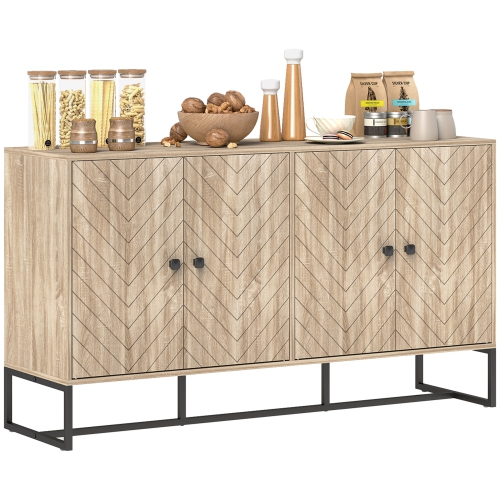
A calmer landing zone for busy mornings and changing seasons
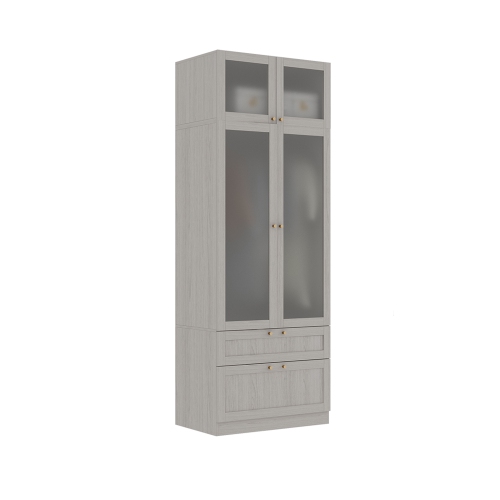
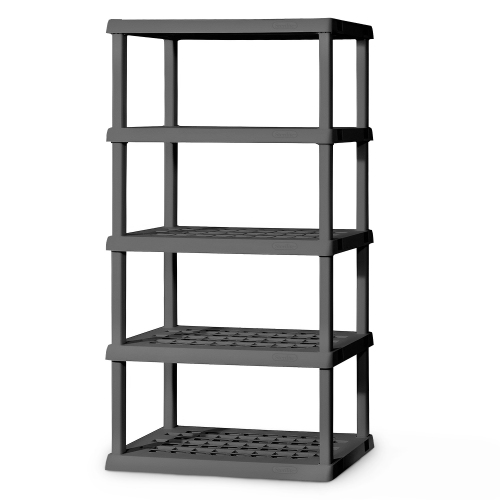
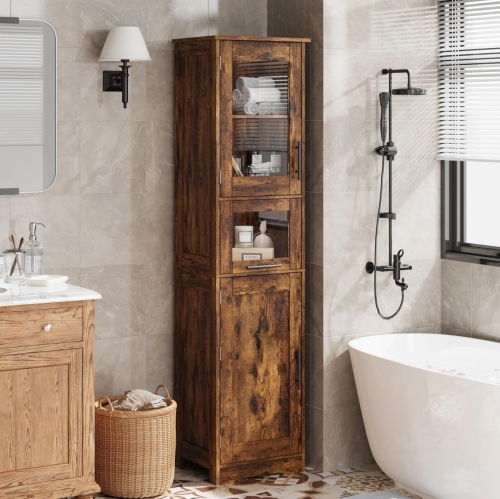
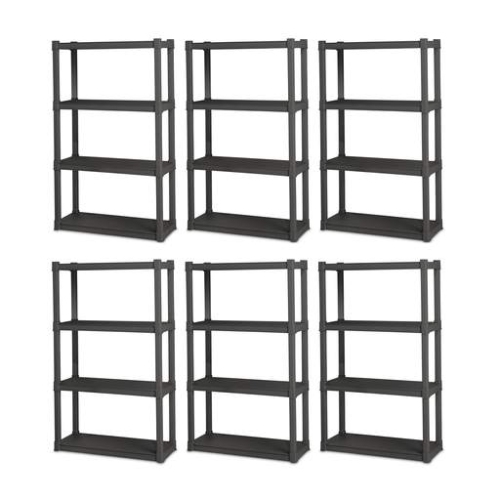
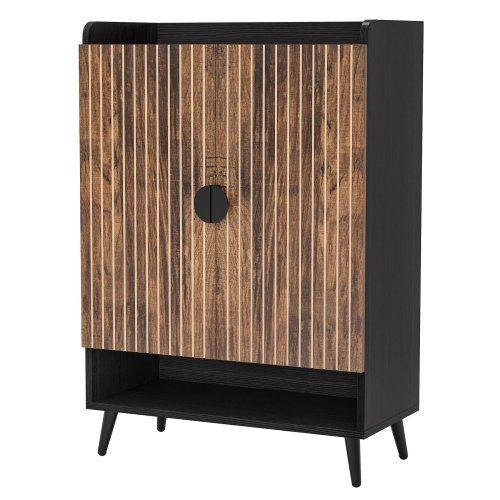
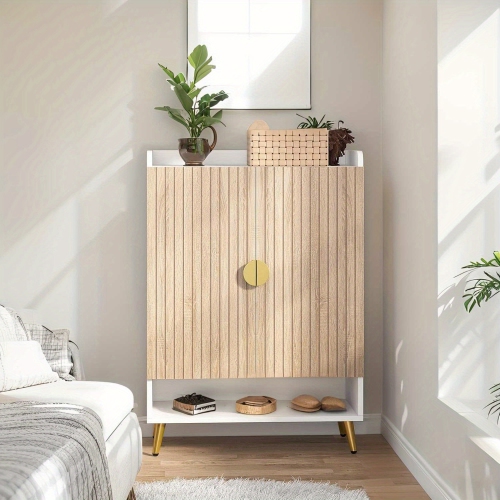
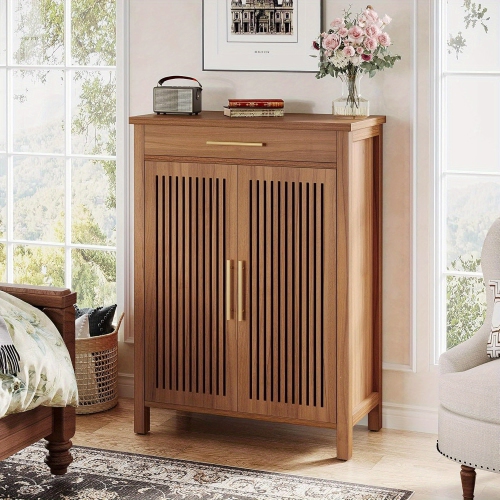
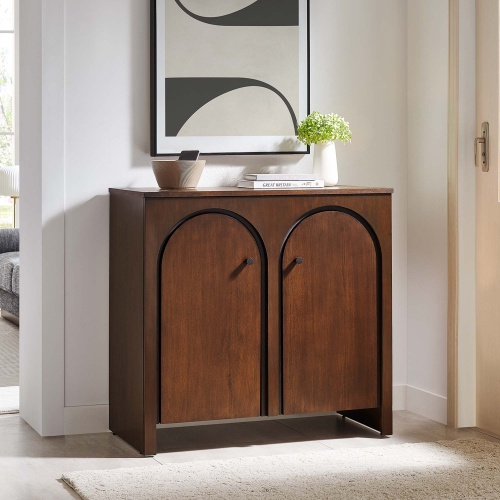
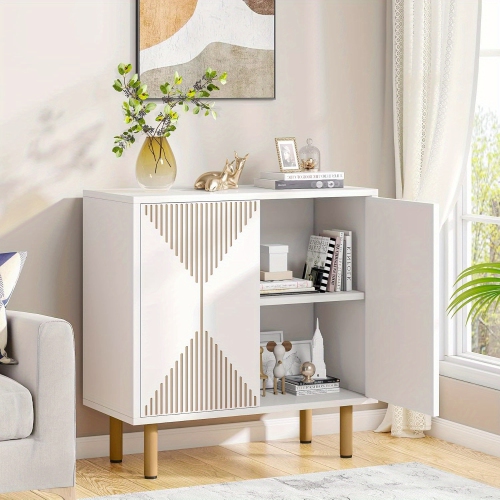
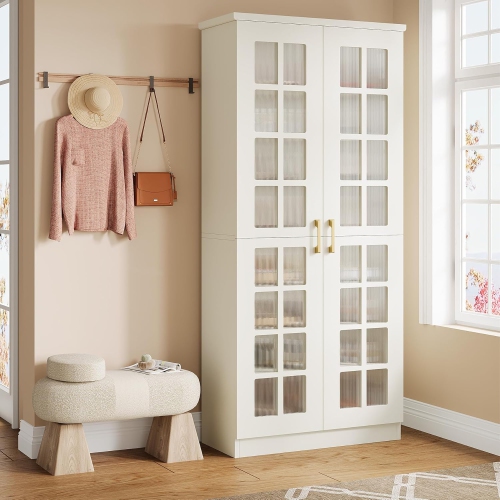
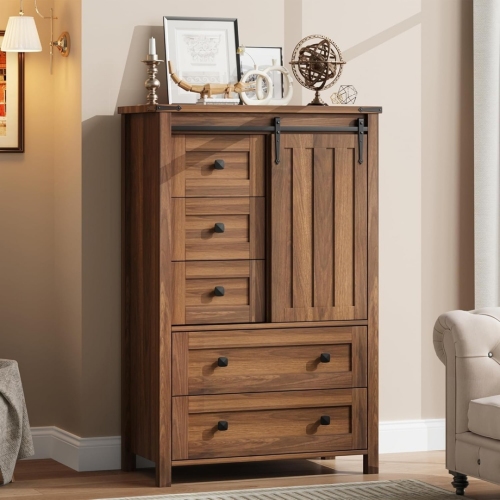
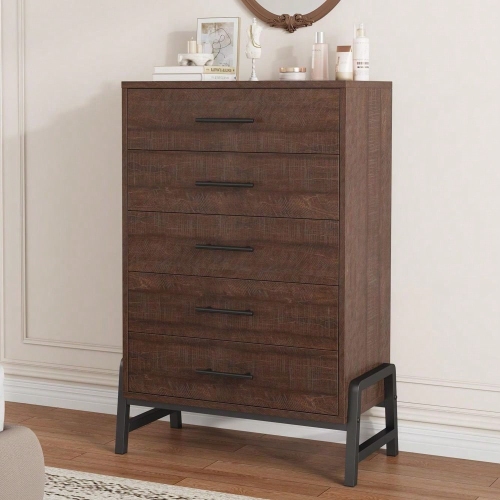
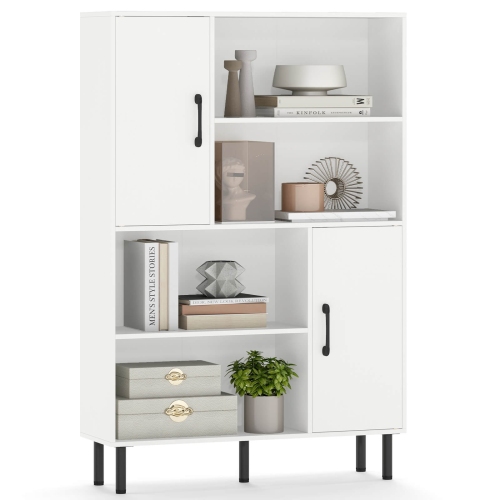
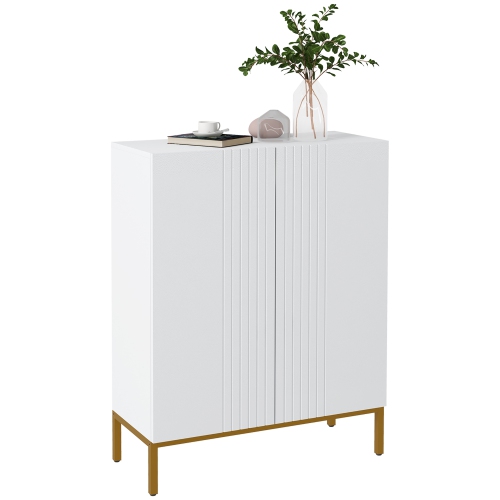
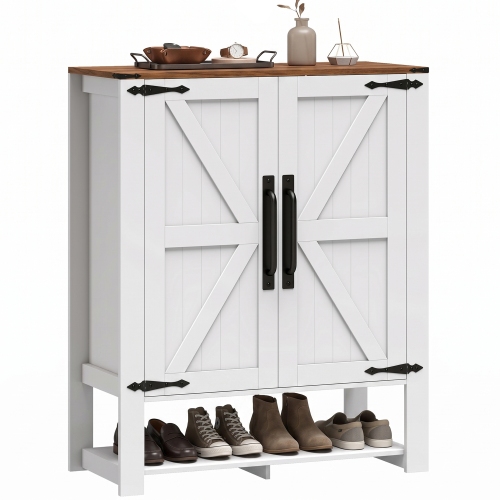
Mudroom cabinets help create a practical landing zone between the outdoors and the rest of the home. They give coats, footwear, bags, sports equipment, umbrellas, pet supplies, and everyday accessories a defined place to go, making it easier to keep entryways looking calm even when life is busy. A well-planned mudroom can make a noticeable difference on rushed mornings: backpacks can be stored near the door, hats and mittens can stay together, and outdoor footwear can be tucked away instead of gathering in a damp, uneven row. Cabinets are also useful in homes without a traditional mudroom. A section of a front hall, laundry room, garage entry, or side door can often be organized with the right storage arrangement. When browsing options, consider the room’s available width, height, and depth, along with the direction of door swings and the amount of walking space needed in front of the cabinetry. Measuring carefully around baseboards, trim, vents, outlets, and nearby doors can help ensure that the finished setup feels built into the room rather than crowded into it. For additional ways to coordinate storage and seating, explore Mud Room Furniture.
The best mudroom cabinet setup depends on the habits of the people using it. Families may appreciate a combination of enclosed compartments and easy-access storage, with separate areas that help each person keep track of their own belongings. A household with young children might benefit from lower sections that are simple for small hands to reach, while taller cabinets can hold less frequently used items safely out of the way. In a home with pets, dedicated room for leashes, grooming supplies, towels, and food containers can prevent these essentials from spreading into the kitchen or hallway. Active households may want wider storage for helmets, equipment bags, rain gear, and footwear, while apartment dwellers can use compact cabinets to make the most of a narrow entryway. Enclosed doors are particularly helpful for reducing visual clutter and keeping seasonal accessories together, while open shelving or cubbies make frequently used items quicker to grab. Look for sturdy construction, smooth hinges or drawer glides, and surfaces that are easy to wipe after wet or muddy days. Adjustable shelves can provide flexibility as storage needs change, and a mix of shelf heights can accommodate everything from slim footwear to tall boots and larger bags. Neutral finishes can blend with existing decor, while wood-look textures, painted surfaces, or contrasting hardware can give an entryway a more finished character.
Mudroom cabinets are especially valuable as the weather shifts from warm outdoor days to cooler, wetter conditions. During the transitional seasons, the entryway may need to handle light jackets in the morning, heavier layers later in the day, damp shoes, and accessories that come and go constantly. Cabinets with generous interior space can help rotate clothing and footwear without forcing everything into an overfilled closet. A thoughtful arrangement might place everyday items near the door, reserve upper compartments for off-season belongings, and use lower storage for pieces that need to be removed as soon as someone comes inside. If the room receives a lot of moisture, allow wet items to dry before placing them in fully enclosed spaces, and consider using removable mats or trays beneath footwear to help protect the surrounding floor. Cabinet colour and proportions also matter: lighter finishes can help a compact space feel more open, while taller units can use vertical space without taking up much floor area. For a shared household, labelled bins or assigned sections can make tidying feel more manageable; for a single resident, a smaller cabinet may be enough to keep keys, bags, coats, and shoes organized. These storage pieces can also make a considerate housewarming gift for someone moving into a new home, renovating an entryway, or preparing a busy family space. Whether the goal is to create a polished front entrance or simply make the back door easier to live with, mudroom cabinets bring everyday belongings within reach while keeping the rest of the home more orderly.
The best mudroom cabinet setup depends on the habits of the people using it. Families may appreciate a combination of enclosed compartments and easy-access storage, with separate areas that help each person keep track of their own belongings. A household with young children might benefit from lower sections that are simple for small hands to reach, while taller cabinets can hold less frequently used items safely out of the way. In a home with pets, dedicated room for leashes, grooming supplies, towels, and food containers can prevent these essentials from spreading into the kitchen or hallway. Active households may want wider storage for helmets, equipment bags, rain gear, and footwear, while apartment dwellers can use compact cabinets to make the most of a narrow entryway. Enclosed doors are particularly helpful for reducing visual clutter and keeping seasonal accessories together, while open shelving or cubbies make frequently used items quicker to grab. Look for sturdy construction, smooth hinges or drawer glides, and surfaces that are easy to wipe after wet or muddy days. Adjustable shelves can provide flexibility as storage needs change, and a mix of shelf heights can accommodate everything from slim footwear to tall boots and larger bags. Neutral finishes can blend with existing decor, while wood-look textures, painted surfaces, or contrasting hardware can give an entryway a more finished character.
Mudroom cabinets are especially valuable as the weather shifts from warm outdoor days to cooler, wetter conditions. During the transitional seasons, the entryway may need to handle light jackets in the morning, heavier layers later in the day, damp shoes, and accessories that come and go constantly. Cabinets with generous interior space can help rotate clothing and footwear without forcing everything into an overfilled closet. A thoughtful arrangement might place everyday items near the door, reserve upper compartments for off-season belongings, and use lower storage for pieces that need to be removed as soon as someone comes inside. If the room receives a lot of moisture, allow wet items to dry before placing them in fully enclosed spaces, and consider using removable mats or trays beneath footwear to help protect the surrounding floor. Cabinet colour and proportions also matter: lighter finishes can help a compact space feel more open, while taller units can use vertical space without taking up much floor area. For a shared household, labelled bins or assigned sections can make tidying feel more manageable; for a single resident, a smaller cabinet may be enough to keep keys, bags, coats, and shoes organized. These storage pieces can also make a considerate housewarming gift for someone moving into a new home, renovating an entryway, or preparing a busy family space. Whether the goal is to create a polished front entrance or simply make the back door easier to live with, mudroom cabinets bring everyday belongings within reach while keeping the rest of the home more orderly.
Top selling and popular products
-
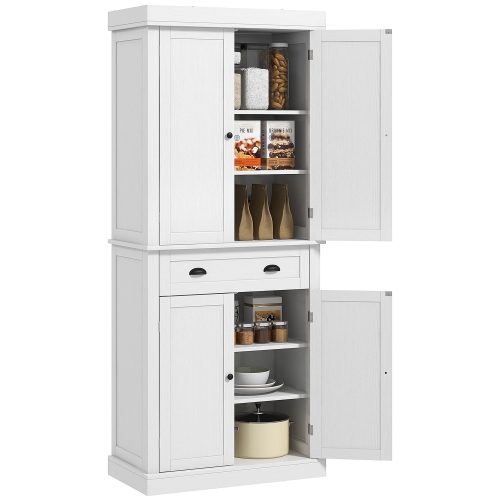 Your price for this item is $274.99
 -
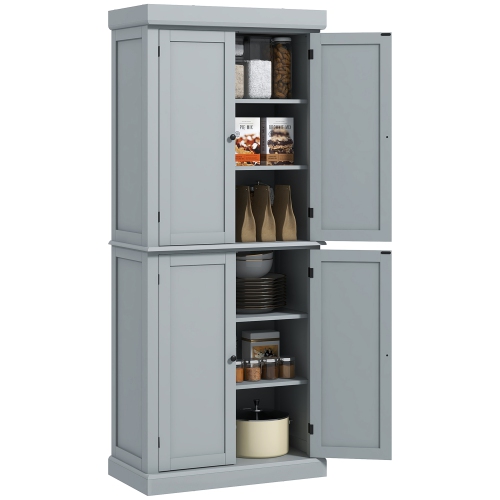 Your price for this item is $299.99
 -
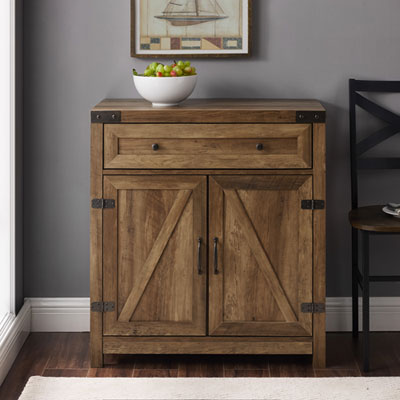 Your price for this item is $401.99
 -
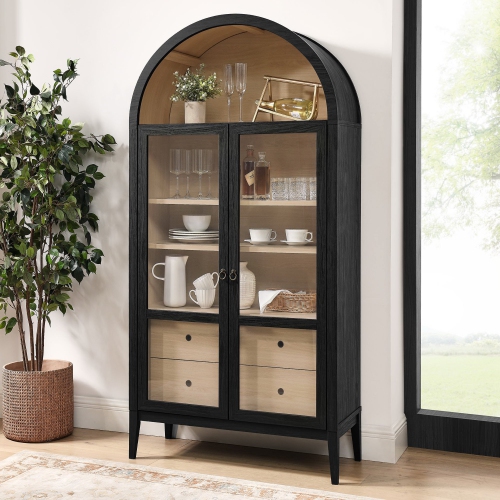 Your price for this item is $1155.71
 -
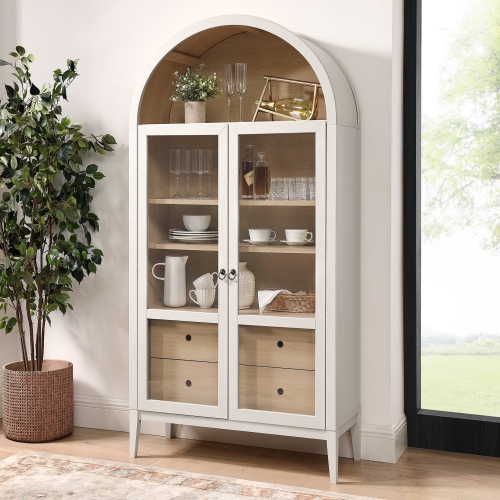 Your price for this item is $1155.71
 -
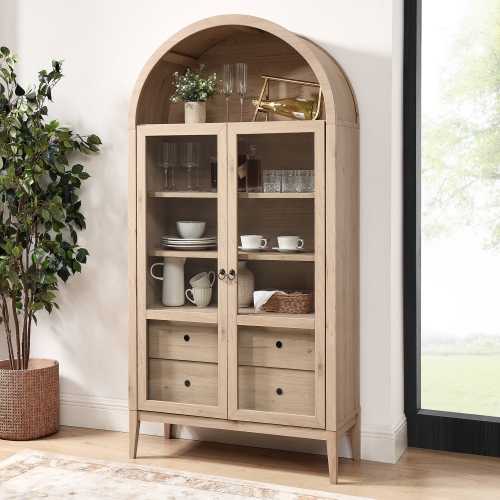 Your price for this item is $1155.71
 -
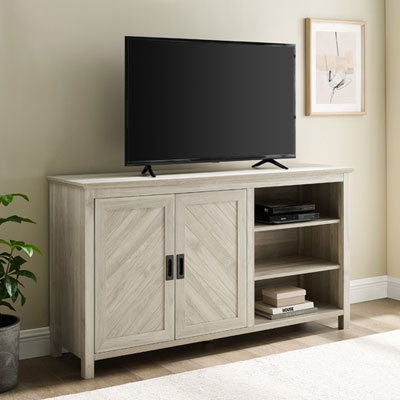 Your price for this item is $593.99
 -
 Your price for this item is $144.99
Discover more categories related to Mudroom Cabinets
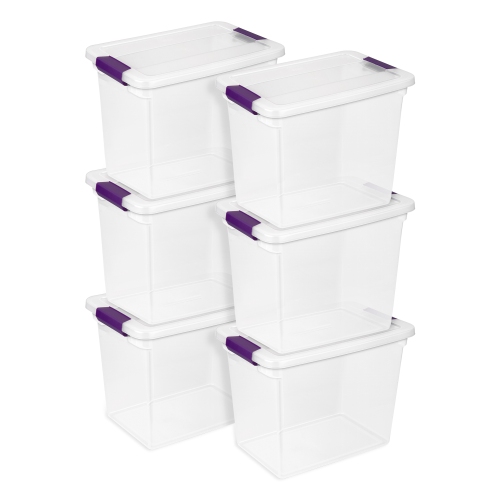
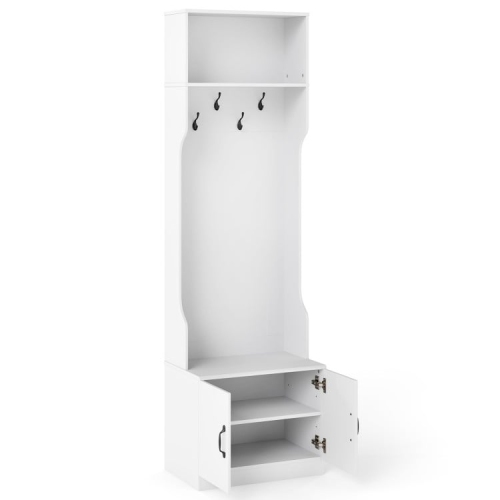
Top Collections:
Pokemon Centers, Best Cameras for Sports Photography, Kindle Devices, Samsung Galaxy Phones, Canon G7X Cameras, Pokémon 30th Celebration Cards, Refurbished Apple Laptops, iPhone 15 Apple, Laptops for Students, Budget Smartphones
Some products may be subject to Environmental Handling Fees
(EHF) depending on your province.
Learn more about EHFs.