Mulching Machines
Looking to keep your garden looking pristine and healthy? Look no further than our wide selection of mulching machines. These powerful and efficient tools are designed to make your yard work a breeze, allowing you to effortlessly mulch leaves, grass clippings, and other organic materials. Whether you have a small backyard or a sprawling landscape, our range of mulching machines offers something for every size and type of garden. Say goodbye to tedious raking and bagging, and say hello to a beautiful, well-maintained garden with the help of our top-notch mulching machines.
Sort
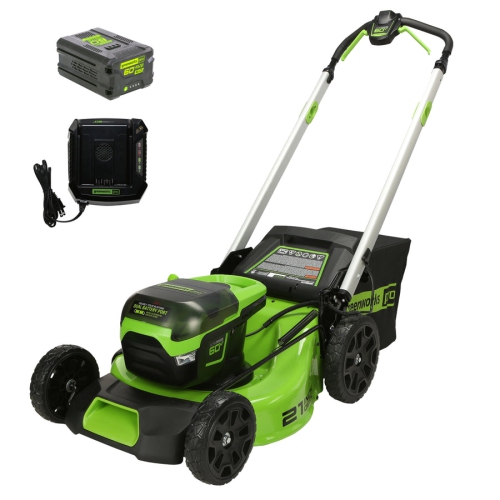
![GREENWORKS 80V 21" Brushless Cordless Push Lawn Mower, (2)2.0 Ah Batteries And Charger Included [75+ Compatible Tools]](https://multimedia.bbycastatic.ca/multimedia/products/500x500/171/17113/17113244.png)
Why leaves and branches need different cutting equipment
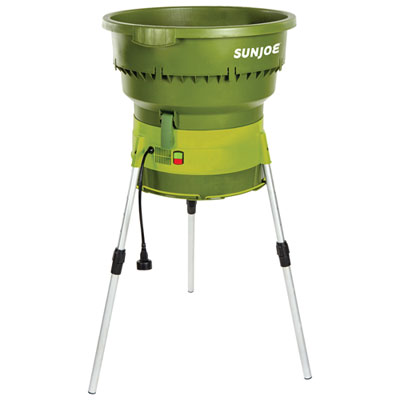
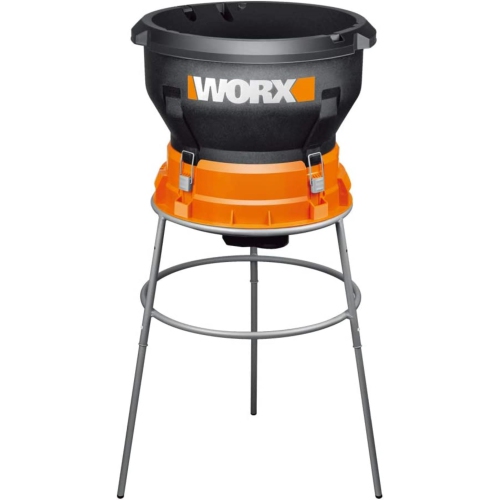
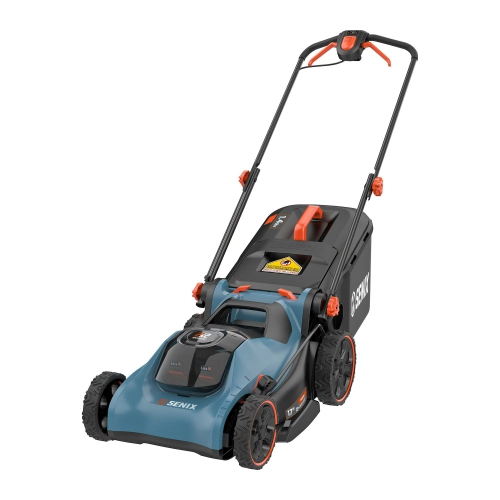
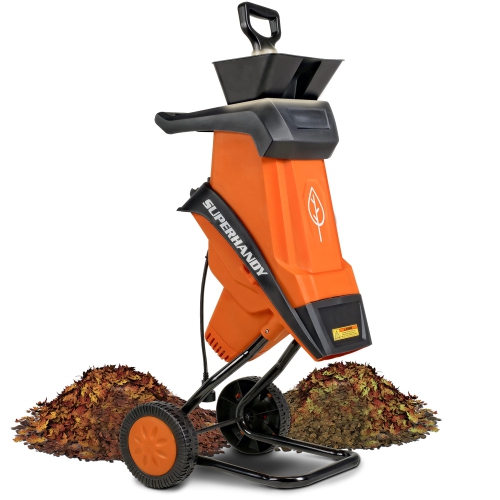
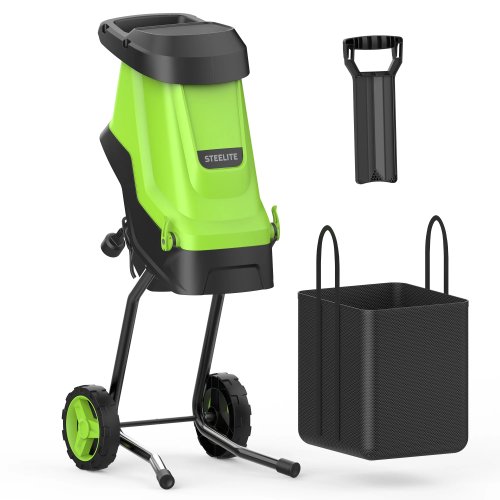
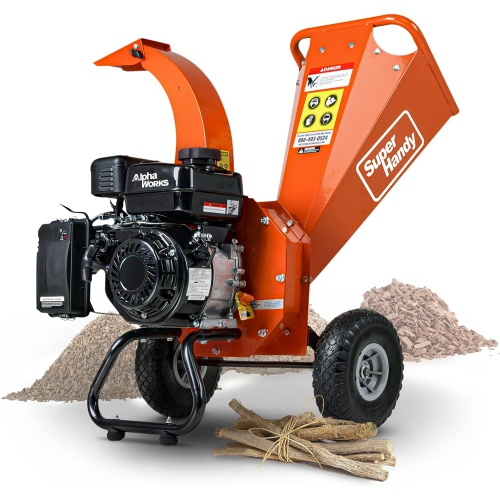
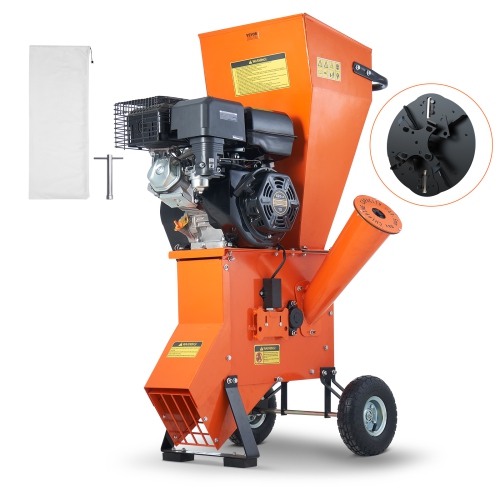
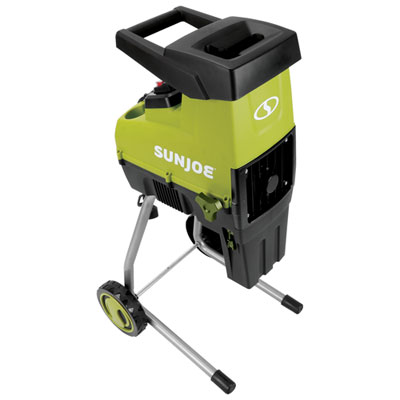
Mulching machines break down leaves, garden debris, and, in suitably rated equipment, woody material into smaller pieces that are easier to collect, move, or spread around planted areas. The term covers several different types of equipment, from compact electric leaf shredders to chipper-shredders and large forestry mulchers. The most useful distinction is what each machine is designed to process. A leaf mulcher handles loose leaves using a cutting system that may rely on replaceable line rather than metal blades; twigs and branches generally belong in a different category unless the manufacturer expressly permits them. A chipper-shredder combines functions, often with a hopper for suitable lighter debris and a separate chute for branches within a stated diameter limit. Forestry mulchers are specialized machines or attachments for brush and land-clearing work, not simply larger versions of household leaf shredders. For a homeowner gathering leaves from beneath mature maples, a compact leaf mulcher can make a bulky pile more manageable before the shredded material is collected or used around garden beds. Someone maintaining a property with shrubs, hedges, and regular pruning may need a machine that also accepts woody cuttings. The finished material varies with the feedstock and cutting mechanism: shredded leaves have a different texture from wood chips, and neither should be assumed to match uniform decorative bark mulch. Mulching equipment also differs from a lawn mower with a mulching function, which repeatedly cuts grass clippings before returning them to the lawn. For equipment intended primarily to trim standing grass, Grass Cutter Machines covers that related task. Keeping these distinctions clear helps match the equipment to the work, whether the goal is processing a few bags of leaves, managing recurring garden maintenance, or handling substantial brush. Residential machines are intended for defined materials and workloads; clearing saplings, dense undergrowth, or large limbs calls for equipment specifically rated for those tasks.
Power source, cutting capacity, and collection design all influence how a mulching machine fits into a property’s routine. Corded electric mulchers suit work areas within reach of an appropriate outdoor electrical supply, with no fuel tank to fill and usually fewer engine-maintenance tasks than petrol-powered equipment. Cord reach still needs careful planning: the manufacturer’s requirements for extension-cord gauge and maximum length matter, particularly when working well away from an outlet. Battery-powered equipment, where the design supports it, offers freedom from a trailing cord, although runtime depends on the battery, load, and material being processed. Gas-powered chipper-shredders can suit work farther from a building, but they require fuel handling, engine care, and outdoor operation away from doors, windows, and vents. Motor amperage or engine horsepower alone does not establish what a machine can safely accept. Maximum branch diameter, permitted material types, feed-opening dimensions, and duty-cycle guidance provide a more useful picture of its capabilities. Even within a stated branch limit, wood hardness, forks, knots, and moisture can affect feeding and performance. A straight pruning is not the same load as a tangled bundle of hedge cuttings. Advertised reduction ratios describe how much the original volume may shrink under particular conditions, rather than guaranteeing the same result for every pile. Loose, dry leaves typically behave differently from damp, compacted material, which may feed unevenly or cause blockages in machines not designed for it. Hopper height and opening shape affect how comfortably material can be loaded, while bag supports, discharge clearance, and collection-container compatibility influence how easily the output can be handled. Wheels and sturdy handles help with movement between a storage area and a work site, but the machine’s weight, dimensions, and turning space still matter around narrow gates and crowded sheds. A suitable setup leaves room to feed the machine, collect the output, and maintain the clearances specified in its instructions without stretching across the intake or standing in the discharge path.
Construction and upkeep matter as much as headline performance, especially for equipment that repeatedly handles abrasive leaves, bark, and small woody fragments. Depending on the machine, housings may combine moulded plastic with metal supports, or use heavier steel construction around the cutting chamber and frame. Material alone does not determine durability; secure fasteners, a stable base, protected controls, and cutting components suited to the intended workload are equally important. Replaceable cutting line, sharpenable or replaceable blades, and accessible service points can make routine maintenance more practical, provided servicing follows the manufacturer’s directions. Before clearing a jam, opening a housing, or touching cutting components, the machine must be shut down, isolated from its power source as directed, and allowed to stop completely. Gloves can be useful when handling debris or servicing approved components, but they do not make reaching into a feed opening safe. Eye protection, hearing protection where required, sturdy footwear, and close-fitting clothing belong alongside careful operation; children, pets, and bystanders should remain outside the specified working area. Leaves gathered beside a gravel path deserve particular attention because hidden stones, wire, and other foreign objects can damage the mechanism or become projectiles. Soil-covered roots, treated wood, and mixed household waste should not be treated as ordinary garden feedstock. After use, removing accumulated debris as instructed and storing the machine in a dry, secure location helps protect the housing and working parts. Petrol engines also have their own oil, filter, fuel, and storage requirements. For gardeners using the output around plants, leaf mulch and wood chips serve different purposes and break down at different rates. Keep mulch clear of trunks and stems, and consider the condition of the original material before spreading it; ordinary shredding does not reliably destroy plant diseases or weed seeds. The right machine is one whose permitted materials, capacity, handling, and maintenance needs suit the property and the person doing the work. That balance makes regular garden clean-up more straightforward without asking a lightweight leaf shredder to perform the work of a branch chipper or professional brush-clearing machine.
Power source, cutting capacity, and collection design all influence how a mulching machine fits into a property’s routine. Corded electric mulchers suit work areas within reach of an appropriate outdoor electrical supply, with no fuel tank to fill and usually fewer engine-maintenance tasks than petrol-powered equipment. Cord reach still needs careful planning: the manufacturer’s requirements for extension-cord gauge and maximum length matter, particularly when working well away from an outlet. Battery-powered equipment, where the design supports it, offers freedom from a trailing cord, although runtime depends on the battery, load, and material being processed. Gas-powered chipper-shredders can suit work farther from a building, but they require fuel handling, engine care, and outdoor operation away from doors, windows, and vents. Motor amperage or engine horsepower alone does not establish what a machine can safely accept. Maximum branch diameter, permitted material types, feed-opening dimensions, and duty-cycle guidance provide a more useful picture of its capabilities. Even within a stated branch limit, wood hardness, forks, knots, and moisture can affect feeding and performance. A straight pruning is not the same load as a tangled bundle of hedge cuttings. Advertised reduction ratios describe how much the original volume may shrink under particular conditions, rather than guaranteeing the same result for every pile. Loose, dry leaves typically behave differently from damp, compacted material, which may feed unevenly or cause blockages in machines not designed for it. Hopper height and opening shape affect how comfortably material can be loaded, while bag supports, discharge clearance, and collection-container compatibility influence how easily the output can be handled. Wheels and sturdy handles help with movement between a storage area and a work site, but the machine’s weight, dimensions, and turning space still matter around narrow gates and crowded sheds. A suitable setup leaves room to feed the machine, collect the output, and maintain the clearances specified in its instructions without stretching across the intake or standing in the discharge path.
Construction and upkeep matter as much as headline performance, especially for equipment that repeatedly handles abrasive leaves, bark, and small woody fragments. Depending on the machine, housings may combine moulded plastic with metal supports, or use heavier steel construction around the cutting chamber and frame. Material alone does not determine durability; secure fasteners, a stable base, protected controls, and cutting components suited to the intended workload are equally important. Replaceable cutting line, sharpenable or replaceable blades, and accessible service points can make routine maintenance more practical, provided servicing follows the manufacturer’s directions. Before clearing a jam, opening a housing, or touching cutting components, the machine must be shut down, isolated from its power source as directed, and allowed to stop completely. Gloves can be useful when handling debris or servicing approved components, but they do not make reaching into a feed opening safe. Eye protection, hearing protection where required, sturdy footwear, and close-fitting clothing belong alongside careful operation; children, pets, and bystanders should remain outside the specified working area. Leaves gathered beside a gravel path deserve particular attention because hidden stones, wire, and other foreign objects can damage the mechanism or become projectiles. Soil-covered roots, treated wood, and mixed household waste should not be treated as ordinary garden feedstock. After use, removing accumulated debris as instructed and storing the machine in a dry, secure location helps protect the housing and working parts. Petrol engines also have their own oil, filter, fuel, and storage requirements. For gardeners using the output around plants, leaf mulch and wood chips serve different purposes and break down at different rates. Keep mulch clear of trunks and stems, and consider the condition of the original material before spreading it; ordinary shredding does not reliably destroy plant diseases or weed seeds. The right machine is one whose permitted materials, capacity, handling, and maintenance needs suit the property and the person doing the work. That balance makes regular garden clean-up more straightforward without asking a lightweight leaf shredder to perform the work of a branch chipper or professional brush-clearing machine.
Top selling and popular products
-
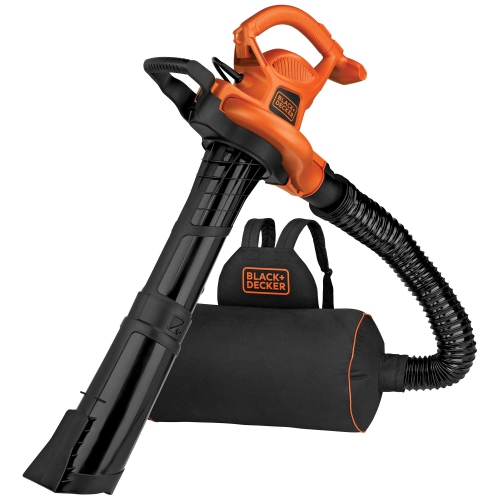
 Your price for this item is $169.99
 -
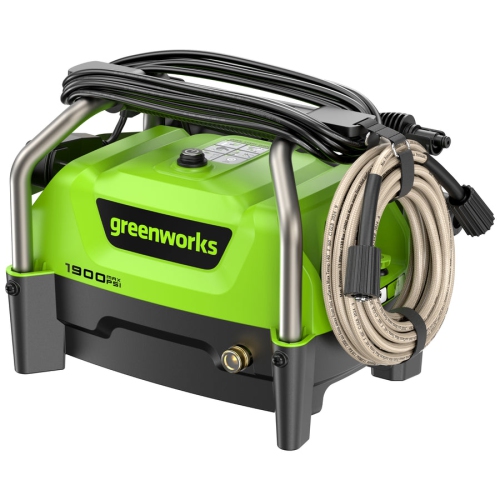
 Your price for this item is $554.39
 -
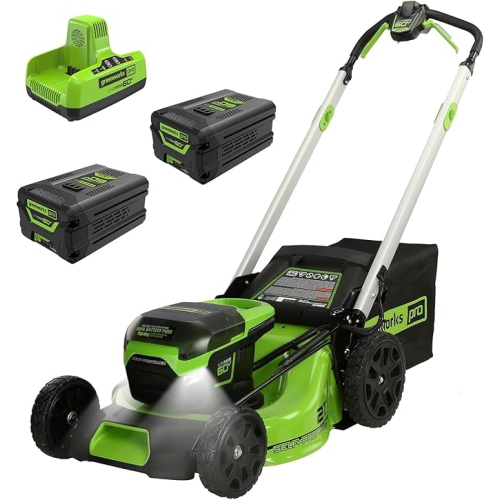 Your price for this item is $879.99
 -
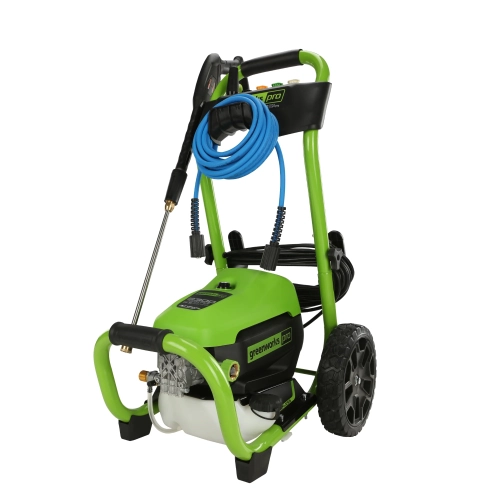 Your price for this item is $439.99
 -
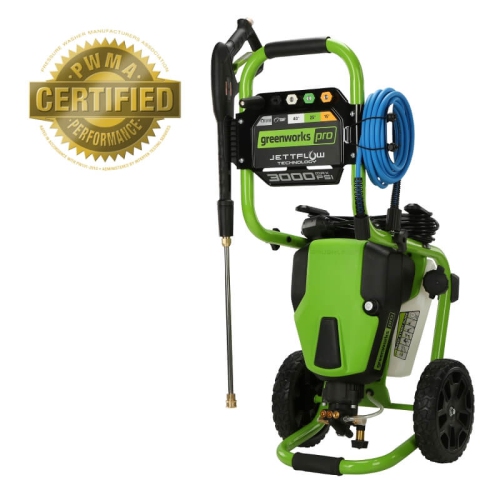 Your price for this item is $499
 -
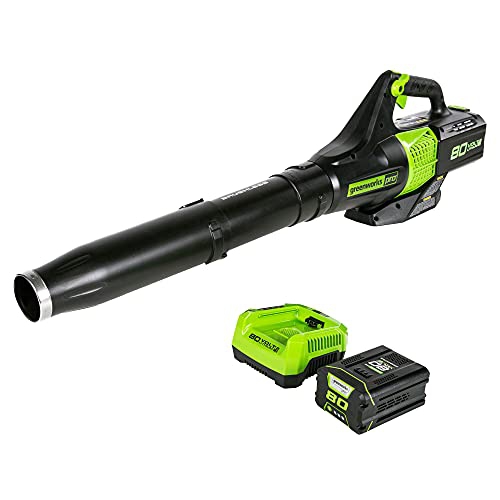 Your price for this item is $255
 -
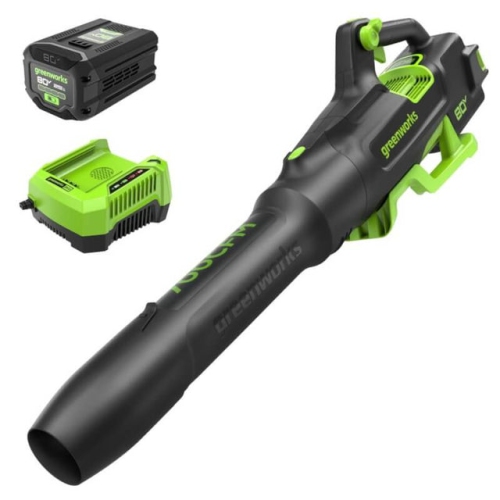 Your price for this item is $272
 -
 Your price for this item is $329.99
Discover more categories related to Mulching Machines

Top Collections:
Pokemon Centers, Kindle Devices, Best Budget Office Chairs, Apple iPhones 16, Best Laptops for Writers, iPhone 15 Apple, Canon G7X Cameras, Refurbished Apple Laptops, Alarm Clock, Motorola Razr Phones
Some products may be subject to Environmental Handling Fees
(EHF) depending on your province.
Learn more about EHFs.