Must Haves for Bakers
Must Haves For Bakers are essential for anyone looking to create delicious treats, from classic cookies to show-stopping cakes. Whether you’re a seasoned pastry expert or just starting out, having the right tools and accessories can make all the difference in your baking experience. Discover a wide selection of bakeware, mixers, measuring tools, and more designed to help you achieve professional results at home. Elevate your kitchen setup with top picks that bring convenience and creativity to every recipe.
Sort

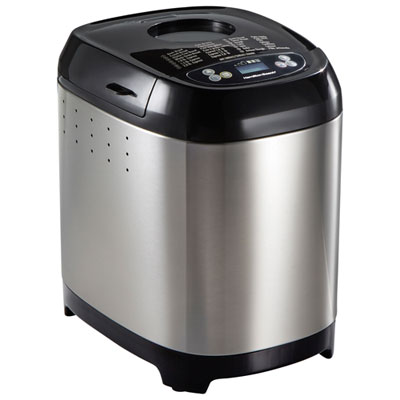
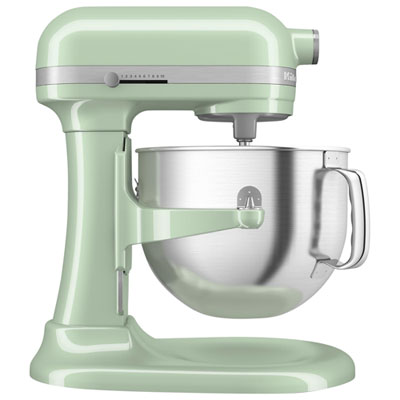
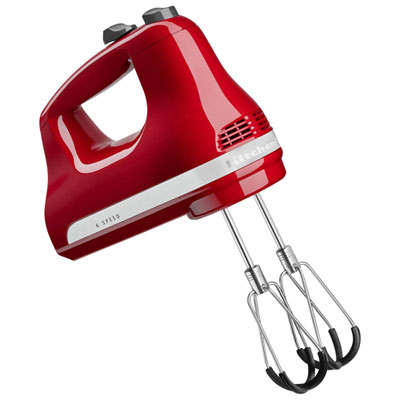
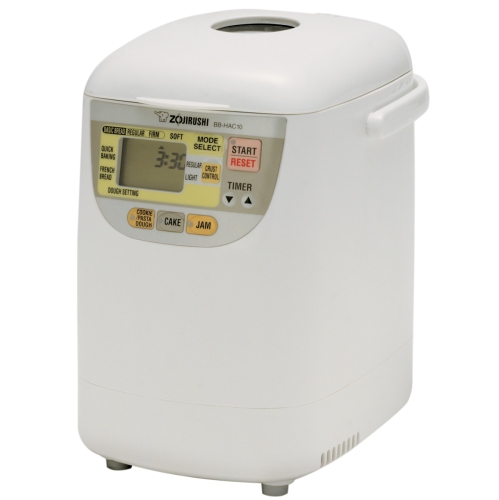
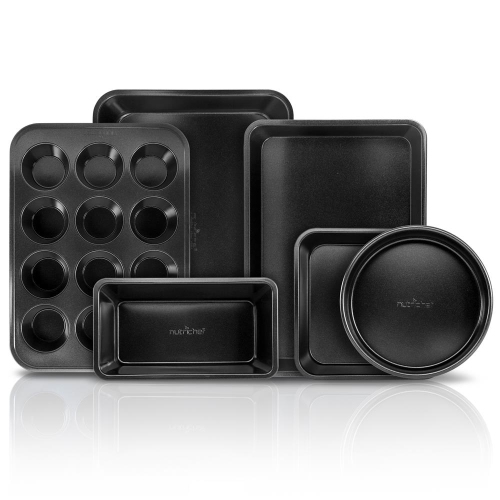
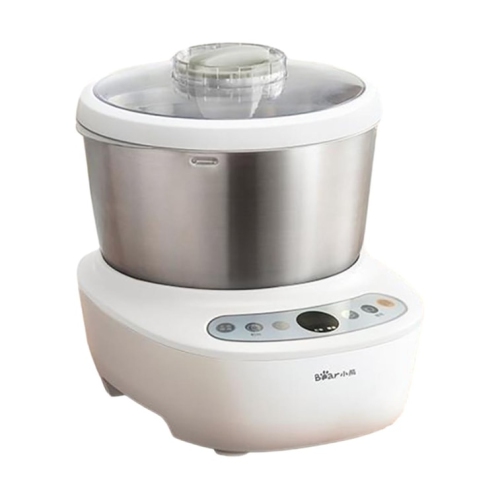
From accurate measurements to cakes that release cleanly
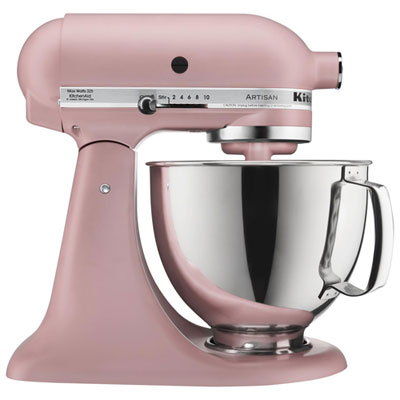
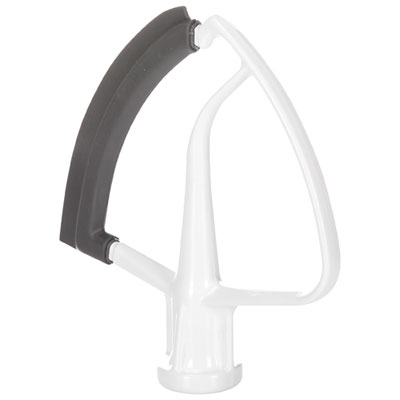
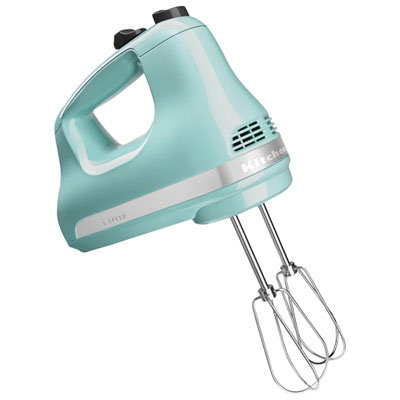
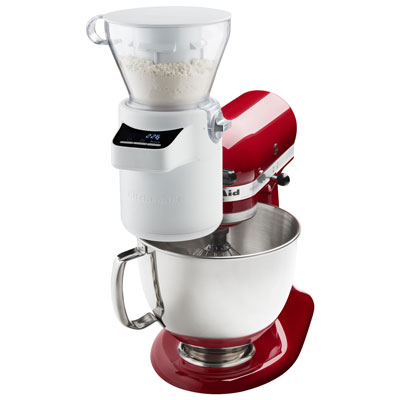
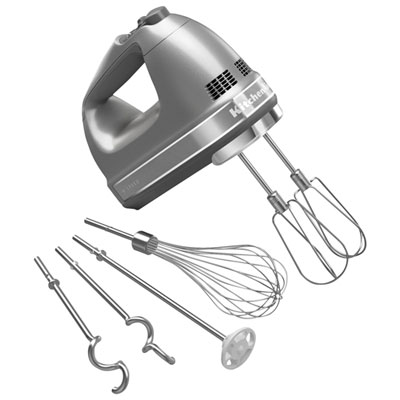
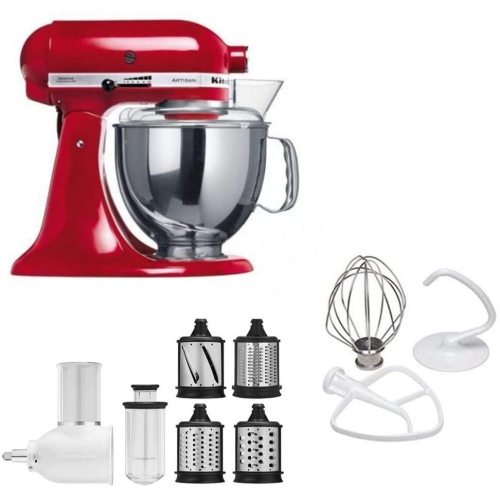
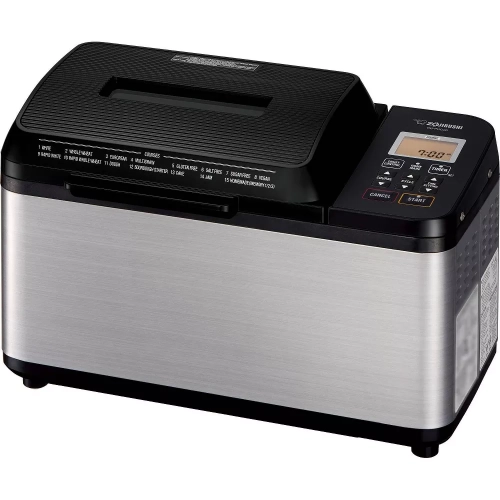
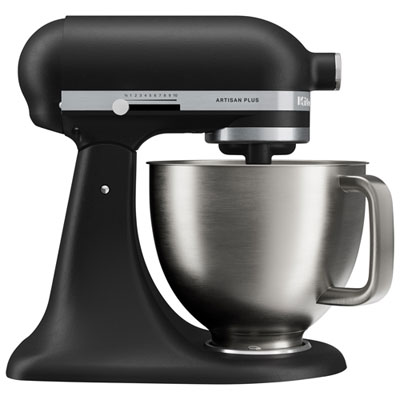
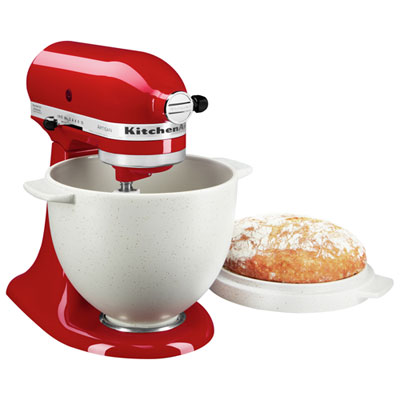
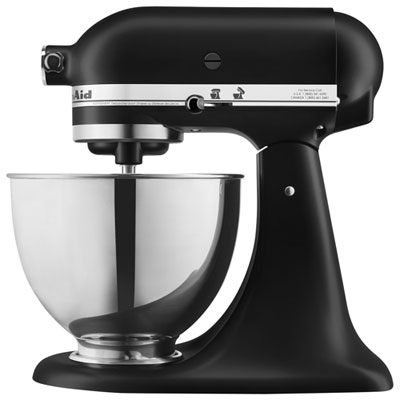
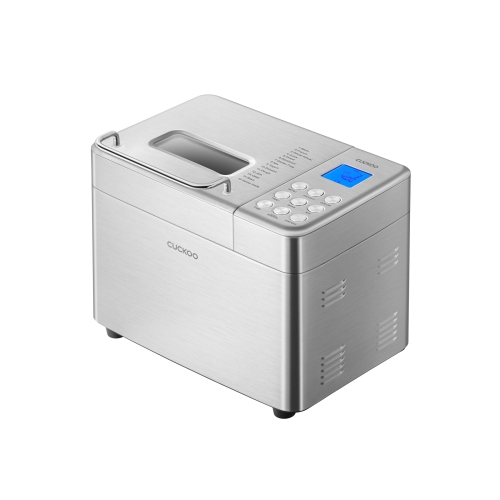
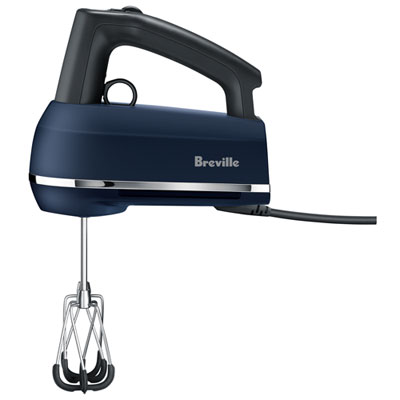
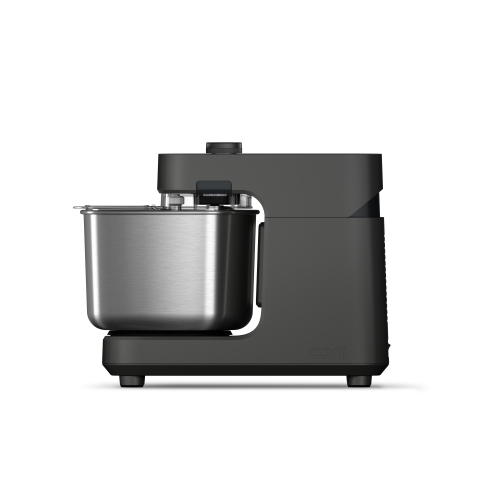
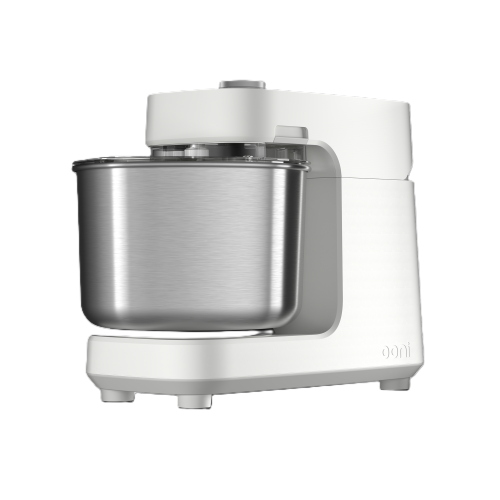
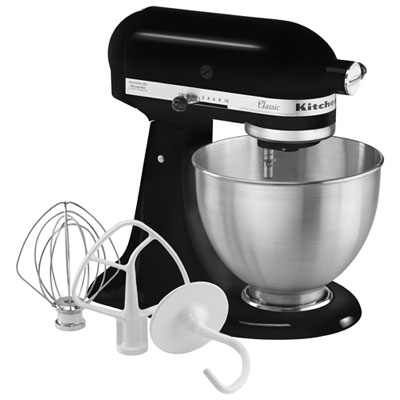
Must haves for bakers span accurate measuring tools, dependable mixing equipment, well-made bakeware, and accessories for cooling, finishing, and storage. These essentials support everything from a small batch of chocolate chip cookies to a layered birthday cake or a loaf with a crisp, golden crust. Their value often comes down to how comfortably and consistently they handle everyday tasks: measuring flour without packing it down, reaching the bottom of a mixing bowl, or releasing a cake without leaving its edges behind. A digital kitchen scale measures ingredients by weight, helping keep proportions consistent when a recipe provides gram measurements. A tare function allows ingredients to be weighed separately in the same bowl, reducing extra washing up. Dry measuring cups with level rims work well for scoop-and-level measurements, while liquid measuring jugs with clear markings and pouring spouts make milk, water, and oil easier to handle. Measuring spoons are especially useful for small quantities of salt, baking powder, and flavourings. Mixing bowls in several capacities accommodate different stages of a recipe, from whisking eggs to folding together a full cake batter. Stainless steel is relatively lightweight and durable, while glass makes it easy to see unmixed ingredients near the base; either material requires care appropriate to its construction. A stable base and enough headroom for stirring matter as much as capacity. Flexible silicone spatulas reach along curved sides, wire whisks blend ingredients and incorporate air, and fine-mesh sieves help break up lumps in flour or cocoa powder. For frequent baking, electric mixing equipment can take over repetitive work such as creaming butter and sugar or whipping cream. Hand mixers suit many everyday batters and smaller kitchens, while stand mixers offer hands-free operation and attachments for different tasks. Bowl capacity, attachment compatibility, storage space, and the manufacturer’s guidance for heavier doughs all influence how well a mixer fits a baker’s routine.
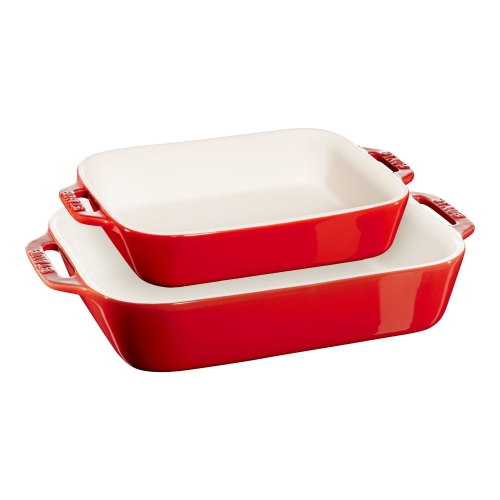
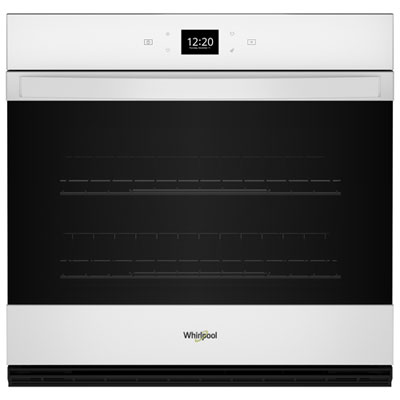
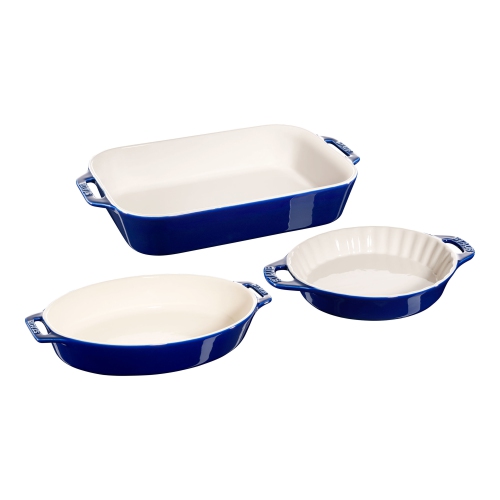
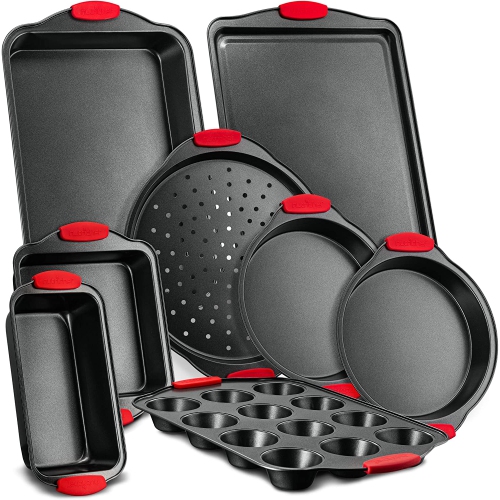
Bakeware gives batters and doughs their shape, but its material, dimensions, and finish also affect the result. Metal baking pans generally respond quickly to changes in oven heat, making them useful for cookies, cakes, muffins, and bars. Aluminium conducts heat readily, while heavier-gauge construction can help a pan hold its shape through repeated use. Dark finishes tend to encourage faster browning than light finishes, so the same batter may develop a deeper edge in one pan than another. Glass and ceramic dishes retain heat well and can move neatly from baking to serving when their care instructions permit, though they are not always interchangeable with metal pans without recipe adjustments. Sudden temperature changes can damage some materials, making the manufacturer’s handling directions important. Pan dimensions deserve close attention because a different depth or surface area changes how thickly batter spreads and how long its centre takes to bake. Matching the pan size specified in a recipe is a useful starting point for predictable results. For layer cakes, pans with matching dimensions help produce evenly sized tiers; for cookies, a flat baking surface gives dough room to spread without crowding. Rimmed baking sheets contain loose ingredients and offer an edge to grip, while muffin pans keep individual portions separate. Handles and rims should feel manageable with oven mitts on, and larger bakeware needs enough clearance to fit comfortably inside the oven. Non-stick coatings can make releasing delicate bakes easier, but they still need suitable utensils and cleaning methods to protect the surface. Baking parchment can simplify lifting brownies from a pan, while reusable baking mats provide a dedicated surface for compatible recipes and uses. Both should be used within their stated heat limits. An oven thermometer helps check whether the oven’s actual temperature matches its setting, and a separate timer makes it easier to track batches. Cooling racks finish the process by allowing air beneath baked goods, helping prevent trapped steam from softening the underside of cookies or bread.
Beyond the core essentials, baking accessories tend to reflect what someone enjoys making most. Bread bakers often appreciate tools that help portion sticky dough, support shaped loaves, and keep the work surface manageable. A bench scraper can divide dough and lift floury scraps from the counter, while a suitably sized proofing basket supports certain free-form loaves as they rise. Pastry work places more emphasis on controlled rolling and clean cutting, so the weight, grip, and surface of a rolling pin can make a noticeable difference during repeated passes over dough. Cake decorating calls for another set of practical details: an offset spatula keeps hands clear of icing, a rotating cake stand brings each side within reach, and piping accessories offer different ways to add borders, fillings, and finishing touches. Smaller tools that complement these tasks are part of Kitchen Gadgets for Baking, with usefulness depending on the recipes and techniques a baker returns to regularly. Comfort matters across all these categories, particularly during longer sessions. A handle that stays secure in a flour-dusted hand, easy-to-read markings, and a tool that feels balanced can be more valuable than extra features. Storage and care deserve equal consideration. Nesting bowls and stackable bakeware help make the most of cupboard space, while removable mixer attachments simplify access for cleaning. Dishwasher suitability varies by material and finish; wooden tools generally need gentle washing and thorough drying, and coated pans may require handwashing and non-abrasive cleaning. Airtight storage helps keep dry ingredients protected from moisture, while covered carriers make finished cakes and cupcakes easier to transport. For someone beginning to bake, versatile equipment that handles several familiar recipes makes a thoughtful gift. An experienced baker may get more use from an accessory suited to a favourite speciality or a sturdier version of a frequently used tool. Whether intended for everyday family baking, shared kitchen projects, or celebration cakes, the most useful baking essentials fit the recipient’s space, habits, and ambitions.
Bakeware gives batters and doughs their shape, but its material, dimensions, and finish also affect the result. Metal baking pans generally respond quickly to changes in oven heat, making them useful for cookies, cakes, muffins, and bars. Aluminium conducts heat readily, while heavier-gauge construction can help a pan hold its shape through repeated use. Dark finishes tend to encourage faster browning than light finishes, so the same batter may develop a deeper edge in one pan than another. Glass and ceramic dishes retain heat well and can move neatly from baking to serving when their care instructions permit, though they are not always interchangeable with metal pans without recipe adjustments. Sudden temperature changes can damage some materials, making the manufacturer’s handling directions important. Pan dimensions deserve close attention because a different depth or surface area changes how thickly batter spreads and how long its centre takes to bake. Matching the pan size specified in a recipe is a useful starting point for predictable results. For layer cakes, pans with matching dimensions help produce evenly sized tiers; for cookies, a flat baking surface gives dough room to spread without crowding. Rimmed baking sheets contain loose ingredients and offer an edge to grip, while muffin pans keep individual portions separate. Handles and rims should feel manageable with oven mitts on, and larger bakeware needs enough clearance to fit comfortably inside the oven. Non-stick coatings can make releasing delicate bakes easier, but they still need suitable utensils and cleaning methods to protect the surface. Baking parchment can simplify lifting brownies from a pan, while reusable baking mats provide a dedicated surface for compatible recipes and uses. Both should be used within their stated heat limits. An oven thermometer helps check whether the oven’s actual temperature matches its setting, and a separate timer makes it easier to track batches. Cooling racks finish the process by allowing air beneath baked goods, helping prevent trapped steam from softening the underside of cookies or bread.
Beyond the core essentials, baking accessories tend to reflect what someone enjoys making most. Bread bakers often appreciate tools that help portion sticky dough, support shaped loaves, and keep the work surface manageable. A bench scraper can divide dough and lift floury scraps from the counter, while a suitably sized proofing basket supports certain free-form loaves as they rise. Pastry work places more emphasis on controlled rolling and clean cutting, so the weight, grip, and surface of a rolling pin can make a noticeable difference during repeated passes over dough. Cake decorating calls for another set of practical details: an offset spatula keeps hands clear of icing, a rotating cake stand brings each side within reach, and piping accessories offer different ways to add borders, fillings, and finishing touches. Smaller tools that complement these tasks are part of Kitchen Gadgets for Baking, with usefulness depending on the recipes and techniques a baker returns to regularly. Comfort matters across all these categories, particularly during longer sessions. A handle that stays secure in a flour-dusted hand, easy-to-read markings, and a tool that feels balanced can be more valuable than extra features. Storage and care deserve equal consideration. Nesting bowls and stackable bakeware help make the most of cupboard space, while removable mixer attachments simplify access for cleaning. Dishwasher suitability varies by material and finish; wooden tools generally need gentle washing and thorough drying, and coated pans may require handwashing and non-abrasive cleaning. Airtight storage helps keep dry ingredients protected from moisture, while covered carriers make finished cakes and cupcakes easier to transport. For someone beginning to bake, versatile equipment that handles several familiar recipes makes a thoughtful gift. An experienced baker may get more use from an accessory suited to a favourite speciality or a sturdier version of a frequently used tool. Whether intended for everyday family baking, shared kitchen projects, or celebration cakes, the most useful baking essentials fit the recipient’s space, habits, and ambitions.
Top selling and popular products
-
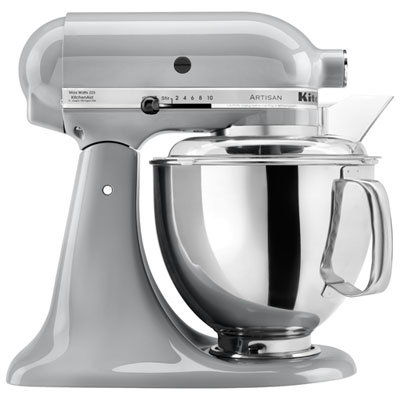 Your price for this item is $404.98
 -
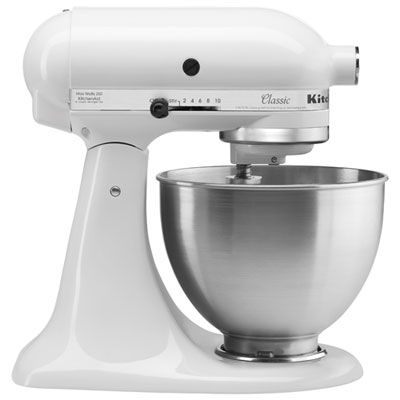 Your price for this item is $328.98
 -
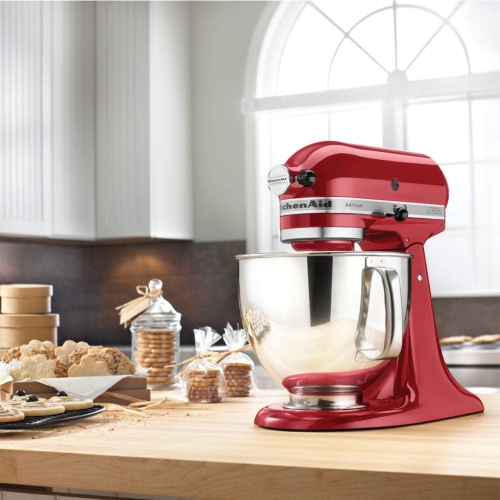 Your price for this item is $949.05
 -
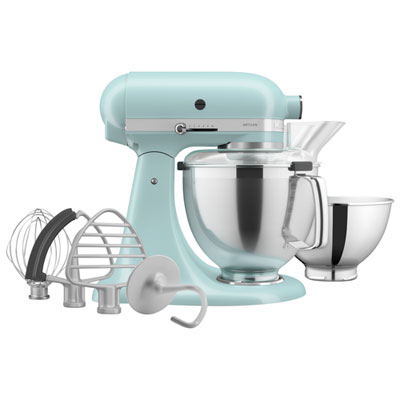 Your price for this item is $544.99
 -
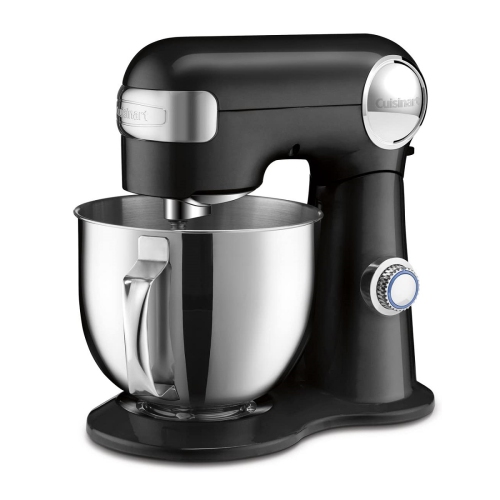 Your price for this item is $415.99
 -
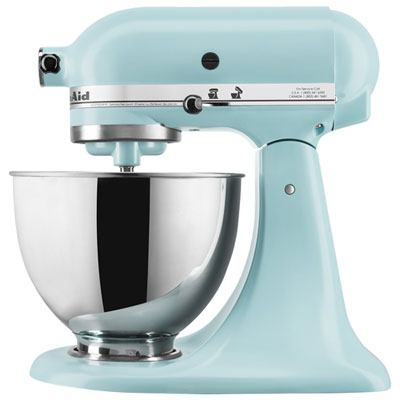 Your price for this item is $499.99
 -
 Your price for this item is $1099
 -
 Your price for this item is $1099
Discover more categories related to Must Haves for Bakers
Top Collections:
Pokemon Centers, Budget 4K TVs, Best Budget Office Chairs, Kindle Devices, Canon G7X Cameras, Apple iPhones 16, iPhone 15 Apple, Laptops for Business Work, Xiaomi Phones, Flip Phones
Some products may be subject to Environmental Handling Fees
(EHF) depending on your province.
Learn more about EHFs.