Kitchen Gadgets for Baking
Kitchen gadgets for baking make every recipe easier, whether you're preparing cookies, cakes, or fresh bread. Discover a wide selection of tools designed to help you mix, measure, and create with confidence. Find everything you need to streamline your kitchen routine and enjoy delicious homemade treats. With the right kitchen gadgets for baking, turning your culinary ideas into reality is simple and enjoyable.
Sort









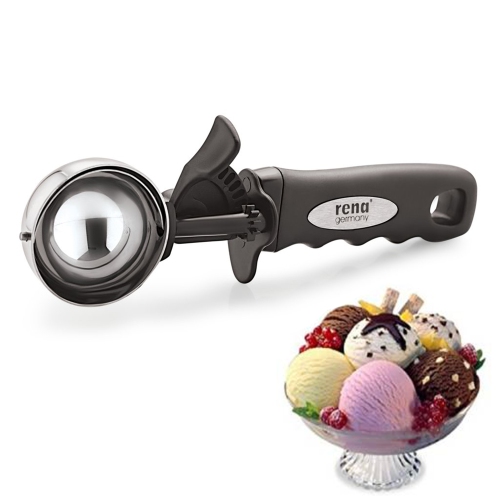
Why precise measurements and even portions matter
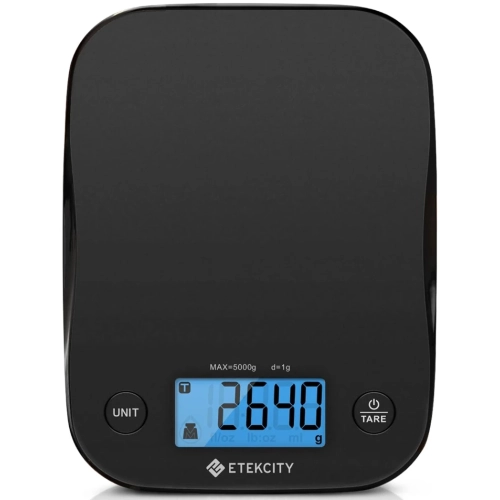
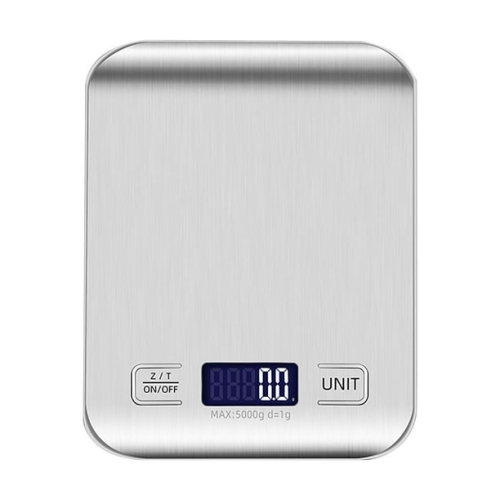
Kitchen gadgets for baking help with the practical work behind a good batch: measuring ingredients, mixing evenly, handling dough, portioning batter, and adding finishing touches. Their value often comes down to control. A small difference in flour quantity can change the texture of a cake, while evenly portioned cookies are more likely to bake at the same rate. Measuring tools, mixing accessories, dough-handling tools, and decorating gadgets each support a different part of that process, whether baking means a quick tray of muffins or a layered cake made for a celebration. Kitchen scales are useful for recipes written by weight, particularly when flour can settle differently in a measuring cup. A tare function allows the weight of a bowl to be excluded and ingredients to be added successively without changing containers. Volume measures remain useful for recipes written in cups and spoonfuls, with clear markings and level rims making quantities easier to read and repeat. For mixing, the shape and flexibility of a tool matter as much as its size. A flexible edge can gather batter from the curve of a bowl, while a firmer head gives more leverage when working with a dense mixture. Whisk shapes suited to lighter mixtures help incorporate air into eggs or blend dry ingredients before liquid is added. Tools that reach the bottom and sides of a mixing bowl reduce untouched pockets of flour without requiring unnecessary extra mixing. This is particularly helpful with tender batters, where working the mixture too much can affect the finished texture. For someone learning to bake, straightforward tools with readable markings and comfortable handles make repeated practice more manageable. For a frequent baker, consistent portions, efficient bowl scraping, and a tidy preparation area can matter just as much as decorative results. The most useful assortment reflects the recipes a person actually makes, rather than filling drawers with tools intended for techniques they rarely use. A compact selection can cover a surprising amount of everyday baking when each piece has a clear purpose.
Materials, construction, and fit influence how baking gadgets feel in use and how well they hold up to regular washing. Stainless steel is commonly used for measuring, whisking, cutting, and scraping because it is firm, easy to clean, and resistant to rust when properly cared for. Silicone provides flexibility for lifting sticky mixtures and reaching into corners, although its heat rating and suitability for particular uses depend on the manufacturer’s directions. Wood offers a comfortable grip and a firm surface for working dough, but generally benefits from prompt cleaning and thorough drying rather than prolonged soaking. Plastic tools can be lightweight and practical for handling soft dough or scraping a work surface, with stiffness varying by design. Regardless of material, smooth joins and accessible corners make dried batter easier to remove. One-piece construction can reduce crevices where mixtures collect, while removable parts may make cleaning easier if they separate without difficulty. Dishwasher suitability should be checked for each tool, especially when it combines different materials or has printed measurement markings. Heat resistance also should not be confused with permission to leave a tool in an oven or resting against a hot pan. Fit is equally important: a scraper needs to reach comfortably around the bowl being used, and a rolling tool needs enough working room on the counter. Larger dimensions are not automatically more convenient if a gadget is awkward to store or difficult to manoeuvre around a small batch. Comfortable handles, balanced weight, and a secure grip help during repetitive tasks such as portioning several trays of dough. For bakers with limited hand strength, a tool that requires less squeezing or twisting may be easier to use. Durability shows up in details such as a firmly attached head, a handle that does not flex unexpectedly, and measurement markings that remain legible. Proper care helps preserve those features, while organized storage protects finer edges and keeps small components together between baking sessions. These practical details often make the difference between a gadget that gets used regularly and one that stays at the back of a drawer.
Shaping and finishing tools bring another kind of precision to baking, from rolling dough to an even thickness to piping a consistent border around a cake. Thickness guides can help produce pastry or biscuits with a more uniform profile, while portioning tools support batches of similarly sized cookies, cupcakes, or filled pastries. A dough scraper is useful for dividing a larger mass into smaller portions and gathering flour from a work surface; its flexibility and edge shape determine which tasks feel most natural. Decorating accessories range from tools for spreading a simple layer of icing to those used for finer lines and repeated patterns. For someone who enjoys detailed finishes, comfortable handling and easy access for cleaning are especially important, since thick icing can collect in narrow openings. A steady rotating surface can make reaching around a cake easier, but its footprint needs to suit the available counter and storage space. Tools used with non-stick bakeware should also be compatible with the coating to avoid scratching it. These considerations connect the gadget to the rest of the kitchen rather than treating it as a standalone purchase. A small kitchen may benefit most from versatile pieces that nest, hang neatly, or serve several familiar recipes without complicated assembly. A household that bakes together may place more value on easy-to-read measures and tools that are comfortable for different users, with adult supervision where blades, heat, or moving parts are involved. Baking gadgets can also make thoughtful gifts when they match the recipient’s interests, whether that means bread dough, neatly finished cakes, or dependable everyday baking. For someone who enjoys cooking as much as baking, Kitchen Gadgets for Foodies is another place to explore tools for food preparation. A well-matched baking gadget earns its place through regular, satisfying use: lifting a sticky mixture cleanly from a bowl, dividing dough without a struggle, or helping the final tray look as consistent as the first.
Top selling and popular products
-
 Your price for this item is $130
-
 Your price for this item is $150
-
 Your price for this item is $150
-
 Your price for this item is $109.99
-
 Your price for this item is $79.99
-
 Your price for this item is $87.99
-
 Your price for this item is $100
-
 Your price for this item is $120
Discover more categories related to Kitchen Gadgets for Baking

Top Collections:
Best Black Friday Deals This Year, Best Black Friday Deals On Electronics, Kindle Devices, Pokemon Centers, Best Black Friday Deals On Apple Products, Best Cameras for Sports Photography, Dyson Airwrap, Pokémon 30th Celebration Cards, Apple iPhone 17 Pro, Canon G7X Cameras
Some products may be subject to Environmental Handling Fees
(EHF) depending on your province.
Learn more about EHFs.