Natural Area Rugs
Enhance the warmth and style of your living space with this collection of natural area rugs. Crafted from eco-friendly materials like jute, sisal, and wool, these rugs not only add a touch of organic charm to your home but also contribute to a sustainable lifestyle. Whether you're looking to bring a cozy vibe to your living room or add a touch of earthy elegance to your bedroom, this selection of natural area rugs offers a variety of sizes, shapes, and textures to suit your décor preferences. Dive into this assortment and discover the perfect rug to elevate the aesthetic appeal of any room in your home.
Sort


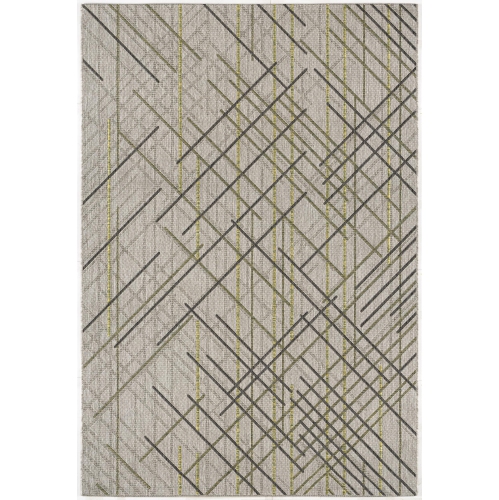
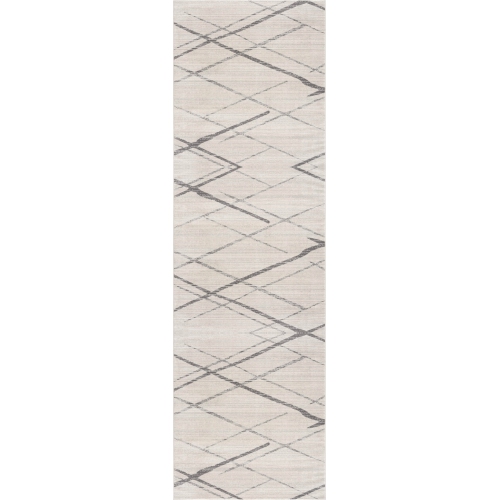
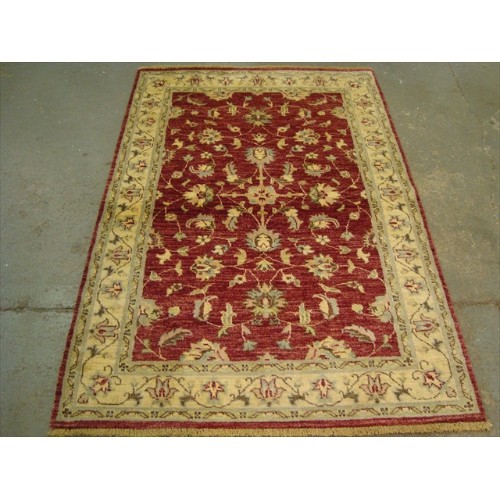
How fibre, placement, and care shape everyday comfort
Natural area rugs bring warmth, texture, and an easy sense of comfort to a room without overwhelming the existing décor. Woven from materials such as jute, sisal, seagrass, wool, and cotton, they can suit a wide range of interiors, from relaxed bedrooms and bright dining spaces to layered living rooms and practical entryways. Their appeal is often found in the details: the varied tones of a braided jute surface, the crisp, structured pattern of sisal, the smooth weave of seagrass, or the soft, slightly springy feel of wool beneath your feet. Neutral shades can help settle a room filled with colourful furniture and artwork, while a pronounced weave can add visual interest to a simple space with pale walls and streamlined furnishings. A natural area rug may also help define an open-concept layout by giving a seating group, dining area, or reading corner a clear visual boundary. For a broader selection of textured, woven styles, explore Natural Woven Area Rugs. When choosing a size, measure the area first and consider how the rug will relate to nearby furniture. In a living room, placing at least the front legs of sofas and chairs on the rug can make the arrangement feel connected, while a larger size that accommodates the entire seating group usually creates a more generous, finished look. Under a dining table, leave enough rug beyond the tabletop for chairs to remain on the surface when pulled out. Runners can bring definition to hallways, beside a bed, or in a narrow passage between rooms, and smaller rugs can add a comfortable landing spot near a door, reading chair, or dresser.
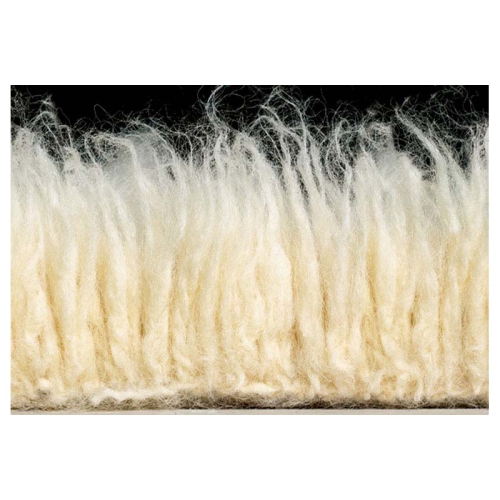
The fibre you choose should reflect both the room and the way it is used. Jute tends to have a softer, more relaxed texture and works well in bedrooms, home offices, and living rooms with light to moderate foot traffic. Its natural variation can give a space a welcoming, handcrafted appearance, although the looser fibres may not be the best match for areas where shoes, pets, or frequent spills are common. Sisal is generally firmer and more tightly structured, making it a practical choice for busy hallways, stair landings, and other areas that need a rug with a more substantial feel underfoot. Seagrass has a smooth, closely woven surface and is often valued for its understated appearance and resistance to everyday marks, making it well suited to family rooms, dining areas, and entry spaces. Wool offers a softer feel and natural resilience, with a comfortable pile that can make bedrooms and sitting areas feel especially inviting during the cooler months. Blended constructions may combine the character of one fibre with the softness or strength of another, so check the material details when comparing options. Consider the rug’s pile height as well: a low-profile weave is easier to place beneath doors and furniture, while a thicker texture can add extra comfort in a room where people often sit on the floor. A rug pad can help keep the rug in position, provide additional cushioning, and protect the floor underneath. It can also help reduce shifting on smooth surfaces, which is particularly useful in homes with children, pets, older adults, or anyone who prefers a steadier walking surface. Look for a pad that matches the rug’s dimensions and flooring type, and leave sufficient clearance beneath doors before completing the installation.
Natural area rugs are straightforward to live with when cared for according to their construction. Regular vacuuming helps remove dust, crumbs, and grit before they settle between the fibres. Use suction only whenever possible, avoiding a rotating beater bar or active brush roll that can pull at woven strands, loosen edges, or create fuzzy patches over time. For braided or highly textured surfaces, move the vacuum slowly and follow the direction of the weave. A soft brush attachment can help clean along borders and in shallow grooves, provided the manufacturer’s care instructions allow it. Deal with spills promptly by blotting with a clean, dry, white cloth rather than rubbing, which can spread the mark and work moisture deeper into the material. Avoid saturating plant-based fibres such as jute, since excessive moisture may cause distortion, staining, or weakening as the rug dries. Wool and blended rugs may have different cleaning requirements, so review the care label before using any solution and consider professional cleaning for larger or persistent stains. Positioning also matters: direct, intense sunlight may gradually alter the appearance of some fibres, while damp areas can affect rugs that are not designed for prolonged moisture. Rotate the rug occasionally to encourage even wear, especially in front of a sofa, beside a bed, or along a frequently used walkway. These rugs can be thoughtful housewarming gifts, wedding gifts, or additions to a first apartment because they combine practical function with a personal decorating touch. They suit someone furnishing a calm bedroom, refreshing a welcoming entryway, or adding a layer of texture to a family home, and their neutral character makes them easier to coordinate with furniture and seasonal accents as the weather shifts from warmer days to cooler months.
The fibre you choose should reflect both the room and the way it is used. Jute tends to have a softer, more relaxed texture and works well in bedrooms, home offices, and living rooms with light to moderate foot traffic. Its natural variation can give a space a welcoming, handcrafted appearance, although the looser fibres may not be the best match for areas where shoes, pets, or frequent spills are common. Sisal is generally firmer and more tightly structured, making it a practical choice for busy hallways, stair landings, and other areas that need a rug with a more substantial feel underfoot. Seagrass has a smooth, closely woven surface and is often valued for its understated appearance and resistance to everyday marks, making it well suited to family rooms, dining areas, and entry spaces. Wool offers a softer feel and natural resilience, with a comfortable pile that can make bedrooms and sitting areas feel especially inviting during the cooler months. Blended constructions may combine the character of one fibre with the softness or strength of another, so check the material details when comparing options. Consider the rug’s pile height as well: a low-profile weave is easier to place beneath doors and furniture, while a thicker texture can add extra comfort in a room where people often sit on the floor. A rug pad can help keep the rug in position, provide additional cushioning, and protect the floor underneath. It can also help reduce shifting on smooth surfaces, which is particularly useful in homes with children, pets, older adults, or anyone who prefers a steadier walking surface. Look for a pad that matches the rug’s dimensions and flooring type, and leave sufficient clearance beneath doors before completing the installation.
Natural area rugs are straightforward to live with when cared for according to their construction. Regular vacuuming helps remove dust, crumbs, and grit before they settle between the fibres. Use suction only whenever possible, avoiding a rotating beater bar or active brush roll that can pull at woven strands, loosen edges, or create fuzzy patches over time. For braided or highly textured surfaces, move the vacuum slowly and follow the direction of the weave. A soft brush attachment can help clean along borders and in shallow grooves, provided the manufacturer’s care instructions allow it. Deal with spills promptly by blotting with a clean, dry, white cloth rather than rubbing, which can spread the mark and work moisture deeper into the material. Avoid saturating plant-based fibres such as jute, since excessive moisture may cause distortion, staining, or weakening as the rug dries. Wool and blended rugs may have different cleaning requirements, so review the care label before using any solution and consider professional cleaning for larger or persistent stains. Positioning also matters: direct, intense sunlight may gradually alter the appearance of some fibres, while damp areas can affect rugs that are not designed for prolonged moisture. Rotate the rug occasionally to encourage even wear, especially in front of a sofa, beside a bed, or along a frequently used walkway. These rugs can be thoughtful housewarming gifts, wedding gifts, or additions to a first apartment because they combine practical function with a personal decorating touch. They suit someone furnishing a calm bedroom, refreshing a welcoming entryway, or adding a layer of texture to a family home, and their neutral character makes them easier to coordinate with furniture and seasonal accents as the weather shifts from warmer days to cooler months.
Top selling and popular products
-
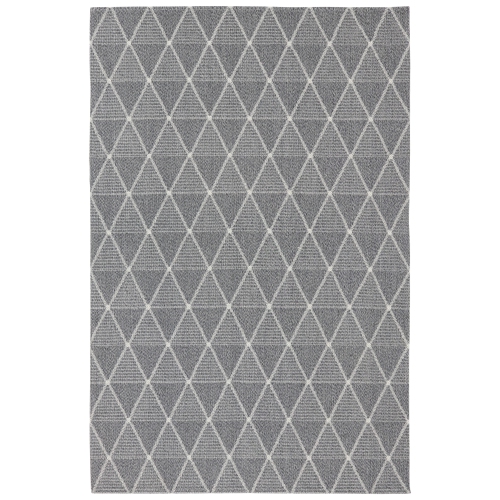 Your price for this item is $130.55
 -
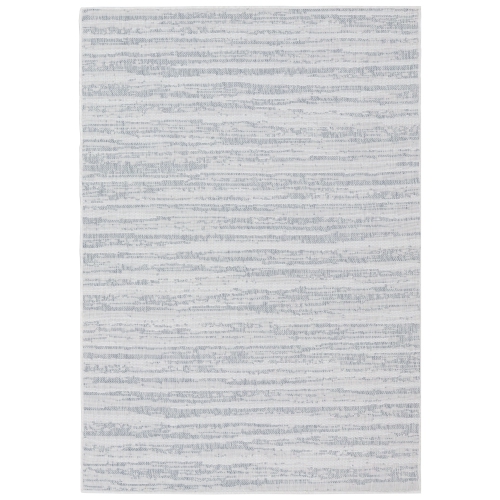 Your price for this item is $129.15
 -
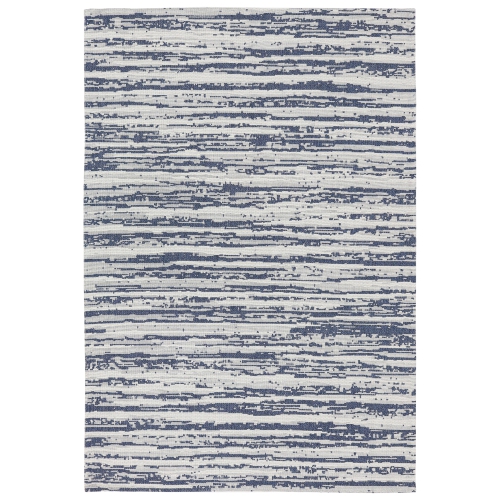 Your price for this item is $130.55
 -
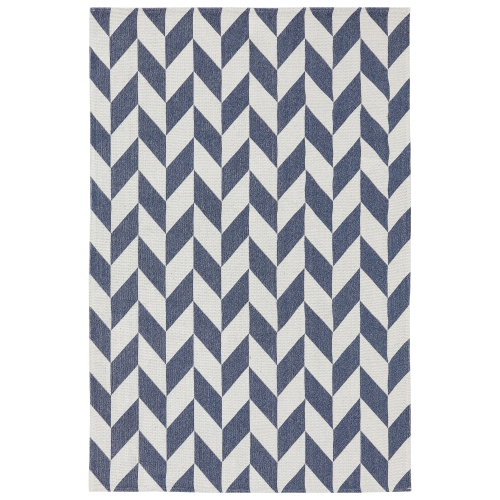 Your price for this item is $130.55
 -
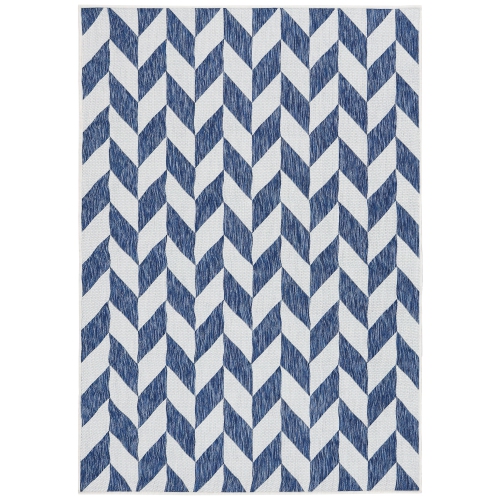 Your price for this item is $129.15
 -
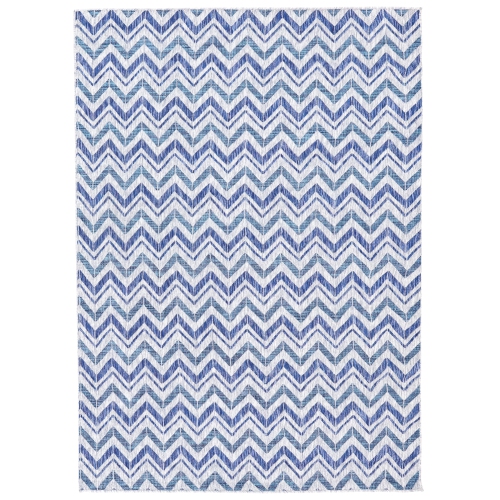 Your price for this item is $129.15
 -
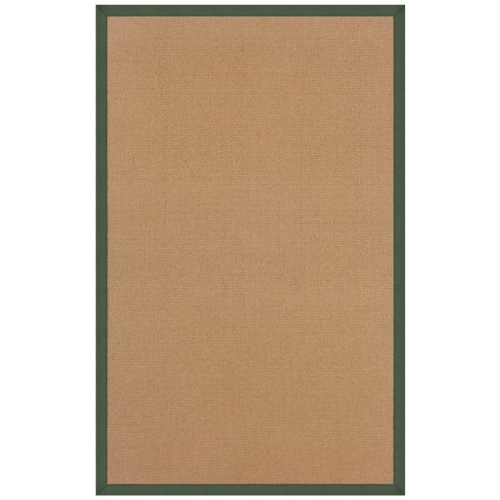 Your price for this item is $124.81
 -
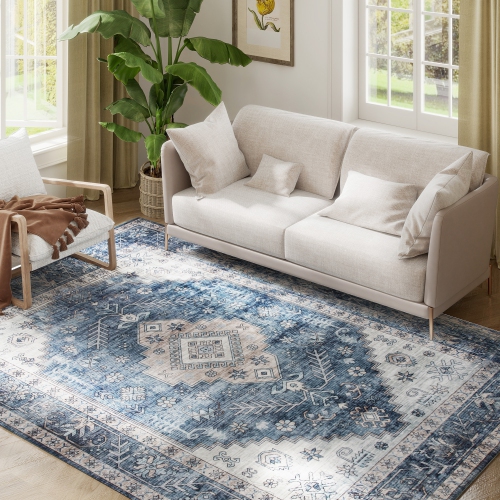 Your price for this item is $74.99
Discover more categories related to Natural Area Rugs

Top Collections:
Best Laptops for Video Editing, Pokemon Centers, Samsung Z Fold, Kindle Devices, Best Cell Phones Under $300, Best Laptops for Writers, Best Budget Office Chairs, Best Cell Phones Under $500, Best Laptop Computers for Students, iPhone 15 Apple
Some products may be subject to Environmental Handling Fees
(EHF) depending on your province.
Learn more about EHFs.