Green Area Rugs
Looking to add a touch of nature to your home decor? Our collection of green area rugs is here to bring a fresh and vibrant ambiance to any room. From light and airy shades of mint and seafoam to rich emerald and forest greens, these rugs offer a variety of hues that can complement any style or theme. Whether you're looking to create a serene oasis in your bedroom or add a pop of color to your living room, our green area rugs are designed to elevate your space with their soothing tones and eye-catching patterns. Explore our selection and find the perfect rug to transform your living space into a lush retreat.
Sort
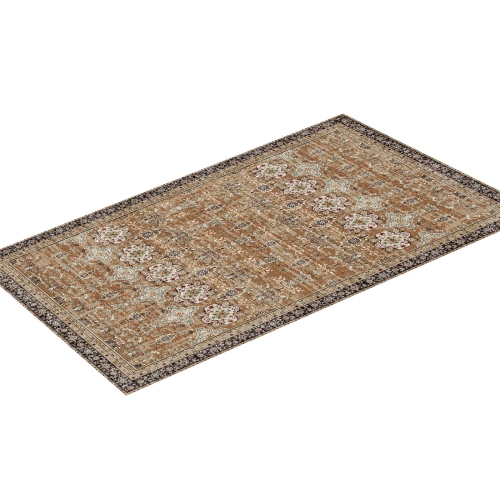
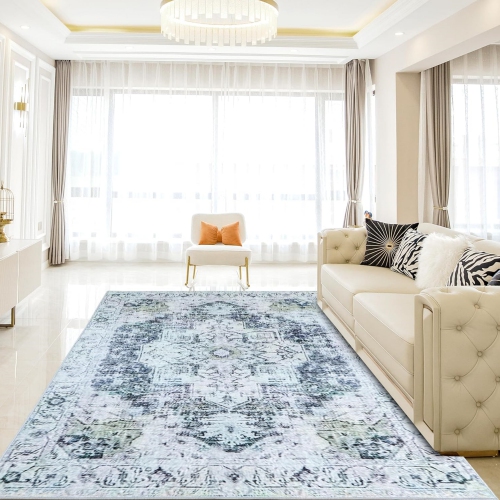
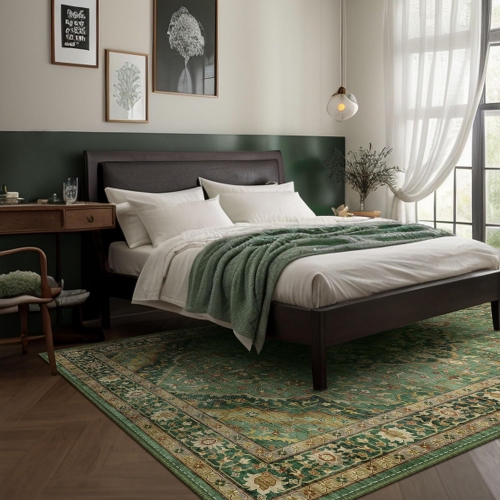

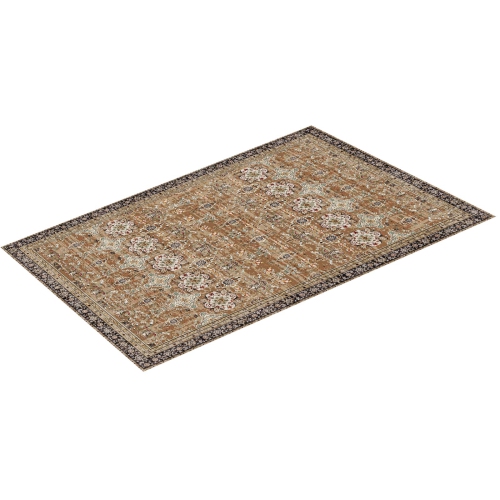











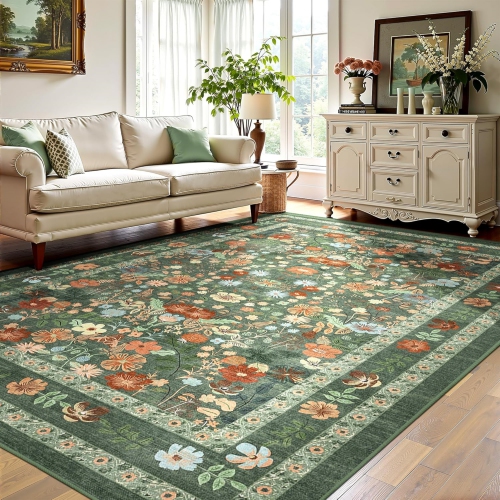
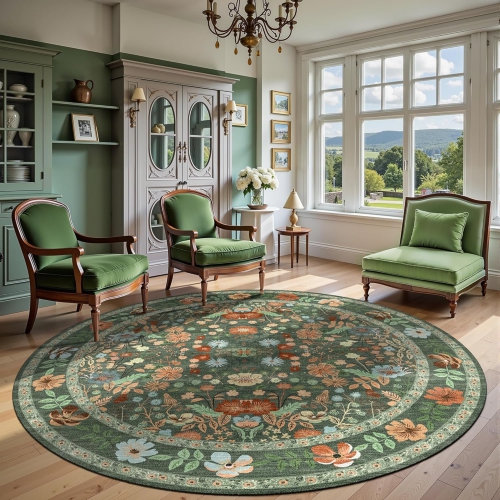

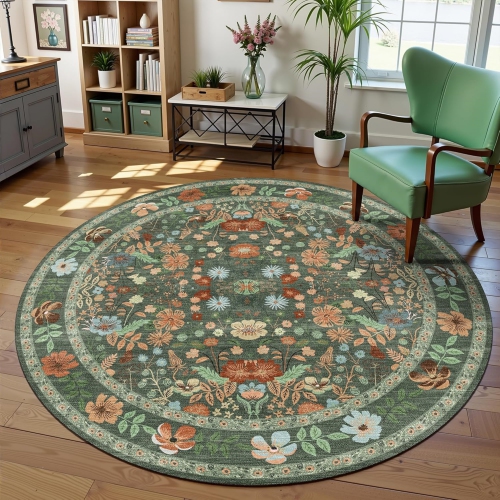
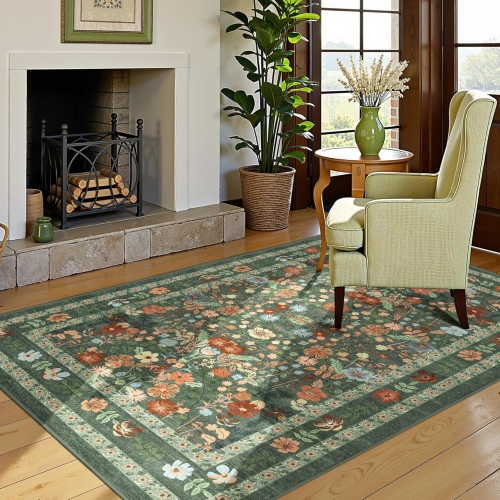
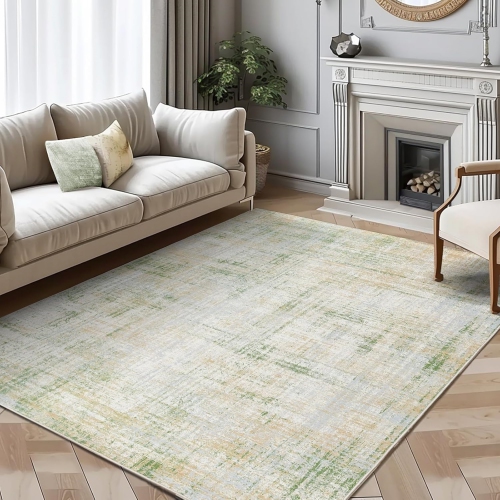
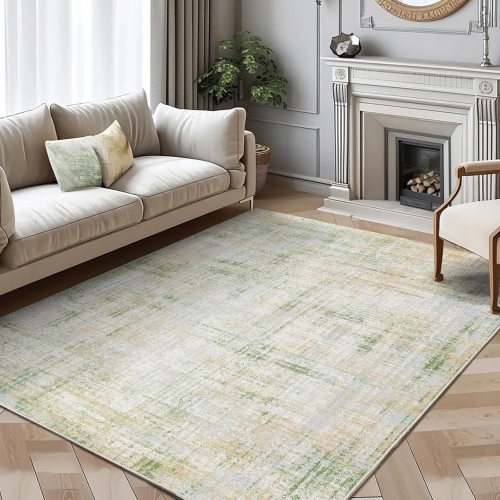
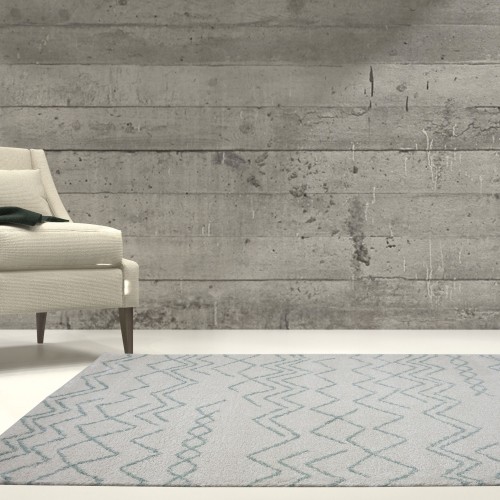

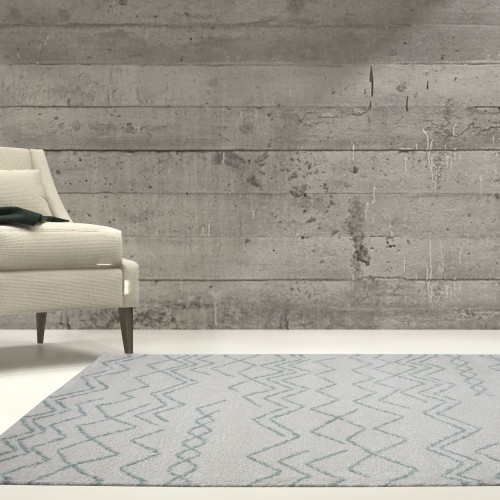



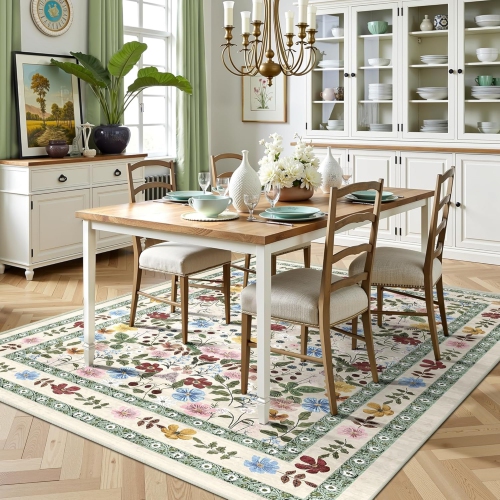
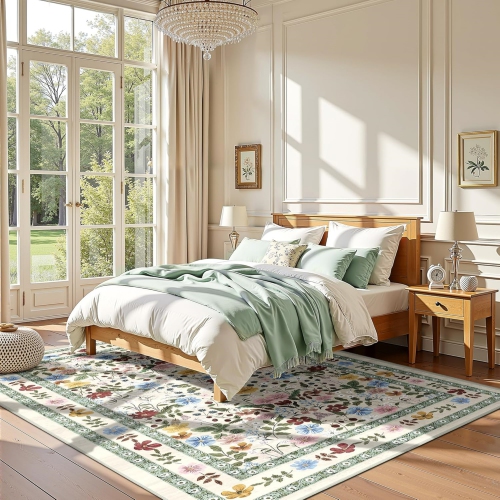

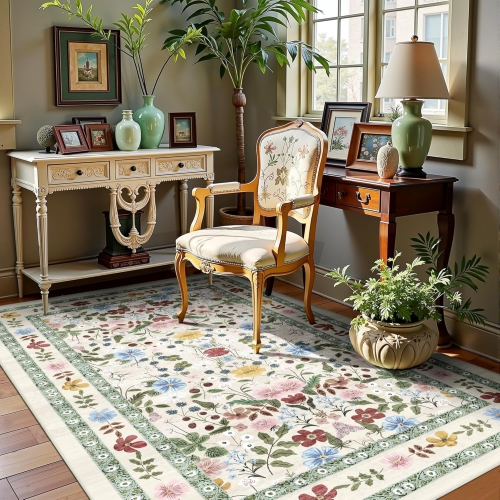

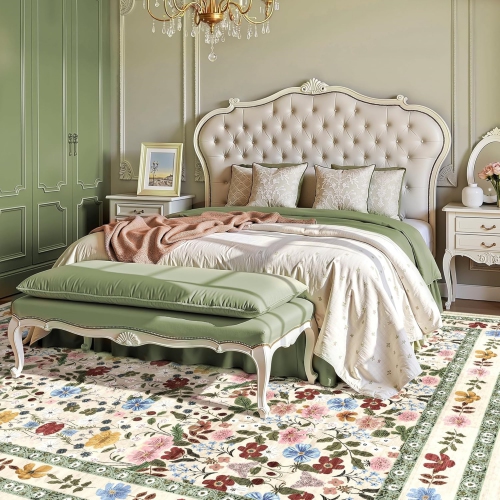
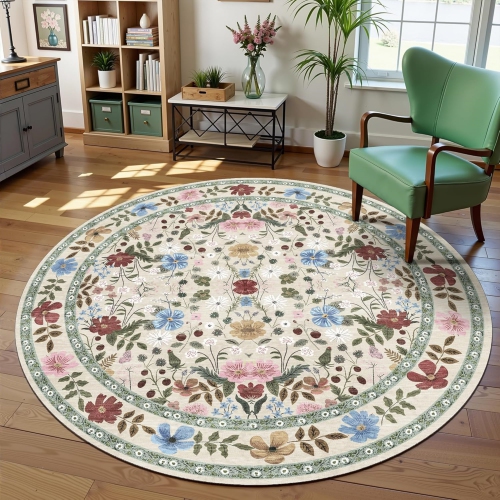
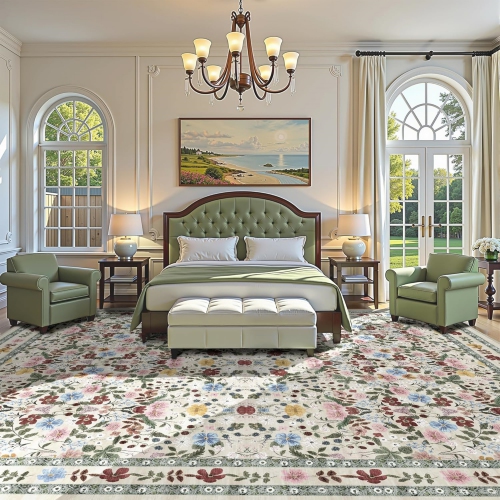
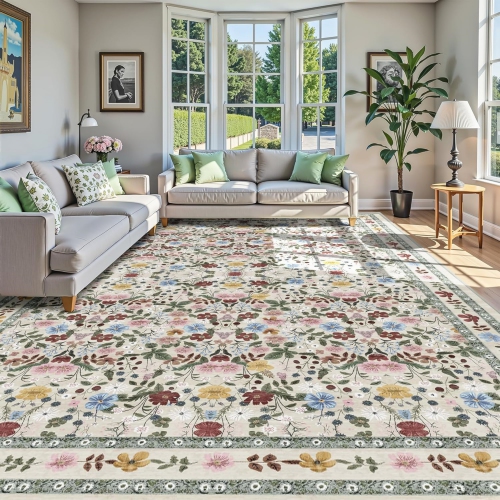
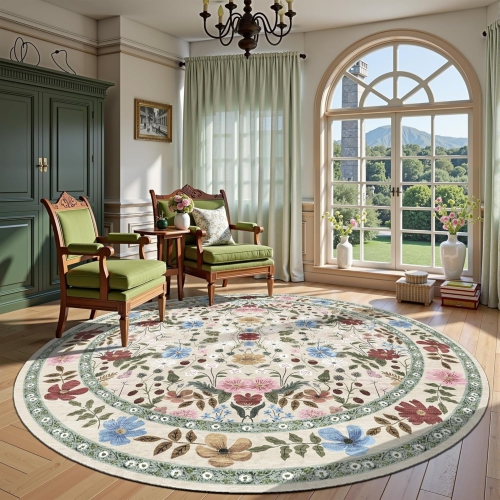



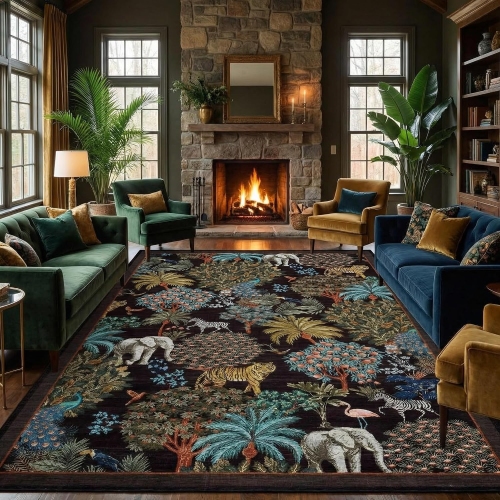
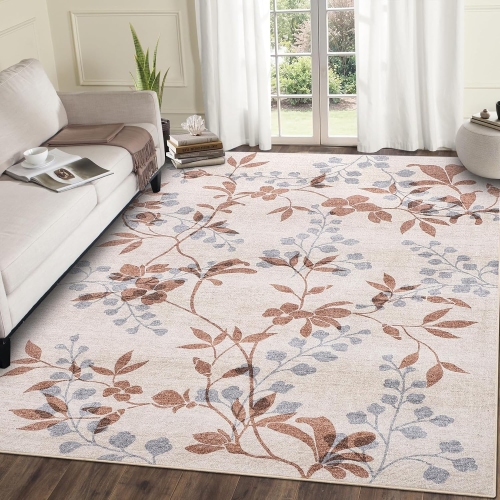
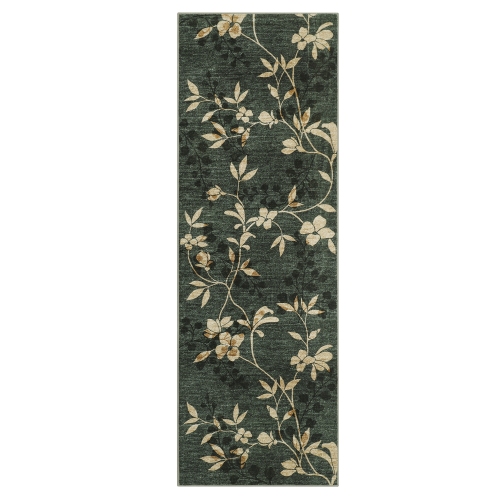
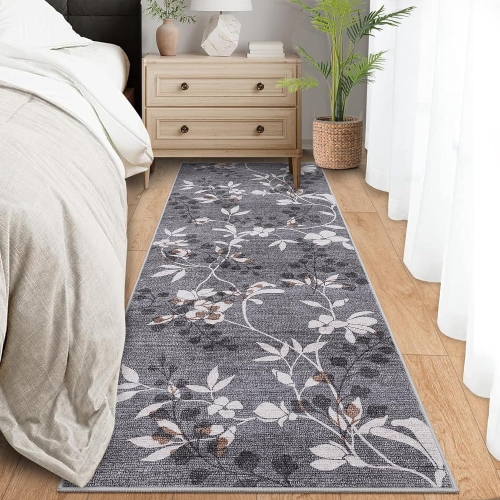
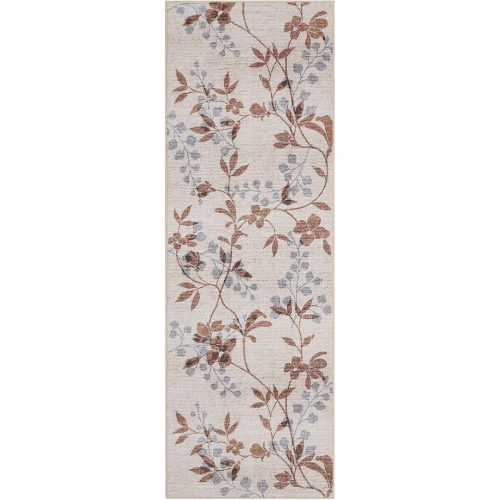
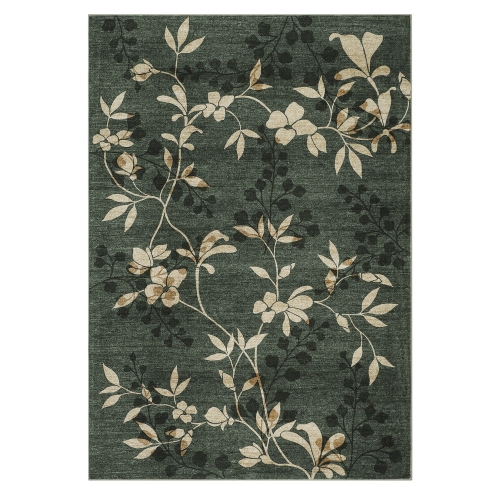
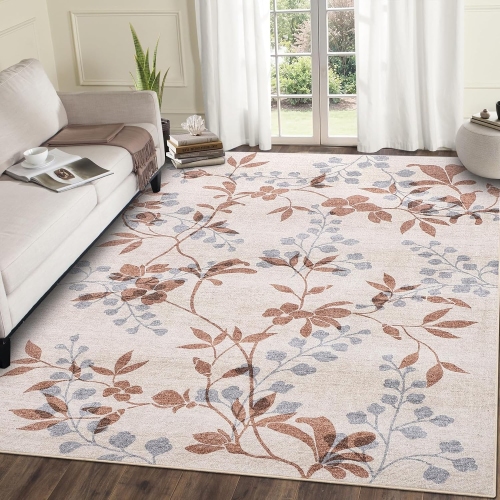
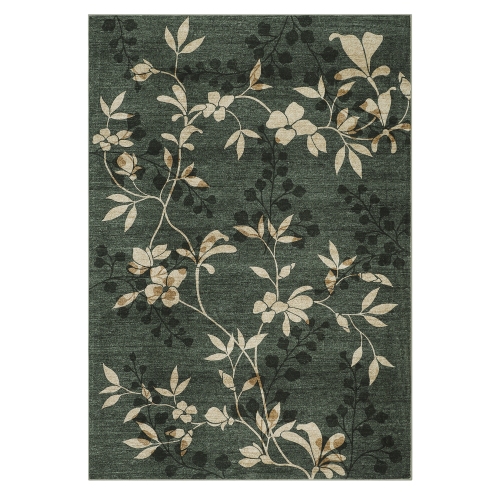
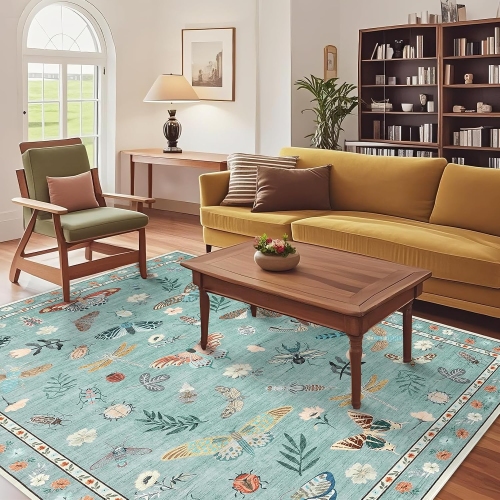
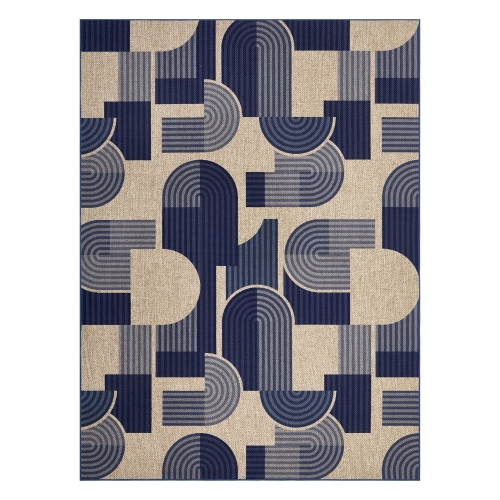
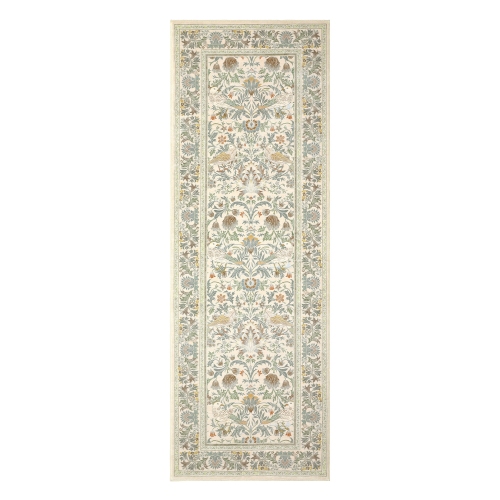
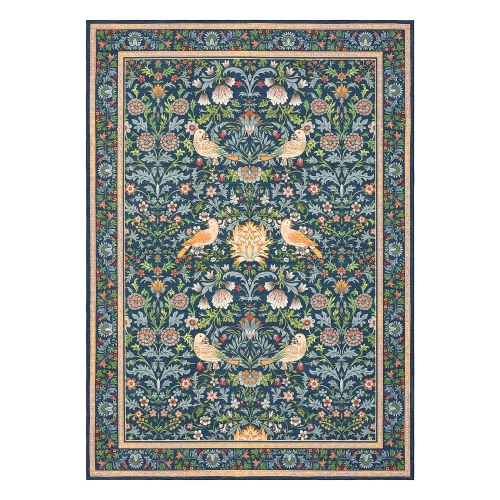


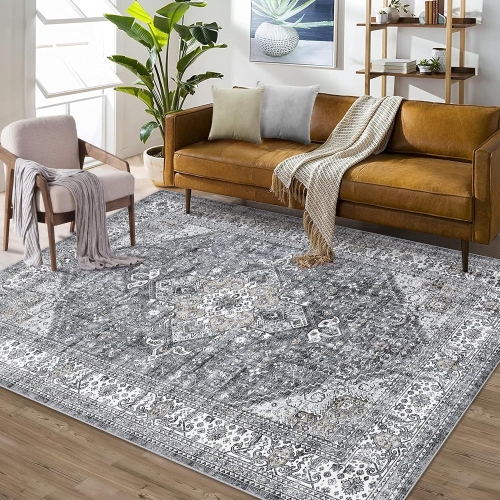
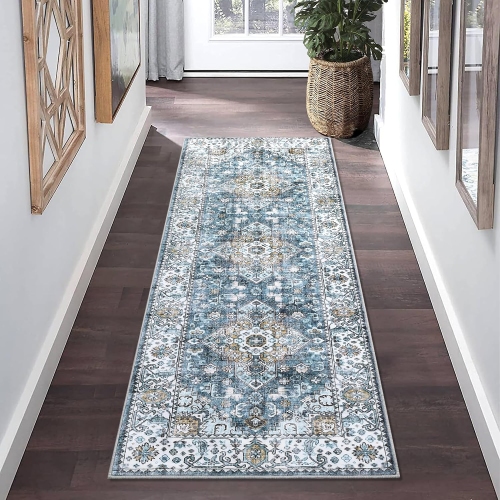
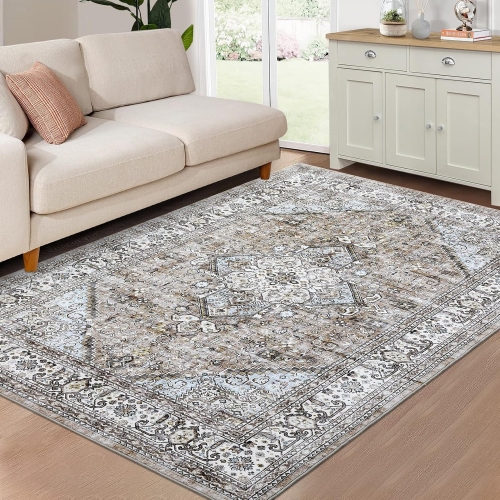
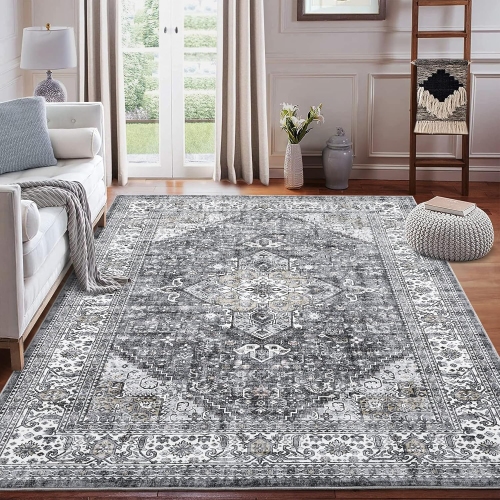
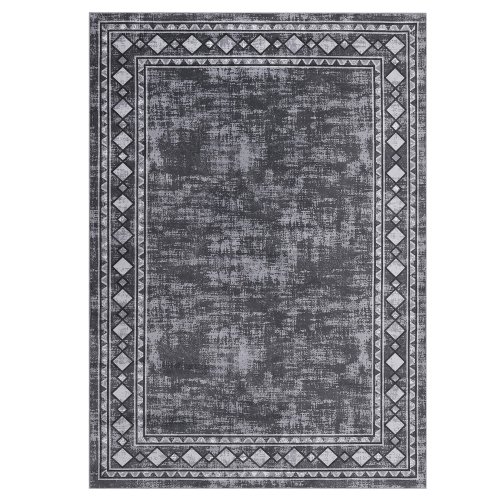
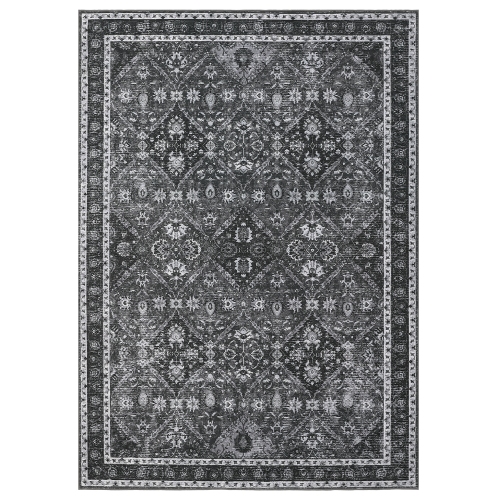
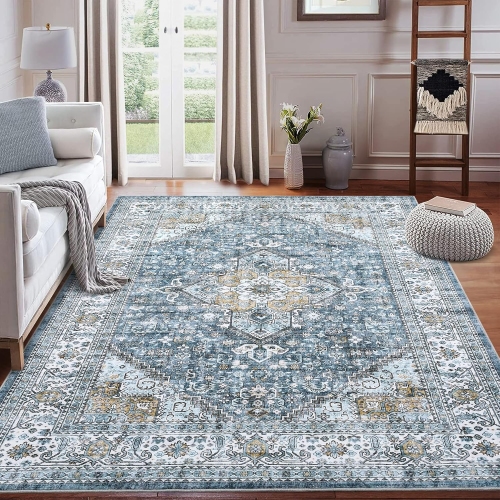
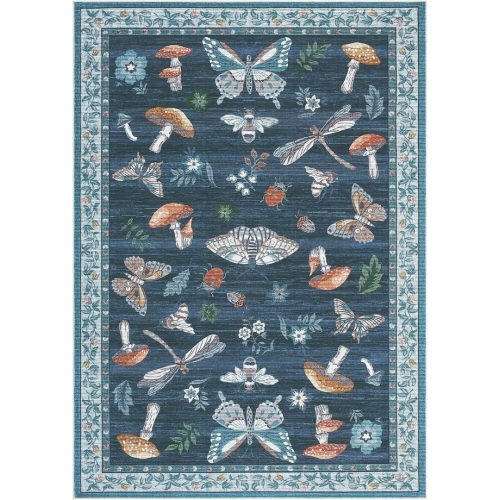
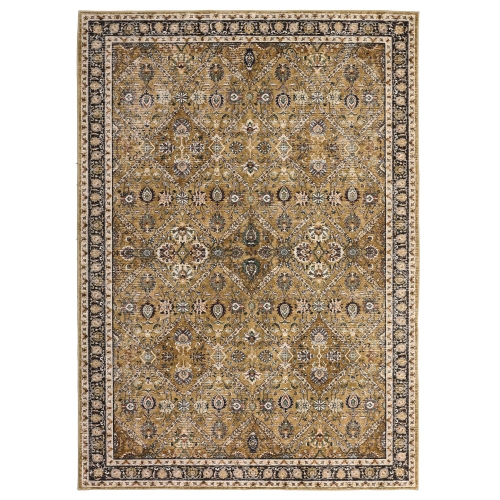
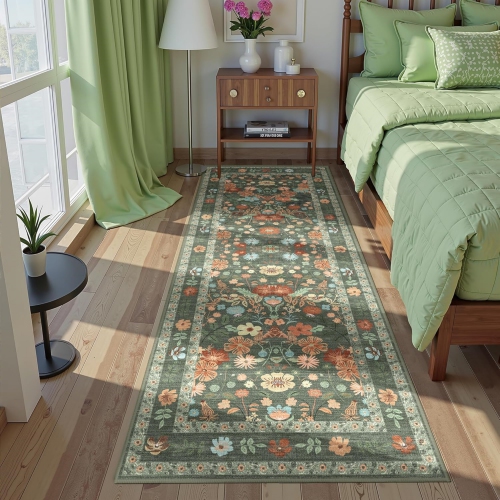
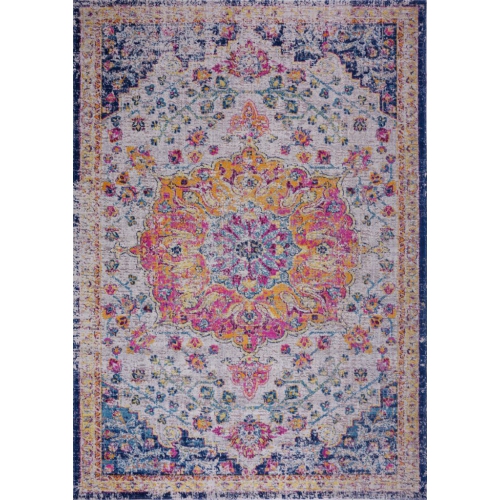
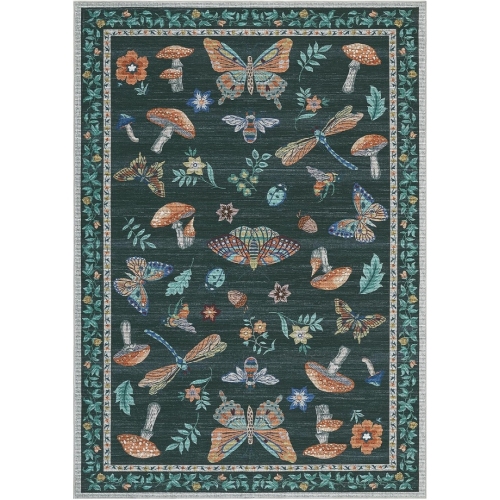
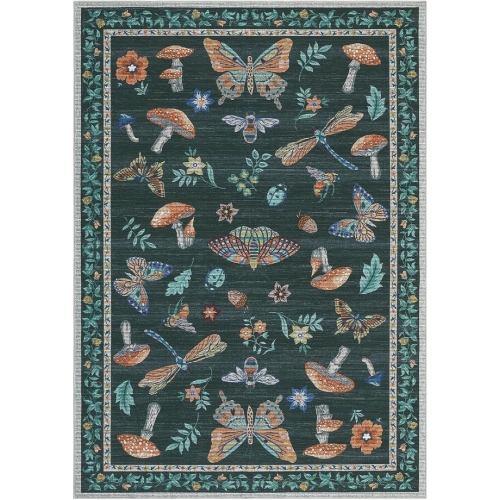
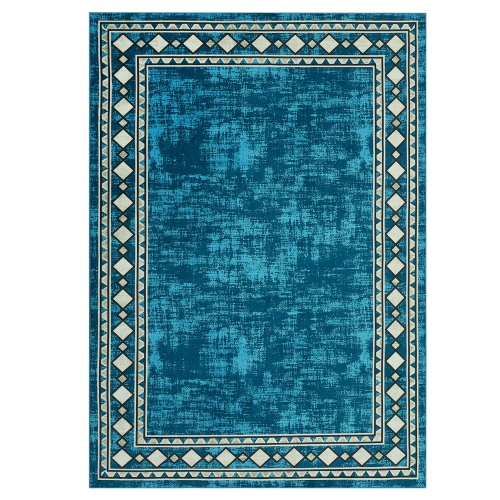
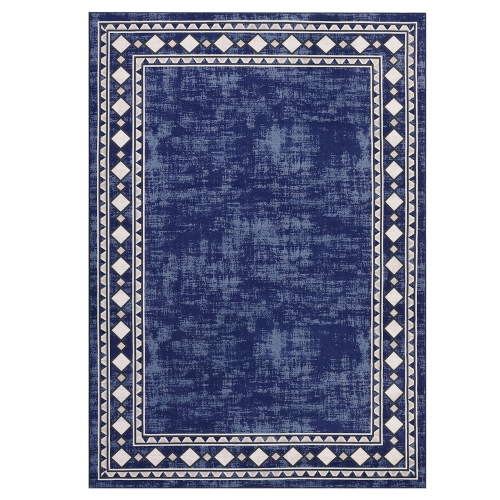
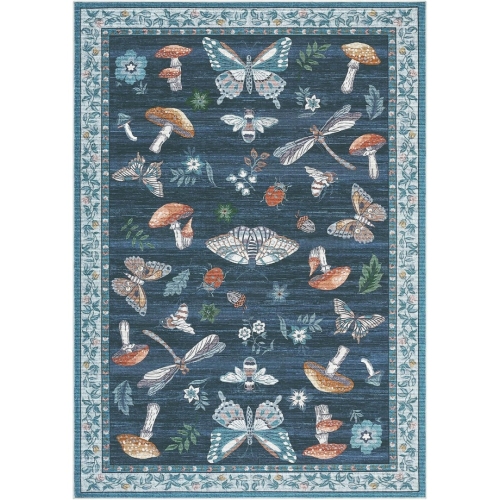

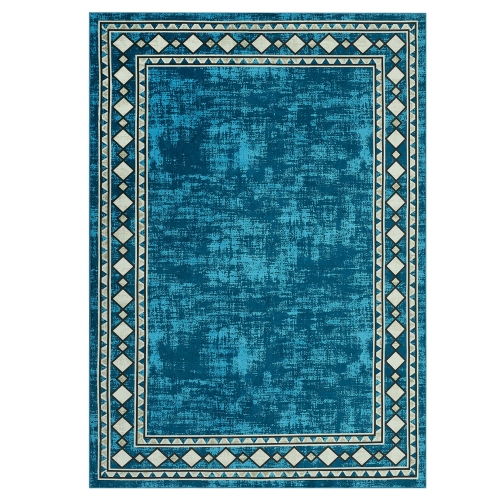
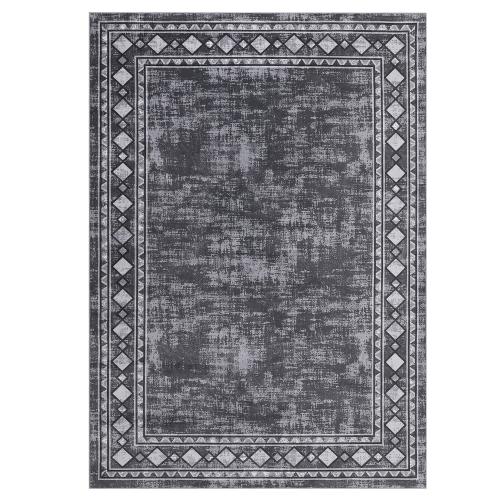
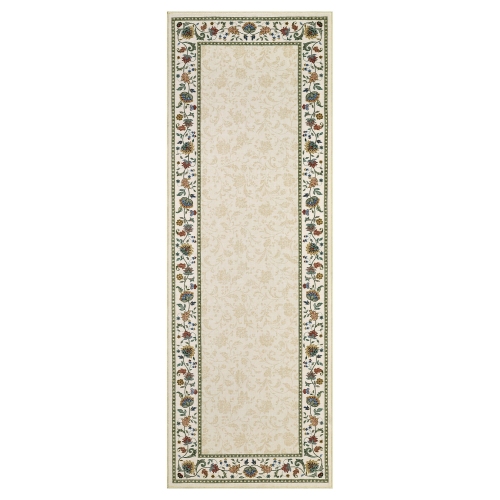
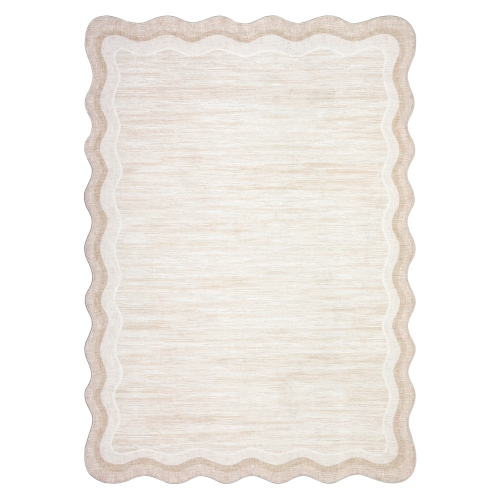
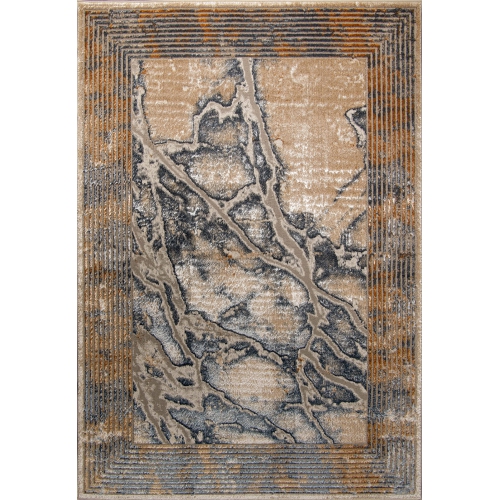
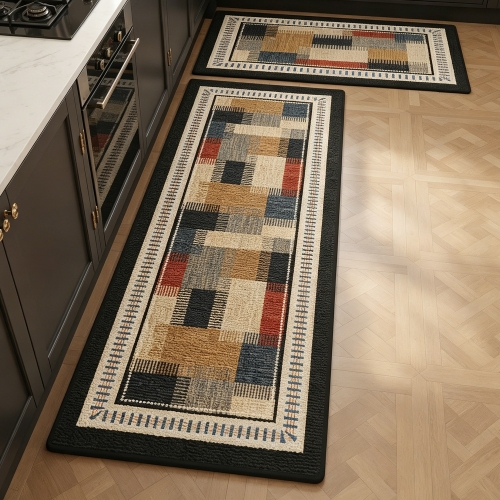
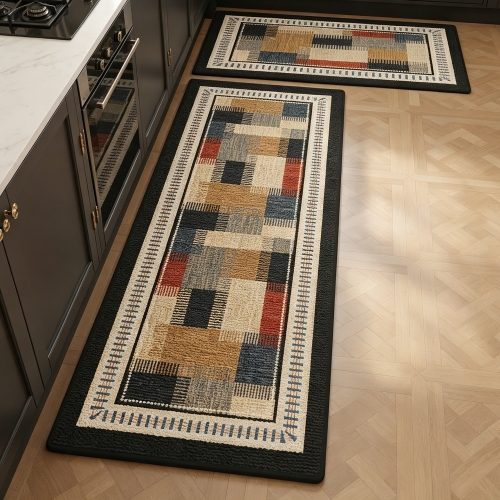
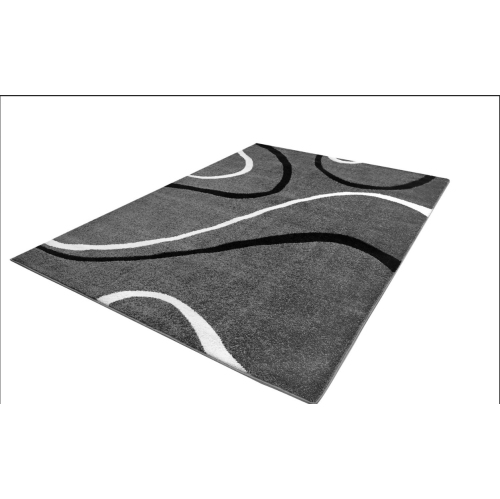
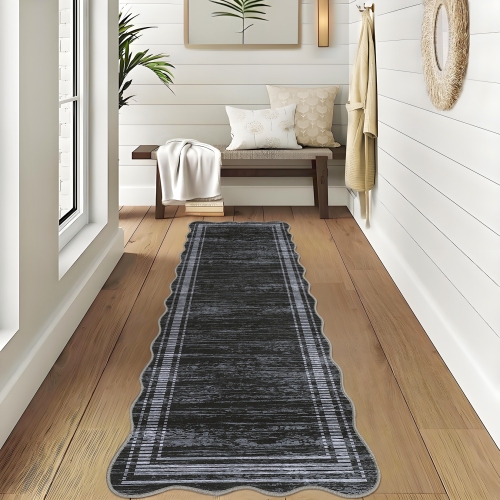
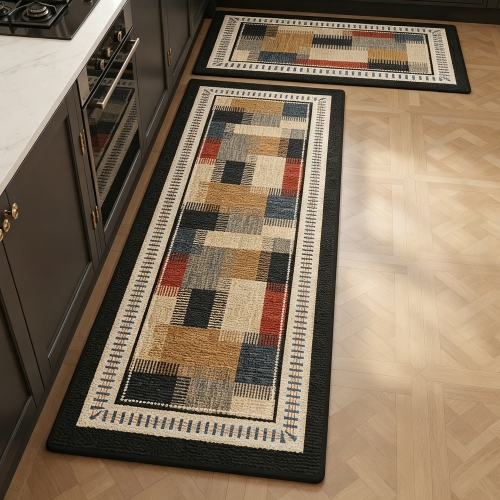
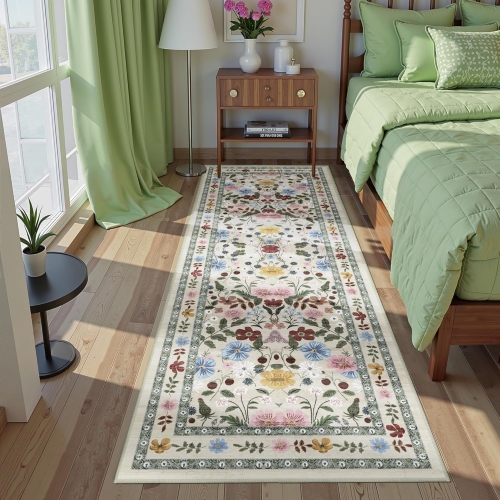
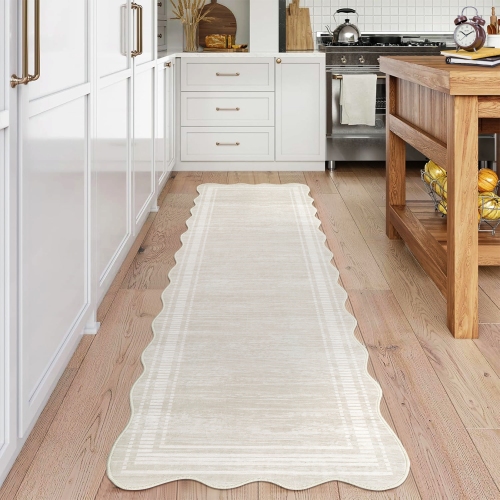
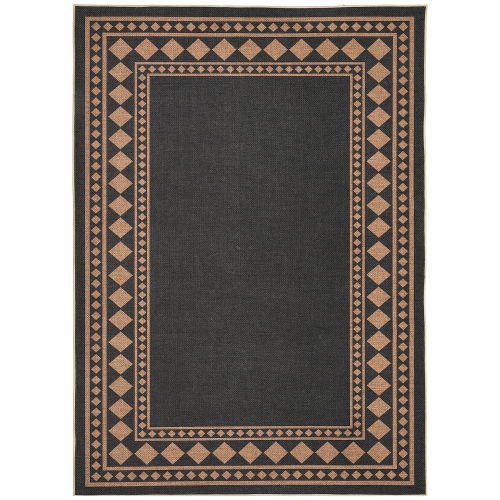
How green tones tie a room’s furnishings together
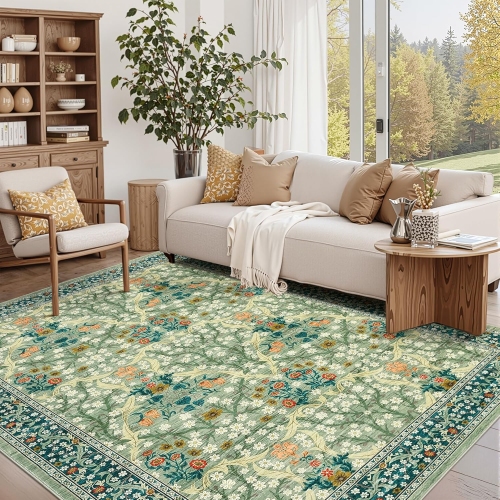
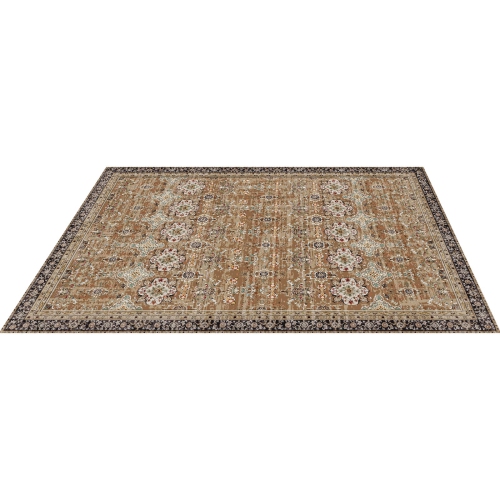
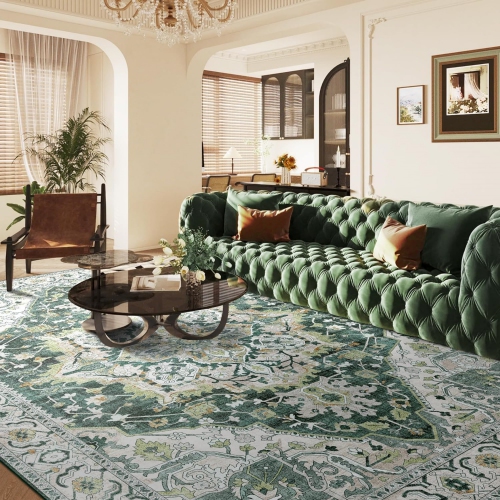
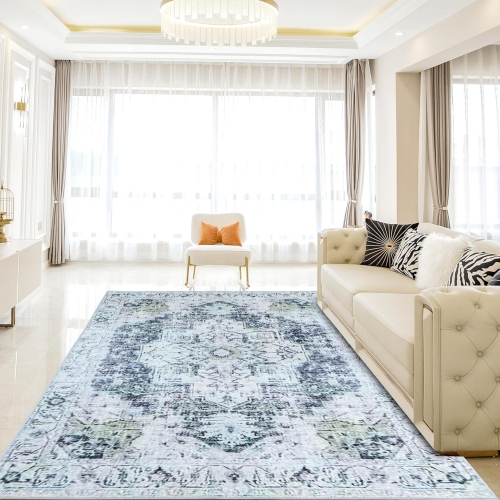
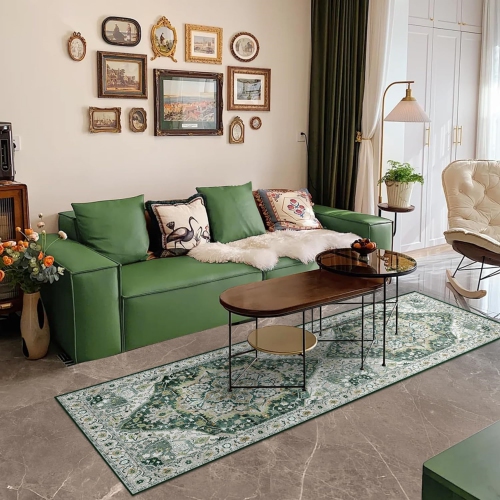
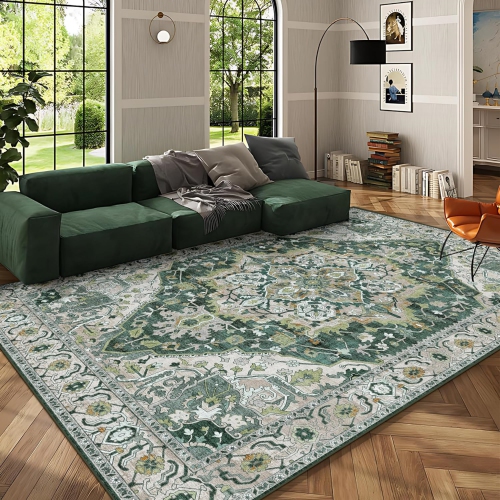
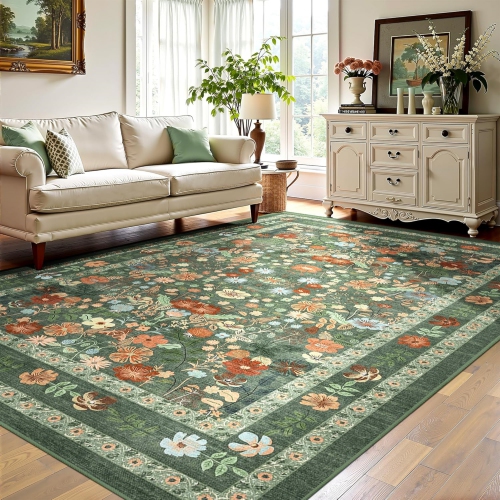
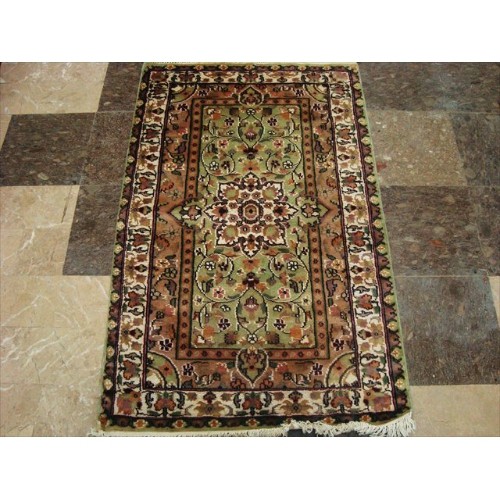
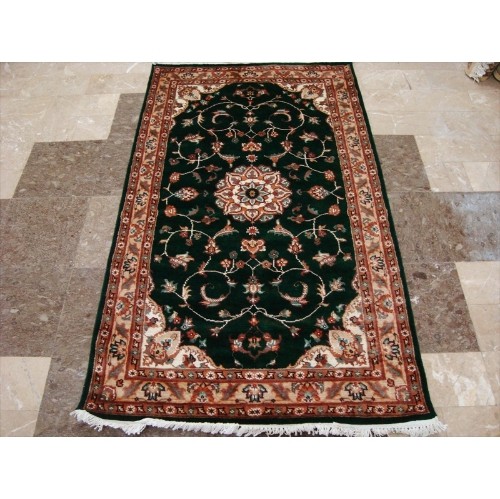
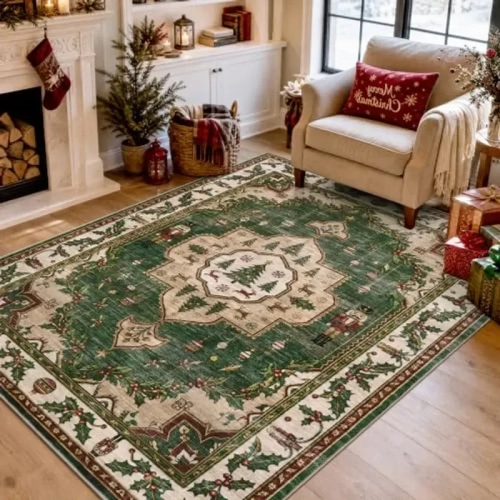
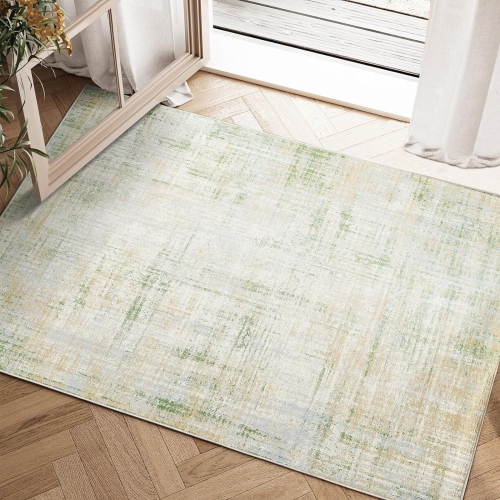
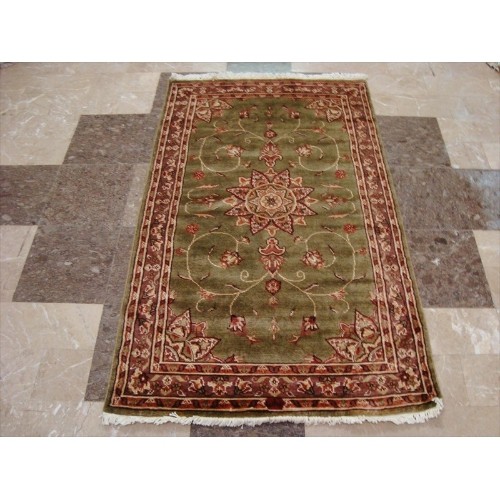
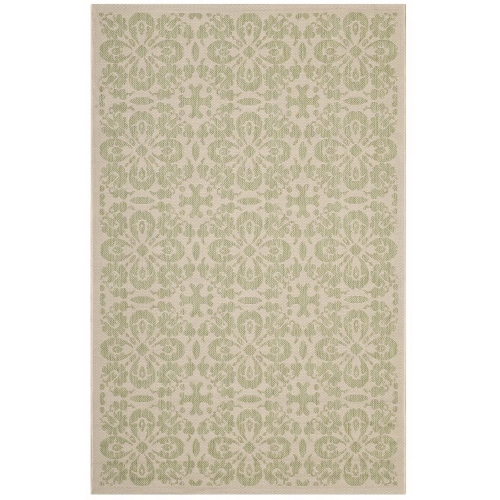
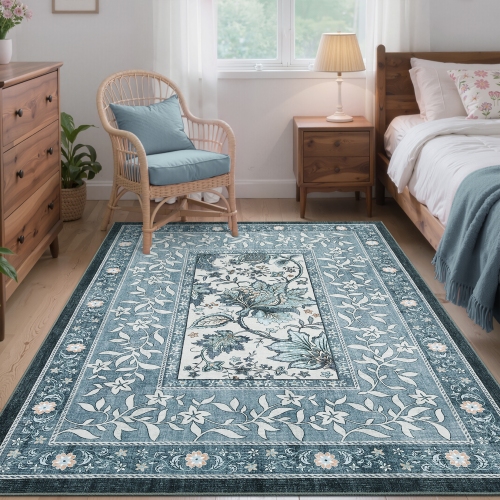
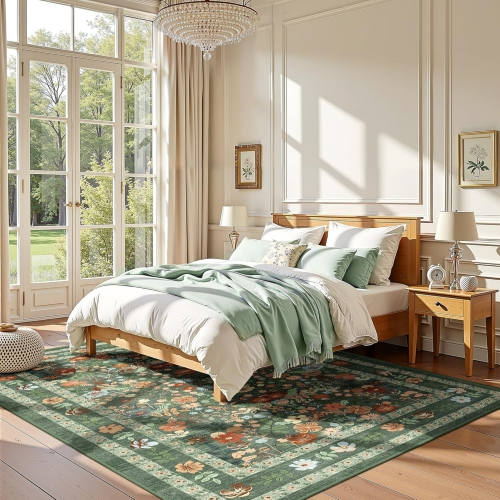
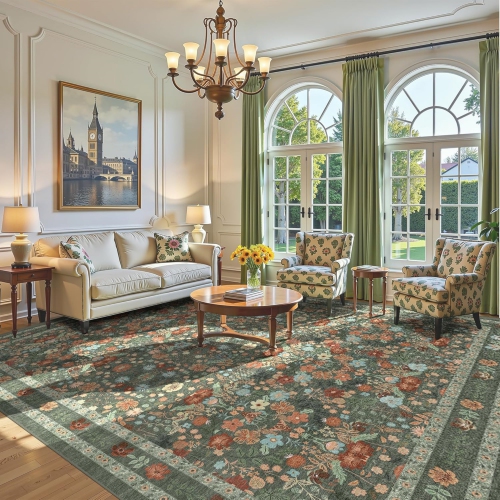
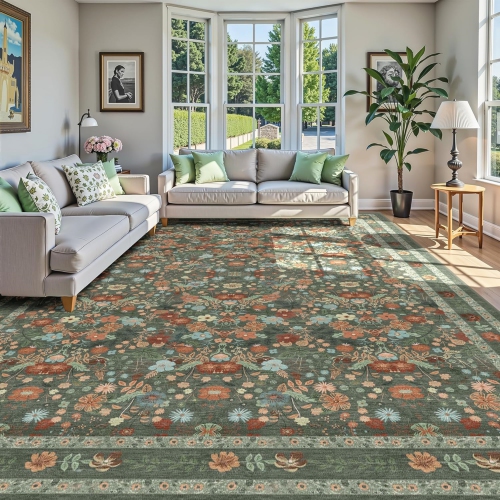
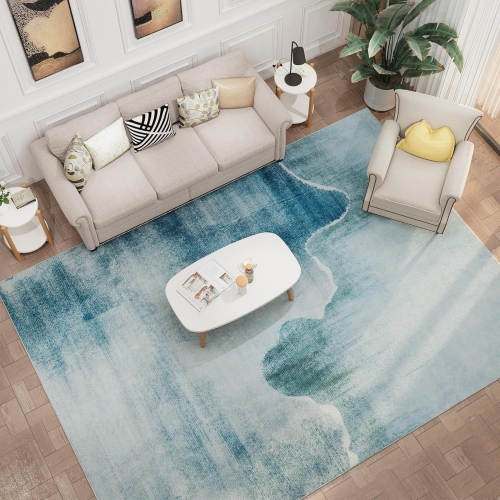
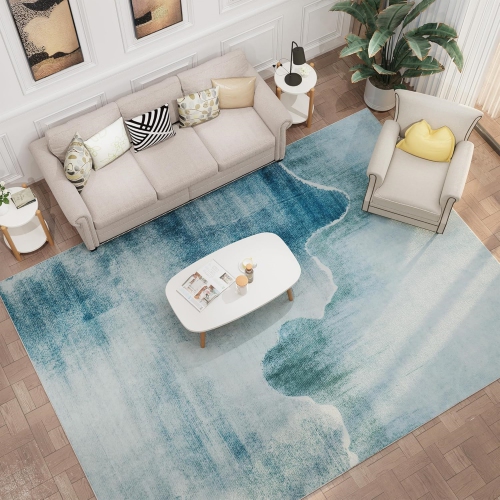
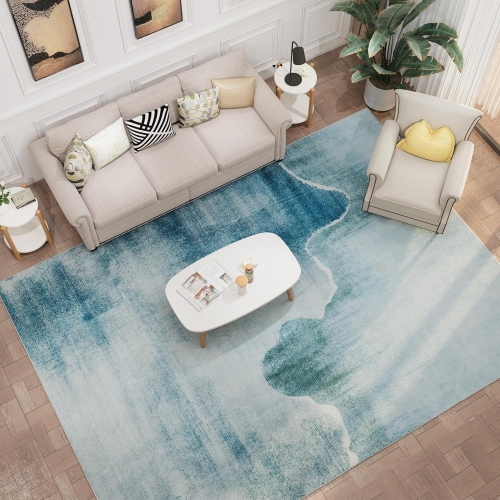
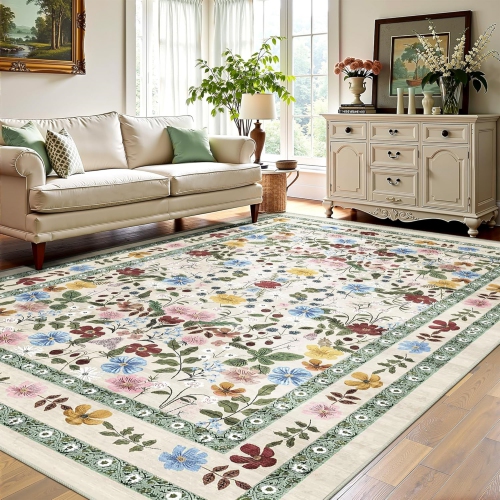
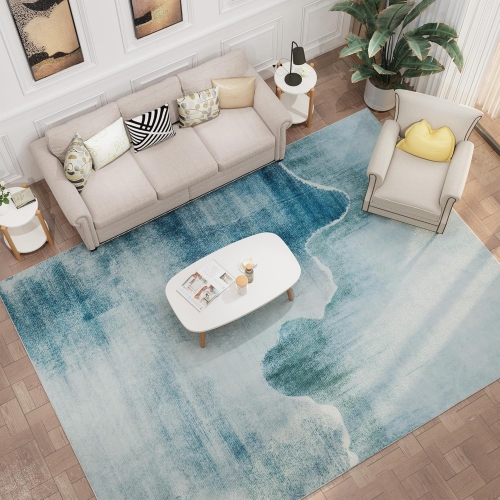
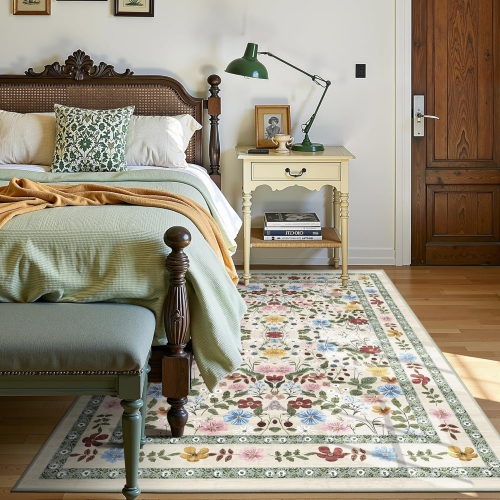
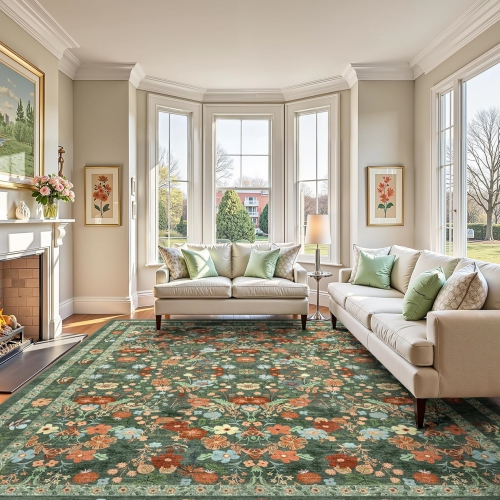
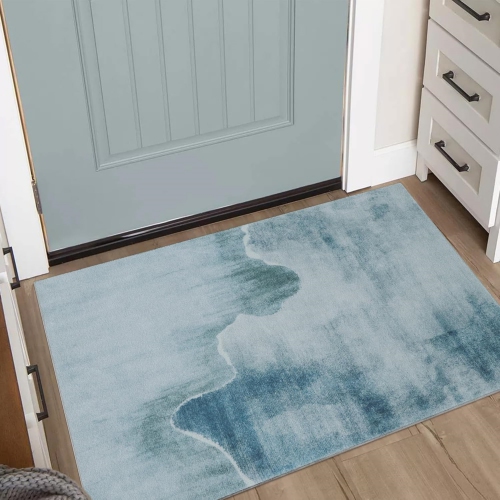
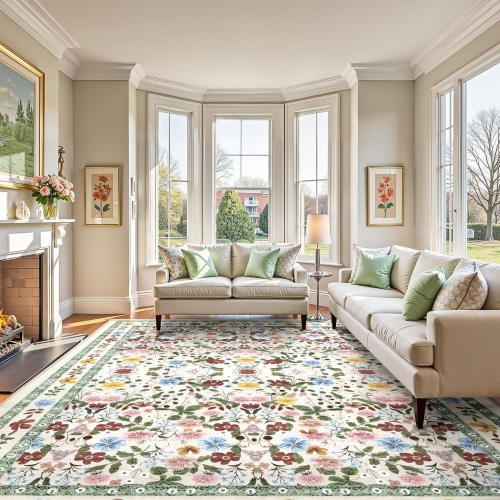
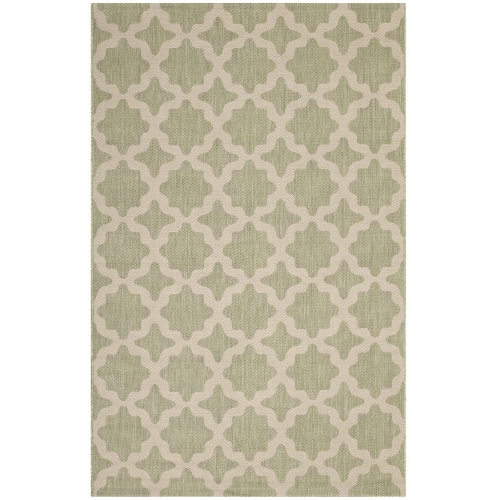
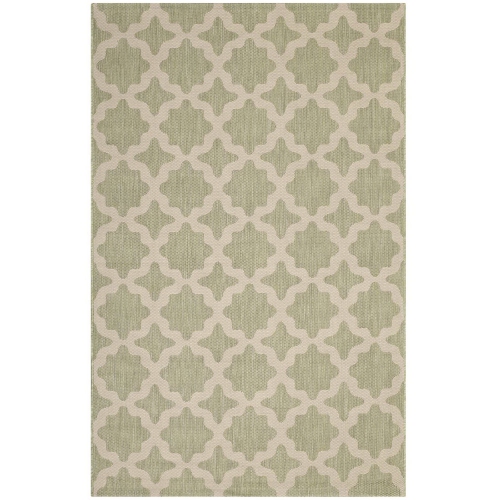
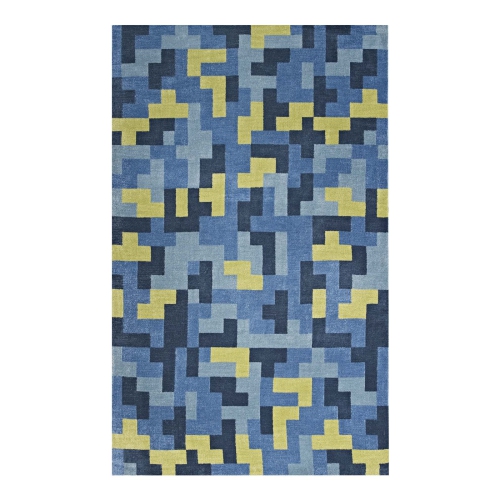
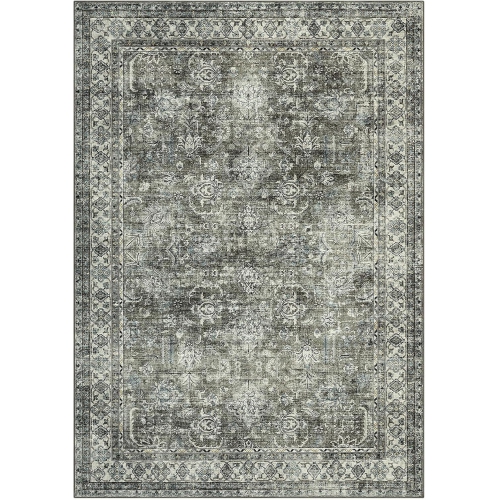
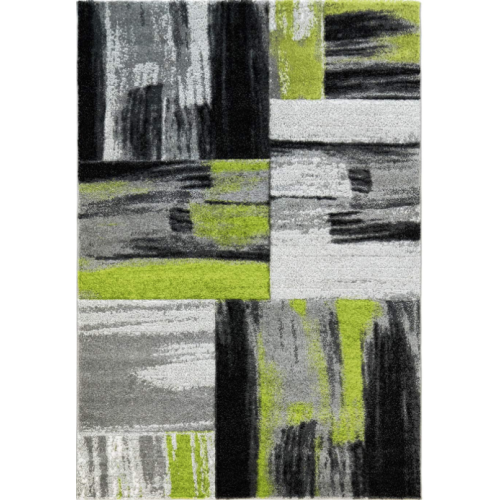
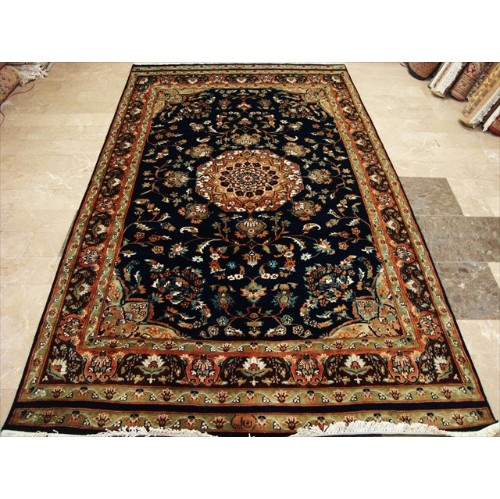
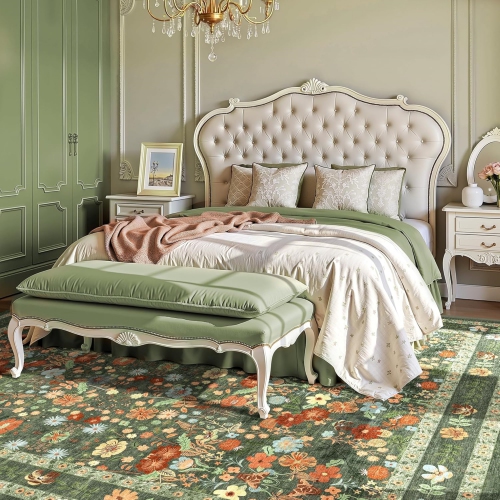
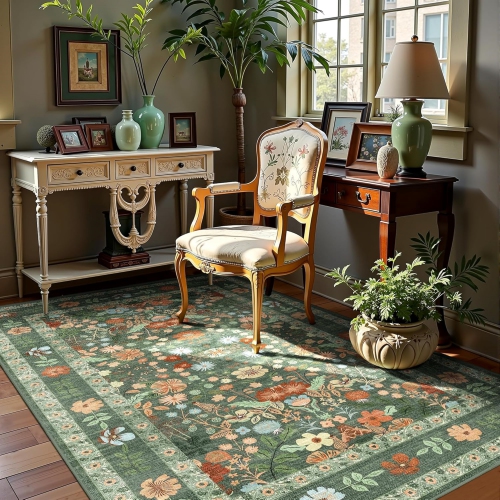
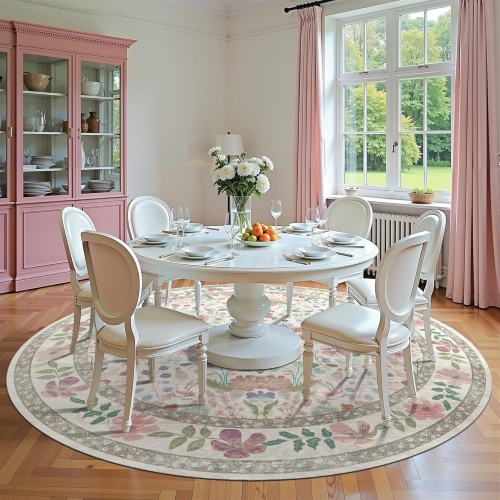
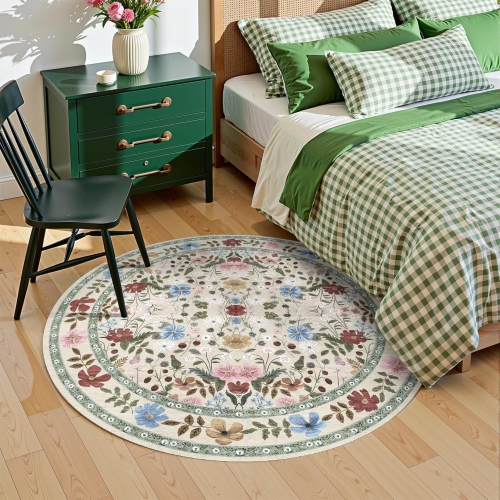
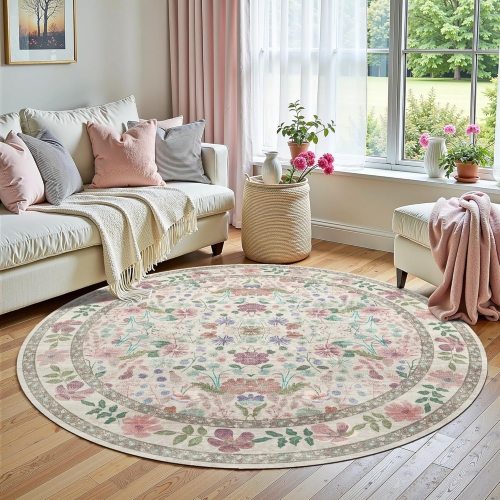
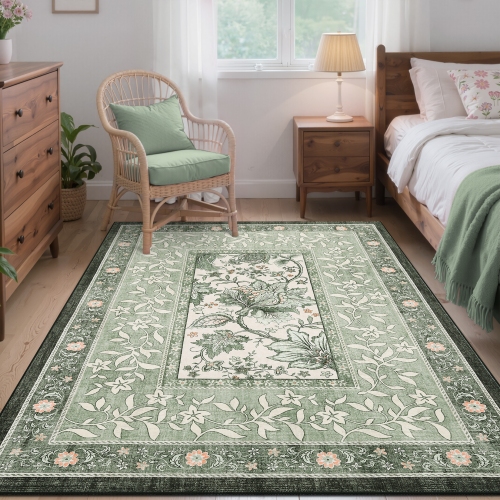
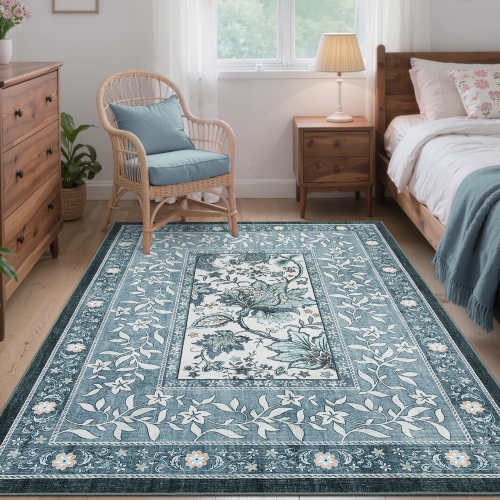
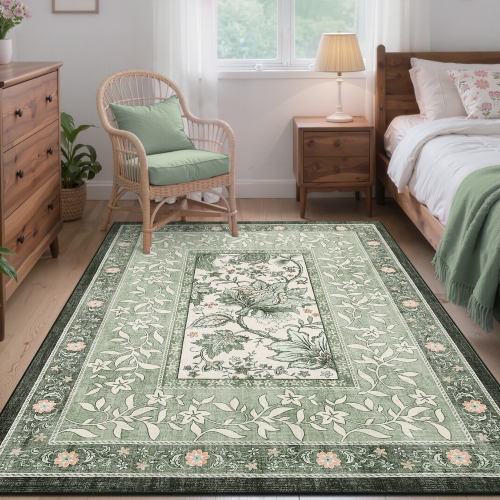
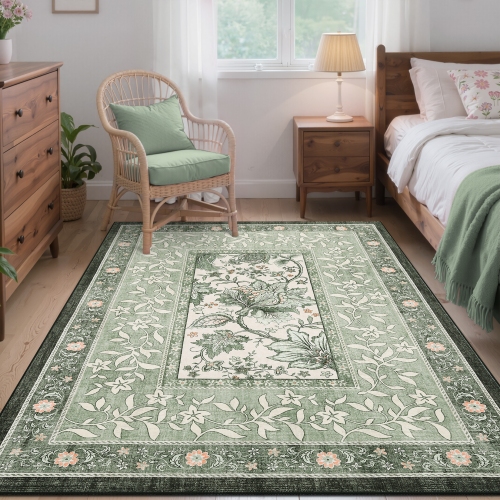
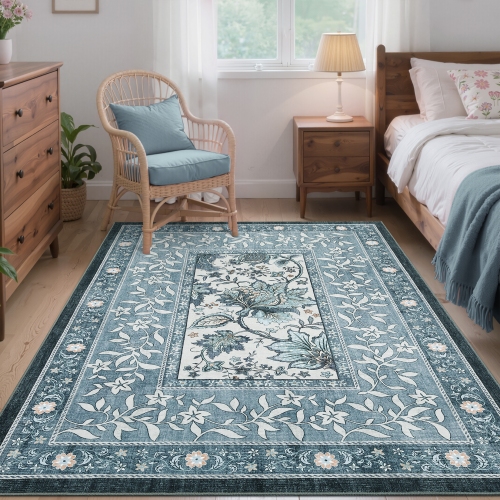
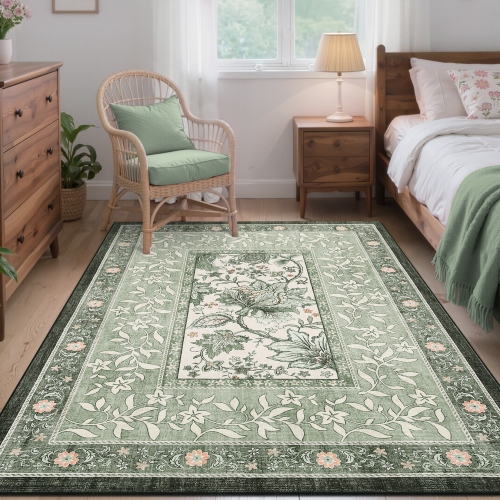
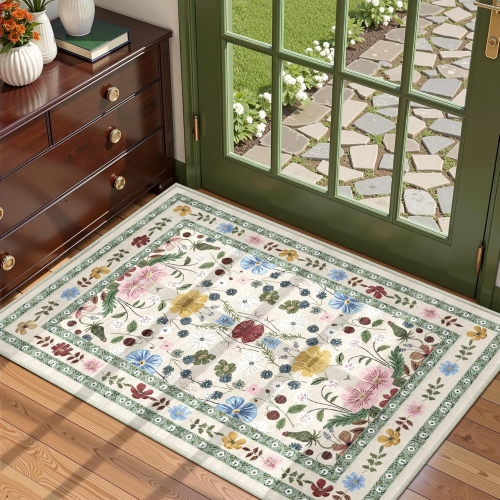
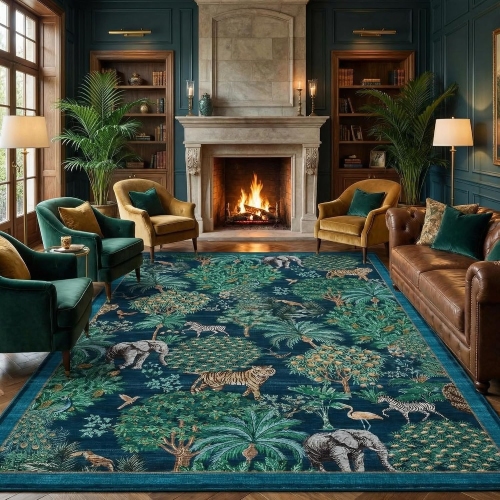
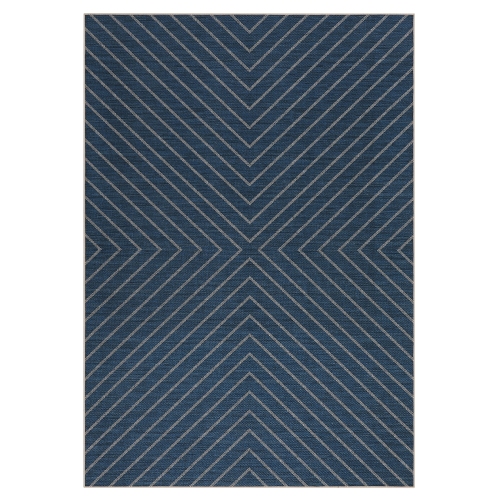
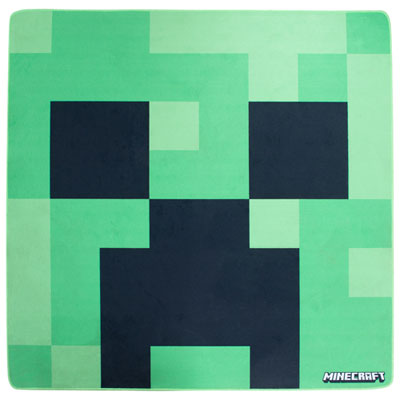
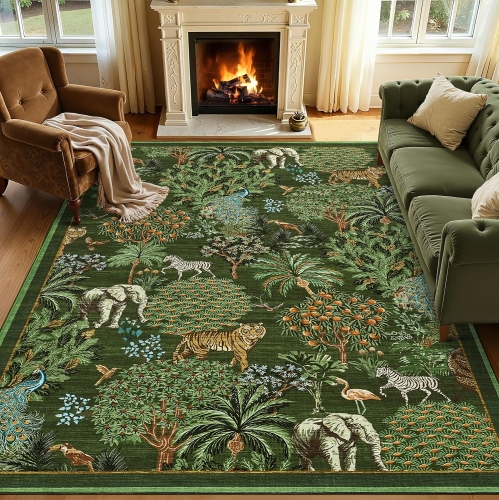
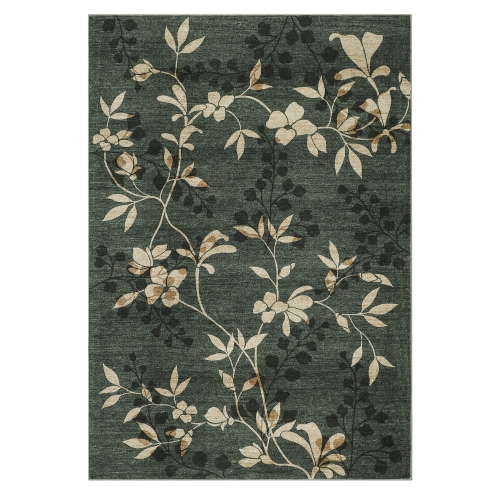
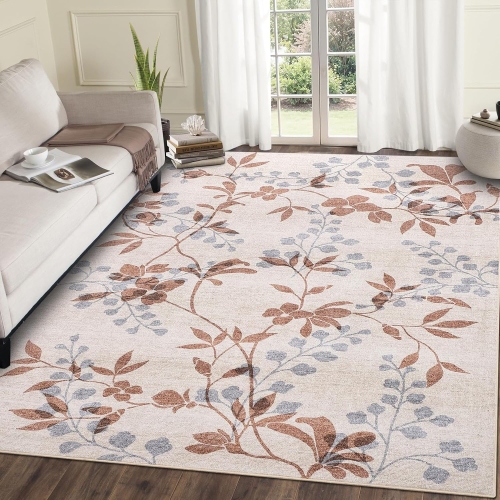
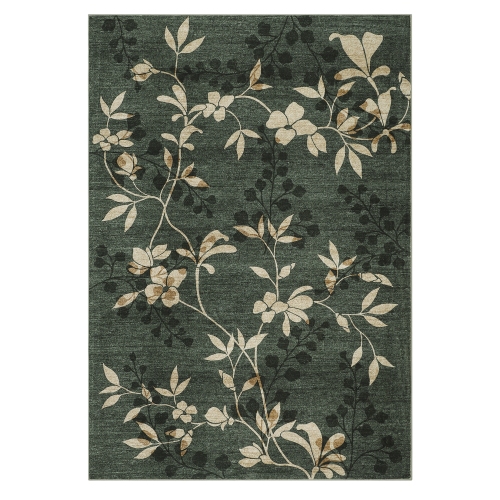
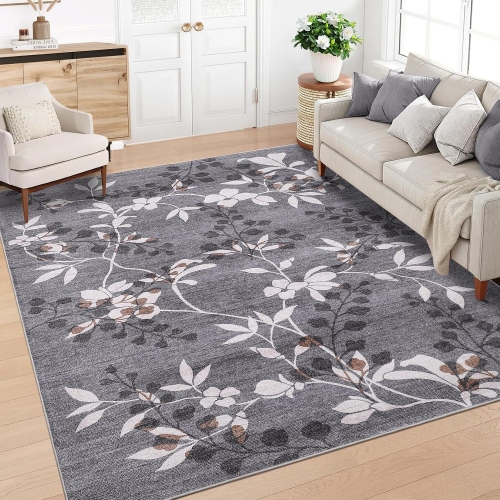
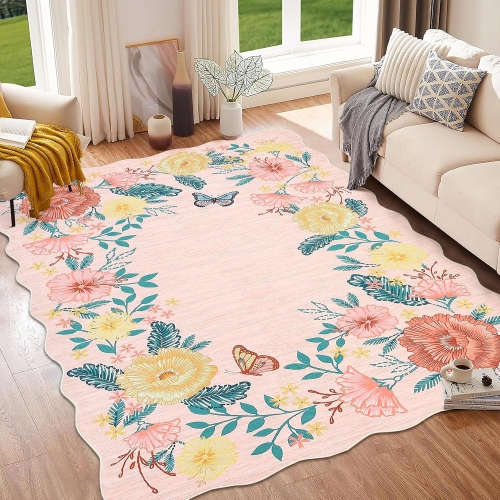
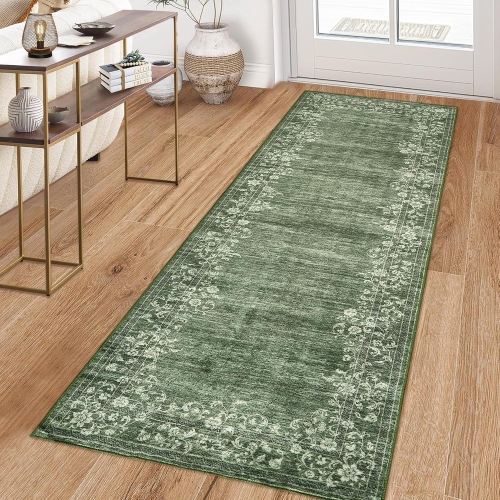
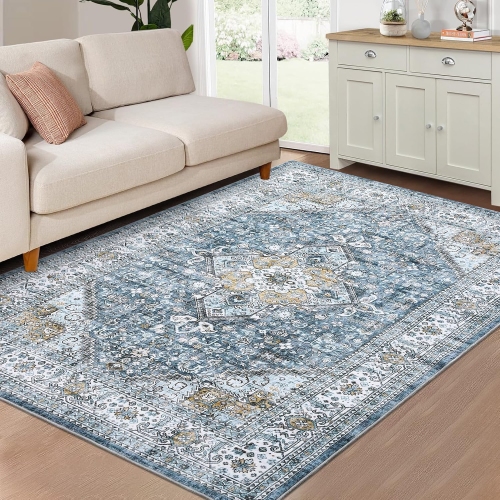
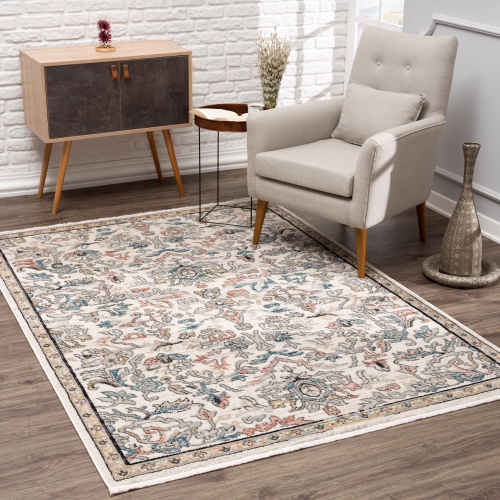
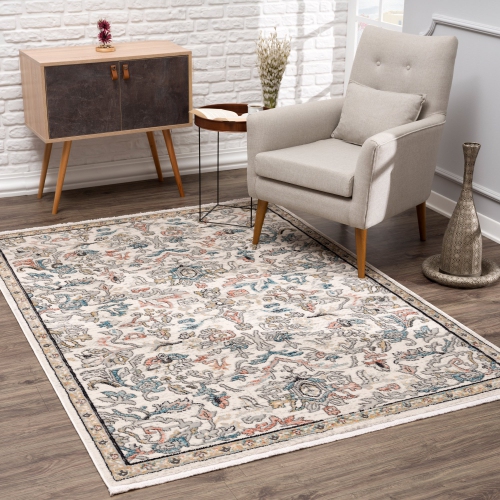
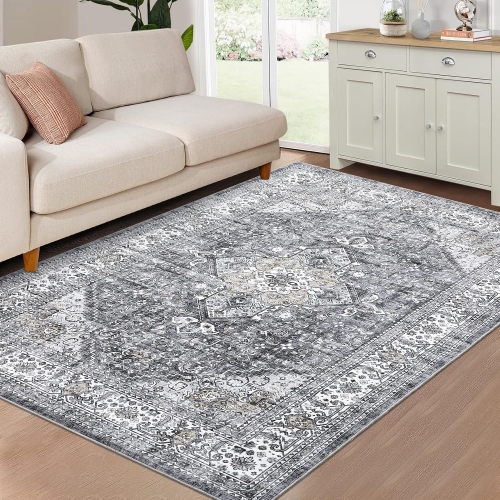
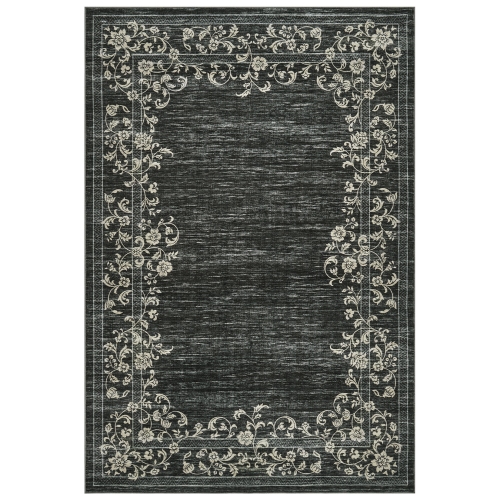
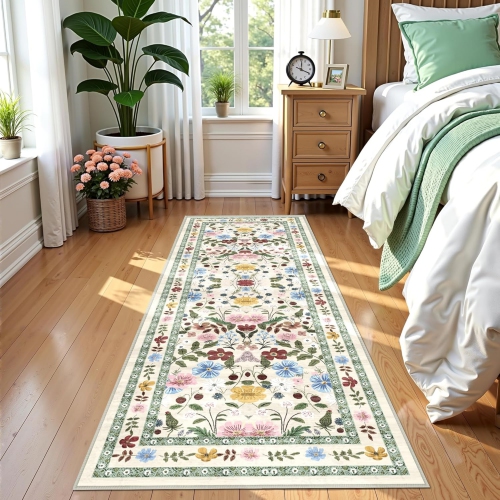
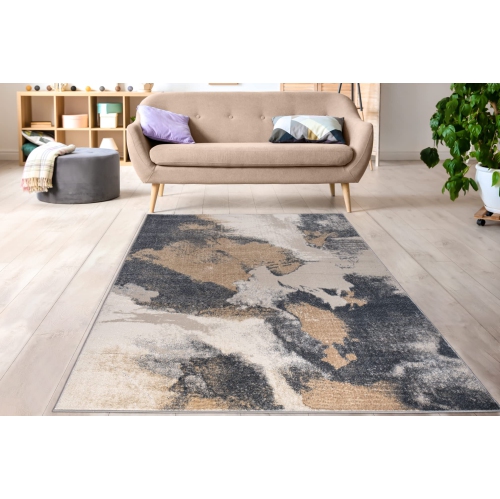
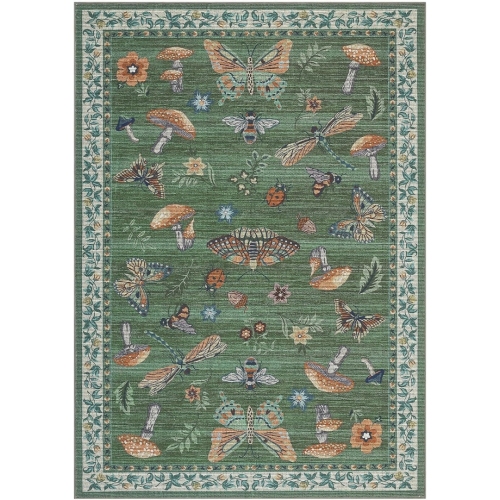
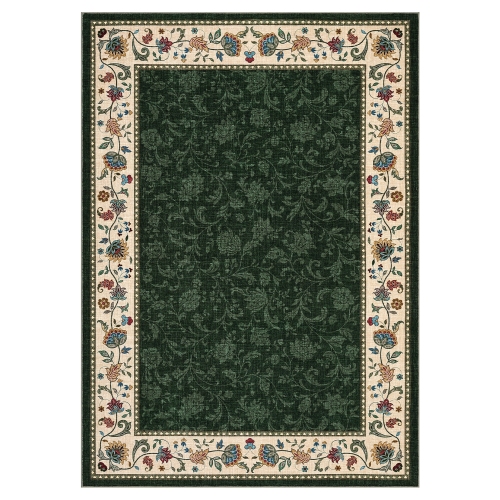
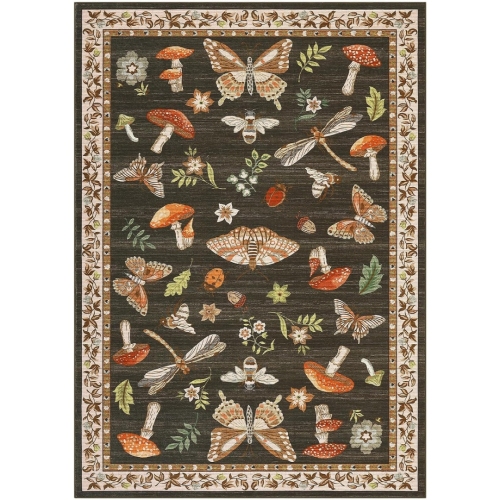
Green area rugs bring colour into a room at floor level, creating a clear foundation for furniture without requiring a change to walls or larger pieces. The effect depends on the shade, pattern, and amount of green in the design. Soft sage can sit comfortably beside pale oak, cream upholstery, and brushed metal, while olive works well with walnut furniture, tan leather, and warm off-white fabrics. A deeper forest green can give a seating area a more defined outline, particularly against a light floor. Emerald tones offer a stronger contrast and can complement jewel-coloured cushions or a single statement chair. For a gentler palette, light green rugs can introduce colour while keeping the overall look quiet and airy. Undertones matter as much as depth: a yellow-leaning green tends to feel warmer beside honey-coloured wood, while a blue-leaning green pairs naturally with grey, navy, and cooler finishes. Patterns offer another way to control the impression. A faded floral design can soften the straight lines of a modern sofa, a geometric pattern can bring structure to a simple room, and an abstract blend of greens and neutrals can connect furnishings that do not match exactly. Solid-coloured rugs place more emphasis on texture, so a woven surface, subtle ribbing, or variations in pile height may be especially noticeable. In a living room with patterned curtains, a restrained rug can keep the space from feeling crowded; in a room with plain upholstery, a more expressive rug can supply the visual interest. Light also changes how green appears, and a colour that looks muted in daylight may read differently under a warm lamp. Comparing the rug’s stated colour and detail images with the room’s flooring and fabrics helps set realistic expectations, though screen settings can affect how shades appear. Repeating a small amount of the rug’s green in artwork or cushions can make the room feel connected without turning every furnishing into a matching set.
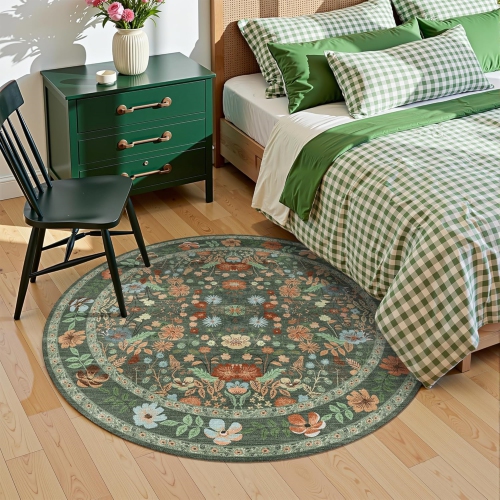
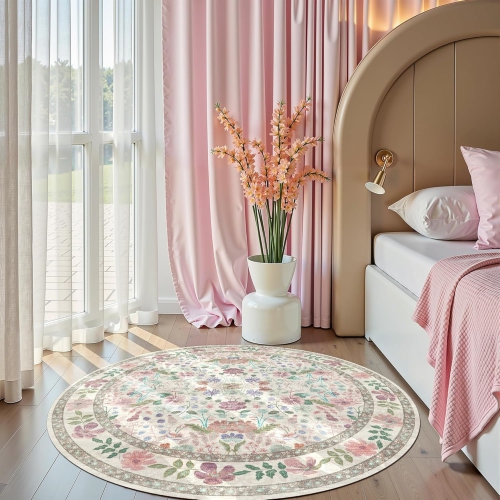
Size and placement determine whether a green area rug feels integrated into the room or simply placed in an empty spot. In a living room, a rug that reaches beneath the front legs of the sofa and nearby chairs can link the seating pieces into one comfortable grouping. A smaller rug can still work beneath a coffee table in a compact space, provided its proportions suit the furniture and it does not leave an awkward strip between the rug and the seats. Measuring the usable floor area, rather than relying only on the room’s overall dimensions, helps account for doorways, hearths, built-in shelving, and walkways. Painter’s tape can mark the proposed outline before a size is chosen, making it easier to see how the edges relate to everyday movement through the room. For a dining area, allow enough rug beyond the tabletop for chairs to remain on it when pulled out for sitting. A low, even surface is usually more practical here than a deep pile, since chair legs need to move smoothly and crumbs are easier to reach. Beneath a bed, the most useful placement provides a soft landing where feet touch the floor, with enough exposed rug at the sides to look intentional. Smaller rugs beside the bed can offer a similar benefit where a large rug would be difficult to position. Shape can also resolve layout challenges: a round rug can echo a circular table or distinguish a reading corner, while a rectangular rug often suits the longer lines of a sofa or bed. In a home office, consider whether a rolling chair will cross the rug’s edge and whether the surface is suitable for casters. Check pile height, total thickness, and door clearance together, particularly when adding a rug pad. A pad suited to both the rug and the flooring can help limit shifting, add cushioning, and reduce friction underneath, but its compatibility with the floor finish should be confirmed rather than assumed.
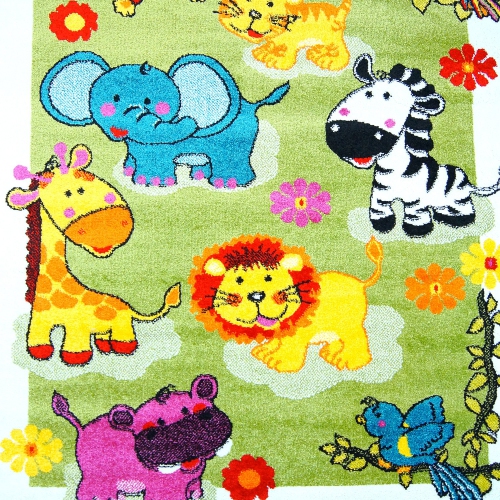
Materials and construction influence how a green area rug feels underfoot, how it handles daily use, and how much care it needs. Wool is valued for its resilient fibres and comfortable texture, although some wool rugs shed, especially when new, and may need particular cleaning methods. Cotton can offer a lighter, more relaxed feel, but a cotton rug is not automatically machine washable; backing, size, and construction all affect the care instructions. Polypropylene, polyester, and nylon are common synthetic options with different strengths, and their performance depends on the fibre, weave, and finish. Some are designed to resist staining or handle frequent foot traffic, but no material is entirely protected from spills, wear, or crushing beneath heavy furniture. Viscose can create a soft sheen and shifting colour effect, though it often needs more cautious care and may be less forgiving of moisture. Jute and sisal bring a firmer, textured surface that may appeal in spaces where a plush feel is not the priority. Flatweaves and low-pile rugs generally make furniture movement and routine cleaning simpler, while thicker piles provide a more cushioned feel for bedrooms or quiet seating areas. Homes with pets may benefit from a close, even surface without prominent loops that could catch claws, and play spaces call for secure placement and care requirements that fit frequent use. Routine maintenance starts with the manufacturer’s directions: vacuum settings appropriate for one rug may pull at another, and a rotating brush can be unsuitable for delicate fibres or fringed edges. Blot spills promptly with a clean cloth rather than rubbing them deeper into the pile, and test any permitted cleaner in an inconspicuous spot. Periodic rotation can help distribute wear and light exposure, while checking underneath gives an opportunity to remove grit and inspect the pad. If a rug is labelled washable, confirm that its dimensions and weight suit the washing machine and follow the drying directions closely. For a housewarming gift, knowing the recipient’s preferred shade, room measurements, and cleaning needs makes a green area rug a more thoughtful choice than selecting by colour alone.
Top selling and popular products
-
 Your price for this item is $129.15
-
 Your price for this item is $129.15
-
 Your price for this item is $129.15
-
 Your price for this item is $130.55
-
 Your price for this item is $130.55
-
 Your price for this item is $130.55
-
 Your price for this item is $144.99
-
 Your price for this item is $104.99
Discover more categories related to Green Area Rugs
Top Collections:
Best Black Friday Deals This Year, Best Black Friday Deals On Electronics, Kindle Devices, Pokemon Centers, Best Black Friday Deals On Apple Products, Best Cameras for Sports Photography, Dyson Airwrap, Pokémon 30th Celebration Cards, Apple iPhone 17 Pro, Canon G7X Cameras
Some products may be subject to Environmental Handling Fees
(EHF) depending on your province.
Learn more about EHFs.