Natural Gas Fire Tables
Elevate your outdoor living space with the cozy warmth and ambiance of natural gas fire tables. Perfect for gatherings with family and friends or simply enjoying a peaceful evening under the stars, these stylish and functional fire tables provide both heat and a stunning focal point for your patio or backyard. Say goodbye to messy wood-burning fires and hello to the convenience and ease of natural gas, allowing you to spend more time relaxing and less time tending to the flames. Browse our selection of natural gas fire tables today and transform your outdoor area into a welcoming retreat all year round.
Sort
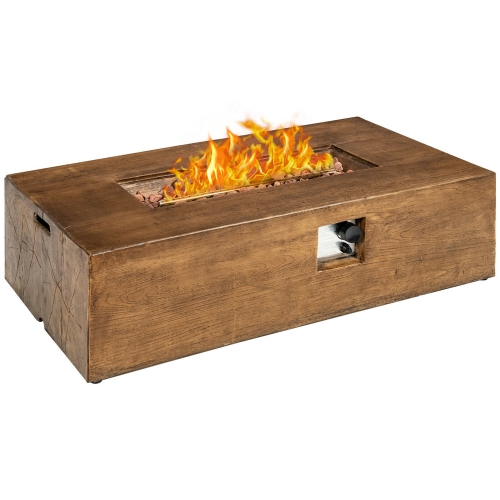
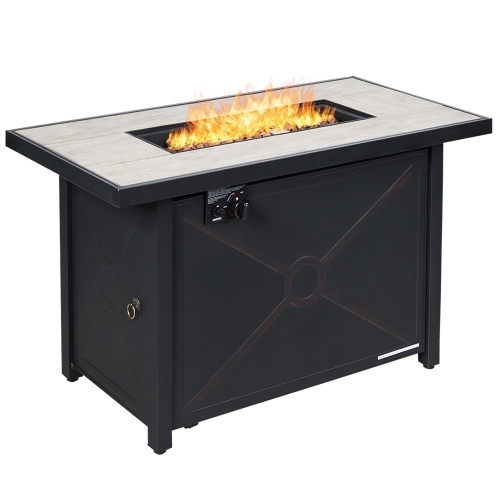
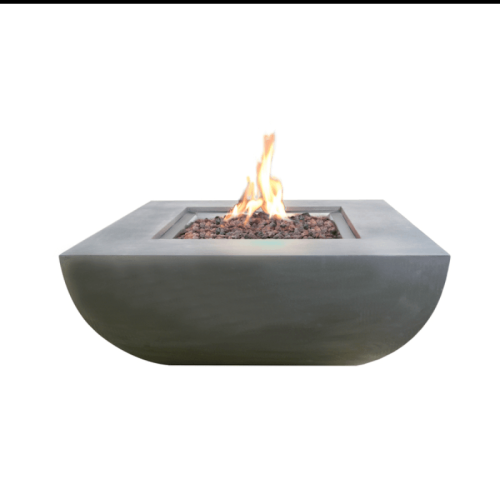
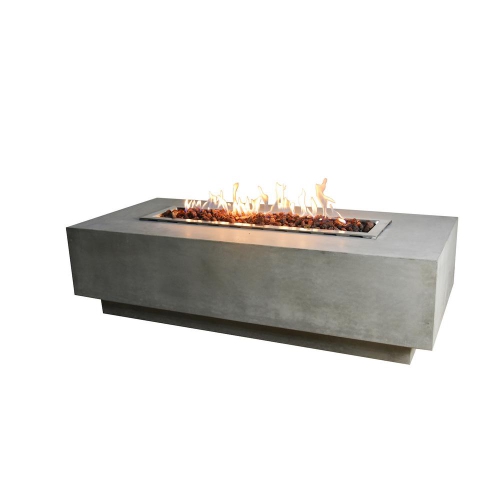
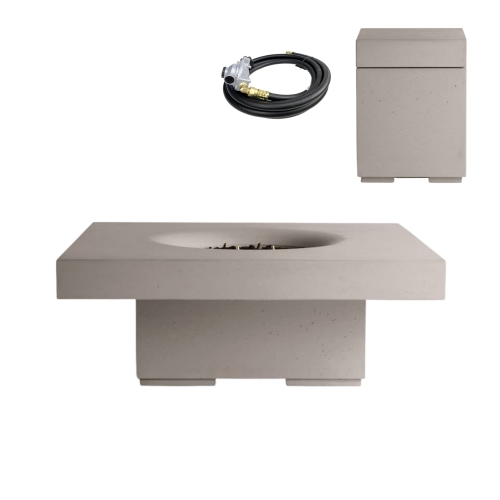
A permanent patio gathering spot without propane refills
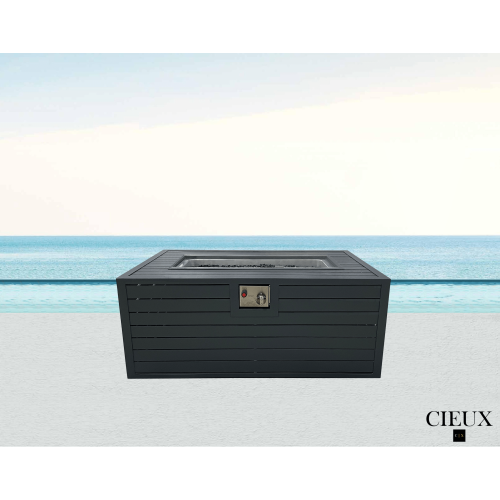
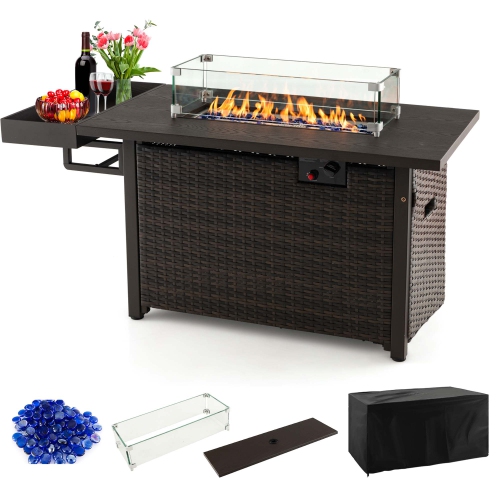
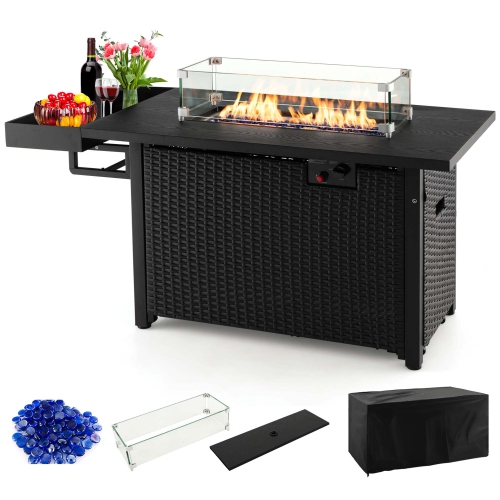
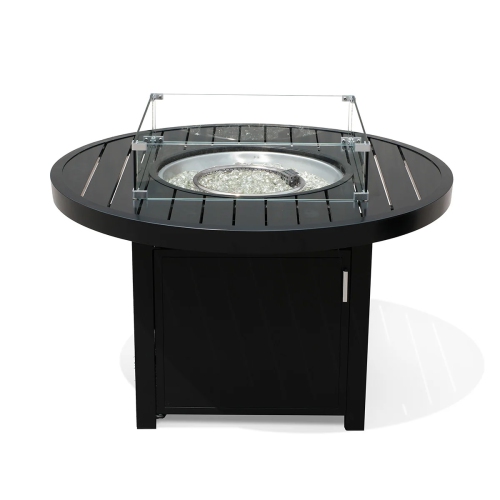
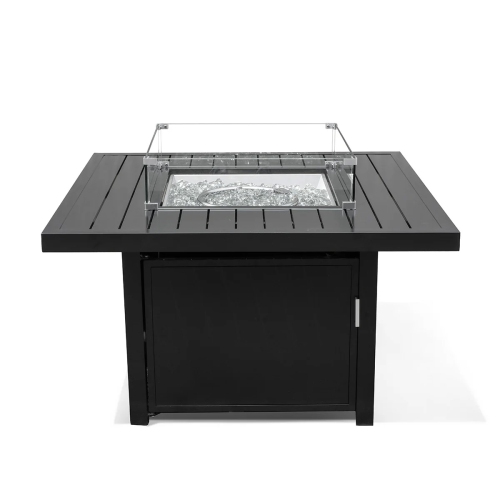
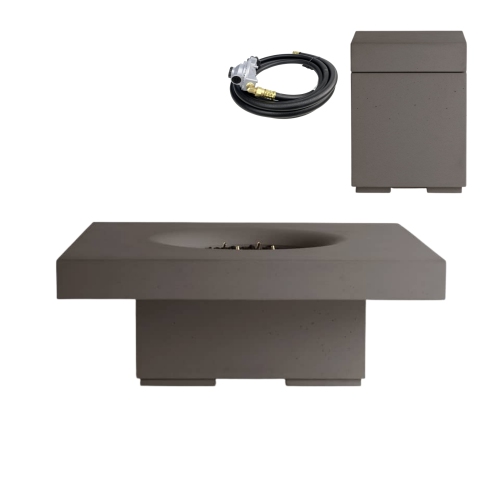
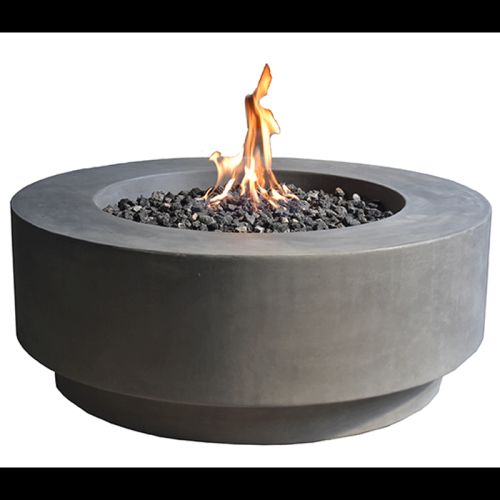
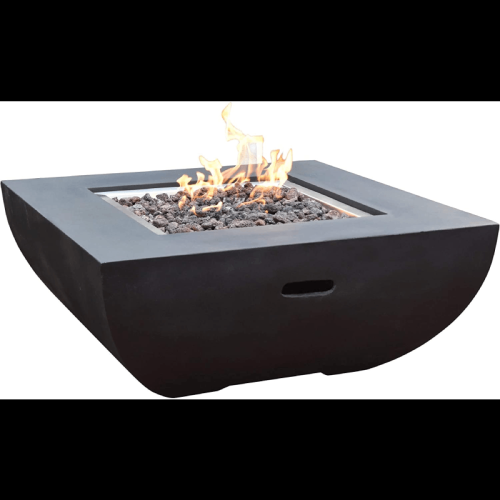
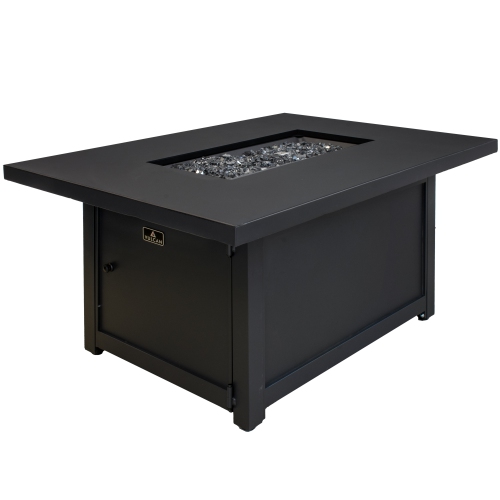
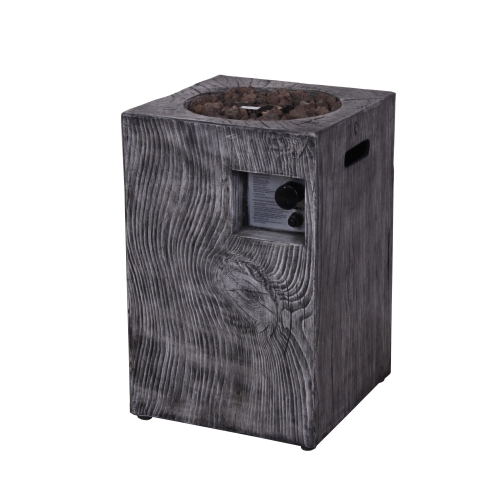
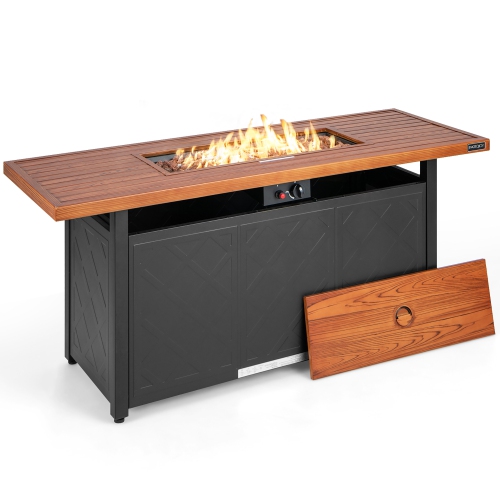
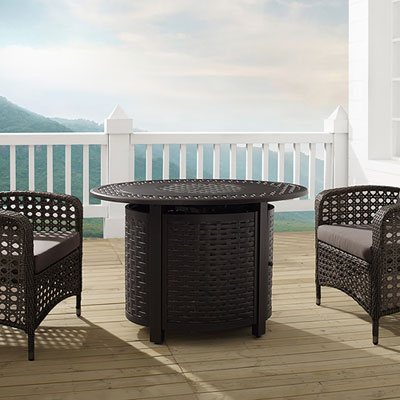
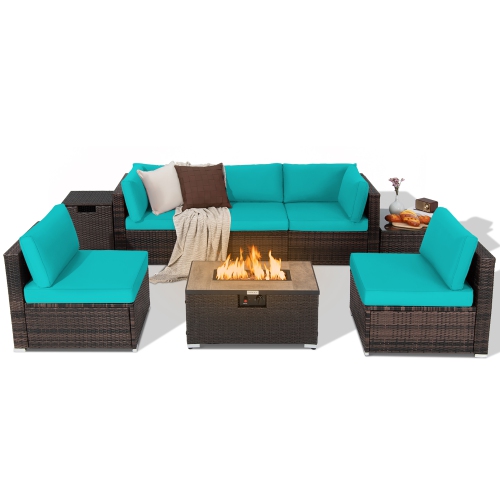
Natural gas fire tables combine an outdoor gas burner with a table-style surround, creating a focal point for conversation on a patio or in a backyard seating area. They connect to a home’s natural gas supply through an approved connection, so there is no portable propane cylinder to replace or refill. That fixed connection makes them particularly well suited to established outdoor living spaces where the furniture layout is likely to stay in place. A rectangular fire table can sit between facing sofas, while a round design brings a small group of lounge chairs together around a central flame. Unlike a wood-burning fire pit, a natural gas fire table does not require logs or produce wood ash, and it offers flame control without tending a wood fire. It still produces combustion gases and is intended only for outdoor use in locations permitted by the manufacturer. The surrounding tabletop provides space for refreshments where its dimensions and required separation from the burner allow; it should not be treated as a cooking surface unless expressly designed for that purpose. Some designs include a burner lid that creates more usable table space once the flame is off and the unit has fully cooled. For homeowners planning a permanent gathering spot, the appeal is a fire feature that becomes part of the patio layout rather than something brought out for each occasion. The fuel connection is also the main distinction from Propane Fire Pit Tables, which typically use a refillable cylinder and may offer more flexibility in placement. Natural gas and propane appliances are not interchangeable without the correct manufacturer-approved components. A table must either be built for natural gas or explicitly support an approved conversion performed as required by the manufacturer and local regulations. A licensed gas fitter can assess the existing supply, required gas pressure, line capacity, shutoff access, and connection location before installation, helping establish whether the intended position is practical.
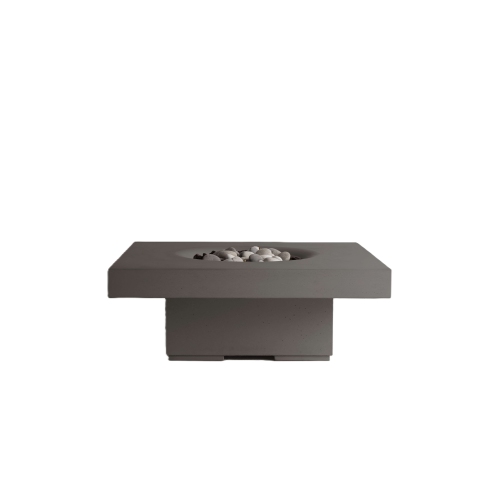
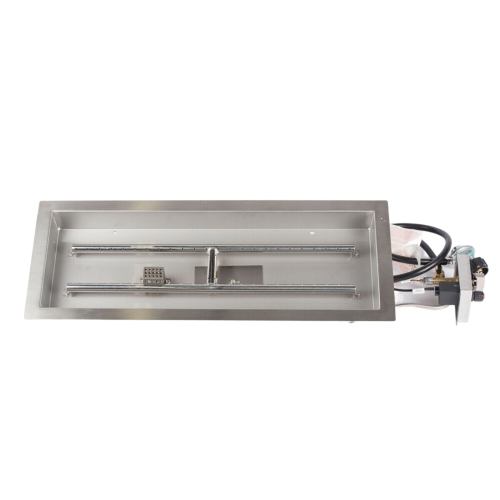
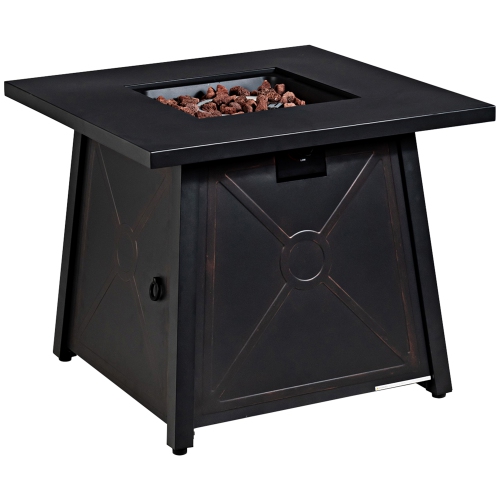
Size and construction influence how comfortably a natural gas fire table fits into everyday outdoor use. Overall dimensions matter as much as the burner opening: a broad surround takes up more floor space, but it can also provide a useful resting place for a cup well away from the flame. A low coffee-table profile generally pairs with deep lounge seating, while a taller design may suit upright patio chairs, depending on seat height and legroom. Round and square shapes work well within compact conversation groups; longer rectangular forms can visually balance a sectional or a pair of sofas. Enough room should remain for people to pass behind occupied chairs without stepping over a gas hose or brushing close to the fire. Material choices affect both appearance and handling. Cast concrete and concrete-composite surrounds bring texture and a substantial look, although their weight, finish, and maintenance requirements vary. Powder-coated steel offers crisp lines and a range of colours, but damaged coatings can leave the underlying metal vulnerable to rust. Aluminum is generally lighter and resists rust, while stainless steel is often used for burners and components exposed to heat. Even corrosion-resistant materials benefit from regular cleaning and protection appropriate to their location, especially near saltwater or a pool. A stone-look finish can complement paving and masonry, while a smooth metal surround works naturally with streamlined furniture. Heat input is commonly expressed in British thermal units per hour, often shortened to BTUs in product descriptions. That figure alone does not establish how warm each seat will feel: burner layout, flame setting, wind exposure, and seating distance also matter. A fire table provides localized warmth and atmosphere rather than evenly heating an entire outdoor space. Ignition systems may use a push button, an electronic spark, or a manual lighting procedure, with power or battery requirements that differ by design. Compatible fire glass or lava rock adds texture around the burner, but only the type, quantity, and arrangement specified by the manufacturer should be used.
The most successful outdoor fire table arrangements leave space for relaxed conversation without compromising safe operation. On a paved patio, that might mean a low table centred between cushioned chairs, with an unobstructed route back to the house and a gas connection positioned away from foot traffic. On a deck or beneath a patio roof, suitability depends on the appliance’s installation requirements, the supporting surface, overhead clearance, and local rules; an open-sided structure is not automatically an approved location. Required distances from siding, railings, furniture, branches, and other combustible materials must be maintained even when the flame is set low. Apartment and condominium residents also need to account for building restrictions before planning a gas fire feature for a balcony or shared terrace. Once installed, a natural gas patio fire table can suit a quiet evening outdoors, a family conversation after dinner, or a small gathering where guests sit facing one another rather than a screen. Children and pets need close supervision around the flame and heated surfaces, and drinks, cushions, blankets, and loose clothing should remain clear of the burner area. Wind can change flame direction, so operation should stop whenever conditions exceed the manufacturer’s guidance. Routine care usually involves letting the table cool completely, removing loose debris, and cleaning the surround with products approved for its finish. Burner ports, ignition components, and drainage openings need to remain clear, with inspection and servicing carried out according to the manual. A fitted cover can help protect an unused table from rain, snow, and debris, but it should only be applied after the unit has cooled. Moisture trapped beneath a cover can affect some finishes, making the recommended ventilation and storage practices important. Freeze-thaw exposure can also be a concern for certain concrete or composite surfaces, particularly if water collects in openings. Before use after an extended break, the connection and appliance should be checked as directed, and any suspected gas leak requires stopping use and obtaining qualified assistance. With appropriate placement and consistent care, a natural gas fire table serves as both an outdoor furniture anchor and a carefully controlled flame feature.
Size and construction influence how comfortably a natural gas fire table fits into everyday outdoor use. Overall dimensions matter as much as the burner opening: a broad surround takes up more floor space, but it can also provide a useful resting place for a cup well away from the flame. A low coffee-table profile generally pairs with deep lounge seating, while a taller design may suit upright patio chairs, depending on seat height and legroom. Round and square shapes work well within compact conversation groups; longer rectangular forms can visually balance a sectional or a pair of sofas. Enough room should remain for people to pass behind occupied chairs without stepping over a gas hose or brushing close to the fire. Material choices affect both appearance and handling. Cast concrete and concrete-composite surrounds bring texture and a substantial look, although their weight, finish, and maintenance requirements vary. Powder-coated steel offers crisp lines and a range of colours, but damaged coatings can leave the underlying metal vulnerable to rust. Aluminum is generally lighter and resists rust, while stainless steel is often used for burners and components exposed to heat. Even corrosion-resistant materials benefit from regular cleaning and protection appropriate to their location, especially near saltwater or a pool. A stone-look finish can complement paving and masonry, while a smooth metal surround works naturally with streamlined furniture. Heat input is commonly expressed in British thermal units per hour, often shortened to BTUs in product descriptions. That figure alone does not establish how warm each seat will feel: burner layout, flame setting, wind exposure, and seating distance also matter. A fire table provides localized warmth and atmosphere rather than evenly heating an entire outdoor space. Ignition systems may use a push button, an electronic spark, or a manual lighting procedure, with power or battery requirements that differ by design. Compatible fire glass or lava rock adds texture around the burner, but only the type, quantity, and arrangement specified by the manufacturer should be used.
The most successful outdoor fire table arrangements leave space for relaxed conversation without compromising safe operation. On a paved patio, that might mean a low table centred between cushioned chairs, with an unobstructed route back to the house and a gas connection positioned away from foot traffic. On a deck or beneath a patio roof, suitability depends on the appliance’s installation requirements, the supporting surface, overhead clearance, and local rules; an open-sided structure is not automatically an approved location. Required distances from siding, railings, furniture, branches, and other combustible materials must be maintained even when the flame is set low. Apartment and condominium residents also need to account for building restrictions before planning a gas fire feature for a balcony or shared terrace. Once installed, a natural gas patio fire table can suit a quiet evening outdoors, a family conversation after dinner, or a small gathering where guests sit facing one another rather than a screen. Children and pets need close supervision around the flame and heated surfaces, and drinks, cushions, blankets, and loose clothing should remain clear of the burner area. Wind can change flame direction, so operation should stop whenever conditions exceed the manufacturer’s guidance. Routine care usually involves letting the table cool completely, removing loose debris, and cleaning the surround with products approved for its finish. Burner ports, ignition components, and drainage openings need to remain clear, with inspection and servicing carried out according to the manual. A fitted cover can help protect an unused table from rain, snow, and debris, but it should only be applied after the unit has cooled. Moisture trapped beneath a cover can affect some finishes, making the recommended ventilation and storage practices important. Freeze-thaw exposure can also be a concern for certain concrete or composite surfaces, particularly if water collects in openings. Before use after an extended break, the connection and appliance should be checked as directed, and any suspected gas leak requires stopping use and obtaining qualified assistance. With appropriate placement and consistent care, a natural gas fire table serves as both an outdoor furniture anchor and a carefully controlled flame feature.
Top selling and popular products
-
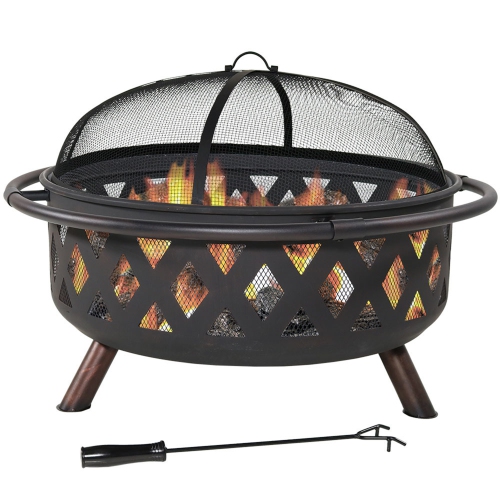 Your price for this item is $282.45
 -
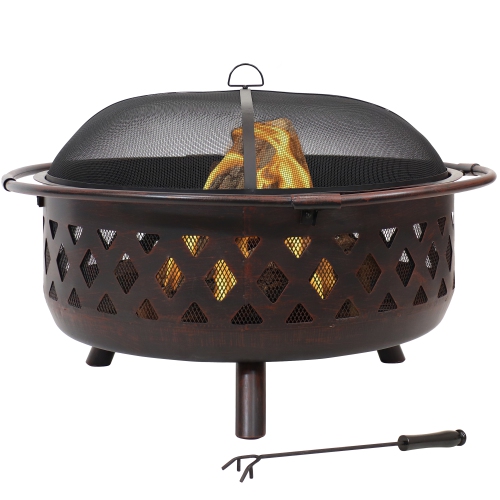 Your price for this item is $282.45
 -
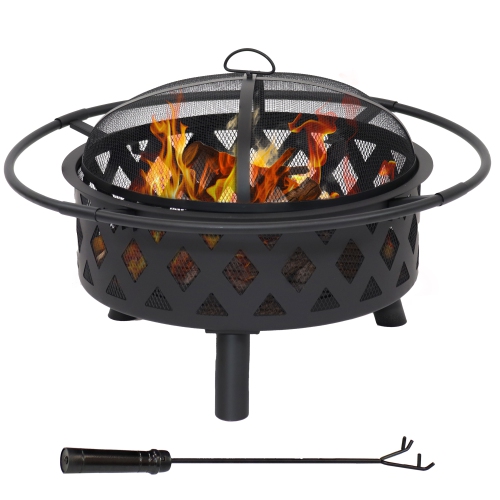 Your price for this item is $236.45
 -
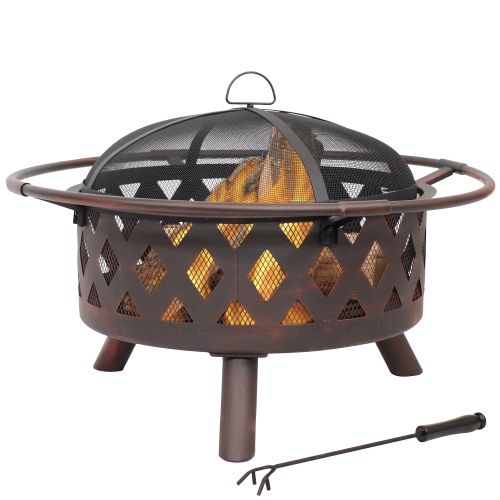 Your price for this item is $236.45
 -
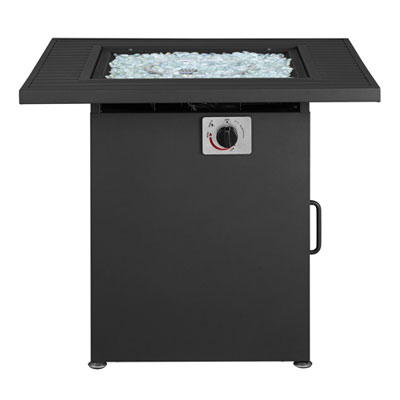 Your price for this item is $199.99
 -
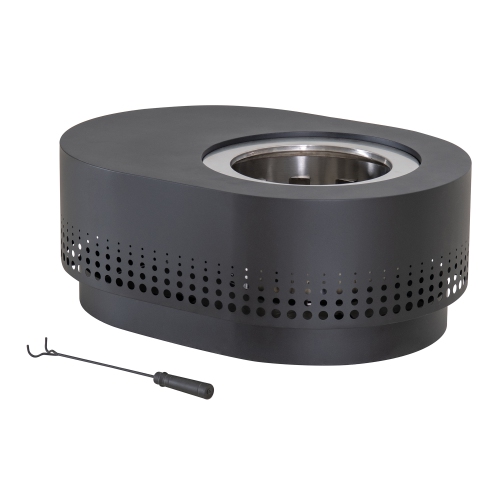 Your price for this item is $266.99
 -
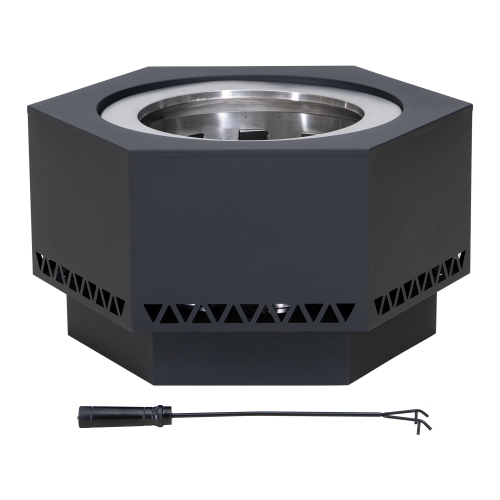 Your price for this item is $222.99
 -
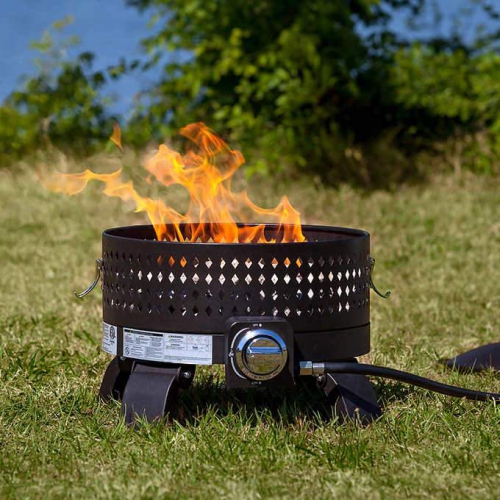 Your price for this item is $199.99
Discover more categories related to Natural Gas Fire Tables
Top Collections:
Pokemon Centers, Kindle Devices, Best Budget Office Chairs, Apple iPhones 16, Best Laptops for Writers, iPhone 15 Apple, Canon G7X Cameras, Refurbished Apple Laptops, Alarm Clock, Motorola Razr Phones
Some products may be subject to Environmental Handling Fees
(EHF) depending on your province.
Learn more about EHFs.