Propane Fire Pit Tables
Create a warm and inviting atmosphere in your outdoor space with our collection of propane fire pit tables. Whether you're looking to add a cozy ambiance to your backyard, patio, or deck, these versatile and stylish fire pit tables are the perfect addition to any outdoor gathering. With their sleek designs and easy-to-use propane fuel options, these fire pit tables provide a hassle-free way to enjoy the warmth and beauty of a real fire without the mess and inconvenience of traditional wood-burning fire pits. Explore our wide range of options and find the perfect propane fire pit table to enhance your outdoor living experience. Also check out our selection of Outdoor Fire Table Sets and Patio Chairs for more great backyard options!
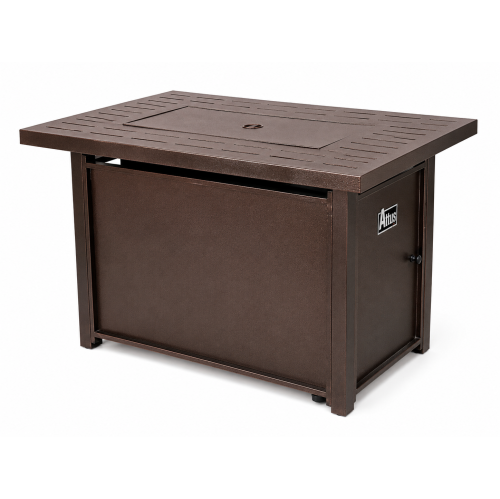

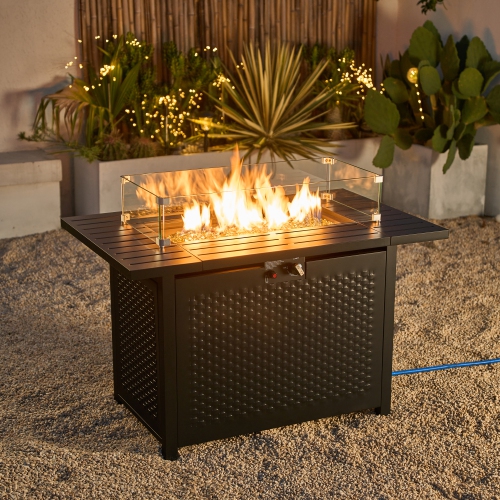
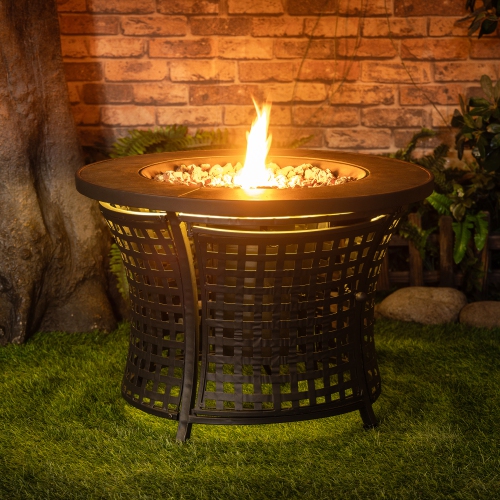
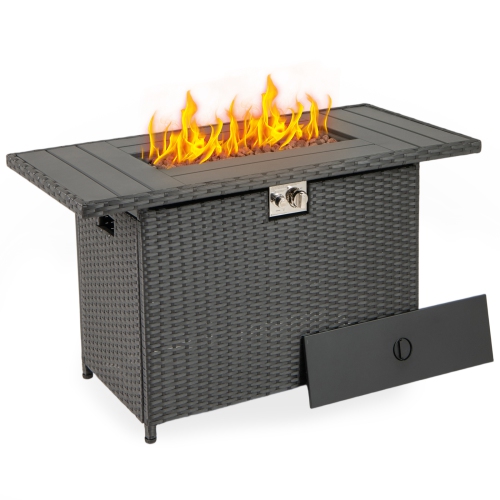
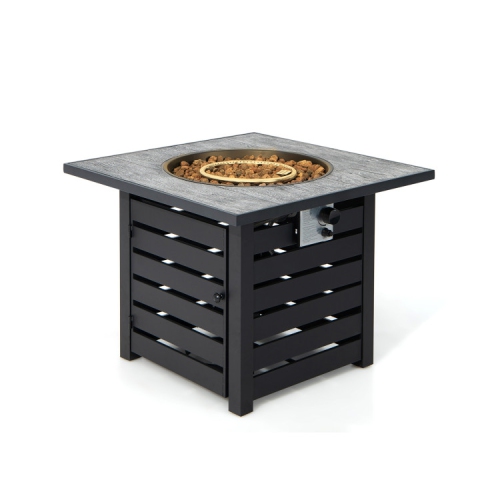
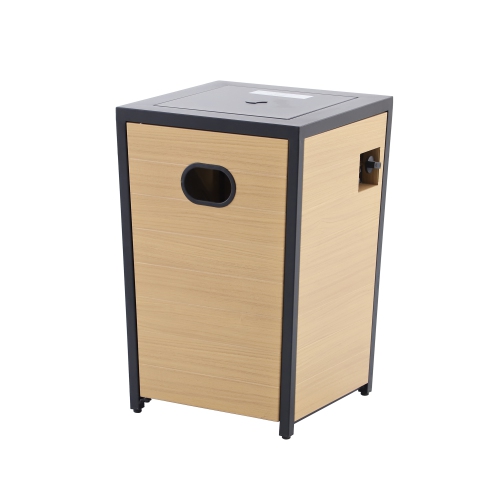
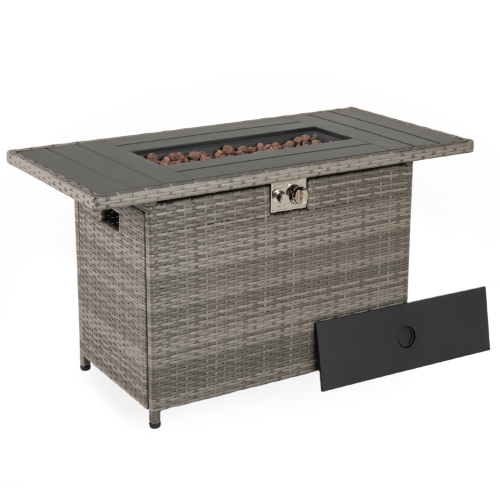
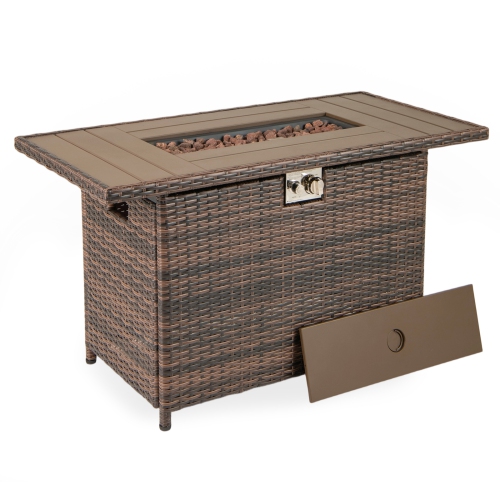
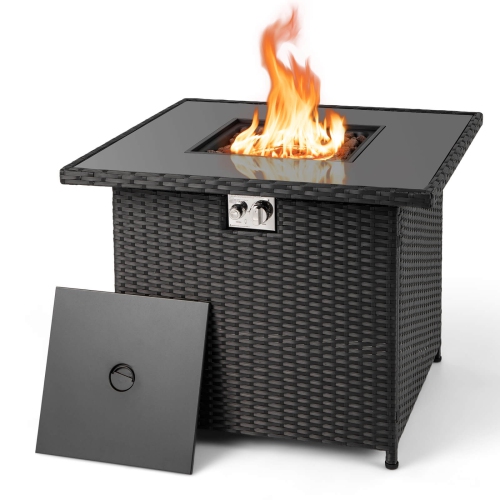
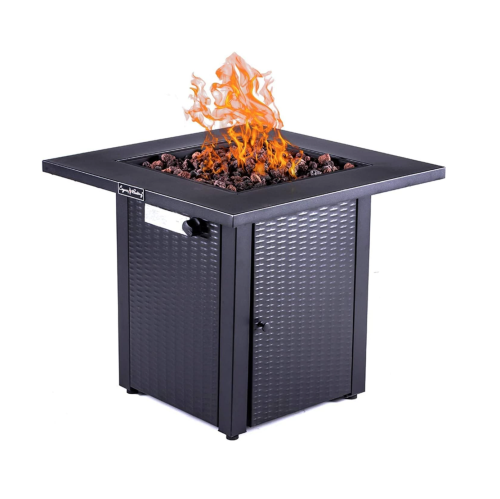


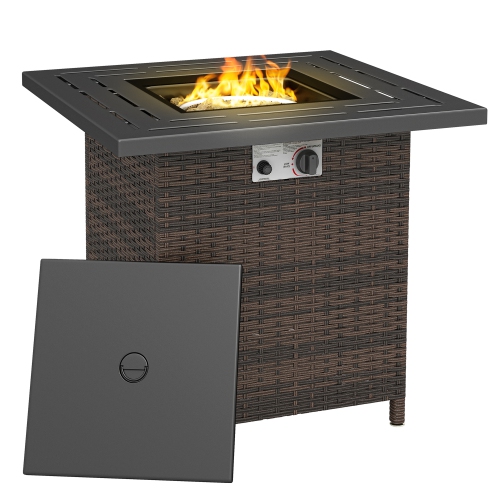

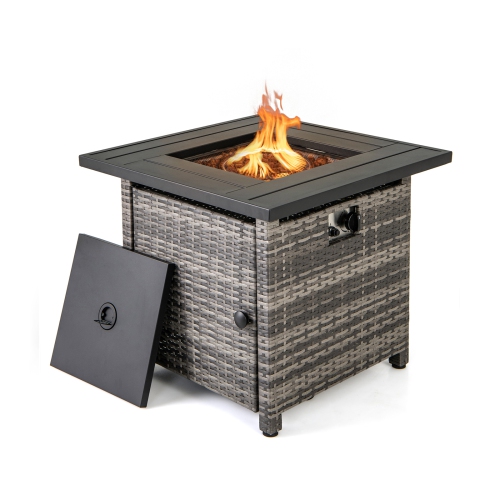
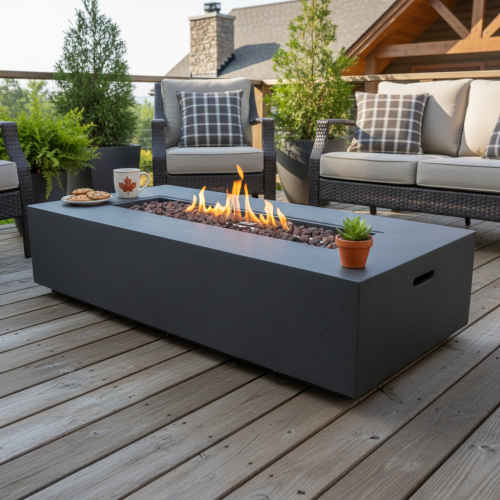
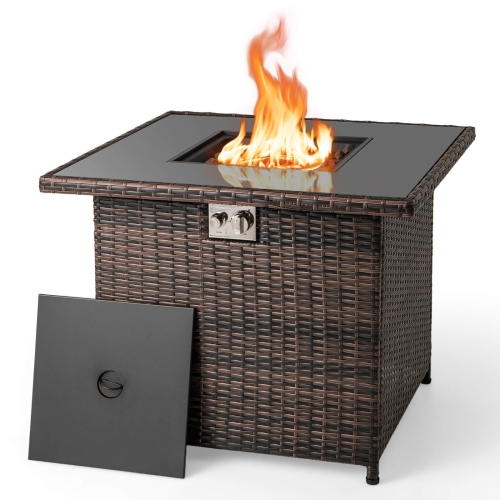
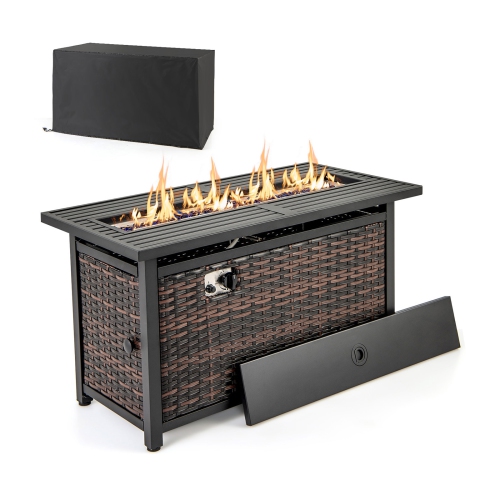
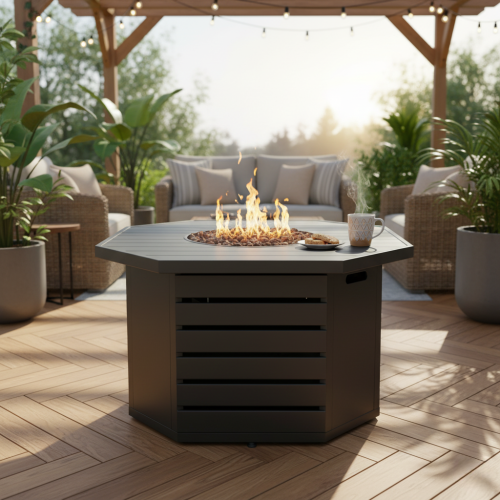




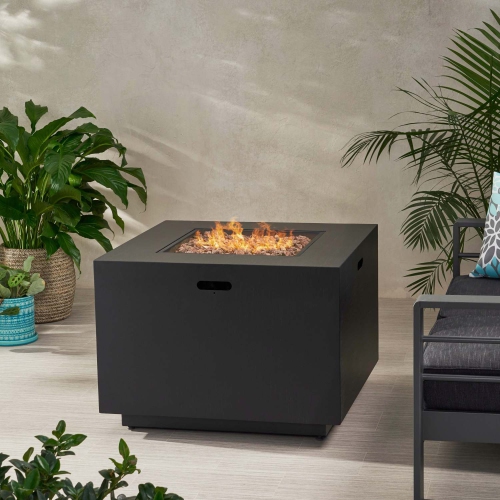
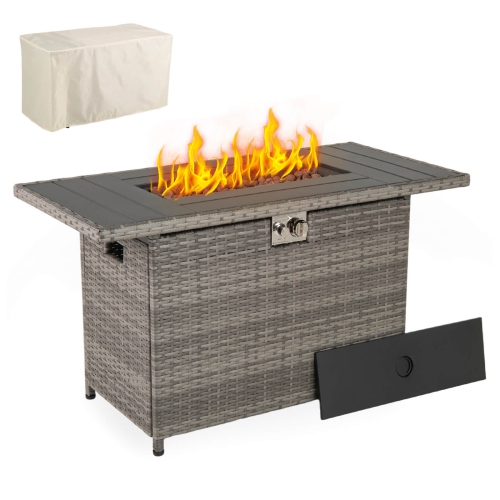
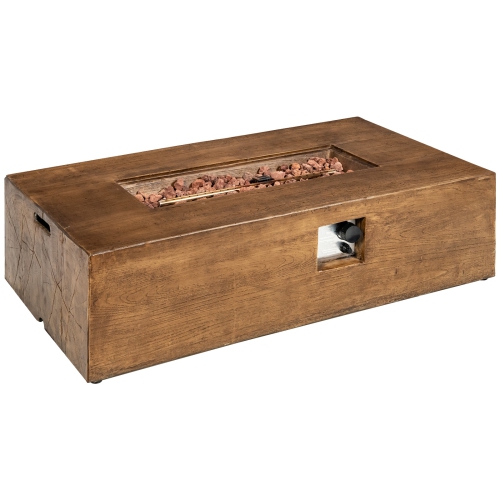
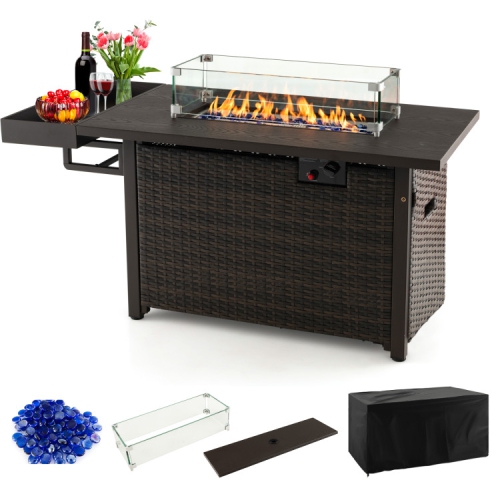
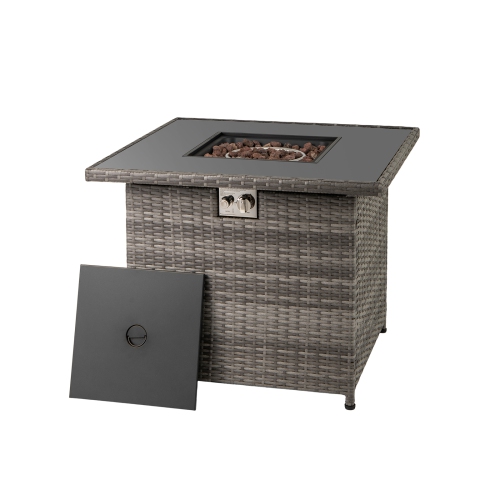
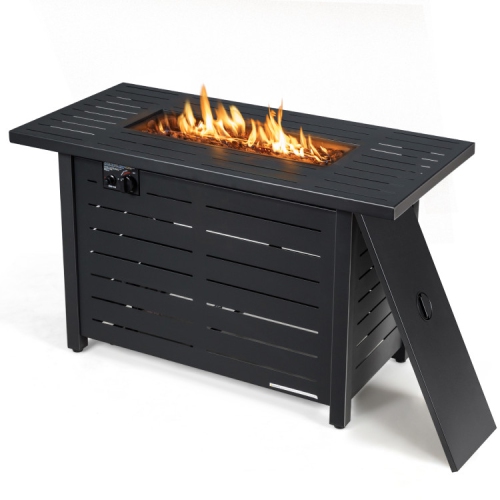
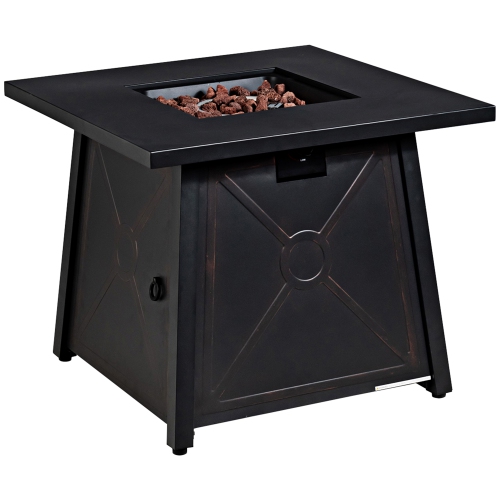
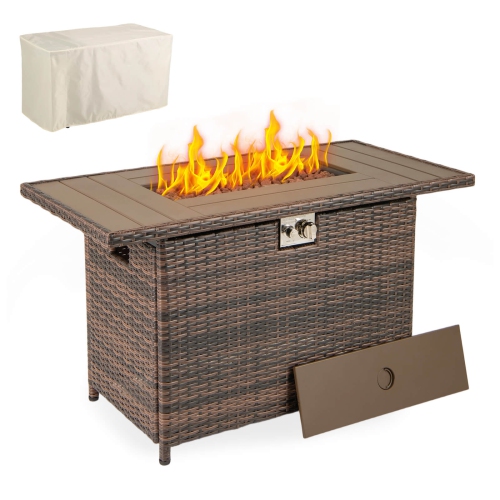


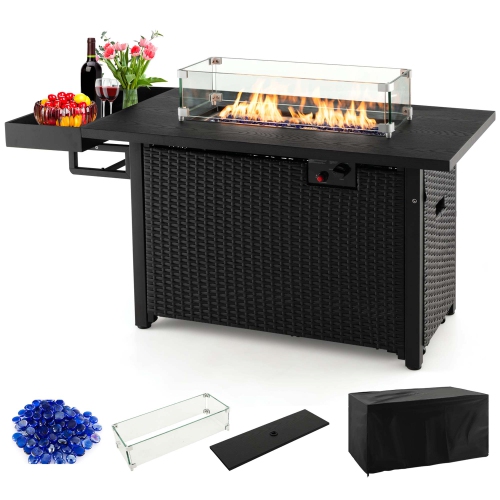
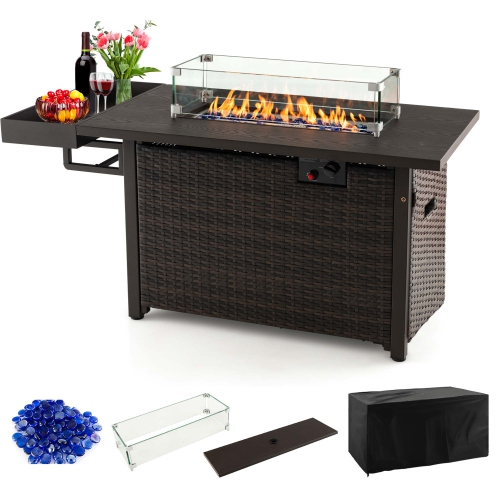

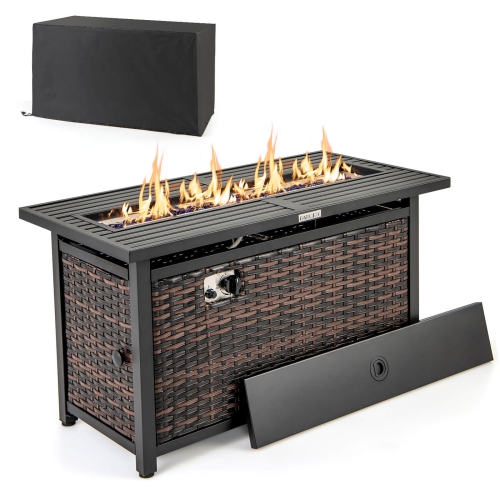
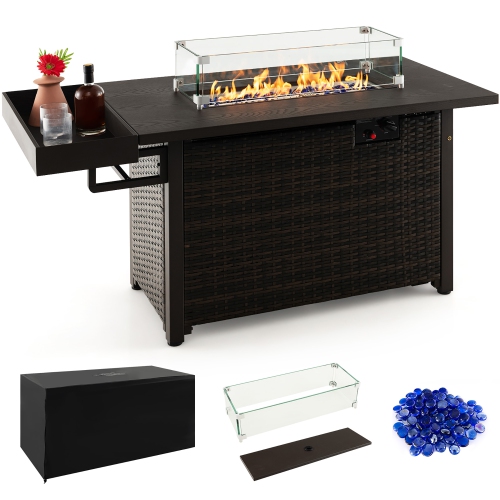
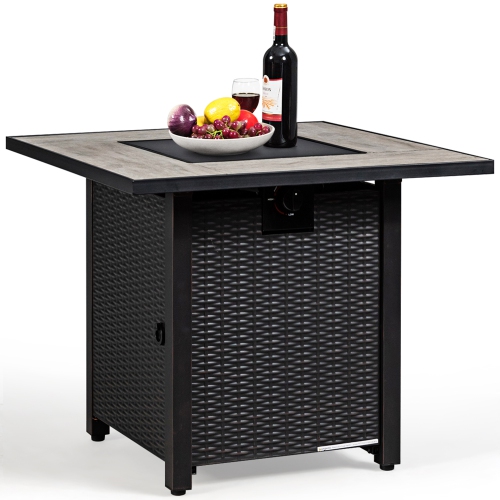


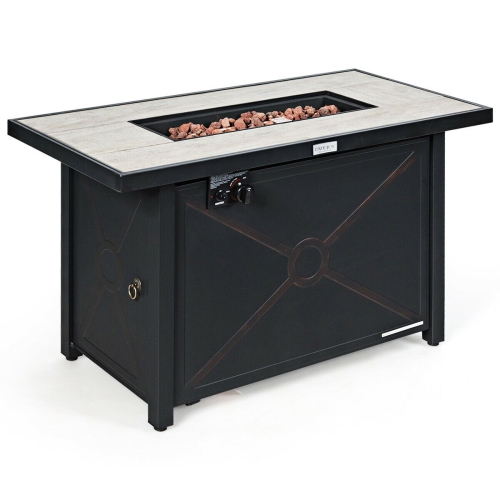

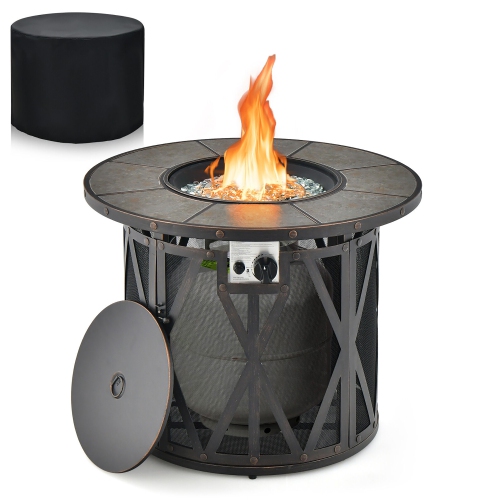
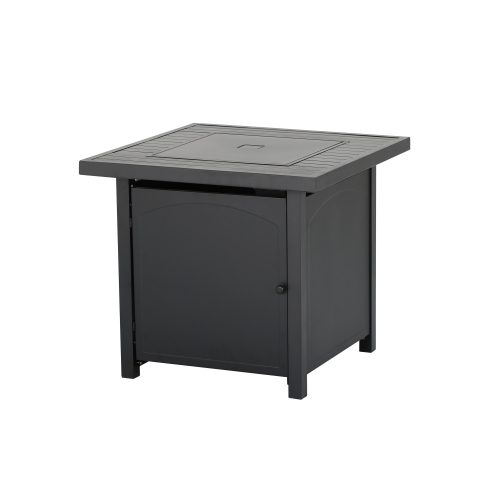





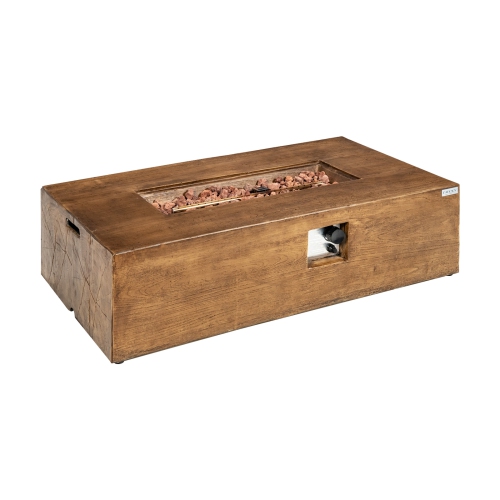
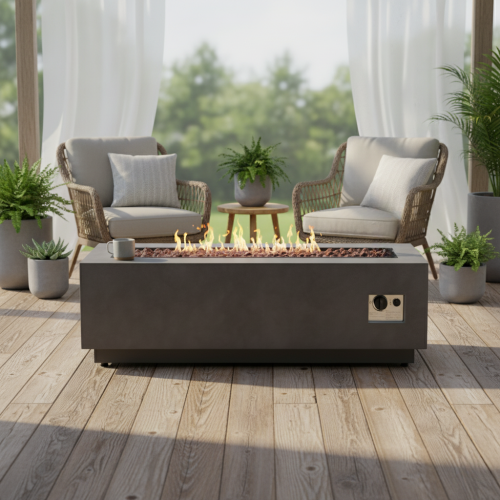
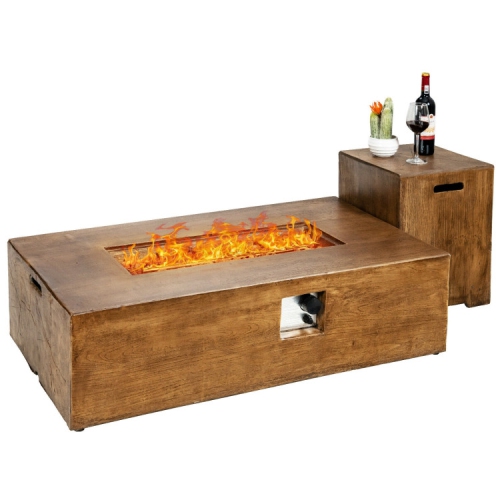
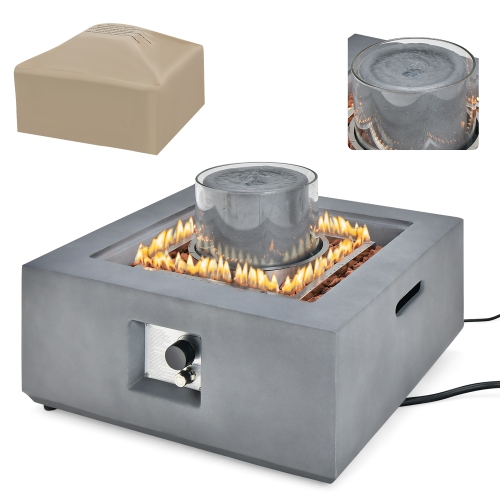
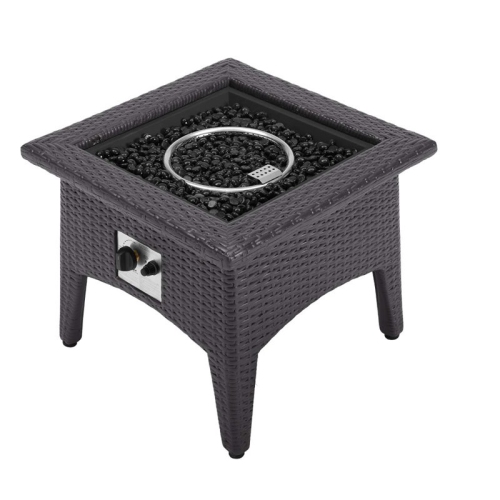
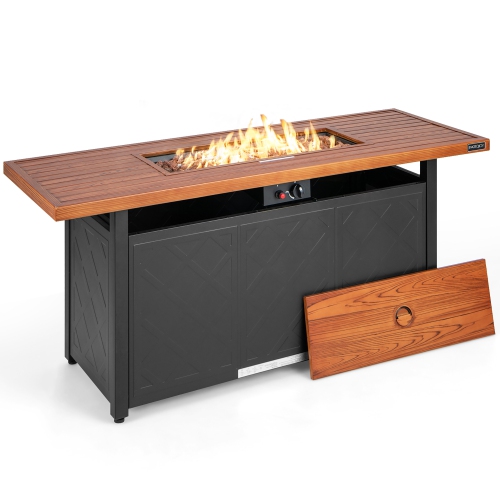
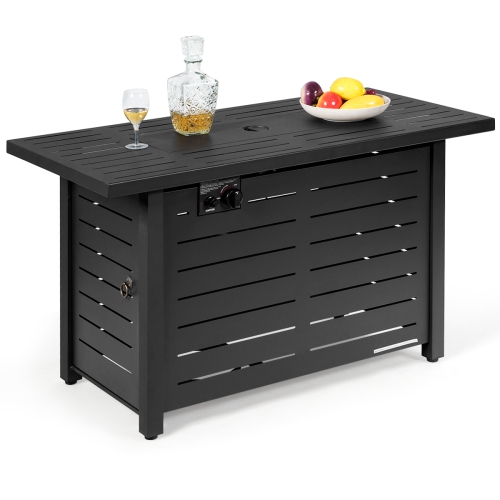
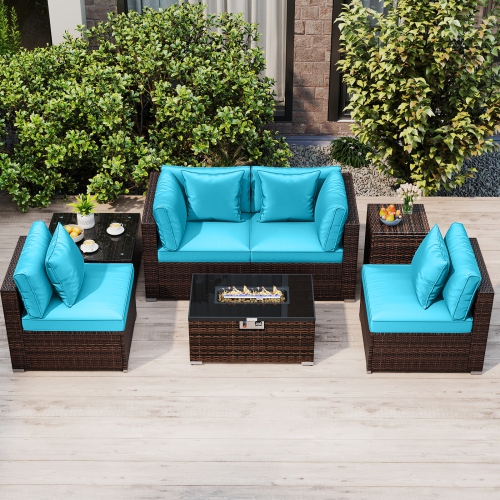
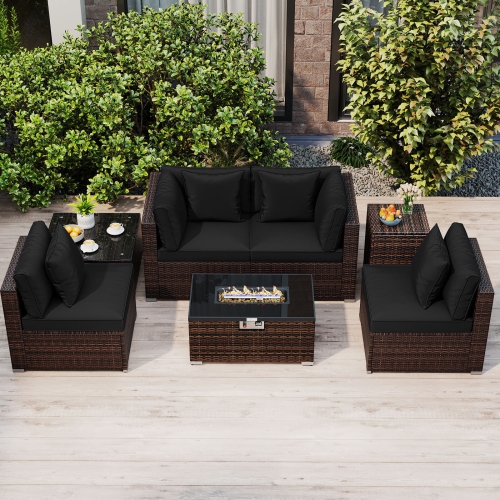
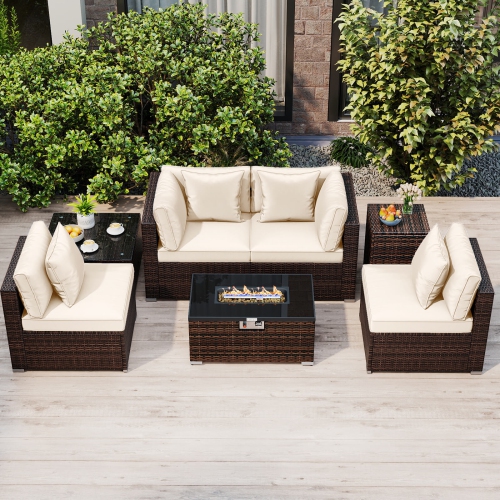
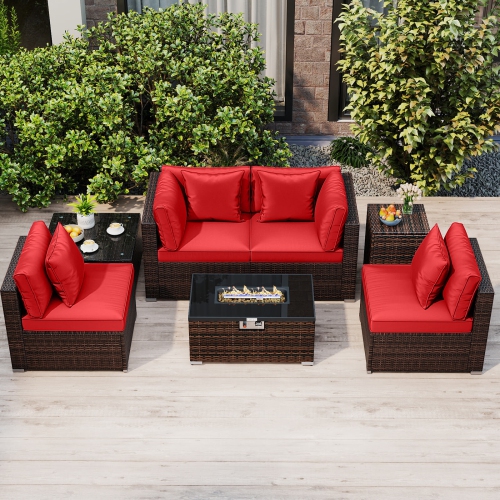
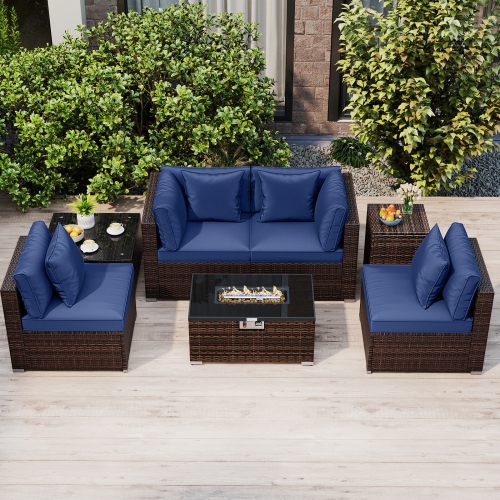
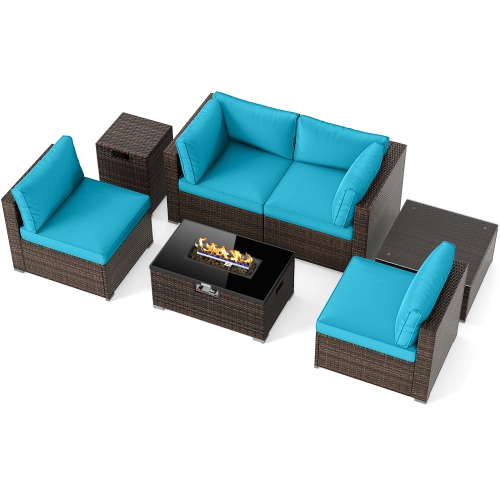
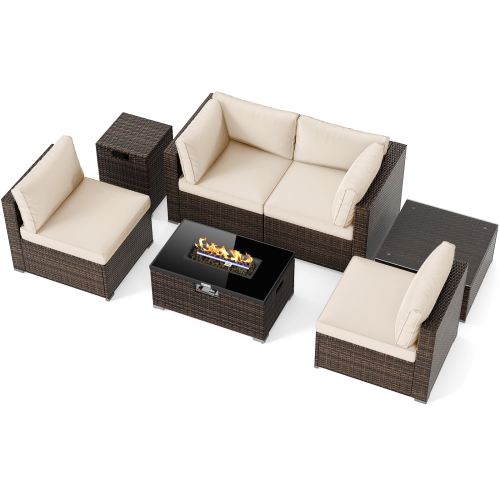
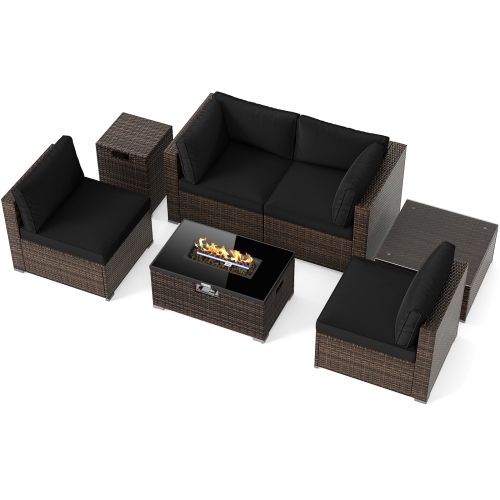
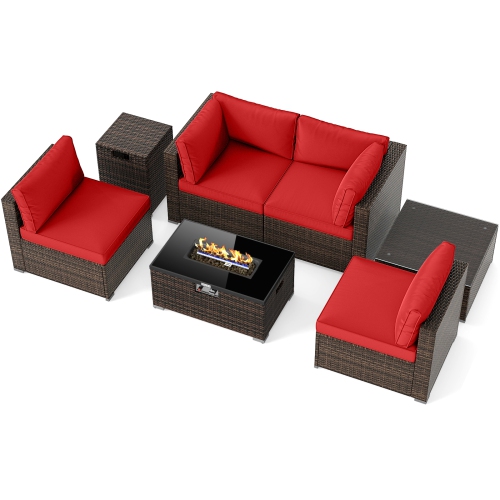
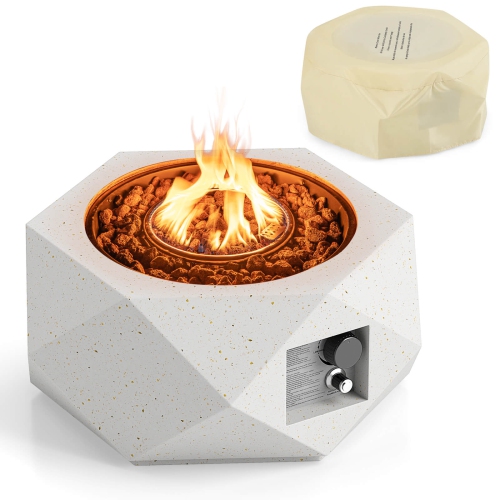
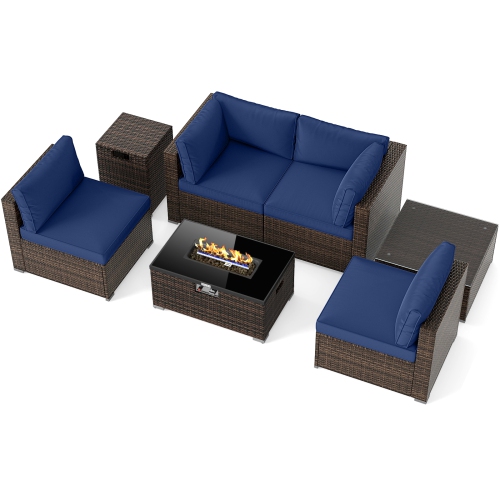
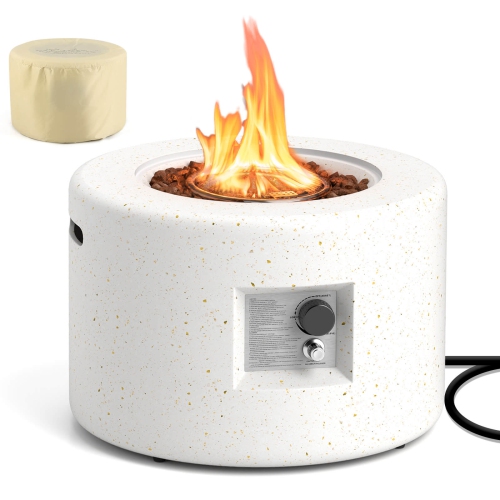
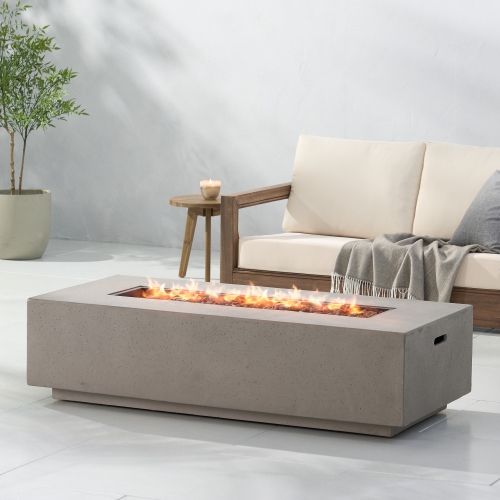
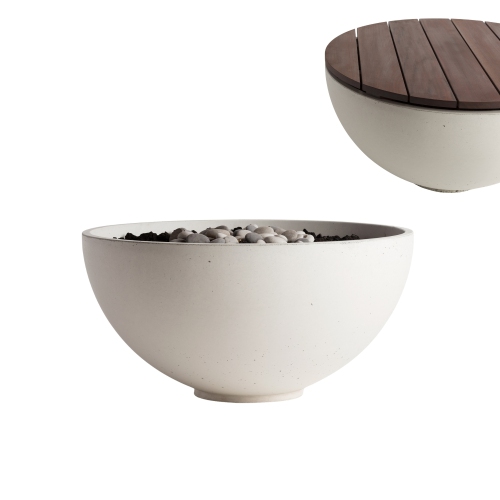
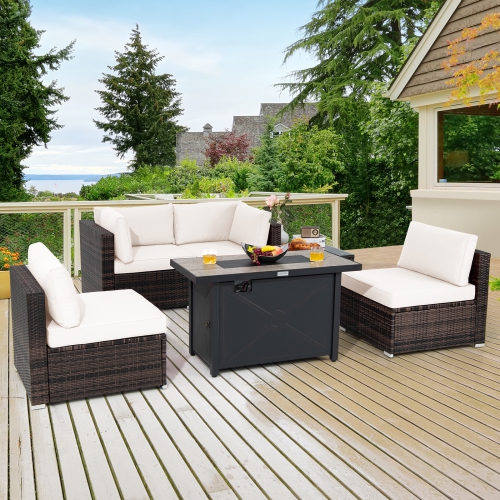
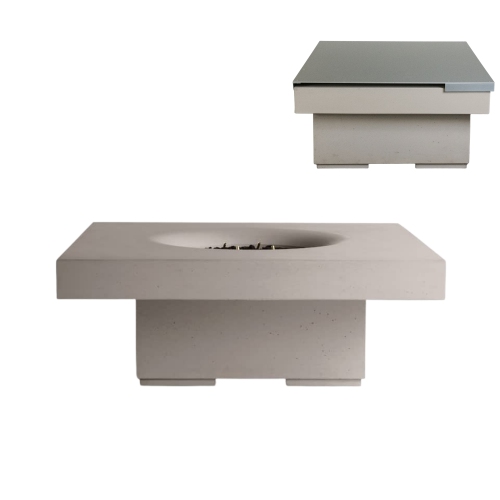
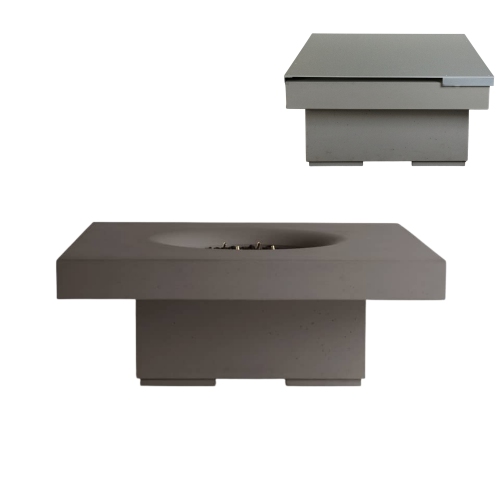
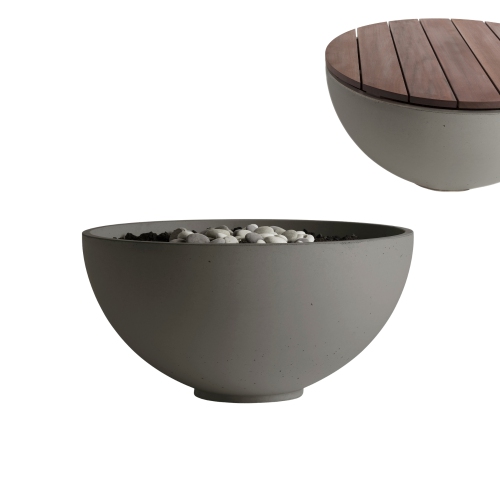
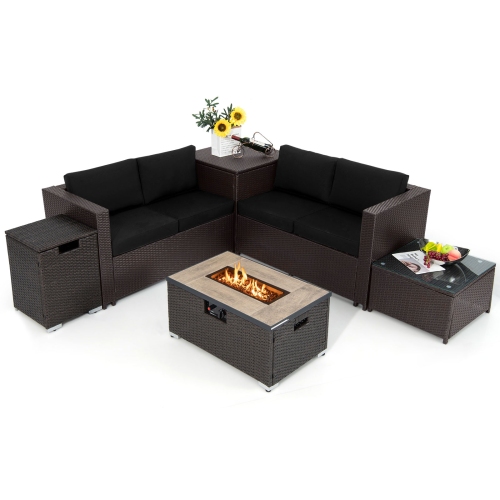
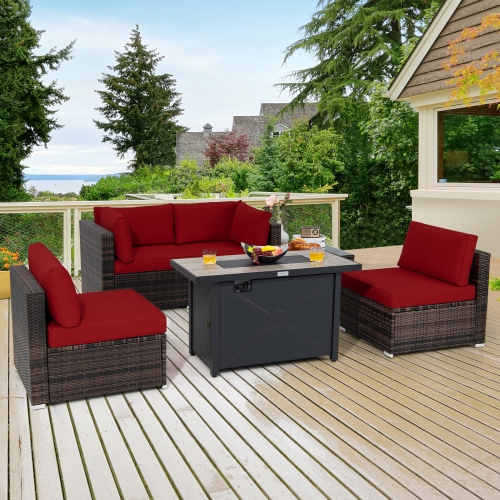
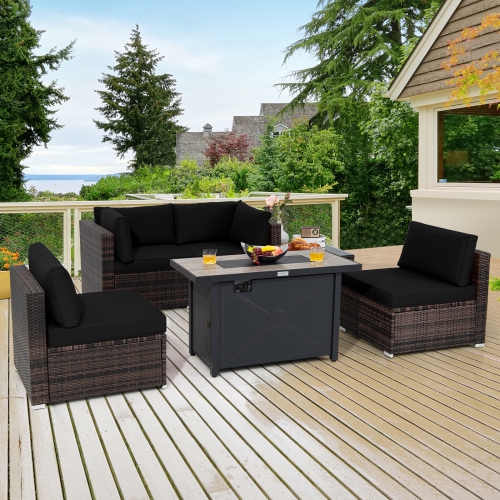
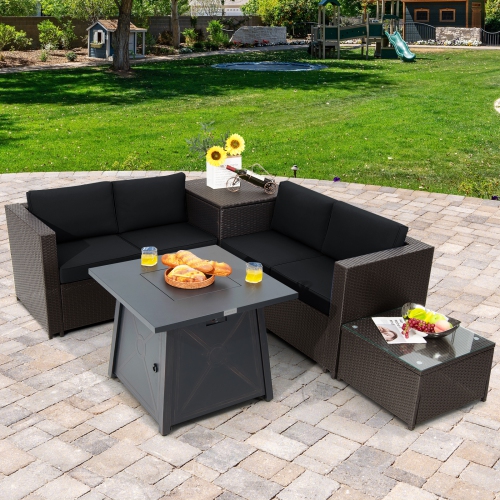
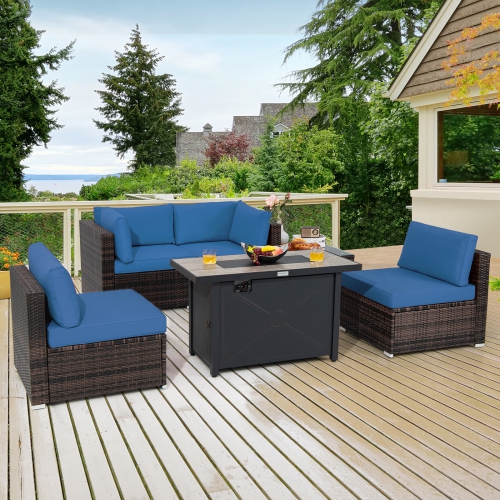


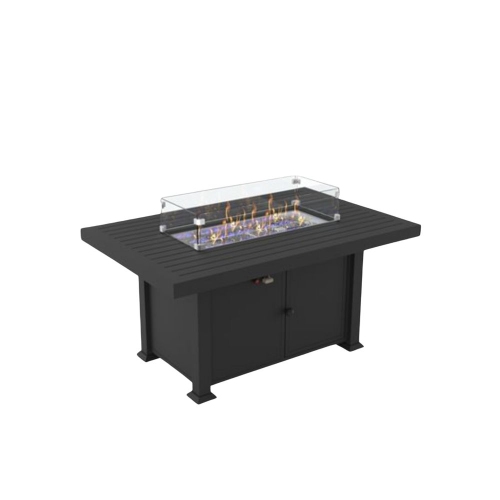

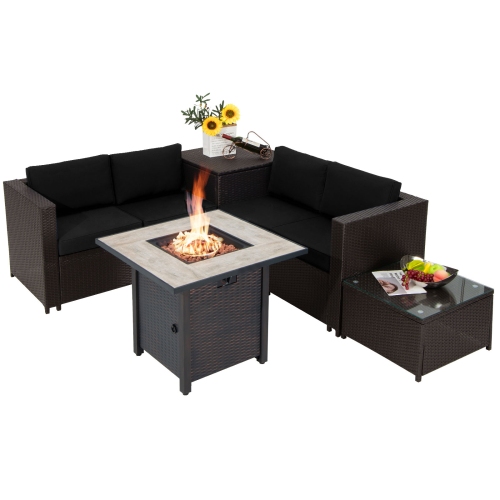
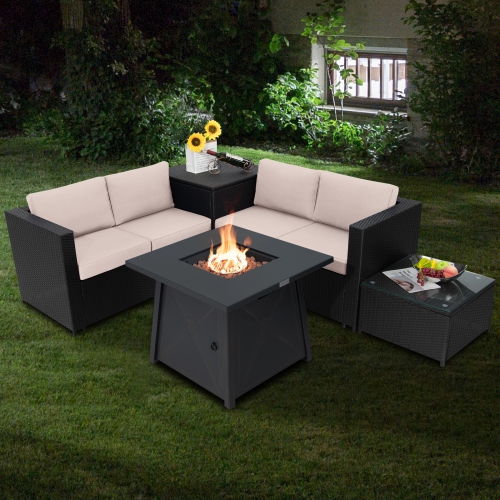
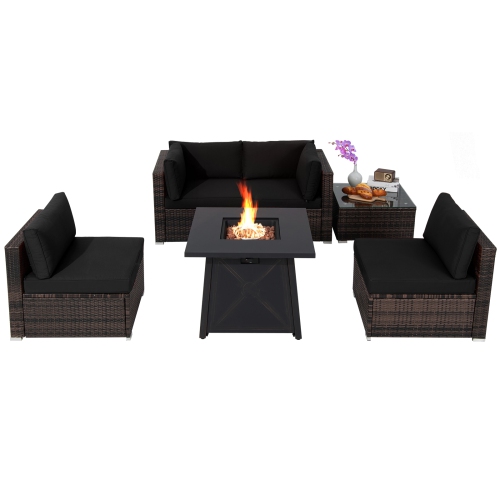
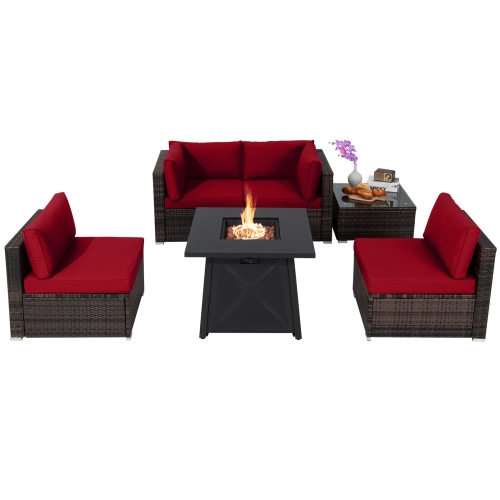
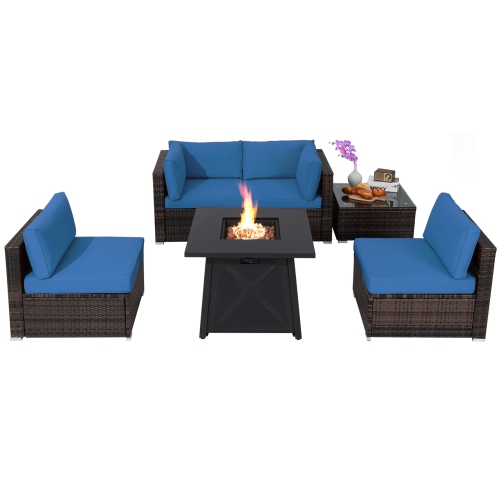
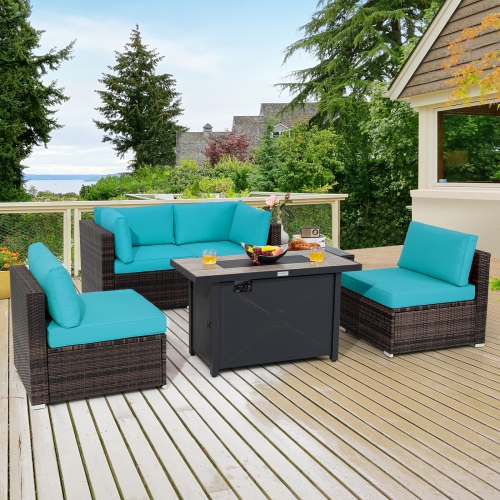
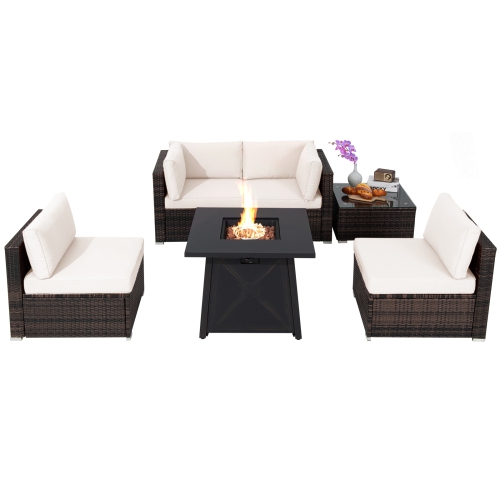
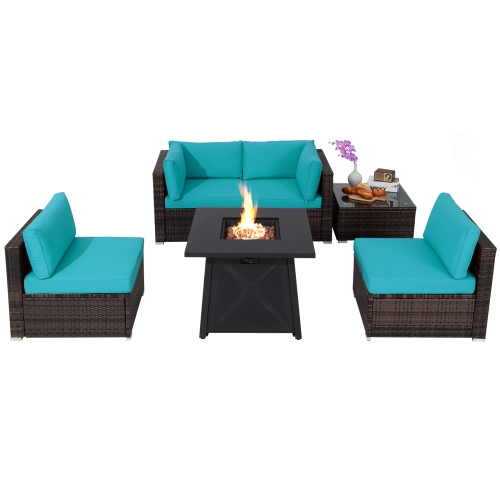
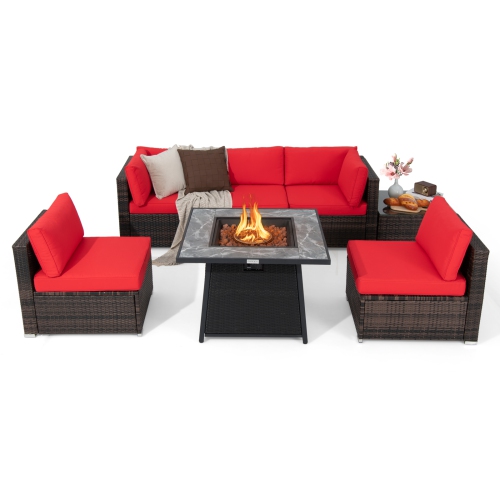
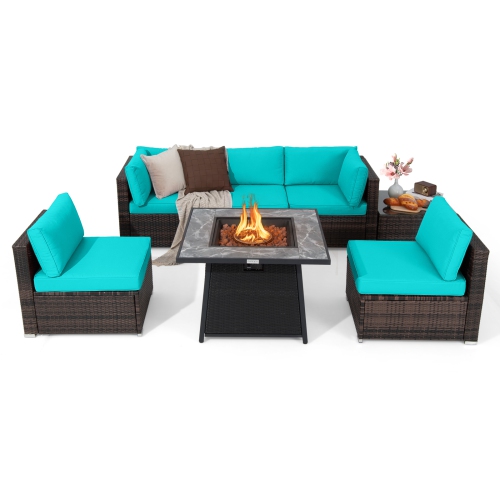
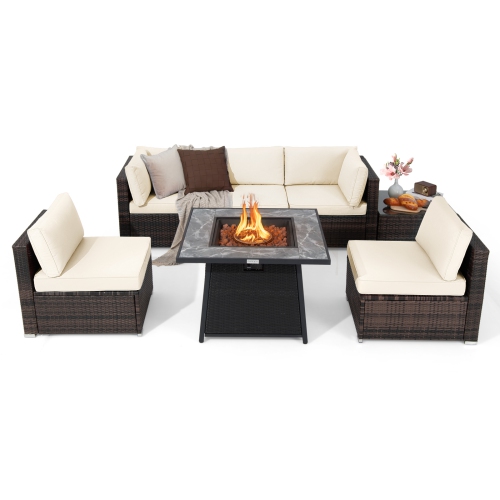
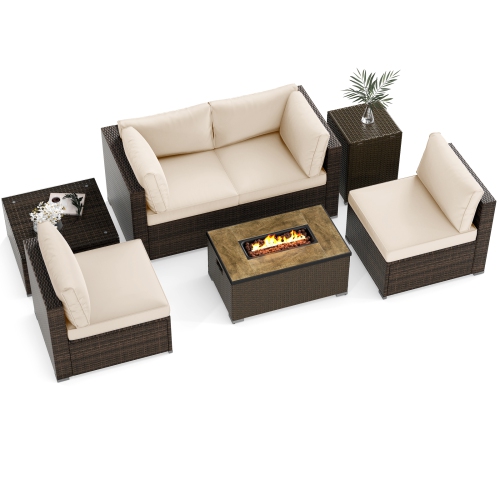
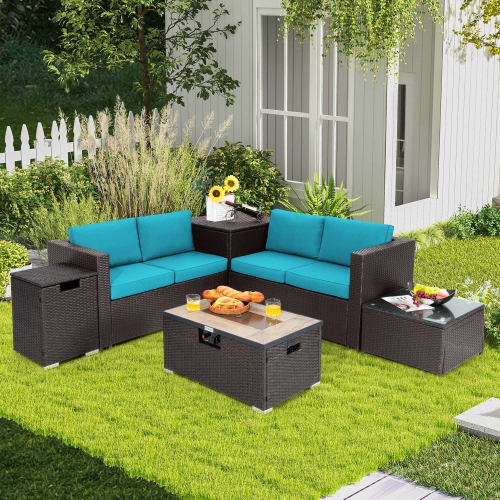
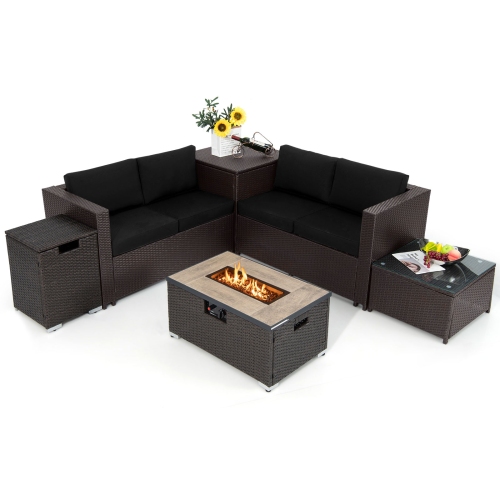
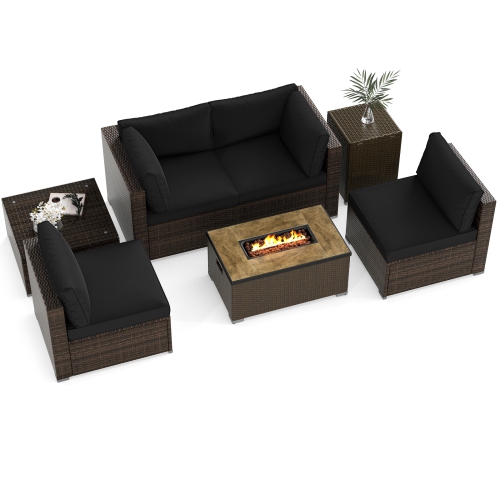
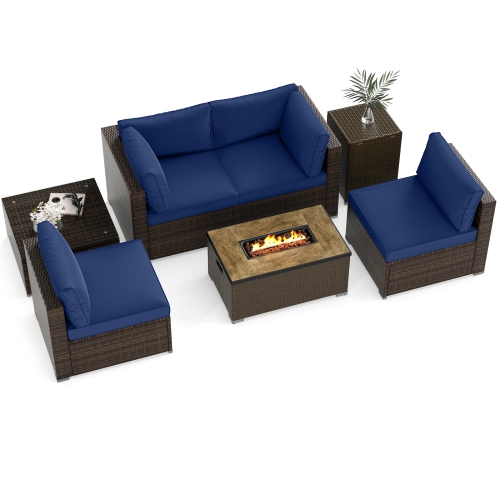
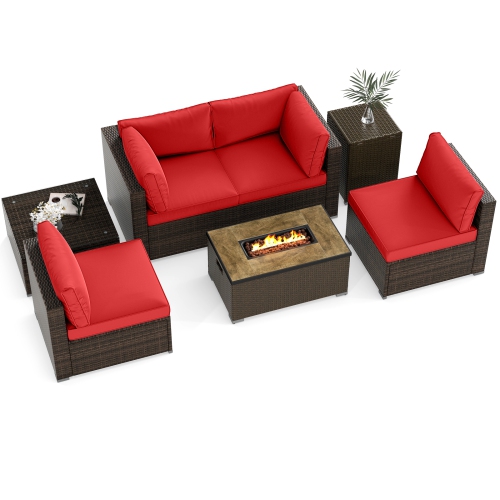
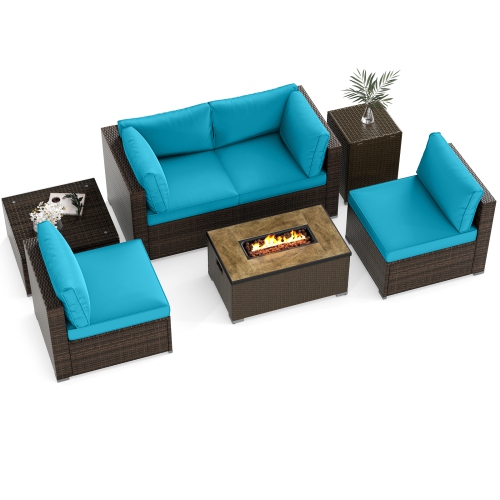

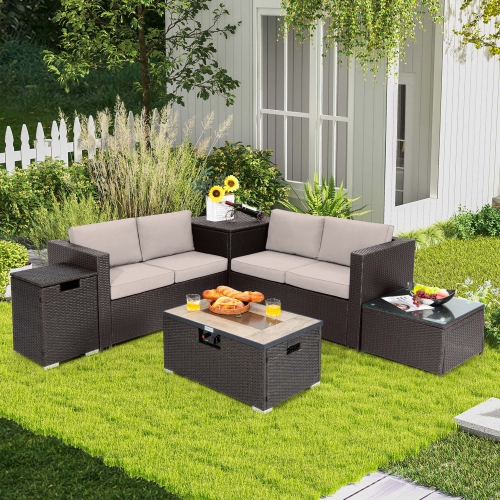
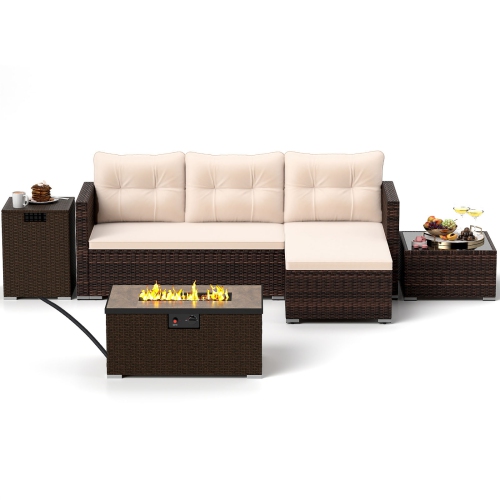
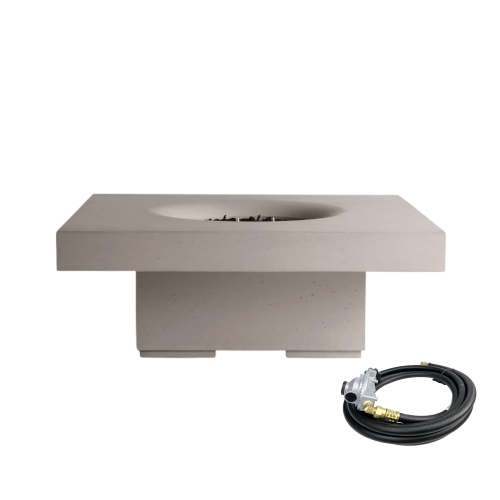
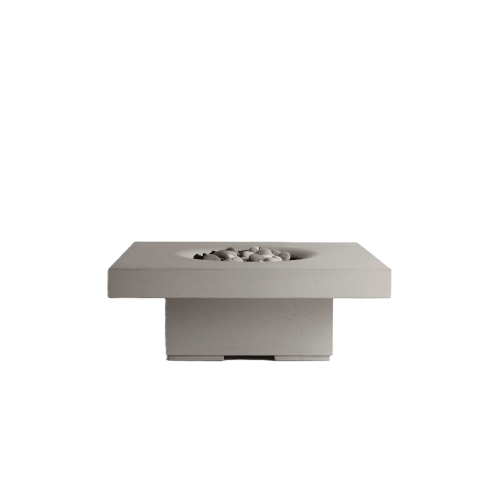
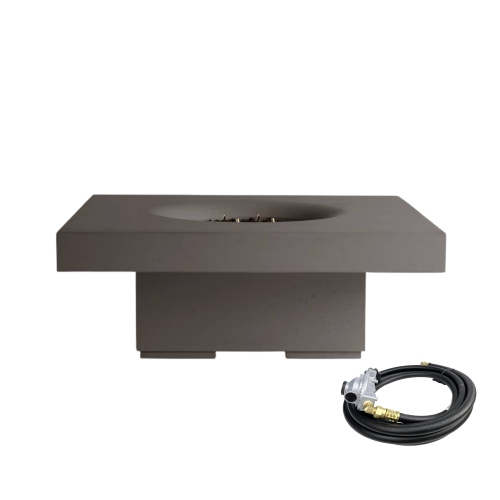
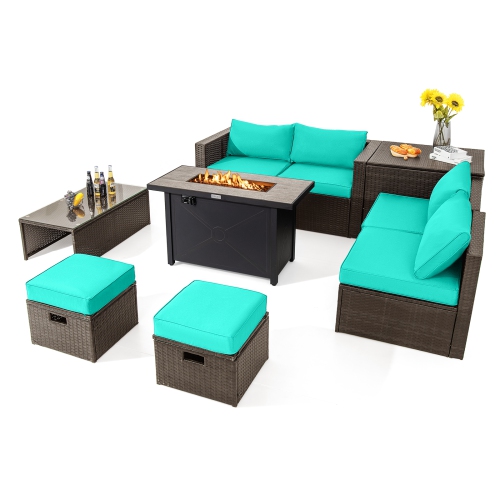
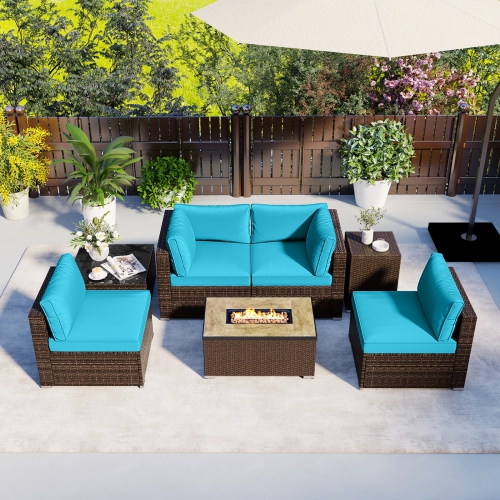
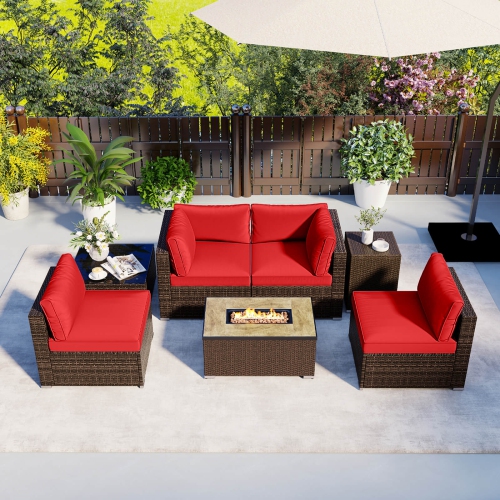
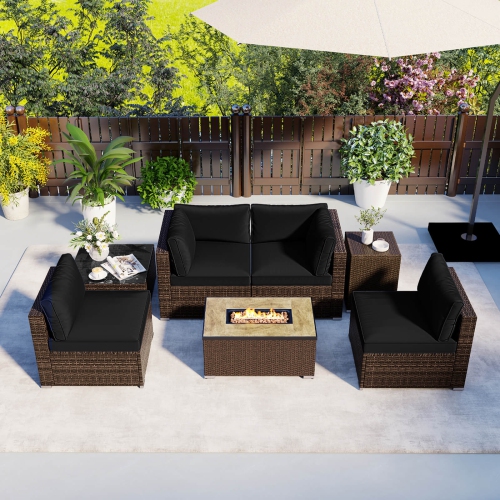
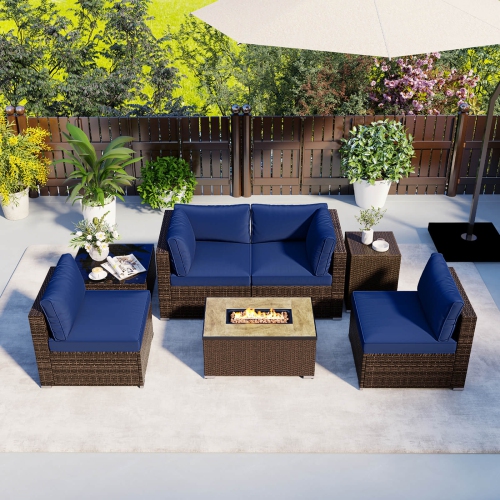
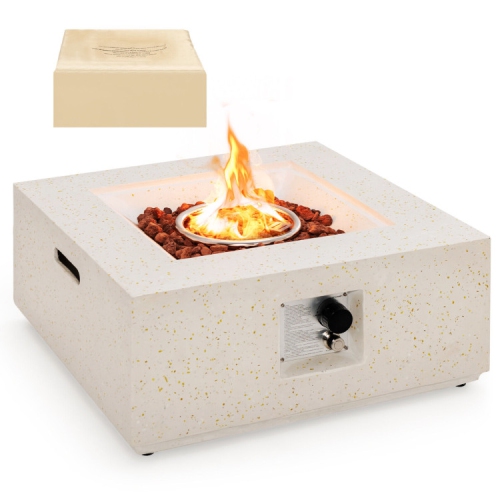
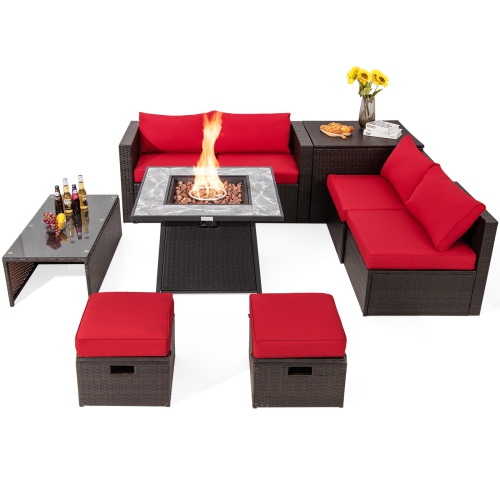
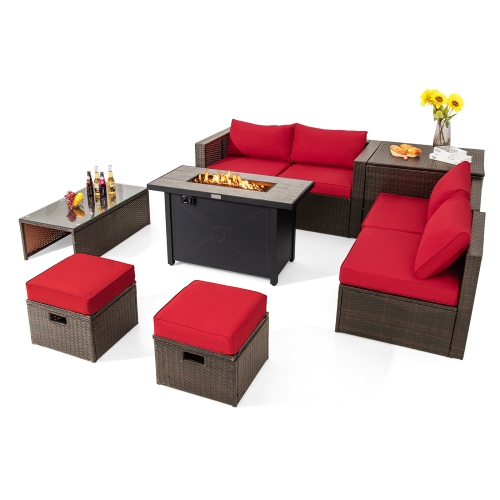
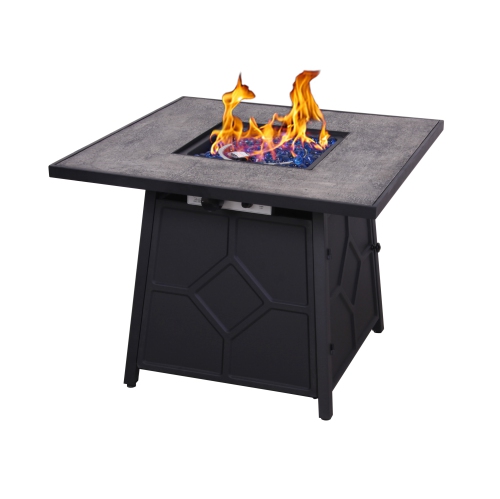

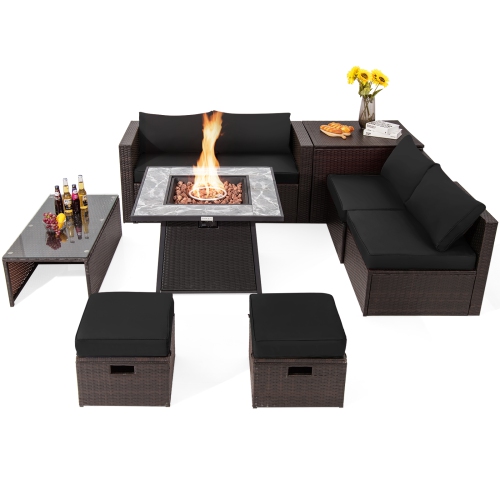
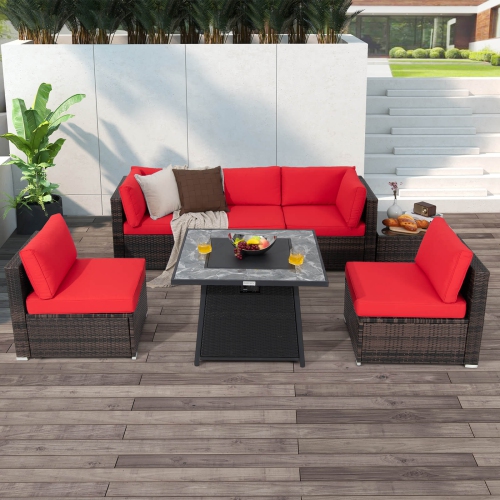
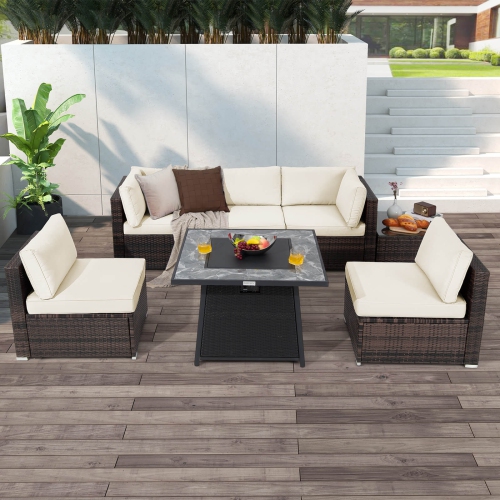
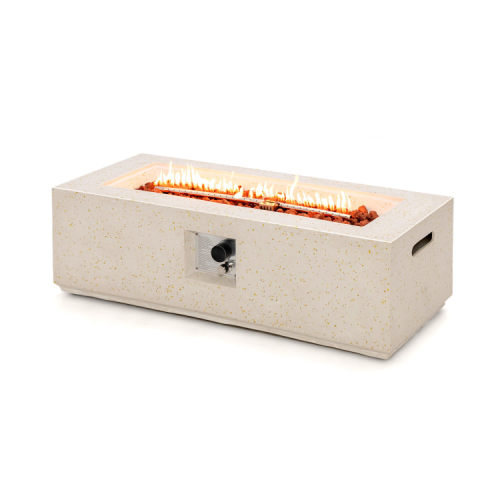
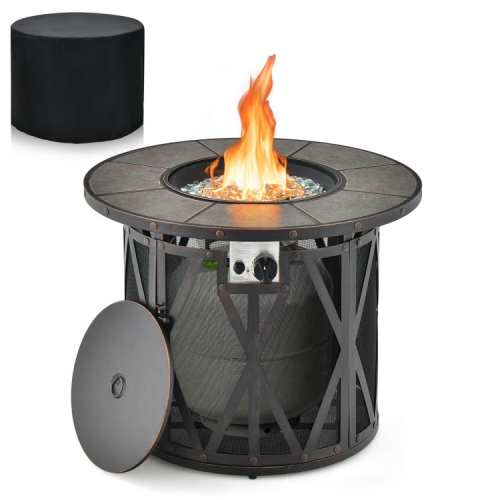


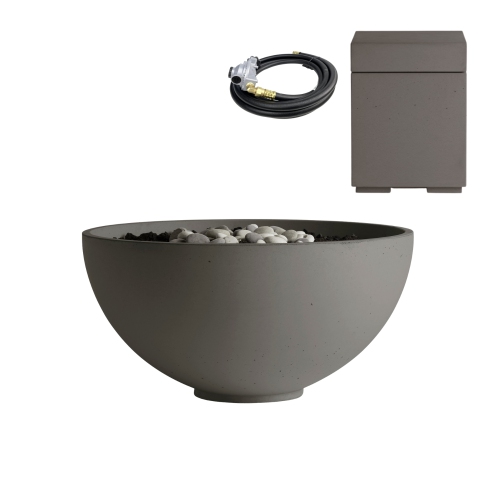
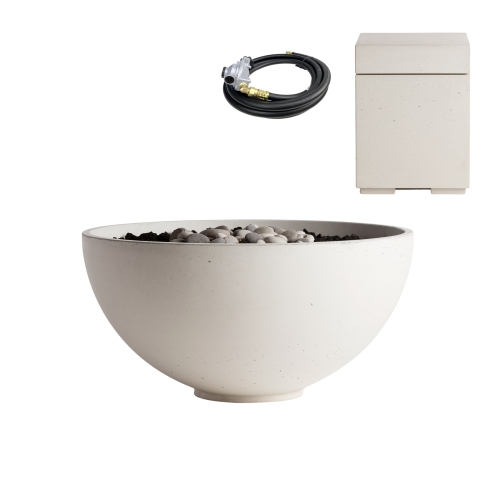

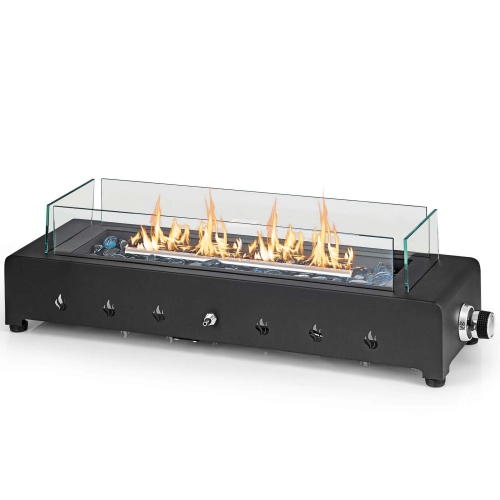


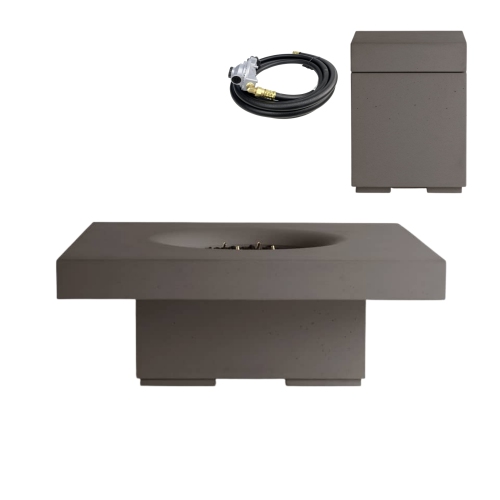
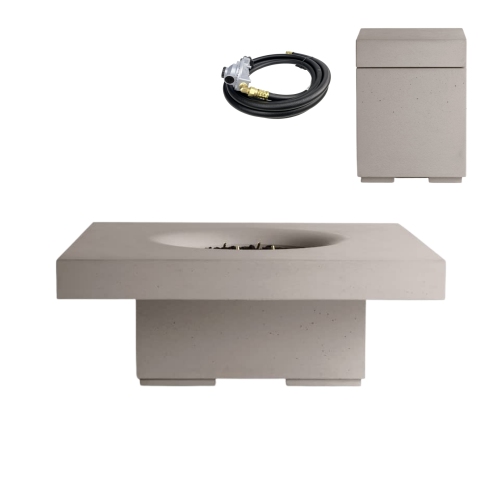
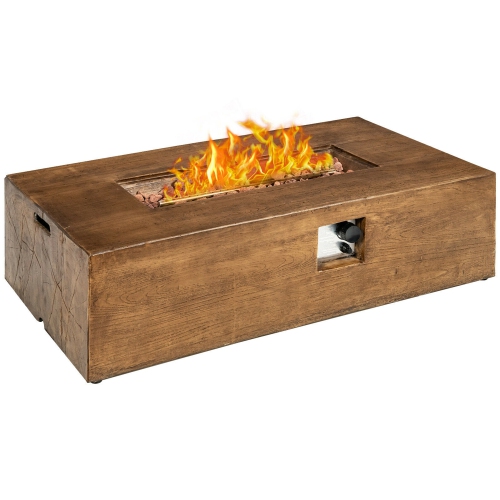
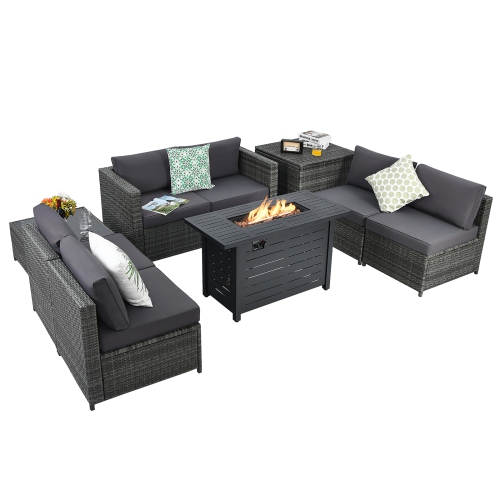
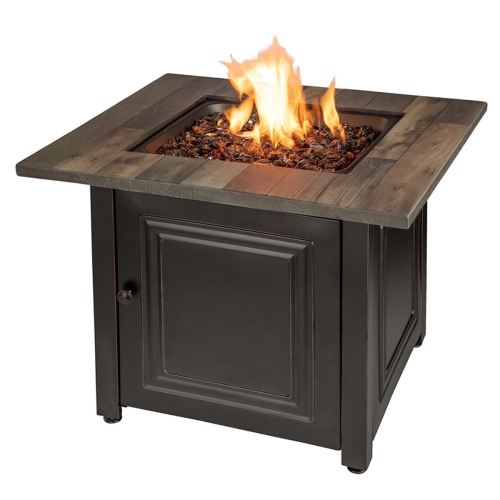

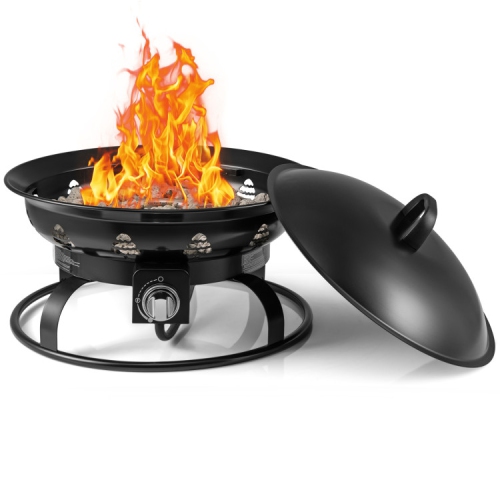
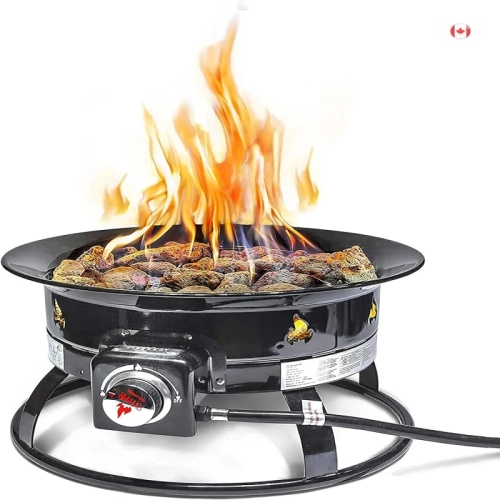
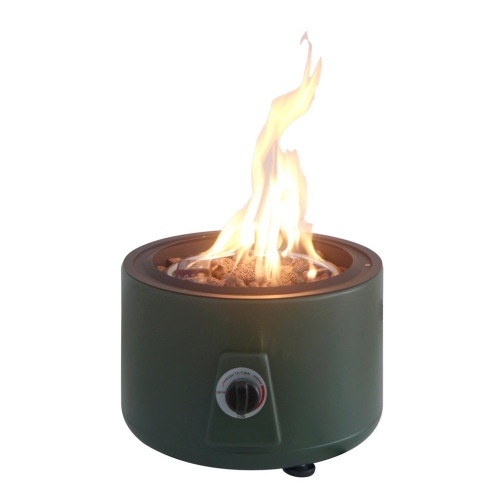
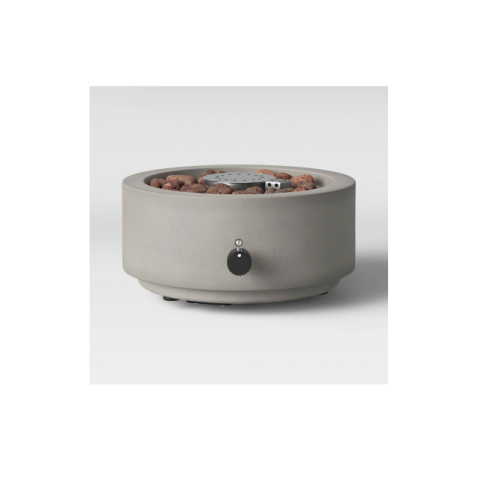
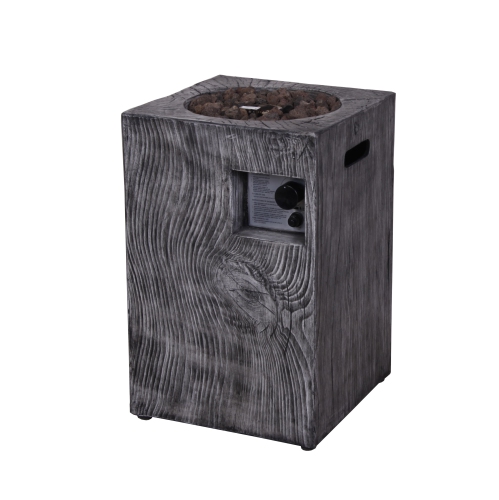
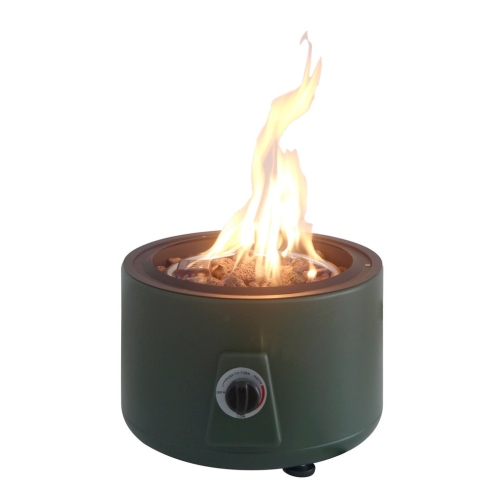
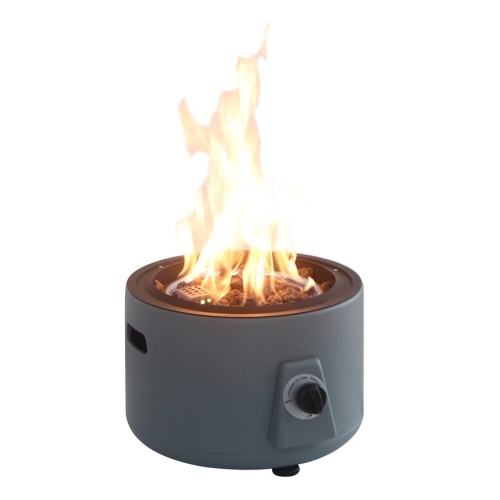
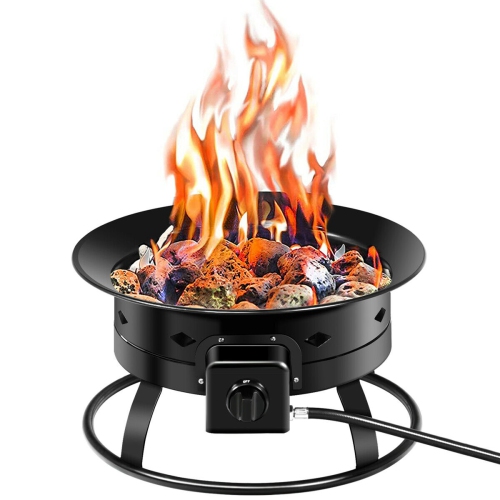
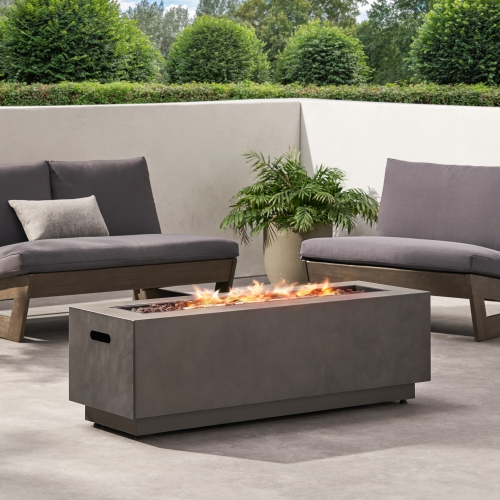
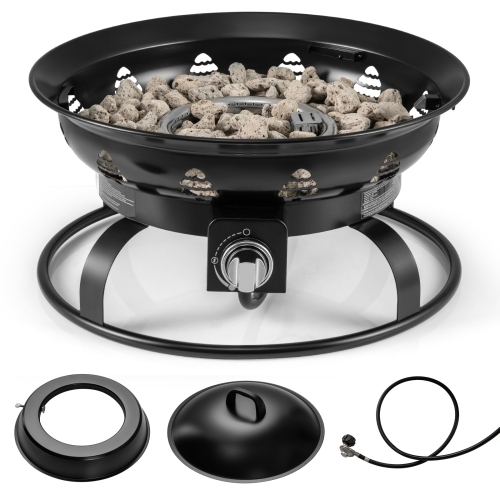
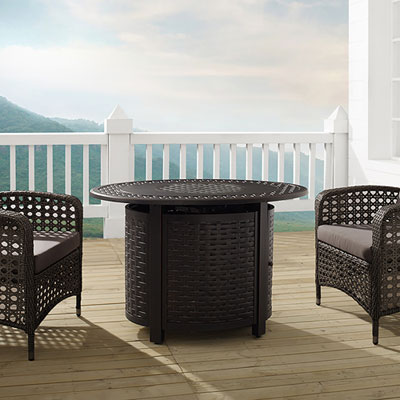
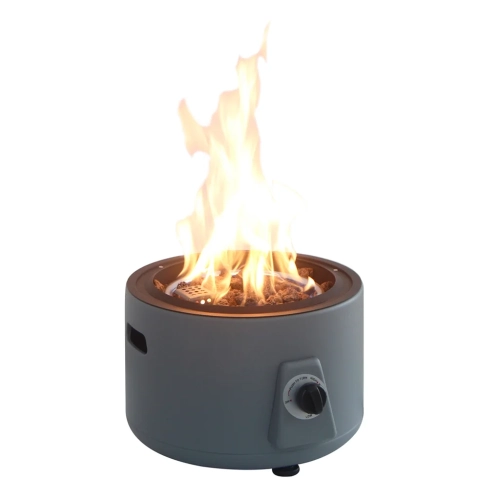
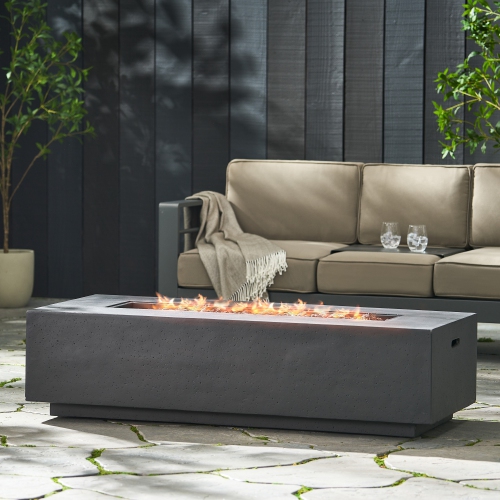
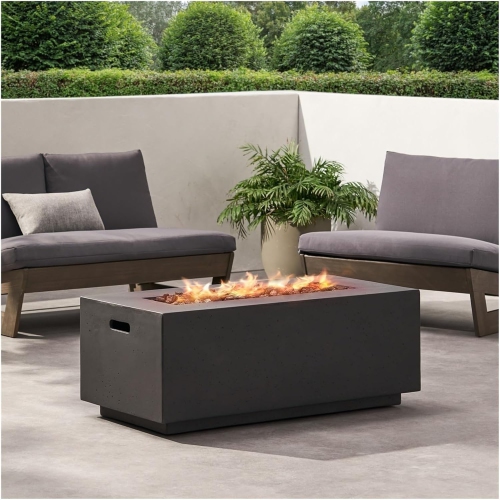
Patio warmth with a place to set your drink
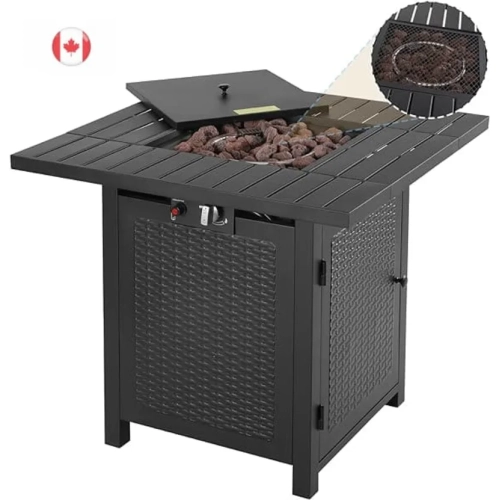
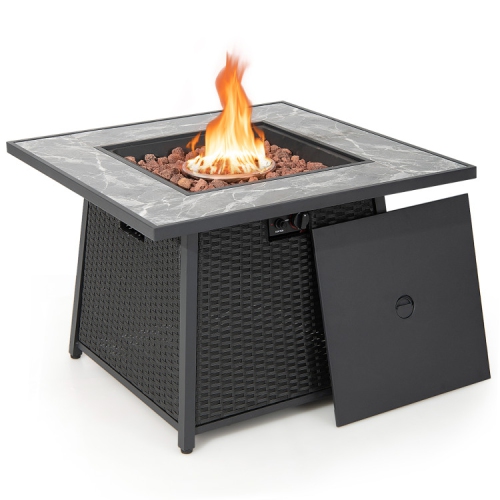
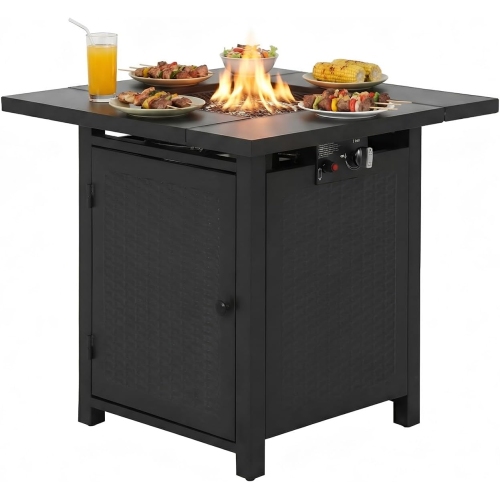
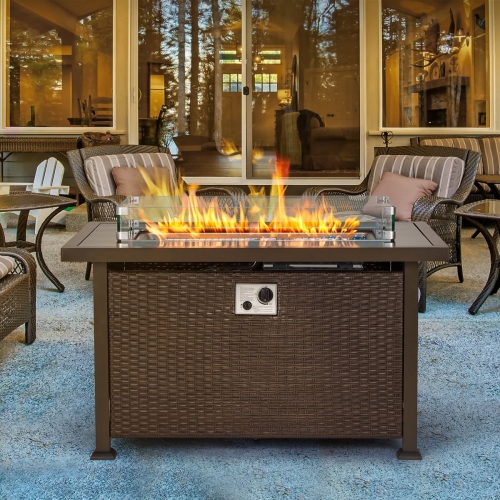
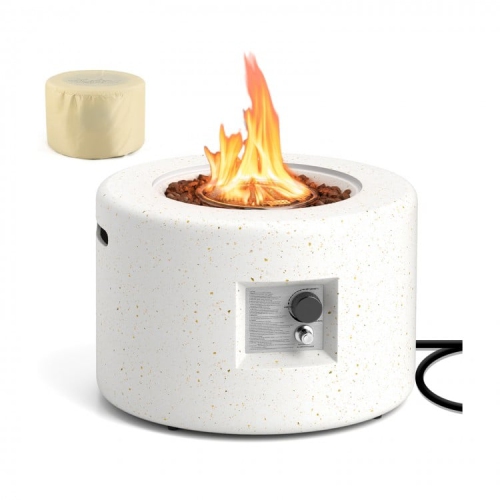
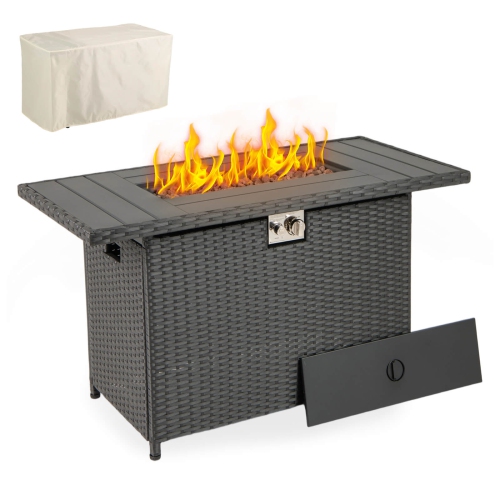
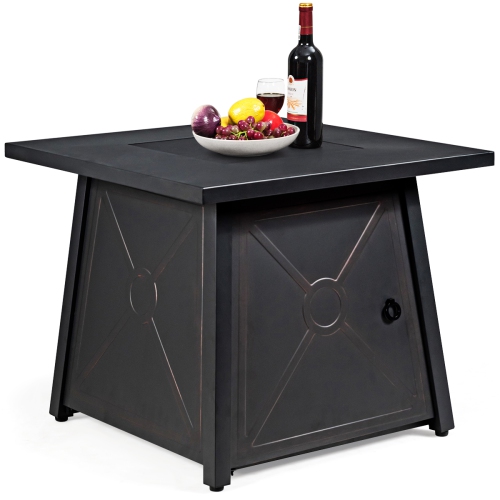
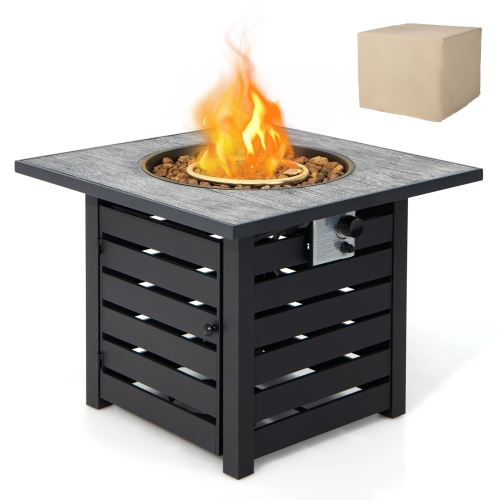
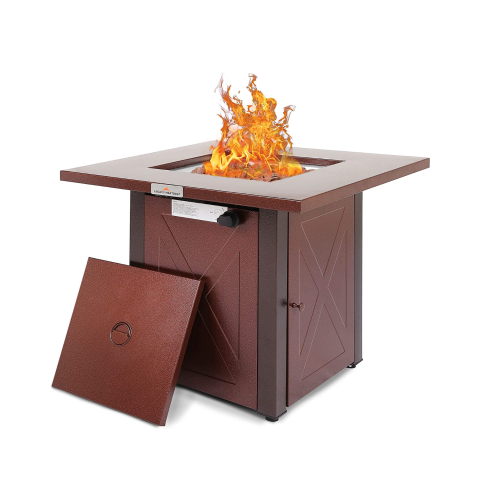
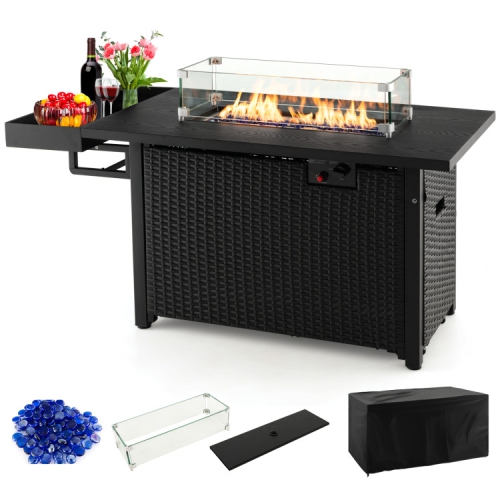
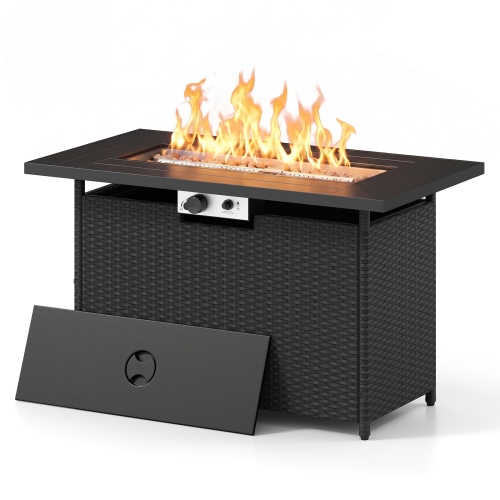
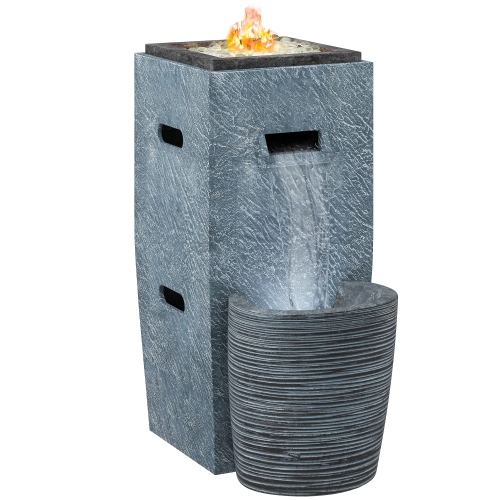
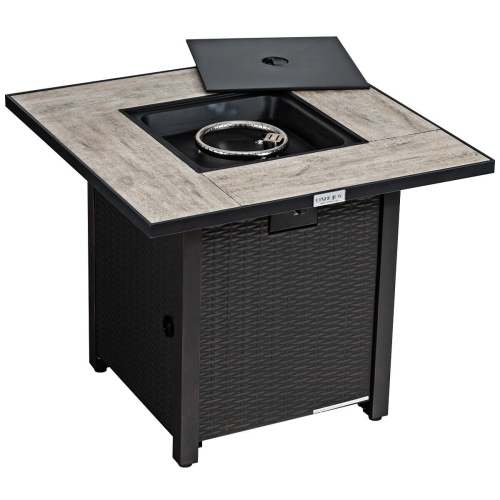
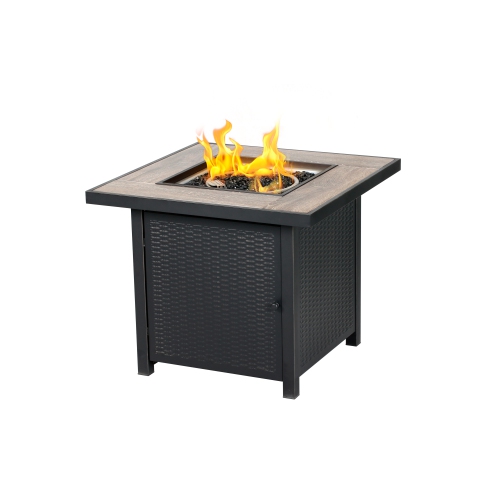
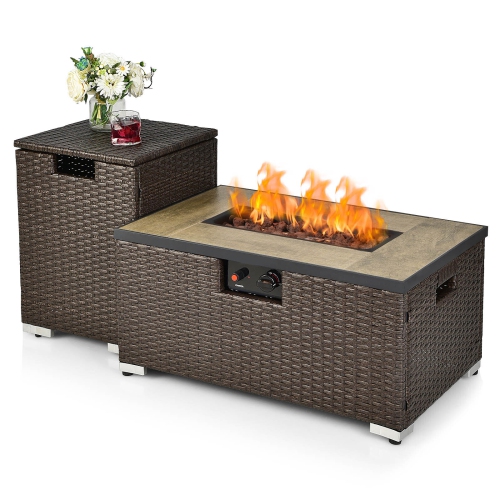
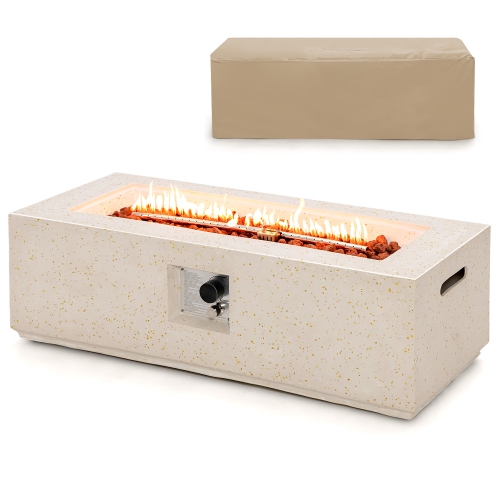
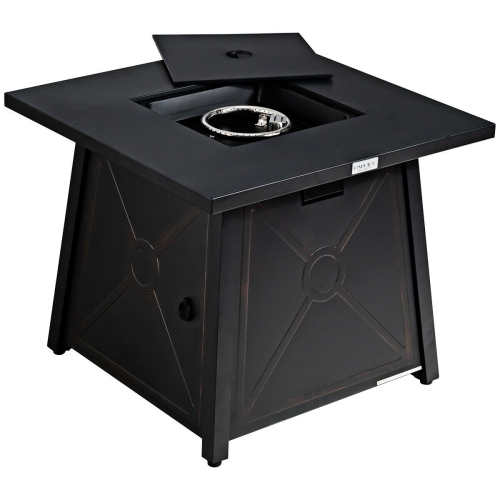
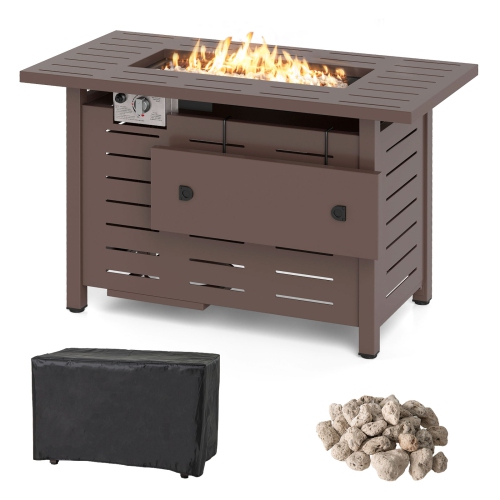
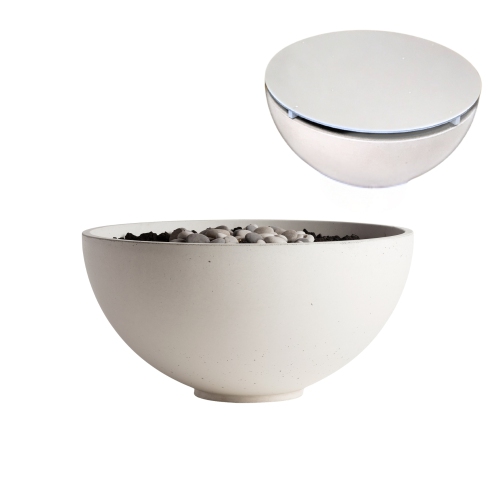
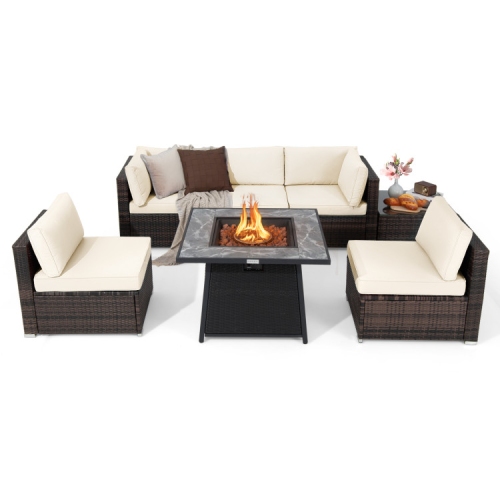
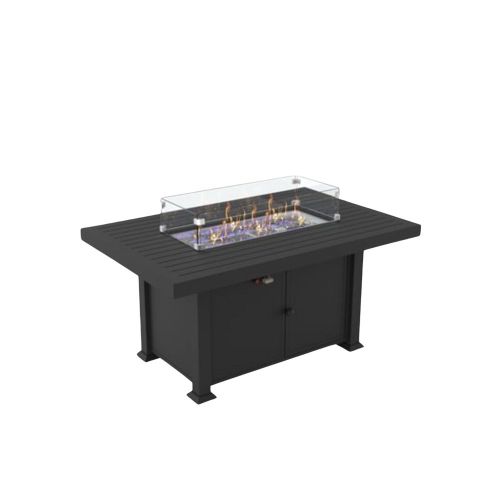
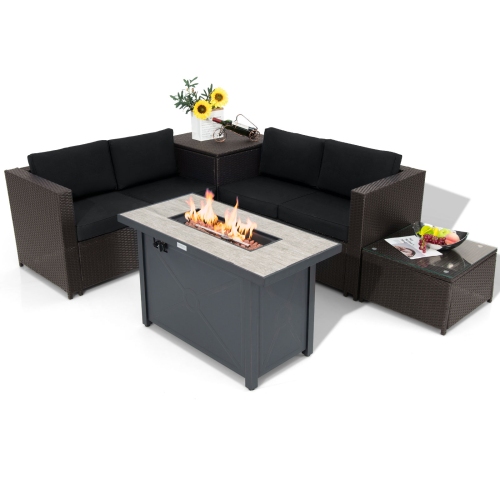
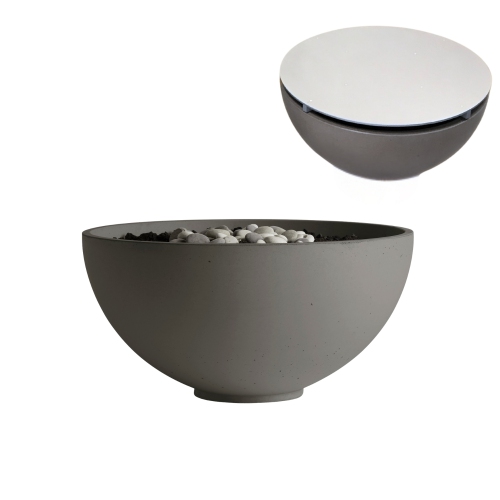
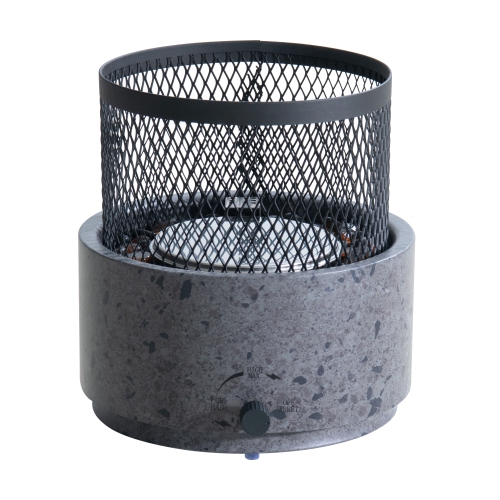
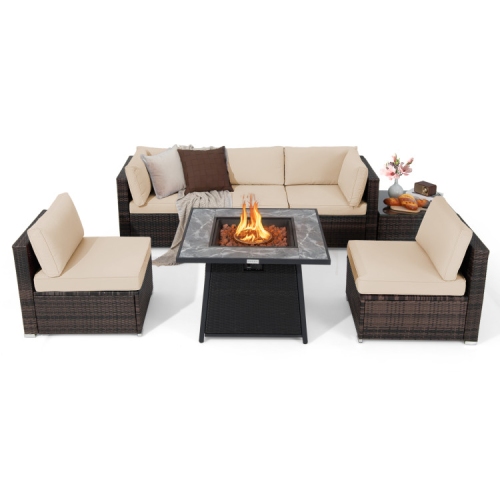
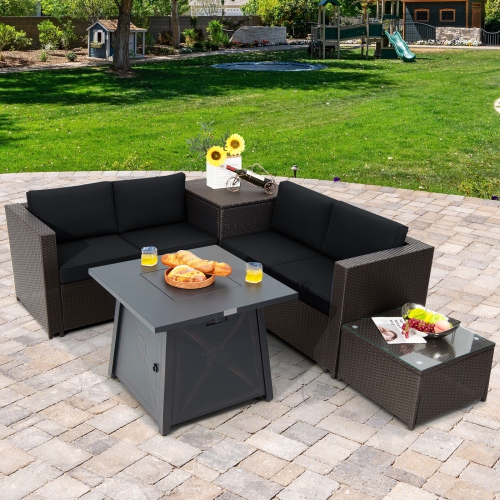
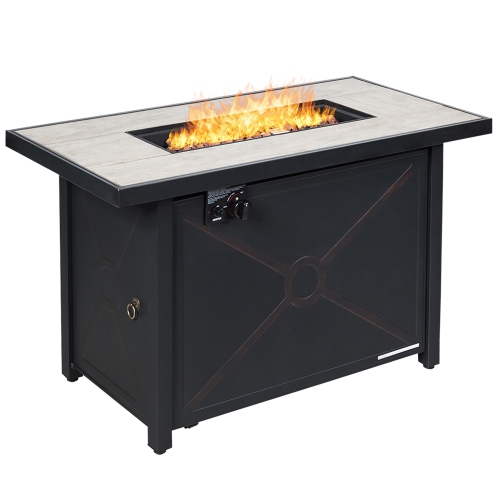
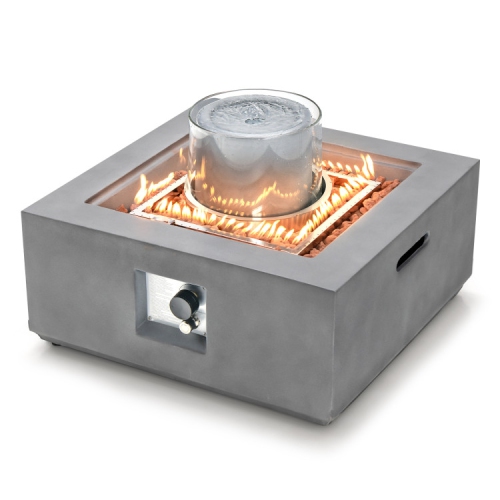
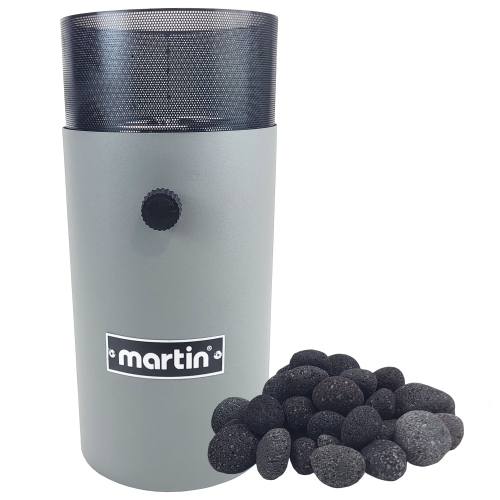
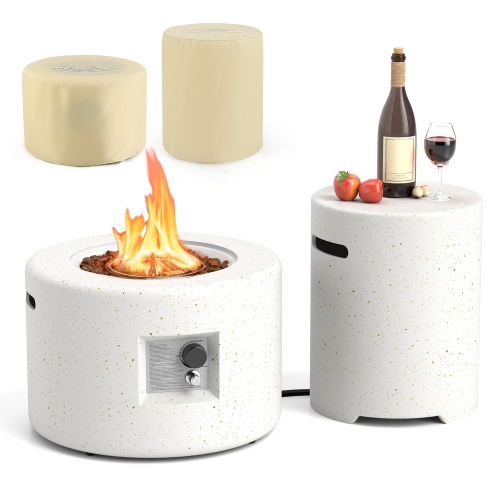
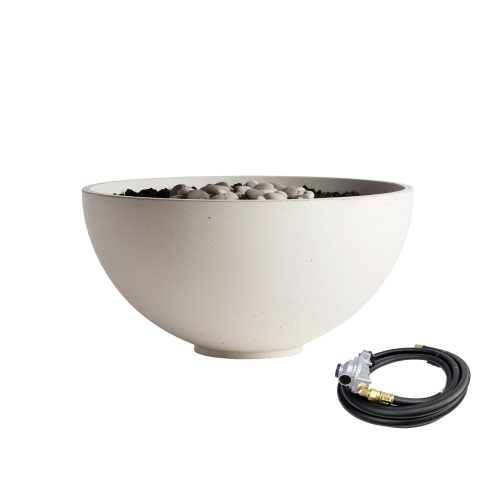
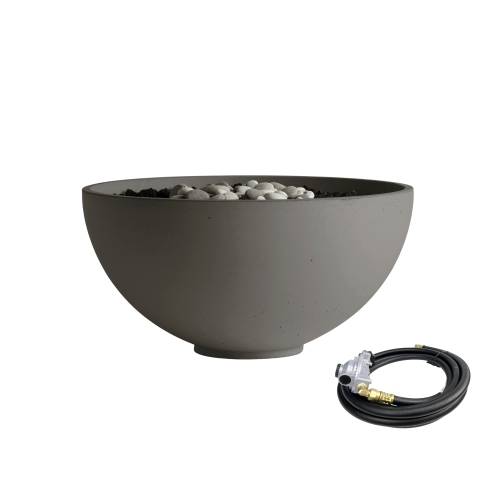
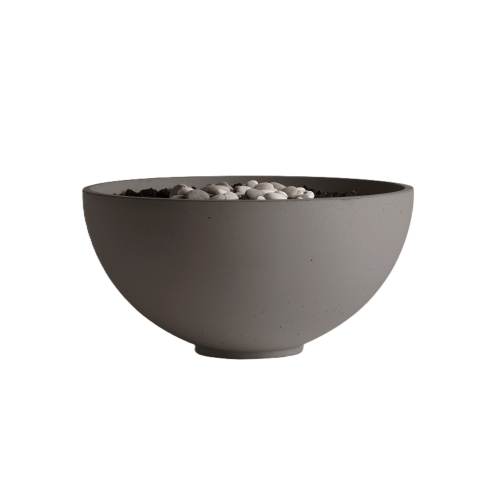
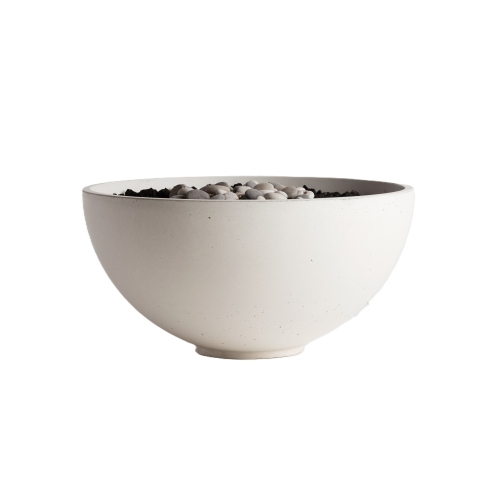
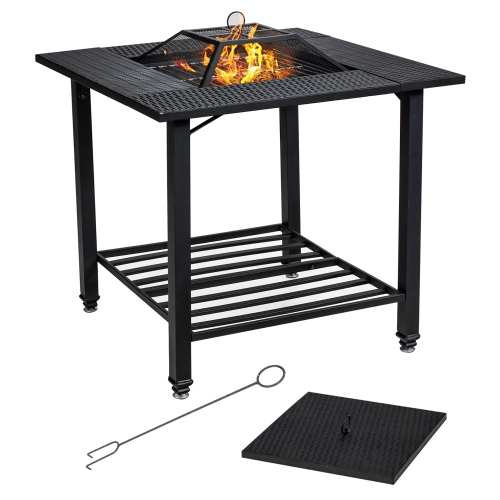
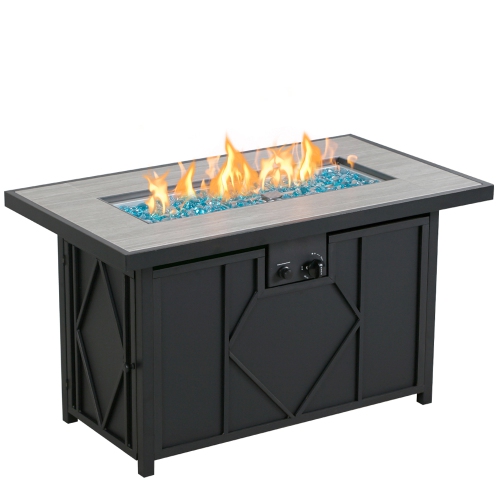
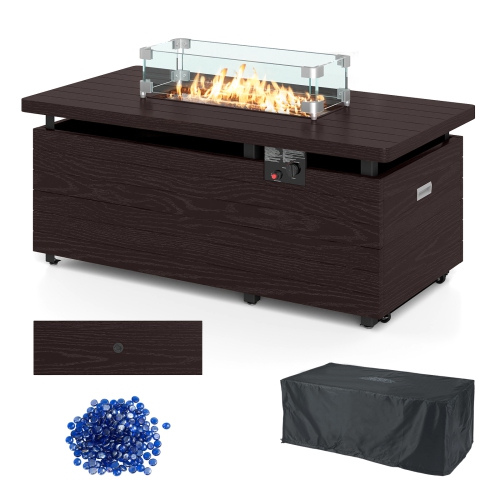
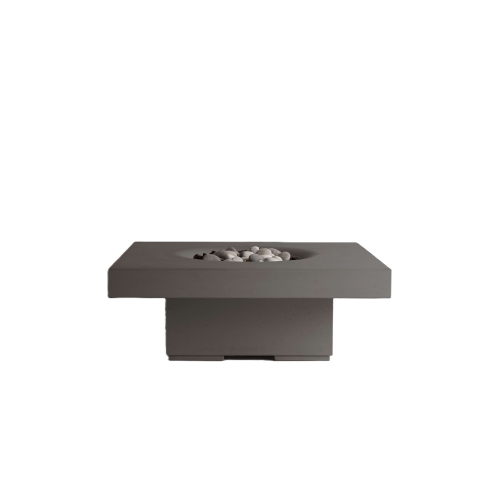
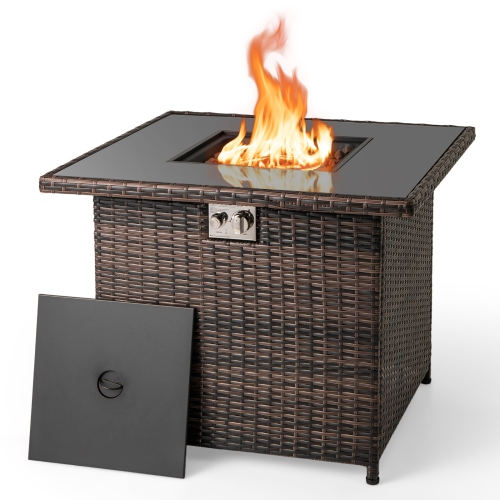
Materials influence both the appearance of propane fire pit tables and the attention they need over time. Powder-coated steel can provide a substantial furniture-style frame, but chips in the finish deserve prompt attention because exposed steel can rust. Aluminum is generally lighter and resistant to rust, making it useful where furniture may occasionally need repositioning, although moving a fire table still requires following its fuel-disconnection and handling instructions. Concrete and stone-look finishes give the table a more architectural presence, but appearance does not reveal the underlying construction: a solid concrete body and a lightweight composite shell can differ considerably in weight, care requirements, and resistance to cracking. Woven-look panels can coordinate with patio seating, while tile or stone tabletops introduce a different texture beneath cups and small plates. Joints, edges, drainage openings, and the fit of access panels are worth considering alongside the finish, particularly for a table that will remain outdoors. Stainless steel burners are common, though their long-term condition still depends on proper care and exposure. Fire glass or lava rock surrounds the burner on many designs, giving the flame area a finished appearance; only the type and quantity approved for that burner should be used. Ordinary stones, decorative glass, and other unapproved materials are not substitutes. The usable tabletop is the area outside the burner and its required safety space, not the full surface measurement. A wide border can make a meaningful difference when several people want somewhere to rest a mug without placing it close to the flame. Some tables include a burner lid that creates a more continuous surface when the fire is off and the components have completely cooled. That lid does not necessarily replace a protective cover. Propane fire pit tables are also not automatically suitable for cooking: food, grease, and drips can damage components, and cooking should only take place if the manufacturer expressly permits it.
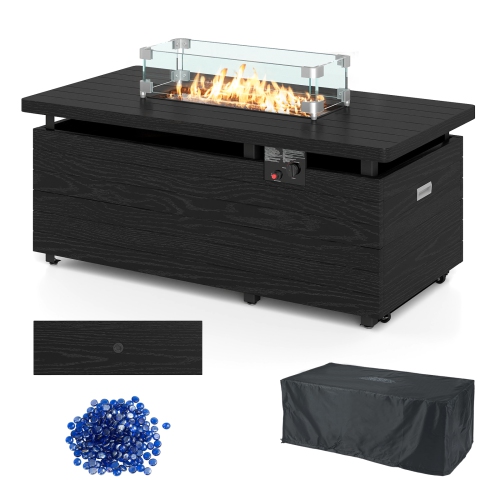
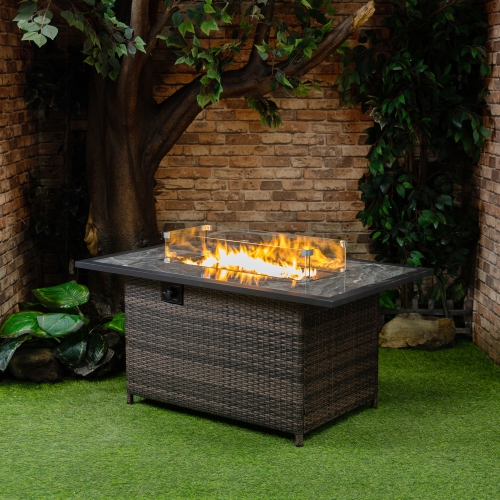
Everyday ease of use depends on details that are less visible than the tabletop finish. Accessible controls, a clearly marked flame adjustment, and a cylinder compartment that can be opened without shifting the whole table all make regular use more straightforward. Ignition systems vary, and battery-powered versions need the correct battery installed and maintained according to the instructions. Connections should be checked for leaks using the manufacturer’s approved procedure, never an open flame, and a gas smell or damaged hose means the table should not be operated. For homes with children or pets, the seating arrangement needs to account for hot edges and surfaces as well as the visible flame. A glass wind guard, where approved for the table, can help shield the burner from light air movement, but it can also become hot and is not a child-safety barrier. Strong wind can affect flame behaviour, making it a reason to stop use rather than increase the gas flow. Care is generally simpler when spills are wiped up promptly with suitable cleaning products and abrasive pads are kept away from coated finishes. Once the table is fully cool, a correctly fitted cover helps limit exposure to moisture and debris without blocking ventilation that the manufacturer requires. Drainage paths, burner openings, and the cylinder compartment should remain clear, and any pooled water needs attention before the next use. Propane cylinders must be stored upright outdoors in an appropriate ventilated location, away from ignition sources and in accordance with applicable rules—not in a basement or other indoor storage area. For households that enjoy conversation on the patio, the appeal is a defined gathering place with a controlled flame and no wood to tend. The most comfortable arrangement leaves enough room to set down a drink, stretch out in a chair, and walk back to the door without stepping around fuel connections or squeezing past hot surfaces.
Top selling and popular products
-
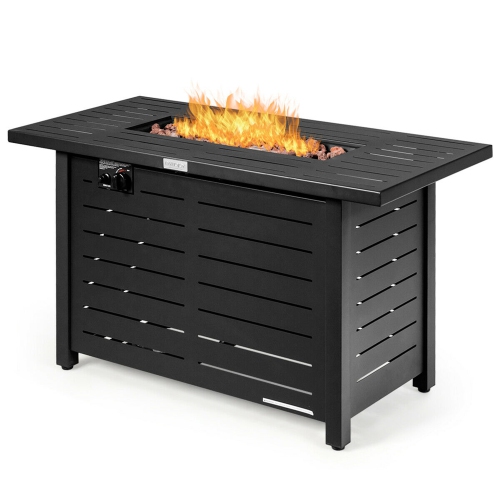 Your price for this item is $329.99
-
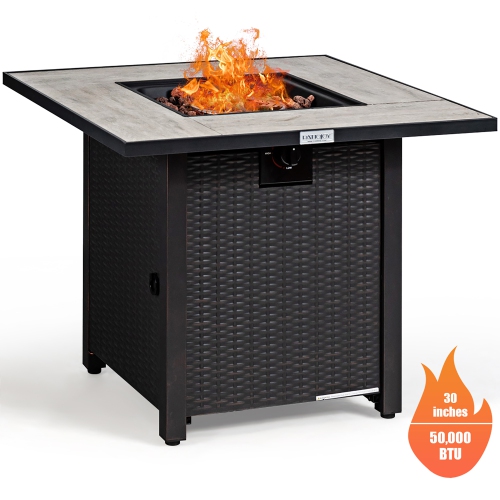 Your price for this item is $265.99
-
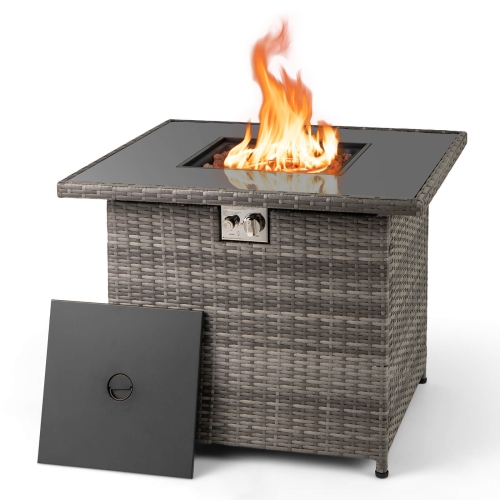 Your price for this item is $271.99
-
 Your price for this item is $147.99
-
 Your price for this item is $329.99
-
 Your price for this item is $355.99
-
 Your price for this item is $5225.75
-
 Your price for this item is $319.99