Natural Wood Cabinets
Enhance the warmth and beauty of your space with the timeless elegance of natural wood cabinets. From kitchens to bathrooms, natural wood cabinets bring a touch of nature indoors, creating a soothing and inviting atmosphere. Here are some great options available.
Sort
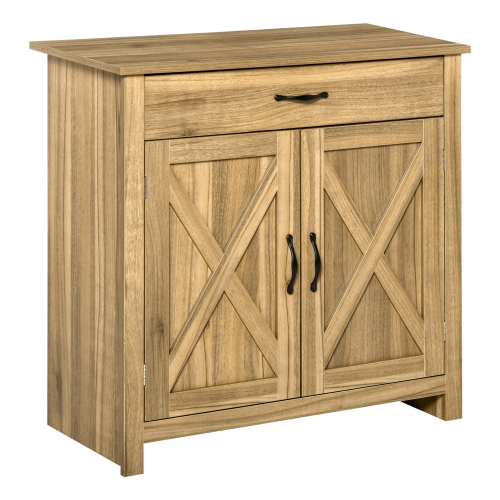
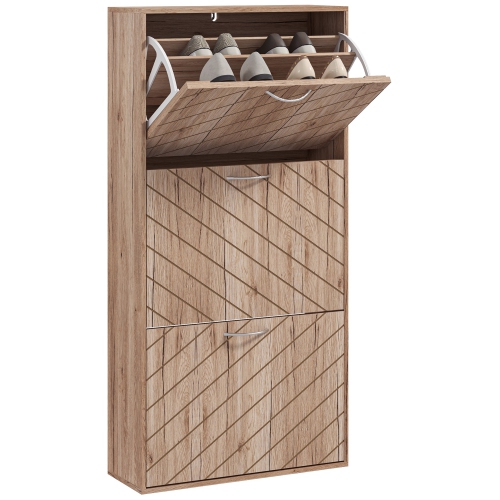
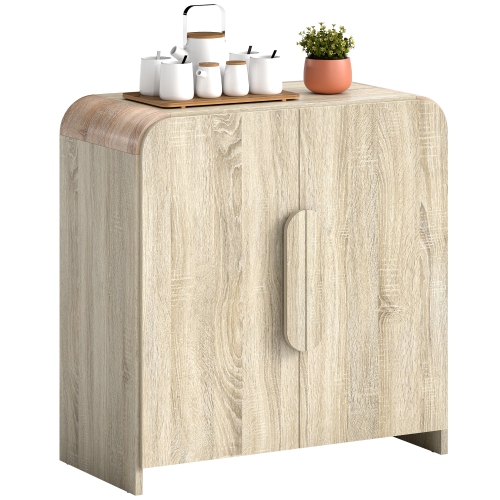
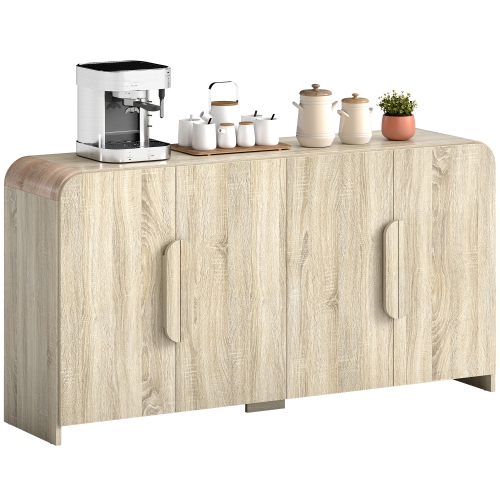
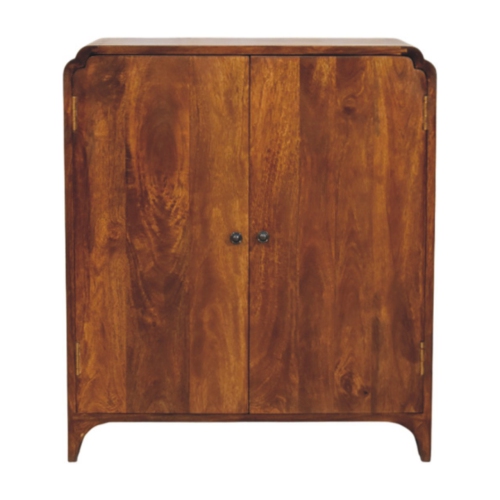
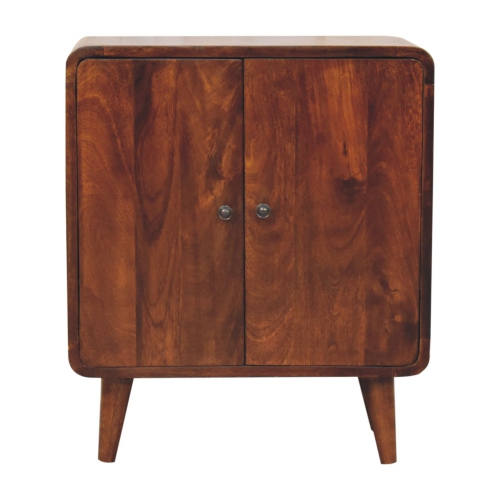
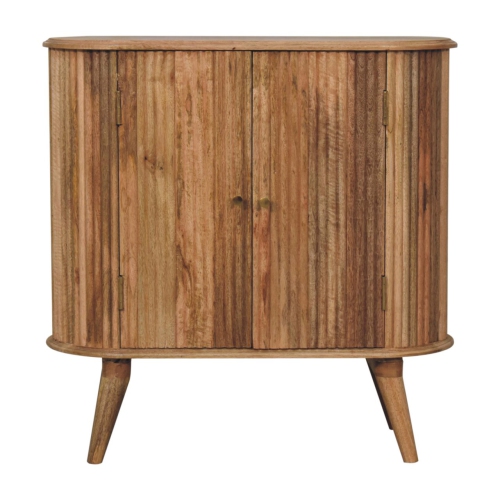
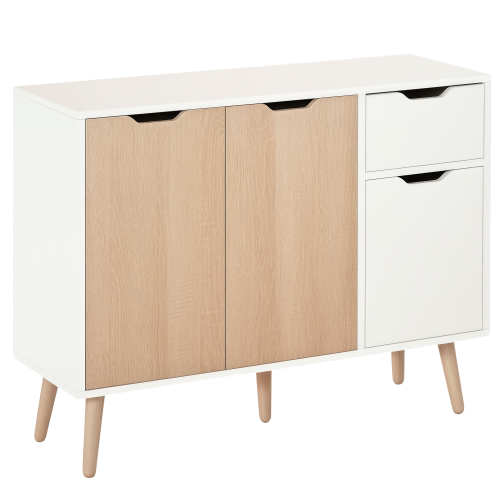
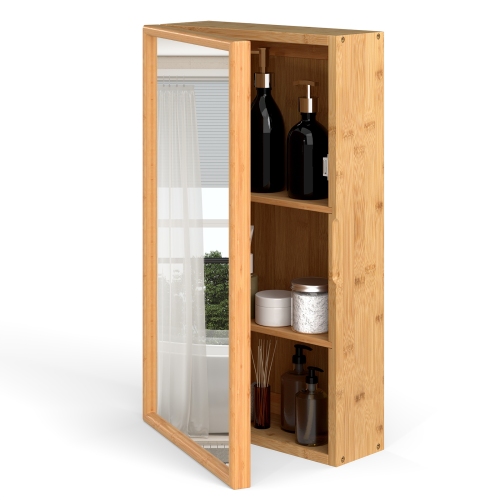
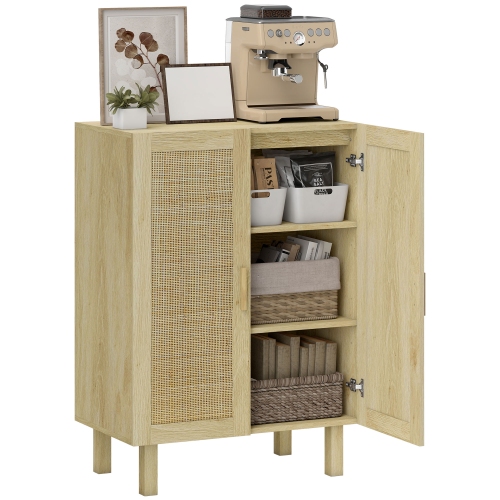
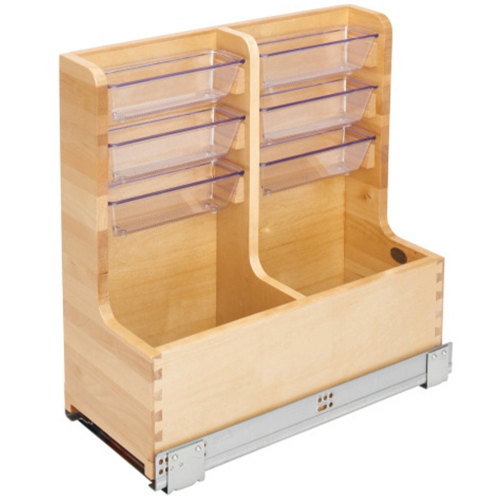
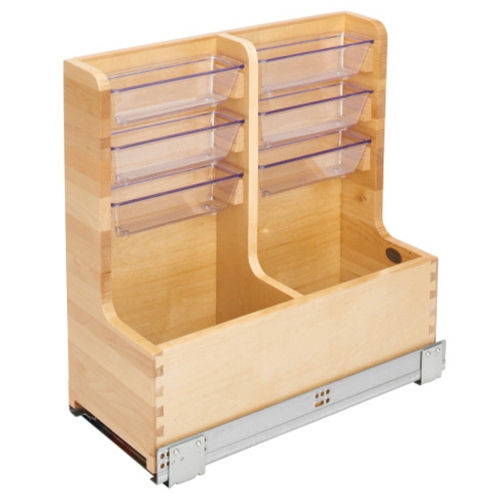
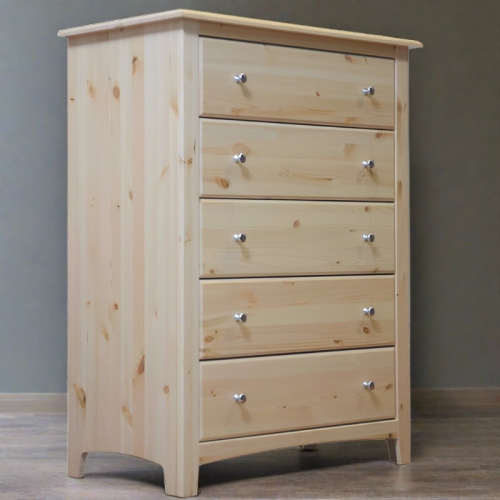
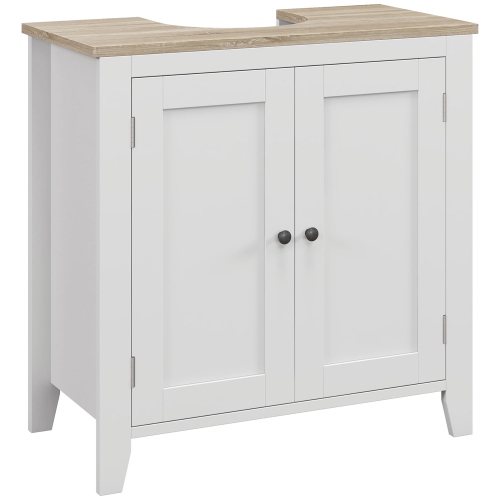
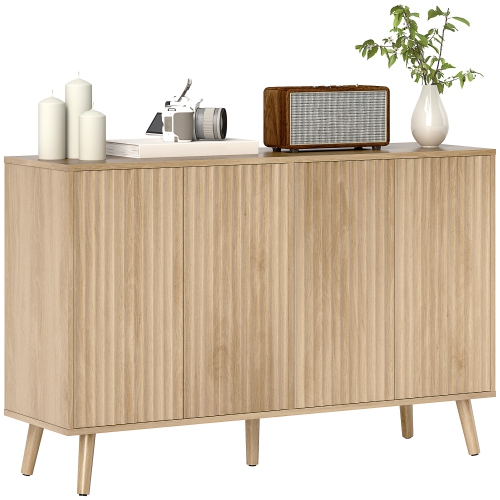
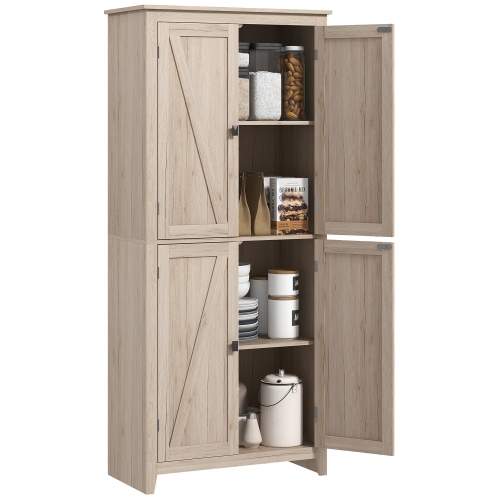
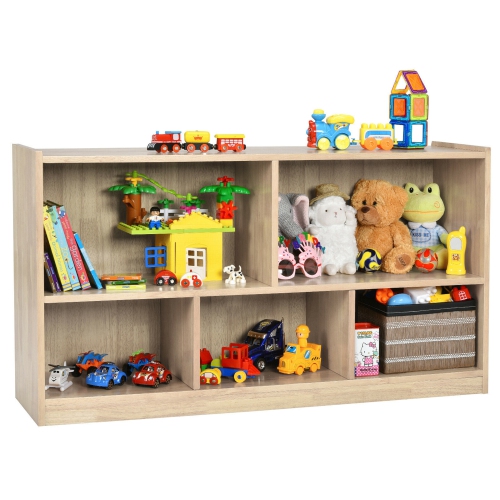
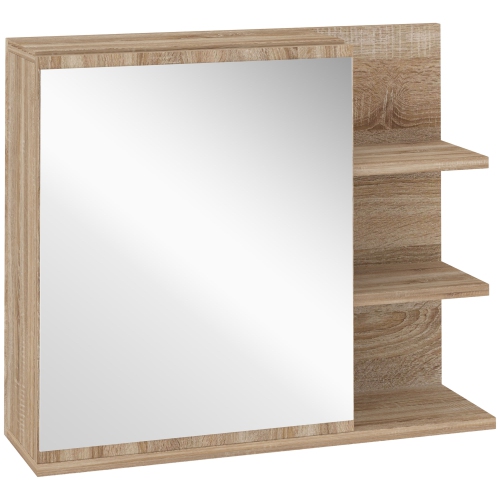
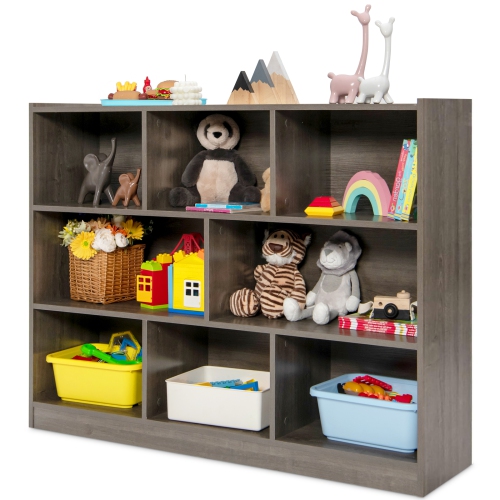
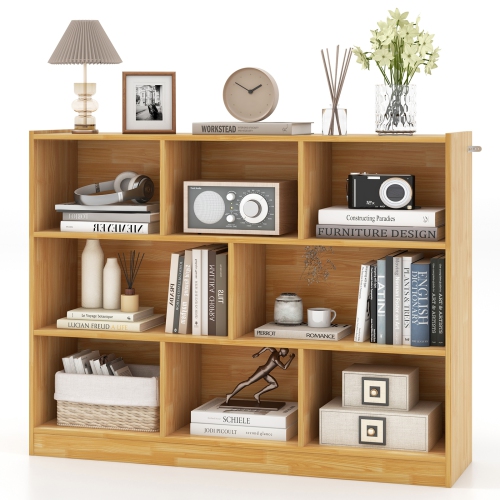

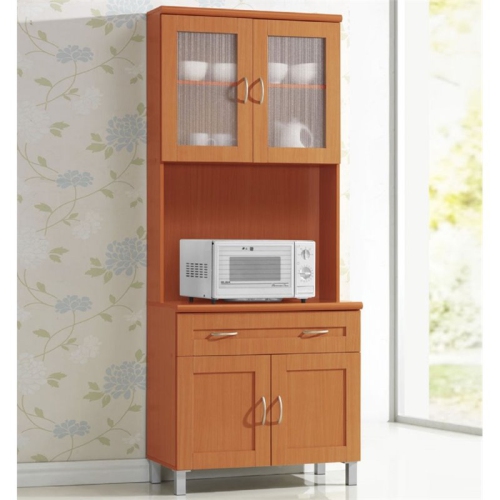
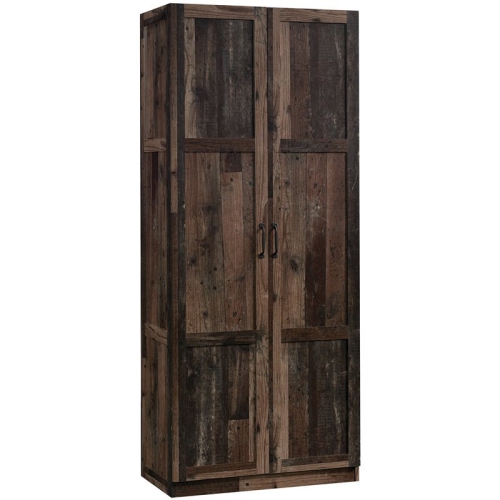
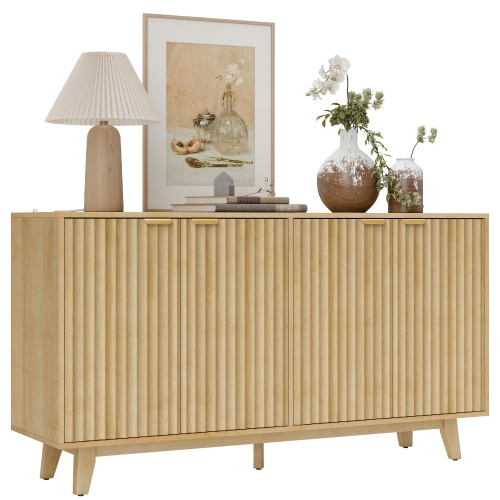
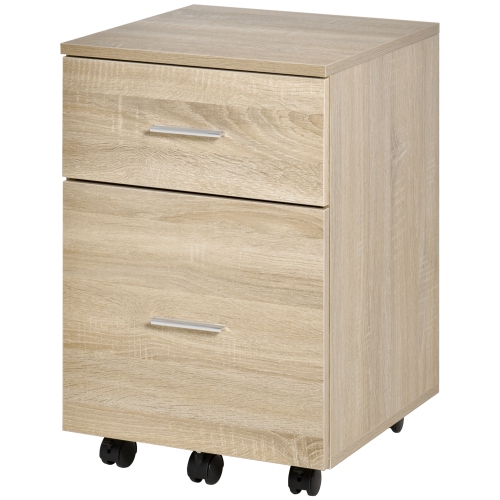
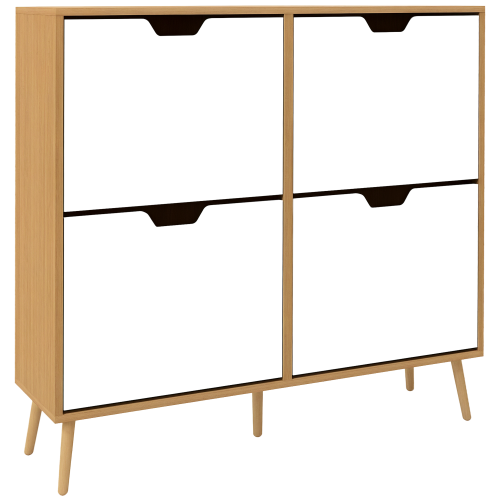
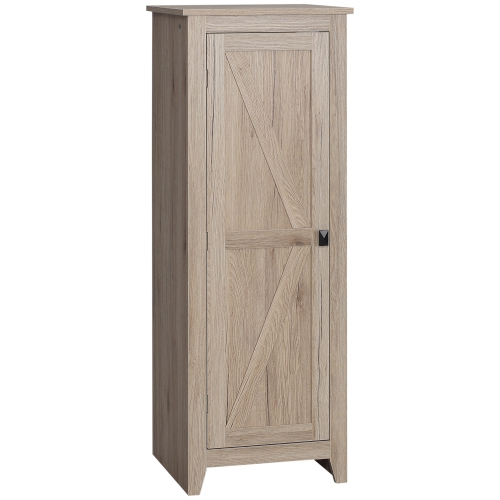
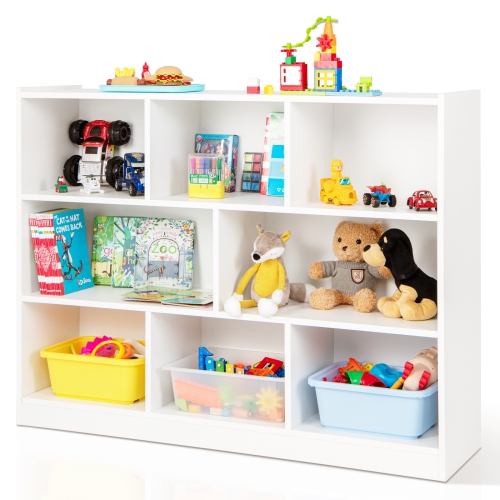
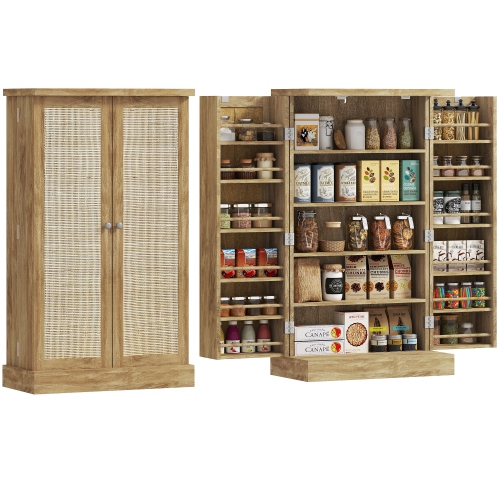
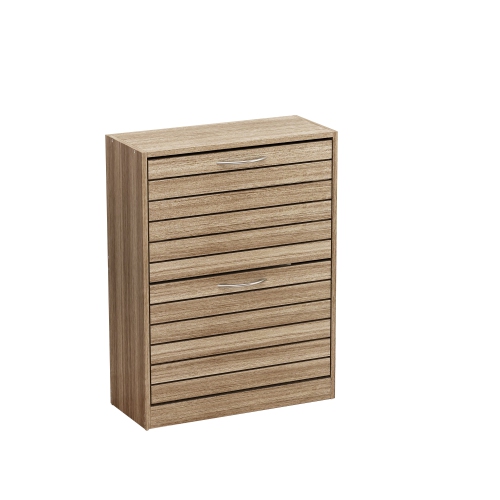
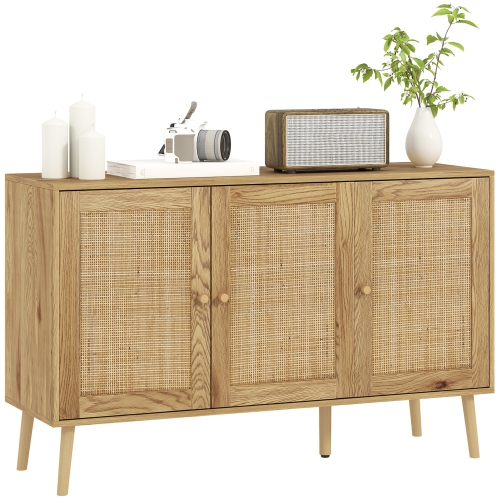
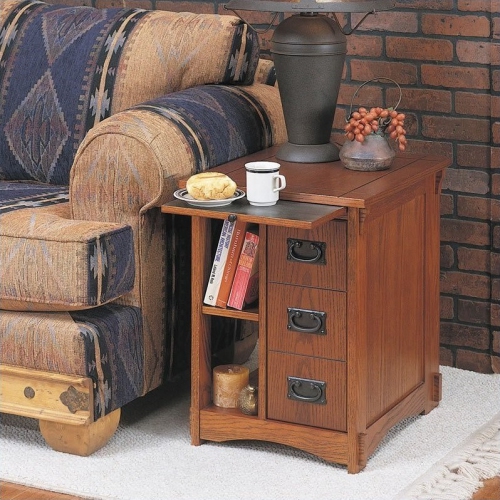
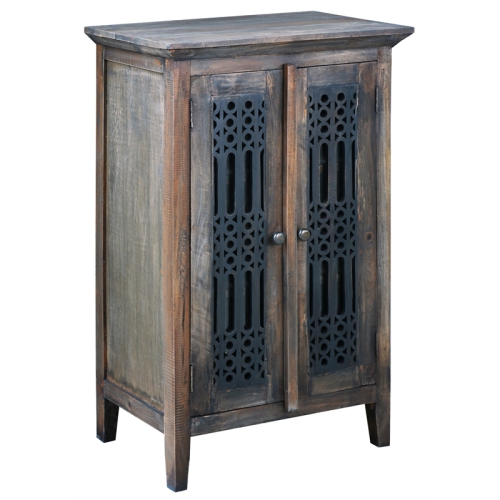
Warm wood grain meets practical storage for every room
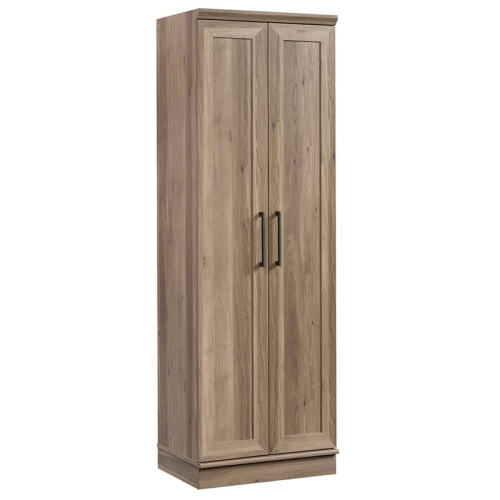
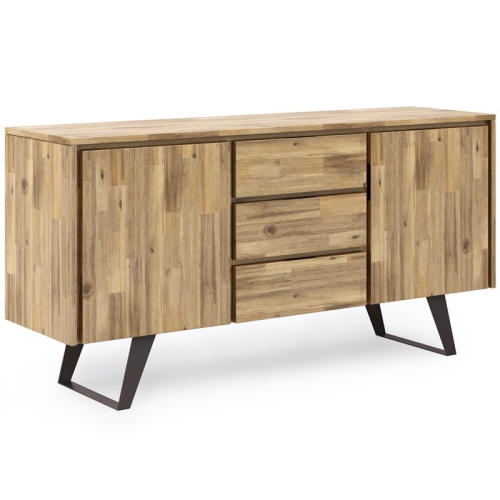
Natural wood cabinets bring warmth, texture, and a sense of permanence to kitchens, dining areas, bathrooms, home offices, laundry rooms and entryways. Their appeal comes from the way real wood adds visual character without overwhelming a room: the grain may run in straight, subtle lines, show gentle waves, or include knots and variations that make each surface feel distinct. White oak is a popular choice for its light, neutral appearance and understated grain, while walnut offers a deeper chocolate-brown tone with an elegant, refined presence. Maple and birch generally have fine, even grains that create a clean look and work well with clear or lightly tinted finishes. Pine and alder can offer a more relaxed, rustic appearance, often with visible knots and softer colouring. When browsing natural wood cabinets, look closely at the material description, door construction, finish and interior storage features. Solid wood may be used for the doors, frames or drawer fronts, while wood veneer or engineered wood can be used for larger panels to provide a consistent appearance and help manage changes caused by humidity. This combination can deliver an attractive, practical cabinet while keeping the grain pattern visually balanced across the room. A clear matte or low-sheen finish is a useful option when the goal is to showcase the authentic colour and texture of the wood, whereas a richer stain can deepen the tone and coordinate with existing floors or furniture. The overall style also makes a difference: Shaker, slab and flat-panel doors tend to create a versatile look that suits contemporary, transitional and traditional spaces, while raised or decorative profiles add more ornamentation. Natural wood cabinetry can be especially appealing in homes where white, grey or black surfaces need a warmer counterpoint, creating a room that feels inviting from the first cup of coffee in the morning through evening meals and gatherings.
The best cabinet choice depends on the room, the available wall space and the way the storage will be used. In a kitchen, consider a combination of base cabinets, wall-mounted units, pantry storage and drawer fronts so cookware, dishes, small appliances and food items each have a practical place. Deep drawers can make pots and pans easier to reach, while adjustable shelves help accommodate changing storage needs. A natural wood pantry cabinet can add useful capacity without requiring a full renovation, particularly in a compact kitchen or a home where counter space is limited. In a bathroom, a wood cabinet or vanity can soften the hard surfaces of tile, glass and stone, with drawers or doors providing space for towels, grooming supplies and everyday essentials. Freestanding cabinets can also work well in an entryway for shoes, bags and seasonal accessories, or in a home office for paperwork, technology and craft materials. Before choosing a size, measure the available width, height and depth, allowing room for doors and drawers to open fully. Check whether the cabinet is designed for floor placement, wall mounting or use as part of a larger modular arrangement, and confirm that its finish and hardware suit the surrounding room. Door swings, drawer clearance and access to outlets, plumbing or heating vents can influence where a cabinet can be installed. For busy households, smooth-cleaning surfaces, sturdy hinges and adjustable shelving are practical features worth prioritizing. In homes with children or pets, closed storage helps keep fragile items and small accessories out of sight, while soft-close hardware can reduce noise during early mornings and cooler evenings when the household is settling in. Renters and anyone refreshing a room without a major construction project may prefer a standalone unit, while homeowners planning a more coordinated layout may look for cabinets that can be paired with matching pieces.
Colour coordination can help natural wood cabinets feel intentional rather than added as an afterthought. Light oak, maple and birch tones can brighten a darker room and pair naturally with white counters, pale walls, brushed metal or soft neutral textiles; browsing complementary Light Wood Cabinets can be helpful when planning an airy, relaxed palette. Walnut and other dark wood tones can anchor a larger space, especially when balanced with lighter flooring, warm white walls or reflective surfaces that keep the room from feeling heavy. Matte black handles and hinges provide crisp contrast, while brass or bronze hardware can bring out golden undertones in the wood. Concrete-look counters, simple ceramic tile and woven accents can complement the grain without competing with it. Think about how daylight changes throughout the room as the weather warms and during the cooler months, since a wood finish may appear lighter near a sunny window and richer under evening lighting. Care is generally straightforward: wipe spills promptly with a soft, lightly damp cloth, follow the manufacturer’s cleaning recommendations and avoid harsh abrasives that may dull the finish. It is also wise to use coasters, trivets and protective mats where heat, moisture or friction is common. Natural wood cabinets make a thoughtful housewarming gift when the recipient is organizing a new home, setting up a workshop or improving a kitchen, entryway or office, although measuring the intended space and confirming the preferred style is essential before purchasing. Whether used to store dinnerware, linens, books, pantry staples or everyday household items, these cabinets combine dependable organization with the warmth of visible wood grain, helping a room feel more settled, comfortable and personal.
The best cabinet choice depends on the room, the available wall space and the way the storage will be used. In a kitchen, consider a combination of base cabinets, wall-mounted units, pantry storage and drawer fronts so cookware, dishes, small appliances and food items each have a practical place. Deep drawers can make pots and pans easier to reach, while adjustable shelves help accommodate changing storage needs. A natural wood pantry cabinet can add useful capacity without requiring a full renovation, particularly in a compact kitchen or a home where counter space is limited. In a bathroom, a wood cabinet or vanity can soften the hard surfaces of tile, glass and stone, with drawers or doors providing space for towels, grooming supplies and everyday essentials. Freestanding cabinets can also work well in an entryway for shoes, bags and seasonal accessories, or in a home office for paperwork, technology and craft materials. Before choosing a size, measure the available width, height and depth, allowing room for doors and drawers to open fully. Check whether the cabinet is designed for floor placement, wall mounting or use as part of a larger modular arrangement, and confirm that its finish and hardware suit the surrounding room. Door swings, drawer clearance and access to outlets, plumbing or heating vents can influence where a cabinet can be installed. For busy households, smooth-cleaning surfaces, sturdy hinges and adjustable shelving are practical features worth prioritizing. In homes with children or pets, closed storage helps keep fragile items and small accessories out of sight, while soft-close hardware can reduce noise during early mornings and cooler evenings when the household is settling in. Renters and anyone refreshing a room without a major construction project may prefer a standalone unit, while homeowners planning a more coordinated layout may look for cabinets that can be paired with matching pieces.
Colour coordination can help natural wood cabinets feel intentional rather than added as an afterthought. Light oak, maple and birch tones can brighten a darker room and pair naturally with white counters, pale walls, brushed metal or soft neutral textiles; browsing complementary Light Wood Cabinets can be helpful when planning an airy, relaxed palette. Walnut and other dark wood tones can anchor a larger space, especially when balanced with lighter flooring, warm white walls or reflective surfaces that keep the room from feeling heavy. Matte black handles and hinges provide crisp contrast, while brass or bronze hardware can bring out golden undertones in the wood. Concrete-look counters, simple ceramic tile and woven accents can complement the grain without competing with it. Think about how daylight changes throughout the room as the weather warms and during the cooler months, since a wood finish may appear lighter near a sunny window and richer under evening lighting. Care is generally straightforward: wipe spills promptly with a soft, lightly damp cloth, follow the manufacturer’s cleaning recommendations and avoid harsh abrasives that may dull the finish. It is also wise to use coasters, trivets and protective mats where heat, moisture or friction is common. Natural wood cabinets make a thoughtful housewarming gift when the recipient is organizing a new home, setting up a workshop or improving a kitchen, entryway or office, although measuring the intended space and confirming the preferred style is essential before purchasing. Whether used to store dinnerware, linens, books, pantry staples or everyday household items, these cabinets combine dependable organization with the warmth of visible wood grain, helping a room feel more settled, comfortable and personal.
Top selling and popular products
-
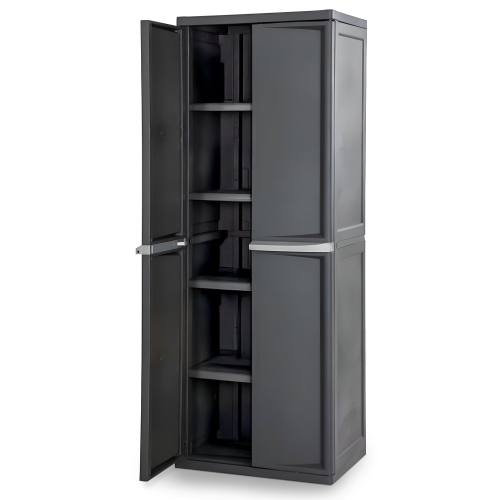 Your price for this item is $785.99
 -
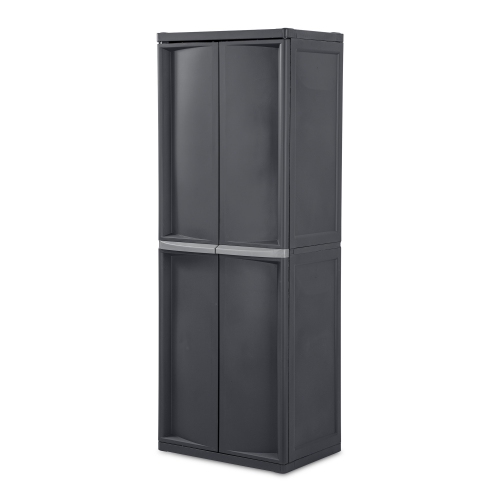 Your price for this item is $1545.99
 -
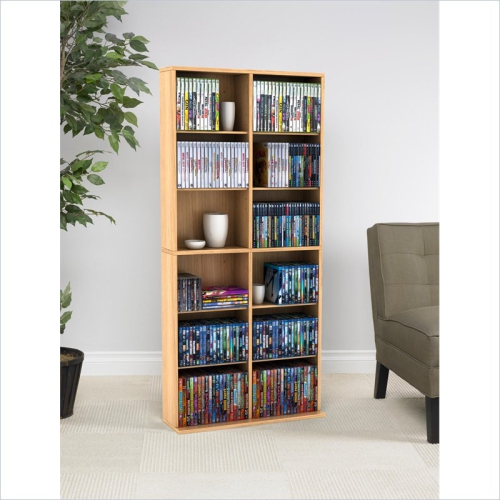 Your price for this item is $234.68
 -
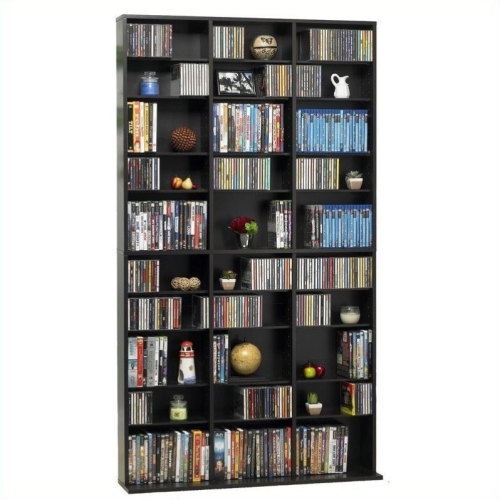 Your price for this item is $365.85
 -
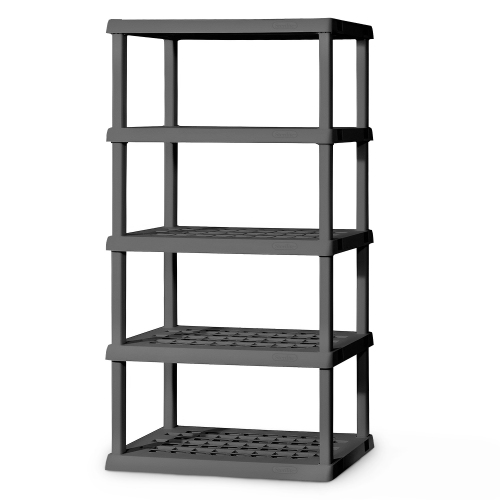 Your price for this item is $484.99
 -
 Your price for this item is $295.5
 -
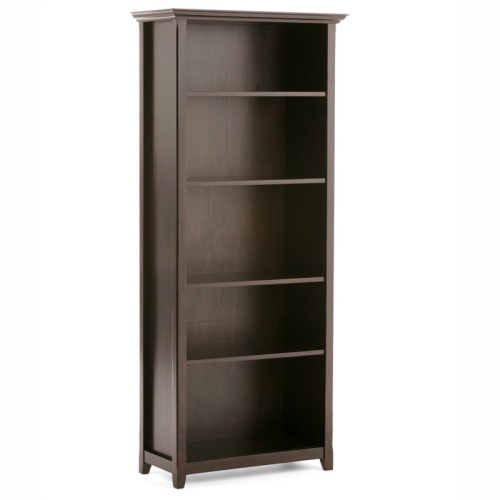 Your price for this item is $901.77
 -
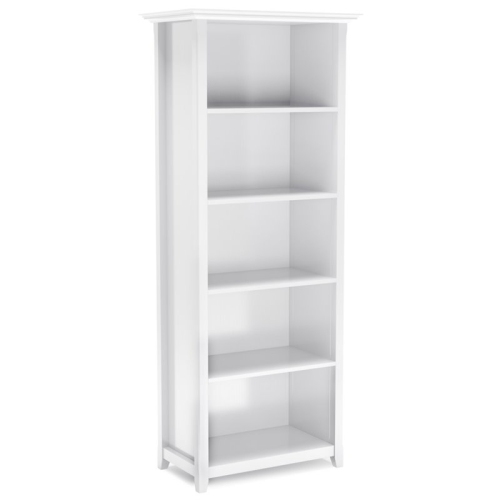 Your price for this item is $836.87
Discover more categories related to Natural Wood Cabinets

Top Collections:
Best Laptops for Video Editing, Pokemon Centers, Samsung Z Fold, Kindle Devices, Best Cell Phones Under $300, Best Laptops for Writers, Best Budget Office Chairs, Best Cell Phones Under $500, Best Laptop Computers for Students, iPhone 15 Apple
Some products may be subject to Environmental Handling Fees
(EHF) depending on your province.
Learn more about EHFs.