Natural Wood Kitchen Cabinets
Enhance the heart of your home with the timeless beauty of natural wood kitchen cabinets. Crafted with precision and designed to elevate your culinary space, these cabinets exude warmth, character, and sophistication. From their rich textures to their exquisite grain patterns, natural wood cabinets effortlessly blend functionality with style, creating a welcoming atmosphere that is both inviting and elegant.
Sort

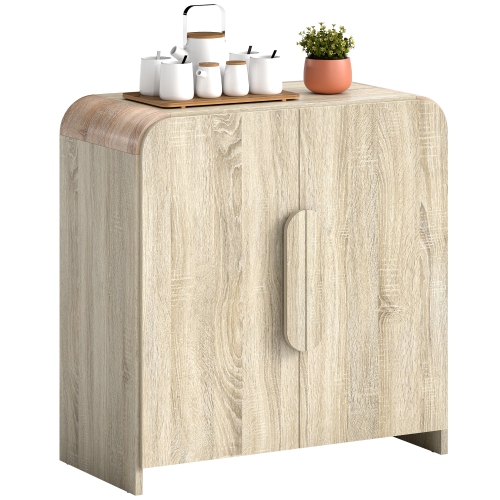
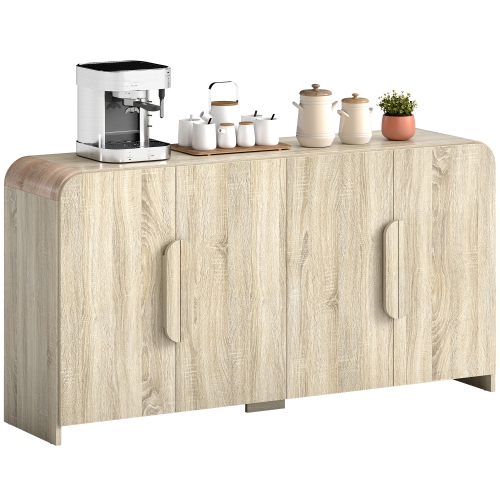
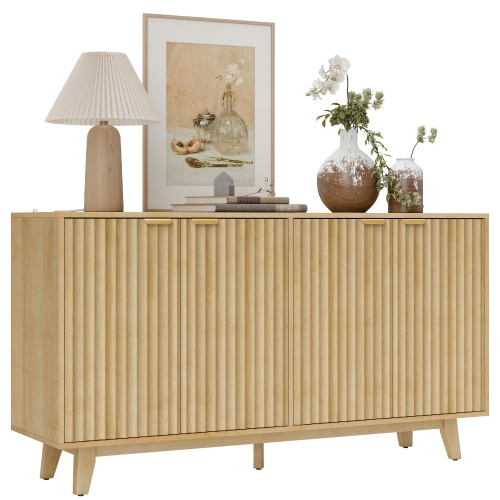
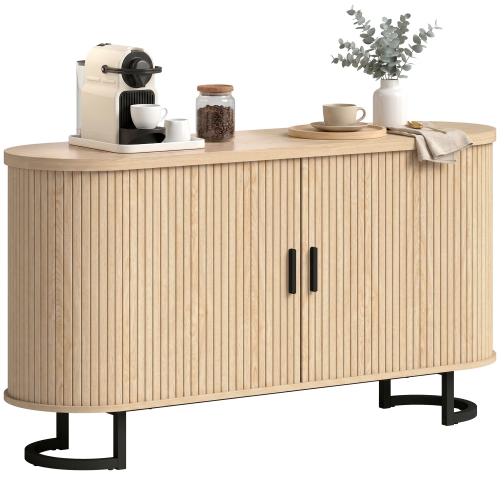
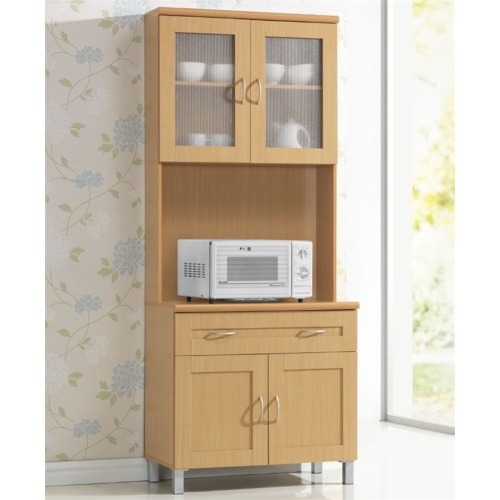
Wood species, finishes, and layouts shape your kitchen’s character
Natural wood kitchen cabinets bring warmth, texture, and character to one of the most active rooms in a home. The visible grain gives each door and drawer front a distinct appearance, while the natural variation in tone helps a kitchen feel considered rather than overly uniform. Depending on the wood species, cabinets may range from pale beige and honey tones to reddish brown or deep chocolate shades. White oak is often chosen for its subtle, clean grain and light golden-beige colour, making it a natural fit for contemporary, Scandinavian-inspired, and transitional kitchens. Maple has a tighter, more consistent grain and a smooth appearance that suits busy family kitchens and understated designs. Red oak has a more pronounced open grain with warmer undertones, bringing traditional kitchens, country-inspired spaces, and relaxed farmhouse interiors to life. Walnut is known for its rich brown colour and refined grain, adding a sophisticated look when used throughout a kitchen or as a focal point on an island. When comparing natural wood kitchen cabinets, look closely at the grain direction, colour depth, door construction, finish, and overall dimensions rather than judging by colour alone. Natural wood can look different under cool daylight, warm evening lighting, and the bright illumination commonly used over counters, so it helps to picture the cabinet finish in relation to the rest of the room. A clean Shaker door, flat-panel design, or full-overlay construction can give wood a fresh, modern appearance, while more detailed profiles may complement traditional décor. The right choice depends on the atmosphere you want to create, the amount of visual detail already present, and how the cabinets will work with your flooring, appliances, hardware, and lighting.
Planning the surrounding finishes is just as important as selecting the cabinet material. Light natural wood can help make a compact kitchen feel open and airy, while darker wood can create a grounded, intimate look in a larger room or an open-concept space. Pairing wood cabinetry with a crisp white quartz or stone countertop creates a bright contrast that lets the grain remain the focal point. Soft grey, cream, taupe, or muted green surfaces can produce a gentler palette, especially when the kitchen includes aged metal hardware, patterned tile, or warm lighting. Another popular approach is to use wood for the lower cabinets or kitchen island while choosing a painted finish for the upper or perimeter cabinets. This arrangement can add depth and break up a broad expanse of one material without losing the warmth that natural wood provides. Consider how cabinet colour will relate to existing elements that may remain in place, such as a backsplash, hardwood floor, dining furniture, or nearby living-room pieces. In an open-plan home, cabinetry is visible from several angles, so a finish that complements adjacent rooms can make the entire area feel more connected. Practical details also deserve attention. Measure the available wall and floor space carefully, account for door and drawer clearances, and confirm the layout before making a purchase. Think about where cookware, small appliances, dishes, food storage, and cleaning supplies will be kept, then look for a configuration that supports the way the kitchen is actually used. Families may appreciate durable, easy-to-wipe surfaces and generous drawer storage, while frequent hosts may prioritize a spacious island, wide drawers, and cabinets that keep serving pieces within reach. A smaller household may prefer a streamlined arrangement that keeps everyday essentials organized without making the room feel crowded.
Natural wood cabinetry can suit a range of renovation projects, from a complete kitchen redesign to a more focused update that changes the visual centre of the room. It can be used in a newly built home, a condominium kitchen, a basement suite, a cottage, or a dedicated food-preparation area where warmth and practical storage are equally important. Homeowners with a modern taste may choose a simple door profile, minimal hardware, and a restrained palette to highlight the natural grain. Those drawn to rustic or farmhouse styling may combine wood with apron-front details, aged-looking fixtures, open shelving, or textured backsplash tile. In a traditional kitchen, a more expressive grain and warm stain can work comfortably alongside panel moulding, classic hardware, and decorative lighting. If a full wood installation feels too visually heavy, consider using it selectively on an island, pantry wall, or lower run of cabinets. Conversely, a kitchen with cool white or grey finishes may benefit from a larger wood element that adds warmth and softens the overall impression. For shoppers comparing related colour families, [Brown Wood Kitchen Cabinets] can help provide another direction, particularly when a deeper tone is preferred for an island, bar area, or full cabinet layout. During the warmer and cooler parts of the year, kitchens often become gathering places for everything from quick breakfasts to long meals with family and friends, and a well-chosen cabinet finish can support that everyday rhythm. Take time to review measurements, storage needs, door style, wood species, finish, and coordination with countertops before choosing. The result should feel comfortable in daily use, complement the architecture of the home, and remain appealing as décor, lighting, and household routines evolve.
Planning the surrounding finishes is just as important as selecting the cabinet material. Light natural wood can help make a compact kitchen feel open and airy, while darker wood can create a grounded, intimate look in a larger room or an open-concept space. Pairing wood cabinetry with a crisp white quartz or stone countertop creates a bright contrast that lets the grain remain the focal point. Soft grey, cream, taupe, or muted green surfaces can produce a gentler palette, especially when the kitchen includes aged metal hardware, patterned tile, or warm lighting. Another popular approach is to use wood for the lower cabinets or kitchen island while choosing a painted finish for the upper or perimeter cabinets. This arrangement can add depth and break up a broad expanse of one material without losing the warmth that natural wood provides. Consider how cabinet colour will relate to existing elements that may remain in place, such as a backsplash, hardwood floor, dining furniture, or nearby living-room pieces. In an open-plan home, cabinetry is visible from several angles, so a finish that complements adjacent rooms can make the entire area feel more connected. Practical details also deserve attention. Measure the available wall and floor space carefully, account for door and drawer clearances, and confirm the layout before making a purchase. Think about where cookware, small appliances, dishes, food storage, and cleaning supplies will be kept, then look for a configuration that supports the way the kitchen is actually used. Families may appreciate durable, easy-to-wipe surfaces and generous drawer storage, while frequent hosts may prioritize a spacious island, wide drawers, and cabinets that keep serving pieces within reach. A smaller household may prefer a streamlined arrangement that keeps everyday essentials organized without making the room feel crowded.
Natural wood cabinetry can suit a range of renovation projects, from a complete kitchen redesign to a more focused update that changes the visual centre of the room. It can be used in a newly built home, a condominium kitchen, a basement suite, a cottage, or a dedicated food-preparation area where warmth and practical storage are equally important. Homeowners with a modern taste may choose a simple door profile, minimal hardware, and a restrained palette to highlight the natural grain. Those drawn to rustic or farmhouse styling may combine wood with apron-front details, aged-looking fixtures, open shelving, or textured backsplash tile. In a traditional kitchen, a more expressive grain and warm stain can work comfortably alongside panel moulding, classic hardware, and decorative lighting. If a full wood installation feels too visually heavy, consider using it selectively on an island, pantry wall, or lower run of cabinets. Conversely, a kitchen with cool white or grey finishes may benefit from a larger wood element that adds warmth and softens the overall impression. For shoppers comparing related colour families, [Brown Wood Kitchen Cabinets] can help provide another direction, particularly when a deeper tone is preferred for an island, bar area, or full cabinet layout. During the warmer and cooler parts of the year, kitchens often become gathering places for everything from quick breakfasts to long meals with family and friends, and a well-chosen cabinet finish can support that everyday rhythm. Take time to review measurements, storage needs, door style, wood species, finish, and coordination with countertops before choosing. The result should feel comfortable in daily use, complement the architecture of the home, and remain appealing as décor, lighting, and household routines evolve.
Top selling and popular products
-
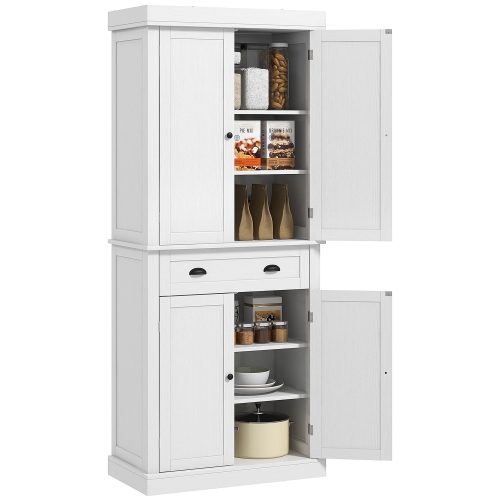 Your price for this item is $267.79
 -
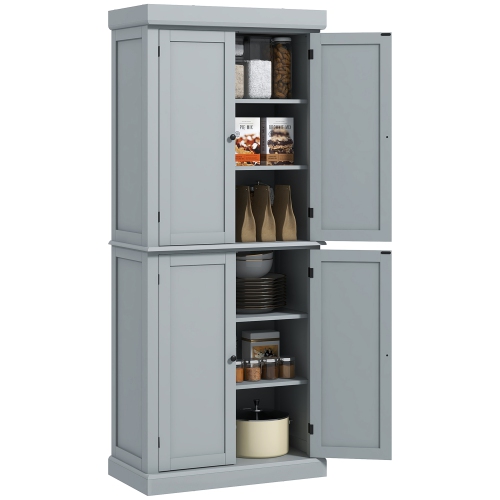 Your price for this item is $289.99
 -
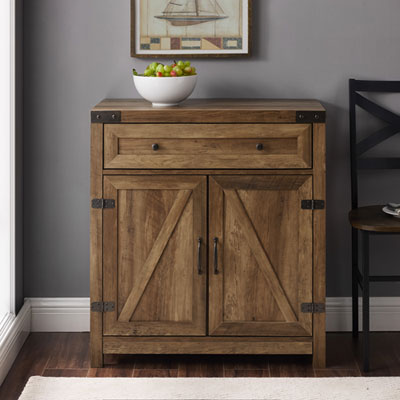 Your price for this item is $401.99
 -
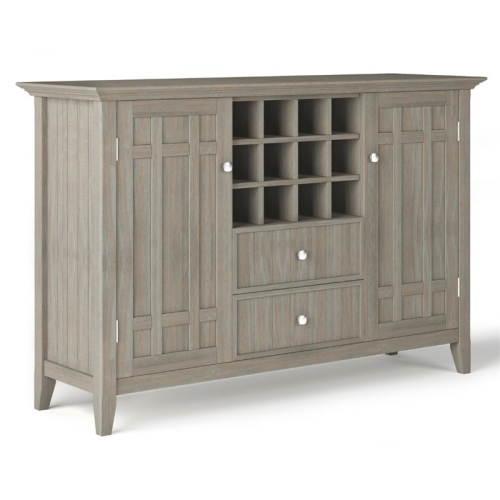 Your price for this item is $1375.51
 -
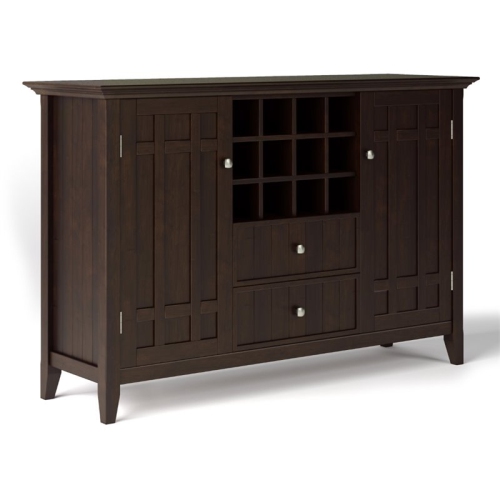 Your price for this item is $1271.6
 -
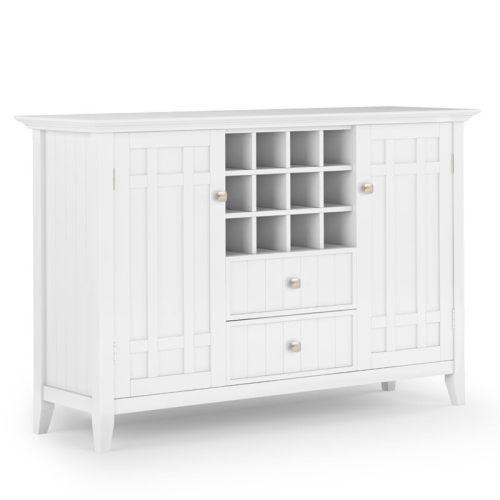 Your price for this item is $1447.73
 -
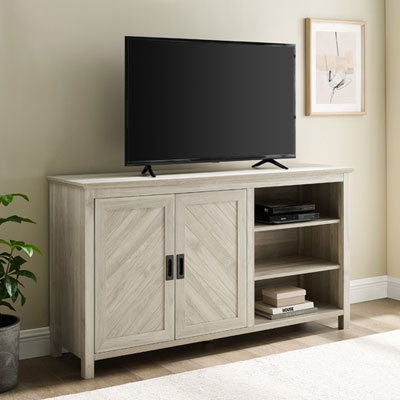 Your price for this item is $593.99
 -
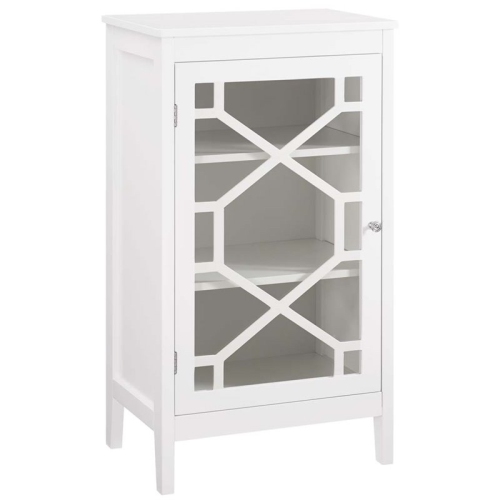 Your price for this item is $343.14
Discover more categories related to Natural Wood Kitchen Cabinets
Top Collections:
Best Laptops for Video Editing, Pokemon Centers, Samsung Z Fold, Kindle Devices, Best Cell Phones Under $300, Best Laptops for Writers, Best Budget Office Chairs, Best Cell Phones Under $500, Best Laptop Computers for Students, iPhone 15 Apple
Some products may be subject to Environmental Handling Fees
(EHF) depending on your province.
Learn more about EHFs.