Neon Bedroom Lights
Transform your personal space into a vibrant oasis with neon bedroom lights, the perfect accessory to elevate your room's ambiance. These eye-catching illuminations bring a splash of color and personality, creating an inviting atmosphere for relaxation or productivity. Whether you're looking to add a subtle glow or a bold statement piece, neon lights offer endless possibilities for customization. Ideal for any decor style, they effortlessly blend functionality with aesthetic appeal, making them a must-have addition to your bedroom setup. Discover how these dynamic lights can redefine your space and express your unique style.
Sort
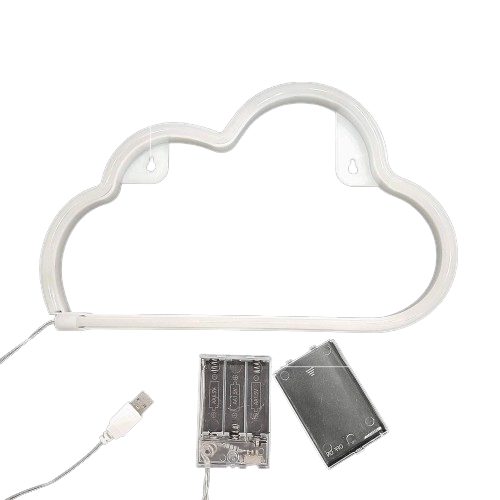
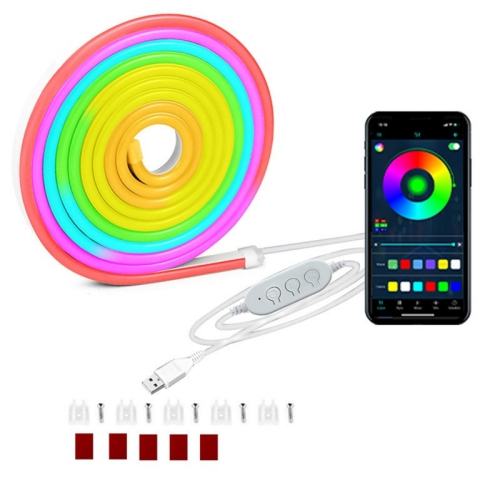
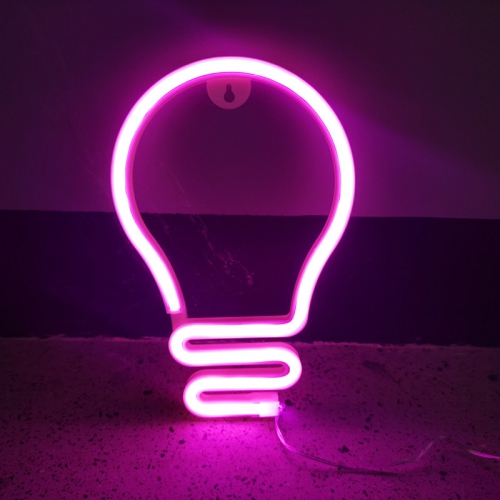
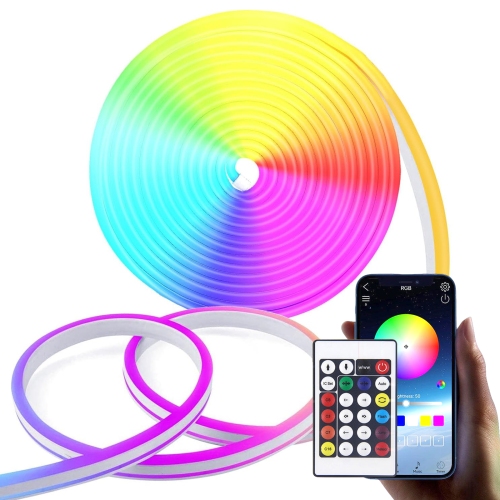
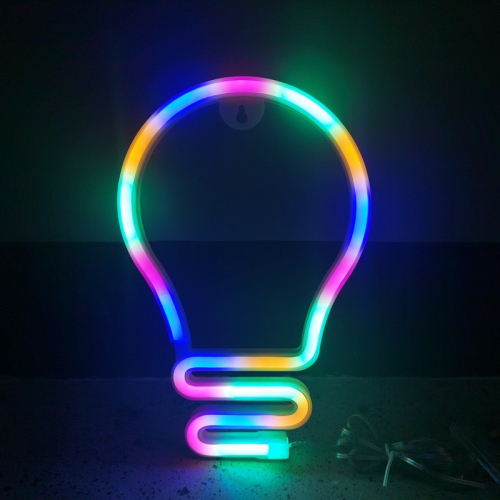
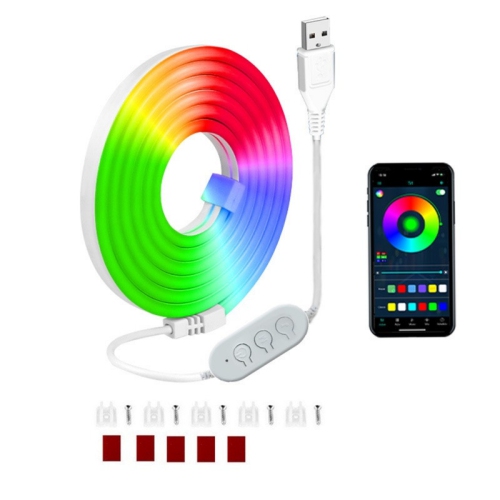


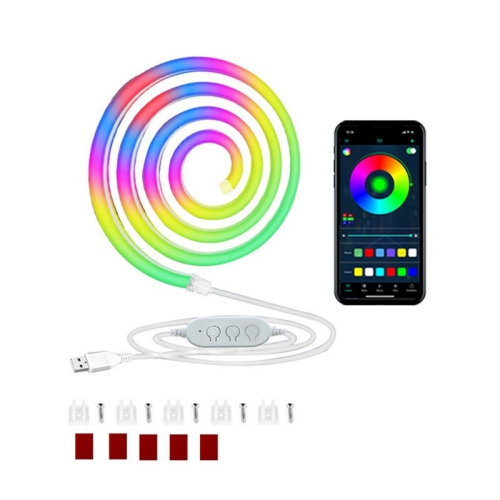
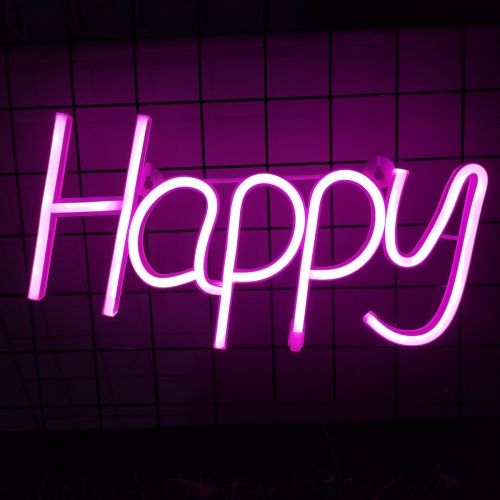
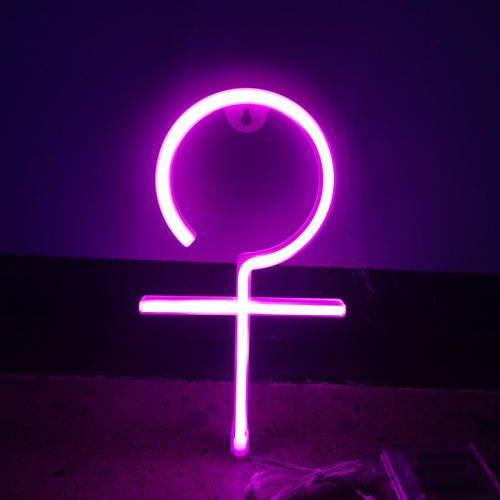
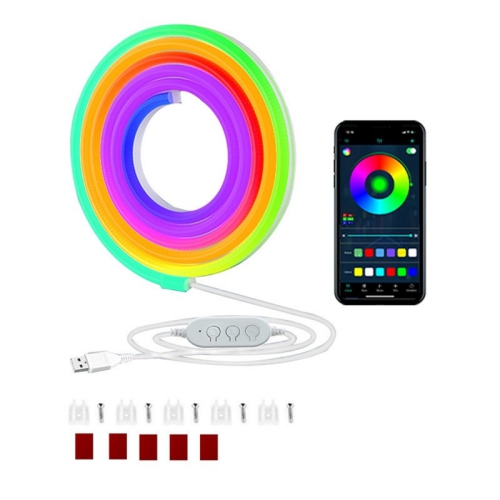

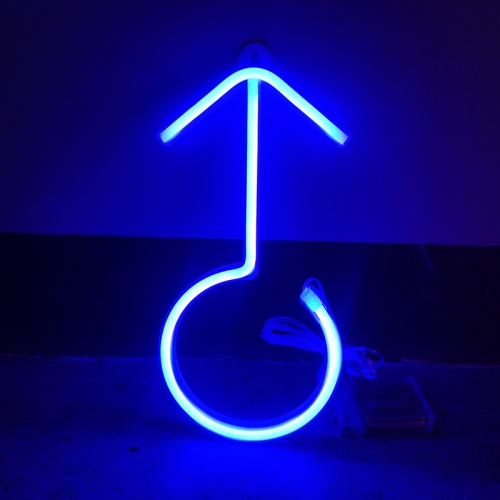
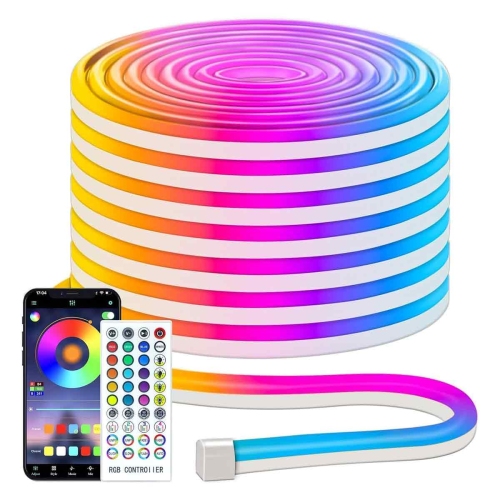

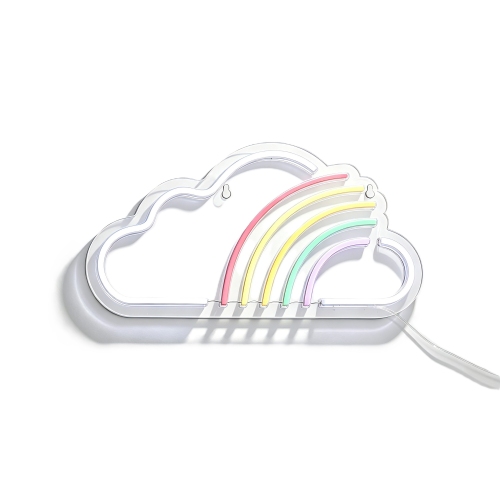
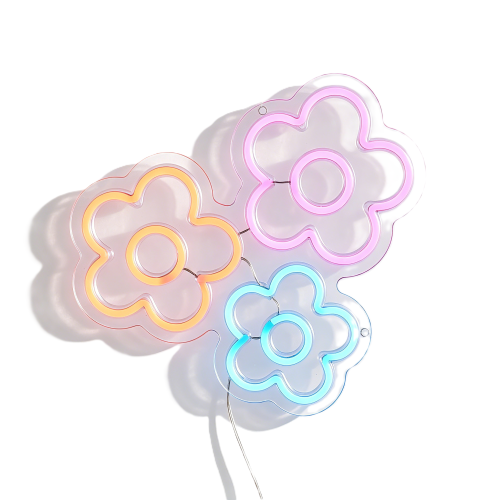
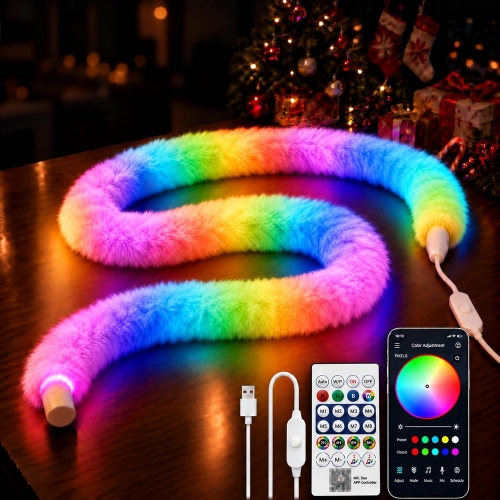
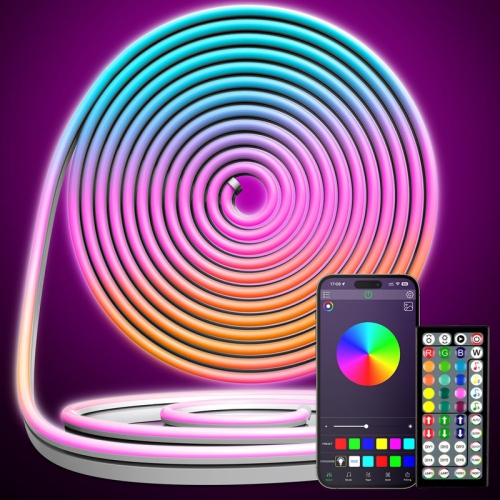

Glowing shapes that turn blank walls into focal points
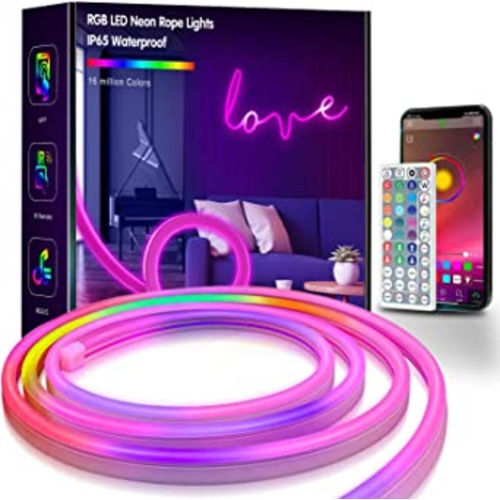
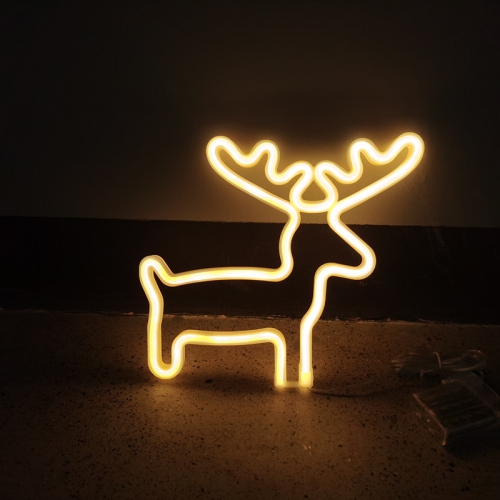
Neon bedroom lights add a distinct line of colour to a room, turning a blank wall, bedside shelf, or desk area into a focal point. The look can be playful or understated: a small glowing shape brings character to a reading corner, while a flowing line behind a headboard creates a softer backdrop without filling the wall with artwork. Most lighting sold as LED neon uses LEDs inside a flexible, light-diffusing covering rather than the gas-filled glass tubing associated with traditional neon. That construction gives the light its smooth, continuous appearance, although the visibility of individual LEDs varies with the design and viewing distance. Two common formats suit different decorating needs. Pre-shaped neon signs offer a finished design, such as a symbol, word, or outline, and may be intended for hanging or tabletop display. Flexible neon rope lights allow more freedom to create curves, frame a feature, or trace a section of wall, subject to the rope’s bending limits and mounting requirements. Standard LED strip lights can also create accent lighting, but an exposed strip does not necessarily produce the same diffused finish as a neon-style rope. Scale makes a noticeable difference in a bedroom. A compact sign can sit comfortably among books and framed photos, while a broad wall shape needs enough open space for its outline to remain clear. The full dimensions include any backing panel, stand, or cable connection, not just the illuminated section. Colour also changes how the light sits within the room. Pink or violet can make a gaming corner feel expressive, blue can give a display shelf a crisp outline, and warm white can blend more quietly with wood furniture and neutral bedding. These lights generally work best as an accent layer rather than the room’s only source of illumination. Pairing a neon feature with other Bedroom Lights allows reading, getting dressed, and relaxing to each have suitable lighting.
Materials, mounting, and power arrangements determine how naturally neon lighting fits into everyday use. Flexible LED neon commonly has a silicone or PVC covering, while shaped signs may have an acrylic backing, a moulded frame, or a separate base. A backing panel helps hold a design in place, but its outline and mounting holes may remain visible in daylight. Clear acrylic has a different presence from an opaque panel, especially against a dark painted wall. Rope lighting needs support along its route so curves stay deliberate rather than sagging between attachment points. Its minimum bend radius matters around tight corners, and flexible construction does not mean every rope can bend sideways, twist, or be cut to length. Only designs specifically made for cutting or extension should be altered in those ways. On painted walls, mounting suitability depends on the surface, the fixture’s weight, and the supplied hardware; adhesive can release or damage finishes, while screws leave holes. This is particularly relevant in rental bedrooms and student residences with restrictions on wall attachments. Power deserves just as much attention as the visible design. Plug-in, USB-powered, and battery-operated lights have different placement needs, and a USB connection does not automatically mean a suitable power adapter is included. Cable length, adapter requirements, and the position of the nearest outlet affect whether a sign can sit neatly above a desk or beside a mirror. Cords should stay clear of walkways, moving furniture, and sleeping areas, with no tension on connectors. Low-voltage LED construction can be practical for decorative lighting, but the adapter and light still require the clearances and handling specified by the manufacturer. Indoor-only lighting belongs in dry indoor spaces, and any electrical certification should be appropriate for use in Canada. For children’s bedrooms, secure installation and inaccessible cords and battery compartments are more important than a playful shape; decorative lighting is not a toy and should be kept away from cribs.
Controls can make the difference between a light that looks appealing in a photo and one that feels comfortable every evening. A simple on/off switch may be enough for a small display, while dimming is useful when the same room serves as a study space, gaming area, and place to sleep. Brightness settings vary, and even the lowest setting may feel prominent when the rest of the room is dark. Position matters too: light reflected off a wall can feel gentler than a bright outline directly in someone’s line of sight from the pillow. Colour-changing models offer different levels of control. RGB lighting typically mixes red, green, and blue to create a range of colours, while individually controlled segments can display several colours along one rope at the same time. Neither feature guarantees a dedicated white-light channel, so white-light quality is worth considering when a neutral glow is part of the intended look. Remote controls, onboard buttons, app control, timers, and sound-reactive effects are optional features rather than standard inclusions. Connected lighting may require a particular Wi-Fi band, a compatible phone, an account, or additional hardware, depending on the design. A physical control can be convenient when a phone is charging elsewhere, and a timer can prevent an accent light from staying on unintentionally. For a gift, a recipient’s preferred colours, available wall space, and interest in connected features are often more useful starting points than an elaborate lighting effect. A compact freestanding design suits someone who rearranges their room frequently, while a mounted outline may appeal to someone building a coordinated desk backdrop. Routine care is usually straightforward: disconnect power before cleaning, use the method specified for the materials, and avoid pulling on tubing or connectors when moving the light. Gentle handling, supported curves, and a placement protected from knocks help preserve both the appearance and the structure of a neon bedroom display.
Top selling and popular products
-
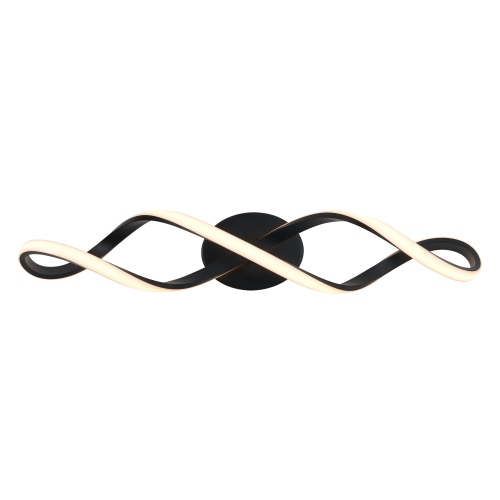 Your price for this item is $99.99
-
 Your price for this item is $297.99
-
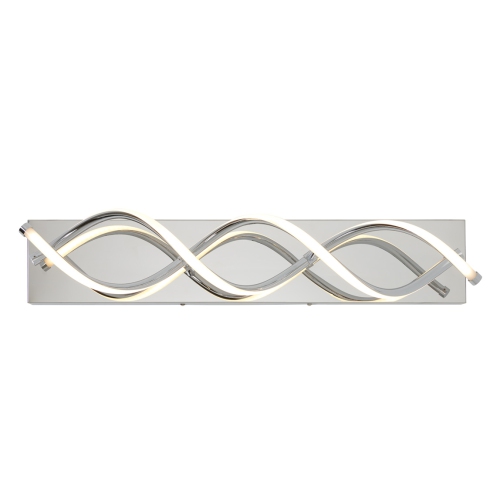 Your price for this item is $169.99
-
 Your price for this item is $159
-
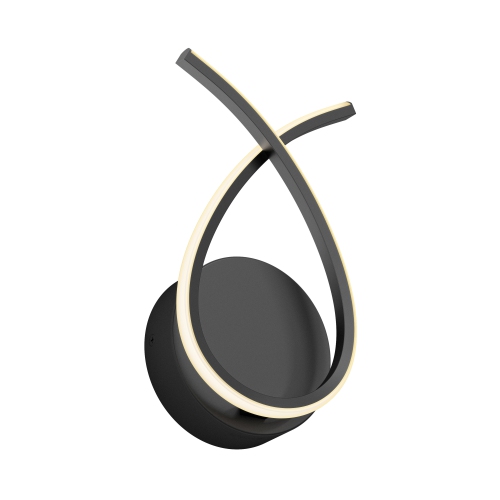 Your price for this item is $49.99
-
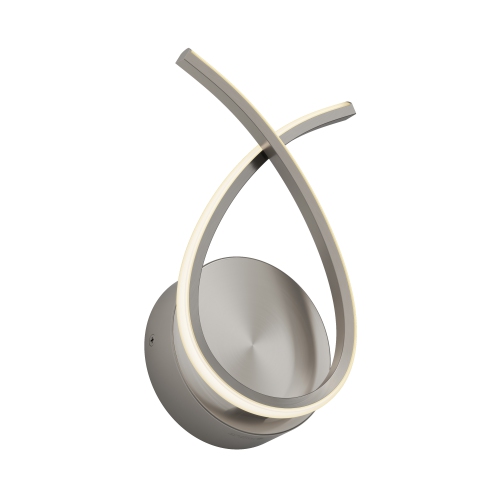 Your price for this item is $59.99
-
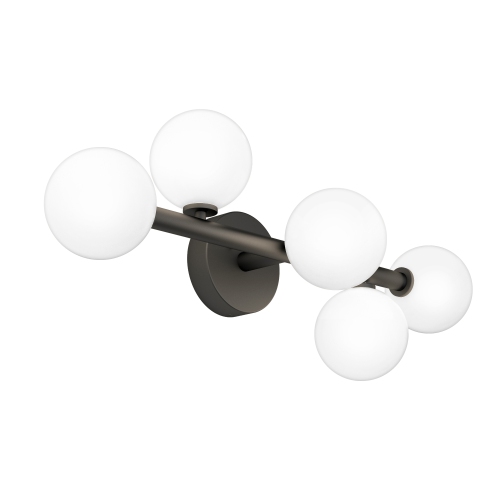 Your price for this item is $139
-
 Your price for this item is $129.99
Discover more categories related to Neon Bedroom Lights


Top Collections:
Best Black Friday Deals This Year, Best Black Friday Deals On Electronics, Kindle Devices, Dyson Airwrap, Best Cameras for Sports Photography, Best Budget Office Chairs, Canon G7X Cameras, PS5 Pro Consoles, Best Black Friday Deals On Apple Products, XBOX One S Consoles
Some products may be subject to Environmental Handling Fees
(EHF) depending on your province.
Learn more about EHFs.